
Opinion & Analysis
“We are past the time of superior and inferior product lines”

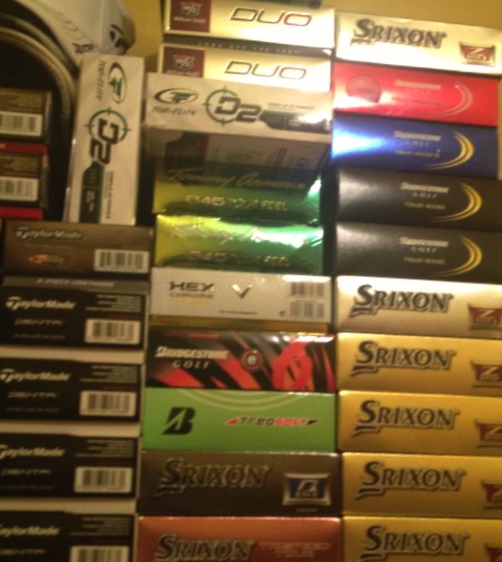
What was true, still is true and is likely becoming even more true is this: equipment doesn’t make any difference. Or perhaps more correctly, when analyzed with a single criteria of performance, the consumer has more choices now than ever before, all of which are top-shelf options.
You may decide to file that little bit of wisdom in the “duh” file. I know I’m treading on hallowed ground here and I’m certainly not one to claim I haven’t fallen victim to a marketing scheme or two. But if we look at the golf industry at a macro level, the real story is parity. No one makes a bad product and in fact, pretty much every major original equipment manufacturer turns out high-quality products worthy of play by the most demanding players in the world: touring professionals.
We are past the time of superior and inferior product lines. Many of us still remember Phil Mickelson’s back-handed compliment to Tiger Woods calling Tiger’s Nike equipment “inferior.” But that was 10 years ago, and my how times have changed.
Now demand for certain product lines is now largely a function of perception, customization and past behavior. As such, we’ve also witnessed market consolidation and OEM’s playing their own version of “anything you can do, I can do pretty much the same thing.” Call it shared technology or imitation, either way we certainly in a place where “it’s all good.”
Golf Balls
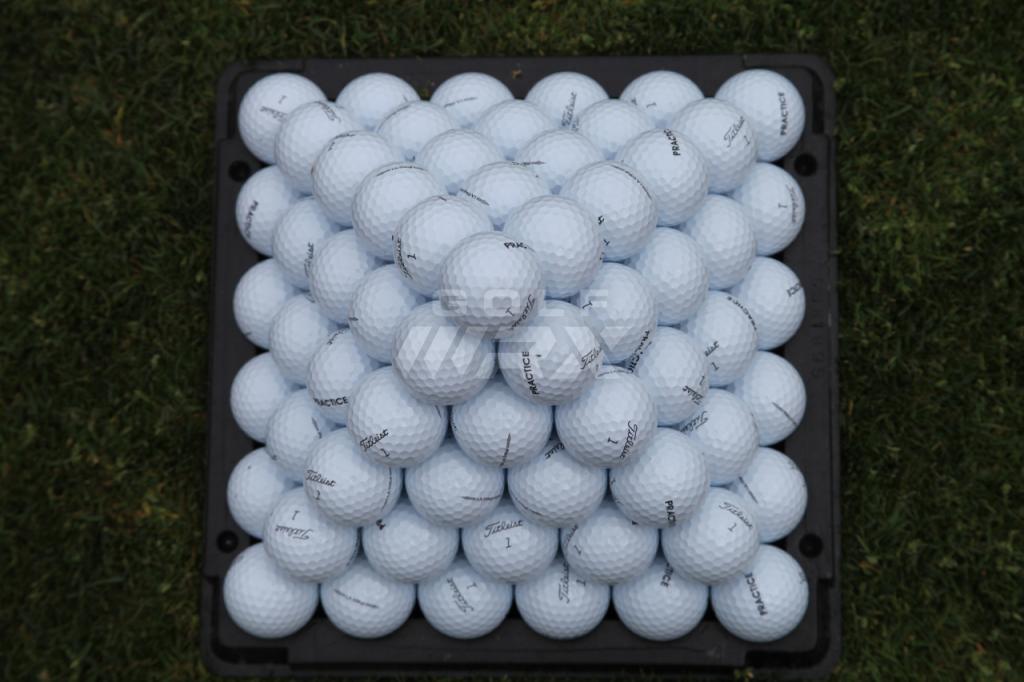
In late 2000, Titleist released its ProV1 ball in Las Vegas. Its game-changing ball marked a paradigm shift from wound-core balls to solid-core balls. Billy Andrade won that event in Vegas and the race to catch up to Titleist was on. Unfortunately, for all would-be suitors, Titleist was well down the road and to this day still holds nearly 50 percent of the ball market worldwide. It’s a pretty nice complement when TaylorMade CEO Mark King commented, “We’re not going to get into a fight with Titliest, at least not for the ball. It’s what they do. They would defend it till their death.” Enough said.
Don’t let the market dominance figures lead you to believe that the performance difference is anything but razor thin. Last year’s FedExCup winner, Brandt Snedeker, is just fine with his Bridgestone Tour B330 ball and nearly $15 million in 2012 earnings. Bridgestone has been producing golf balls since 1935 and most people don’t realize that Nick Price won the 1994 PGA Championship and 1994 British Open using a solid core ball from Precept (division of Bridgestone). Currently, Bridgestone, the No. 1 ball fitter in golf, offers four Tour-level solid core balls.
Callaway got into the ball market in 2000 by hiring Chuck Yash, formerly with TaylorMade. During the last decade, Callaway has expanded its offerings partnering with aerodynamic specialists at Boeing to determine efficient and effective dimple patterns. Currently, Callaway offers a Tour-level ball for higher swing speeds (Hex Black) and one for lower swing speeds (Hex Chrome). They’ve recently also added the HEX Chrome +, which fits in between.
Wedges
Inspired by the personal airplane of tycoon Howard Hughes, Gene Sarazen developed the blueprint for the modern sand-wedge. This was the late 1920s. In 1988, Cleveland golf introduced its fifth generation wedge, the 588. They looked basically the same. Now, most OEM’s (Titleist, Cleveland, Nike, Mizuno, etc.) offer multiple lofts, bounce options, grinds and finishes.
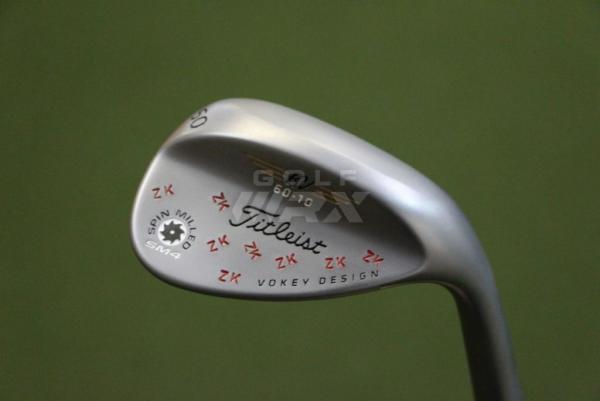
For those desiring a wedge-experience once reserved only for Tour pros, Titleist offers its WedgeWorks program. Wedge guru Bob Vokey and his team will build you a one-of-a-kind wedge with your choice of loft, grind, finish and stampings. Titleist launched this initiative in August of 2011, and soon thereafter Cleveland followed suit with its iteration, aptly named “My custom wedge.” Of course, this level of service isn’t anything new for customers of Scratch golf, the boutique brand which started in 2003 and whose motto “Your game customized” defines their entire business model.
Irons
There have always been myriad options for players wanting maximum workability and minimum forgiveness. Like many of you, I have fond memories of my Wilson staff blades, Hogan Apex blades, Mizuno MP-29s and well, you get the idea. Fast forward to the new millenium:
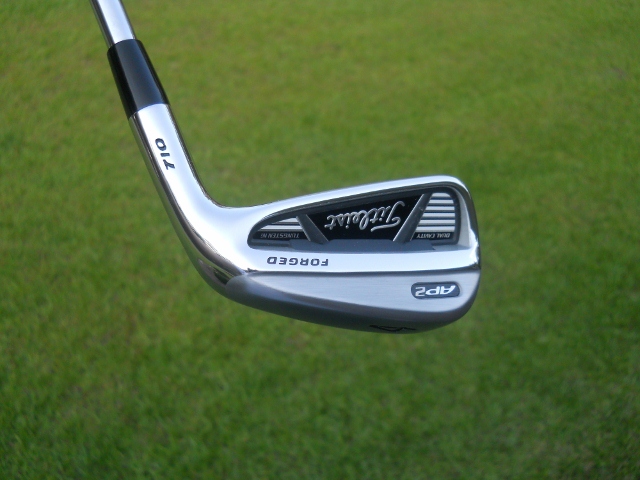
In 2008, Titleist introduced the AP2 (Advanced Performance) line of irons, which endeavored to broach the players category of irons buy offering tour level workability while maintaining the solid feel of a forged iron and increased forgiveness on mis-hits. In order to accomplish this, Titleist used multiple materials including forged steel (feel), tungsten weights (increased MOI) and an elastomer insert (vibration dampening and optimal sound). According to Titleist, the result is an iron with great feel, Tour-level workability and a traditional players appearance from address or in laymen’s terms, an iron any really really good golfer will love.
Titleist got the early jump in the category, but here’s a few products from other OEMs that are in the same category as the AP2’s:
- Adams CMB
- Callaway X Hot Pro
- Cobra AMP Forged
- Mizuno JPX-825 Pro
- Nike VR_S Forged
- Ping Anser Forged
- TaylorMade Rocketbladez Tour
Fairway Woods

Whether you call it a fairway wood or a “fairway metal,” this category was once more about reliability than distance. It was in this environment that Tour Edge Exotics found a niche market and a cult following. The “CB” series of fairway metals featured a titanium combo-brazed face and hyper-steel body, both attributes still found in the fifth edition (CB5) of the player-oriented fairway wood. The company touted it as the longest fairway metal available, even offering a money-back guarantee. And it’s easy to offer a guarantee when you’re right. However, without a connection to a major OEM and a comparatively higher price tag, the company simply couldn’t access a majority of this newfound market.
Enter TaylorMade “RocketBallz,” or RBZ. They debuted in 2012 and promised golfers 17 yards of increased fairway metal distance. Heck, Phil Mickelson the face of Callaway, even put an RBZ 3 wood in play until Callaway could come up with something to kick it out. This year, RBZ Stage 2 fairway woods are promising 10 more yards on top of the 17 from last year, an assertion the OEM no doubt believes is “ballz-ier” than before. In addition, Callaway promotes its new X Hot line of fairway metals to be “longer from everywhere.”
Also, building on momentum from 2012 and its acquisition by TaylorMade, Adams has fixed a couple quality control issues in its distance fairway line (XTD) with the Super LS series that have a characteristic time (CT) that approaches 250. The legal limit as set by the USGA is 256.
Hybrids
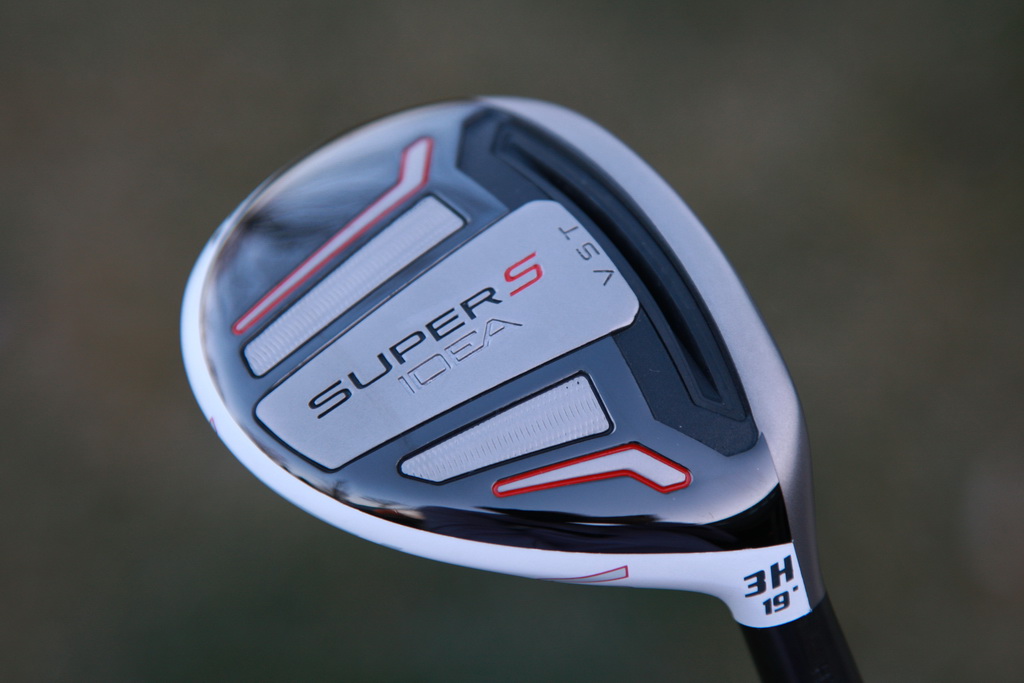
In 2002, TaylorMade produced one of the first hybrids, the Rescue Mid, that gained significant acceptance on professional tours. But it has been Adams Golf that has built a loyal and significant following on the senior PGA Tour and now is the most played hybrid worldwide.
Right now, it’s impossible to find an OEM that doesn’t offer some kind of hybrid or rescue in its current line. They’re longer, more attractive and more versatile than previous models across the board.
Driver
TaylorMade introduced MWT (moveable weight technology) in 2004 with the R7 quad driver. Naysayers labeled the club gimmicky and over-hyped marketing snake oil. Such armchair analysts general fail to mention that the R7 was used in 50 percent of victories on the PGA Tour that year. While this was a significant departure from the rest of the driver industry, it was nothing compared to what TaylorMade did in 2011. Call it the great golfing whiteout. TaylorMade introduced the R11 with a matte white club head. Black was out and white was in. It almost seemed antithetical, or sacrilege or something, but it was definitely different.
The R11 also had MWT, ASP (an adjustable sole plate) and the ability to change effective loft, lie and shaft via its FCT (Flight Control Technology). The gauntlet had been laid down.
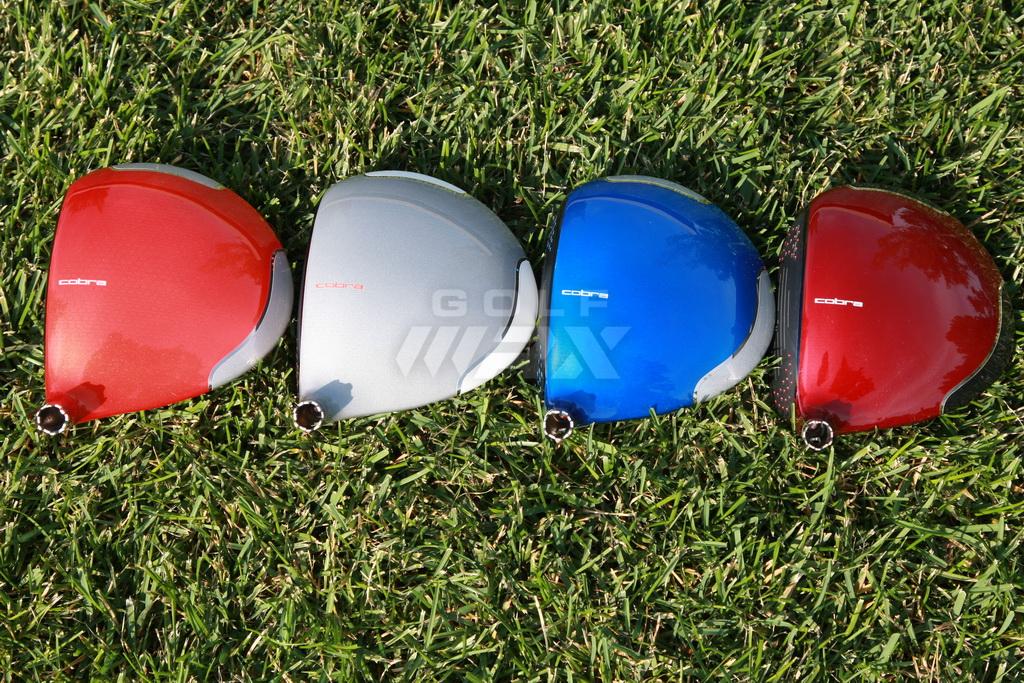
Again, skeptics decried the new white paint and called it uglier than sin; a fad with less shelf-life than a Kardashian marriage. TaylorMade went on to lead world-wide usage in 2011, an exclamation point on a decade of dominance. In 2013, TaylorMade debuted the its R1, a white-headed driver with crown graphics. Also into colored drivers is Cobra (blue, silver, white, red, black and orange), Nike Covert (Red), Adams LS (white) and Callaway (matte grey).
Putter
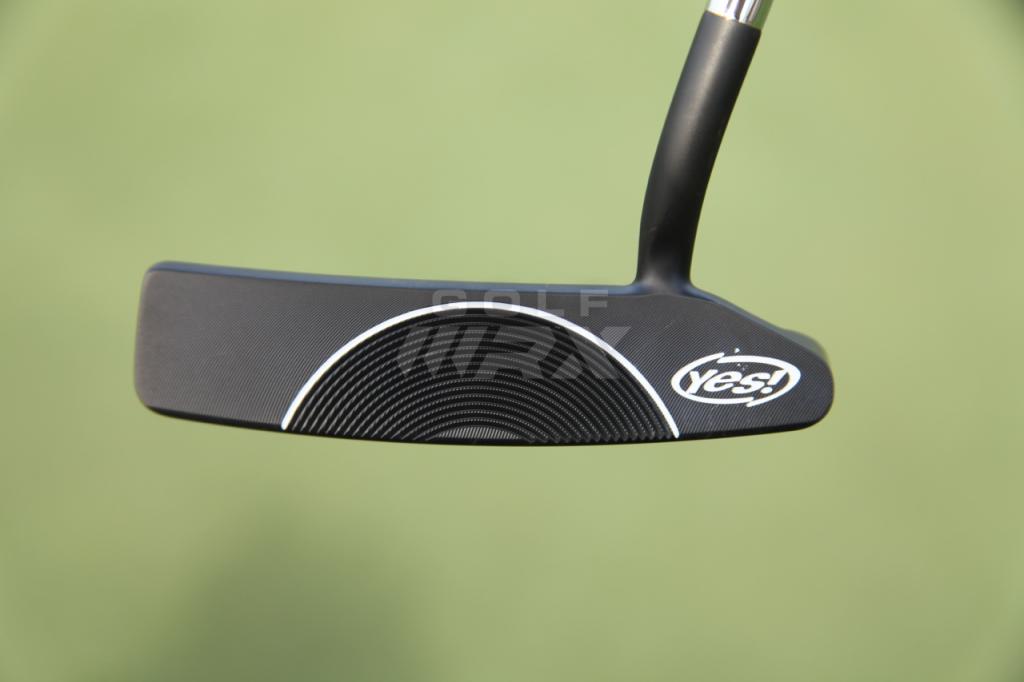
Putters are as individual as the player themselves. They’re function over form, more art than science — or so we thought. Patented on March 21, 1967, the Ping Anser putter is the most emulated putter design of all time. Scotty Cameron has had success with its similar Newport and Newport 2 putters, while Odyssey calls its version simply #2. That being said, the Anser is still the bar, still the blueprint to which all similar putters will be compared. It’s kind of like when a brand becomes so powerful, you forget to remember it’s a brand; think Band-Aid, Kleenex, ChapStick, Q-Tip and Anser.
Lately, there’s been a trend of “grooved” putter faces. What began in 1995 with C-Groove technology lead by European putter designer Harold Swash, has now led to textured or “grooved” putter faces from nearly every manufacturer.
The Takeaway
No matter how you slice this pie or skin this cat, each and every major OEM is gold-list worthy in the court of public opinion, and more importantly on the course where incomes are earned. Contrarians will say that equipment contracts are all about money, and to a degree this is true. However, money in the absence of performance simply does not jive in this game of meritocracy. The player who chases short term money in place of long term success will only realize the former. As much as some of us like to debate the minutia of spec tolerances, grinds, finishes and the endless list of what differentiates one product from another, the simple truth is you and I would have the same handicap regardless of where our OEM allegiances lie.
We know there are lies, damn lies and statistics, but consider this:
World Rankings (as of March 1, 2013) by primary OEM sponsor
1. Nike
2. Nike
3. Mizuno
4. Bridgestone
5. Ping
6. TaylorMade
7. Titleist
8. Bridgestone
9. Ping
10. Cobra
11. Ping
12. Callaway
13. Titleist
14. Nike
15. Titleist
16. Titleist
17. TaylorMade
18. Srixon/Cleveland
19. Srixon/Cleveland
20. TaylorMade
21. Ping
22. TaylorMade
23. Nike
24. Callaway
25. TaylorMade
I know the sample size isn’t ideal, so take it for what it’s worth, but based on the top-25 players in the world:
4 play Nike
2 play Srixon/Clevland
1 plays Mizuno
2 play Callaway
5 play Taylor Made
4 play Titleist
4 play Ping
1 plays Cobra
2 play Bridgestone




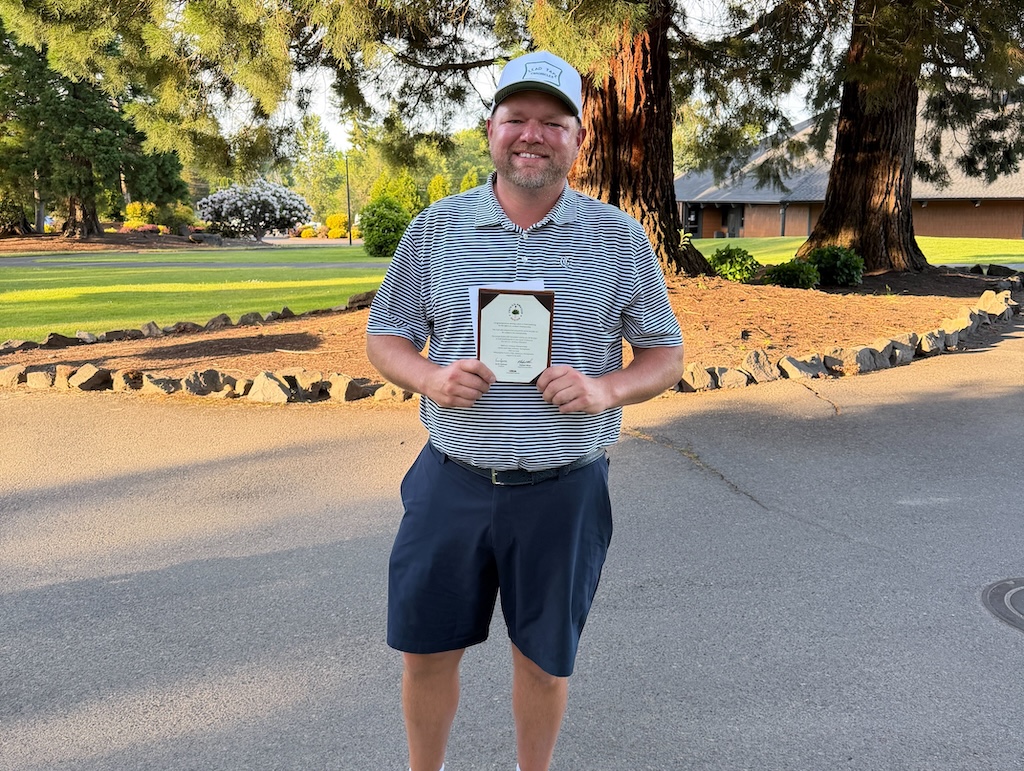
This past Monday, I played in the U.S. Amateur local qualifier at Rock Creek Country Club in Portland, Oregon. A full tee sheet from 7:30 a.m. to 1:55 p.m., the top 11 scores would make it to the U.S. Amateur final qualifying.
I teed off at 10:48 a.m.. With the 7:30 am tee time, you can get a feel for the leaders’ pace, and they were off and running on the challenging setup at Rock Creek.
View this post on Instagram
Getting to the highlight of the round on the par five 17th, a drive up the left side and 212 yards left to the front hole location. I took out a 5-iron with plans of middle of the green. The ball ended up 8 feet left of the hole, pin high. A slight downhill putt dropped in for an eagle 3 on the 17th. With the cut line looking to be anywhere from -2 to even par. This was the boost I had been waiting for all day.
With making par from the trees on 18, it was time to wait for a potential playoff with a posted score of one under par 71.
Three hours later, it was playoff time. 8 players for 6 spots. I made par on the playoff hole, which was good enough to advance to the U.S. Amateur final qualifying in July. USGA qualifiers sure deliver on all of the emotions in golf!
Club Junkie
Building my 2026 gamer WITB: Ranking the contenders and new putter projects – Club Junkie Podcast

The annual What’s In The Bag build is underway, and on this episode of Club Junkie, Brian breaks down the clubs currently leading the race for a spot in his 2026 gamer setup. From drivers and fairway woods to irons, wedges, and shafts, he ranks the equipment that’s performing best and explains what’s separating the front runners from the rest of the field.
Brian also heads into the workshop to discuss several putter projects currently on the bench. From head options and shaft choices to build ideas and testing plans, he shares what he’s working on and which putters could become serious contenders for the bag this season.
If you’re a gear junkie who loves equipment testing, club building, and the never-ending pursuit of the perfect setup, this episode is for you.
Follow Club Junkie:
Instagram: @clubjunkiepod
TikTok: @clubjunkiepod
Threads: @clubjunkiepod
X: @ClubJunkiePod
Club Junkie
Tour Edge Exotics mini driver review + TaylorMade Spider ZT Max first look – Club Junkie

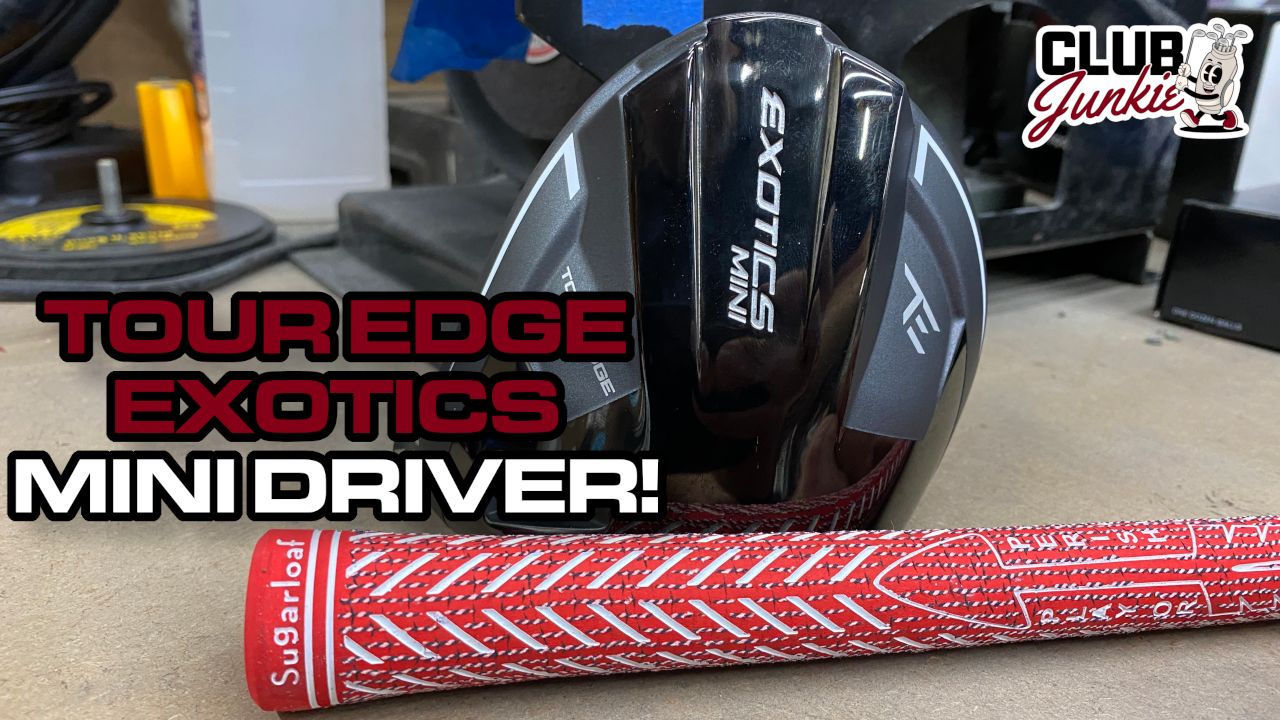
On this episode of Club Junkie, I put the new Tour Edge Exotics Mini Driver to the test and break down the performance, forgiveness, distance, and where it fits compared to a traditional driver or strong fairway wood. If you have been curious about adding a mini driver to the bag, this one is worth a look.
I also dive into the new TaylorMade Spider ZT Max putter that was recently spotted and discuss the growing zero torque putter trend. Plus, there is a closer look at the new Project X Titan Yellow shaft showing up on the PGA Tour and what makes it different from other profiles currently out there.

What’s the story behind Webb Simpson’s custom-stamped irons?

Memorial Tournament Tour Report: Rory McIlroy, Cameron Young switch up drivers, and more

Cadillac Championship Tour Report: Spieth’s sizable changes, McLaren Golf launches, and more

Russell Henley’s winning WITB: 2026 Charles Schwab Challenge

Kristoffer Reitan’s winning WITB: 2026 Truist Championship

Best irons 2026: Best irons overall, most forgiving irons, and more

J.T. Poston’s winning WITB: 2026 Memorial Tournament

Aaron Rai’s winning WITB: 2026 PGA Championship

Cameron Young’s winning WITB: 2026 Cadillac Championship

Details on Jason Day’s latest prototype Avoda iron setup


Christiaan Maas WITB 2026 (June)
Driver: TaylorMade Qi4D LS (8 degrees) Shaft: Fujikura Ventus TR Blue 6 X 3-wood: TaylorMade Qi10 (15 degrees) Shaft: Fujikura Ventus Black...


Ryan Palmer WITB 2026 (June)
Driver: Callaway Quantum Triple Diamond (9 degrees) Shaft: Project X HZRDUS Smoke Blue RDX 60 TX 3-wood: TaylorMade Qi10 (15 degrees) Shaft:...


Bud Cauley WITB 2026 (June)
Bud Cauley had >14 clubs in his bag when photographed prior to the Memorial Tournament. Driver: Titleist GTS2 (8 degrees) Shaft: Fujikura...


Hannah Green WITB 2026 (June)
Driver: Titleist GTS3 (10 degrees, D4 SureFit setting) Shaft: Mitsubishi Chemical Diamana RB 53 S 3-wood: Titleist GT3 (15 degrees,...
-
 Equipment6 days ago
Memorial Tournament Tour Report: Rory McIlroy, Cameron Young switch up drivers, and more
-
 News2 weeks ago
Russell Henley’s winning WITB: 2026 Charles Schwab Challenge
-
 Equipment3 days ago
Best irons 2026: Best irons overall, most forgiving irons, and more
-
 Whats in the Bag4 days ago
J.T. Poston’s winning WITB: 2026 Memorial Tournament
-
 Equipment1 week ago
Details on Jason Day’s latest prototype Avoda iron setup
-

 Equipment3 weeks ago
CJ Cup Byron Nelson Tour Report: Koepka and Kim’s newest putters finally get hot
-

 News2 weeks ago
Charles Schwab Challenge Tour Report: MacIntyre, Åberg and Spaun all switch putters, TaylorMade launches new Spider
-

 Equipment2 weeks ago
Details on J.J. Spaun’s surprise putter switch


Pingback: Considering A Macgregor Tourney Junior Individual Woods
dg7936
Aug 10, 2013 at 9:12 pm
There may be MORE well-made products available today: however there are many more gimmicky products on the market also. Comparing product lines from the 80’s, most manufacturers had a small number of iron and wood models to manufacture versus the wide range of products available today..hybrids, gap and lob wedges, high-tech balls, exotic putters. So all of these may be well-made but will never create the following of the older companies who specialized in truly excellent products…hogan/macgregor/ram irons, powerbilt citation woods, etc etc. We have a more democratic market but also more marketing. Which does not really work, as the average handicap has remained the same for 20+ years. So where is the benefit to the average joe?
undermined
Apr 26, 2013 at 10:28 pm
All this “history” and no mention of Wilson or MacGregor. Wilson is still around and makes outstanding forged irons and nice wedges.
G
Apr 12, 2013 at 3:44 am
Except for the crap you can still buy at places like Walmart, Kmart, Target, Sports Authority, Sport Chalet, etc etc……. you know, them places where they still sell the inferior brands?
This article is bogus.
DJ Golf
Apr 3, 2013 at 2:54 am
When everyone is special, no one is special.
Matt
Mar 28, 2013 at 5:07 pm
Fact is Tiger switched from titleist also….everyone usually does.
Rory will figure it out!
Tiger did
PAul Roberts
Apr 5, 2013 at 9:33 am
Very true, however it took Tiger years’s to switch to a bag full of Nike (forget the putter), He went with Nike driver and ball but still used Titleist woods, irons and wedges for a few years until Nike built what he wanted/liked.
lbholly
Mar 27, 2013 at 3:27 pm
I’m Calling BS on all the history in this article you obviously knew nothing of the golf business pre 2008
gunmetal
Mar 25, 2013 at 12:09 am
Not to mention all of the offerings from brands that don’t pay pros to use their products…Wishon, KZG, Miura, Scratch, Scor, etc. All of that stuff is just as good as pay for play stuff, just not as recognizable.
Rich
Mar 24, 2013 at 12:02 am
Great article. Funny how a companies like mizuno,bridgestone, and cobra are in the top 25 yet they barely pay anyone out there to play their clubs unlike other companies!
NG
Mar 25, 2013 at 4:49 am
They would too, if they could….
footwedge
Mar 27, 2013 at 10:03 am
Also, the big brands that have many players on their payroll should be winning a proportinately larger share of tourneys, buy they don’t. Equalized statistics will emphasize the fact that no brand is far superior, regardless of their marketing budget.
marionmg
Feb 15, 2014 at 10:27 pm
I wouldn’t say Bridgestone barely paid DL3 to leave Titleist…just sayin’
Gabbo
Mar 23, 2013 at 9:30 pm
Good article. While there has been a lot of innovation the past 10 years, the overwhelming majority of stuff out made the last 5 years is REALLY good. And with a soft used market, everybody has access to excellent equipment for dirt cheap.
It’s a far cry from 20 years ago where you either ponied up big $$$ for top notch clubs or were stuck playing truly inferior discount clubs and clones.
chris
Mar 22, 2013 at 3:34 pm
Would agree from a pros perspective where they are fitted with the best of the best. From a retail perspective, fit and finish, quality of components (including real and made for shafts), and clubs built true to specs are miles apart. Most OEMs can’t even get the grips on straight….
Todd
Mar 22, 2013 at 2:18 pm
How can you put Nike as the world #1 (Rory) when he has been anything but since the switch. He earned the spot with Titleist, he is giving it away with Nike.
Blanco
Mar 23, 2013 at 11:15 pm
The author’s made a simple list showing who sponsors each player in the top 25… not an endorsement.
Keep beating the ‘Titleist rules/Rory’s a sellout’ to death–