
Equipment
Details on Jason Day’s latest prototype Avoda iron setup

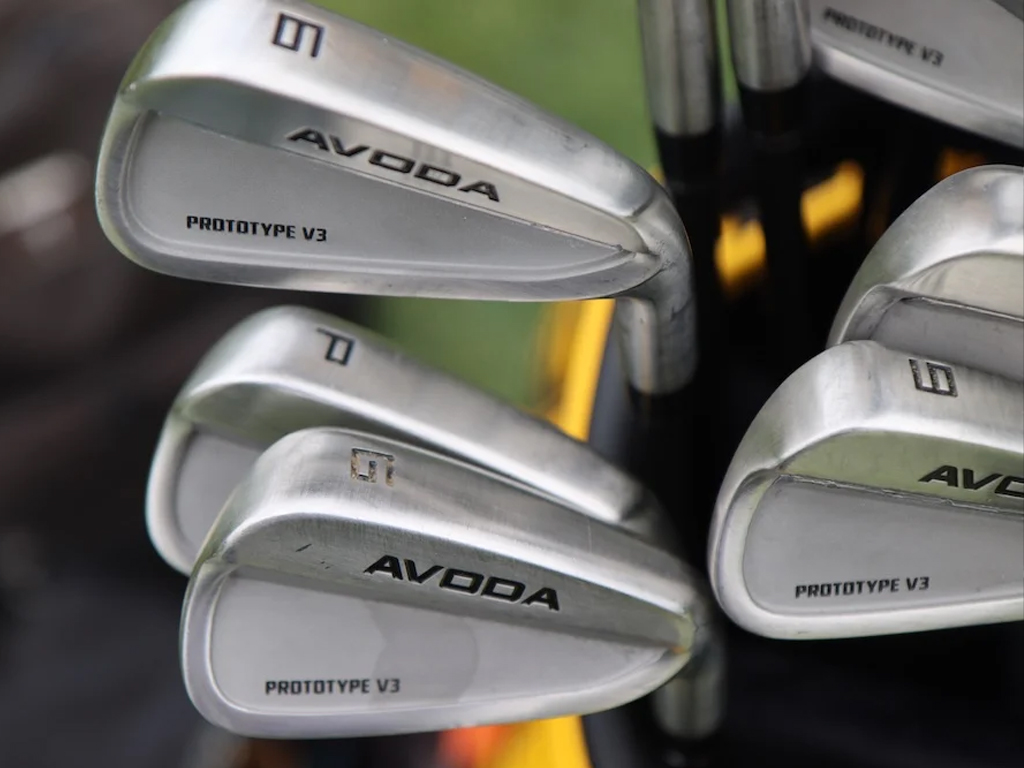
Jason Day is back in his V3 Avoda prototype irons. That’s not new for him. He’s been switching between irons this year to help as he goes through phases of what shots he’s looking to hit. One set will shape the ball more naturally for the Australian, while the other helps straighten up his ball flight.
What is new this week at the 2026 Memorial Tournament, hosted at Jack Nicklaus’ Muirfield Village Golf Club, is the concept of progressive swing weighting through Day’s iron setup. Each head has now been weighted using lead tape through the longer irons to increase the swing weight.
“We’ve seen that the majority of players, as the ball moves forwards in their stance, fractionally increasing the swing weight just helps delay the release a little bit,” said Tom Bailey, Avoda Golf Founder, when GolfWRX caught up with him to talk about Day’s newest endeavor. ” It gives them more time to get to that forward ball position.”
It’s a pretty simple philosophy for a company that does some really in-depth club concepts. Basically, the further back the ball position is, the more a golfer will need to release the clubhead earlier to square it up. Then, as the ball gets further forward in the stance, the time to release the club extends, and the golfer will need to do it later in the sequence.
Bailey likes to think of it as Avoda’s own take on moment of inertia matching, where clubs are built to require the same amount of force.
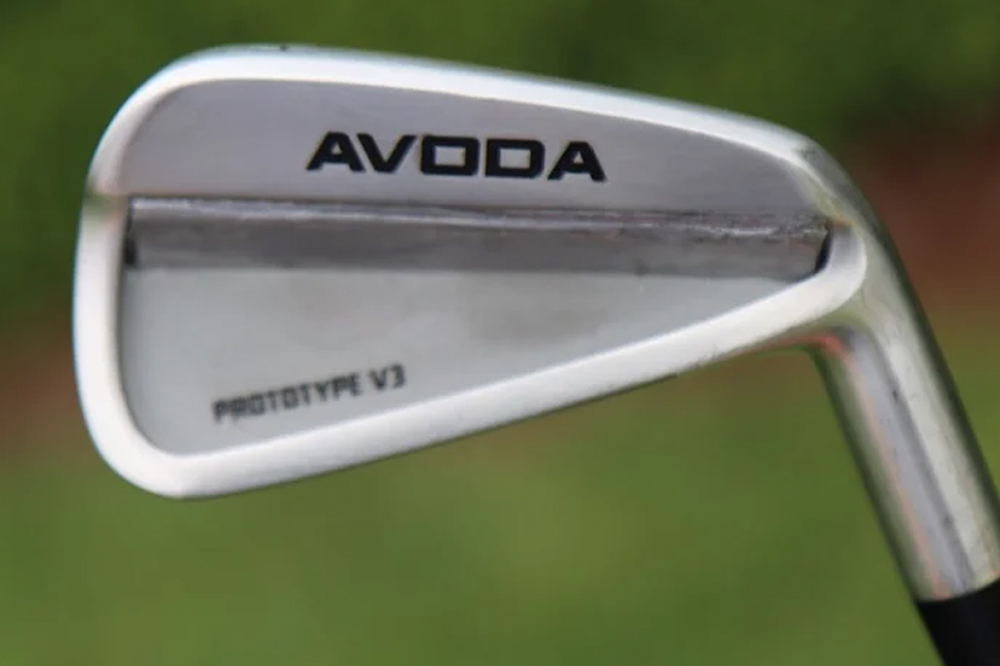
“We just did some testing over the last couple of weeks and found that he (Day) does get along better with a progressively heavier swing weight,” Bailey added. “He gets fractionally heavier by about half a swing weight, so he gets a few swing weights through the set and then through to his woods; they continue progressing.”
Day’s scoring clubs start at around D3 in swing weight, and then, with a little Andrew Von Lossow lead tape action, he transitions up to D5 in his 4-iron, which works perfectly as Day’s 7-wood is D6. Bailey told GolfWRX that Day’s woods continue to progress up to D9 in his driver.
The progressive weighting isn’t the only new option in Day’s bag for Muirfield Village. He’s added a brand-new sand wedge, or should it say sand iron.
“He’s hitting his pitching wedge and his 9-iron and going, these just go through the turf so good, I wish I could have this in my wedges as well,” Bailey added. “… So, we started with making him an iron-head gap wedge. And he used that straight away instead of a wedge-head … He called and said, ‘I don’t really open the face of my sand wedge much either, so why don’t I just have my sand wedge the same as my irons.’ So we built him the exact same head shape, and sole as he’s got on his irons.”
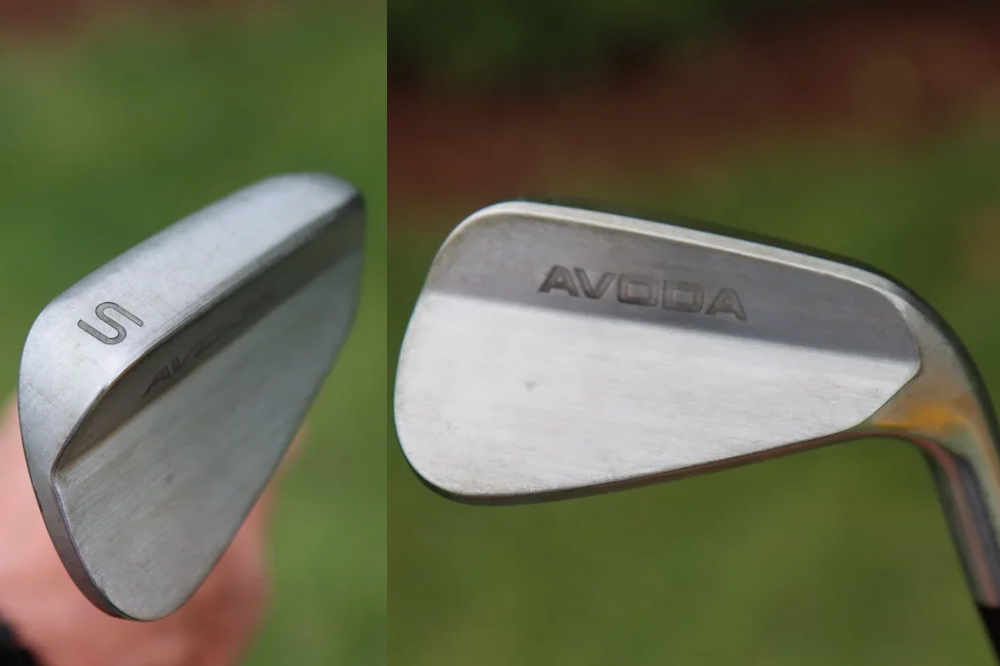
The sand wedge in Day’s bag is similar to the blade prototype irons, which he used earlier this year at the RBC Heritage, if you’re able to keep up.




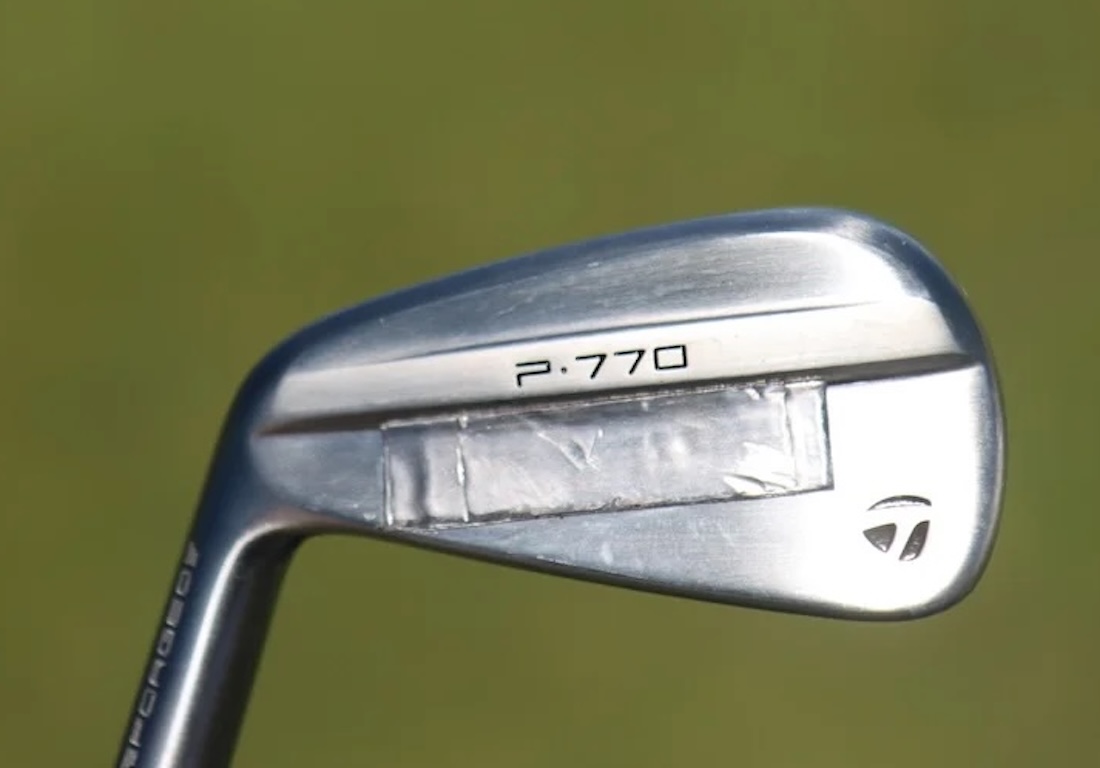
Miles Russell’s 2026 setup has plenty for GolfWRXers to chew on, starting with a TaylorMade-heavy bag and a few shaft choices that immediately caught the forum’s attention.
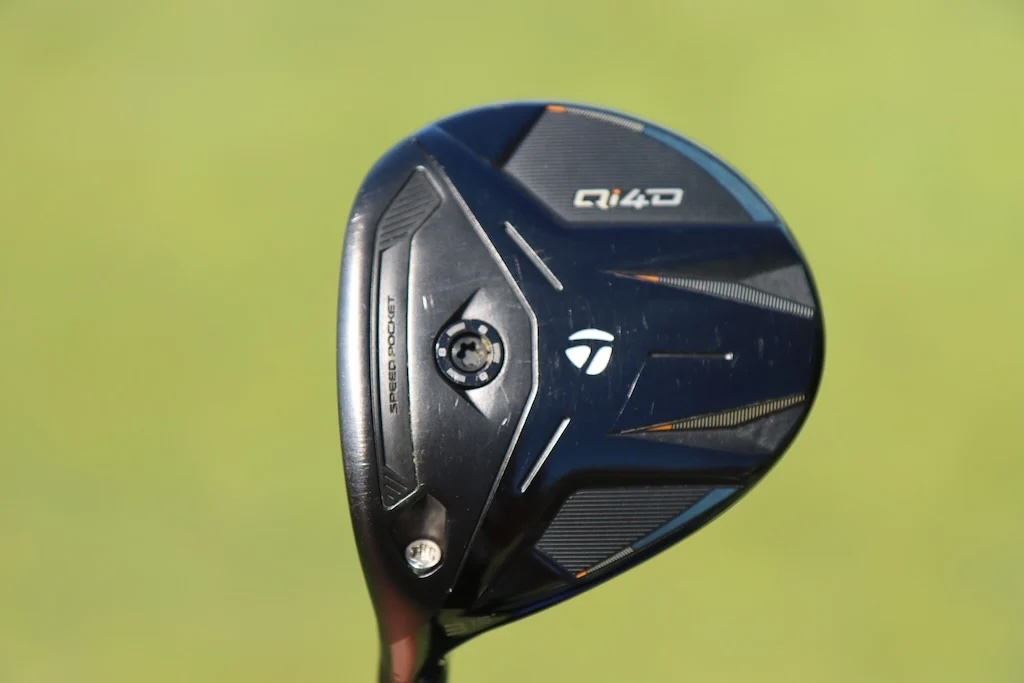
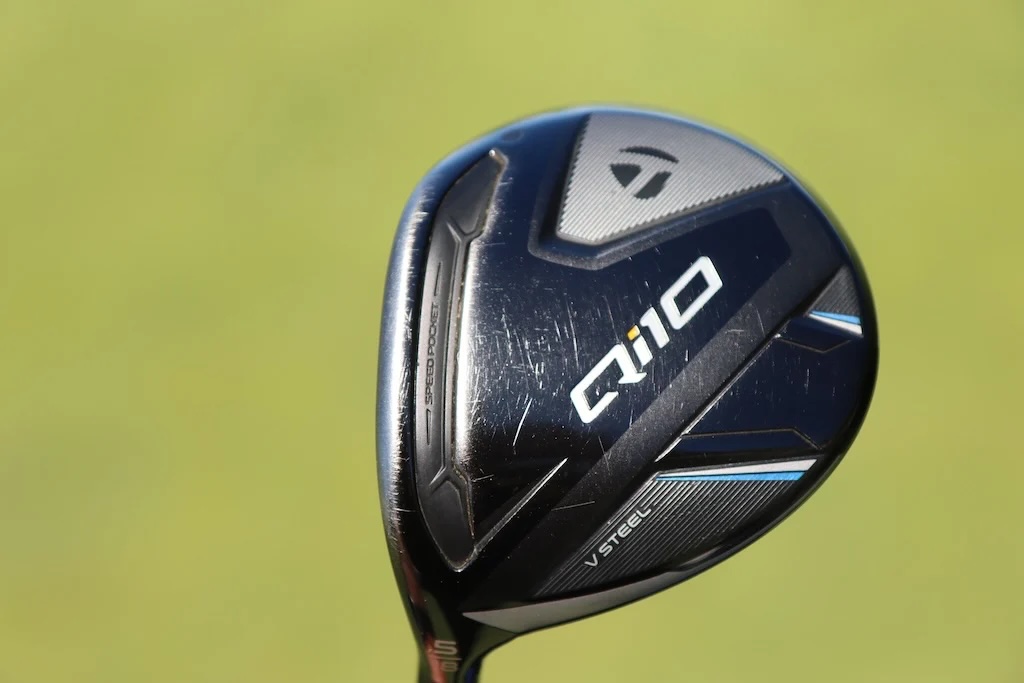
Russell’s U.S. Open setup, as posted by GolfWRX, includes a TaylorMade Qi4D driver and Qi4D 3-wood at the top end, a Qi10 5-wood, a TaylorMade iron mix, MG4 and MG5 wedges, a Spider Tour V putter and a TaylorMade TP5x golf ball.
Driver: TaylorMade Qi4D (10.5 degrees)
Shaft: Fujikura Ventus Black 6 X
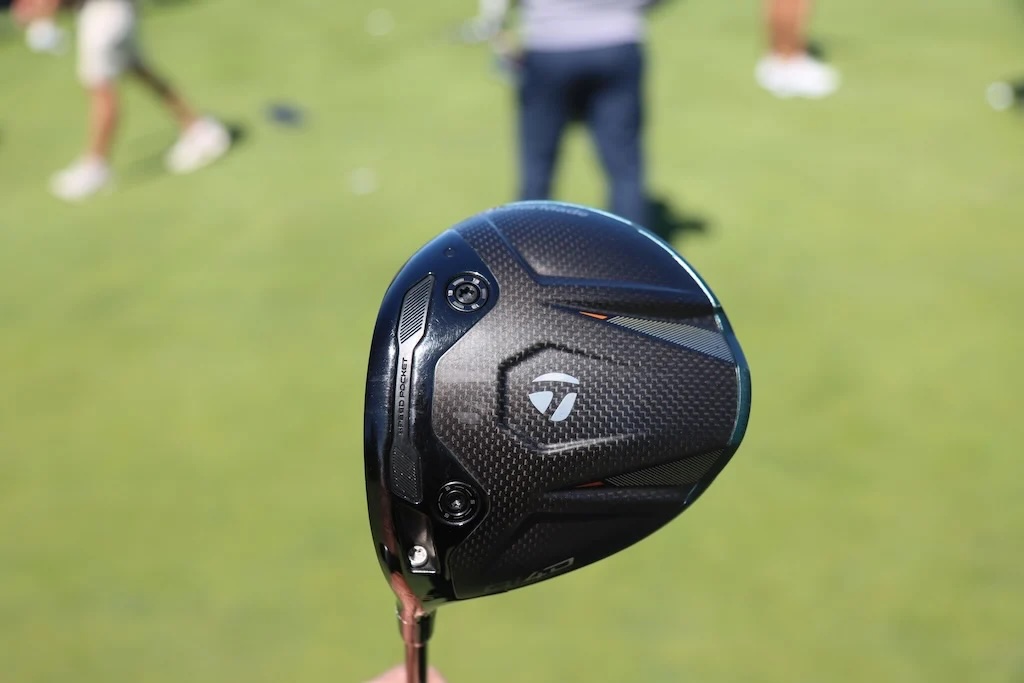
3-wood: TaylorMade Qi4D (15 degrees)
Shaft: Graphite Design Tour AD IZ-8 X
5-wood: TaylorMade Qi10 (18 degrees)
Shaft: Fujikura Ventus Black 7 X
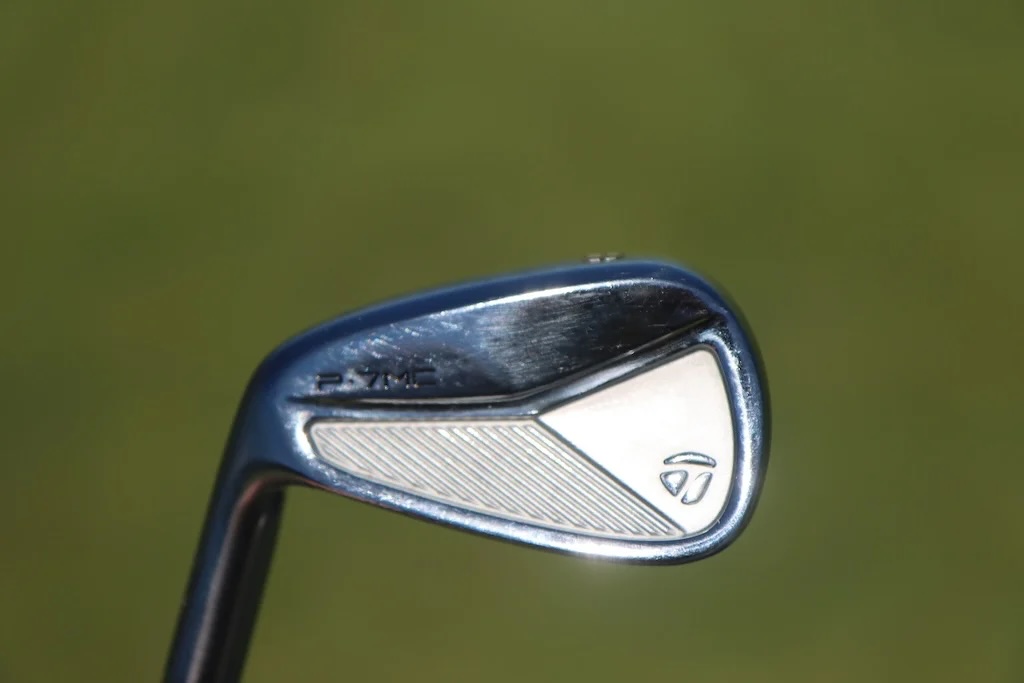
Irons: TaylorMade P770, P7MC (4-PW)
Shafts: Graphite Design Tour AD VF Hybrid 105-X, Dynamic Gold Mid Tour Issue X100, Dynamic Gold Tour Issue X100
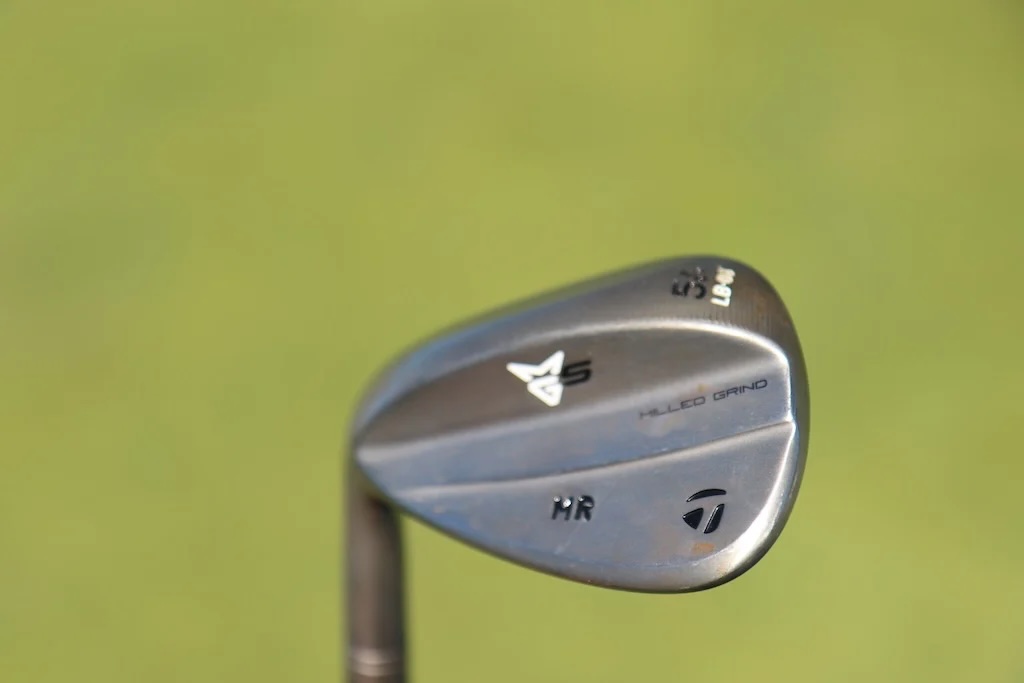
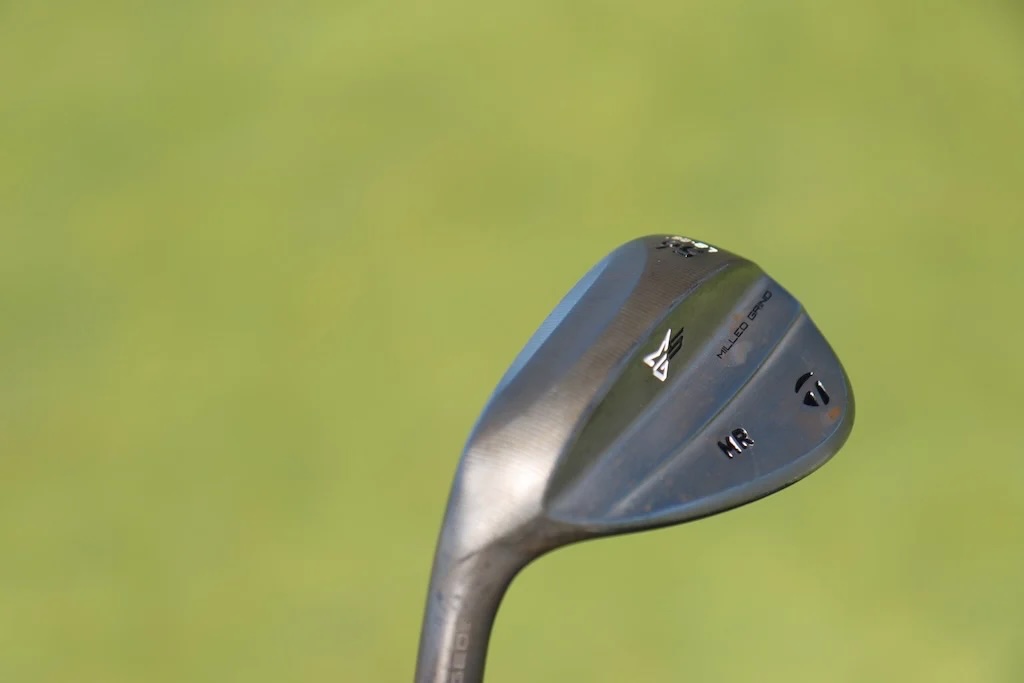
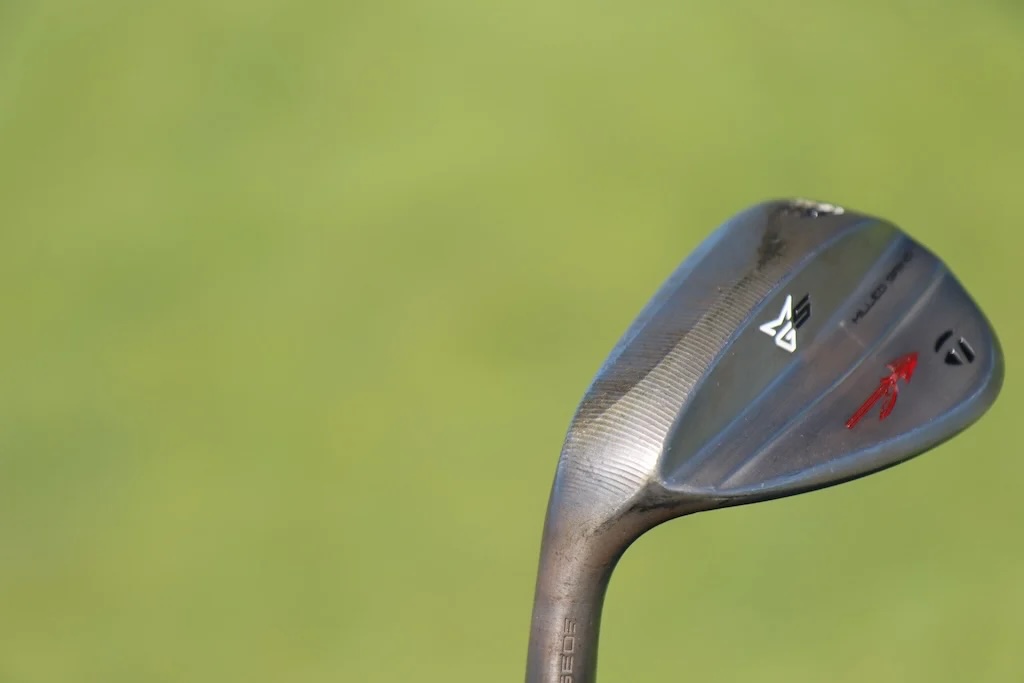
Wedges: TaylorMade MG4 (50 SB-08), TaylorMade MG5 (56 LB-08, 60 LB-08)
Shafts: Dynamic Gold Tour Issue X100, Dynamic Gold Tour Issue S400
Putter: TaylorMade Spider Tour V
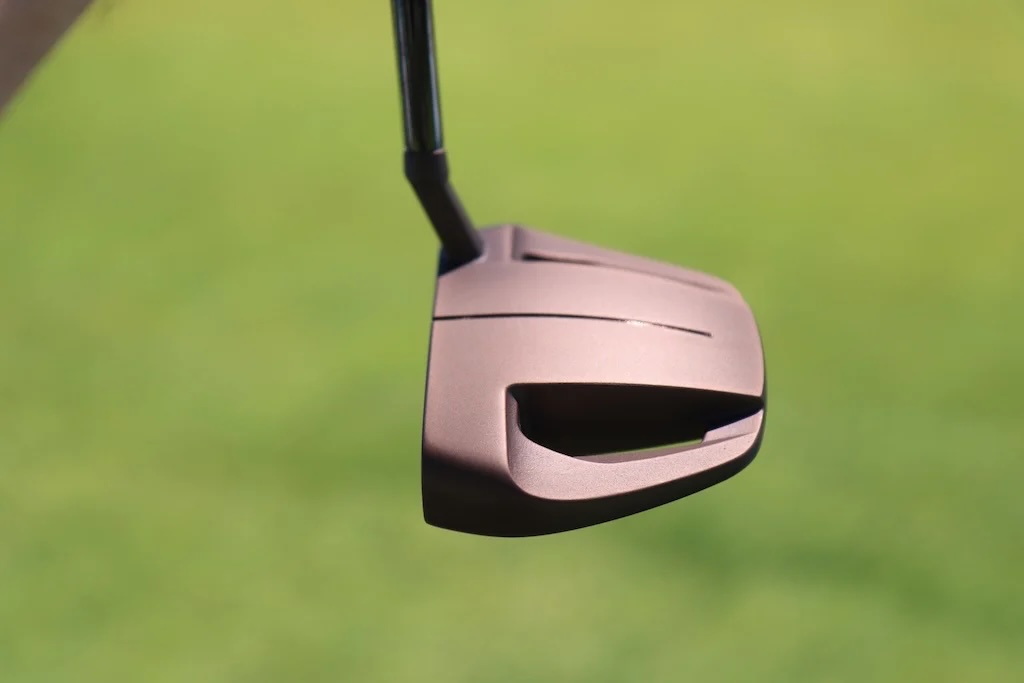
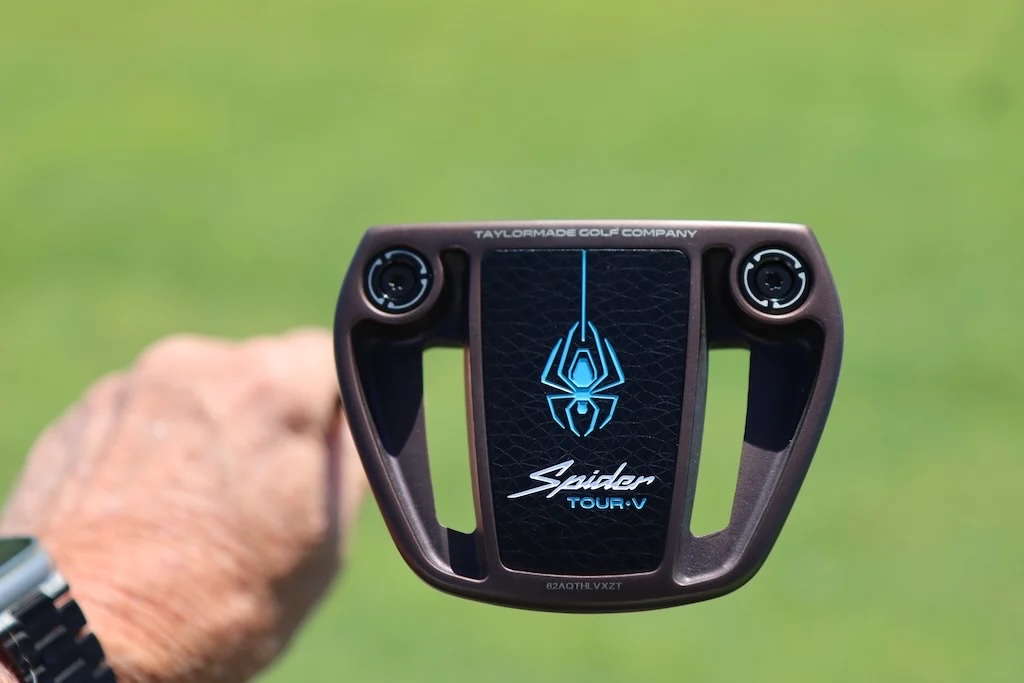
Grips: Golf Pride Z-Grip Cord
Ball: TaylorMade TP5x
Check out more in-hand photos of Miles Russell’s clubs here.
The forum discussion around the in-hand photos quickly landed on the details GolfWRX readers notice first. @MakersMarsh3 pointed out the stout fairway-wood shaft setup, while @Autumnstar offered added context on Russell’s iron preference and noted his comfort with the MC shape and sole.
It is the kind of setup that makes sense for a powerful young player who still needs precision through the scoring clubs. The top end gives him speed and launch windows. The iron mix adds control. The wedge setup is straightforward but serious, and the Spider Tour V gives the bag a familiar TaylorMade finish.
Check out more in-hand photos of Miles Russell’s clubs in the GolfWRX forum thread.
Entire thread: “Miles Russell – WITB – 2026 US Open”
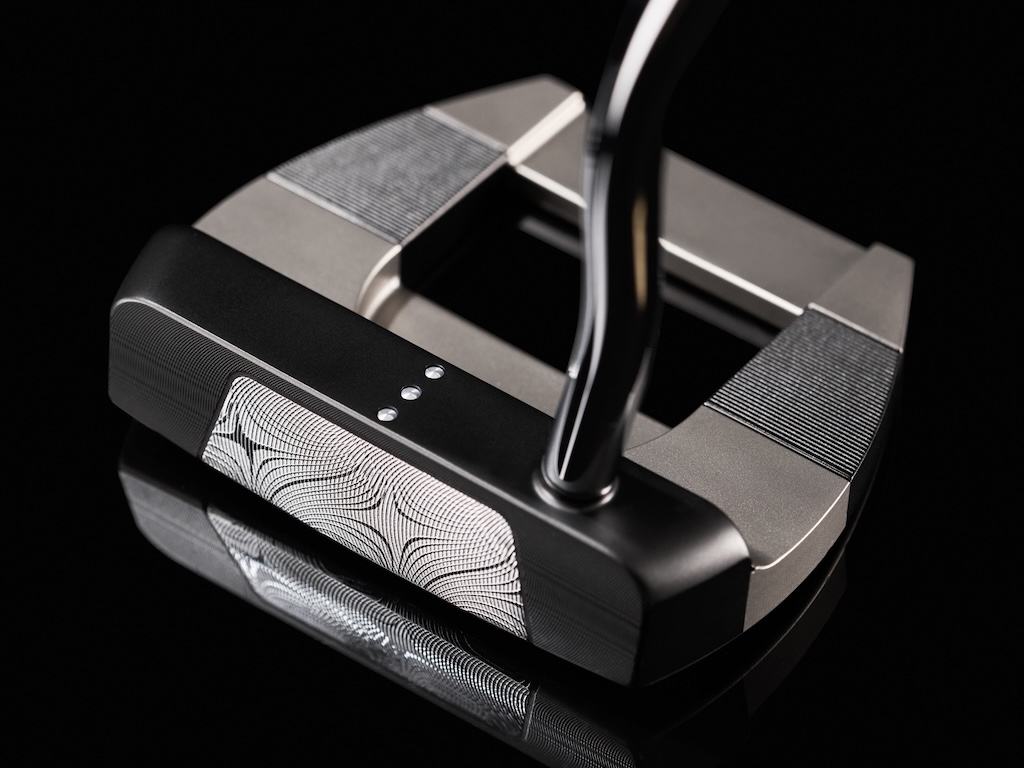
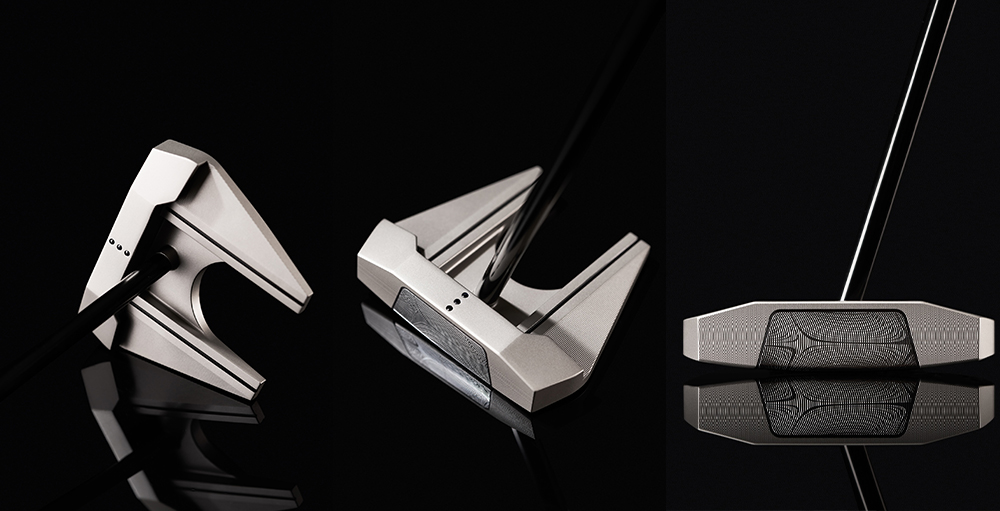
Odyssey Golf announced Tuesday another two heads to the popular Damascus Milled putter lineup.
Initially launched back in April, only in a Damascus Milled #7 head (both with a plumbers neck or double bend configurations), with a second drop on June 6, adding a One Wide, Two and Rossie S shape, the next release sees a Jailbird Mini double bend along with the return of the #7 but in Odyssey’s new Square 2 Square (S2S) center-shaft.
The Jailbird Mini DB is a classic Odyssey shape, and the double-bend version provides a face-balanced putter and a 3/4 shaft offset, which is generally preferred by players with minimal arc. The#7 S2S sees a zero-torque configuration that is best suited for players looking to minimize face rotation during the stroke. Both new models will come in at $699.99 and will be in stores on July 7.
“Damascus Steel is a beautiful material, and the patterns tell the story, because every one is different” said Odyssey General Manager, Jacob Davidson. “But what stands out is that as beautiful as these putters are, the feedback from Tour has been the exceptional feel of these putters. We wanted to deliver the most premium performance-driven putter we’ve ever done at Odyssey. When you look at this product, we have so much confidence because there is not one thing we’d do different. On this one we really took our time over the last couple years to try to perfect the design.”
Created from a layered construction of multiple steel alloys, this Damascus Steel insert is forged, folded and pressed to create a unique, striking pattern in every piece. Think of it like a fingerprint. Each Damascus construction comes with its own 1-of-1 style pattern. No offerings will ever look the same.
The layered structure, combined with a specialized heat treatment, delivers a finely tuned, highly responsive feel different from other insert materials. The Damascus steel is audibly different compared to other inserts, potentially with slightly more feedback. Odyssey also uses AI-designed back contours to maintain consistent ball speed across the face, blending traditional craftsmanship with modern tech.
Each head in the line is precision-milled from stainless steel and features a blasted silver finish to complement the Damascus insert and sole plates.
With Tour feedback, Odyssey has also developed, in collaboration with Golf Pride, a grip featuring meticulously crafted edges, pistol shaping and a classic modern tour feel.
Damascus Milled Jailbird Mini double bend
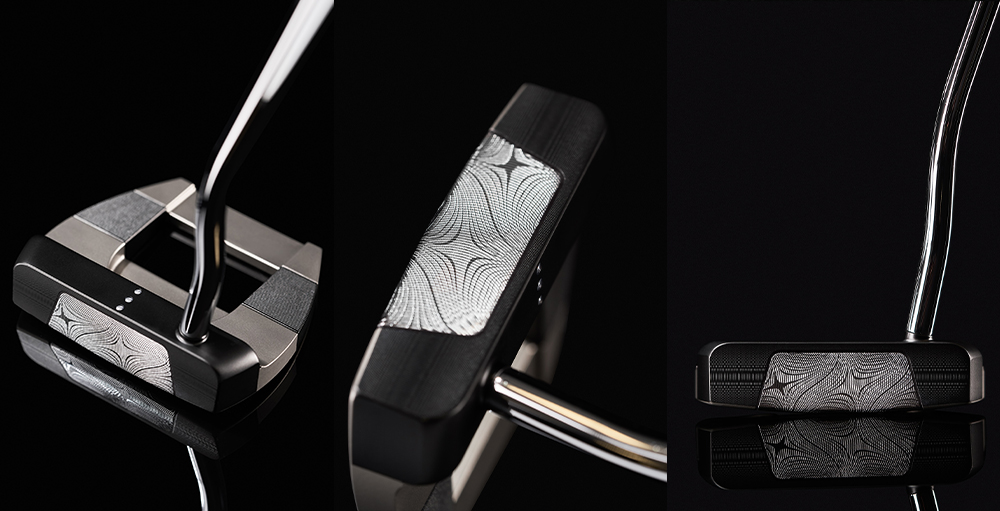
Damascus Milled #7 Square 2 Square

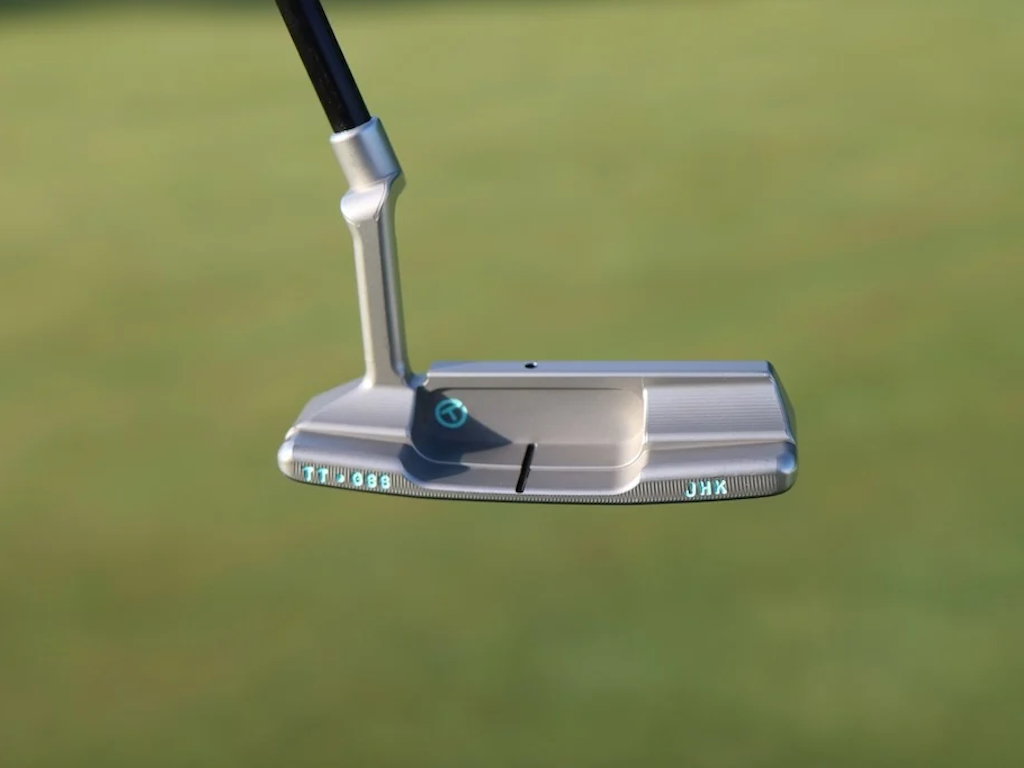
Tom Kim had >14 clubs in his bag when photographed prior to the John Deere Classic.
Driver: Titleist GTS3 (9 degrees)
Shaft: Fujikura Atmos Tour Spec White 6 X
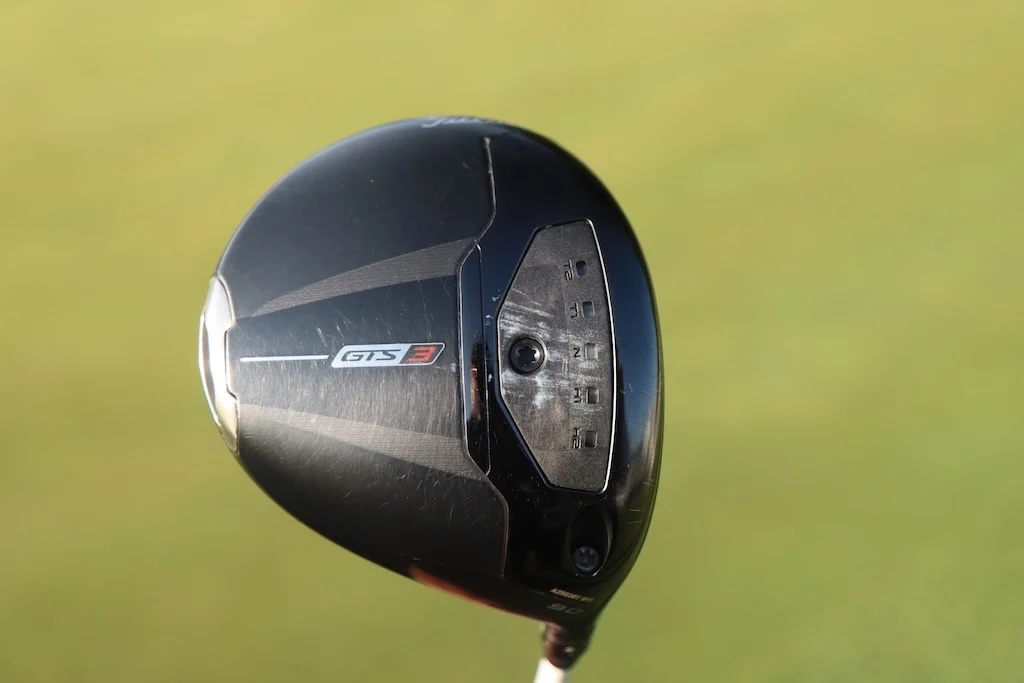
3-wood: Titleist GTS3 (15 degrees)
Shaft: Fujikura Atmos Tour Spec White 7 X
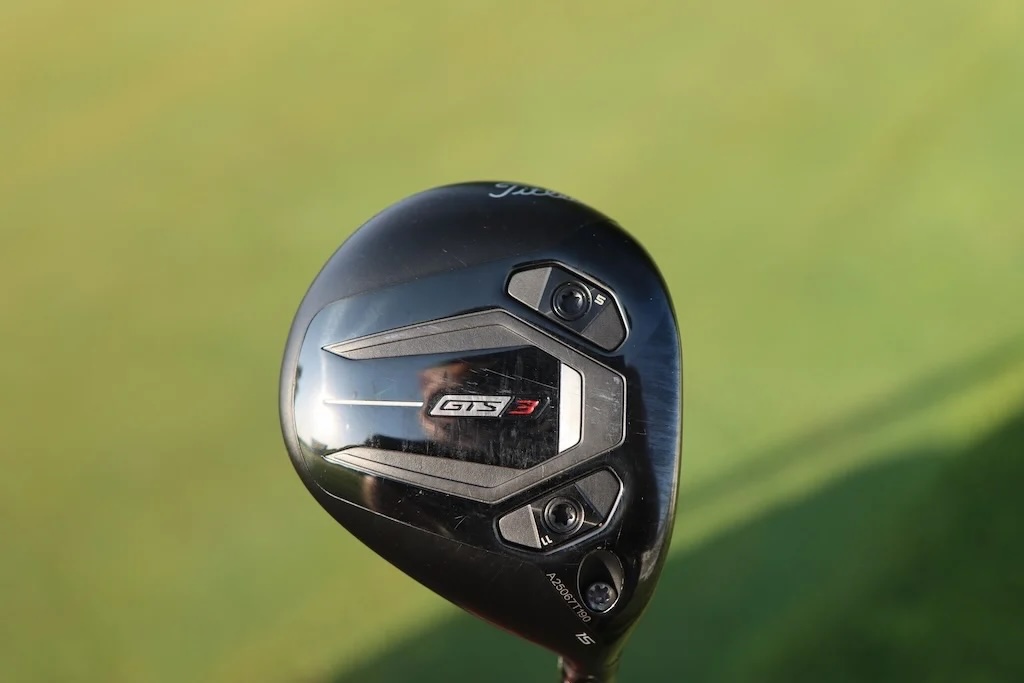
5-wood: Titleist GTS3 (18 degrees)
Shaft: Fujikura Ventus Blue TR 8 X
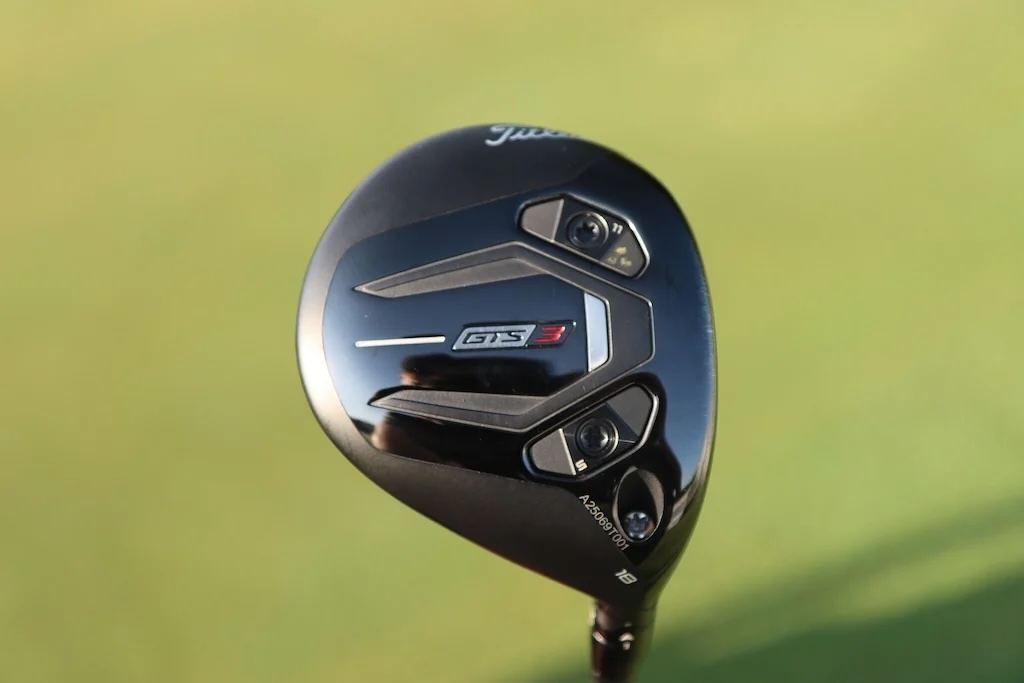
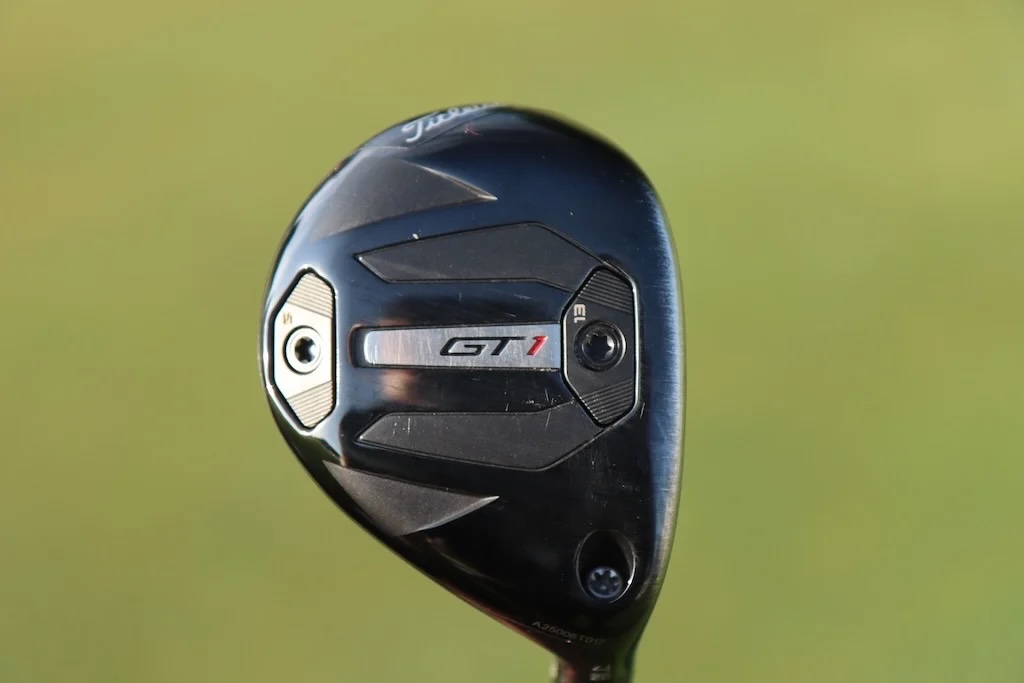
Hybrid: Titleist GT1 (20 degrees)
Shaft: Fujikura Ventus Blue TR 9 X
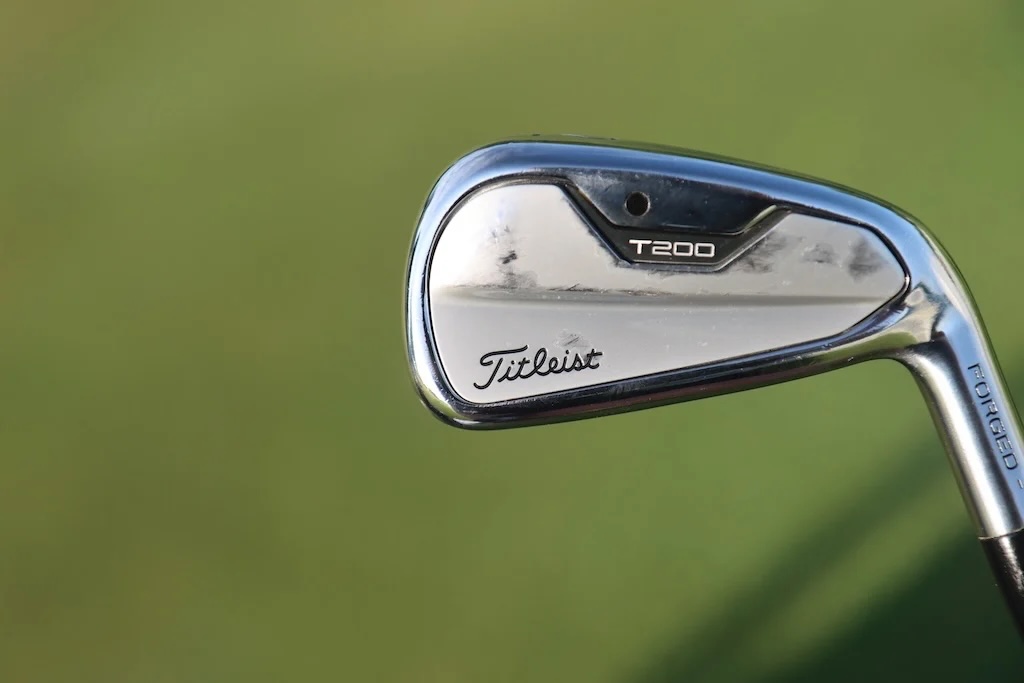
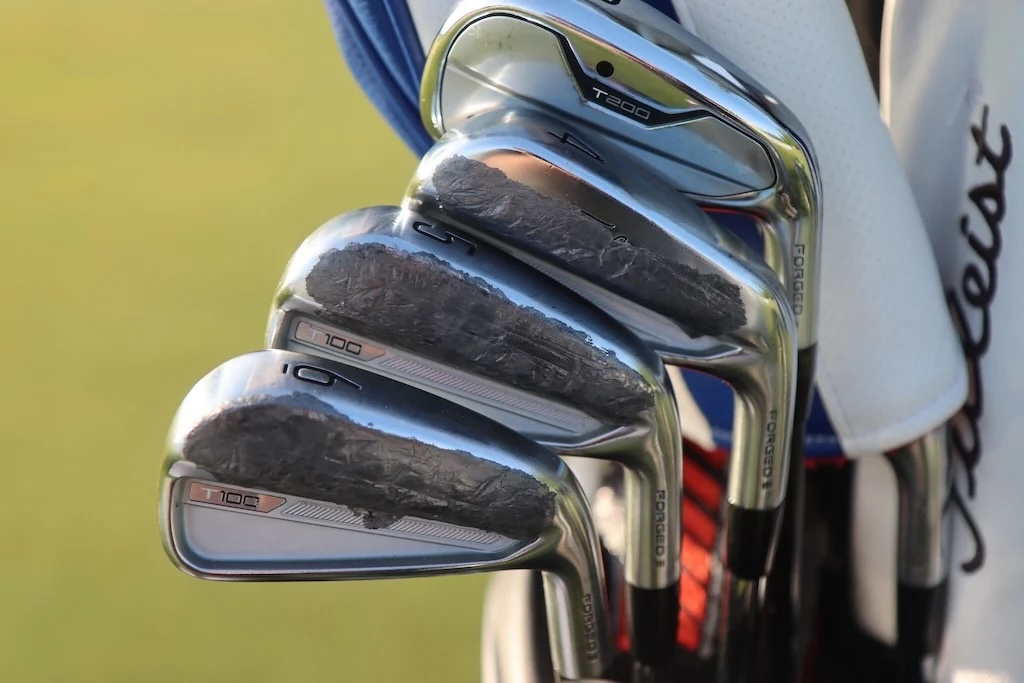
Irons: Titleist T200 (2), Titleist T100 (4-9)
Shafts: Fujikura Ventus Black HB 10 TX, Project X 6.0
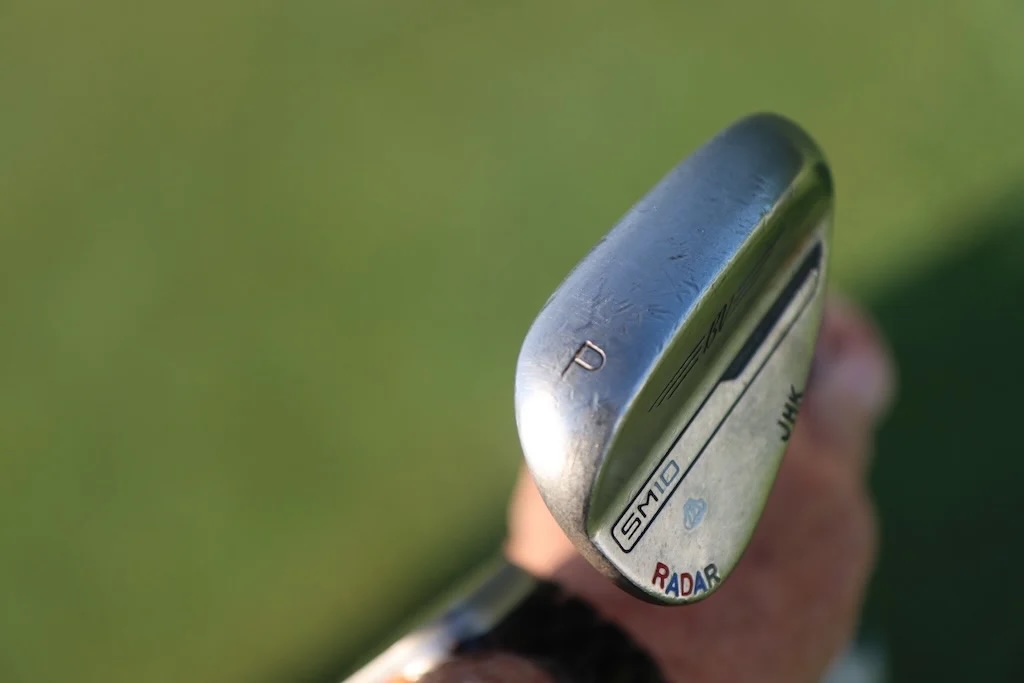
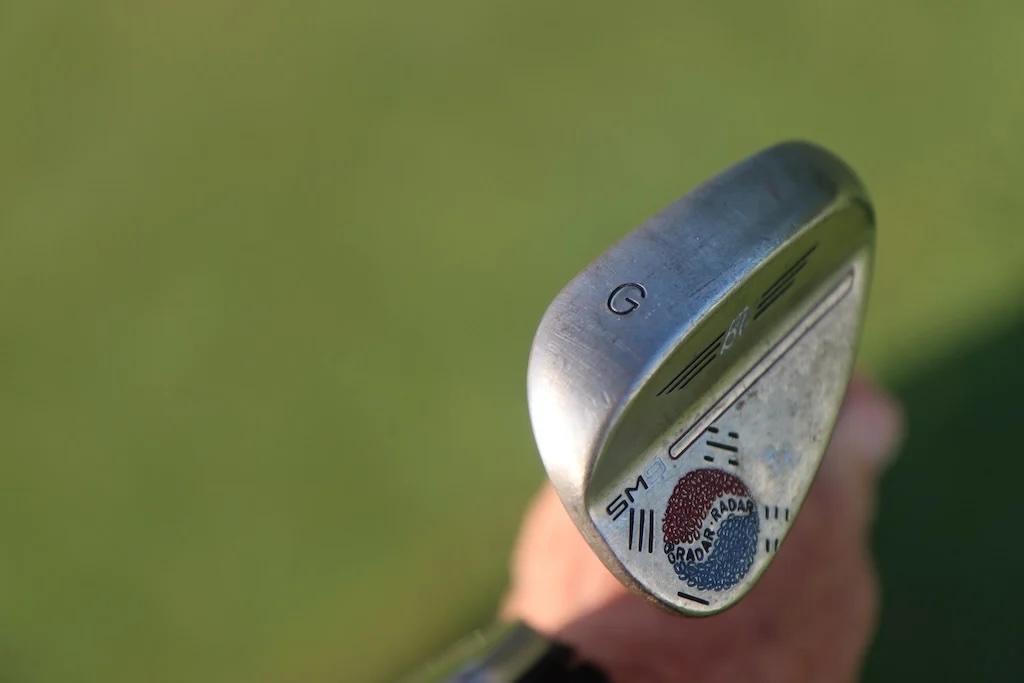
Wedges: Titleist Vokey Design SM10 (46-10F, 50-12F, 54-14F), Titleist Vokey Design WedgeWorks (60 @59)
Shafts: Project X 6.0 (46, 50), True Temper Dynamic Gold Tour Issue X100 (54, 60)
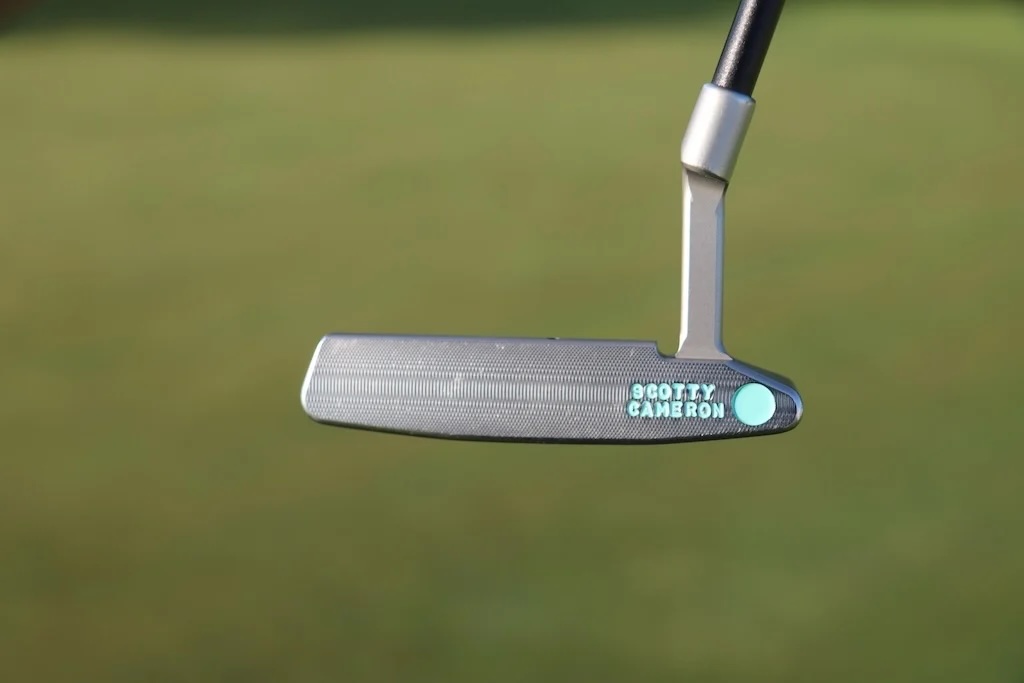
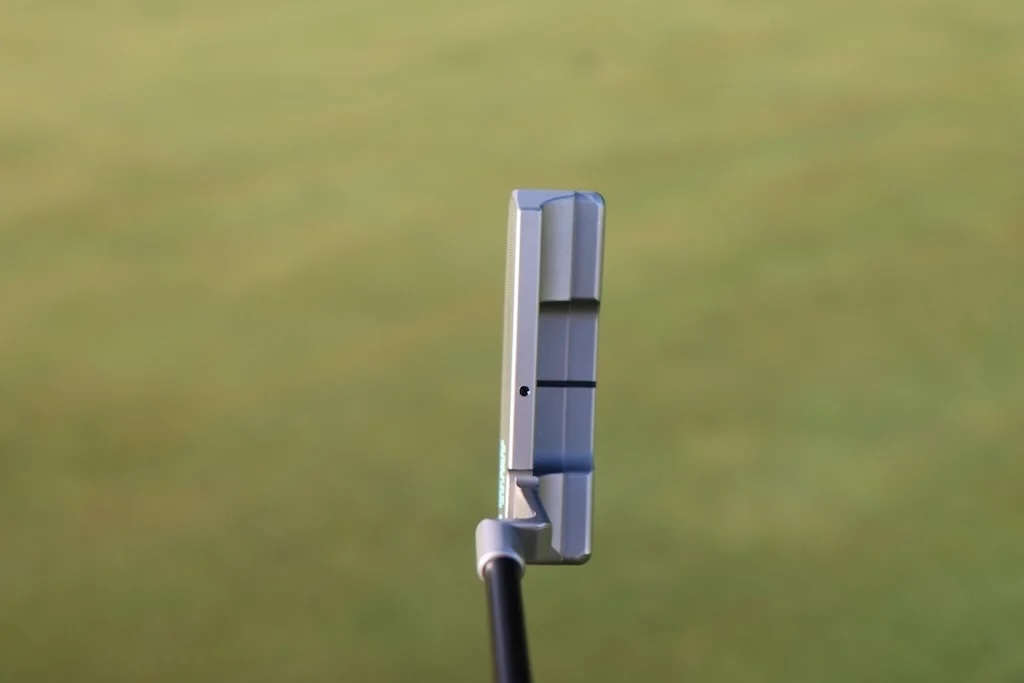
Putter: Scotty Cameron TTG88 Prototype
Shaft: LA Golf TPZ One35
Grips: Golf Pride MCC Align
Ball: Titleist Pro V1x

Best irons 2026: Best irons overall, most forgiving irons, and more

Memorial Tournament Tour Report: Rory McIlroy, Cameron Young switch up drivers, and more

J.T. Poston’s winning WITB: 2026 Memorial Tournament

Wyndham Clark’s winning WITB: 2026 U.S. Open

Russell Henley’s winning WITB: 2026 Charles Schwab Challenge

Details on Jason Day’s latest prototype Avoda iron setup

Aaron Rai’s winning WITB: 2026 PGA Championship

WITB Time Machine: Retief Goosen’s winning WITB, 2004 U.S. Open

Bryson DeChambeau pairs new big-stick speed with new-shoe stability

Viktor Hovland’s winning WITB: 2026 Travelers Championship


Miles Russell WITB 2026 (June)
Miles Russell’s 2026 setup has plenty for GolfWRXers to chew on, starting with a TaylorMade-heavy bag and a few shaft...


Tom Kim WITB 2026 (June)
Tom Kim had >14 clubs in his bag when photographed prior to the John Deere Classic. Driver: Titleist GTS3 (9 degrees)...


Keegan Bradley WITB 2026 (June)
Driver: TaylorMade Qi4D LS (10.5 degrees) Shaft: Fujikura Ventus Black 6 X 3-wood: TaylorMade Qi35 HL (16.5 degrees) Shaft: Mitsubishi Tensei Blue...


Scottie Scheffler WITB 2026 (June)
Driver: TaylorMade Qi10 (8 degrees @7.25) Shaft: Fujikura Ventus Black 7 X 3-wood: TaylorMade Qi10 (15 degrees @13.5) Shaft: Fujikura...
-
 News1 week ago
Wyndham Clark’s winning WITB: 2026 U.S. Open
-
 Whats in the Bag2 weeks ago
WITB Time Machine: Retief Goosen’s winning WITB, 2004 U.S. Open
-
 Equipment2 weeks ago
Bryson DeChambeau pairs new big-stick speed with new-shoe stability
-
 Whats in the Bag1 day ago
Viktor Hovland’s winning WITB: 2026 Travelers Championship
-

 Tour Photo Galleries2 weeks ago
Photos from the 2026 U.S. Open
-

 Tour Photo Galleries1 week ago
Photos from the 2026 Travelers Championship
-

 News4 days ago
Travelers Championship Tour Report: The Spieth putter switch that never happened (and the Fowler, Spaun & Rose switches that did)
-
 Equipment6 days ago
Wyndham Clark’s Ping putter: There’s more to the lead tape than just weight


cody
Jun 16, 2026 at 10:43 am
I would love to try some of these Avoda irons. Even if it is just to prove to myself the curved faces do not help.
Martin Chuck
Jun 14, 2026 at 12:40 pm
I’ve played a few rounds with Avoda irons. Fantastic. Easy looking lines making set up a breeze. I like the way they toggle shafts to get the player the feel/flight they desire. Assuming the player can get the face on the ball to some degree.
amgpuma
Jun 11, 2026 at 5:17 am
There’s literally no cutting edge technology on those irons. Actually theres nothing new on irons technology in the last 20 years, tighter tolerances and stronger lofts only
Pingback: Memorial Tournament Tour Report: Rory McIlroy, Cameron Young switch up drivers, and more – GolfWRX
G
Jun 3, 2026 at 11:41 pm
Weirdo.
Who the heck has driver at D9????!!!!
ROFL