
Opinion & Analysis
My Take: Bridging the gap – Navigating golf’s distance dilemma in professional and amateur play

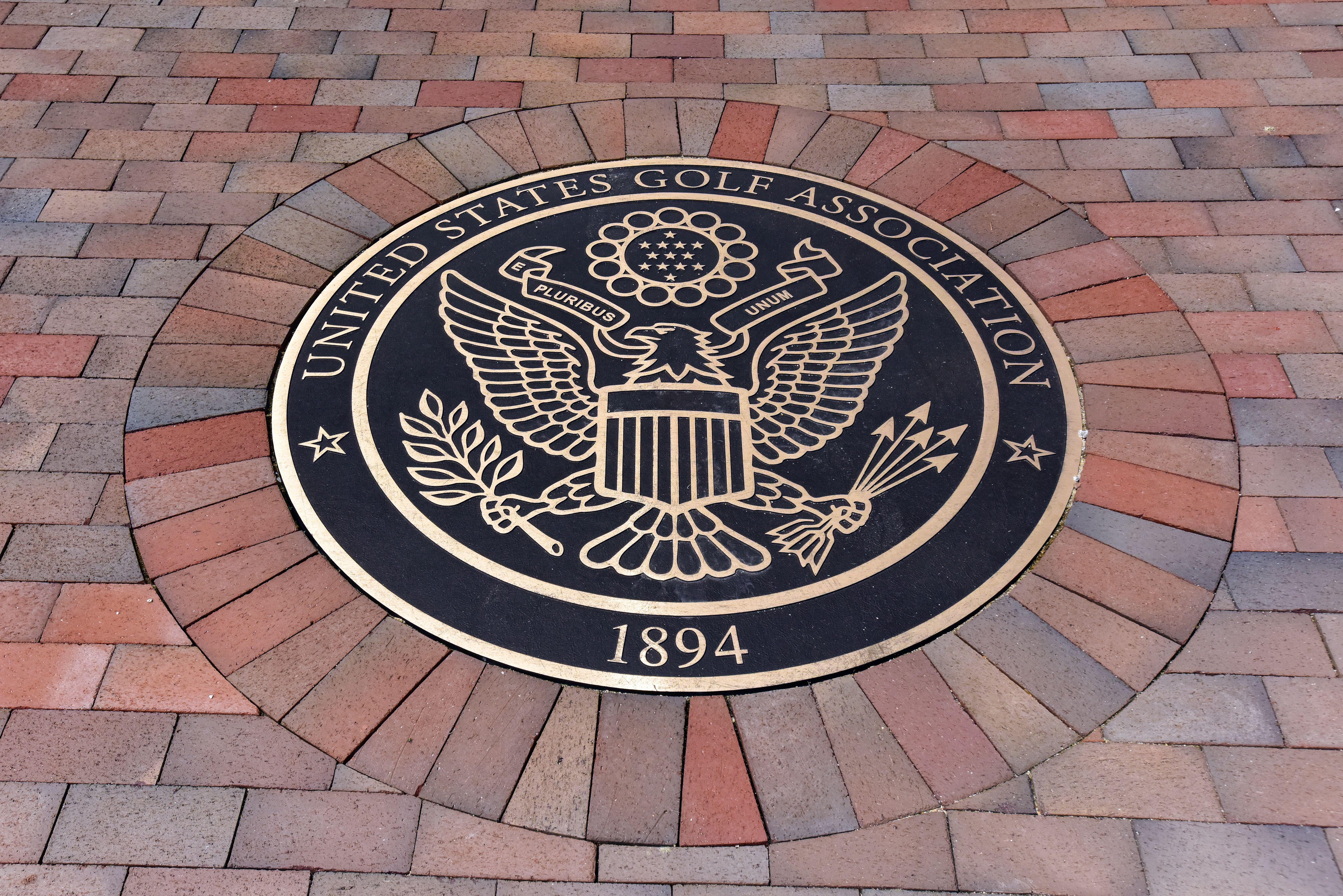
Golf is deeply steeped in tradition yet has constantly evolved since its inception centuries ago. From early years when players wielded wooden clubs and feather-stuffed balls, the advent of technology has propelled the game to new heights—or distances, to be precise. In the modern game, the “distance issue” in golf has prompted urgent conversations initiated mainly through the United States Golf Association (USGA) and the R&A. These governing bodies see potential detriments to the game caused by the ever-increasing distances, primarily at the professional level, that players hit the ball. While their initiative for universal rule changes seems well-intentioned, exploring the possibility of bifurcation—one set of rules for professionals and another for amateurs—could address this intricate issue more effectively.
The Argument for Regulation
The genuine concern over the game’s sustainability is at the heart of the USGA and R&A’s proposed regulations. With modern players achieving extraordinary distances, the integrity of classic courses, many of which have hosted majors since time immemorial, faces genuine risk. Courses may need continual redesigns, encroaching both environmentally and economically. The relentless pursuit of longer drives also overshadows the traditional emphasis on skill, accuracy, and strategy that makes golf so revered. These valid concerns prompt the suggested mandates on equipment modifications, such as reduced-flight balls, aimed at curbing these excessive distances.
The Case for Bifurcation
However, the singular approach of applying such rules universally across professional and amateur ranks has stirred debate. Many have questioned whether this one-size-fits-all method overlooks the inherent differences in the abilities and needs of these distinct golfing communities. Herein lies the crux of the bifurcation argument, a potential solution that merits serious consideration.
Why Bifurcation?
Every weekend, the average amateur golfer steps onto the course, eager to emulate their professional heroes, harnessing every inch of technology available to enjoy the thrill of hitting long drives, even if they don’t consistently hit 300-yard drives like the pros. For amateurs, who play primarily for enjoyment rather than competition at the highest level, the significant changes in equipment rules may become a barrier to fun. The essence of recreational play lies in personal improvements, the satisfaction of mastering one’s own game, and enjoying enhanced shot-making capabilities offered by modern technology. Limiting these experiences with stringent changes could detract from the accessibility and appeal of the sport.

Balancing Professional and Amateur Needs
On the other hand, targeted regulations could greatly benefit professionals whose livelihoods depend on performance. Bifurcation would allow the introduction of specific equipment standards designed to enhance course integrity and competitiveness at the elite level without diminishing the amateur game. By instituting separate sets of parameters, we could preserve the spirit of competition among professionals and foster ongoing public interest and investment in golf’s future.
Challenges and Considerations
Bifurcation would not be without challenges, particularly around logistical aspects such as defining categories and ensuring compliance across global competitions. However, the golf community and its regulatory bodies have demonstrated remarkable adaptability in the past. Golf can navigate this complexity by embracing open, ongoing dialogues between manufacturers, governing factions, and players. Establishing a clear framework that evolves with player statistics and technological innovations will help strike a balance between advancing the sport and safeguarding its roots.
A Path Forward
The distance debate presents a pivotal moment for golf, demanding nuanced solutions that honor both its competitive spirit and recreational enjoyment. The USGA and R&A’s commitment to addressing these complexities is commendable, and their work certainly lays a critical foundation for ongoing discourse. Yet, within this evolving landscape, a tailored approach through rule bifurcation seems a promising path forward. By recognizing the distinct needs of professional and amateur players, golf can continue to flourish, ensuring it retains its richness not just as a game but as a cherished tradition shared across generations. Let’s harness this moment to bridge the gap, ensuring the game thrives in all its forms for years to come.
Reader, please support me by checking out my three weekly columns on RG.org. On Mondays, I present “The Starter,” which recaps the week gone by in golf. On Wednesdays, I give you “Fairway Focus,” which previews the week to come in golf. And on Fridays, I dish up the “Friday Fore-cast,” a look at what’s on tap for the upcoming weekend.
Editor’s note: “My Take” will be an ongoing weekly series where Brendon shares his thoughts and opinions on various aspects of the game and industry. These are Brendon’s opinions and do not necessarily reflect those of GolfWRX, its staff, and its affiliates.












This past Monday, I played in the U.S. Amateur local qualifier at Rock Creek Country Club in Portland, Oregon. A full tee sheet from 7:30 a.m. to 1:55 p.m., the top 11 scores would make it to the U.S. Amateur final qualifying.
I teed off at 10:48 a.m.. With the 7:30 am tee time, you can get a feel for the leaders’ pace, and they were off and running on the challenging setup at Rock Creek.
View this post on Instagram
Getting to the highlight of the round on the par five 17th, a drive up the left side and 212 yards left to the front hole location. I took out a 5-iron with plans of middle of the green. The ball ended up 8 feet left of the hole, pin high. A slight downhill putt dropped in for an eagle 3 on the 17th. With the cut line looking to be anywhere from -2 to even par. This was the boost I had been waiting for all day.
With making par from the trees on 18, it was time to wait for a potential playoff with a posted score of one under par 71.
Three hours later, it was playoff time. 8 players for 6 spots. I made par on the playoff hole, which was good enough to advance to the U.S. Amateur final qualifying in July. USGA qualifiers sure deliver on all of the emotions in golf!
Club Junkie
Building my 2026 gamer WITB: Ranking the contenders and new putter projects – Club Junkie Podcast

The annual What’s In The Bag build is underway, and on this episode of Club Junkie, Brian breaks down the clubs currently leading the race for a spot in his 2026 gamer setup. From drivers and fairway woods to irons, wedges, and shafts, he ranks the equipment that’s performing best and explains what’s separating the front runners from the rest of the field.
Brian also heads into the workshop to discuss several putter projects currently on the bench. From head options and shaft choices to build ideas and testing plans, he shares what he’s working on and which putters could become serious contenders for the bag this season.
If you’re a gear junkie who loves equipment testing, club building, and the never-ending pursuit of the perfect setup, this episode is for you.
Follow Club Junkie:
Instagram: @clubjunkiepod
TikTok: @clubjunkiepod
Threads: @clubjunkiepod
X: @ClubJunkiePod
Club Junkie
Tour Edge Exotics mini driver review + TaylorMade Spider ZT Max first look – Club Junkie

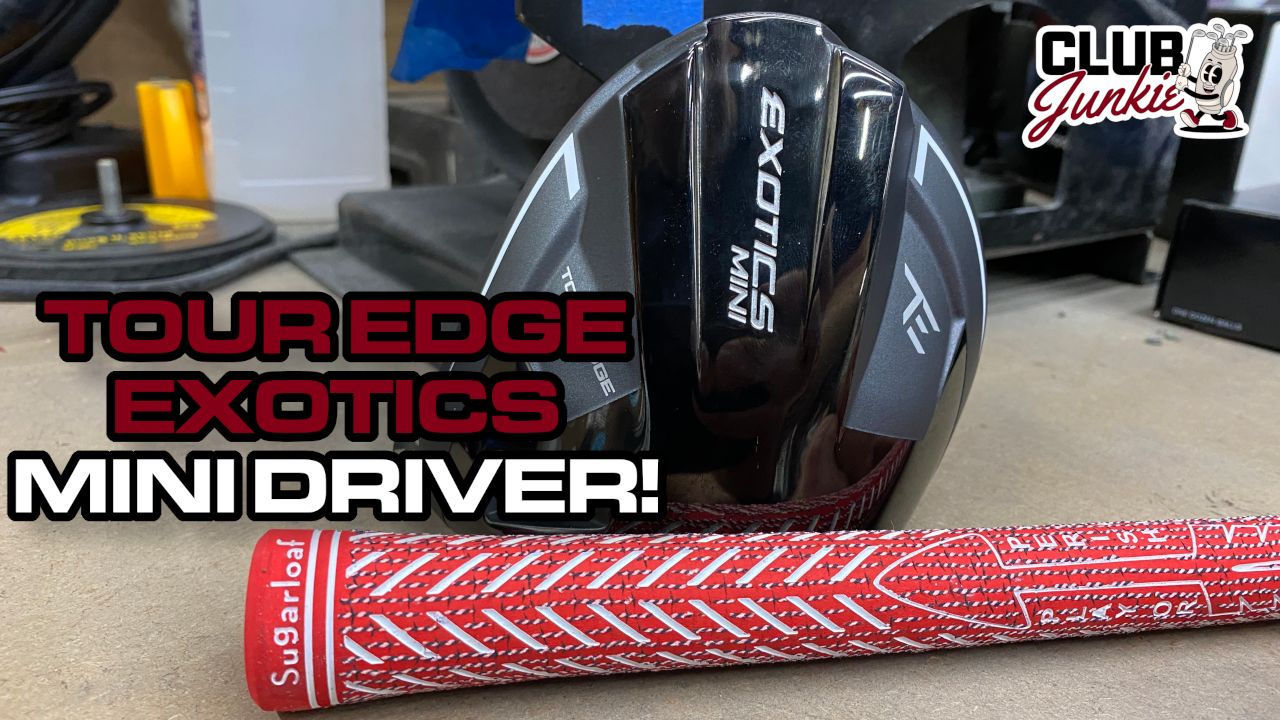
On this episode of Club Junkie, I put the new Tour Edge Exotics Mini Driver to the test and break down the performance, forgiveness, distance, and where it fits compared to a traditional driver or strong fairway wood. If you have been curious about adding a mini driver to the bag, this one is worth a look.
I also dive into the new TaylorMade Spider ZT Max putter that was recently spotted and discuss the growing zero torque putter trend. Plus, there is a closer look at the new Project X Titan Yellow shaft showing up on the PGA Tour and what makes it different from other profiles currently out there.

What’s the story behind Webb Simpson’s custom-stamped irons?

Memorial Tournament Tour Report: Rory McIlroy, Cameron Young switch up drivers, and more

Cadillac Championship Tour Report: Spieth’s sizable changes, McLaren Golf launches, and more

Russell Henley’s winning WITB: 2026 Charles Schwab Challenge

Kristoffer Reitan’s winning WITB: 2026 Truist Championship

Best irons 2026: Best irons overall, most forgiving irons, and more

J.T. Poston’s winning WITB: 2026 Memorial Tournament

Aaron Rai’s winning WITB: 2026 PGA Championship

Cameron Young’s winning WITB: 2026 Cadillac Championship

Details on Jason Day’s latest prototype Avoda iron setup


Christiaan Maas WITB 2026 (June)
Driver: TaylorMade Qi4D LS (8 degrees) Shaft: Fujikura Ventus TR Blue 6 X 3-wood: TaylorMade Qi10 (15 degrees) Shaft: Fujikura Ventus Black...


Ryan Palmer WITB 2026 (June)
Driver: Callaway Quantum Triple Diamond (9 degrees) Shaft: Project X HZRDUS Smoke Blue RDX 60 TX 3-wood: TaylorMade Qi10 (15 degrees) Shaft:...


Bud Cauley WITB 2026 (June)
Bud Cauley had >14 clubs in his bag when photographed prior to the Memorial Tournament. Driver: Titleist GTS2 (8 degrees) Shaft: Fujikura...


Hannah Green WITB 2026 (June)
Driver: Titleist GTS3 (10 degrees, D4 SureFit setting) Shaft: Mitsubishi Chemical Diamana RB 53 S 3-wood: Titleist GT3 (15 degrees,...
-
 Equipment6 days ago
Memorial Tournament Tour Report: Rory McIlroy, Cameron Young switch up drivers, and more
-
 News2 weeks ago
Russell Henley’s winning WITB: 2026 Charles Schwab Challenge
-
 Equipment3 days ago
Best irons 2026: Best irons overall, most forgiving irons, and more
-
 Whats in the Bag4 days ago
J.T. Poston’s winning WITB: 2026 Memorial Tournament
-
 Equipment1 week ago
Details on Jason Day’s latest prototype Avoda iron setup
-

 Equipment3 weeks ago
CJ Cup Byron Nelson Tour Report: Koepka and Kim’s newest putters finally get hot
-

 News2 weeks ago
Charles Schwab Challenge Tour Report: MacIntyre, Åberg and Spaun all switch putters, TaylorMade launches new Spider
-

 Equipment2 weeks ago
Details on J.J. Spaun’s surprise putter switch


is1ander
Jan 4, 2025 at 2:31 pm
Average recreational golfers who drive 180 yd – 220 yd are not going to notice 5 yd shorter drives. If you’re hitting it 300, no one will shed a tear if you’re now hitting it 285. One set of rules, roll back the equipment, check your darn ego. The universe does not revolve around you. You don’t get special rules. Golf is hard. Enjoy the challenge.
Brett
Jan 3, 2025 at 6:43 am
Almost every other sport has different rules for amateurs and pros, so I’m fine with bifurcation. Ken Griffey JR would’ve hit 900 home runs with an aluminum bat!
Will Dutton
Jan 2, 2025 at 11:16 pm
if there was some way to make the pros find their own balls, I think it would change things quite a lot. The fact they have search committees and fans, so they know exactly where their balls have gone, changes the game more than anything between amateurs and professionals.
John
Jan 2, 2025 at 12:02 pm
Nice article. Bifurcation makes complete sense. Golf is out of wack at the elite level. It’s the smart thing to do.
Karsten's Ghost
Jan 1, 2025 at 7:07 pm
Bifurcation is awful. Make them play low compression balls if you think that’s needed, but get stuffed. Don’t ruin the game.
Evan
Jan 1, 2025 at 5:36 pm
Bifurcation doesn’t merit serious consideration- it is simply a terrible idea. A bad solution to a nonexistent problem.
Nicky Bear
Dec 31, 2024 at 9:42 pm
I would just like to take a moment to thank Jack Nicklaus. The Golden Bear with the support of his wife Barbara has wanted the golf ball to go shorter for many many moons. Jack’s steadfast and unwavering determination to make this happen is admirable. Jack and Barbara have a wonderful Happy New Year!!!
The USGA sucks
Jan 1, 2025 at 7:11 pm
Jack was one of the beneficiaries.of distance. Ironic…
Just make them play conforming but low-compression balls, and move on.
WSinTX
Dec 31, 2024 at 3:10 pm
One sport, one set of rules. I hate the idea of different rules for pros vs amateurs. We should all be playing from the same rulebook.
Keep building tee boxes further back for the pros and making misses more penalizing. Women and men and short hitters and long hitters and men who think they’re women can all play the same course using different tee boxes.
And for all of our sake, enforce slow play rules at every level of the game. Some of the slow pokes need a few stroke penalties per round. If you need a third practice swing (!), give them a penalty!!
Clay Rouse
Dec 31, 2024 at 12:44 pm
I think bifurcation is the best solution for amateurs. However, equipment manufacturers will do everything they can to keep it from happening.
Eric
Dec 31, 2024 at 10:48 am
Bifurcation is a terrible solution that shouldn’t be an option and shouldn’t be justified or defended. The USGA/R&A went with the laziest solution, “make ball go shorter” which doesn’t emphasize skill as you eluded to, players will still chase distance and it’ll still be a common denominator between top players just like it is now. Drivers didn’t used to be the easiest and most forgiving club in the bag, it was a risk to hit driver, lets slowly move drivers back towards a risk/reward club. Make pros thinks twice about swinging 128mph on a narrow par 4, and most amateurs slice it with the 460cc monsters anyways so not a big deal there.
And in general governing bodies in sports like the USGA, R&A (toss the NCAA in there for fun) are relics that we should really start considering if we still care what they say or think.