
Equipment
The return of Loomis Golf shafts

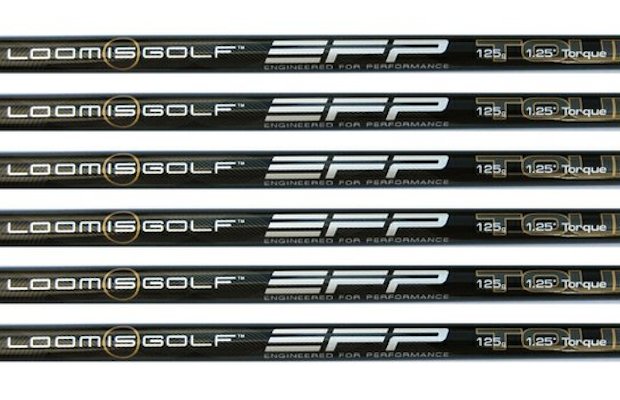
In 1992, Davis Love III installed Loomis Golf graphite shafts in his irons. The subsequent four wins on tour had competitors and aficionados scratching their heads and asking what exactly happened to DL3’s game? It turned out that those shafts were the offspring of a high-priced line of fishing rods, invented by Gary Loomis and predicated on flexible, balanced and dense graphite. Given recent events and announcements, Davis might want to re-examine his irons shafts as he prepares for the Champions Tour.
What events? Which announcements? Jeffrey and Robert Meyer, experienced men in the golf industry and owners of Meyer Performance Composites, have opened the factory doors in Wonka-like fashion and are producing the Loomis graphite iron shaft again. Jeffrey Meyer began designing golf shafts at Aldila in 1987. He worked as director of golf shaft development at Acushnet from 1996-2002 and then as director of metal wood development from 2002-2007. His brother, Robert, was an All-American golfer at BYU and played professional golf for about 10 years. Robert Meyer enjoyed success on the Canadian PGA and Golden State Tours. He then served as the PGA tour rep at Graphite Design from 1999-2008.
If you search the name, “Gary Loomis” on major engines, you’re more likely to find references to his fishing rod exploits. His unique carbon fiber construction techniques were honed in his days working on Lamiglass and Talon rods. Until Loomis arrived at the caravan, the world’s finest golf touring pros were hesitant to use graphite in anything other than metals and woods (yes, those were still around). They complained that graphite-shafted irons were too stiff and were rarely balanced through the set. After the major golf success of the 1990s, Loomis sold his company to Aldila or Shimano … or someone else, depending on the report you read. What is certain is that he left the business he had owned since 1973, even though the legendary name, G. Loomis, lived on.
From time to time, Loomis resurfaced, like a more frequent and human version of Brigadoon. In 2008, he spoke at the International Professional Association of ClubFitters exposition, where he maintained that the impact of the golf shaft on effective and efficient clubfitting was never in doubt and that the properties of each shaft had direct impact on the success of the fitting and use of the clubs.
The company’s mission statement discusses “highest modulus materials” and “densest laminates” as attributes. Jeffrey Meyer broke down in layman’s terms precisely what separates Loomis shafts from the competition.
“The Loomis iron shafts are known for their low torque, stability, superior vibration dampening with excellent feel similar to the fishing rods Gary Loomis produces. This is accomplished by utilizing tools with very small diameters, using better materials and taking extra steps in the manufacturing process to ensure that maximum laminate density is obtained. Better materials, better designs and better manufacturing processes result in superior products.”
Today, the Meyer brothers count on the unique quality of the Loomis shaft to be its principal selling point.
“With the assistance of the Mitsubishi Rayon Company, the EFP Tour and EFP 95 iron shafts are made with superior high modulus fibers (40 ton/57 msi tensile modulus) and resin systems combined with their world class manufacturing to produce consistent, high quality shafts,” Meyer said. “These designs also incorporate a proprietary titanium-nickel fiber that help to optimize the balance and feel of these shafts.”
To celebrate the return of the product, the Meyers brothers are focusing the marketing energy on the crossover between golf and collegiate sports. Loomis graphite irons shafts are available in the team colors of 31 major universities.
Given that tomorrow’s pros are today’s collegians, if Loomis shafts catch their eye, the next generation of touring professionals might opt in a dominant way for Loomis shafts, just as the generation of 1990 did.
Visit Loomis’ website for more information.


Equipment
Then and now: Comparing Rory McIlroy’s current setup to his record-breaking 2019 Canadian Open victory

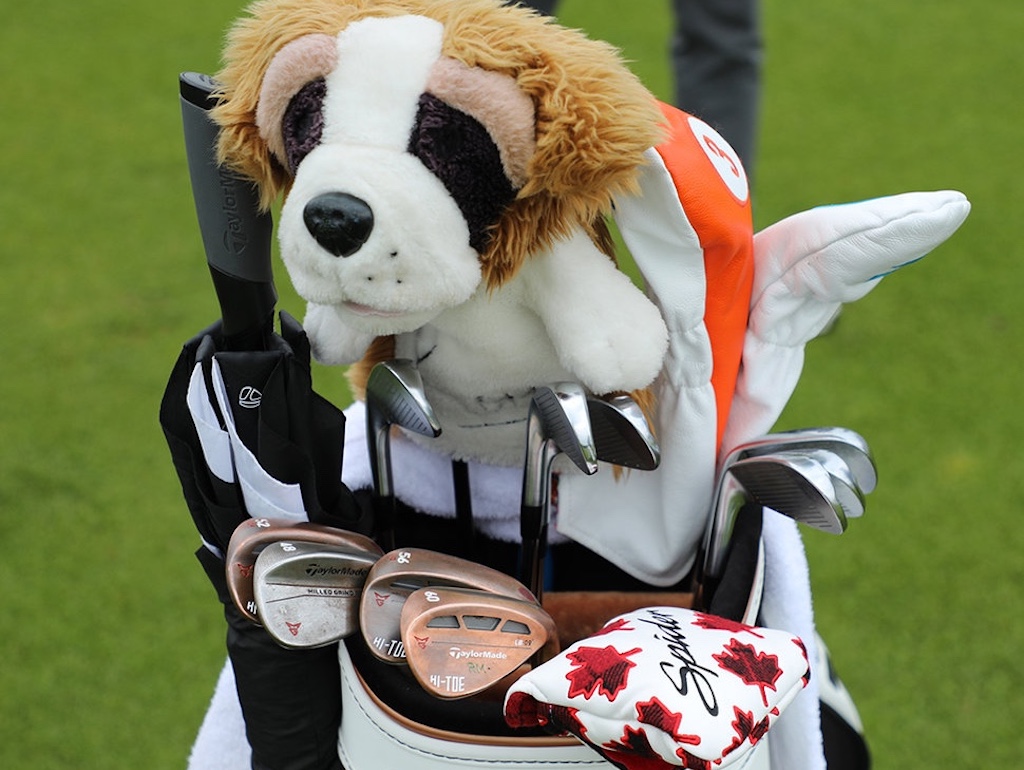
In Rory McIlroy’s first appearance at the 2019 RBC Canadian Open, he crushed the record books to earn his 16th PGA Tour title in dominating fashion, winning by seven shots over Shane Lowry and Webb Simpson.
McIlroy’s score of 22-under-par 258 is the lowest 72-hole score to date at the Canadian Open, and his closing 61 is also the best final-round score in the history of one of golf’s oldest tournaments. Finally, with his win in 2019, McIlroy became only the sixth player to win the career Triple Crown, adding to his victories at the U.S. Open in 2011 and The Open Championship in 2014, joining Tommy Armour, Walter Hagen, Arnold Palmer, Lee Trevino and Tiger Woods in a coveted list.
So, with that, why not compare his current setup to the clubs he used to break all the records?
Driver
2019: TaylorMade M5 (9 degrees), Shaft: Mitsubishi Tensei CK Pro White 70 TX
2026: TaylorMade Qi4D (9 degrees @8), Shaft: Fujikura Ventus Black 7X (45 5/8 inches)
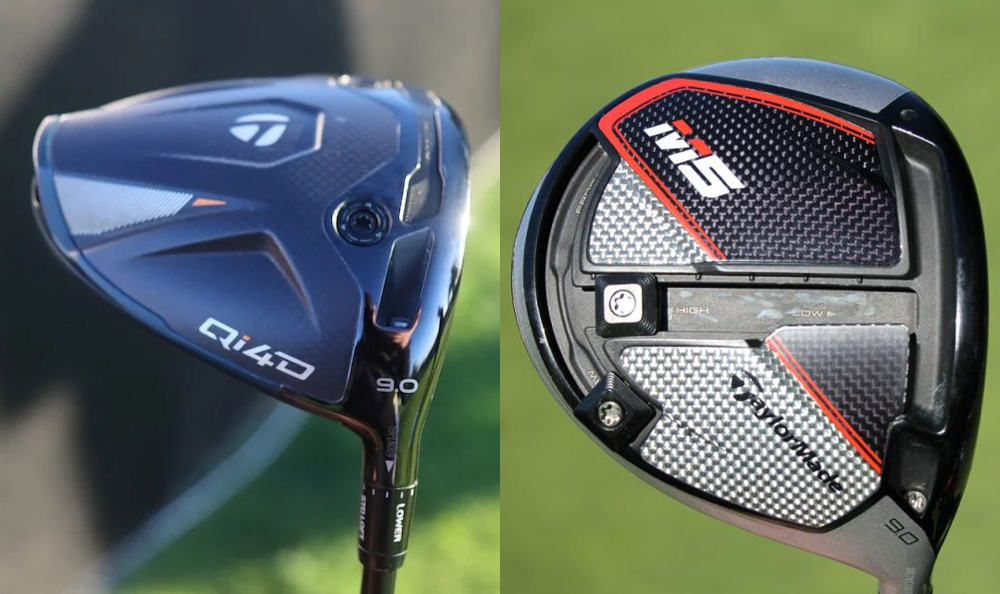
McIroy led the Tour in Strokes Gained: Off-the-Tee in 2019; he’s doing the same in 2026. Between now and then, McIlroy has switched from the Mitsubishi Tensei CK Pro White 70 TX (a shaft with slightly more feeling in the tip) to the original Fujikura Ventus Black 7X, having just made the change to the heavier version from playing the 60X.
What’s interesting about McIlroy’s 2019 setup is that the weighting on his driver is actually set in the high-draw setting, using the T-Track weighting system, whereas in the Qi4D, he’s currently using a heavily rear-weighted setup. (Two 13-gram weights in the rear and only two 4-gram front weights.)
The TaylorMade M5 driver he played in during his Canadian Open win was the company’s first head that they claimed to design to initially exceed the USGA’s COR limit, and then injected with tuning resin to bring it back in bounds.
Fairway woods
2019: TaylorMade M6 3-wood (15 degrees), Shaft: Mitsubishi Tensei CK Pro White 80 TX; TaylorMade M5 5-wood (19 degrees), Shaft: Mitsubishi Tensei CK Pro White 90 TX
2026: TaylorMade Qi4D 3-wood (15 degrees), Shaft: Fujikura Ventus Black 8X; TaylorMade Qi4D 5-wood (18 degrees), Shaft: Fujikura Ventus Black 9X

The TaylorMade M6 fairway wood that McIlroy was using during the 2019 season is still in the bag of some of the best golfers on Tour in 2026. Just check out Justin Rose’s winning setup from the Farmers Insurance Open earlier this year. This year, though, McIlroy has still been searching for his top-end-of-the-bag setup, having played both the new Qi4D and the Qi10, which he won the Masters with.

The same shaft swap can be seen in the fairway woods as the driver, along with slightly less loft on the 5-wood.
Irons
2019: TaylorMade P750 (4) Buy here, TaylorMade P730 (5-9), Shafts: Project X 7.0
2026: TaylorMade P760 (4), TaylorMade Rors Proto (5-9), Shafts: Project X 7.0

The biggest difference between McIlroy’s custom set and the stock P730s is the groove design. While the P730s were constructed with 14 MX-9 grooves on their milled faces, McIlroy’s proto heads instead use the higher-spinning, 16-groove layout of the TW2 grooves. Other big differences between the sets are that McIlroy’s 7- and 8-irons have thinner toplines, are 1 degree stronger in loft, and are 1/4 inch longer than the original P730 builds.
With McIlroy’s 4-iron, the switch from P750 to P760 sees a transition to a two-piece construction with Speed Foam in it, which allows McIlroy to launch the ball slightly higher, with more workability.
Wedges
2019: TaylorMade Milled Grind (48-09SB), TaylorMade MG Hi-Toe (52-09SB, 56-09SB, 60-LB09), Shafts: Project X Rifle 6.5
2026: TaylorMade MG5 (46-09SB, 50-09SB, 54-11SB, 60-08LB @61), Shafts: Project X 6.5 (46-54), Project X 6.5 Wedge (60)

Between 2019 and 2026, McIlroy’s focus on his short game has been much more apparent. It was the reason why he switched back to the TP5 golf ball, to help with launch, spin and control with his wedges leading up to his career Grand Slam victory in 2025. The most apparent changes to McIlroy’s wedge setup are his lofts and bounce. He’s slowly delofted his pitching to a sand wedge, but has increased the loft on the lob wedge, bending his current 60-degree to 61. With that, adding more loft to his lob wedge also slightly increases the bounce and leading-edge sit point, so, as a result, he plays a lower-bounce lob wedge compared to 2019. The MG5 wedges are also softer than the first Milled Grind option from 2019. McIlroy also no longer plays the full-face grooves found on the Hi-Toe.
Putter
2019: TaylorMade Spider X
2026: TaylorMade Spider Tour X
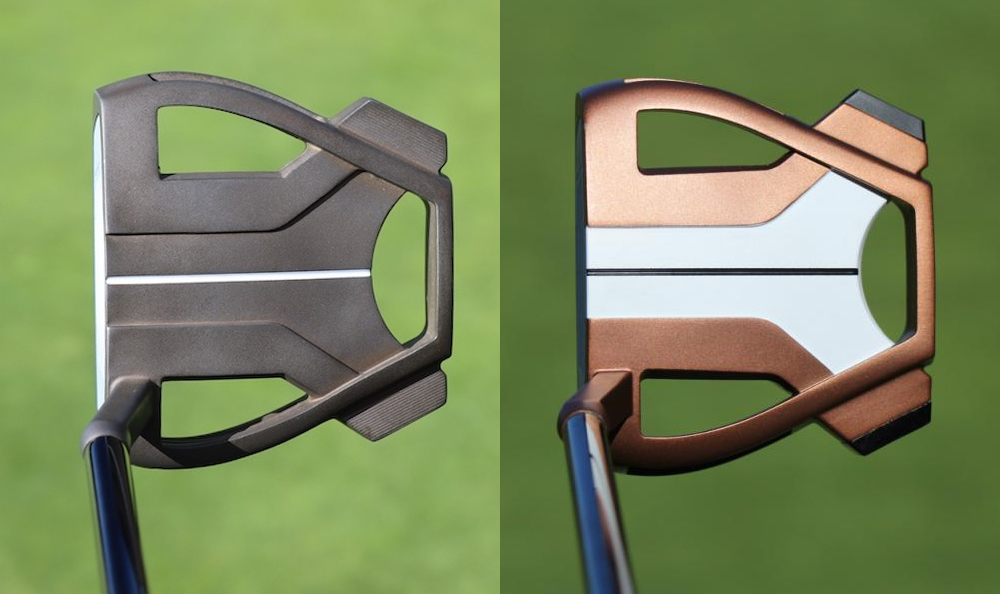
Notice anything similar. Yes, the copper finish on Rory McIlroy’s Spider X putter in 2019 is a slightly more reflective finish than the recently released torched PVD finish. McIlroy was using the True Path alignment system, but now uses only a single white sightline.
Ball
2019: 2019 TaylorMade TP5 (#22)
2026: 2025 TaylorMade TP5 (RORS)
As mentioned above, McIlroy had transitioned from the TP5 to TP5x golf ball since his victory in Canada in 2019, but now is black with the same style of golf ball as his victory at Hamilton Golf & Country Club.
Grips
2019: Golf Pride Tour Velvet Cord
2026: Golf Pride MCC
Interesting, McIlroy actually used Golf Pride’s Tour Velvet Cord grips during his victory in 2019 (it was during a 2+ year switch to the corded TV) as opposed to his usual MCC grips, which he has played for most of his career.


At GolfWRX, we are a community of like-minded individuals who all experience and express our enjoyment of the game in many ways.
It’s that sense of community that drives day-to-day interactions in the forums on topics that range from best driver to what marker you use to mark your ball. It even allows us to share another thing we all love – buying and selling equipment.
Currently, in our GolfWRX buy/sell/trade (BST) forum, @Putt4Dough is selling some prototype wedges from Vokey Wedgeworks. These include a 54 degree wedge with the M grind and a 60 degree wedge with a T grind.
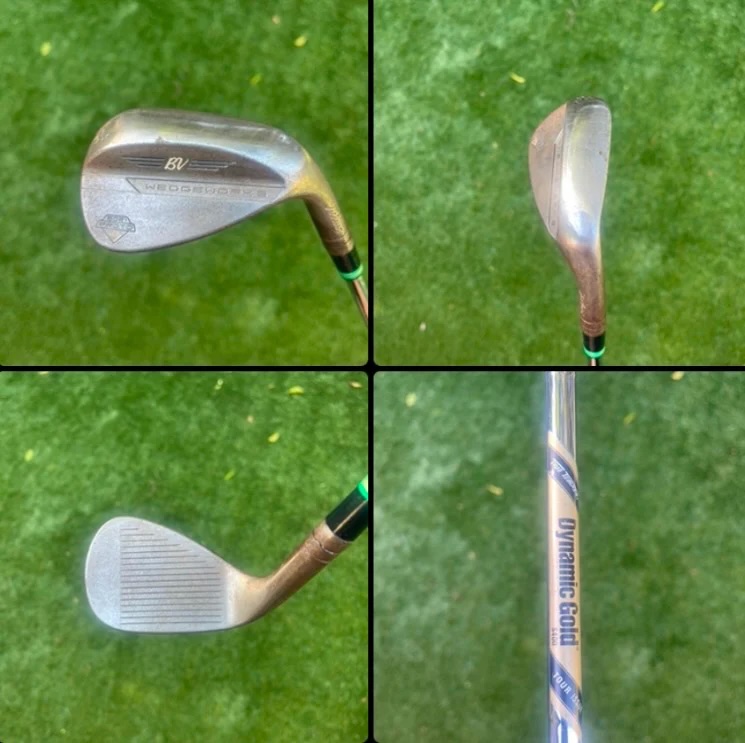
From the listing:
(1) Titleist Vokey Proto Wedge 54M with a Tour Issue DGS400 shaft and Golf Pride Tour Velvet (logo down). Standard length, lie, and loft. BB&F ferrule. Raw wedge in good condition. No initials. Price is $200 shipped. Buy both wedges for $380 shipped.
(2) Titleist Vokey Proto Wedge 60T with a KBS Tour 130X shaft and Golf Pride Tour Velvet. Standard length, lie, and loft. Raw wedge in good condition. No initials. Price is $200 shipped. Buy both wedges for $380 shipped.
To check out the full listing in our BST forum, head through the link. If you are curious about the rules to participate in the BST Forum, you can learn more here: GolfWRX BST Rules.
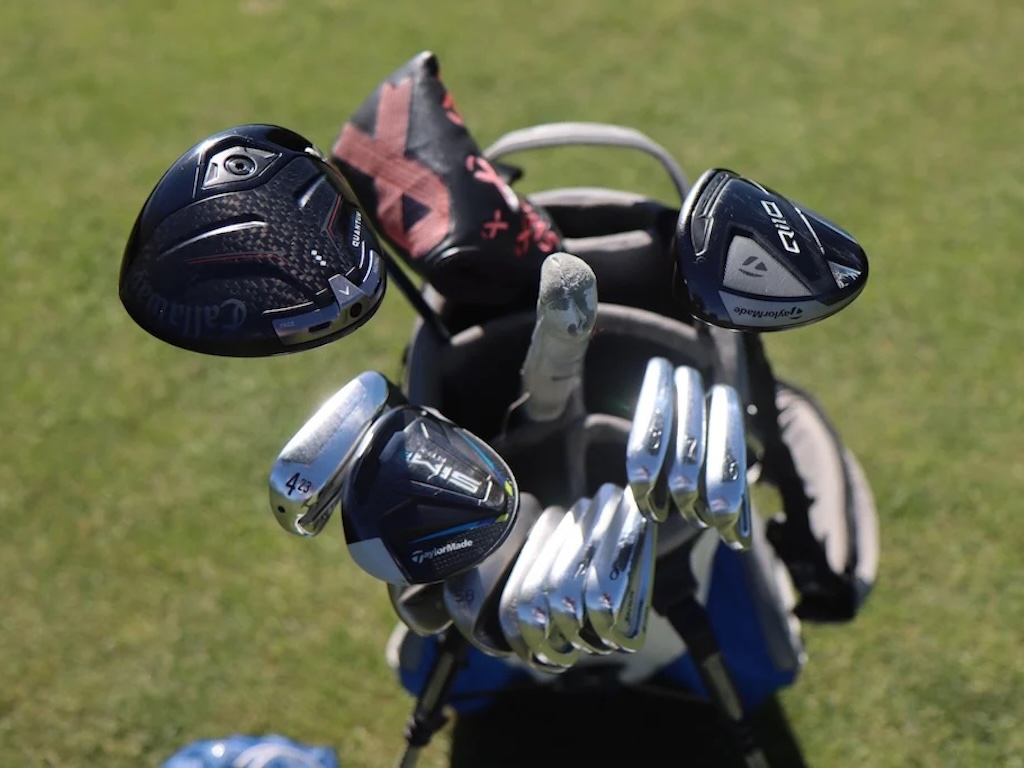
Driver: Callaway Quantum Triple Diamond (9 degrees)
Shaft: Project X HZRDUS Smoke Blue RDX 60 TX
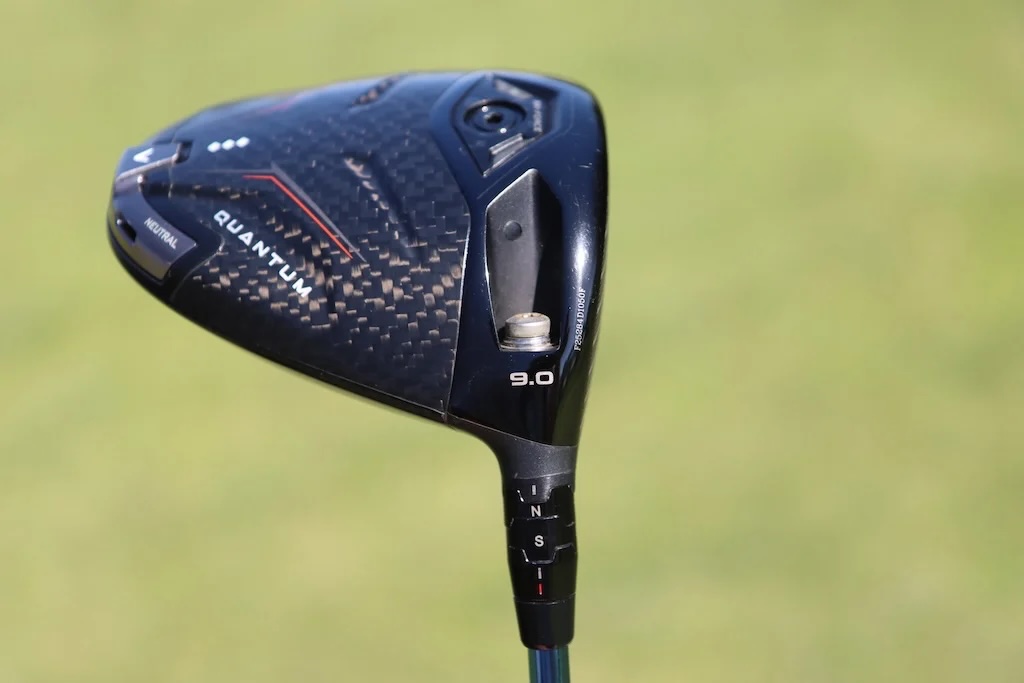
3-wood: TaylorMade Qi10 (15 degrees)
Shaft: Project X HZRDUS T1100 70 6.5
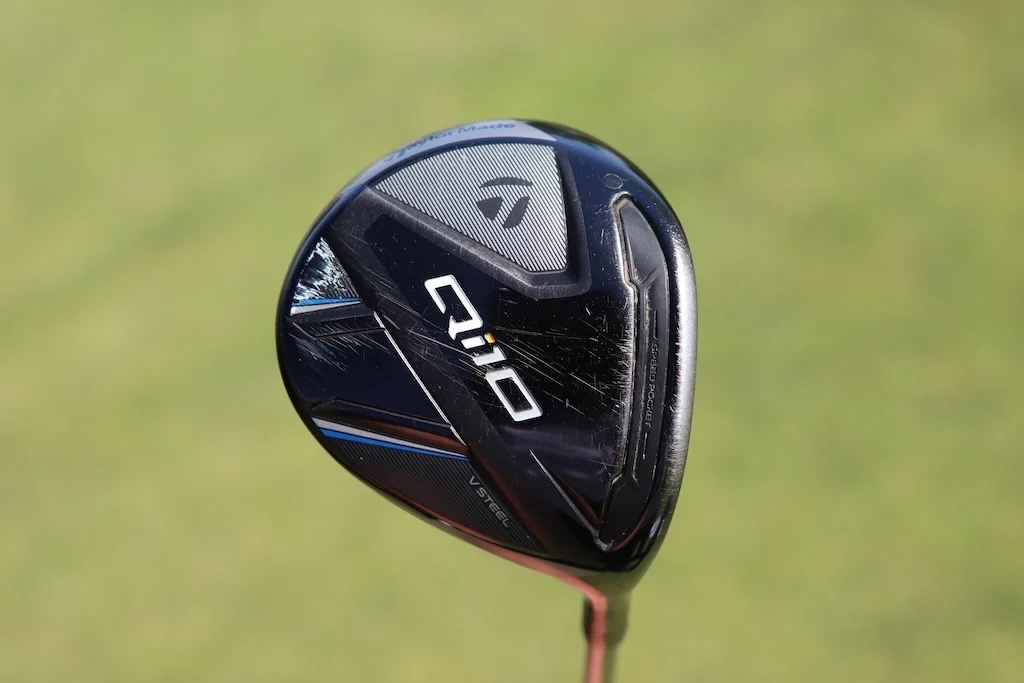
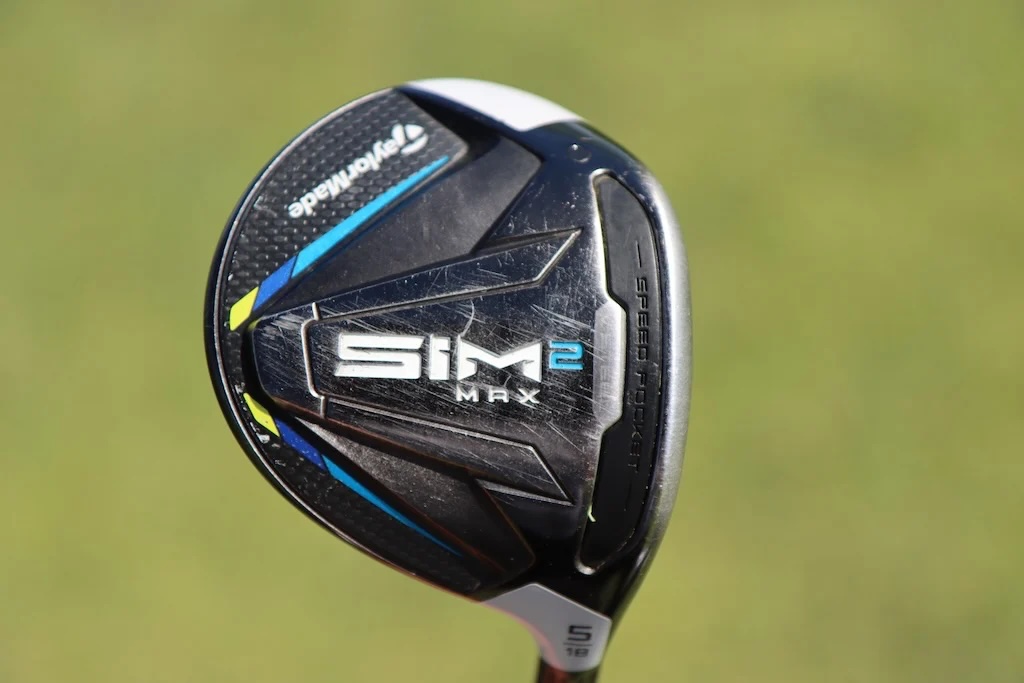
5-wood: TaylorMade SIM2 Max (18 degrees)
Shaft: Project X HZRDUS Smoke Black RDX 80 TX
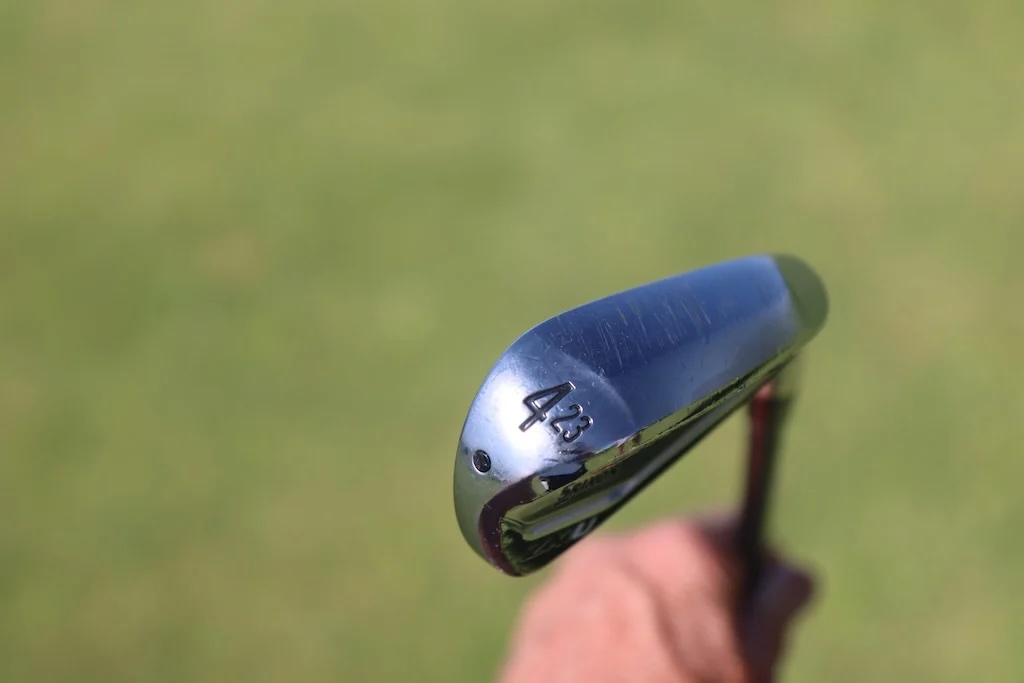
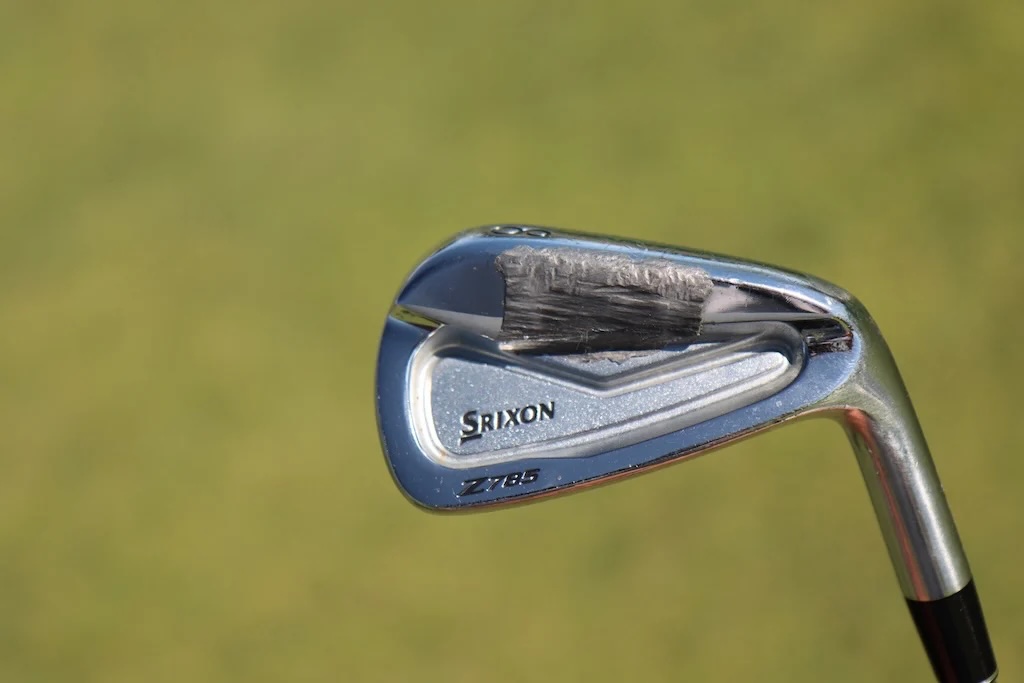
Irons: Srixon ZXiU (23 degrees), Srixon Z785 MB (5-PW)
Shafts: Project X HZRDUS Smoke Black RDX 100 6.5 (4), KBS Tour 130 X
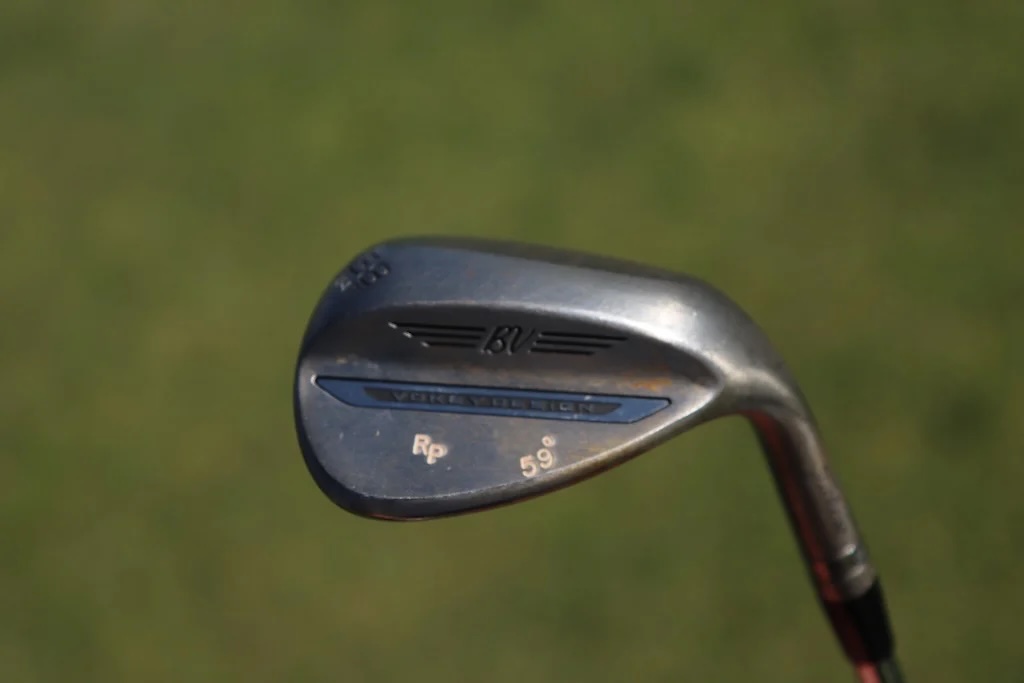
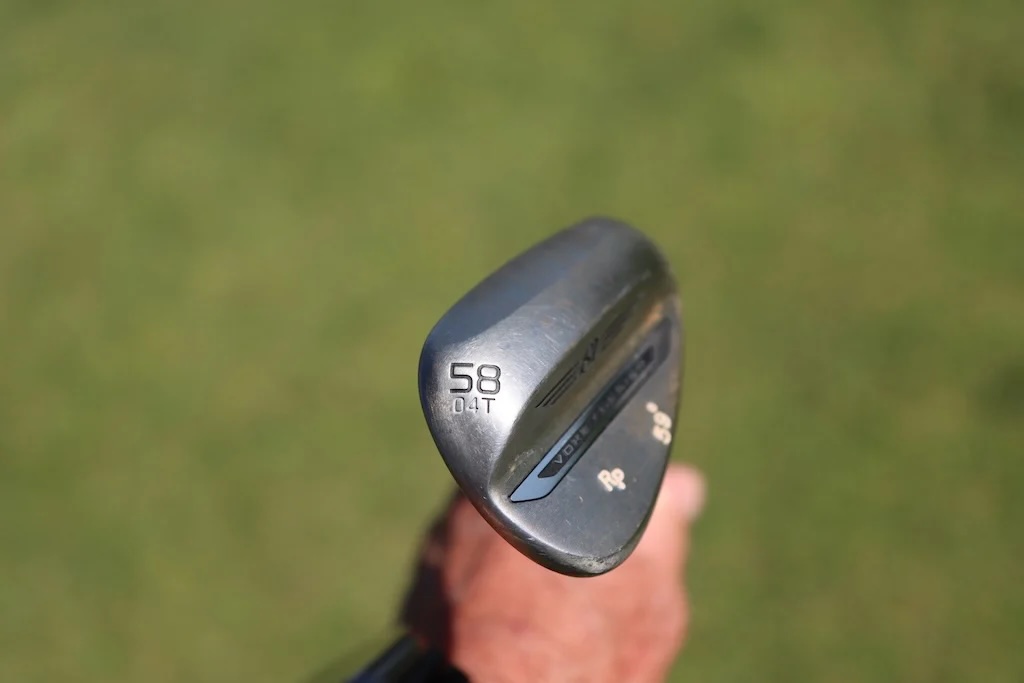
Wedges: Titleist Vokey Design SM11 (50-08F, 54-10S, 58-04T @59)
Shafts: KBS Tour 130 X
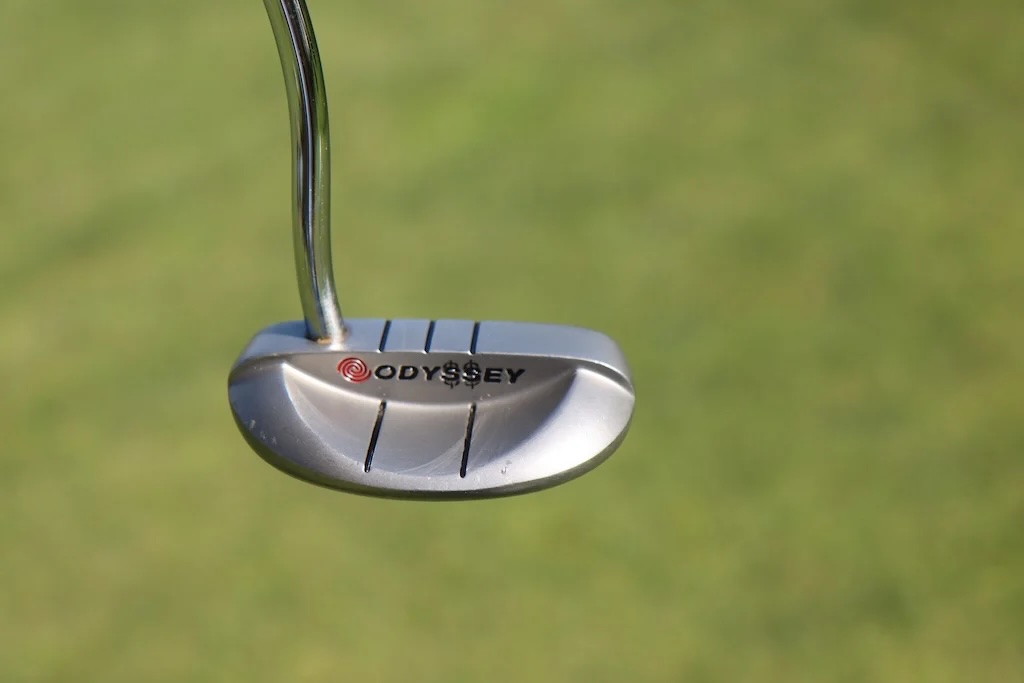
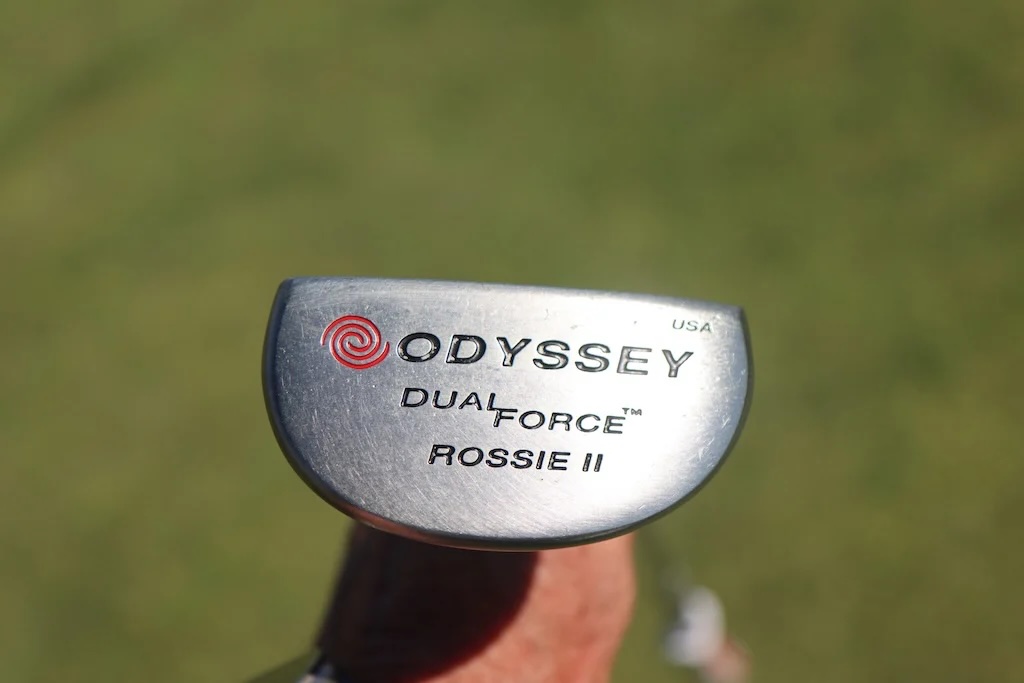
Putter: Odyssey Dual Force Rossie II
Ball: Titleist Pro V1x
Grips: Golf Pride Tour Velvet

Justin Rose WITB 2026 (April): Full WITB breakdown with new McLaren irons

What’s the story behind Webb Simpson’s custom-stamped irons?

Memorial Tournament Tour Report: Rory McIlroy, Cameron Young switch up drivers, and more

Cadillac Championship Tour Report: Spieth’s sizable changes, McLaren Golf launches, and more

Russell Henley’s winning WITB: 2026 Charles Schwab Challenge

Kristoffer Reitan’s winning WITB: 2026 Truist Championship

Best irons 2026: Best irons overall, most forgiving irons, and more

J.T. Poston’s winning WITB: 2026 Memorial Tournament

Aaron Rai’s winning WITB: 2026 PGA Championship

Cameron Young’s winning WITB: 2026 Cadillac Championship


Ryan Palmer WITB 2026 (June)
Driver: Callaway Quantum Triple Diamond (9 degrees) Shaft: Project X HZRDUS Smoke Blue RDX 60 TX 3-wood: TaylorMade Qi10 (15 degrees) Shaft:...


Bud Cauley WITB 2026 (June)
Bud Cauley had >14 clubs in his bag when photographed prior to the Memorial Tournament. Driver: Titleist GTS2 (8 degrees) Shaft: Fujikura...


Hannah Green WITB 2026 (June)
Driver: Titleist GTS3 (10 degrees, D4 SureFit setting) Shaft: Mitsubishi Chemical Diamana RB 53 S 3-wood: Titleist GT3 (15 degrees,...


Asterisk Talley WITB 2026 (June)
Driver: TaylorMade Qi4D (9 degrees) Shaft: Fujikura Ventus Blue 6 S 3-wood: TaylorMade Qi4D (16.5 degrees) Shaft: Fujikura Ventus Blue...
-
 Equipment6 days ago
Memorial Tournament Tour Report: Rory McIlroy, Cameron Young switch up drivers, and more
-
 News2 weeks ago
Russell Henley’s winning WITB: 2026 Charles Schwab Challenge
-
 Equipment3 days ago
Best irons 2026: Best irons overall, most forgiving irons, and more
-
 Whats in the Bag4 days ago
J.T. Poston’s winning WITB: 2026 Memorial Tournament
-

 Equipment1 week ago
Details on Jason Day’s latest prototype Avoda iron setup
-

 Equipment3 weeks ago
CJ Cup Byron Nelson Tour Report: Koepka and Kim’s newest putters finally get hot
-

 News2 weeks ago
Charles Schwab Challenge Tour Report: MacIntyre, Åberg and Spaun all switch putters, TaylorMade launches new Spider
-

 Equipment2 weeks ago
Details on J.J. Spaun’s surprise putter switch


Fred Ward
Jun 17, 2016 at 11:57 am
I am trying to get in contact with Jeffrey and Robert Meyer. Computer crash and lost their email and phone #. Tell them Fred Ward, former Demo/Tech Rep. TaylorMade and Adams golf.
850-217-9903
[email protected]
Look forward to hearing from them.
Hamish
Aug 14, 2014 at 10:09 am
I played Loomis shafts years ago…
They were excellent…actually awesome!!!
After 24years of club making and shafting at ProZoneGolf. I would regard Loomis quality still better than some newer steel graphite fibre designs
Bring them back with a butt stiff design that flies like PX / Modus 3 130. Can you make a 120-125gram dart thrower for loaders…Please!
Joe Golfer
Jul 25, 2014 at 2:14 am
I wonder what the price point will be for those shafts.
I once found an old Gary Player Par Saver sandwedge (aluminum/bronze clubhead)in a used club bin.
It had a G Loomis graphite shaft in it.
I purchased it because the grooves were like new, still deep and sharp despite it being a club from years ago (the prior owner must have rarely used it).
I must say that that club feels fantastic.
A great combo of a soft bronze head with the G Loomis graphite shaft gives it a great feel, really smooth.
If their new shafts are the same quality as that old shaft (back from when G Loomis actually owned the company), they should be good.
Jeff
Nov 4, 2014 at 12:05 am
I’d love to see that wedge.
Jedidiah
Jul 20, 2014 at 2:22 pm
Thanks Ronald McDonald. You’re so cute
Pingback: The return of Loomis Golf shafts | Spacetimeandi.com