
Equipment
U.S. Open Tour Report: More details on DeChambeau’s TaylorMade prototype driver + bag setups key at Shinnecock

Death, taxes, and Bryson DeChambeau changing equipment at a major championship.
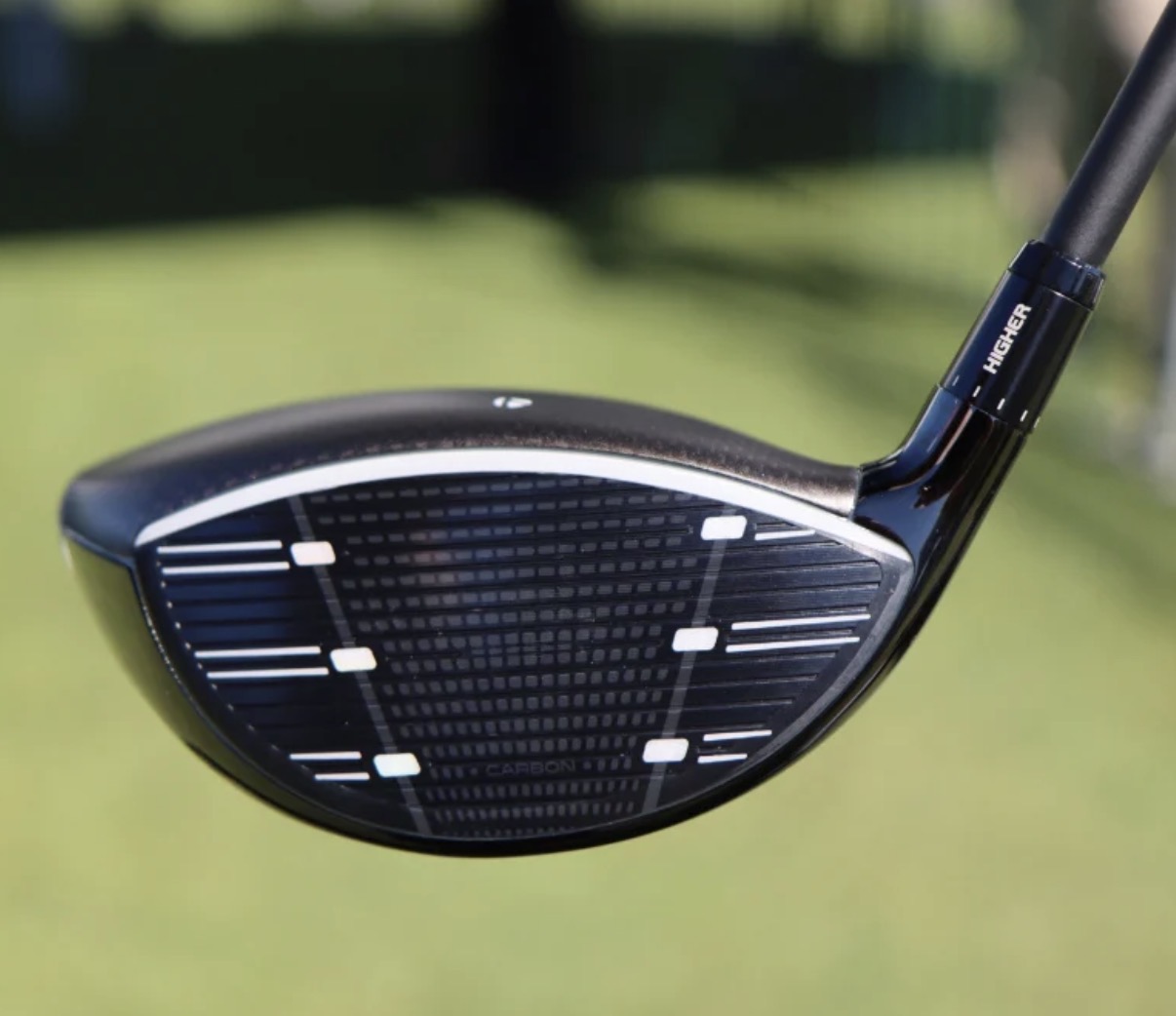
The biggest story of the week started before anyone had even made it on-site Monday morning when a mystery TaylorMade driver turned up on the USGA conforming list, sparking questions as to who the “200+ Proto” Qi4D model would be built for.
After some early examination, it was clear to see that only one player would be testing out the model — Bryson DeChambeau.
GolfWRX reported the news earlier in the week and got the first comments from DeChambeau himself about his prototype driver, as well as a new pair of golf shoes he’s helped design. More on those here.
DeChambeau’s first drive with the new club went a staggering 427 yards, although it was slightly asphault-assisted.
“The foundation laid with the speed of our Qi4D drivers has allowed us to push further than ever before,” said Brian Bazzel, TaylorMade vice president of Product Creation. “The Qi4D 200+ Proto was developed as a prototype — a concept car, in many ways — to explore new ideas in aerodynamics, durability and performance created specifically for the high-speed player of today.”
According to Bazzel, DeChambeau wanted a driver that could handle ball speeds north of 200 mph, while also addressing the unique performance demands that come with swinging at the speed necessary to generate those numbers.
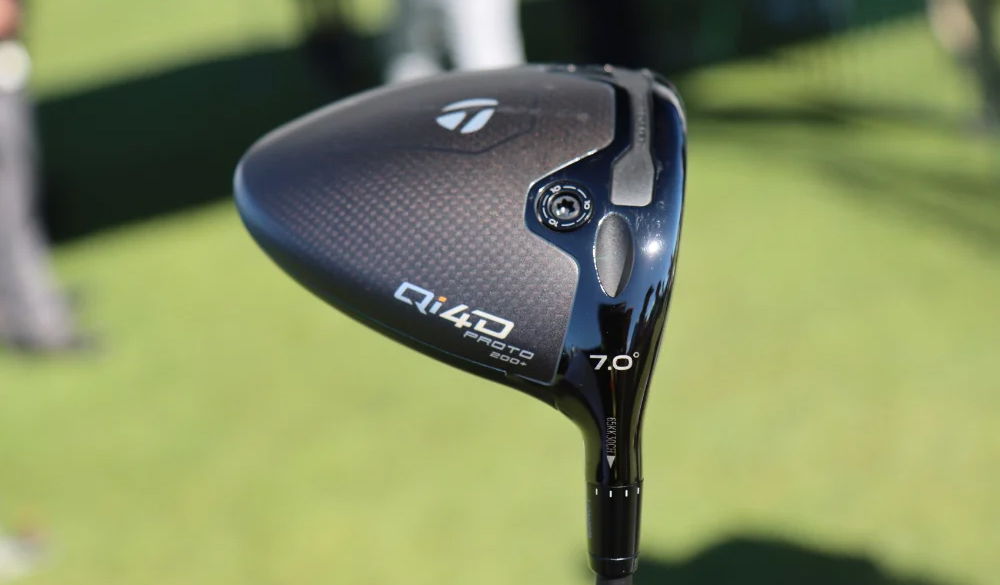
“We were able to meet him there by utilizing the backbone of Qi4D,” Bazzel said.
Speed isn’t something that TaylorMade has been lacking with the Qi4D lineup. What is interesting with the 200+ Proto is the face design and construction.
“The carbon face on the Qi4D 200+ Proto is really where the story gets interesting,” Bazzel wrote. “At those speeds, the shape of the face needs to be different. It must be uniquely engineered to maximize speed, start direction and consistency on off center shots, in a way that compliments someone at 200 mph+. Carbon lets us custom-form that face with an incredible level of precision. We can do things, and hold tolerances, that you simply can’t achieve any other way.”
To achieve greater aerodynamics the 200+ Proto driver head has a more toe-shaped profile compared to a core model, along with an overly forward center of gravity to lower the spin created from such speeds.
Keeping it low-key with driving irons
It happened in 2018, and players are looking to go the same route this year at Shinnecock, with the additions of low-lofted driving irons in the bags of many players this week.
Plenty of players added them. To name a few, Rory McIlroy went to his usual P760 3-iron (the same model as his usual go-to 4-iron), while Tyrrell Hatton went for the Ping iDi driving iron, fitted with a Fujikura Ventus HB Blue Velocore+ shaft as well. Spaniard Rocco Repetto Taylor had just the one headcover in the bag for his adventures around Shinnecock, going driver and then 2-iron through a 58-degree wedge.
Titleist Tour Rep JJ Van Wezenbeeck noted that the driving irons aren’t just for off the tee, with the greens at Shinnecock still receptive enough to hold some long approach shots, and players favouring the more penetrating flight of the iron instead of a high-lofted fairway wood, with the high winds forecasted.
Van Wezenbeeck helped Ludvig Åberg dial in the Titleist T350 head, with the duo adjusting the lie slightly flatter to get a desired shot shape.
Hideki Matsuyama spent much of the early week deciding which long-iron would go in the bag for Round 1. His options included the Apex UT driving iron along with a nearly two-decade-old Srixon ZR Forged UTI 3-iron. The club features one of the thickest toplines seen on a golf club on Tour. With a high-rebound face for increased distance and a hollow head for improved directional stability, it was Srixon’s first iron-type utility club.
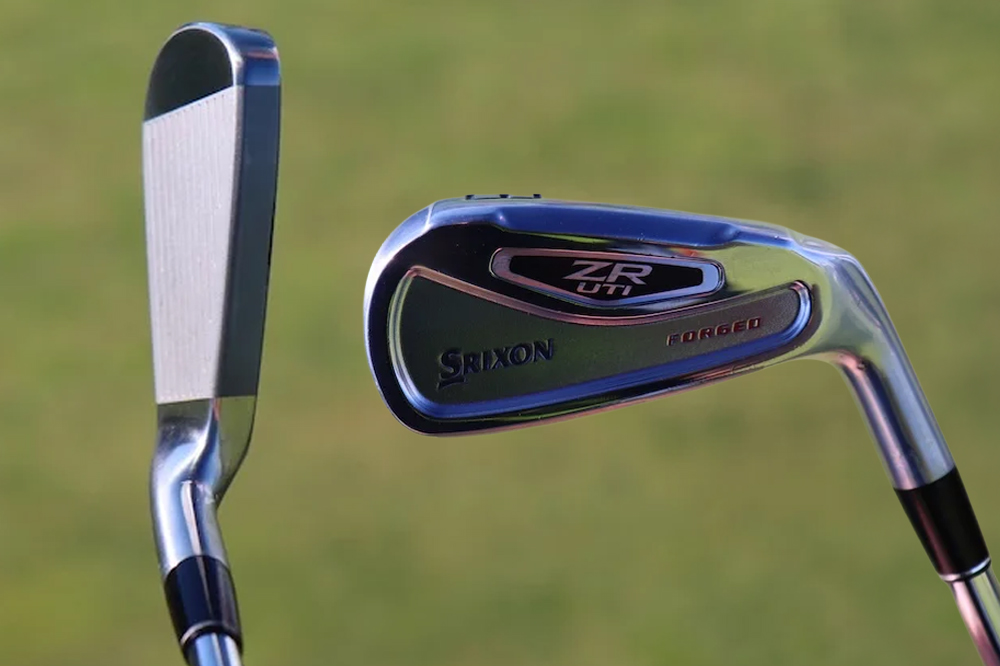
It wasn’t the only driving iron option Matusyama was testing, a Callaway Apex UT. Also, instead of his usual True Temper Dynamic Gold Tour Issue S400 iron shafts, the Japanese major champion was spotted using a KBS Tour 130x in both irons.
Theegala’s own take on a driving iron
Frank’s back! And he got an upgrade.
For those that don’t know, Sahith Theegala has at times throughout his career opted not to use his 4-wood, and instead, go with a juiced-up 2 hybrid that he likes to call his “Franken-hybrid,” or for short, “Frank.”
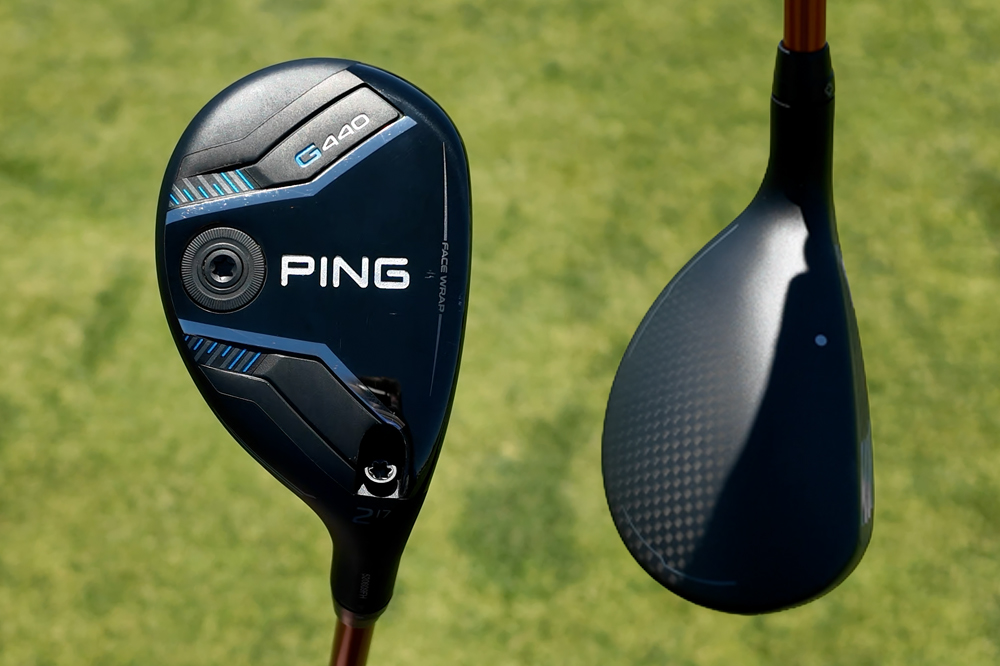
What used to be a Ping G425 is now a G440; the 17-degree head is set in small minus on Ping’s adapter to crank the loft down to 15.5 degrees. Equipped with a Graphite Design Tour AD DI 85x shaft according to Ping PGA Tour rep Kenton Oates, Theegala can launch the club anywhere from 4-7 degrees and can vary spin from 2200-3100 rpm. The carry that Theegala sees with Frank, depending on launch and spin, is around 260 to 280 yards.
Cantlay putter switch comes with comfort
Patrick Cantlay doesn’t change clubs. But now that he’s an equipment-free agent, outside of his Titleist golf ball contract, he’s been making more moves than you think.
Cantlay spent a lot of the early season testing different drivers, and gamed the Ping G440 LST before becoming the first player this year to switch to the Titleist GTS4 driver at the RBC Heritage.
Now, at the U.S. Open, Cantlay has made a significant putter swap, trading out his Scotty Cameron Phantom 7.2 for a TaylorMade Spider Tour X.
Interesting development here at @usopengolf. Patrick Cantlay rolling a @TaylorMadeGolf Spider Tour X. Looks like a major equipment switch for a man that rarely changes his clubs. pic.twitter.com/eFKRSDexiX
— Alistair Cameron (@ACameronWRX) June 16, 2026
While the change seems drastic, it does come with a change in hosel that Cantlay is more than comfortable with. The new black Spider Tour X is equipped with a double-bend shaft, which Cantlay rolled with during his FedExCup-winning season on what at the time was a Scotty Cameron Phantom 5 Tour Prototype. At the time, it was a big change for Cantlay, who had been using a blade for most of his amateur and professional career.
Although Cantlay has yet to comment on the putter change, with him returning to the double-bend, he’s likely trying to remove the arc in his stroke, while also adding the stability of the Spider head.
Grinding it out around Shinnecock
With the return of the U.S. Open to Shinnecock Hills Golf Club comes a unique test – links golf.
And with that, it also begs the question, which wedge grind should be picked to battle the fescue-style grass approaches and their coarse sand bunkers?
“As you would expect, it’s a U.S. Open, so it’s going to be difficult, but there’s a uniqueness to Shinnecock,” Aaron Dill, Vokey Wedge tour director, told GolfWRX. “It is a lot like links-type golf, where you go to The Open. And so the strategy really is very similar to that, right? You have a golf course that’s set near the water. You got a lot of coastal breeze. You have firm fescue conditions, you have deep bunkers with a lot of sand. It’s very coarse sand. So I think the strategy is very similar in the sense of, okay, well how do I build some wedges for the setup that fit what’s going on here?”
More here from Dill about what he and players we’re looking for with short-game setups at Shinnecock.








Brooks Koepka did the incredible at the 2018 U.S. Open, successfully defending his title at a punishing Shinnecock Hills Golf Club. Facing one of the toughest course setups in recent major championship history, Koepka displayed composure and consistency, closing with a final-round 68 to finish at 1 over par, one stroke ahead of a surging Tommy Fleetwood.
Check out the gear Koepka had in play eight years ago below.
Driver: TaylorMade M3 460 (9.5 degrees)
Shaft: Mitsubishi Diamana D+ 70 TX
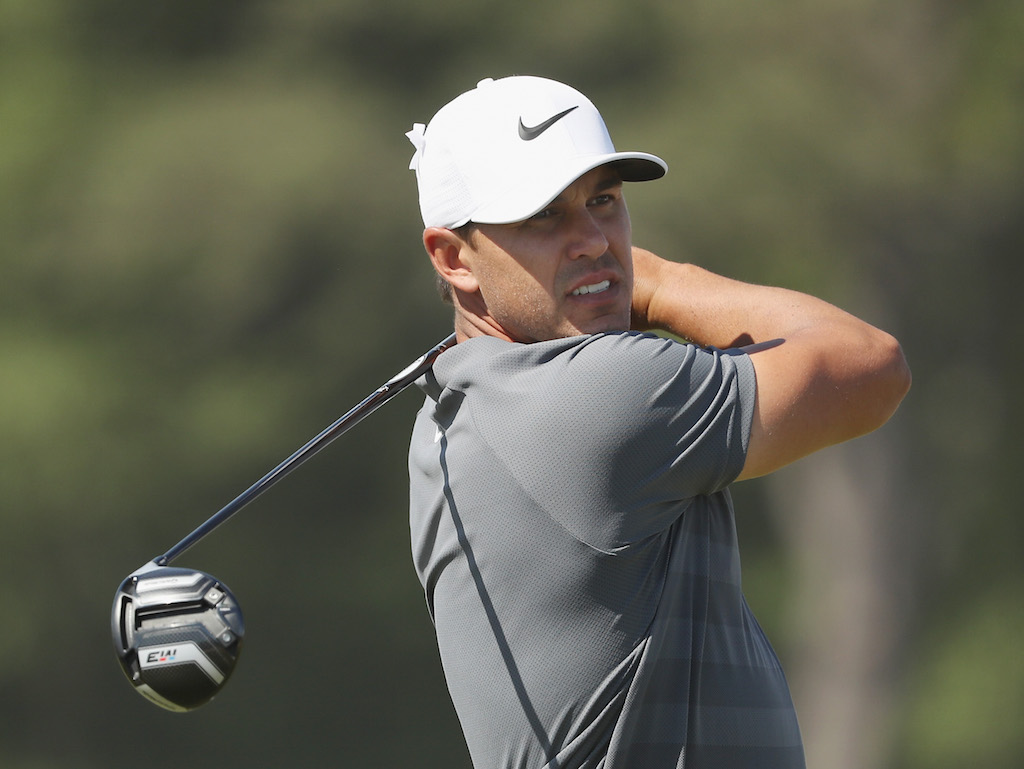
SOUTHAMPTON, NY – JUNE 17: Brooks Koepka of the United States on plays his shot from the eighth tee during the final round of the 2018 U.S. Open at Shinnecock Hills Golf Club on June 17, 2018 in Southampton, New York. (Photo by Streeter Lecka/Getty Images)
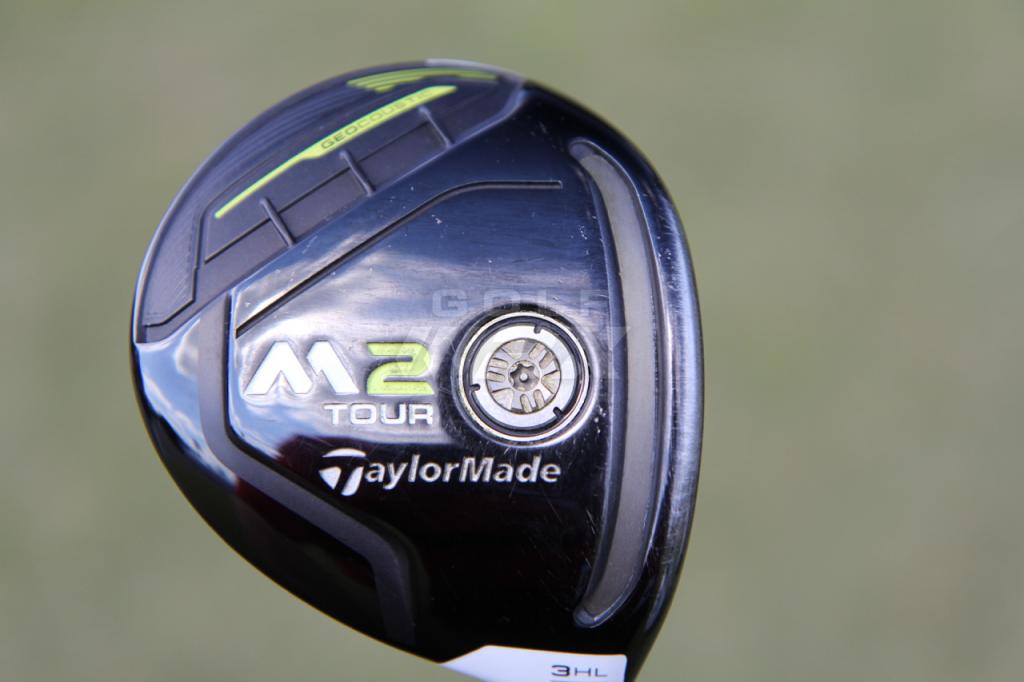
3-wood: TaylorMade M2 Tour HL (16.5 degrees)
Shaft: Mitsubishi Diamana D+ 80 TX
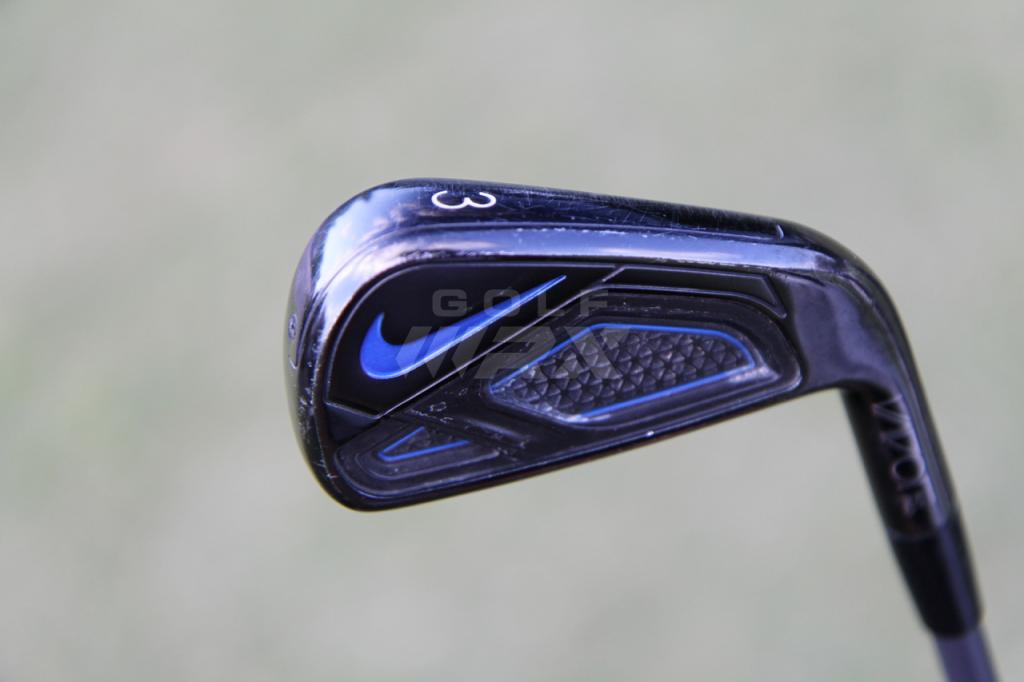
Driving Iron: Nike Vapor Fly Pro (3)
Shafts: Fujikura Pro 95 Tour Spec X-Flex
Irons: Mizuno JPX-900 Tour (4-PW)
Shafts: True Temper Dynamic Gold Tour Issue X100

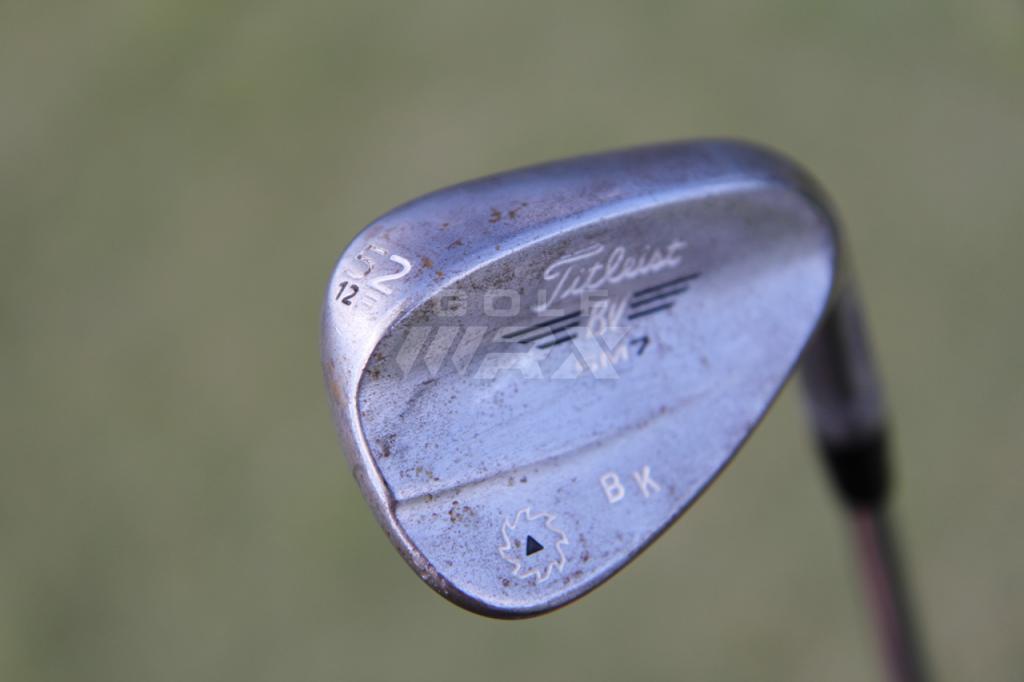
Wedges: Titleist Vokey SM7 (52-12F, 56-10S, 60-08M)
Shafts: True Temper Dynamic Gold Tour Issue S400
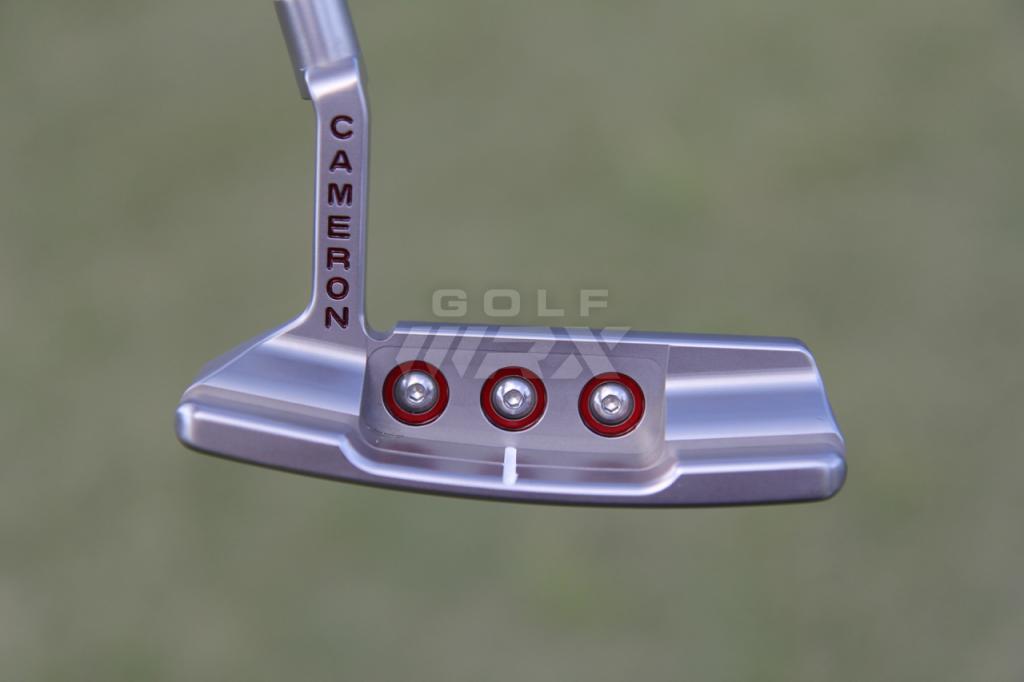
Putter: Scotty Cameron Tour Only T10 Select Newport 2
Golf Ball: Titleist Pro V1x
Grips: Golf Pride Tour Velvet Cord (Midsize) with one wrap of 2-way tape and one wrap of masking tape

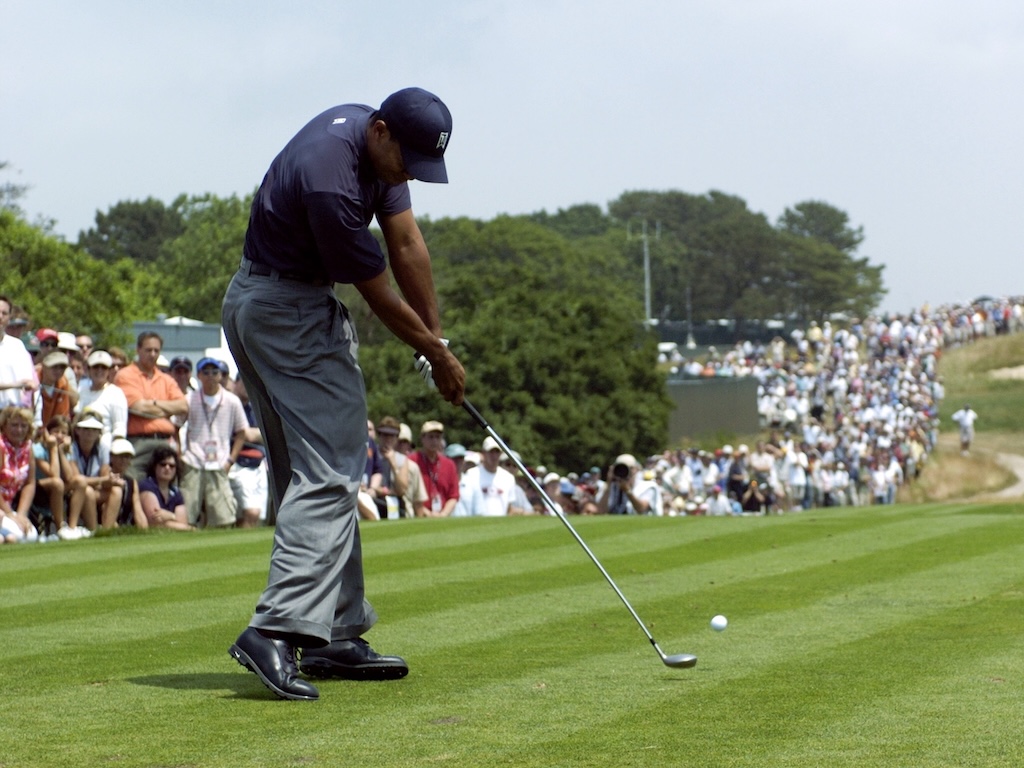
Editor’s note: We tasked our resident equipment nostalgist with mining Getty Images’ archives from the 2004 U.S. Open at Shinnecock for interesting photos. Here are his selections.
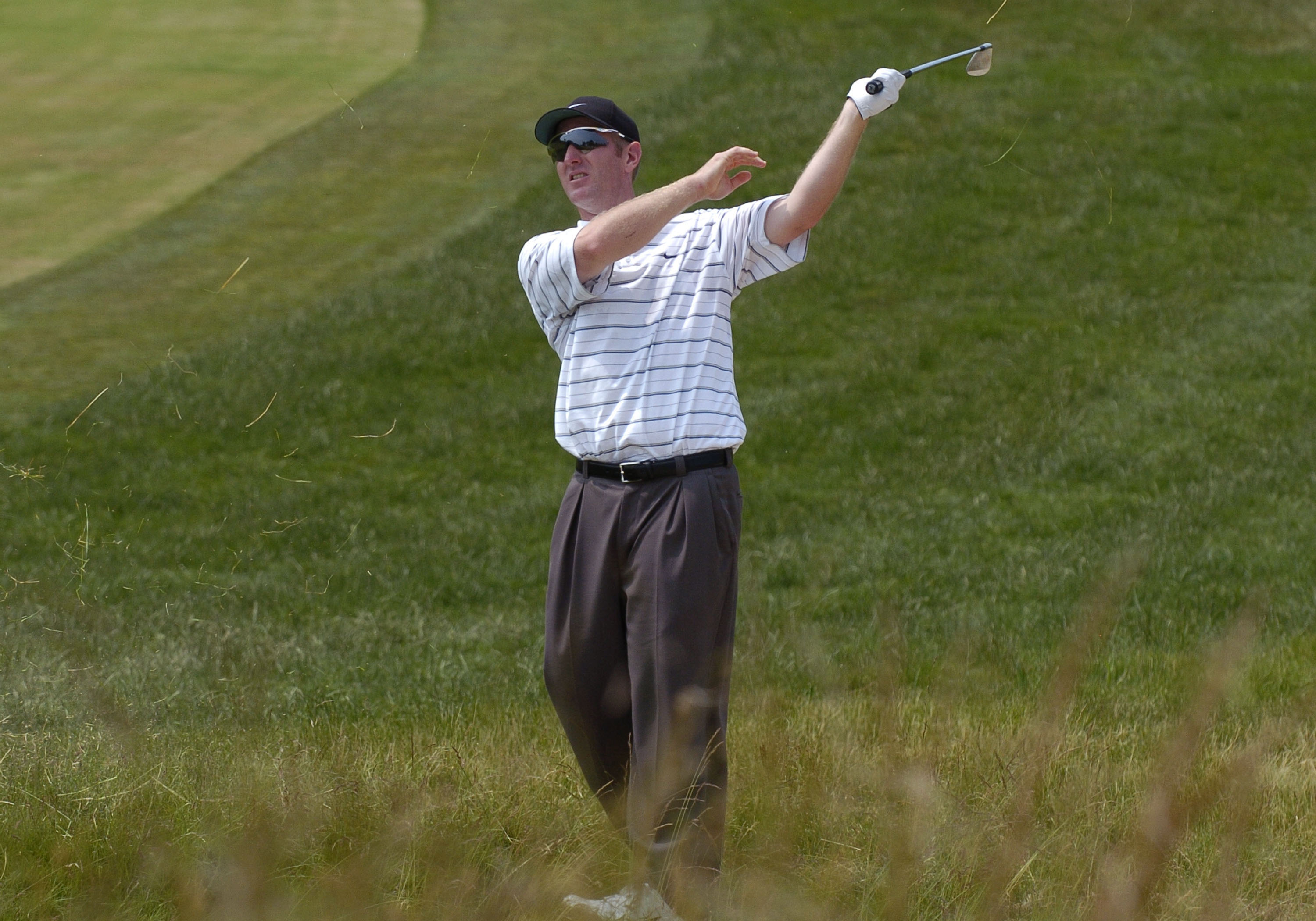
David Duval hits from the rough at Shinnecock Hills, site of the 2004 U. S. Open, during first-round play June 17, 2004. (Photo by A. Messerschmidt/Getty Images)
Patience, one-handed finishes, and keeping your cool. USGA championships challenge each facet of your game. You have to be “on” for all 18 holes. Insert the “one shot at a time” analogy, but it is very much true. Simple when executed but as the game goes, it is the greatest challenge. The challenge of Shinnecock Hills on a standard day is amplified in a U.S. Open.
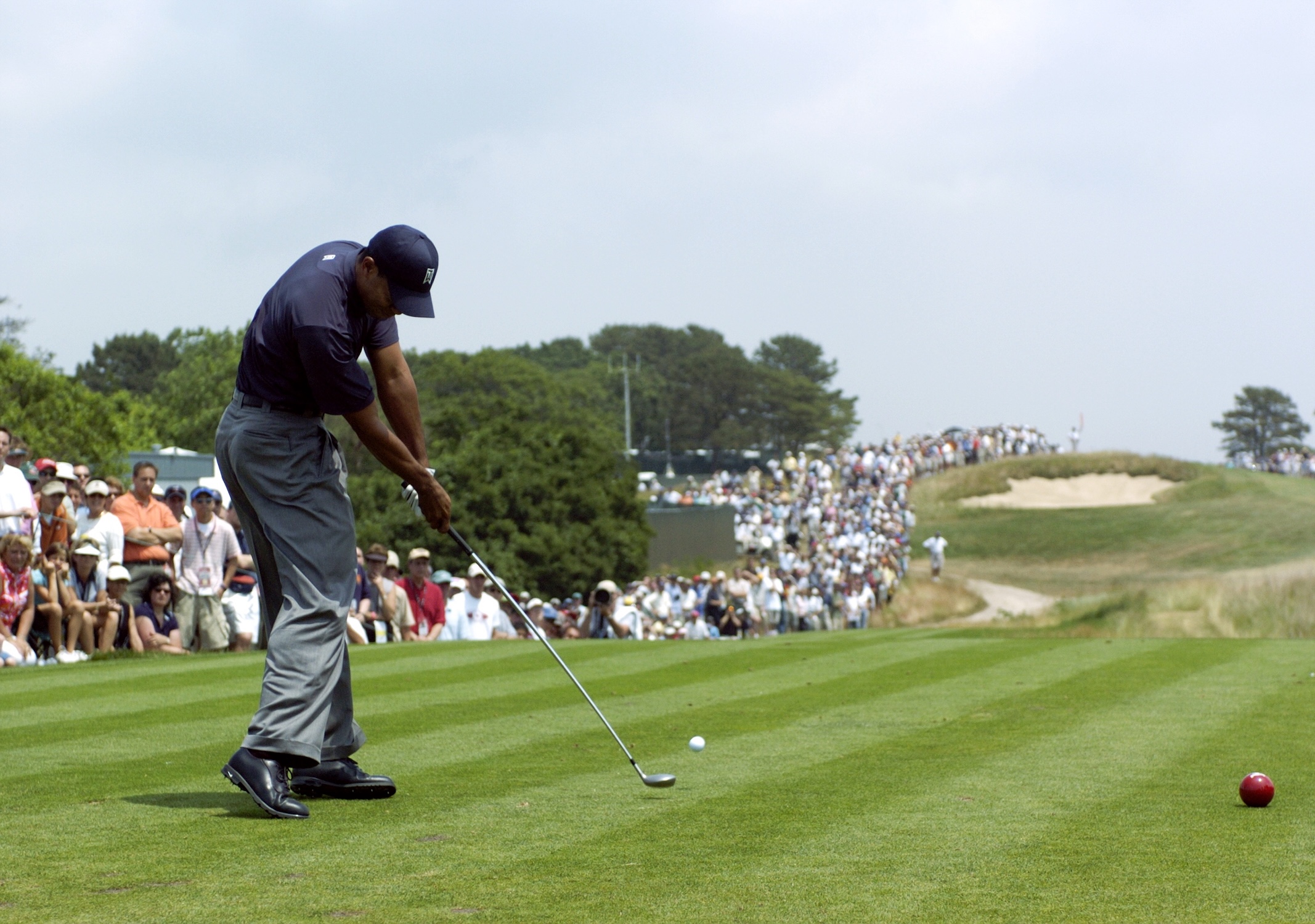
A generational blend of equipment. Tiger Woods tees off his Titleist 970 3-wood with a steel shaft. During this time in 2004, we would see clubs from the late 90’s in play blending into the early 2000’s. Launch monitor use became a common practice beginning in 2006 on the PGA Tour on-site, which made for quicker equipment changes.
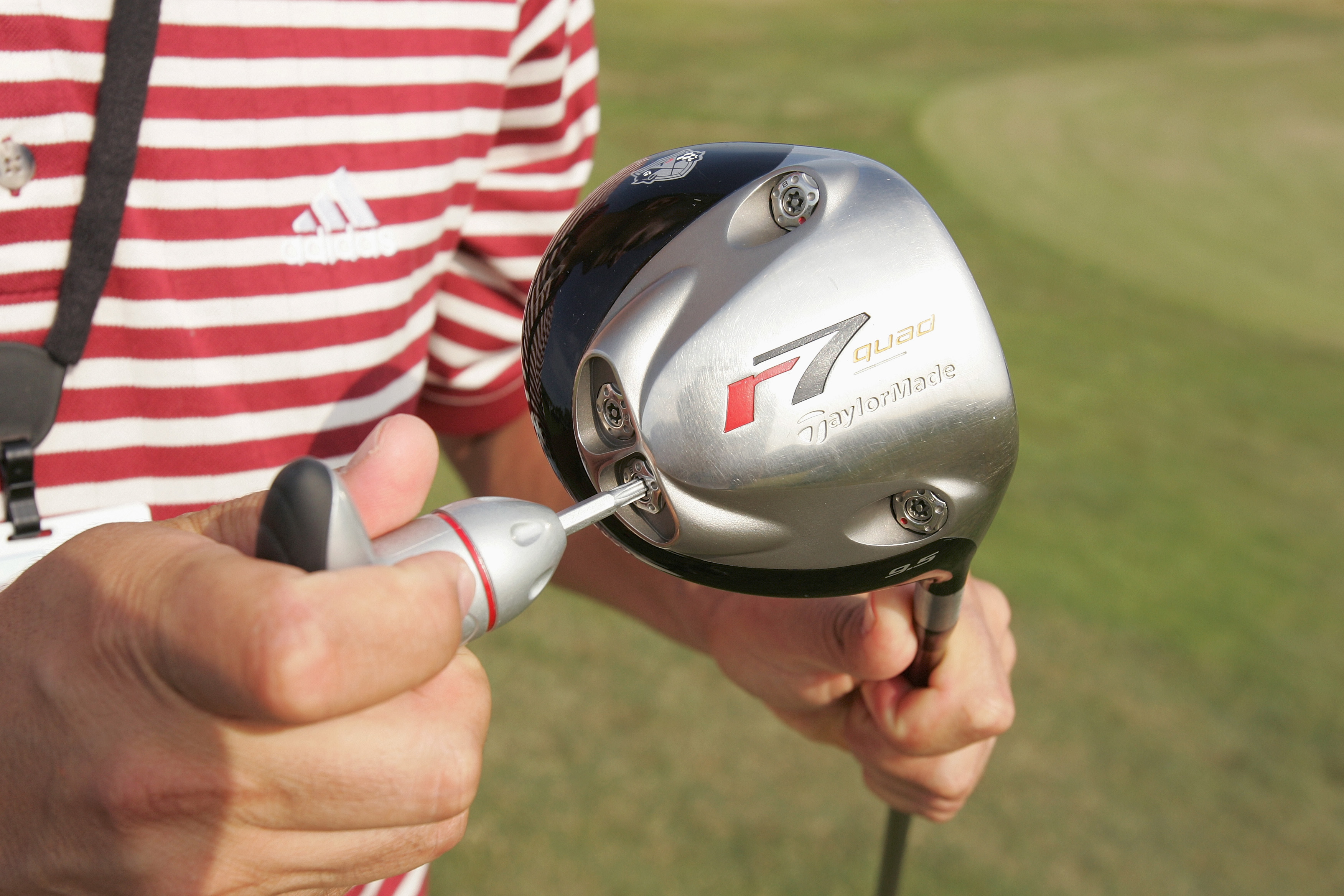
SOUTHAMPTON, NY – JUNE 16: A Taylor Made golf employee tightens a screw on the new R7 quad driver during the third day of practice at the 104th U.S. Open at Shinnecock Hills Golf Club on June 15, 2004 in Southampton, New York. (Photo by Scott Halleran/Getty Images)
One of the big splashes of the equipment world in 2004 was the launch of the TaylorMade R7 Quad. The four adjustable weights represented a new level of player optimization not seen at the time. Soon, a wrench in each golf bag would be a necessity.
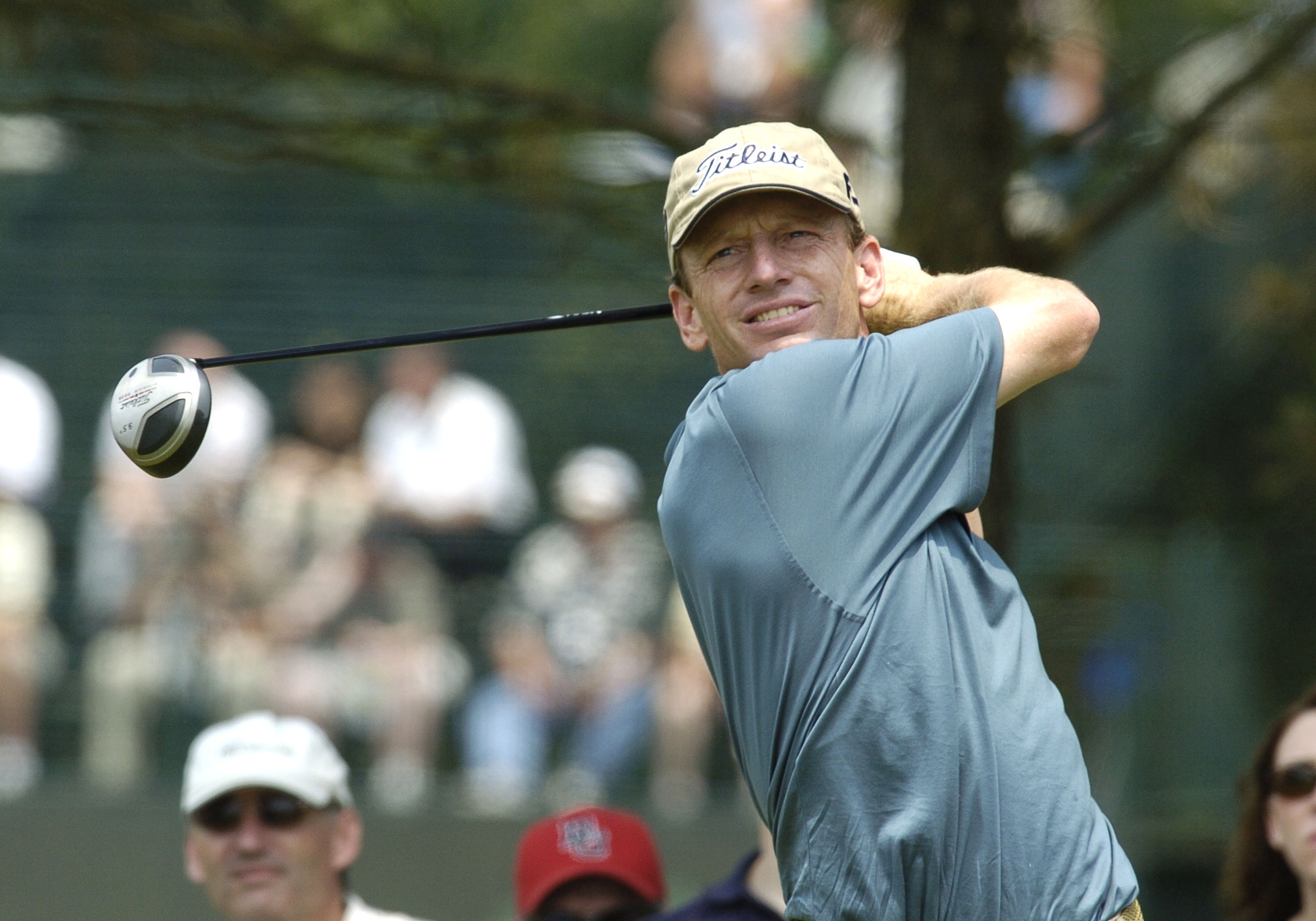
Brad Faxon competes at Shinnecock Hills, site of the 2004 U. S. Open, during first-round play June 17, 2004. (Photo by A. Messerschmidt/Getty Images)
Another big splash during this time was the 2003 release of the Titleist 983K and 983E model drivers. Brad Faxon is seen here swinging the K model. This driver was considered large at 365cc’s. With nearly every driver at 460cc’s. It is amazing to see the standard of a club change in just over two decades.
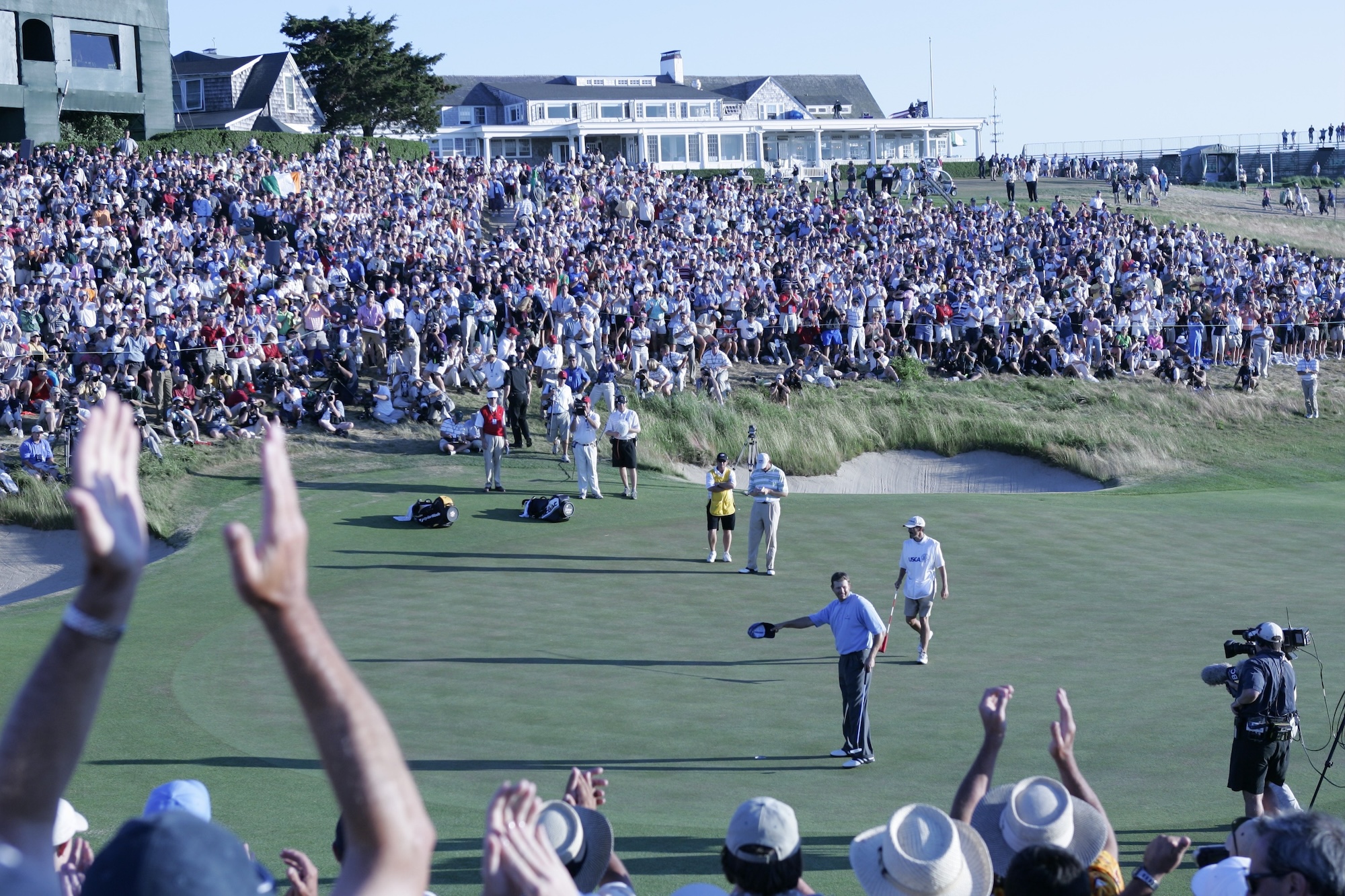
The feeling of victory. Retief Goosen completes his journey, solidifying his victory on the home hole. In 2004, as a spectator, you had to capture the moment on your digital camera or film. Not a mobile device in sight, soaking in the scenes of the 2004 U.S. Open. Just a sign of the times when it comes to hosting championships at Shinnecock Hills.


Driver: Callaway Quantum Triple Diamond (9 degrees)
Shaft: Mitsubishi Chemical Tensei 1K Black 75 TX
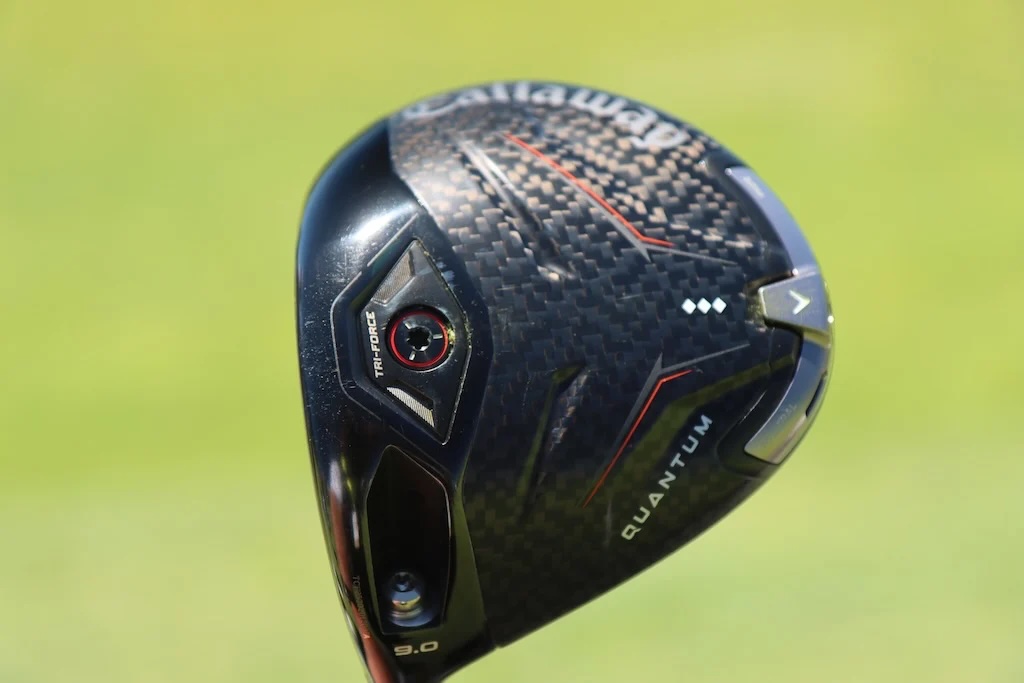
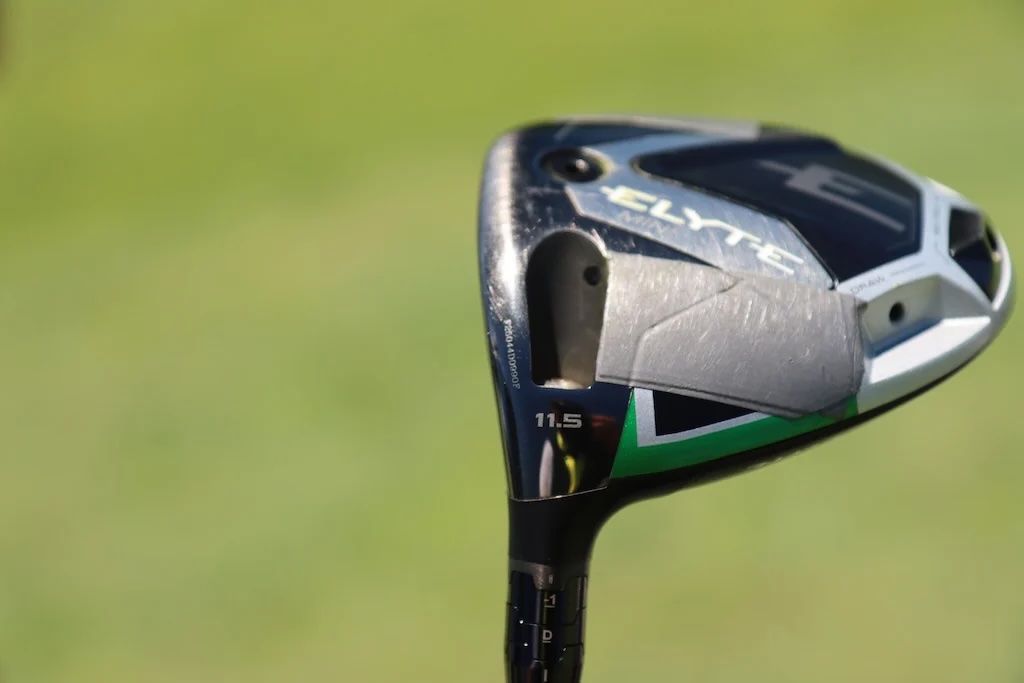
Mini driver: Callaway Elyte (11.5 degrees @10.5)
Shaft: Fujikura Ventus Black 9 X
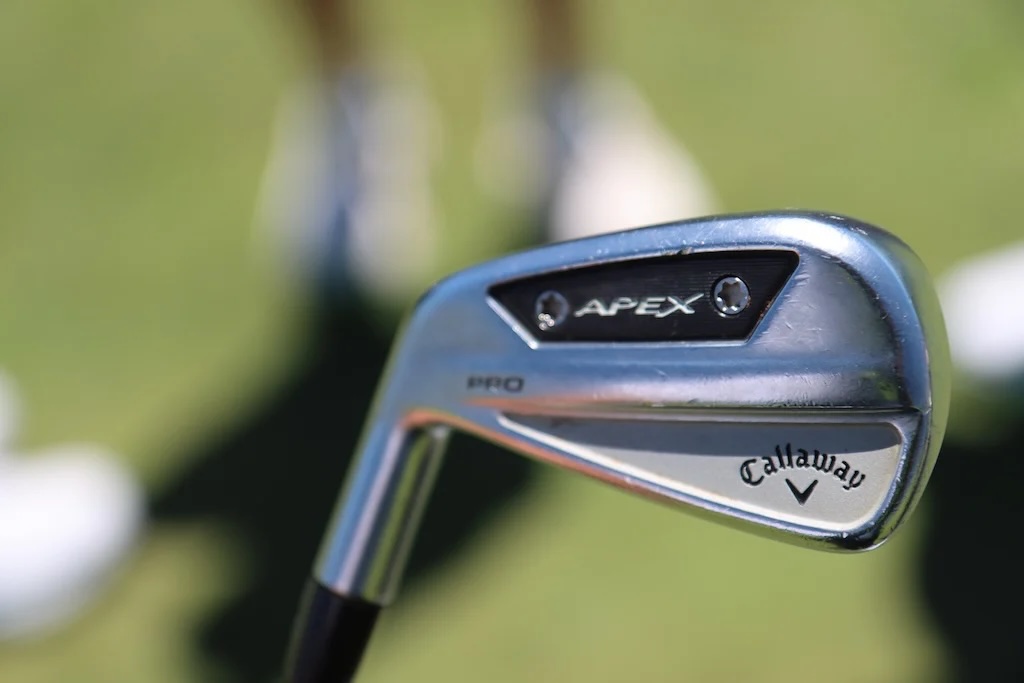
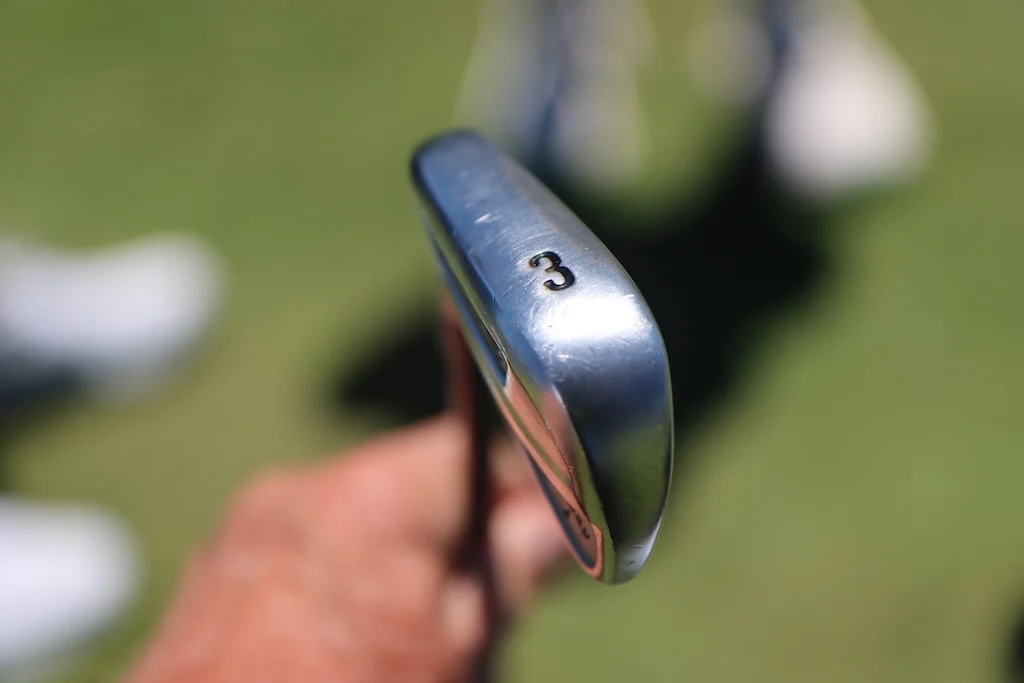
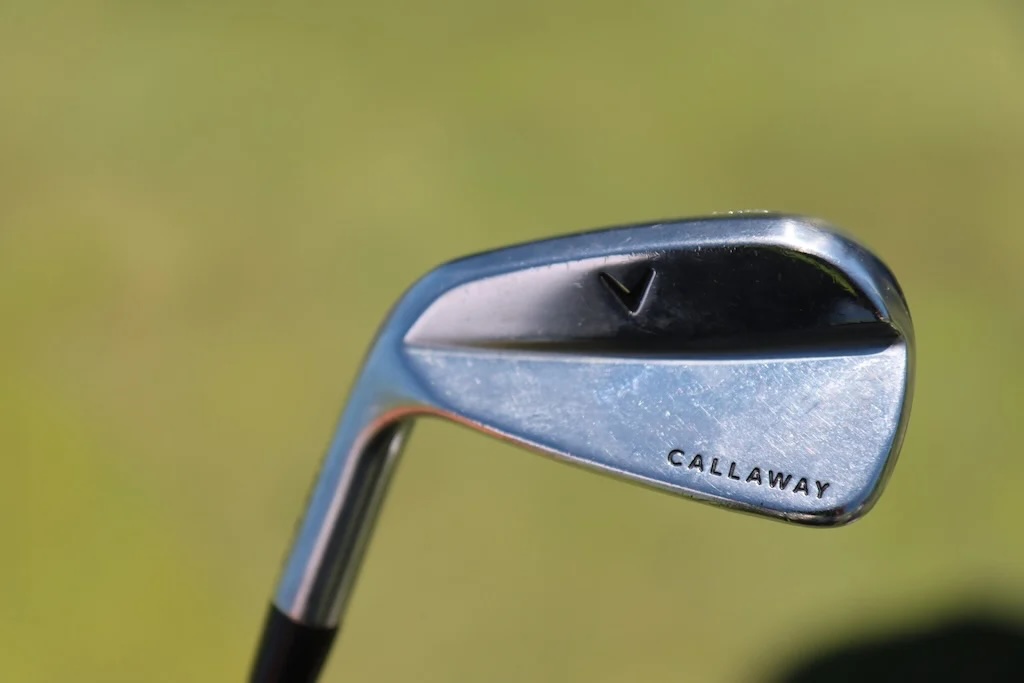
Irons: Callaway Apex Pro (3-5), Callaway Apex Forged Prototype (6-PW)
Shafts: Fujikura Ventus Black HB 10 X, KBS C-Taper 130 X
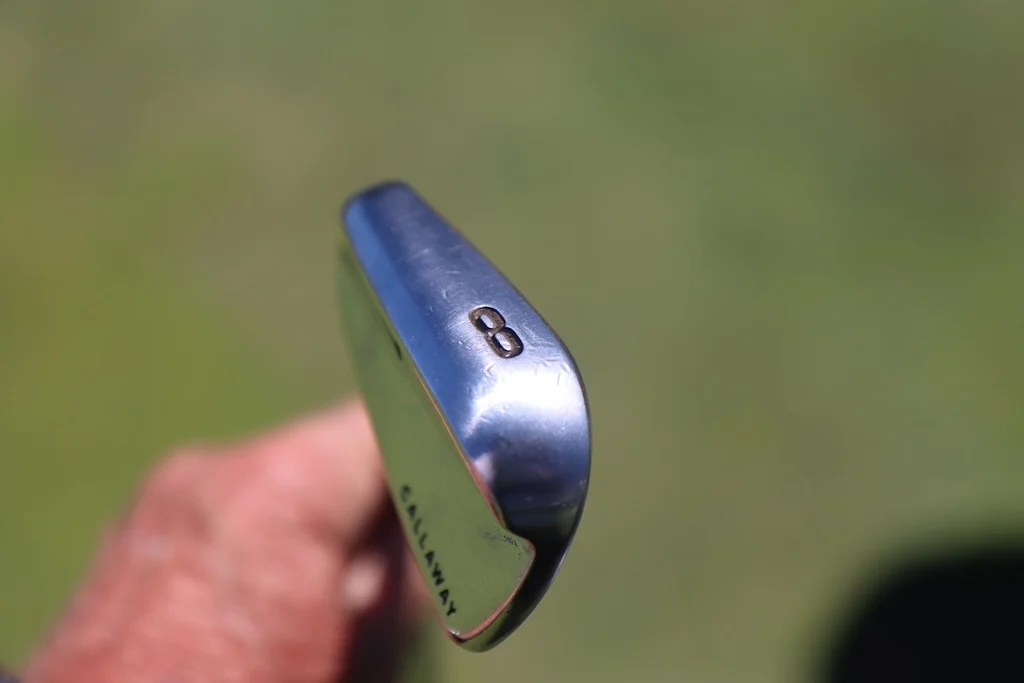
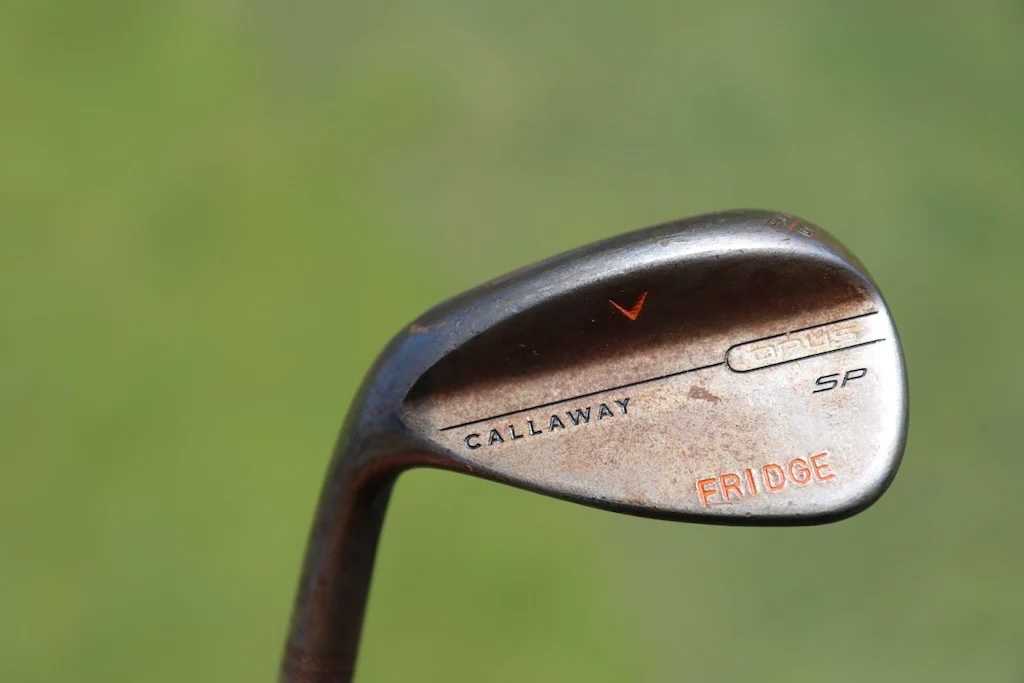
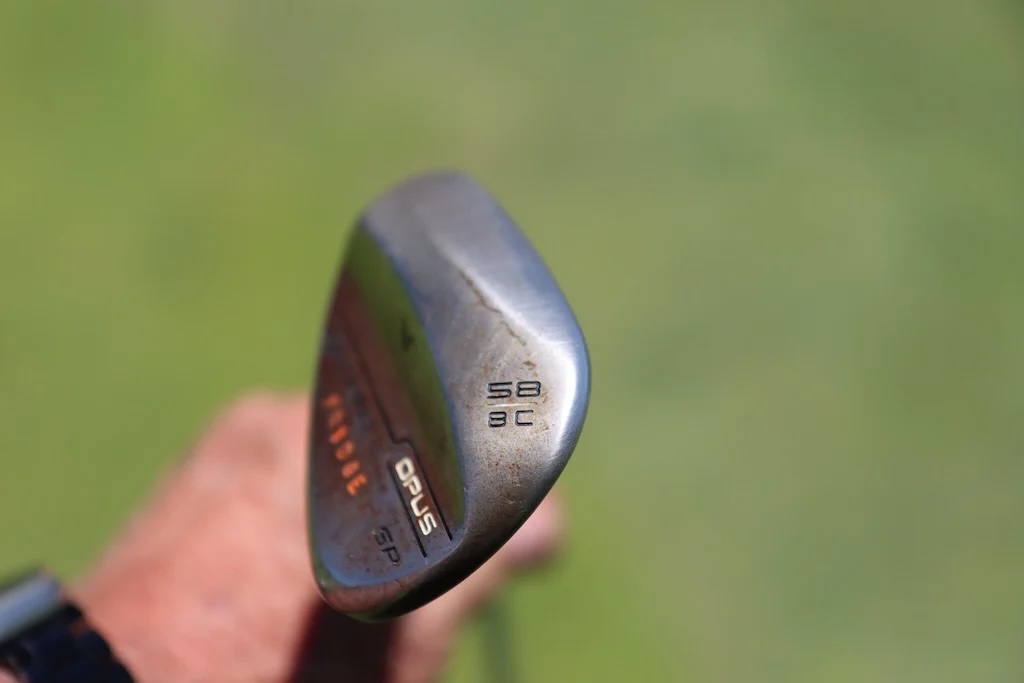
Wedges: Callaway Opus SP (50-10S, 54-10S, 58-08C)
Shafts: True Temper Dynamic Gold Tour Issue S400
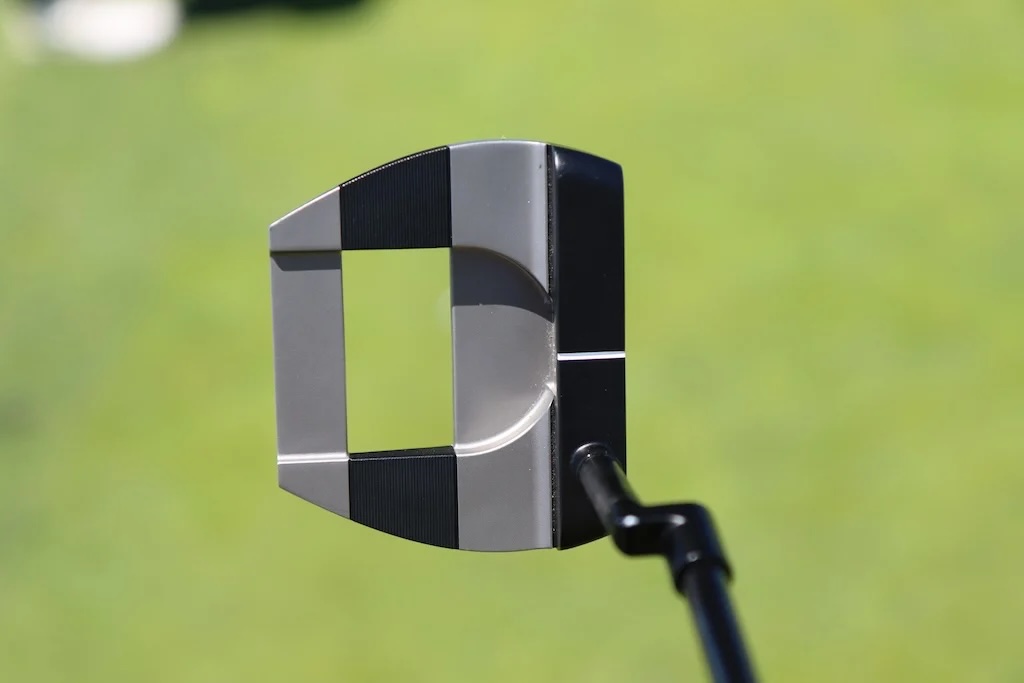
Putter: Odyssey Damascus Milled Jailbird Mini
Grips: Golf Pride MCC Plus4 ALIGN
Ball: Callaway Chrome Soft X
Check out more in-hand photos of Jackson Herrington’s clubs here.

Best irons 2026: Best irons overall, most forgiving irons, and more

Memorial Tournament Tour Report: Rory McIlroy, Cameron Young switch up drivers, and more

What’s the story behind Webb Simpson’s custom-stamped irons?

Russell Henley’s winning WITB: 2026 Charles Schwab Challenge

J.T. Poston’s winning WITB: 2026 Memorial Tournament

Kristoffer Reitan’s winning WITB: 2026 Truist Championship

Aaron Rai’s winning WITB: 2026 PGA Championship

Details on Jason Day’s latest prototype Avoda iron setup

WITB Time Machine: Retief Goosen’s winning WITB, 2004 U.S. Open

Bryson DeChambeau pairs new big-stick speed with new-shoe stability


WITB Time Machine: Brooks Koepka’s winning WITB, 2018 U.S. Open
Brooks Koepka did the incredible at the 2018 U.S. Open, successfully defending his title at a punishing Shinnecock Hills Golf...


Jackson Herrington WITB 2026 (June)
Driver: Callaway Quantum Triple Diamond (9 degrees) Shaft: Mitsubishi Chemical Tensei 1K Black 75 TX Mini driver: Callaway Elyte (11.5 degrees @10.5)...


Tyrrell Hatton WITB 2026 (June)
Driver: Ping G440 LST (9 degrees) Shaft: Mitsubishi Diamana TB 60 TX 3-wood: Ping G440 Max (15 degrees) Shaft: Mitsubishi Diamana TB 70...

Mason Howell WITB 2026 (June)
Driver: Ping G440 LST (10.5 degrees) Shaft: Fujikura Ventus Blue 6 TX 3-wood: Ping G440 Max (15 degrees) Shaft: Mitsubishi Diamana GT 80...
-
 Equipment2 weeks ago
Best irons 2026: Best irons overall, most forgiving irons, and more
-
 Equipment2 weeks ago
Memorial Tournament Tour Report: Rory McIlroy, Cameron Young switch up drivers, and more
-
 News3 weeks ago
Russell Henley’s winning WITB: 2026 Charles Schwab Challenge
-
 Whats in the Bag2 weeks ago
J.T. Poston’s winning WITB: 2026 Memorial Tournament
-
 Equipment2 weeks ago
Details on Jason Day’s latest prototype Avoda iron setup
-
 Whats in the Bag6 days ago
WITB Time Machine: Retief Goosen’s winning WITB, 2004 U.S. Open
-
 Equipment4 days ago
Bryson DeChambeau pairs new big-stick speed with new-shoe stability
-

 Tour Photo Galleries4 days ago
Photos from the 2026 U.S. Open

