
Opinion & Analysis
The coaches are not OK: A study of college golf coaches’ mental health


In a six-month span, I lost two close friends to suicide. Both were aspiring young professionals with gentle souls, a deep passion for the game, and simply wonderful human beings. It was a difficult time for me, to say the least. With these friends in mind, I reached out to my friend Dr. Laura Upenieks of Baylor University. A sociologist and elite player, we pursued a collaborative effort to study the stress faced by professionals in the golf industry, including their mental health challenges.
Soon after our initial conversation, we agreed to study the mental health of college coaches. College coaches were of particular interest for a host of reasons. First and foremost, few understand the scope and intensity of the job. A pair of golf coaches (head coach and one assistant coach) coaching at the NCAA Division 1 level essentially perform the same amount of work as an entire football or basketball coaching staff. This includes countless hours of recruiting, fundraising, and navigating through endless paperwork. Recently, the worlds of collegiate coaches were transformed by not only the COVID-19 pandemic but the emerging role of the transfer portal and Name Image Likeness (NIL) rules.
In total, we had nearly 50 (32 Division 1, 16 Division 2/3) NCAA coaches participate in our study, which set out to better understand depressive and anxiety symptoms, burnout, and job turnover intentions. The study demonstrates that coaches have significant stress caused by both their administration and their student-athletes which leads them to consider other jobs, or getting out of coaching altogether. This of course is not surprising. But several findings stood out to us: on average, the coaches we sampled worked 56.30 hours per week (with a standard deviation of 20 hours), with many coaches working up to 80 hours a week.
We found that coaching stressors (e.g., administrative tasks, practice plans, pressure to win, dealing with parents) were associated with greater job burnout. We also observed that workplace stress (e.g., lack of control and autonomy, poor work-family balance, little recognition, and overwhelming work demands) predicted higher burnout, depression, and anxiety among collegiate golf coaches. On the positive side, we found that greater perceived organizational support from their athletic department was associated with better mental health among coaches, but this did not seem to mitigate the pernicious effect of the negative stressors faced.
The troubling part of the study is how many coaches deal with stress and their environment. Since many are elite former athletes, they feel that the stress and demands of their job are normal. This means that often they operate at a dizzying pace, far outside of what might be considered “normal” for years on end. This can have troubling effects not only on their own mental and physical health but also on their relationships with friends and family, as well as their student-athletes. And perhaps even more concerning, very few (less than five percent in our data) reported seeking professional help (counseling, therapy).
In my opinion, the role and scope of coaching college golf do not align with reality. Too many coaches are asked every day by donors, administrators, and student-athletes to operate in ways that are inappropriate and overburdening. This drains the passion from what coaching really should be about; producing world-class human beings that will live happy, productive lives after their college days.
While I admire many of my friends in the business, I do think it is time that we had a conversation about their mental health and well-being. These outstanding men and women deserve far better than what they are getting. I hope our study fuels that conversation. The lives of coaches, and by connection their student-athletes, depend on it.



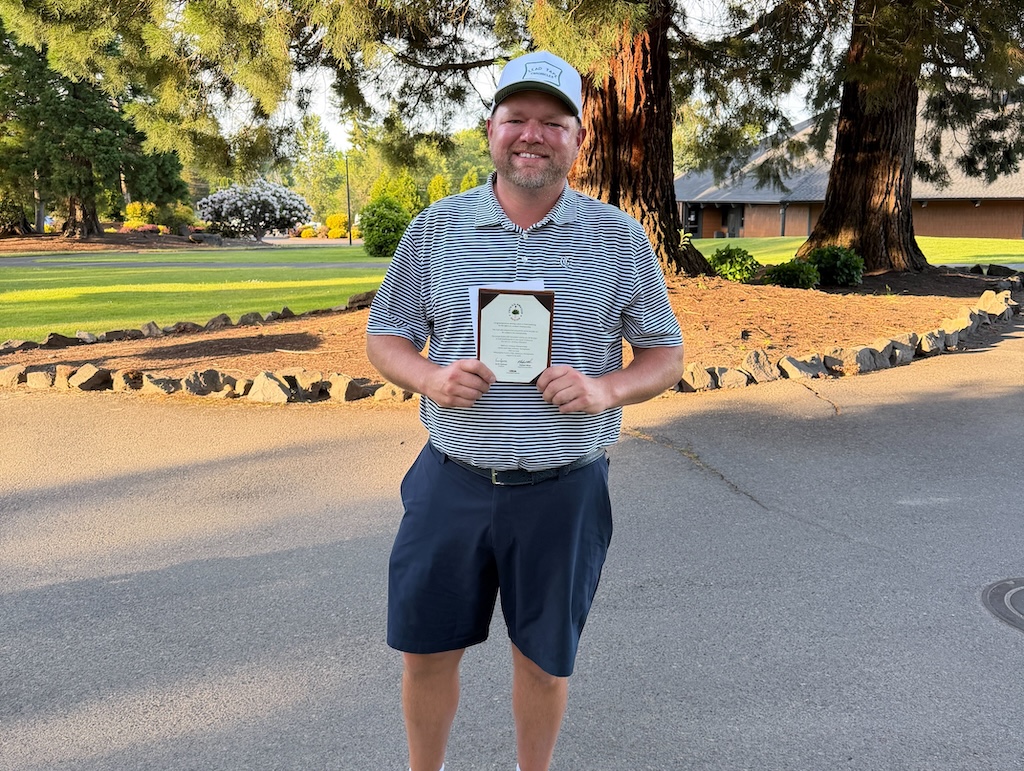
This past Monday, I played in the U.S. Amateur local qualifier at Rock Creek Country Club in Portland, Oregon. A full tee sheet from 7:30 a.m. to 1:55 p.m., the top 11 scores would make it to the U.S. Amateur final qualifying.
I teed off at 10:48 a.m.. With the 7:30 am tee time, you can get a feel for the leaders’ pace, and they were off and running on the challenging setup at Rock Creek.
View this post on Instagram
Getting to the highlight of the round on the par five 17th, a drive up the left side and 212 yards left to the front hole location. I took out a 5-iron with plans of middle of the green. The ball ended up 8 feet left of the hole, pin high. A slight downhill putt dropped in for an eagle 3 on the 17th. With the cut line looking to be anywhere from -2 to even par. This was the boost I had been waiting for all day.
With making par from the trees on 18, it was time to wait for a potential playoff with a posted score of one under par 71.
Three hours later, it was playoff time. 8 players for 6 spots. I made par on the playoff hole, which was good enough to advance to the U.S. Amateur final qualifying in July. USGA qualifiers sure deliver on all of the emotions in golf!
Club Junkie
Building my 2026 gamer WITB: Ranking the contenders and new putter projects – Club Junkie Podcast

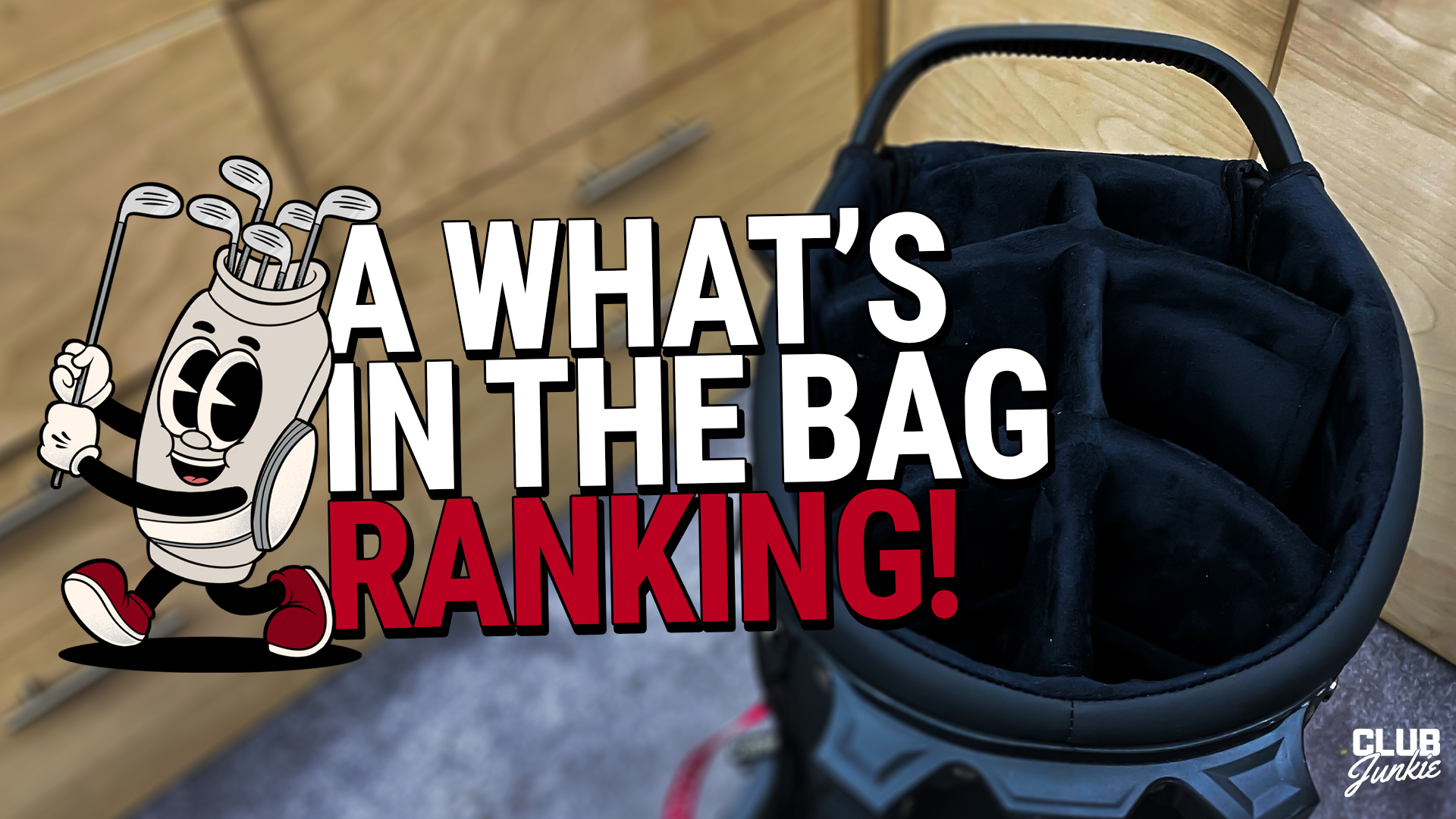
The annual What’s In The Bag build is underway, and on this episode of Club Junkie, Brian breaks down the clubs currently leading the race for a spot in his 2026 gamer setup. From drivers and fairway woods to irons, wedges, and shafts, he ranks the equipment that’s performing best and explains what’s separating the front runners from the rest of the field.
Brian also heads into the workshop to discuss several putter projects currently on the bench. From head options and shaft choices to build ideas and testing plans, he shares what he’s working on and which putters could become serious contenders for the bag this season.
If you’re a gear junkie who loves equipment testing, club building, and the never-ending pursuit of the perfect setup, this episode is for you.
Follow Club Junkie:
Instagram: @clubjunkiepod
TikTok: @clubjunkiepod
Threads: @clubjunkiepod
X: @ClubJunkiePod
Club Junkie
Tour Edge Exotics mini driver review + TaylorMade Spider ZT Max first look – Club Junkie

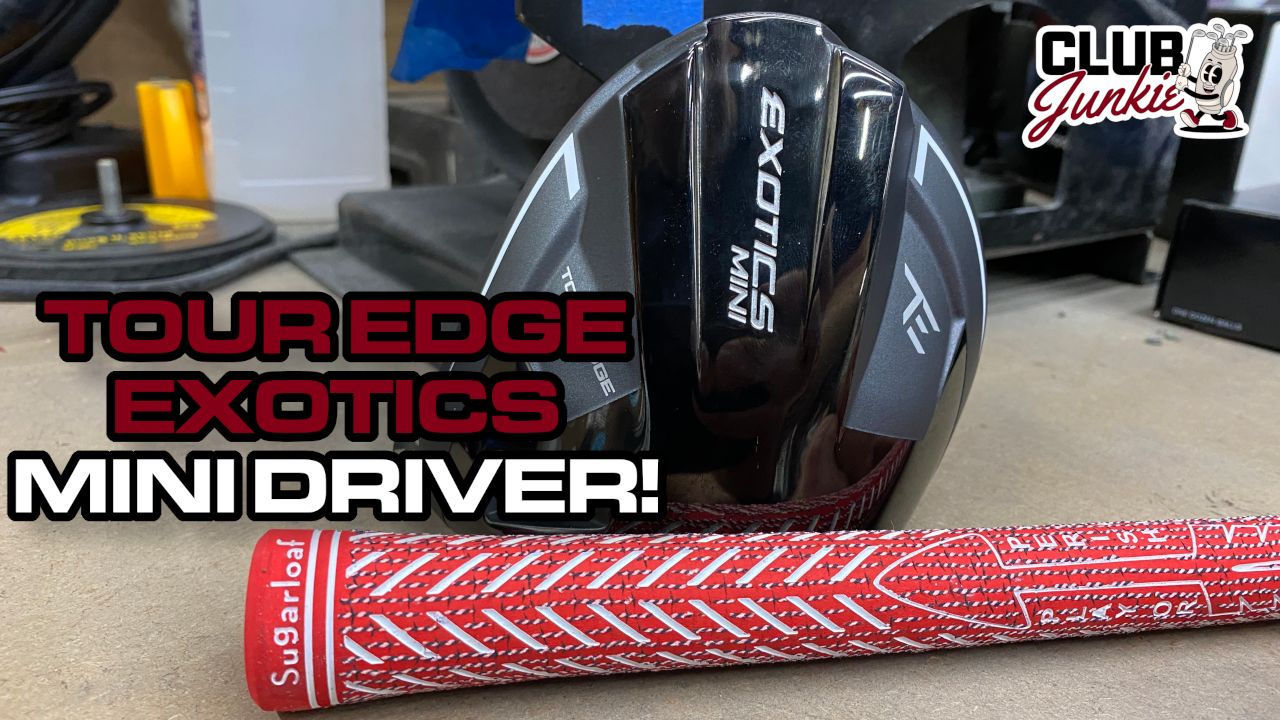
On this episode of Club Junkie, I put the new Tour Edge Exotics Mini Driver to the test and break down the performance, forgiveness, distance, and where it fits compared to a traditional driver or strong fairway wood. If you have been curious about adding a mini driver to the bag, this one is worth a look.
I also dive into the new TaylorMade Spider ZT Max putter that was recently spotted and discuss the growing zero torque putter trend. Plus, there is a closer look at the new Project X Titan Yellow shaft showing up on the PGA Tour and what makes it different from other profiles currently out there.

What’s the story behind Webb Simpson’s custom-stamped irons?

Memorial Tournament Tour Report: Rory McIlroy, Cameron Young switch up drivers, and more

Cadillac Championship Tour Report: Spieth’s sizable changes, McLaren Golf launches, and more

Russell Henley’s winning WITB: 2026 Charles Schwab Challenge

Kristoffer Reitan’s winning WITB: 2026 Truist Championship

Best irons 2026: Best irons overall, most forgiving irons, and more

J.T. Poston’s winning WITB: 2026 Memorial Tournament

Aaron Rai’s winning WITB: 2026 PGA Championship

Cameron Young’s winning WITB: 2026 Cadillac Championship

Details on Jason Day’s latest prototype Avoda iron setup


Christiaan Maas WITB 2026 (June)
Driver: TaylorMade Qi4D LS (8 degrees) Shaft: Fujikura Ventus TR Blue 6 X 3-wood: TaylorMade Qi10 (15 degrees) Shaft: Fujikura Ventus Black...


Ryan Palmer WITB 2026 (June)
Driver: Callaway Quantum Triple Diamond (9 degrees) Shaft: Project X HZRDUS Smoke Blue RDX 60 TX 3-wood: TaylorMade Qi10 (15 degrees) Shaft:...


Bud Cauley WITB 2026 (June)
Bud Cauley had >14 clubs in his bag when photographed prior to the Memorial Tournament. Driver: Titleist GTS2 (8 degrees) Shaft: Fujikura...


Hannah Green WITB 2026 (June)
Driver: Titleist GTS3 (10 degrees, D4 SureFit setting) Shaft: Mitsubishi Chemical Diamana RB 53 S 3-wood: Titleist GT3 (15 degrees,...
-
 Equipment6 days ago
Memorial Tournament Tour Report: Rory McIlroy, Cameron Young switch up drivers, and more
-
 News2 weeks ago
Russell Henley’s winning WITB: 2026 Charles Schwab Challenge
-
 Equipment3 days ago
Best irons 2026: Best irons overall, most forgiving irons, and more
-
 Whats in the Bag4 days ago
J.T. Poston’s winning WITB: 2026 Memorial Tournament
-
 Equipment1 week ago
Details on Jason Day’s latest prototype Avoda iron setup
-

 Equipment3 weeks ago
CJ Cup Byron Nelson Tour Report: Koepka and Kim’s newest putters finally get hot
-

 News2 weeks ago
Charles Schwab Challenge Tour Report: MacIntyre, Åberg and Spaun all switch putters, TaylorMade launches new Spider
-

 Equipment2 weeks ago
Details on J.J. Spaun’s surprise putter switch


D
Apr 26, 2023 at 12:25 pm
It’s simple: remove the money and the pursuit of it on the Tour, and all will be solved.