
Opinion & Analysis
Ways to Win: Ball striking – Matt Jones tames the Bear Trap

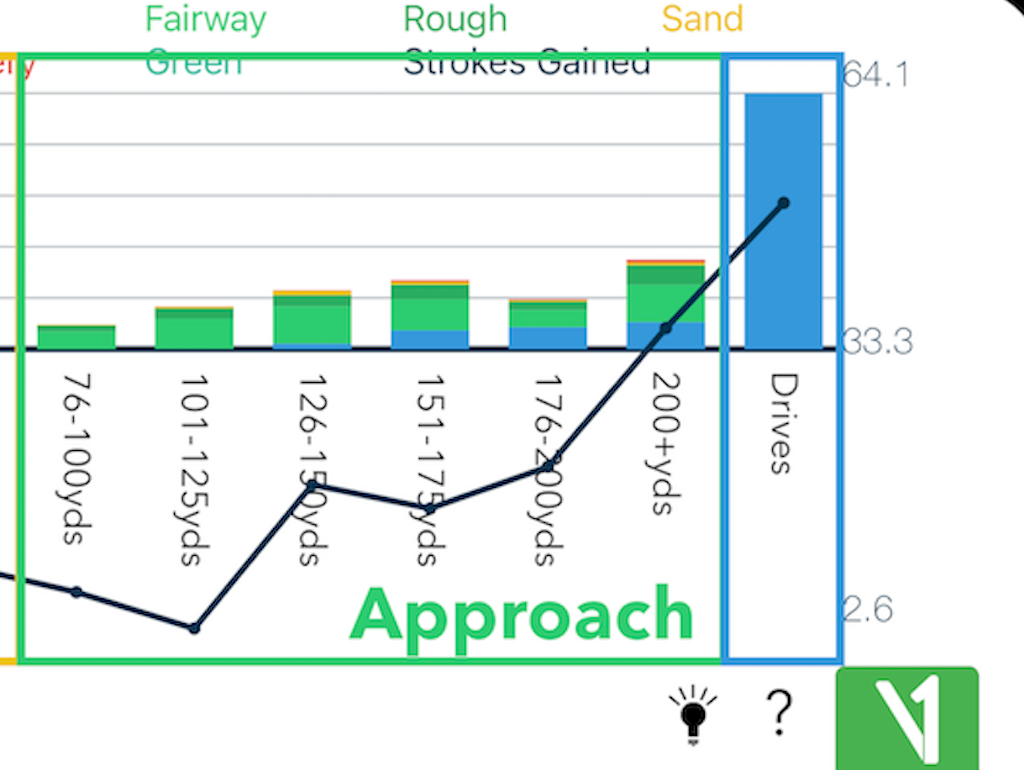
The Champion Course at PGA National is notorious for its three-hole stretch from holes 15 to 17 known as “The Bear Trap.” It is typically the player who plays these holes the best who’s able to hoist the trophy at the end of the week. Matt Jones was able to do just that in blustery tough conditions, shooting two-under on the Bear Trap for the week. Sticking to a low, flighted ball flight, Jones separated himself from the field and was able to breathe a little easier late on a Sunday.
So, how did the journeyman find his way to his second PGA Tour victory? Ball striking.
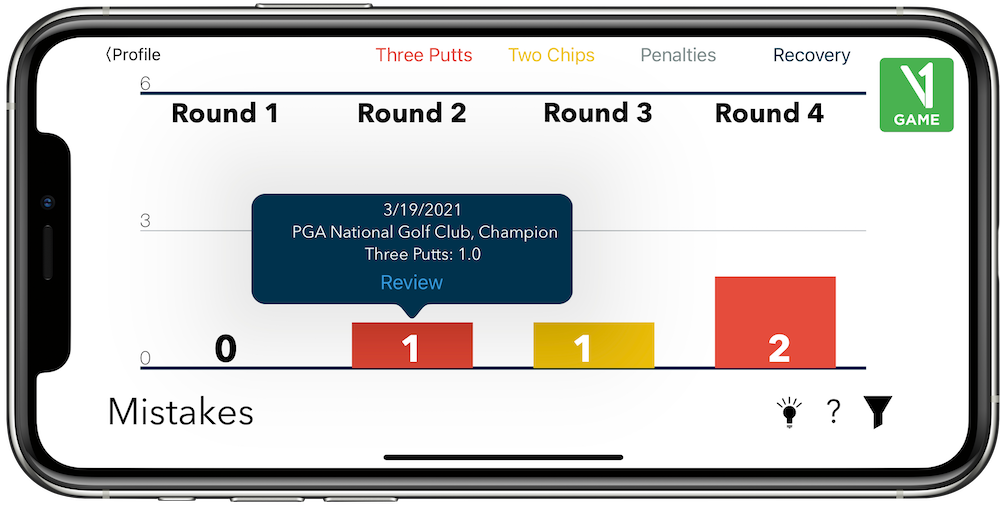
It all starts with avoiding mistakes. In V1 Game, mistakes are defined as three putts, penalties, recovery shots and two chips (taking more than one shot to get on the green from inside 75 yards). These four items are scorecard wreckers for any handicap level and must be avoided to play your best. Jones did a fantastic job of doing just that by avoiding penalties entirely for the week. With water at every corner and blustery winds, he was one of the few that came out dry. However, he did have three 3-putts for the week and Strokes Gained Putting is the only category of the four (Driving, Approach, Short, Putting) in which he did not finish the week in the top 10. Using V1 Game to dive into his putting performance, we see that all of those three putts came from >51ft. Jones demonstrated something telling: PGA Tour pros also struggle from long distance. To his credit, he was still able to gain strokes putting over the week, finishing in the top 25 in Strokes Gained Putting.
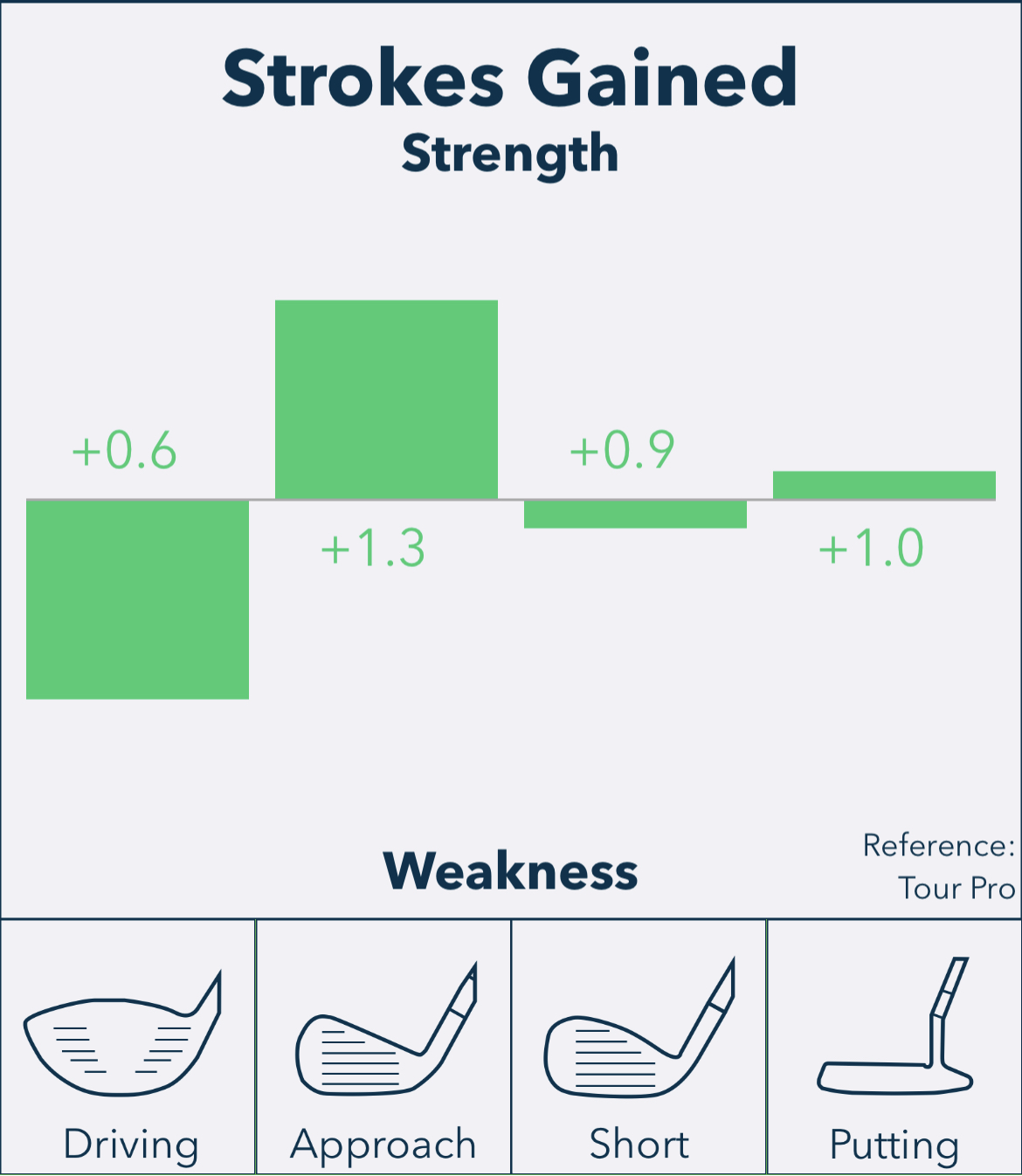
Jones put together a solid week in all statistical categories, but the common theme among most PGA Tour winners is ball striking. Matt Jones finished first in Tee2Green, 10th in Driving, seventh in Approach, second in Short Game, and 25th in Putting. Add that combination together and Jones finished in first in Strokes Gained Total and won this week’s event the old-fashioned way.
In Ways to Win, we have now tracked tournament winners for over 20 golf tournaments on the PGA Tour. We can take a look at this data to see commonalities amongst these winners to see which areas are the most important to winning at the highest level. For starters, PGA Tour winners tend to gain the most strokes in approach and putting. That is not entirely surprising as the winner tends to be the player that putted best out of the best ball strikers.
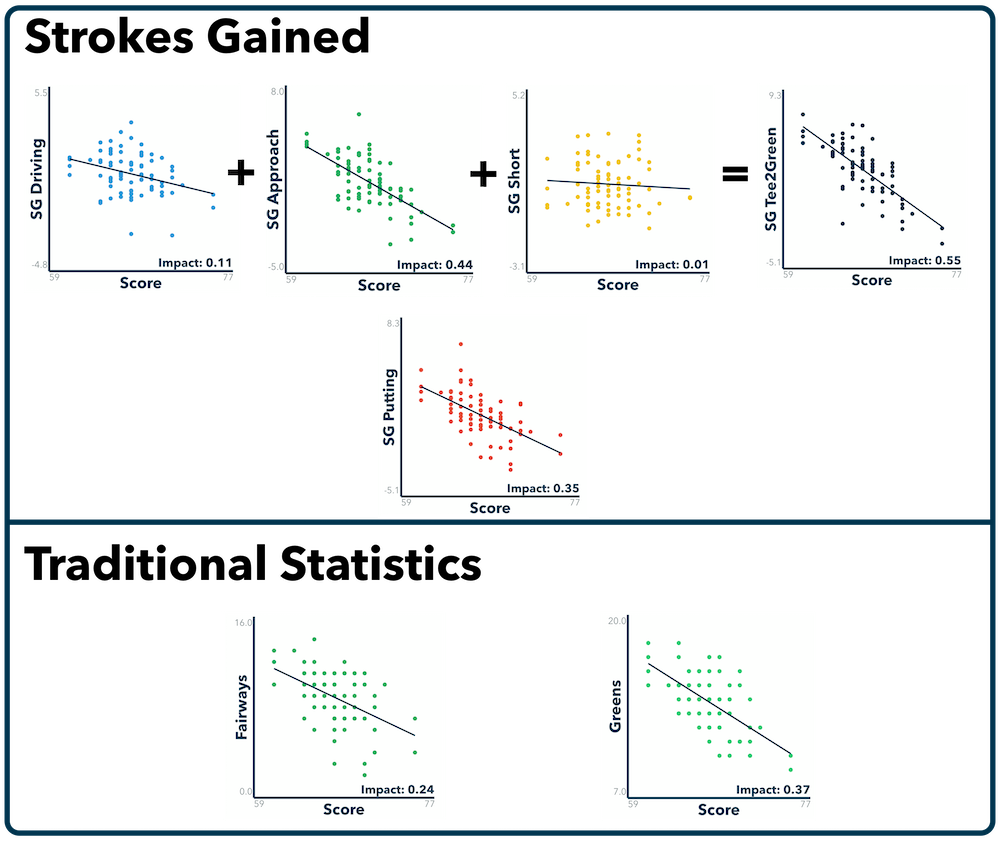
We can take an even deeper look using “Scoring Impact” from V1 Game to see how correlated each area of the game is to PGA Tour winners scores. Scoring impact measures the correlation of a specific statistic (ex. Fairways) to scoring. The higher the ‘impact’ number, the more correlated that statistic is to the player’s score. A perfect correlation would be a value of 1 (or -1) representing that an improvement in that category would directly impact scoring. A value closer to 0 indicates a lesser relationship and that that particular factor does not have as big of an impact on the final score. The below scoring impact graphs show the impact of Strokes Gained factors and more traditional stats such as Fairways and Greens.
In terms of impact on score, the statistics shown are ranked as follows:
- Tee2Green (0.55): Tee2Green is all golf shots not hit from the putting surface or Driving+Approach+Short Game.
- Approach (0.44): All golf shots outside of 75 yards and tee shots on Par 4s/5s.
- Greens in Regulation (0.37): Number of greens hit in Par minus 2 strokes.
- Putting (0.35): All shots from the green
- Fairways (0.24): Number of Fairways hit from the tee box on the first shot.
- Driving (0.11): Strokes gained for tee shots on par 4s and par 5s
- Short Game (0.01): Strokes gained performance on shots <75 yards.
The two biggest takeaways from that list are:
- Tee2Green performance dominates scoring potential. More specifically, Approach performance.
- Traditional stats are not enough to guide improvements for a golfer.
Now this data is for PGA Tour players. The statistics will vary by individual. For example, if you tend to make many penalties off of the tee box, then likely driving will have a higher impact on overall score. Similarly, if you tend to three putt, then putting will likely increase in importance. It is important to know what areas of your game to work on.
One datapoint that may be surprising from the PGA Tour winners is just how low short game correlation is to overall scoring. How can short game be so insignificant?
In order for short game to have a large impact on scoring, the player needs to have a significant amount of short game shots. The reality is that PGA Tour pros (especially those that win) do not often miss greens, averaging somewhere between 13-15 greens per round. Also, PGA Tour pros tend to play very long courses, where it is difficult to drive to within 75 yards of the green. Using the Shot Histogram from V1 Game, we can see just how often these 20 PGA Tour winners have specific types of shots and from this we can see that short game is the least populated bucket with the least amount of opportunities to gain or lose strokes.
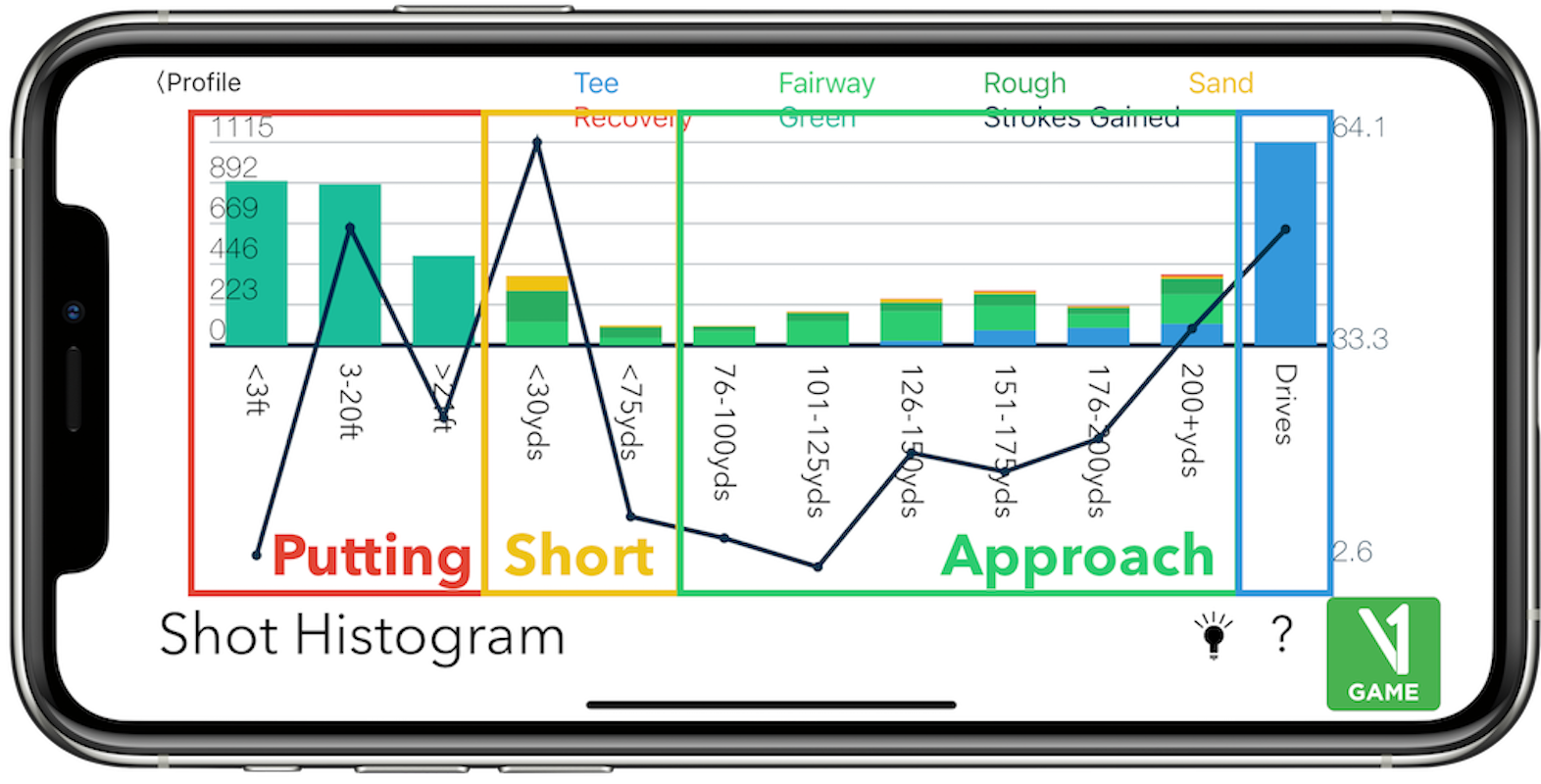
This distribution of shots will be different for an amateur golfer and would likely have many more short game opportunities. Knowing what to practice and being able to measure progress is the first step to finding your inner Matt Jones. The next step is finding the nerve to patiently play to your strengths when faced with the type of adversity that the Bear Trap can bring. If you want to play like the pros or just break 90 for the first time, advanced analysis from V1 Game can get you there. As the last few weeks on the PGA Tour have shown there is more than one way to get the job done, but it all starts with ball striking.









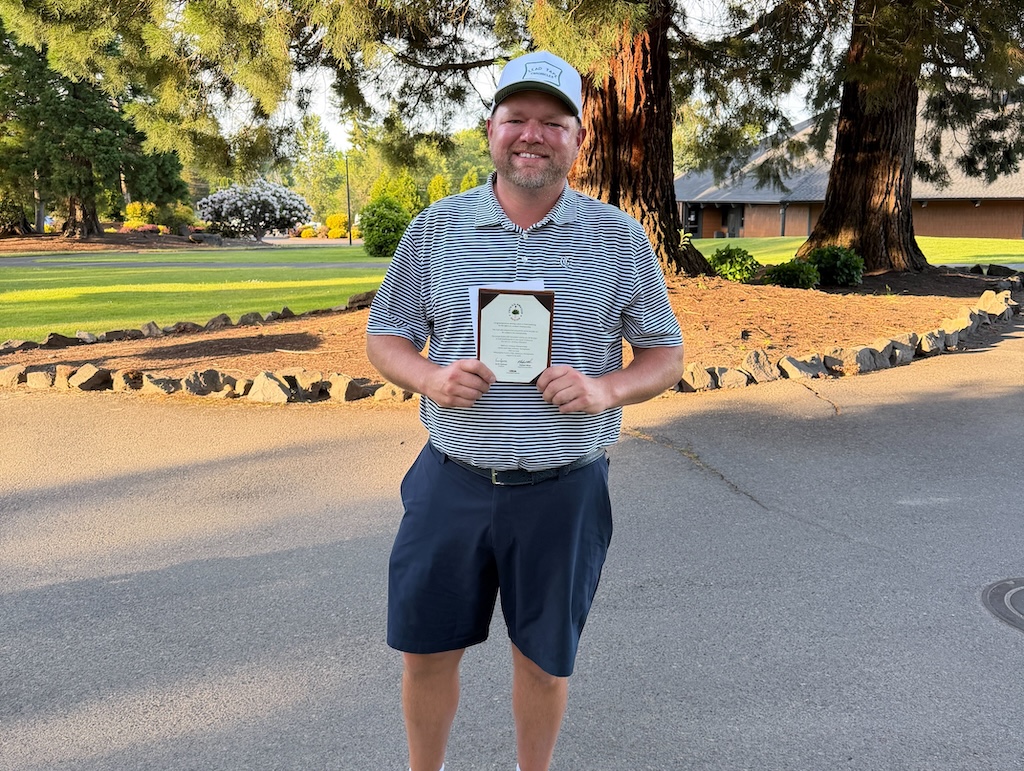
This past Monday, I played in the U.S. Amateur local qualifier at Rock Creek Country Club in Portland, Oregon. A full tee sheet from 7:30 a.m. to 1:55 p.m., the top 11 scores would make it to the U.S. Amateur final qualifying.
I teed off at 10:48 a.m.. With the 7:30 am tee time, you can get a feel for the leaders’ pace, and they were off and running on the challenging setup at Rock Creek.
View this post on Instagram
Getting to the highlight of the round on the par five 17th, a drive up the left side and 212 yards left to the front hole location. I took out a 5-iron with plans of middle of the green. The ball ended up 8 feet left of the hole, pin high. A slight downhill putt dropped in for an eagle 3 on the 17th. With the cut line looking to be anywhere from -2 to even par. This was the boost I had been waiting for all day.
With making par from the trees on 18, it was time to wait for a potential playoff with a posted score of one under par 71.
Three hours later, it was playoff time. 8 players for 6 spots. I made par on the playoff hole, which was good enough to advance to the U.S. Amateur final qualifying in July. USGA qualifiers sure deliver on all of the emotions in golf!
Club Junkie
Building my 2026 gamer WITB: Ranking the contenders and new putter projects – Club Junkie Podcast

The annual What’s In The Bag build is underway, and on this episode of Club Junkie, Brian breaks down the clubs currently leading the race for a spot in his 2026 gamer setup. From drivers and fairway woods to irons, wedges, and shafts, he ranks the equipment that’s performing best and explains what’s separating the front runners from the rest of the field.
Brian also heads into the workshop to discuss several putter projects currently on the bench. From head options and shaft choices to build ideas and testing plans, he shares what he’s working on and which putters could become serious contenders for the bag this season.
If you’re a gear junkie who loves equipment testing, club building, and the never-ending pursuit of the perfect setup, this episode is for you.
Follow Club Junkie:
Instagram: @clubjunkiepod
TikTok: @clubjunkiepod
Threads: @clubjunkiepod
X: @ClubJunkiePod
Club Junkie
Tour Edge Exotics mini driver review + TaylorMade Spider ZT Max first look – Club Junkie

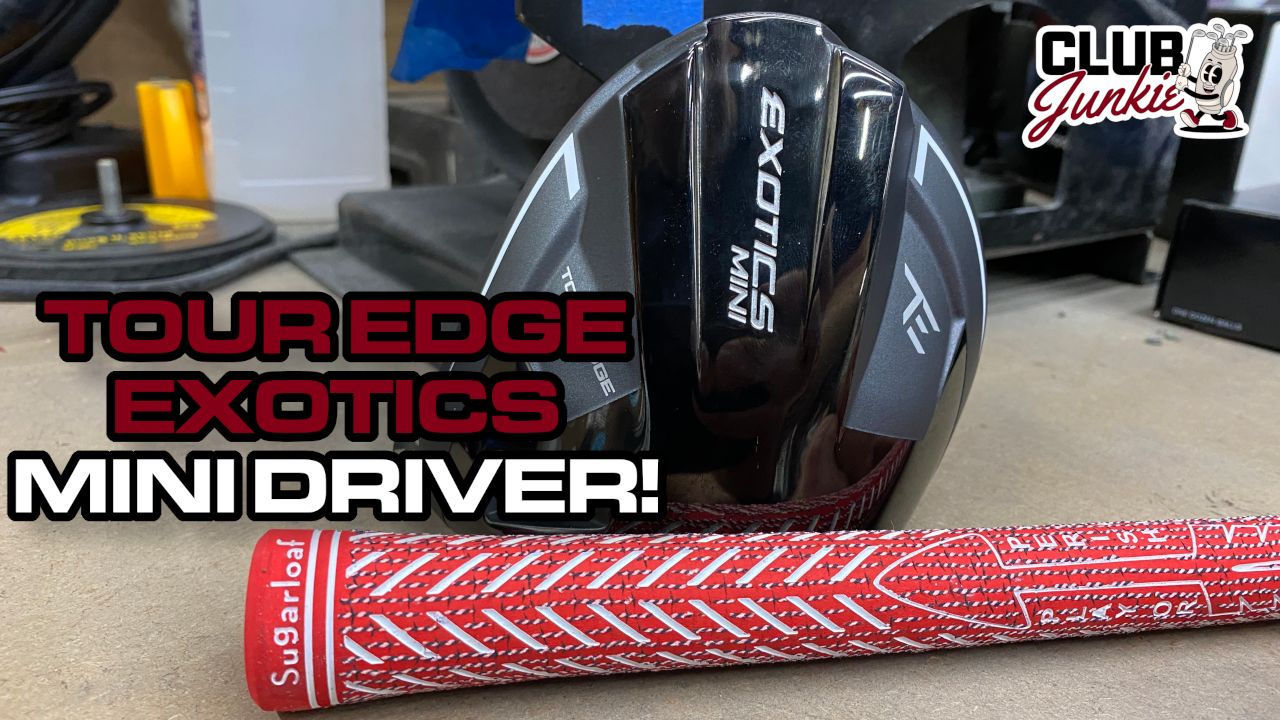
On this episode of Club Junkie, I put the new Tour Edge Exotics Mini Driver to the test and break down the performance, forgiveness, distance, and where it fits compared to a traditional driver or strong fairway wood. If you have been curious about adding a mini driver to the bag, this one is worth a look.
I also dive into the new TaylorMade Spider ZT Max putter that was recently spotted and discuss the growing zero torque putter trend. Plus, there is a closer look at the new Project X Titan Yellow shaft showing up on the PGA Tour and what makes it different from other profiles currently out there.

Justin Rose WITB 2026 (April): Full WITB breakdown with new McLaren irons

What’s the story behind Webb Simpson’s custom-stamped irons?

Memorial Tournament Tour Report: Rory McIlroy, Cameron Young switch up drivers, and more

Cadillac Championship Tour Report: Spieth’s sizable changes, McLaren Golf launches, and more

Russell Henley’s winning WITB: 2026 Charles Schwab Challenge

Kristoffer Reitan’s winning WITB: 2026 Truist Championship

Best irons 2026: Best irons overall, most forgiving irons, and more

J.T. Poston’s winning WITB: 2026 Memorial Tournament

Aaron Rai’s winning WITB: 2026 PGA Championship

Cameron Young’s winning WITB: 2026 Cadillac Championship


Bud Cauley WITB 2026 (June)
Bud Cauley had >14 clubs in his bag when photographed prior to the Memorial Tournament. Driver: Titleist GTS2 (8 degrees) Shaft: Fujikura...


Hannah Green WITB 2026 (June)
Driver: Titleist GTS3 (10 degrees, D4 SureFit setting) Shaft: Mitsubishi Chemical Diamana RB 53 S 3-wood: Titleist GT3 (15 degrees,...


Asterisk Talley WITB 2026 (June)
Driver: TaylorMade Qi4D (9 degrees) Shaft: Fujikura Ventus Blue 6 S 3-wood: TaylorMade Qi4D (16.5 degrees) Shaft: Fujikura Ventus Blue...


Brianna Do WITB 2026 (June)
Driver: Callaway Quantum Triple Diamond (9 degrees) Shaft: KBS PGW 3-wood: Callaway Elyte Titanium (15 degrees) Shaft: KBS PGW 5-wood:...
-
 Equipment6 days ago
Memorial Tournament Tour Report: Rory McIlroy, Cameron Young switch up drivers, and more
-
 News2 weeks ago
Russell Henley’s winning WITB: 2026 Charles Schwab Challenge
-
 Equipment3 days ago
Best irons 2026: Best irons overall, most forgiving irons, and more
-
 Whats in the Bag4 days ago
J.T. Poston’s winning WITB: 2026 Memorial Tournament
-

 Equipment1 week ago
Details on Jason Day’s latest prototype Avoda iron setup
-
 Equipment3 weeks ago
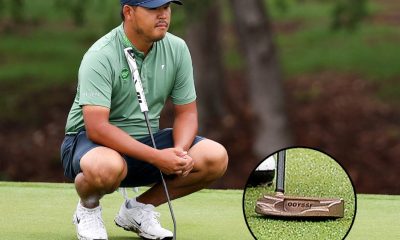
CJ Cup Byron Nelson Tour Report: Koepka and Kim’s newest putters finally get hot
-

 News2 weeks ago
Charles Schwab Challenge Tour Report: MacIntyre, Åberg and Spaun all switch putters, TaylorMade launches new Spider
-
 Equipment2 weeks ago
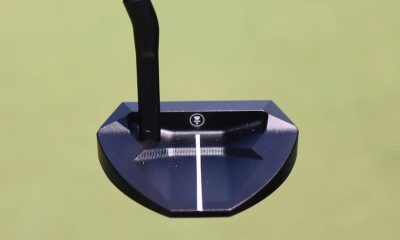
Details on J.J. Spaun’s surprise putter switch

