


Equipment
2020 Callaway Mavrik fairway woods and hybrids

New for 2020 Callaway has three Mavrik Fairway Woods: Mavrik, Mavrik Sub Zero, and Mavrik Max.
Like with the Mavrik drivers, Callaway has taken every step to bring the same technological advantages produced through artificial intelligence to the Callaway Mavrik fairway metals for 2020.
The first thing you will notice beyond Callaway keeping the naming nomenclature consistent with the driver—Mavrik, Mavrik Sub Zero, and Mavrik Max—is the elimination of the adjustable hosel in favor of saving every last possible amount of discretionary mass to position around the head.

Callaway Mavrik Sub Zero (left), Mavrik (center) and Mavrik Max (right)
As we like to remind curious golfers out there: the one design constraint every single OEM has to deal with is final head weight for every club. With fairway woods, that’s between 212 and 218 grams for a 3-wood—that’s it! So use it wisely.
Flash Face SS20: Fairway wood edition
By using A.I just like with the Mavrik drivers, Flash Face SS20 in the fairway woods allow for lighter, faster and stronger faces, but thats where the similarities end…

As much as you might assume it would be as easy as taking the same face insert designs from the Mavrik drivers and shrinking them down to fairway wood proportions, it’s not quite that simple. There are some big differences between drivers and fairways including
- Face height, and overall size
- Materials and mass distribution
- Impact location variations
All of these factors mean how the faces are constructed needs to change too! Bring on C300 maraging steel!
Quick metallurgy break
From Magellan Metal – C300: Maraging 300 alloy steel material is a vacuum induction melted and vacuum arc re-melted, low-carbon, nickel-cobalt-molybdenum high-temperature nickel alloy. This material can produce yield strengths in excess of 270 ksi (kilopounds per square inch ) (1862 MPa) through simple, low-temperature heat treatment at 900°F (482°C). Maraging steel 300 also exhibits good ductility at high strength levels, displays excellent notch ductility and outstanding weldability. This superior maraging steel maintains numerous beneficial features, including:
- Extremely tough
- Relatively soft
- Maintains high strength and toughness
- Ultrahigh tensile strength
- Resists corrosion and crack propagation
- Readily weldable
What this means for the golfer is this specialty metal helps engineers get more out of a fairway wood compare to conventional steel!

Callaway Mavrik Sub Zero (left), Mavrik (center) and Mavrik Max (right)
Ok and we’re back…
Each face is different: For a reason
With player testing at both the highest levels and with amateur players of all abilities. Callaway, with the help of artificial intelligence, has uniquely engineered variable face thickness patterns to maximize ball speed on center and off-center hits for every single loft of every single model in the Mavrik family.
The reason being, the average golfer using the Mavrik Max Model 7-wood, for example, hits it a lot differently than a touring profession hits a strong-lofted 3-wood. So why should they have the same faces?
Pair all of this new technology with more available discretionary mass from a fixed hosel configuration and Callaway’s proven Jail Break, and you have an entirely new line of fairway woods redesigned to help golfers across the whole spectrum of skill levels and swing speeds.
Mavrik fairway Wood models:
Mavrik Fairway Wood

It is the fastest and most aerodynamically shaped of the three and is designed with the greatest scope of golfers in mind. The 3-wood comes in at 174cc’s, making it the perfect fit for players looking for a confidence-inspiring look from address while also not being “oversized.”
- Available lofts: 13.5° – Strong 3-wood. 15° – Standard 3-wood. 16.5° – 4-wood. 18° – 5-wood, 21° – 7-wood.


Mavrik MAX Fairway Wood

Like the Max model driver, the Mavrik Max fairway woods come with two adjustable weights positioned in the sole for either additional draw bias or extremely high MOI. The MOI is further boosted in the 3 wood since the head volume is 200cc—13 percent bigger than the standard model.

Callaway didn’t just shallow out the Max, increase size, boost draw bias, and call it a day. No, it lowered the leading edge profile to put more face area lower to make it easier to get the ball in the air. The reason being the target golfer looking for this style of fairway wood generally struggles with is hitting a fairway wood of the deck. Plus for players that might not have a lot of speed or are shallow into the ball, it makes getting the ball up easier too.


This leading-edge change is paired with the uniquely designed faces for each loft, which produces more high-quality shots, according to the company.
- Available Lofts: 13.5° – Strong 3-wood. 15° – standard 3-wood. 18° – 5-wood. 20° – Heaven Wood (length of a 5-wood). 21° – 7-wood. 23° – 9-wood. 25° – 11-wood.
Mavrik Sub Zero Fairway Wood

This is the one segment of the Mavrik fairway wood line that hasn’t been mentioned yet—the club for faster players that desire workability and need lower spin. The more workability part is relatively “easy”, lower MOI (compared to the other models) by decreasing volume down to 169cc’s, and shrinking the overall footprint.

Callaway is using the same two-weight system as the Max but in the same configuration as previous Sub Zero models, allowing golfers to move weight front to back in the head to alter spin. This is not new technology, but it does further help players dial-in numbers, something that could becomes slightly more difficult with the elimination of the adjustable hosel.

Other less noticeable appearance factors also separate the Mavrik Sub Zero from the rest of the line, including full-face scoring lines on every head, and a more open face angle from the address position—something better players request in a fairway wood.
- Available Lofts: 13.5° – Strong 3-wood. 15° – Standard 3-wood. 16.5° – 4-wood. 18° – 5-wood.
Shaft Specs, Availability, and Pricing
The stock shafts for the Mavrik fairway woods are below with further shafts options available through Callaway Customs
- Project X EvenFlow Riptide 50g, 60g in A-Flex, Regular, Stiff, and X-Stiff
- Aldila Rogue White 130 MSI 60g, 70g, 80g, in Regular, Stiff, and X-Stiff
- UST Helium 40g, 50g, in Women’s, A-Flex, Regular, and Stiff
Fitting pre-sale for Callaway Mavrik fairway woods starts January 14. PAR January 23.
Each model is priced at $299.99.
2020 Callaway Mavrik Hybrids

Callaway Mavrik Pro (left), Mavrik (center) and Mavrik Max (right)
The best way to describe the new Callaway Mavrik hybrids are as smaller more compact, more precise versions of the fairways woods—when you have an engineering and technology breakthroughs like Flash Face SS20 and A.I to help design faces, why not bring it to as many clubs as you can right?

Callaway Mavrik Pro (left), Mavrik (center) and Mavrik Max (right)
Featuring three distinct models to fit specific player types similar to the rest of the Mavrik wood line, the hybrids options are: Standard, Max, and Pro. Flash Face SS20 offers the same unique face cup designs to each loft of each model family to maximize performance and creates greater customization for golfers in each segment of the market. It’s also a heck of a lot of tooling and extra production time being put into each club but Callaway 100 percent believes this can bring an improvement to anyone’s golf bag.
Mavrik Standard Hybrid

This is the most traditionally “Callaway-shaped” hybrid model of the three. Midsized to inspire confidence, but not too bulky to impede hitting shots from tougher lies or getting through the rough.

It features a much more squared-off toe to help with alignment and is going to appeal to the greatest number of players.

Mavrik Max Hybrid

The Mavrik Max is exactly what you would expect—a bigger, higher-launching, more forgiving version of the Mavrik hybrid. While not quite as large as the current Callaway Super Hybrid, which is one of the biggest hybrids on the market, the Max utilizes a larger footprint, lower leading edge, and larger face profile to deliver for those players looking for easy-to-launch green-holding control.

The Max offers a similar square face profile as the standard model, but with a slightly higher face height, this creates better vertical MOI (up and down the face) for players hitting this out of the rough, without sacrificing shots hit from the fairway.

Mavrik Pro Hybrid
If there is one hybrid departing from Callaway’s traditional shaping, this is it!
The Mavrik Pro takes its design cues more from a fairway wood than a standard hybrid but for good reason. The Pro is the smallest in the Mavrik hybrid family and also offers the flattest lie angles to promote a completely neutral ball flight.

One of the biggest complaints OEMs and fitters hear from better players with higher clubhead speeds is that as much as they would love to play a hybrid to gain a higher trajectory or increase descent angle into greens, the dreaded “hook” miss is not something they want to worry about. Callaway believes they have helped solve this with the Mavrik Pro by offering a different head shape than ever before—but what will be interesting to see is if adoption by these targeted players will be as quick as the other models.

It’s not a completely new look for Callaway since some might remember the Original X-Hot Hybrid had a very similar profile but with a lot more offset and at this point a lot less technology.

Specs, availability, and pricing
Lofts options

Shafts
The stock shafts offerings for the Mavrik Hybrids pair specifically with the target player in mind for each model by flex and weight availability. For the Standard and Max models, the secondary reason for the selected stock shafts is to help fitters and consumers build combo sets to tailor to each player.
- Standard: Project X Catalyst 55g, 65g, 75g,
- Max: Project X Catalyst 55g, 65g, 75g,
- Pro: KBS Tour Prototype Graphite Hybrid
Pre-sale starts January 14. PAR February 6.
$249.99 per club.




At GolfWRX, we are a community of like-minded individuals who all experience and express our enjoyment of the game in many ways.
It’s that sense of community that drives day-to-day interactions in the forums on topics that range from best driver to what marker you use to mark your ball. It even allows us to share another thing we all love – buying and selling equipment.
Currently, in our GolfWRX buy/sell/trade (BST) forum, @Putt4Dough is selling some prototype wedges from Vokey Wedgeworks. These include a 54 degree wedge with the M grind and a 60 degree wedge with a T grind.
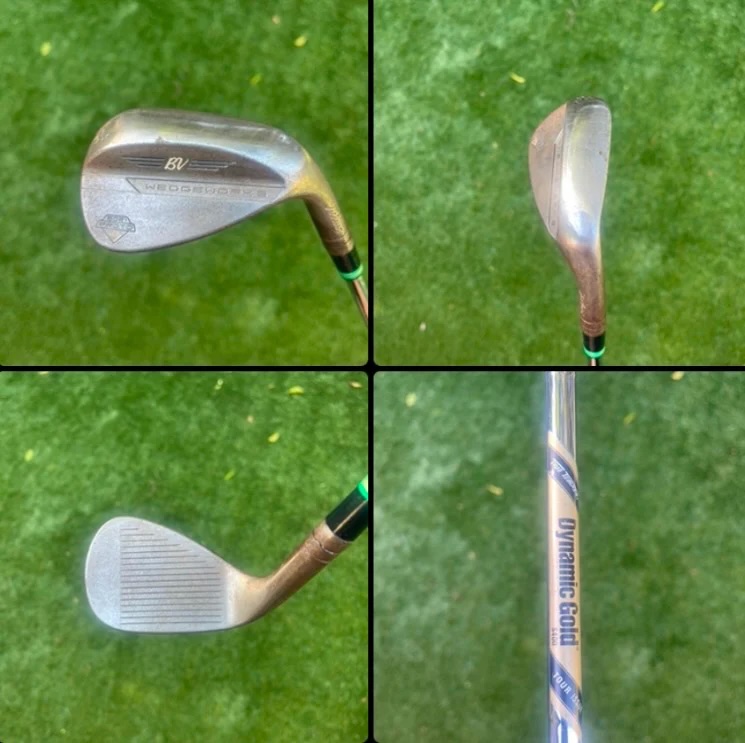
From the listing:
(1) Titleist Vokey Proto Wedge 54M with a Tour Issue DGS400 shaft and Golf Pride Tour Velvet (logo down). Standard length, lie, and loft. BB&F ferrule. Raw wedge in good condition. No initials. Price is $200 shipped. Buy both wedges for $380 shipped.
(2) Titleist Vokey Proto Wedge 60T with a KBS Tour 130X shaft and Golf Pride Tour Velvet. Standard length, lie, and loft. Raw wedge in good condition. No initials. Price is $200 shipped. Buy both wedges for $380 shipped.
To check out the full listing in our BST forum, head through the link. If you are curious about the rules to participate in the BST Forum, you can learn more here: GolfWRX BST Rules.
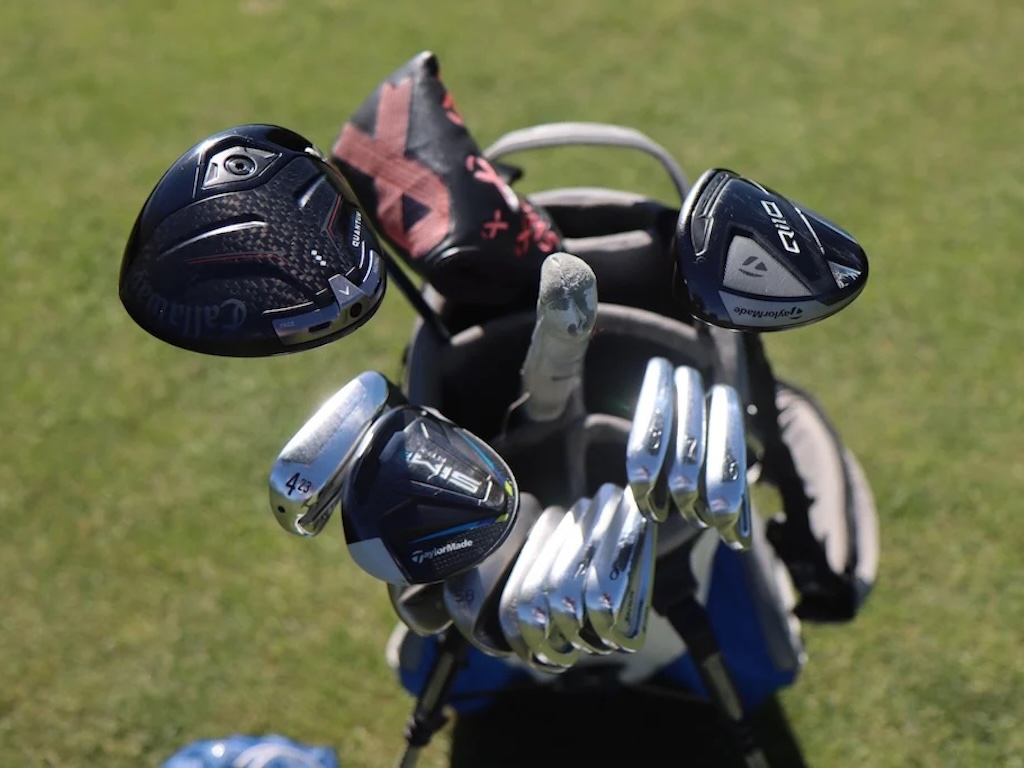
Driver: Callaway Quantum Triple Diamond (9 degrees)
Shaft: Project X HZRDUS Smoke Blue RDX 60 TX
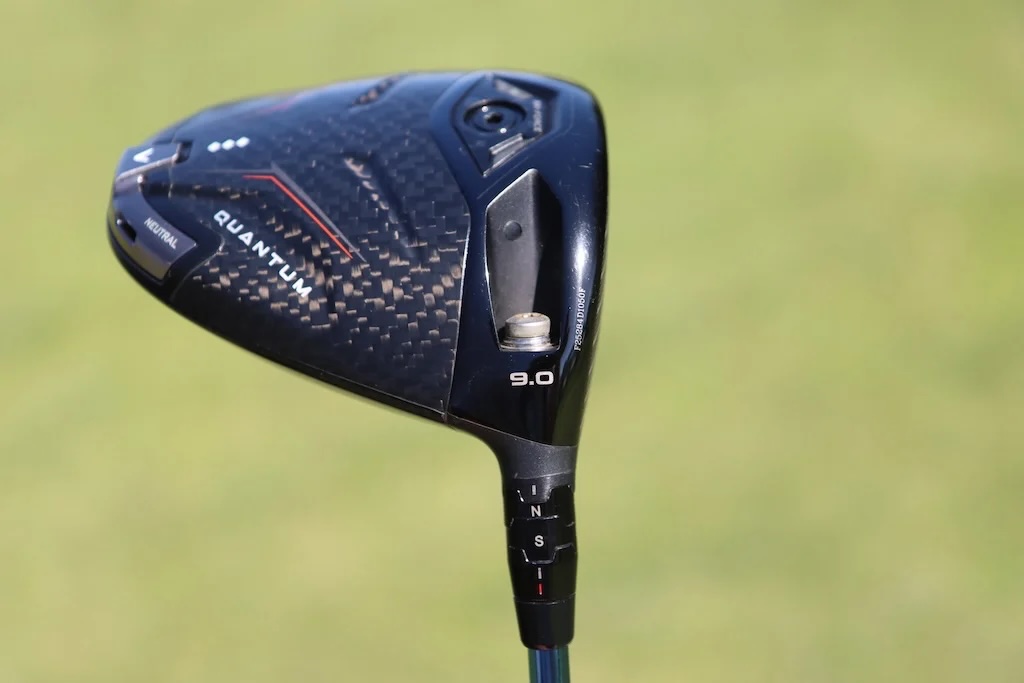
3-wood: TaylorMade Qi10 (15 degrees)
Shaft: Project X HZRDUS T1100 70 6.5
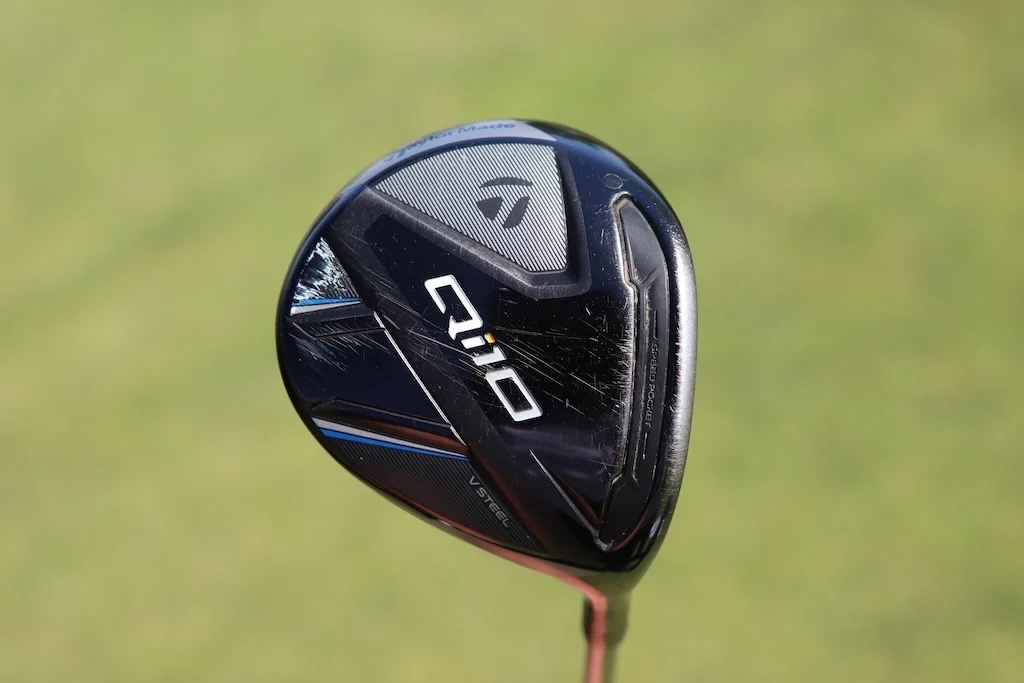
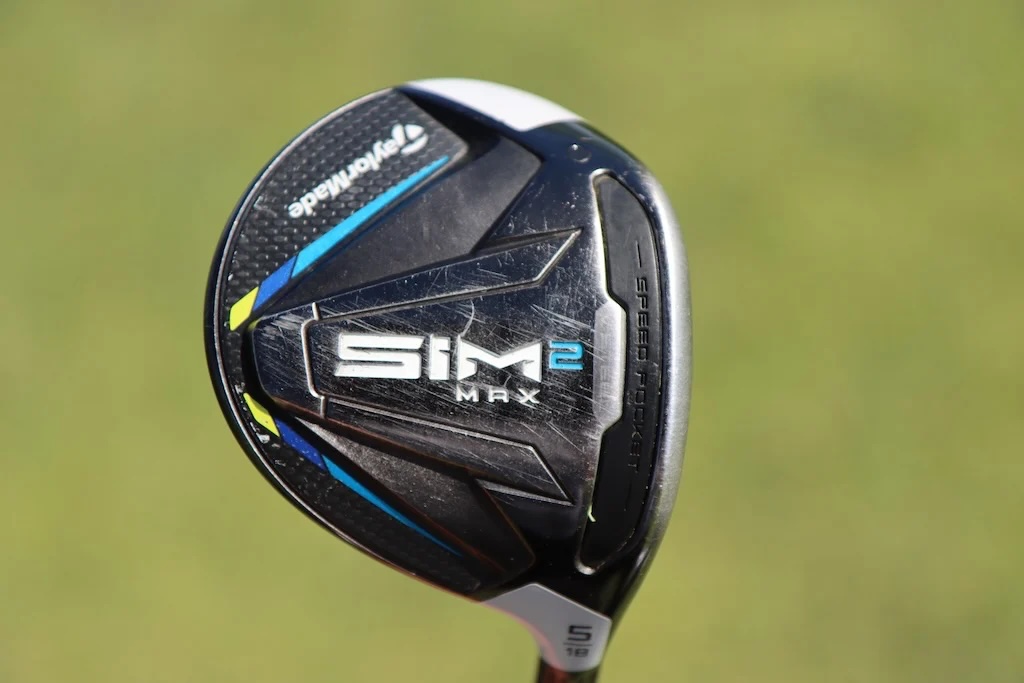
5-wood: TaylorMade SIM2 Max (18 degrees)
Shaft: Project X HZRDUS Smoke Black RDX 80 TX
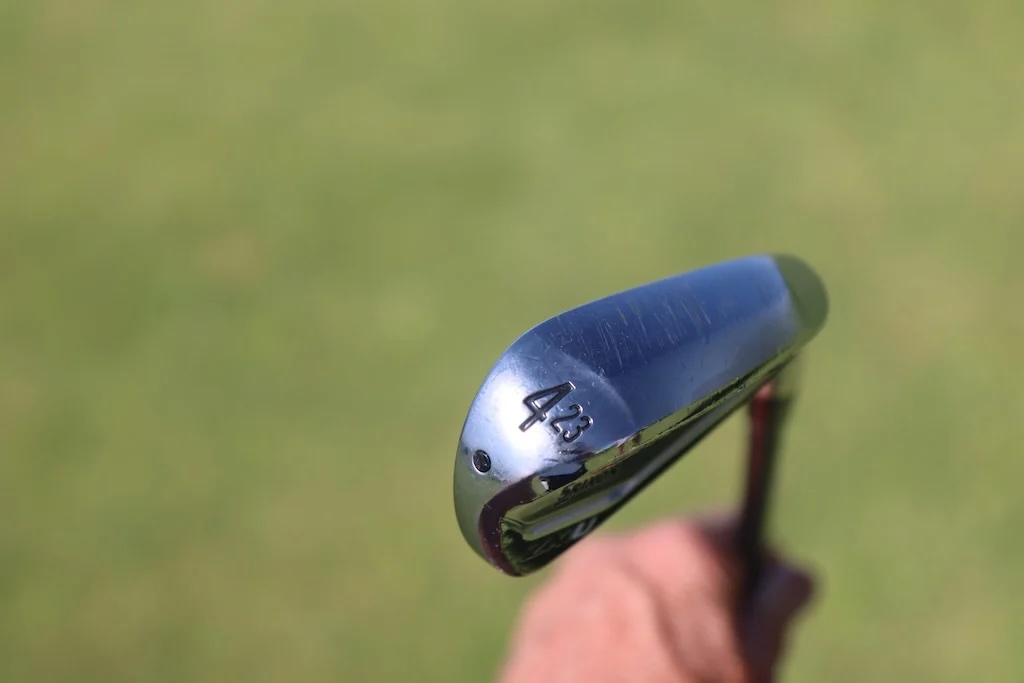
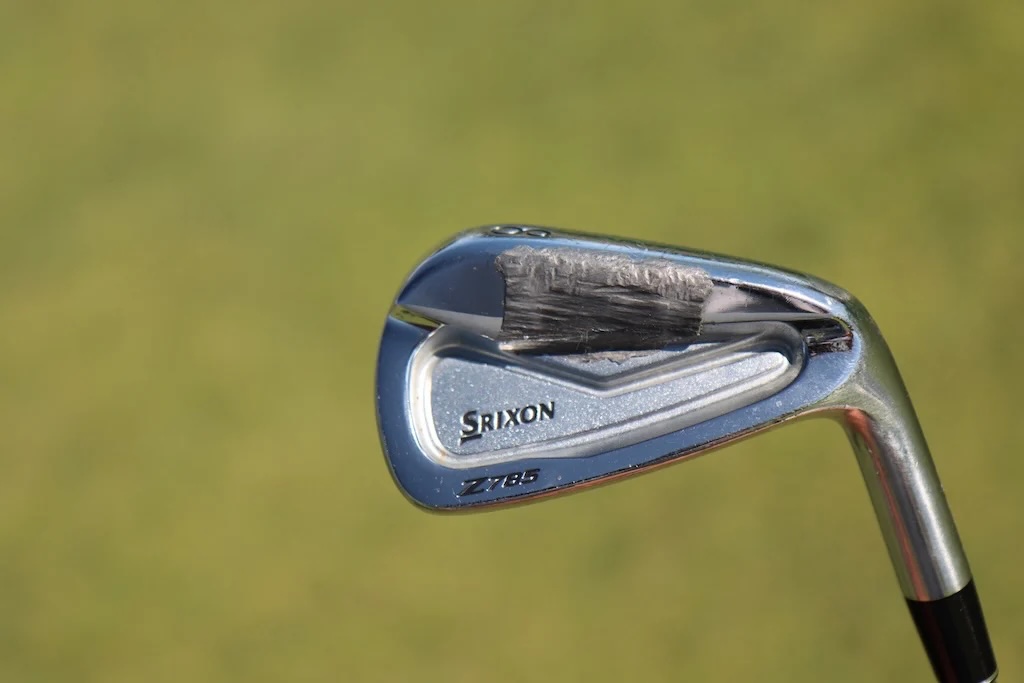
Irons: Srixon ZXiU (23 degrees), Srixon Z785 MB (5-PW)
Shafts: Project X HZRDUS Smoke Black RDX 100 6.5 (4), KBS Tour 130 X
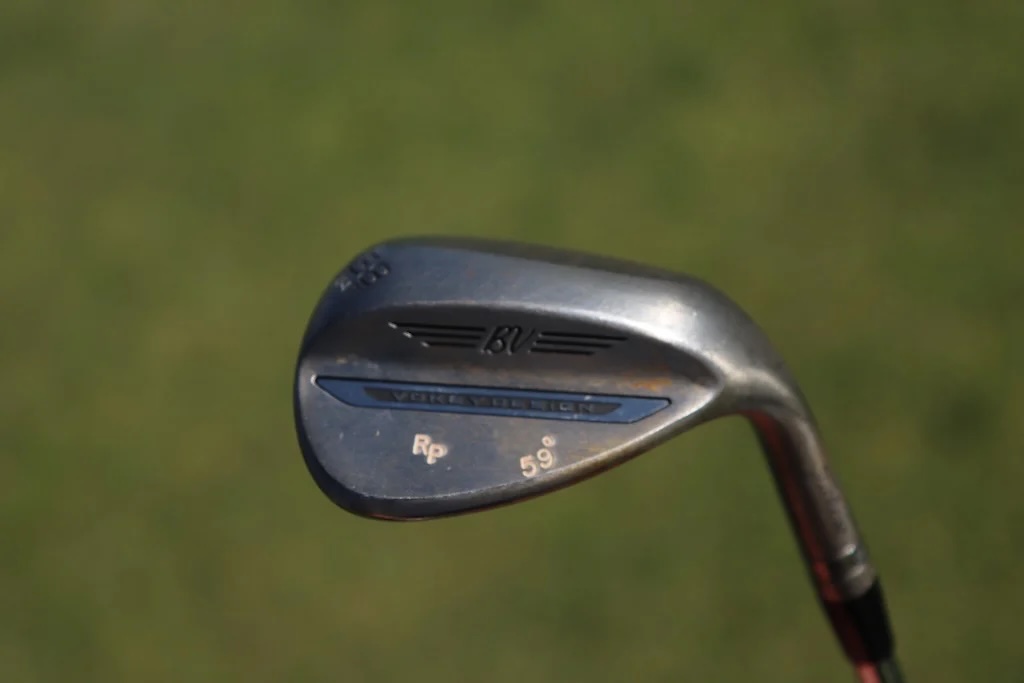
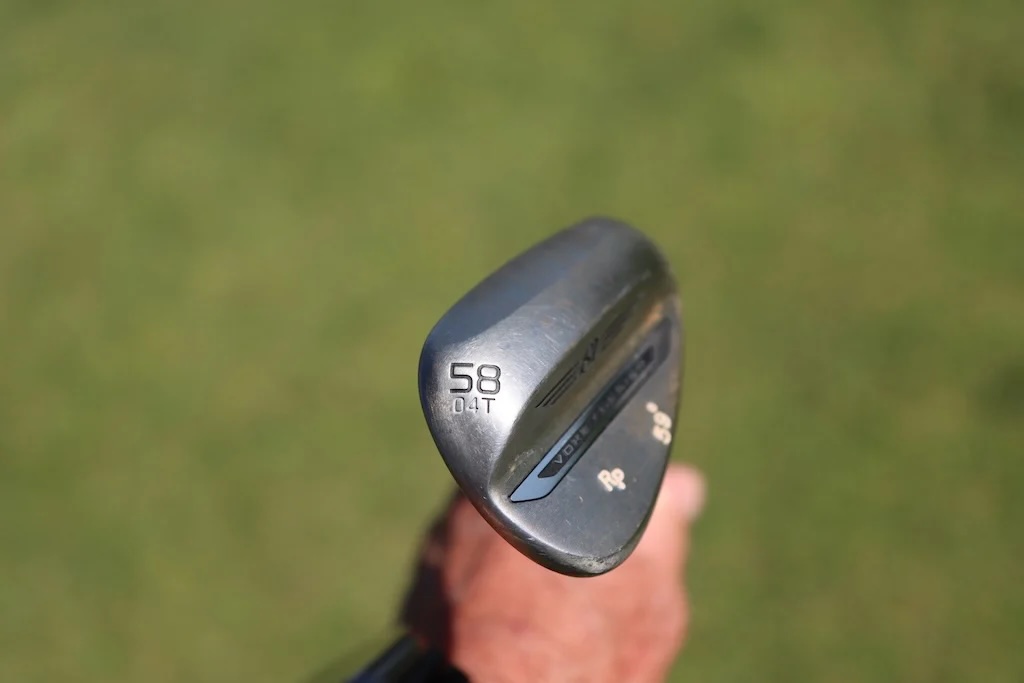
Wedges: Titleist Vokey Design SM11 (50-08F, 54-10S, 58-04T @59)
Shafts: KBS Tour 130 X
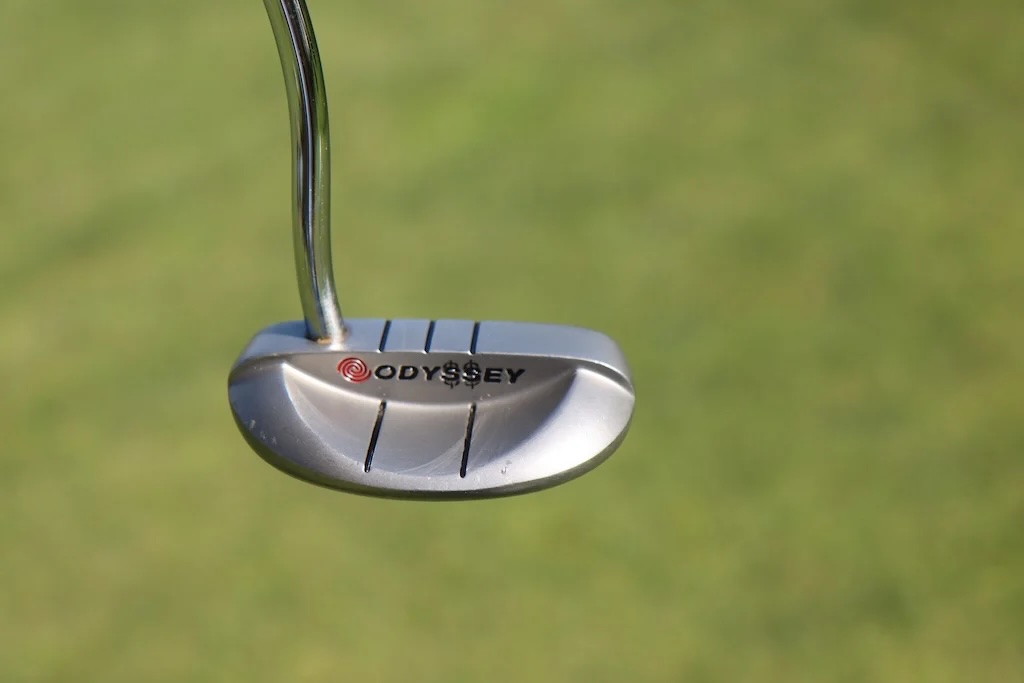
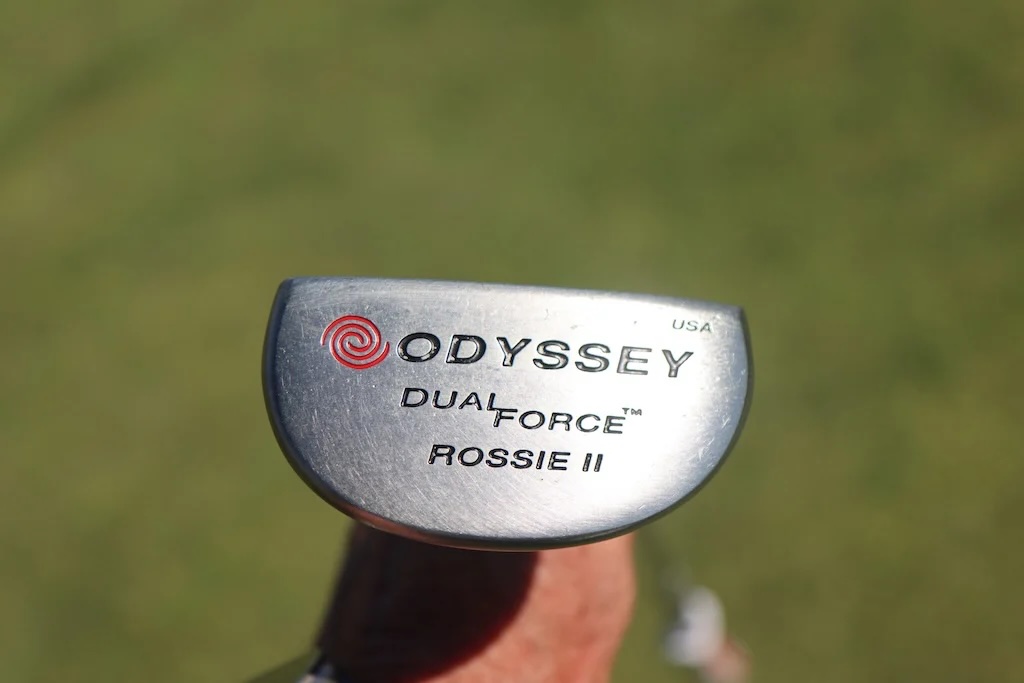
Putter: Odyssey Dual Force Rossie II
Ball: Titleist Pro V1x
Grips: Golf Pride Tour Velvet


This week, we have our Tour Photographer, Greg Moore, on the ground at the OccuNet Classic at Tascosa Golf Club in Amarillo, Texas, for the 14th event of the 2026 Korn Ferry Tour season. With that, we see some great things in the Lead Tape Report as we roll into Amarillo.
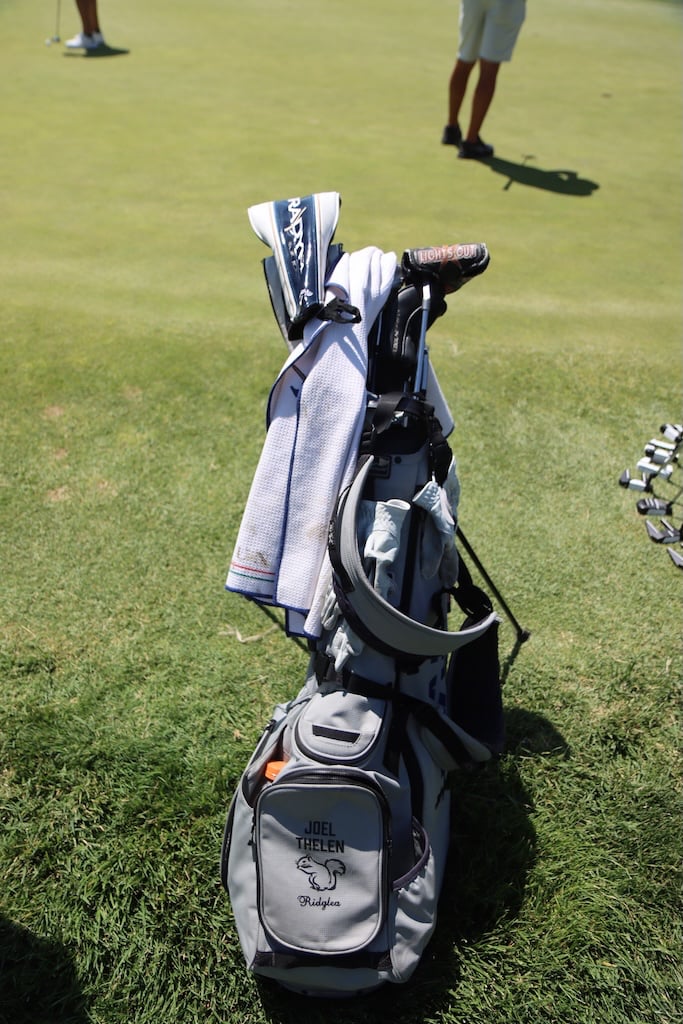
Joel Thelen
Monday Qualifier, Joel Thelen is in the field this week. He has played on the Korn Ferry Tour for a full season in 2023, and he is back in action this week. A couple of clubs caught my eye this week in his bag.
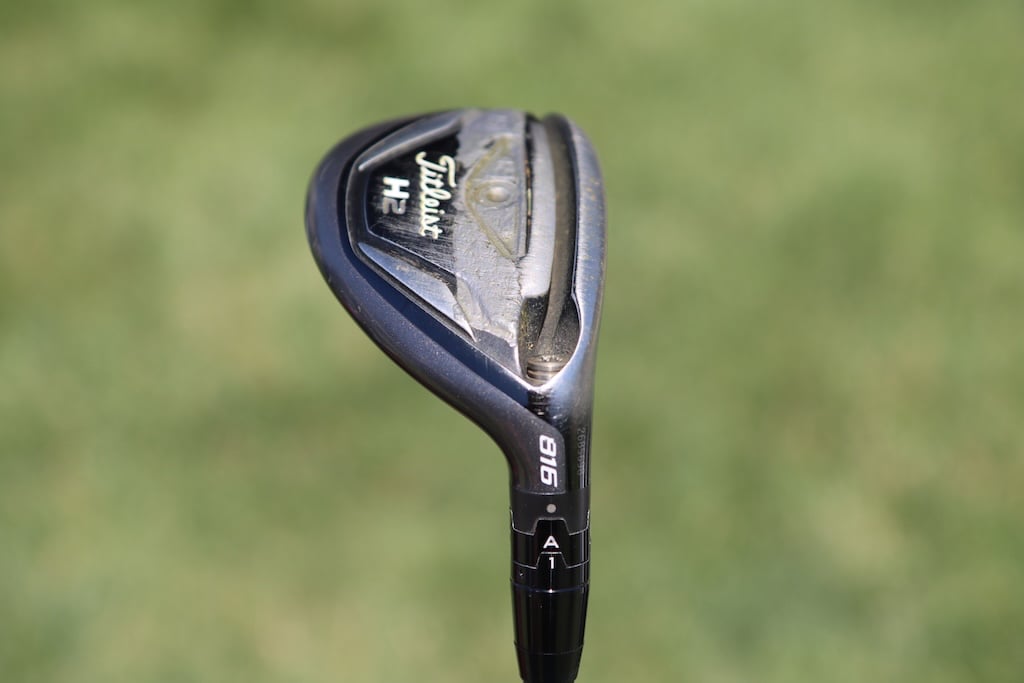
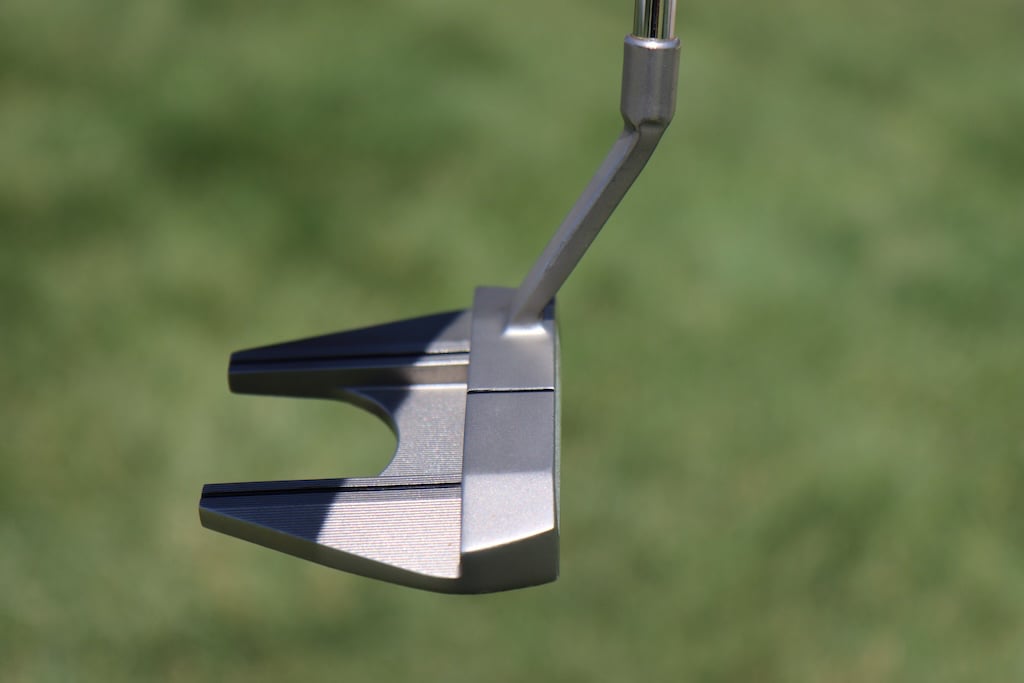
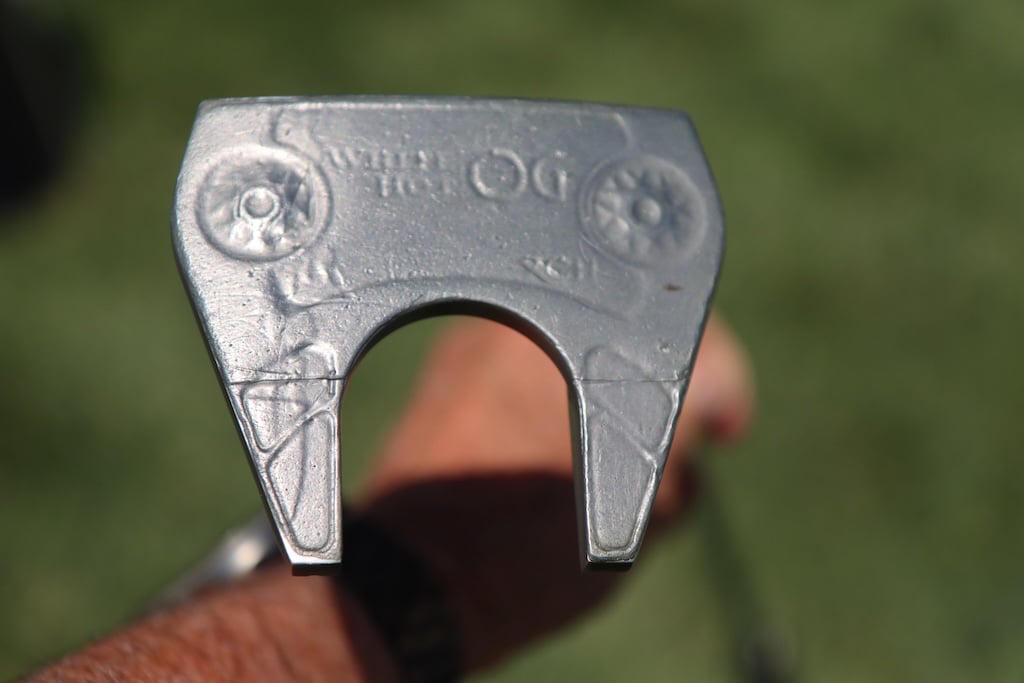
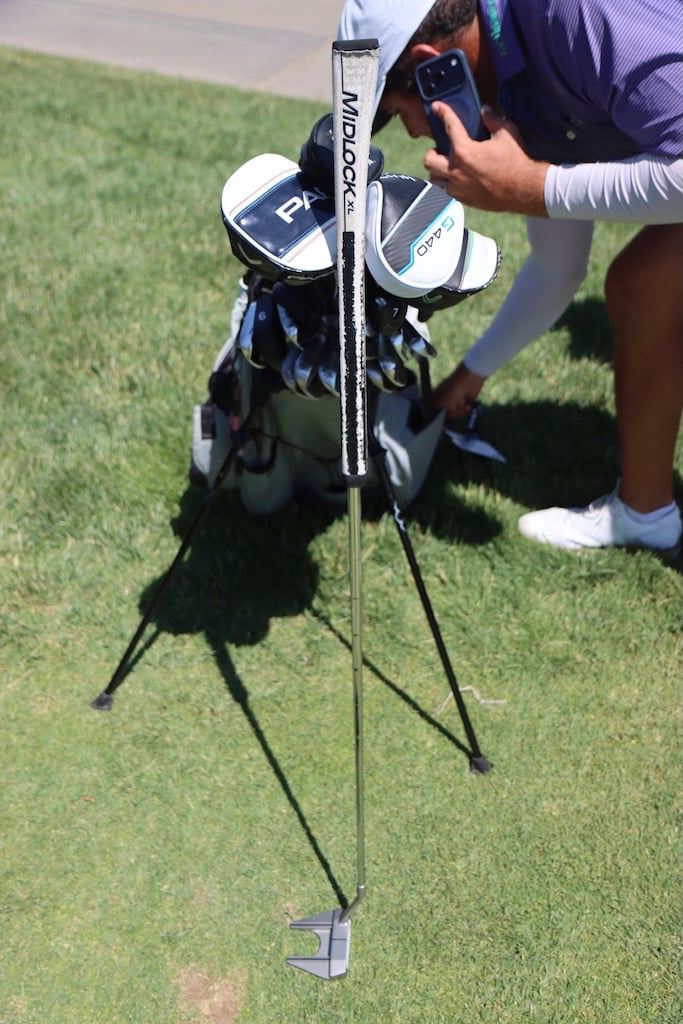
First off: His trusted Titleist 816 H2 hybrid. This club came out in October of 2015, and it still remains strong in the bag. Also, take a look at this Odyssey White Hot OG 7, putting a capital S in the 7S model. This custom neck has some impressive lean for an arm-lock-style putter. The bottom of the putter is covered in tape for optimal weighting.
Mitchell Meissner
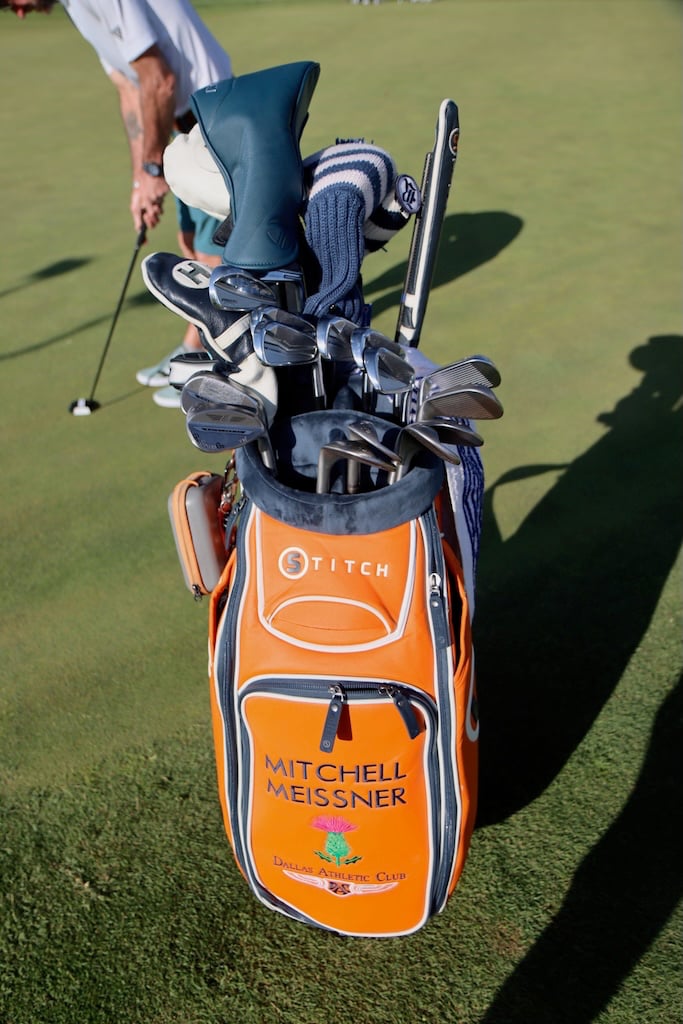
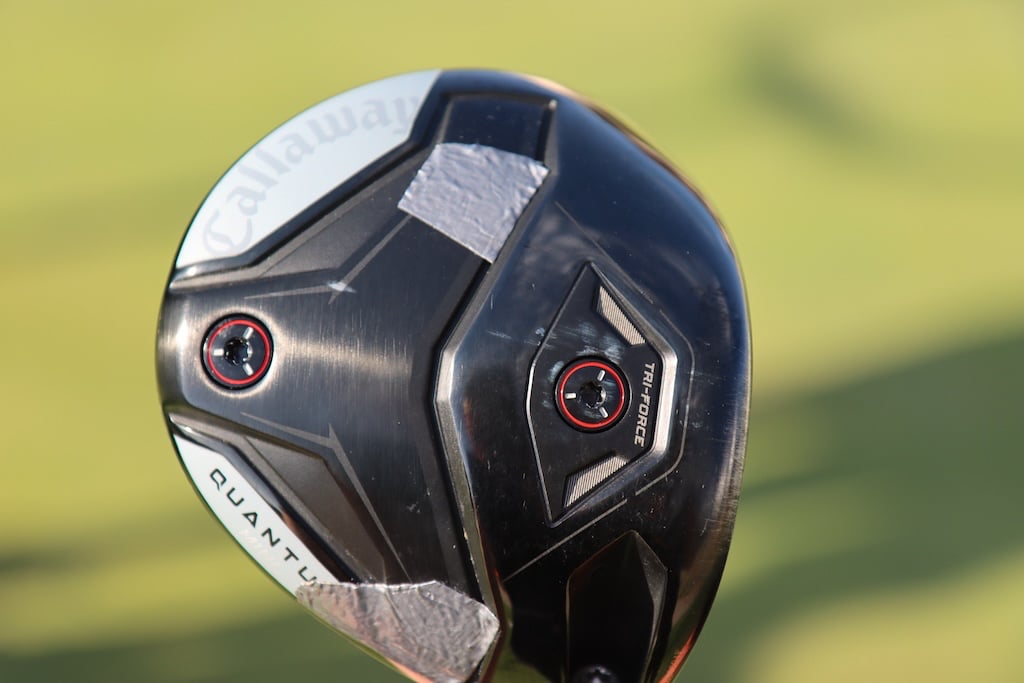
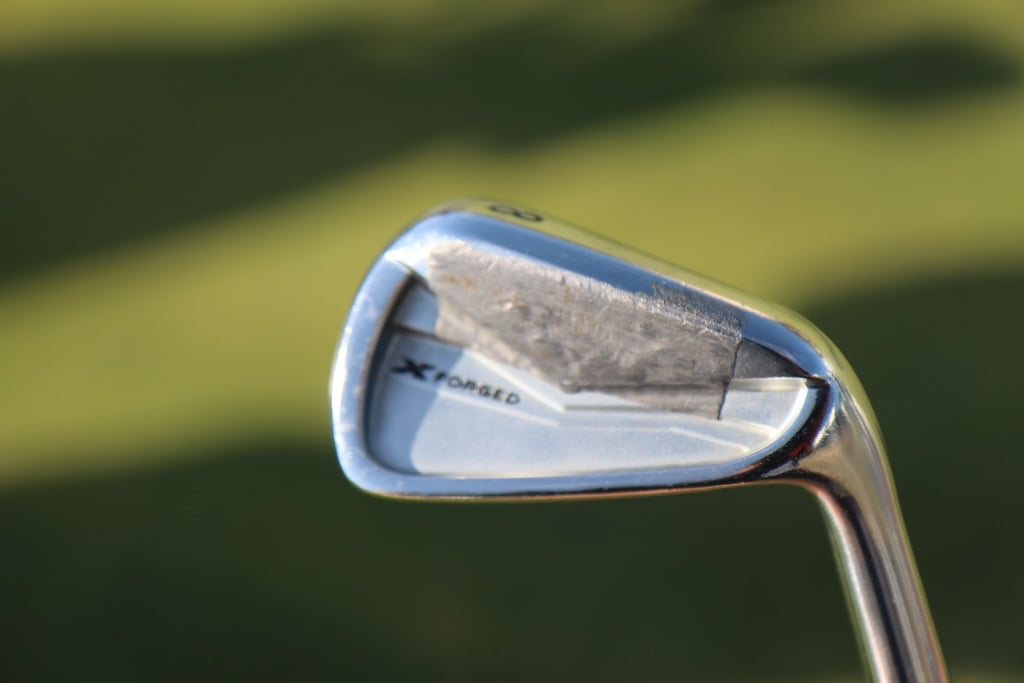
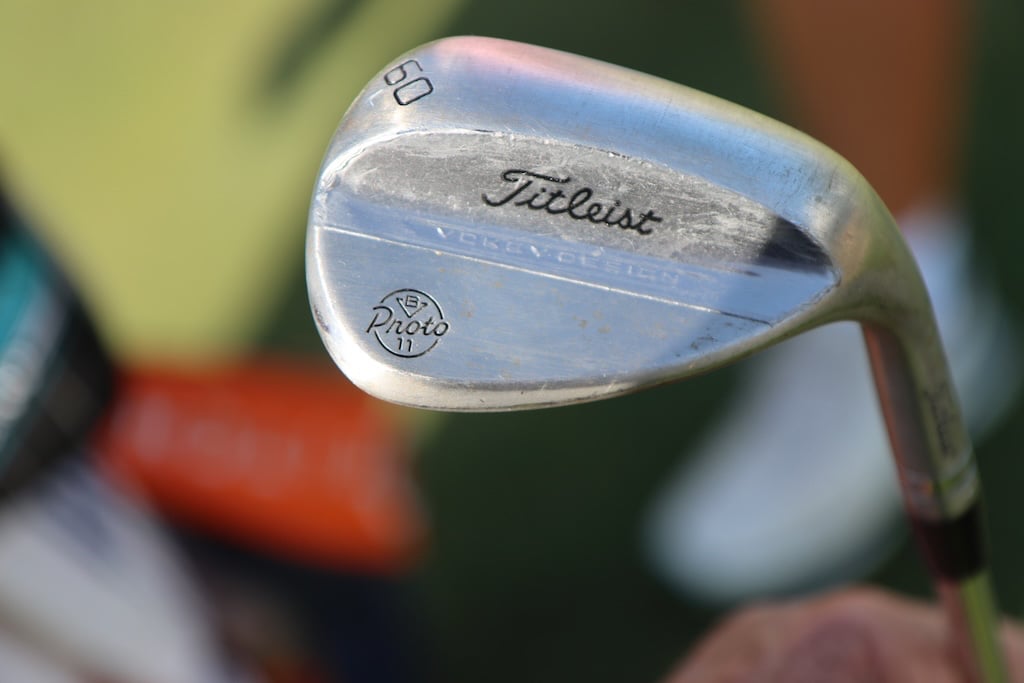
Taking a look at Mitchell Meissner’s bag this week, we have some great lead tape coverage. Top to bottom working from fairway metals, irons, and wedges. We can see on the short irons and wedges that there is tape at the base of the grip, adding a little counterbalance. Along with that, some tape on the short irons and wedges as well. Moving to his putter, he rolls the Odyssey 7 Bird putter. Meissner putts left-handed and strikes the ball right-handed.



Justin Rose WITB 2026 (April): Full WITB breakdown with new McLaren irons

What’s the story behind Webb Simpson’s custom-stamped irons?

Memorial Tournament Tour Report: Rory McIlroy, Cameron Young switch up drivers, and more

Cadillac Championship Tour Report: Spieth’s sizable changes, McLaren Golf launches, and more

Russell Henley’s winning WITB: 2026 Charles Schwab Challenge

Kristoffer Reitan’s winning WITB: 2026 Truist Championship

Best irons 2026: Best irons overall, most forgiving irons, and more

J.T. Poston’s winning WITB: 2026 Memorial Tournament

Aaron Rai’s winning WITB: 2026 PGA Championship

Cameron Young’s winning WITB: 2026 Cadillac Championship


Ryan Palmer WITB 2026 (June)
Driver: Callaway Quantum Triple Diamond (9 degrees) Shaft: Project X HZRDUS Smoke Blue RDX 60 TX 3-wood: TaylorMade Qi10 (15 degrees) Shaft:...


Bud Cauley WITB 2026 (June)
Bud Cauley had >14 clubs in his bag when photographed prior to the Memorial Tournament. Driver: Titleist GTS2 (8 degrees) Shaft: Fujikura...


Hannah Green WITB 2026 (June)
Driver: Titleist GTS3 (10 degrees, D4 SureFit setting) Shaft: Mitsubishi Chemical Diamana RB 53 S 3-wood: Titleist GT3 (15 degrees,...


Asterisk Talley WITB 2026 (June)
Driver: TaylorMade Qi4D (9 degrees) Shaft: Fujikura Ventus Blue 6 S 3-wood: TaylorMade Qi4D (16.5 degrees) Shaft: Fujikura Ventus Blue...
-
 Equipment6 days ago
Memorial Tournament Tour Report: Rory McIlroy, Cameron Young switch up drivers, and more
-
 News2 weeks ago
Russell Henley’s winning WITB: 2026 Charles Schwab Challenge
-
 Equipment3 days ago
Best irons 2026: Best irons overall, most forgiving irons, and more
-
 Whats in the Bag4 days ago
J.T. Poston’s winning WITB: 2026 Memorial Tournament
-

 Equipment1 week ago
Details on Jason Day’s latest prototype Avoda iron setup
-

 Equipment3 weeks ago
CJ Cup Byron Nelson Tour Report: Koepka and Kim’s newest putters finally get hot
-

 News2 weeks ago
Charles Schwab Challenge Tour Report: MacIntyre, Åberg and Spaun all switch putters, TaylorMade launches new Spider
-

 Equipment2 weeks ago
Details on J.J. Spaun’s surprise putter switch

