

Equipment
2020 Callaway Mavrik drivers: Faster means farther

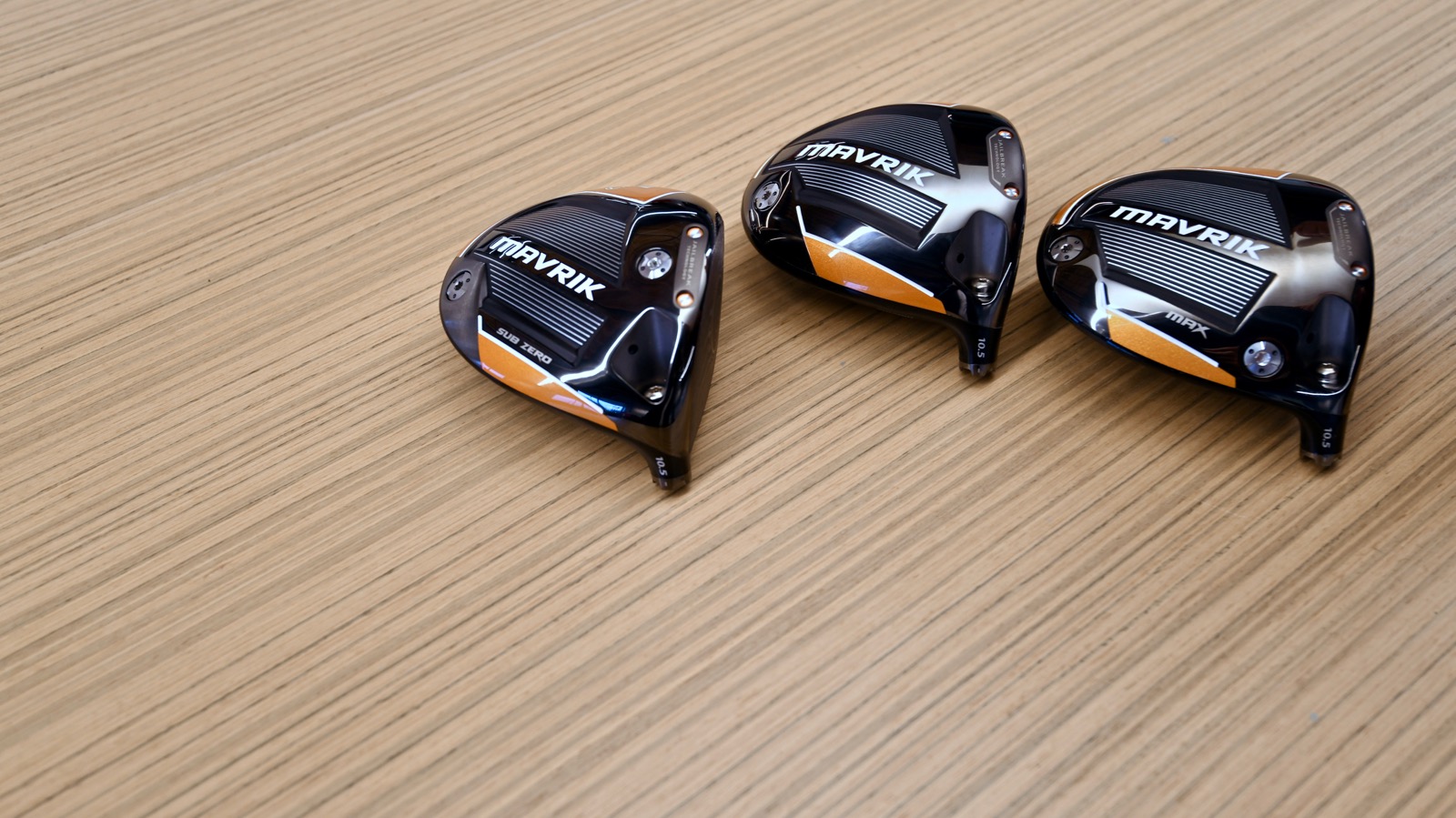
Callaway is going Mavrik in 2020 with three MAVRIK Driver models: Callaway Mavrik, Mavrik Sub Zero and Mavrik Max.
A maverick by definition is “an unorthodox or independent-minded person.” And in the world of club design, Callaway is certainly thinking independently.
The new 2020 Callaway Mavrik series of drivers were created by utilizing an unorthodox approach to designing better golf clubs: artificial intelligence. It must be working—you may remember that A.I. helped design the Epic Flash drivers won our Best Drivers of 2019 award.
Now, armed with a greater understanding of how machine learning can help engineers, Callaway is applying A.I. beyond the face and around the rest of the head to assist in building a better driver—this, you could say, is a…Mavrik approach (I’ll see myself out for the obvious pun. No “Top Gun” jokes to follow, I promise).
The one thing it doesn’t take a supercomputer to figure out is the only real way to make a golf ball travel farther is to impart greater force on it—simple physics. The only way to create greater force is through either mass or velocity/acceleration (energy = mass X acceleration, after all), and as Callaway said many years ago with the Big Bertha Alpha driver with Gravity Core “you can’t argue with physics.”

Mavrik Sub Zero (left), MAVRIK Driver (center) and Mavrik Max (right)
Artificial Intelligence—Real-world Results
For Callaway, the first step in proving A.I. could help build better clubs was by giving it the task of redesigning a driver club face’s variable face thickness pattern to increase ball speed: mission accomplished with Flash Face, found in the 2019 Epic Flash drivers.
With the new Mavrik driver, it was going to take a lot more than a face redesign to improve on the Epic Flash, so Callaway engineers went back to the drawing board to not just rethink the face but the rest of the club from the ground up to make it faster.
Cyclone shaping

Raised Skirt reduces drag
It was a fine balancing act for Callaway engineers to create the new Mavrik driver since conventional thinking would lead most OEMs to simply reduce total mass of a club to allow golfers to swing it faster—a proven formula. The problem is, when you reduce mass, you reduce potential energy.
To increase the potential speed of the driver head, Callaway used A.I. to overcome the trade-offs of forgiveness, aerodynamics, and ball speed to build a new profile that is much more aerodynamically efficient and forgiving. Callaway calls it Cyclone Shaping.

Mavrik Sub Zero (left), MAVRIK Driver (center) and Mavrik Max (right)
Any time you discuss the development of any new product with an engineer, words like “balance” and “efficiency” come up a lot. In most industries, it’s a matter of cost vs performance or value, but in golf it’s a matter of balancing what’s possible under the rules without giving up either too much top-end performance or forgiveness and actually creating something to increase ball speed.
According to Callaway, the Cyclone Shaping as a standalone technology makes the new driver head 61 percent more efficient through the air, creating less drag and making the Mavrik 1 mph faster than the 2019 Epic Flash. All this while still maintaining a 460cc head volume. One mph of clubhead speed has the potential to add up to 3-4 yards total distance.
Each of the three driver models in the Mavrik line utilize the Cyclone Shaping to increase potential speed, but with three distinct models designed for different player profiles, there is more than just aerodynamics, that according to Callaway helps make this the “best driver Callaway has ever produced.”
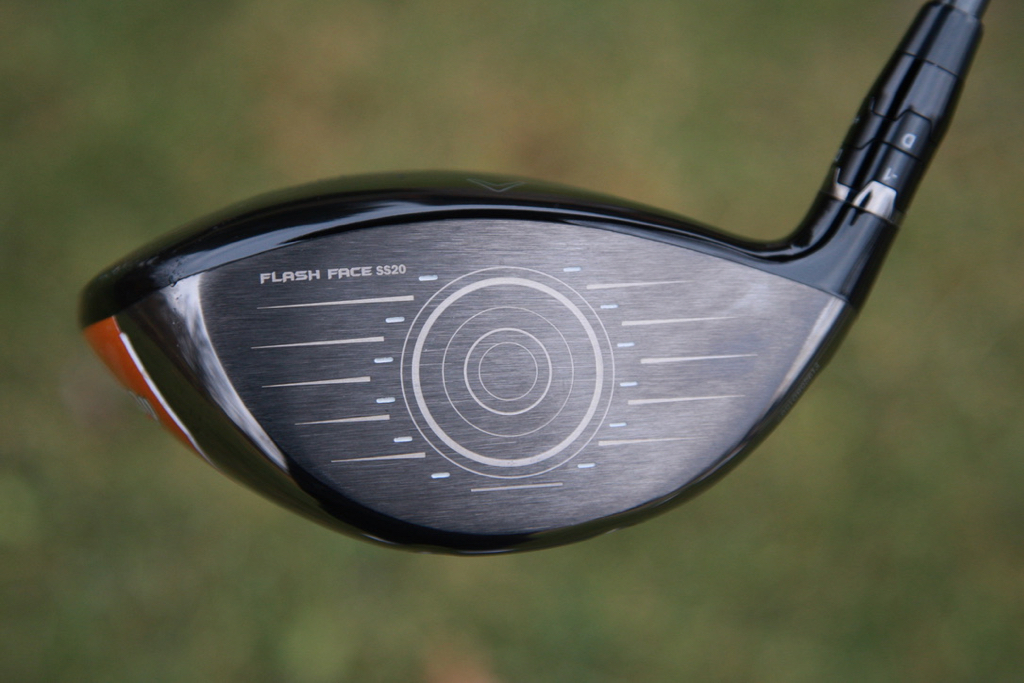
Flash Face SS20
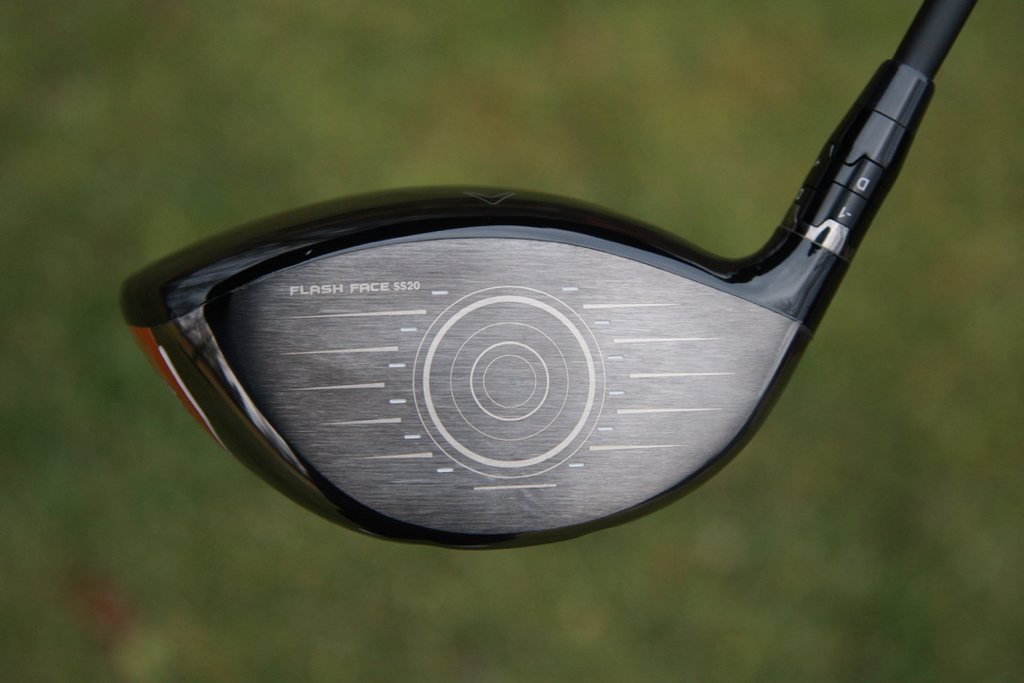
Time to go under the hood to explain how Callaway engineers, along with the help of A.I., managed to create more robust ball speed from a face already pushed to the limit.
After maximizing the aerodynamics of the head, the other key components had to evolve as well, including the face and how mass was distributed to maintain MOI in a slightly smaller footprint. To move more mass, the face had to be lighter, but there was one big problem: a thinner face created durability issues (along with CT creep, but we’ll get to that in a moment). The new Flash Face SS20 is six grams lighter than the previous iteration thanks to FS2S titanium face material.
NOTE: FS-2s is a proprietary titanium alloy developed by FS Precision Tech for high-stress applications in aerospace and mining, FS2s titanium is stronger and more fatigue resistant than conventional 6-4Ti.
The Hot Topic
Characteristic Time (CT) was a big topic of discussion this year on the PGA Tour, and at the Open Championship, when multiple OEMs had drivers test above the legal limit of CT, thus becoming non-conforming.
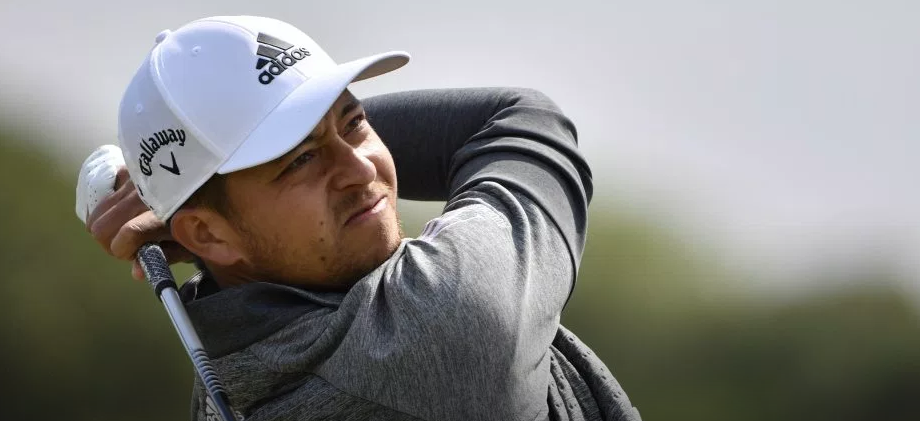
Xander Schauffele’s non-conforming driver tested at The Open- CT creep
Callaway was one of the many companies caught in the crosshairs of this issue and the company decided to tackle it head-on. Knowing that drivers start as conforming can potentially become non-conforming after years and years of use/or by fewer “cycles/hits” at very high speed. Something had to change since amateur and professionals players alike rely on their equipment conforming to the rules and holding up swing after swing.
The new FS2S material allows Flash Face 2.0 to offer more robust ball speeds over a greater area of the face while also preventing CT creep over the use of the head.
There’s even more to the story: Not only is Flash Face SS20 lighter, faster and stronger, but with the aid of artificial intelligence, each model in the Mavrik family has a uniquely engineered variable face thickness pattern to maximize ball speed on off-center hits for the target player. This creates a driver family that, according to Callaway’s testing, has 13 percent more consistent downrange dispersion than the 2019 Epic Flash family of drivers.
The 3 Callaway Mavrik Driver Models
Callaway Mavrik Driver
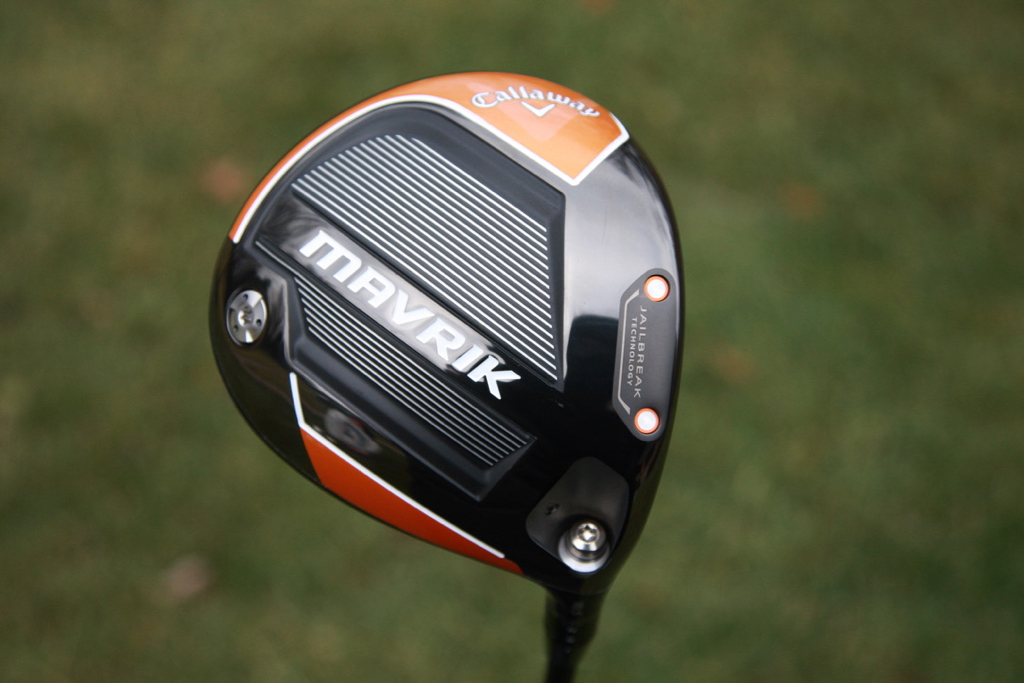
Coming in at the legal limit of 460cc’s it is the head with the most dramatic Cyclone Shaping aerodynamics.
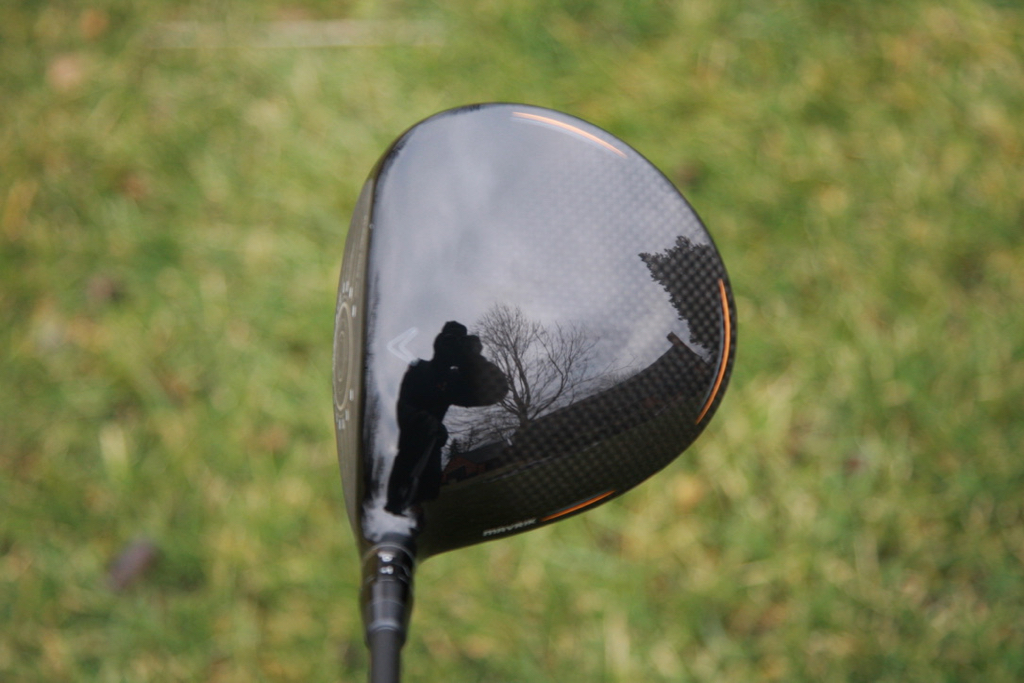
The flagship Mavrik is the-all encompassing technology package that will fit the greatest number of golfers. It offers a slight amount of draw bias that can be neutralized through the hosel settings and is considered the mid-spin option. There is no adjustable center of gravity, because Callaway wanted to maximize the discretionary weight around the perimeter of the head for the most all around performance. With FF20 and boosted MOI, this is the club that will find its way into the majority of golfers bags.
Callaway Mavrik Sub-Zero Driver
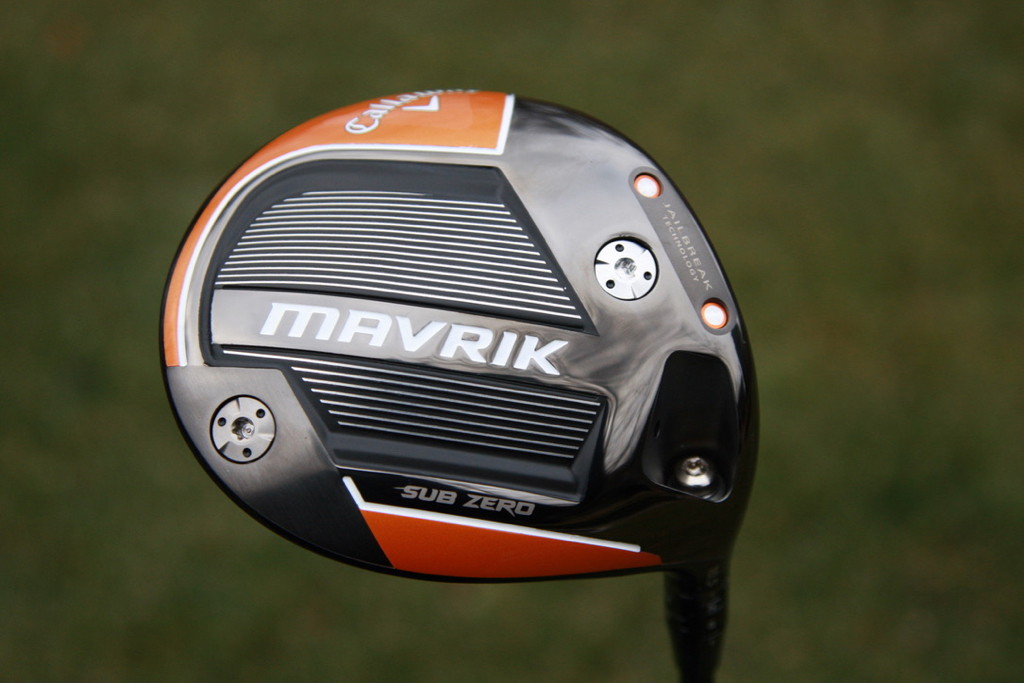
Callaway is calling the Mavrik Sub Zero the ultimate combination of higher MOI and lower spin. The shaping of Mavrik Sub Zero is where things get interesting. The Epic Flash Sub Zero was a huge hit both at retail and on tour—but there is a small asterisk next to that fact. Their was one model that started as “tour only,” but based on the popularity and demand from fitters and players, eventually became a retail release—the Sub Zero Triple Diamond.

Triple Diamond (left) vs. Standard Epic Flash
The Mavrik Sub Zero is 10cc’s less than the standard model at 450cc, and takes its shape more from the previous Triple Diamond SZ than the original standard model—it goes to show that Callaway takes consumer and tour player feedback seriously when it comes to product development and evolution.
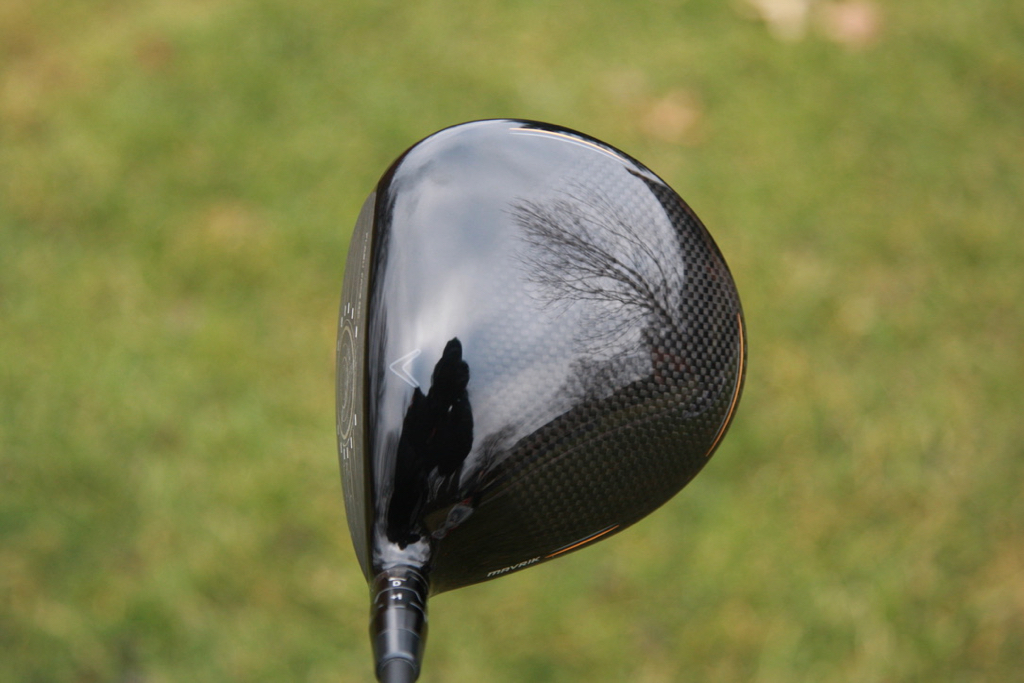
It is completely neutral in its weighting and has a flatter lie angle compared to the standard Mavrik model for more workability. Compared to the standard model, the sole is flatter from front to back to lower CG and decrease spin.

The flatter sole profile of the MAVRIK Sub-Zero
Last but not least, the moveable weights in the bottom of the Sub Zero are 14g and 2g respectively (other weight options are available through custom order) and allow the golfer to fine-tune spin and trajectory alongside the patented Callaway dual cog adjustable adapter.
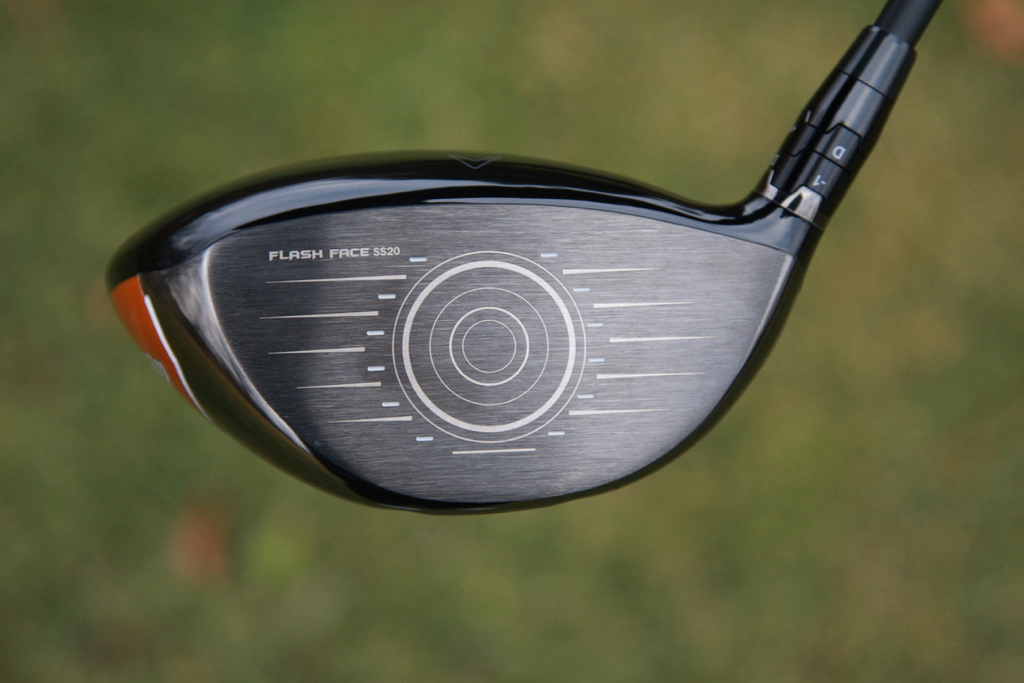
Callaway Mavrik Max Driver

In what has now become common nomenclature in golf club branding and design the Mavrik Max is the most forgiving, highest-MOI model in the Callaway Mavrik family.
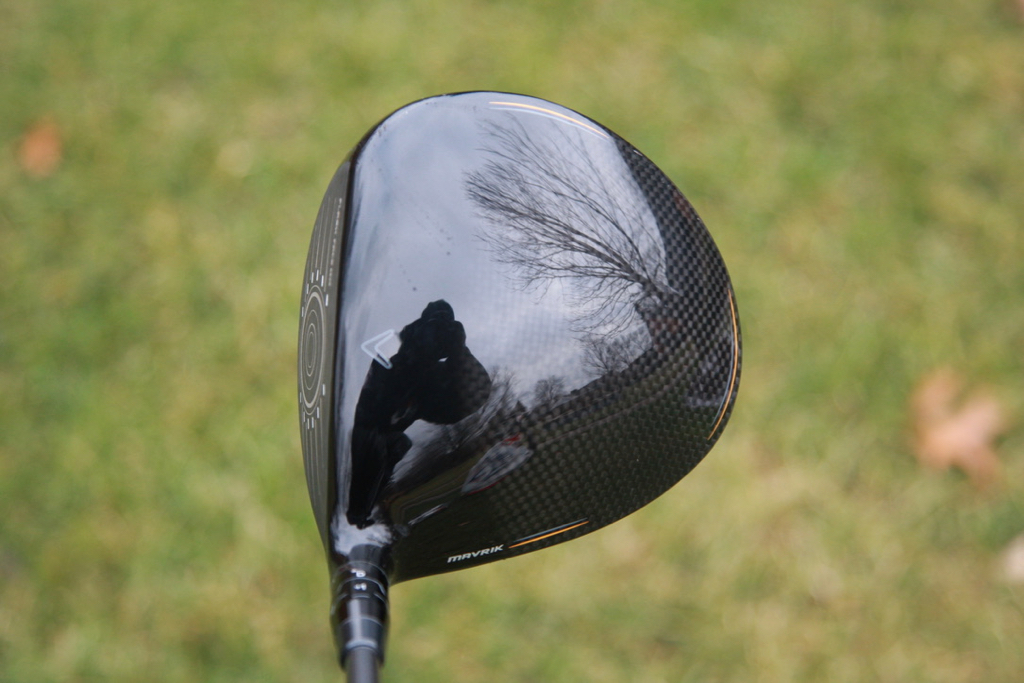
Coming in at 460cc in a shallower more draw bias shape, the Max has the largest footprint from address and is the easiest to launch of the three models. Although not as aerodynamically efficient as the other two Mavrik models, it still has all the key features of the line including FS2o, Flash Face 2.0, and Jail Break. Like the Sub Zero, the Max has two weights (14g and 2g) that when moved between positions offer either a maximum MOI setting or maximum draw with the weight position in the heel.
Loft Specs and Availability
Lofts
Mavrik will come in three loft options of 9, 10.5, and 12-degree heads
Mavrik Sub Zero comes in the loft options of 9, and 10.5 degrees
The Mavrik Max will be available in 9, 10.5, and 12-degree lofts
Stock shafts
- Project X EvenFlow Riptide 50g and 60g in A-Flex, Regular, Stiff, and X-Stiff
- Aldila Rogue White 130 MSI 60g and 70g, in Regular, Stiff, and X-Stiff
- UST Helium 40g and 50g, in Women’s, A-Flex, Regular, and Stiff

Availability and Pricing
Pre-sale for the Callaway Mavrik drivers starts today, January 14th, with clubs being available at retail starting January 23rd.
Each driver in the Mavrik family is $499.99.




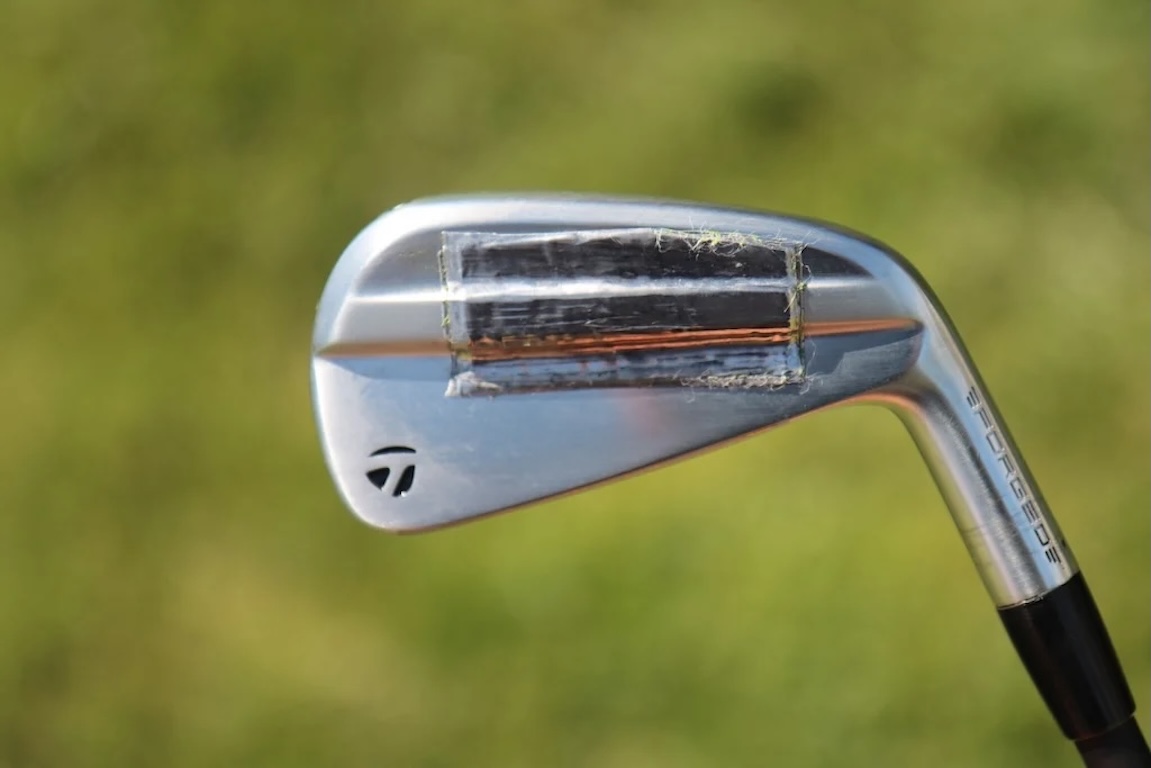
Driver: TaylorMade Qi4D LS (8 degrees)
Shaft: Fujikura Ventus TR Blue 6 X
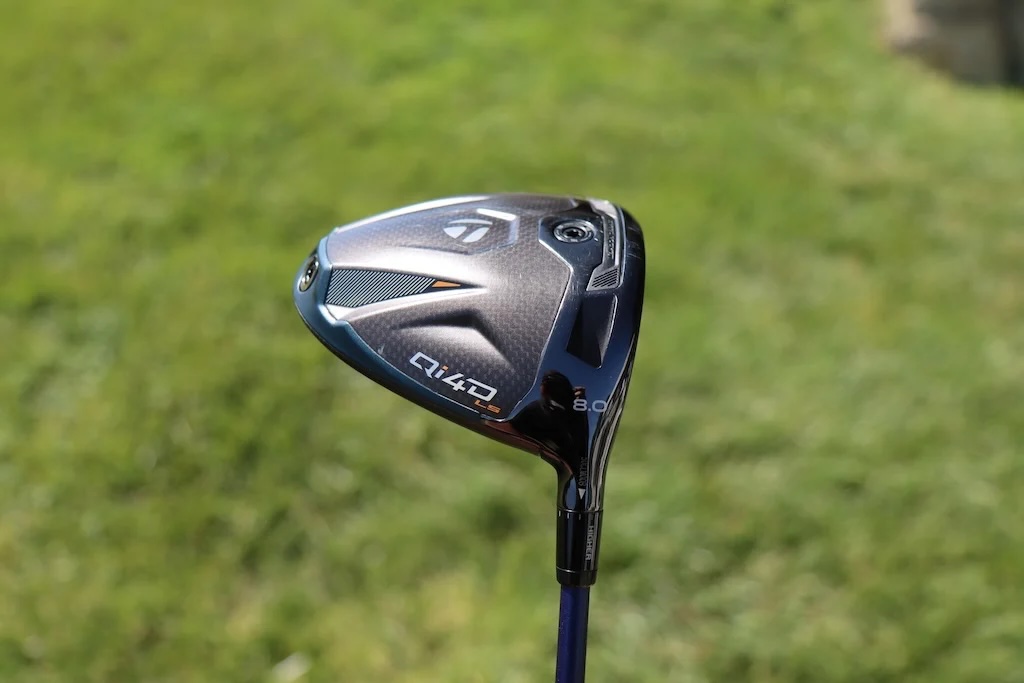
3-wood: TaylorMade Qi10 (15 degrees)
Shaft: Fujikura Ventus Black 9 TX
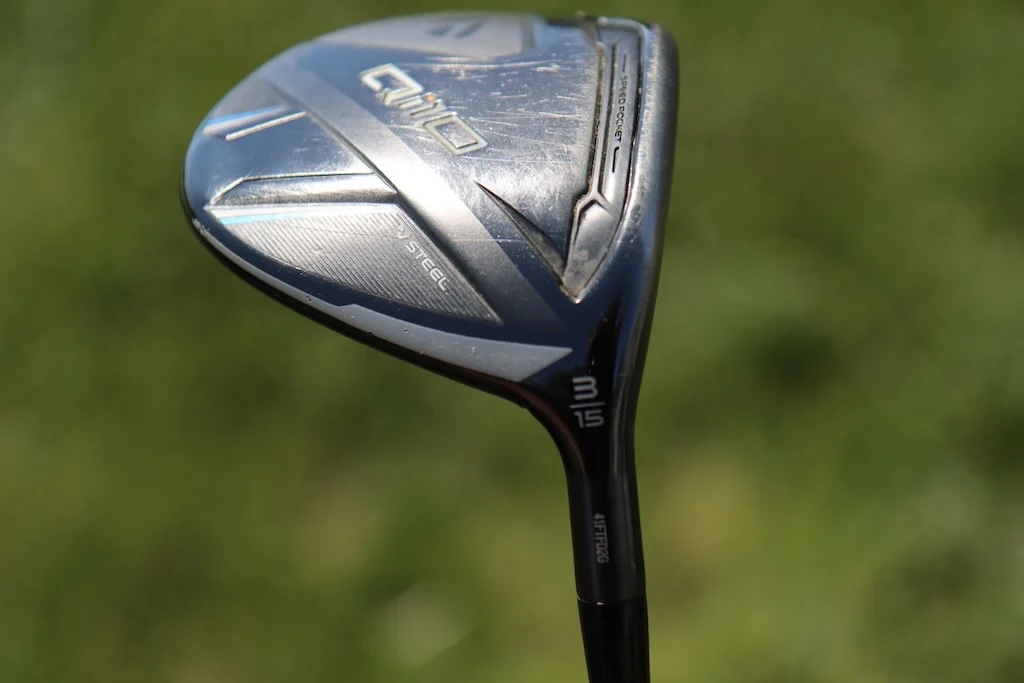
Irons: TaylorMade P770 (3), TaylorMade P7CB (4), TaylorMade P7TW (5-PW)
Shafts: Fujikura Ventus Black HB 10 X, True Temper Dynamic Gold X100
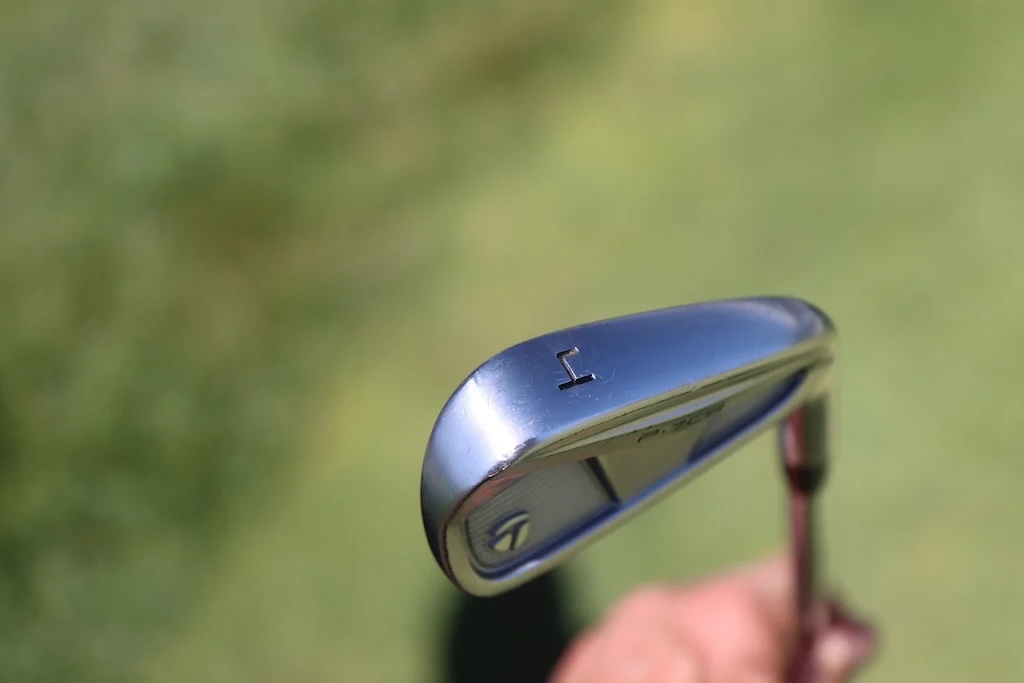
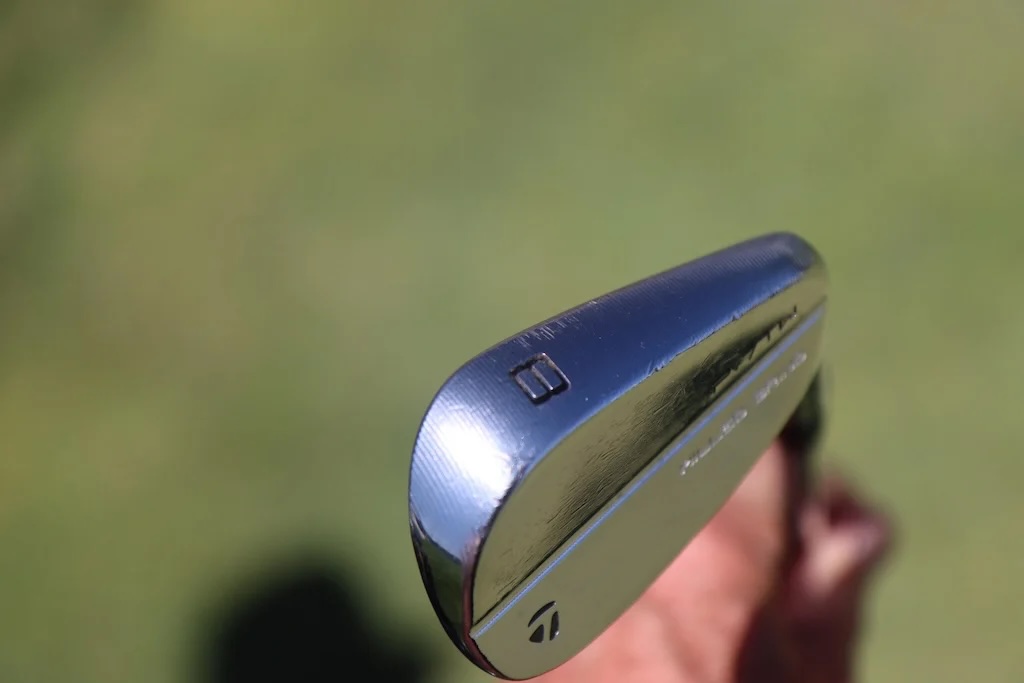
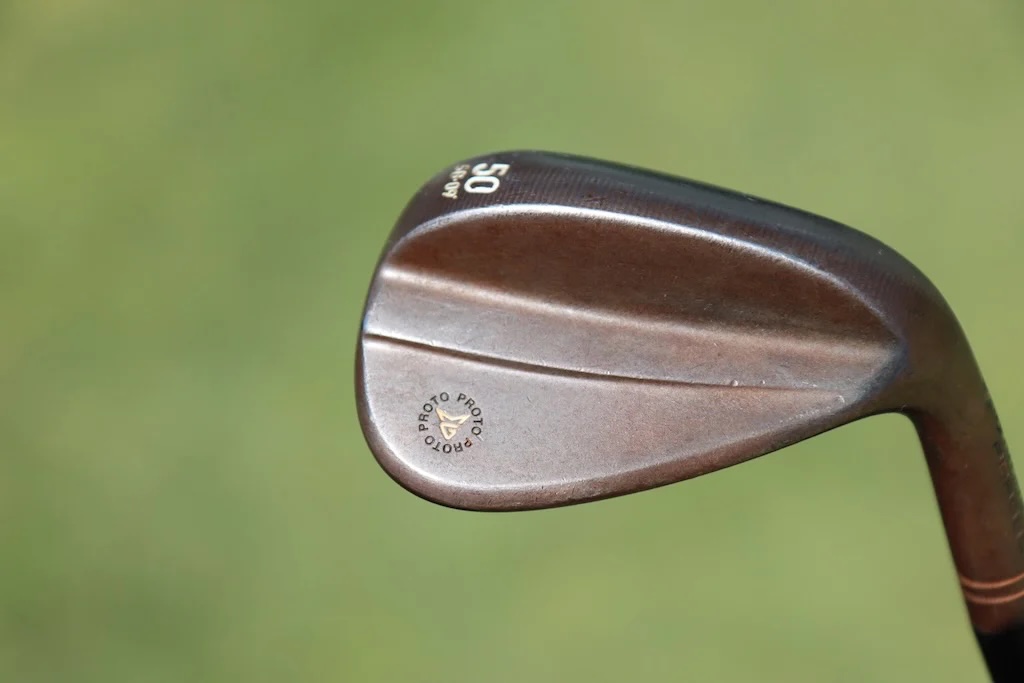
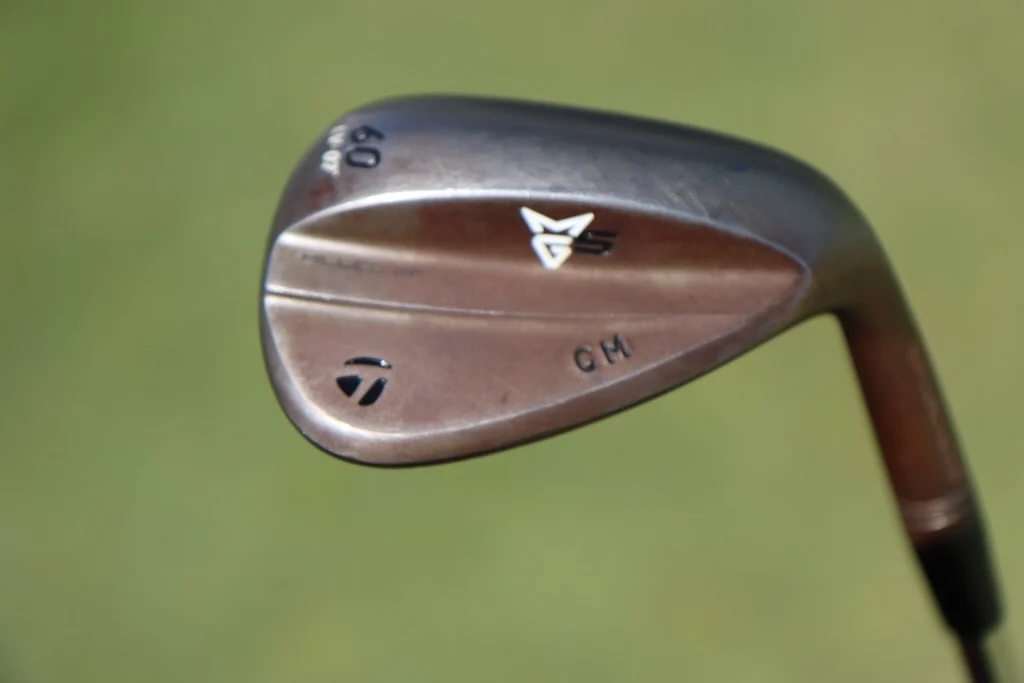
Wedges: TaylorMade Prototype (50-SB09), TaylorMade MG5 (56-HB12, 60-LV07)
Shafts: True Temper Dynamic Gold S400
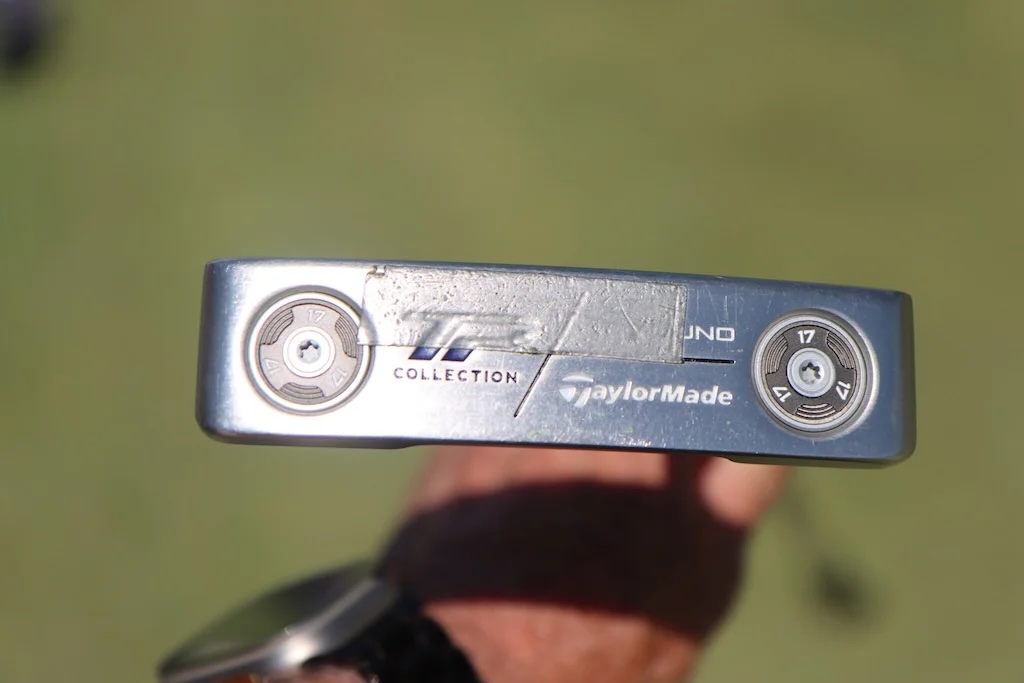
Putter: TaylorMade TP Juno
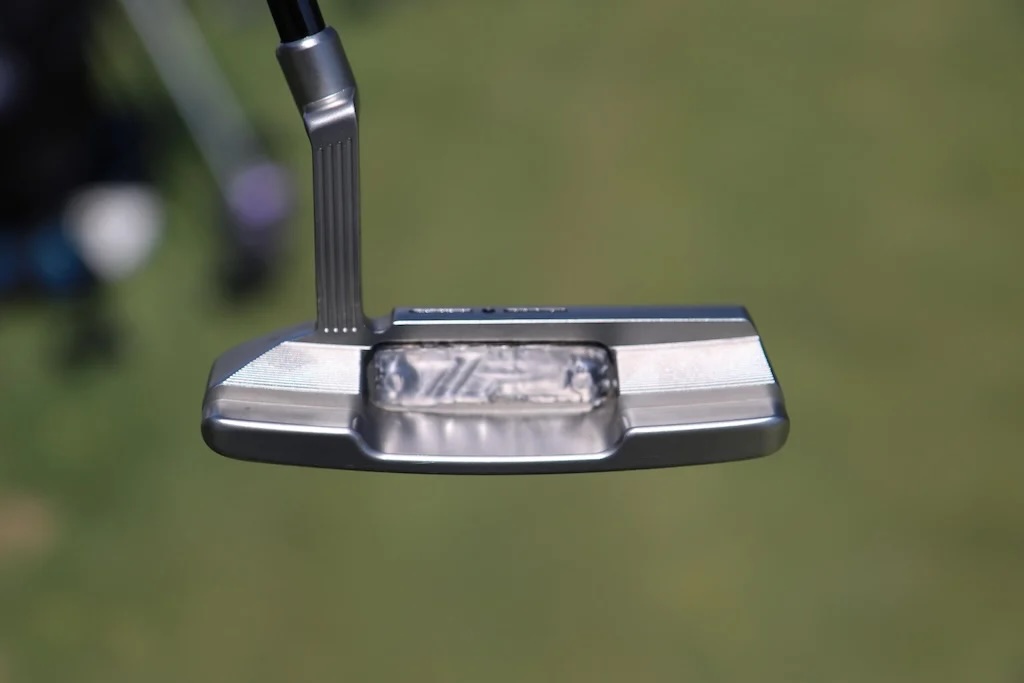
Ball: Titleist Pro V1x
Grips: Golf Pride Tour Velvet Cord
Check out more in-hand photos of Christiaan Maas’ clubs here.
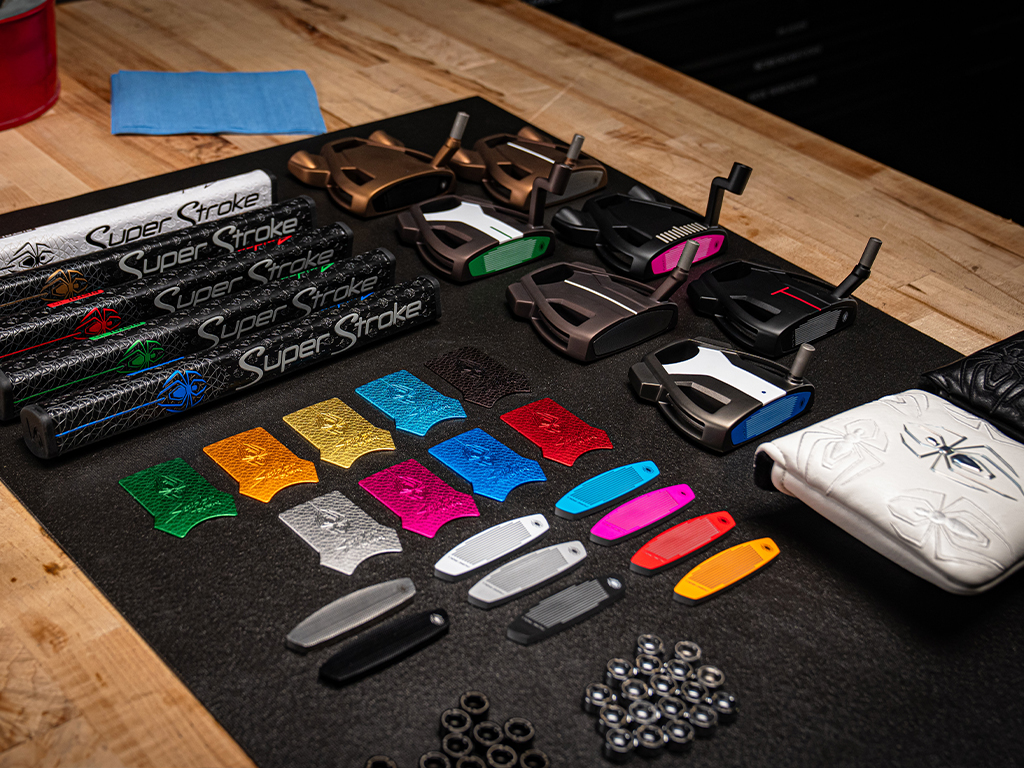
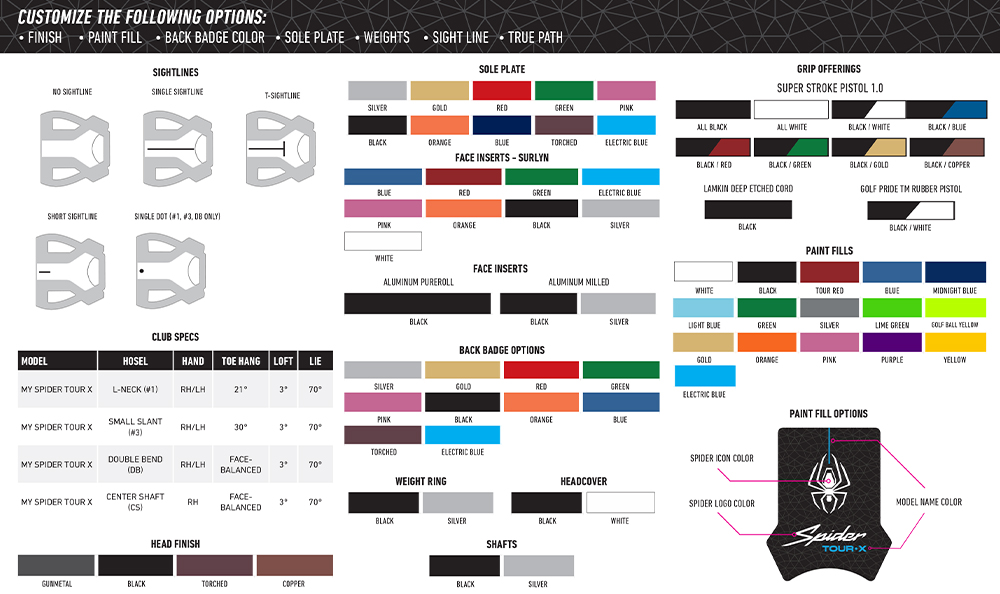
TaylorMade Golf’s MySpider program underwent a substantial overhaul over the last month. Firstly, the company launched the option to customize the Spider ZT model, and now the program has returned with the MySpider Tour and MySpider Tour X.
The revamped page now gives golfers complete control over every visual and functional detail of their putter on the popular Tour and Tour X head, with every cosmetic idea thought of. In MySpider Tour, golfers can choose from four head finishes, 16 paint fill colors, nine Surlyn face insert colors, three aluminum insert options, six sightline configurations, and four hosel options — L-neck, small slant, double bend, center shaft. Six sightline options are available in MySpider Tour, including the optically engineered True Path alignment system. MySpider Tour X gives builders the option of four head finishes, four hosel configurations, and five sightline options, also including True Path alignment.
One of the more interesting features of the new MySpider program is the availability of three distinct face insert options. Along with the usual Surlyn Pure Roll insert trusted by Scottie Scheffler and Rory McIlroy, which can be customized from nine colors, golfers can now also select firmer options. Two are offered with the black aluminum Pure Roll insert, slightly firmer than the traditional insert, or for the firmest feel, golfers can choose from two colors of milled aluminum inserts.
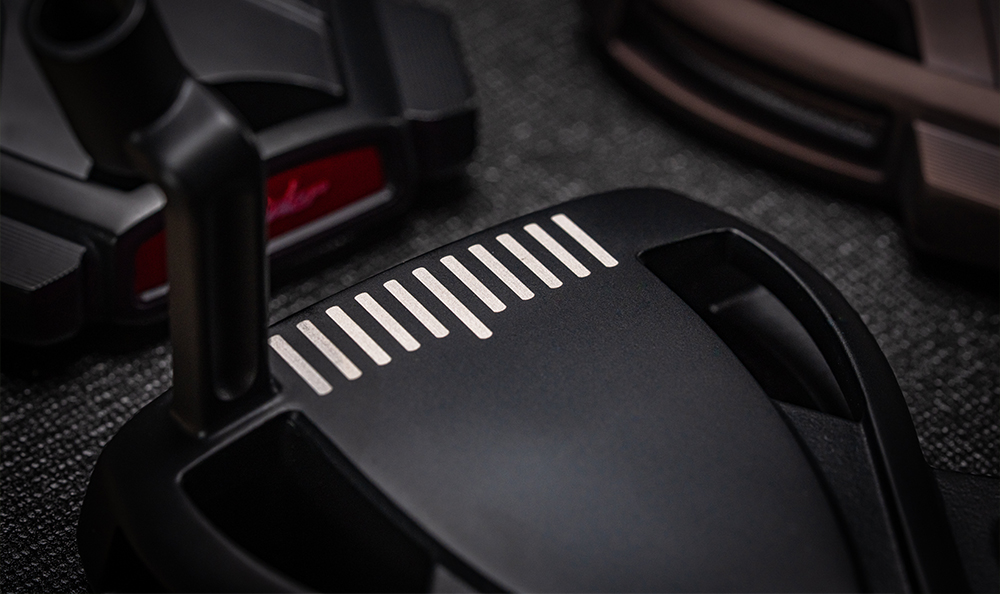
Another fun addition to the MySpider Tour is the ability to use the “Tommy Sightline.” The custom alignment aid design, which was first drawn onto Tommy Fleetwood’s putter by PGA Tour Rep James Holley, is based on the milled sightline on his Spider ZT head. There are five shorter lines on the left and right of a longer central line serving as the traditional short line alignment aid.
See below for the full specifications sheet for MySpider Tour and Tour X:
MySpider Tour
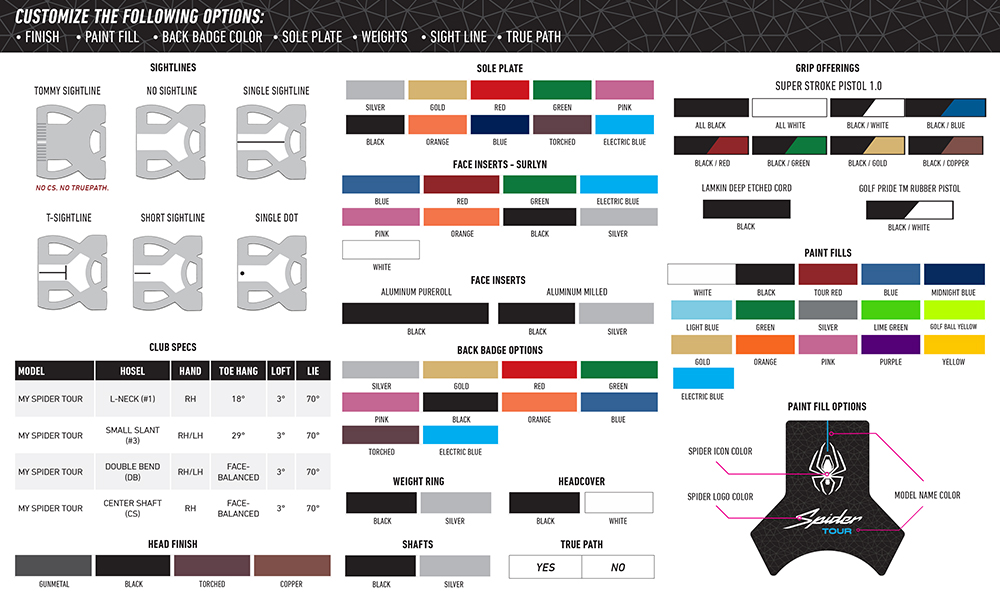
MySpider Tour X
Equipment
Then and now: Comparing Rory McIlroy’s current setup to his record-breaking 2019 Canadian Open victory

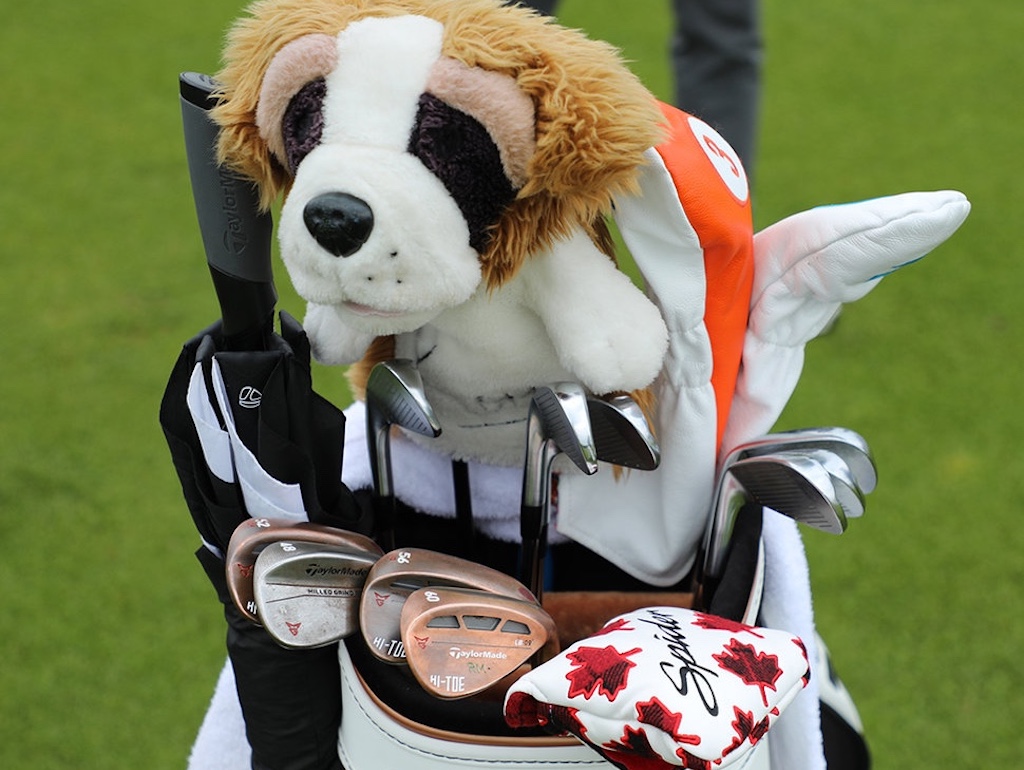
In Rory McIlroy’s first appearance at the 2019 RBC Canadian Open, he crushed the record books to earn his 16th PGA Tour title in dominating fashion, winning by seven shots over Shane Lowry and Webb Simpson.
McIlroy’s score of 22-under-par 258 is the lowest 72-hole score to date at the Canadian Open, and his closing 61 is also the best final-round score in the history of one of golf’s oldest tournaments. Finally, with his win in 2019, McIlroy became only the sixth player to win the career Triple Crown, adding to his victories at the U.S. Open in 2011 and The Open Championship in 2014, joining Tommy Armour, Walter Hagen, Arnold Palmer, Lee Trevino and Tiger Woods in a coveted list.
So, with that, why not compare his current setup to the clubs he used to break all the records?
Driver
2019: TaylorMade M5 (9 degrees), Shaft: Mitsubishi Tensei CK Pro White 70 TX
2026: TaylorMade Qi4D (9 degrees @8), Shaft: Fujikura Ventus Black 7X (45 5/8 inches)
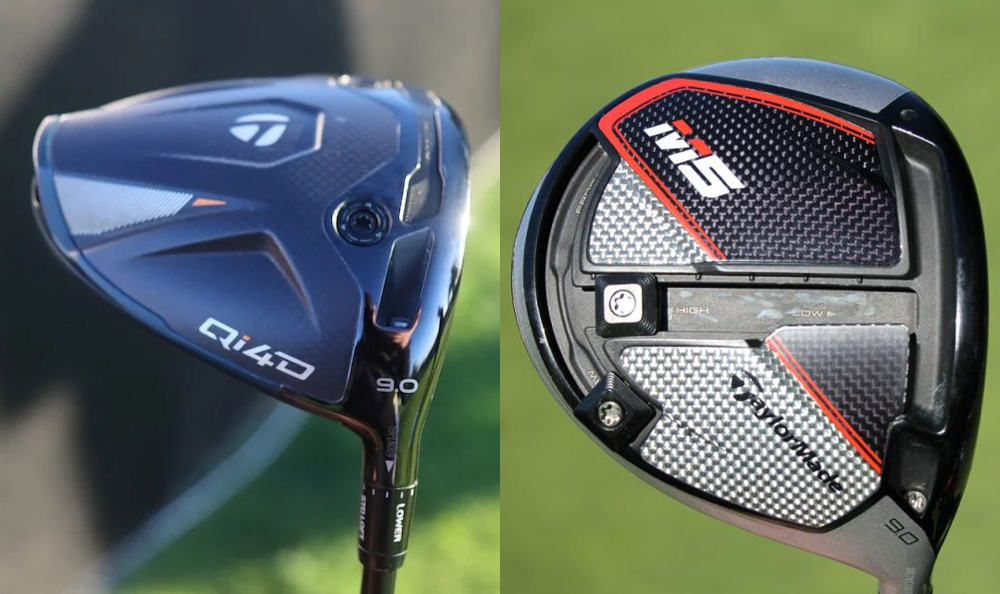
McIroy led the Tour in Strokes Gained: Off-the-Tee in 2019; he’s doing the same in 2026. Between now and then, McIlroy has switched from the Mitsubishi Tensei CK Pro White 70 TX (a shaft with slightly more feeling in the tip) to the original Fujikura Ventus Black 7X, having just made the change to the heavier version from playing the 60X.
What’s interesting about McIlroy’s 2019 setup is that the weighting on his driver is actually set in the high-draw setting, using the T-Track weighting system, whereas in the Qi4D, he’s currently using a heavily rear-weighted setup. (Two 13-gram weights in the rear and only two 4-gram front weights.)
The TaylorMade M5 driver he played in during his Canadian Open win was the company’s first head that they claimed to design to initially exceed the USGA’s COR limit, and then injected with tuning resin to bring it back in bounds.
Fairway woods
2019: TaylorMade M6 3-wood (15 degrees), Shaft: Mitsubishi Tensei CK Pro White 80 TX; TaylorMade M5 5-wood (19 degrees), Shaft: Mitsubishi Tensei CK Pro White 90 TX
2026: TaylorMade Qi4D 3-wood (15 degrees), Shaft: Fujikura Ventus Black 8X; TaylorMade Qi4D 5-wood (18 degrees), Shaft: Fujikura Ventus Black 9X

The TaylorMade M6 fairway wood that McIlroy was using during the 2019 season is still in the bag of some of the best golfers on Tour in 2026. Just check out Justin Rose’s winning setup from the Farmers Insurance Open earlier this year. This year, though, McIlroy has still been searching for his top-end-of-the-bag setup, having played both the new Qi4D and the Qi10, which he won the Masters with.

The same shaft swap can be seen in the fairway woods as the driver, along with slightly less loft on the 5-wood.
Irons
2019: TaylorMade P750 (4) Buy here, TaylorMade P730 (5-9), Shafts: Project X 7.0
2026: TaylorMade P760 (4), TaylorMade Rors Proto (5-9), Shafts: Project X 7.0

The biggest difference between McIlroy’s custom set and the stock P730s is the groove design. While the P730s were constructed with 14 MX-9 grooves on their milled faces, McIlroy’s proto heads instead use the higher-spinning, 16-groove layout of the TW2 grooves. Other big differences between the sets are that McIlroy’s 7- and 8-irons have thinner toplines, are 1 degree stronger in loft, and are 1/4 inch longer than the original P730 builds.
With McIlroy’s 4-iron, the switch from P750 to P760 sees a transition to a two-piece construction with Speed Foam in it, which allows McIlroy to launch the ball slightly higher, with more workability.
Wedges
2019: TaylorMade Milled Grind (48-09SB), TaylorMade MG Hi-Toe (52-09SB, 56-09SB, 60-LB09), Shafts: Project X Rifle 6.5
2026: TaylorMade MG5 (46-09SB, 50-09SB, 54-11SB, 60-08LB @61), Shafts: Project X 6.5 (46-54), Project X 6.5 Wedge (60)

Between 2019 and 2026, McIlroy’s focus on his short game has been much more apparent. It was the reason why he switched back to the TP5 golf ball, to help with launch, spin and control with his wedges leading up to his career Grand Slam victory in 2025. The most apparent changes to McIlroy’s wedge setup are his lofts and bounce. He’s slowly delofted his pitching to a sand wedge, but has increased the loft on the lob wedge, bending his current 60-degree to 61. With that, adding more loft to his lob wedge also slightly increases the bounce and leading-edge sit point, so, as a result, he plays a lower-bounce lob wedge compared to 2019. The MG5 wedges are also softer than the first Milled Grind option from 2019. McIlroy also no longer plays the full-face grooves found on the Hi-Toe.
Putter
2019: TaylorMade Spider X
2026: TaylorMade Spider Tour X
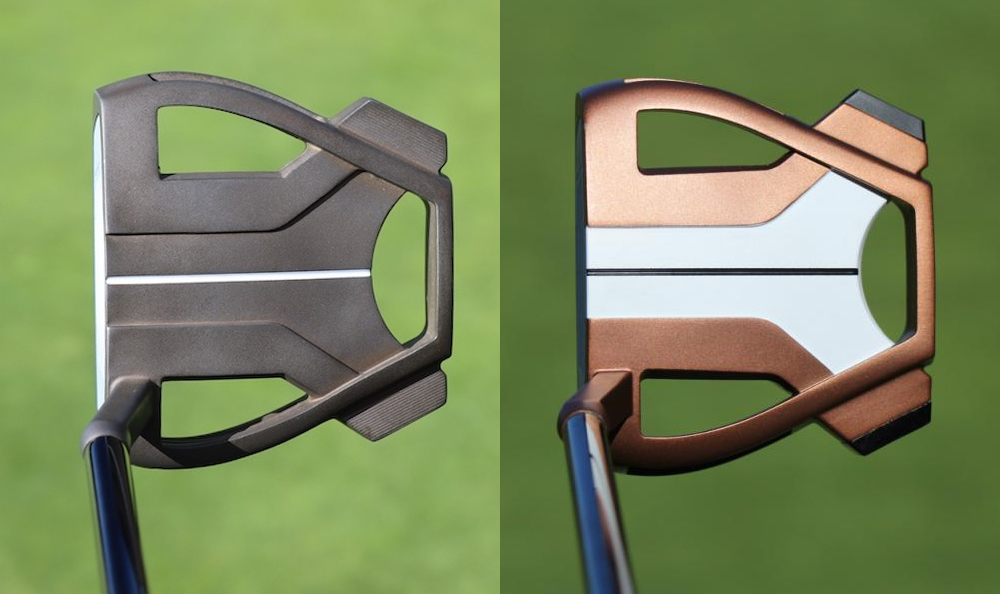
Notice anything similar. Yes, the copper finish on Rory McIlroy’s Spider X putter in 2019 is a slightly more reflective finish than the recently released torched PVD finish. McIlroy was using the True Path alignment system, but now uses only a single white sightline.
Ball
2019: 2019 TaylorMade TP5 (#22)
2026: 2025 TaylorMade TP5 (RORS)
As mentioned above, McIlroy had transitioned from the TP5 to TP5x golf ball since his victory in Canada in 2019, but now is black with the same style of golf ball as his victory at Hamilton Golf & Country Club.
Grips
2019: Golf Pride Tour Velvet Cord
2026: Golf Pride MCC
Interesting, McIlroy actually used Golf Pride’s Tour Velvet Cord grips during his victory in 2019 (it was during a 2+ year switch to the corded TV) as opposed to his usual MCC grips, which he has played for most of his career.

What’s the story behind Webb Simpson’s custom-stamped irons?

Memorial Tournament Tour Report: Rory McIlroy, Cameron Young switch up drivers, and more

Cadillac Championship Tour Report: Spieth’s sizable changes, McLaren Golf launches, and more

Russell Henley’s winning WITB: 2026 Charles Schwab Challenge

Kristoffer Reitan’s winning WITB: 2026 Truist Championship

Best irons 2026: Best irons overall, most forgiving irons, and more

J.T. Poston’s winning WITB: 2026 Memorial Tournament

Aaron Rai’s winning WITB: 2026 PGA Championship

Cameron Young’s winning WITB: 2026 Cadillac Championship

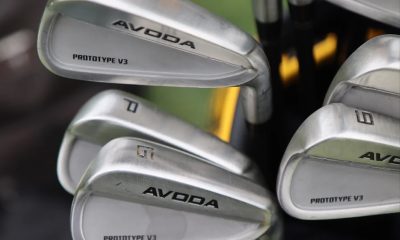
Details on Jason Day’s latest prototype Avoda iron setup


Christiaan Maas WITB 2026 (June)
Driver: TaylorMade Qi4D LS (8 degrees) Shaft: Fujikura Ventus TR Blue 6 X 3-wood: TaylorMade Qi10 (15 degrees) Shaft: Fujikura Ventus Black...


Ryan Palmer WITB 2026 (June)
Driver: Callaway Quantum Triple Diamond (9 degrees) Shaft: Project X HZRDUS Smoke Blue RDX 60 TX 3-wood: TaylorMade Qi10 (15 degrees) Shaft:...


Bud Cauley WITB 2026 (June)
Bud Cauley had >14 clubs in his bag when photographed prior to the Memorial Tournament. Driver: Titleist GTS2 (8 degrees) Shaft: Fujikura...


Hannah Green WITB 2026 (June)
Driver: Titleist GTS3 (10 degrees, D4 SureFit setting) Shaft: Mitsubishi Chemical Diamana RB 53 S 3-wood: Titleist GT3 (15 degrees,...
-
 Equipment6 days ago
Memorial Tournament Tour Report: Rory McIlroy, Cameron Young switch up drivers, and more
-
 News2 weeks ago
Russell Henley’s winning WITB: 2026 Charles Schwab Challenge
-
 Equipment3 days ago
Best irons 2026: Best irons overall, most forgiving irons, and more
-
 Whats in the Bag4 days ago
J.T. Poston’s winning WITB: 2026 Memorial Tournament
-
 Equipment1 week ago
Details on Jason Day’s latest prototype Avoda iron setup
-
 Equipment3 weeks ago
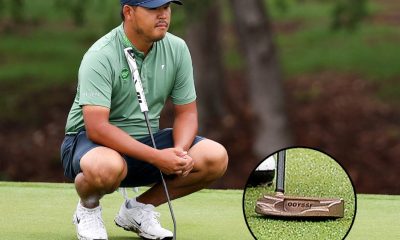
CJ Cup Byron Nelson Tour Report: Koepka and Kim’s newest putters finally get hot
-

 News2 weeks ago
Charles Schwab Challenge Tour Report: MacIntyre, Åberg and Spaun all switch putters, TaylorMade launches new Spider
-
 Equipment2 weeks ago
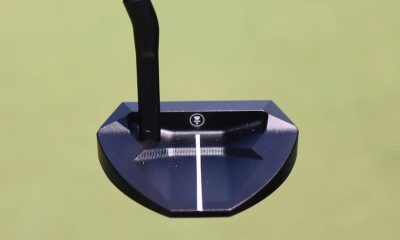
Details on J.J. Spaun’s surprise putter switch


Moses
Jan 16, 2020 at 8:03 am
The Mavrik drivers are fantastic and will be in my bag in 2021 for $179.
The flood of top of the line equipment every year makes for great prices the following year for the latest and greatest.
Stuckenschneider
Jan 15, 2020 at 5:43 pm
It’s another Callaway driver that adds 20 yards and cost $500. Let’s see is this the fourth or fifth driver Callaway has introduced in the past 2 years? I believe they have introduced the Epic, Rogue, Epic Flash and now the Mavrik. Marketing is the name of the game.
Brandon
Jan 15, 2020 at 8:21 pm
Each of those drivers you listed was released a year apart. Just like most of the big OEM’s do.
Frank
Jan 14, 2020 at 8:26 pm
Not playing any Callaway drivers with their V alignment marks on crown. Callaway had it right with the XR Pro and X2 Hot Pro and DBD lines.
Sarsten Kolheim
Jan 14, 2020 at 4:07 pm
I tested these. I gained 1/2 a yard and increased my ball speed .7 mph. At this rate I’ll be crushing 347 yarders in 287 years and have spent $143,213 lining some guy in China’s pocket. Marketing works!!!!!!!!!
Earvin Johnson
Jan 14, 2020 at 2:10 pm
“Goose, I’m switching to guns!” Cue Kenny Loggins theme! “Highway to the danger zone@!”
scott
Jan 14, 2020 at 12:37 pm
I tested the sub zero version yesterday at Callaway. The numbers were (slightly) faster all around than my flash sub zero. However, they did seem to work out the sound/feel issues as the mavrik has a much more muted sound and better feel than the flash. Another quality offering in my opinion.
Jordan
Jan 14, 2020 at 10:34 am
Sean Toulon: Big Top Gun guy.
dat
Jan 14, 2020 at 9:28 am
No pricing available?
TBGC
Jan 15, 2020 at 7:11 pm
Did you actually read the article or just the headline?
Billie Smith
Jan 14, 2020 at 9:13 am
It’s no different than the Epic Flash. I’ve played the flash for 1 year and don’t see any difference between these products other than marketing that suckers will fall for.
At least it’s not that ugly green which is a total distraction. The Epic Flash green monster is a nice club but it’s ugly and sounds like crap.
CJ
Jan 15, 2020 at 4:06 pm
I get your obvious point. However, I’m guessing many like me did not buy a new driver last few years. For guys with epic no biggie.
Egbert Palmerino
Jan 15, 2020 at 7:16 pm
One might suppose you were in the sucker category yourself. After all, you do go out and buy the latest, greatest, newest toy being marketed on 2019. Pretty much exactly wht you are accusing the 2020 buyers of doing.
Math
Jan 14, 2020 at 8:36 am
Try this: e = 1/2 mv^2
Lar
Jan 14, 2020 at 7:33 am
By making them faster, does that mean they’ll be illegally hot faces that need testing all the time
lmao