
Opinion & Analysis
An analysis of junior golf events, and how to build your summer schedule

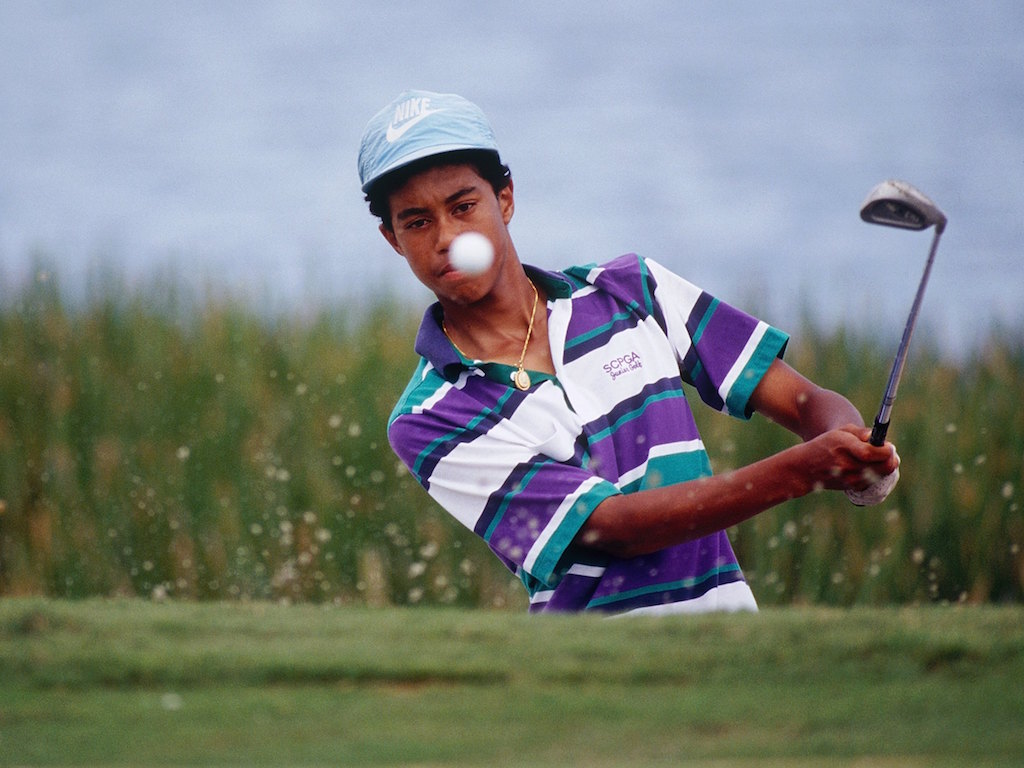
Much has been written about junior golf and scheduling. I wanted to go beyond the speculation and carefully examine the data; what does it take to win at the AJGA level? How hard are the golf courses? What are other juniors doing? What is the best advice for building a junior schedule? If you’re interested in these answers, then read on!
To help the junior golfer, their families and instructors, I took the time to crunch numbers behind the AJGA. Here’s what I found when examining the numbers for 2017:
Junior All Stars
For Junior All-stars we found the average winning per round score for boys was 69.97 and the average 10th place score per round was 72.95. The average yardage for these events was 6599 and the average course rating was 73.35. The average grad year of a winner was 2019. This means to win; the average boy had a tournament handicap of approximately +3.
For Junior All-stars for girls, we found the average winning score per round to be 71.1 and the average score per round for 10th place was 74.9. Girls on averaged played courses which were 5751 yards long with a course rating of 71.95. These means to win; the average girl would need a handicap of about scratch in tournaments. The average graduation year of a winner was 2020.5.
AJGA Previews
For Preview tournaments, we found that the boy winners averaged 72.81 per round. The 10th place boy averaged 76.6 per round. The average course was 6484 long with a course rating of 71.77.
For girls we found that the winners averaged 75.6 per round. The 10th place girl averaged 83.11 per round from an average yardage of 5610 with a course rating of 73.08.
AJGA Open Events
The average winning score per round was 69.46. The average 10th place score per round was 72.75 on an average length of 6849 and slope of 71.9. For girls the average winning score per round was 69.36. The average 10th place score per round was 74.34. The average course was 5769 yards with a slope of 70.7.
Note on Junior Girls Golf
In my previous article titled, “In-depth analysis of the early signing period for NCAA Division 1 Women’s Golf,” I note that the scoring differential of the players within the top 40 in the class was -4.01 compared to 9.26 which is the overall average for Division 1 Golf. The data collected here demonstrates these differences; winners at AJGA previews are scoring approximately 8 shots better than the person finishing 10th. While at AJGA Open events the number is closer to 5. This numbers highlight the crop of young talents women who are developing in junior women’s golf.
Rounds Under Par
- In total there were 1698 rounds under par by boys in 2017
- In total there were 454 rounds under par by girls in 2017
Please note that when these numbers are compared at random to years since 2003, and then adjusted for the number of events, it demonstrates that junior golf has not really gotten much better over the past 15 years. Instead it is about the same.
Major Takeaways from analysis of AJGA Events
- Remember that tournaments are not the only way to test your game; use random practice (and maybe even some responsible gambling) at your local course to simulate tournament conditions and learn to win
- Play a reasonable distance day to day: so many young people are playing golf at their home golf course from “the tips.” Our data suggests that 15-year-old boys should be practicing from about 6500 yards, while 15-year-old girls should be playing 5800 yards. 16-18-year-old boys should be practicing from about 6800 yards while 16-18-year-old girls should be practicing from about 6000 yards.
- Learn to Break Par: to win at Junior Golf, it is likely going to take the ability to break par (or come very close). Boy golfers serious about playing Division I golf must likely have home course handicaps in the range of +3 or better. This is also the case for girls who want to compete at the highest level of women’s golf. If you play at an extremely difficult course, don’t be afraid to play very short until you are able to shoot in the mid 60’s. Like any skill, breaking par takes time and practice.
I also took time to examine the schedules of 20 junior golfers. I looked at two groups; players ranked between 1-10 in Junior Golf Scoreboard and players ranked 500-510. When looking at the top 10 players in Junior Golf Scoreboard, they played an average of 6.3 events per year/18 total rounds compared to an average of 15 events/30 total rounds for players with an average rank of 505. This data is somewhat misleading because the best juniors are playing a schedule which include major amateur tournaments which are not recorded on Junior Golf Scoreboard and further analysis suggests that they are playing a total tournament schedule of about 15 events per year.
The gap in junior golf between the best players and everyone else is closing; the top 10 players in Junior Golf Score Board accumulated 10 wins, whereas the players ranked 500-510 had 8. Both are breaking par a considerable amount of time and have net scoring differentials at or below 0, making them approximately 72.5 averages or better in tournament golf. The differences to not are the best players are breaking par more often (50 percent of the time compared to 23 percent) and shooting in the 80’s far less (2/188 rounds compared to 30/308 rounds). However, the best players are also making specific schedule; only 20 percent of the top 10 junior golfers played an event in December or January (both played in South Florida), compared to 70 percent of players ranked between 500-510 who often played in worst climates during colder months which often result in poor scores.
The best players play a schedule where they have proper time to prepare for events and rarely play leading up to events. A typical schedule would include an event in February (typically an AJGA Invitational), an event in April (Sage Valley) and then no golf until mid-June or July when the players have had time to finish school and properly prepare for summer golf.
Taking time off is an important distinction in the scheduling of the very best players; they allow themselves time for not only rest but also for digestion of the skills and to build new skills. Too many junior golfers and their families have been taken by skillful marketing that suggests playing tournaments is very important for the scholarship process when the data and feedback from coaches suggest otherwise.
Based on the data collected and my own personal experience, here is some advice for junior golfers and their families trying to build a schedule:
- The schedule should have between 8-15 tournaments. It is not important to travel far and if money is tight, put money towards a membership at a course rather than events.
- For people north of the Mason-Dixon Line, apply the 2-month Rule; don’t play your first summer tournament until your home course has been open and playable for 2 months and you have played at least 20 rounds.
- Quality > Quantity. Choose a schedule which will allow you to not only properly prepare but compete during a time without distractions like major tests.
- Use high school golf to build competitive experience. Contrary to myth, almost all the best juniors play high school golf.
- Avoid tournaments in December and January; not only is the weather statistically the worst, but new NCAA rules do not allow coaches to recruit off campus during December.



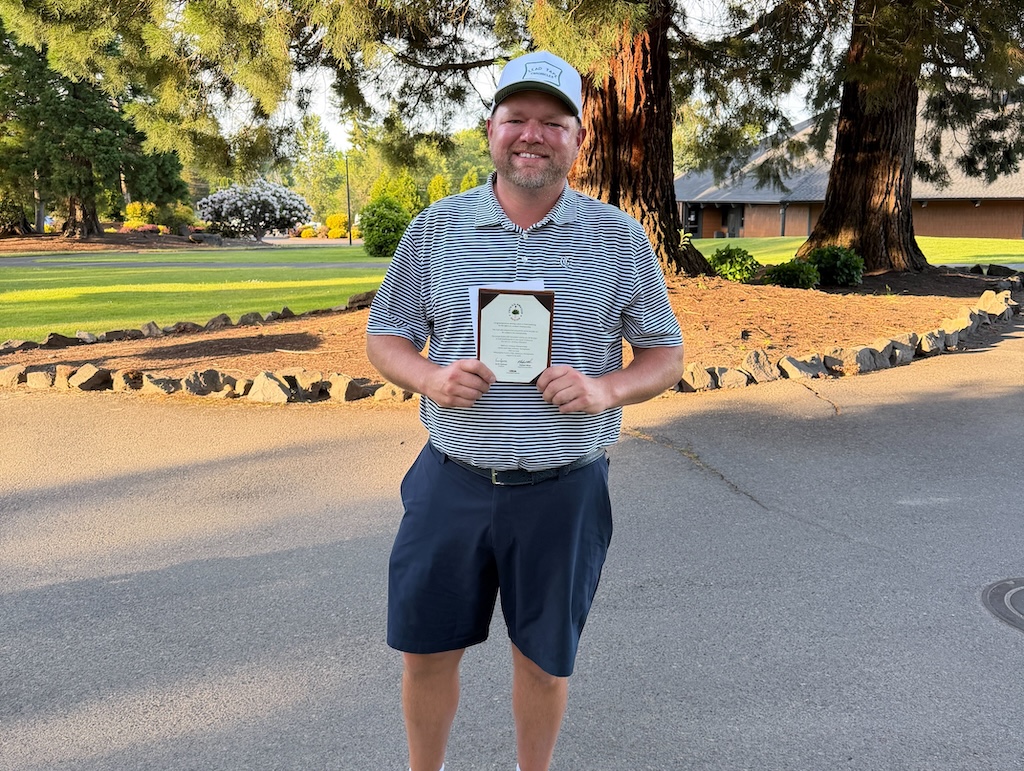
This past Monday, I played in the U.S. Amateur local qualifier at Rock Creek Country Club in Portland, Oregon. A full tee sheet from 7:30 a.m. to 1:55 p.m., the top 11 scores would make it to the U.S. Amateur final qualifying.
I teed off at 10:48 a.m.. With the 7:30 am tee time, you can get a feel for the leaders’ pace, and they were off and running on the challenging setup at Rock Creek.
View this post on Instagram
Getting to the highlight of the round on the par five 17th, a drive up the left side and 212 yards left to the front hole location. I took out a 5-iron with plans of middle of the green. The ball ended up 8 feet left of the hole, pin high. A slight downhill putt dropped in for an eagle 3 on the 17th. With the cut line looking to be anywhere from -2 to even par. This was the boost I had been waiting for all day.
With making par from the trees on 18, it was time to wait for a potential playoff with a posted score of one under par 71.
Three hours later, it was playoff time. 8 players for 6 spots. I made par on the playoff hole, which was good enough to advance to the U.S. Amateur final qualifying in July. USGA qualifiers sure deliver on all of the emotions in golf!
Club Junkie
Building my 2026 gamer WITB: Ranking the contenders and new putter projects – Club Junkie Podcast

The annual What’s In The Bag build is underway, and on this episode of Club Junkie, Brian breaks down the clubs currently leading the race for a spot in his 2026 gamer setup. From drivers and fairway woods to irons, wedges, and shafts, he ranks the equipment that’s performing best and explains what’s separating the front runners from the rest of the field.
Brian also heads into the workshop to discuss several putter projects currently on the bench. From head options and shaft choices to build ideas and testing plans, he shares what he’s working on and which putters could become serious contenders for the bag this season.
If you’re a gear junkie who loves equipment testing, club building, and the never-ending pursuit of the perfect setup, this episode is for you.
Follow Club Junkie:
Instagram: @clubjunkiepod
TikTok: @clubjunkiepod
Threads: @clubjunkiepod
X: @ClubJunkiePod
Club Junkie
Tour Edge Exotics mini driver review + TaylorMade Spider ZT Max first look – Club Junkie

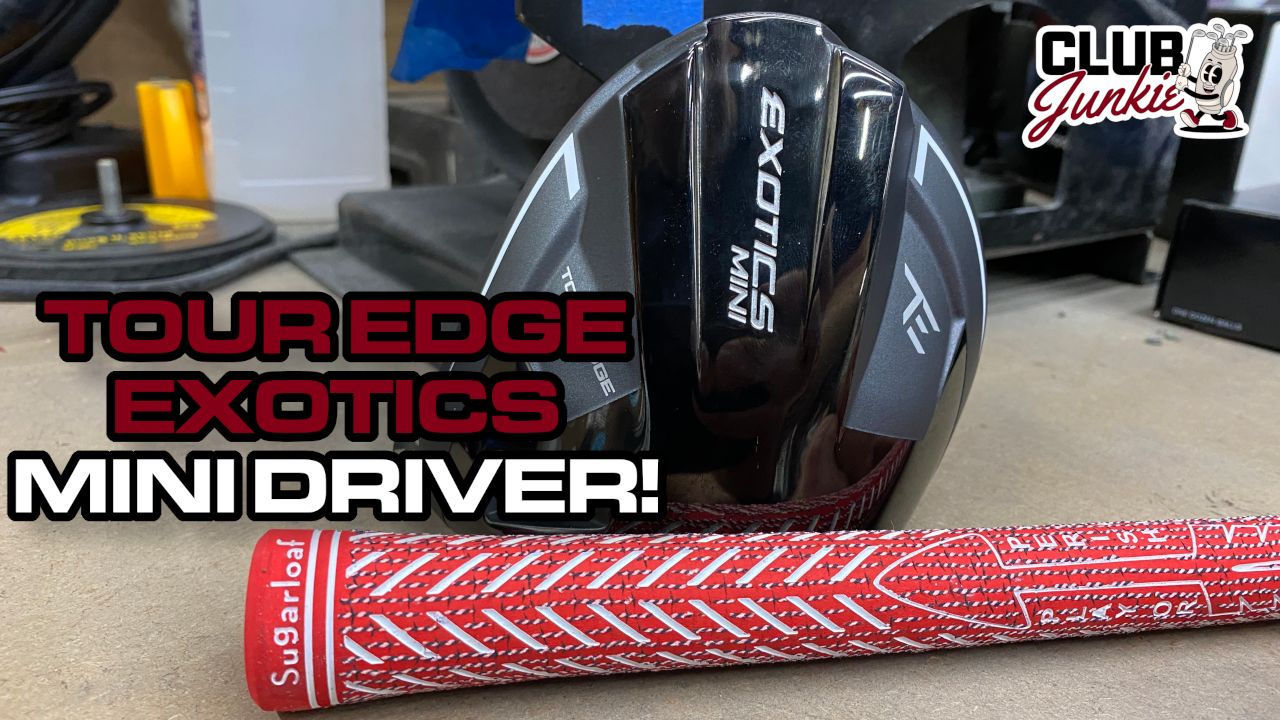
On this episode of Club Junkie, I put the new Tour Edge Exotics Mini Driver to the test and break down the performance, forgiveness, distance, and where it fits compared to a traditional driver or strong fairway wood. If you have been curious about adding a mini driver to the bag, this one is worth a look.
I also dive into the new TaylorMade Spider ZT Max putter that was recently spotted and discuss the growing zero torque putter trend. Plus, there is a closer look at the new Project X Titan Yellow shaft showing up on the PGA Tour and what makes it different from other profiles currently out there.

Justin Rose WITB 2026 (April): Full WITB breakdown with new McLaren irons

What’s the story behind Webb Simpson’s custom-stamped irons?

Memorial Tournament Tour Report: Rory McIlroy, Cameron Young switch up drivers, and more

Cadillac Championship Tour Report: Spieth’s sizable changes, McLaren Golf launches, and more

Russell Henley’s winning WITB: 2026 Charles Schwab Challenge

Kristoffer Reitan’s winning WITB: 2026 Truist Championship

Best irons 2026: Best irons overall, most forgiving irons, and more

J.T. Poston’s winning WITB: 2026 Memorial Tournament

Aaron Rai’s winning WITB: 2026 PGA Championship

Cameron Young’s winning WITB: 2026 Cadillac Championship


Ryan Palmer WITB 2026 (June)
Driver: Callaway Quantum Triple Diamond (9 degrees) Shaft: Project X HZRDUS Smoke Blue RDX 60 TX 3-wood: TaylorMade Qi10 (15 degrees) Shaft:...


Bud Cauley WITB 2026 (June)
Bud Cauley had >14 clubs in his bag when photographed prior to the Memorial Tournament. Driver: Titleist GTS2 (8 degrees) Shaft: Fujikura...


Hannah Green WITB 2026 (June)
Driver: Titleist GTS3 (10 degrees, D4 SureFit setting) Shaft: Mitsubishi Chemical Diamana RB 53 S 3-wood: Titleist GT3 (15 degrees,...


Asterisk Talley WITB 2026 (June)
Driver: TaylorMade Qi4D (9 degrees) Shaft: Fujikura Ventus Blue 6 S 3-wood: TaylorMade Qi4D (16.5 degrees) Shaft: Fujikura Ventus Blue...
-
 Equipment6 days ago
Memorial Tournament Tour Report: Rory McIlroy, Cameron Young switch up drivers, and more
-
 News2 weeks ago
Russell Henley’s winning WITB: 2026 Charles Schwab Challenge
-
 Equipment3 days ago
Best irons 2026: Best irons overall, most forgiving irons, and more
-
 Whats in the Bag4 days ago
J.T. Poston’s winning WITB: 2026 Memorial Tournament
-

 Equipment1 week ago
Details on Jason Day’s latest prototype Avoda iron setup
-
 Equipment3 weeks ago
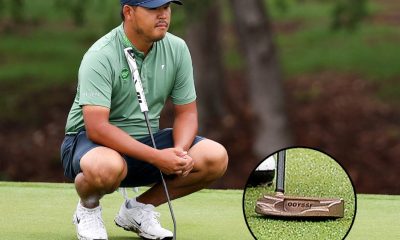
CJ Cup Byron Nelson Tour Report: Koepka and Kim’s newest putters finally get hot
-

 News2 weeks ago
Charles Schwab Challenge Tour Report: MacIntyre, Åberg and Spaun all switch putters, TaylorMade launches new Spider
-

 Equipment2 weeks ago
Details on J.J. Spaun’s surprise putter switch


Dr Rodrigo Estonilo
Jan 28, 2022 at 8:37 pm
Thanks much for excellent advice per timing, prescriptions (timepreferences vs mustschedules) on tours! Very intelligent perspectives on golf performance!