
Opinion & Analysis
Performance Training: 4 exercises to fix your mobility “software” problem

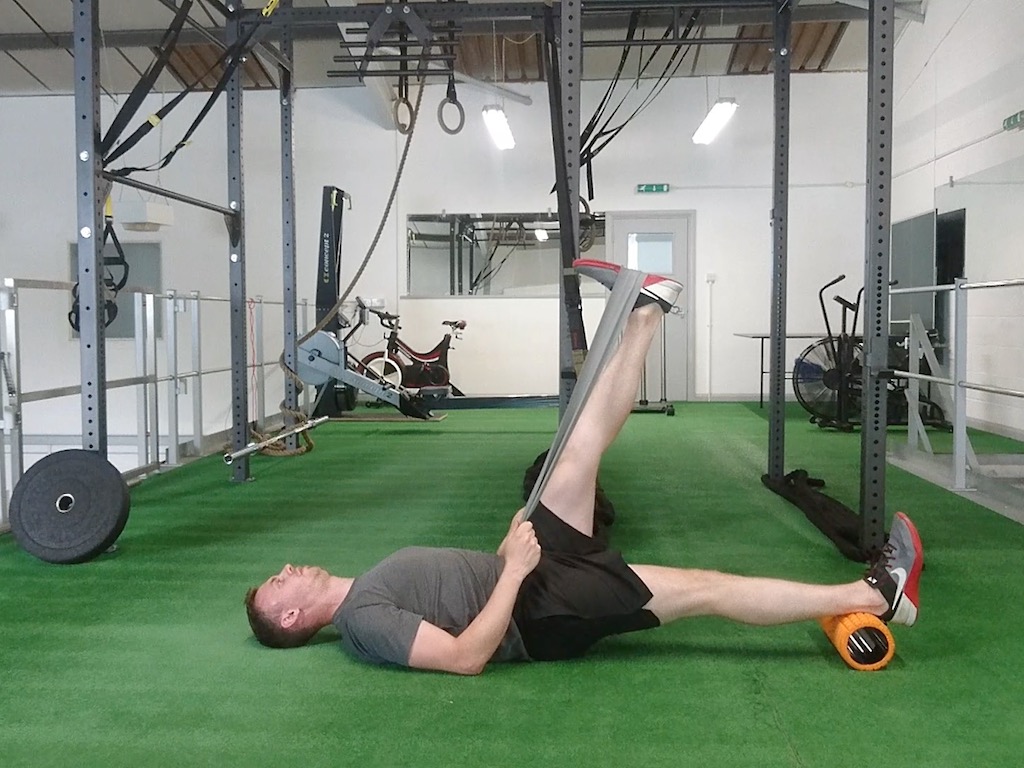
When it comes to performance training, movement really is our foundation. If we have acceptable ranges of motion at our joints, our strength and conditioning exercises will become more effective. We’ll be able to produce more force and improve injury resilience. In turn, they’ll help reinforce appropriate mobility, too.
Mobility is a confusing topic for many amateur golfers, however, as many spend a lot of time doing static stretches without any improvement. Why? Many of us think we have a hardware problem when we’re really suffering from a software problem. This is a concept both Grey Cook and Charlie Weingroff have talked about at length, but to give you a brief rundown.
- Hardware: This is a dysfunction that is truly a mobility issue. It may be stemming from degenerative joints, hereditary issues, tight/stiff muscles, fascial restrictions, etc. In short, think bone, joint, muscle or tissue in general.
- Software: The limitation stems from stability and/or motor control issue. Soft limitations aren’t there due to a structural limitation; they’re present because you don’t have the strength, neuromuscular control, or stability to do the task. Think stability, motor control or weakness.
This is where a good assessment and a good team is vital. If you have a true hardware limitation, you will be better off seeing a good physical therapist or someone that can do manual therapy. That said, I am willing to wager that the vast majority of your tight hamstrings, lower backs, shoulders, etc, are actually software issues.
With that in mind, as a strength coach, I am always looking for ways to help my clients quickly overcome software issues so we can improve movement and do a better job improving performance measures like strength and power as a result. We can use various drills and techniques to help improve a pattern or integrate newfound physical capabilities into that pattern.
One of the most effective ways I have found to do this is using Kinaesthetic feedback. It’s a bit of a double whammy effect, too, as many of these drills create instant improvements to a pattern while still allowing movements to be loaded. This reinforces the pattern while giving us a strength training effect at the same time! That’s the sort of time efficiency that pays off hugely in a high skill game like golf, where my job is to give a player the physical tools they need as quickly and effectively as possible so they can get out of the gym and back to practicing the sport.
Exercise 1: Quadruped Hip Extension with Lumbar Feedback
As Dan John says, everyone who sits all day needs three things: hip flexor stretches, thoracic-spine mobility, and rotary stability. Bird-dog and quadruped hip extension drills are our typical interventions for rotary stability with the quadruped hip extension on elbows being the most basic progression we use at Stronger Golf.
Unfortunately, it is also one of the most commonly butchered exercises I see. Fortunately, simply placing a foam roller, water bottle or yoga block on the lumbar spine can solve can solve that.
- Position a yoga block (or similar) on your lumbar spine and get back flat to it
- In the video below, we have also placed a tennis/lacrosse ball behind the knee, which you must keep in place throughout. This keeps the knee bent, thereby limiting the hamstrings involvement in the exercise.
Many people do this exercise poorly because they view it as a range of motion exercise — extending at the lower back in order to get the moving leg higher. The purpose of the exercise is not to increase the range of motion, but to demonstrate a stable low back position in the presence of hip extension. You should aim to stay as stable as possible at the low back. Keep your back in contact with that yoga block/roller throughout the movement and don’t extend the hip beyond your capacity to do so.
Exercise 2: RNT (Reactive Neuro-Muscular Training) Squats
RNT is a great technique to “feed the mistake” (as Grey Cook says) and create activation in muscles to clean up a pattern instantly. The idea is to set up a band or similar equipment to pull you further into the mistake. This works really well for things like preventing knee valgus in split-squats and squats and can also be used to aid thoracic extension, overhead reaching and hip hinging.
One of the most common squat defects is having the knees cave in during the squat, often due to poor glute function. Simply adding a mini-band looped around the leg, just below the knee, will create an RNT effect, engaging those glutes and forcing the knees out. This instantly cleans up a poor squat pattern more often than not.
Exercise 3: Kettlebell Deadlift to Wall
Gravity Fit has a range of tools I have recently begun using that enable me to create kinaesthetic feedback for my clients in a much greater range of environments/ exercises. One such exercise I really like to use it in is the hip hinge, a foundational movement vital to preventing back pain — particularly for golfers where it is how we get into a good golf posture.
A dowel of a stick held with three points of contact is the traditional way of teaching this pattern using kinesthetic feedback, however, this has limitations. It is hard to teach an individual to create the tension necessary for loading the hinge in the deadlift patterns that are so vital for creating strength and power in the posterior chain and increasing clubhead speed. With the Gravity Fit Thoracic-Pro/T-Sense, we can fill that gap between hip hinge as a movement pattern and a loaded exercise much more quickly and easily.
- Put TPro/TSensa on as directed (if using TPro, just don’t grip handles)
- Make sure you can feel pressure on all paddles
- Push butt back to touch the wall while still maintaining pressure with the paddles
- Lower arms while still maintaining pressure on the outside paddles
- Bend knees as much as needed to get down to the bell
- Grasp bell and stand straight up
- Lower by pushing the butt back to the wall
- Maintain pressure on paddles
Exercise 4: Half-Kneeling T-Spine Rotation
Another great use for the TPro is teaching a good thoraco-scapular position/relationship. As a result of modern sedentary lives, many individuals struggle with proper positional awareness and motor control of the thoracic spine and scapular. This often limits the upper extremity movement, shoulder external rotation, and flexion that are key for both the golf swing and improving strength in key exercises such as the chin-up.
- Put TPro on as directed
- Set up in a half-kneeling position with a straight line between the shoulders, hips, and knee of the back leg
- Make sure you can feel pressure on the spikes in middle and paddles on either side
- Take a step backward with one leg and lower yourself into a reverse lunge position
- From there, simply rotate to one side then the other making sure to keep the chin tucked and pressure on the three paddles throughout
- The half-kneeling position helps teach disassociation between upper and lower body while the T-Pro keeps the core engaged and the neutral scapular/shoulder position vital to good rotation.
The patterns above represent some of the most fundamental human movement patterns that you need a firm handle on if you are going to reduce injury risk, increase strength and power or improve performance on the course. Indeed, they form the basis of tools like the FMS. Whether you struggle with mobility in these patterns or simply want a way to clean up a movement so you can load that pattern more effectively, I recommend you give these drills a go.
If we can quickly and easily sort motor control issues and perfect patterns, your mobility will likely improve much quicker than it ever has, you will be more resilient to injury and your power output will probably improve as well. This improved movement capacity means you’ll be more able to make technical changes in your swing as well, giving you a much wider variety of exercise you can safely and effectively do in the gym, further improving your force output capabilities and further reinforcing mobility.




This past Monday, I played in the U.S. Amateur local qualifier at Rock Creek Country Club in Portland, Oregon. A full tee sheet from 7:30 a.m. to 1:55 p.m., the top 11 scores would make it to the U.S. Amateur final qualifying.
I teed off at 10:48 a.m.. With the 7:30 am tee time, you can get a feel for the leaders’ pace, and they were off and running on the challenging setup at Rock Creek.
View this post on Instagram
Getting to the highlight of the round on the par five 17th, a drive up the left side and 212 yards left to the front hole location. I took out a 5-iron with plans of middle of the green. The ball ended up 8 feet left of the hole, pin high. A slight downhill putt dropped in for an eagle 3 on the 17th. With the cut line looking to be anywhere from -2 to even par. This was the boost I had been waiting for all day.
With making par from the trees on 18, it was time to wait for a potential playoff with a posted score of one under par 71.
Three hours later, it was playoff time. 8 players for 6 spots. I made par on the playoff hole, which was good enough to advance to the U.S. Amateur final qualifying in July. USGA qualifiers sure deliver on all of the emotions in golf!
Club Junkie
Building my 2026 gamer WITB: Ranking the contenders and new putter projects – Club Junkie Podcast

The annual What’s In The Bag build is underway, and on this episode of Club Junkie, Brian breaks down the clubs currently leading the race for a spot in his 2026 gamer setup. From drivers and fairway woods to irons, wedges, and shafts, he ranks the equipment that’s performing best and explains what’s separating the front runners from the rest of the field.
Brian also heads into the workshop to discuss several putter projects currently on the bench. From head options and shaft choices to build ideas and testing plans, he shares what he’s working on and which putters could become serious contenders for the bag this season.
If you’re a gear junkie who loves equipment testing, club building, and the never-ending pursuit of the perfect setup, this episode is for you.
Follow Club Junkie:
Instagram: @clubjunkiepod
TikTok: @clubjunkiepod
Threads: @clubjunkiepod
X: @ClubJunkiePod
Club Junkie
Tour Edge Exotics mini driver review + TaylorMade Spider ZT Max first look – Club Junkie

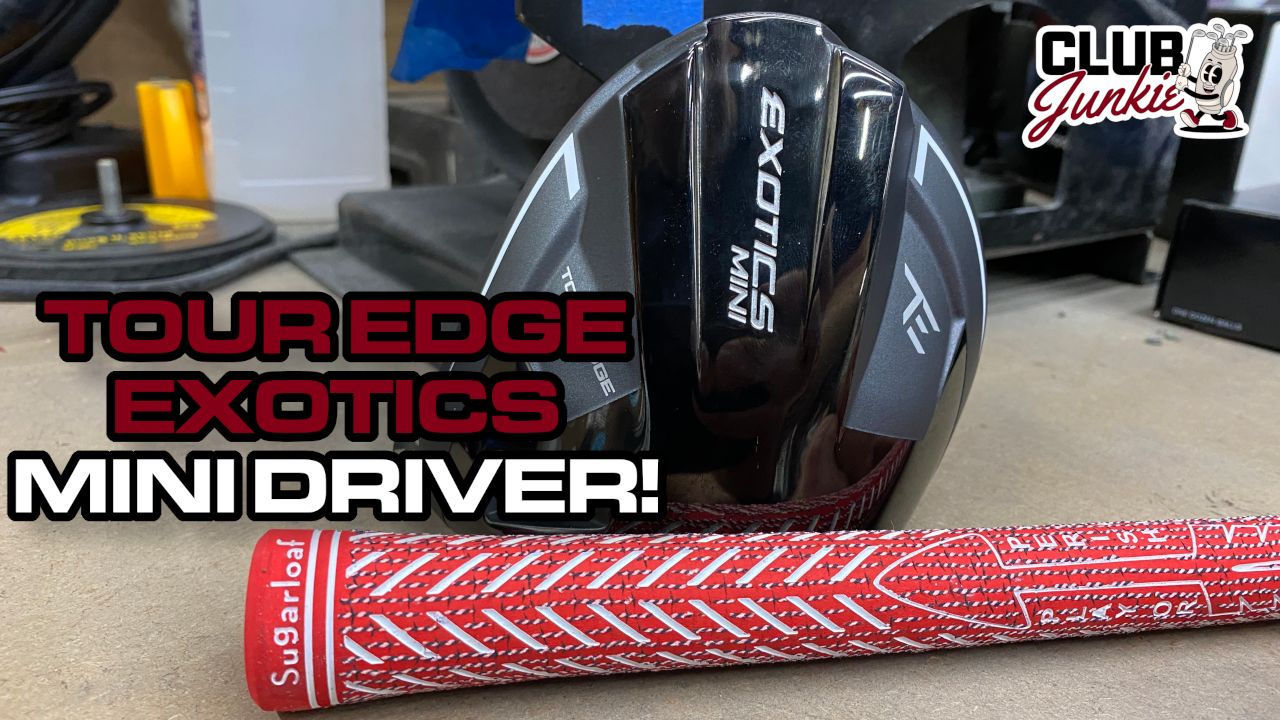
On this episode of Club Junkie, I put the new Tour Edge Exotics Mini Driver to the test and break down the performance, forgiveness, distance, and where it fits compared to a traditional driver or strong fairway wood. If you have been curious about adding a mini driver to the bag, this one is worth a look.
I also dive into the new TaylorMade Spider ZT Max putter that was recently spotted and discuss the growing zero torque putter trend. Plus, there is a closer look at the new Project X Titan Yellow shaft showing up on the PGA Tour and what makes it different from other profiles currently out there.

Justin Rose WITB 2026 (April): Full WITB breakdown with new McLaren irons

What’s the story behind Webb Simpson’s custom-stamped irons?

Memorial Tournament Tour Report: Rory McIlroy, Cameron Young switch up drivers, and more

Cadillac Championship Tour Report: Spieth’s sizable changes, McLaren Golf launches, and more

Russell Henley’s winning WITB: 2026 Charles Schwab Challenge

Kristoffer Reitan’s winning WITB: 2026 Truist Championship

Aaron Rai’s winning WITB: 2026 PGA Championship

Cameron Young’s winning WITB: 2026 Cadillac Championship

J.T. Poston’s winning WITB: 2026 Memorial Tournament

Best irons 2026: Best irons overall, most forgiving irons, and more


Bud Cauley WITB 2026 (June)
Bud Cauley had >14 clubs in his bag when photographed prior to the Memorial Tournament. Driver: Titleist GTS2 (8 degrees) Shaft: Fujikura...


Hannah Green WITB 2026 (June)
Driver: Titleist GTS3 (10 degrees, D4 SureFit setting) Shaft: Mitsubishi Chemical Diamana RB 53 S 3-wood: Titleist GT3 (15 degrees,...


Asterisk Talley WITB 2026 (June)
Driver: TaylorMade Qi4D (9 degrees) Shaft: Fujikura Ventus Blue 6 S 3-wood: TaylorMade Qi4D (16.5 degrees) Shaft: Fujikura Ventus Blue...

Brianna Do WITB 2026 (June)
Driver: Callaway Quantum Triple Diamond (9 degrees) Shaft: KBS PGW 3-wood: Callaway Elyte Titanium (15 degrees) Shaft: KBS PGW 5-wood:...
-
 Equipment6 days ago
Memorial Tournament Tour Report: Rory McIlroy, Cameron Young switch up drivers, and more
-
 News1 week ago
Russell Henley’s winning WITB: 2026 Charles Schwab Challenge
-
 Whats in the Bag3 days ago
J.T. Poston’s winning WITB: 2026 Memorial Tournament
-
 Equipment3 days ago
Best irons 2026: Best irons overall, most forgiving irons, and more
-

 Equipment1 week ago
Details on Jason Day’s latest prototype Avoda iron setup
-
 Equipment3 weeks ago
CJ Cup Byron Nelson Tour Report: Koepka and Kim’s newest putters finally get hot
-

 News2 weeks ago
Charles Schwab Challenge Tour Report: MacIntyre, Åberg and Spaun all switch putters, TaylorMade launches new Spider
-
 Equipment2 weeks ago
Details on J.J. Spaun’s surprise putter switch


xcxcxc
Sep 26, 2018 at 11:43 pm
😮
walter
Sep 26, 2018 at 11:44 pm
These exercises would destroy 99% of all golfers worldwide!