
News
Does weight affect aim?

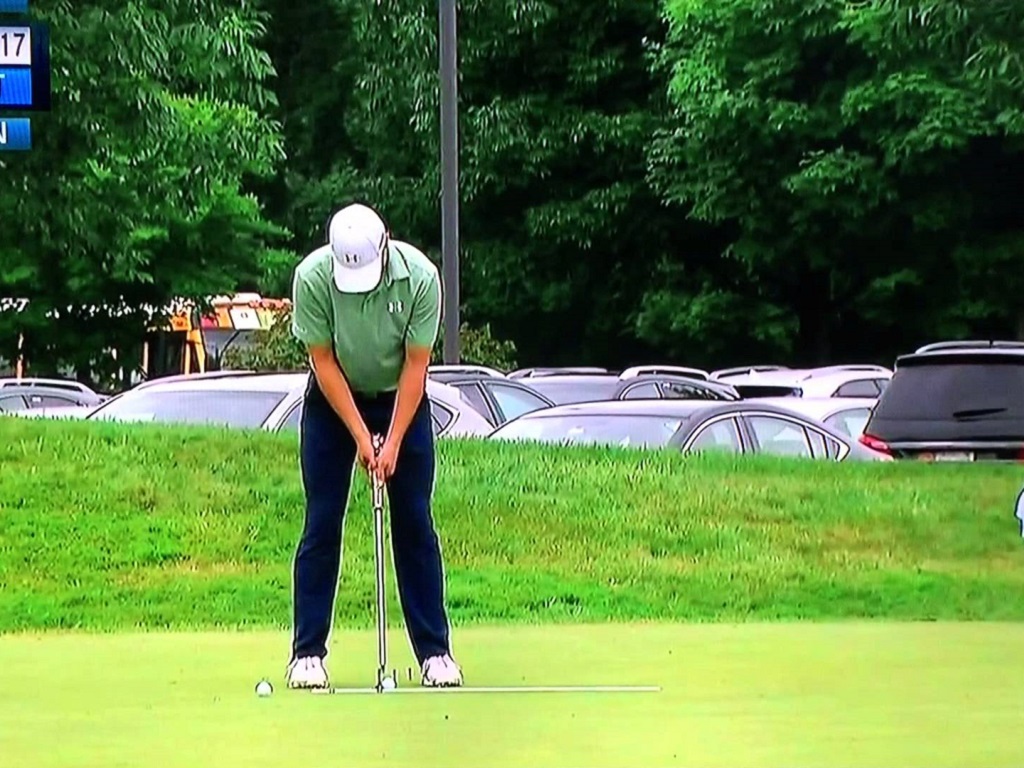
Why Speed Dictates Aim
When it comes to putting, and more importantly holing putts, there are only a few factors that are truly going to make a difference when it comes down to it. Technique aside, Speed is going to be one of the biggest influencers on the probability of making the putt. The reason for this is because Speed is going to determine the line you aim the ball on. A putt with less pace is going to break more than a putt of equal distance with more pace.
In addition to Speed being an important contributor to the line you select, it also affects the size of the golf hole that you are putting towards. The hole doesn’t really change size, however, once the golf ball goes into motion, the holes “effective size” changes. Essentially, at rest the golf ball can cross any threshold of the hole and fall in, thus making the holes “effective size” 100%. However, once the ball is placed into motion and is traveling at 1.68MPH the “effective size” of the hole decreases to 75%.
1.68 MPH, Entry Speed, 1-foot past the hole on an 8 stimp meter green, or 2-feet past the hole on a 14 stimp meter green, they all represent the same thing, your best chance to make the putt while giving you the best chance at a kick-in on your next attempt should you miss. Entry speed is a relatively new term, however, is a concept that has been around for a long time.
Real World Application
Mr. Smith is an average golfer and routinely shoots in the mid 80’s at his local course from the regular tees. Mr. Smith decides he wants to put in some work on his short game, and set’s about making more putts from 10-feet and closer. Mr. Smith knows that the practice green has some slope and undulation and picks a putt that breaks from left-to-right at a 2% grade. Mr. Smith putts 10 tries and makes 4 of them from 10 feet. Out of the 6 that missed, only one was missed on the low side of the hole with all of the other putts missed on the “pro” or high side of the hole. The balls that missed on the high side of the hole all came to rest between 3-5 feet past the hole. Based off of traditional knowledge, he feels confident that if he just aims a little more right on those left to righters, he is sure to make more on the next batch. Will Mr. Smith make more than 4 putts out of the next 10 attempts while aiming slightly more to the right?
Mr. Smith could potentially make more putts by aiming more to the right and maintaining his current speed, however, by aiming more “directly” at the hole he has created a more downhill putt which will also increase the Effective Stimp making the ball roll farther past the hole should it miss. Therefore, while we may increase make percentage some, the putts that are missed will be farther from the hole when they come to rest increasing the risk and likelihood of a three-putt.
What would be most beneficial to Mr. Smith would be working on speed control and using the slope and undulation to his advantage. Mr. Smith is like most golfers and routinely misses putts only to blame the line, when in actuality, it was the speed that caused the putt to miss the hole.
Why is Speed Control to Blame?
Some athletes see more curve, and some swear that they only see straight lines. Either way both are at a disadvantage if they are trying to putt the ball to the apex of the break. The reason for this is because the ball will begin to move off of the aim line very quickly as the break takes effect on the ball, and in most cases with breaking putts, the aim line will be outside or farther away from the hole then the actual apex of the break due to this initial breaking prior to reaching the apex.
With that said, using our previous example of Mr. Smith, when the average golfer sees the ball miss left of the hole on a left-to-right breaking putt, they assume that they “pulled’ the putt, when in actuality, they had to strike the putt much to firmly to get the ball to the apex of the break which is what caused it to not take the break at the end of the putt and go in the hole.
Now that we understand that most golfers are hitting the putt with too much pace and not playing enough break, how do we fix this problem? One way to approach this problem would be working with a coach and identifying the areas of speed control (length of stroke, force application, tempo, centeredness of contact, etc.) that need the most work and then develop a training plan to change the motion pattern. Another way, from a club fitting perspective would be to look at how the Instrument is weighted throughout and how that matches and affects the biomechanics of the athlete.
The Heavier the Putter the Better, right?
When you pick up your putter, do you ever balance it on one finger? If so, you know that the “balance point” of the putter tends to be a few inches up the shaft from the club head, and when you find it, you can balance the putter horizontally on one finger. Most putters in the market have most of their mass or weight much closer to the club head then the hands, and this is very important to understand. The more the total mass moves towards one end point, the more the heavier side is going to want to swing relative to the other end point. In engineering, they call this a moment arm.
When we feel how “soft” a putter face is, we are actually experiencing all of our senses and sound tends to affect what we feel a lot. For example, older Ping putters would tend to be lighter and have less mass than current putters, and luckily, they were named Ping because that is the exactly the sound you would get when you struck one. Often times, people would describe a Ping putter as being hard due to it being cast and not forged when in actuality it was due to weight. At the opposite end of the spectrum was the Heavy Putter that was around about 10 years ago. This putter was big and heavy and always felt to be incredibly soft, but in reality, was just a big chunk of lead with lots of mass.
The issue with having a putter that feels great and has a lot of mass is that it tends to hit the golf ball too firmly relative to the perceived “effort” needed to be applied to get the ball to travel to the hole. This leads to putts traveling at too much speed to take the amount of break that we planned on which influences our aim over time.
Perception vs. Reality
Most athletes believe that they prefer a heavy putter, however, when asked about putting, they frequently state that they tend to hit their putts too firmly and miss on the high side of the hole. Based off an understanding of how the weight affects the moment arm and acceleration of the putter, we can see how this is a conflicting ideology. So, if we know that weight contributes to creating the correct “feeling” of the putter for the athlete, yet leads to poor speed control, how do we satisfy both needs?
The answer lies in moving some of the weight or mass to the other side of the center of mass of the putter. The more we “balance out” the weight distribution between the two endpoints, the less moment arm effect will be created. The other advantage to moving mass or weight to the other side of the center of mass of the putter is that we can now satisfy both needs if we are strategic with where the mass or weight is added.
If the center of mass of the putter is a few inches up the shaft from the club head, then if we added mass or weight within the shaft but below the hands, technically the mass or weight is above the center of mass of the putter, yet still below the hands of the athlete which satisfies the “feel” component while still reducing the amount of moment arm effect. This internal weighting can be accomplished using the Opti-Vibe system.
If this attempt at slowing down the club head fails due to the weight of the putter “feeling” too heavy, then we can counter-weight the putter and actually put more mass in the butt-end of the putter. This tends to be very effective in slowing down the club head and many putter manufactures have begun to sell counter-weighted putters. This process can also be completed using a product called Tour Lock.
Summation
Speed kills, and most of us are much too aggressive with our putting strategy, which exposes us to longer “come-back” putts and leads to a higher likelihood of 3-putts. By better understanding how speed effects the line, we can reduce the number of total putts taken by reducing the amount of 3-putts. This is a much easier task to accomplish than having to make more putts outside of 10-feet.
If you are interested in seeing this concept in action, I highly recommend our Big Tilt Pro Max XL. Not only does it project the aim line, but also the maximum speed, minimum speed, and maximum percentage to make line. In addition to being able to see the lines, it also comes with over 50 different training programs designed not only to help with making more putts, but also developing all the necessary skills that go into becoming a good putter.
In addition to training the necessary skills to become a good putter, it is also important to evaluate your putter from a few different perspectives. In addition to creating the proper alignment and loft scenario at address, it is also important to evaluate the weight distribution of the putter and how that affects the timing or tempo of the stroke. While the timing or tempo will be unique for each individual, most good putters will maintain the same timing or tempo when hitting putts from different lengths, which is impossible to do with a putter that is either too light or too heavy. It is important to understand that you probably don’t need a new putter, just a little fine tuning with the weighting.
Fine tuning this process is very easy with the use of the Trackman 4 Putting Solution. By understanding the “fine details” of how we deliver the putter, and how this matches the biomechanics of the body, we can finally get down to working on the parts of the stroke that will have the biggest effect size and actually lead to lower scores.



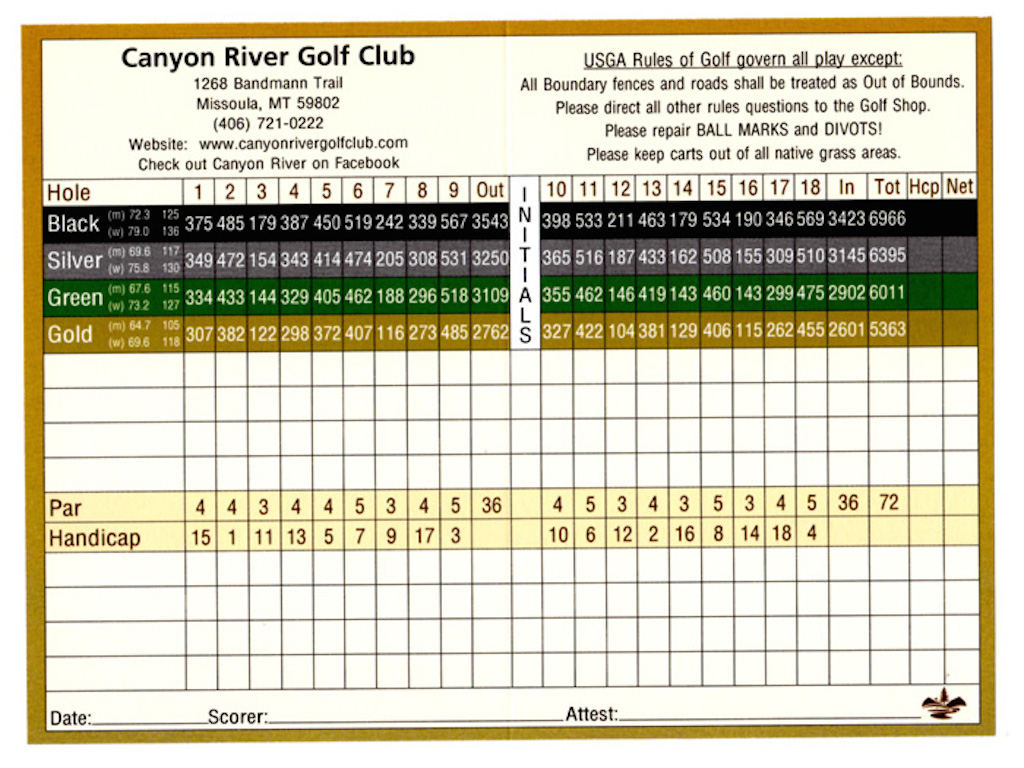
In our forums, one user is wondering how many birdies other players have had in a round while still failing to break par. @Lalan45, unfortunately, asked the question after a unique experience of their own.
They wrote:
“Today I managed 8 birdies but still shot even par, could have been a round to remember! What’s the most birdies you’ve made in a round and still didn’t break par?”
Our members in the forum shared their own experiences with successful rounds that still resulted in a score over par. Here are a few posts from the thread, but make sure to check out the entire discussion and have your say at the link below.
- kwcsports: “I’ve had 5 a few times, still shot 80+ haha.”
- jda: “I played a course for the first time, had 8 birdies, 9 doubles and an eagle. The infamous no-par round. I kept the scorecard. Every shot had a creek that I did not know about, or I was within 8-10 feet for a birdie look. To this day, I have no idea if I should be really jacked up or mad about that performance.”
- jvincent: “I think my record is either 5 or 6. Probably shot 75.”
- Instron4204: “3 birdies and shot a 92…man I suck!”
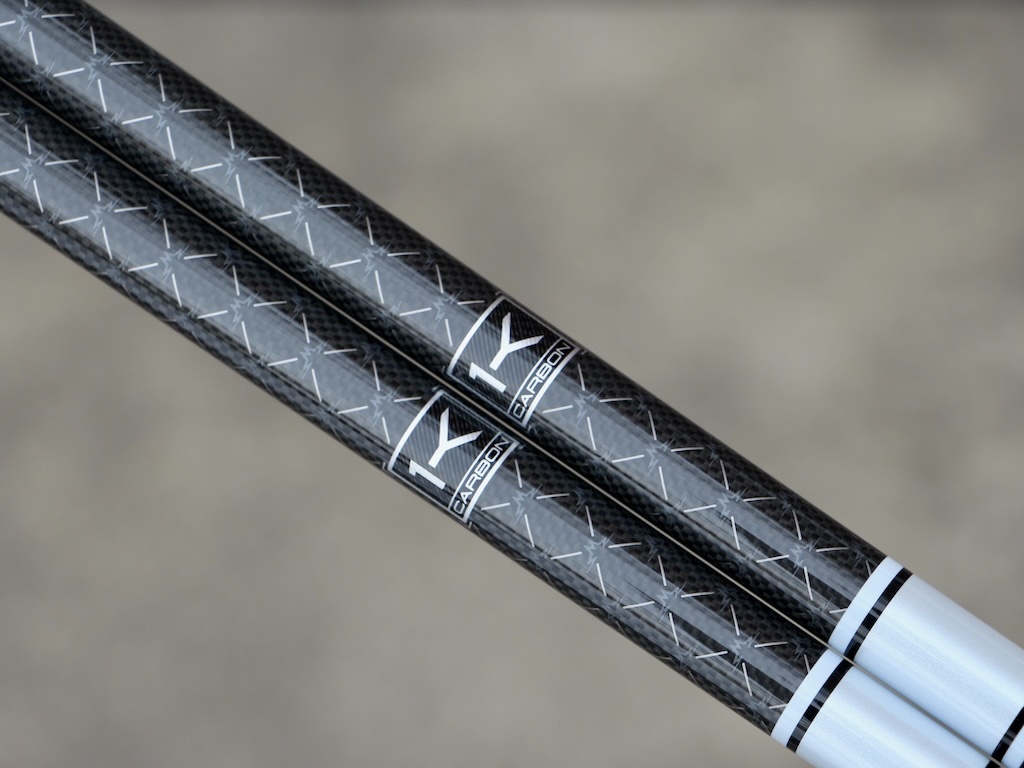
In our forums, one user is asking for thoughts on the best stock shafts offered in 2026. Stock shafts are the shafts included with a club when it’s purchased from retailers or OEMs.
@DTorres asked:
The last couple years has seen a lot of updates and additions to no upcharge stock shafts, which do you think is the best offering in 2026?
Im a bit of a shaft nerd and recently during my Members Testing with the Callaway Quantum Triple Diamond I found the updated Project X Denali Frost Black to be a fantastic stock shaft. I absolutely did not mesh well with the original Denali. Just curious what other people think are the current best Stock shaft offerings out with new models and stock Ventus options and LinQ options popping up here and there.
We were given the option for any stock shafts for our members review. I went with the 70g Black Frost 6.5 because it’s a shaft I don’t have, it’s an updated version of the original Denali and hear little about. I typically use a Diamana WB, GD VF or a HOF Raptor. I’m not saying it was neck and neck with any of those but it was a pleasant surprise I’m not accustomed to in stock shaft offerings.
Our members in the forum have been offering up their own thoughts on the best stock shafts available in 2026. Here are a few posts from the thread, but make sure to check out the entire discussion and have your say at the link below.
- rsballer10: “IMO – MCA Ka’ili White Darkwave, Tensei 1k Black/white, UST Lin-Q White. People are free to spend their money however they see fit, but for me personally the shaft catalogs these days have enough options that I don’t see the value of a $400 upcharge. I have never had a problem finding a no upcharge shaft that fits the bend profile and weight that I need. Whether the paint job is good enough or not is above my pay scale.”
- bcflyguy1: “Project X Titan Black. I’ve had one in 60TX in my Quantum TD Max for several weeks now. Have to give Titlieist their flowers for finding a way to make it available as a featured option; very shrewd bit of business and one that I suspect will be duplicated by the other companies. TT/PX have a certified banger on their hands with Titan.”
- CTG77: “Undoubtedly, it’s the Tensei 1K RIP shafts from Titleist. The Tensei line gives about 98% of the performance of a Ventus VeloCore+ shaft at a tiny fraction of the cost if you’re looking for a blue or red profile. The white is not an exact match for Ventus Black, but it’s closer to it than the non-VeloCore+ Ventus shafts that come from Callaway or formerly came from TaylorMade.”


A reminder from your friends at GolfWRX: Father’s Day is June 21. And as we do every year, we’re rounding up the best gifts for dad.
As we say every year, there’s no better golf-related Father’s Day gift than a round of golf with pops. Be it a country club or your favorite muni, take the time to get together to play 18 if you can.
Let’s get to the gifts.
Ghost Golf Qualifier Diamond Polo
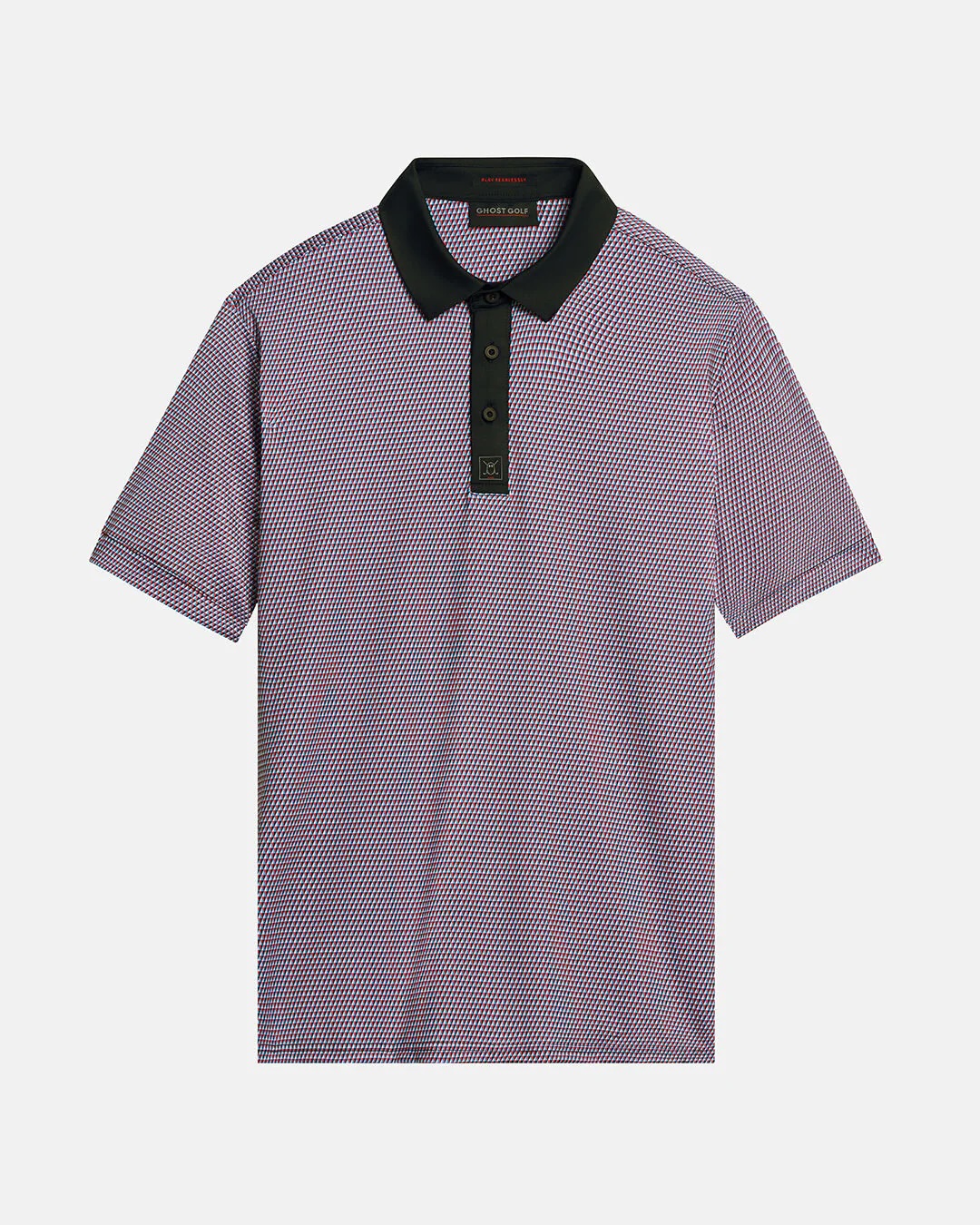
We like the new polos that Ghost is offering, as the fabric and fit are so good. These new Qualifier Collection polos breathe well, are lightweight, stretch with your swing, and of course look great. You can wear them on the course, in the office, or just out at a casual event and they will fit right in.
STR8-Strip Grip Tape Remover
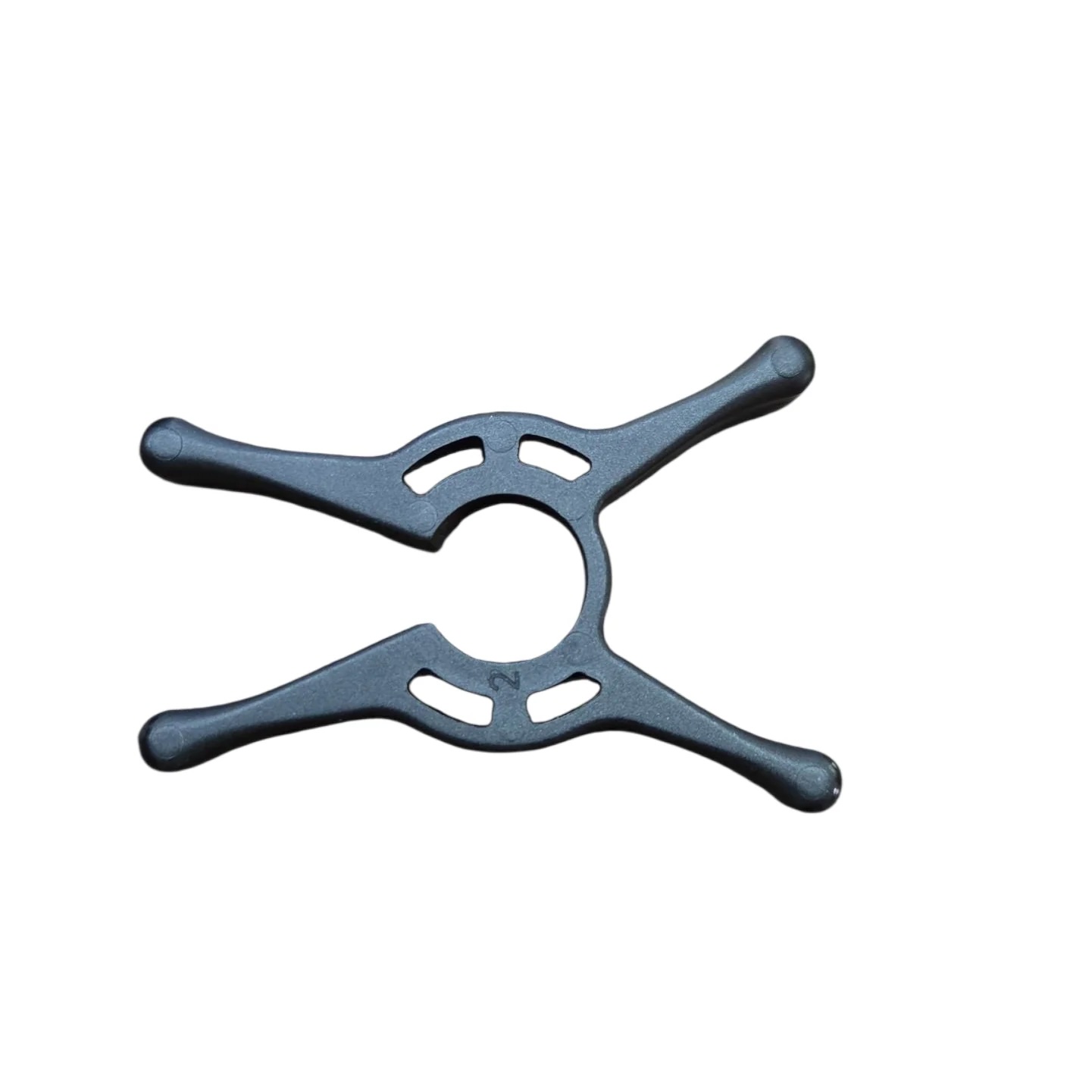
If your dad is an equipment aficionado and tinkers with his clubs, this tool works wonders. Removing grip tape has never been easier, just put a little head on the tape and the STR8-Strip peals it right off the shaft without any damage.
Why Golf: Putting Thing
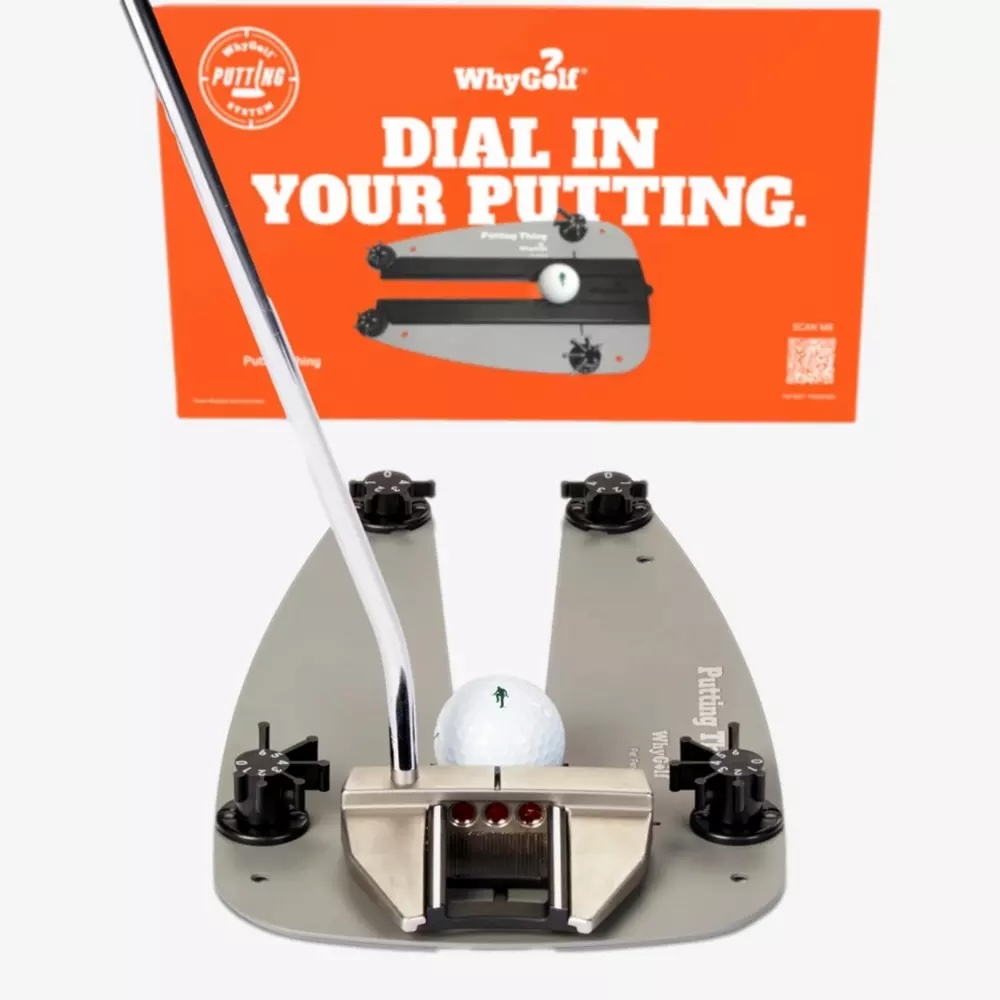
When it comes to practice, it is good to have a purpose. This “Putting Thing” sure does it. We know from personal experience how challenging it can be and how rewarding it is on the practice green. This also provides some competition for your kiddo to see who will unload the dishwasher or do the next chore around the house.
OluKai Lae‘ahi Men’s Breathable Slip-On Shoes
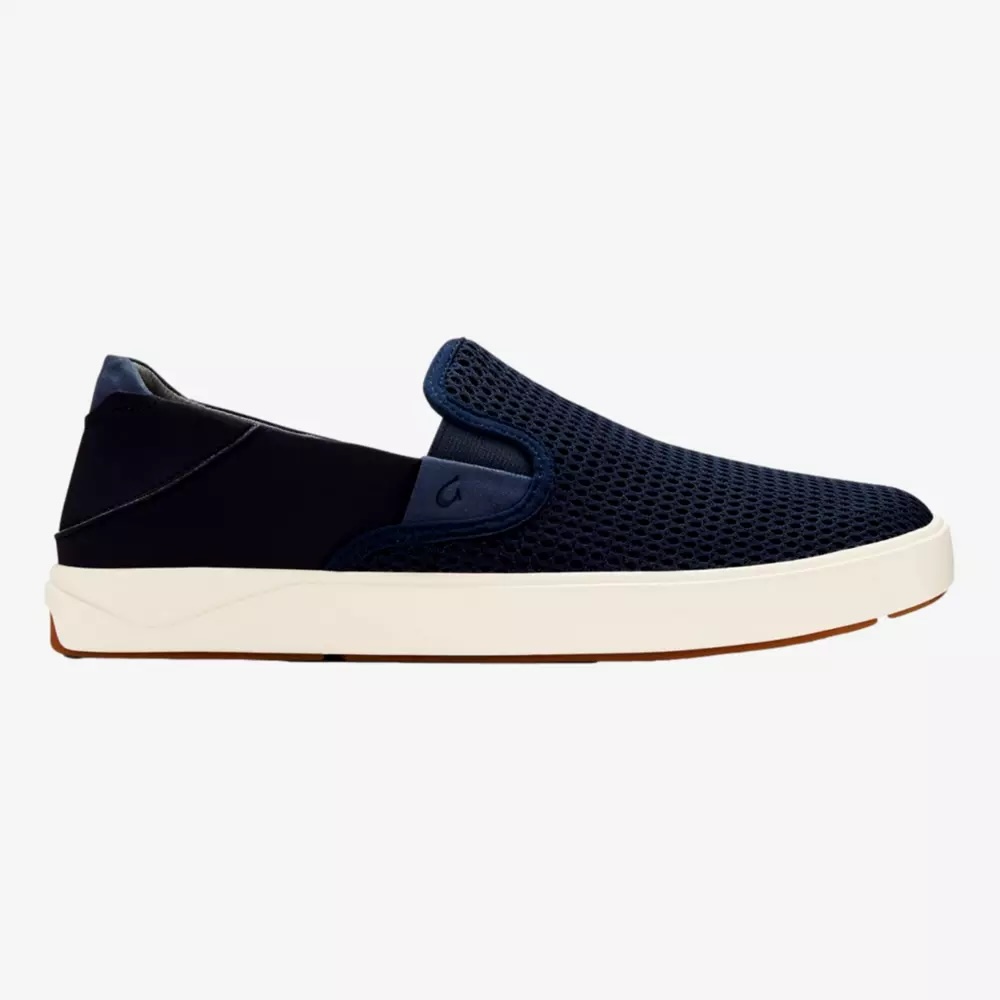
Riding to and from the course in style and comfort is always a good thing. If you’re in a hurry, it’s a nice feature to slide into your shoes and get to the tee time. For the post-game shoe, at your locker or while putting your clubs away in the car. Nice to slide into a shoe that looks good anywhere. Pair that with meeting the family for dinner, no need to change!
Therabody Theragun Relief
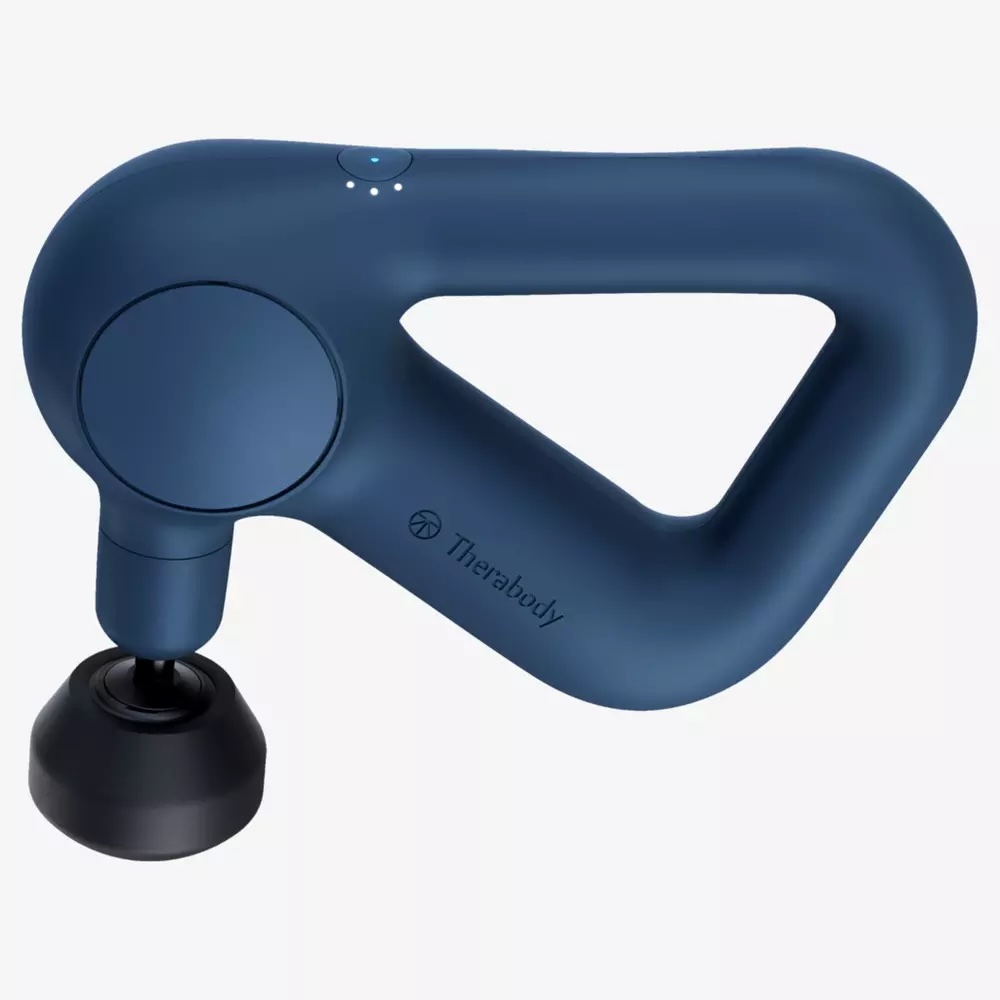
A little wellness goes a long way. Keeping loose is a good way to go when it comes to the weekend game or treatment during the week. If there is a little ache or pain, the Theragun is there to help out. Help loosen up the back for a pre-game warm-up or cool-down.
World Cup golf apparel

Something for the soccer dads. Embrace the World Cup fever this summer on the course with custom gear to support the nation of your choice.
FootJoy Pro SL spikeless golf shoes
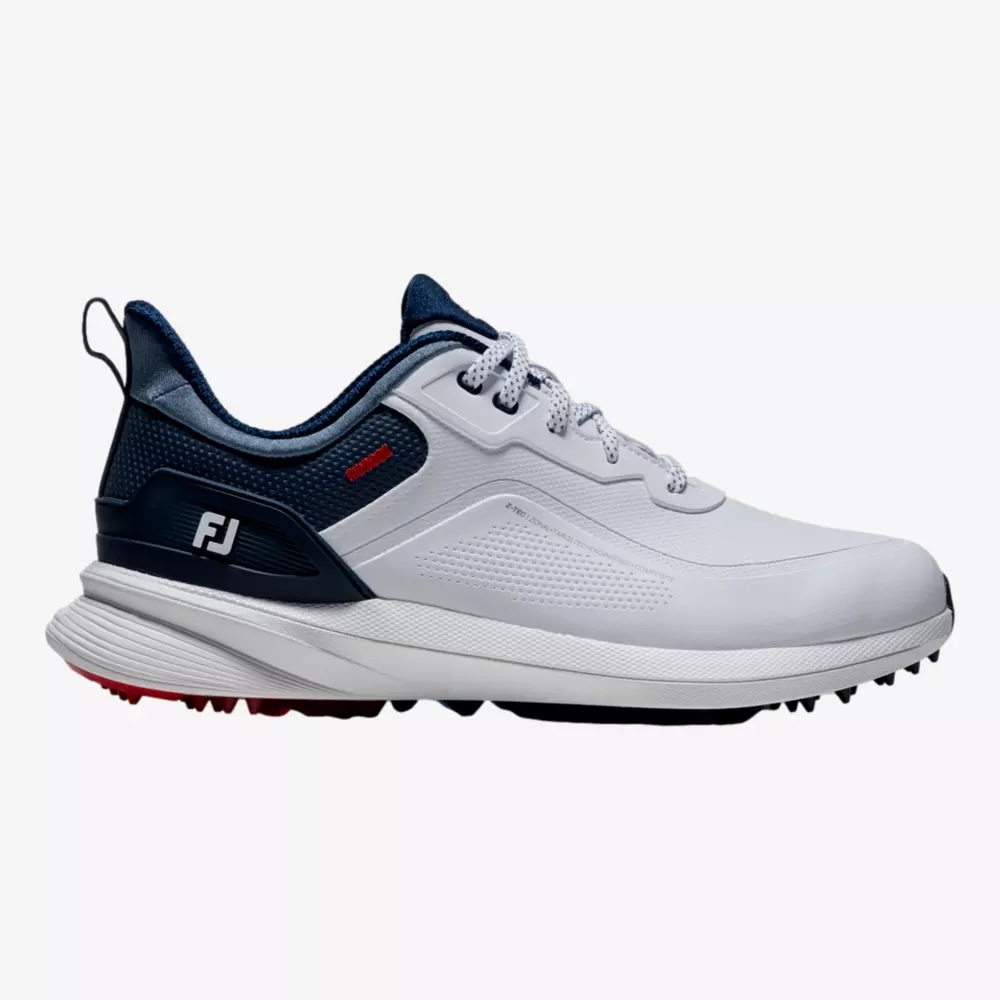
Give the old man a break and save his feet with the Footjoy Pro SL Men’s Spikeless Golf Shoes for some added comfort on the course.
Bushnell Wingman 2 GPS speaker
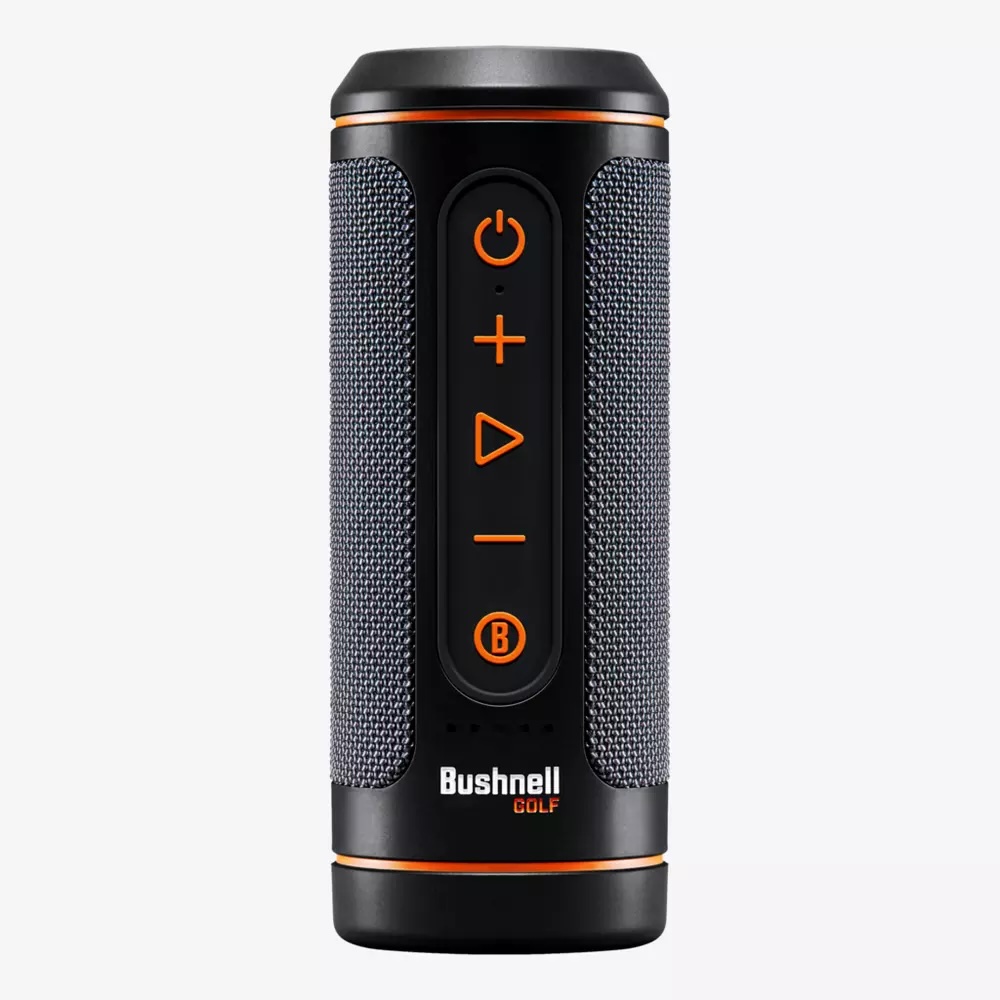
Combine all the hits as well as some game improvement with the Wingman 2 Golf GPS Speaker by getting audible distance readings from 38,000+ courses worldwide through the Wingman 2 remote or speaker.
Personalized Titleist Pro V1 golf balls
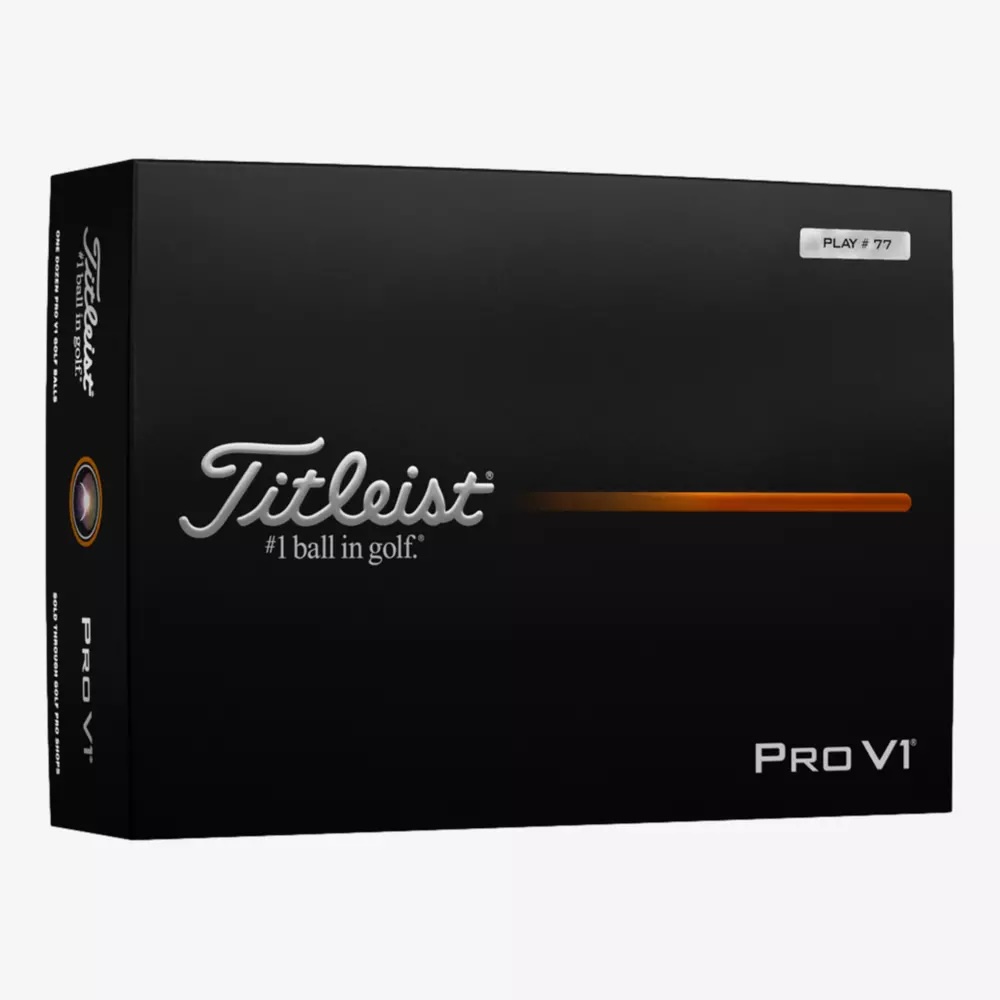
The No. 1 ball in golf is a safe bet, and the Pro V1 fits the largest chunk of the bell curve if you don’t know what ball pops plays. Add personalization for a, well, personal touch!
- GolfWRX may earn a commission for purchases made through links on this page, at no extra cost to you.

What’s the story behind Webb Simpson’s custom-stamped irons?

Memorial Tournament Tour Report: Rory McIlroy, Cameron Young switch up drivers, and more

Cadillac Championship Tour Report: Spieth’s sizable changes, McLaren Golf launches, and more

Russell Henley’s winning WITB: 2026 Charles Schwab Challenge

Kristoffer Reitan’s winning WITB: 2026 Truist Championship

Best irons 2026: Best irons overall, most forgiving irons, and more

J.T. Poston’s winning WITB: 2026 Memorial Tournament

Aaron Rai’s winning WITB: 2026 PGA Championship

Cameron Young’s winning WITB: 2026 Cadillac Championship

Details on Jason Day’s latest prototype Avoda iron setup


Ryan Palmer WITB 2026 (June)
Driver: Callaway Quantum Triple Diamond (9 degrees) Shaft: Project X HZRDUS Smoke Blue RDX 60 TX 3-wood: TaylorMade Qi10 (15 degrees) Shaft:...


Bud Cauley WITB 2026 (June)
Bud Cauley had >14 clubs in his bag when photographed prior to the Memorial Tournament. Driver: Titleist GTS2 (8 degrees) Shaft: Fujikura...


Hannah Green WITB 2026 (June)
Driver: Titleist GTS3 (10 degrees, D4 SureFit setting) Shaft: Mitsubishi Chemical Diamana RB 53 S 3-wood: Titleist GT3 (15 degrees,...


Asterisk Talley WITB 2026 (June)
Driver: TaylorMade Qi4D (9 degrees) Shaft: Fujikura Ventus Blue 6 S 3-wood: TaylorMade Qi4D (16.5 degrees) Shaft: Fujikura Ventus Blue...
-
 Equipment6 days ago
Memorial Tournament Tour Report: Rory McIlroy, Cameron Young switch up drivers, and more
-
 News2 weeks ago
Russell Henley’s winning WITB: 2026 Charles Schwab Challenge
-
 Equipment3 days ago
Best irons 2026: Best irons overall, most forgiving irons, and more
-
 Whats in the Bag4 days ago
J.T. Poston’s winning WITB: 2026 Memorial Tournament
-
 Equipment1 week ago
Details on Jason Day’s latest prototype Avoda iron setup
-
 Equipment3 weeks ago
CJ Cup Byron Nelson Tour Report: Koepka and Kim’s newest putters finally get hot
-

 News2 weeks ago
Charles Schwab Challenge Tour Report: MacIntyre, Åberg and Spaun all switch putters, TaylorMade launches new Spider
-
 Equipment2 weeks ago
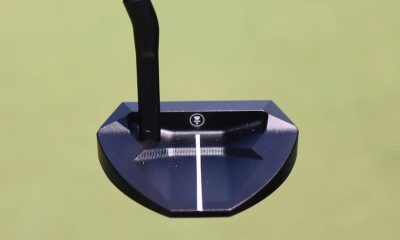
Details on J.J. Spaun’s surprise putter switch


geohogan
Apr 5, 2022 at 10:08 am
We aim a bow and arrow. We aim a fire arm.
Standing 90 degrees to the target line, it is not possible to “aim” a golf club at a distant target.
We can position ourselves to sweep the inside quadrant of the golf ball.
Wasted my Time
Apr 2, 2022 at 10:37 pm
All these mumbo-jumbo for a sales pitch? Shameful!
lee
Apr 2, 2022 at 9:19 pm
nice ad