

Opinion & Analysis
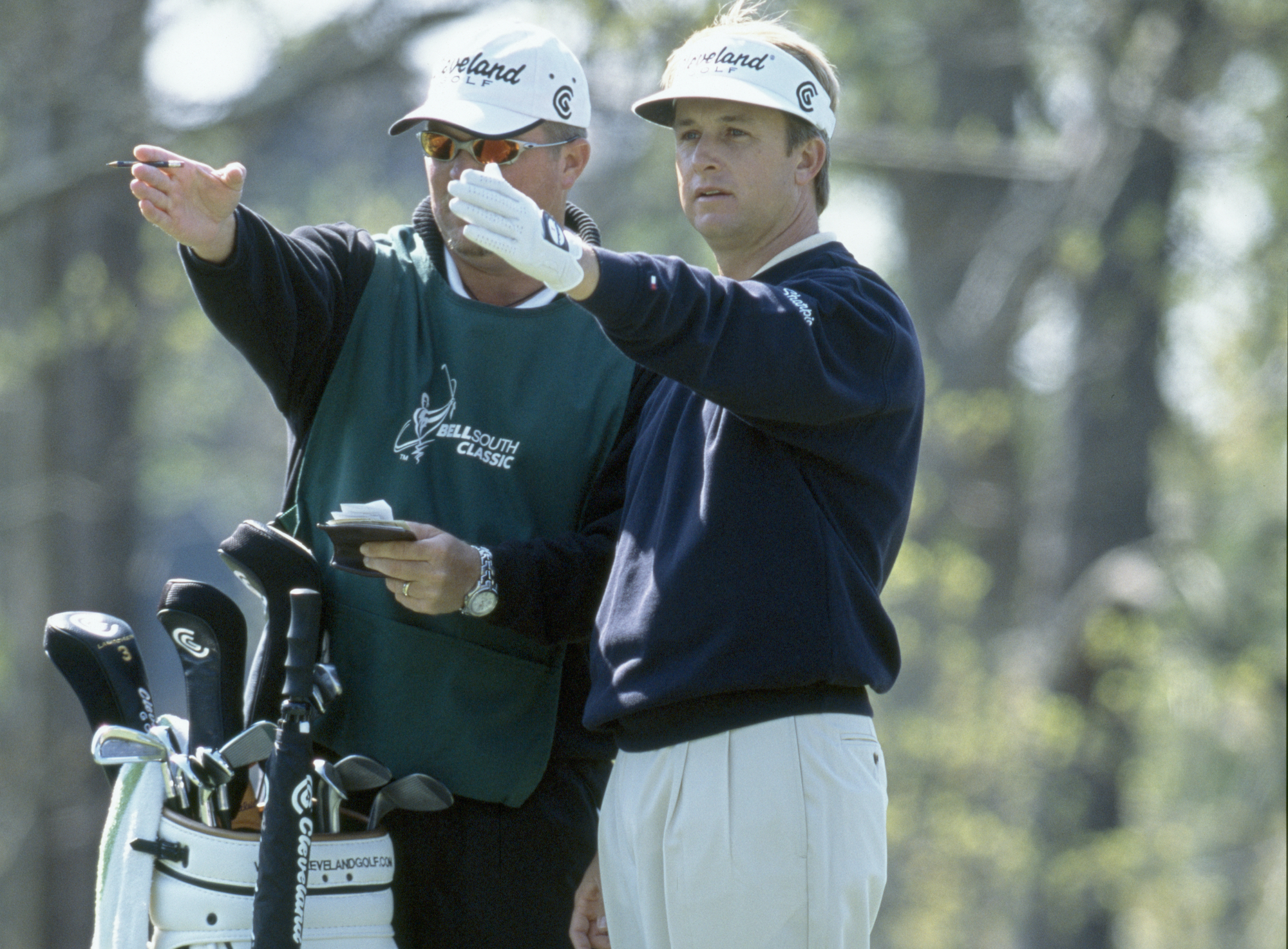
David Toms, Louisiana’s hometown hero, discusses his sticks

Just to kick this off, I am a huge fan of David Toms. Have been since his Zevo days. This was a pleasure to write.
David Toms is the chosen son of Louisiana golf. Nobody in recent memory garners the amount of excitement or favor as DT. And it’s well earned. The guy is as well-liked and respected for his play and demeanor as anyone out there period. One of the most interesting aspects of his career was his ability to build efficiency and playability in his bag regardless of ego.
We had a chance to chat with David and Cleveland/Srixon tour rep Jeff Burleigh about his clubs, and this is what they had to say.
JW: What was in your bag at the beginning of your career and what was your knowledge level (of your equipment) at that time?
DT: I used Yamaha irons and woods when I first turned pro, switching to Mizuno when I got my Hogan Tour card.
I didn’t pay much attention to equipment at that time. I just knew what I hit well and what I didn’t. I liked to keep it simple.
JW: Talk to me about your time with Zevo (1997, 1998) and what your overall opinion was of that experience and the equipment. Were you in the clubs top to bottom?
DT: Zevo was my first experience with custom-fit clubs, and I thought they did a really nice job with their equipment especially loved the fairway woods. They worked. I won my first event with them at Quad City.
JW: Your relationship with Cleveland started in 1999 and continued for the bulk of your career, how did that come about and what attracted you to them?
DT: I sat next to their president Greg Hopkins on a flight to the 1997 PGA at Winged Foot and talked about the possibility of me representing them in the near future. Obviously, it was a good partnership. I was with them for 15-plus years and have great memories.
JW: You have preferred a forged cavity back for the bulk of your career. Why do your preferences go in that direction over a muscle back?
DT: I need all the help I can get! And I always felt like I didn’t give up any control with a compact cavity back iron. Played them consistently my whole career.
JW: What set of irons during your career was your favorite? What wedges were your favorite?
DT: The original [Cleveland] 588 irons and wedges, without question.
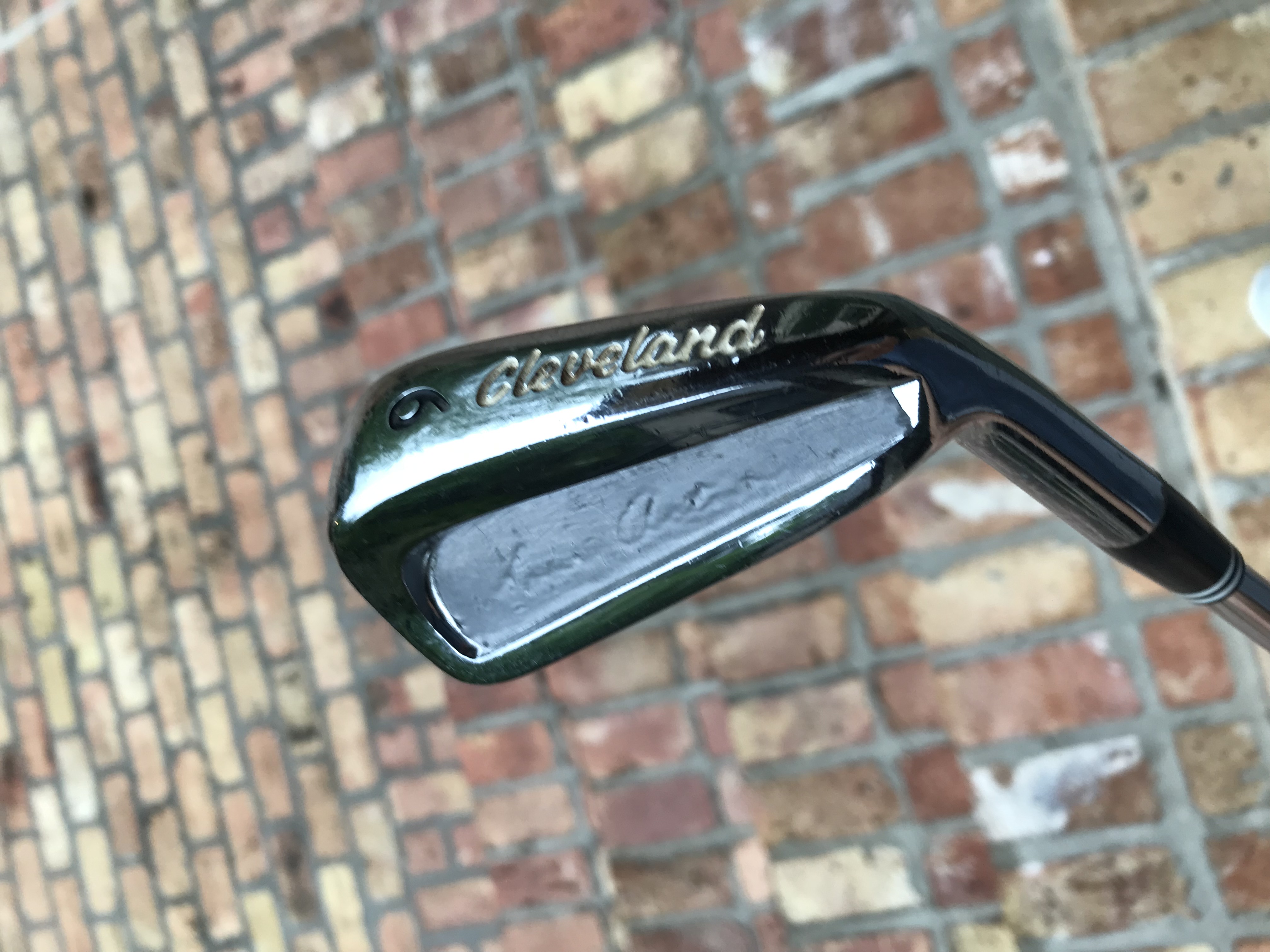
JW: You have also been a player that hasn’t been afraid to combo a set, meaning as early as 2001 you would put a beefed-up 3-iron in the bag. Why was that?
DT: Again I just felt that I needed the forgiveness in the long irons. Having a more forgiving long iron in the bag gave me the ability to hold a few more greens from 200-plus yards out.
JW: You have one club that is a bit more famous than the others, which is the Cleveland Quad Pro 5-wood with the Bi-Matrix shaft. Since you have leaned towards hybrids to fill that gap, what do the hybrids offer you that the 5-wood doesn’t?
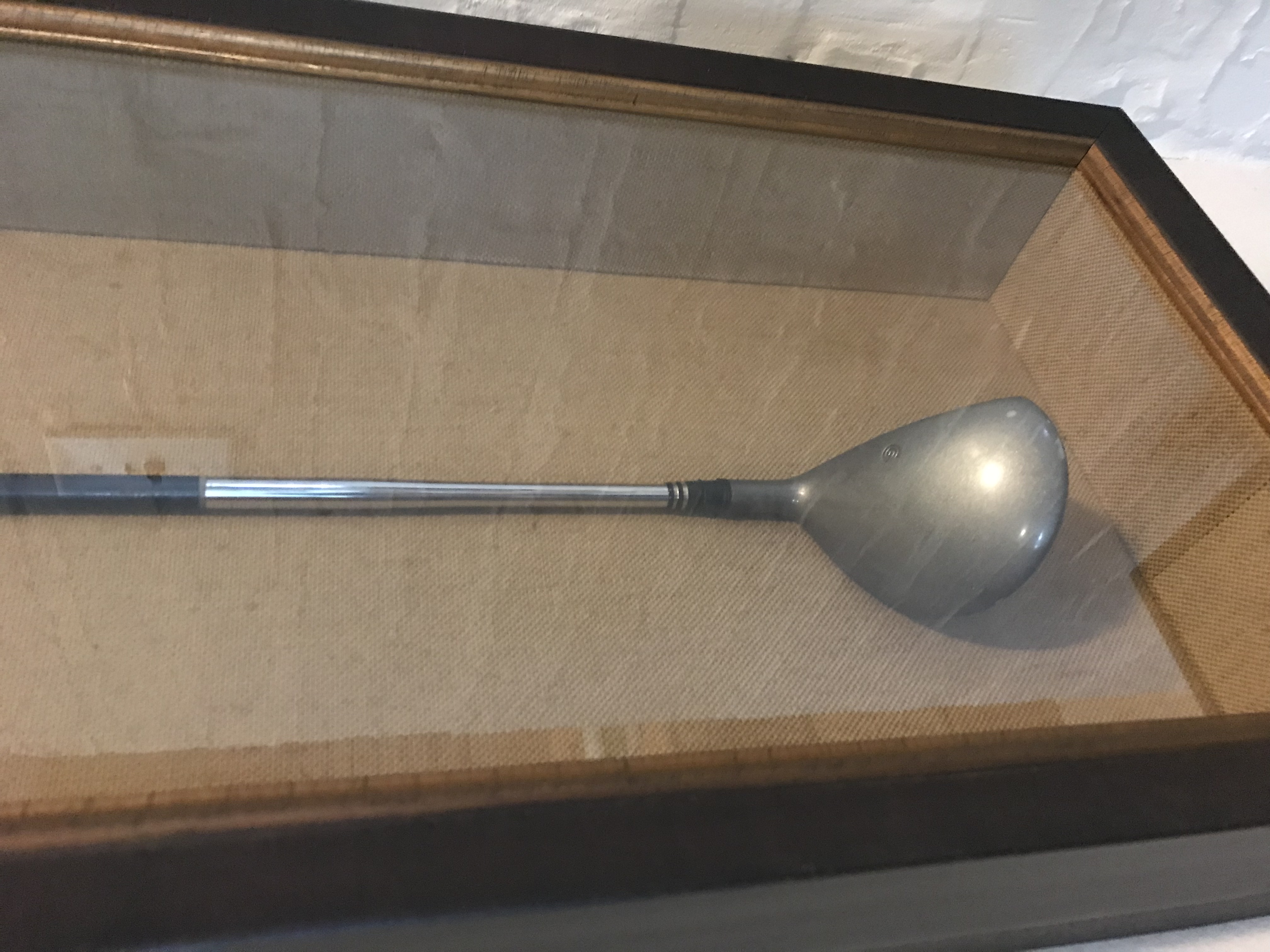
DT: I felt that the hybrids provided a little more versatility in windy conditions and were better for the longer par 3s.
JW: You have always been in a three wedge setup (48/54/60). Have you ever tried adding a fourth wedge for gapping?
DT: I will put an extra wedge in the bag at some of the Champions Tour tournaments depending on the course. Usually, 48/54/60 is the setup.
JW: Talk to me about your time with TaylorMade. What went well? What didn’t work?
DT: I really enjoyed my time at TaylorMade. What a great golf equipment company! I thought the woods were second-to-none at that time but struggled a bit with the wedges. I think the wedges these days are really well designed just not during that time period, I had a 14 club deal, so that made it difficult for me inside 100 yards. Again, I would not hesitate to use their wedges nowadays.
JW: If you could build your favorite bag of all time, what would it look like?
DT:
TaylorMade M2 driver
Cleveland Quad Pro fairway wood
Cleveland Launcher hybrid
Cleveland 588 irons and wedges (the original Roger Cleveland design)
Scotty Cameron Coronado putter
JW: What is currently in your bag?
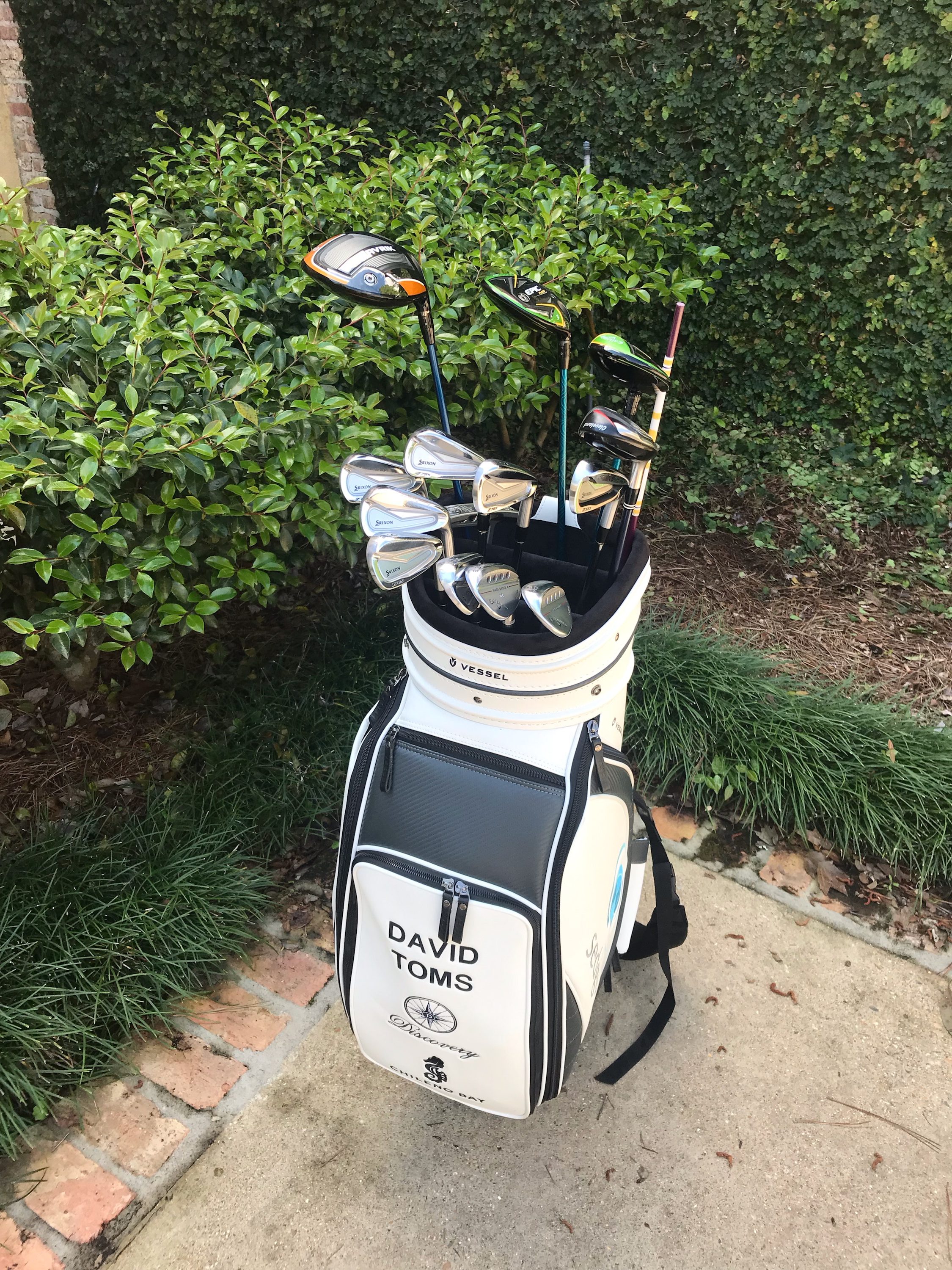
DT:
Driver: Callaway Mavrik 10.5. Project X Evenflow Blue 65 6.0 (255 Carry)
FW: Callaway Epic 15. Project X Evenflow 75 6.0 (235 Carry)
FW: Callaway 5 wood 18. Project X Evenflow 85 6.0 (225 Carry)
Hybrid: Cleveland Launcher 20.5. Project X-HC1 6.5 (215 Carry)
Irons: Srixon Z585 (4) Z785 (5-PW). Nippon Pro Modus3 Tour 105 S
Carry Numbers
4/200
5/190
6/180
7/167
8/155
9/140
PW/128
Wedges: Callaway MD4 54 (105 carry), 60 (85 Carry). Dynamic Gold Tour Issue S400
Putter: Scotty Cameron
Ball: Titleist Pro V1
We also had the chance to speak with Jeff Burleigh from the Cleveland/Srixon tour department. This was his input on DT.
JW: Overall, what was the recurring theme in your time with DT? Was it fighting a miss? Finding height? Spin etc. Every player seems to look for one specific thing.
JB: David Toms really didn’t have many swing issues. Very smooth and incredibly efficient. David was an absolute dream to work with because his swing was always the same. The main issue was dispersion and feel. He loved being able to feel the clubhead and response of an active shaft. With better feel came a touch more dispersion, so we balanced the two. Focusing on the perfect build and keeping everything consistent which flowed into his game. His entrance into the trailer was always “OK. Where are you hiding all the new stuff?…as he slowly opened the drawers trying to find the latest and greatest.
JW: His preference in irons always leaned towards cavity backs (588P, 588P CG2 stamped, CG2 Tour, CG7 etc) what was the process like getting him into a new iron and why was the preference towards CB.
JB: Yes, he always leaned towards our cavity backs but not necessarily for forgiveness, it was purely for the offset. He loved the look of offset irons. Most of our iron creations back then were tailored from that original 588P. The process was very easy with David, as long as the visual aspect was there and the head appealed to his eye, he was always on board. My job was to create a new set exactly like the gamer. As long as they matched and the visual offset appeal, he was all in. He loved to work with us to improve the product, which made our equipment better. If the equipment was better, then he would play it every time.
JW: He was in a Project X Rifle 6.0 for a good portion of his career. Did he ever mess with other shafts in the irons and why?
JB: Yes. We would try just about everything available at the time. Far less than today because there were fewer shaft companies, especially if it was new. The best shaft that he felt helped him in competition. The only way to know back then was to build it and hit it. He would usually play Wednesday’s pro-am with the experimental set then give me feedback after the round. He always gave everything we built a chance.
There were a few shafts he gravitated to. Shortly after joining us, he tried the new Dynamic Gold Lite in S400. David loved the feel and the flight was very controlled. He played and won a few tournaments with them. That shaft had a .610 butt. Which was a little bigger than the other steel options. When gripping, he always wanted a smaller grip so I had to do a little stretchy stretch on the grip to get the size just right. 60 round Tour Velvets were always easy to work with.
When the 6.0 Project X came out, he was very interested. He felt the shaft did one thing better than the DG Lite: dispersion was tighter. The composition of that shaft was consistent. Frequency matching was the big deal then, and I believe the slightly heavier weight made his good shots just a little better. Also, the spin rate was down just a touch to flatten the flight. Leep in mind we had monster grooves back then. We did do one thing different on the install: I stepped them out one just because the hosel was lower in the CB iron. We didn’t want them playing stiffer than 6.0, so we favored the softer install.
JW: DT has always preferred a higher launch profile in his driver. Did he have trouble getting the ball in the air or was that for a bit more spin/control?
JB: Distance was the focus, always. His ball flight was ideal for the time. High launch and like everyone said, sneaky long. He was one of the few at the time not discouraged by loft (10 degrees and above). Always leading overall driving. He was top 5 on tour in efficiency. If my memory serves me correctly, actually top three if not leading. Shaft of choice was the Black Grafalloy Prolite in our Cleveland Comp head. Control and spin seemed to be always constant with him.
JW: Did he have consistent specs over the years?
JB: Yes. Driver was a 45-inch Grafalloy ProLite Black. 60 gram D3 with Tour Velvet 60 round. Pretty square face. 59-degree lie and 10.5-degree loft.
His Quad Pro 3 and 5-wood. With the BiMatrix steel-graphite combo. I remember the 3-wood was 42.5 and D5. 5-wood was 42. D5. Tour Velvet grip.
Irons were standard length. Degree strong, which then was 47 on PW and 1/2-degree upright. Irons were around D2-D2.5. His light grips helped us achieve a standard swing weight. We used lead tape to fine-tune the weights if needed. Everything we built was weight sorted (grips, shafts, heads), so the specs would always be consistent. Wedges were always standard length. One degree up and D5.
JW: Did you ever do anything special to his wedges? Grinding?
JB: The only thing I did that was different was spinning the shafts with a three bearing fishing spine jig called the spin finder. Used in fly fishing, we used it on golf shafts. Worked extremely well on graphite as most had two spines front and back. It was never mandatory during install but I always felt it can’t hurt our players so I generally did it unless I was buried in build trying to survive. Consistency is key whether it’s you or in the bag.
Grinding was only for weight. To achieve D5, I took across the entire back so as not to change the center of gravity. Our wedges are the best out of the wrapper, simply the way they are designed. David never was interested in massive grinding because he trusted my assessment that it changes the center of gravity negatively. He also liked bounce which we had plenty of. Once in a while, he would want a little bounce removed or added depending on where we were in the country.
Cosmetically, I would gently touch the leading edge to blend the set as well as soften the edge just a little. A little hand buff with some WD40 to even the finish and he was pleased. David loved a new set of wedges, but then again who doesn’t.
I always enjoyed David Toms—fun in the trailer, and you always had a feeling of accomplishment working with him. He’s always been a great friend, and I’ll always reflect back with a smile on my face. Sure miss those days.
*Fun little nugget from a tour rep perspective: When David had that 60-degree into 18 to beat Phil at the 2001 PGA Championship, I had just built that club that week and was freaking out watching coverage from my Hampton Inn. Going over the build in my head panicking when he hit the shot. Shaft, length, lie, loft…OK. Phew. 12 feet for the win.




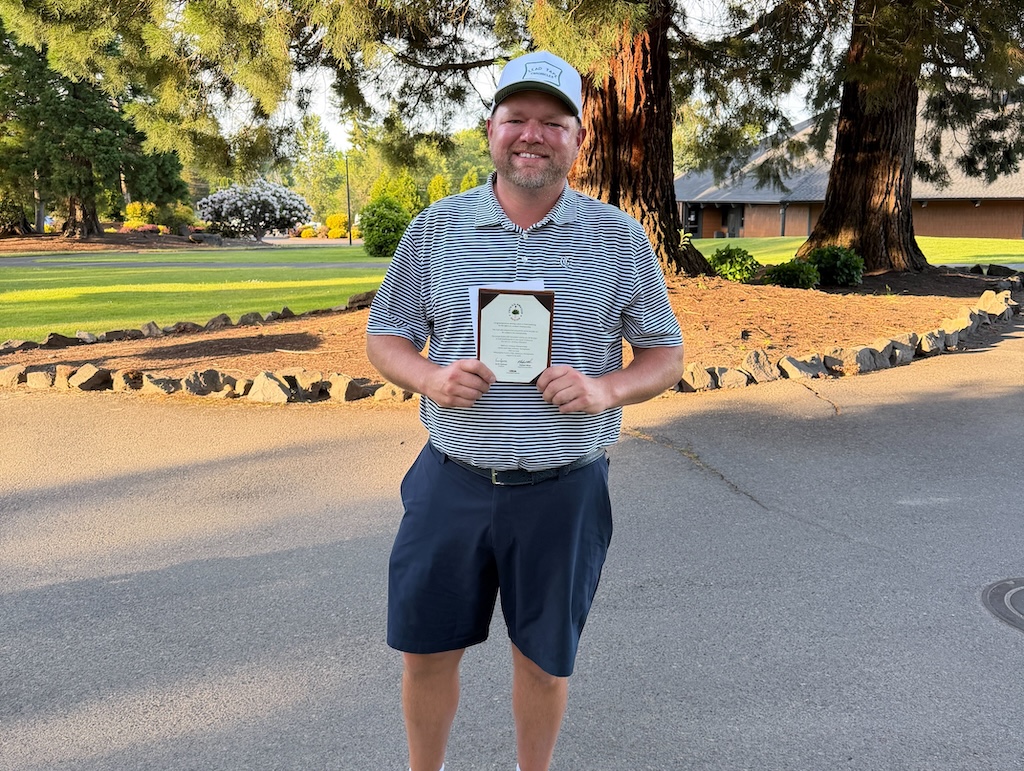
This past Monday, I played in the U.S. Amateur local qualifier at Rock Creek Country Club in Portland, Oregon. A full tee sheet from 7:30 a.m. to 1:55 p.m., the top 11 scores would make it to the U.S. Amateur final qualifying.
I teed off at 10:48 a.m.. With the 7:30 am tee time, you can get a feel for the leaders’ pace, and they were off and running on the challenging setup at Rock Creek.
View this post on Instagram
Getting to the highlight of the round on the par five 17th, a drive up the left side and 212 yards left to the front hole location. I took out a 5-iron with plans of middle of the green. The ball ended up 8 feet left of the hole, pin high. A slight downhill putt dropped in for an eagle 3 on the 17th. With the cut line looking to be anywhere from -2 to even par. This was the boost I had been waiting for all day.
With making par from the trees on 18, it was time to wait for a potential playoff with a posted score of one under par 71.
Three hours later, it was playoff time. 8 players for 6 spots. I made par on the playoff hole, which was good enough to advance to the U.S. Amateur final qualifying in July. USGA qualifiers sure deliver on all of the emotions in golf!
Club Junkie
Building my 2026 gamer WITB: Ranking the contenders and new putter projects – Club Junkie Podcast

The annual What’s In The Bag build is underway, and on this episode of Club Junkie, Brian breaks down the clubs currently leading the race for a spot in his 2026 gamer setup. From drivers and fairway woods to irons, wedges, and shafts, he ranks the equipment that’s performing best and explains what’s separating the front runners from the rest of the field.
Brian also heads into the workshop to discuss several putter projects currently on the bench. From head options and shaft choices to build ideas and testing plans, he shares what he’s working on and which putters could become serious contenders for the bag this season.
If you’re a gear junkie who loves equipment testing, club building, and the never-ending pursuit of the perfect setup, this episode is for you.
Follow Club Junkie:
Instagram: @clubjunkiepod
TikTok: @clubjunkiepod
Threads: @clubjunkiepod
X: @ClubJunkiePod
Club Junkie
Tour Edge Exotics mini driver review + TaylorMade Spider ZT Max first look – Club Junkie

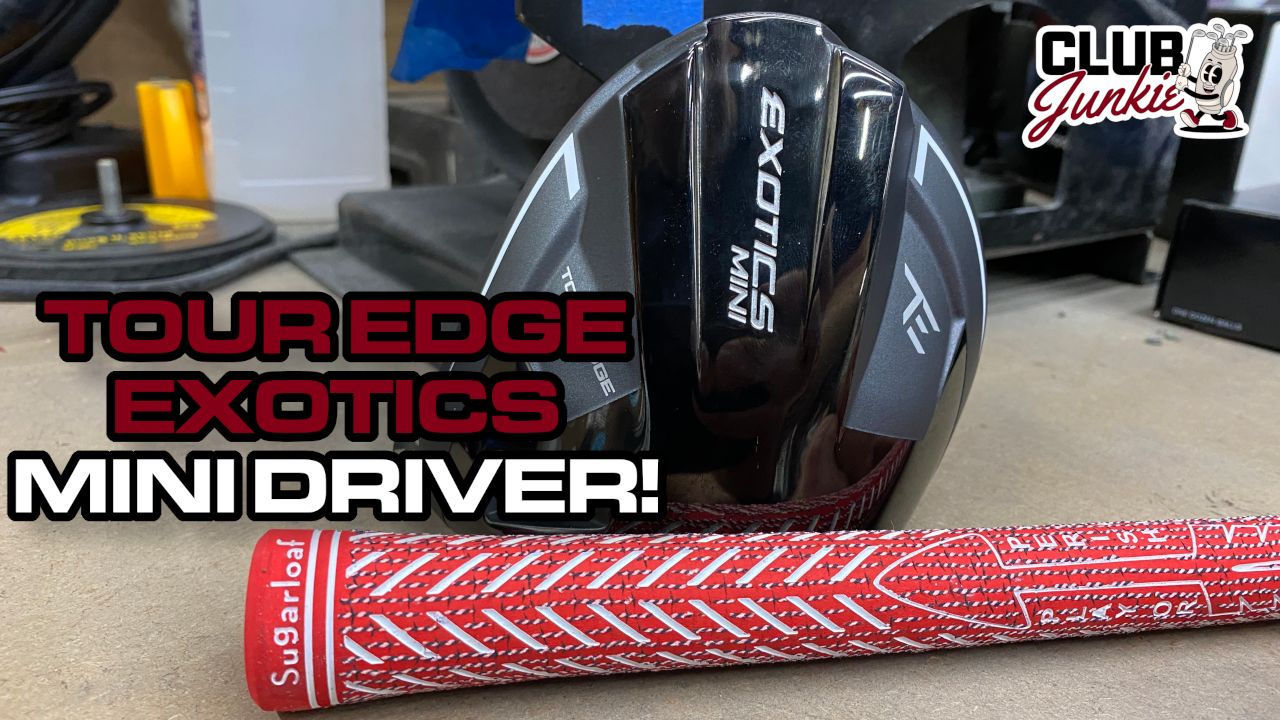
On this episode of Club Junkie, I put the new Tour Edge Exotics Mini Driver to the test and break down the performance, forgiveness, distance, and where it fits compared to a traditional driver or strong fairway wood. If you have been curious about adding a mini driver to the bag, this one is worth a look.
I also dive into the new TaylorMade Spider ZT Max putter that was recently spotted and discuss the growing zero torque putter trend. Plus, there is a closer look at the new Project X Titan Yellow shaft showing up on the PGA Tour and what makes it different from other profiles currently out there.

What’s the story behind Webb Simpson’s custom-stamped irons?

Memorial Tournament Tour Report: Rory McIlroy, Cameron Young switch up drivers, and more

Cadillac Championship Tour Report: Spieth’s sizable changes, McLaren Golf launches, and more

Russell Henley’s winning WITB: 2026 Charles Schwab Challenge

Kristoffer Reitan’s winning WITB: 2026 Truist Championship

Best irons 2026: Best irons overall, most forgiving irons, and more

J.T. Poston’s winning WITB: 2026 Memorial Tournament

Aaron Rai’s winning WITB: 2026 PGA Championship

Cameron Young’s winning WITB: 2026 Cadillac Championship

Details on Jason Day’s latest prototype Avoda iron setup


Ryan Palmer WITB 2026 (June)
Driver: Callaway Quantum Triple Diamond (9 degrees) Shaft: Project X HZRDUS Smoke Blue RDX 60 TX 3-wood: TaylorMade Qi10 (15 degrees) Shaft:...


Bud Cauley WITB 2026 (June)
Bud Cauley had >14 clubs in his bag when photographed prior to the Memorial Tournament. Driver: Titleist GTS2 (8 degrees) Shaft: Fujikura...


Hannah Green WITB 2026 (June)
Driver: Titleist GTS3 (10 degrees, D4 SureFit setting) Shaft: Mitsubishi Chemical Diamana RB 53 S 3-wood: Titleist GT3 (15 degrees,...


Asterisk Talley WITB 2026 (June)
Driver: TaylorMade Qi4D (9 degrees) Shaft: Fujikura Ventus Blue 6 S 3-wood: TaylorMade Qi4D (16.5 degrees) Shaft: Fujikura Ventus Blue...
-
 Equipment6 days ago
Memorial Tournament Tour Report: Rory McIlroy, Cameron Young switch up drivers, and more
-
 News2 weeks ago
Russell Henley’s winning WITB: 2026 Charles Schwab Challenge
-
 Equipment3 days ago
Best irons 2026: Best irons overall, most forgiving irons, and more
-
 Whats in the Bag4 days ago
J.T. Poston’s winning WITB: 2026 Memorial Tournament
-
 Equipment1 week ago
Details on Jason Day’s latest prototype Avoda iron setup
-
 Equipment3 weeks ago
CJ Cup Byron Nelson Tour Report: Koepka and Kim’s newest putters finally get hot
-

 News2 weeks ago
Charles Schwab Challenge Tour Report: MacIntyre, Åberg and Spaun all switch putters, TaylorMade launches new Spider
-
 Equipment2 weeks ago
Details on J.J. Spaun’s surprise putter switch


joro
Apr 27, 2020 at 10:15 am
One of the best sets of Irons I ever had was the VAS, these things were the perfect design for an Iron. People laughed when they saw them in my bag, but weren’t so happy when they paid off at the end of the round. As a 2 hip at the time they game me a better game than any other Iron. What was funny was the Ping I3 iron that had a pretty much the same look except for the hosel, which always put the hands in the lead. I loved those ugly shovels, easy to hit, long and high and straight, stuck like a nail when landing. .
Jbone
Apr 25, 2020 at 8:43 am
Great article
Rich
Apr 24, 2020 at 2:51 pm
“David Toms, Louisiana’s hometown hero”
Louisiana isn’t a town. It’s a state.
“Homegrown” would be a more apt adjective.
Rascal
Apr 24, 2020 at 5:38 pm
Oh my god, give it a rest.
Mark
Apr 25, 2020 at 9:09 am
Thank you. The educated always appreciate it when such a correction is made.
Rascal
Apr 27, 2020 at 3:20 pm
The educated already made the correction when they read it, and use their time to go do something useful.
Doug
Apr 24, 2020 at 12:22 pm
My chance to be a true WRXer!
Ackshually… the 4 iron pictured in his bag is a Srixon 585 not a 785. Thus making it a combo set as you described him liking in the interview.
JB
Apr 24, 2020 at 10:38 am
This was a fun read. Would love to see more articles like this!
Benny
Apr 26, 2020 at 6:49 pm
I agree. Awesome to read and think about. Both David’s perspective as well as Cleveland builder/pro fitter.
Really great article fellas. Thank you!