
Opinion & Analysis
Oh, To Be An (Oregon) Duck

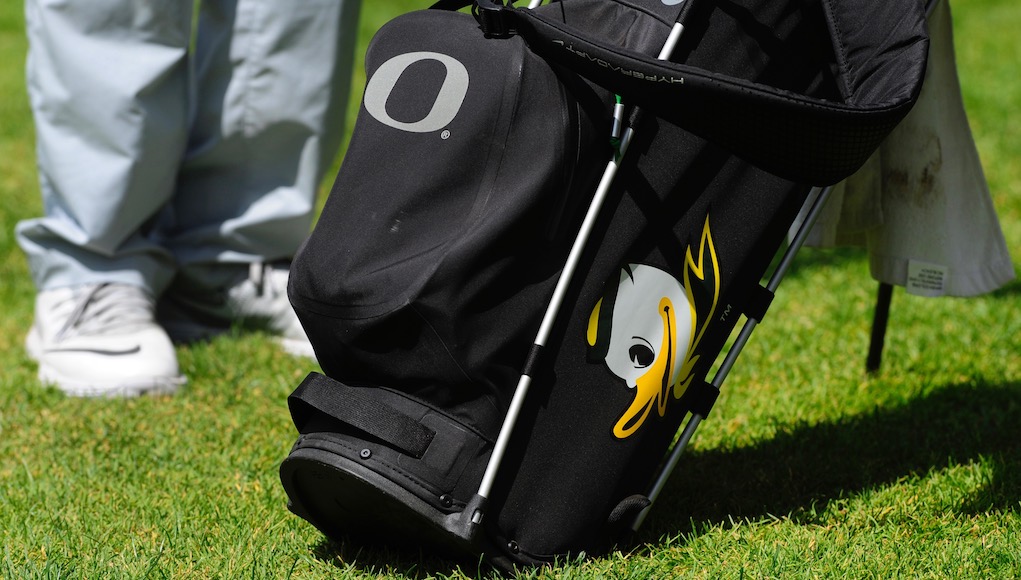
A few weeks ago I flew into Eugene, Oregon on a mission. I’d come to work with one my students who is a member of the Duck’s varsity golf team. I had never been further south than Seattle or further north than Monterey, so this part of the world was new to me.
What I did know was that the Bandon Dunes area had become a destination for some of the greatest golf in the world, rivaling other famed resorts around the country. The resort is just outside the quaint town of Bandon, which is a good two-hour drive from Eugene. The resort’s four courses — Bandon Dunes, Bandon Trails, Pacific Dunes, and Old McDonald — each have their own personality, but at the same time they have one thing in common: the four architects that designed them took full advantage of the natural topography, deftly weaving holes in and out along the Oregon coastline.
I was looking forward to playing two of the courses before leaving: Pacific Dunes and Old McDonald. You may find this hard to believe, but those two rounds would be my first and second of the year after a busy summer season on the lesson tee. And for that very reason, I had no expectations other than to make a few pars and enjoy the scenery.
—
After retrieving my luggage from the turnstile, I made my way toward the exit with luggage in tow. My rental car was just across the street in an open-air lot and as I pushed through the airport doors, I was greeted by a gust of wind and a spray of rain. “Welcome to Eugene,” I thought to myself.
The sudden burst reminded me of playing in Scotland, where the rain gives way to sun only on occasion. I surmised that the weather in the Eugene would be similar. “Don’t forget your rain suit,” a fellow professional reminded me when I told him about my trip. As it turned out, that was good advice. He had been there before around the same time of year. “You’ll be lucky if you get one good day out of three,” he said.
As I drove through the area to my hotel, what struck me the most were the large hills that commanded the landscape and the thick white clouds that seemed to cling to them like giant cotton balls. I found a comfortable hotel just outside Eugene in the small but quaint town of Cottage Grove. In charitable terms, you could characterize my hotel as “a tribute to the past.”
I woke up at 6 a.m. the next morning, dressed and made my way downstairs to the lobby. The rain had continued through the night and as I prepared to leave the hotel, it started to come down even harder. I stood in the lobby, waiting, while listening to the rain drops pounding on the roof, a steady beat at first, then rising and falling like a conga drum.
I’d agreed to meet my student at 10 a.m. for a practice session and then he was slated to play nine holes with the team later in the afternoon. Based on the weather, I was concerned that the day might be a total rain-out. What I didn’t know at the time was that the school has a portable canopy that allowed the team, rain or shine, to practice on natural grass. I ran to my car ducking rain drops. The forecast called for a chance of sun in the afternoon. And this time the weather man was right.
That afternoon I was invited to watch my student and the rest of Casey Martin’s boys play a quick nine holes at Eugene Country Club, the team’s home course. The layout is one of the most unusual that I’ve ever seen with giant trees bordering every fairway. The tips seemed to stretch up and up into the sky, piecing the low-hanging clouds above, as if they were marshmallows on a stick.
The Ducks have fielded a strong team the past two years, winning the NCAA Division 1 Championship in 2016 and then finishing second this year. A good deal of credit for that accomplishment goes to Casey Martin, who has coached the Ducks since 2006. For those who are too young to remember, Casey Martian was a teammate of Tiger Woods at Stanford University. He later competed on the Nike Tour. Casey earned his PGA Tour card in 1999 by finishing 14th on the Nike Tour, but his earnings through the 2000 season were not enough for him to retain his card, relegating him to once again to playing on the development tour. He played sporadically up through 2006. The following year, Casey assumed the job of Head Coach, which brought him back to his native Eugene.
In earlier years, Martin’s play career as a professional was hindered by the fact that he could not play 18 holes without a golf cart due to a birth defect in his right leg. The PGA Tour Board ruled against his use of a cart, maintaining that the physical act of walking was considered an integral part of the competition. Believing that he was in the right, Casey filed a suit under the Americans with Disabilities Act. His case made its way to the Supreme Court where he won. As for his competitive record, by his own admonition, he is disappointed that he didn’t play better as a professional. A primary focus of his coaching then, as he conceded, is to teach his players not to make the same mistakes he did in his own career. What struck me as unique was the passion and intensity with which he coached. I would venture that it’s the same level of intensity that he brought to the golf course when he competed.
A few years ago, I had the opportunity to watch a closed-door, defensive-team practice at Duke University with Head Coach Mike Krzyzewski (Coach K) on the floor. He had divided the team into two groups with one at either end of the court competing against each other. His legs straddled the center line as if he were Colossus with his head swiveling back and forth as if on a stick. The impression was that he saw everything and be never missed anything. And then when he saw a player make a mistake, he would blow his whistle sharply. The players would immediately stop moving as if they were frozen in place. And then, in peg-leg style, he would hobble across the floor favoring one leg over the other. He was clearly in need of a hip replacement at the time.
I’ve had both of my hips replaced, so I could easily imagine the pain that he was experiencing as he peg-legged it from the center of the court to either end. I suspected that he had decided that surgery would have to wait. The season was just a few weeks away, and given that his team was largely composed of freshman, he could not afford to miss a day. Casey Martin doesn’t blow a whistle, nor does he run a defense practice, but as he climbs out of his cart, deftly working his way to a vantage point where he can see his players from every angle, I’m reminded of the halting walk of Coach K.
There is something else that these two man share in common — an intense desire to win. They settle for nothing less than great. And when you look into their eyes, you can see that there is an intensity that burns from within that is vastly different from the man on the street.
—
As you might remember, I was scheduled to play a round on Pacific Dunes and another on Old McDonald. The two courses are both spectacular layouts with ocean views. And the weather… I drew two perfect days, defying the odds my friend had laid down. It was sunny and 65 degrees with just a hint of wind. How did I play? Let’s just say that I made a few pars. What I found was that striking the ball well is no guarantee that you will score low on these courses. The green complexes are diabolical. The best advice I can give you is to throw you scorecard away. You’ll enjoy yourself more.
The next morning, I was on an early morning flight back to Minneapolis only to discover that we were experiencing Indian Summer with temperatures 20 degrees warmer than usual. But as Minnesotans, we all know what is waiting for us just around the corner.
I’ll leave you with this thought. After watching Casey Martin and the players on his team play and practice, I’m sure of one thing. And that’s when next year’s NCAA Championship comes around, Casey Martin will have all of his Ducks in a row.



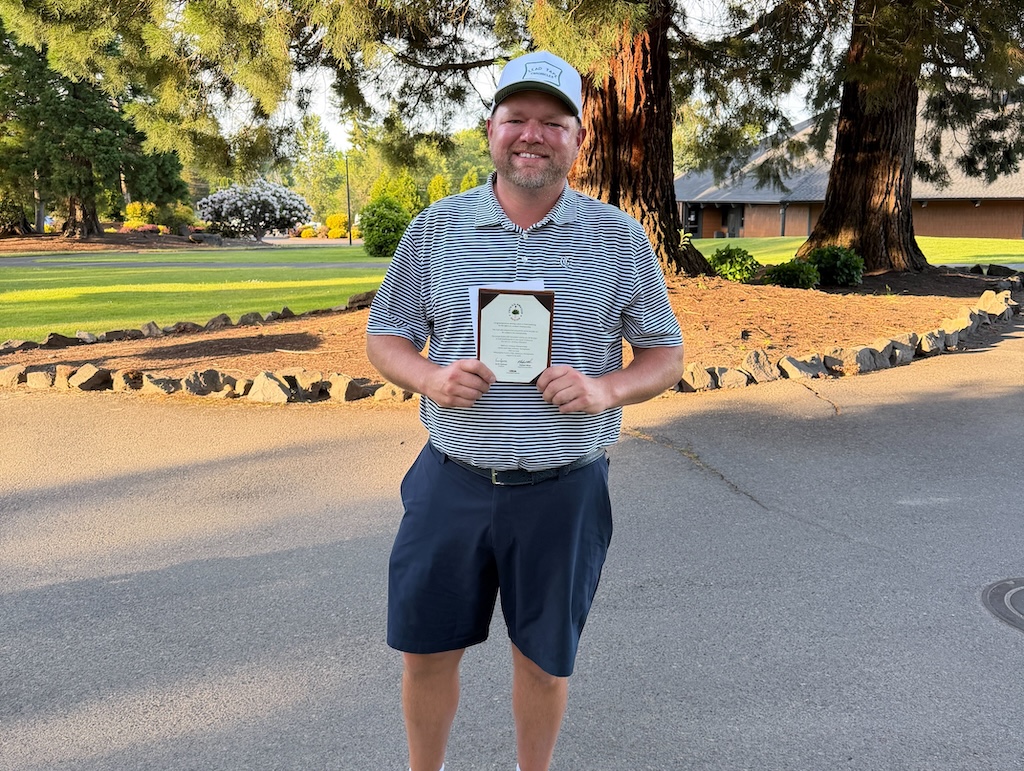
This past Monday, I played in the U.S. Amateur local qualifier at Rock Creek Country Club in Portland, Oregon. A full tee sheet from 7:30 a.m. to 1:55 p.m., the top 11 scores would make it to the U.S. Amateur final qualifying.
I teed off at 10:48 a.m.. With the 7:30 am tee time, you can get a feel for the leaders’ pace, and they were off and running on the challenging setup at Rock Creek.
View this post on Instagram
Getting to the highlight of the round on the par five 17th, a drive up the left side and 212 yards left to the front hole location. I took out a 5-iron with plans of middle of the green. The ball ended up 8 feet left of the hole, pin high. A slight downhill putt dropped in for an eagle 3 on the 17th. With the cut line looking to be anywhere from -2 to even par. This was the boost I had been waiting for all day.
With making par from the trees on 18, it was time to wait for a potential playoff with a posted score of one under par 71.
Three hours later, it was playoff time. 8 players for 6 spots. I made par on the playoff hole, which was good enough to advance to the U.S. Amateur final qualifying in July. USGA qualifiers sure deliver on all of the emotions in golf!
Club Junkie
Building my 2026 gamer WITB: Ranking the contenders and new putter projects – Club Junkie Podcast

The annual What’s In The Bag build is underway, and on this episode of Club Junkie, Brian breaks down the clubs currently leading the race for a spot in his 2026 gamer setup. From drivers and fairway woods to irons, wedges, and shafts, he ranks the equipment that’s performing best and explains what’s separating the front runners from the rest of the field.
Brian also heads into the workshop to discuss several putter projects currently on the bench. From head options and shaft choices to build ideas and testing plans, he shares what he’s working on and which putters could become serious contenders for the bag this season.
If you’re a gear junkie who loves equipment testing, club building, and the never-ending pursuit of the perfect setup, this episode is for you.
Follow Club Junkie:
Instagram: @clubjunkiepod
TikTok: @clubjunkiepod
Threads: @clubjunkiepod
X: @ClubJunkiePod
Club Junkie
Tour Edge Exotics mini driver review + TaylorMade Spider ZT Max first look – Club Junkie

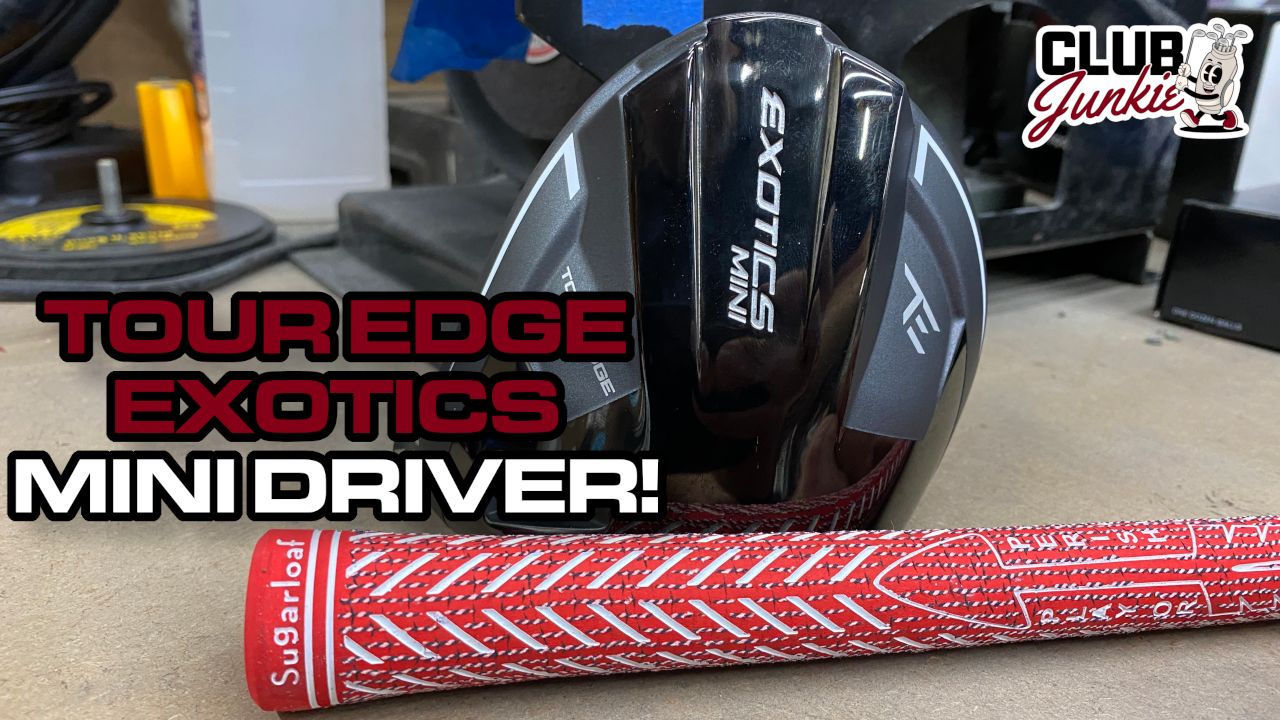
On this episode of Club Junkie, I put the new Tour Edge Exotics Mini Driver to the test and break down the performance, forgiveness, distance, and where it fits compared to a traditional driver or strong fairway wood. If you have been curious about adding a mini driver to the bag, this one is worth a look.
I also dive into the new TaylorMade Spider ZT Max putter that was recently spotted and discuss the growing zero torque putter trend. Plus, there is a closer look at the new Project X Titan Yellow shaft showing up on the PGA Tour and what makes it different from other profiles currently out there.

What’s the story behind Webb Simpson’s custom-stamped irons?

Memorial Tournament Tour Report: Rory McIlroy, Cameron Young switch up drivers, and more

Cadillac Championship Tour Report: Spieth’s sizable changes, McLaren Golf launches, and more

Russell Henley’s winning WITB: 2026 Charles Schwab Challenge

Kristoffer Reitan’s winning WITB: 2026 Truist Championship

Best irons 2026: Best irons overall, most forgiving irons, and more

J.T. Poston’s winning WITB: 2026 Memorial Tournament

Aaron Rai’s winning WITB: 2026 PGA Championship

Cameron Young’s winning WITB: 2026 Cadillac Championship

Details on Jason Day’s latest prototype Avoda iron setup


Ryan Palmer WITB 2026 (June)
Driver: Callaway Quantum Triple Diamond (9 degrees) Shaft: Project X HZRDUS Smoke Blue RDX 60 TX 3-wood: TaylorMade Qi10 (15 degrees) Shaft:...


Bud Cauley WITB 2026 (June)
Bud Cauley had >14 clubs in his bag when photographed prior to the Memorial Tournament. Driver: Titleist GTS2 (8 degrees) Shaft: Fujikura...


Hannah Green WITB 2026 (June)
Driver: Titleist GTS3 (10 degrees, D4 SureFit setting) Shaft: Mitsubishi Chemical Diamana RB 53 S 3-wood: Titleist GT3 (15 degrees,...


Asterisk Talley WITB 2026 (June)
Driver: TaylorMade Qi4D (9 degrees) Shaft: Fujikura Ventus Blue 6 S 3-wood: TaylorMade Qi4D (16.5 degrees) Shaft: Fujikura Ventus Blue...
-
 Equipment6 days ago
Memorial Tournament Tour Report: Rory McIlroy, Cameron Young switch up drivers, and more
-
 News2 weeks ago
Russell Henley’s winning WITB: 2026 Charles Schwab Challenge
-
 Equipment3 days ago
Best irons 2026: Best irons overall, most forgiving irons, and more
-
 Whats in the Bag4 days ago
J.T. Poston’s winning WITB: 2026 Memorial Tournament
-
 Equipment1 week ago
Details on Jason Day’s latest prototype Avoda iron setup
-

 Equipment3 weeks ago
CJ Cup Byron Nelson Tour Report: Koepka and Kim’s newest putters finally get hot
-

 News2 weeks ago
Charles Schwab Challenge Tour Report: MacIntyre, Åberg and Spaun all switch putters, TaylorMade launches new Spider
-

 Equipment2 weeks ago
Details on J.J. Spaun’s surprise putter switch

