
News
In the forums: SuperStroke’s USA 250th grips at the John Deere

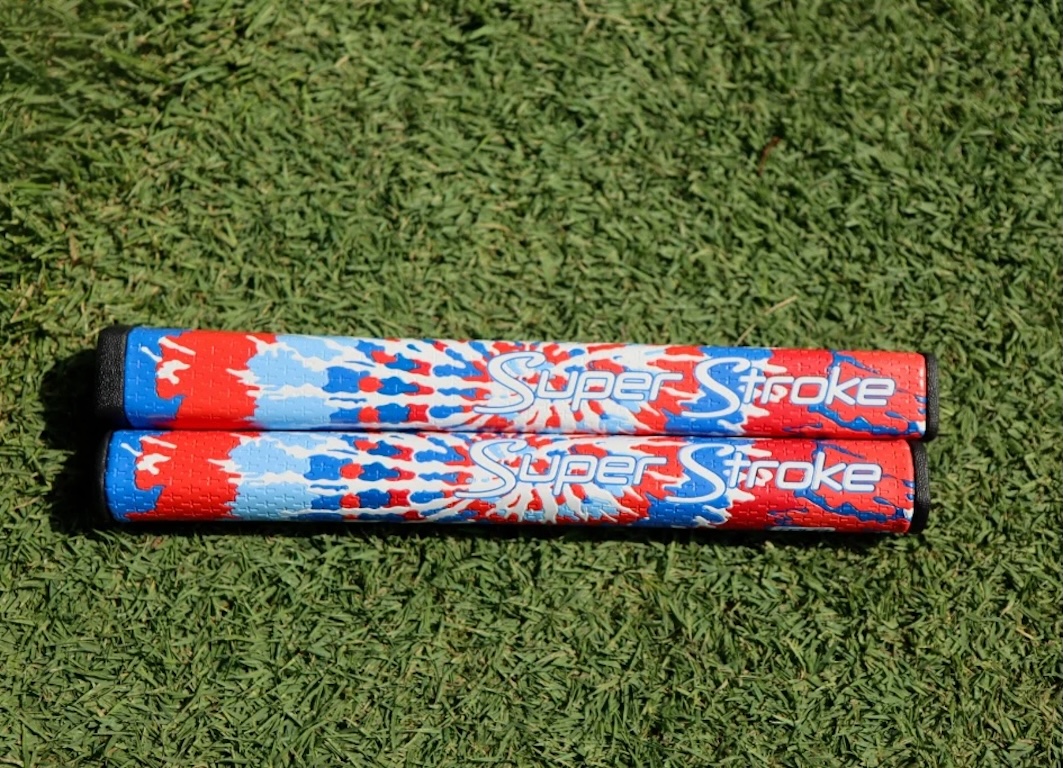
In our forums, GolfWRX members are reacting to SuperStroke’s USA 250th commemorative grips spotted at the 2026 John Deere Classic.
The thread was posted by GolfWRX_Spotted in Tour and Pre-Release Equipment and includes close-up images of the red, white and blue grip design.
A few reactions from the thread:
- @iNeedMoreGolf joked that the design made him want a red and blue slushy.
- @stratgolf liked the grips, calling it a different take.
Entire thread: Super Stroke’s USA 250th commemorative grips – 2026 John Deere Classic


Golfers love to blame the swing. Sometimes they should. As a PGA Professional and coach, I have spent nearly three decades helping players improve technique, strategy, practice habits, confidence and scoring skills. There are plenty of times when the answer really is better fundamentals, a clearer concept or more purposeful practice.
But there are also plenty of times when the swing is not the only problem.
I have watched golfers fight ball flights, distances, misses and inconsistencies that were being made worse by equipment that simply did not fit them. The club was too long. The shaft was too heavy. The lie angle was wrong. The loft gaps made no sense. The putter did not match the player’s stroke. The driver looked great on the rack but produced the same miss over and over because it was never right for that golfer in the first place.
That is why fitting matters. Not because every golfer needs to chase the newest release, spend thousands of dollars or rebuild the entire bag every season. Fitting matters because golf is hard enough when the equipment is working with you. It becomes a much steeper climb when the equipment is quietly working against you.
A Fitting Should Not Be a Sales Appointment
The first thing golfers need to understand is that a true fitting is not simply a shopping trip with a launch monitor. A quality fitting should be a performance evaluation, a conversation and an education.
The fitter should want to know who you are as a player before handing you new equipment. How often do you play? What is your typical miss? What shot makes you uncomfortable? Are you trying to gain distance, improve dispersion, hit the ball higher, manage a physical limitation or simply build a more reliable set makeup? Those answers matter because the same club that helps one golfer can be completely wrong for another.
Sometimes the best result of a fitting is a new driver, iron set or putter. Other times, the answer might be adjusting loft and lie, changing a shaft, shortening a club, reworking wedge gaps or simply confirming that what you already have is pretty close. A good fitter should not be afraid to tell you that you do not need to buy something.
That kind of honesty is one of the clearest signs you are in the right place.
Every Golfer Can Benefit From Being Fit
One of the most damaging myths in golf is that fitting is only for elite players. I have heard it countless times from beginners, high-handicap players and recreational golfers who say, “I am not good enough to get fit yet.”
That thinking has it backward.
Better players may be more consistent, which can make the fitting process more precise, but less experienced players often have even more to gain because their equipment is frequently farther from ideal. A beginner with clubs that are too long, too heavy or too unforgiving may develop compensations that follow them for years. A junior with poorly matched clubs can struggle to create speed or sequence properly. A senior golfer using equipment that no longer fits their body, speed or launch needs may assume they are simply “losing it” when the set is doing them no favors.
No fitting can replace instruction, practice or athletic development. But properly fit equipment can remove unnecessary obstacles. It can help a golfer launch the ball better, control start lines, improve contact, manage distance gaps and feel more comfortable over the ball. For many players, that is not a luxury. It is part of the improvement process.
Technology Is Powerful, But It Is Not the Fitter
Modern launch monitors have made club fitting better than ever. Tools like FlightScope, Foresight, TrackMan and other systems allow fitters to measure what used to be mostly guesswork. Ball speed, launch angle, spin rate, descent angle, carry distance, dispersion, attack angle, face-to-path, dynamic loft and strike location all help tell the story.
But data is only useful when it is interpreted correctly.
A launch monitor can show what happened, but an experienced fitter has to understand why it happened and what to do with that information. The numbers might show improved ball speed with a certain shaft, but the golfer may feel like they have to work too hard to time it. Another option might be slightly shorter on peak distance but far better in dispersion, consistency and confidence. For the majority of golfers, that second option is often the better golf club.
The best fitters blend objective data with human feedback. They listen to what the golfer says about feel, weight, balance, look, sound and comfort. They pay attention to tempo, transition, physical limitations and tendencies. Fitting is not just about finding the longest shot of the day. It is about finding the club that produces the most playable pattern over time.
Do Not Show Up Married to a Brand
Golfers often walk into fittings with a decision already made. They saw a commercial, read a review, watched a Tour player win with something or hit their buddy’s driver once and decided that was the club.
That is understandable. Gear is fun. Golf equipment marketing is everywhere, and the major manufacturers are making outstanding products. But if you go into a fitting determined to prove that one specific club is “the one,” you may miss the best answer.
A proper fitting should be brand-neutral whenever possible. The golf ball does not care what logo is on the crown, sole or hosel. It only reacts to impact. Your job is to keep an open mind, and the fitter’s job is to show you what performs best for your swing and your goals.
That does not mean personal preference is irrelevant. Some golfers simply do not like the look of certain shapes, offsets, toplines or finishes. That matters because confidence over the ball matters. But preference should guide the process, not control it from the start.
The Do’s of Getting Fit the Right Way
There are a few things golfers can do to make a fitting far more productive. These sound simple, but they make a real difference.
Do bring your current clubs. A fitter needs a baseline. Without seeing what your current equipment does, it is much harder to know whether something new is actually better.
Do explain your real goals. “I want more distance” is fine, but be more specific if you can. Do you need higher launch? Less curve? Better misses? More predictable wedge gaps? A putter that starts the ball on line more often?
Do arrive physically ready. Warm up, hydrate and schedule the session when you can make representative swings. Do not book a serious fitting when you are exhausted, injured or have not touched a club in weeks.
Do ask questions. You should leave understanding why a recommendation was made. If you cannot explain the reason behind a shaft, head, loft, lie or length recommendation, the fitting did not educate you enough.
Do pay attention to dispersion, not just distance. The longest shot of the session is not always the best club. The tighter pattern is often the one that lowers scores.
Do consider the whole bag. Driver gets the attention, but irons, wedges and putter fitting may save more strokes for many golfers.
A good fitting should make you feel more informed, not more confused. Even if you do not buy anything that day, you should leave with a clearer understanding of your equipment and how it affects your game.
The Don’ts That Get Golfers in Trouble
Just as important as what to do is what to avoid. Many golfers sabotage the fitting before it ever has a chance to help.
Do not chase Tour setups. Tour players are extraordinary outliers. Their speed, delivery, strike patterns and preferences are not the same as yours.
Do not buy based only on one perfect shot. Every golfer can hit one great shot with almost anything. Look for patterns.
Do not ignore feel. If the numbers look good but the club feels terrible, that matters. You still have to swing it on the golf course.
Do not assume more expensive means better. Premium shafts and custom options can be great, but only if they actually improve performance.
Do not rush the process. A fitting should not feel like speed dating with golf clubs. You need enough swings to see tendencies, but not so many that fatigue takes over.
Do not forget gapping. A set is not just a collection of clubs. It should function as a system.
The last point is especially important. I have seen plenty of golfers with a driver they love, irons they tolerate, wedges that overlap and a hybrid or fairway wood setup that leaves a huge distance hole. That is not a complete bag. That is a random assortment of clubs.
Driver Fitting Gets the Headlines, But Scoring Clubs Matter
The driver is the most exciting fitting because distance is fun and the numbers are easy to understand. Ball speed goes up, carry distance improves and everyone smiles. There is nothing wrong with that.
But the clubs closer to the hole often deserve just as much attention.
Iron fitting affects launch windows, turf interaction, distance control and directional consistency. Wedge fitting influences gapping, bounce, grind, trajectory and short-game versatility. Putter fitting can address length, loft, lie, head shape, alignment, toe hang, face balance and how the ball actually starts on line.
For the average golfer, a well-fit putter or properly gapped wedge setup may have more scoring value than five extra yards off the tee. That is not always as exciting in the hitting bay, but it often shows up faster on the scorecard.
Indoor, Outdoor or Both?
Golfers often ask whether it is better to be fit indoors or outdoors. The honest answer is that both can work when the fitter knows what they are doing and the technology is reliable.
Indoor fittings provide controlled conditions and clean data. You do not have wind, temperature changes or range-ball variables affecting the numbers. Outdoor fittings let the golfer see actual ball flight, which can be incredibly valuable for confidence and trust. Some players simply need to see the ball fly before they believe what the numbers say.
The best scenario is a blend of both, but that is not always realistic. If you are indoors, make sure strike, launch, spin and dispersion are being evaluated carefully. If you are outdoors, make sure the fitter is not relying only on eyesight and guesswork. Either way, the process should be thorough.
Red Flags During a Fitting
Not every fitting experience is created equal. Golfers should be comfortable asking questions and paying attention to how the session is being run.
Be cautious if the fitter never asks about your game, does not test your current clubs, only pushes one manufacturer, refuses to explain the data, ignores your feedback or seems more interested in closing a sale than solving a problem. None of those things automatically mean the recommendation is wrong, but they should make you pause.
A strong fitter should be part technician, part teacher and part problem-solver. They should be able to explain what they are seeing in plain language. They should be willing to test, compare and adjust. Most importantly, they should be focused on your performance, not simply moving product.
My Bottom Line
Golfers will always search for answers. They will look for them in lessons, practice plans, swing videos, fitness programs, mental-game work and course management. All of those things matter. I have built much of my professional life around helping golfers improve through coaching and education.
But equipment matters, too.
A proper fitting will not magically fix every flaw in your swing. It will not turn a slice into a Tour draw overnight or replace the need to practice. What it can do is give your swing a better chance to produce the shot you are trying to hit.
That is the point.
The best club is not the newest club, the most expensive club or the one your favorite player uses. The best club is the one that fits your swing, your body, your tendencies, your goals and your game.
Golf is hard enough. Do not make it harder by guessing.

Rickie Fowler is “xperimenting.”
For those who didn’t get the reference, Fowler decided to switch things up on the greens at last week’s Travelers Championship, benching his Scotty Cameron GoLo 7 center-shafted putter for a new Xperimental Phantom 11+ prototype. It’s larger profile shape also featured a center shaft, but it was nothing out of the ordinary for Fowler, who also played another oversized mallet in the L.A.B. Golf DF2.1 just last year.
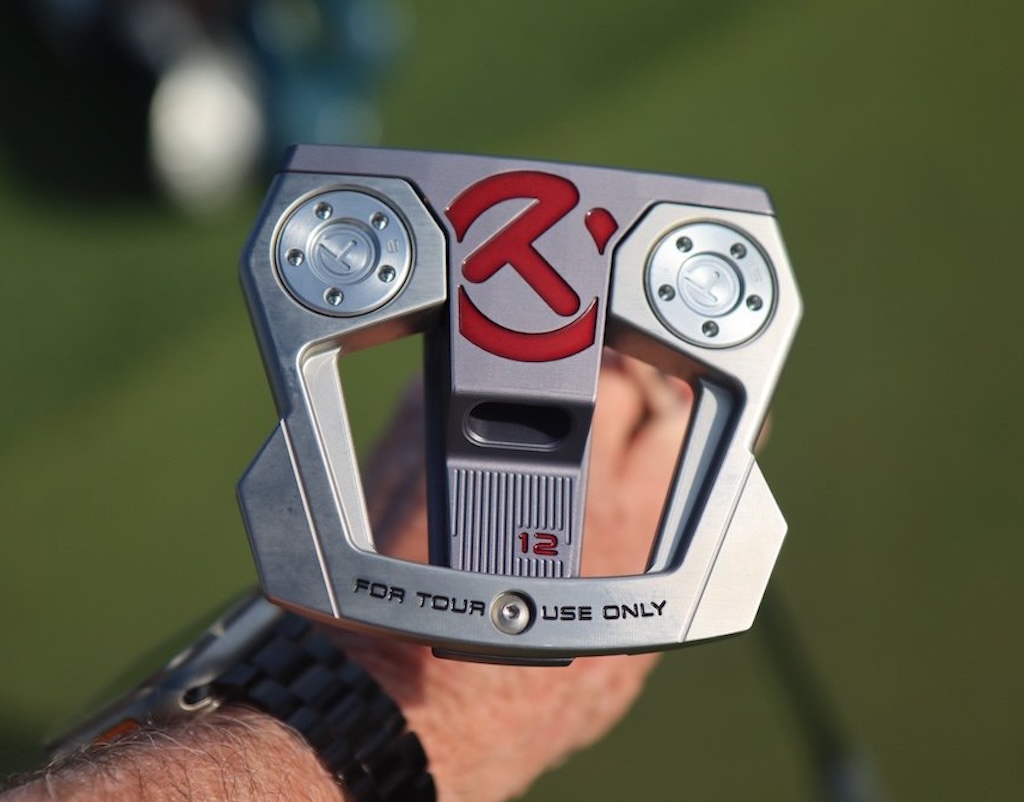
One week later at the John Deere Classic, and the tinkering continues; this time, Fowler’s deciding on both a new head and shaft. Sticking with a Scotty Cameron, Fowler’s rolling with the newly released Phantom 12 head in a single-bend configuration.
In fact, the putter that Fowler used during the first round at TPC Deere Run was one of the putters on the Scotty Cameron bags that line the practice putting greens week-to-week on the PGA Tour to show off newer putter styles. Fowler spent plenty of time working with the stock Phantom 12 on the GRASP Smart Putting Gate – a new putting aid covered in last week’s “Inside the Ropes” episode – and saw positive results with tighter aim and start lines.
“I mean, start line for the most part and then consistency on speed, you know, there’s, there’s really only a few variables in putting,” Fowler said during an on-course interview Thursday. “It’s fairly simple if you start to break it down, but if one of the variables is off, it doesn’t matter how good the other ones are.
“So, start line is very important as well as consistent speed. So those were two of the main things working on the gate there and, so yeah, trying out a new putter where I was seeing a lot of, a lot of benefits in the start line and like I said, the consistent speed.”
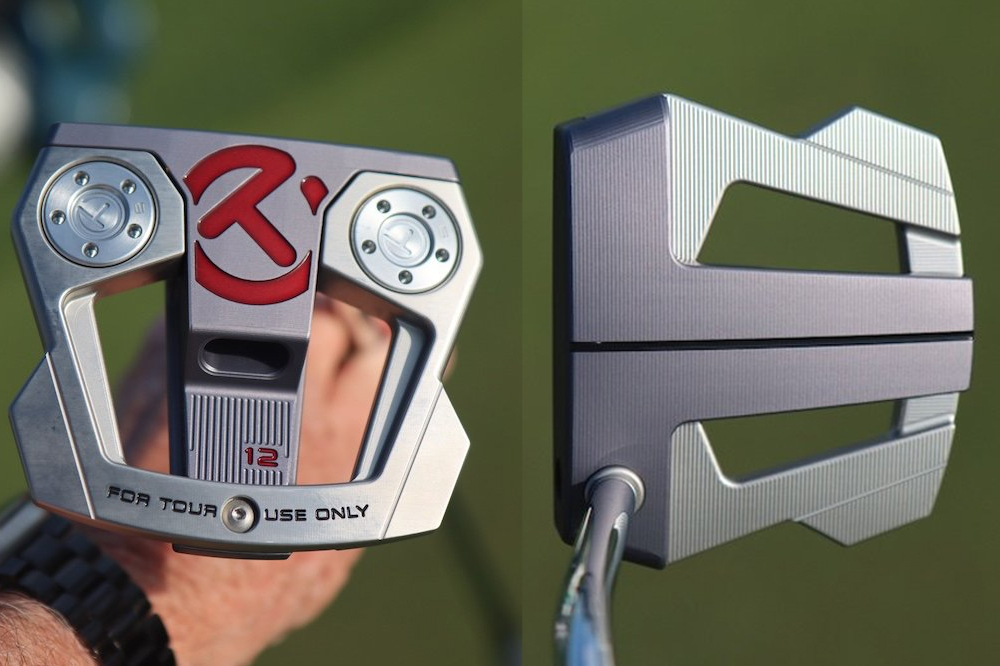
A Scotty Cameron Phantom 12 single-bend spotted earlier in the season. (GolfWRX)Fowler’s second putter switch of the year comes during his best season on the greens since 2019, and he ranks 40th on Tour in Strokes Gained: Putting.
The Phantom 12 putter won the race into Fowler’s bag over a pair of custom center-shafted Scotty Cameron blades. Both were Craftsman Squareback heads featuring the Bullet Sole cavity. See all the in-hand images of the putters here.
Speaking of custom Camerons…
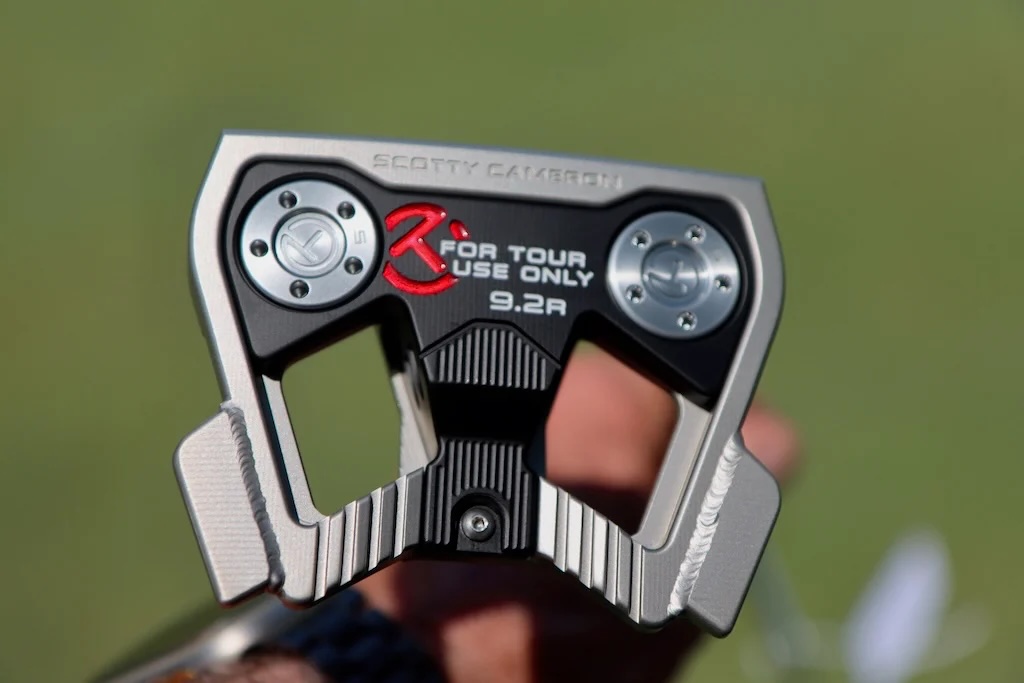
There was no rest for the Scotty Cameron team heading into the holiday week, with plenty of other custom builds on display in Silvis, Illinois. J.T. Poston, who recently won the Memorial tournament playing a TaylorMade Spider Tour X, was given a custom Scotty Cameron Phantom 9.2R prototype to test on the greens at TPC Deere Run. This putter is very similar to that of the one Robert MacIntyre played for a few rounds earlier this summer, featuring the custom face, which is an aluminum insert with the standard milling found on other Scotty Camerons, but also with the addition of horizontal grooves.
The head itself has a custom-welded plumber’s neck, and additionally, two welded wings on either side of the putter’s rear, a style we first saw on MacIntyre’s putter as well. Check out the full gallery here.
Moving on to Haotong Li’s custom Scotty Cameron, he was given the new Phantom 3 head, which we’ve seen in the hands of Ludvig Åberg and Ryan Gerard already on Tour. Li’s flatstick features a welded center shaft, Studio Carbon Steel face insert and a single white alignment line that really pops with the torched finish to the head.
See all the images of Li’s putter here and the rest of the custom Scotty Camerons at the John Deere.
Hulk Green
If there was ever a week to tour launch a shaft named “Green,” then potentially the John Deere Classic would be the location of choice.
Project X continues the rollout of Titan wood shaft with the addition of the Green profile, joining both Black and Yellow out on the PGA Tour, which have seen instant success, with Titan Yellow winning on debut for Wyndham Clark at the CJ Cup Byron Nelson and then again on the grandest of stages at the U.S. Open.
Now at the John Deere, Titan Green joins the family as the lowest launching, lowest spinning profile in the lineup, engineered for the strongest, most penetrating flight, and continues the tradition of being a green colored “spin killer” in the Project X Family.
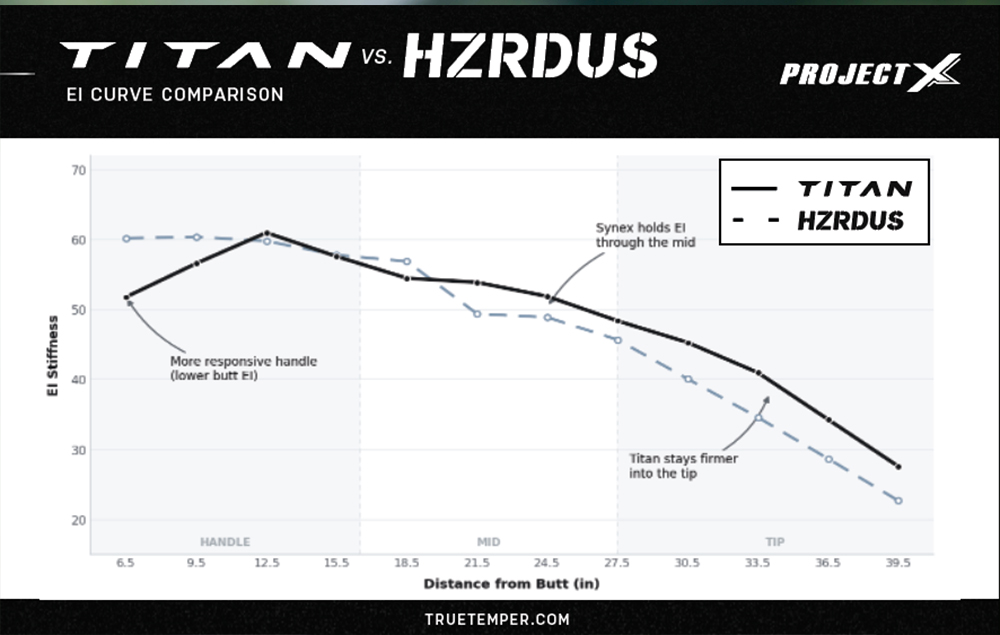
The Titan family tells its story through the EI curve, and while spec sheet data show that each Titan shaft is similar in numbers to the HZRDUS predecessor, the EI curve explains the shaft’s stiffness at multiple points along its length, from the handle to the tip, mapping exactly how it bends under load.
With the Titan lineup, the shafts feature a more elastic handle section, but with the addition of SYNEX technology and reinforcing the shaft’s outer structure with a multi-axial carbon fiber matrix, the handle doesn’t feel softer, but can be felt more in the hands. The mid and tip sections are stiffer than previous lines to help the shaft stay present with faster swing speeds.
Check out the full breakdown of the Titan family here.
New clubs spotted
Who would have thought that the John Deere during the week of the Fourth would be a melting pot for new gear on Tour. Well, with the addition of Project X’s new Titan Green, step up TaylorMade and PXG.
First, our Tour Photographer Greg Moore was on-site capturing bags with plenty of new goodies worth seeing. Firstly, in Davis Chatfield’s bag were what could be the latest editions of TaylorMade’s Hi-Toe wedges. From a glance, it looks like the wedge team at The Kingdom has improved the leading edge and reduced offset considerably, but this could just be a Tour-only option.
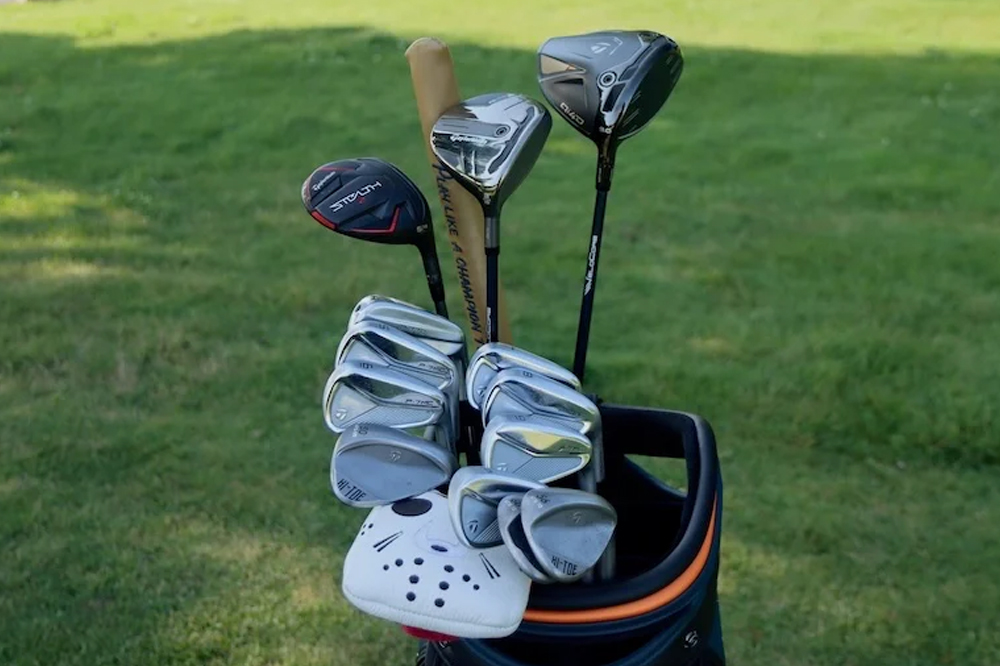
Along with the new wedges on display, a version 2 of the PXG Secret Weapon was spotted in the bag of big-hitting South African Aldrich Potgieter. Still using the quad-weighting design, the sole looks to have been reworked, with a new bridge running across adjacent to the face.
Odds and Ends
Daniel Berger and Aaron Wise became the latest non-Titleist staffers to add the GTS driver lineup to their bags. Berger moved into the GTS4 at 10 degrees and Wise added the GTS3 at 10 degrees also. In total 44% of drivers in play are Titleist. It must be TRTL nesting season on Tour, with Mark Hubbard moving to a slant neck with a short top line, while Webb Simpson is the first to use a broomstick-length version.

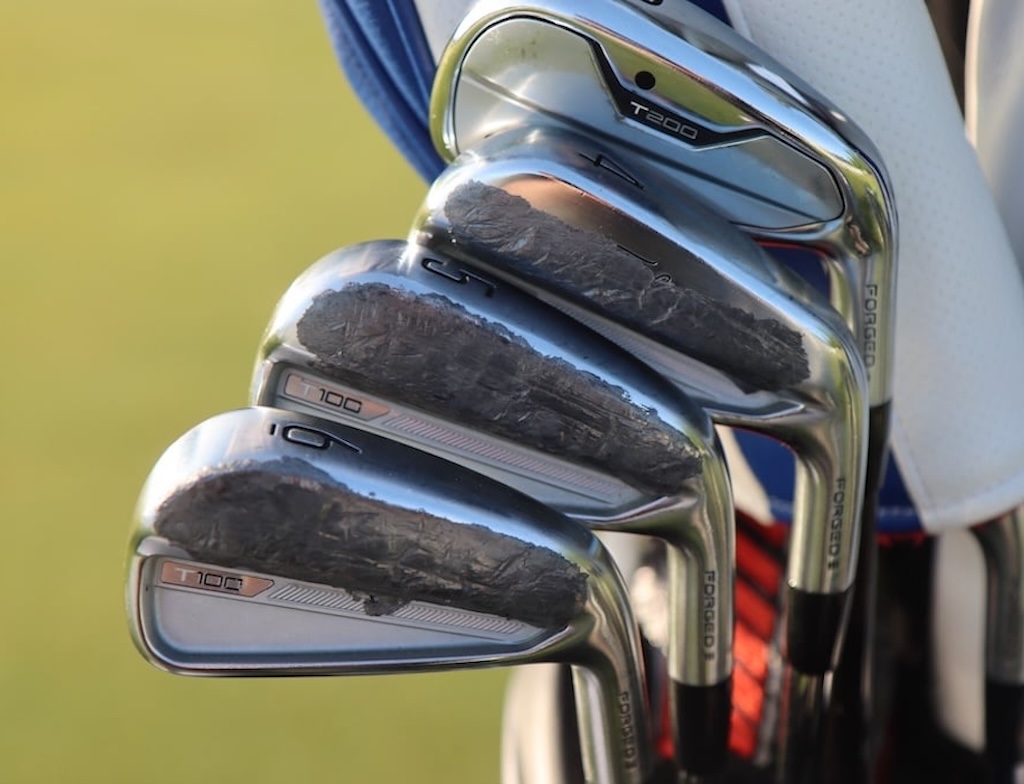
This week, the Lead Tape Reports roll into the John Deere Classic.
Ben Silverman
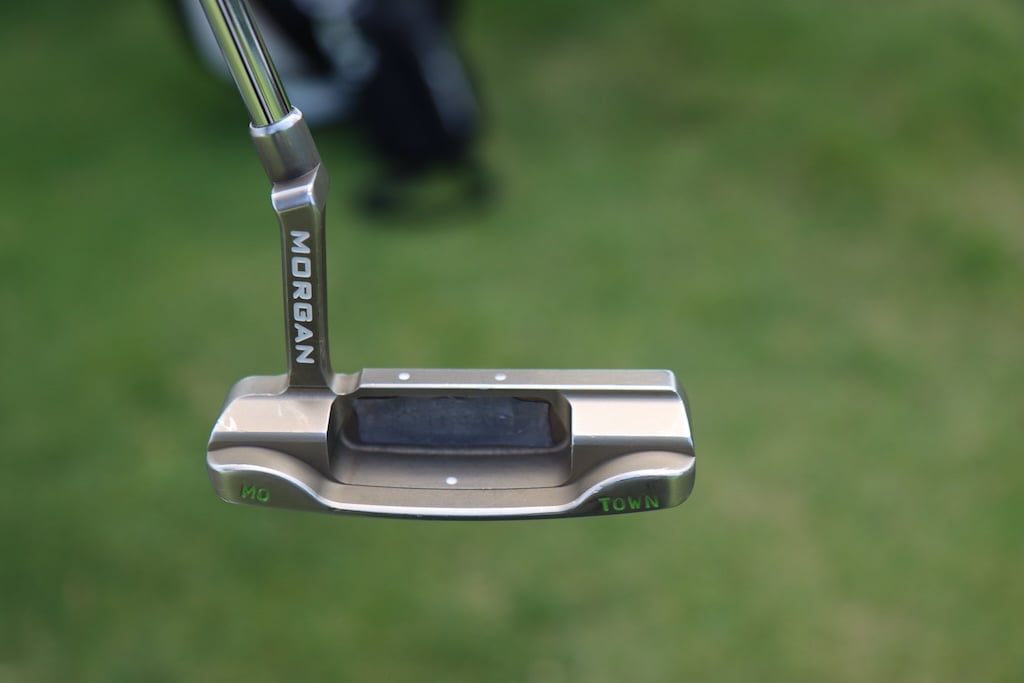
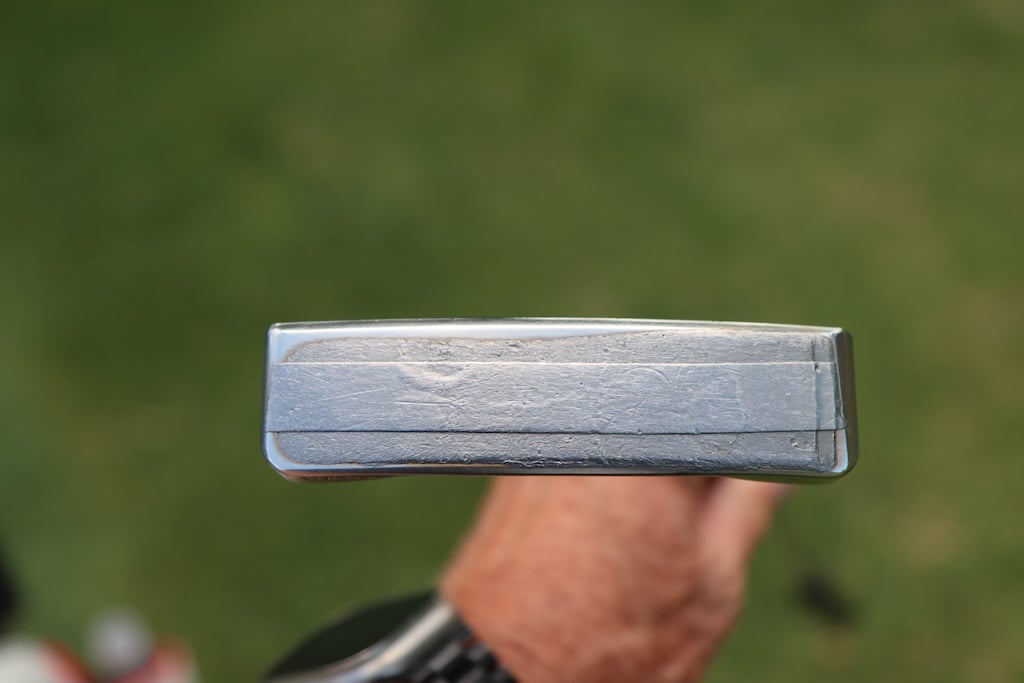
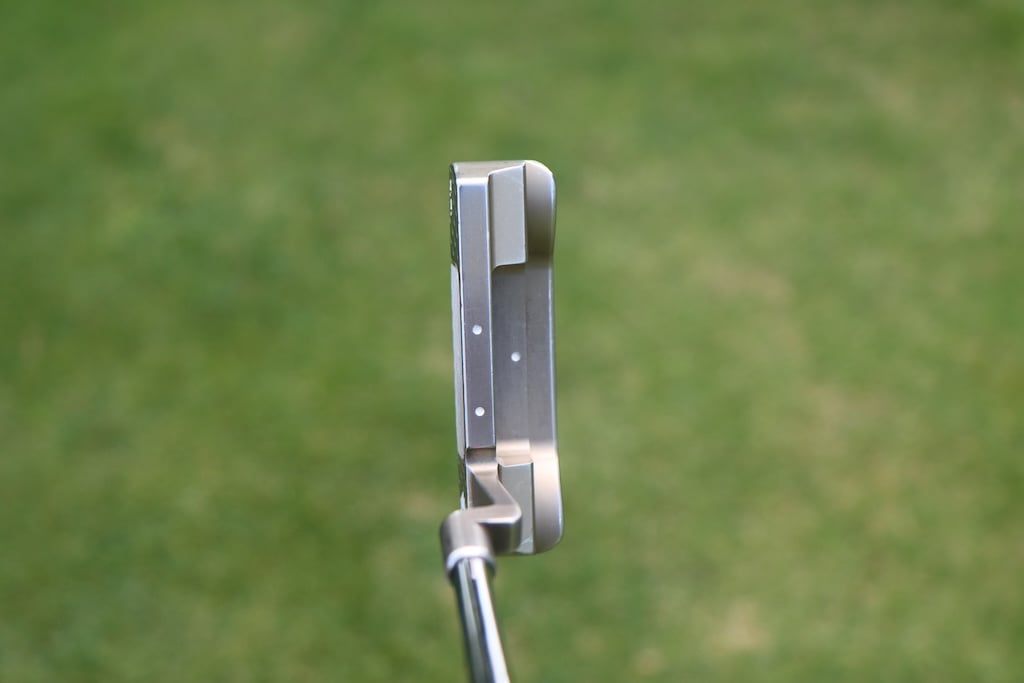
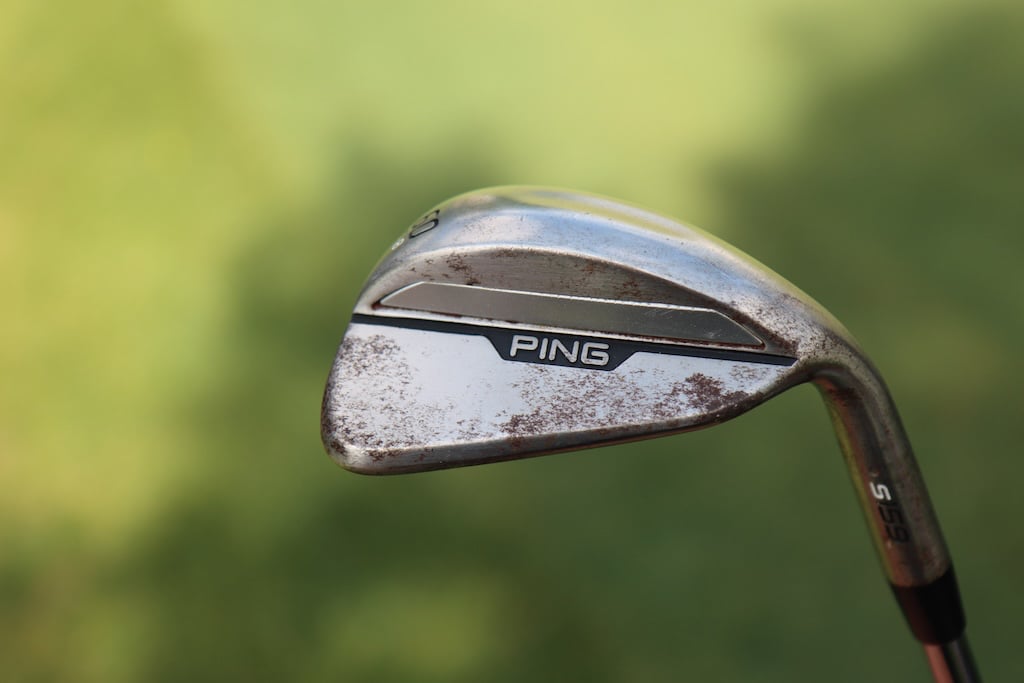
This really caught my eye in Ben Silverman’s bag. A fresh Ping setup with his irons, but the putter really stood out. First and foremost, the alignment aid on his Bettanardi putter. The three dots in a triangle shape form the top line to the back flange. We rarely see this, and it’s an awesome blend of creativity and equally custom milling. Then we see the lead tape. Layers of tape cover the bottom and back of the putter. Judging from my experience, which comes from years of use, sometimes you need a little boost for a new feel with the silver stuff. Another thing that caught my eye was the S159 Ping Eye2 sand wedge. A timeless classic in a raw finish.
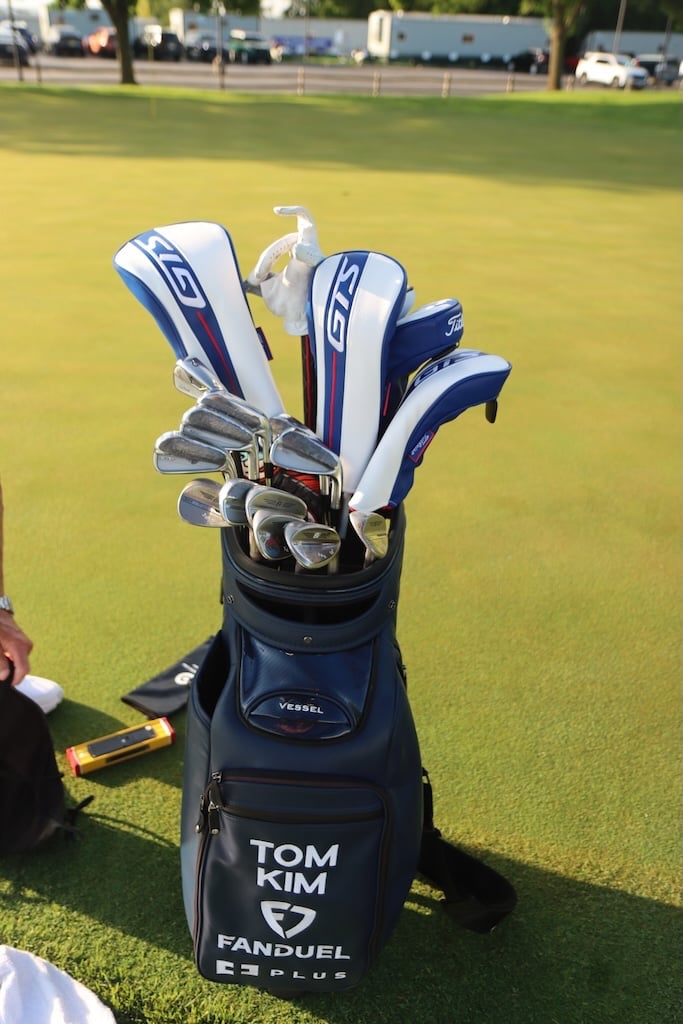
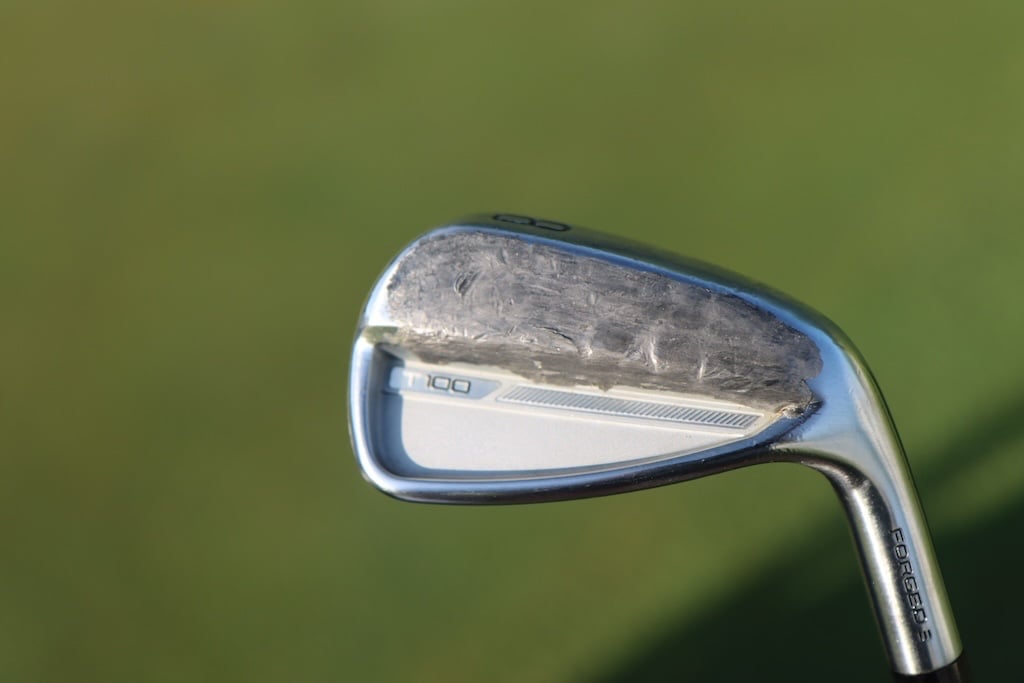
Tom Kim
After a solo third-place finish at the U.S. Open, Tom Kim is in action this week at the John Deere. I was unfamiliar with his blanket coverage of tape on his irons — no wonder he was so dialed in during the U.S. Open!
Luke Gutschewski
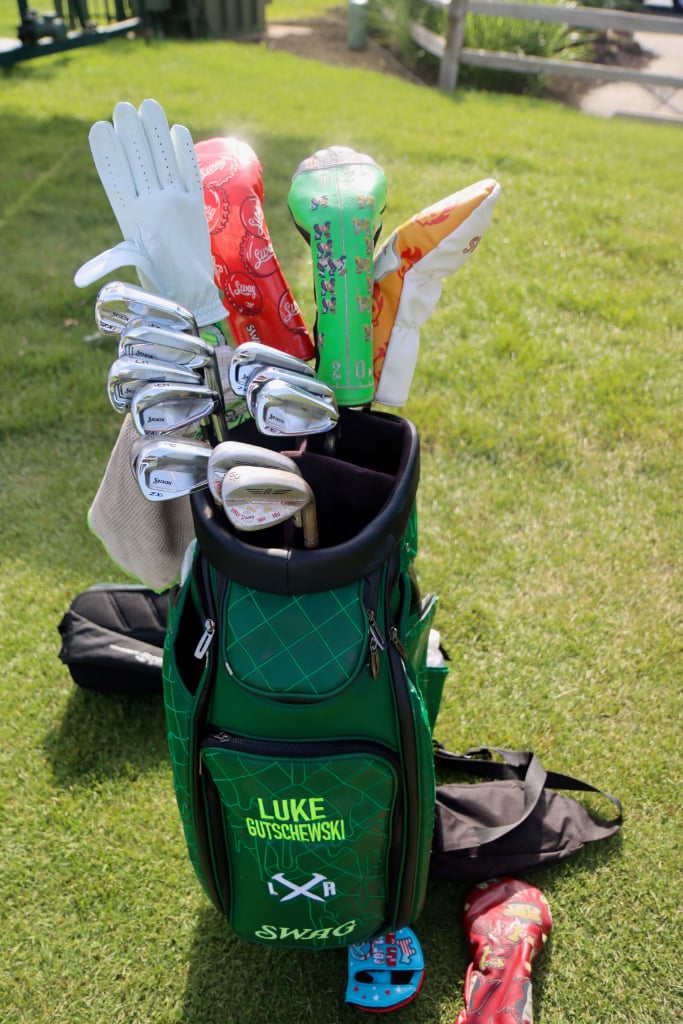
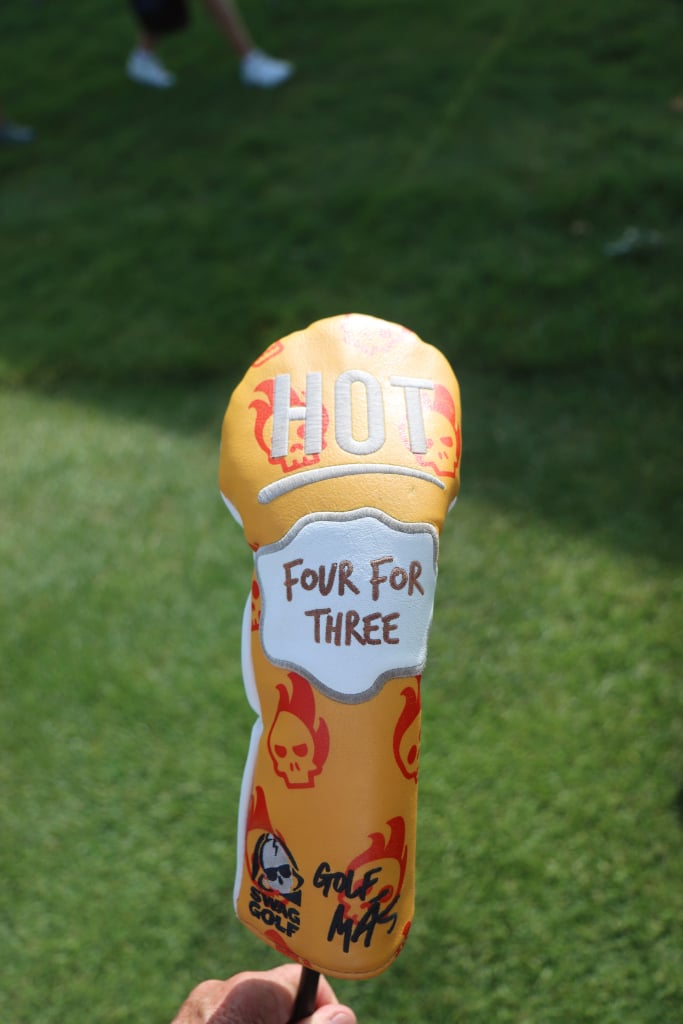
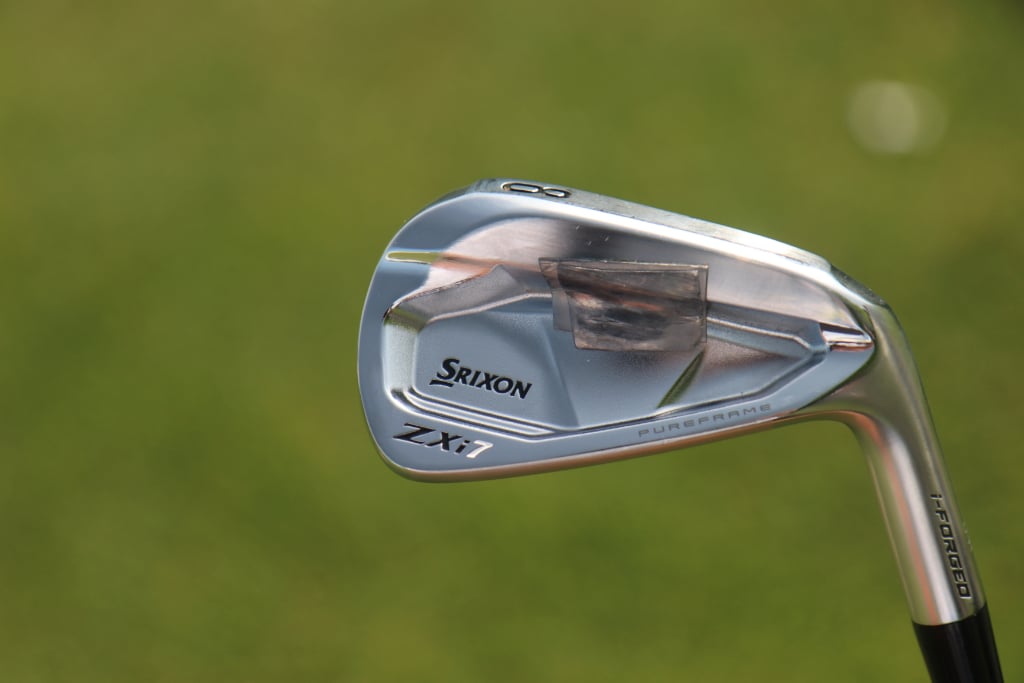
Son of long-time PGA Tour player Scott Gutschewski, Luke is in the field this week. With some very cool head covers, Gutchewski also appears to have a very fresh set of Srixon irons in the bag. We also see a combo set of the ZXi5 and ZXi7 irons, and the 8-iron is matched up with some lead tape.

Best irons 2026: Best irons overall, most forgiving irons, and more

J.T. Poston’s winning WITB: 2026 Memorial Tournament

Memorial Tournament Tour Report: Rory McIlroy, Cameron Young switch up drivers, and more

Wyndham Clark’s winning WITB: 2026 U.S. Open

Russell Henley’s winning WITB: 2026 Charles Schwab Challenge

Details on Jason Day’s latest prototype Avoda iron setup

Viktor Hovland’s winning WITB: 2026 Travelers Championship

WITB Time Machine: Retief Goosen’s winning WITB, 2004 U.S. Open

Bryson DeChambeau pairs new big-stick speed with new-shoe stability

Photos from the 2026 U.S. Open

Luke Clanton WITB 2026 (July)
Luke Clanton had >14 clubs in his bag when photographed prior to the John Deere Classic. Driver: TaylorMade Qi4D (8 degrees)...


Chandler Blanchet WITB 2026 (July)
Chandler Blanchet had >14 clubs in his bag when photographed prior to the John Deere Classic. Driver: Titleist GT2 (9 degrees,...


WITB Time Machine: Bryson DeChambeau’s winning WITB, 2017 John Deere Classic
Bryson DeChambeau arrived at the 2017 John Deere Classic still searching for his first PGA Tour victory, and he left...


Michael Kim WITB 2026 (July)
Driver: Titleist GTS2 (11 degrees) Shaft: Fujikura Ventus Red 6 X 3-wood: TaylorMade Qi4D HL (16.5 degrees) Shaft: Graphite Design Tour AD...
-
 News2 weeks ago
Wyndham Clark’s winning WITB: 2026 U.S. Open
-
 Whats in the Bag5 days ago
Viktor Hovland’s winning WITB: 2026 Travelers Championship
-
 Whats in the Bag3 weeks ago
WITB Time Machine: Retief Goosen’s winning WITB, 2004 U.S. Open
-
 Equipment3 weeks ago
Bryson DeChambeau pairs new big-stick speed with new-shoe stability
-
 Tour Photo Galleries3 weeks ago
Photos from the 2026 U.S. Open
-

 Tour Photo Galleries2 weeks ago
Photos from the 2026 Travelers Championship
-
 Equipment1 week ago
Wyndham Clark’s Ping putter: There’s more to the lead tape than just weight
-

 News5 days ago
Details on Viktor Hovland’s driver, shaft change

