
Equipment
Grinding it out: U.S. Open at Shinnecock offers unique short-game situations


The U.S. Open returns to Shinnecock Hills Golf Club for the sixth time, and with the host venue comes a unique test – links golf.
With that, it also begs the question, which wedge grind should be picked to battle the fescue-style grass approaches and their coarse sand bunkers?
“As you would expect, it’s a U.S. Open, so it’s going to be difficult, but there’s a uniqueness to Shinnecock,” Aaron Dill, Vokey Wedge tour director, told GolfWRX. “It is a lot like links-type golf where you go to The Open. And so the strategy really is very similar to that, right? You have a golf course that’s set near the water. You got a lot of coastal breeze. You have firm fescue conditions, you have deep bunkers with a lot of sand. It’s very coarse sand. So I think the strategy is very similar in the sense of, okay, well how do I build some wedges for the setup that fit what’s going on here?”

(Photo courtesy of USGA)
So what is the strategy? Well, Dill believes there are plenty of options for players to choose from, depending on their primary focus.
“So I probably sound like a broken record because the four models that we see most often on tour are the four models I have here, T, L, K Stars, and there’s usually one offshoot that could be an M or an A plus. But typically, players are going to want to lean towards something more versatile in a higher loft because it gives you more versatility around a green.”
Dill believes that the narrow-soled, low-bounce grinds of the T and L grind have been popular for Shinnecock thanks to the thinner sole and help players open up the face on the tighter approach areas around the greens.

“You want to create height; you want to get under the ball,” Dill said. “… When they set up a golf course like this, they’re going to cut it tight and firm. And that forces you to pick something that’s a little bit less bounce or thinner … I think when you look at what players are going to start thinking about when they’re approaching the strategy of this golf course, is what are the key things I need to focus on.
“Some players are going to focus on rough,” Dill went on to add. “Some players are going to focus on the grass type or how tight the grass is, and some players are going to be focused on bunkering, right? The rough is really the rough. It’s going to be long, it’s going to be tough. You want to avoid it as much as possible. And I don’t think any wedge is going to make a real big difference in that space. Once you start getting on the grass. It’s firm, it’s tight green, it’s lush, it’s got a little bit of sponge to it, but it’s not rock hard like you might see at a St. Andrew’s setup or something like that, but players are going to still value opening up a wedge and seeing it sit close.”
The next big factor for the U.S. Open this year is the bunkering. Approximately 150 bunkers defend the course, and with the location on the far eastern end of Long Island, with hardly a barrier to the Atlantic coastline, the grounds staff at Shinnecock use larger-than-average sand particles to defend against the strong winds that hit the golf club year-round.
“There’s some pebbles in it, and that usually means that you’re going to get less spin,” Dill said. “So players are going to up their speeds. They’re going to try and swing a little faster to create that easy height and that spin.”

(Photo courtesy of the USGA)
With that, Dill believes that players will target certain wedges to certain locations on the course.
“Most guys, they’re going to strategize and say, okay, ‘I’m going to gear this wedge towards the grass that we’re on, so I’m going to go low and thin, bounce so I can do anything I want off there,'” Dill said. “And then once you go into the bunkers, this a decision you have to make where it’s, ‘do I play the 60 with low bounce and just hope that it doesn’t dig as much, or do I really make the smart decision, which is gearing towards the sand wedge, opening up the face, increasing the bounce naturally, and then using the less loft and the more bounce to my advantage.’ And I think when you talk to most players out here, that’s the strategy that they’re going to do.”
What’s nice for Dill and other wedge experts on the PGA Tour is that with the added pressure this week, it makes for a slightly easier summer down the road.
With the addition of a links course on the schedule for the U.S. Open, “it’s a nice early test to what players are going to see next month as they get ready for The Open overseas,” Dill added.











Our forum faithful are well acquainted with the incredible giveaways and review opportunities in the realm of threads and comments, but we want to ensure front-page readers are involved as well.
Cobra OPTM Drivers
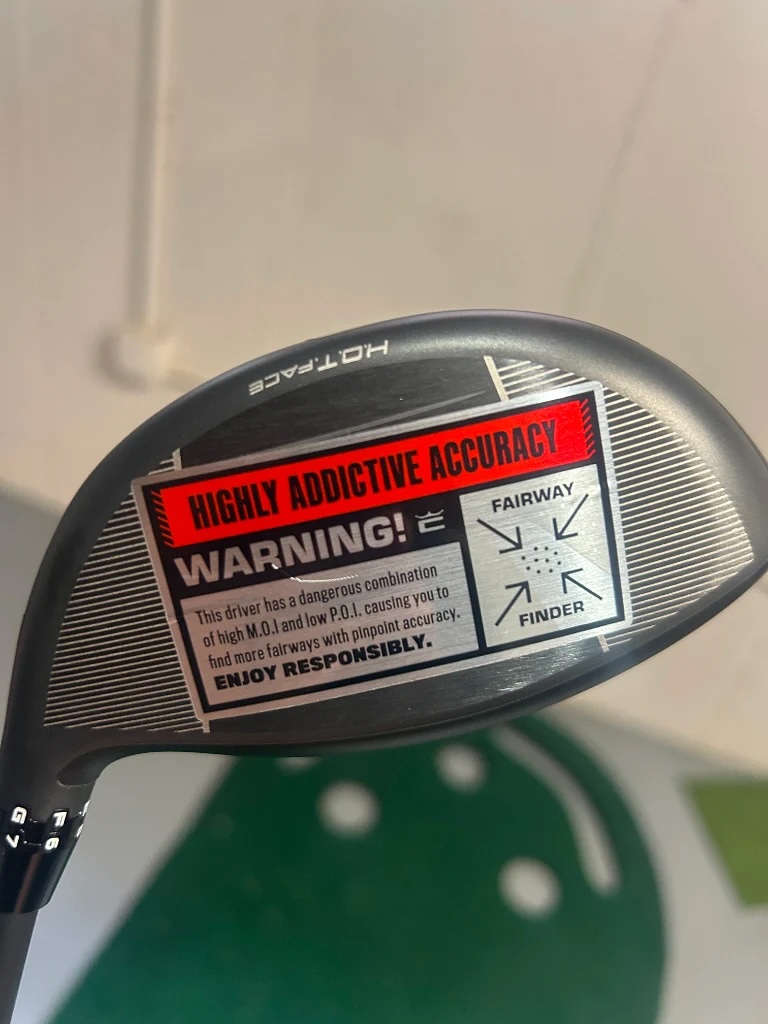
The new OPTM drivers from Cobra Golf are designed to deliver tighter dispersion and improved accuracy through advanced engineering. By utilizing strategic shaping and weight placement to reduce Products of Inertia (POI), a measure of the club’s resistance to twisting across three axes, OPTM drivers are built to minimize side spin and help players find more fairways.
OPTM drivers utilize strategic shaping and weight placement to reduce Products of Inertia (POI), the measure of a club’s resistance to twisting across three axes. Resulting in significantly reduced side spin, tighter dispersion, increased accuracy, and more fairways hit
Learn more about the Cobra OPTM Drivers here.
How we choose our testers
GolfWRX staff evaluates each entry against the criteria laid out in the testing thread to determine the best fit for each specific product — For example, if a game-improvement iron is being tested, game-improvement iron-playing golfers will be considered.
Member testers
The testers are:
- @SE Gamer
- @Shanks2424
- @wam78
- @scott406
- @adam10
Member review highlights
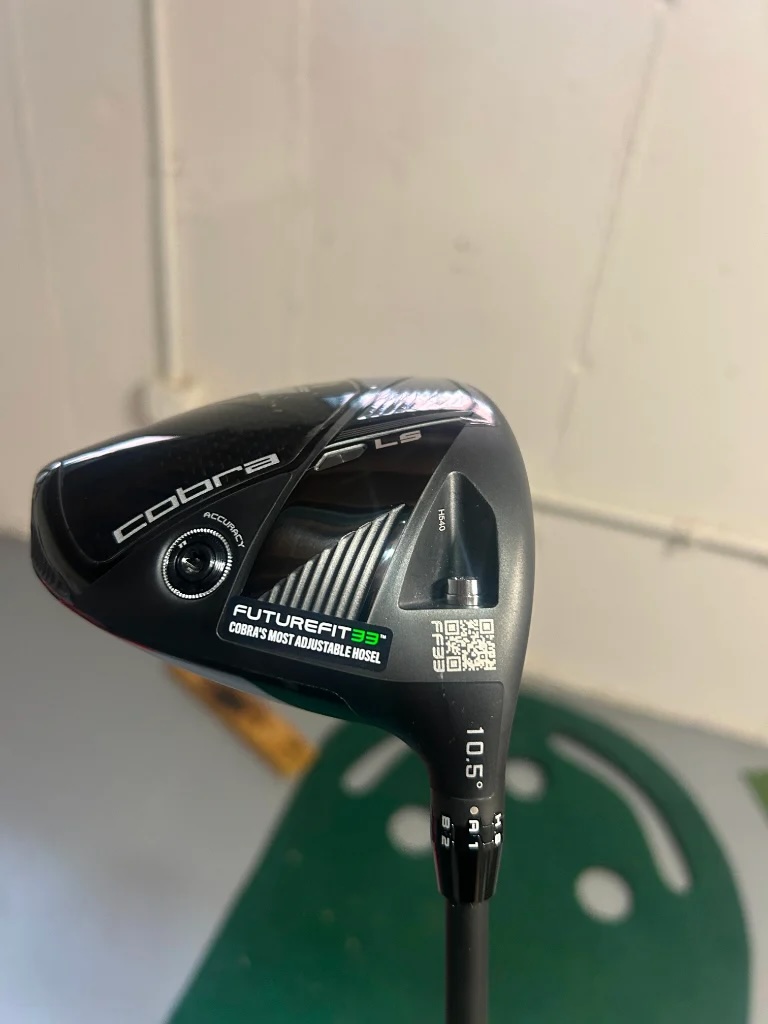
@Shanks2424 (Cobra OPTM LS 10.5 degrees):
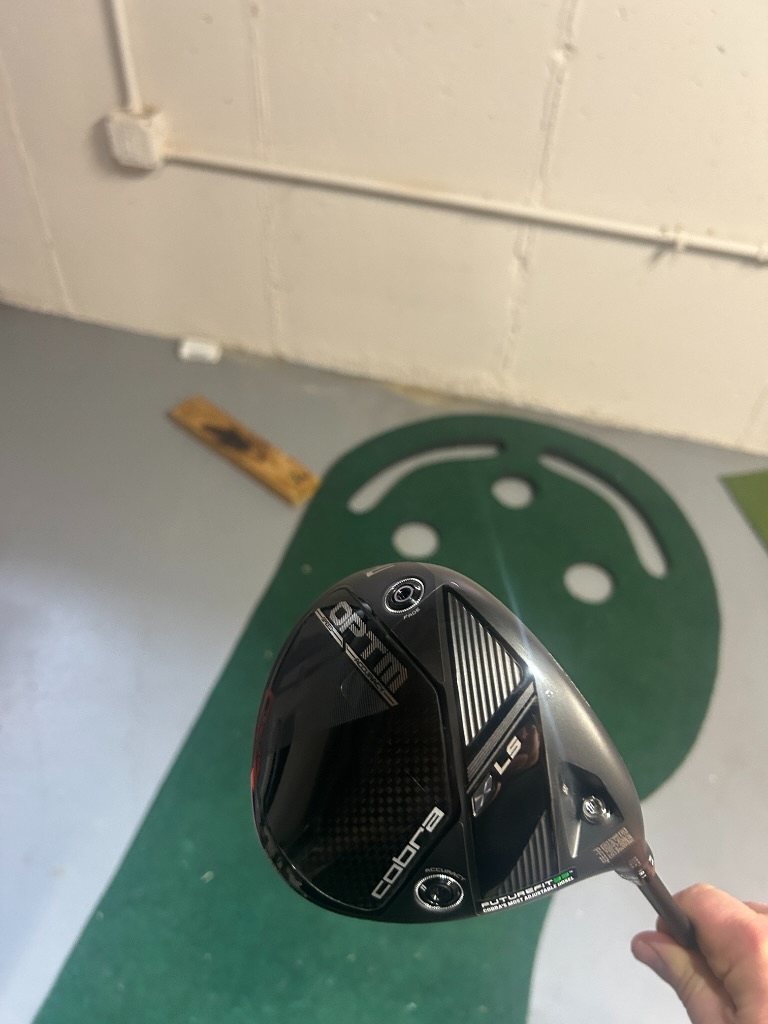
I just want to start out saying thank you so much to @GolfWRX_Official and @COBRA PUMA GOLF for selecting me to receive this amazing gift and opportunity. Let me introduce myself my name is Brad I am 41 and I have been playing golf since I was 6 or 7 years old. I have been as high as a 25 handicap to as low as an 8 handicap. Over the last 7 years my golf game has not been great due to me being super overweight and I have lost my swing. Now that my son who is 16 and he has been playing golf at the high school level, he has sparked me into getting into shape and losing weight. I apologize for the horrible looking swing videos. I picked out the Cobra OPTM LS 10.5 with the Diamana WB 63x. I picked this set up because I struggle with high spin and launch. I also seem to do better in the Diamana WB profile. I hope I do this review justice.
I received the driver 3-18-26. I have never owned a Cobra driver due to Just not liking the look of the flat black color on the crowns. I have hit and enjoyed the Aerojet driver and woods. But Cobra has never been on my radar due to just looks. Then when I saw this contest and saw how good the OPTM looked with the glossy crown it got me excited. So let’s fast forward to Wednesday night. The only thing I can say after the first few hits was WOW!!!! The feeling of this driver was so solid and hot. It was long and straight. The back net of our range is right around 255-265 carry. I was flying it into the net. I have been struggling with the driver this year. My gamer is a Titleist TSI3 9* With a UST Proforce V2 6s Tipped .5 inches. I have only hit it at the range on two different range sessions. And I can say the Titleist is 100% kicked out of the bag.
My son and I are playing on 3-21-26 at Spencer T Oilin in Alton Il and I feel so confident in this driver that I am not even bringing my gamer. I am 20 yards longer with the cobra and no high spinning balloon shots. I have messed with a few of the setting and I am between 4 of them. I ordered the driver on A1 just so I can mess with all the setting going from a natural setting to something different. I am looking at the following settings. G1 -1 loft +1 lie, F1 -.7 loft +1.7 lie H1 -.7 loft +.3 lie or just A1 STD loft STD lie. I am siding with G1 and H1.A few nit picking things the I am going to talk about. The head cover looks amazing except for one thing I am not a fan of the cobra logo on the cover as a gel type logo. I wish they would have embroidered it like the OPTM logo. The other thing is when changing the hosel be sure you have the screw lined up some people might cross thread it. The few time I changed the setting I had to get the screw just right. If it doesn’t turn easy don’t force it. Here are a few swing videos and some photos I took. I will post some more stuff over the next few weeks. I will try to get into our PGA Tour Superstore to get some numbers.
Played Saturday 3-21-26 I did not play well at all but I did hit the Cobra driver very well. I was using the new Pro V1 X. The driver was on G1 so +1 degree upright and -1 degree in loft at 9.5. This thing is great I did not get any balloon balls with a lot of spin on any of my miss hits and the miss hits were so much less then my TSI. I plan on going to the Sm to get some numbers in the next few weeks. I hope to play again not this weekend but next weekend.
@wam78 (Cobra OPTM X 10.5 degrees):
A little about myself. I’ve been hovering around a 7 handicap depending on the time of year. Have not played much over the last year due to my job and the travel, which makes it hard to get back into a rhythm. However, my goal this year is to get 20 rounds in. To some that seems like nothing. For me that’s a lot.
I’ve been a big fan of Cobra for over a decade now. Have been in and out of their woods for just as long. My last Cobra driver in the bag was the Ltdx ls. Man did I love that thing. When hit on the screws it might have been my favorite. Just was hard to manage the toe miss. Since then I’ve been in a tsr3 over the past 2 seasons with a Kuro Kage XD 60x. Absolutely love it and will be hard to get it out of the bag. But the Cobra will get a legitimate shot starting this weekend.
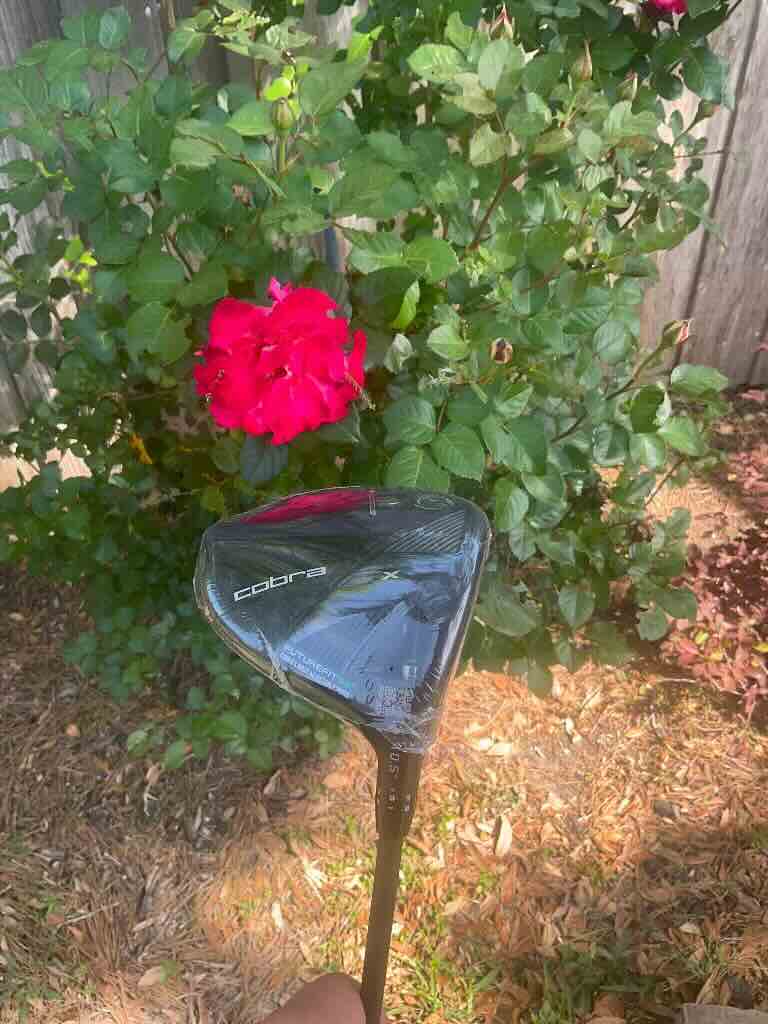
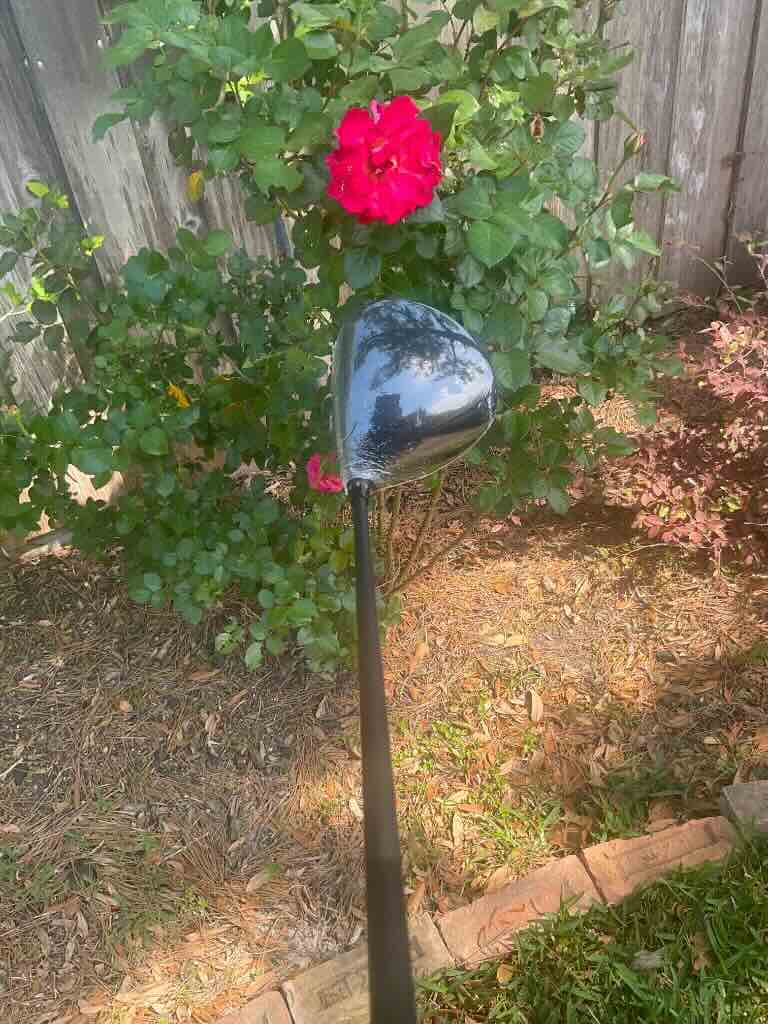
Here are my specs on the build:
COBRA OPTM X 10.5
G1 setting (-1* loft and 1* upright)
-1” playing at 44.5”
Diamana BB 63x
Tour Velvet +4 standard +2 wraps of tape
Weights: 14gr & 3gr
Update:
Was able to get out this weekend and get some sim time. I’m not anywhere close to where I need to be swing wise. This is only the third time I’ve been out to hit balls in 3 months. Needless to say, this 48 year old body takes a little more time to get back into golf shape. Although I’m pretty active in the gym and try to keep myself in good shape.
My swing speed is about 5-8 mph down right now with the driver and my timing is taking a minute to get back.
With all of that said, I’m very impressed with the x head and the forgiveness. I’m a fader, so my miss can be a block to the right or I can overcook it and lose it right at times with an open face. I hit about 5 shots that I lost right but the spin never got above 2800. WOW! I was sitting around 23-2400 on spin on shots hit around the middle of the face. That’s right where I want to be. Maybe a touch higher.
Once again, I’m really enjoying the feel off the face. Just has this pleasant feel that’s not really “soft”, but you can feel the ball compress. Addicting. Sound is fantastic as well. Not too thuddy. Has a nice crack to it without being overly loud.
It’s impressing me more and more.
@adam10 (Cobra OPTM MAX-K 10.5 degrees):
Had a chance to sneak out for 9 on Friday afternoon and was able to hit the driver on 4 holes and all 4 drives were super solid. I switched to the B7 setting (my miss is a duck hook) and I was able to aim down the middle and hit it down the middle- seems like a simple goal but driver inconsistency has been a big issue for me for years now. The head (as compared to my PXG 0211) is SUPER stable and it’s already given me a ton more confidence off the tee. I’m playing again this week and I’ll have a more detailed update.
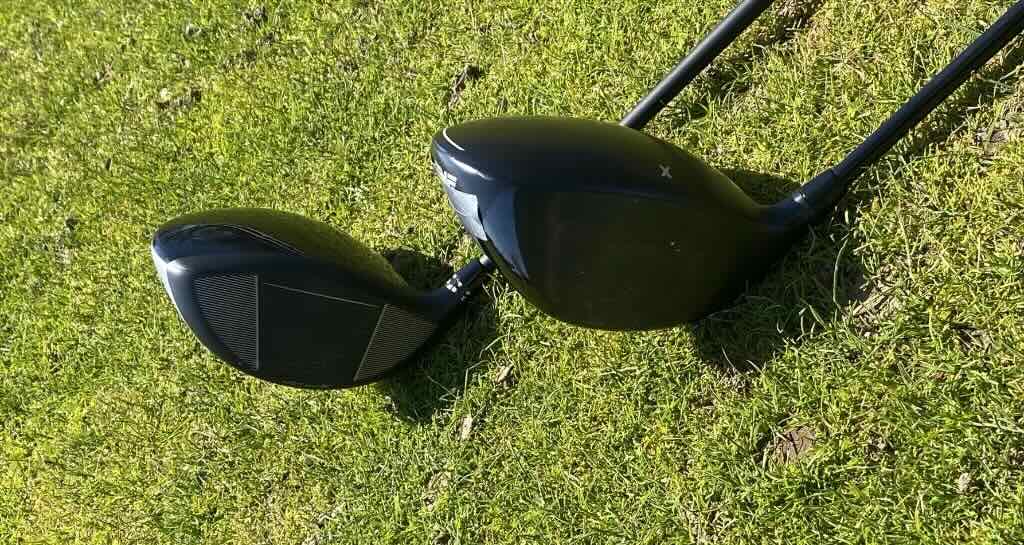
I’ve added a few pics as I did not even realize myself how big of a difference there was in the shapes (cobra on left) at address. I LOVE the look of my PXG at address but I’ve already gotten used to the more modern shape of the OPTM and the performance so far has been awesome.
Quick update for me—I’ve played 4 more 9 hole rounds and I cannot say enough about the total performance of my OPTM Max K. I am hitting the longest, straightest drives I’ve hit for YEARS. I hit a drive last night that was 345 (thanks in part to a tail wind) but had people on the course come up to me after the round to ask me if that was my drive because they had never seen a ball in that spot before. This sort of thing has happened multiple times in the past few weeks. I can definitely say that the technology in this driver, along with the ability to customize it to my misses with the FIT33 system has changed my game. My contact has been primarily towards the high toe and I can literally see the ball flight being corrected mid-air and find the fairway instead of my usual duck hooks or weak fades. (my only criticism is that the tee marks on the sole of the club won’t wipe off but I actually use this a a learning tool to help improve my face contact).
More about GolfWRX member testing
Member testing gives our forum members the opportunity to put the latest golf equipment through the paces. In exchange for getting a product to test (and keep), forum members are expected to provide in-depth product feedback in the forums, along with photos, and engage with the questions of other forum members.
For brands, the GolfWRX member feedback and direct engagement is a vital window into the perceptions of avid golfers.
You can find additional testing opportunities in the GolfWRX forums.
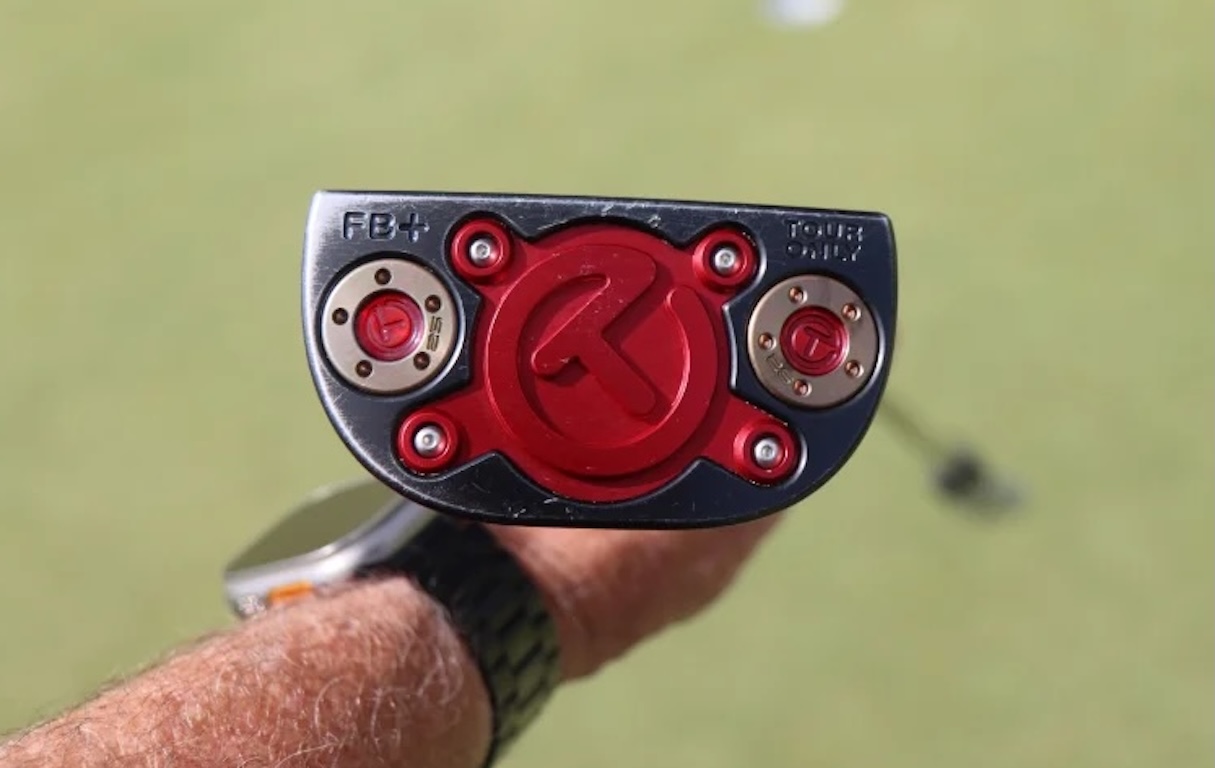
GolfWRX’s Greg Moore descended upon the Hurstbourne Country Club in Louisville, Kentucky, this week to capture notable gear and full bag photos of players participating in the ISCO Championship. Below, check out some highlights, including new Srixon fairway metals and hybrids, and some limited edition Scotty Cameron prototypes.
The Srixon RKT era is here
Moore found some fairway metals and made his way onto the Srixon truck where he was able to grab some in-hand photos of the new hybrids the company is planning to unveil. Check out the new 3, 5, and 7 RKT fairway woods below, in addition to photos of the 2 (17 degrees), 3 (19 degrees), 4 (22 degrees), 5 (25 degrees), and 6 (28 degrees) hybrids below.
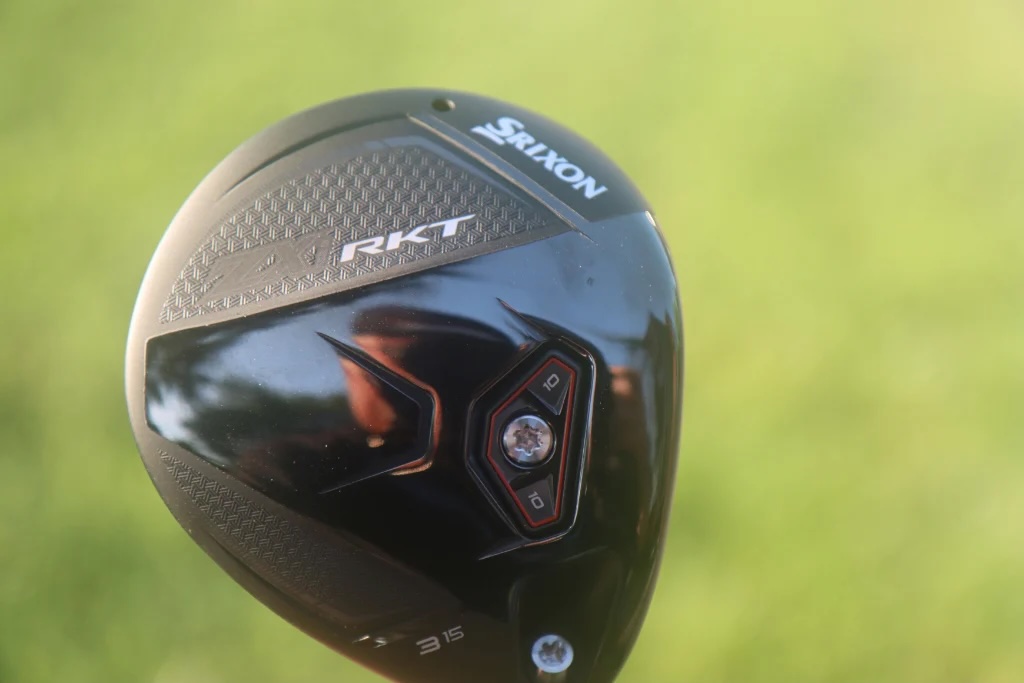
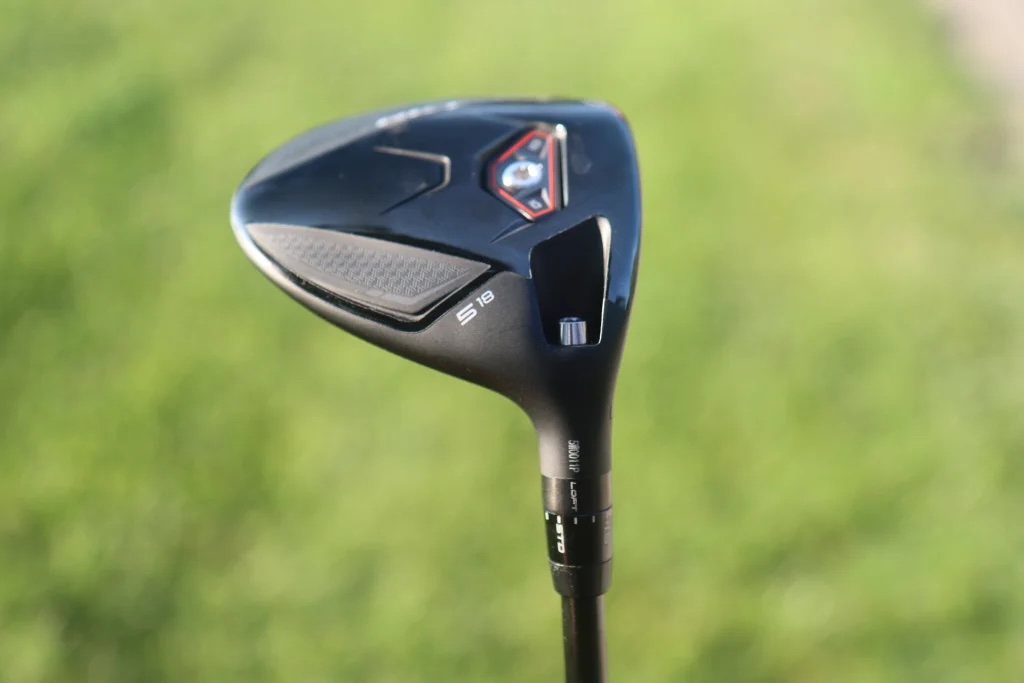
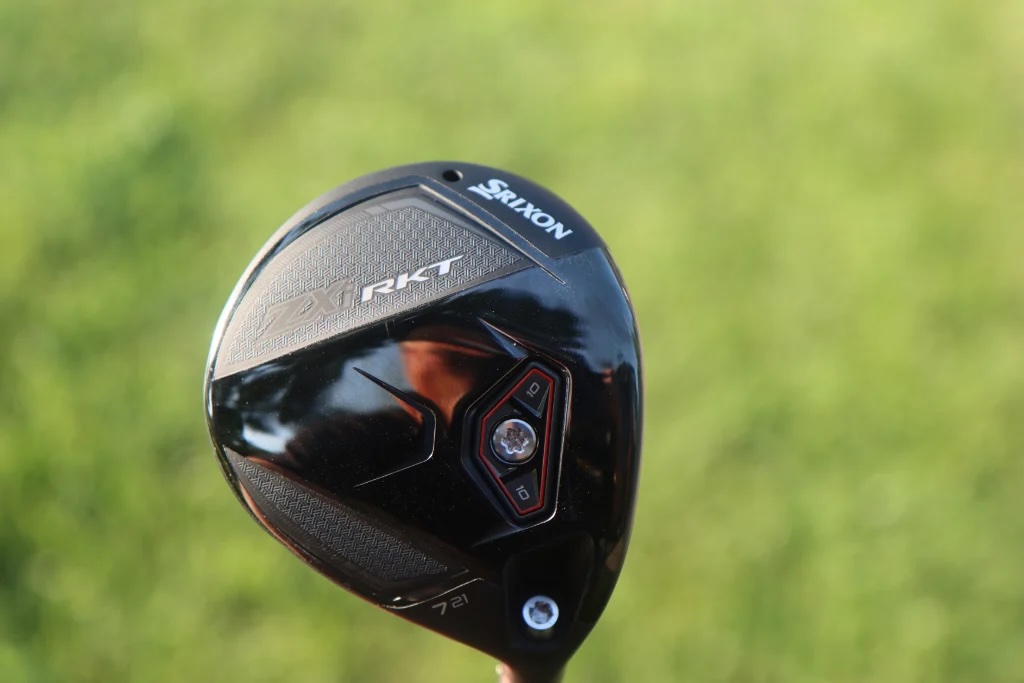
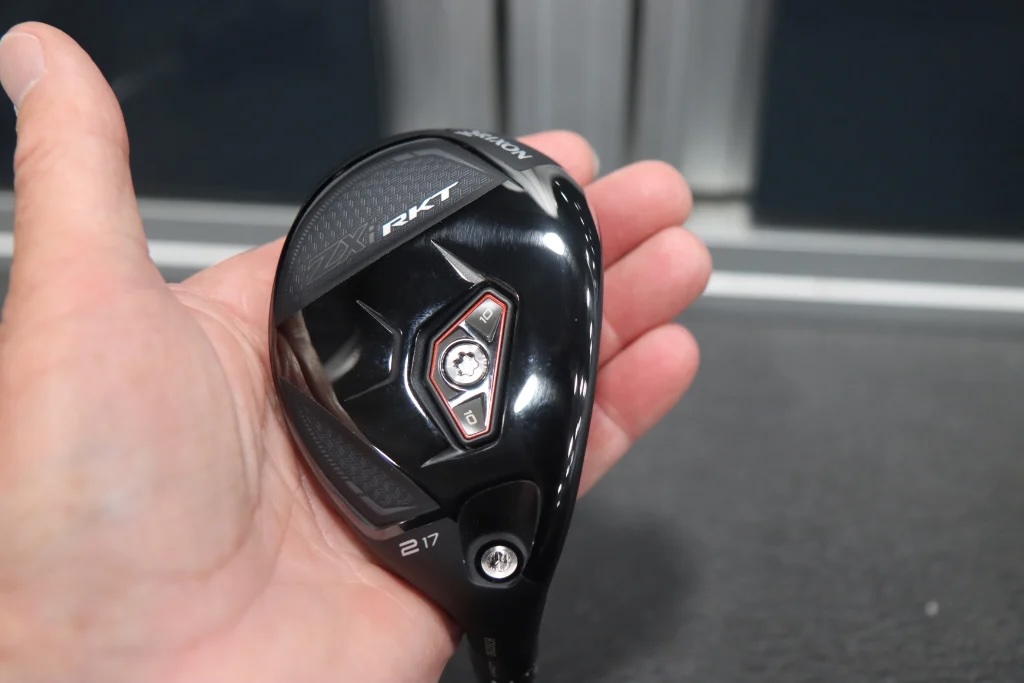
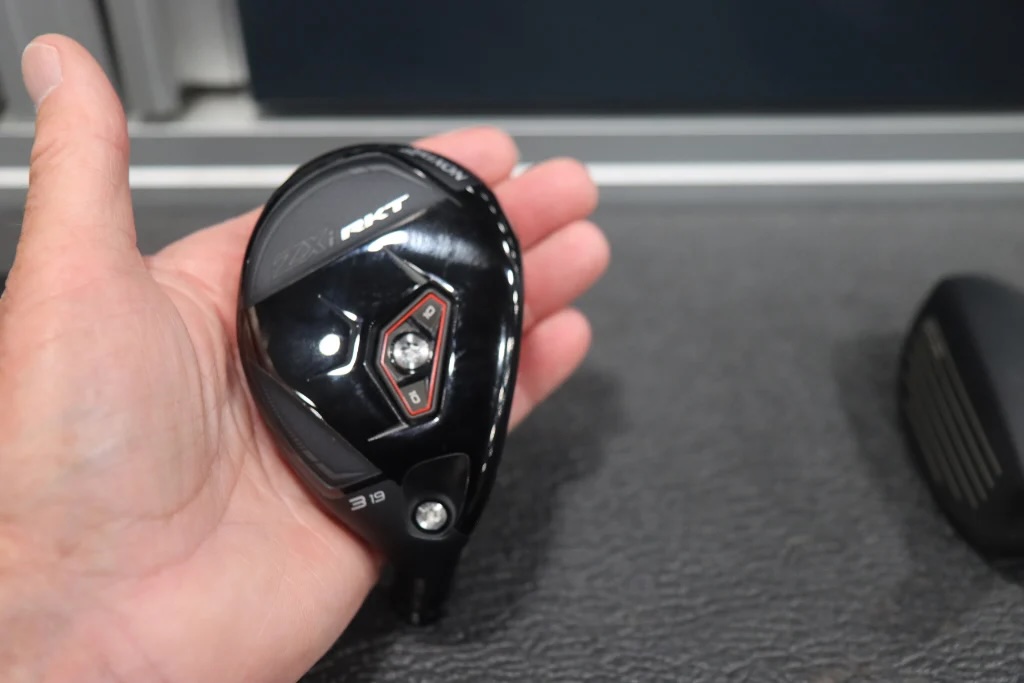
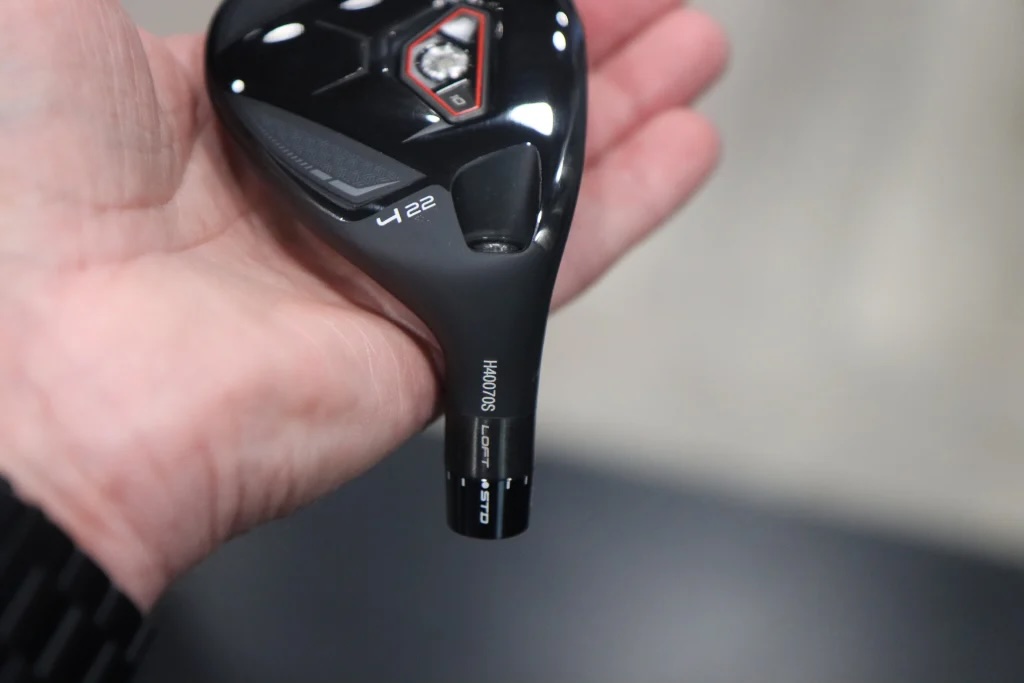
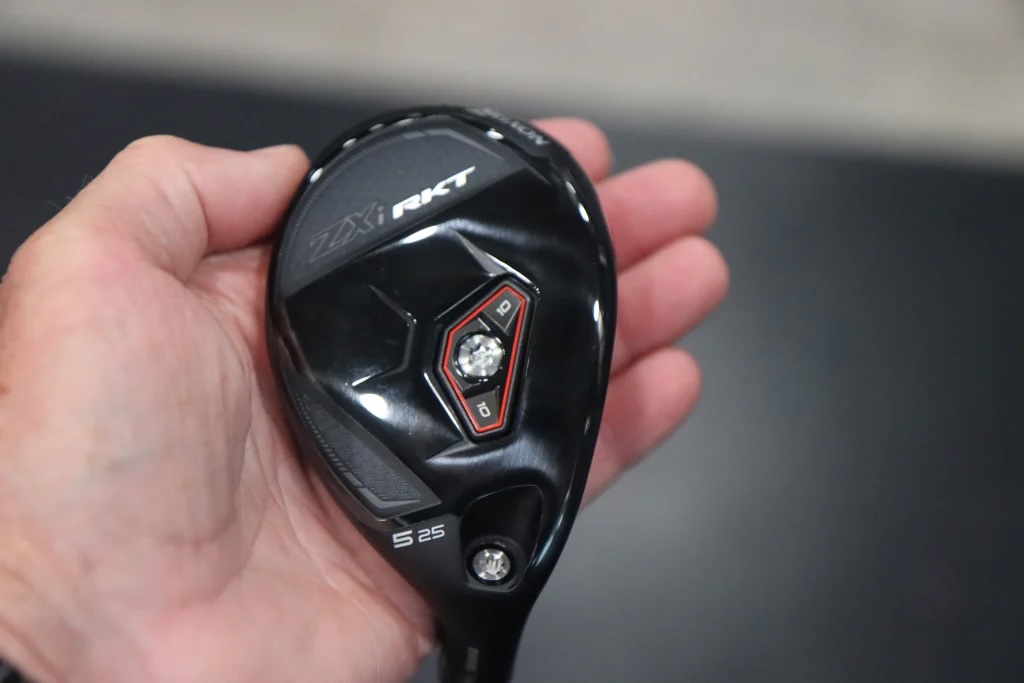
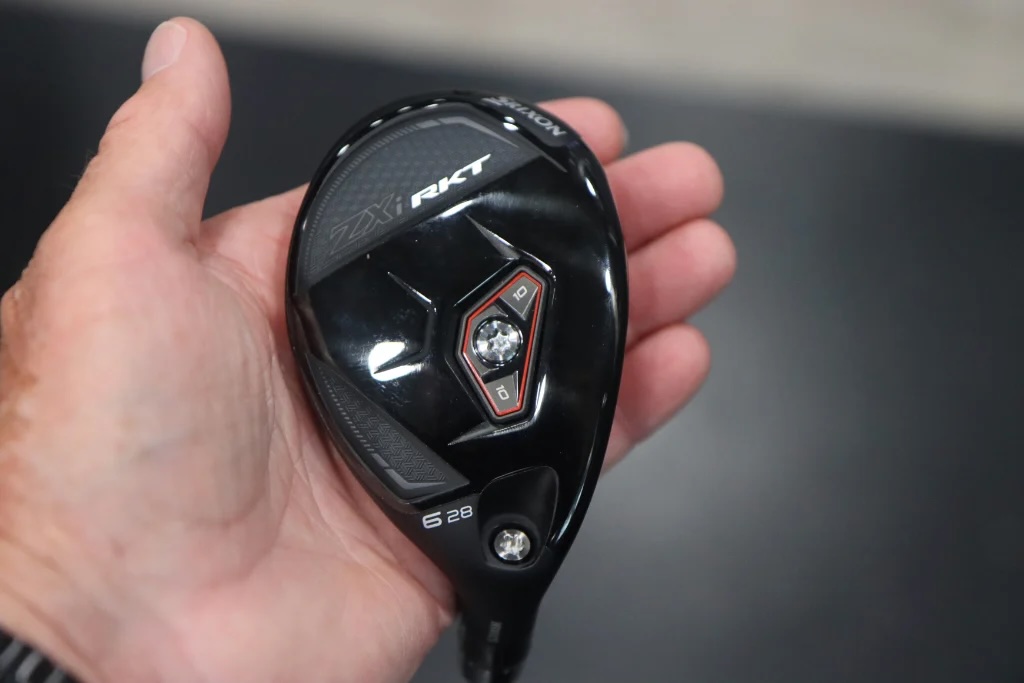
Check out more in-hand photos of Srixon RKT fairway metals and hybrids here.
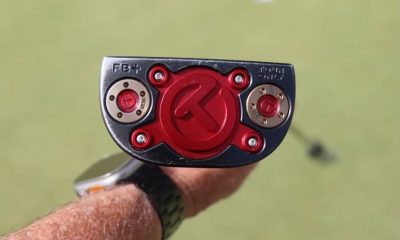
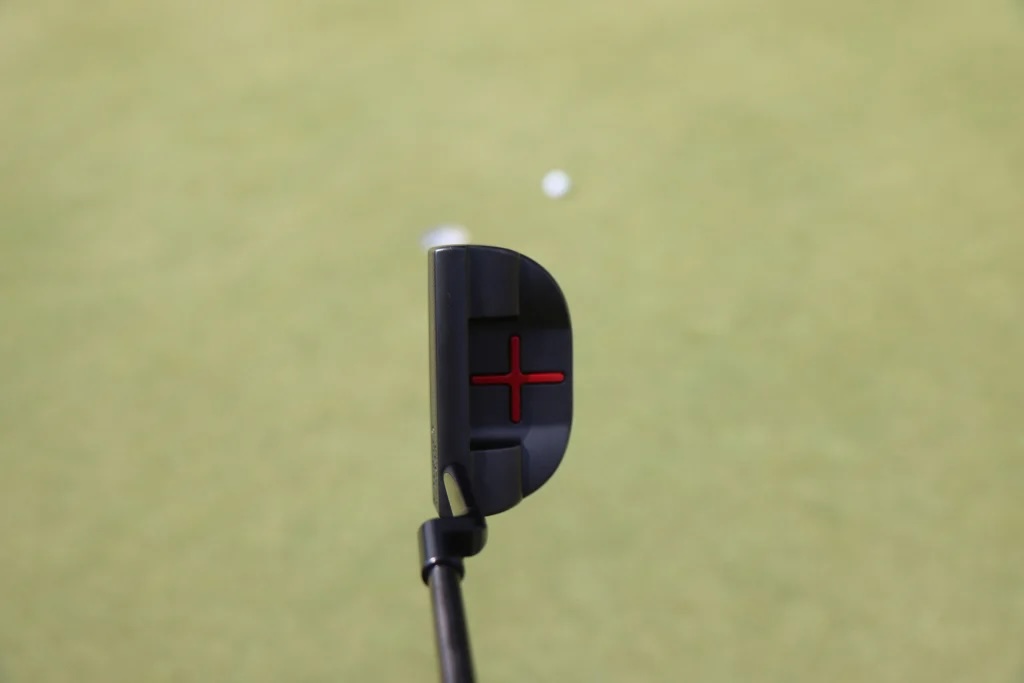
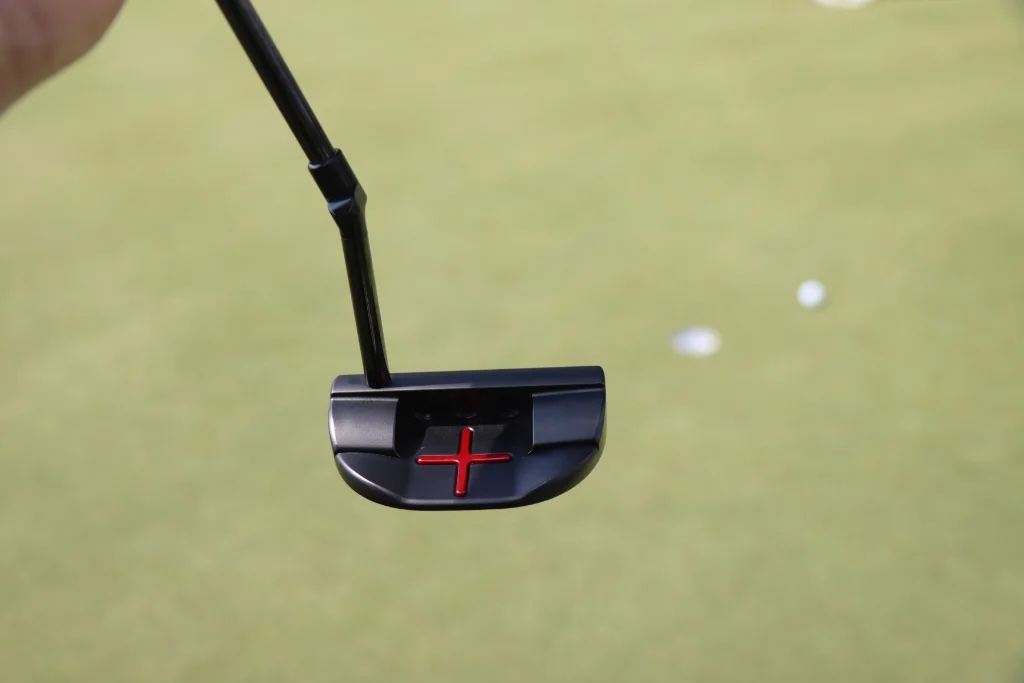
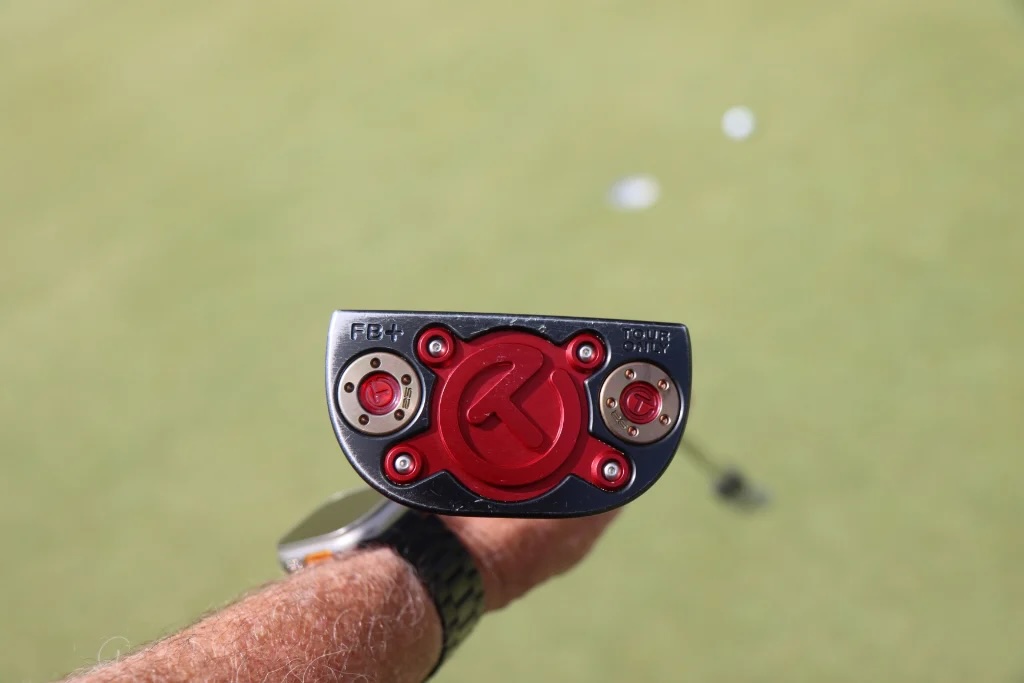
Jared Wolfe has an enviable black FB+ Circle T.
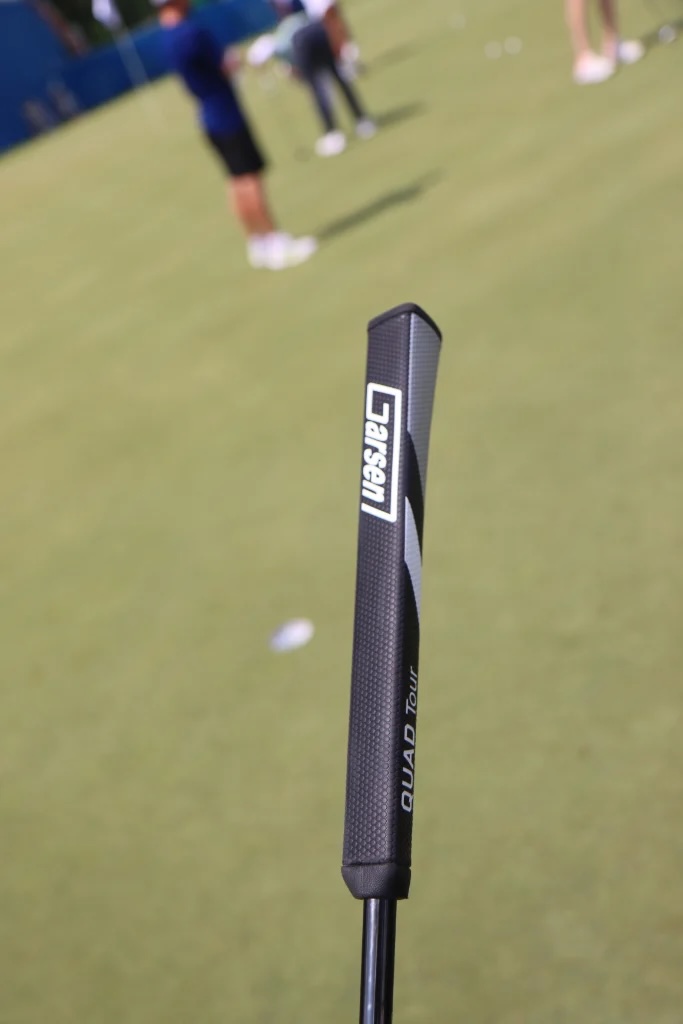
The Louisville-born golfer has a drool-inducing Scotty Cameron Tour FB+ Circle T with an especially long neck. My only gripe? Wolfe swapped out the Cameron grip. Perhaps my game is lacking because I prize form over function…Check out a few shots of the FB+ below.
Daniel Von Tonder’s got a pretty sweet Scotty of his own…
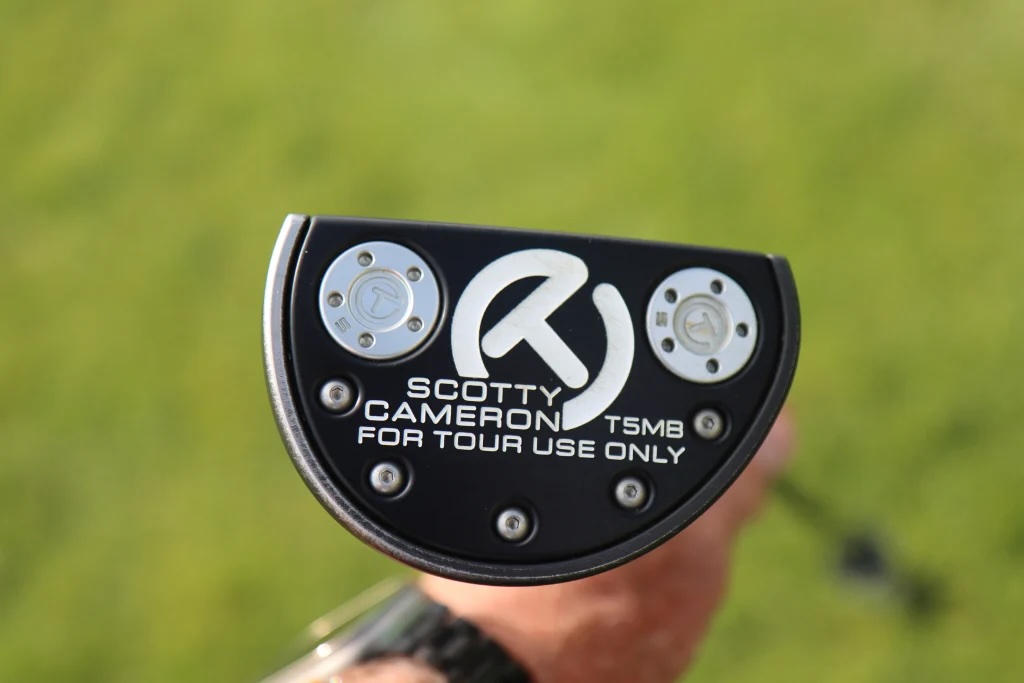
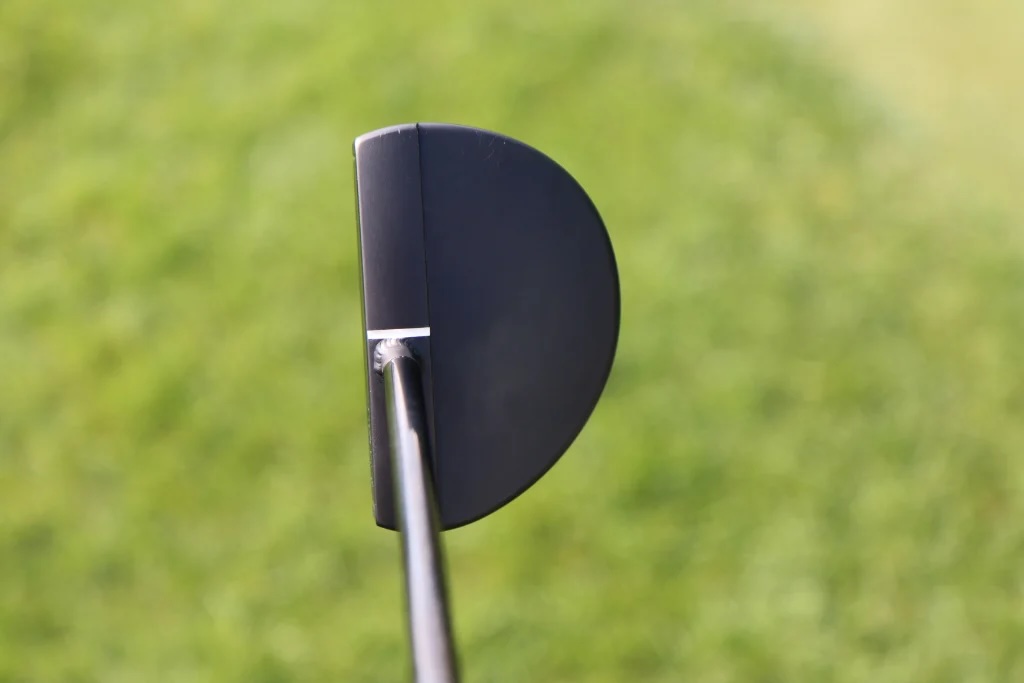
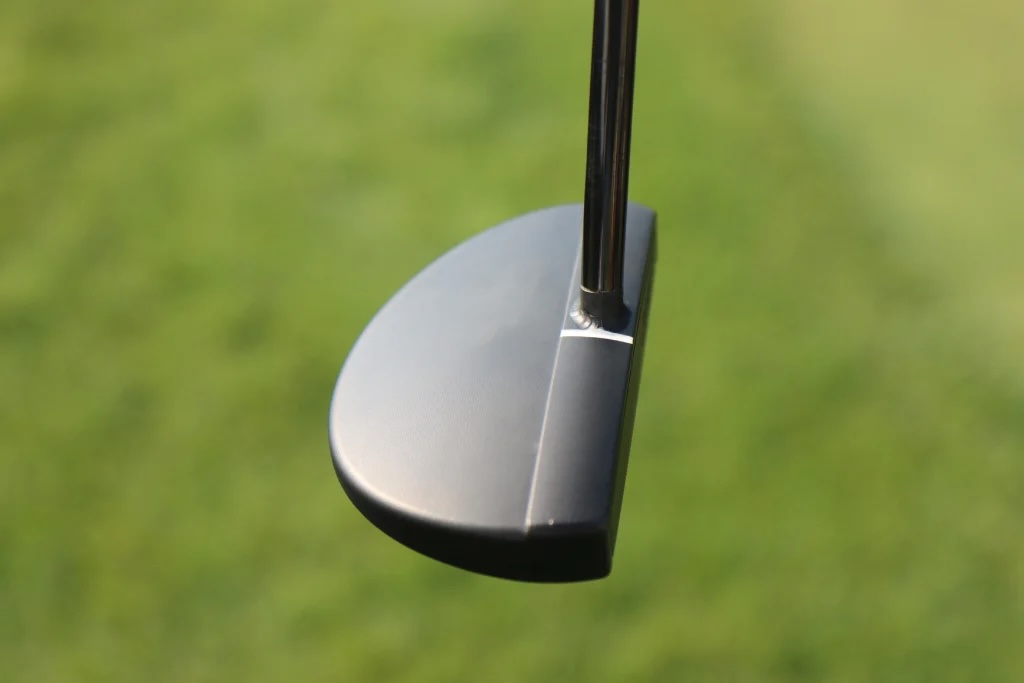
The South African isn’t to be outdone by Wolfe, and he boasts a T5MB Circle T Scotty, featuring a solitary alignment line on an otherwise blank putter head. The bottom boasts the signature Circle T logo and two five gram weights.
Justin Lower’s Bettinardi has got something to say…
Not to be outdone, putter maestros Bettinardi cooked up an extremely clean blade for the Ohio-born golfer. In the forum, commenter CrustyDog offered up some praise for Lower’s unique and good-looking top line. They wrote: “Love when guys do interesting alignment stuff. Rarely see a dot on the flange, only other one I can think of was from last week with the three dot alignment.” Moore shared a close-up photo of the alignment (see below), and another commenter was quick to sing the praises of Lower’s grip, which is a SuperStroke Deep Etched Putter Grip. akap4surf wrote, “Love that putter! I just got that grip installed on my scotty and it is fantastic! Super tacky and it looks really nice. I wish they would offer some size options, but cannot recommend enough!”
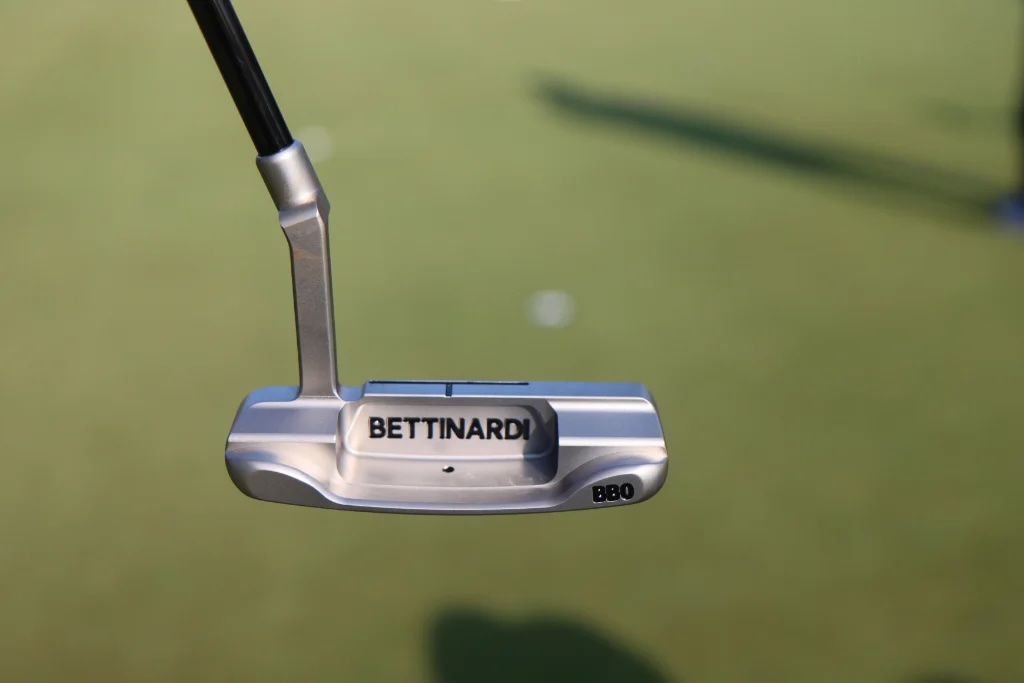
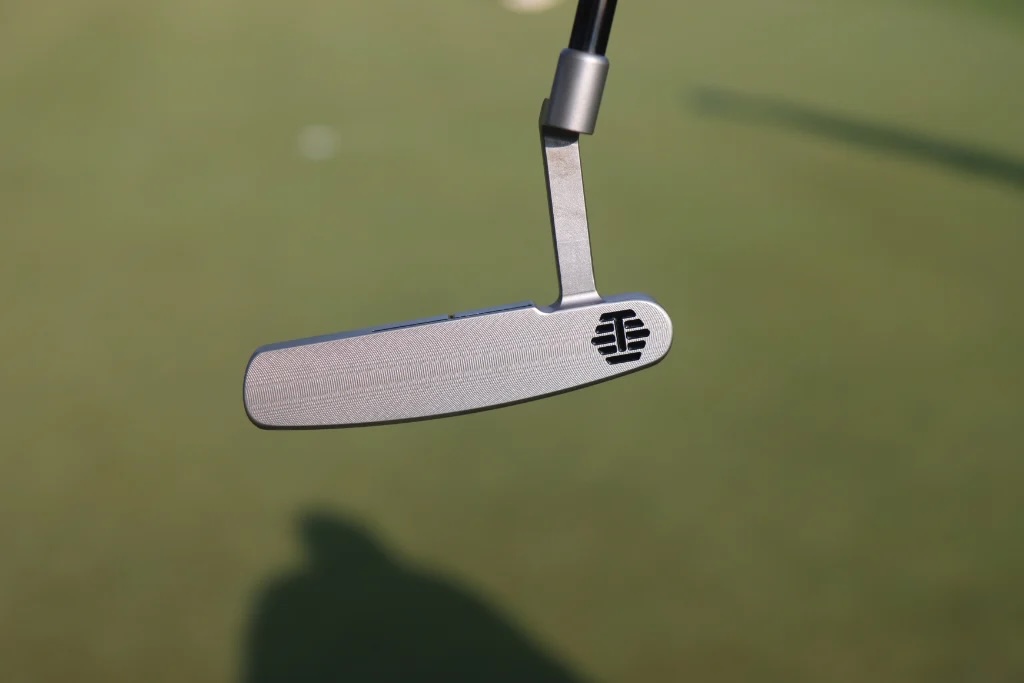
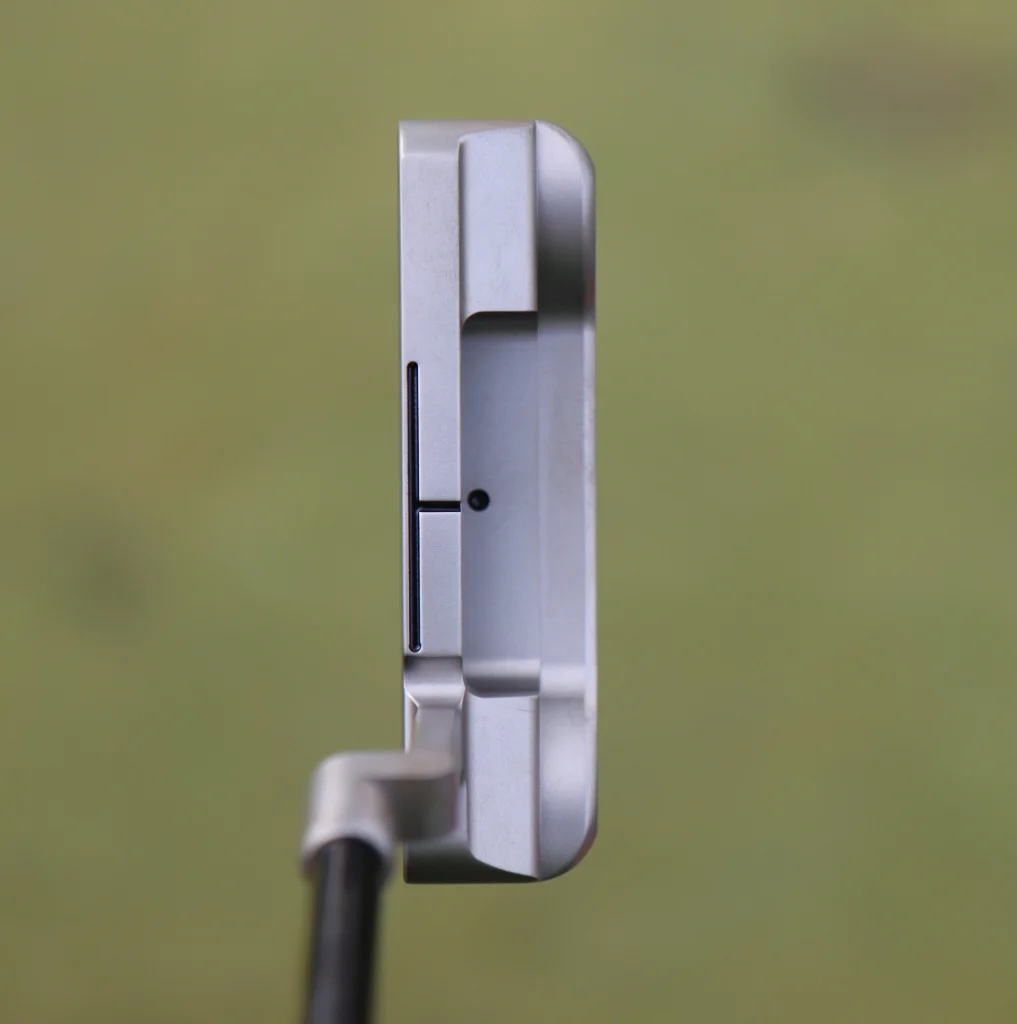
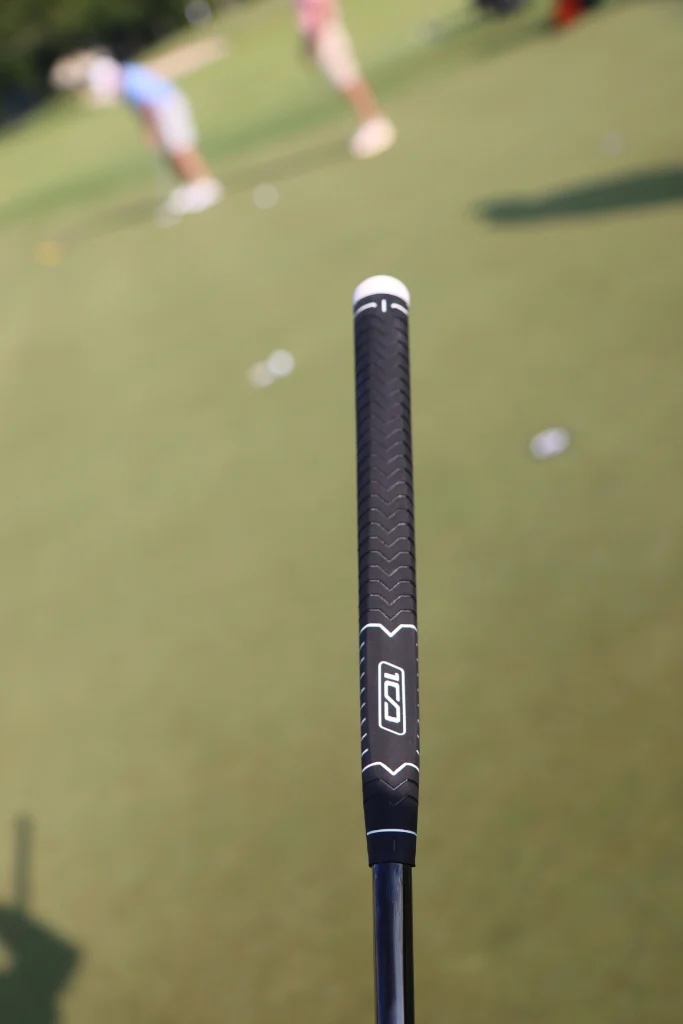
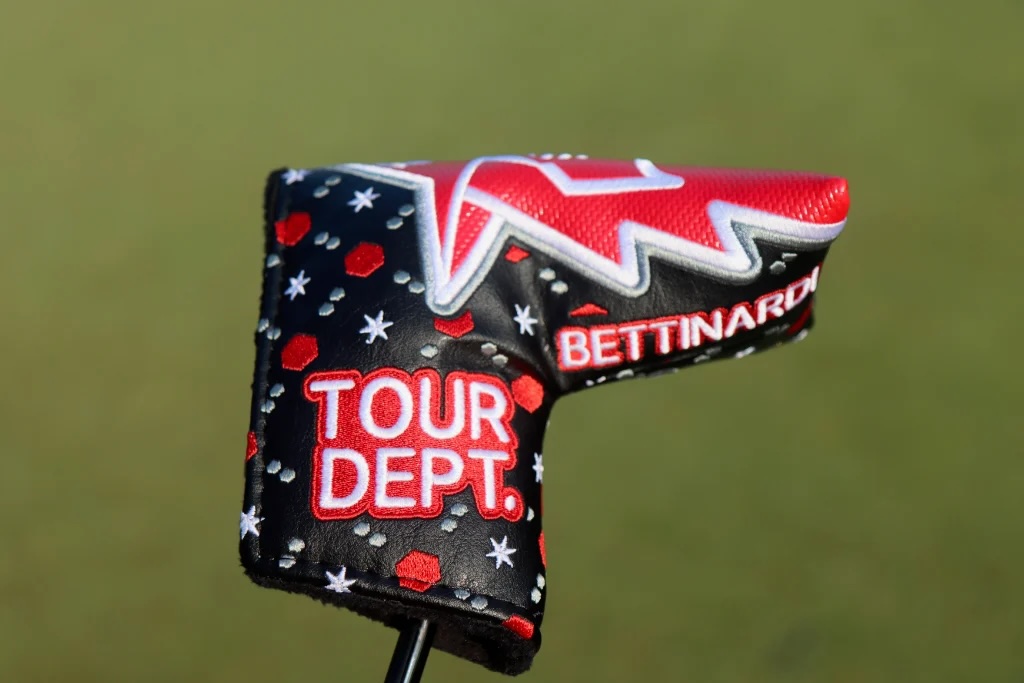
For all things ISCO Championship, check out the forum thread here.
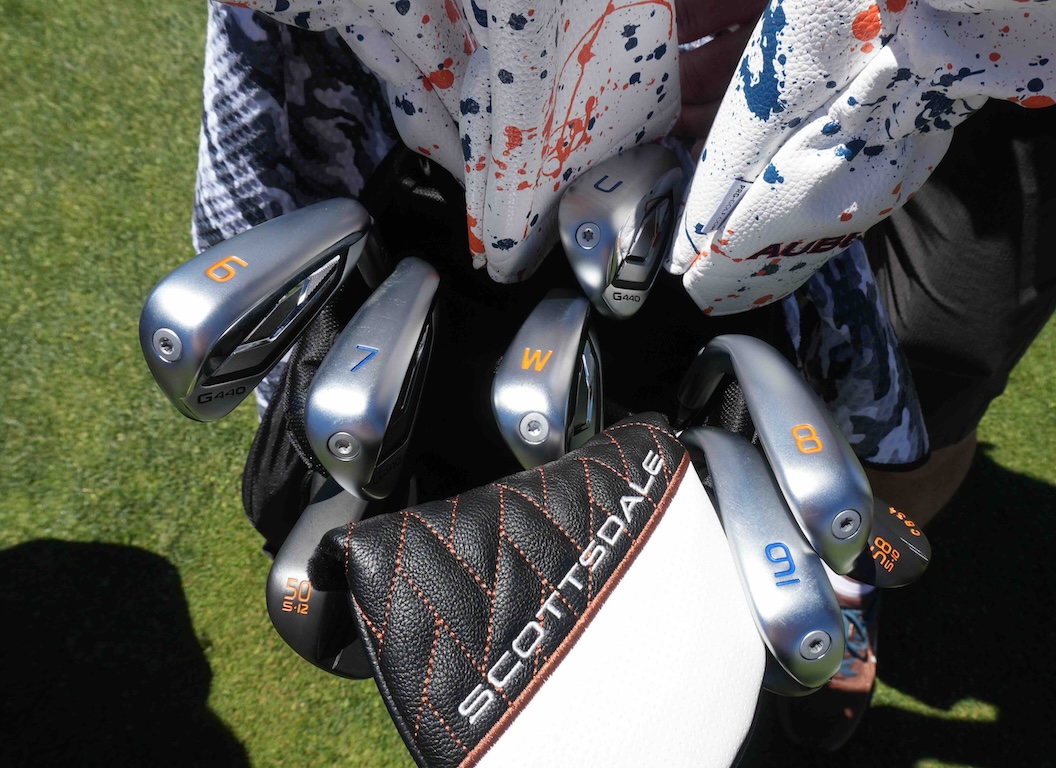
Andrew Von Lossow is reporting from the American Century Championship at Edgewood Tahoe Golf Course in Stateline, Nevada, one of the premier celebrity golf events of the year. Although his main focus is filming a special edition of Inside the Ropes, presented by PGA Tour SuperStore, he also brought his camera along and took the opportunity to capture some notable golf equipment photos from the tournament.
Today, we’re focusing on the bags of some of the most famous recreational golfers in the game, like NBA legends Charles Barkley and Ray Allen, retired MLB star Dexter Fowler, and former tennis player (and a +3.1 handicap) Mardy Fish.
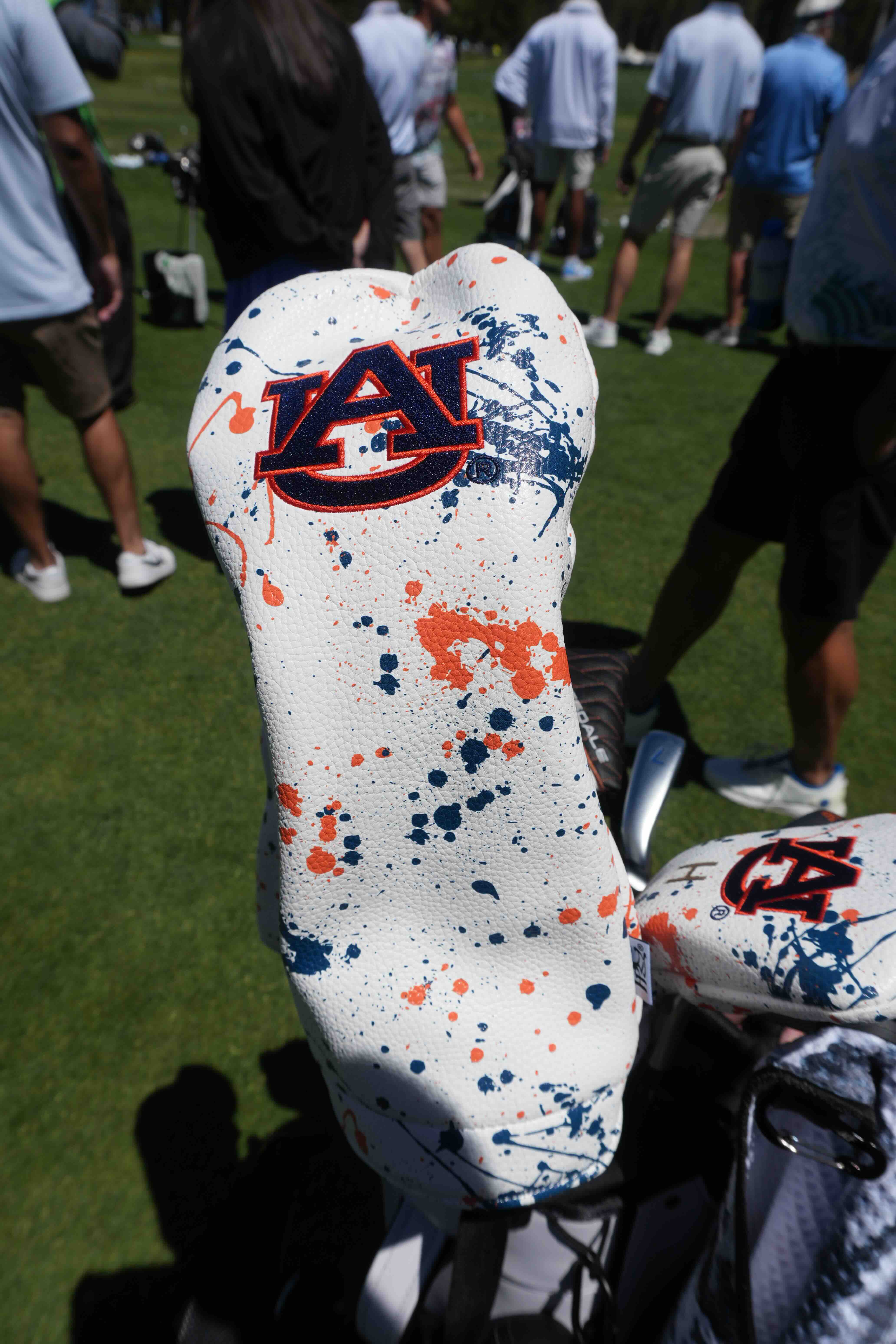
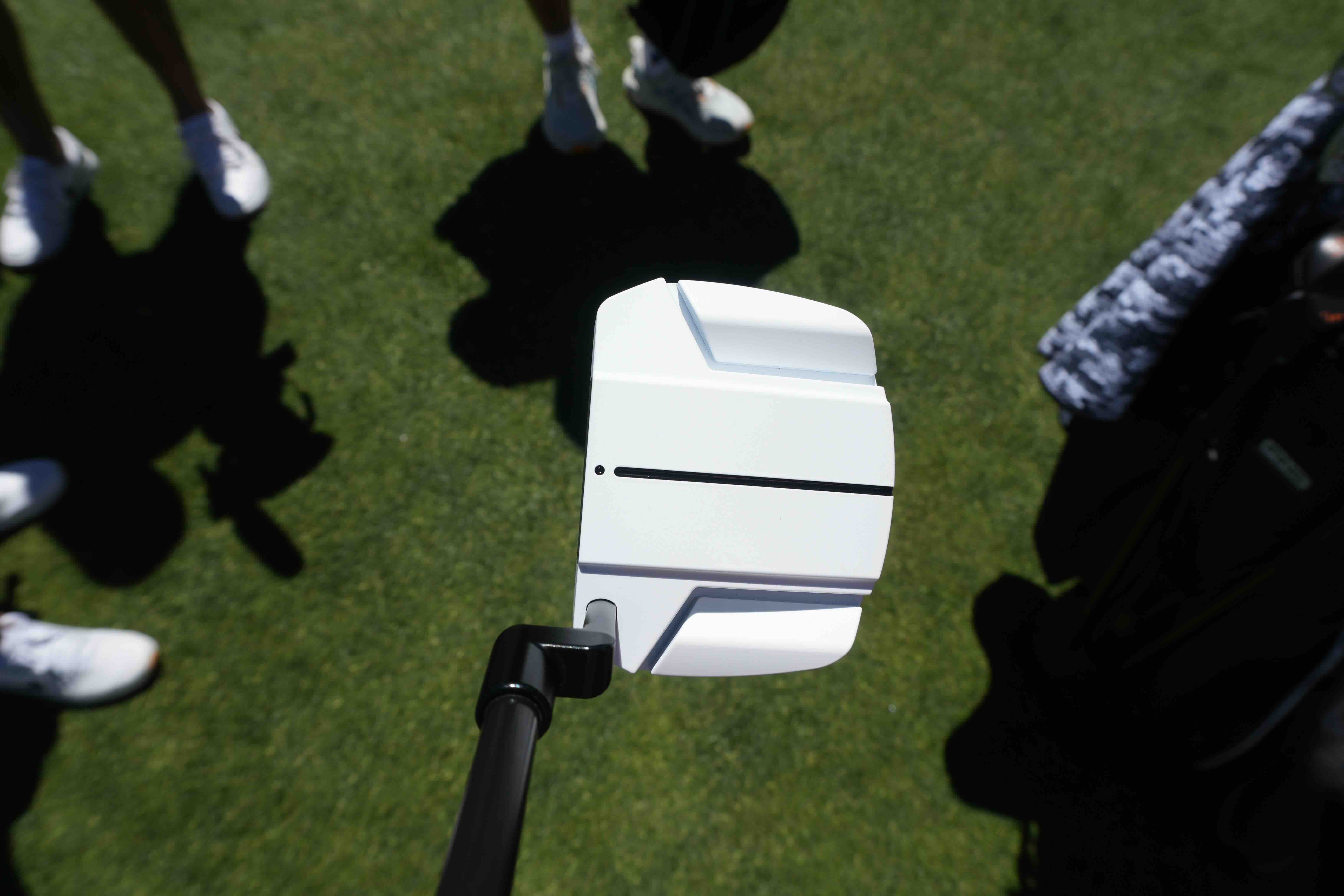
Charles Barkley has a hot new putter in his bag.
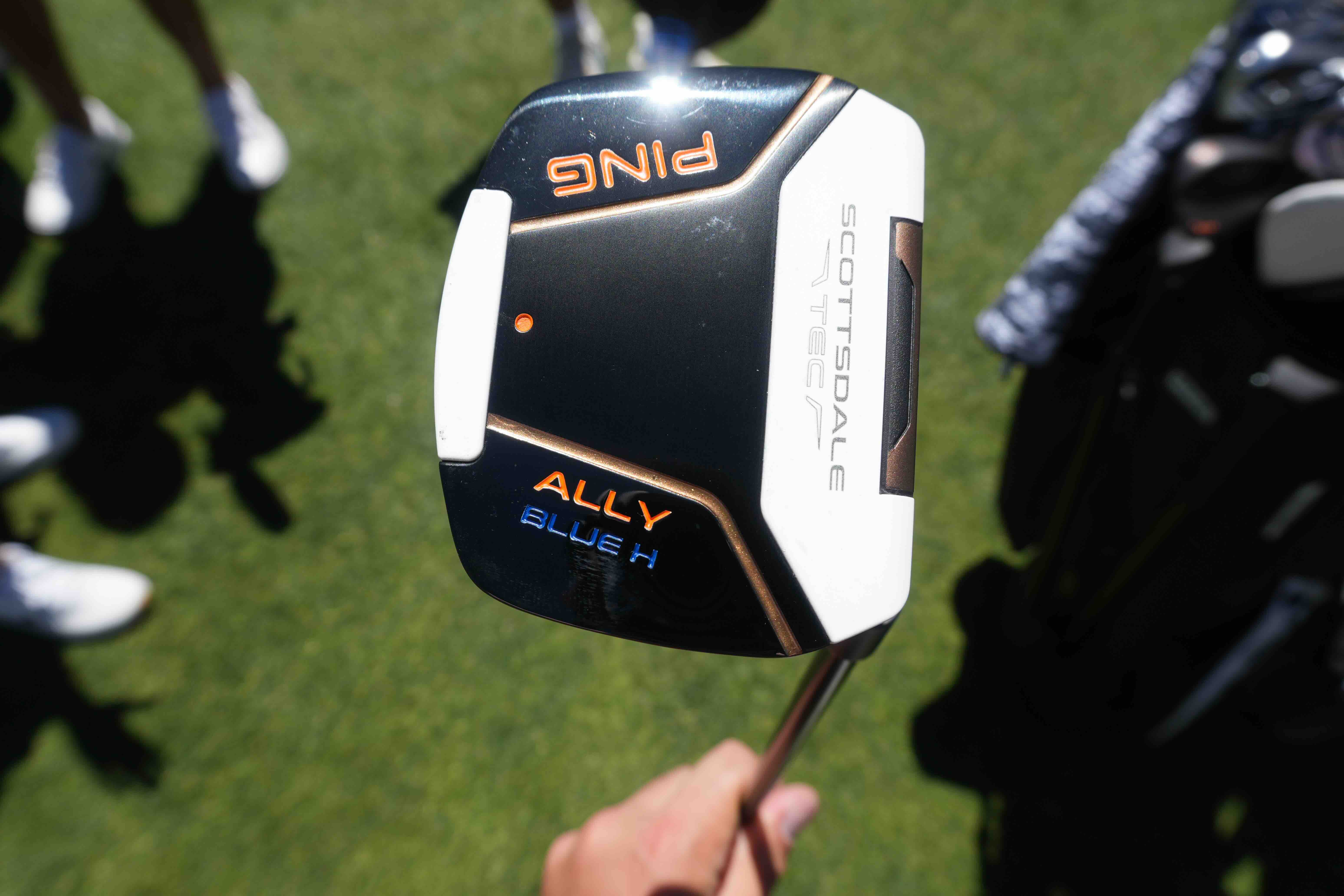
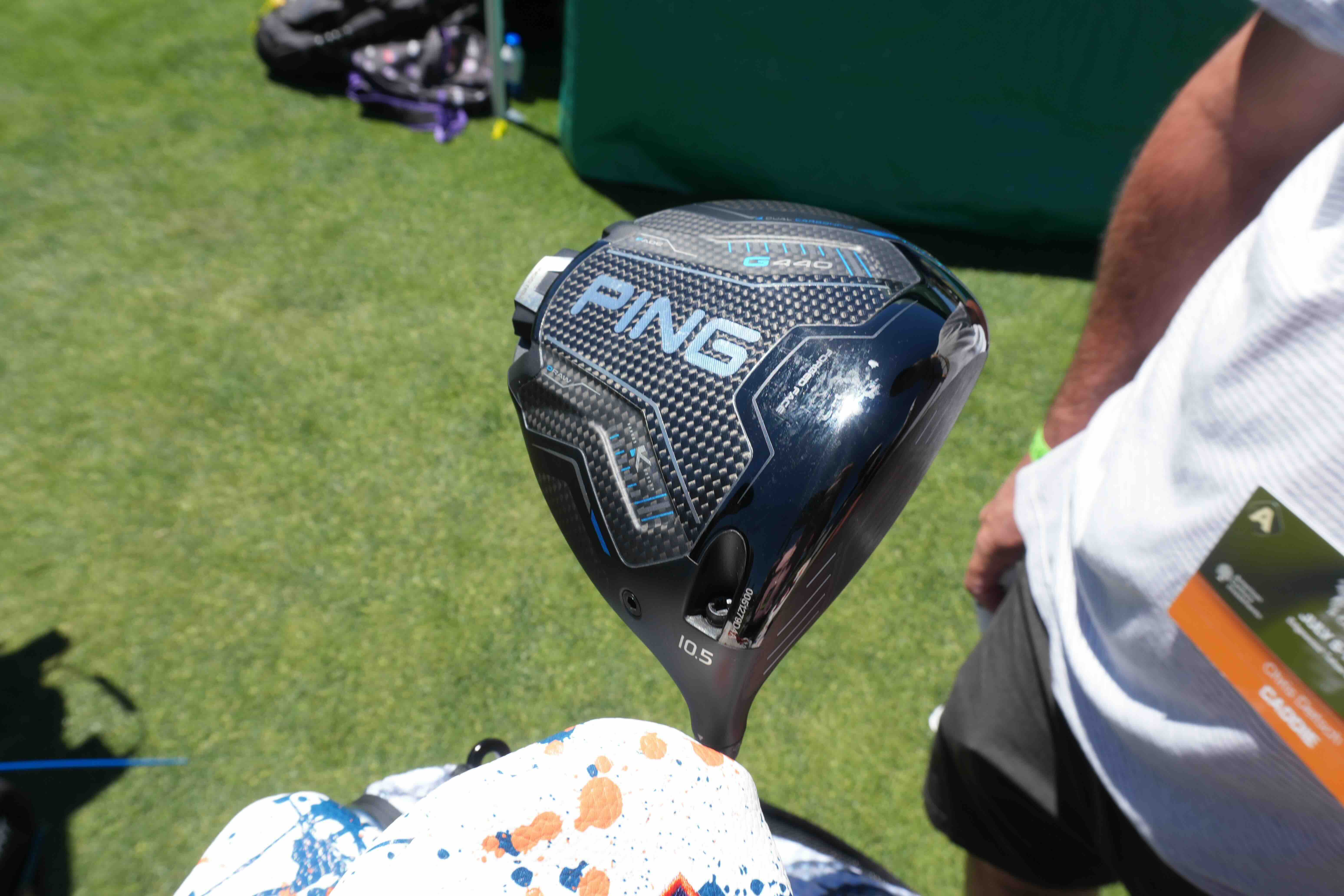
The Inside the NBA personality reps Auburn with his headcovers, and is currently gaming the Ping Scottsdale TEC Ally Blue H putter. Check out more from the Ally Blue collection here. Barkley’s wand comes with a plumber’s neck, which isn’t available in this current batch of the TEC putters. Chuck stays loyal to Ping throughout the bag, using a Ping G440 K driver at 10.5 degrees and Ping G440 irons.
Three-point shooting legend Ray Allen sports a world-class bag.
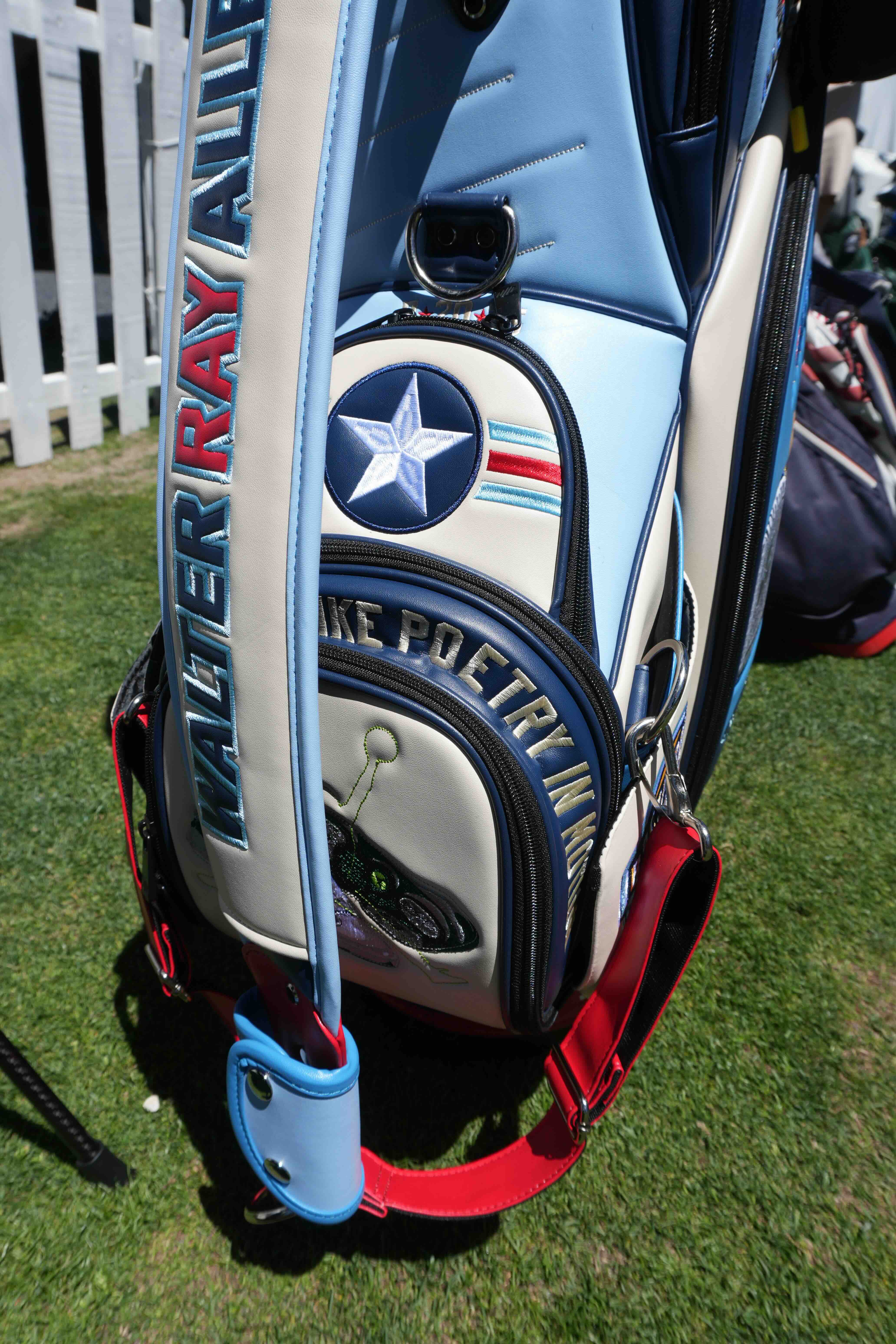
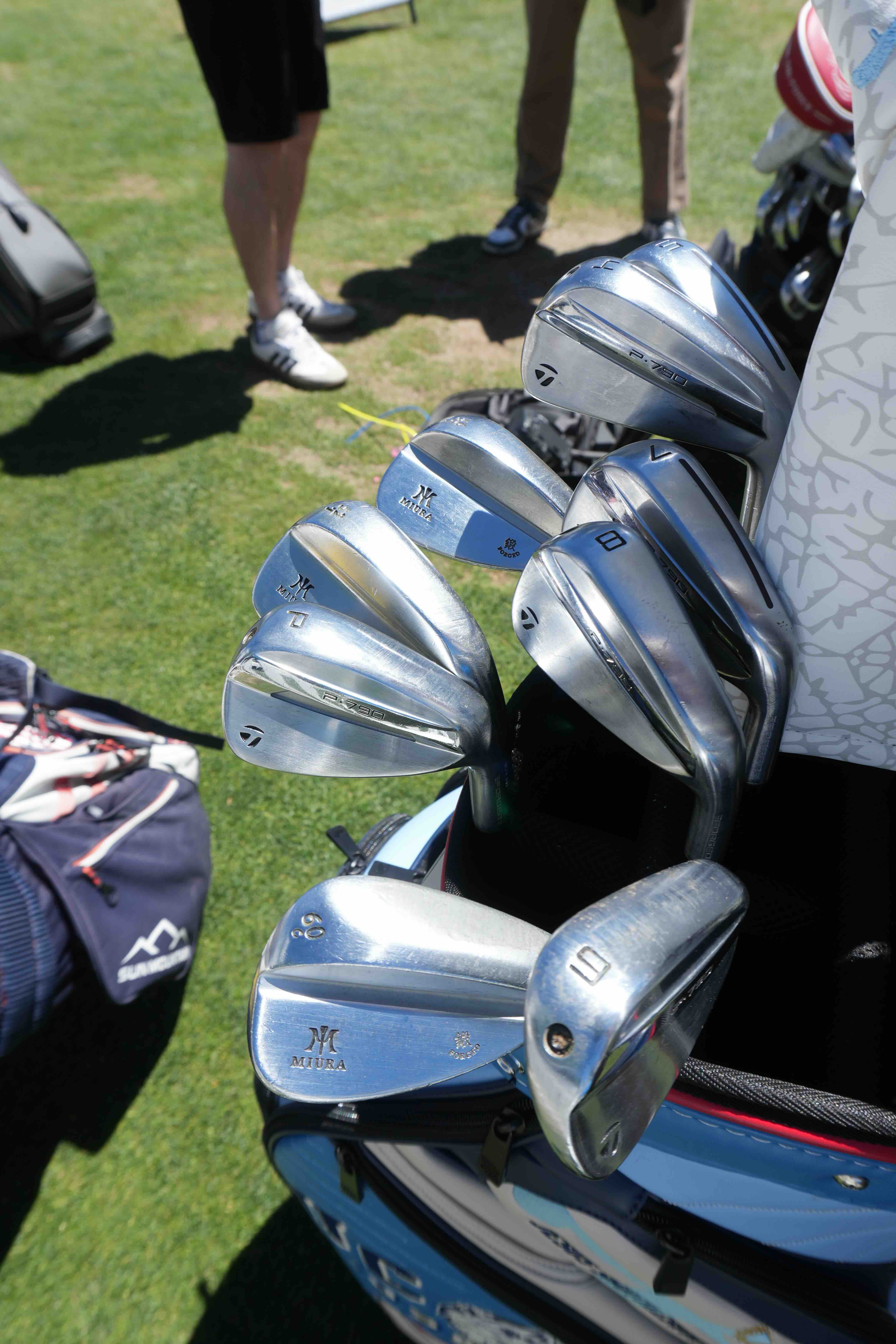
Ray Allen’s bag pays homage to his career at UCONN, as a member of the US Men’s Basketball Team, and as Jesus Shuttlesworth in the film He’s Got Game. As for clubs, Allen rocks TaylorMade P790 irons and Miura wedges. All in all, a smooth bag for one of the game’s smoothest players.
Dexter Fowler is the king of headcovers.
Fowler, who played 14 seasons in the MLB, sports some of TaylorMade’s best vintage-inspired headcovers, including the BRNR and the Liberty Lines driver headcover. For the putter, he’s got an extremely rare Scotty Cameron Circle T Tiffany Camo Dog putter cover.
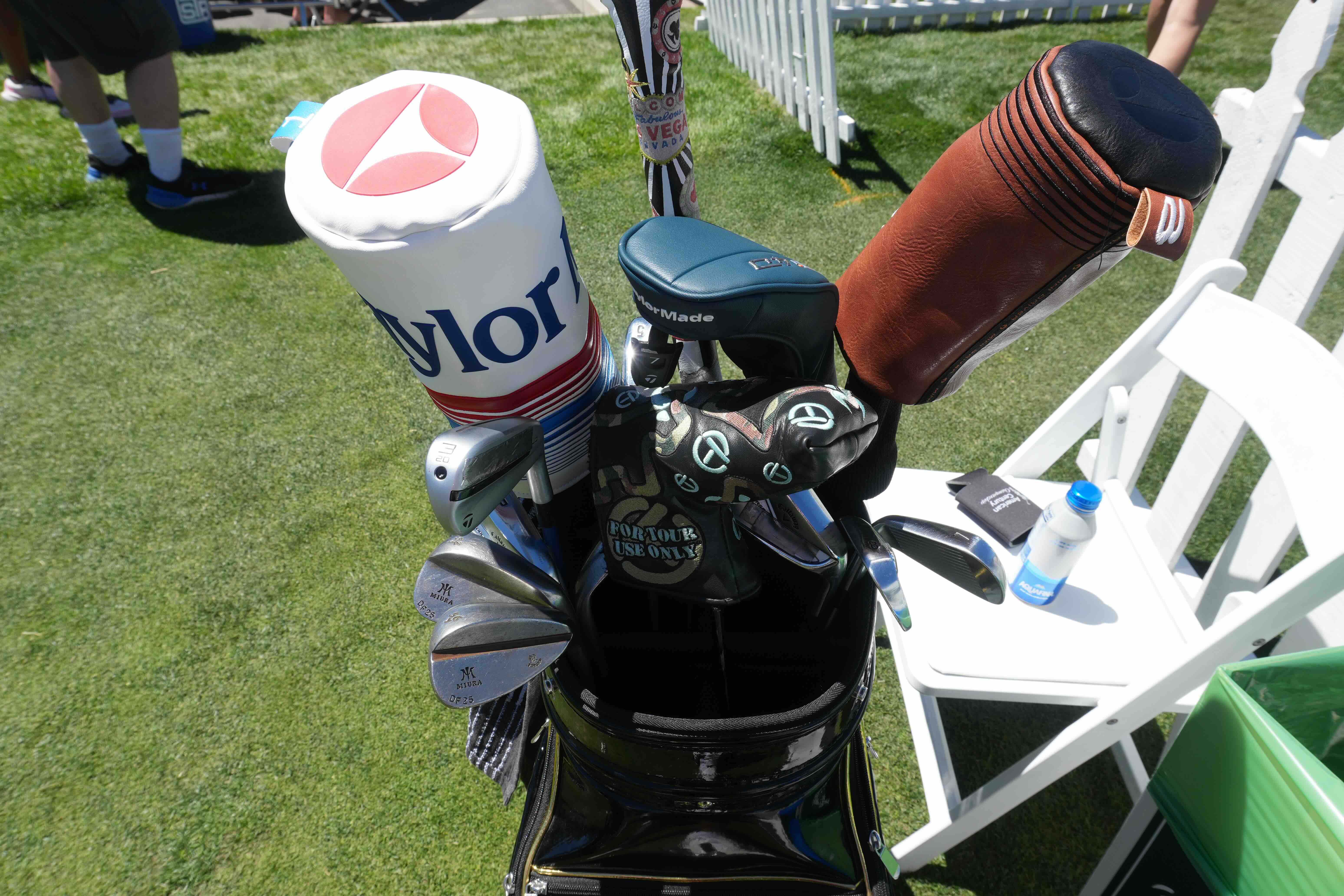
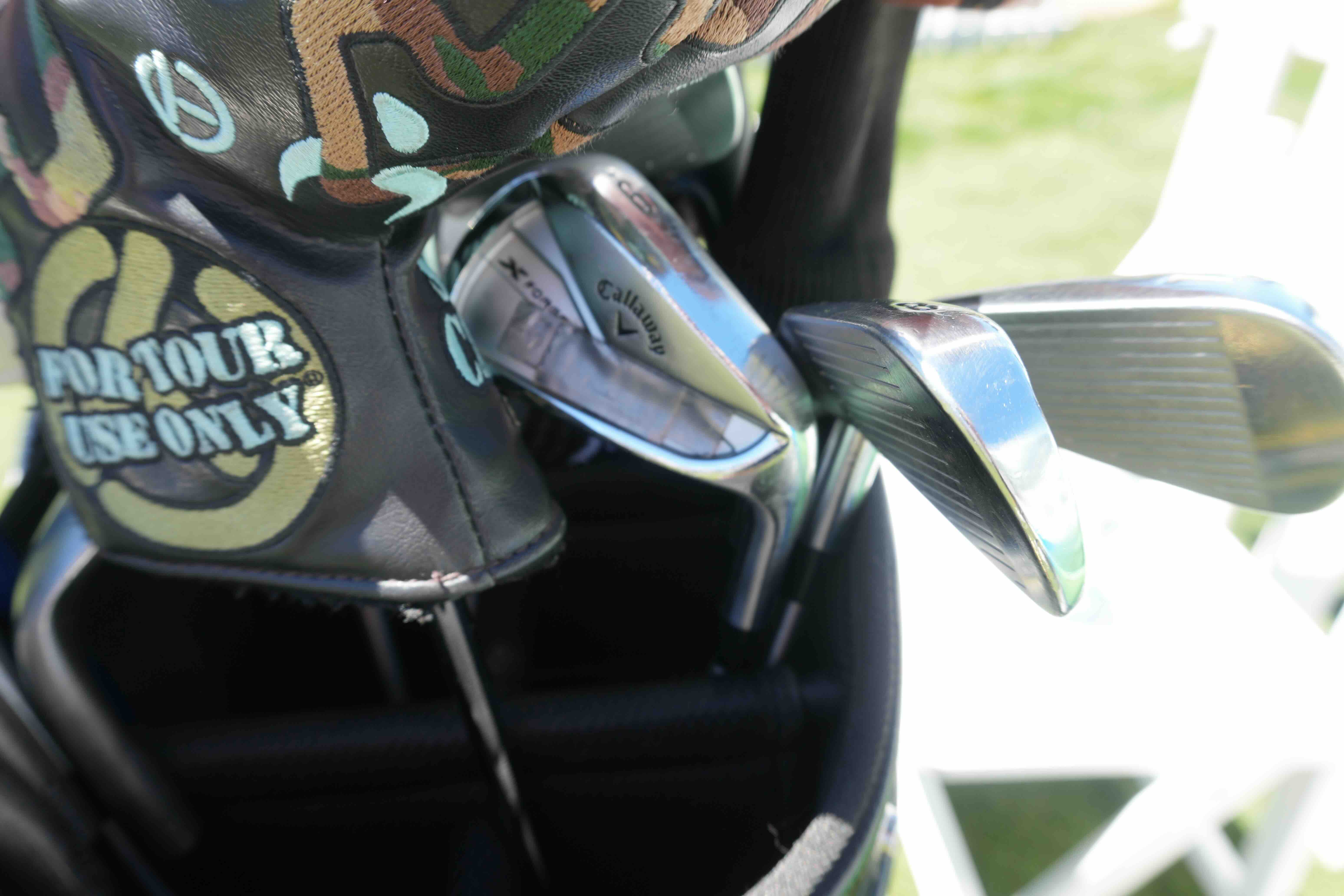
Mardy Fish has a bag to back up his very impressive game.
Minnesota-born tennis star Mardy Fish is loyal to TaylorMade, and the lefty fills out the top of his bag with a Qi4D driver at 9 degrees. Fish putts with the TaylorMade Spider 5K ZT, uses a Stealth DHY driving iron, P7MB irons, and MG5 charcoal wedges with custom stamping.
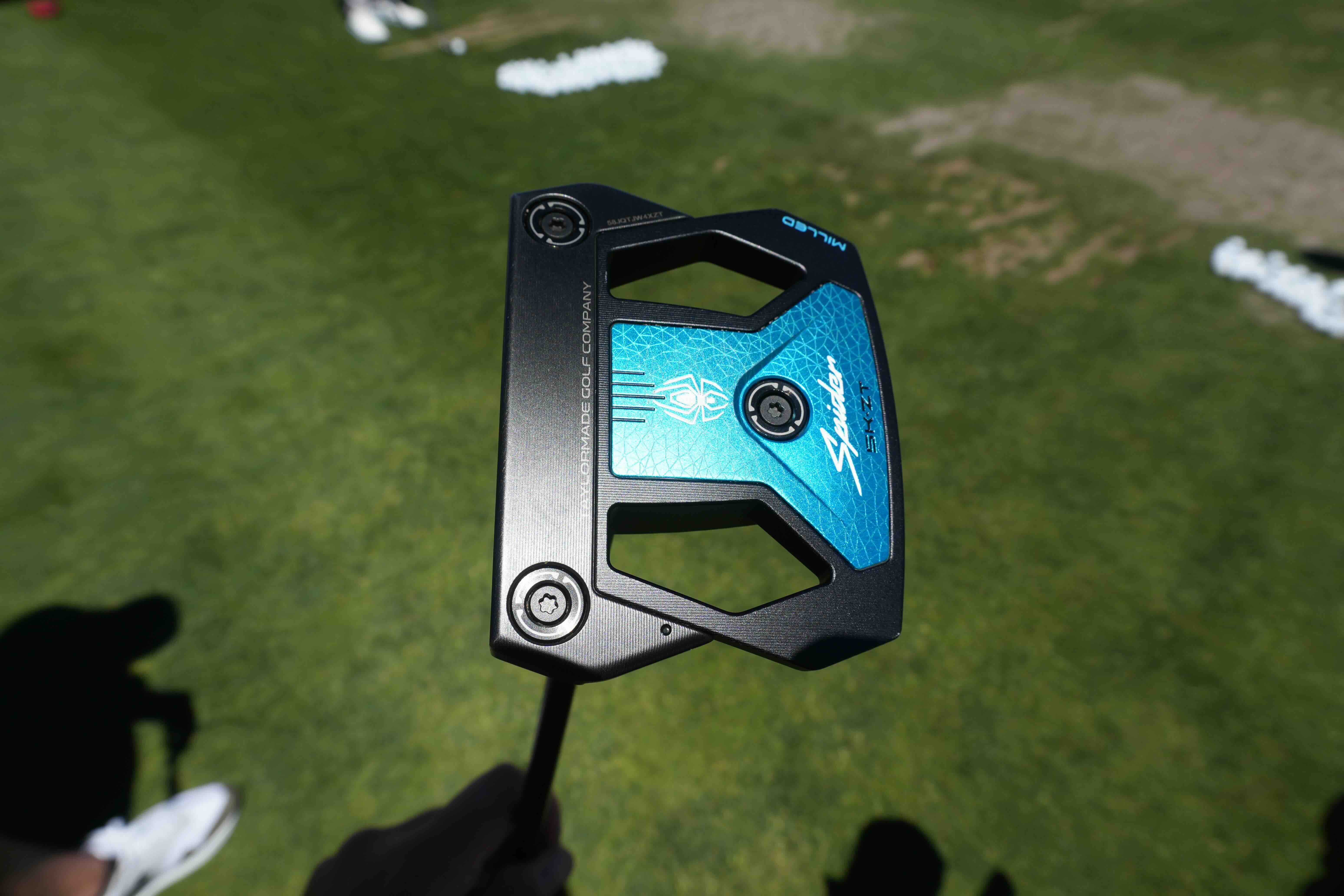
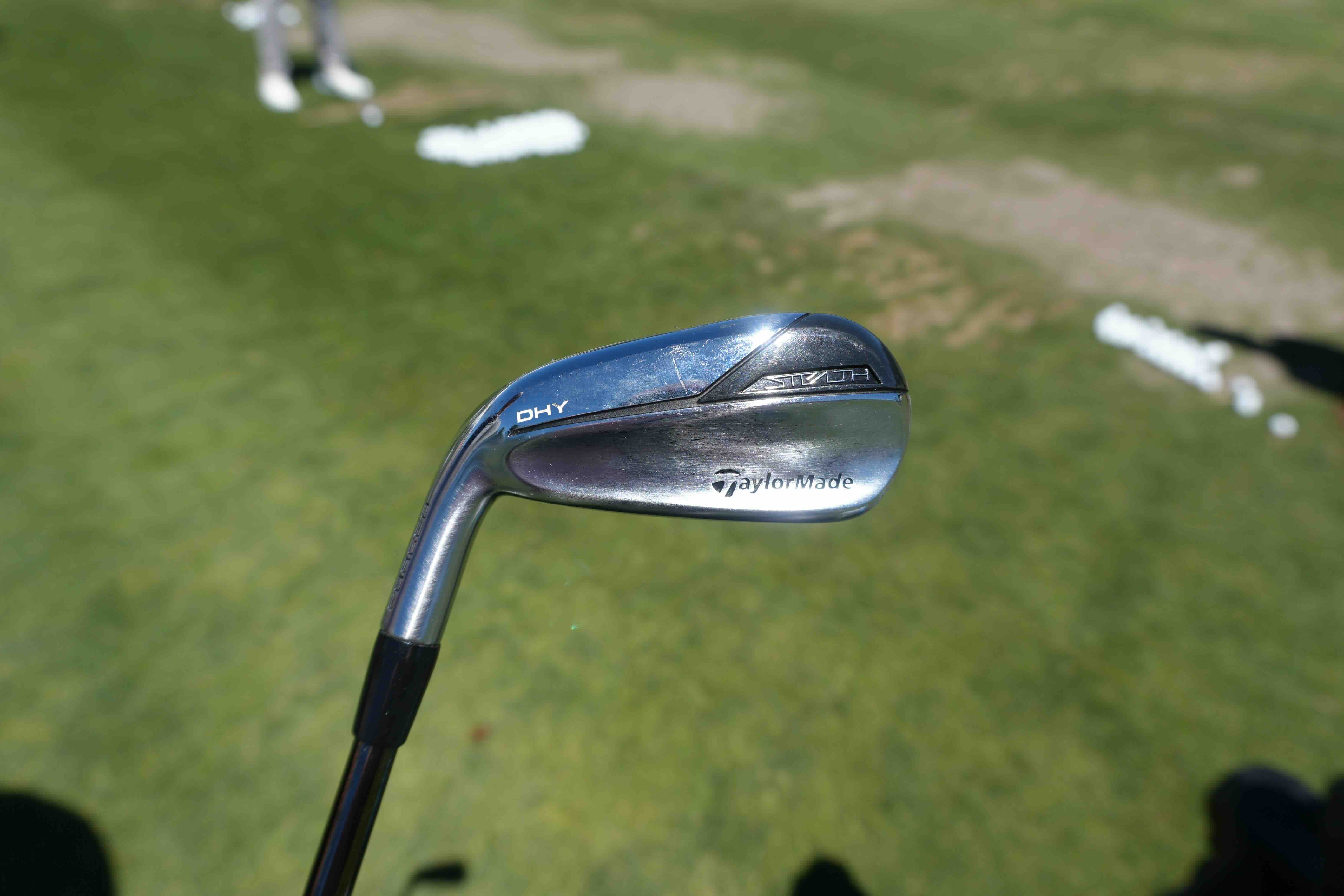
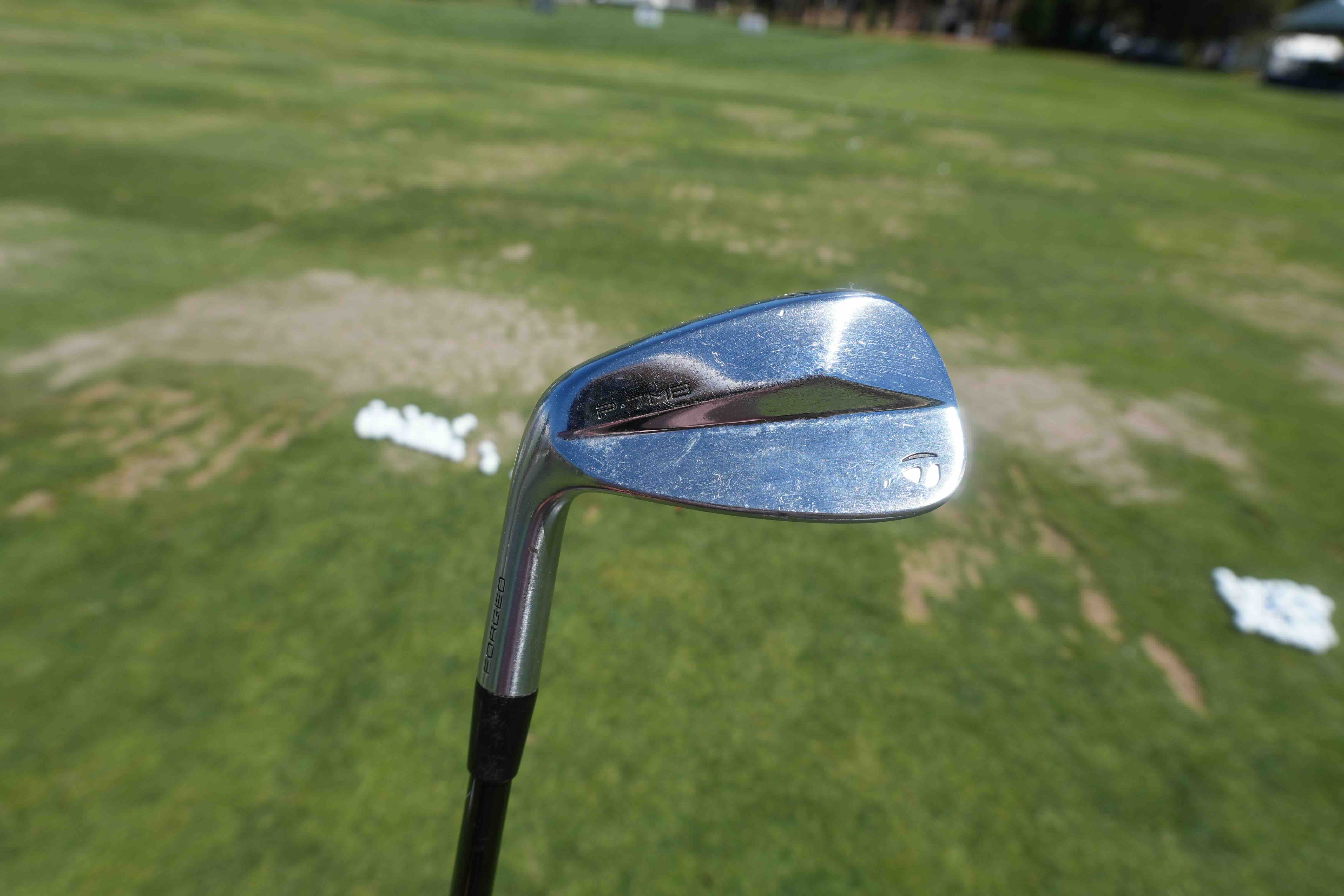
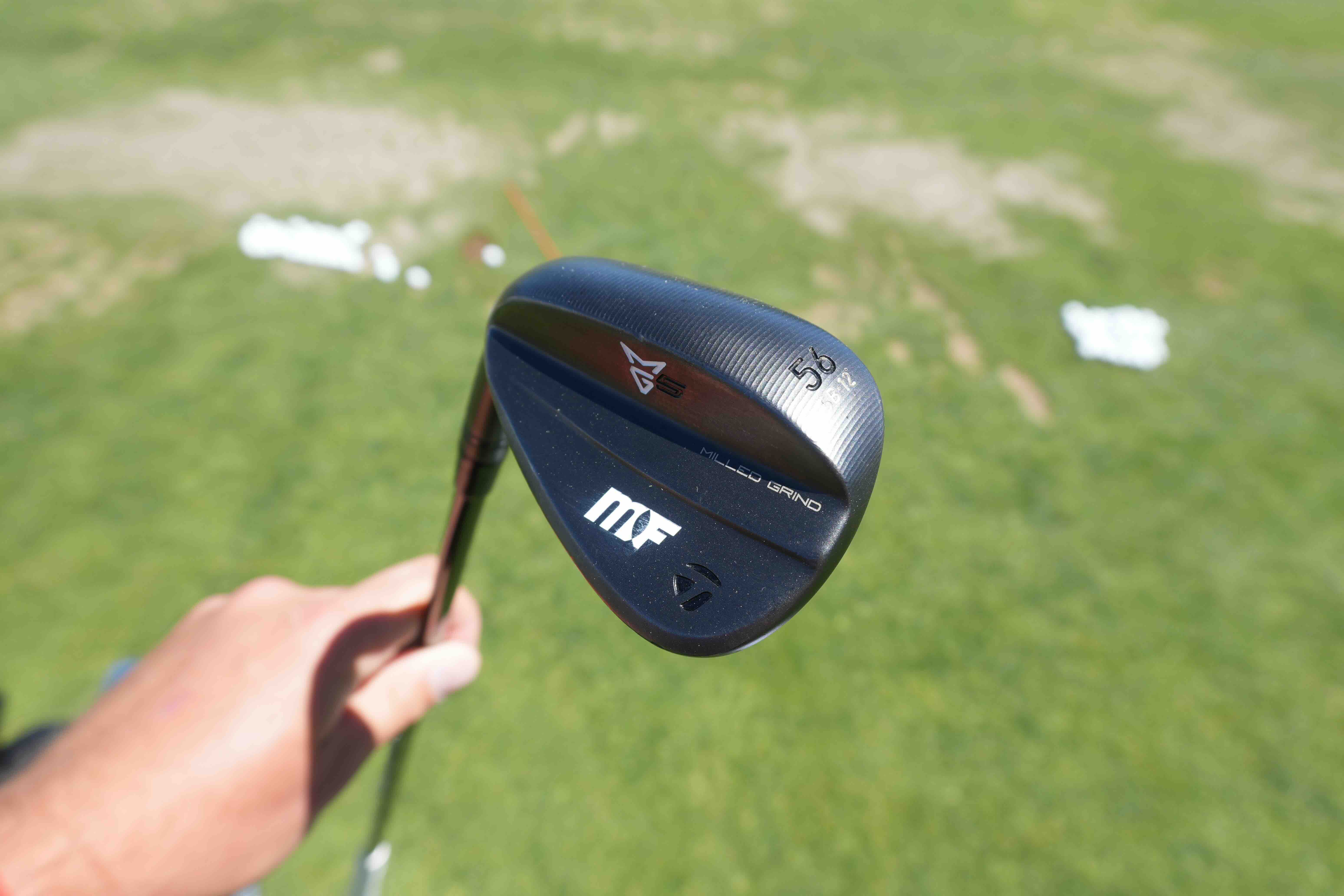
Stay tuned for more from the American Century Championship!

Best irons 2026: Best irons overall, most forgiving irons, and more

J.T. Poston’s winning WITB: 2026 Memorial Tournament

Memorial Tournament Tour Report: Rory McIlroy, Cameron Young switch up drivers, and more

Wyndham Clark’s winning WITB: 2026 U.S. Open

Russell Henley’s winning WITB: 2026 Charles Schwab Challenge

Viktor Hovland’s winning WITB: 2026 Travelers Championship

Details on Jason Day’s latest prototype Avoda iron setup

WITB Time Machine: Retief Goosen’s winning WITB, 2004 U.S. Open

Bryson DeChambeau pairs new big-stick speed with new-shoe stability

Photos from the 2026 U.S. Open

Luke List WITB 2026 (July)
Luke List had >14 clubs in his bag when photographed prior to the John Deere Classic. Driver: Titleist GTS3 (9 degrees, SureFit...


Seungyul Noh WITB 2026 (July)
Seungyul Noh had >14 clubs in his bag when photographed prior to the John Deere Classic. Driver: Callaway Quantum Triple Diamond...


Daniel Iceman (Kentucky PGA Section Champ) WITB 2026 (July)
Driver: Callaway Elyte Triple Diamond (8 degrees) Shaft: Ventus TR Blue 6 X 3-wood: Callaway Paradym Ai Smoke Triple Diamond (15 degrees)...


Kevin Streelman WITB 2026 (July)
Driver: Titleist GTS3 (9 degrees) Shaft: Aldila Rogue 125 MSI 70 2.5 Tour X 3-wood: TaylorMade Qi35 (16.5 degrees) Shaft: Fujikura Ventus Blue...
-
 News3 weeks ago
Wyndham Clark’s winning WITB: 2026 U.S. Open
-
 Whats in the Bag2 weeks ago
Viktor Hovland’s winning WITB: 2026 Travelers Championship
-
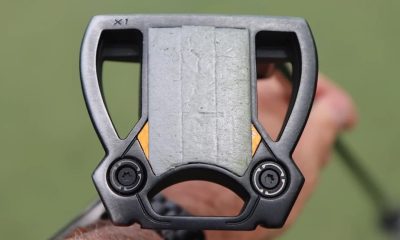
 Whats in the Bag5 days ago
Chris Gotterup’s winning WITB: 2026 John Deere Classic
-

 Tour Photo Galleries3 weeks ago
Photos from the 2026 Travelers Championship
-

 News3 days ago
Rory McIlroy sheds light on Nike Golf’s 2016 equipment industry exit
-
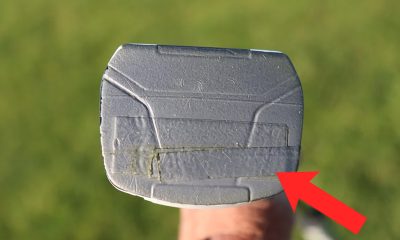
 Equipment2 weeks ago
Wyndham Clark’s Ping putter: There’s more to the lead tape than just weight
-

 News2 weeks ago
Details on Viktor Hovland’s driver, shaft change
-

 News2 weeks ago
Travelers Championship Tour Report: The Spieth putter switch that never happened (and the Fowler, Spaun & Rose switches that did)

