
Equipment
The surprising way Tony Finau will be putting this week

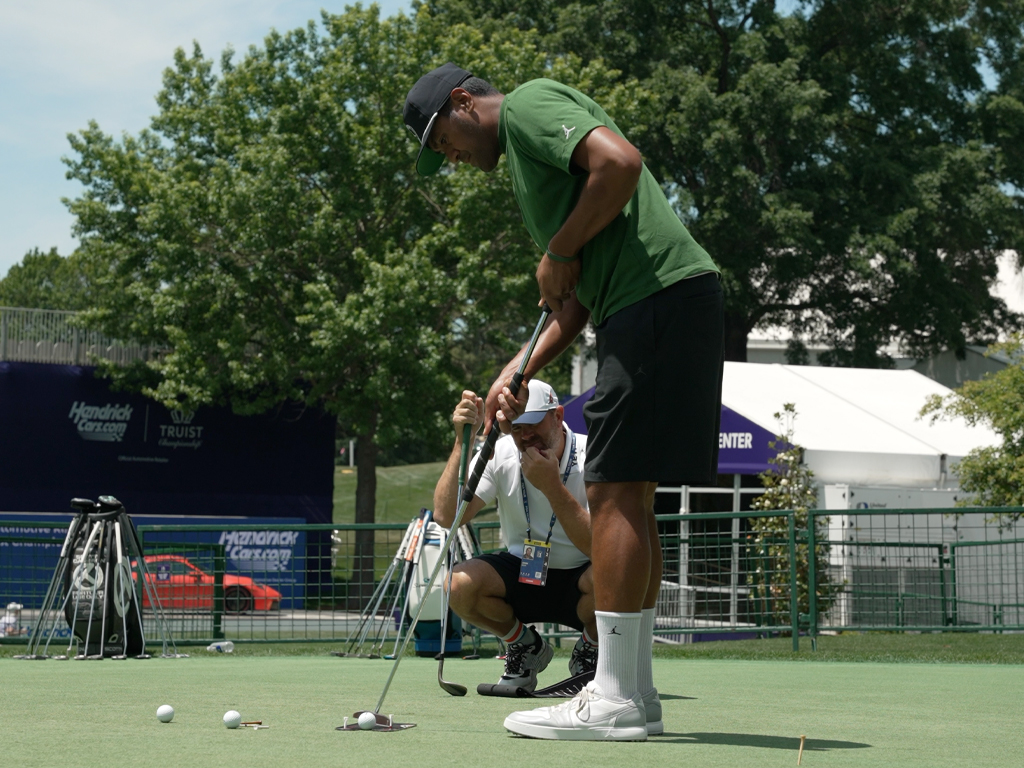
Tony Finau has had a resurgent year on the greens in 2026. He switched into a Ping Scottsdale Tec Ally Blue putter earlier in the spring and, since then, has climbed to 18th on the PGA Tour in putting average, and is gaining strokes on the greens for the first time since 2022.
So it may surprise some to see him potentially switching putters at Quail Hollow Club ahead of the 2026 Truist Championship, and he’s doing it in a very unconventional way. Finau, a six-time winner on Tour, was spotted using a broomhandle putter, a less-than-traditional length putter.
“Putter’s felt good and bad, kind of inconsistent,” Finau said Monday at the Truist. “So I’m like, it’s (a long putter) something that I’ve thought about. It’s something never really fully gave a chance. So off week, I didn’t play last week, so I was like, maybe this is the time to give full chance.”
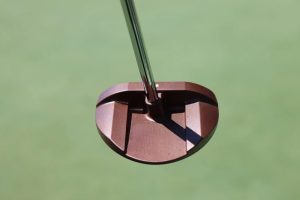
The way Finau was spotted gripping the club may be a more surprising aspect to the switch, with his hold on the club even less-than-traditional. Instead of the standard top-arm elbow pointed towards the hole and anchored into the chest, Finau has elected to externally rotate his forearm, having his thumb pointing down the grip of the club, towards the ball.
“So it never felt good, though,” Finau said about the usual way of gripping a long putter. “… But I was holding it different than most guys are doing the actual broomstick … It’s never felt comfortable like this. That’s why I’ve actually never gave it a shot.”
After 45 minutes of trying the traditional technique, Finau was struggling to see the benefits of what many believe is created from using the longer-style putter.
“Most people use it because it helps almost anchor it up here, but it’s like helps ’em get rid of any type of yip or anything,” Finau said. “I feel like I’m going to get the yips going like this.
“… I was just forcing myself to do this, and then I just noticed getting, even on a mat, it was so hard to make a good stroke and I was like, all right, yeah. I was just like, there’s no way this, it doesn’t feel natural at all.
That’s when Finau found the technique that was on display Monday ahead of the Truist. Despite the quirkiness of how it looks, Finau feels like it is the more “repeatable and natural” way for him to hold the putter.
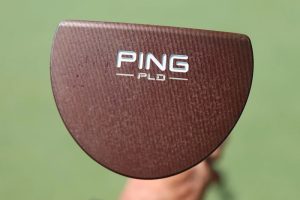
The putter itself is a 48-inch Ping PLD Onset Oslo long putter, which is one of three putters that Tony Serrano, Ping’s principal design engineer, sent to Finau to try. Its head-to-shaft placement is similar to that of the Ally Blue style that Finau was originally playing, and still in the bag Monday, just hidden by a headcover. But Finau feels confident the long putter will be in play Thursday.
Check out the rest of Finau’s setup here.



Editor’s note: We tasked our resident equipment nostalgist with mining Getty Images’ archives from the 2004 U.S. Open at Shinnecock for interesting photos. Here are his selections.
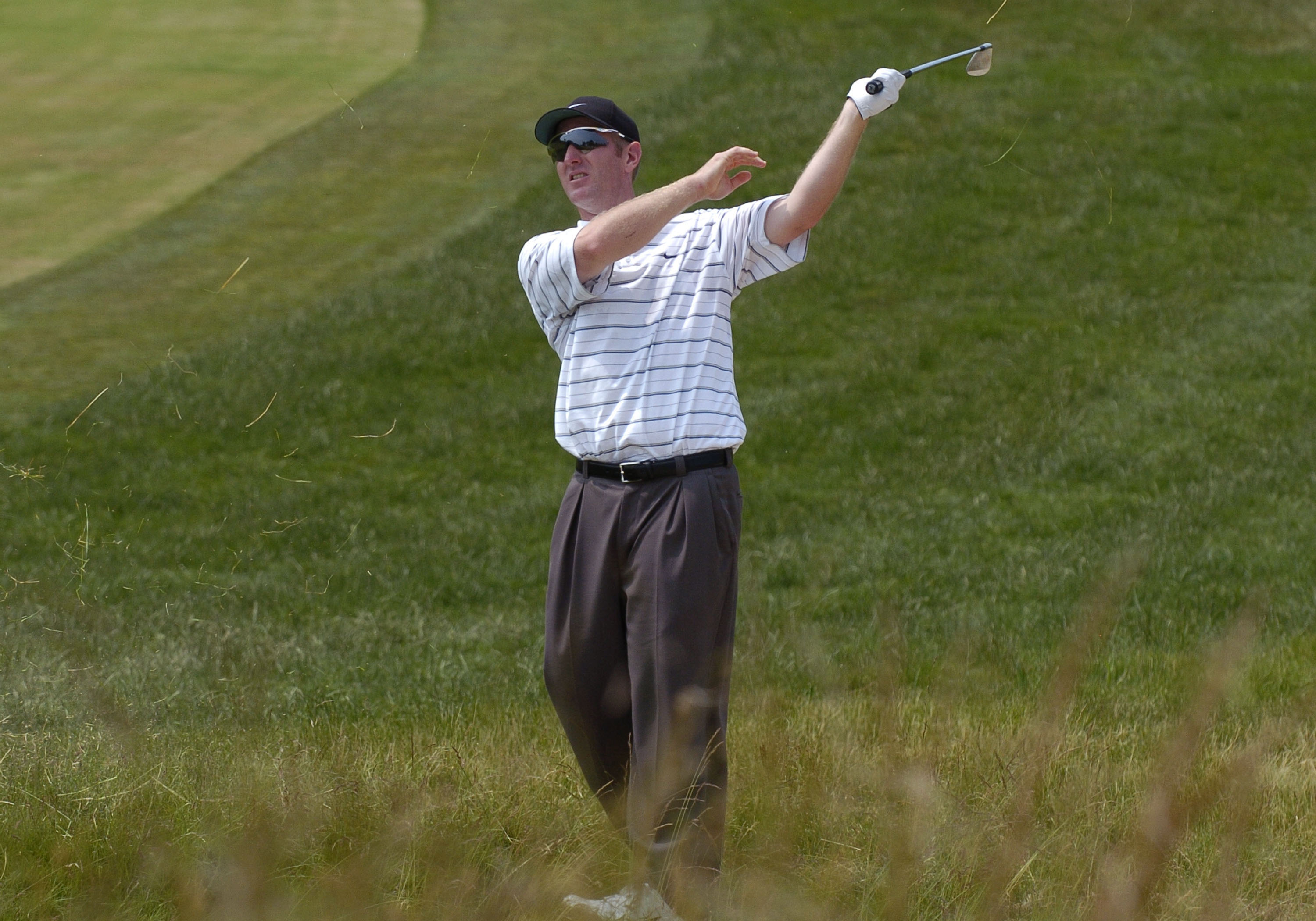
David Duval hits from the rough at Shinnecock Hills, site of the 2004 U. S. Open, during first-round play June 17, 2004. (Photo by A. Messerschmidt/Getty Images)
Patience, one-handed finishes, and keeping your cool. USGA championships challenge each facet of your game. You have to be “on” for all 18 holes. Insert the “one shot at a time” analogy, but it is very much true. Simple when executed but as the game goes, it is the greatest challenge. The challenge of Shinnecock Hills on a standard day is amplified in a U.S. Open.
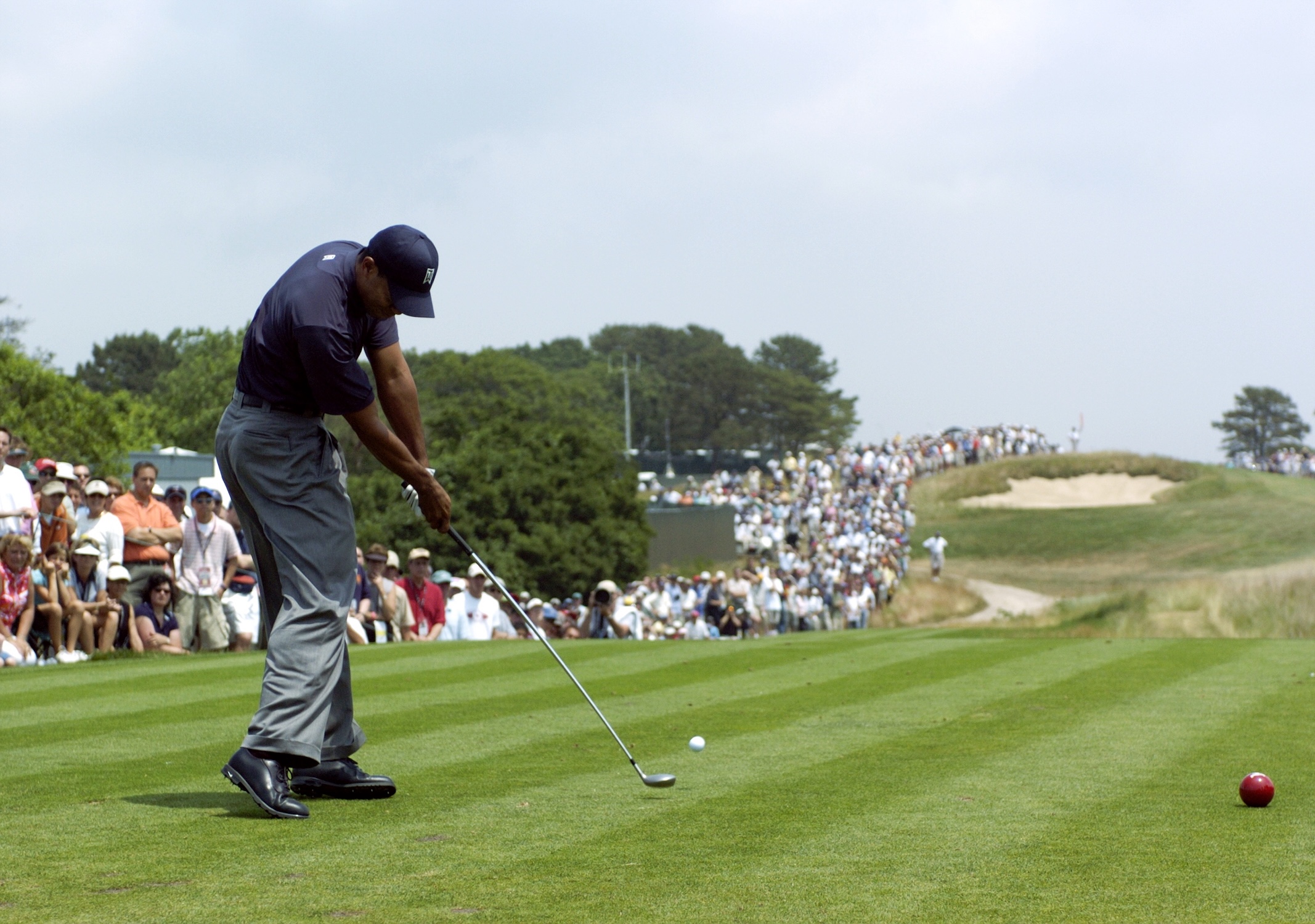
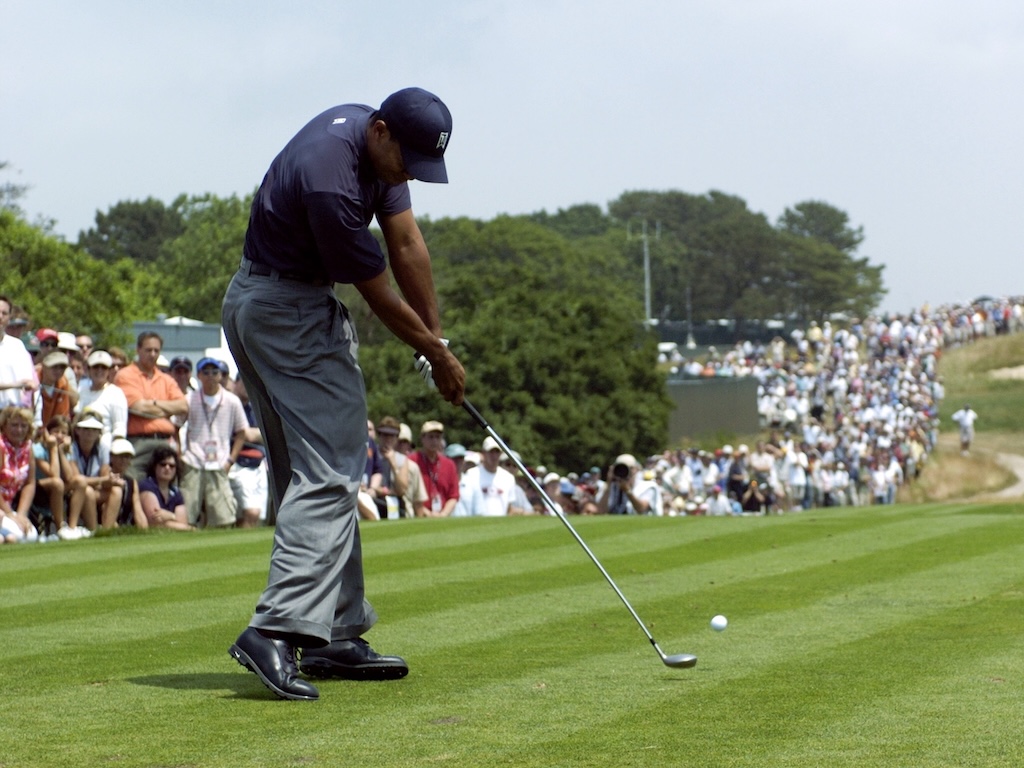
A generational blend of equipment. Tiger Woods tees off his Titliest PT 3-wood with a steel shaft. During this time in 2004, we would see clubs from the late 90’s in play blending into the early 2000’s. Launch monitor use became a common practice beginning in 2006 on the PGA Tour on-site, which made for quicker equipment changes.
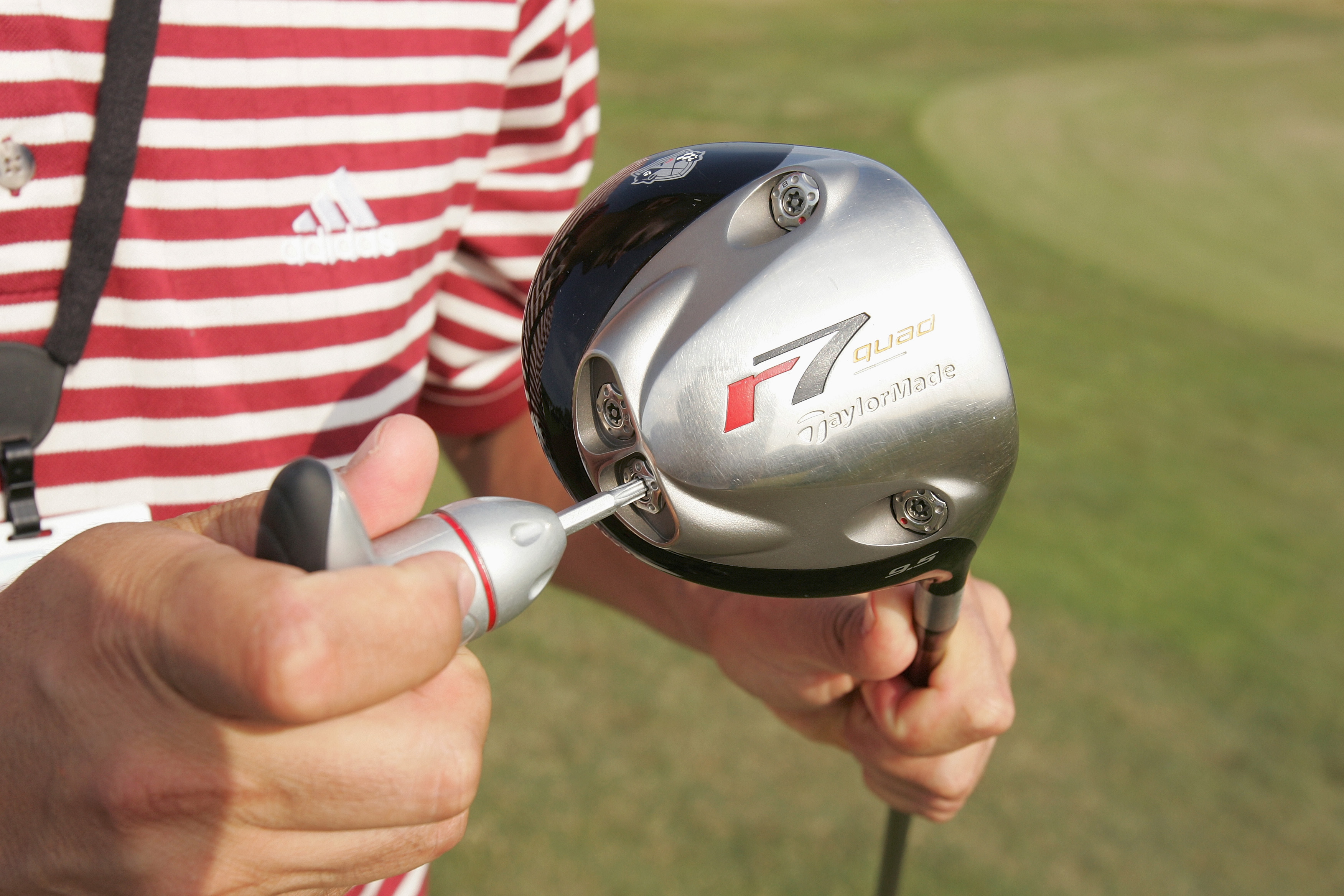
SOUTHAMPTON, NY – JUNE 16: A Taylor Made golf employee tightens a screw on the new R7 quad driver during the third day of practice at the 104th U.S. Open at Shinnecock Hills Golf Club on June 15, 2004 in Southampton, New York. (Photo by Scott Halleran/Getty Images)
One of the big splashes of the equipment world in 2004 was the launch of the TaylorMade R7 Quad. The four adjustable weights represented a new level of player optimization not seen at the time. Soon, a wrench in each golf bag would be a necessity.
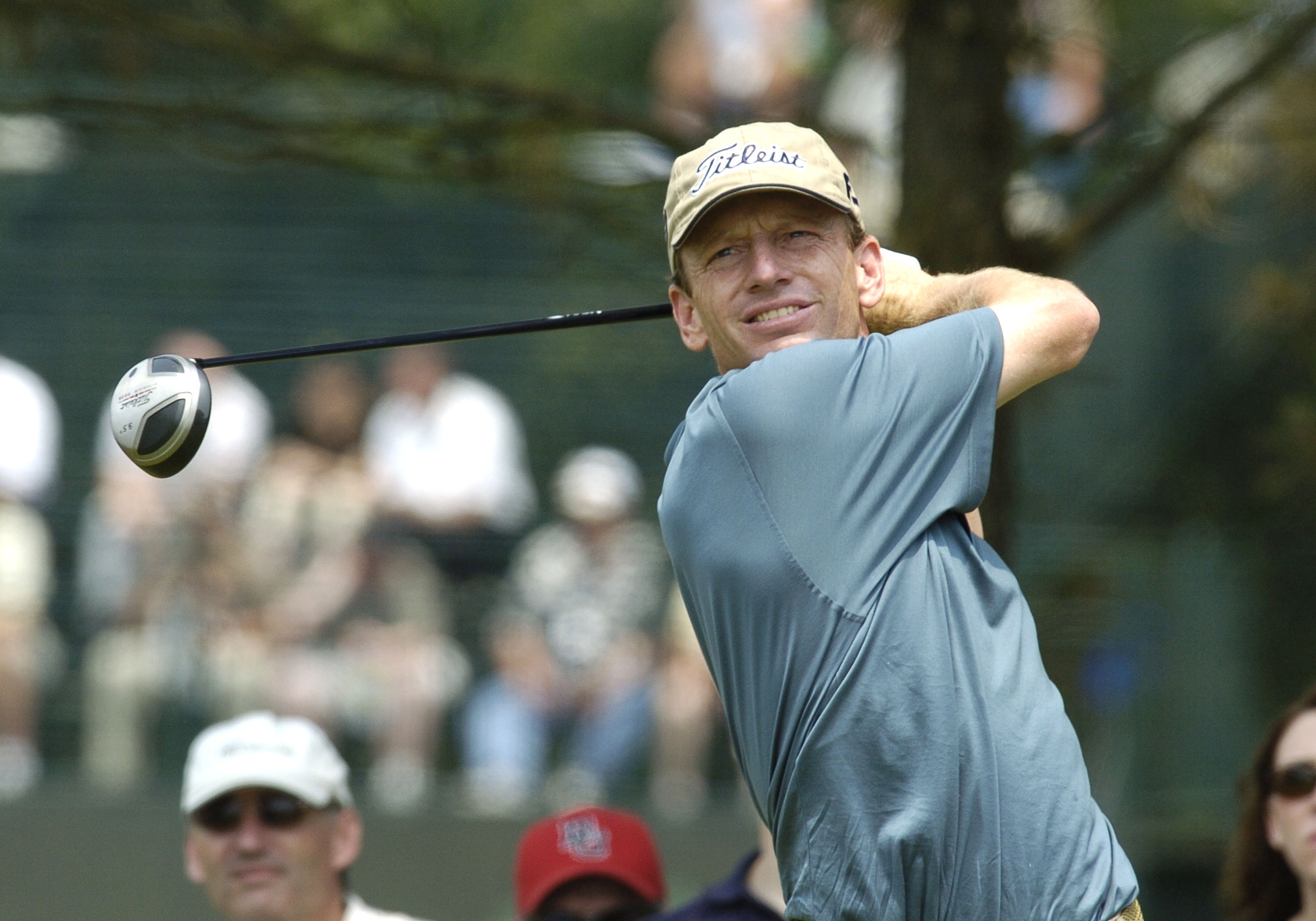
Brad Faxon competes at Shinnecock Hills, site of the 2004 U. S. Open, during first-round play June 17, 2004. (Photo by A. Messerschmidt/Getty Images)
Another big splash during this time was the 2003 release of the Titleist 983K and 983E model drivers. Brad Faxon is seen here swinging the K model. This driver was considered large at 365cc’s. With nearly every driver at 460cc’s. It is amazing to see the standard of a club change in just over two decades.
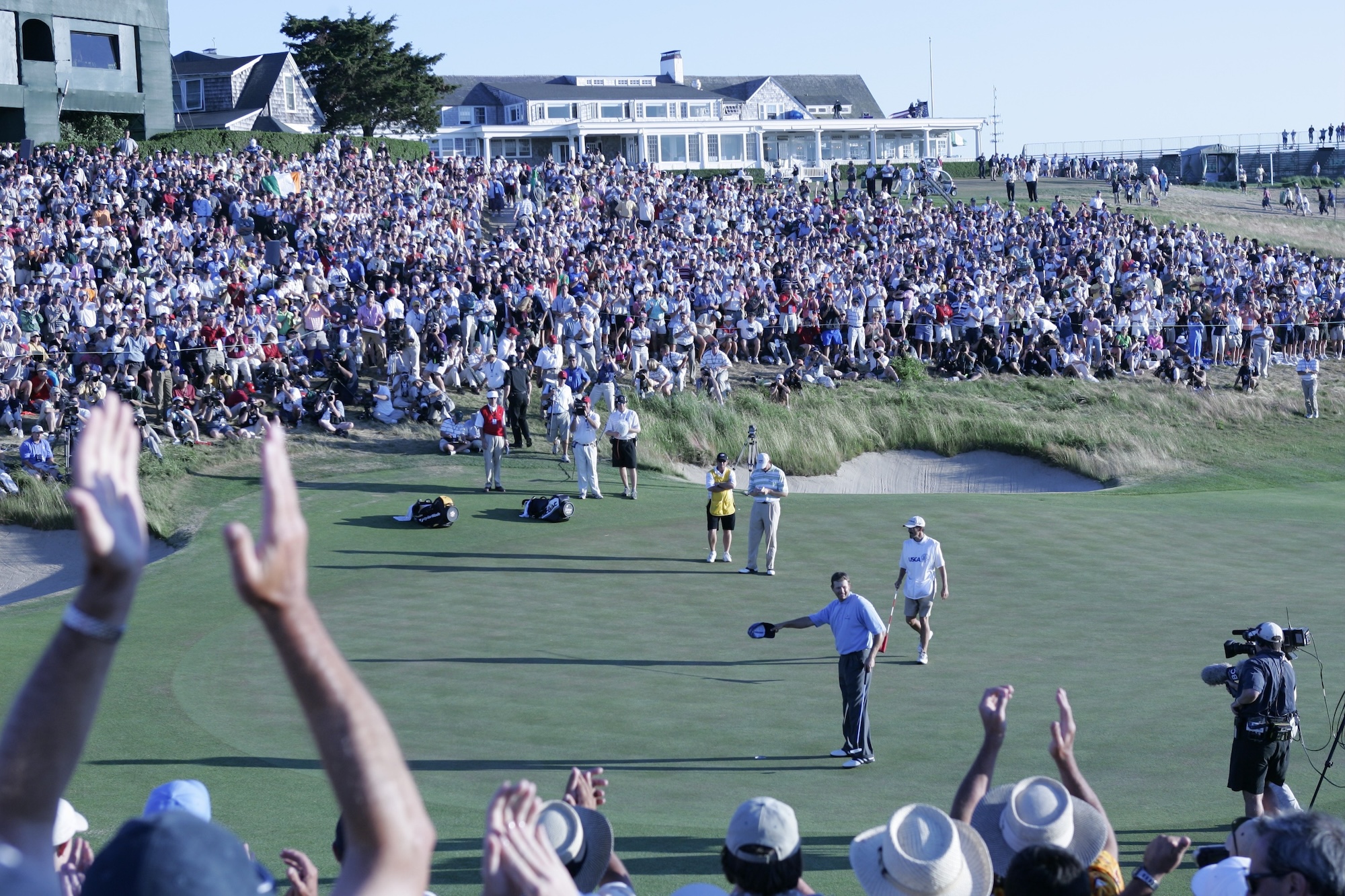
The feeling of victory. Retief Goosen completes his journey, solidifying his victory on the home hole. In 2004, as a spectator, you had to capture the moment on your digital camera or film. Not a mobile device in sight, soaking in the scenes of the 2004 U.S. Open. Just a sign of the times when it comes to hosting championships at Shinnecock Hills.


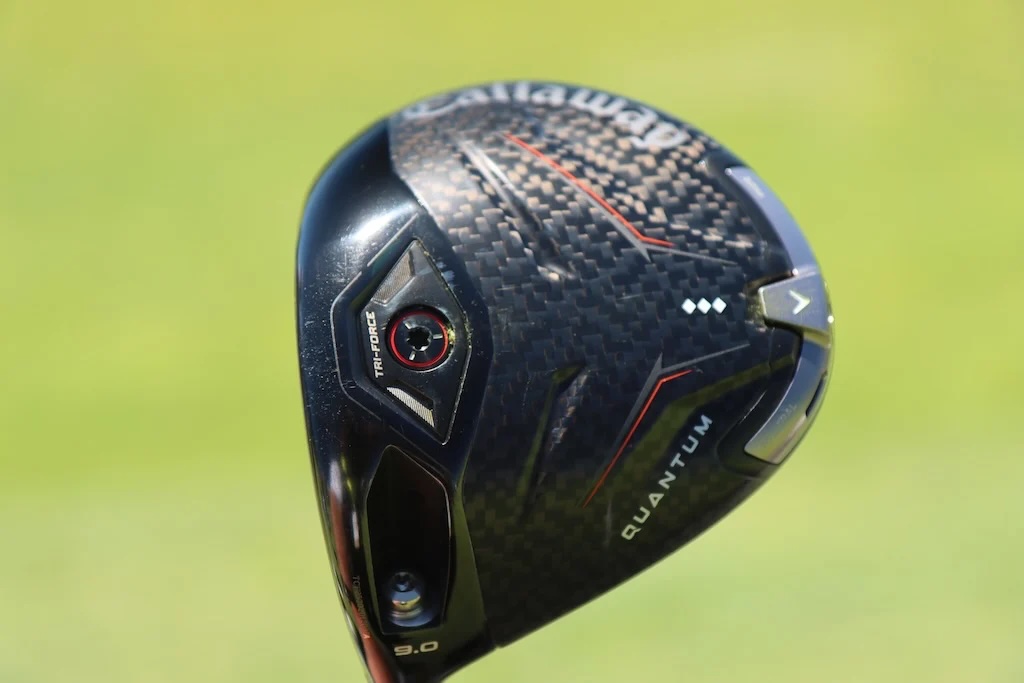
Driver: Callaway Quantum Triple Diamond (9 degrees)
Shaft: Mitsubishi Chemical Tensei 1K Black 75 TX
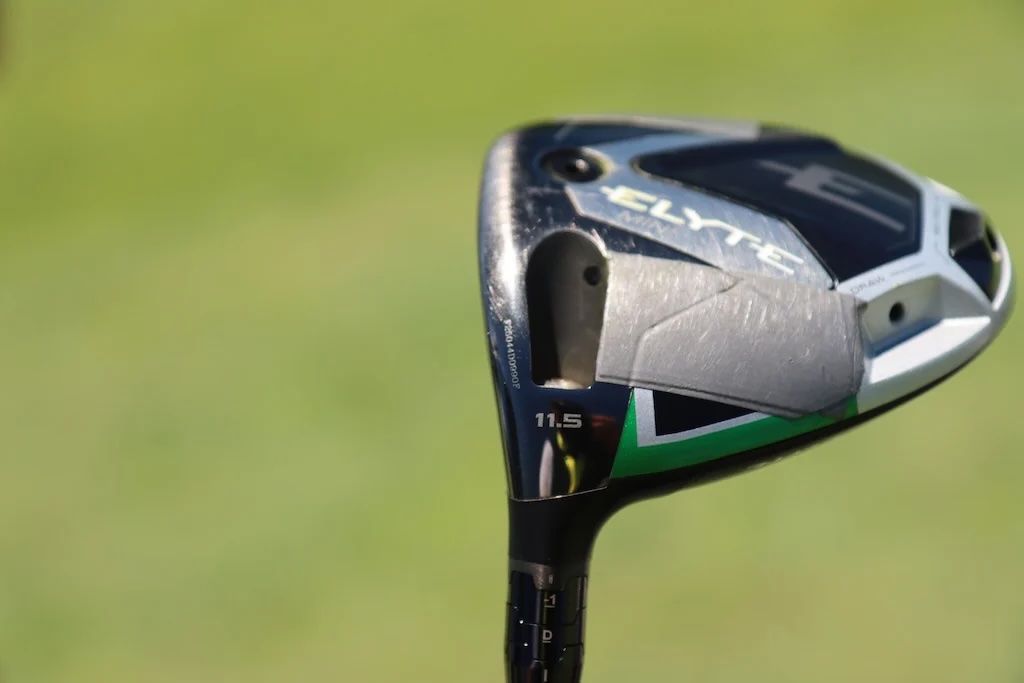
Mini driver: Callaway Elyte (11.5 degrees @10.5)
Shaft: Fujikura Ventus Black 9 X
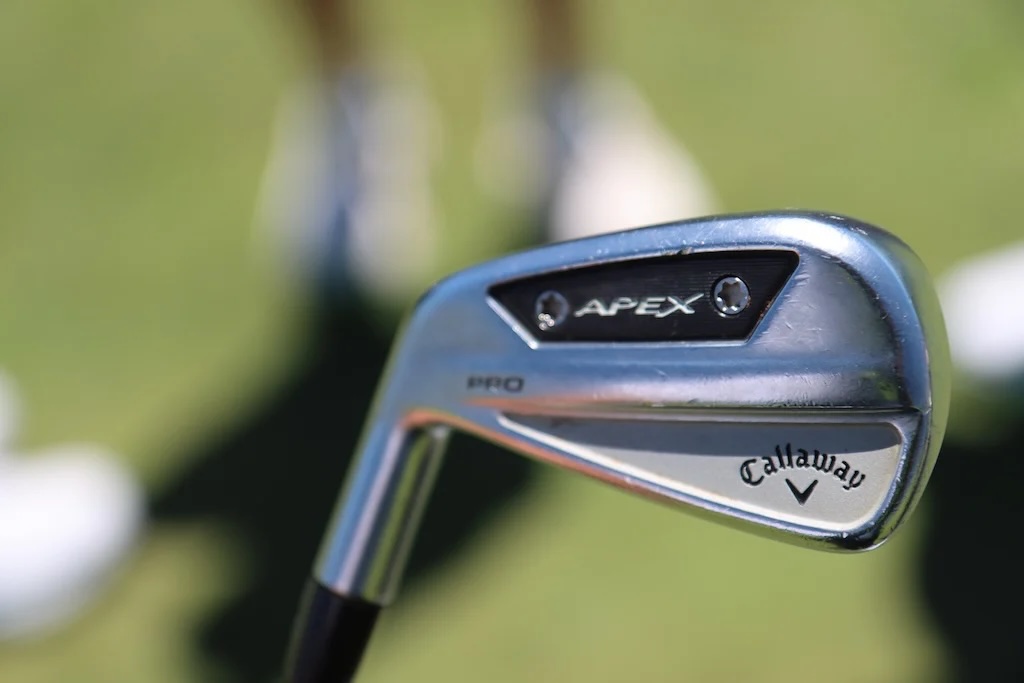
Irons: Callaway Apex Pro (3-5), Callaway Apex Forged Prototype (6-PW)
Shafts: Fujikura Ventus Black HB 10 X, KBS C-Taper 130 X
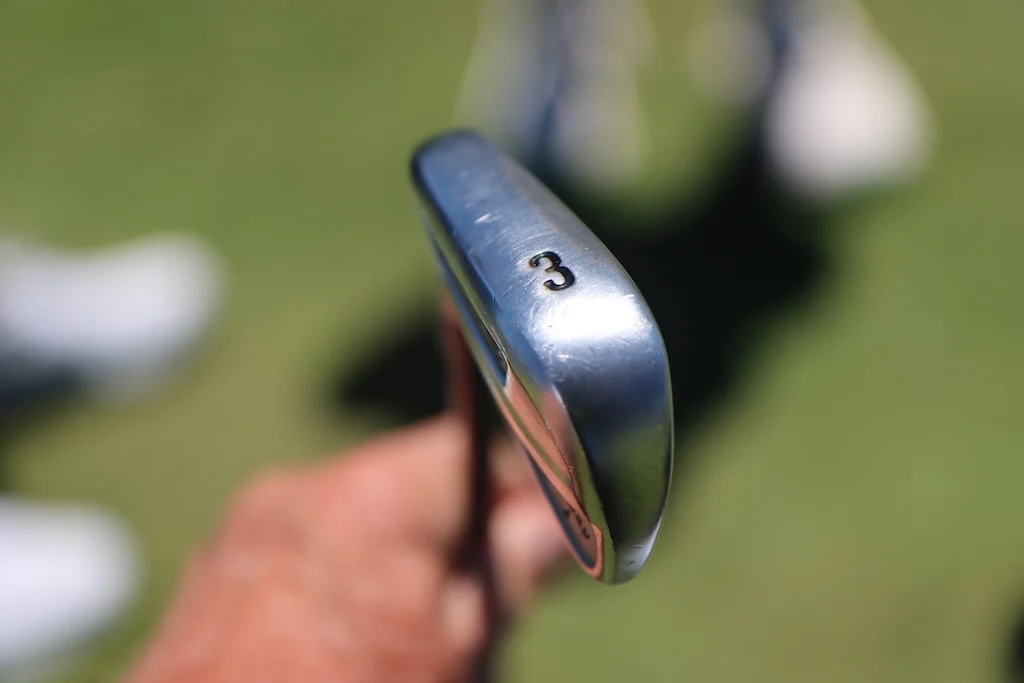
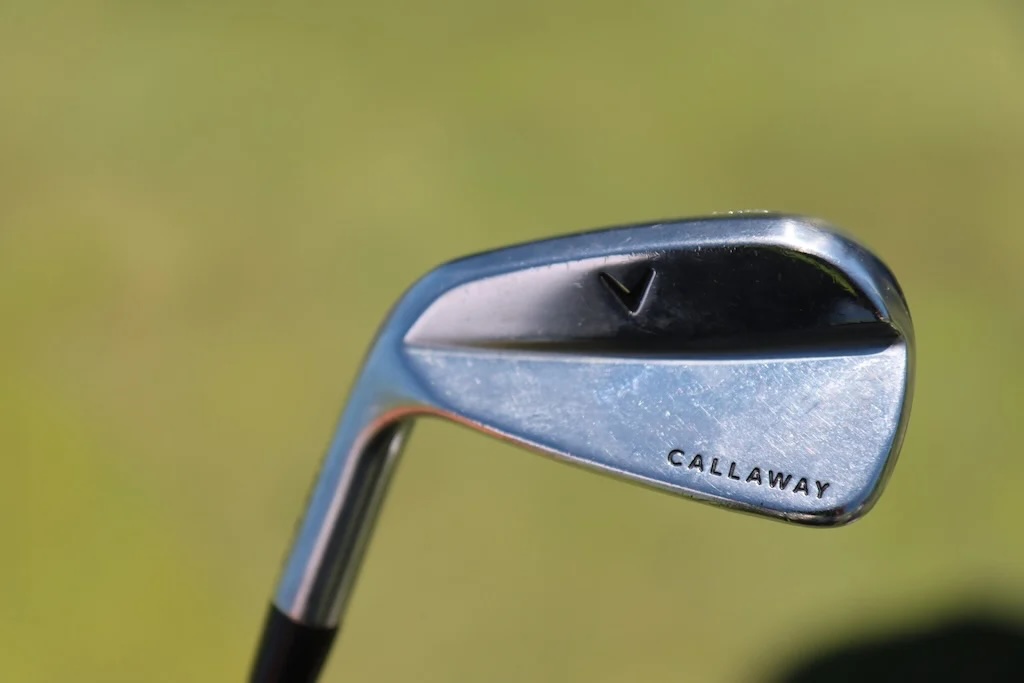
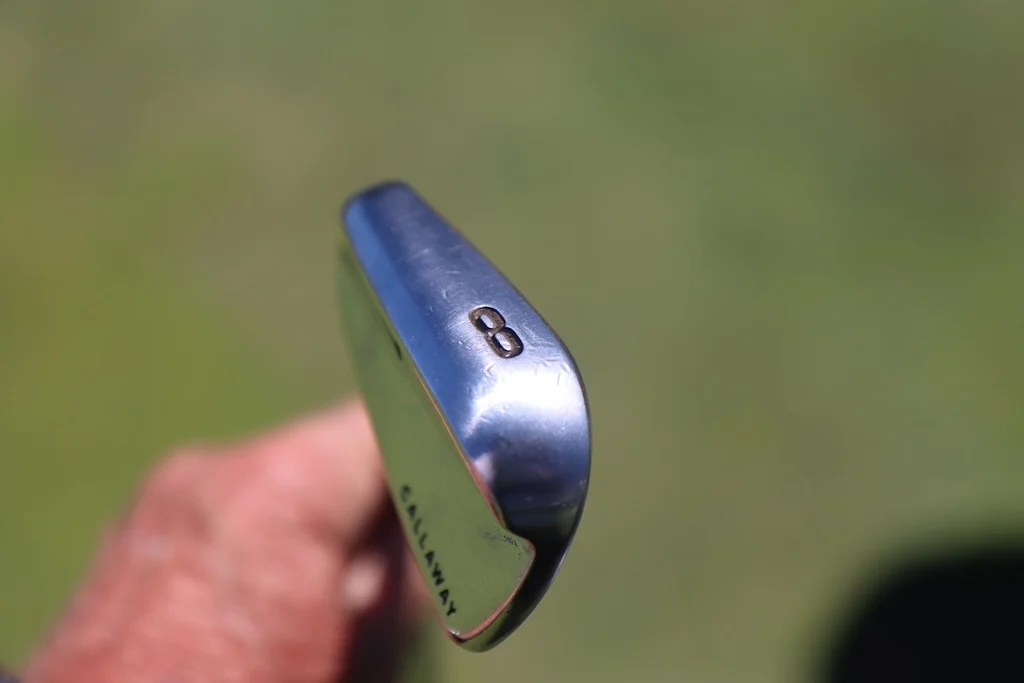
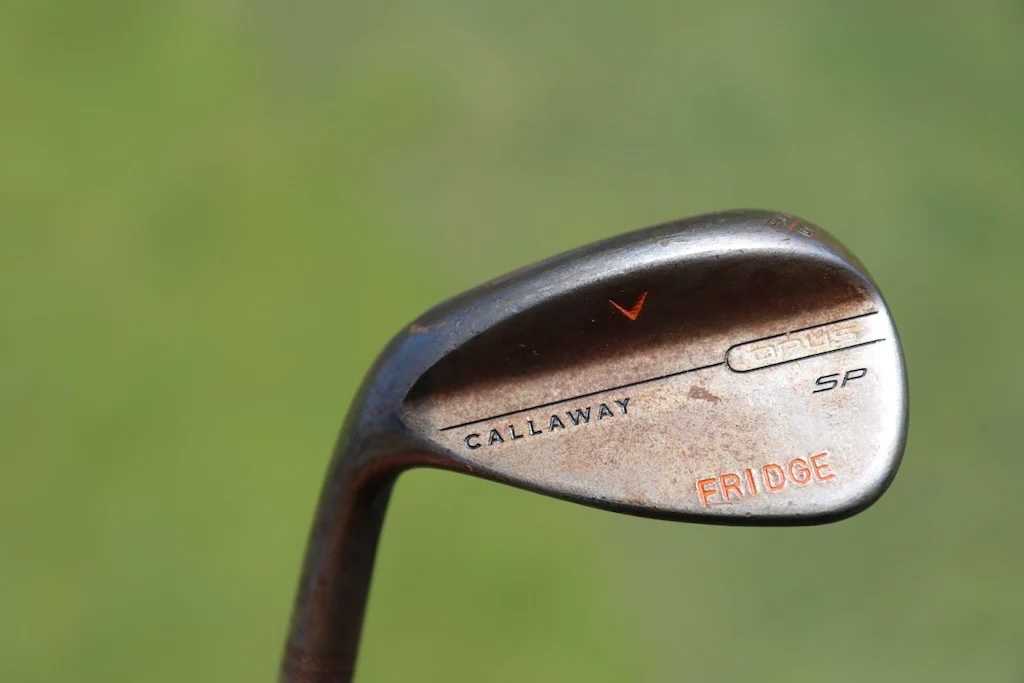
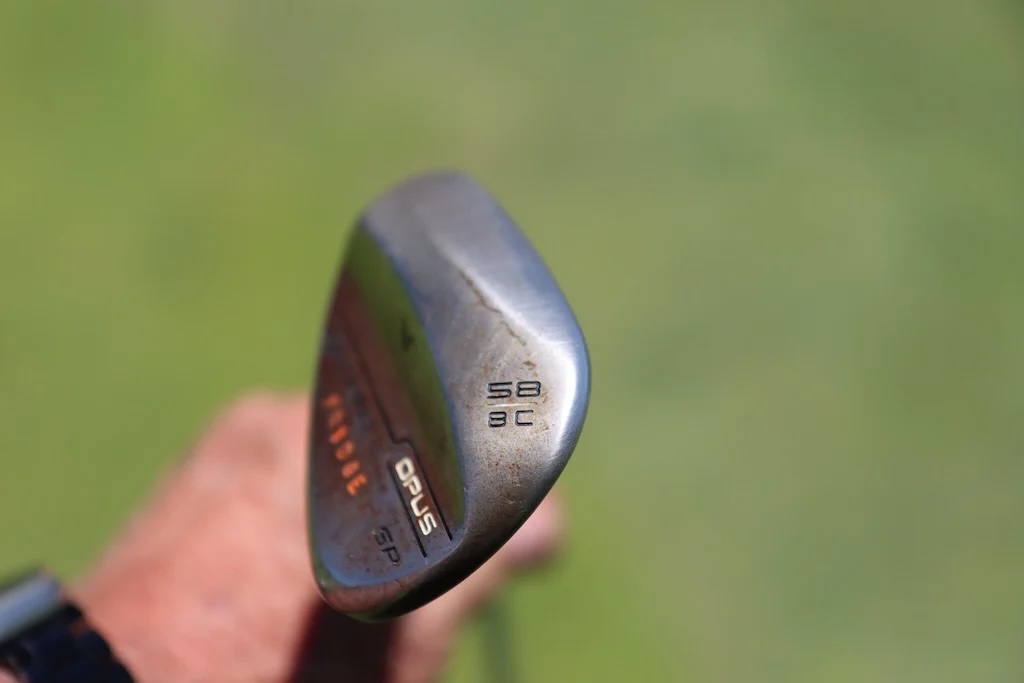
Wedges: Callaway Opus SP (50-10S, 54-10S, 58-08C)
Shafts: True Temper Dynamic Gold Tour Issue S400
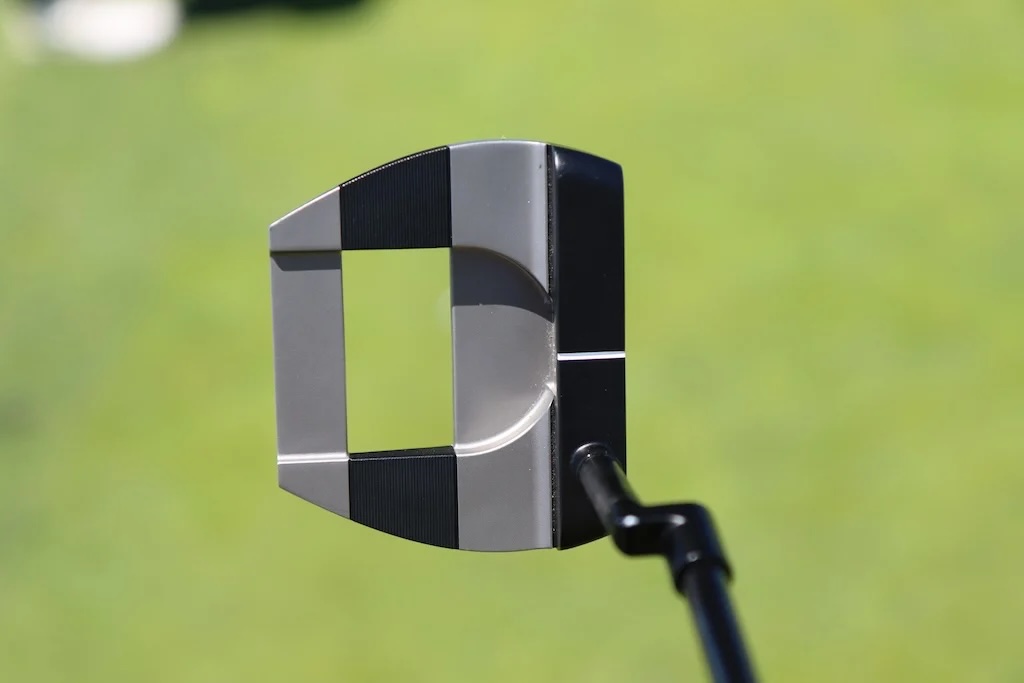
Putter: Odyssey Damascus Milled Jailbird Mini
Grips: Golf Pride MCC Plus4 ALIGN
Ball: Callaway Chrome Soft X
Check out more in-hand photos of Jackson Herrington’s clubs here.
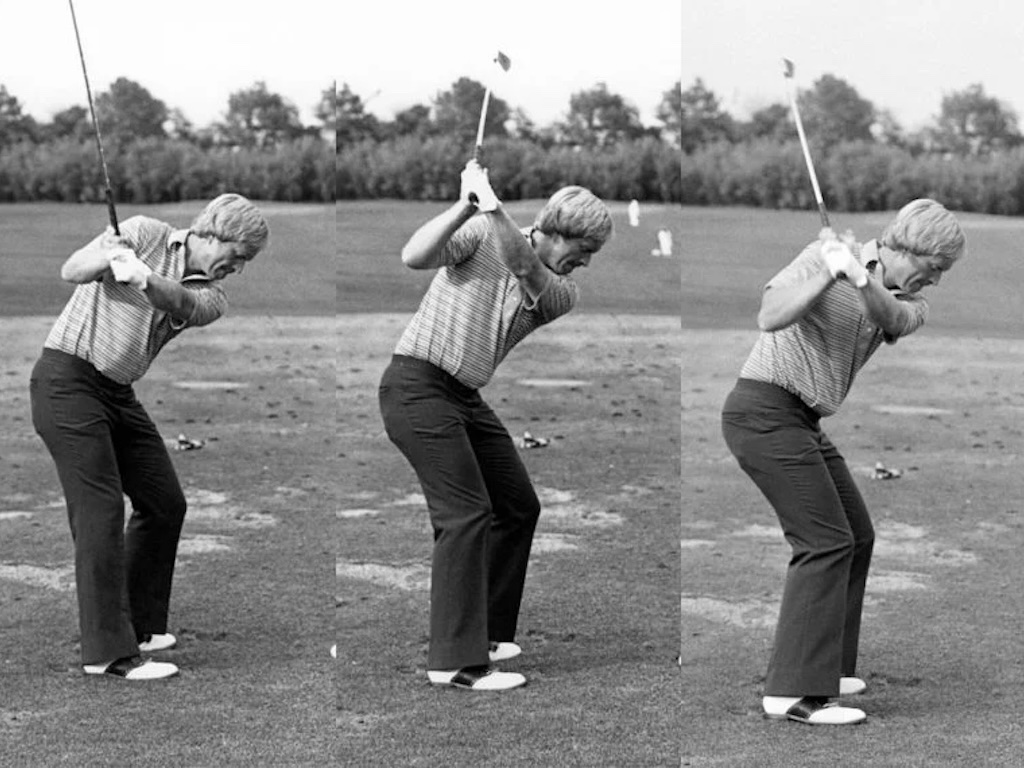
In our forums, one user is curious about the pros and cons of a shorter backswing, particularly as someone who has a history of over-swinging.
@LUMA wrote:
“I have been a natural over swinger my whole life. That’s 30+ years of it ingrained. My main issue when I get out of whack is a backswing that is too long. Shortening it up fixes my issues immediately, every time.
“I recently took a month off and went to the range yesterday and today. It was a nightmare, just couldn’t figure it out. Shortened my backswing to what feels like 50% (which it isn’t in reality), and game is back immediately.
“Question is, do any of you have any “checkpoints” or swing thoughts to help with getting the club back to a certain point before transitioning? I can shorten it, but some sort of checkpoint or feel I could repeat every single practice swing and normal swing will help me ingrain the move so I don’t have to “think about it” anymore, the shorter swing will just become natural.
“I’ve been fighting this for so long and I want to try to shorten my backswing up naturally once and for all and not let the long swings creep back in slowly over time.”
Our members in the forum shared their own insight on the advantages of playing with a shorter backswing. Here are a few posts from the thread, but make sure to check out the entire discussion and have your say at the link below.
- Rapidcat: “I’ve dealt with this issue for 40+ years (single figure ‘cap).Early wrist hinge on the backswing is the only way to fix this that has worked for me.Believe me, I’ve been down dozens of rabbit holes.Do yourself a favor and take on board some of @MonteScheinblum’s info on here and his Rebellion Golf website (google it to find).
BTW, I have no affiliation with him, just a fan of his teaching.”
- PitchPlease: “I have the tendency to let my arms run off at the top of my swing which causes sequencing issues and over swinging, so I’ve been working on making a shorter more compact back swing.The three drills I use most and have had a great impact on my swing are:1. Alignment stick under right arm – I have a stick about 1/2 the length of a normal one. It creates a barrier when my left arm touches it. Two extra benefits for me are: a) creates “connection” for right arm but unlike headcover or towel, it doesn’t pin the right elbow to my side allowing it to lift a little like it should in the swing, and b) my other tendency is an inside takeaway – the stick helps because I’ve found out that if I take it inside then my left arm first touches near the forearm, whereas when arms are more in front and on plane then it touches my left bicep first, so great feedback there too.2. Wall drill – I keep an extra iron in my office and when I am on calls I stand perpendicular to the wall with left foot about 6inches from it. I make backswing and the wall creates a barrier where I can’t go more than just above left arm parallel. Need to be careful here though so you don’t reverse pivot or make a weird compensation to miss the wall.
3. Pump drill / Tommy Fleetwood-style cutoff swings – on the range I always start my session with some shoulder to shoulder Fleetwood style punch shots… similarly, I will work the pump drill where I break the swing into takeaway, turn to top, pump down twice, swing. Helps me with sequencing and always feel like I compress it better after this drill.
Finally, I will do a modified pump drill as my practice swing out on the course. Think Justin Rose but not quite as deliberate.”
- Brokensticks: “Im also a notorious overswinger and its coming from seeing way to many videos on ”how to get speed” and its all just bigger turns and over time it had gotten out of control.I still hit it good most of the time but it relies on me practicing alot. The difficult part is trying to do less in the golf swing, its much easier to tune things up than it is to tune it down.Ive taken some lessons for people here and videos on myself doing different things and its like…- Trail hip back while keeping the knee bend. There is alot of info on ”straightening the trail leg for power” which according to AMG is mostly bogus. Im prone to shooting left hip forward which just causes me to spin and straightening the leg just makes it worse. Turn ”into” the leg
– Dont let my arms collapse as it just send my arms around and up. I cant keep them straight and making a ridiculous turn when I try to look at the ball
– Wrist condition. My right wrist goes into alot of radial deviation at the top which just sends my club across the line and and into my vision if its a driver. If I keep it in the ulnar side of things its not sending it.
One of these doesnt really help and just makes me hit it like crap and need to hit all of the checkpoints for me to really influence how I deliver to club to impact. If I hit all of them it doesnt really feel like my swing is much shorter as they are still ”long” but with brakes set on different points in my swing. If I dont stop the hips from just spinning, I dont make any progress.”

Best irons 2026: Best irons overall, most forgiving irons, and more

Memorial Tournament Tour Report: Rory McIlroy, Cameron Young switch up drivers, and more

What’s the story behind Webb Simpson’s custom-stamped irons?

Russell Henley’s winning WITB: 2026 Charles Schwab Challenge

J.T. Poston’s winning WITB: 2026 Memorial Tournament

Kristoffer Reitan’s winning WITB: 2026 Truist Championship

Aaron Rai’s winning WITB: 2026 PGA Championship

Details on Jason Day’s latest prototype Avoda iron setup

WITB Time Machine: Retief Goosen’s winning WITB, 2004 U.S. Open

Bryson DeChambeau pairs new big-stick speed with new-shoe stability


Jackson Herrington WITB 2026 (June)
Driver: Callaway Quantum Triple Diamond (9 degrees) Shaft: Mitsubishi Chemical Tensei 1K Black 75 TX Mini driver: Callaway Elyte (11.5 degrees @10.5)...


Tyrrell Hatton WITB 2026 (June)
Driver: Ping G440 LST (9 degrees) Shaft: Mitsubishi Diamana TB 60 TX 3-wood: Ping G440 Max (15 degrees) Shaft: Mitsubishi Diamana TB 70...

Mason Howell WITB 2026 (June)
Driver: Ping G440 LST (10.5 degrees) Shaft: Fujikura Ventus Blue 6 TX 3-wood: Ping G440 Max (15 degrees) Shaft: Mitsubishi Diamana GT 80...


Jon Rahm WITB 2026 (June)
Driver: Callaway Quantum Triple Diamond (10.5 degrees @11.5) Shaft: Fujikura Ventus Black 7 X 3-wood: Callaway Paradym Ai Smoke Triple Diamond (16 degrees) Shaft: Graphite...
-
 Equipment1 week ago
Best irons 2026: Best irons overall, most forgiving irons, and more
-
 Equipment2 weeks ago
Memorial Tournament Tour Report: Rory McIlroy, Cameron Young switch up drivers, and more
-
 News3 weeks ago
Russell Henley’s winning WITB: 2026 Charles Schwab Challenge
-
 Whats in the Bag2 weeks ago
J.T. Poston’s winning WITB: 2026 Memorial Tournament
-
 Equipment2 weeks ago
Details on Jason Day’s latest prototype Avoda iron setup
-
 Whats in the Bag4 days ago
WITB Time Machine: Retief Goosen’s winning WITB, 2004 U.S. Open
-
 Equipment2 days ago
Bryson DeChambeau pairs new big-stick speed with new-shoe stability
-

 News3 weeks ago
Charles Schwab Challenge Tour Report: MacIntyre, Åberg and Spaun all switch putters, TaylorMade launches new Spider


Pingback: Truist Championship Tour Report: McIlroy makes club changes in Charlotte, new club releases + more – GolfWRX
H
May 5, 2026 at 4:25 pm
It’s a hockey stroke. Happy Gilmore would be proud.
H
May 5, 2026 at 11:00 am
It would make Happy Gilmore happy as it’s a hockey stroke, basically