
Equipment
From the GolfWRX archives: Callaway X Forged editor review

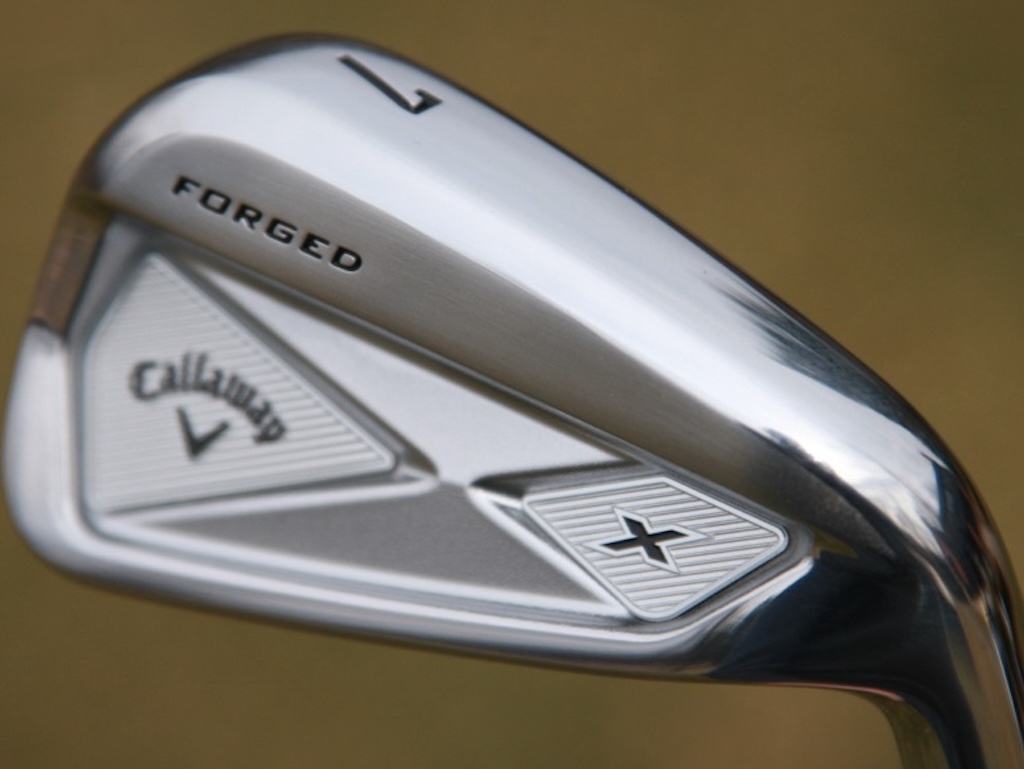
Editor’s note: Looking ahead to where we take our golf equipment coverage in the future (launch season will be here soon enough!), we want to look behind us more frequently. What does that mean, exactly? Well, we want to both place new releases in their historical contexts and highlight past coverage by, as we have done from time to time, opening the GolfWRX archives.
For this installment, we’re returning to September of 2013 when we featured an in-depth editor’s review of the Callaway X Forged irons.
We pick up the piece with the discussion of the looks, feel, and performance.
Looks and Feel
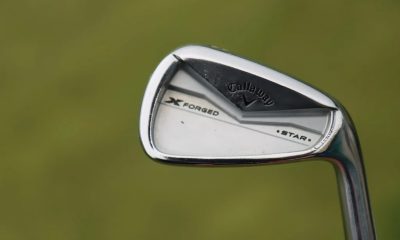
The chrome finish on these irons looks fantastic. The cavity with two small badges and the face are both in a satin chrome. Combination of the shiny chrome and the satin cavity make these irons look great. You will also notice tightly spaced grooves that Callaway has been using since the groove rule regulated the size of the groove. Callaway began to space the groove tighter to allow the players to be more aggressive in shot shaping.
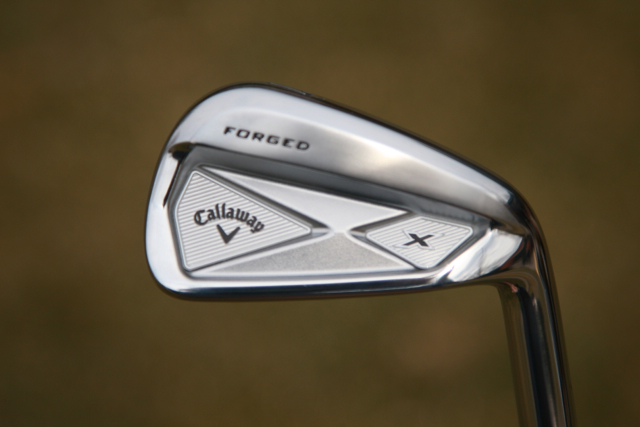
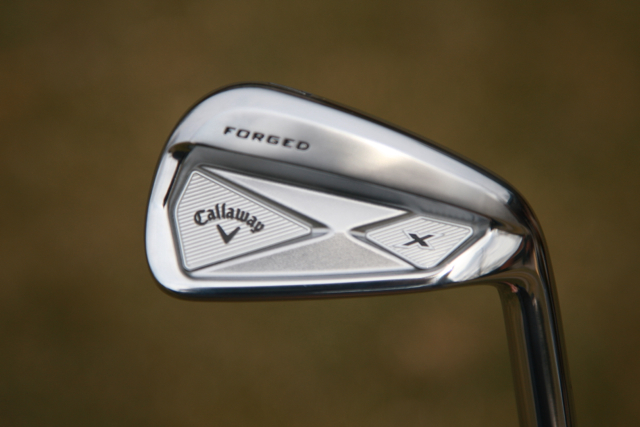
Aesthetically, the 2013 X Forged look more like Callaway’s musclebacks as well. They have a shorter blade length than the RAZR X Forged, but it’s not quite as short as the musclebacks. The 2013 X Forged irons also lose the high heel and sharp toe that gave the RAZR X Forged a polarizing appearance, opting for a face profile closer to the musclebacks.
“Pretty much every player that puts the muscle back iron down like the way it looks,” Williams said.
The heel to toe is compact to help move players that are used to using muscle backs into these cavity backs. We learned that Callaway has attempted to create a PGA Tour-inspired forged cavity back designed by Roger Cleveland that offers cleaner looks and better performance than its predecessor, the Callaway RAZR X Forged.
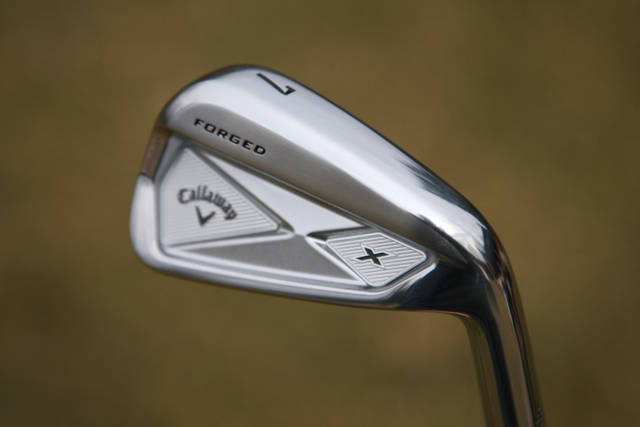
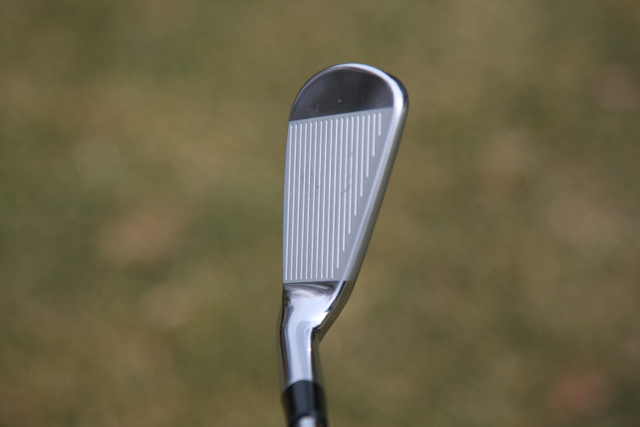
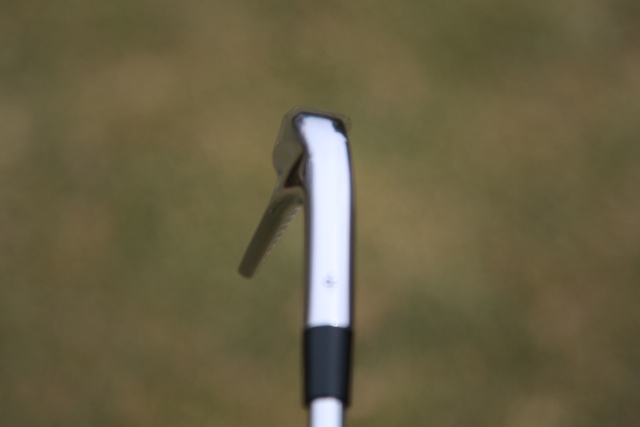
All you will have to do is demo this set to understand why we rated it so high for feel. During testing we compared the X Forged to Mizuno’s MP-64, Epon’s 302, Scratch Golf’s irons, Miura’s 501 and also the current cast offerings on the market. We will not say they felt any softer than the Mizuno MP-64’s, but we can say they are comparable. Don’t believe what we are saying? Go and see for yourself and demo a set.
There was a “black and white” difference between these and the cast offerings. Cast gave us a click sound vs. a thud and also the cast was not as sensitive to provide feedback as these forgings were. The solid feel at impact left you with a clear understanding why some golfers prefer to play forged. The forgings will provide you a clear report with the slightest hit off the sweetspot. An instant report card about the hit.
We believe that the small pocket badges in the cavity helped offset the reduced mass behind the sweetspot to allow a softer feel. More mass behind the sweetspot typically translates to a softer feel at impact. Callaway has for years used different polymers in the badge construction to optimize the “feel” and “sound” of an iron. Callaway does this typically in cast offerings. So when you see them appear in these higher end forged CB’s we chatter around the water cooler that this was an effort to make them feel even better. Possibly to tune them to satisfy the very picky Tour players that can feel the most minor differences.
Performance
What we saw in testing on Flightscope was very predicable distance control as well as some great trajectory numbers. Long irons were going higher and the shorter irons were flighting lower. Spin numbers were average and on the higher long irons we were seeing some great numbers that suggested they dialed the designs in right and with purpose.
According to Williams, Callaway’s recent musclebacks have been a hit because of what the company is calling CG Height progression. CG (center of gravity) Height Progression puts the center of gravity lower in the long irons for the higher trajectory that Tour pros want. It also places the CG higher in the short irons for a flatter trajectory. Callaway’s previous forged cavity back irons, the RAZR X Forged, had the opposite CG progression. The center of gravity was actually the lowest in the short irons.
Callaway also got feedback from Tour pros that the RAZR X Forged irons had a tendency to dig through impact, while the muscleback irons went more smoothly through the turf. So the new X Forged were designed to have what Williams called “a slightly wider muscleback sole.”
Here is a photo of the new Callaway X Forged on the left and last years RAZR X Forged on the right.

This is part of the review that is more objective for us. GolfWRX like to make sure to blend in facts and objectivity to our editorial reviews.
That is why we are trying to distance ourselves from very subjective criteria. Callaway designed a very forgiving sole design here. The bounce on the irons are more than a typical set you will see in this category. This isn’t new for Roger Cleveland and the design crew at Callaway. Here is a picture of the generous bounce on the Callaway X Forged 7 iron:
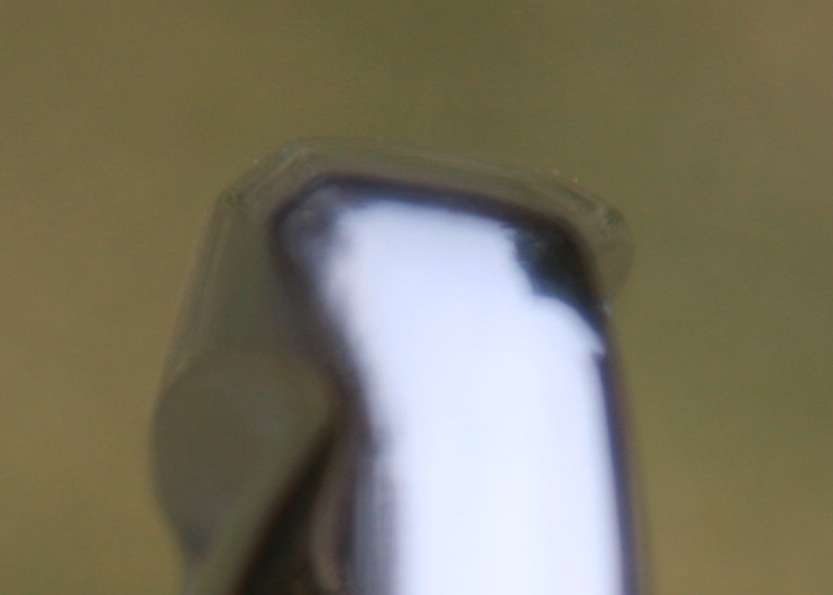
As an example, the bounce on the Callaway X Forged starts in the 3-iron at 3 degrees and increases by a degree for every club ending at 10 degrees for the PW. Compared to the Mizuno MP-64 bounce progression starting at 2 degrees for the 3-iron and ends at 6 degrees for the PW. That doesn’t sound like a lot but four degrees of added bounce or a difference from 6 degrees and 10 degrees for the X Forged on the PW is a lot. So much you will have to consider that when you buy the gap and sand wedge to match the set.
The X Forged irons go farther than the RAZR X irons as well. They do so, according to Williams, for two reasons:
- The clubs have one degree stronger lofts (20-degree 3 iron, 46-degree pitching wedge)
- CG height progression
Despite what many believe about modern iron design, the lofts were not strengthened simply to make the ball go farther. Stronger lofts are a result of Tour feedback. Williams said that Callaway had set the lofts on its Tour irons based on Tour trends. And it’s vital for Callaway to follow the loft trends on Tour, since changing the loft of an iron also reduces the bounce on an iron, which can lead to digging. Bending an iron one-degree strong won’t change a iron’s response to the turf that much, but bending a club stronger than that can certainly change things.
“We really design a forged iron product like the X Forged for the Tour,” Williams said. “But we know if we get them right, they will work for amateurs as well.”
CG Height Progression makes the X Forged long irons go farther because, since they’re launching higher, they’re also carrying farther. It also makes the short irons go farther thanks to a more piercing trajectory.
Williams expects that the X Forged will become Callaway’s most popular iron on Tour, knocking some muscleback irons out of the bags of Callaway staff players.




This week, we have our Tour Photographer, Greg Moore, on the ground at the OccuNet Classic at Tascosa Golf Club in Amarillo, Texas, for the 14th event of the 2026 Korn Ferry Tour season. With that, we see some great things in the Lead Tape Report as we roll into Amarillo.
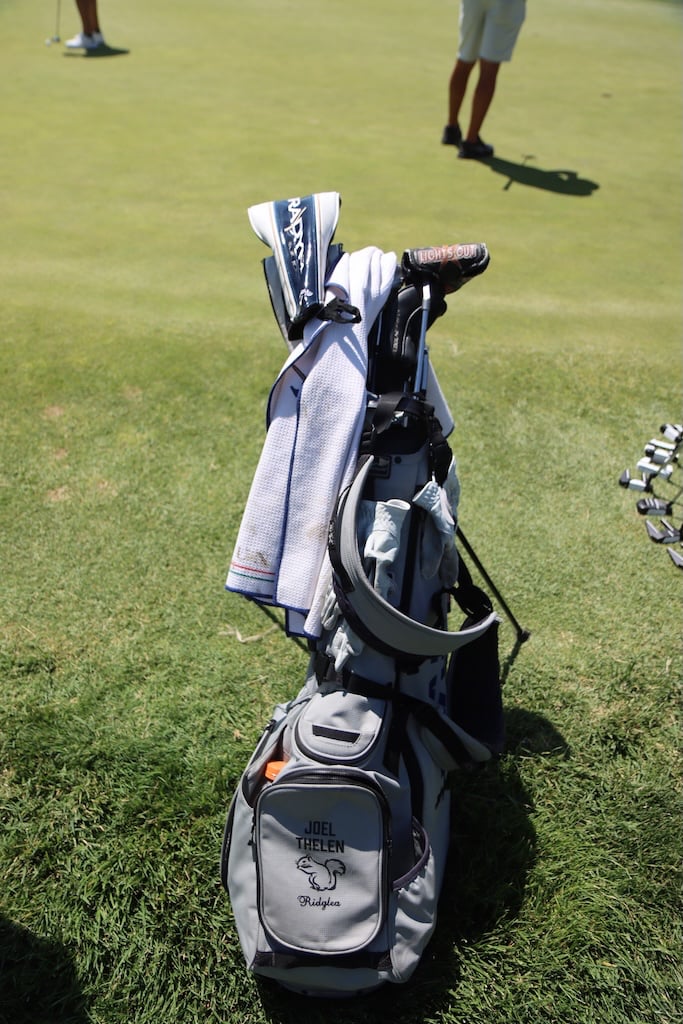
Joel Thelen
Monday Qualifier, Joel Thelen is in the field this week. He has played on the Korn Ferry Tour for a full season in 2023, and he is back in action this week. A couple of clubs caught my eye this week in his bag.
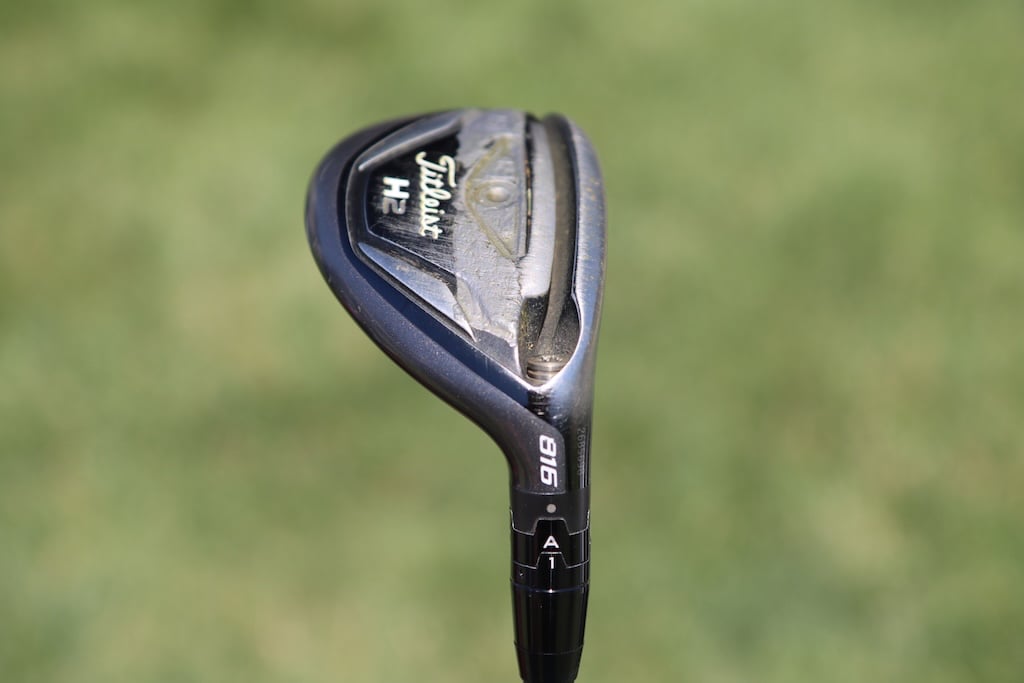
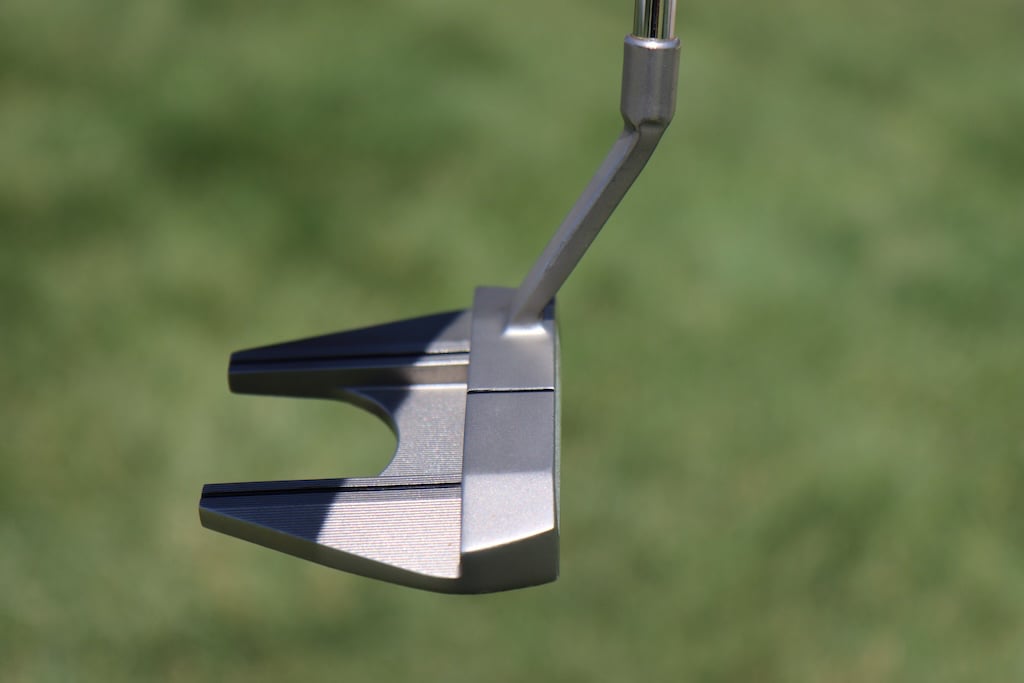
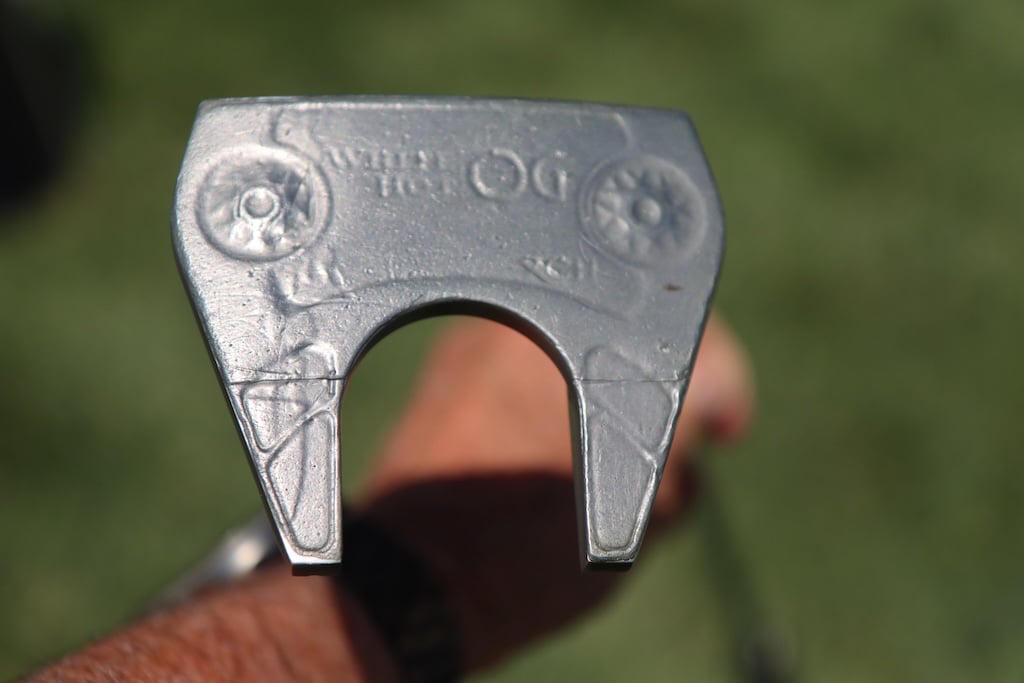
First off: His trusted Titleist 816 H2 hybrid. This club came out in October of 2015, and it still remains strong in the bag. Also, take a look at this Odyssey White Hot OG 7, putting a capital S in the 7S model. This custom neck has some impressive lean for an arm-lock-style putter. The bottom of the putter is covered in tape for optimal weighting.
Mitchell Meissner
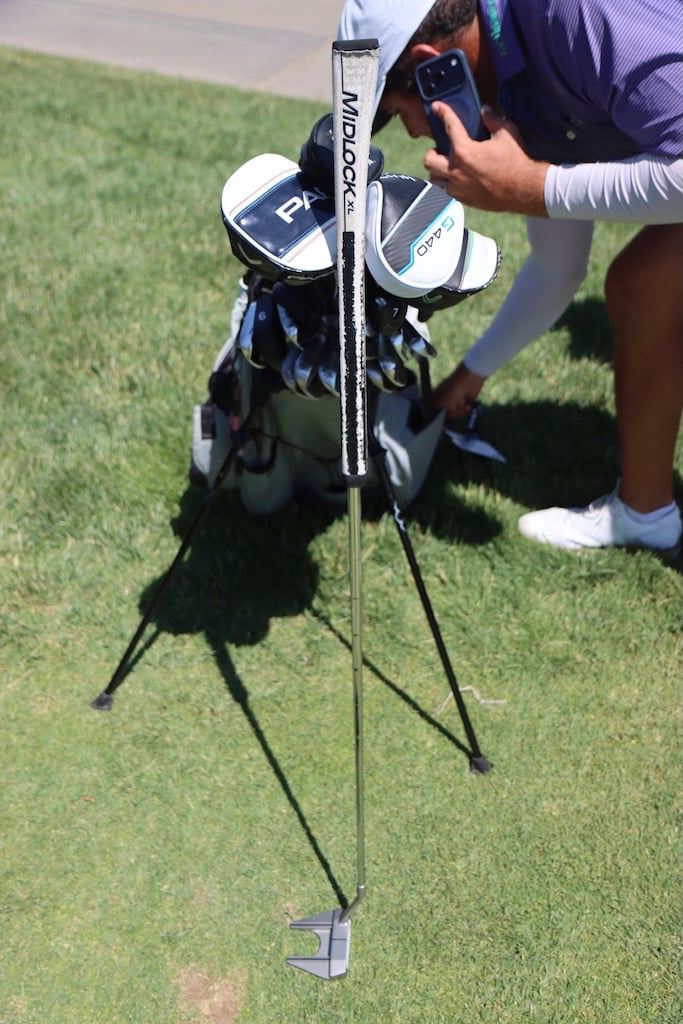
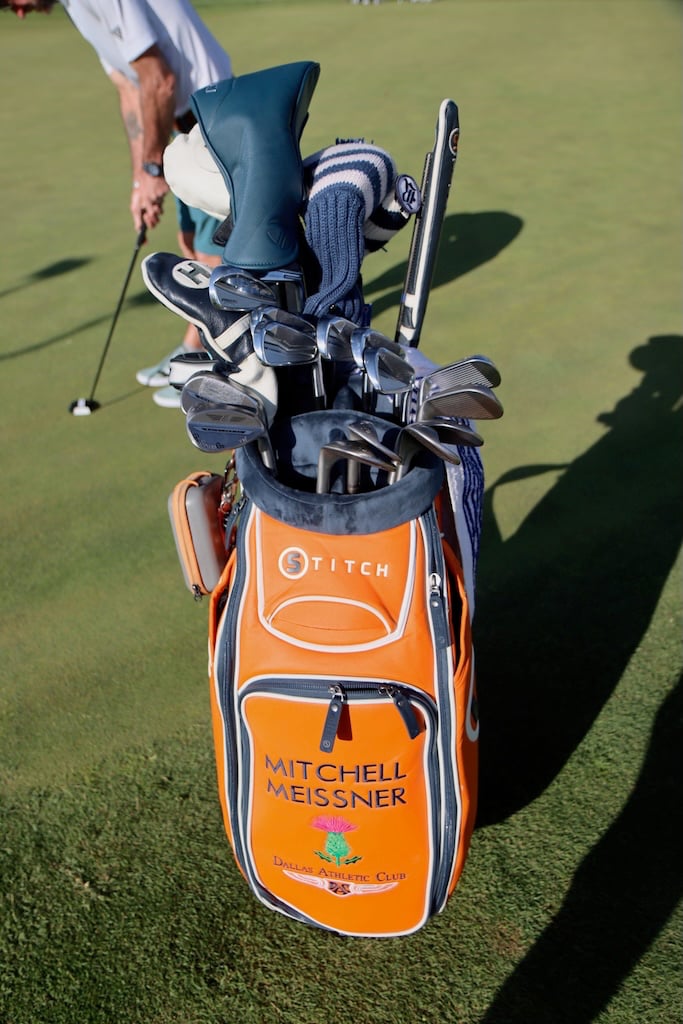
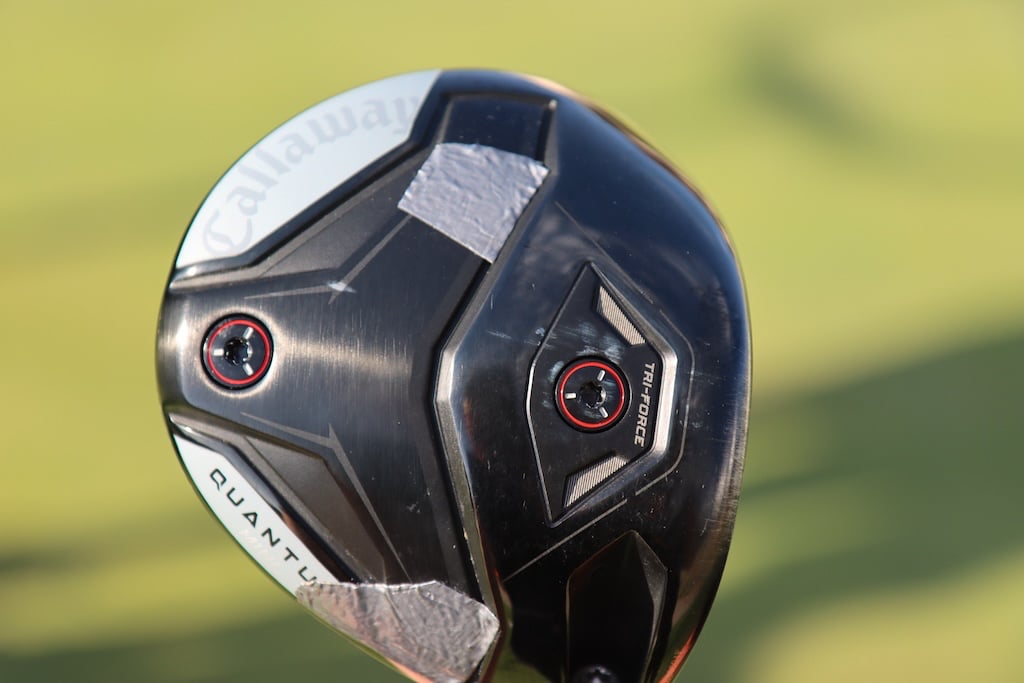
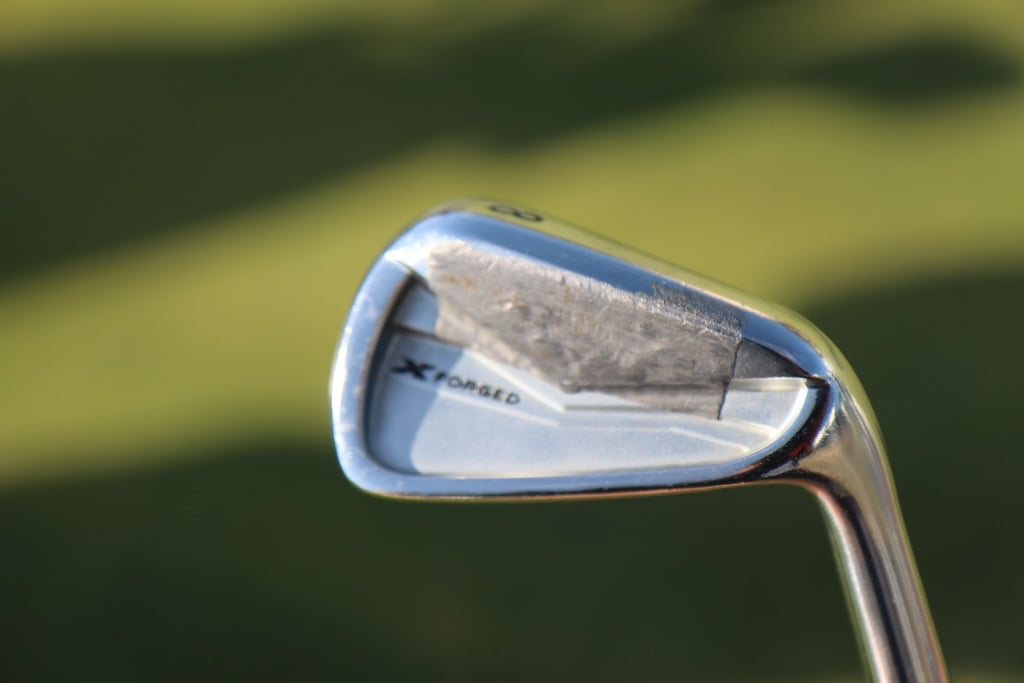
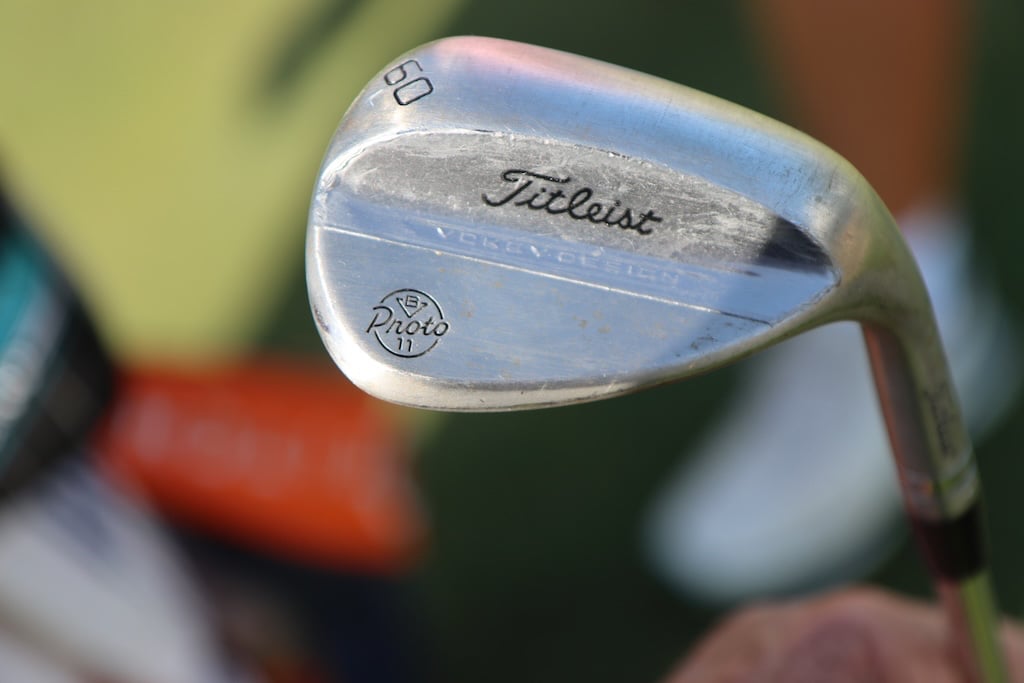
Taking a look at Mitchell Meissner’s bag this week, we have some great lead tape coverage. Top to bottom working from fairway metals, irons, and wedges. We can see on the short irons and wedges that there is tape at the base of the grip, adding a little counterbalance. Along with that, some tape on the short irons and wedges as well. Moving to his putter, he rolls the Odyssey 7 Bird putter. Meissner putts left-handed and strikes the ball right-handed.


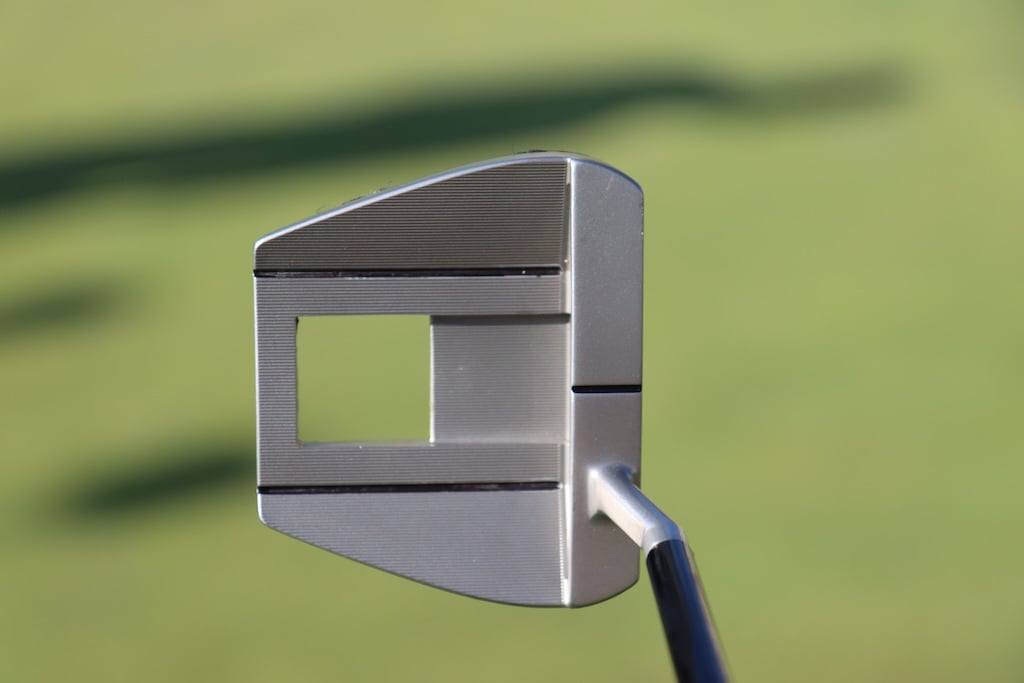


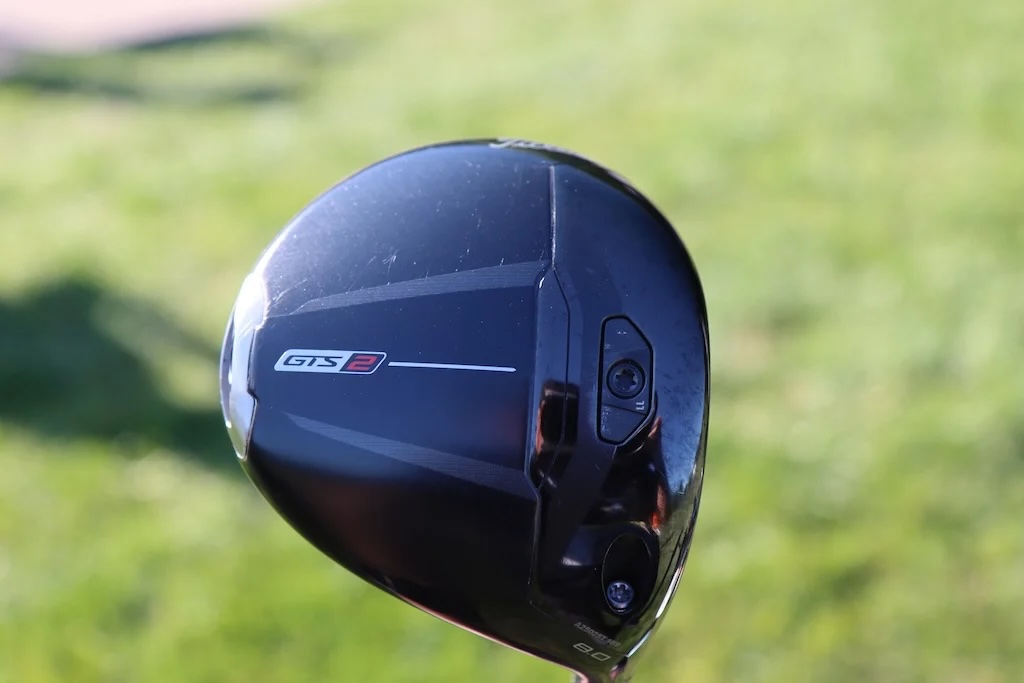
Bud Cauley had >14 clubs in his bag when photographed prior to the Memorial Tournament.
Driver: Titleist GTS2 (8 degrees)
Shaft: Fujikura Ventus Black 6 X
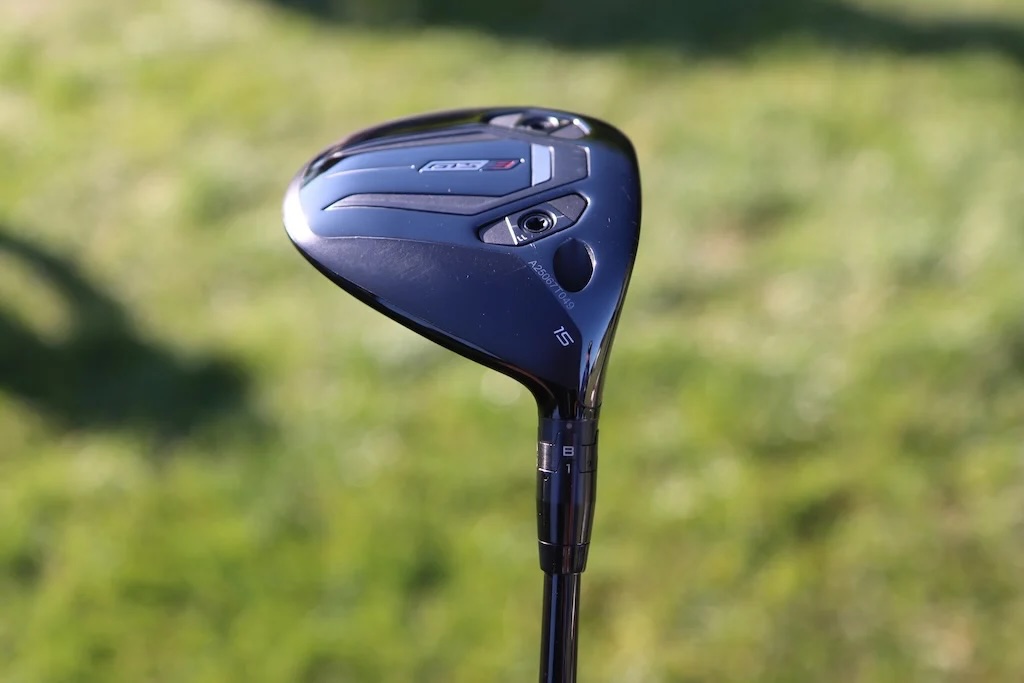
3-wood: Titleist GTS3 (15 degrees, B1 SureFit setting)
Shaft: Mitsubishi Chemical Tensei 1K Pro Red 70 TX
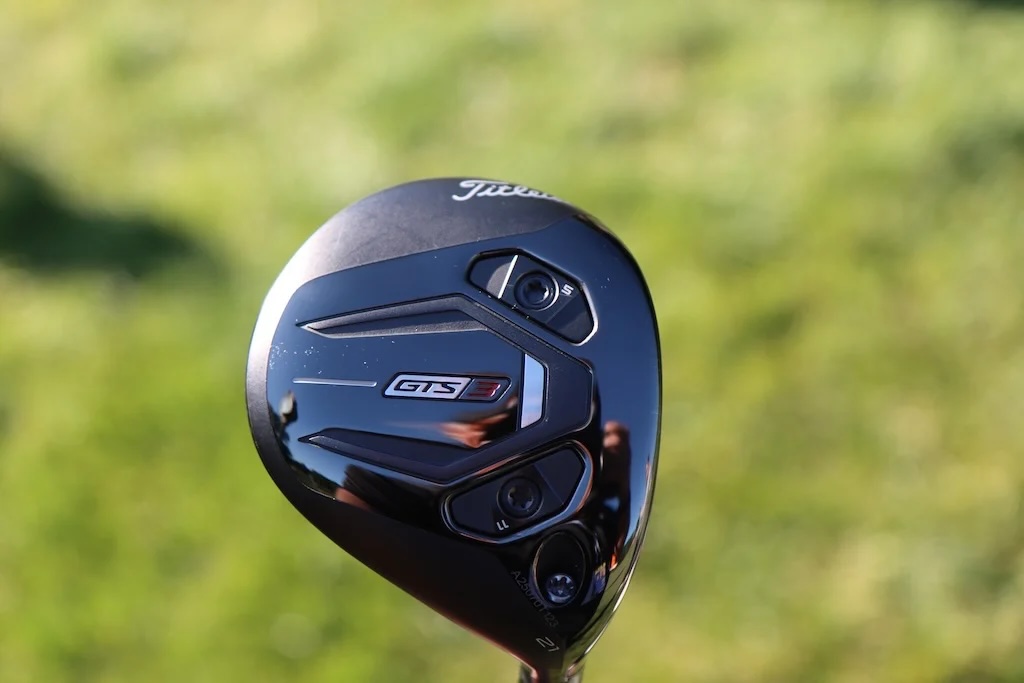
7-wood: Titleist GTS3 (21 degrees, D1 SureFit setting)
Shaft: Mitsubishi Chemical Tensei 1K Pro Red 80 TX
Irons: Titleist U505 (3), Titleist 620 MB (4-9)
Shafts: Fujikura Ventus Black HB 8 X, True Temper Dynamic Gold Tour Issue
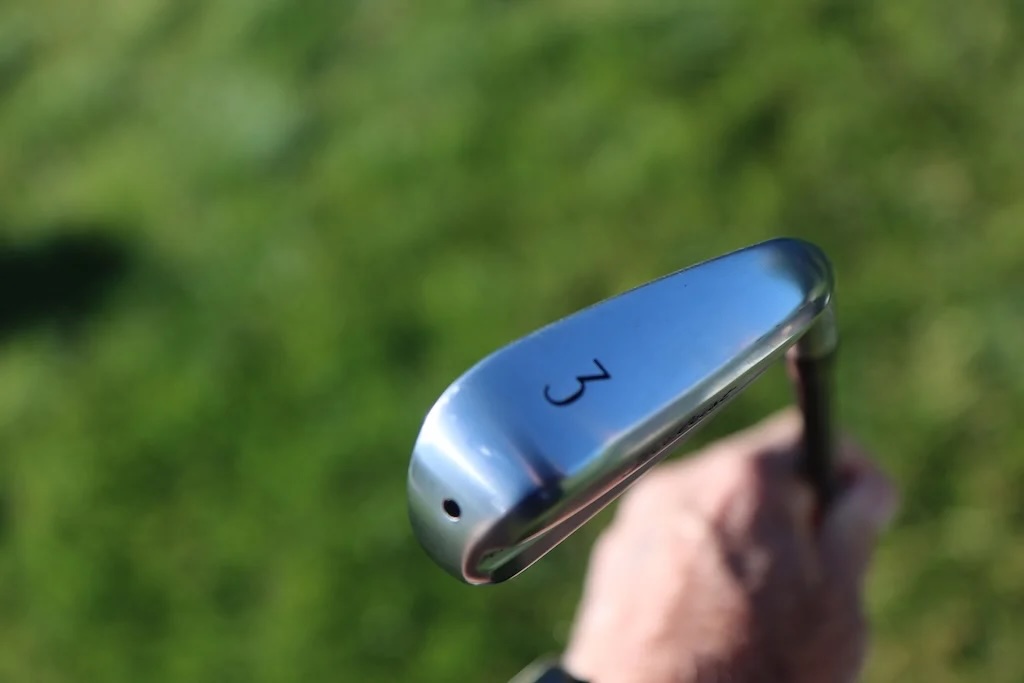
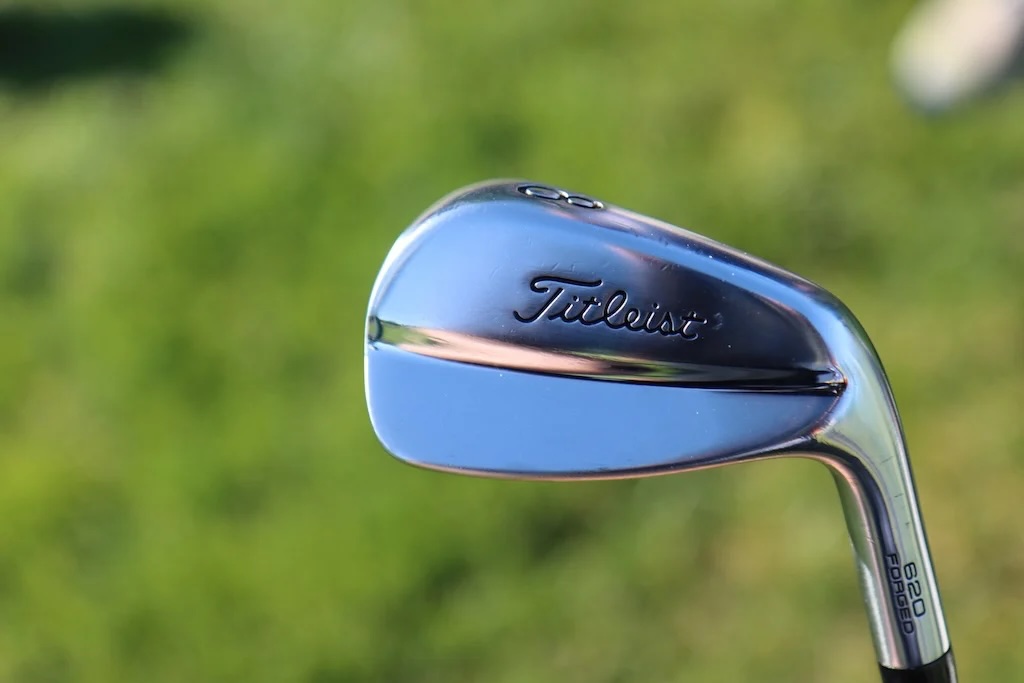
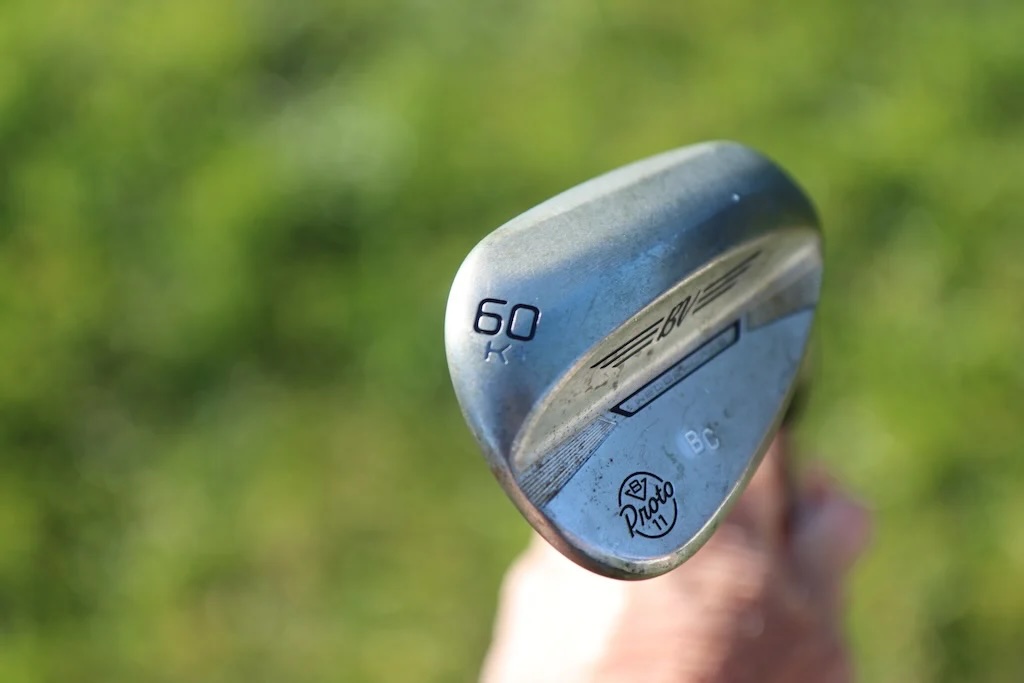
Wedges: Titleist Vokey Design SM11 (48-10F, 52-12F, 56-14F), WedgeWorks (60-K*)
Shafts: True Temper Dynamic Gold Tour Issue S400
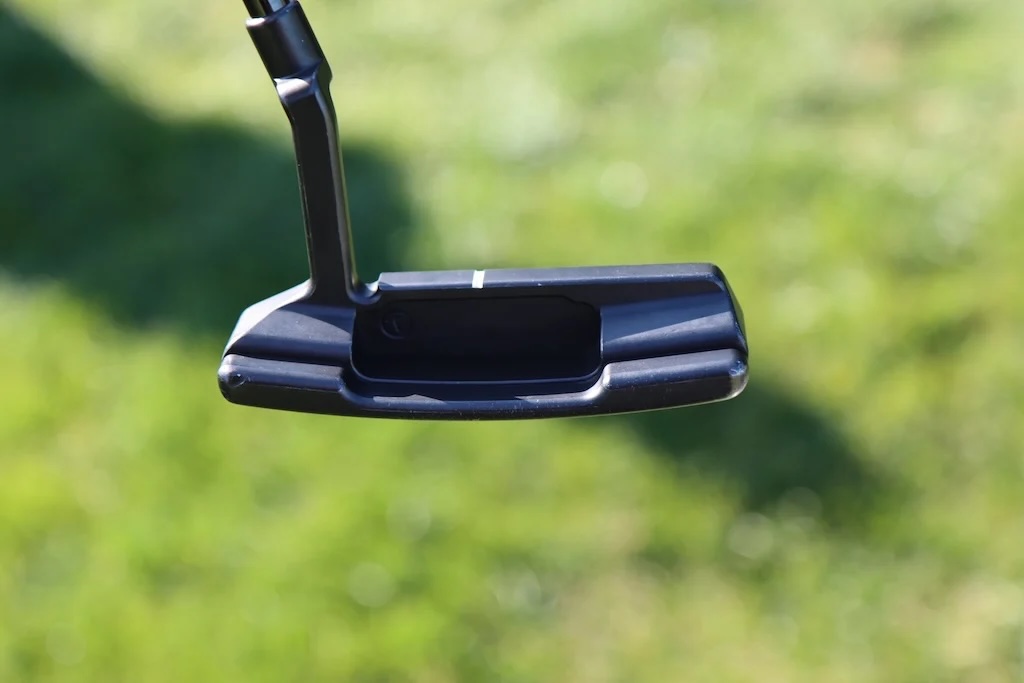
Putters: Scotty Cameron Tour Prototype, Scotty Cameron GOLO 6.3 Prototype
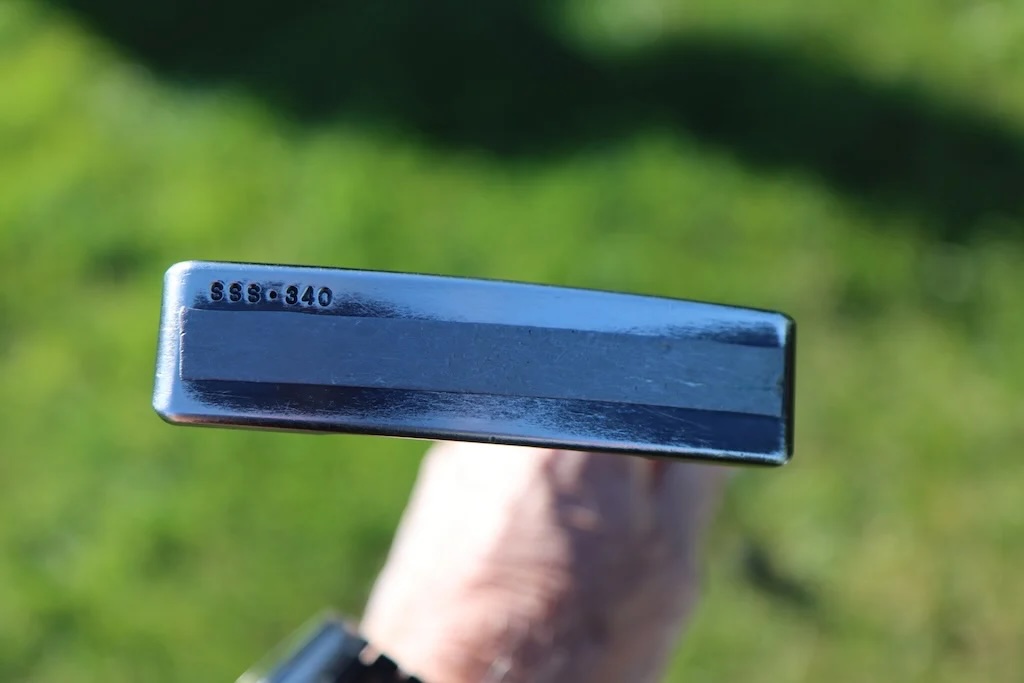
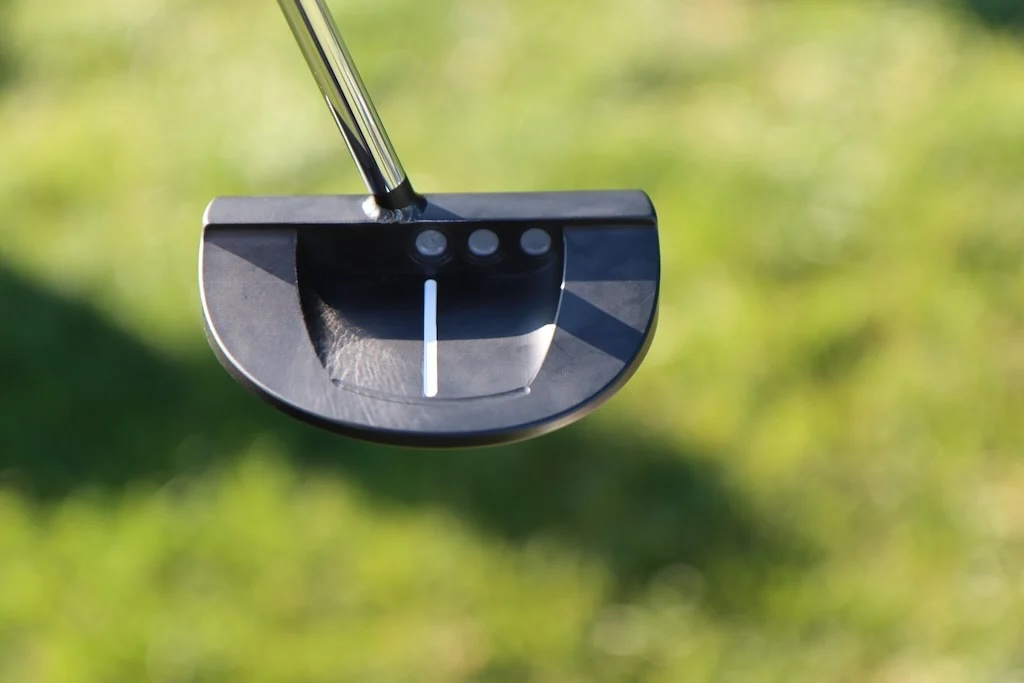
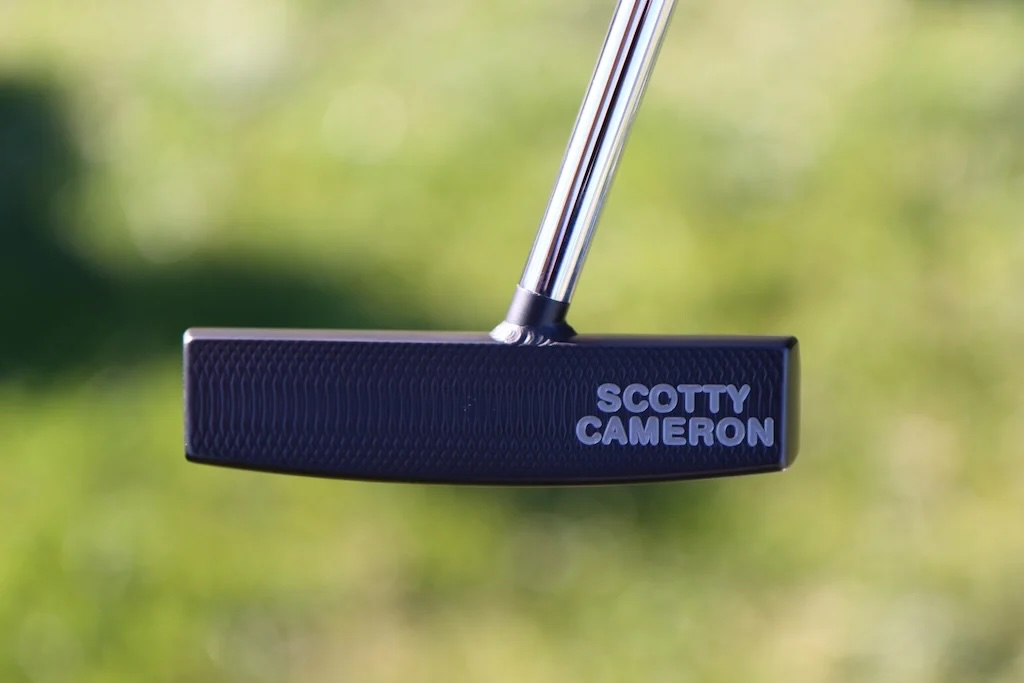
Grips: Golf Pride Tour Velvet Align
Ball: Titleist Pro V1
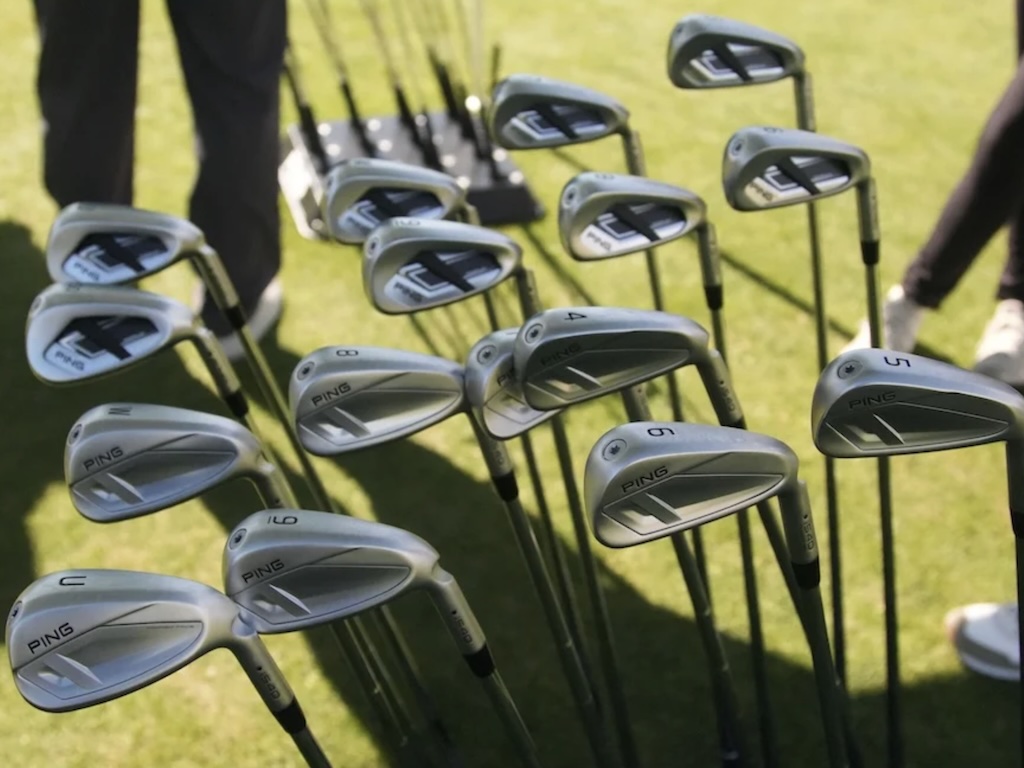
In our forums, one user has offered up a prompt for the true sickos, inviting fellow forum members to share every set of irons they’ve ever owned. As to be expected, this is a lengthy forum topic.
@Lamosteve began:
Can you name every set of irons you’ve owned? Here’s mine
Spalding Dots
Spalding Eclipse
Ram Lazer FX
Lynx Parallax
Mizuno EZ Comp
Ben Hogans
Cleveland CG Red
Taylor Made R9s
PING i20
PING iE1
Taylor Made M6
Our members in the forum have been offering up their own collections. Here are a few posts from the thread, but make sure to check out the entire discussion and have your say at the link below.
- macedan: “Started with a hand-me-down Golden Bear set from my brother when I was in high school, never really played more than once a year or got into the game until about summer of 2017. First purchased a set of Cleveland CG4’s (I actually really miss this set sometimes, soft & not terribly large for a GI iron), moved into Nike Vapor Fly’s by the end of the year. Those lasted until spring of 18 when I decided I wanted new, so I traded them in for TM Rbladez. Honestly, although I liked the Rbladez, poor decision on my part, I think this was really about the only time so far that after a week or two I was kicking myself for not staying with what I had. Rbladez stayed with me until late last summer when I switched to P790’s and (knock on wood) I am hoping this will be my longest lasting set.”
- JimmyC59: “MacGregor Jack Nicklaus Triple Crown. Palmer The Standard. Still play these.”
- jgrzask: “Tommy Armour 845u
Mizuno MP-32
Mizuno MP-33 (2 sets)
Bridgestone J33cb – still own
Srixon i-302 (2 sets) – still own
Tourstage X-Blades – still own
Mizuno Hot Metal – still own
Nike Forged Blades – still own
Titleist 714 AP1 – still own
Cobra Forged SS – still own”

Justin Rose WITB 2026 (April): Full WITB breakdown with new McLaren irons

What’s the story behind Webb Simpson’s custom-stamped irons?

Memorial Tournament Tour Report: Rory McIlroy, Cameron Young switch up drivers, and more

Cadillac Championship Tour Report: Spieth’s sizable changes, McLaren Golf launches, and more

Russell Henley’s winning WITB: 2026 Charles Schwab Challenge

Kristoffer Reitan’s winning WITB: 2026 Truist Championship

Aaron Rai’s winning WITB: 2026 PGA Championship

Cameron Young’s winning WITB: 2026 Cadillac Championship

J.T. Poston’s winning WITB: 2026 Memorial Tournament

Best irons 2026: Best irons overall, most forgiving irons, and more


Bud Cauley WITB 2026 (June)
Bud Cauley had >14 clubs in his bag when photographed prior to the Memorial Tournament. Driver: Titleist GTS2 (8 degrees) Shaft: Fujikura...


Hannah Green WITB 2026 (June)
Driver: Titleist GTS3 (10 degrees, D4 SureFit setting) Shaft: Mitsubishi Chemical Diamana RB 53 S 3-wood: Titleist GT3 (15 degrees,...


Asterisk Talley WITB 2026 (June)
Driver: TaylorMade Qi4D (9 degrees) Shaft: Fujikura Ventus Blue 6 S 3-wood: TaylorMade Qi4D (16.5 degrees) Shaft: Fujikura Ventus Blue...

Brianna Do WITB 2026 (June)
Driver: Callaway Quantum Triple Diamond (9 degrees) Shaft: KBS PGW 3-wood: Callaway Elyte Titanium (15 degrees) Shaft: KBS PGW 5-wood:...
-
 Equipment5 days ago
Memorial Tournament Tour Report: Rory McIlroy, Cameron Young switch up drivers, and more
-
 News1 week ago
Russell Henley’s winning WITB: 2026 Charles Schwab Challenge
-
 Whats in the Bag3 days ago
J.T. Poston’s winning WITB: 2026 Memorial Tournament
-
 Equipment2 days ago
Best irons 2026: Best irons overall, most forgiving irons, and more
-
 Equipment1 week ago
Details on Jason Day’s latest prototype Avoda iron setup
-
 Equipment3 weeks ago
CJ Cup Byron Nelson Tour Report: Koepka and Kim’s newest putters finally get hot
-

 News2 weeks ago
Charles Schwab Challenge Tour Report: MacIntyre, Åberg and Spaun all switch putters, TaylorMade launches new Spider
-
 Equipment2 weeks ago
Details on J.J. Spaun’s surprise putter switch

