
Equipment
Titanium through time: Golf’s most influential metal from past to present


When titanium first touched down in the world of golf, it was more curiosity than convention—an exotic material better known for space shuttles and jet turbines than for drivers and fairways. Yet over the past three decades, this sleek, high-performance metal has become a mainstay of modern golf technology. Once a futuristic novelty, titanium is now an integral material in the designs of many of the game’s most iconic golf clubs and brands, transforming performance expectations and shaping the way golf is played. In recent years, with more and more manufacturers turning to carbon and other exotic materials over titanium, I took some time to pay homage to the aerospace metal that has helped us golfers cope with the game over the years.
It all started in Japan
A quick search online will show you that well-known brands such as TaylorMade, Callaway, and Titleist are the dominant players in titanium usage, but the first clubs to use it emerged in Japan in 1990 with the introduction of the Mizuno Ti-110 driver. At the time, the club was a bold step forward, with the company touting titanium as the next big thing in golf. Stronger than steel but lighter in weight, the advantageous properties of titanium opened the door to a slew of new designs including a larger clubhead with a bigger sweet spot, redistribution of weight to increase MOI, and a thinner clubface to maximize the trampoline effect for distance — all without adding weight.

YouTube images from The Vintage Golfer channel
The Ti-110 and its use of titanium certainly turned heads in golf design circles, but its high production cost and limited availability kept it from catching fire internationally. The real breakthrough moment for titanium would come five years later in 1995 from another brand in another country.
Callaway’s Great Big Breakthrough
When Callaway launched the now-legendary Great Big Bertha Titanium driver in 1995, it didn’t just introduce a new material—it began a new era in golf equipment. The full titanium construction allowed for a significantly larger head at 253cc for more forgiveness, which must have looked huge compared to the original Big Bertha driver at a mere 190cc.

I never got used to the no-hosel look and hated the dull thud sound it made at impact. It was Titleist all the way for me back then!
With over 250,000 drivers sold in its first year, it also became the best-selling driver of its time, proving that titanium wasn’t just viable; it was revolutionary. Pros like Phil Mickelson and Annika Sörenstam put it in play, but what made it great was how well it worked for the average golfer.
Callaway had turned titanium from a cool idea into a category disruptor and the ripple effect was immediate. Competitors scrambled to catch up, titanium quickly became the standard, and driver design would never be the same. The Great Big Bertha didn’t just move the needle—it changed the trajectory of modern driver technology.
TaylorMade’s Transition to Titanium
In response to Callaway’s Great Big Bertha, TaylorMade also jumped on the titanium bandwagon with its own Ti Bubble 2 Driver shortly after in 1995. Of course, the unique (or weird-looking depending on your taste) bubble shaft may have stolen the show, but the full titanium head boasted a lighter overall weight, faster club and ball speeds, and a sound like a gunshot when you caught one on the screws.
By 1997, the Ti Bubble 2 Tour and fairway versions were also gaining steam on Tour, with players realizing this lightweight combo wasn’t just a gimmick—it was a legitimate weapon. TaylorMade was officially in the titanium arms race.

I personally loved my TaylorMade Titanium 300 Series Drivers way back in 2001. I had the original 300Ti driver and 3 wood for a good number of years in my bag. In addition to the later releases of the 320Ti and the 360Ti, the titanium driver series were wildly successful and positioned TaylorMade not just as a metalwood brand, but as a premium performance-first manufacturer.
I’m sure you know the rest of the story. TaylorMade followed up with some of the most iconic driver models in the business such as the R500 Series in 2002 and the r7 Quad with adjustable settings in 2004. The company continued to utilize titanium faces in all subsequent models until making the huge switch to carbon face with the Stealth series in 2022. I am still undecided as to whether the move was a success or not.
Titleist Enters the Titanium Chat
While Callaway and TaylorMade enjoyed the boom created by catering to the weekend warrior, Titleist also saw great things for the new material. In 1997, they launched their iconic 975D titanium driver aimed at the better players. The pros on tour immediately took to the tiny, pear-shaped driver head, but none enjoyed more success with it than Tiger Woods. During the more dominant phase of his storied career, Tiger used the Titleist 975D driver to complete the Tiger Slam to hold all four major championship titles throughout 2000, culminating with his victory at the 2001 Masters.

His legendary feats with the compact 260cc titanium head driver assured the 975D a special place in history as one of the most iconic drivers of all time, and proved that titanium could deliver forgiveness and precision with an unrivaled feel. Titleist would go on to be one of the strongest proponents for titanium, steadfastly using it for their driver crown while most others had long switched over to carbon.
Fans of Titleist drivers usually point to the distinct sound and feel as their reasons for choosing the brand, and now I am thinking maybe those characteristics are largely due to titanium. Perhaps it is why they have been so adamant about sticking with titanium in trying to maintain its classic sound and feel. For the first time in 28 years, however, Titleist announced the new GT2 series featuring a new Proprietary Matrix Polymer crown, finally replacing titanium. The first thing they assured golfers was that their sound and feel were still all there. So far, the responses from golfers have been very good, so let’s see how it goes.
Early 2000s – Titanium Goes Full Metal Jacket
With titanium now the industry standard, the early 2000s saw an explosion of innovation from nearly all major golf manufacturers, including PING, Nike, Cobra, Srixon, and many more. These companies and more began to perfect the usage of titanium, resulting in larger, lighter club heads with thinner crowns and hotter club faces.
Titanium was also used in irons by most major golf brands since the late 90s. One of the earliest instances of titanium in irons belongs to Yonex, who released the Super ADX Tour irons with titanium face inserts in 1993. While most manufacturers reserved titanium for drivers, Yonex saw its potential in irons — seeking hotter faces and lighter swing weights. It was an innovative attempt to bring driver-like energy to the iron game, and more manufacturers began to incorporate the alloy in their irons. Callaway, TaylorMade, Honma, Mizuno, PING, PXG, and many more brands have all used titanium in their irons to enhance distance and forgiveness.

Crouching Carbon, Hidden Titanium
Titanium was such a force for good (performance) in golf clubs that the club manufacturers looked high and low to find other ways to make use of the prized metal. Again, my brief search turned up many instances of titanium being used to improve performance, but it was still within the confines of re-distributing the weight (perimeter weighting), or making the crown or the clubface thinner and lighter.
Then in 2017, Callaway rewrote the titanium playbook once more with its GBB Epic driver, featuring a never-before-seen Jailbreak technology. Rather than focusing solely on the face or perimeter-weighting, Callaway took a different approach by placing two internal titanium bars vertically behind the face to connect the crown to the sole. This structural innovation served to minimize the amount of deformation in the clubhead at impact, meaning the titanium bars stiffened the body so the face could flex more efficiently for faster ball speeds and more distance.

Jailbreak technology was a game-changer for Callaway in their battle for driver-category supremacy with TaylorMade
GBB Epic wasn’t just another titanium-headed club in a crowded market. It was a turning point in how titanium was used in golf club design. Jailbreak represented a new application of titanium—not just as a face or frame material, but as a performance-enhancing internal structure. The impact was immediate. Players noticed the distance gains, and fitters saw the proof in the numbers. It was a fresh way to think about titanium, and a clear example of how materials engineering continues to shape the modern golf club.
Titanium in Shafts: A New Frontier
Until recently, titanium was synonymous with clubheads. But now, more boutique brands are bringing it into shafts, chasing a fusion of steel-like stability and carbon-like feel. As with clubheads, the use of titanium is shafts has been attempted by many over the years, though none has had a big impact. Most attempts involved trying to mesh carbon and graphite with titanium in some way to strengthen the shaft, usually for the faster speed golfers looking for more stability in their tee shots.
Now, a bespoke shaft manufacturer out of South Korea is currently making waves for its claim to have developed a whole new method of utilizing titanium in their shafts, realizing a never-before-seen synergy between carbon and titanium.
According to Special Joy Golf Lab, they have opened a new chapter in shaft manufacturing by reinforcing their flagship FreeFlex FF38 shaft with an ultra-thin 0.2mm helical titanium wire. The result is a shaft that defies flex norms. Despite measuring just 170 cpm—comparable to a lady flex—it offers a surprisingly strong dynamic torque and feel at impact for longer, straighter drives for all level of golfers.

TBT (Titanium Bending Tech) with 0.2mm and 0.3mm titanium wire helically embedded on the surface of the shaft offers a blend of whip, control, and stability that traditional materials struggle to balance
To be sure, the TBT shaft isn’t their first rodeo. The company launched in early 2023 with their ground-breaking FreeFlex shafts that produced faster clubhead speeds while maintain surprising accuracy. They followed it up a year later with the MetaFlex shafts aimed at the better players for forgiveness even at tour-level swing speeds.
It is worth noting that both FreeFlex and MetaFlex shafts defy the conventional norms of golf shafts, in that they are ultralight and yet strong in (dynamic) torque. They also boast unexpectedly soft flex ratings between 140-220cpm, yet feel surprisingly firm at impact. It is all due to their patented CBT technology (read about their Carbon Bending Tech here), which keeps the shaft from deflecting and bending too much through the impact zone, thereby keeping the face square longer for straighter shots.

Tour-level player at 115mph swing speed. Note the MetaFlex 6H shaft remains relatively straight at impact, despite being only 200cpm due the dynamic torque in action from the CBT reinforcement tech
Similar to the MetaFlex CBT tech, the new TBT shaft explored the meshing of two premium materials of titanium and carbon in non-traditional ways. By experimenting with the width, angle, spacing of the titanium wire, and the orientation of the helical wrapping, the company found that each variable altered the way the shaft behaved in its dynamic state (during the swing).
As a result, the TBT shaft exhibited two distinct characteristics, differing during static (at rest) and dynamic (during swing) conditions. Like Jekyll and Hyde, the shaft felt soft and easy to handle when waggled, but felt like a beast the harder it was swung. In fact, the shaft is said to be incredibly hard to turn over left despite it being a virtual noodle at waggle. Lo and behold, the ever-elusive dynamic torque has arrived.

These prototype CBT shafts showed that varying the reinforcing carbon band by width, depth, direction, and location directly affected the shaft’s behavior and consequent ball flight, which led SJ Golf Lab to experiment titanium, and further onto new materials for endless variations.
The inventor, Dr. Seungjin Choi, also offered the following to help better understand his TBT shaft and how it does what it does. Suppose you have two wires of 50cm and 100cm in length. Then you take each of the wire and wind it tightly on two separate shafts along the entire length. Which one would feel firmer? The answer is that the shaft wound tightly with the shorter wire will feel firmer as the wire is pulled more tautly over the shaft. But if the question is which shaft has the stronger torque, then the answer is the latter shaft with the longer wire wrapped around the shaft at tighter increments in spacing. But underneath in bot instances, the shaft maintains the original ‘soft’ spec to give the shaft that extra kick in speed, while the TBT wire providing the burst of firmness and torque is triggered only during the swing (dynamic phase) for shot stability and feel.
Or you can think of the FreeFlex 38 TBT shafts as being sheathed in a titanium armor, which activates only during the swing. Or perhaps like a non-Newtonian fluid that remains soft and pliable until an external force (impact during a golf swing) causes its unexpected abilities to manifest. Or just think of it as magic and scoff at it as I initially did. No one will blame you as it still sounds so darn far-fetched. You can see and decide for yourself here. Heck, I wrote the articles and I still have a tough time reconciling the actual shaft to the results I got from the launch monitor and my own two eyes.
Whatever you choose to believe, there is no denying that something new and profound is afoot in the shaft manufacturing frontier. And once again, our good friend titanium seems right in the mix to help us golfers onto a greener pasture (read fairways).
The Evolution Continues
In conclusion, titanium’s journey in golf has been anything but straightforward. Once a misunderstood prototype, it has evolved into a foundational element of modern club design—reinvented time and again by engineers, metallurgists, and the relentless innovators in R&D labs.
Today, titanium is no longer limited to the clubhead. It plays a vital role in face technology, influences the acoustics and feel of impact, and features prominently in shaft design. What began as an ambitious experiment has become a cornerstone of golf’s materials science. And as advanced technologies like AI, CNC precision machining, and custom alloy forging continue to push boundaries, titanium’s next chapter in golf may still be waiting to be written.






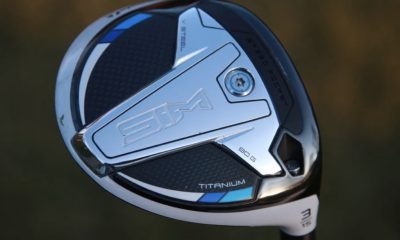


This week, we have our Tour Photographer, Greg Moore, on the ground at the OccuNet Classic at Tascosa Golf Club in Amarillo, Texas, for the 14th event of the 2026 Korn Ferry Tour season. With that, we see some great things in the Lead Tape Report as we roll into Amarillo.
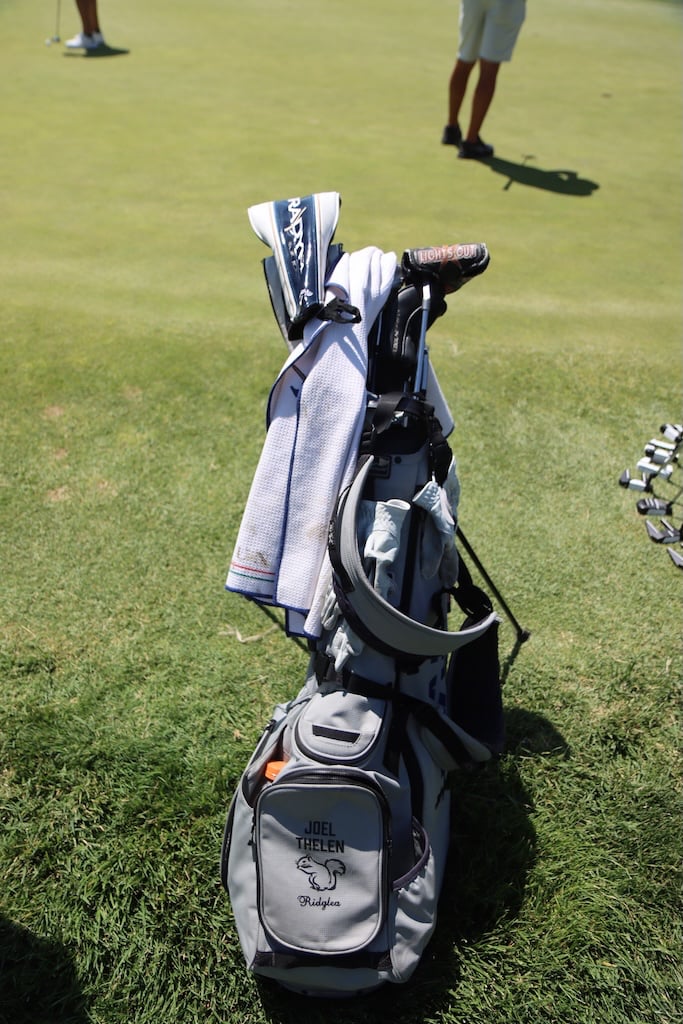
Joel Thelen
Monday Qualifier, Joel Thelen is in the field this week. He has played on the Korn Ferry Tour for a full season in 2023, and he is back in action this week. A couple of clubs caught my eye this week in his bag.
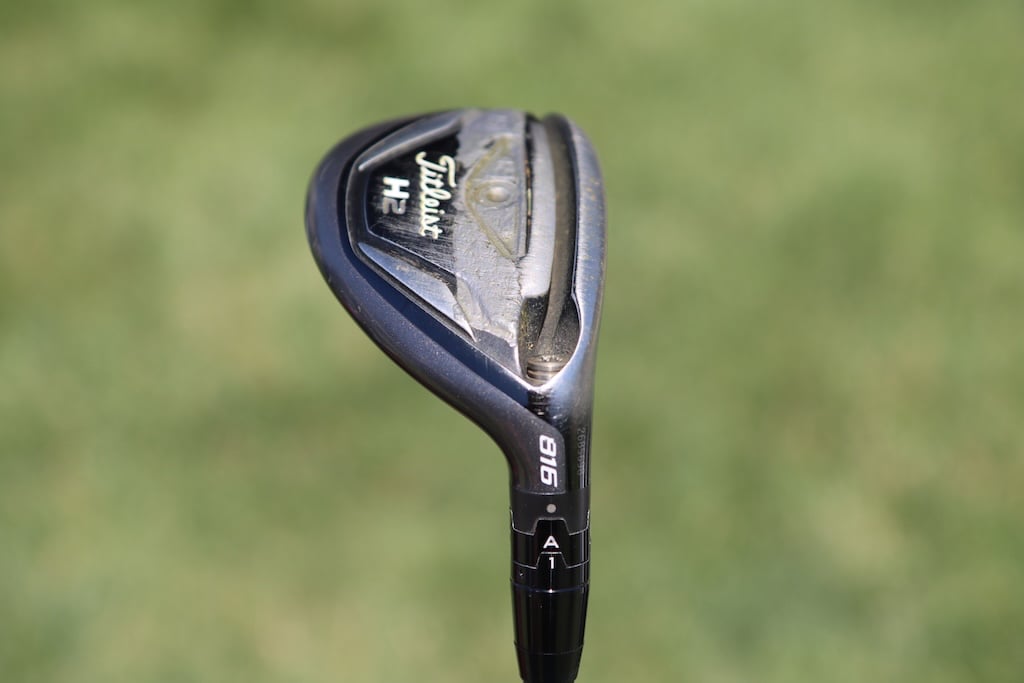
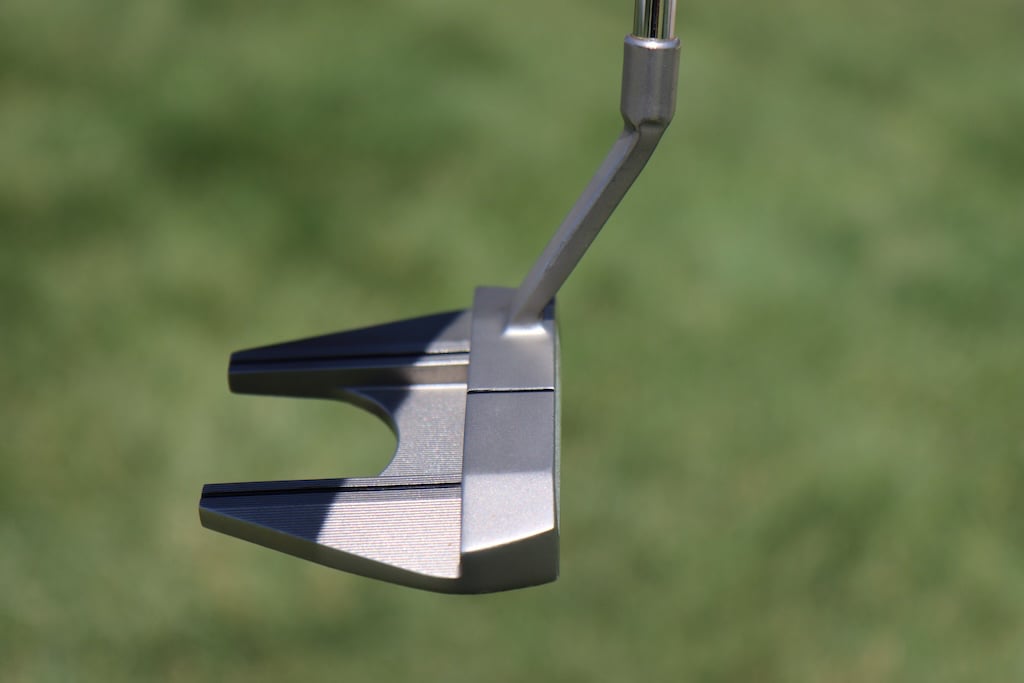
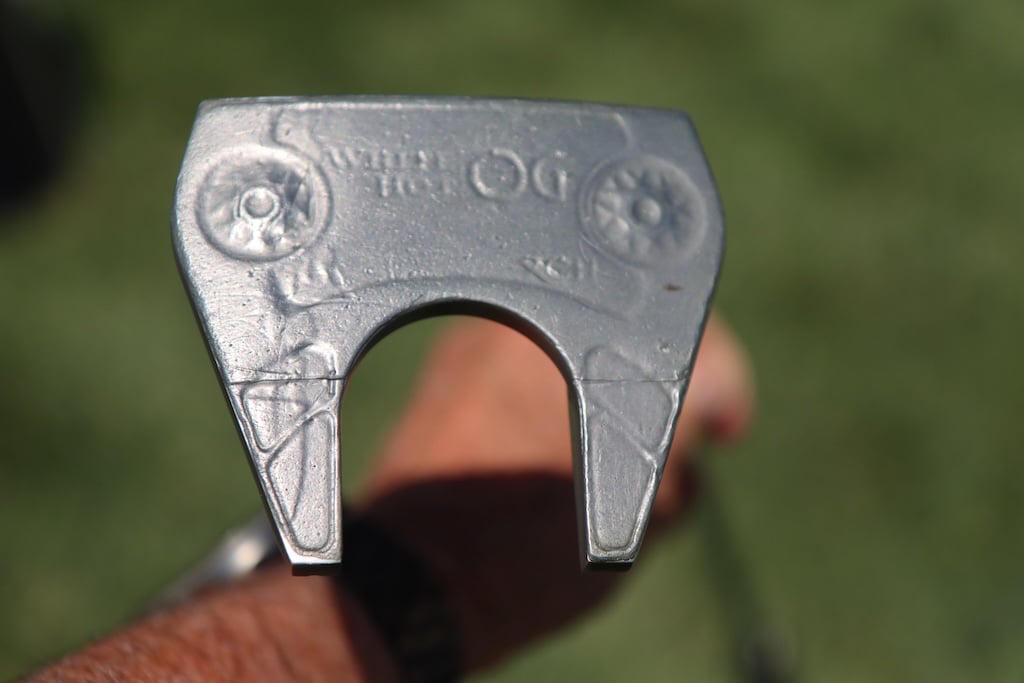
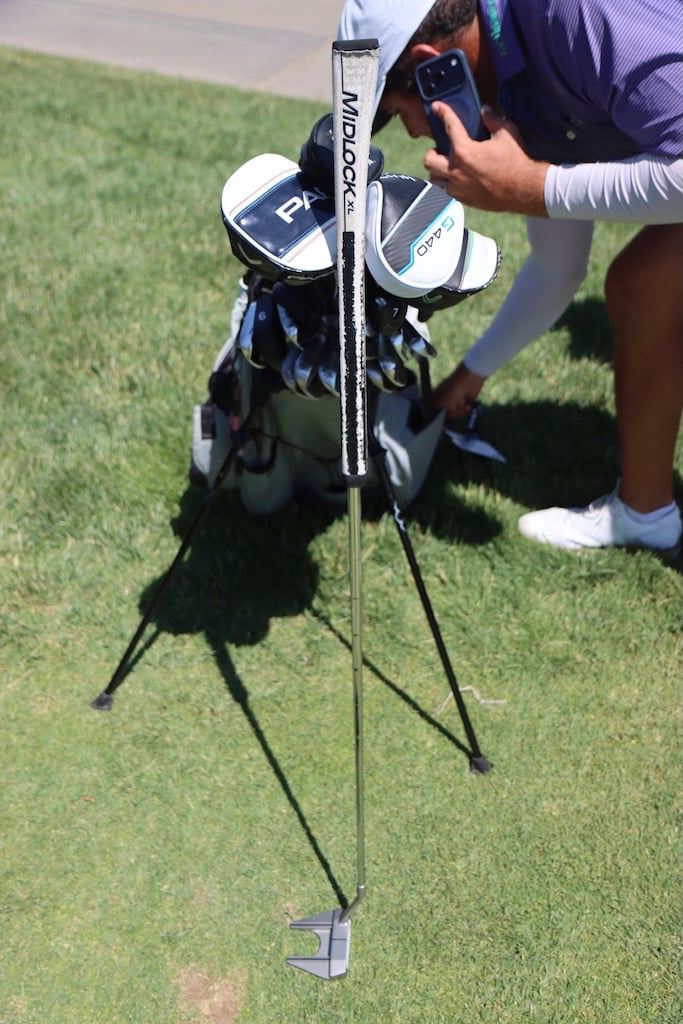
First off: His trusted Titleist 816 H2 hybrid. This club came out in October of 2015, and it still remains strong in the bag. Also, take a look at this Odyssey White Hot OG 7, putting a capital S in the 7S model. This custom neck has some impressive lean for an arm-lock-style putter. The bottom of the putter is covered in tape for optimal weighting.
Mitchell Meissner
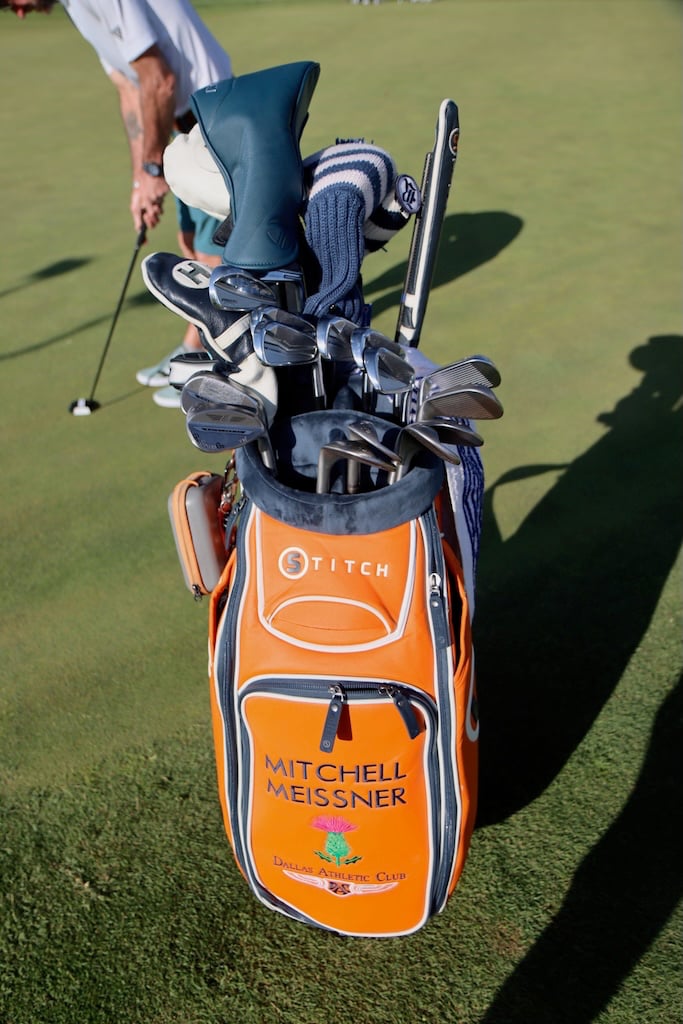
Taking a look at Mitchell Meissner’s bag this week, we have some great lead tape coverage. Top to bottom working from fairway metals, irons, and wedges. We can see on the short irons and wedges that there is tape at the base of the grip, adding a little counterbalance. Along with that, some tape on the short irons and wedges as well. Moving to his putter, he rolls the Odyssey 7 Bird putter. Meissner putts left-handed and strikes the ball right-handed.
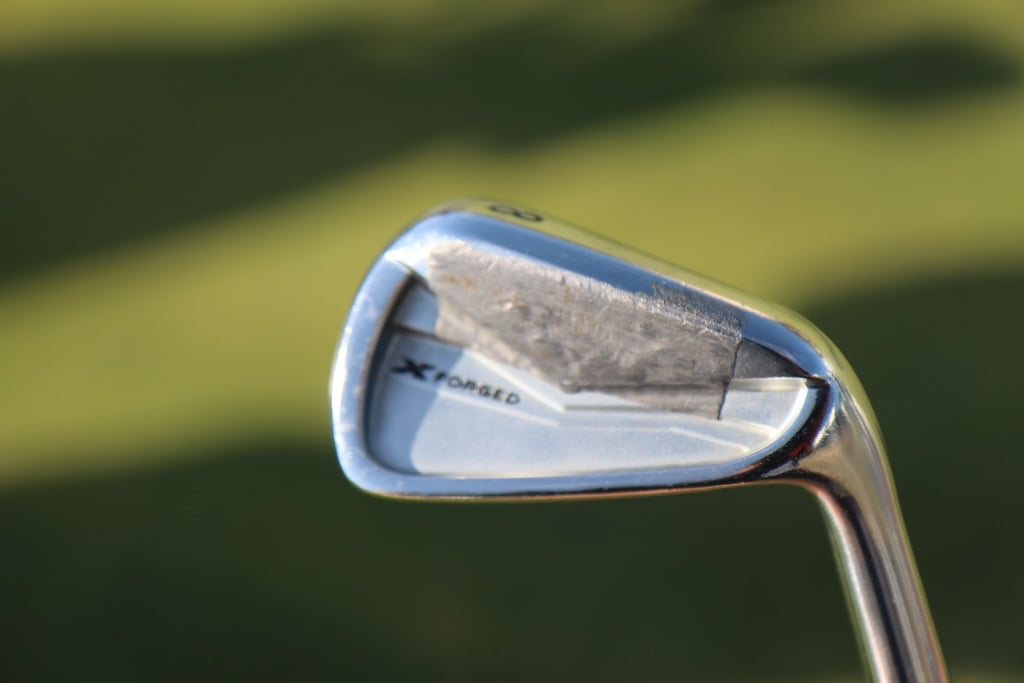

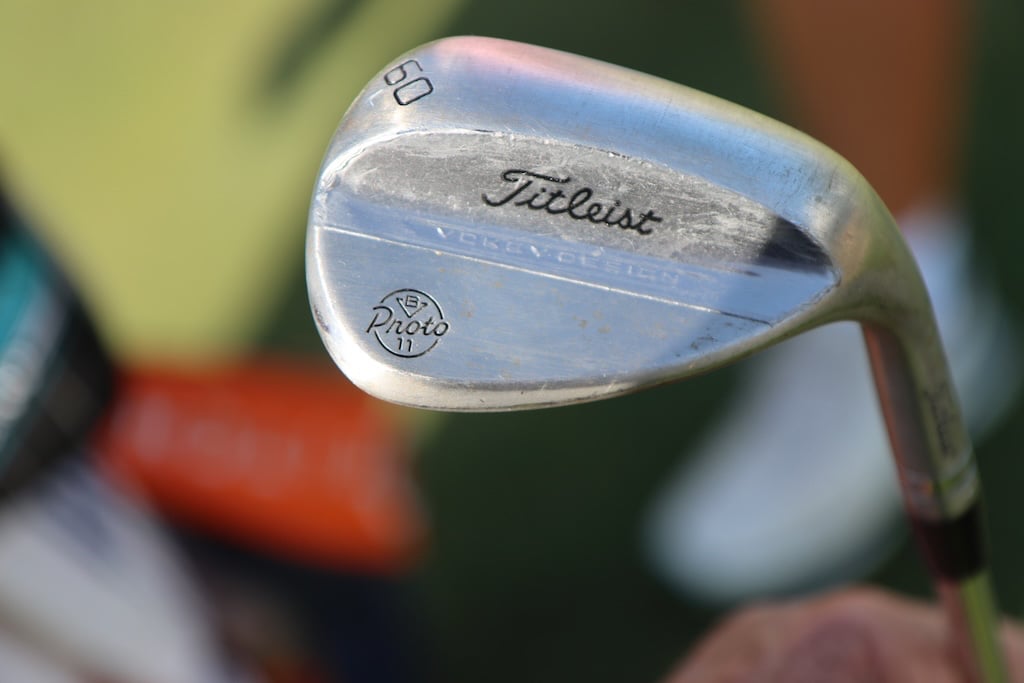

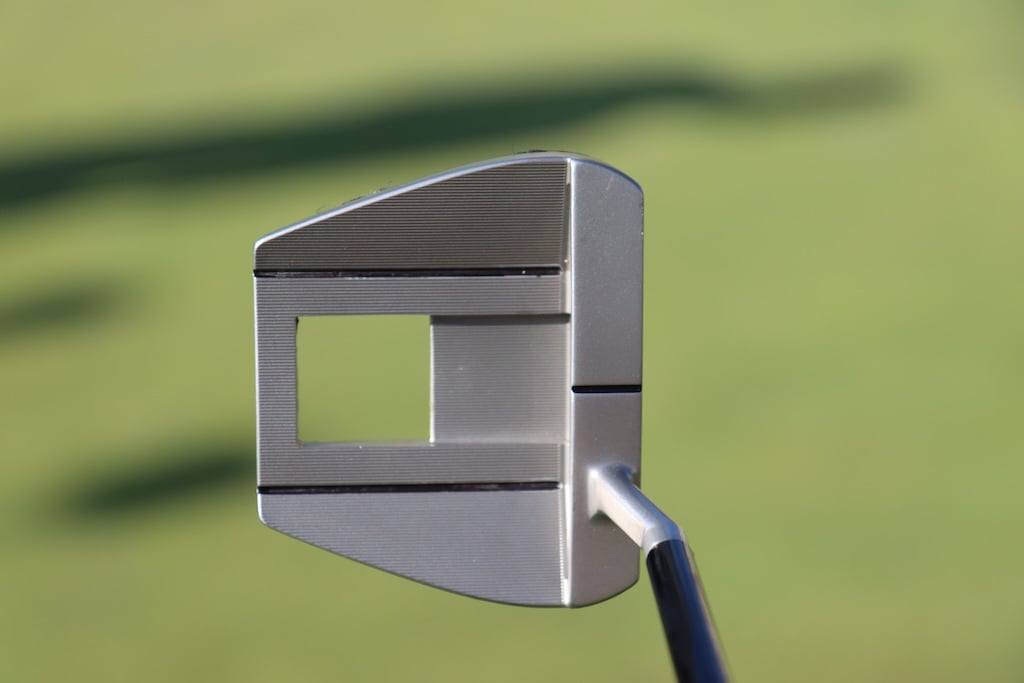


Bud Cauley had >14 clubs in his bag when photographed prior to the Memorial Tournament.
Driver: Titleist GTS2 (8 degrees)
Shaft: Fujikura Ventus Black 6 X
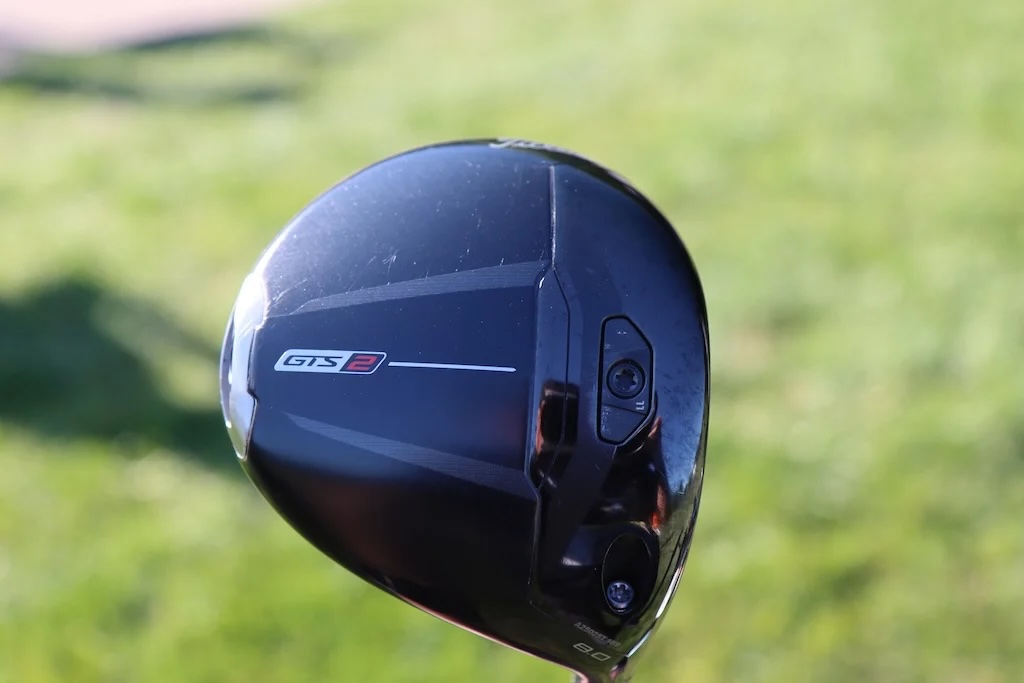
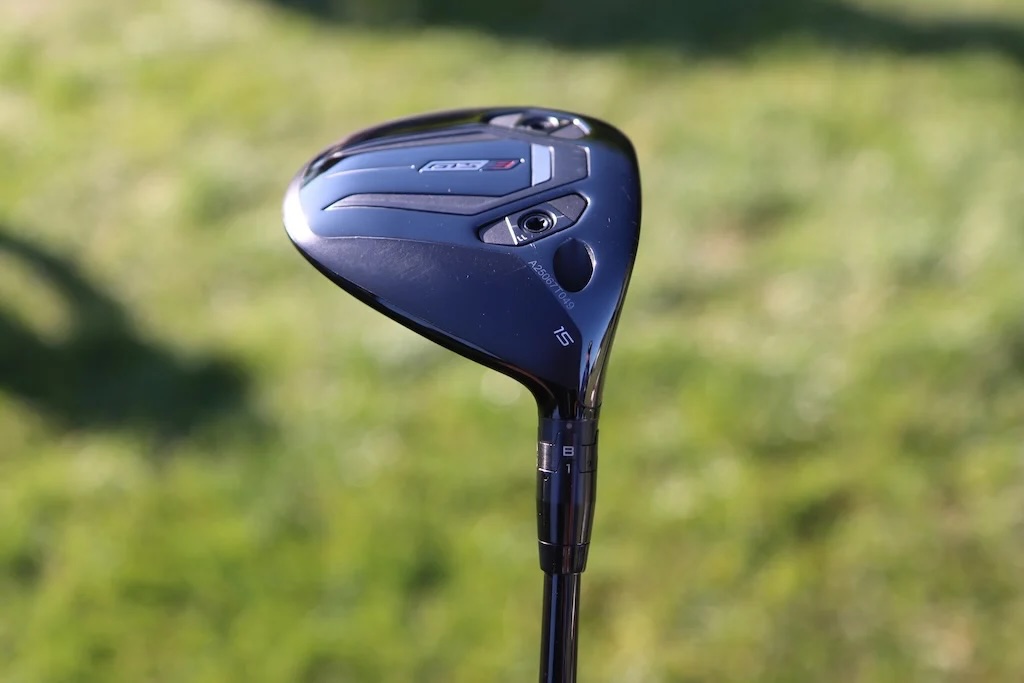
3-wood: Titleist GTS3 (15 degrees, B1 SureFit setting)
Shaft: Mitsubishi Chemical Tensei 1K Pro Red 70 TX
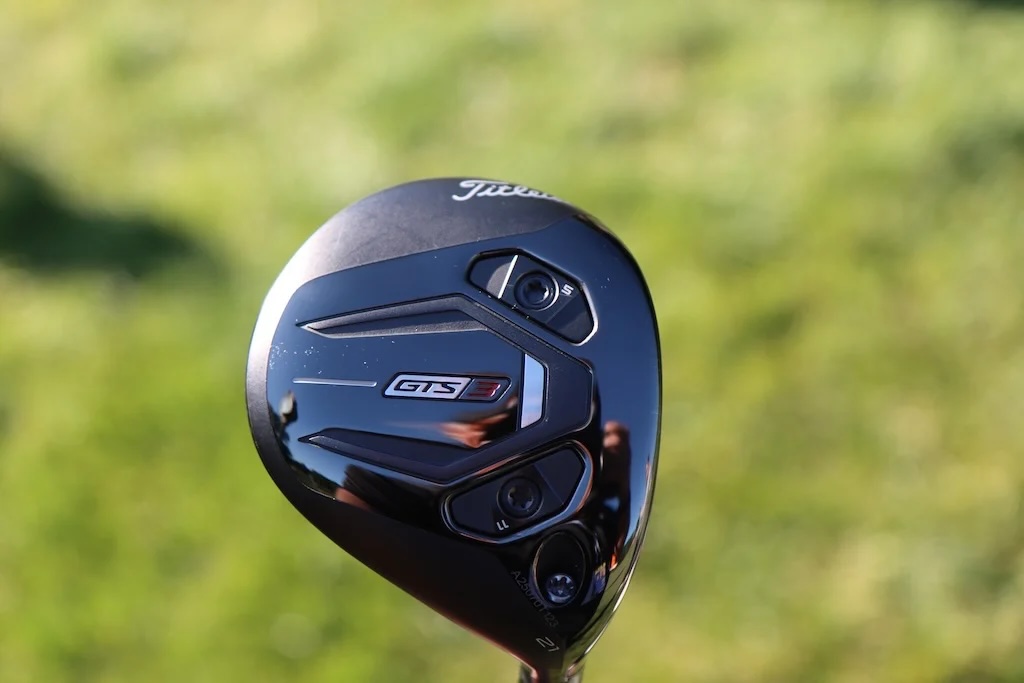
7-wood: Titleist GTS3 (21 degrees, D1 SureFit setting)
Shaft: Mitsubishi Chemical Tensei 1K Pro Red 80 TX
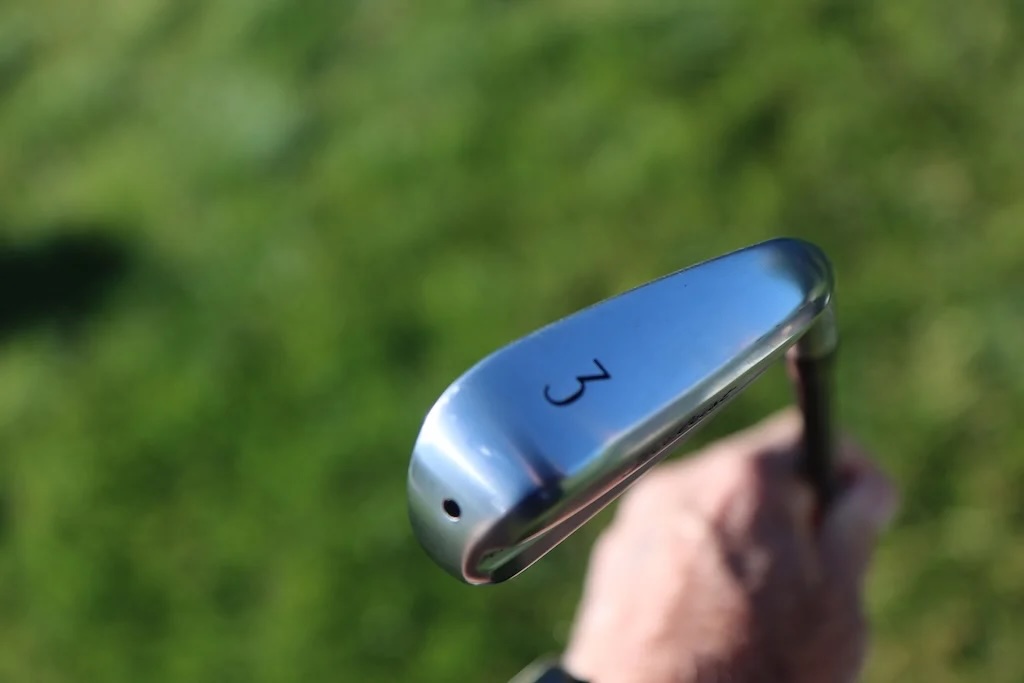
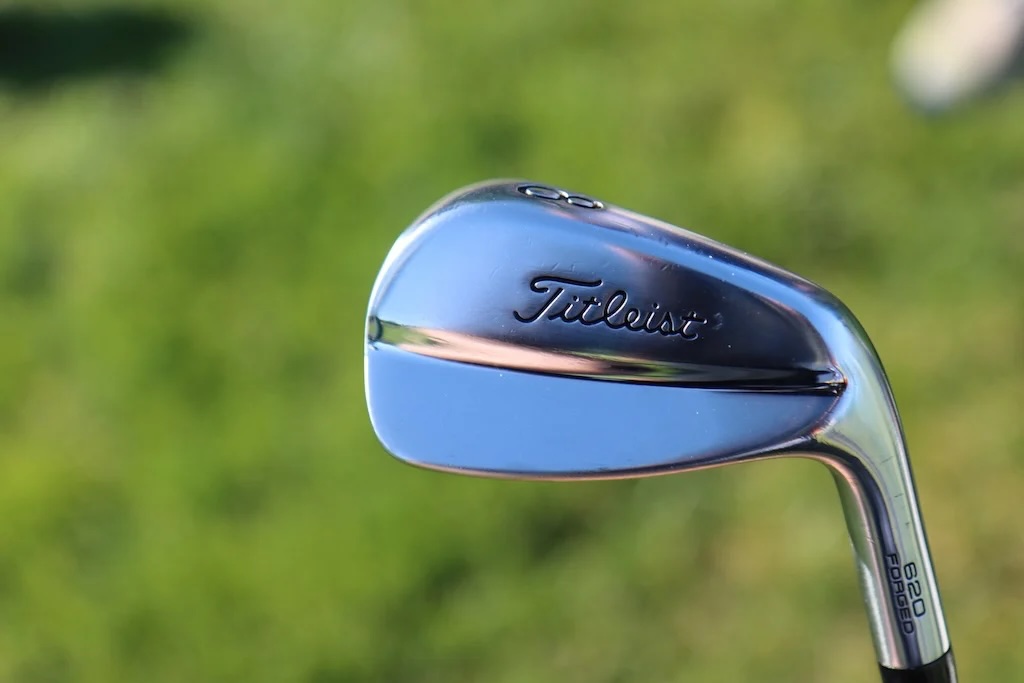
Irons: Titleist U505 (3), Titleist 620 MB (4-9)
Shafts: Fujikura Ventus Black HB 8 X, True Temper Dynamic Gold Tour Issue
Wedges: Titleist Vokey Design SM11 (48-10F, 52-12F, 56-14F), WedgeWorks (60-K*)
Shafts: True Temper Dynamic Gold Tour Issue S400
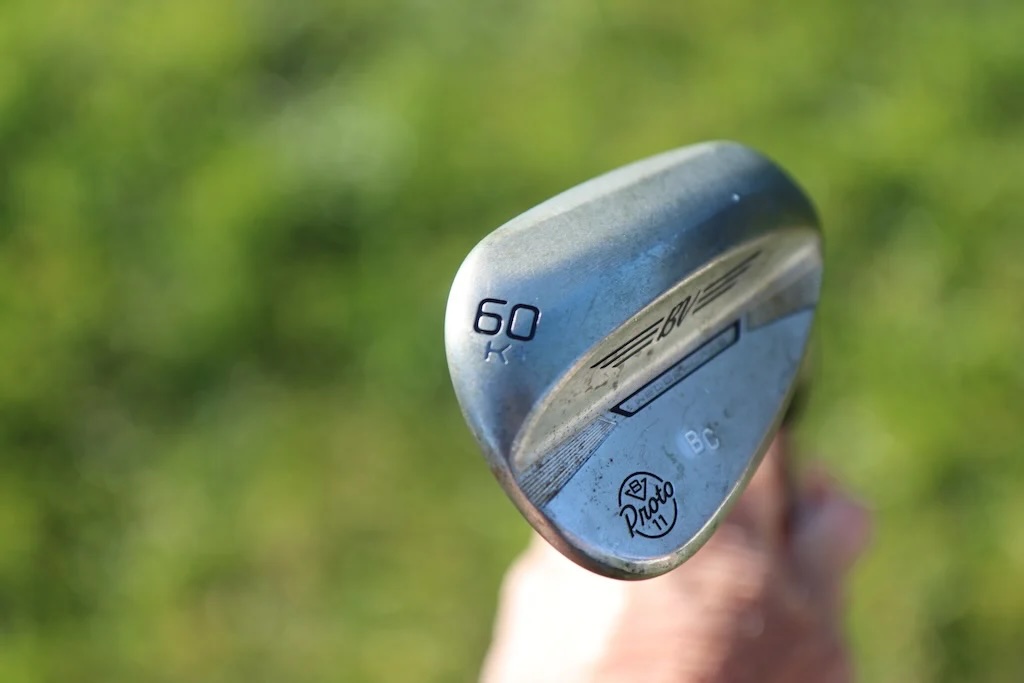
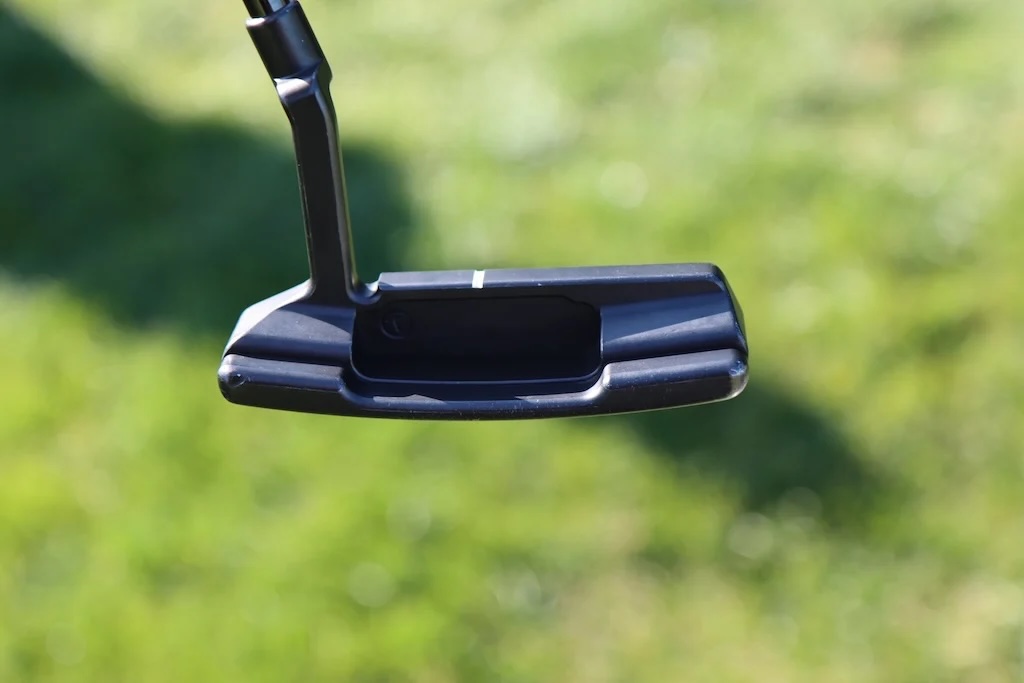
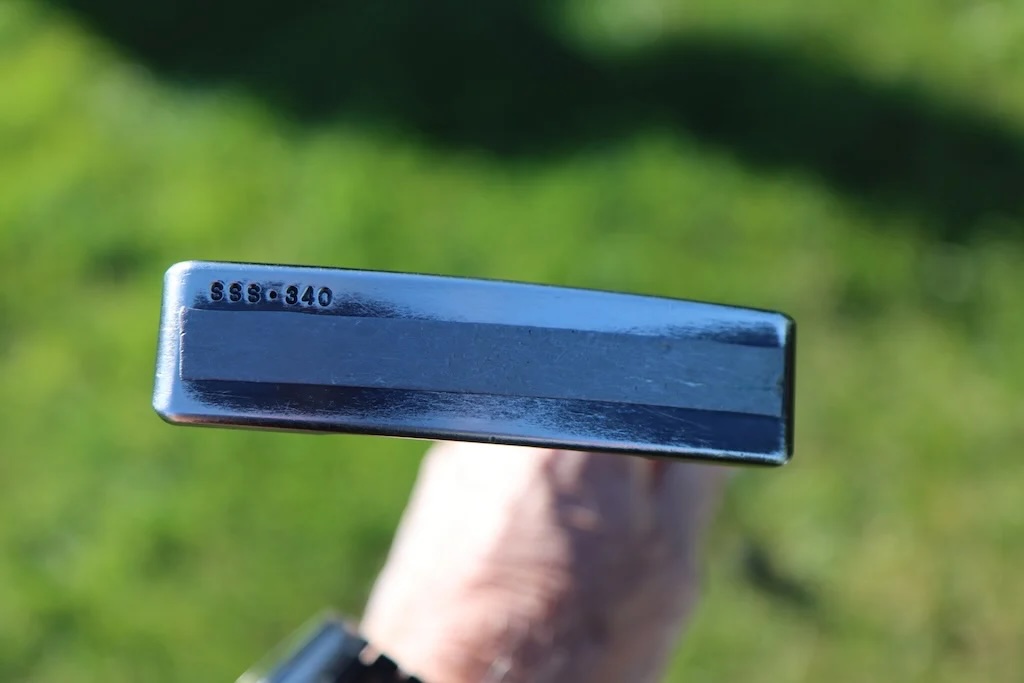
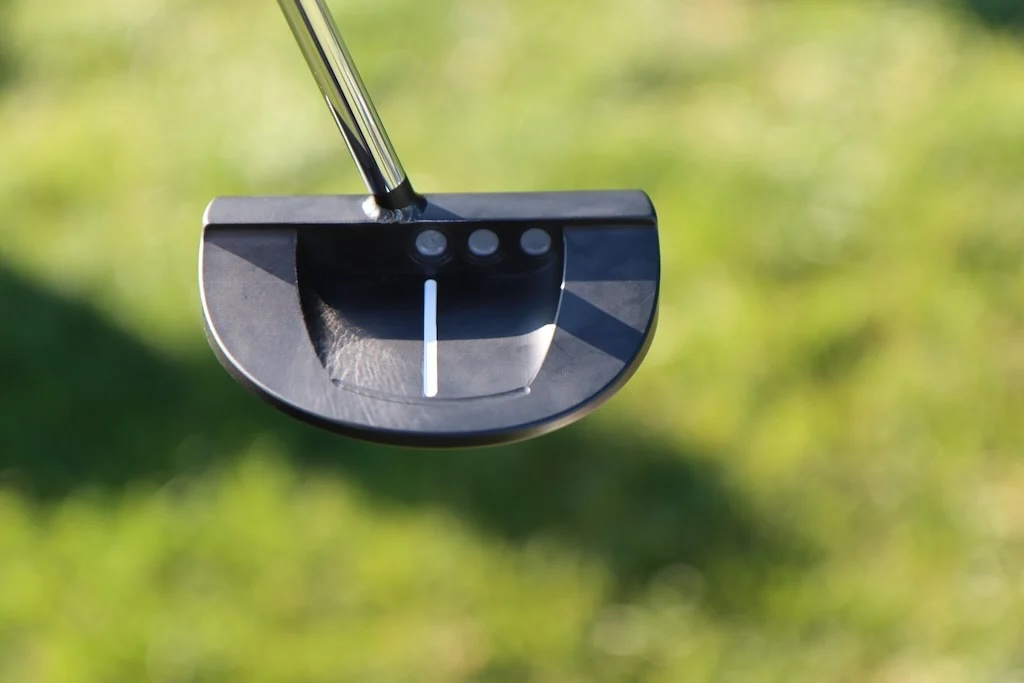
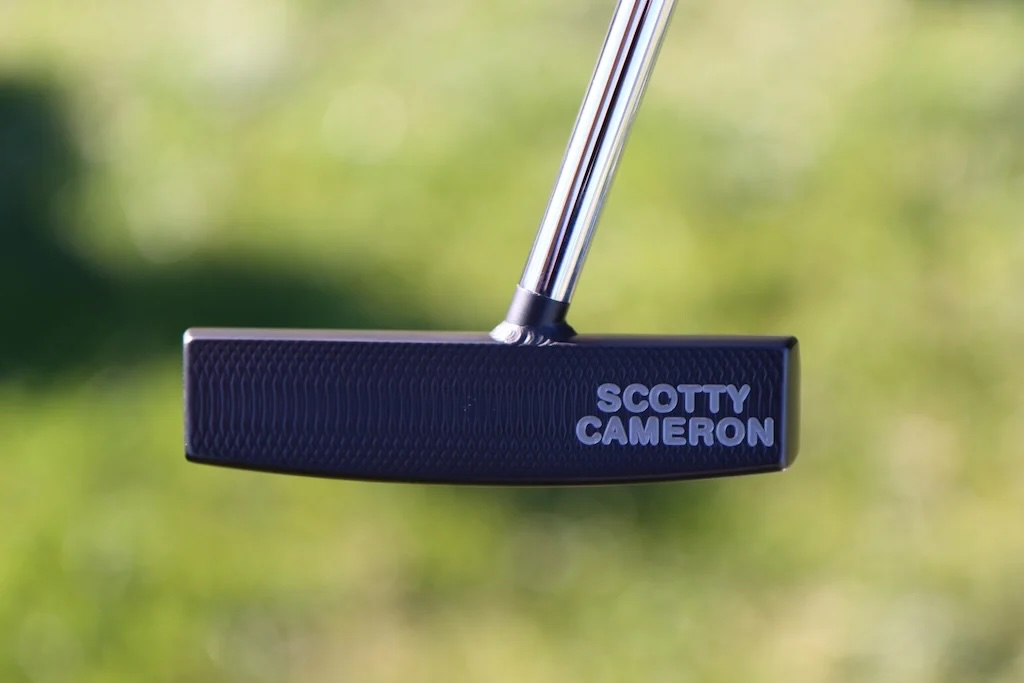
Putters: Scotty Cameron Tour Prototype, Scotty Cameron GOLO 6.3 Prototype
Grips: Golf Pride Tour Velvet Align
Ball: Titleist Pro V1
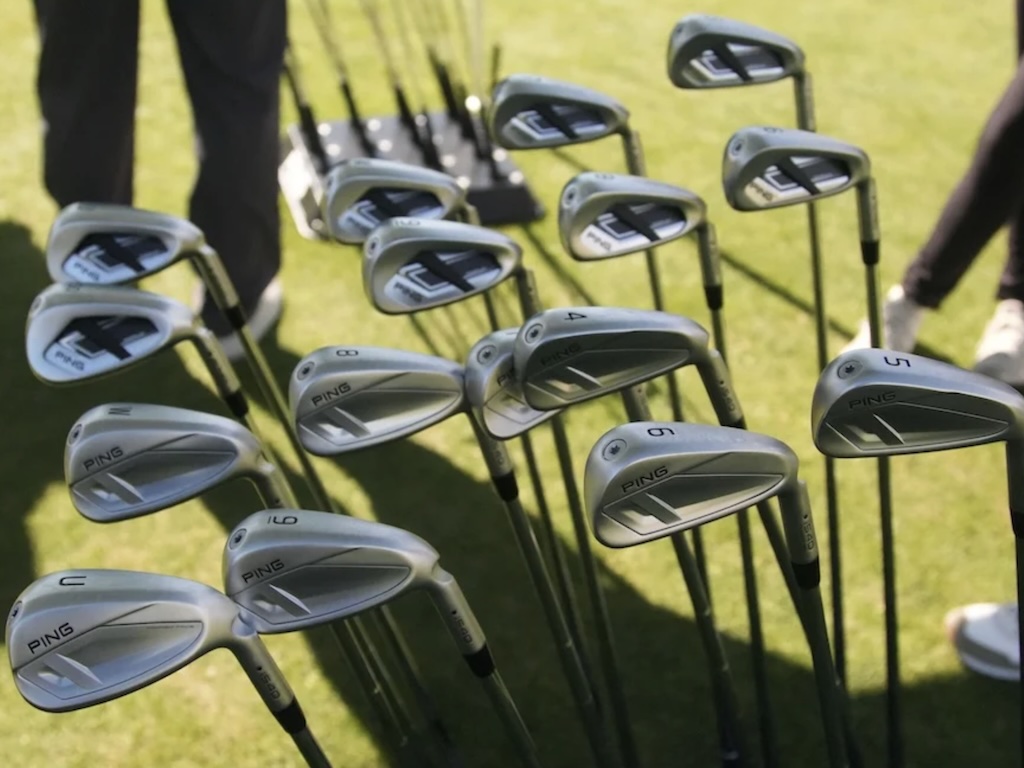
In our forums, one user has offered up a prompt for the true sickos, inviting fellow forum members to share every set of irons they’ve ever owned. As to be expected, this is a lengthy forum topic.
@Lamosteve began:
Can you name every set of irons you’ve owned? Here’s mine
Spalding Dots
Spalding Eclipse
Ram Lazer FX
Lynx Parallax
Mizuno EZ Comp
Ben Hogans
Cleveland CG Red
Taylor Made R9s
PING i20
PING iE1
Taylor Made M6
Our members in the forum have been offering up their own collections. Here are a few posts from the thread, but make sure to check out the entire discussion and have your say at the link below.
- macedan: “Started with a hand-me-down Golden Bear set from my brother when I was in high school, never really played more than once a year or got into the game until about summer of 2017. First purchased a set of Cleveland CG4’s (I actually really miss this set sometimes, soft & not terribly large for a GI iron), moved into Nike Vapor Fly’s by the end of the year. Those lasted until spring of 18 when I decided I wanted new, so I traded them in for TM Rbladez. Honestly, although I liked the Rbladez, poor decision on my part, I think this was really about the only time so far that after a week or two I was kicking myself for not staying with what I had. Rbladez stayed with me until late last summer when I switched to P790’s and (knock on wood) I am hoping this will be my longest lasting set.”
- JimmyC59: “MacGregor Jack Nicklaus Triple Crown. Palmer The Standard. Still play these.”
- jgrzask: “Tommy Armour 845u
Mizuno MP-32
Mizuno MP-33 (2 sets)
Bridgestone J33cb – still own
Srixon i-302 (2 sets) – still own
Tourstage X-Blades – still own
Mizuno Hot Metal – still own
Nike Forged Blades – still own
Titleist 714 AP1 – still own
Cobra Forged SS – still own”

Justin Rose WITB 2026 (April): Full WITB breakdown with new McLaren irons

What’s the story behind Webb Simpson’s custom-stamped irons?

Memorial Tournament Tour Report: Rory McIlroy, Cameron Young switch up drivers, and more

Cadillac Championship Tour Report: Spieth’s sizable changes, McLaren Golf launches, and more

Russell Henley’s winning WITB: 2026 Charles Schwab Challenge

Kristoffer Reitan’s winning WITB: 2026 Truist Championship

Aaron Rai’s winning WITB: 2026 PGA Championship

J.T. Poston’s winning WITB: 2026 Memorial Tournament

Cameron Young’s winning WITB: 2026 Cadillac Championship

Best irons 2026: Best irons overall, most forgiving irons, and more


Bud Cauley WITB 2026 (June)
Bud Cauley had >14 clubs in his bag when photographed prior to the Memorial Tournament. Driver: Titleist GTS2 (8 degrees) Shaft: Fujikura...


Hannah Green WITB 2026 (June)
Driver: Titleist GTS3 (10 degrees, D4 SureFit setting) Shaft: Mitsubishi Chemical Diamana RB 53 S 3-wood: Titleist GT3 (15 degrees,...


Asterisk Talley WITB 2026 (June)
Driver: TaylorMade Qi4D (9 degrees) Shaft: Fujikura Ventus Blue 6 S 3-wood: TaylorMade Qi4D (16.5 degrees) Shaft: Fujikura Ventus Blue...

Brianna Do WITB 2026 (June)
Driver: Callaway Quantum Triple Diamond (9 degrees) Shaft: KBS PGW 3-wood: Callaway Elyte Titanium (15 degrees) Shaft: KBS PGW 5-wood:...
-
 Equipment6 days ago
Memorial Tournament Tour Report: Rory McIlroy, Cameron Young switch up drivers, and more
-
 News1 week ago
Russell Henley’s winning WITB: 2026 Charles Schwab Challenge
-
 Whats in the Bag3 days ago
J.T. Poston’s winning WITB: 2026 Memorial Tournament
-
 Equipment3 days ago
Best irons 2026: Best irons overall, most forgiving irons, and more
-

 Equipment1 week ago
Details on Jason Day’s latest prototype Avoda iron setup
-

 Equipment3 weeks ago
CJ Cup Byron Nelson Tour Report: Koepka and Kim’s newest putters finally get hot
-

 News2 weeks ago
Charles Schwab Challenge Tour Report: MacIntyre, Åberg and Spaun all switch putters, TaylorMade launches new Spider
-

 Equipment2 weeks ago
Details on J.J. Spaun’s surprise putter switch


Jack
May 25, 2025 at 7:59 am
James, you left out the Sandvik titanium shafts from the early 90s. I had them in a set of Mizuno MP14s. They were amazing. Sadly we’re too expensive then to replace when broken.
Ely Mooske
May 24, 2025 at 7:58 pm
You missed the epic Tommy Armour Ti100 irons – all titanium, and absolutely giant.
… and, the ludicrous marketing gimmick of titanium golf balls.
DanP
May 24, 2025 at 11:50 am
Titanium shafts were available in the 1980’s
DanP
May 24, 2025 at 11:48 am
Did you know titanium shafts were available in the 1980’s?
Craig
May 24, 2025 at 7:59 am
Titanium shafts were relatively common in the early 90s, before Ti clubheads
Patrick
May 24, 2025 at 1:59 am
Your article was pretty good, but your take on titanium in shafts was short sided.
Sandvik Ti shafts were most folks first foray with titanium as a golf equipment material in the early 90s. It was a low torque solution with different feedback from graphite or steel. Many OEMs offered it as a high priced shaft option.
Notably,Daly had a red one in his Ultramid when he won the PGA.
Later(early 2000s)e21 was (is?) on the market with titanium/scandium shafts with similar low torque/low vibration properties.
Dave
May 23, 2025 at 11:31 pm
No titanium in golf conversation is complete with mentioning Sandvik, John Daly, and Robert Gamez.
Dan
May 23, 2025 at 6:18 pm
A decent read, but you’ve used pictures of the wrong Yonex irons. Sorry to be that guy!
James
May 23, 2025 at 11:37 pm
Hey thanks for the pointer! I was wondering the same thing as I was researching it ?
S. Chaney
May 23, 2025 at 4:53 pm
If it was mentioned in your article, I didn’t see it, but Sandvik Titanium shafts were definitely available in the early 90’s, probably earlier. I still have the TaylorMade “Metalwood” 3 wood in which I installed a Sandvik titanium shaft when I worked at Nevada Bob’s in 1991.
Scott
May 23, 2025 at 1:47 pm
No mention of the Sandvik TI shafts?