
Opinion & Analysis
Elliott: LPGA is getting it right on slow play


Golf is often seen as a serene escape, a sport where players can momentarily leave the hustle and bustle of everyday life for the tranquility of the golf course. Yet, there has been a long-standing frustration within the game that continues to threaten the peaceful experience that the game is supposed to offer: slow play. This epidemic of sluggish pacing is not just an annoyance but a detriment to the game itself, and it has been going back decades upon decades. Without stricter, well-enforced policies, the issue of slow play will only get worse. It’s about time we stop merely talking about the problem and instead take decisive action.
For too long, the discourse around slow play has been trapped in endless discussions and debates with minimal effective outcomes. The truth is that all golfers deserve to enjoy the game, but they also need to understand what is expected regarding pace. The solution lies not solely in talking but in implementing robust policies and ensuring their enforcement. Golf courses must establish clear rules defining what constitutes slow play and communicate these expectations to all players.
A well-structured policy on pace can be upheld in a friendly yet firm manner, and this is where the role of staff becomes vital. Proper training of staff members, along with hiring individuals specifically tasked with monitoring the pace of play, can make a significant difference. This isn’t about rushing players unnecessarily around the course but more about maintaining a steady flow that respects both the game and other golfers’ time. The staff should be knowledgeable, approachable, and equipped with strategies to handle slow play diplomatically yet effectively.
One of the leading examples in combatting slow play comes from the LPGA Tour. As reported last week by several media outlets, the LPGA has set forth a revamped pace-of-play policy intended to begin in March. This policy marks a substantial leap in addressing the issue, with more stringent rules and tougher penalties for players who exceed time limits. It’s a commendable approach that other organizations and clubs should closely examine and adapt at their courses.
The LPGA’s initiative shows a commitment not just to maintain the integrity of the game but also to enhance the spectator experience. Golf, whether professional or amateur, can benefit from such implemented structures. The penalties for violating pace rules should be significant enough to deter slow play without being excessive to the point of discouraging golfers from playing altogether.
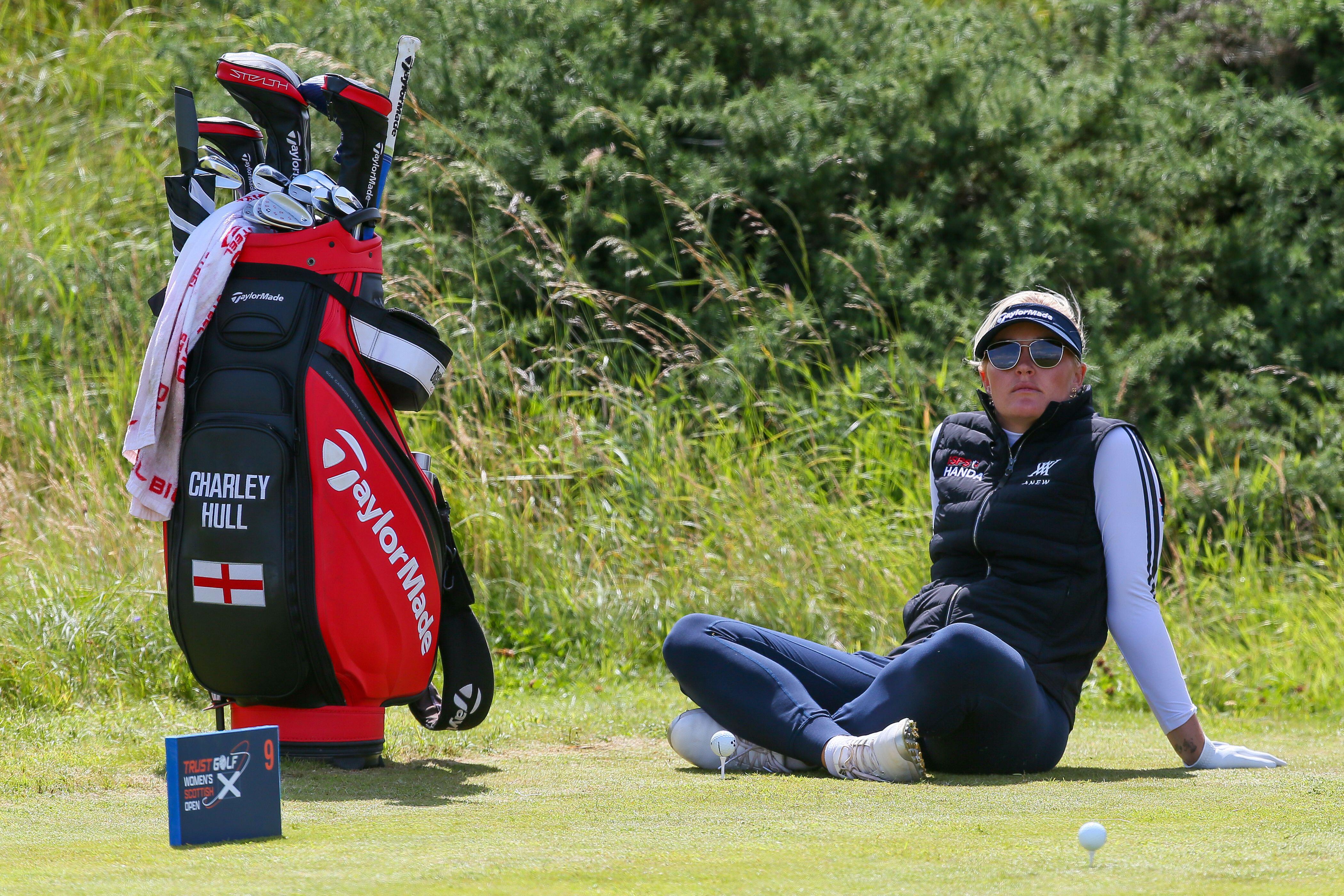
27th July, 2022. Dundonald Links Golf Course, near Irvine, Ayrshire, Scotland UK. Charlie Hull waiting to play at the 9th. Hull has been outspoken about slow play and is considered by many to be a very fast player. Credit: Findlay/Alamy Live News
Respecting pace isn’t just for the pros. Weekend golfers should also be held accountable. Amateur players need to be educated on the impact their pace of play has on others and the overall golfing experience. This education can come in signage at tee boxes, brief reminders from course marshals, or information distributed when booking tee times.
Creating a balanced environment where the beauty and enjoyment of golf are preserved while maintaining an efficient pace doesn’t negate golfers’ fun but elevates it. It encourages more people to participate, knowing their game will be fluid and respectful of time.
Slow play in golf is not an insurmountable issue. The LPGA’s action should serve as a catalyst for other golfing bodies to put words into action and enforce pace policies rigorously. With stricter measures and a little cooperation from golfers, the sport can shake off the shackles of sluggish rounds and continue its legacy of being a sport of grandeur and camaraderie. Let’s move beyond talks and embrace an action-oriented approach to safeguarding the essence of golf. It’s about time we speed things up – quite literally.
Reader, please support me by checking out my three weekly columns on RG.org. On Mondays, I present “The Starter,” which recaps the week gone by in golf. On Thursdays, I give you “Fairway Focus,” which previews the week to come in golf. And on Saturdays, I dish up the “Weekend Fore-cast,” a look at what’s on tap for the upcoming weekend.
Editor’s note: “My Take” will be an ongoing weekly series where Brendon shares his thoughts and opinions on various aspects of the game and industry. These are Brendon’s opinions and do not necessarily reflect those of GolfWRX, its staff, and its affiliates.







This past Monday, I played in the U.S. Amateur local qualifier at Rock Creek Country Club in Portland, Oregon. A full tee sheet from 7:30 a.m. to 1:55 p.m., the top 11 scores would make it to the U.S. Amateur final qualifying.
I teed off at 10:48 a.m.. With the 7:30 am tee time, you can get a feel for the leaders’ pace, and they were off and running on the challenging setup at Rock Creek.
View this post on Instagram
Getting to the highlight of the round on the par five 17th, a drive up the left side and 212 yards left to the front hole location. I took out a 5-iron with plans of middle of the green. The ball ended up 8 feet left of the hole, pin high. A slight downhill putt dropped in for an eagle 3 on the 17th. With the cut line looking to be anywhere from -2 to even par. This was the boost I had been waiting for all day.
With making par from the trees on 18, it was time to wait for a potential playoff with a posted score of one under par 71.
Three hours later, it was playoff time. 8 players for 6 spots. I made par on the playoff hole, which was good enough to advance to the U.S. Amateur final qualifying in July. USGA qualifiers sure deliver on all of the emotions in golf!
Club Junkie
Building my 2026 gamer WITB: Ranking the contenders and new putter projects – Club Junkie Podcast

The annual What’s In The Bag build is underway, and on this episode of Club Junkie, Brian breaks down the clubs currently leading the race for a spot in his 2026 gamer setup. From drivers and fairway woods to irons, wedges, and shafts, he ranks the equipment that’s performing best and explains what’s separating the front runners from the rest of the field.
Brian also heads into the workshop to discuss several putter projects currently on the bench. From head options and shaft choices to build ideas and testing plans, he shares what he’s working on and which putters could become serious contenders for the bag this season.
If you’re a gear junkie who loves equipment testing, club building, and the never-ending pursuit of the perfect setup, this episode is for you.
Follow Club Junkie:
Instagram: @clubjunkiepod
TikTok: @clubjunkiepod
Threads: @clubjunkiepod
X: @ClubJunkiePod
Club Junkie
Tour Edge Exotics mini driver review + TaylorMade Spider ZT Max first look – Club Junkie

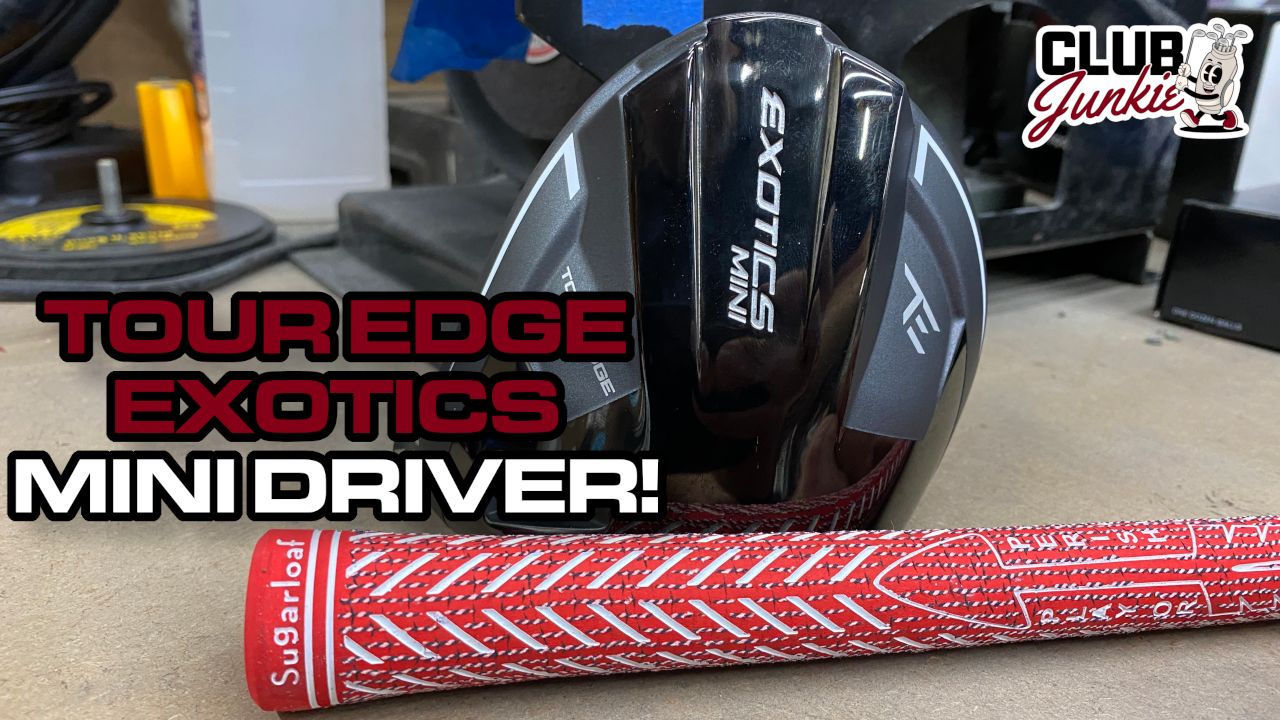
On this episode of Club Junkie, I put the new Tour Edge Exotics Mini Driver to the test and break down the performance, forgiveness, distance, and where it fits compared to a traditional driver or strong fairway wood. If you have been curious about adding a mini driver to the bag, this one is worth a look.
I also dive into the new TaylorMade Spider ZT Max putter that was recently spotted and discuss the growing zero torque putter trend. Plus, there is a closer look at the new Project X Titan Yellow shaft showing up on the PGA Tour and what makes it different from other profiles currently out there.

Justin Rose WITB 2026 (April): Full WITB breakdown with new McLaren irons

What’s the story behind Webb Simpson’s custom-stamped irons?

Memorial Tournament Tour Report: Rory McIlroy, Cameron Young switch up drivers, and more

Cadillac Championship Tour Report: Spieth’s sizable changes, McLaren Golf launches, and more

Russell Henley’s winning WITB: 2026 Charles Schwab Challenge

Kristoffer Reitan’s winning WITB: 2026 Truist Championship

Aaron Rai’s winning WITB: 2026 PGA Championship

Cameron Young’s winning WITB: 2026 Cadillac Championship

J.T. Poston’s winning WITB: 2026 Memorial Tournament

Best irons 2026: Best irons overall, most forgiving irons, and more


Bud Cauley WITB 2026 (June)
Bud Cauley had >14 clubs in his bag when photographed prior to the Memorial Tournament. Driver: Titleist GTS2 (8 degrees) Shaft: Fujikura...


Hannah Green WITB 2026 (June)
Driver: Titleist GTS3 (10 degrees, D4 SureFit setting) Shaft: Mitsubishi Chemical Diamana RB 53 S 3-wood: Titleist GT3 (15 degrees,...


Asterisk Talley WITB 2026 (June)
Driver: TaylorMade Qi4D (9 degrees) Shaft: Fujikura Ventus Blue 6 S 3-wood: TaylorMade Qi4D (16.5 degrees) Shaft: Fujikura Ventus Blue...


Brianna Do WITB 2026 (June)
Driver: Callaway Quantum Triple Diamond (9 degrees) Shaft: KBS PGW 3-wood: Callaway Elyte Titanium (15 degrees) Shaft: KBS PGW 5-wood:...
-
 Equipment5 days ago
Memorial Tournament Tour Report: Rory McIlroy, Cameron Young switch up drivers, and more
-
 News1 week ago
Russell Henley’s winning WITB: 2026 Charles Schwab Challenge
-
 Whats in the Bag3 days ago
J.T. Poston’s winning WITB: 2026 Memorial Tournament
-
 Equipment2 days ago
Best irons 2026: Best irons overall, most forgiving irons, and more
-

 Equipment1 week ago
Details on Jason Day’s latest prototype Avoda iron setup
-
 Equipment3 weeks ago
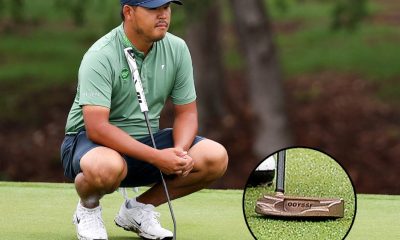
CJ Cup Byron Nelson Tour Report: Koepka and Kim’s newest putters finally get hot
-

 News2 weeks ago
Charles Schwab Challenge Tour Report: MacIntyre, Åberg and Spaun all switch putters, TaylorMade launches new Spider
-
 Equipment2 weeks ago
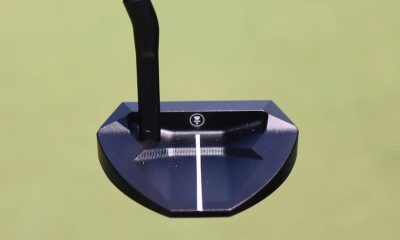
Details on J.J. Spaun’s surprise putter switch


HeftyLefty
Feb 23, 2025 at 10:46 am
Your position on the course is behind the group in front, NOT in front of the group behind. If you are a hole behind you are the problem, so don’t get mad at a ranger for pointing out you need to speed up. You can see it, don’t ignore it.
HeftyLefty
Feb 23, 2025 at 10:50 am
I forgot to add that courses can help by not putting a pace of play of more than 4 hours on the scorecard. Or, better yet don’t put any pace of play on the card and allow rangers to nudge slower groups along.
gery katona
Feb 22, 2025 at 6:54 pm
You go girl’s! MLB did it and it worked. Why not golf?