
Product Reviews
Callaway Elyte driver review (all 3 models) – Club Junkie Reviews

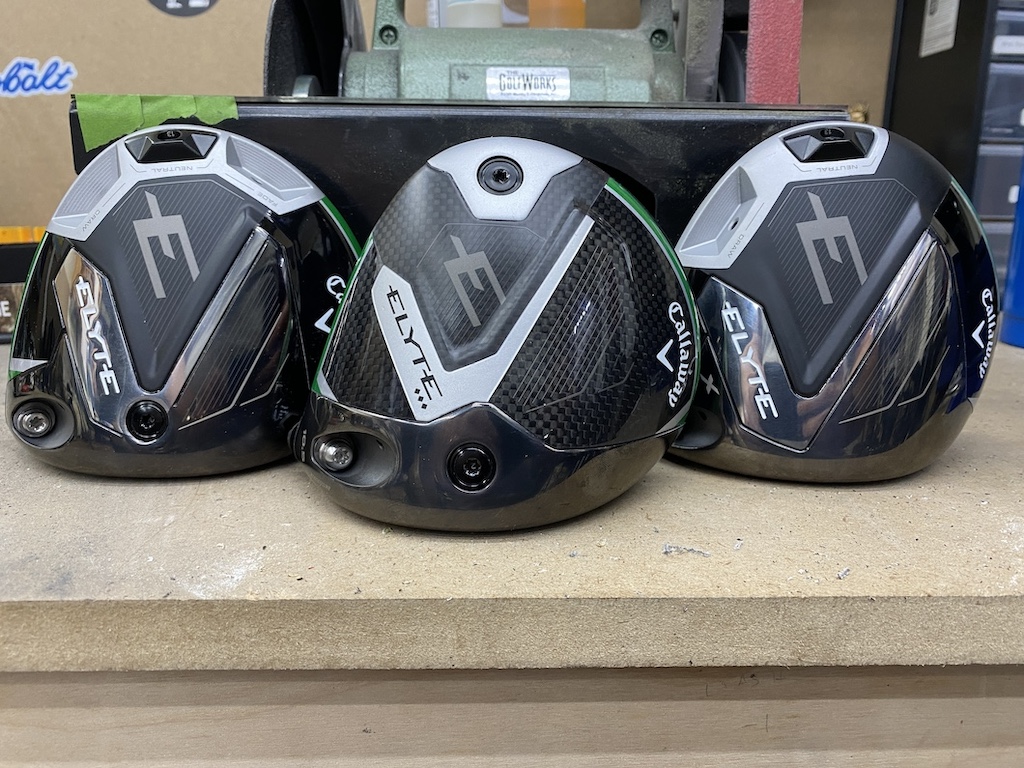
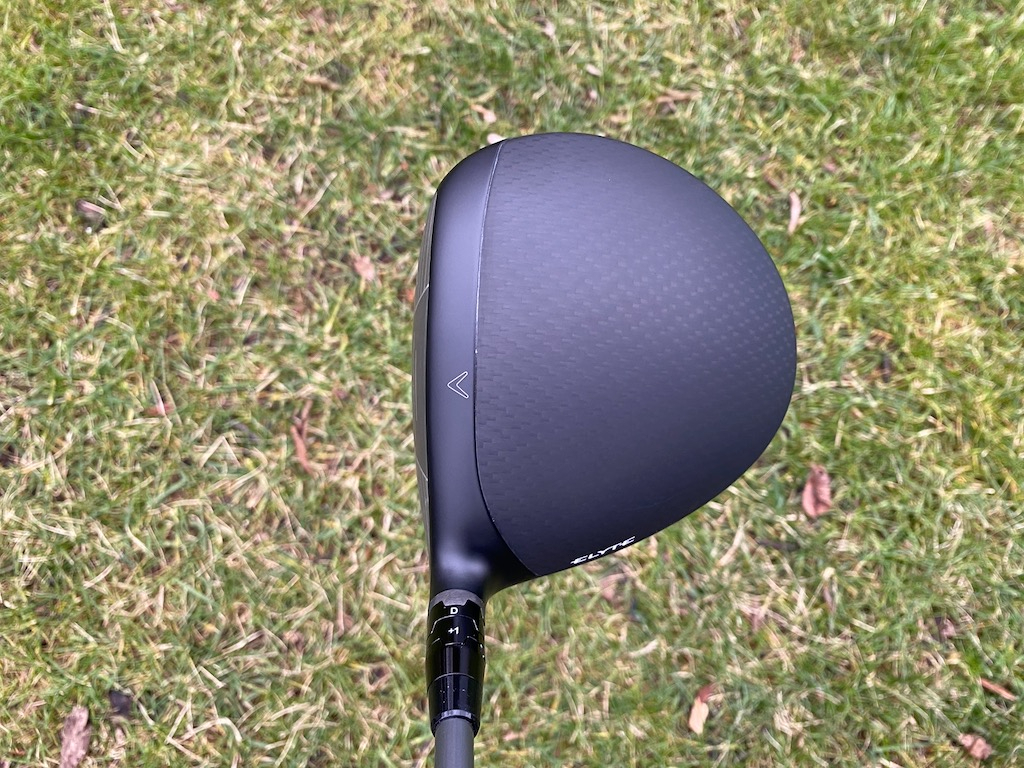
Callaway debuted its new Elyte drivers for 2025. Like most years, Callaway is giving golfers a few different options to fit their needs. If you need spin and launch control, maximum forgiveness with some draw help, or just a dose of everything Callaway has got a driver head that fits that spot.
I put in some time with the Elyte, Elyte Triple Diamond, and Elyte X drivers and had a little different experience of what was working best for me.
You can listen to the full review on the Club Junkie podcast, streaming on YouTube or any podcast platform — and be sure to follow on Instagram.
Callaway Elyte
This is the driver that I think will fit the widest range of players this year. From players on professional tours to weekend players, I think this driver offers a great blend of distance, forgiveness, and adjustability. I like the look of the driver as it offers a larger profile but sits very square at address. Callaway’s Thermoforged Carbon crown also looks sharp with the carbon texture in a matte finish that will prevent glare on sunny days. Sitting behind the ball you feel a sense of confidence that you don’t have to be perfect with your strike in order to see a good drive down range.
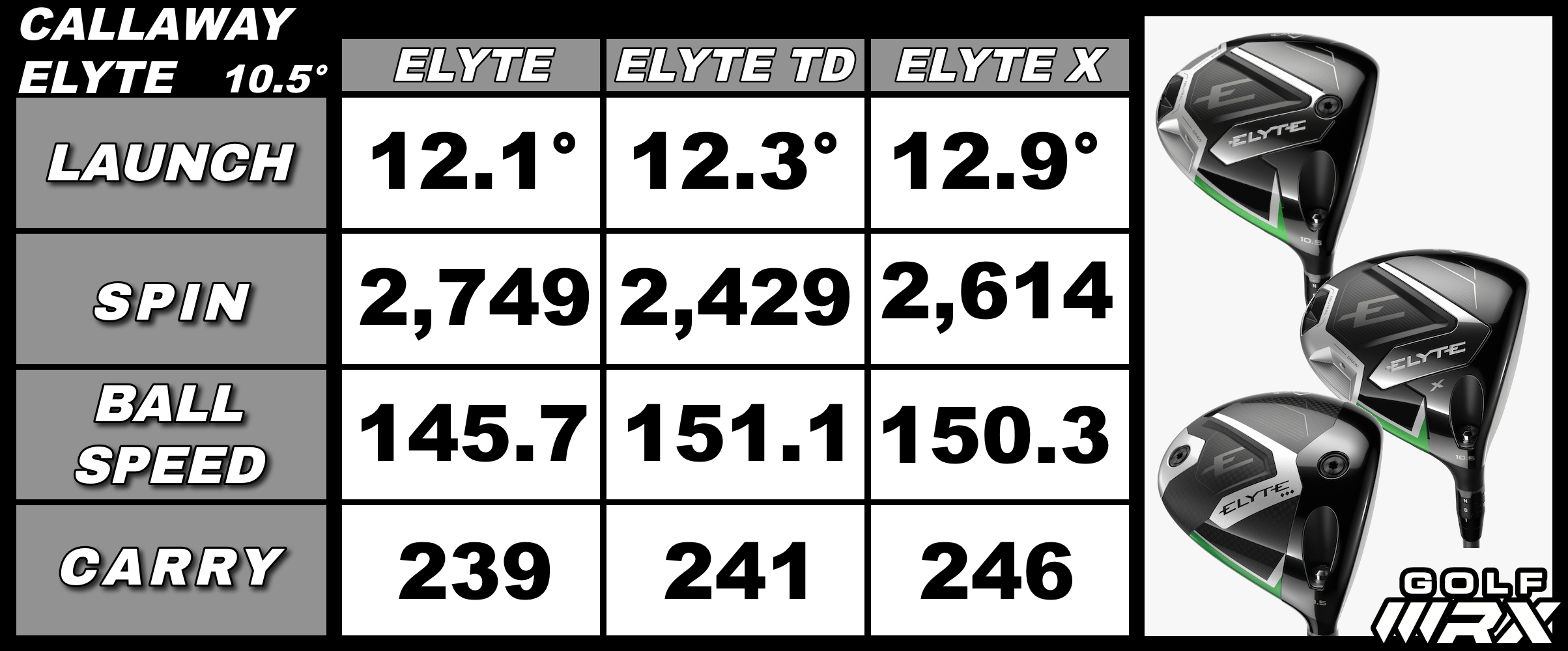
For me, the Elyte had great performance on mishits and solid strikes with a very neutral starting line for my drives. My shot shape was probably the overall straightest with Elyte compared to the other two models, with just slight draws or fades. I was a little surprised that the Elyte spun the most for me, but it was only by a few yards over the Elyte X that should spin more on paper. The Elyte launched the ball fairly easily and consistently even when you hit the ball off the toe or heel. While the spin for me was higher than others might experience it was consistent and tight without seeing huge spikes or dips when you struck the ball on other parts of the face.
I think this Elyte will be a driver you see a lot of out at your course as players of all levels can see benefit from it.


Elyte Triple Diamond
While last year’s Paradym Ai Smoke Triple Diamond was a pretty aggressive low-spin fade machine, I think the new Elyte TD is a little more friendly and playable for golfers.
The first thing I noticed was a ball that started down the center of the fairway and not slightly right of it like the Ai Smoke TD driver. This head seems to be easier to square up and hit a straighter ball or even put a little draw on it. Launch was also just about the same for me compared to the standard Elyte but that is a little deceiving as I was able to hit more fades with the TD than I did with the Elyte in the launch monitor sessions. The Triple Diamond was almost as consistent on launch numbers as the Elyte, but I did notice some of my fades launched a little higher.
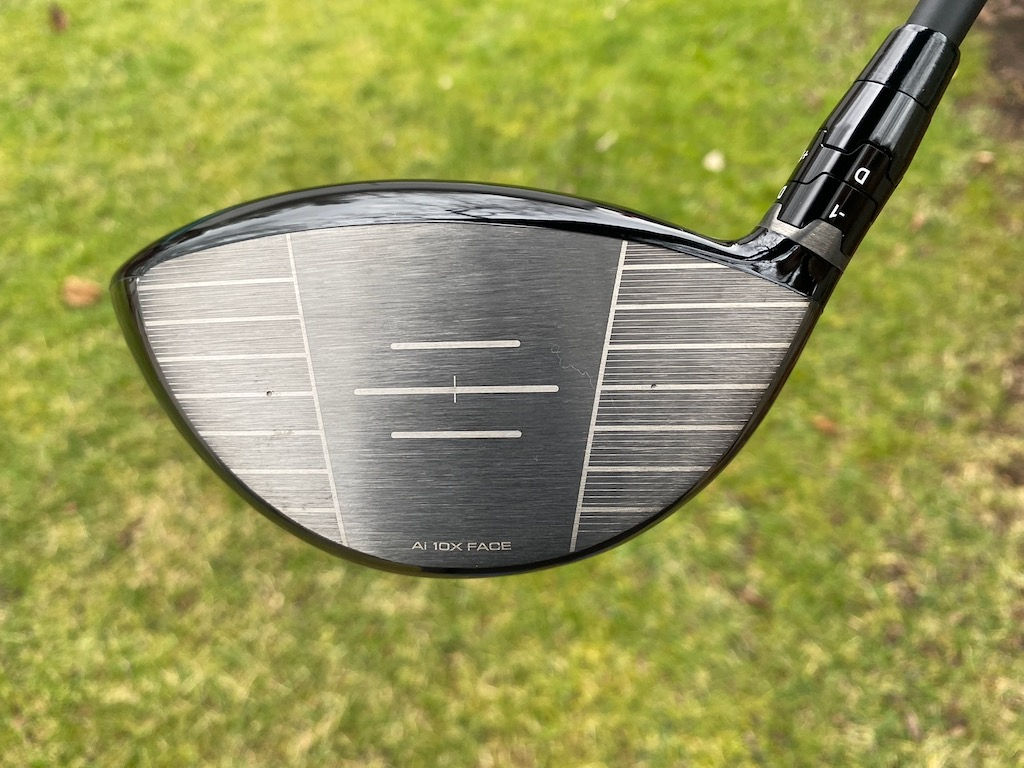
Great thing is that the spin consistency with the TD was really good. Out of all the shots I hit, even the low-heel ones, kept spin in check and I think I saw one ball go above the 3,000rpm mark. But the other nice thing about the Ai 10x face is that when you did catch one high off the toe you didn’t see the spin number drop to some crazy low number that caused the ball to dive hard left with zero control. Toe misses kept some spin and launch making it a much more playable miss that would stay in bounds instead of leaving the course! As you would expect the ball speed was fantastic with the TD and it was the fastest out of the 3 drivers for me. When I ran down the list of shots I saw more 1.49, 1.48, and 1.50 smash factor numbers than my skill level should produce. And I wasn’t just striping the center every time, so it proves that the Elyte TD face holds a lot of speed outside of the center spot.
Forgiveness is solid and I was pretty impressed with how straight miss-hits went. Now this isn’t as stable as the Elyte or Elyte X but you won’t be punished by your misses.

Elyte X
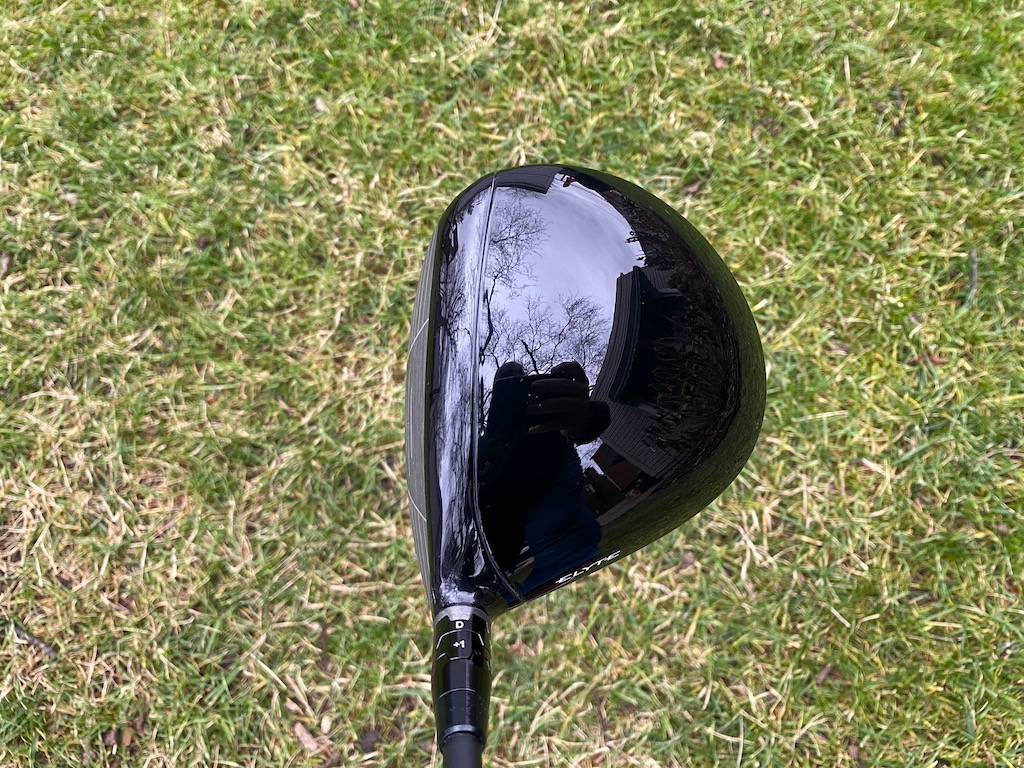
I didn’t think this would be my favorite of the three drivers, but I took the first swing with it and kinda didn’t look back! Launch was the highest of the three, but we are talking about less than one degree from lowest to highest with them. My numbers with the Elyte X were probably the most consistent across the board with spin, launch, ball speed, and dispersion all being very tight.
It seemed like every good swing, and some of the poor ones ended up in a gentle draw that would sit on the left-center of the virtual fairway. The starting line was the most left and I figured it would be because at address the face looked to be a touch shut, but nothing that was too offensive. I left the rear weight in the neutral setting and the X seemed effortless to square up and hit straight little draws. With the consistent draw shot shape you can see why the spin was slightly under the standard Elyte, but even shots that I left out to the right didn’t spin up and fall out of the sky. They kept a pretty penetrating flight and held onto some really good distance. While the ball speed average was just slightly under the Triple Diamond the ability to connect with the center of the face was far easier.
I liked the larger footprint of the X as it gives you that confidence that less than perfect strikes will still produce a good, playable drive. The Elyte X really gave me the feeling of stability when I missed the center and it felt like it had the most resistance to swinging open or shut when you hit it far out on the toe or down in the heel. The sound on the X is a little louder than the other two Elyte drivers but still a fairly muted, metallic sound that didn’t ring your ears even indoors.


Final Thought
Callaway has brought out a line of drivers that offers decent performance enhancements compared to last year. While you won’t be seeing 10 mph ball speed gains compared to an Ai Smoke, you should see some increased consistency on a lot of metrics that will have the ball going a little straighter and a little farther. Each driver does a lot well and I think they offer better performance for a wider range of players.


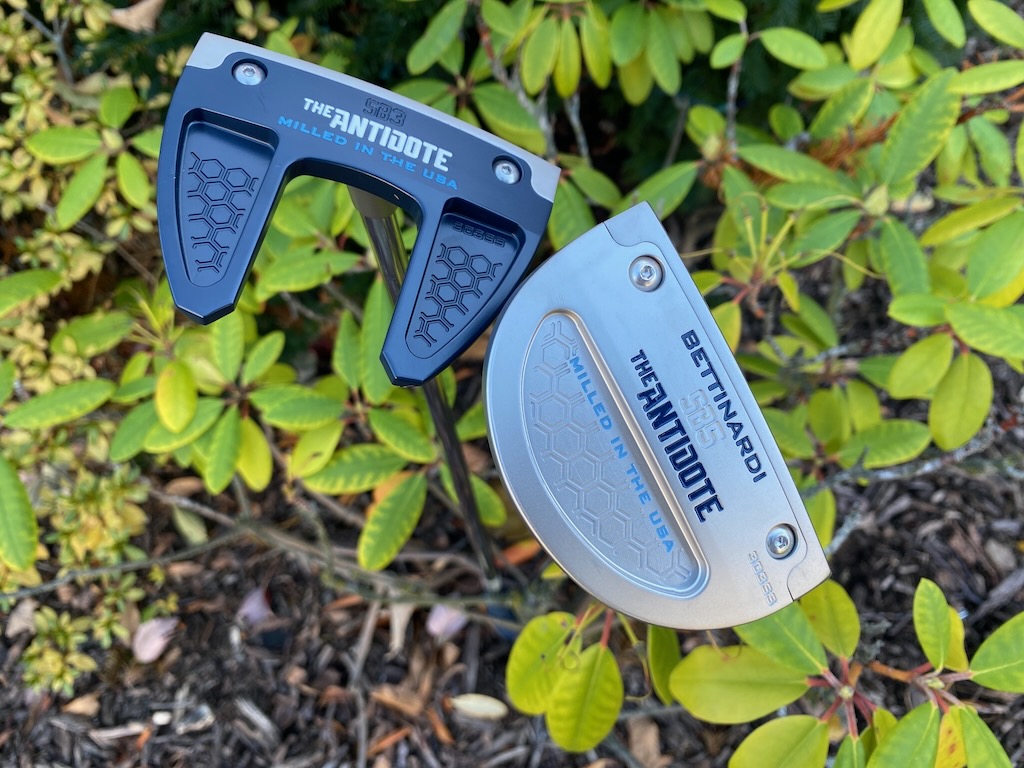
Bettinardi launched The Antidote putters at the end of 2024 with the SB1 & SB2 models. It was their first jump into zero-torque putters and brought that solid Bettinardi feel to the hottest trend in putters. So at the end of 2025, Bettinardi expanded the line with two more models, the SB3 and SB5 putters, in order to appeal to more golfers. I have gotten to roll both models and think they are great in their own ways.
You can listen to the full review on the Club Junkie podcast, streaming on YouTube or any podcast platform — and be sure to follow on Instagram.
Both Antidote putters have faces milled from 303 stainless steel for a soft, solid feel. The faces feature Bettinardi’s signature F.I.T. Face milling, which removes 55 percent of the face material for a soft, responsive feel. Bettinardi then uses its Diamond Blast to finish the face, reducing glare and creating a durable, great-looking finish. The shafts are installed into the center of gravity of the putter head and feature a small amount of forward shaft lean. This gives each Antidote putter Simply Balanced Zero Torque to keep the face square to the target during the stroke.
The Antidote SB3
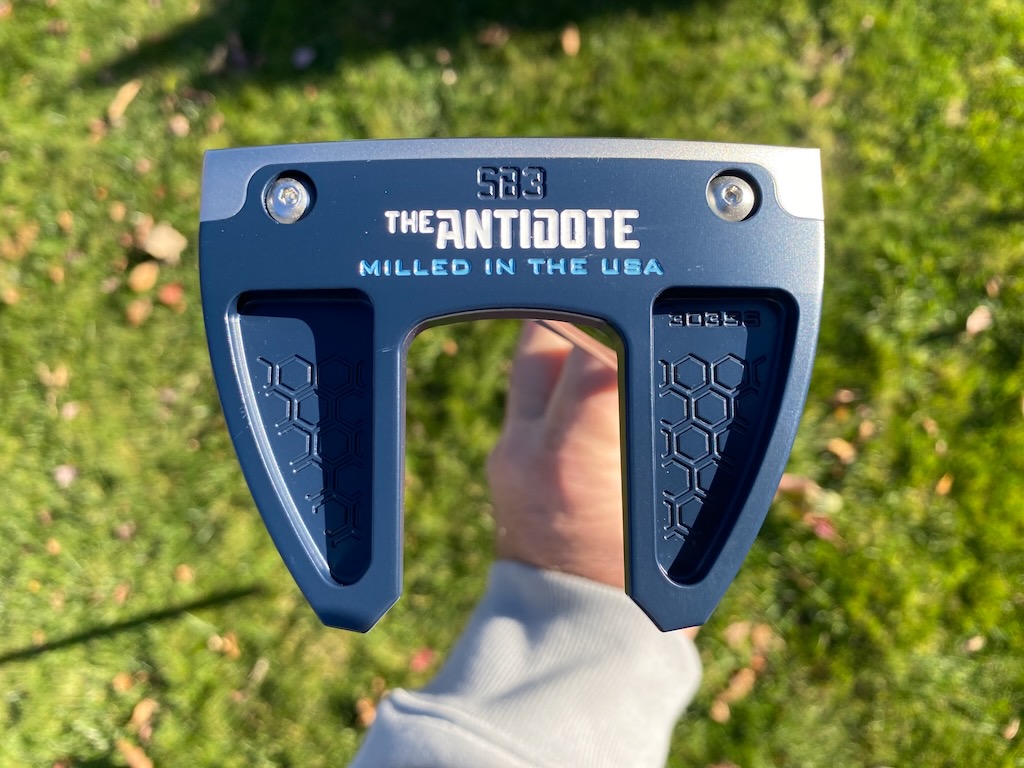
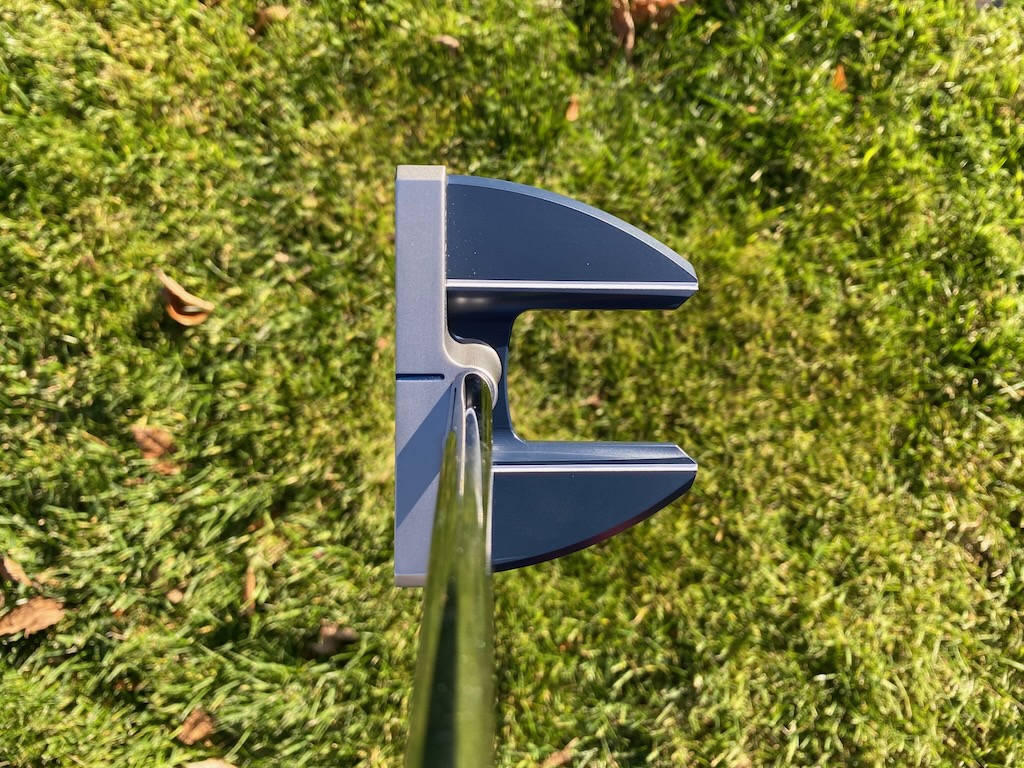
When I got the box with both putters, this was the one I was most excited for. Being a long-time fan of “fang” style putters, this one just jumped out to me as the one I need to try. Personally, the silver face and Sapphire Blue as the contrast between the two is another way to make sure the putter is aligned towards the target. This putter frames the ball really well between the fangs, or wings, on the back of the putter and the twin white sight lines that run down them. Getting this SB3 lined up to your target is easy and quick, so you can feel more confident as you are about to get that putt rolling.
The feel of the F.I.T. Face is nice and soft with just enough click to let you know the quality of your contact. While it isn’t something Bettinardi claims, I feel like the F.I.T. Face puts a nice roll on the ball, and you don’t ever encounter hopping or skipping as the ball starts out. My favorite way of explaining the feel of a zero torque putter going through the stroke is the feeling of the face pulling itself through impact. To me, the SB3 has a really stable feel, and it doesn’t want to be manipulated through the stroke. The SB1 might be the most stable feeling, to me, out of all The Antidote putters but the SB3 would be a very close 2nd place. If, and when, you strike the ball out on the toe or in the heel, you will have a feeling of the SB3 not wanting to twist and keeping the ball on line. If you are looking for a zero torque, high-MOI mallet, with great feel and sound, then The Antidote SB3 could be a great option to try.
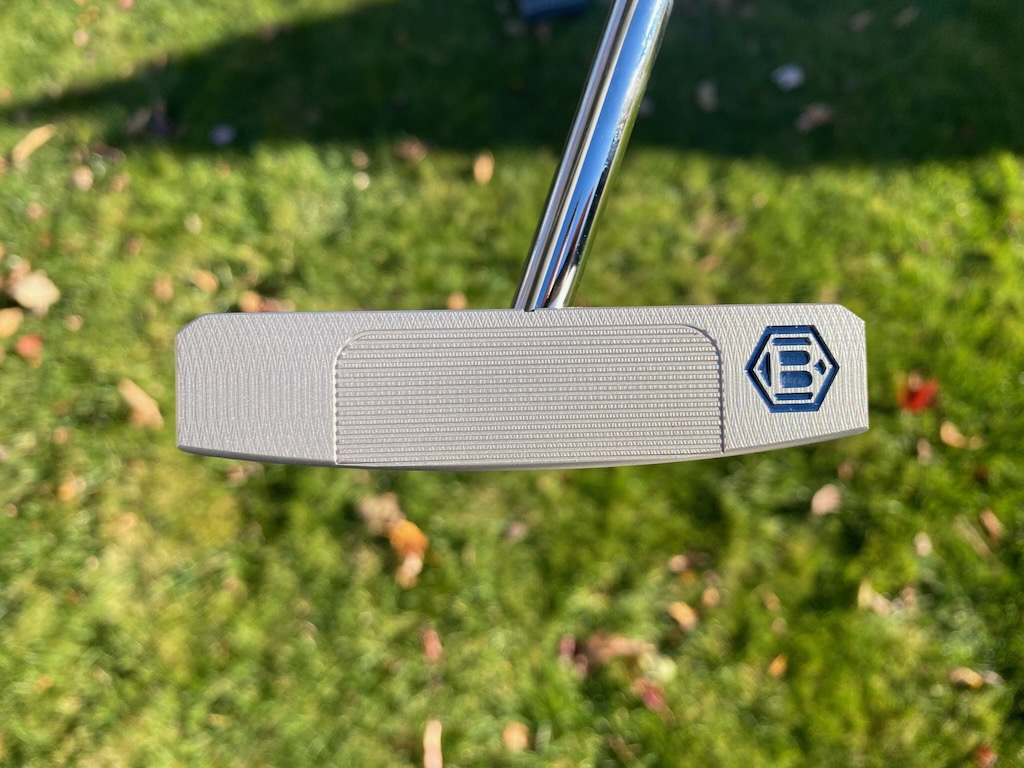
The Antidote SB5
There are a lot of golfers who would love to try a ZT putter but just don’t love mallet putters. Thankfully, there are some really cool options out there, like The Antidote SB5 putter. To me, this is a really classic-looking putter from address with clean lines and a familiar look that should appeal to the more traditional golfer. Just like the SB3, you get a phenomenal-feeling putter, with both pieces precisely milled from 303 stainless steel. The triple site lines, one on the topline and two on the flange, again work better than I expected with this head shape, and I got comfortable with them fairly quickly.
I typically like ZT putters that feel super stable, but this SB5 seemed to fit my stroke right out of the gate. Players with more arc in their stroke might find the SB5 as something that feels more natural to them, as it will allow you to rotate it just a little more than you can with a traditional blade putter. Even with that, I feel the SB5 was really easy to square up, and I was never searching to find consistency in that. Miss hits with the SB5 were also pretty good. Shots off the heel stayed very straight and had a good, soft feel, while shots struck on the toe felt a little more vibration. Interestingly, when I did miss putts, I noticed that I missed more putts left with the SB3 and more right with the SB5. As I have spent more time with each putter, I have fallen more in love with the SB5, which is a little surprising to me. It has just become a comfortable option to use after a few years of gaming.
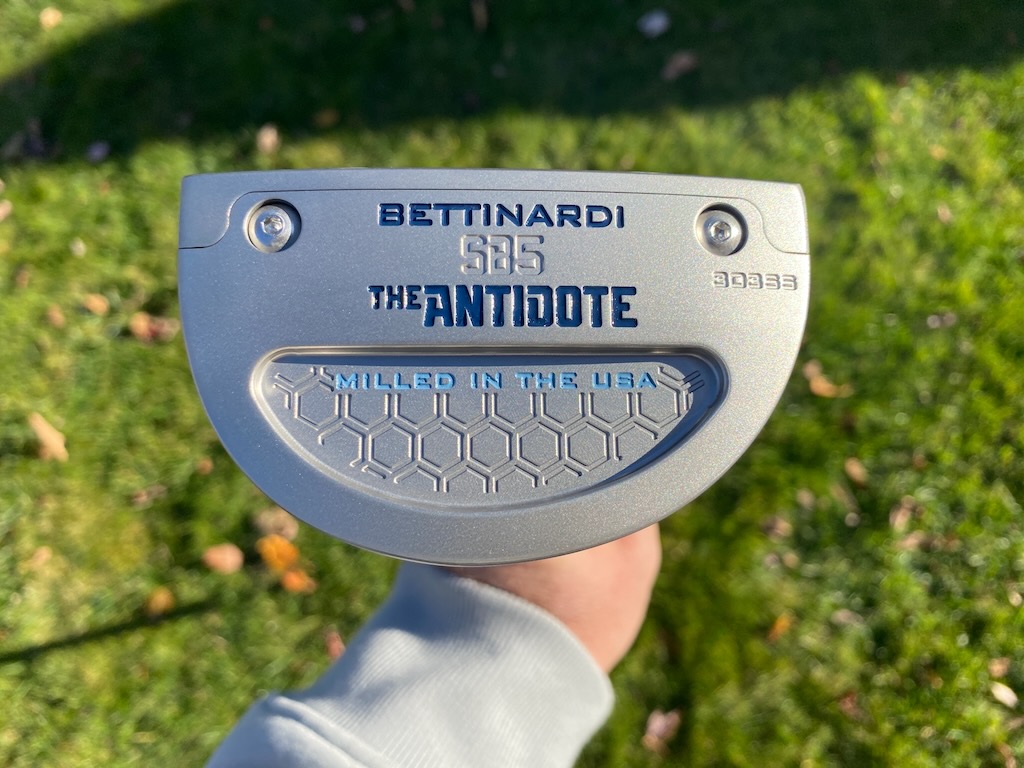
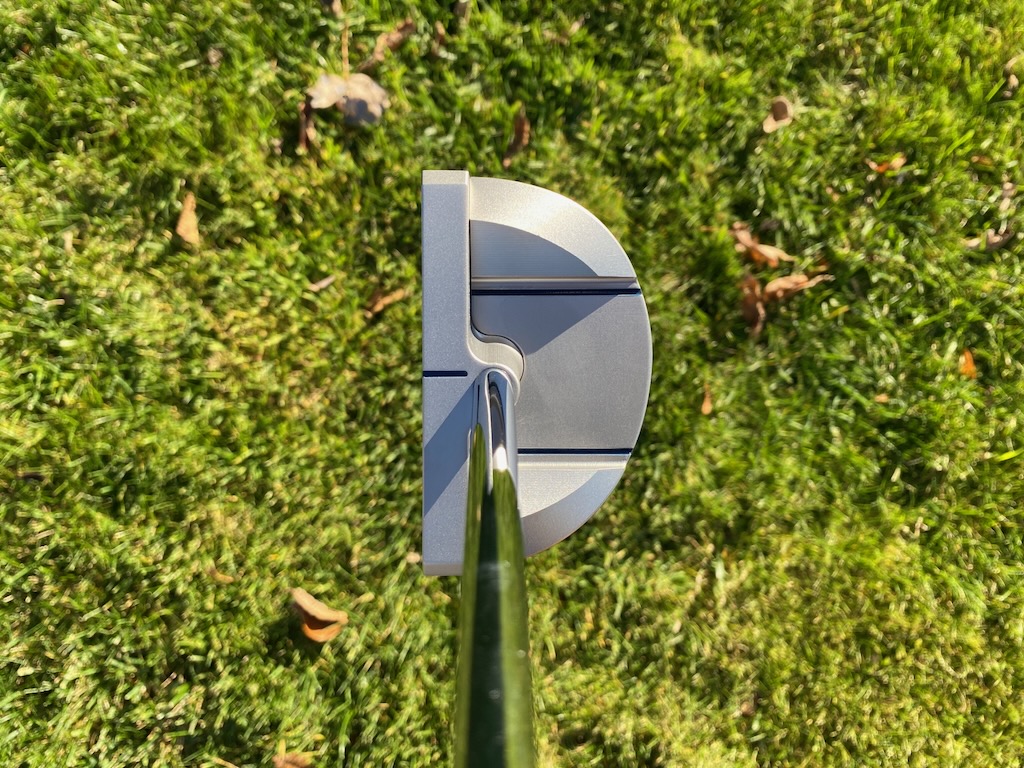
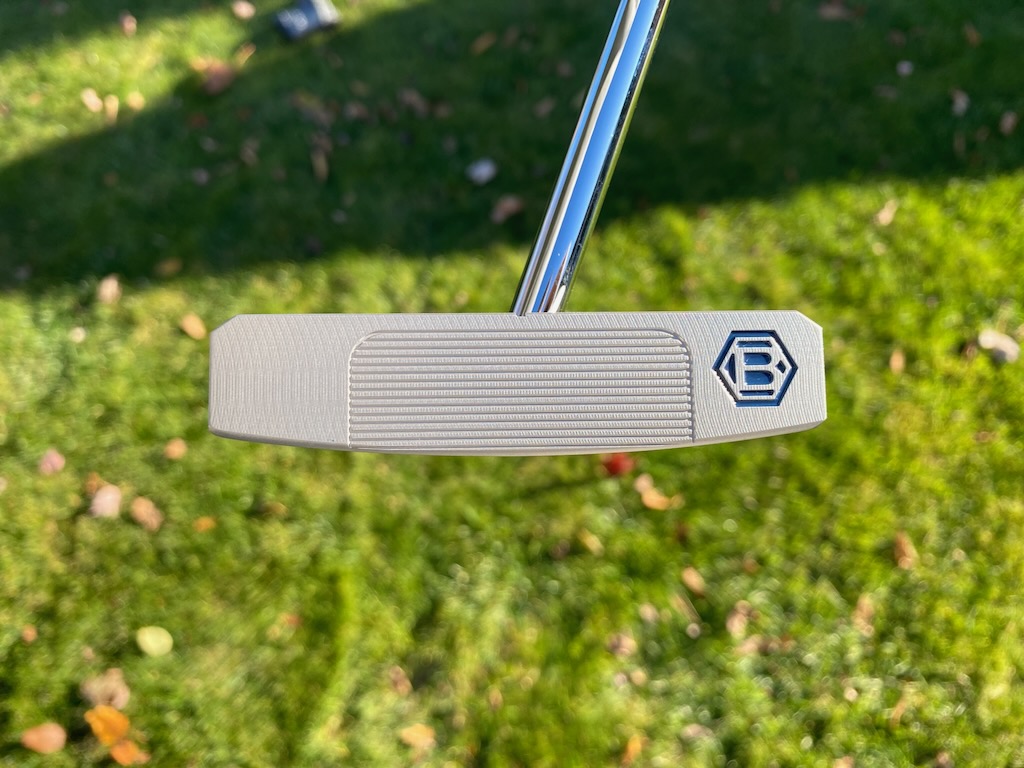
Bettinardi continues to excel in its ability to engineer and mill some of the finest putters you can get your hands on. With the SB3 & SB5 additions to the zero torque line, I think they have really widened who can and will play these style putters. If you have tried ZT putters in the past but haven’t found the right one due to the fact that they don’t live up to expectations, then maybe one of these Bettinardi putters can be The Antodote!
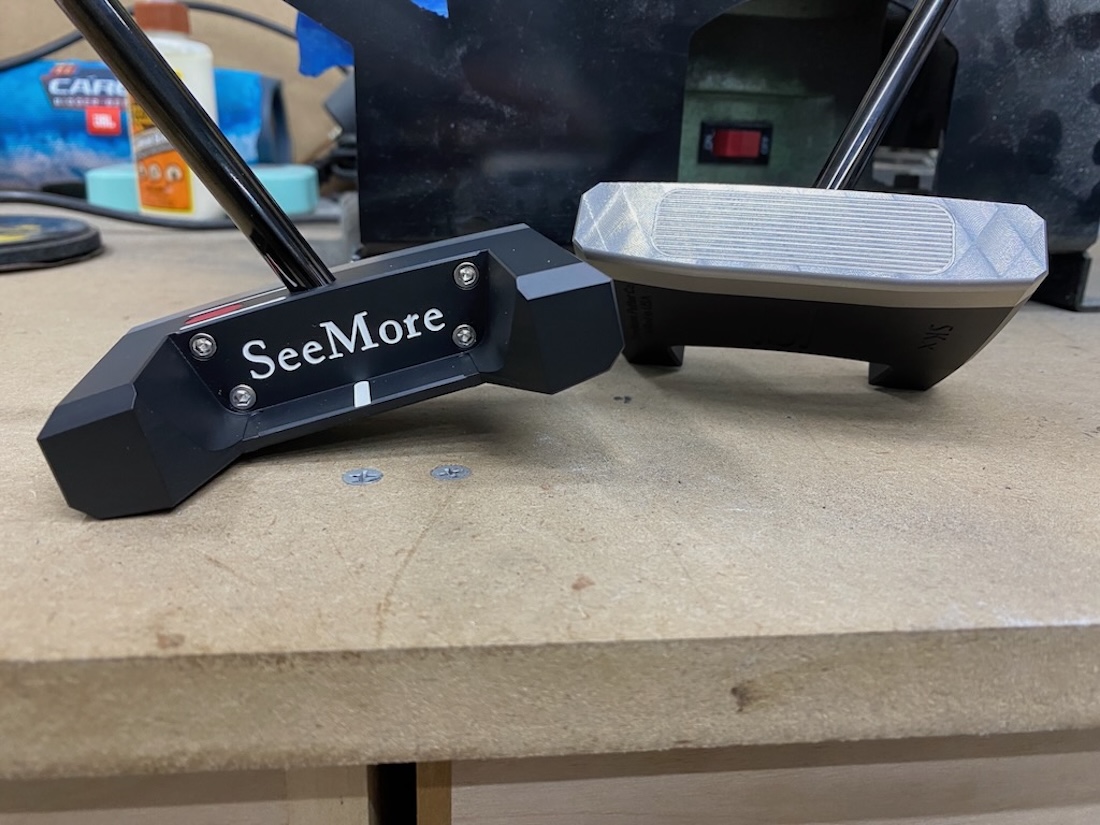
SeeMore has had a long history of making precision putters. The company gained worldwide fame after Payne Stewart won the 1999 U.S. Open with one. SeeMore’s most famous putter is the FGP Blade, which Zach Johnson used to win the Masters and the Open Championship.
SeeMore is also the creator of a unique, simple, and very effective alignment aid in their Rifle Scope Technology. RST is the use of a red oval and two white lines on the heel of the putter. When the putter shaft, or hosel, covers the red dot and you can only see the white lines on either side of the shaft, then you know the putter is lined up square. SeeMore is now adding another technology to its putter lineup, zero torque.
You can listen to the full review on the Club Junkie podcast, streaming on YouTube or any podcast platform — and be sure to follow on Instagram.
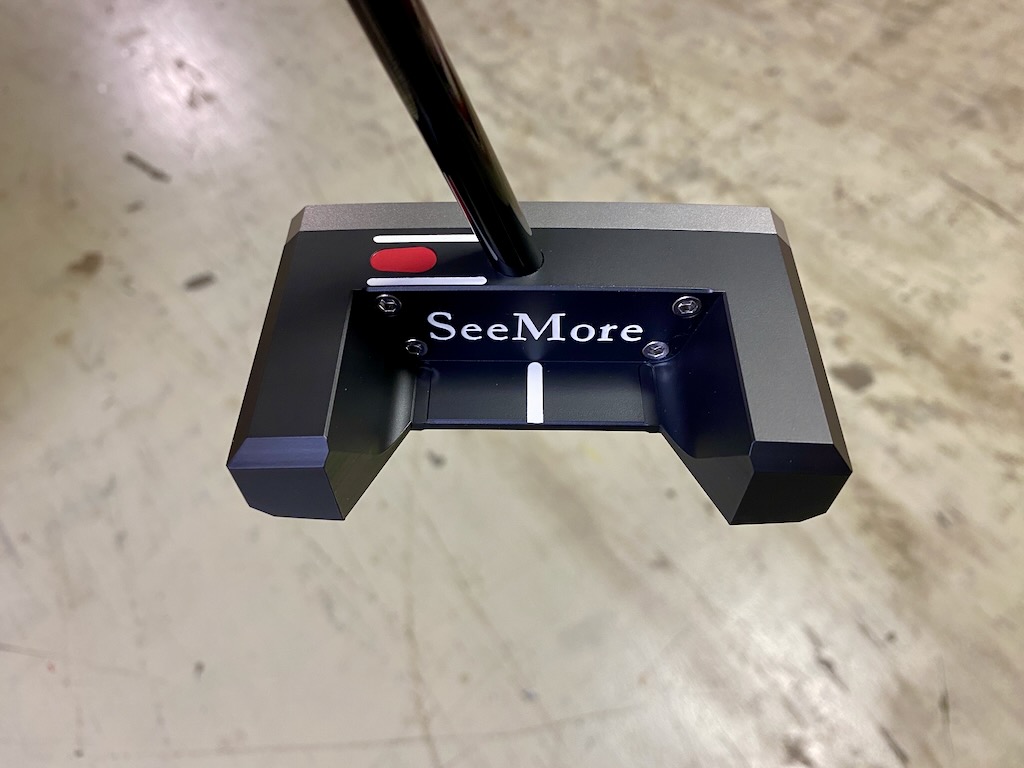
The SBx and SKx putters are the latest additions to SeeMore’s lineup. Zero-torque putters are probably the most significant and hottest segment in golf right now. The design is based on installing the shaft into the putter head’s center of gravity so the toe points up when you set the putter on a table to hold it without restriction. That balance keeps the face square to the target throughout the entire stroke, eliminating the need to square the putter face like you have to do with traditional putters. Now, this isn’t going to turn you into a tour pro, but for many golfers, it can help them consistently get the ball started on the intended line.
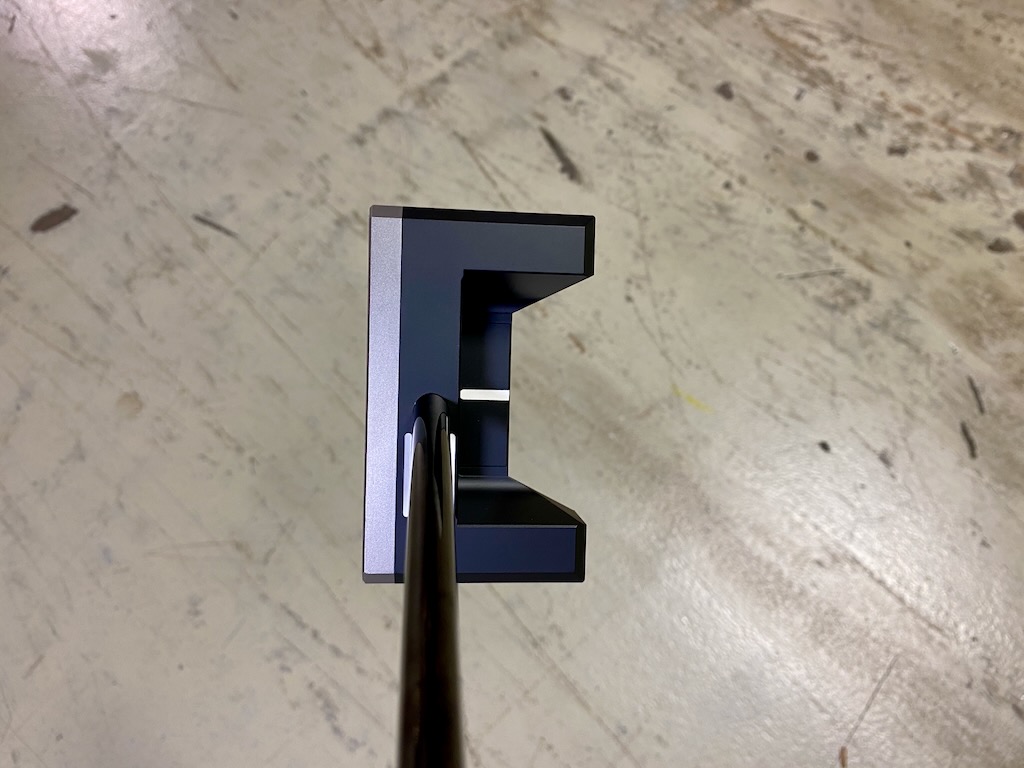
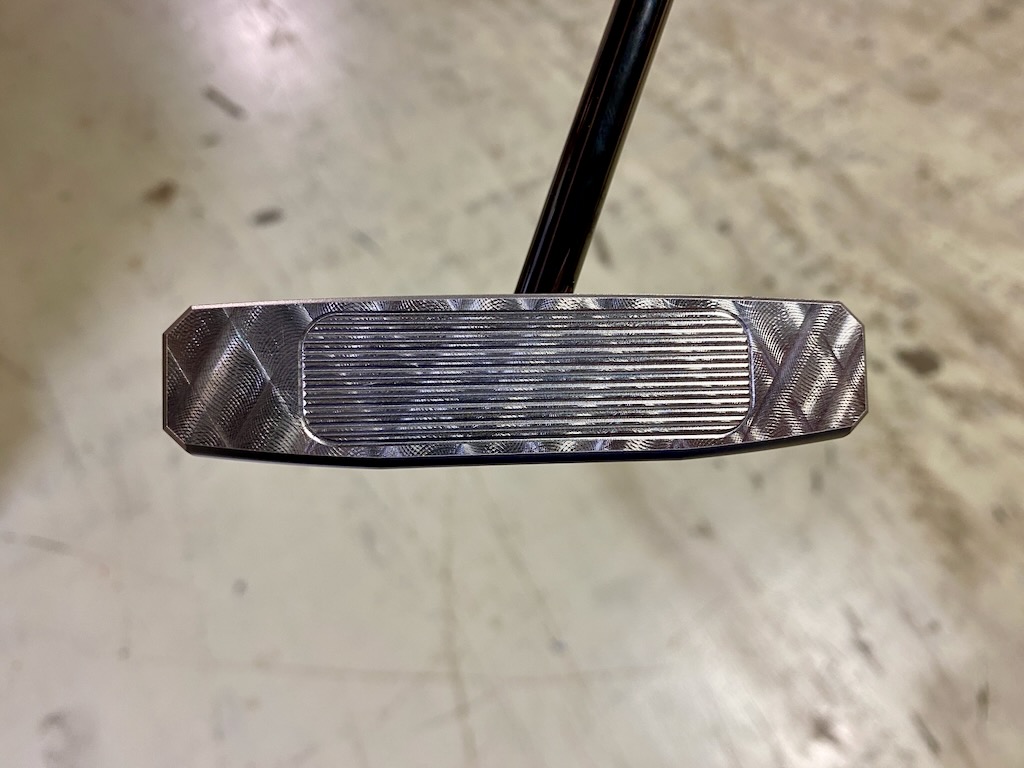
SeeMore did a great job with the putter’s looks, keeping it simple without straying from what they do best. The platinum color face is milled from stainless steel for a solid feel and feedback to the golfer, while the body is precision-milled from a block of aluminum. I like the contrast of silver and black as that divide gives my eye an additional alignment aid to make sure I am putting the ball at the hole, or target.
The SBx is going to have a boxier, more straight and sharp look from address with straight wings that extend back from the body. Some golfers will like that look for framing the ball in combination with the single white sight line on the flange. If you like a little softer and more rounded look, then the SKx fits the bill with more rounded fangs that taper inward to give a more compact look at address.
SKx also uses a single alignment line on the stainless topline, and if you look closely, there are two milled sight lines on the back flange that aren’t painted. If you want a little more to look down at, then you could probably fill them in with white paint pretty easily.
Both putters use SeeMore’s RST alignment, and I do have to say it is a simple yet effective way to ensure the putter is lined up correctly. Usually, if I am testing out two zero-torque putters at the same time, one of them stands out as easier to line up or get rolling on the right start line, but these two were equally matched. Lining up putts and starting them on the intended line are easy and repeatable.
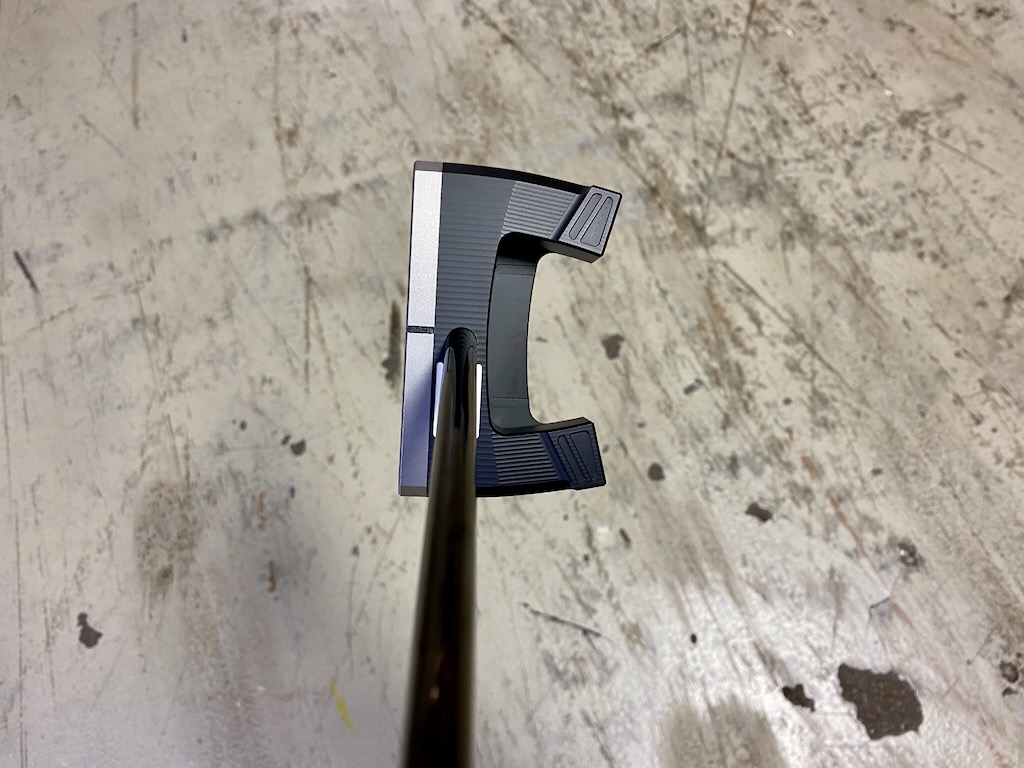
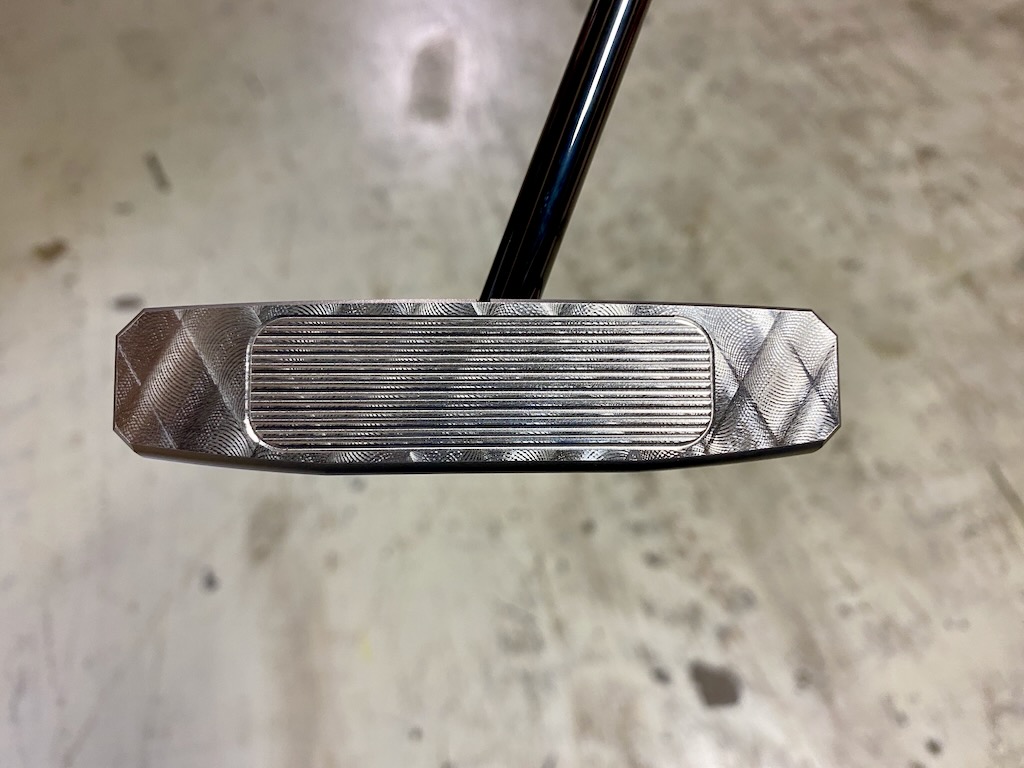
Sound and feel are very important when it comes to finding the putter, as it is the voice that speaks to you. I was really impressed, and so was another WRX staff member, by how soft both the SBx and SKx putters are. The first putts were right out of the box on the office carpet, and we both looked at each other with big smiles! The horizontal milling lines on the face provide a soft feel at impact, and the sound is excellent and low-pitched. Not clicky at all, but you still get a good sound with it that is easy to recognize where you hit it on the face.
Being zero torque, the putters have a good feeling of the face staying square through the stroke. They both are a good mix of highly stable feeling and have the ability to move with an arching putting stroke, also. While they may not have the strongest feeling of the face pulling the head through impact, they should be more versatile, as many golfers find success with them.
I still feel very confident when putting with these that the ball is going to come out on its intended line. I have found that with some zero-torque putters, I tend to have a ball that misses left of the hole or target, and I didn’t find that the case with either the SBx or SKx models. I was really impressed with how consistently I was rolling the ball at the target, and I think the heavy focus on the RST allowed me to avoid overthinking other putting thoughts and swing freely.
Overall the SeeMore SBx and SKx are just solid zero torque putters with a more classic shape to them for players who find zero torque hard to look at. The milling and finish work from SeeMore are fantastic and it shows through the performance.
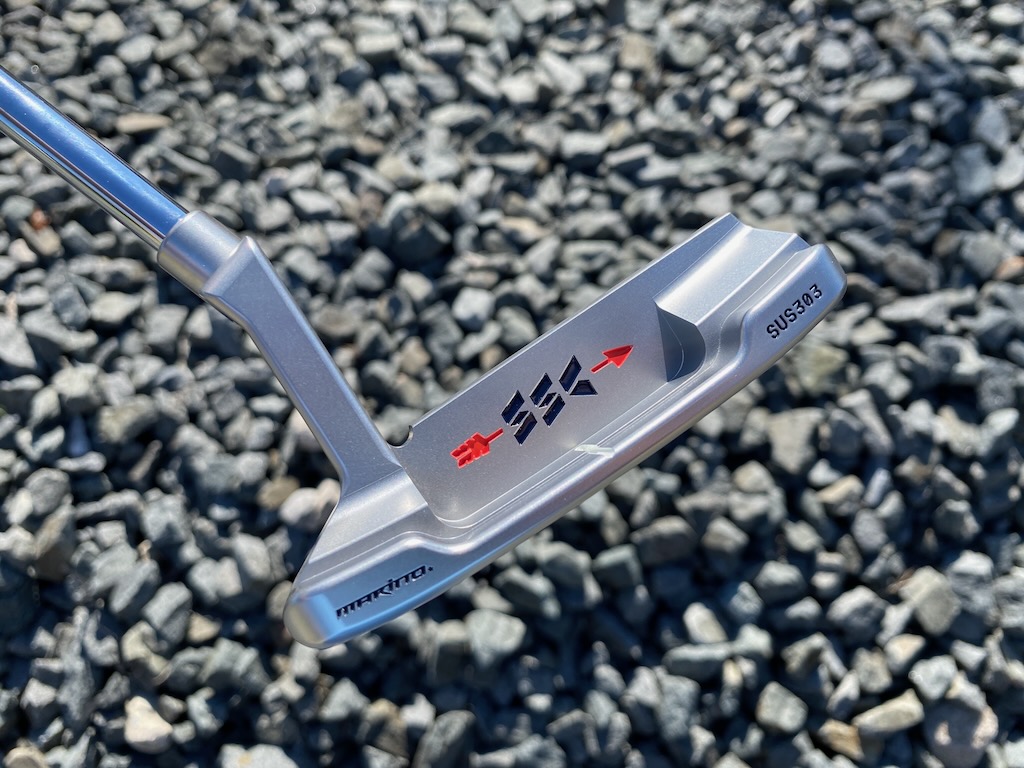
Most of us know Sugarloaf Social Club (SSC) as a clothing and accessory brand that has been leading the way in golf fashion and lifestyle since 2011. Ian Gilley is the founder of the brand and has created some amazing products, primarily in the soft goods category. While clubs have not been the focus of SSC, there have been some limited collabs in the space before working on the Tour 3 putter with Makino.
Makino is a Japanese golf brand founded by Shohei Nomura, an industrial designer based in Tokyo. All Makino’s products are made in small batches where precision and craftsmanship are the most important factors.
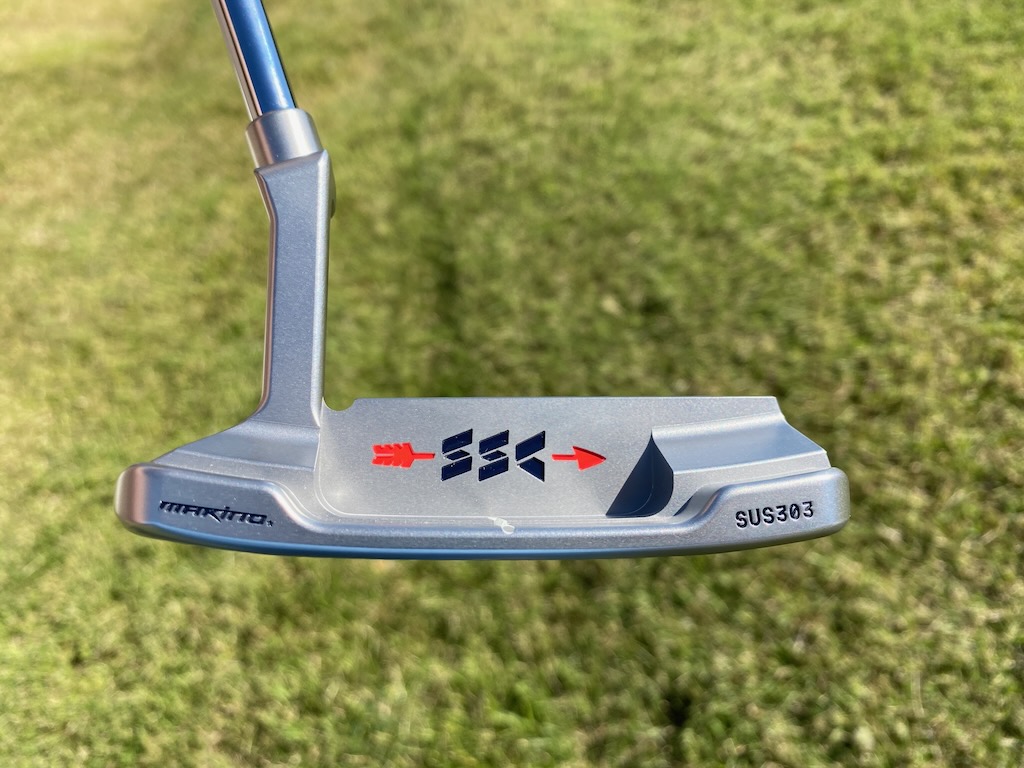
To be completely honest, I saw the putter on the Sugarloaf website and wasn’t blown away. When taking the putter out of the box, my mind changed, as the quality of the putter and classic look don’t come through with online pictures.
At first glance, the putter appears a little chunky, with larger shoulders that are very defined near the back cavity area. The bumpers are clean and a good blend of rectangular with softened edges. The topline is definitely on the thicker side, but for some golfers, like myself, it can be used as an additional alignment aid to ensure the face is square to the target.
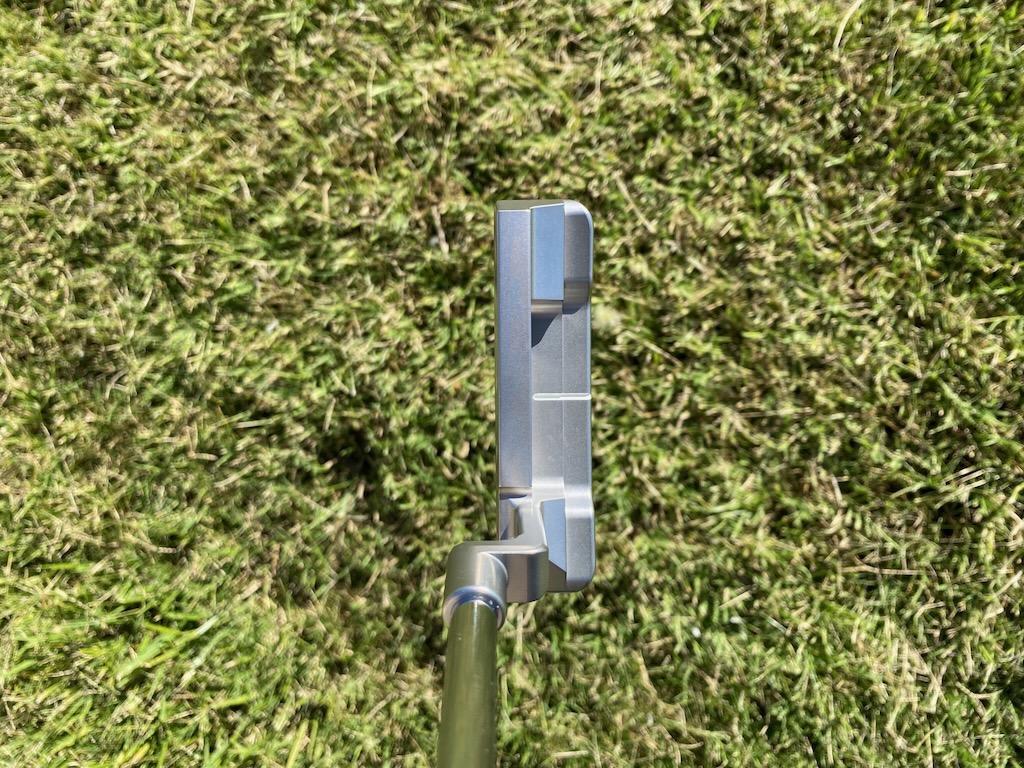
A single sightline is machined into the flange and filled with white paint, creating a simple and traditional look. A shallow milling pattern is used on the face, featuring the model name and the “S” of Sugarloaf on the heel. The little details like the “Play or Perish” motto on the L-neck are excellent touches that let you know this isn’t a mass-produced putter. 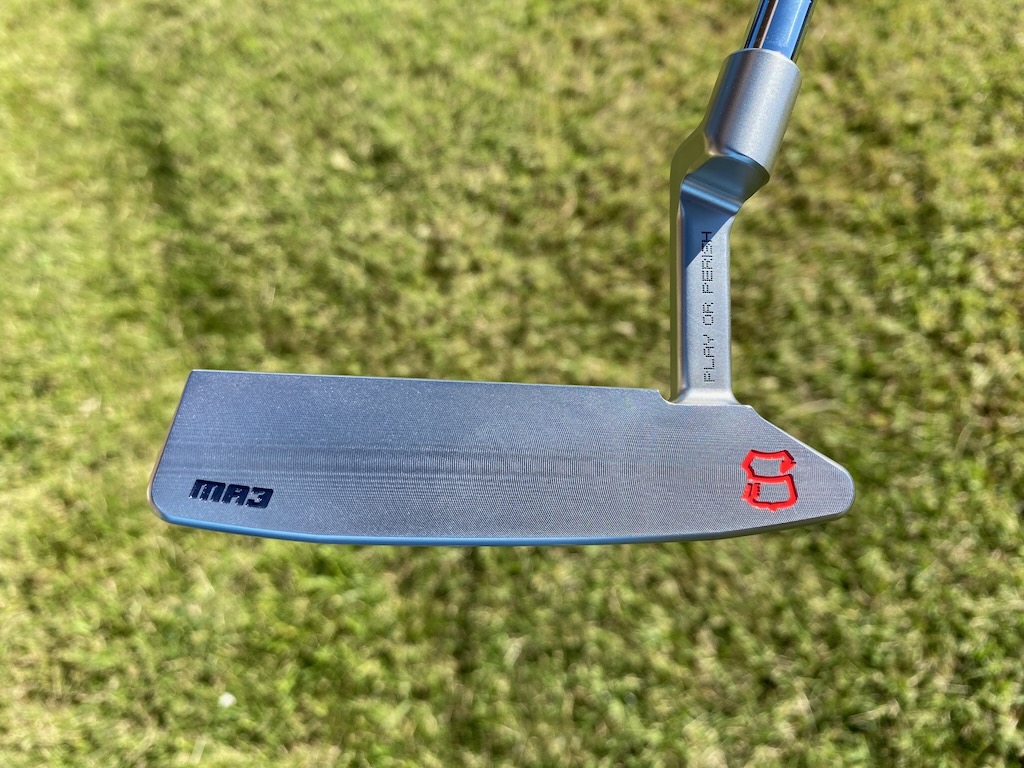
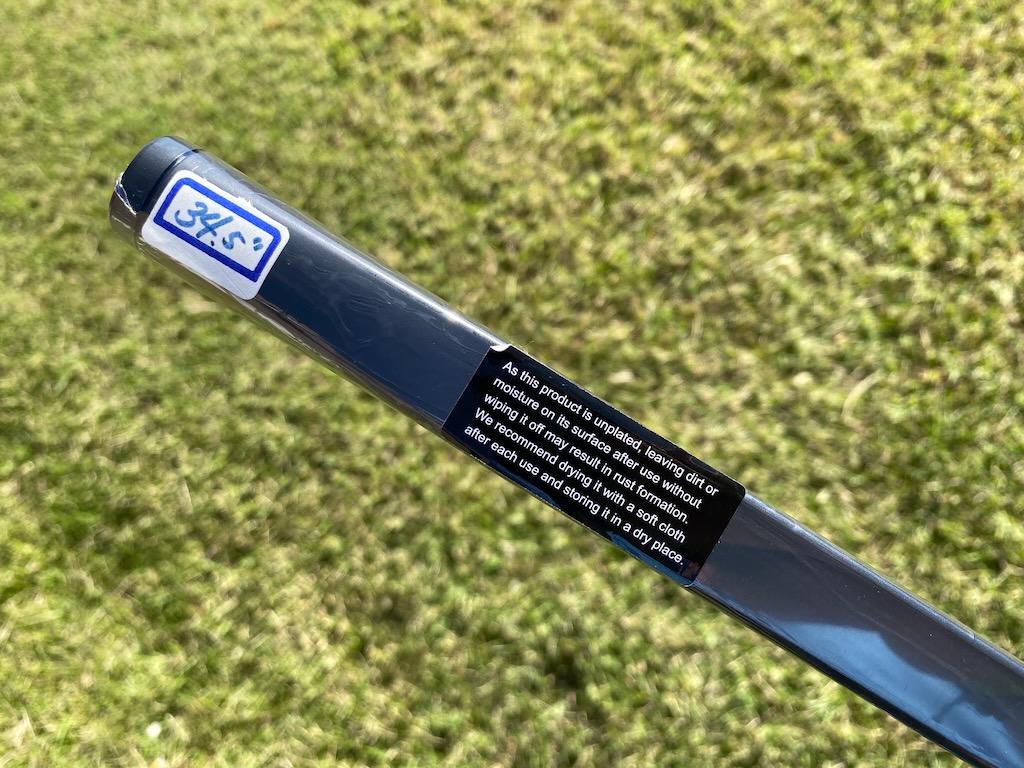
On the grip wrapping, I was surprised to see there is a sticker that says this is an un-plated putter and could rust…but the putter is made from stainless steel? Now I am not a metallurgist, but a search on the old Google machine told me that SUS303 stainless steel uses materials in the alloy, like sulphur, that make it a little more susceptible to corrosion if you aren’t careful. No rust has shown up yet, but I guess that explains it.
On the green, this putter offers a much softer feel than I and a coworker expected from the face milling. SUS303 and the thick face create a really nice feel and sound! The putter is still responsive, however, and you will get good feedback on putts that you don’t hit on the center of the face.
The putter’s sound is also softer, with not really a click but a more gentle knock as the ball leaves the face, even with a firmer ball like the Pro V1x. Ball speed is consistent and repeatable, and while there is no real high-tech engineering in this head, it performs well enough on mishits. Distance drop off from putts off the toe and heel aren’t massive, and there is still a decent chance you get that ball to the hole.
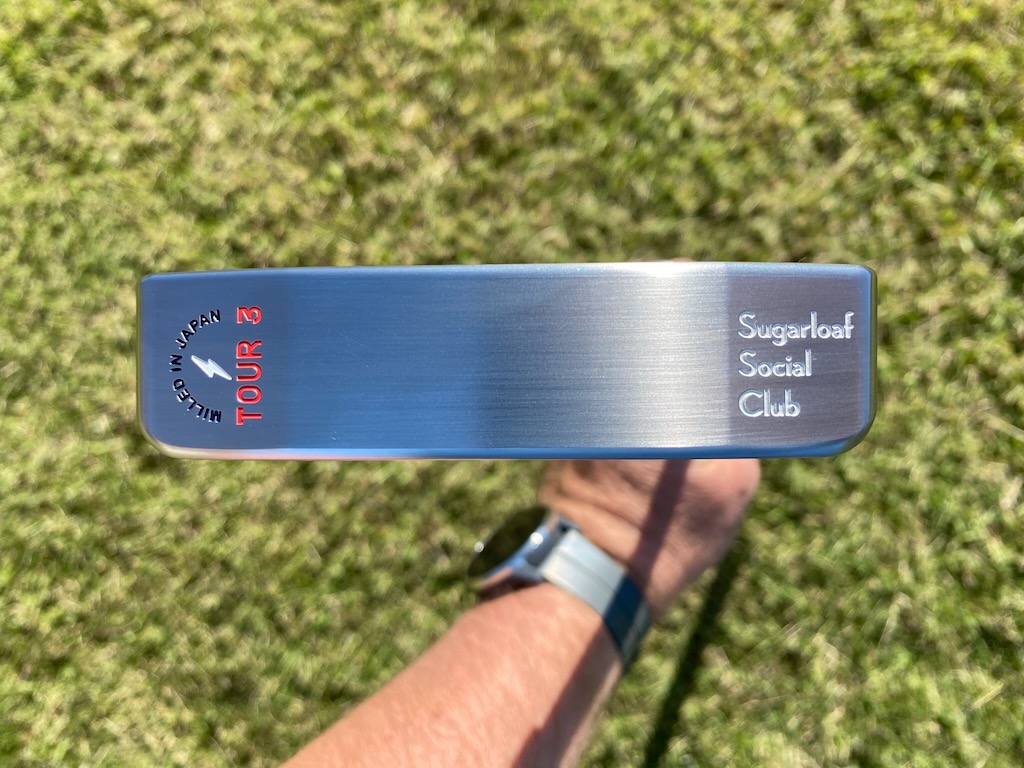
At the end of the day, this putter is much more than I thought it was going to be. The shaping and quality of the finish are phenomenal, showcasing the skill of Makino and the creativity of Sugarloaf. Traditionalists will love the classic look, while feel players will be impressed by the softness and responsiveness the Sugarloaf Social Club x Makino Tour 3 provides.
See more in-hand photos and read what GolfWRXers are saying in the forums.

Justin Rose WITB 2026 (April): Full WITB breakdown with new McLaren irons

What’s the story behind Webb Simpson’s custom-stamped irons?

Memorial Tournament Tour Report: Rory McIlroy, Cameron Young switch up drivers, and more

Cadillac Championship Tour Report: Spieth’s sizable changes, McLaren Golf launches, and more

Russell Henley’s winning WITB: 2026 Charles Schwab Challenge

Kristoffer Reitan’s winning WITB: 2026 Truist Championship

J.T. Poston’s winning WITB: 2026 Memorial Tournament

Aaron Rai’s winning WITB: 2026 PGA Championship

Best irons 2026: Best irons overall, most forgiving irons, and more

Cameron Young’s winning WITB: 2026 Cadillac Championship


Bud Cauley WITB 2026 (June)
Bud Cauley had >14 clubs in his bag when photographed prior to the Memorial Tournament. Driver: Titleist GTS2 (8 degrees) Shaft: Fujikura...


Hannah Green WITB 2026 (June)
Driver: Titleist GTS3 (10 degrees, D4 SureFit setting) Shaft: Mitsubishi Chemical Diamana RB 53 S 3-wood: Titleist GT3 (15 degrees,...


Asterisk Talley WITB 2026 (June)
Driver: TaylorMade Qi4D (9 degrees) Shaft: Fujikura Ventus Blue 6 S 3-wood: TaylorMade Qi4D (16.5 degrees) Shaft: Fujikura Ventus Blue...

Brianna Do WITB 2026 (June)
Driver: Callaway Quantum Triple Diamond (9 degrees) Shaft: KBS PGW 3-wood: Callaway Elyte Titanium (15 degrees) Shaft: KBS PGW 5-wood:...
-
 Equipment6 days ago
Memorial Tournament Tour Report: Rory McIlroy, Cameron Young switch up drivers, and more
-
 News1 week ago
Russell Henley’s winning WITB: 2026 Charles Schwab Challenge
-
 Whats in the Bag3 days ago
J.T. Poston’s winning WITB: 2026 Memorial Tournament
-
 Equipment3 days ago
Best irons 2026: Best irons overall, most forgiving irons, and more
-
 Equipment1 week ago
Details on Jason Day’s latest prototype Avoda iron setup
-
 Equipment3 weeks ago
CJ Cup Byron Nelson Tour Report: Koepka and Kim’s newest putters finally get hot
-

 News2 weeks ago
Charles Schwab Challenge Tour Report: MacIntyre, Åberg and Spaun all switch putters, TaylorMade launches new Spider
-
 Equipment2 weeks ago
Details on J.J. Spaun’s surprise putter switch

