
Opinion & Analysis
Seeing is believing: Why older golfers need the quiet eye

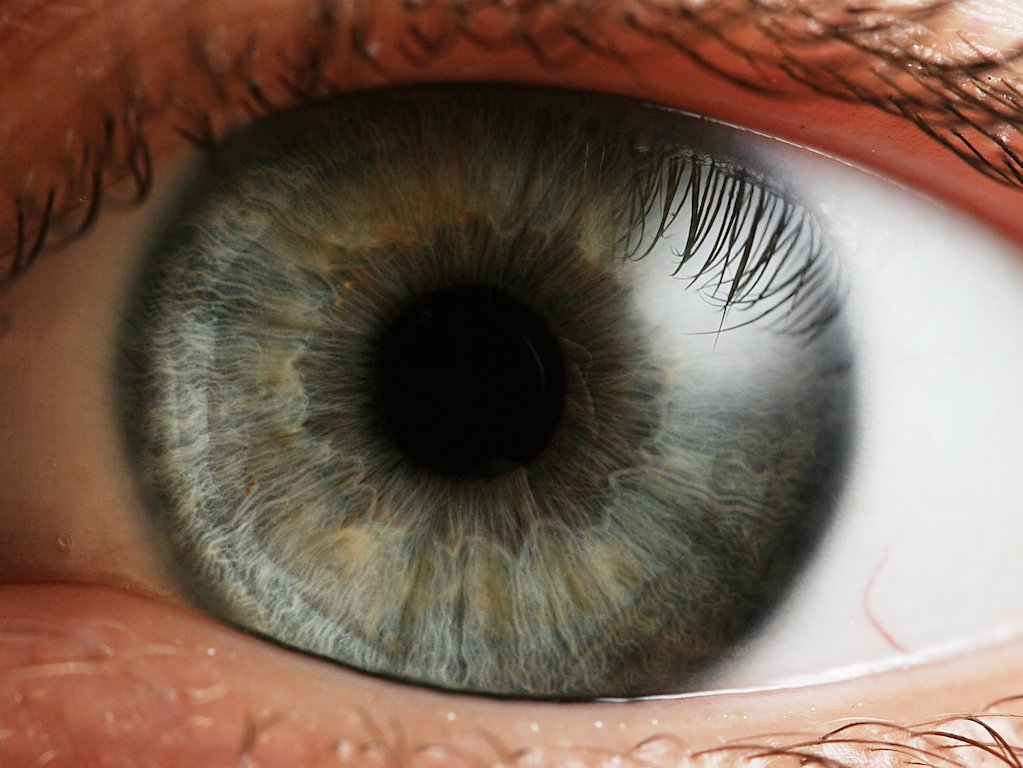
I had played golf with this nice gentleman a number of times. He was passionate. Played his whole life, and had amazing stories about caddying and sneaking onto some of the best courses in New York.
On this afternoon, our two other playing partners retired because of the extreme Florida heat. Then the golf gods parted the hackers and made way for a clear back nine.
With the path clear, I started to hop some rides and we began to talk about his game, his lack of consistency, and the money he was pouring into getting better. Then he looked at me and said, “What do you think?”
I started with a question, which caught him off guard, “What’s the prescription in those glasses?”
He explained that he liked to wear his bifocals when playing. He was near-sighted (as are most of us, as we age) and really had issues with his right eye.
On the next tee, I told him to hold on. I rummaged through my bag, which normally contains no less than 80 balls, most of which I found that day, and located what I was looking for: a Srixon Divide, yellow, and red ball. I put the red Divide on the tee, had him take his stance and close his eyes. After a count of 3, I told him to open just his right eye (the bad one). When he did, he basically saw nothing. Closed the eyes. Then again with just the left eye. This time he saw it, but wasn’t great. I told him to put his chin down a little, until the ball came into better view.
Now the thing is that golf is a game of attention. Great course designers use tricks, like removing trees from around the greens, to mess with your depth perception. They also use hazards to draw your attention away from where you want to play. Great players keep their attention on the back of the ball.
In fact there is a body of research by Joan Vickers on the use of attention in sports like golf. Her research is called “the quiet eye” and it demonstrates that extend gaze is necessary for the brain to connect the motor skill with the target. In fact, in general, skilled golfers spend about a half second longer looking at the back of the ball before pulling the trigger compared to their counterparts.
In addition, colors are transmitted through different frequencies of light. The most intense of those is red. The least intense is white.
Based on this science I gave my playing partner 3 instructions:
- Move the ball, so red is always where you want to club to strike the ball.
- Move your head until the ball is in clear vision within your glasses.
- Put your attention on the back of the ball, having a clear view of the color red for at least one second before pulling the trigger.
As Muhammed Ali said: You can’t hit what you can’t see. The fact is, no matter what anyone wants to say about becoming a better player, the game is about attention. Our a priori systems are better than you think when we have clear goals and expectations. If you’re an older guy struggling, make sure your starting point is that you can properly see the ball, and your attention is firmly on the back of it. If you are struggling, then I am a fan of the red and yellow Divides by Srixon.
To get the most out of your glasses on the golf course, it’s crucial to ensure you’re wearing them properly. First and foremost, make sure your glasses are clean and fit snugly against your face. If they’re not sitting flush, even the best prescription lenses won’t help you see clearly.
For those wearing bifocals, it’s essential to use the upper part of the lenses (designed for distance vision) when focusing on the ball. Ideally, consider using single-vision distance contacts or specialized sunglasses for golf to eliminate the bifocal distraction altogether. If you notice the ball appears blurry, it could be because your glasses are slightly tilted away from your nose, causing you to look through the lower, near-vision section of the lenses. Adjust your glasses so they sit properly on your face and ensure you’re looking through the upper part of the lenses when addressing the ball. This small adjustment can significantly improve your visual clarity and overall performance on the course.
Hope this helps! Happy golfing.




This past Monday, I played in the U.S. Amateur local qualifier at Rock Creek Country Club in Portland, Oregon. A full tee sheet from 7:30 a.m. to 1:55 p.m., the top 11 scores would make it to the U.S. Amateur final qualifying.
I teed off at 10:48 a.m.. With the 7:30 am tee time, you can get a feel for the leaders’ pace, and they were off and running on the challenging setup at Rock Creek.
View this post on Instagram
Getting to the highlight of the round on the par five 17th, a drive up the left side and 212 yards left to the front hole location. I took out a 5-iron with plans of middle of the green. The ball ended up 8 feet left of the hole, pin high. A slight downhill putt dropped in for an eagle 3 on the 17th. With the cut line looking to be anywhere from -2 to even par. This was the boost I had been waiting for all day.
With making par from the trees on 18, it was time to wait for a potential playoff with a posted score of one under par 71.
Three hours later, it was playoff time. 8 players for 6 spots. I made par on the playoff hole, which was good enough to advance to the U.S. Amateur final qualifying in July. USGA qualifiers sure deliver on all of the emotions in golf!
Club Junkie
Building my 2026 gamer WITB: Ranking the contenders and new putter projects – Club Junkie Podcast

The annual What’s In The Bag build is underway, and on this episode of Club Junkie, Brian breaks down the clubs currently leading the race for a spot in his 2026 gamer setup. From drivers and fairway woods to irons, wedges, and shafts, he ranks the equipment that’s performing best and explains what’s separating the front runners from the rest of the field.
Brian also heads into the workshop to discuss several putter projects currently on the bench. From head options and shaft choices to build ideas and testing plans, he shares what he’s working on and which putters could become serious contenders for the bag this season.
If you’re a gear junkie who loves equipment testing, club building, and the never-ending pursuit of the perfect setup, this episode is for you.
Follow Club Junkie:
Instagram: @clubjunkiepod
TikTok: @clubjunkiepod
Threads: @clubjunkiepod
X: @ClubJunkiePod
Club Junkie
Tour Edge Exotics mini driver review + TaylorMade Spider ZT Max first look – Club Junkie

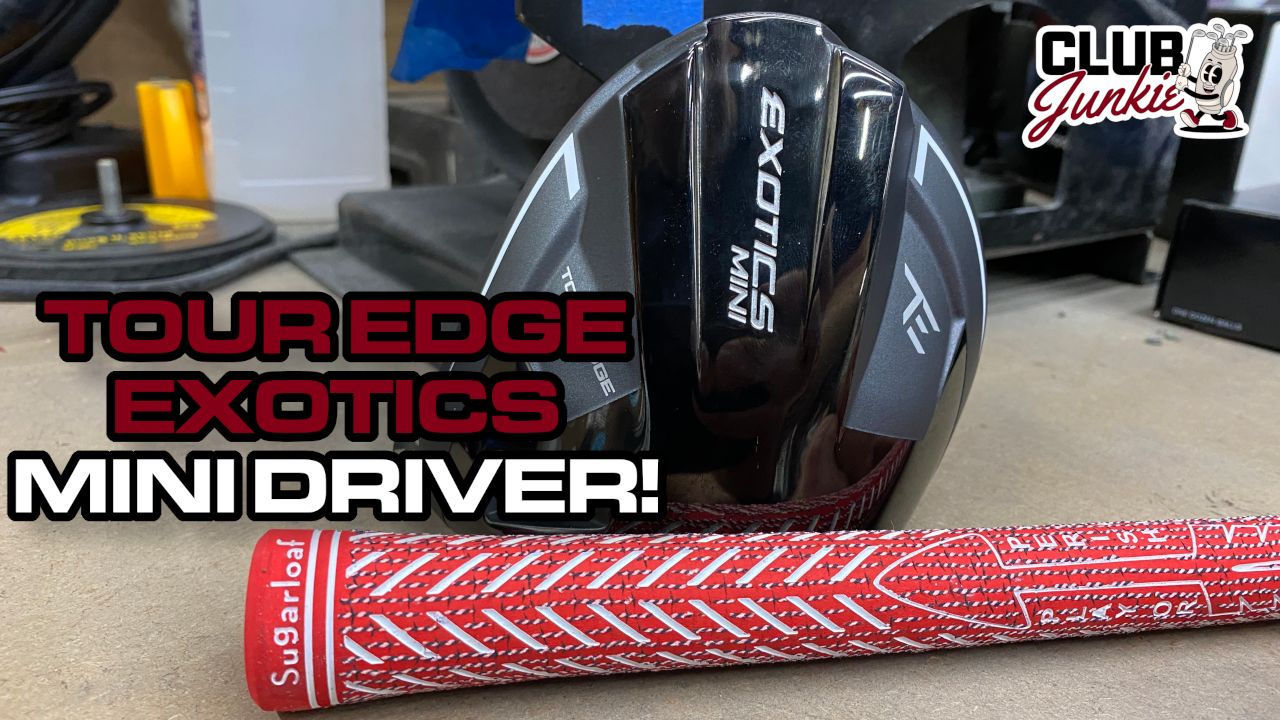
On this episode of Club Junkie, I put the new Tour Edge Exotics Mini Driver to the test and break down the performance, forgiveness, distance, and where it fits compared to a traditional driver or strong fairway wood. If you have been curious about adding a mini driver to the bag, this one is worth a look.
I also dive into the new TaylorMade Spider ZT Max putter that was recently spotted and discuss the growing zero torque putter trend. Plus, there is a closer look at the new Project X Titan Yellow shaft showing up on the PGA Tour and what makes it different from other profiles currently out there.

Justin Rose WITB 2026 (April): Full WITB breakdown with new McLaren irons

What’s the story behind Webb Simpson’s custom-stamped irons?

Memorial Tournament Tour Report: Rory McIlroy, Cameron Young switch up drivers, and more

Cadillac Championship Tour Report: Spieth’s sizable changes, McLaren Golf launches, and more

Russell Henley’s winning WITB: 2026 Charles Schwab Challenge

Kristoffer Reitan’s winning WITB: 2026 Truist Championship

Best irons 2026: Best irons overall, most forgiving irons, and more

J.T. Poston’s winning WITB: 2026 Memorial Tournament

Aaron Rai’s winning WITB: 2026 PGA Championship

Cameron Young’s winning WITB: 2026 Cadillac Championship


Ryan Palmer WITB 2026 (June)
Driver: Callaway Quantum Triple Diamond (9 degrees) Shaft: Project X HZRDUS Smoke Blue RDX 60 TX 3-wood: TaylorMade Qi10 (15 degrees) Shaft:...


Bud Cauley WITB 2026 (June)
Bud Cauley had >14 clubs in his bag when photographed prior to the Memorial Tournament. Driver: Titleist GTS2 (8 degrees) Shaft: Fujikura...


Hannah Green WITB 2026 (June)
Driver: Titleist GTS3 (10 degrees, D4 SureFit setting) Shaft: Mitsubishi Chemical Diamana RB 53 S 3-wood: Titleist GT3 (15 degrees,...


Asterisk Talley WITB 2026 (June)
Driver: TaylorMade Qi4D (9 degrees) Shaft: Fujikura Ventus Blue 6 S 3-wood: TaylorMade Qi4D (16.5 degrees) Shaft: Fujikura Ventus Blue...
-
 Equipment6 days ago
Memorial Tournament Tour Report: Rory McIlroy, Cameron Young switch up drivers, and more
-
 News2 weeks ago
Russell Henley’s winning WITB: 2026 Charles Schwab Challenge
-
 Equipment3 days ago
Best irons 2026: Best irons overall, most forgiving irons, and more
-
 Whats in the Bag4 days ago
J.T. Poston’s winning WITB: 2026 Memorial Tournament
-

 Equipment1 week ago
Details on Jason Day’s latest prototype Avoda iron setup
-
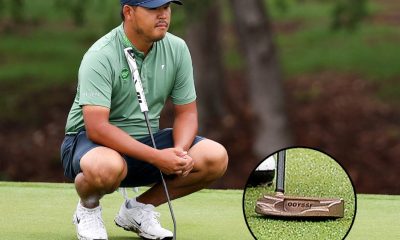
 Equipment3 weeks ago
CJ Cup Byron Nelson Tour Report: Koepka and Kim’s newest putters finally get hot
-

 News2 weeks ago
Charles Schwab Challenge Tour Report: MacIntyre, Åberg and Spaun all switch putters, TaylorMade launches new Spider
-
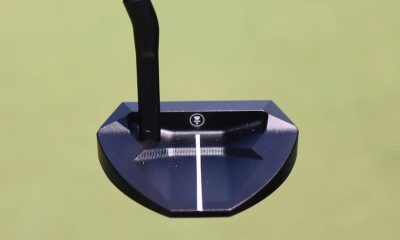
 Equipment2 weeks ago
Details on J.J. Spaun’s surprise putter switch


Andrew J
Sep 26, 2024 at 10:45 am
Yep, optical illusions are everywhere on putting surfaces. This book eliminates them quiet eye or not.
https://www.amazon.com/dp/B0DCSZ7M53
Acemandrake
Sep 25, 2024 at 2:49 pm
“Get your chin off of your chest.”
Golf instructors tell me this. I explain I’m wearing bifocals & looking through the upper part of the lens.
Result: Less shoulder turn on the backswing?
Tom B
Oct 4, 2024 at 5:33 pm
I wear glasses and agree using the method described will influence the stance and resulting swing for the worse. Single vision contacts will allow for an optimum stance and swing but with the trade-off of near vs. medium vs. long distance (think putting/address vs. sighting the flag/ball flight vs. filling in a scorecard. So I am thinking, only progressive contacts, or LASIK eye surgery? might allow for anall the types of vision you need and use during a round of golf without sacrificing your swing.