
Equipment
Project X Denali Blue, Black shaft Review – Club Junkie Review

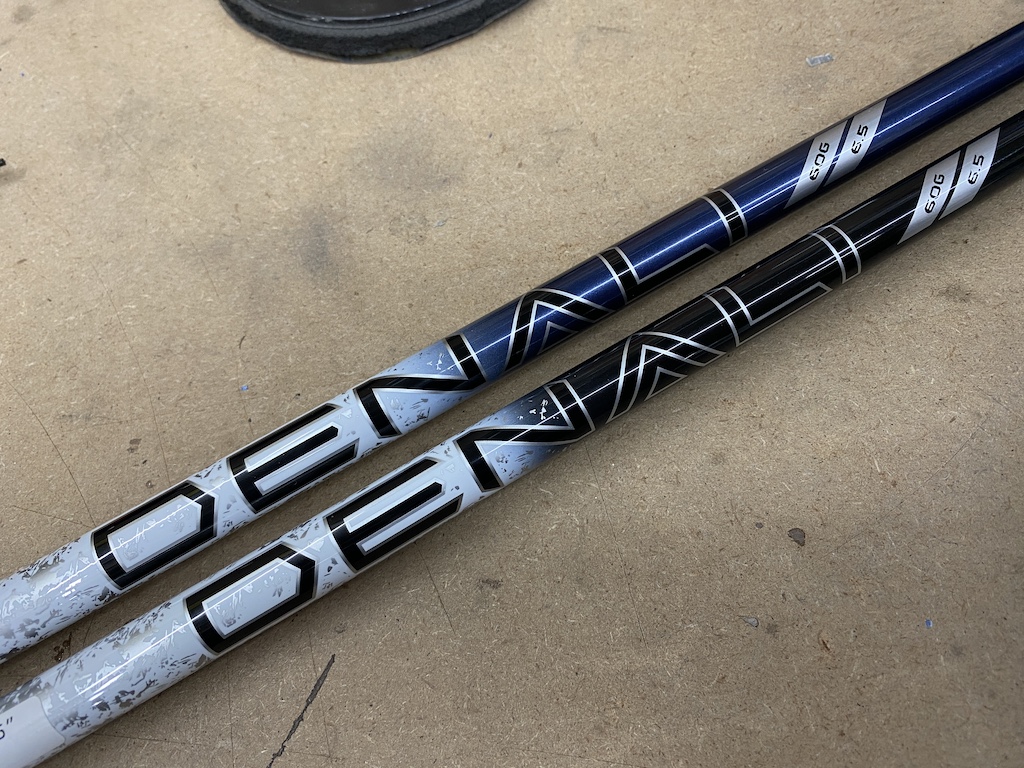
Originally, Project X was known for low-spin steel iron shafts. However, the company might now be known for wood shafts. Denali is the newest line of graphite shafts from Project X. With the Denali line, the company focuses on feel as well as performance.
There are two profiles in the Denali line, Blue and Black, to fit different launch windows. Denali Blue is the mid-launch and mid-spin profile for players who are looking for a little added launch and Denali Black is designed for low-launch and low-spin. Both models are going to offer you a smooth feel and accuracy.
For a full in-depth review check out the Club Junkie podcast on all podcast streaming platforms and on YouTube.
Project X Denali Blue
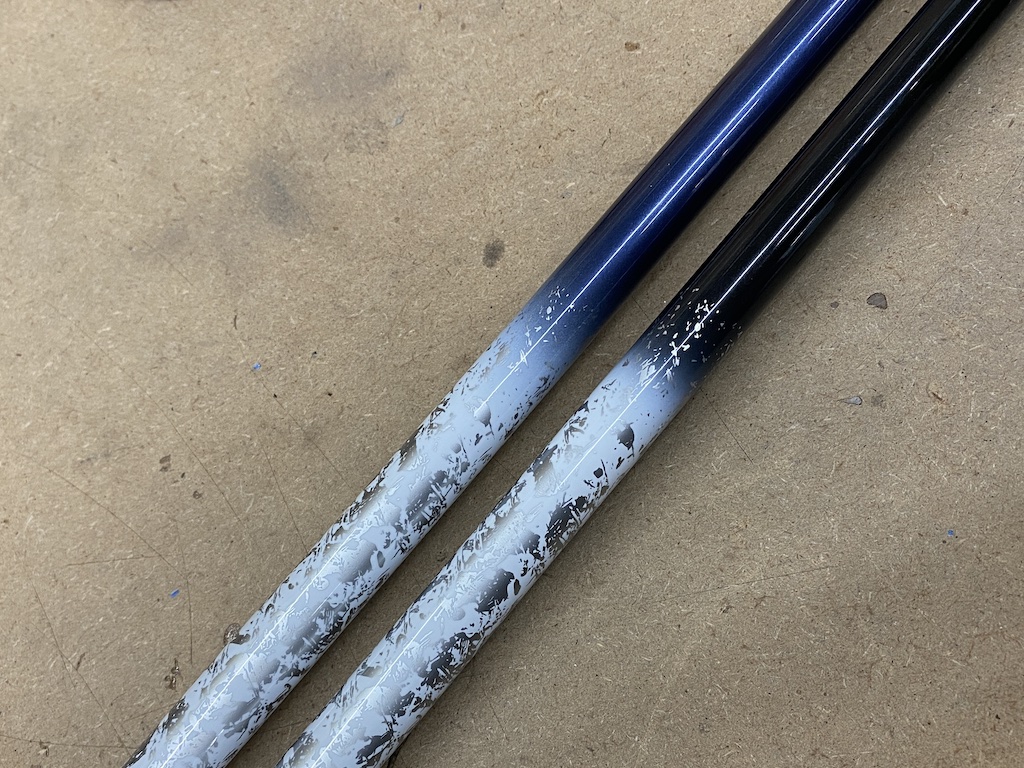
I typically fit better into mid-launch shafts, as I don’t hit a very high ball so the Denali Blue was the model I was more excited to try. Out of the box, the shaft looks great and from a distance, it is almost hard to tell the dark blue from the Denali Black. With a logo down install of the shaft, you don’t have anything to distract your eyes, just a clean look with the transition from the white and silver handle section to the dark navy mid and tip.
Out on the course, the Blue offers a very smooth feel that gives you a good kick at impact. The shaft loads easily and you can feel the slightly softer handle section compared to the HZRDUS lineup. This gives the shaft a really good feel of it loading on the transition to the downswing, and as your hands get to impact, the Denali Blue keeps going for a nice, strong kick.
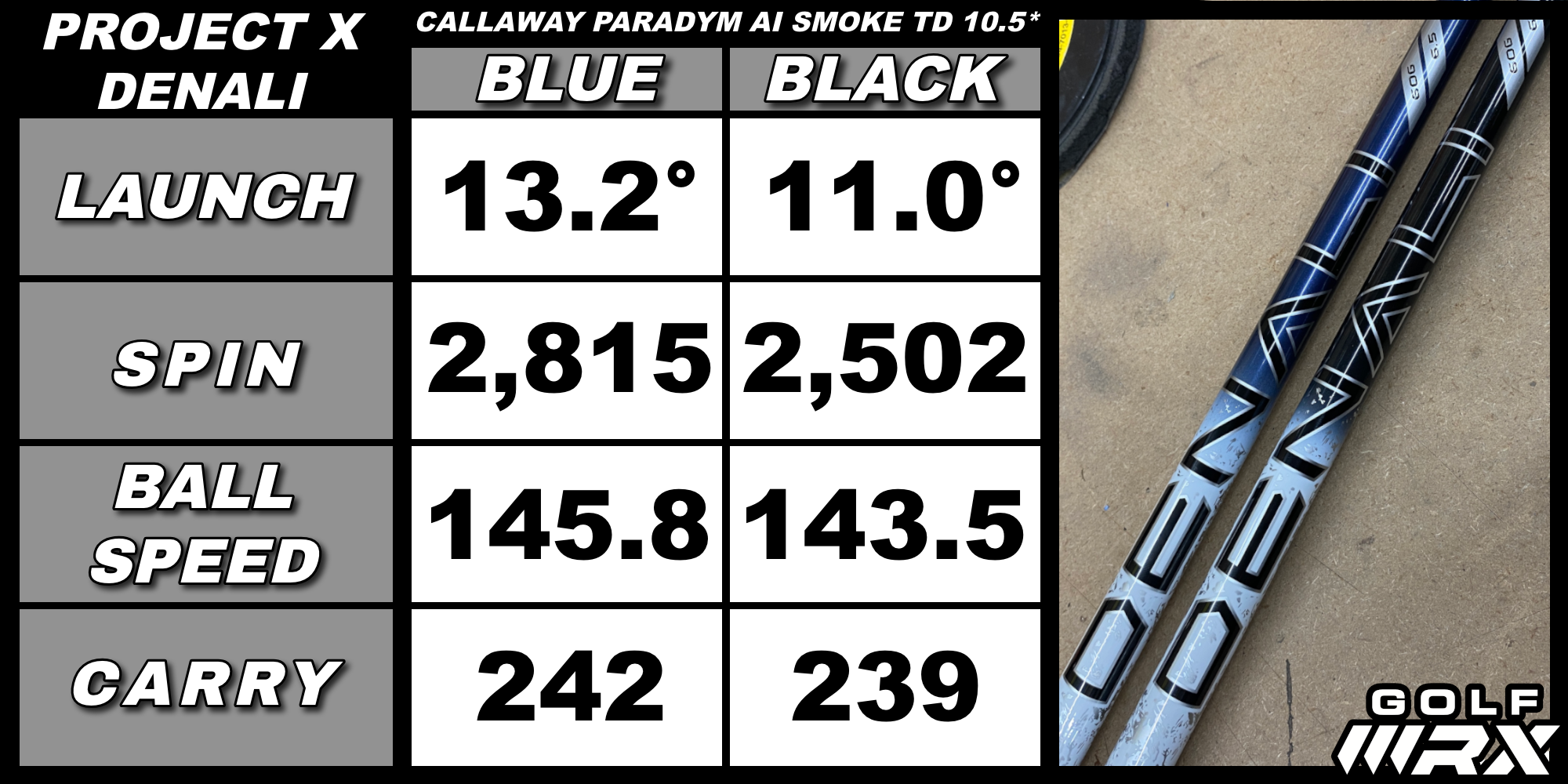
Denali Blue is easy to square up at impact and even turn over to hit it straight or just little draws and most of the flex of the shaft feels like it happens right around where the paint changes from silver to blue. The Blue launches easily and produces what I consider a true mid-flight with the driver. While it is listed as mid-spin, I never noticed any type of rise in my drives. Drives that I didn’t hit perfectly were met with good stability and a ball that stayed online well.
Project X Denali Black
When you hold the Denali Black in your hands you can tell it is a more stout shaft compared to its Blue sibling by just trying to bend it. While the handle feels close to the Blue in terms of stiffness, you can tell the tip is much stiffer when you swing it.
Denali Black definitely takes a little more power to load it but the shaft is still smooth and doesn’t give you any harsh vibrations. Where the Blue kicks hard at impact, the Black holds on a little and feels like keeps you in control even on swings that you try and put a little extra effort into. The stiff tip section also makes it a little harder to square up at impact and for some players could take away a little of the draw from their shot.
Launch is lower and more penetrating compared to the Blue and produces a boring, flat trajectory. Shots into the wind don’t rise or spin up, proving that the spin stays down. Like its mid-launch sibling, the Black is very stable and mishits and keeps the ball on a straighter line. Shots low off the face don’t get very high up in the air, but the low spin properties get the ball out there farther than you would expect. For being such a stout shaft, the feel is very good, and the Denali Black does keep harsh vibrations from your hands.
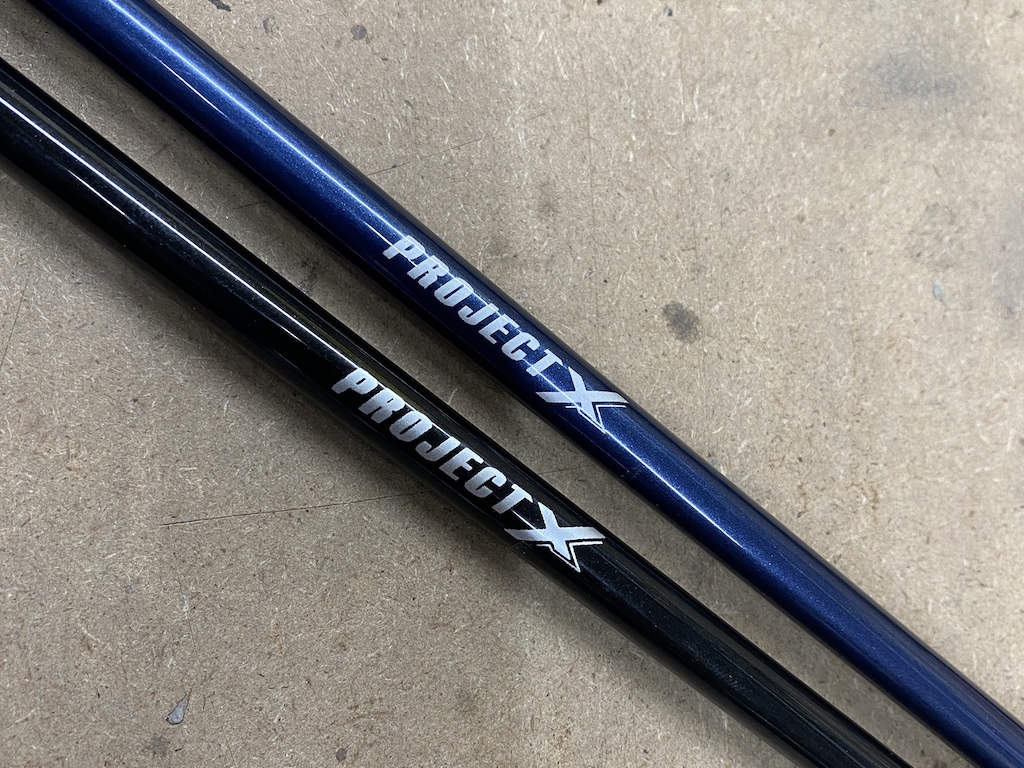
Overall the Project X Denali Blue and Black are great additions to the line of popular wood shafts. If you are looking for good feel and solid performance the Denali line is worth trying out with your swing. Choose Blue for mid-launch and mid-spin or Black for lower launch and low spin.



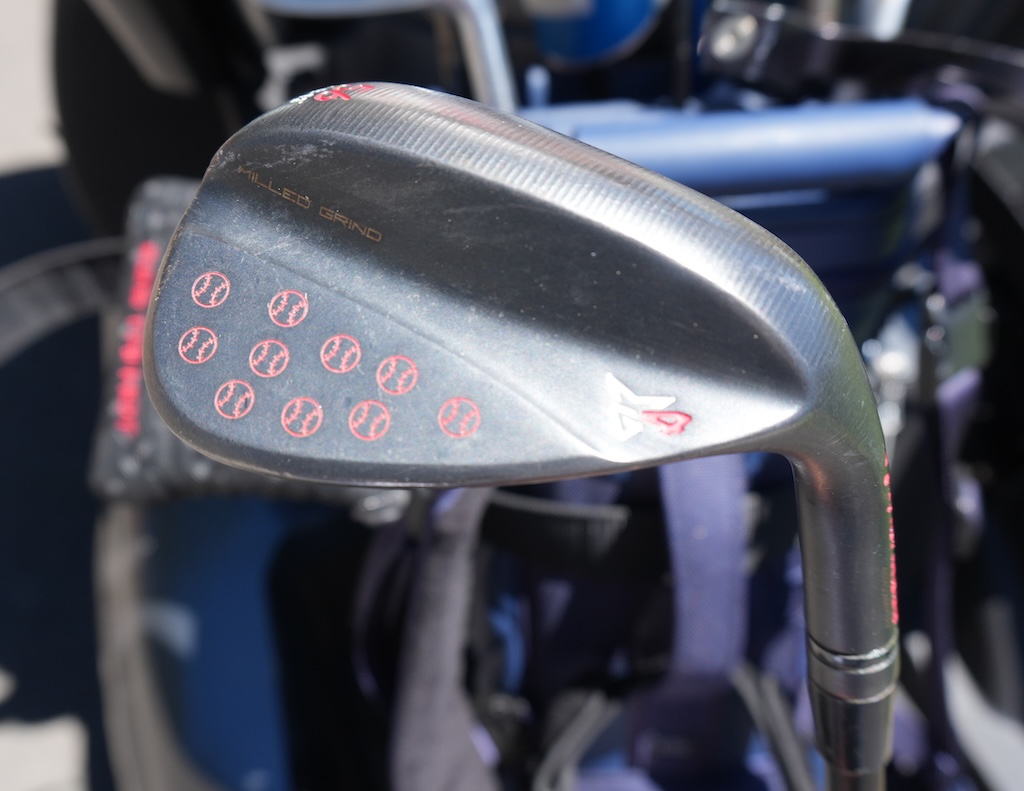
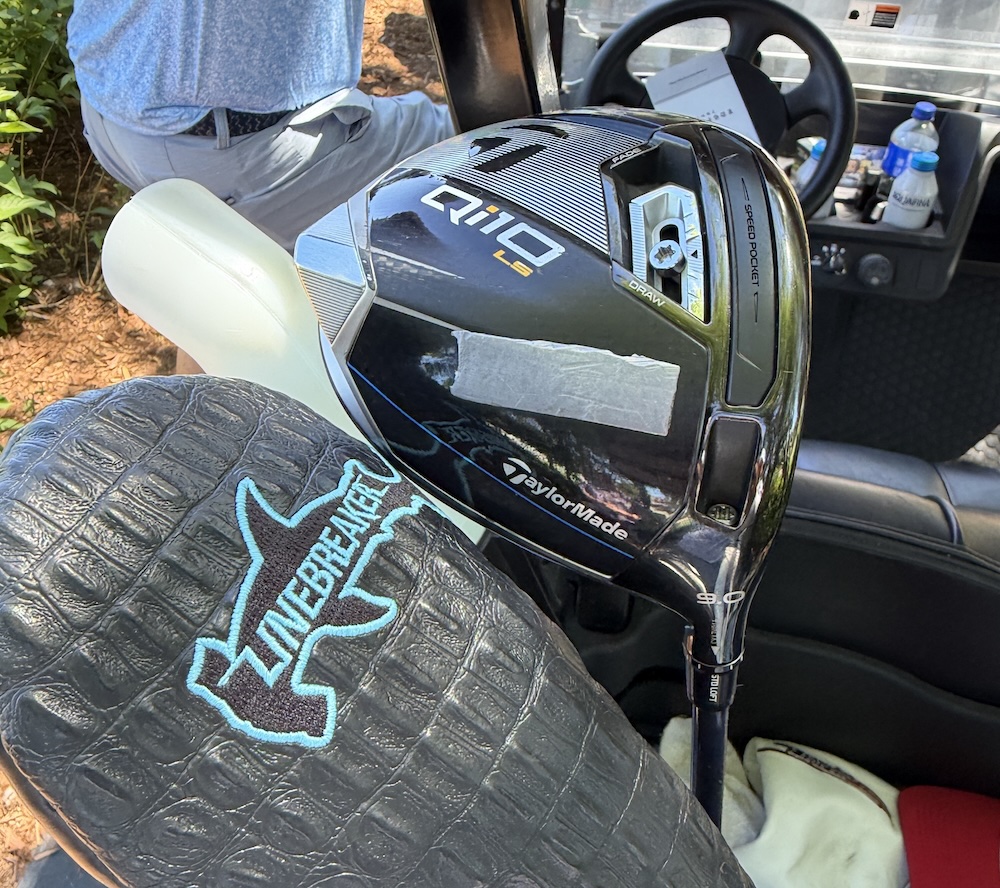
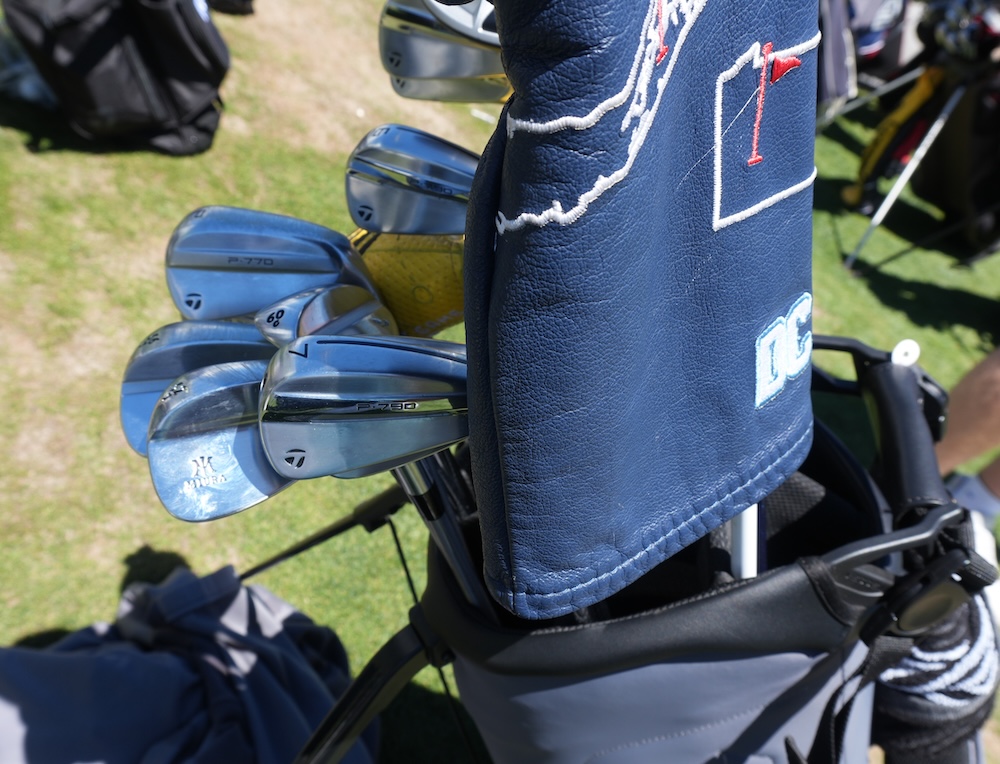
Andrew Von Lossow is on site at the premier celebrity golf tournament, the American Century Championship, at Edgewood Tahoe Golf Course in Stateline, Nevada. While AVL is primarily filming a special edition episode of Inside the Ropes (presented by PGA Tour SuperStore), he also has his camera with him and couldn’t help but take a few equipment photos.
With more to come later this week, here’s a look at a few interesting shots from Wednesday at the ACC.
Looks like Bears great Brian Urlacher took a trip to Slab City before heading to Lake Tahoe.
…and Urlacher’s Srixon ZXi7 irons.

Phillies great Chase Utley with Vokey SM11 wedges and TaylorMade P790 irons in the bag.
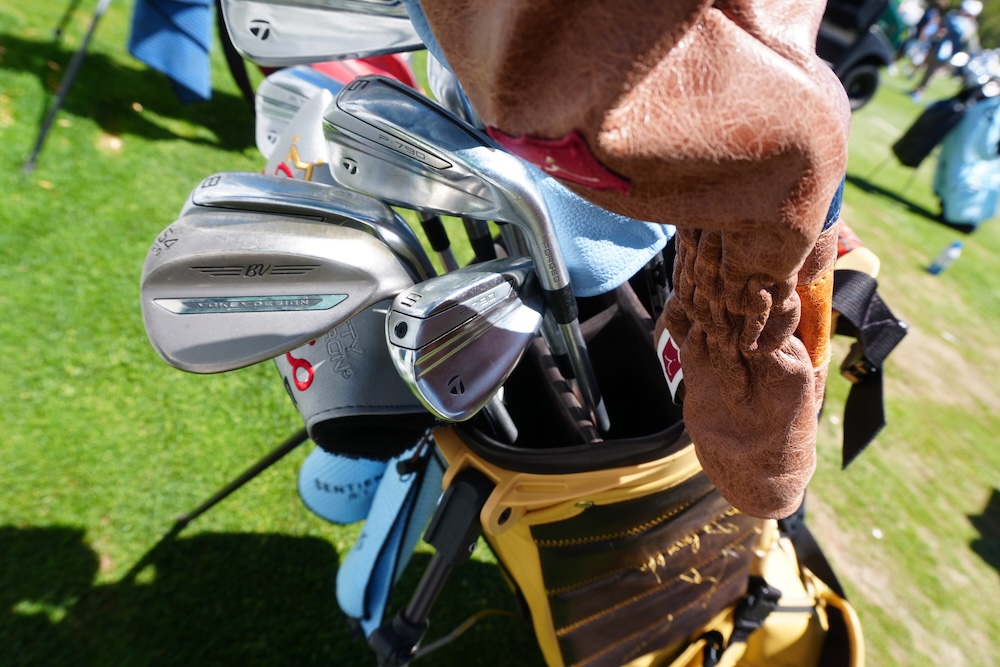
NBA legend Dell Curry with a mixed TaylorMade iron setup and some Miura wedges.
 Red Sox great Kevin Millar with a TaylorMade Qi4D driver in play.
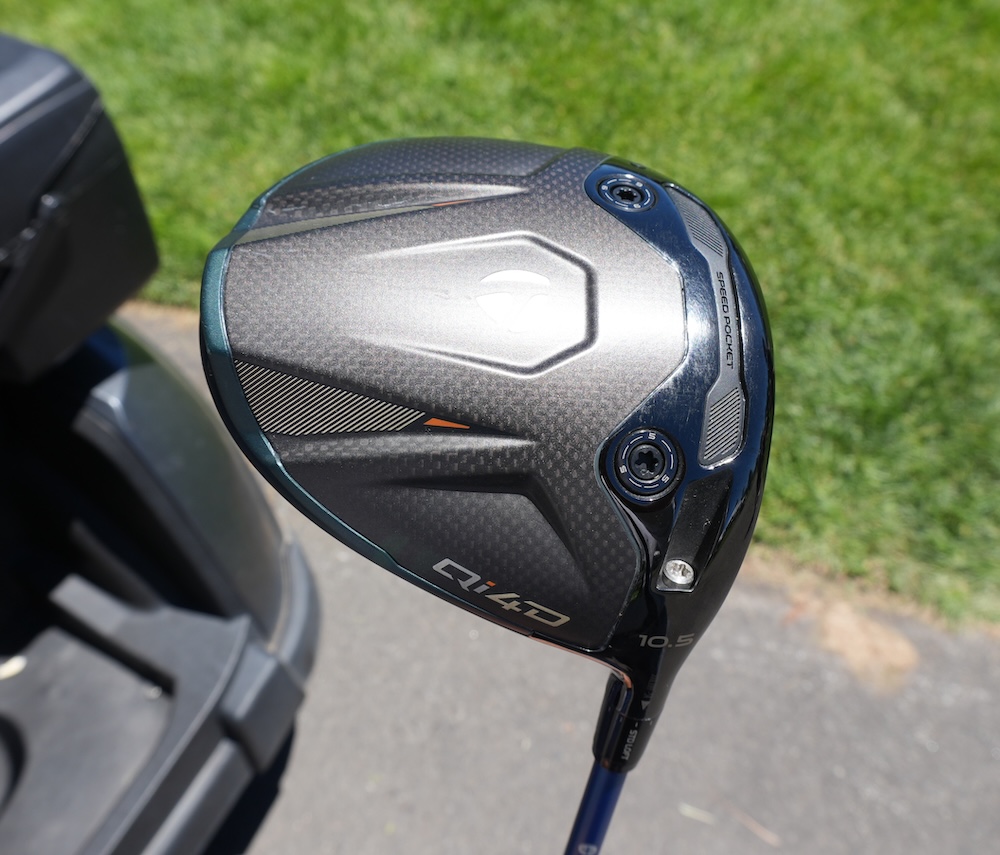
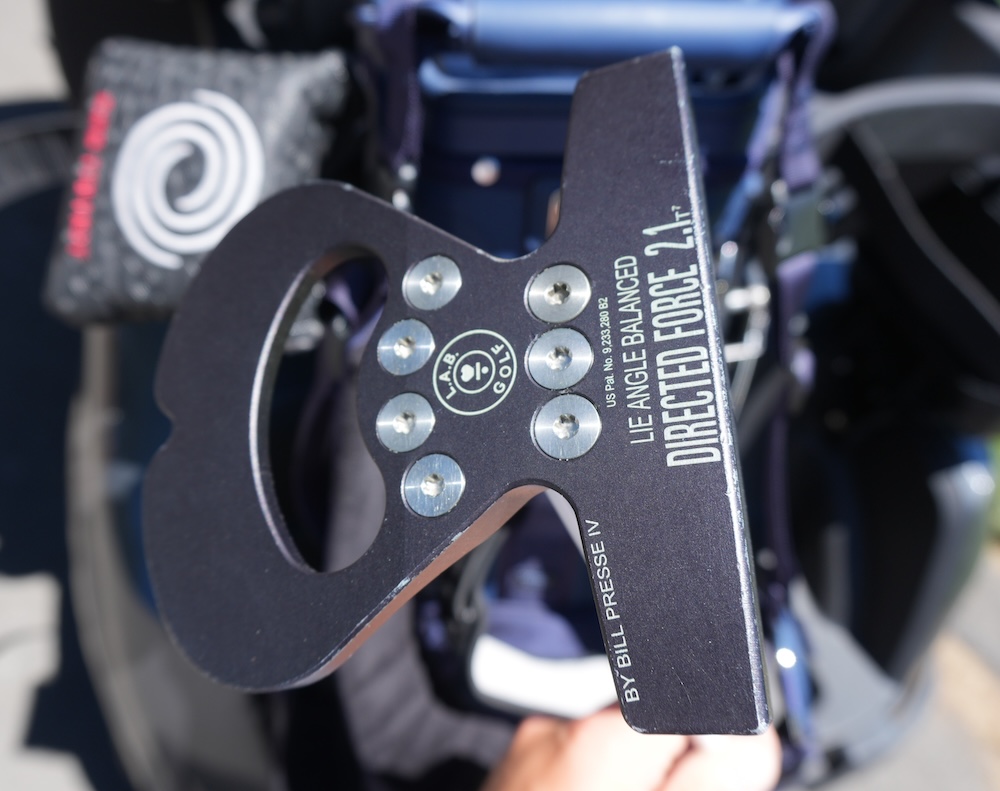
…and an OG L.A.B. DF 2.1 flatstick!
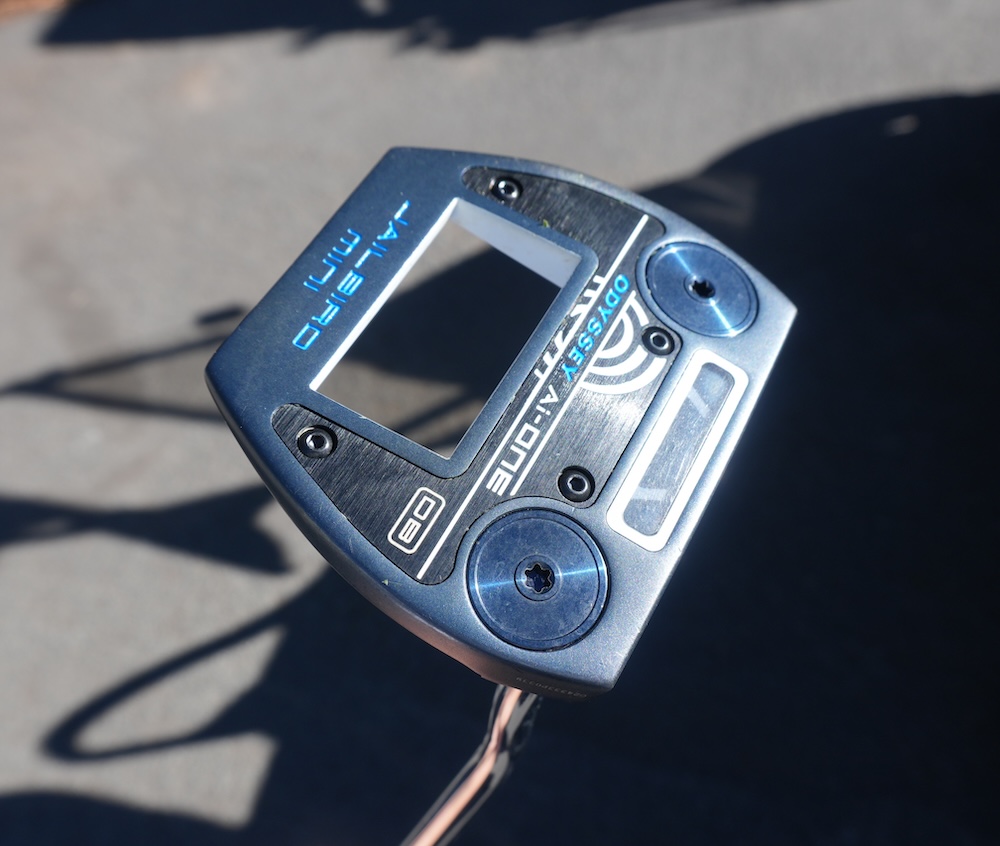
Chicago bassist Jason Scheff is riding the Jailbird train.
Stay tuned for more from the American Century Championship!


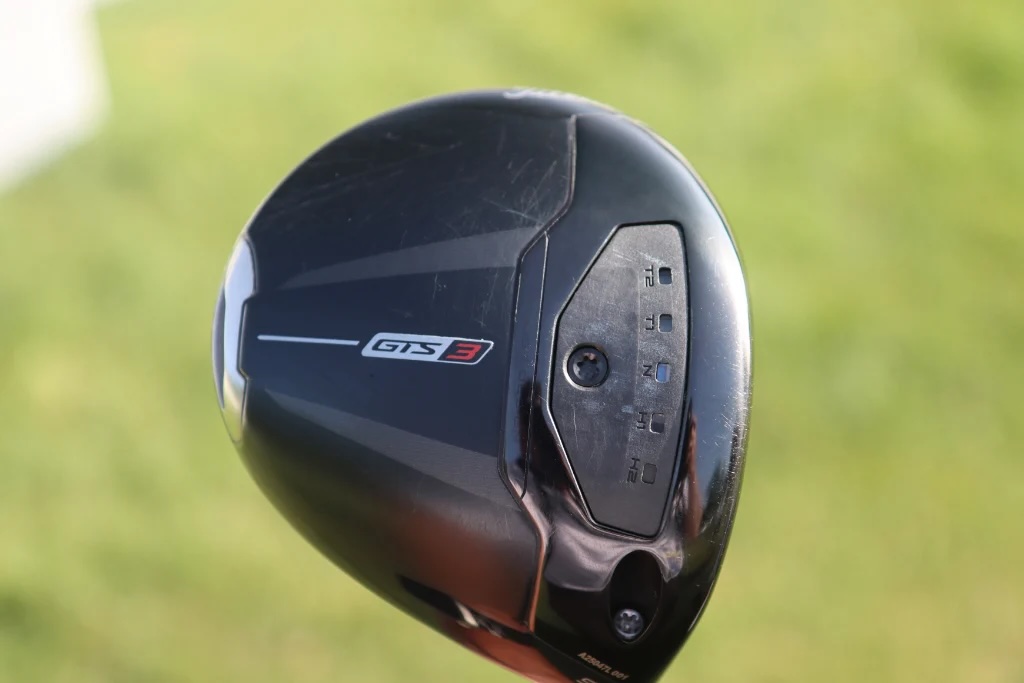
Driver: Titleist GTS3 (9 degrees)
Shaft: Aldila Rogue 125 MSI 70 2.5 Tour X
3-wood: TaylorMade Qi35 (16.5 degrees)
Shaft: Fujikura Ventus Blue Velocore+ 7 X
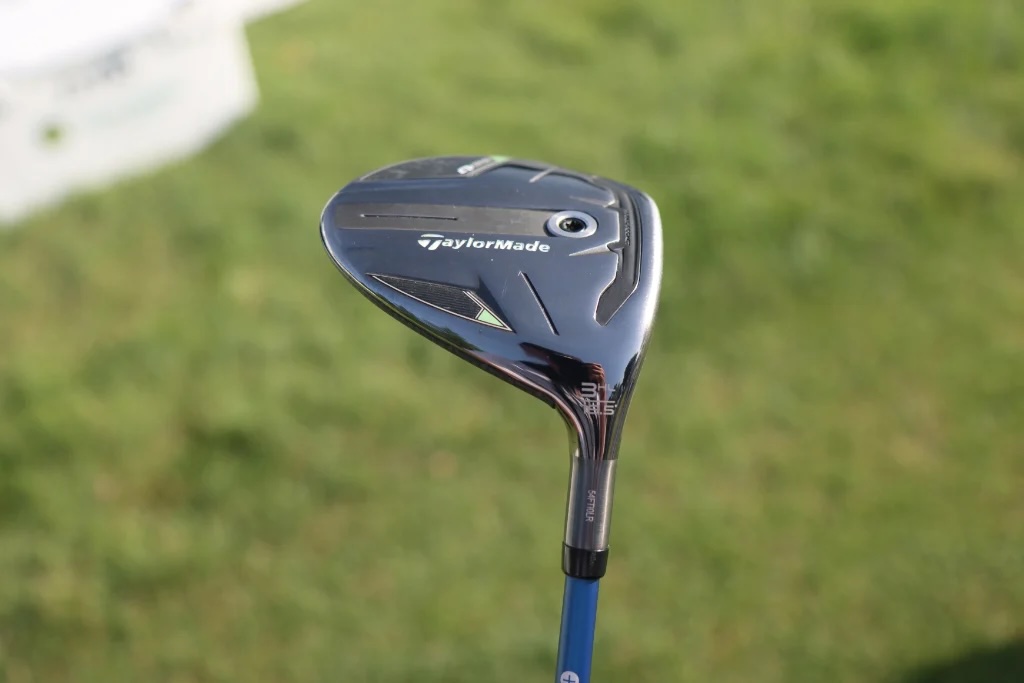
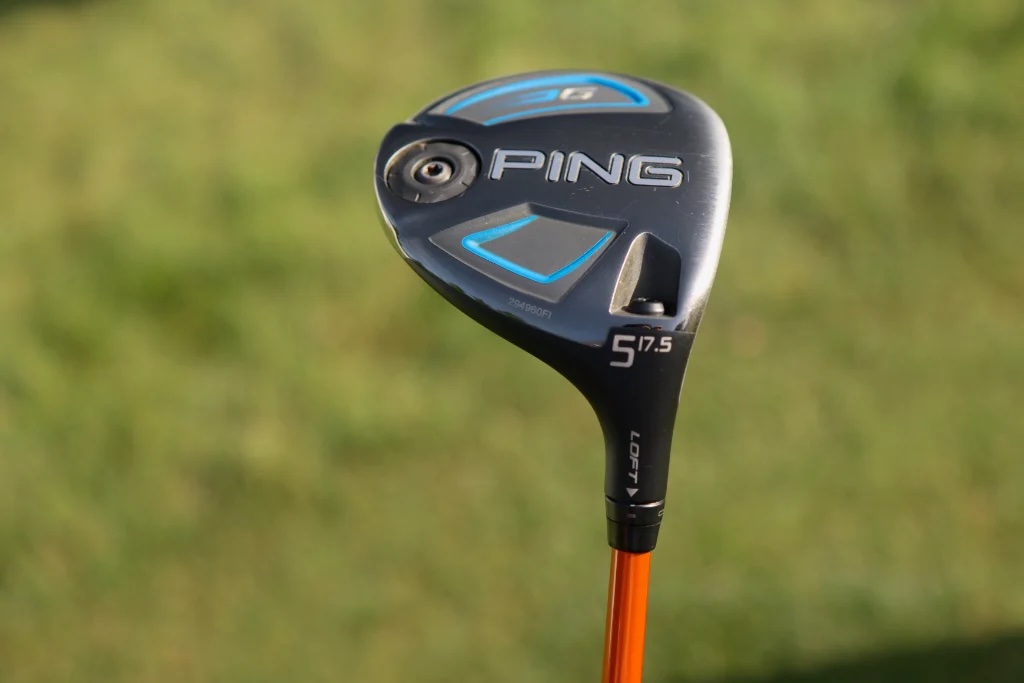
5-wood: Ping G (17.5 degrees)
Shaft: Graphite Design Tour AD DI-10X
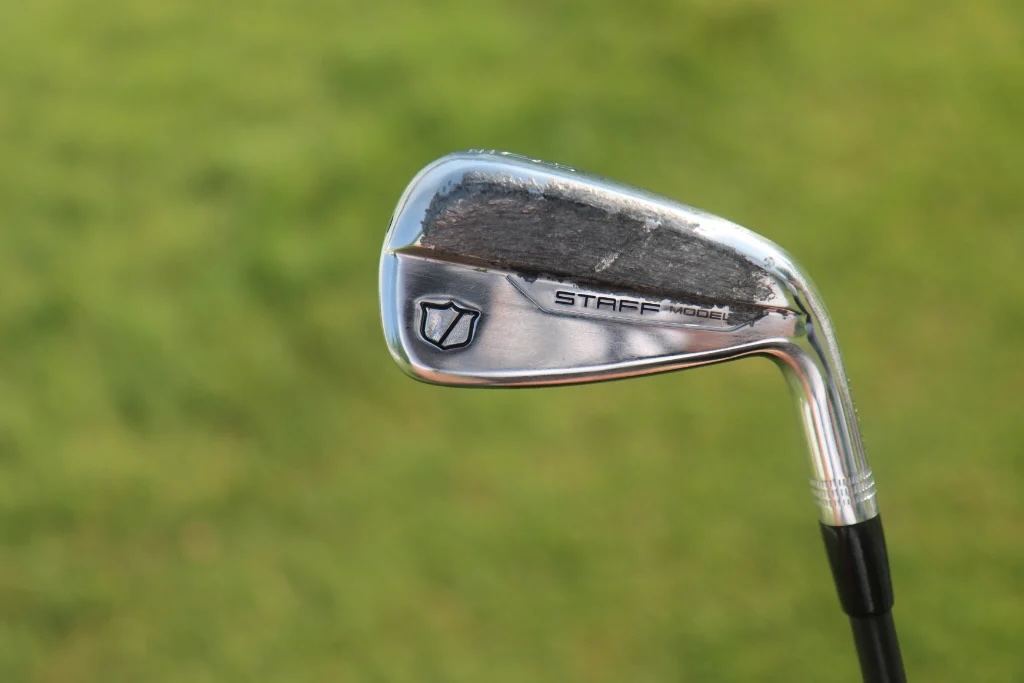
Irons: Wilson Staff Model RB Utility (3), Wilson Staff Model CB (4-9)
Shafts: Mitsubishi MMT HY 100 TX (3), Project X 6.5 (4-9)
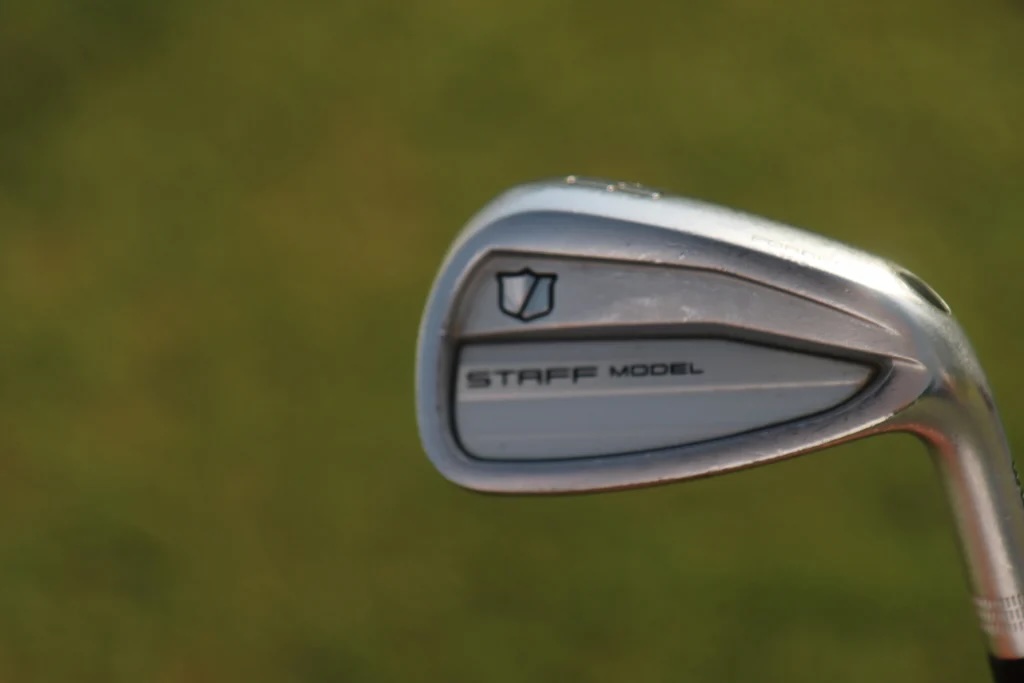
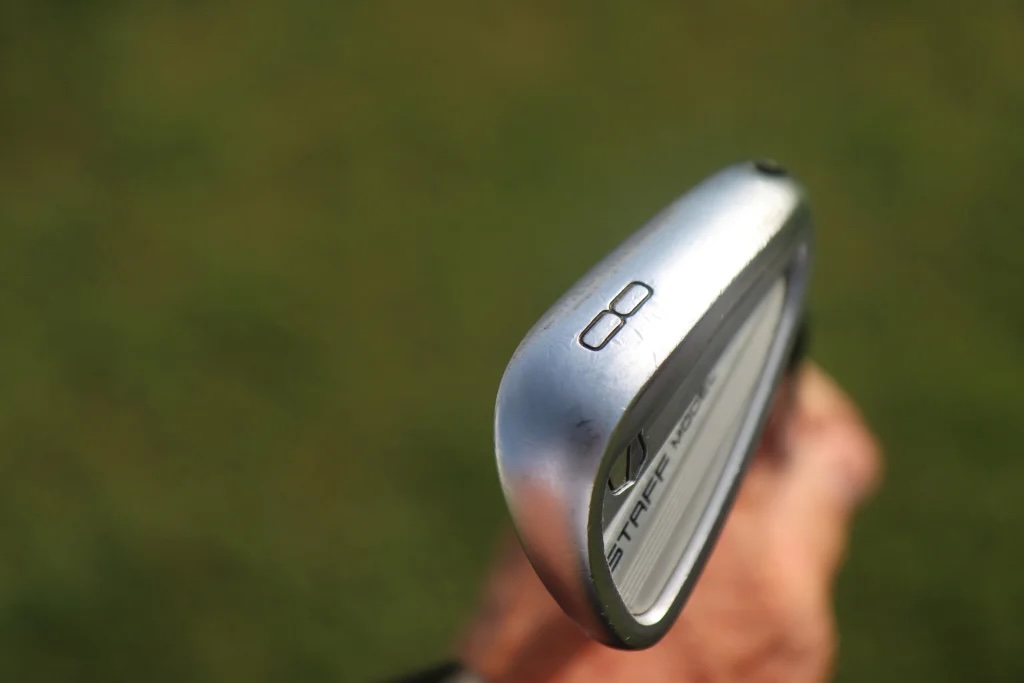
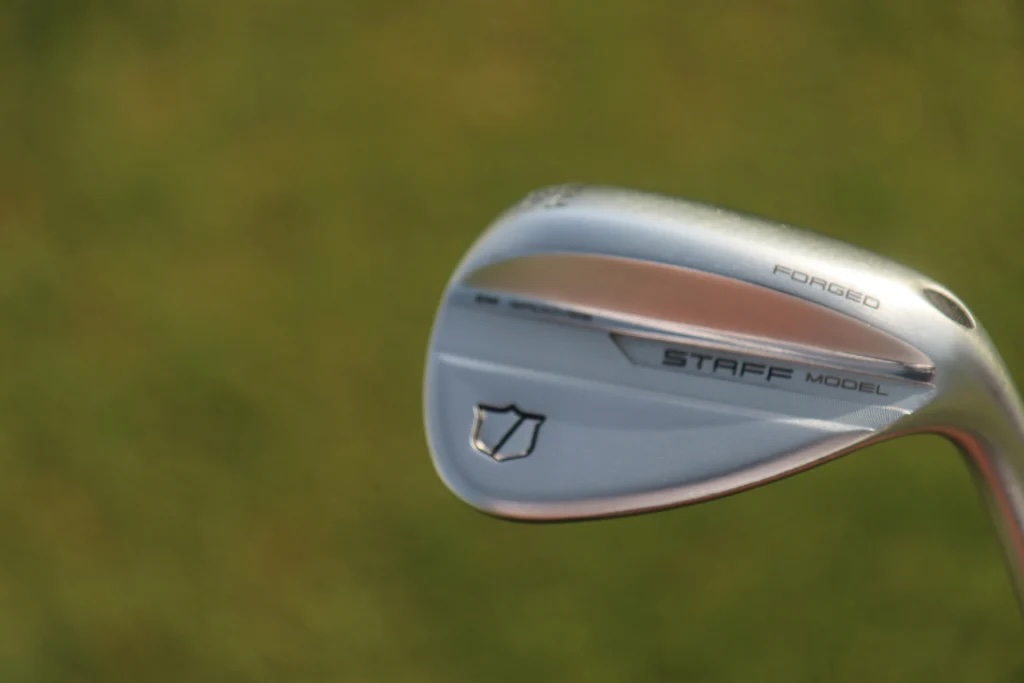
Wedges: Wilson Staff Model (48-08, 54-08), Titleist Vokey Design WedgeWorks (58-L @59)
Shafts: Project X 6.5 (48), True Temper Dynamic Gold Tour Issue S400 (54, 58)

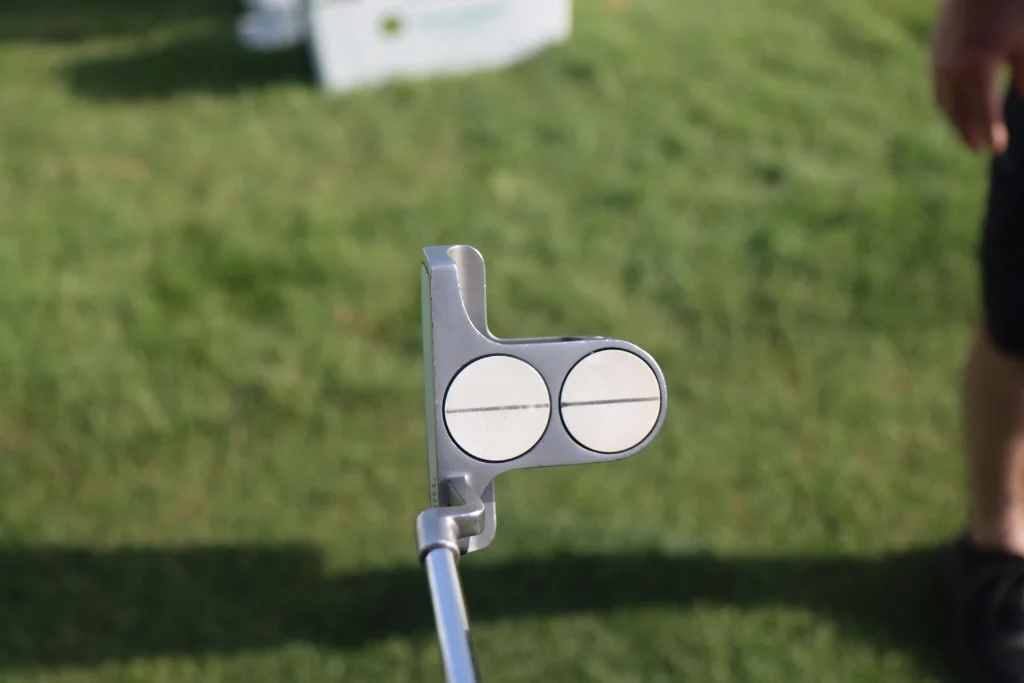
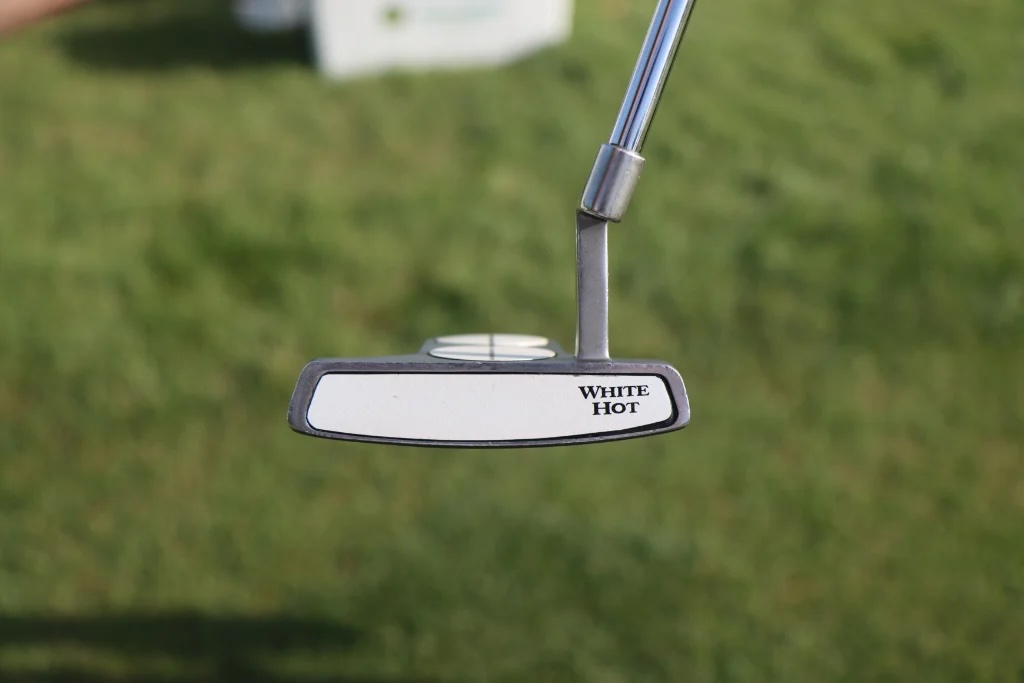
Putter: Odyssey 2-Ball Blade
Grips: Golf Pride Tour Velvet
At GolfWRX, we are a community of like-minded individuals who all experience and express our enjoyment of the game in many ways.
It’s that sense of community that drives day-to-day interactions in the forums on topics that range from best driver to what marker you use to mark your ball. It even allows us to share another thing we all love – buying and selling equipment.
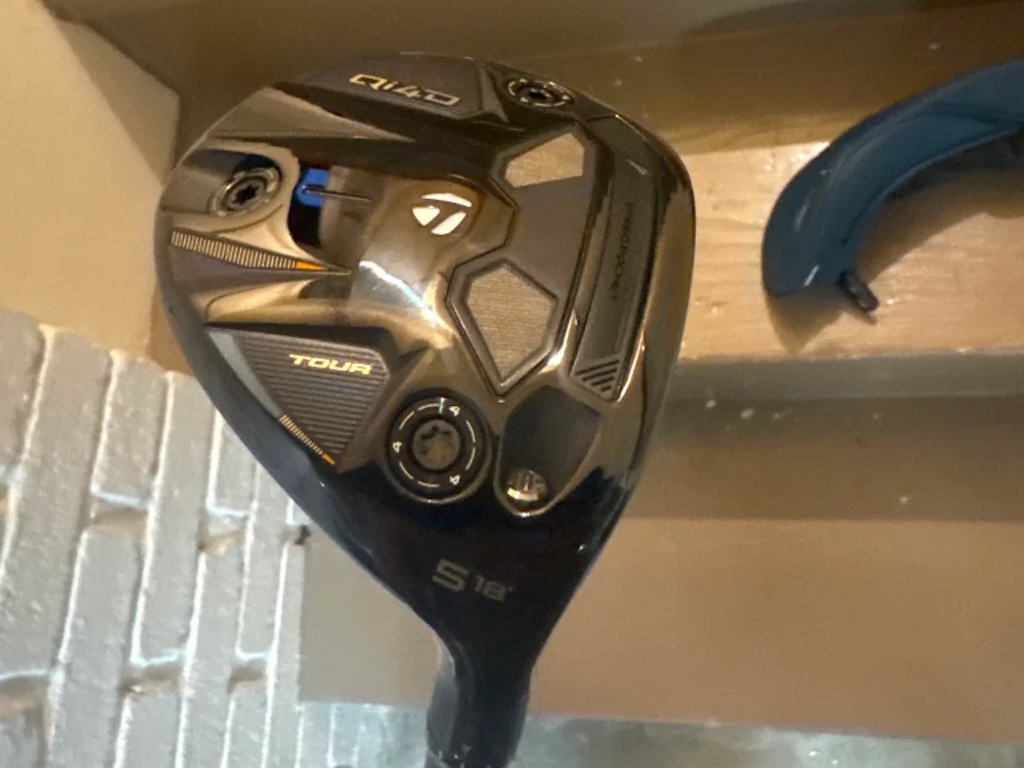
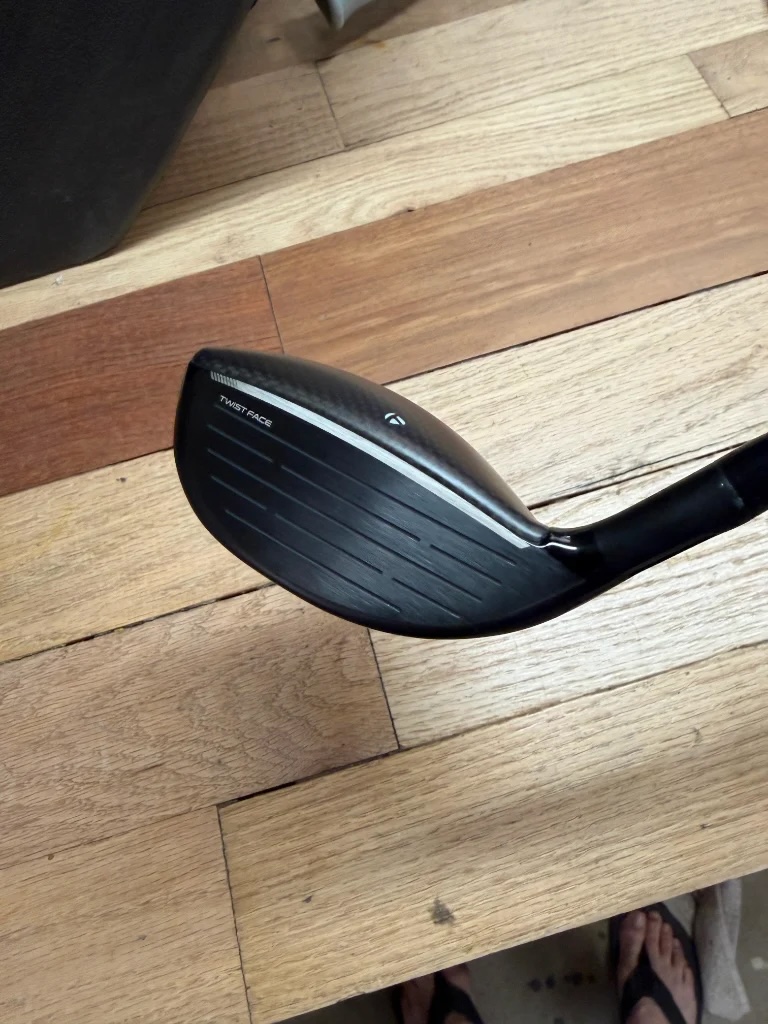
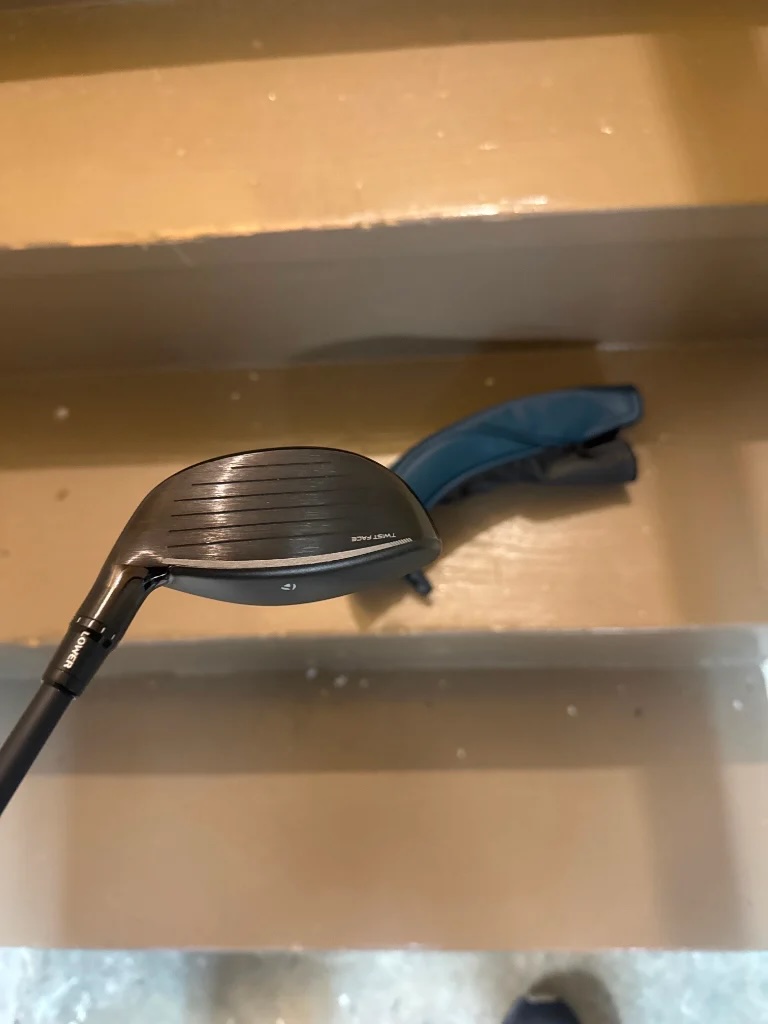
Currently, in our GolfWRX buy/sell/trade (BST) forum, @SBH9458 is selling a brand new Qi4D Tour 5-wood at 18 degrees, which is being offered at a price less than retail. The item is unused and comes with the stock shaft and headcover.
From the listing:
New and unhit. Bought it new myself and my plan was to turn it down to 16.5°, but I won’t be able to play it. Save a ton over buying off the rack. Stock 75X Reax shaft and Headcover included. $375 shipped conus. No trades needed.
Head to the thread here for plenty of more details about the item. If you are curious about the rules to participate in the BST Forum, you can learn more here: GolfWRX BST Rules.

Best irons 2026: Best irons overall, most forgiving irons, and more

J.T. Poston’s winning WITB: 2026 Memorial Tournament

Memorial Tournament Tour Report: Rory McIlroy, Cameron Young switch up drivers, and more

Wyndham Clark’s winning WITB: 2026 U.S. Open

Russell Henley’s winning WITB: 2026 Charles Schwab Challenge

WITB Time Machine: Retief Goosen’s winning WITB, 2004 U.S. Open

Viktor Hovland’s winning WITB: 2026 Travelers Championship

Details on Jason Day’s latest prototype Avoda iron setup

Bryson DeChambeau pairs new big-stick speed with new-shoe stability

Photos from the 2026 U.S. Open


Kevin Streelman WITB 2026 (July)
Driver: Titleist GTS3 (9 degrees) Shaft: Aldila Rogue 125 MSI 70 2.5 Tour X 3-wood: TaylorMade Qi35 (16.5 degrees) Shaft: Fujikura Ventus Blue...


Karl Vilips WITB 2026 (July)
Karl Vilips had >14 clubs in his bag when photographed prior to the John Deere Classic. Driver: TaylorMade Qi4D (9 degrees)...


Jonathan Byrd WITB 2026 (July)
Jonathan Byrd had >14 clubs in his bag when photographed prior to the John Deere Classic. Driver: Callaway Quantum Triple Diamond...


Lanto Griffin WITB 2026 (July)
Lanto Griffin had >14 clubs in his bag when photographed prior to the John Deere Classic. Driver: Titleist GTS2 (10 degrees)...
-
 News2 weeks ago
Wyndham Clark’s winning WITB: 2026 U.S. Open
-
 Whats in the Bag1 week ago
Viktor Hovland’s winning WITB: 2026 Travelers Championship
-
 Whats in the Bag3 days ago
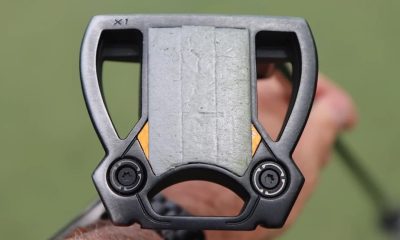
Chris Gotterup’s winning WITB: 2026 John Deere Classic
-

 Tour Photo Galleries2 weeks ago
Photos from the 2026 Travelers Championship
-
 Equipment2 weeks ago
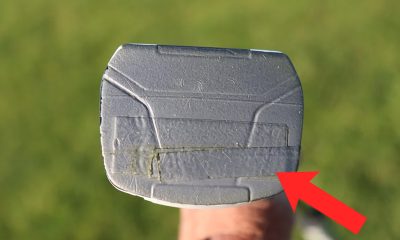
Wyndham Clark’s Ping putter: There’s more to the lead tape than just weight
-

 News1 week ago
Details on Viktor Hovland’s driver, shaft change
-

 News2 weeks ago
Travelers Championship Tour Report: The Spieth putter switch that never happened (and the Fowler, Spaun & Rose switches that did)
-

 News1 week ago
Photos from the 2026 John Deere Classic


Pingback: Spotted: Project X Denali hybrid shaft – GolfWRX