
Equipment
iPING version 1.2 is here

Having the right tools makes all the difference. That’s the reason golfers carry 14 clubs in their bags. After much time and practice, good golfers learn which tool is right for the job.
But even the best golfers sometimes have trouble deciding what putter to use. Since putters are offered a wider variety of options and styles than any other club, it is the most tinkered with tool in nearly every golfer’s bag. It’s also the most important club, accounting for about 40 percent of a player’s score.
That’s why the GolfWRX staff called last summer’s release of iPING a “game changer.” Click here to read the original thread
iPING is an application available for Apple iPhone 4, iPhone 4S and fourth-generation iPods that allowed players to better understand the path, rhythm and length of their putting strokes. This technology was nothing new – sophisticated hardware that studied these variables had been available for a while. But it had never been cheap or convenient.
iPING made it cheap and convenient. To use iPING, all a player needed was a $30 PING cradle that fit nearly every type of putter, a compatible iPhone or iPod, and the iPING app (available through Apple’s App Store for free). Maybe more important was that iPING was completely portable, unlike other high-tech putting devices that needed bulkier hardware and extensive setup.
Usually, affordability and convenience come with sacrifices compared to larger and more expensive devices, but iPING didn’t compromise. In fact, it added PING software called iFIT, which analyzed loft, lie angle, and length, as well as a player’s stroke tendencies. Through PING’s “Fit for Stroke” system, iFIT was able to recommend the best type of PING putter for a player. The trick to iPING was using the acceleramators and gyroscopes that were already built into compatible Apple mobile devices to measure all the movements in the putting stroke. With the hardware taken care of by Apple, all that was left for PING engineers like Dr. Paul Wood to do was design application that could interpret the raw data.
“The important thing to bear in mind is that we already had a bunch of research behind us from using other measurement devices,” Wood said. “When the idea for iPING itself came along we were ready to pounce. And from the first data we took with an iPhone to iPING being released was only about six months. That’s a very aggressive time frame.”
Today PING released version 1.2 of iPING, which includes a new “Skins Game” feature. The first versions of iPING measured a player’s consistency score, or “putting handicap,” which was based the repeatability of a player’s stroke. iPING would grade a player’s consistency based on five 10-foot putts. An iPING user could use the results to improve their putting handicap, and compare it against PING staff players featured on the app.
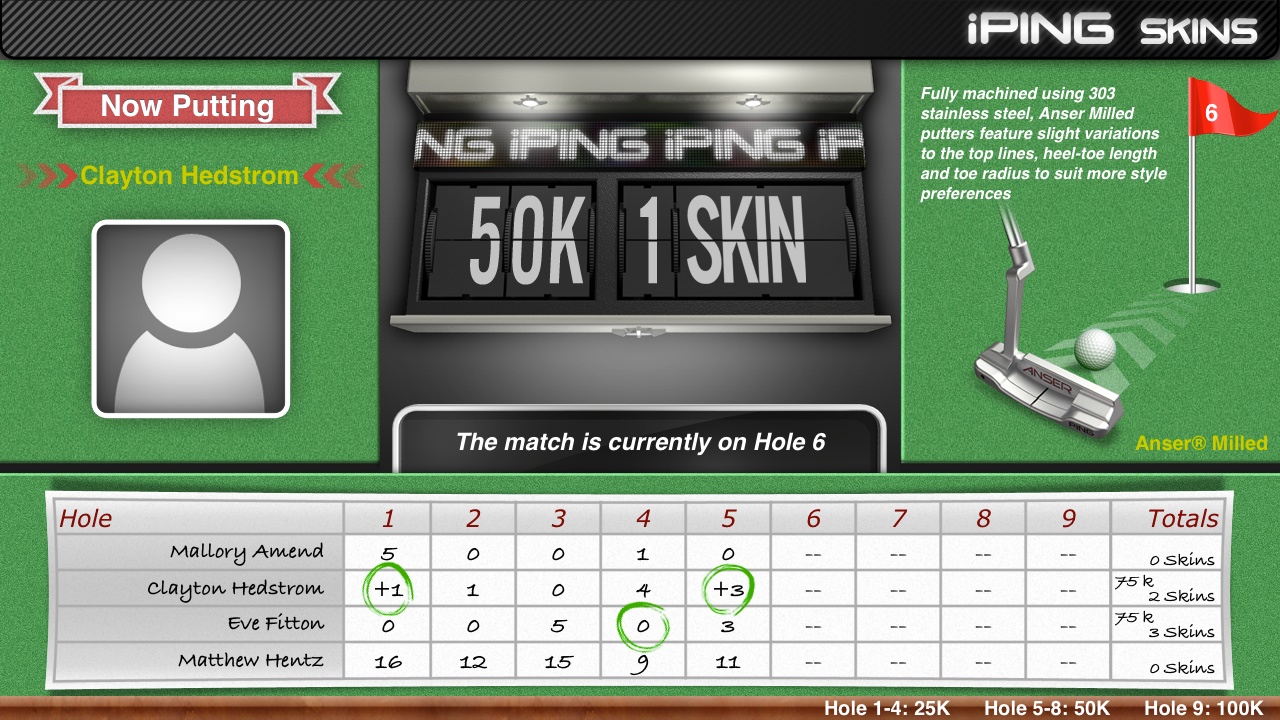
The Skins Game feature in version 1.2 of iPING allows users to test their putting prowess against iPING users throughout the world. Through Apple’s Game Center, a player can choose a three, six, or nine-hole match and can invite up to three friends to join, or let the Auto-Match feature locate playing partners.



“Game Center’s turn-based technology alerts users to their next turn via the new Notification Center in [Apple] iOS 5,” according to a PING press release. “The game format follows a traditional skins competition where holes have point values, which increase throughout the match, and ties on a hole carry over until someone wins a hole (and the skins) outright. The person with the most points at the end of the match wins.”
The iPING Skins Game also has a party mode for contestants in the same location, which can use Apple AirPlay to show live leaderboards on an HD television using an existing wireless network and an Apple TV. Wood said that in early stages of designing iPING, he hadn’t thought much about promoting the game aspect of iPING. But he saw that it would be fun to get people using it together – especially for him, who can now have a putting contest through iPING against his father in England. The real value to Wood and the putter engineers at PING, however, is the data that the company collects from people using the iPING app.
According to Wood, PING does not gather information such as names and locations – that would cause too many privacy issues. But the company does capture the data every time someone uses iPING to do a fitting session. The lofts, lie angles and stroke tendencies are compiled into a data base large enough to give engineers a glimpse into the putting population as a whole.
“We were surprised how wide and dispersed the numbers were,” Wood said. “100,000 sessions shows you fairly accurately what the population looks like. With numbers that large, the noise gets washed out.”
iPING’s release in the summer of 2011 corresponded with the release of PING’s Anser and Scottsdale putter series, which was an important part of the app’s success according to Wood.
“Timing is everything with these things,” Wood said. “It helps that we got the putters out at the same time as iPING. The data we collected proves that we need to have putters like the Mesquite, a toe-down mallet, and the Carefree [a mid-hang mallet].”
Click here for more discussion in the forums
“Toe down,” “mid hang,” and “face balanced” refer to the way the center of gravity is situated in a putter. By balancing a putter’s shaft on your finger, you can determine what type of putter you have. If the putter face points toward the sky, it is face balanced. If it rests at a 45-degree angle, it is a mid-hang putter. And if the face points sideways, it is a toe-down putter. Face balanced putters are best for “straight-back, straight-through strokes.” A mid-hand putter would be best for someone with a slight arc in their stroke. A toe-down putter would be best for a player with a more arc in their stroke.
Knowing what type of putter is best for a player isn’t just something for beginners, either. PING staff players such as Heath Slocum, Angel Cabrera and Rhys Davies have used the technology in iPING to help them putt better. Heath Slocum was one of the first players to test iPING when it was unveiled to Tour players at the U.S. Open. He was striking the ball extremely well at the time, but was struggling with his putting. On the iPING, Slocum’s putting stroke was measured as having a “strong arc.” At the time, he was using a face-balanced putter. Wood suggested that unless Slocum was very tied to his face-balanced putter, he should consider returning to the toe-down PING putter he had had earlier success with in his career, a PING PAL. When Slocum switched, he saw his putting handicap go down, and he played much better for the rest of the year. He finished T-11th at the U.S. Open, and had four more top-20 finishes on the PGA Tour in 2011. Prior to the U.S. Open, he only recorded one top-20 finish on Tour.
Two-time major champion Angel Cabrera also used the iPING to help him on the greens. Cabrera has one of the most straight-back, straight-through strokes on Tour, but for years has preferred the look a mid-hang Anser putter.
“Angel had always been conflicted about using a face-balanced putter, but the [iPING] scores reinforced that he needed to be using one. It got him to switch to a [face-balanced] Anser 5.”
Rhys Davies, who Wood called one of the best putters on the PING staff, used the iPING in a different way to help him putt better. He was struggling with his putting this fall, and decided to look at previous iPING sessions to see if anything had changed in his stroke. He noticed that his lie angle had become much flatter, as a result of him dropping his hands at address. By raising his hands back to the proper position, he saw his putting improve.
Wood is very excited about what’s next for iPING. He said there’s “a whole bunch more PING can do with the app,” but like all good golf company employees, he wouldn’t comment any further.
“The great thing about software is that is moves very quickly,” Wood said. “It doesn’t have a whole supply chain like building putters. There’s a ton of ideas we’re looking at, but the best part of iPING might be that it encourages people to go out and practice their putting. Any time you can do that, it’s a good thing.”
By Zak Kozuchowski
GolfWRX Staff





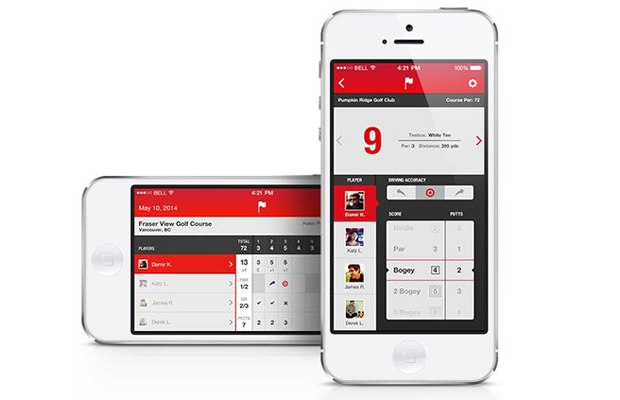
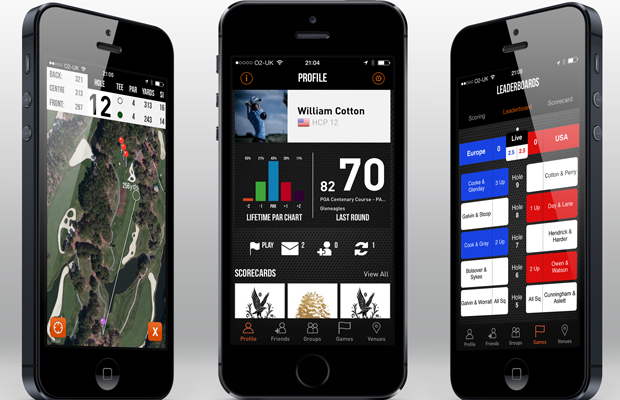


This week, we have our Tour Photographer, Greg Moore, on the ground at the OccuNet Classic at Tascosa Golf Club in Amarillo, Texas, for the 14th event of the 2026 Korn Ferry Tour season. With that, we see some great things in the Lead Tape Report as we roll into Amarillo.
Joel Thelen
Monday Qualifier, Joel Thelen is in the field this week. He has played on the Korn Ferry Tour for a full season in 2023, and he is back in action this week. A couple of clubs caught my eye this week in his bag.
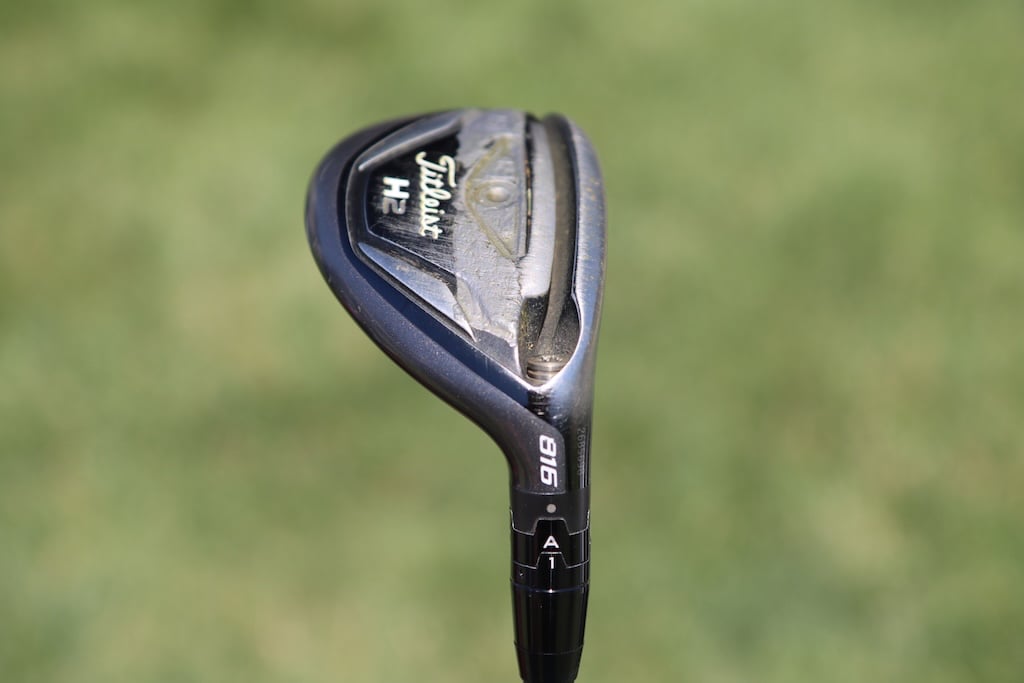
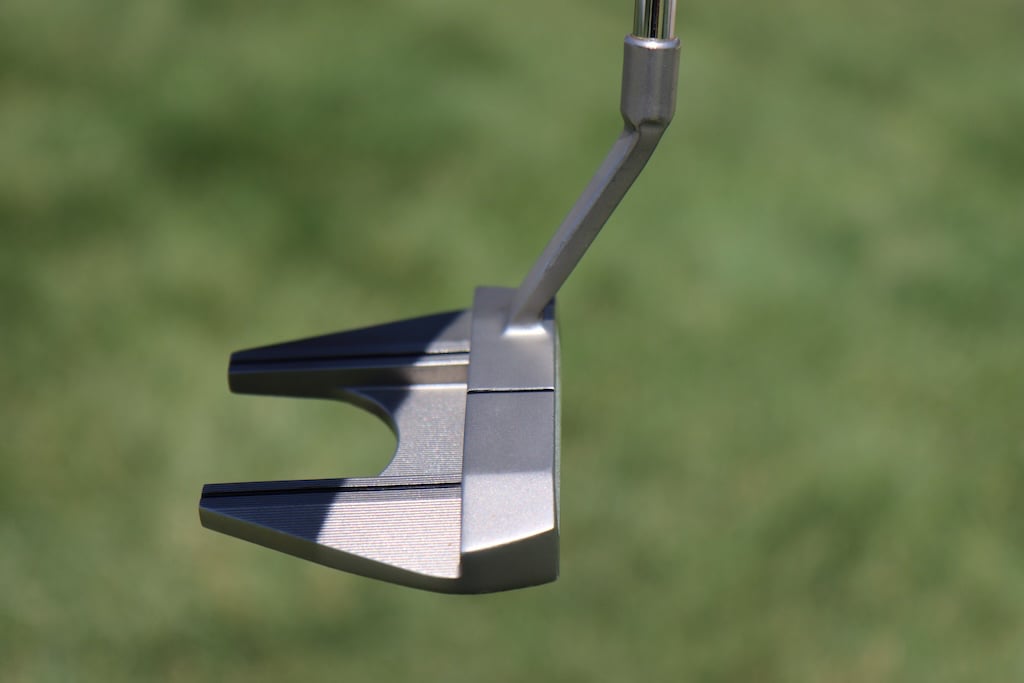
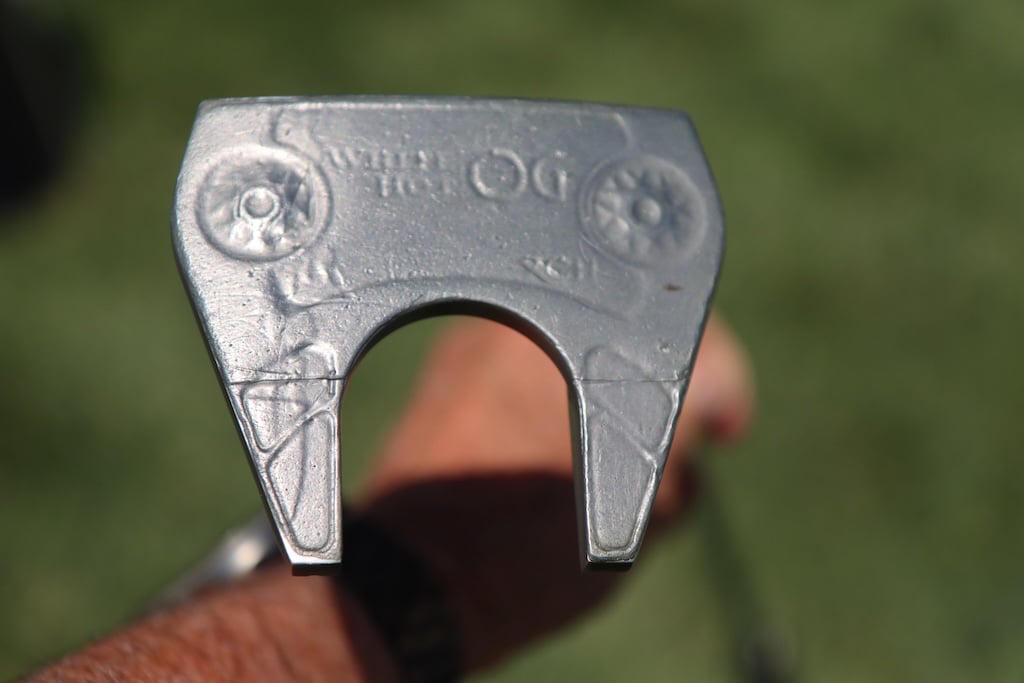
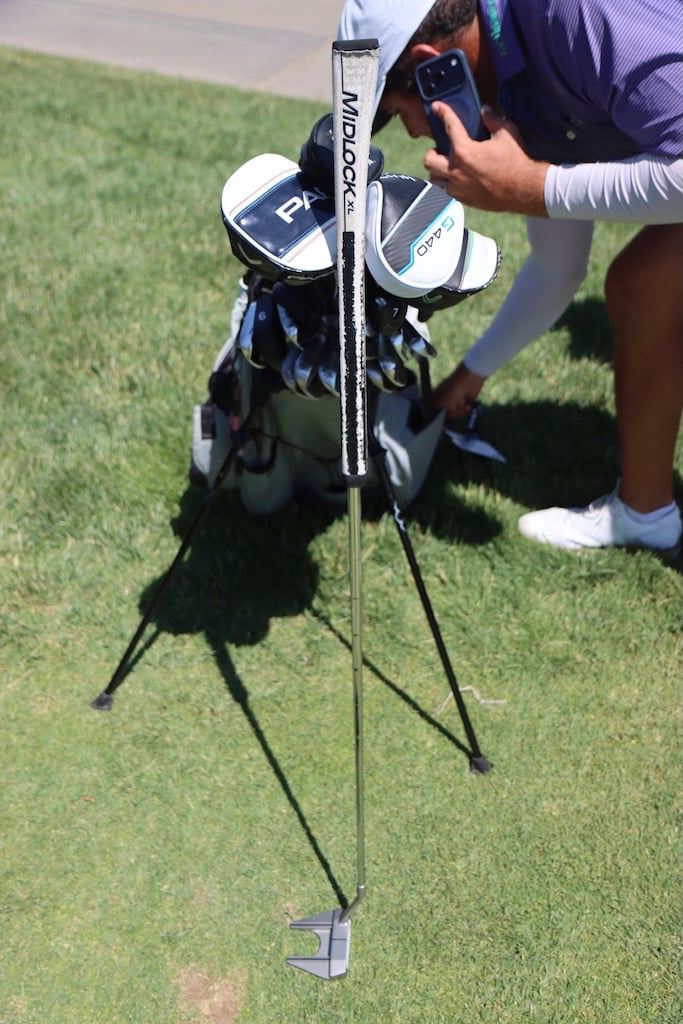
First off: His trusted Titleist 816 H2 hybrid. This club came out in October of 2015, and it still remains strong in the bag. Also, take a look at this Odyssey White Hot OG 7, putting a capital S in the 7S model. This custom neck has some impressive lean for an arm-lock-style putter. The bottom of the putter is covered in tape for optimal weighting.
Mitchell Meissner
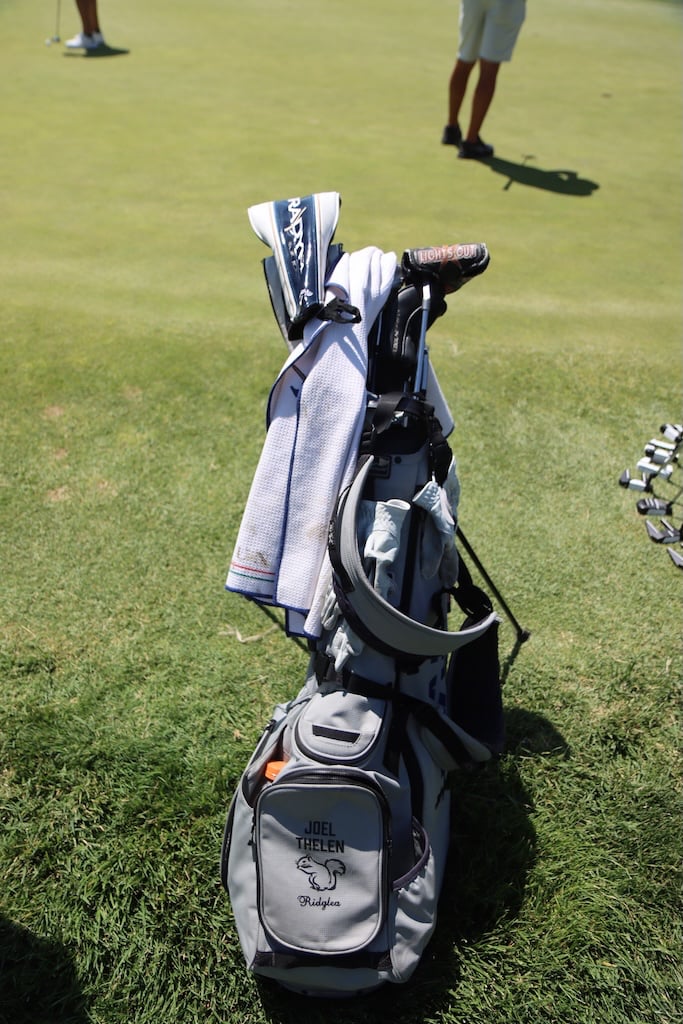
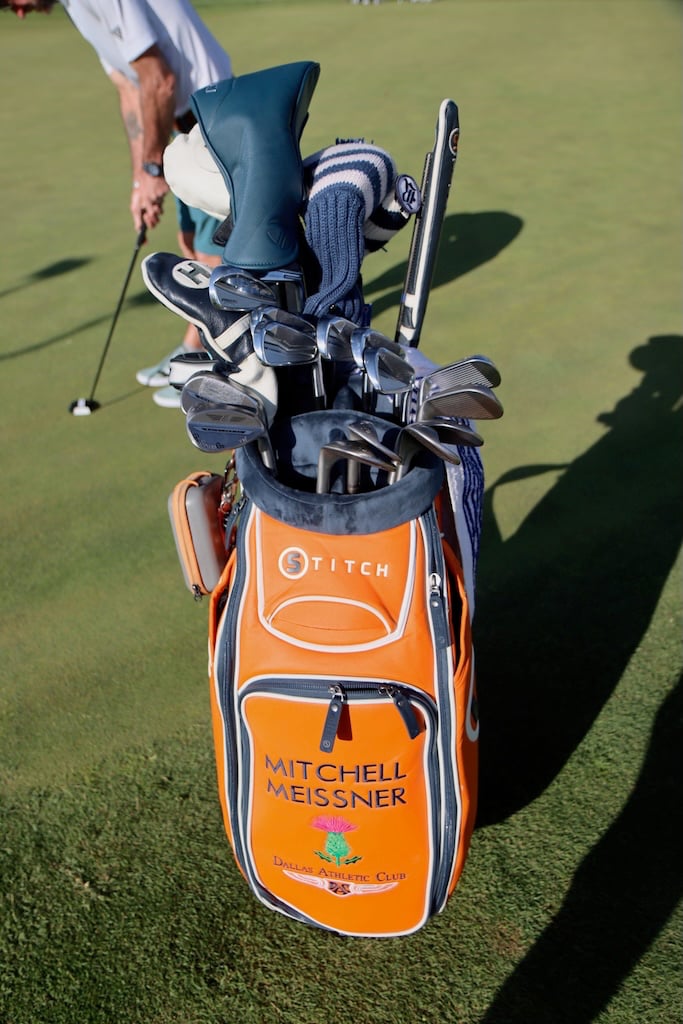
Taking a look at Mitchell Meissner’s bag this week, we have some great lead tape coverage. Top to bottom working from fairway metals, irons, and wedges. We can see on the short irons and wedges that there is tape at the base of the grip, adding a little counterbalance. Along with that, some tape on the short irons and wedges as well. Moving to his putter, he rolls the Odyssey 7 Bird putter. Meissner putts left-handed and strikes the ball right-handed.
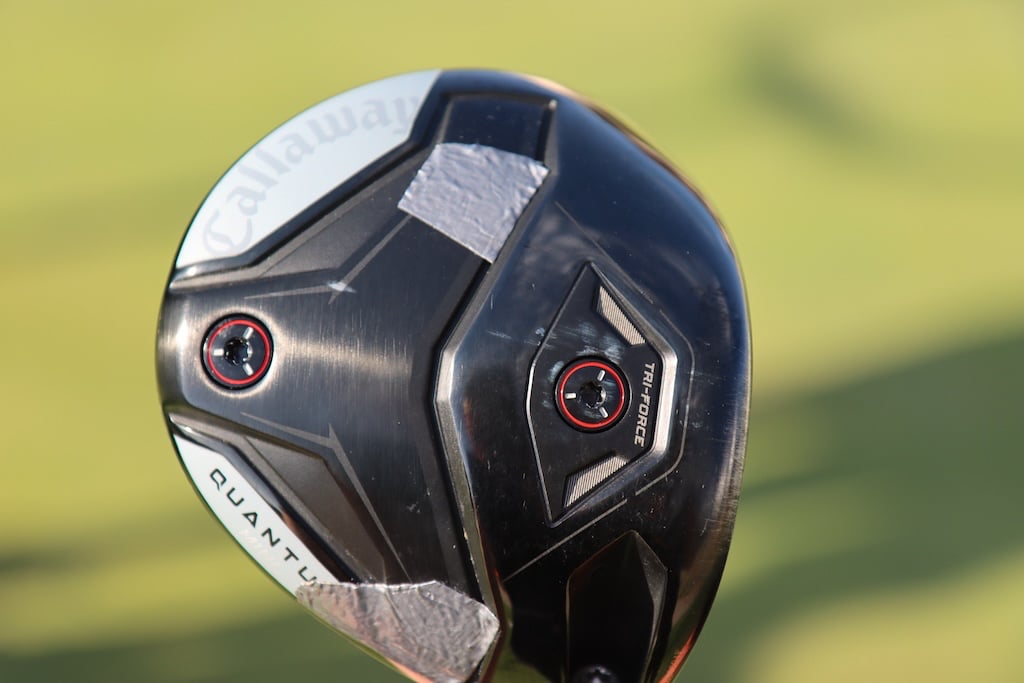
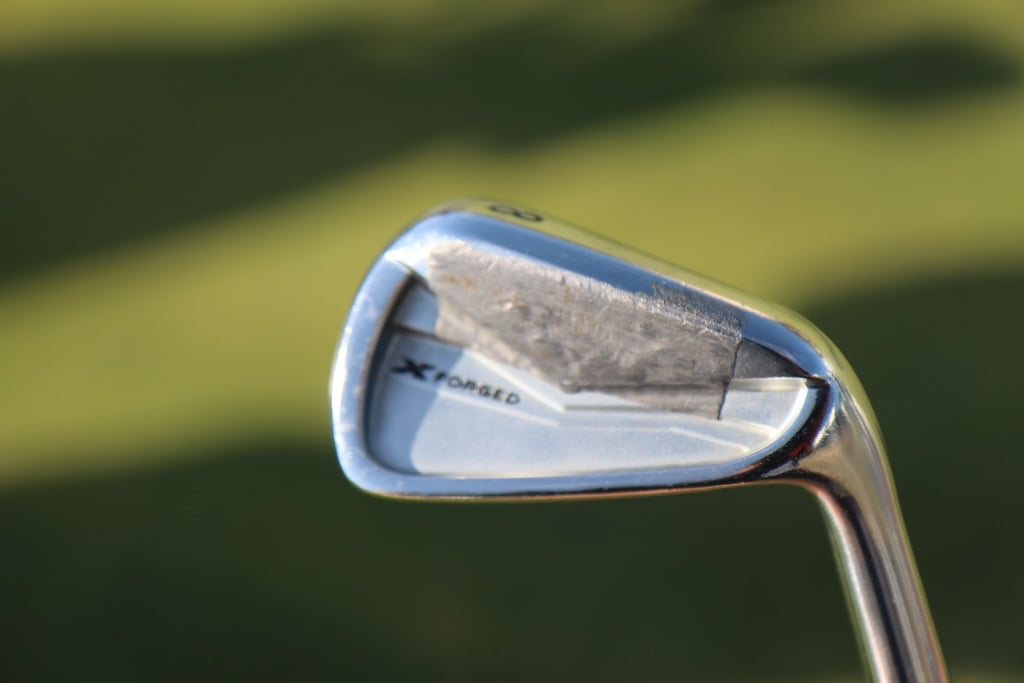

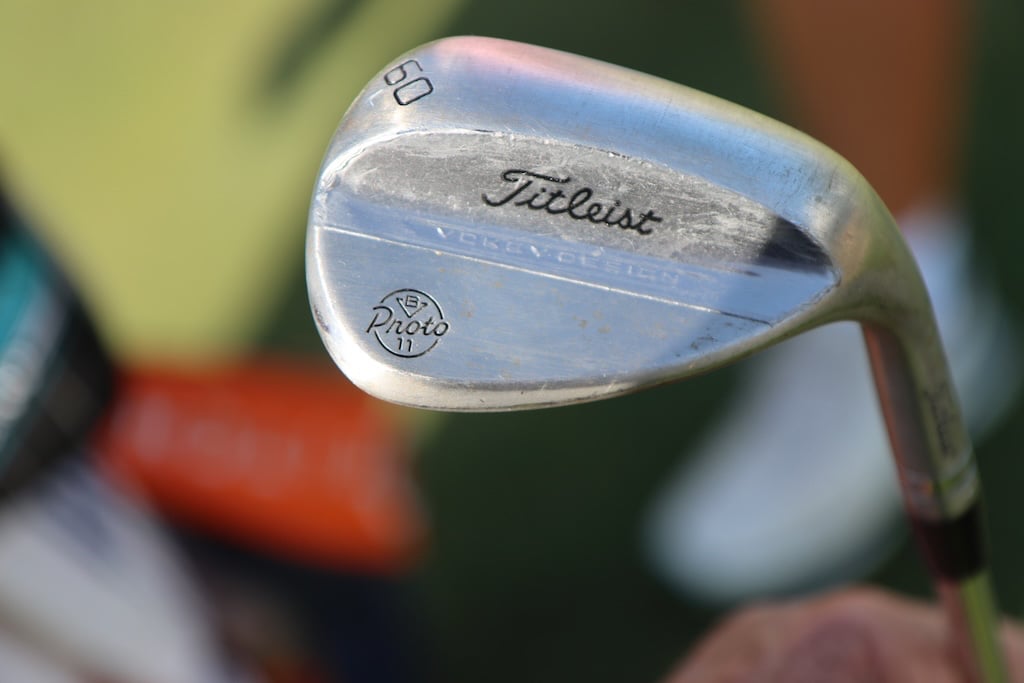

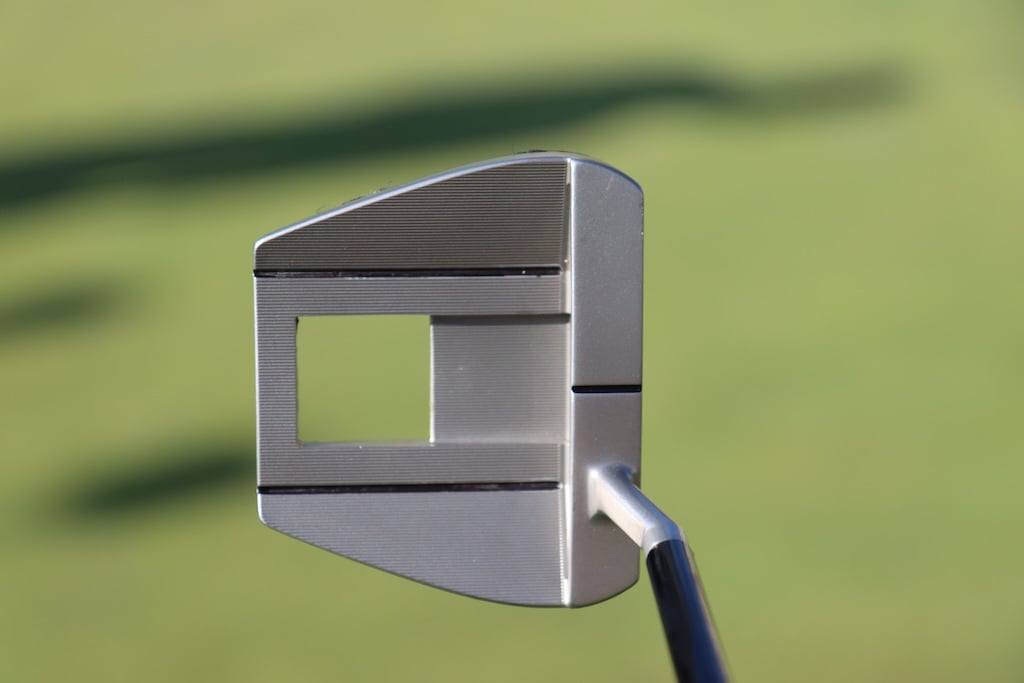


Bud Cauley had >14 clubs in his bag when photographed prior to the Memorial Tournament.
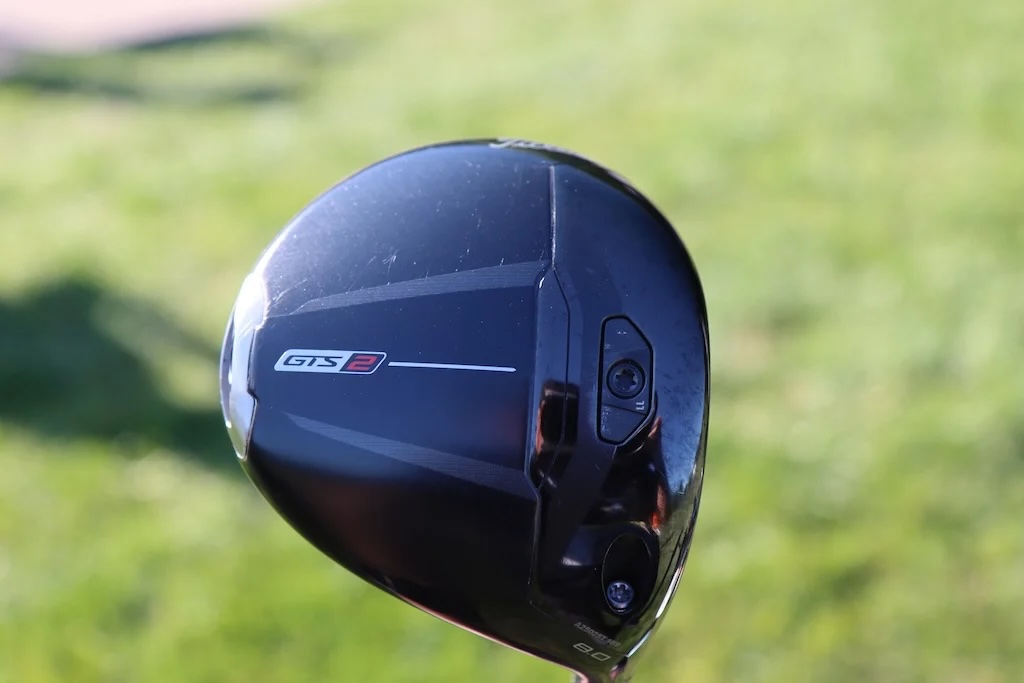
Driver: Titleist GTS2 (8 degrees)
Shaft: Fujikura Ventus Black 6 X
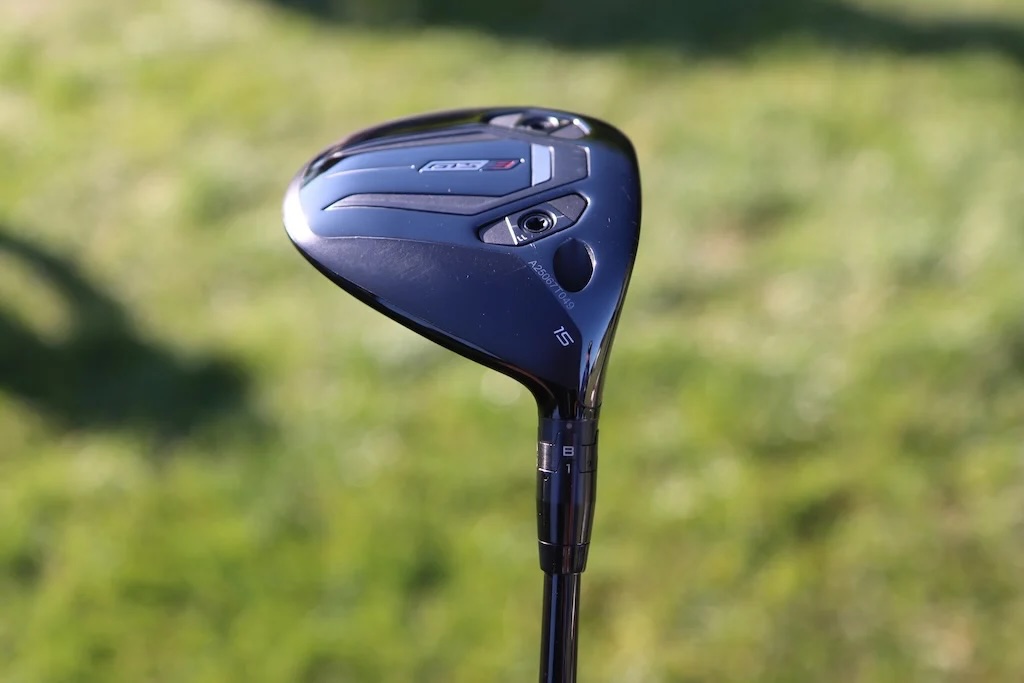
3-wood: Titleist GTS3 (15 degrees, B1 SureFit setting)
Shaft: Mitsubishi Chemical Tensei 1K Pro Red 70 TX
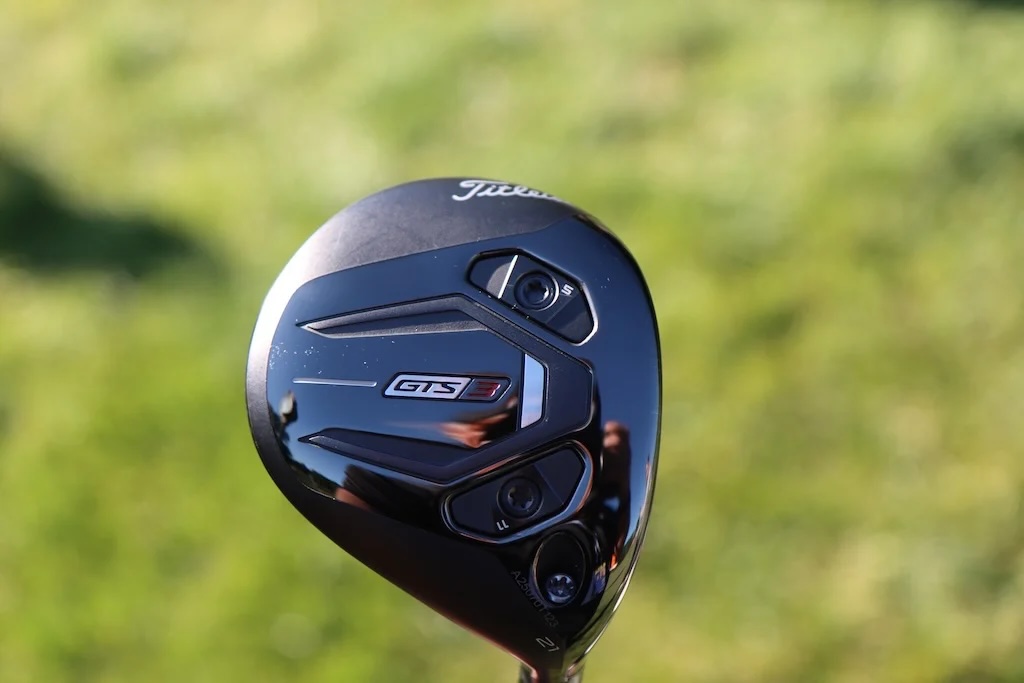
7-wood: Titleist GTS3 (21 degrees, D1 SureFit setting)
Shaft: Mitsubishi Chemical Tensei 1K Pro Red 80 TX
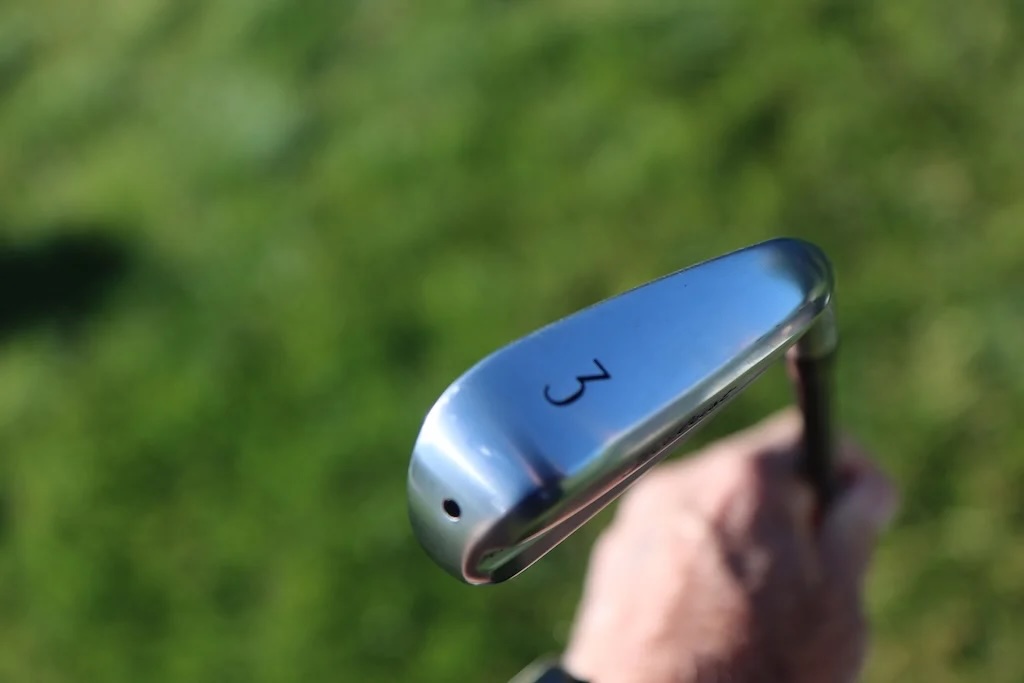
Irons: Titleist U505 (3), Titleist 620 MB (4-9)
Shafts: Fujikura Ventus Black HB 8 X, True Temper Dynamic Gold Tour Issue
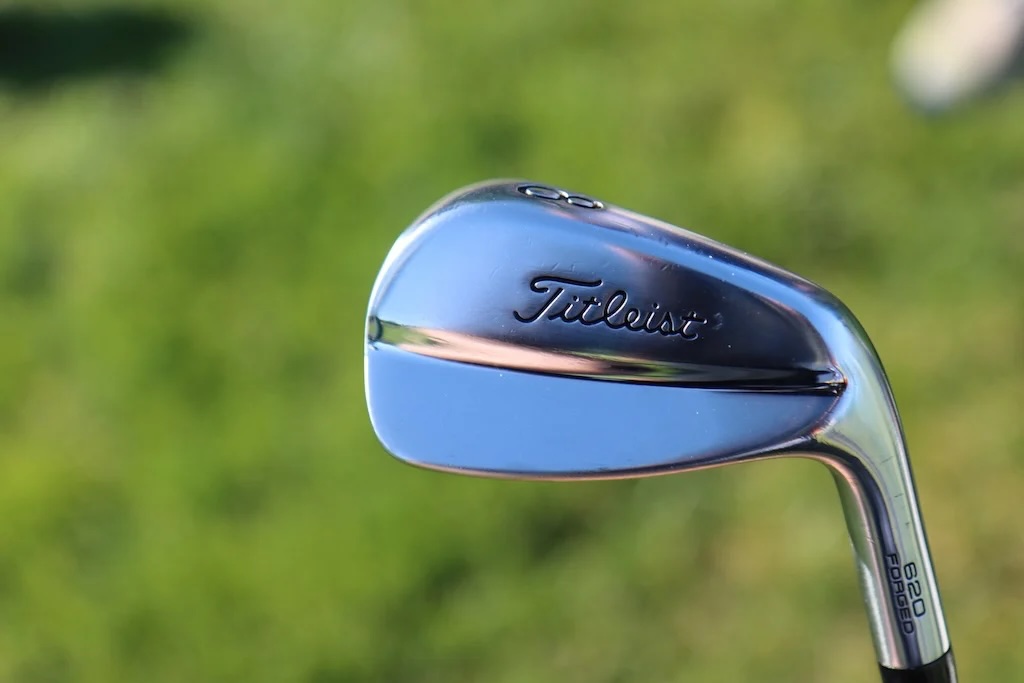
Wedges: Titleist Vokey Design SM11 (48-10F, 52-12F, 56-14F), WedgeWorks (60-K*)
Shafts: True Temper Dynamic Gold Tour Issue S400
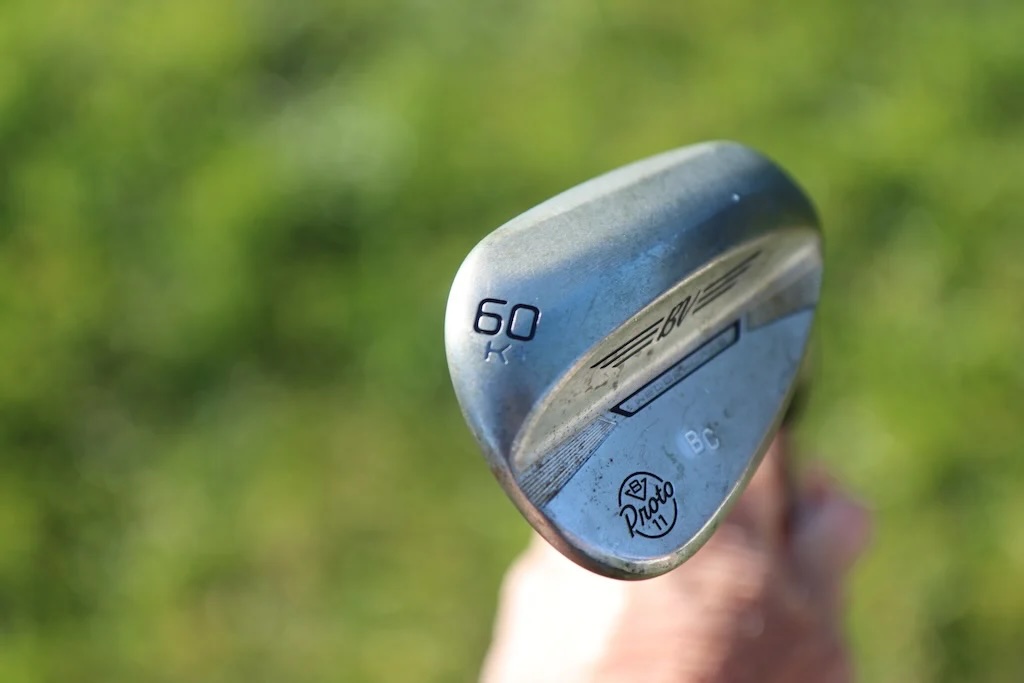
Putters: Scotty Cameron Tour Prototype, Scotty Cameron GOLO 6.3 Prototype
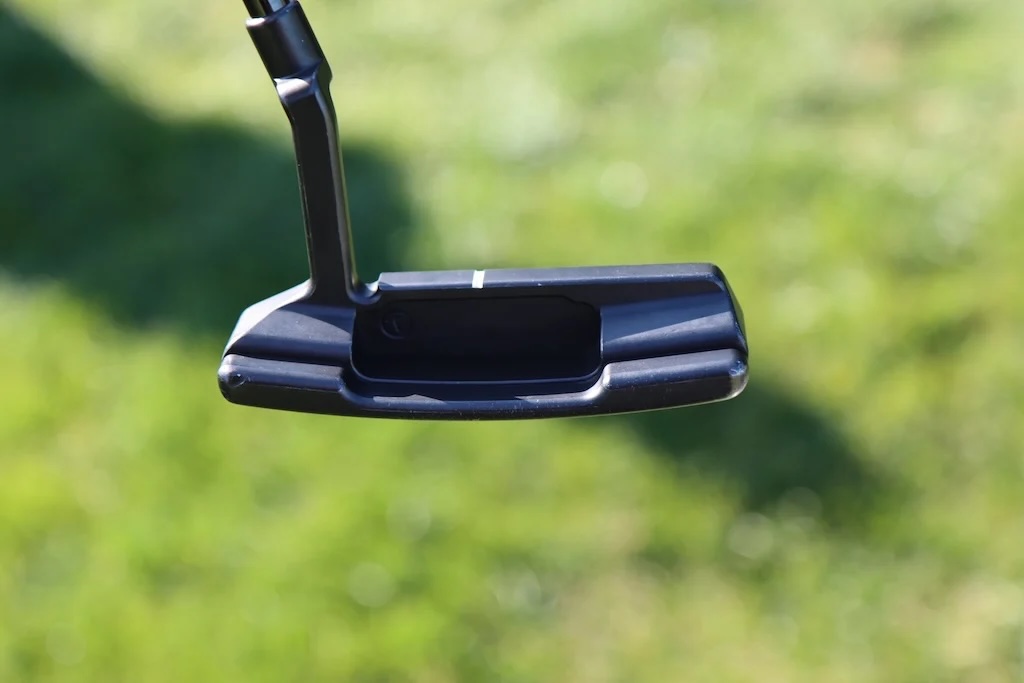
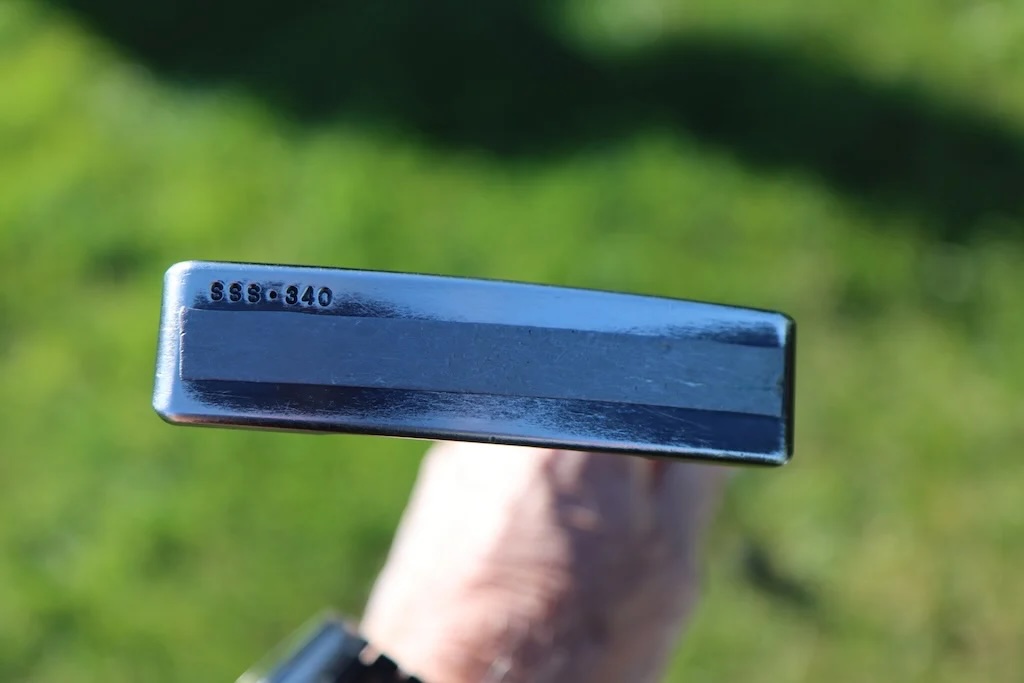
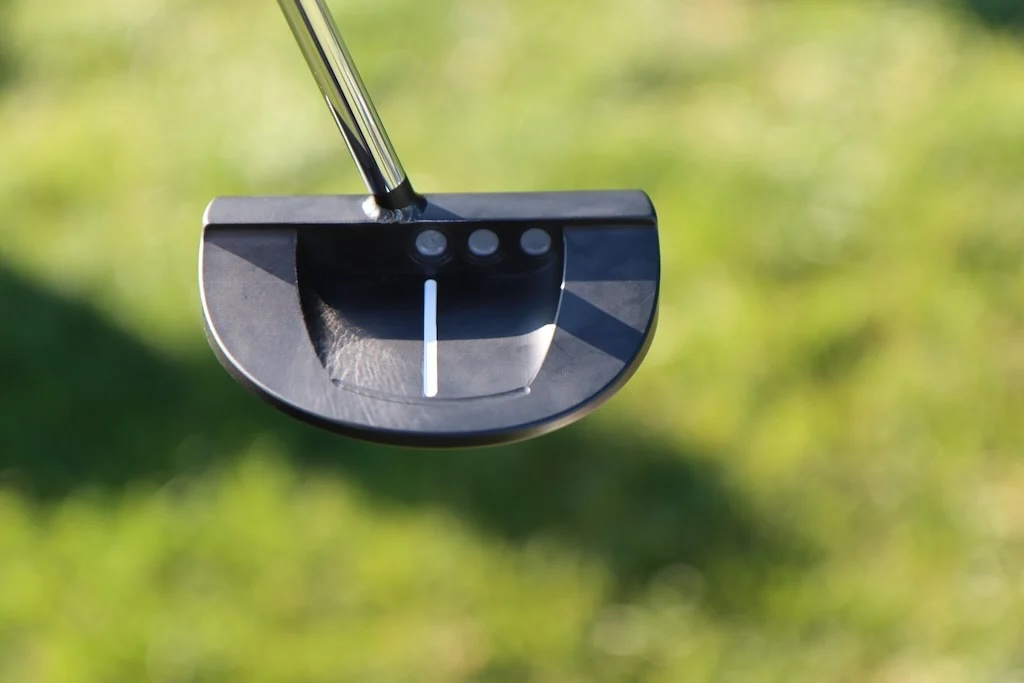
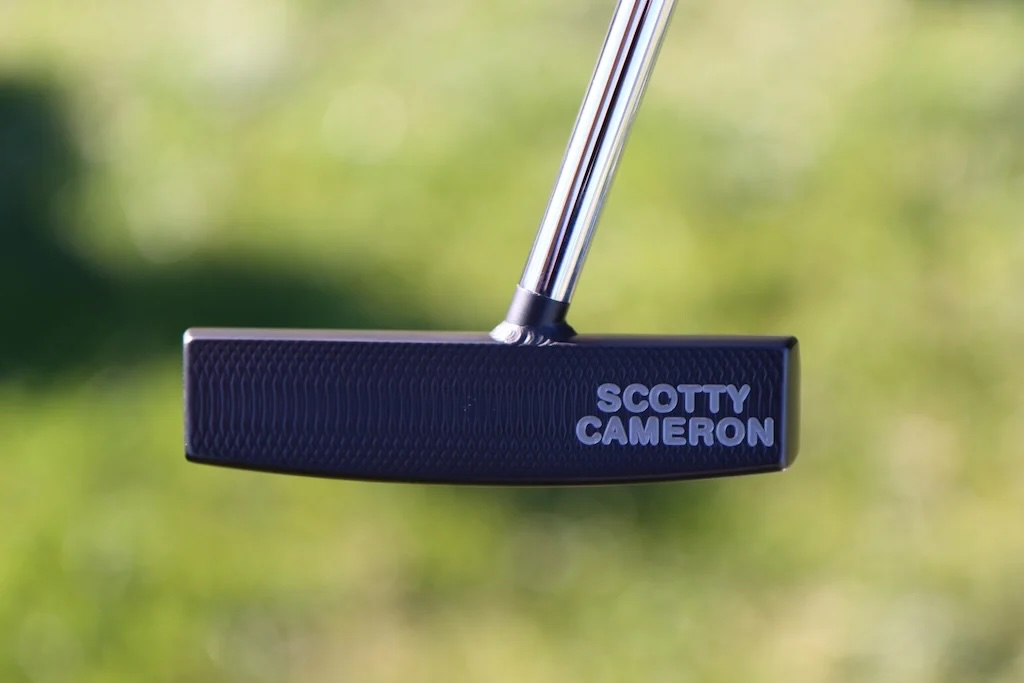
Grips: Golf Pride Tour Velvet Align
Ball: Titleist Pro V1
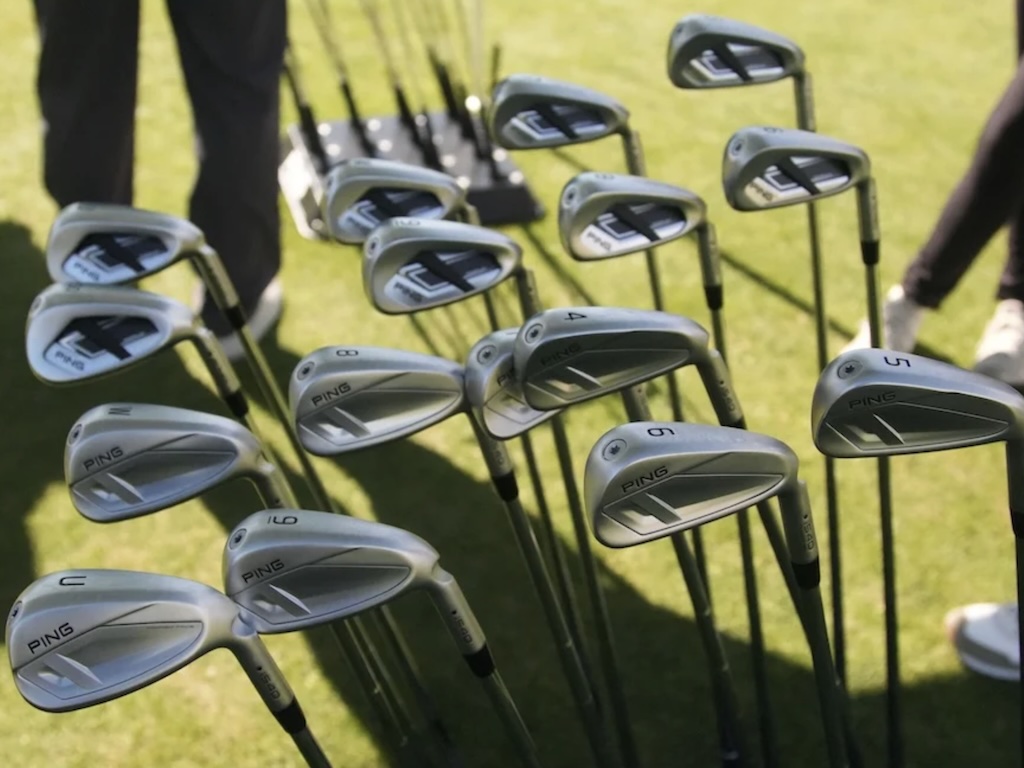
In our forums, one user has offered up a prompt for the true sickos, inviting fellow forum members to share every set of irons they’ve ever owned. As to be expected, this is a lengthy forum topic.
@Lamosteve began:
Can you name every set of irons you’ve owned? Here’s mine
Spalding Dots
Spalding Eclipse
Ram Lazer FX
Lynx Parallax
Mizuno EZ Comp
Ben Hogans
Cleveland CG Red
Taylor Made R9s
PING i20
PING iE1
Taylor Made M6
Our members in the forum have been offering up their own collections. Here are a few posts from the thread, but make sure to check out the entire discussion and have your say at the link below.
- macedan: “Started with a hand-me-down Golden Bear set from my brother when I was in high school, never really played more than once a year or got into the game until about summer of 2017. First purchased a set of Cleveland CG4’s (I actually really miss this set sometimes, soft & not terribly large for a GI iron), moved into Nike Vapor Fly’s by the end of the year. Those lasted until spring of 18 when I decided I wanted new, so I traded them in for TM Rbladez. Honestly, although I liked the Rbladez, poor decision on my part, I think this was really about the only time so far that after a week or two I was kicking myself for not staying with what I had. Rbladez stayed with me until late last summer when I switched to P790’s and (knock on wood) I am hoping this will be my longest lasting set.”
- JimmyC59: “MacGregor Jack Nicklaus Triple Crown. Palmer The Standard. Still play these.”
- jgrzask: “Tommy Armour 845u
Mizuno MP-32
Mizuno MP-33 (2 sets)
Bridgestone J33cb – still own
Srixon i-302 (2 sets) – still own
Tourstage X-Blades – still own
Mizuno Hot Metal – still own
Nike Forged Blades – still own
Titleist 714 AP1 – still own
Cobra Forged SS – still own”

Justin Rose WITB 2026 (April): Full WITB breakdown with new McLaren irons

What’s the story behind Webb Simpson’s custom-stamped irons?

Memorial Tournament Tour Report: Rory McIlroy, Cameron Young switch up drivers, and more

Cadillac Championship Tour Report: Spieth’s sizable changes, McLaren Golf launches, and more

Russell Henley’s winning WITB: 2026 Charles Schwab Challenge

Kristoffer Reitan’s winning WITB: 2026 Truist Championship

Aaron Rai’s winning WITB: 2026 PGA Championship

J.T. Poston’s winning WITB: 2026 Memorial Tournament

Cameron Young’s winning WITB: 2026 Cadillac Championship

Best irons 2026: Best irons overall, most forgiving irons, and more


Bud Cauley WITB 2026 (June)
Bud Cauley had >14 clubs in his bag when photographed prior to the Memorial Tournament. Driver: Titleist GTS2 (8 degrees) Shaft: Fujikura...


Hannah Green WITB 2026 (June)
Driver: Titleist GTS3 (10 degrees, D4 SureFit setting) Shaft: Mitsubishi Chemical Diamana RB 53 S 3-wood: Titleist GT3 (15 degrees,...


Asterisk Talley WITB 2026 (June)
Driver: TaylorMade Qi4D (9 degrees) Shaft: Fujikura Ventus Blue 6 S 3-wood: TaylorMade Qi4D (16.5 degrees) Shaft: Fujikura Ventus Blue...

Brianna Do WITB 2026 (June)
Driver: Callaway Quantum Triple Diamond (9 degrees) Shaft: KBS PGW 3-wood: Callaway Elyte Titanium (15 degrees) Shaft: KBS PGW 5-wood:...
-
 Equipment6 days ago
Memorial Tournament Tour Report: Rory McIlroy, Cameron Young switch up drivers, and more
-
 News1 week ago
Russell Henley’s winning WITB: 2026 Charles Schwab Challenge
-
 Whats in the Bag3 days ago
J.T. Poston’s winning WITB: 2026 Memorial Tournament
-
 Equipment3 days ago
Best irons 2026: Best irons overall, most forgiving irons, and more
-
 Equipment1 week ago
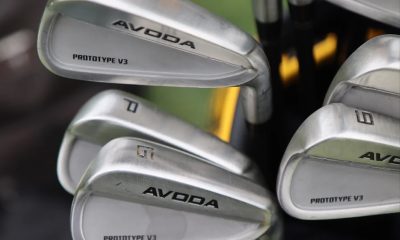
Details on Jason Day’s latest prototype Avoda iron setup
-
 Equipment3 weeks ago
CJ Cup Byron Nelson Tour Report: Koepka and Kim’s newest putters finally get hot
-

 News2 weeks ago
Charles Schwab Challenge Tour Report: MacIntyre, Åberg and Spaun all switch putters, TaylorMade launches new Spider
-
 Equipment2 weeks ago
Details on J.J. Spaun’s surprise putter switch

