
Equipment
The Wedge Guy: Some putting research I’ve been doing

As many of you might know, I started my golf industry career in the advertising and marketing world, and my first golf client was the Ray Cook putter company, which in the 1980s was still a very relevant brand, with a long history of PGA Tour use and over 150 wins, including all the majors. But it didn’t take me long to be drawn to the back end of the business, where putters were created and crafted.
Being the kid that was loaded with curiosity, I began to dive into the “whys and wherefores” of putter function. I read nearly every book I could find on putting and was blessed to be able to spend time with many teaching pros, PGA Tour pros, and mental coaches.
In the decade before I became focused on wedges, I became somewhat of a “junkie” into the cause-and-effect of the trilogy of putter design, agronomy practices, and technique evolution. And I created over 100 different putter designs for several companies during that decade.
To me, the modern history of putter design is kind of a chicken-and-egg thing. It’s apparent to me that the design of putters and changes in putting technique have evolved together. And that this “dance” has been driven by advancements in agronomy practices that have made greens ever faster and smoother.
A hundred years ago, when greens were probably not any better than the typical tee box today, putting was done with a lightweight club with considerable loft and a very wristy “pop” or “hit” of the ball. Bobby Jones and his peers were masters.
As greens got quicker into the 1960s and 70s, a more arms-and-shoulders stroke began to replace the “pop”, and putters like the Ping Anser, Zebra, and Ray Cook mallets began to replace the staid old blades like the Bullseye and 8802. Putters also began to get much heavier. This continued evolution of agronomy has pushed even typical green speeds into the 10+ range on the Stimpmeter, and the intertwined dance of putter design and putting technique has continued to evolve. The modern oversized mallet putters are many ounces heavier than their forerunners, and grips have gotten larger to take the small muscles out of the stroke action.
And whereas unconventional methods were rare 20 years ago, the “claw,” “armlock,” and “left-hand-low” are now seemingly the norm on the PGA and LPGA Tours. It is all driven by faster and faster green speeds. With that bit of my own historical perspective, let’s go to that research I’ve been conducting on my own the past few months.
One of my goals for 2021-22 is to shoot my age, which means I need that magical day of 2-3 under par to pull that off. To give that a chance to happen, I realized have to get more consistent on the greens – good shotmaking alone doesn’t put those scores on the card. So, I purchased a practice putting mat for the living room and made a commitment to not just practice my putting, but to return to my penchant for learning.
I’ve been studying what I have been learning along the way.
My personal favorite putter is a “modernized” take on the Bullseye that I designed for the Ben Hogan Company in the early 1990s. It has a then-patented approach to weighting that makes it face-balanced and pretty darn forgiving for the type of putter it is. And it is that forgiving thing that is the subject of what I want to share with you today.
As I hit dozens of putts several times every day, I have been exploring the effect of off-center impacts and different stroke paths. I’ll offer this disclaimer and tell you that this is pure visual observation, as I am not recording any of these putts with high-speed cameras or radar. And that I am watching putts of 5-10 feet on an indoor mat that probably runs about 9 on the Stimpmeter.
But what I’m observing goes against almost all of what we are told about putter “forgiveness.”
First, realize that the ball is in contact with the putter face for mere milliseconds on almost all but the longest putts. On a deliberate off-center hit – even ½ to ¾ of an inch toward the toe or heel – I am consistently seeing the ball leave the face on an exact right angle to the clubface angle at impact. And yes, while the face does recoil a bit from an off-center impact, the ball is obviously already gone so it is not affected measurably by that recoil. In other words, I’m seeing putts intentionally hit on the toe go straight at the hole, as do putts hit intentionally the same measure toward the heel. I have hit hundreds of putts with these kinds of misses and see the same result every time.
My toe hits go straight, and my heel hits go straight.
I then began to watch the ball’s path when I altered the stroke path from extreme inside-out to extreme outside-in. I have been making a deliberate effort to keep the face square to the intended line, though the stroke is crossing that line from inside-to-out or outside-to-in. Again I am observing how the ball leaves the face of the putter, regardless of whether the putter is coming across the line from the outside or inside. And every single time, I see the ball leave at right angles to the face, rather than reacting at all to the direction of the putter head path.
My point of sharing all this is to encourage you to relax your focus on hitting putts perfect and get more focused on the hole . . . or rather your intended starting line. As long as the putter face is square to that line at impact, the ball will go pretty much where you are looking, regardless of whether your impact is perfect or your stroke flawless.
I expect this to generate interesting responses, and I look forward to seeing all of you chime in.









This week, we have our Tour Photographer, Greg Moore, on the ground at the OccuNet Classic at Tascosa Golf Club in Amarillo, Texas, for the 14th event of the 2026 Korn Ferry Tour season. With that, we see some great things in the Lead Tape Report as we roll into Amarillo.
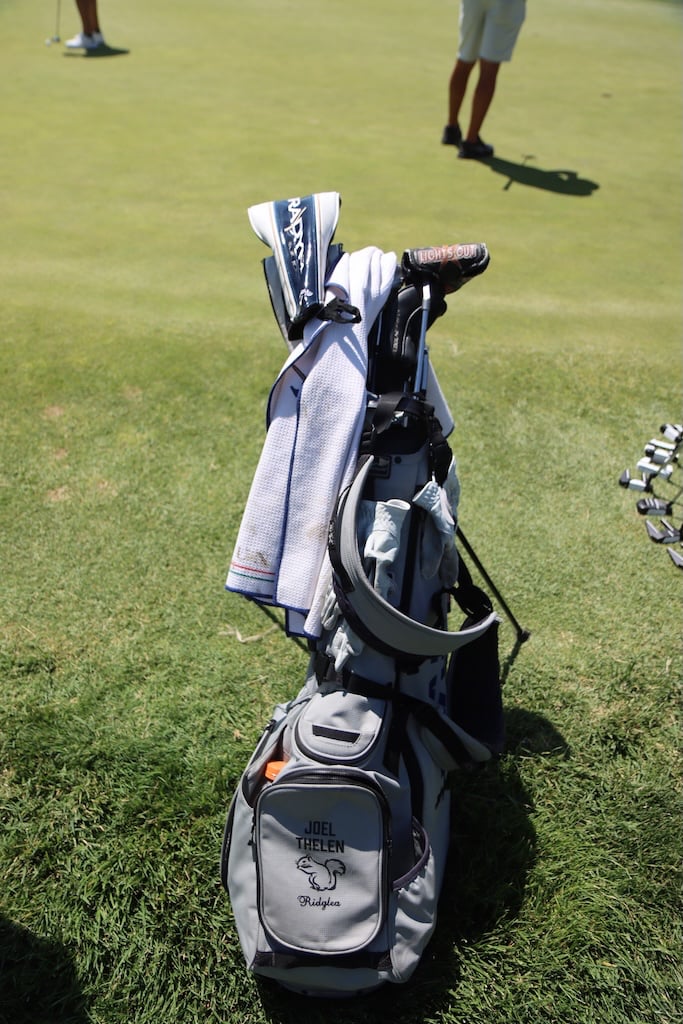
Joel Thelen
Monday Qualifier, Joel Thelen is in the field this week. He has played on the Korn Ferry Tour for a full season in 2023, and he is back in action this week. A couple of clubs caught my eye this week in his bag.
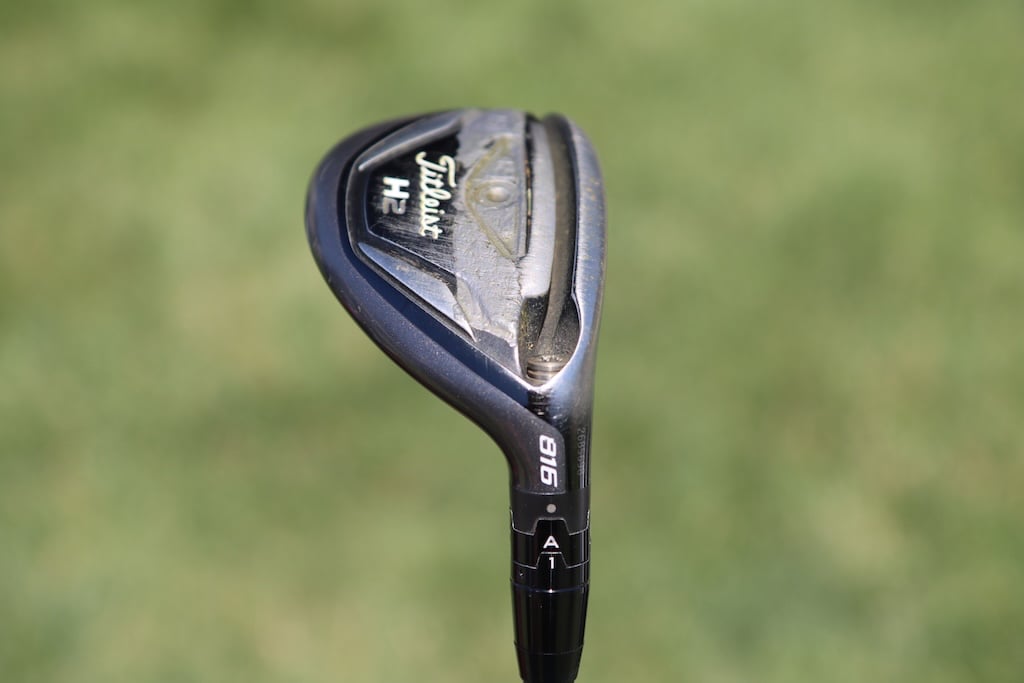
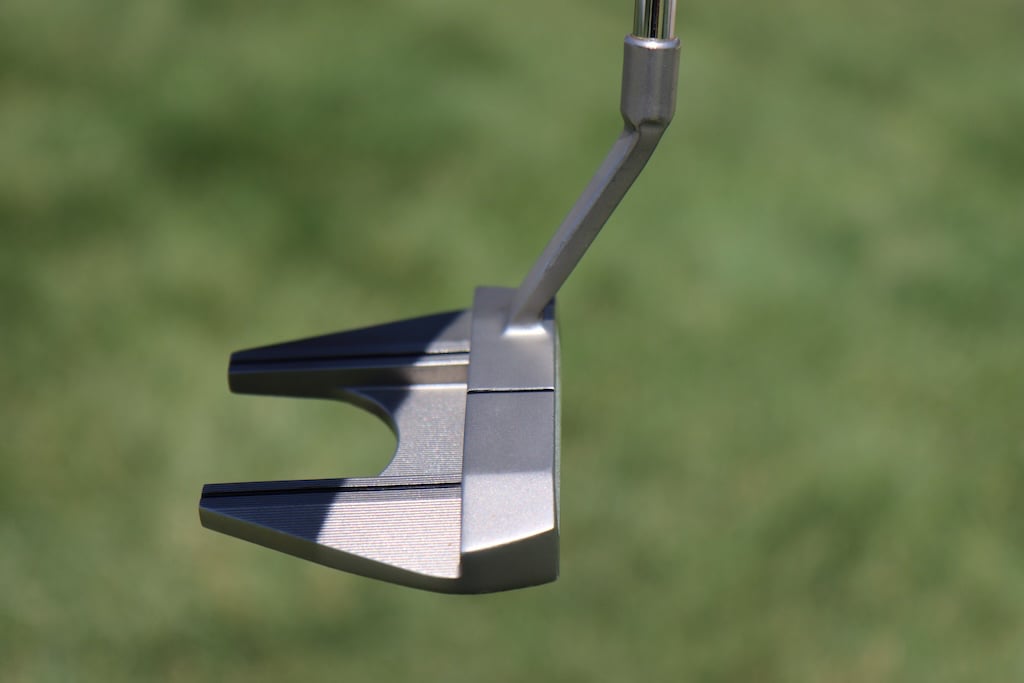
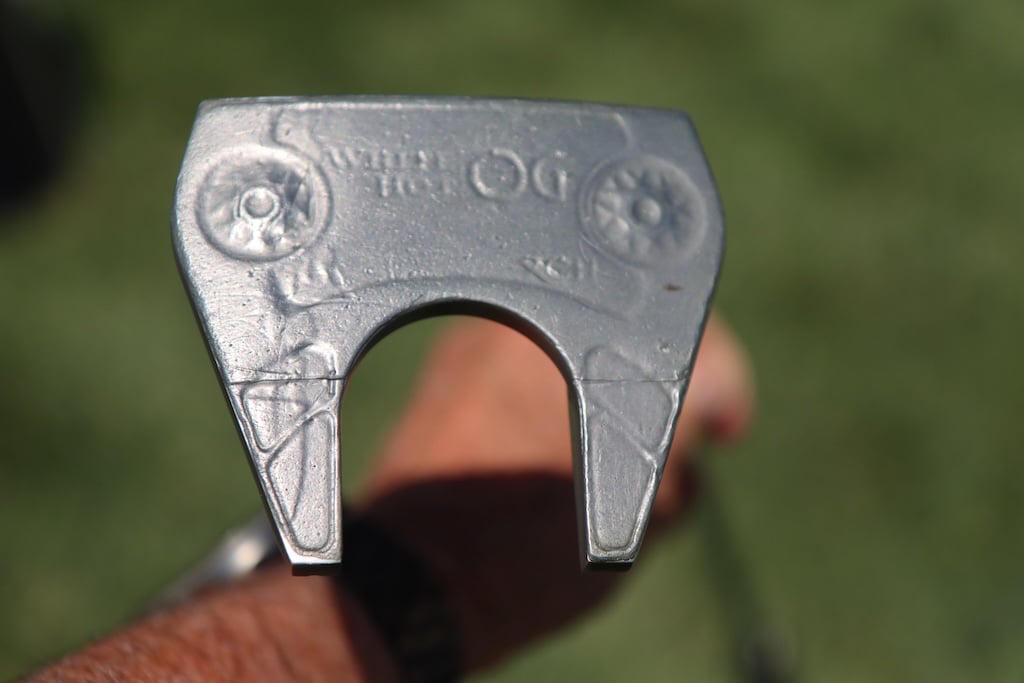
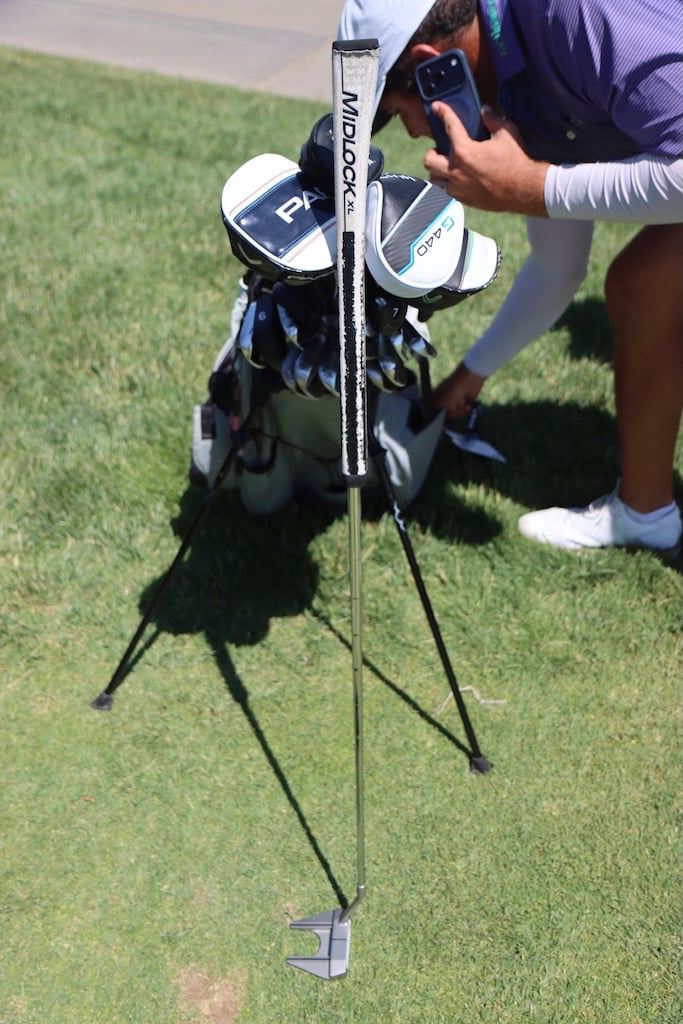
First off: His trusted Titleist 816 H2 hybrid. This club came out in October of 2015, and it still remains strong in the bag. Also, take a look at this Odyssey White Hot OG 7, putting a capital S in the 7S model. This custom neck has some impressive lean for an arm-lock-style putter. The bottom of the putter is covered in tape for optimal weighting.
Mitchell Meissner
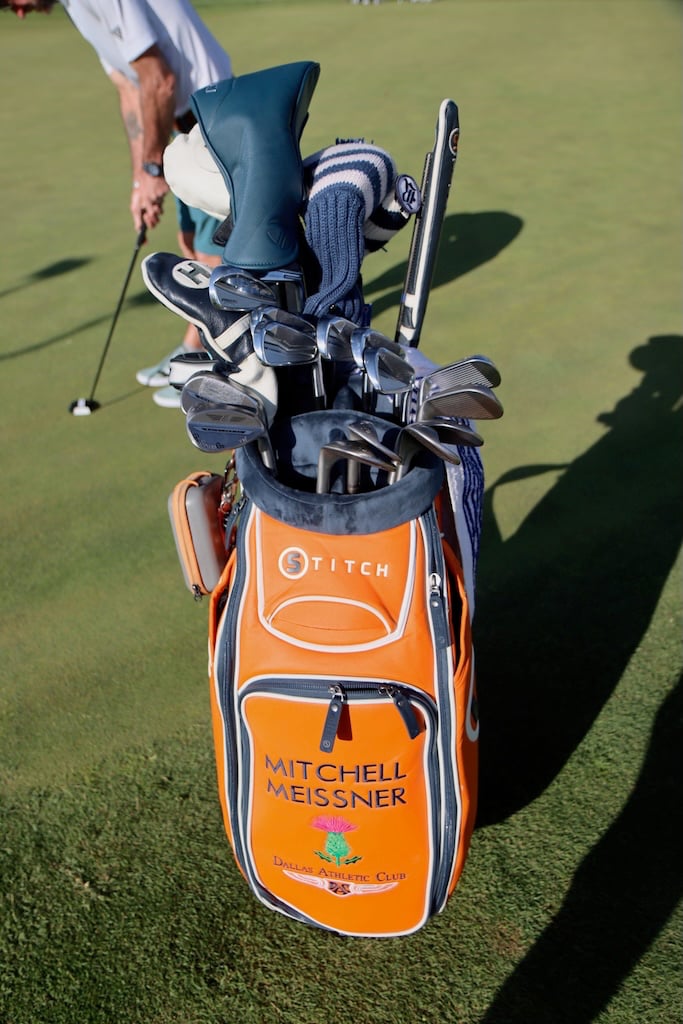
Taking a look at Mitchell Meissner’s bag this week, we have some great lead tape coverage. Top to bottom working from fairway metals, irons, and wedges. We can see on the short irons and wedges that there is tape at the base of the grip, adding a little counterbalance. Along with that, some tape on the short irons and wedges as well. Moving to his putter, he rolls the Odyssey 7 Bird putter. Meissner putts left-handed and strikes the ball right-handed.
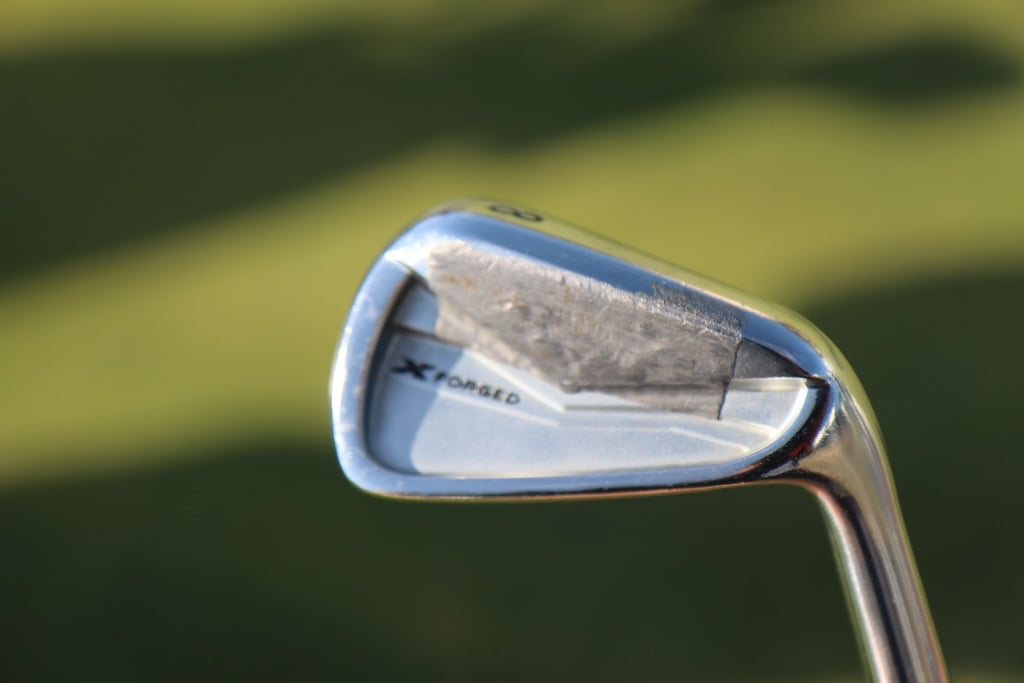

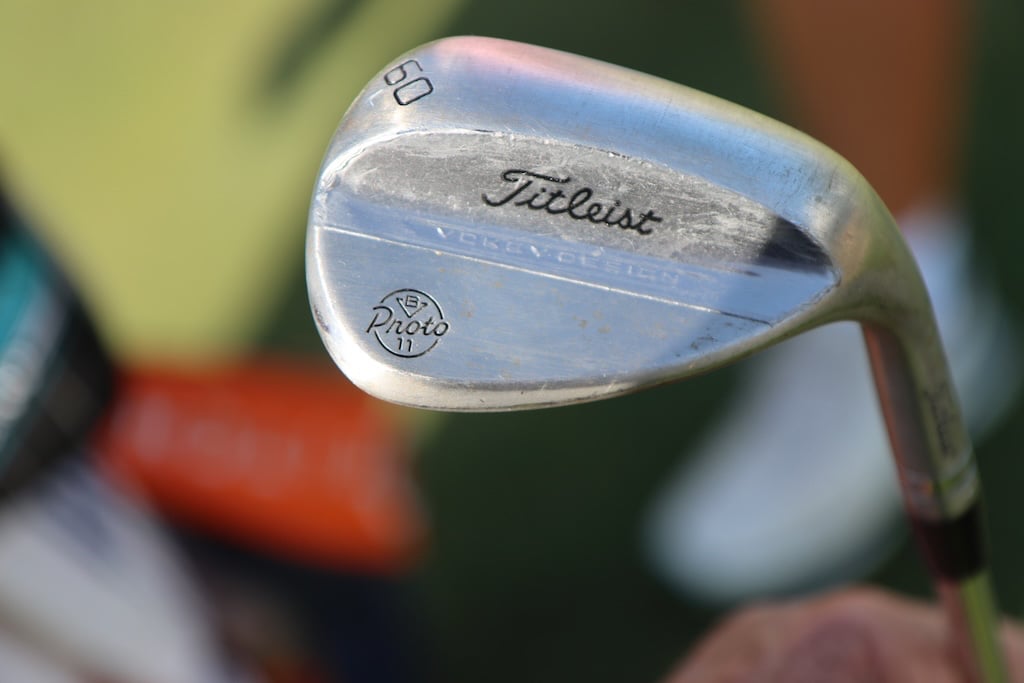

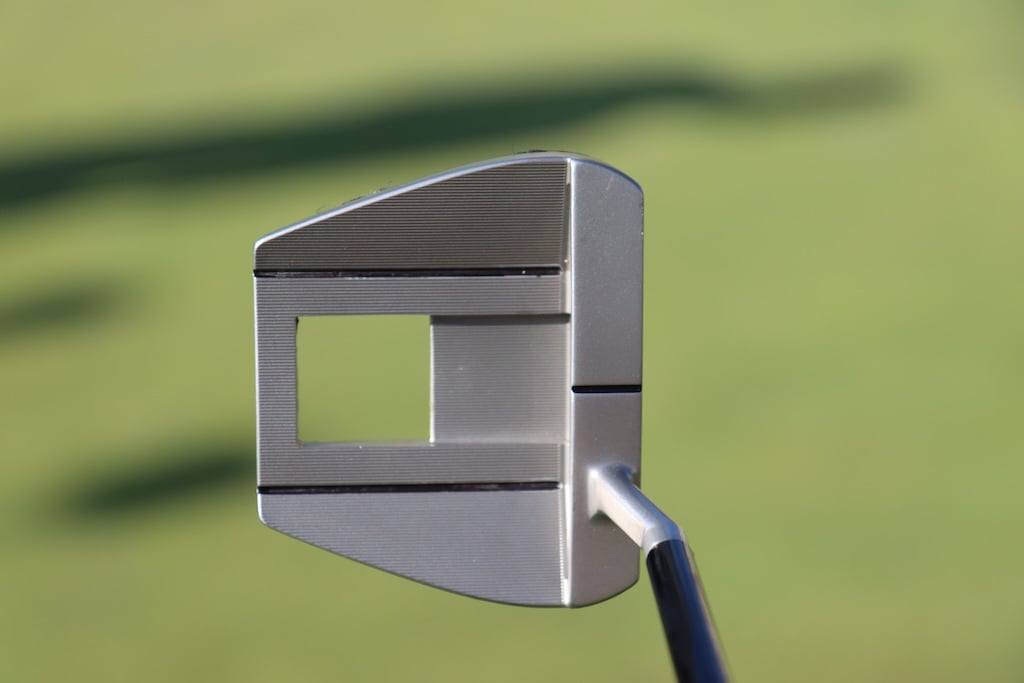


Bud Cauley had >14 clubs in his bag when photographed prior to the Memorial Tournament.
Driver: Titleist GTS2 (8 degrees)
Shaft: Fujikura Ventus Black 6 X
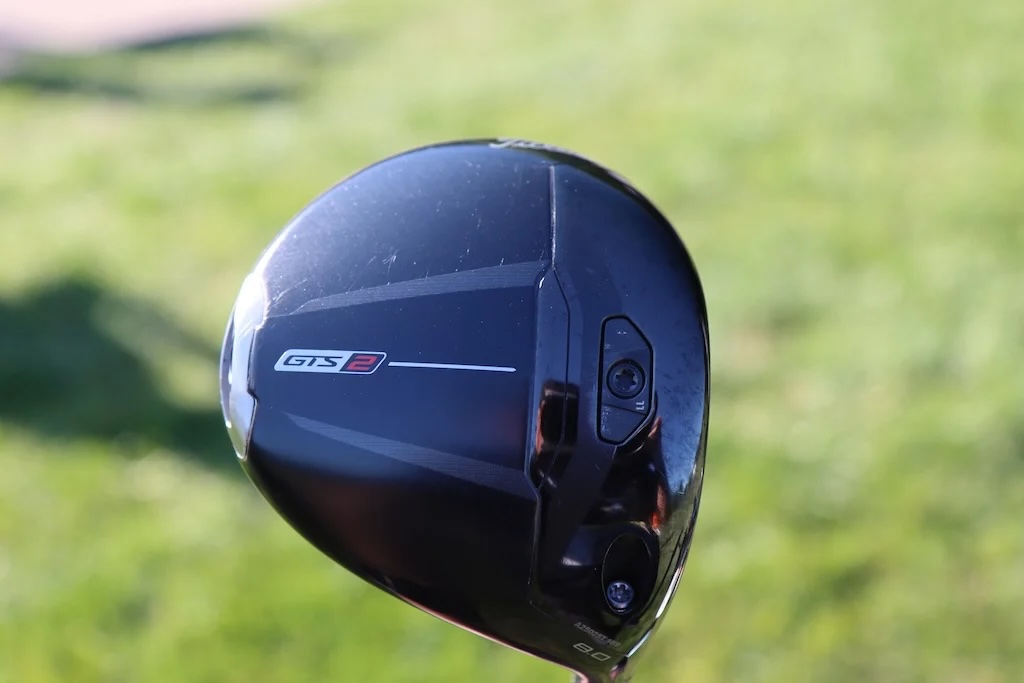
3-wood: Titleist GTS3 (15 degrees, B1 SureFit setting)
Shaft: Mitsubishi Chemical Tensei 1K Pro Red 70 TX
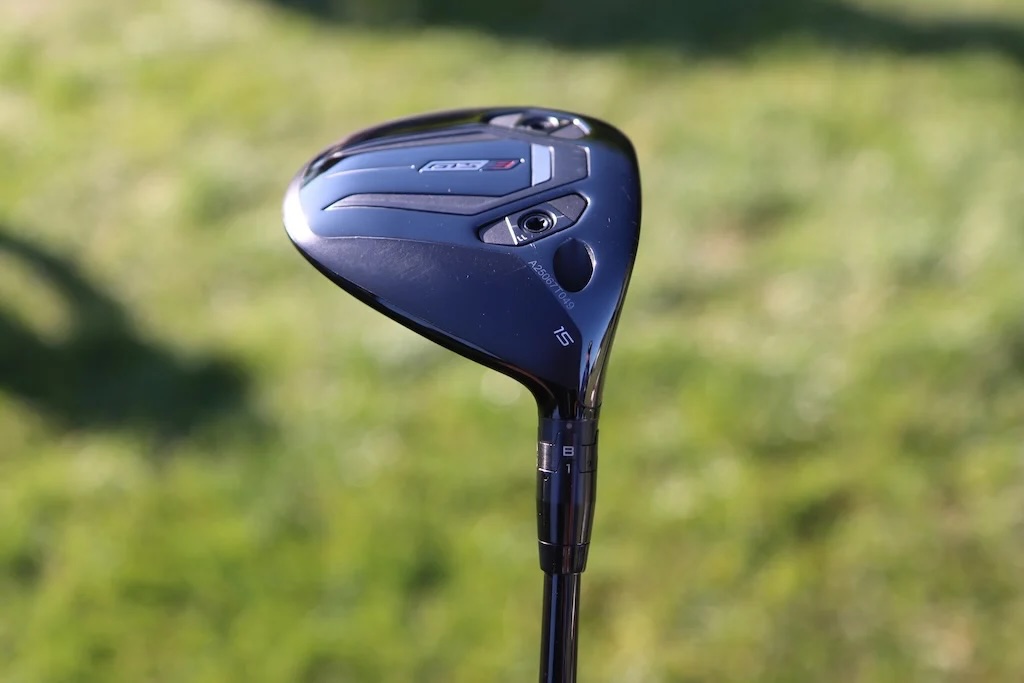
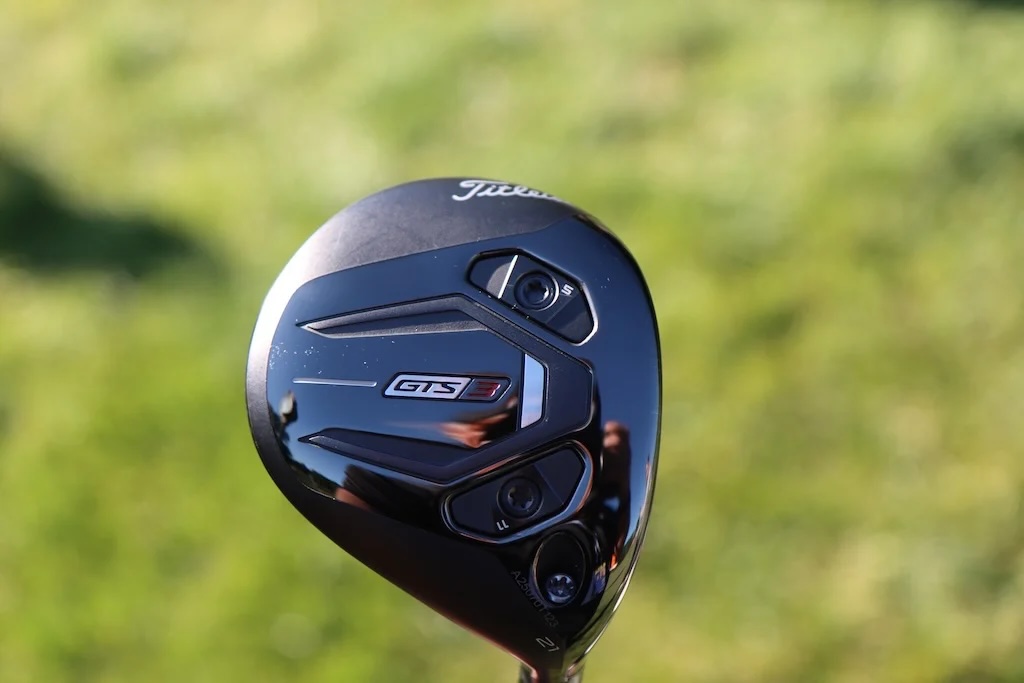
7-wood: Titleist GTS3 (21 degrees, D1 SureFit setting)
Shaft: Mitsubishi Chemical Tensei 1K Pro Red 80 TX
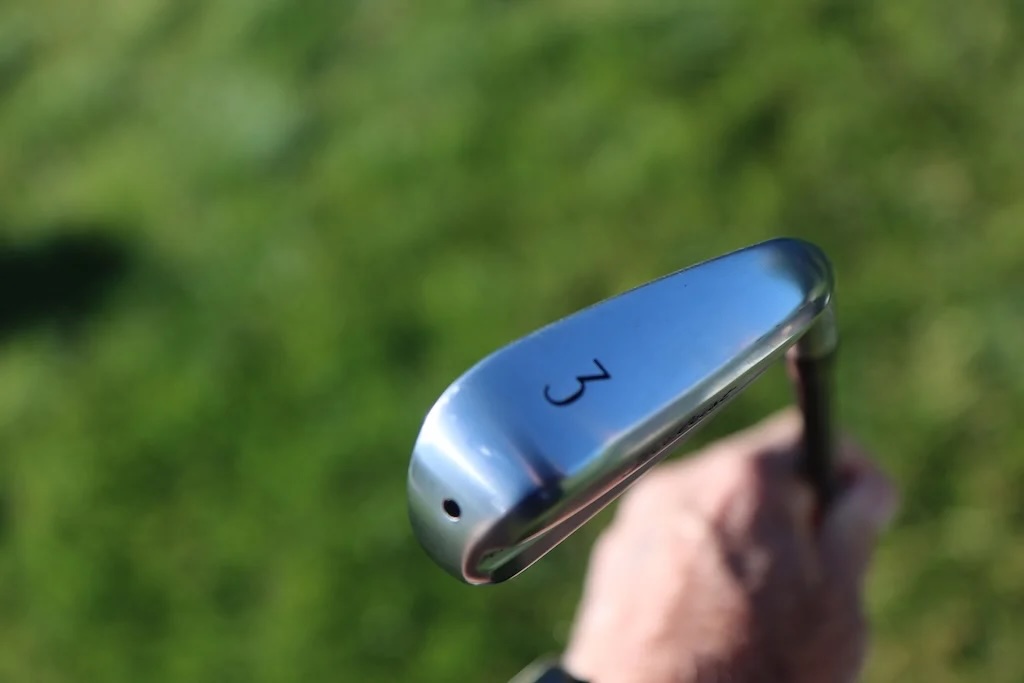
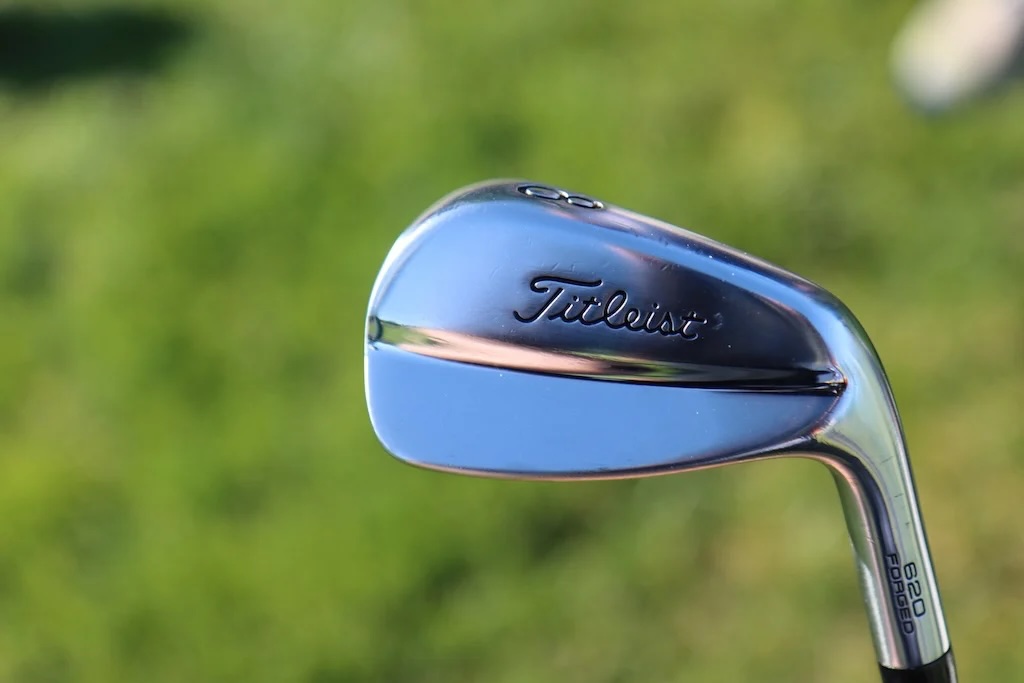
Irons: Titleist U505 (3), Titleist 620 MB (4-9)
Shafts: Fujikura Ventus Black HB 8 X, True Temper Dynamic Gold Tour Issue
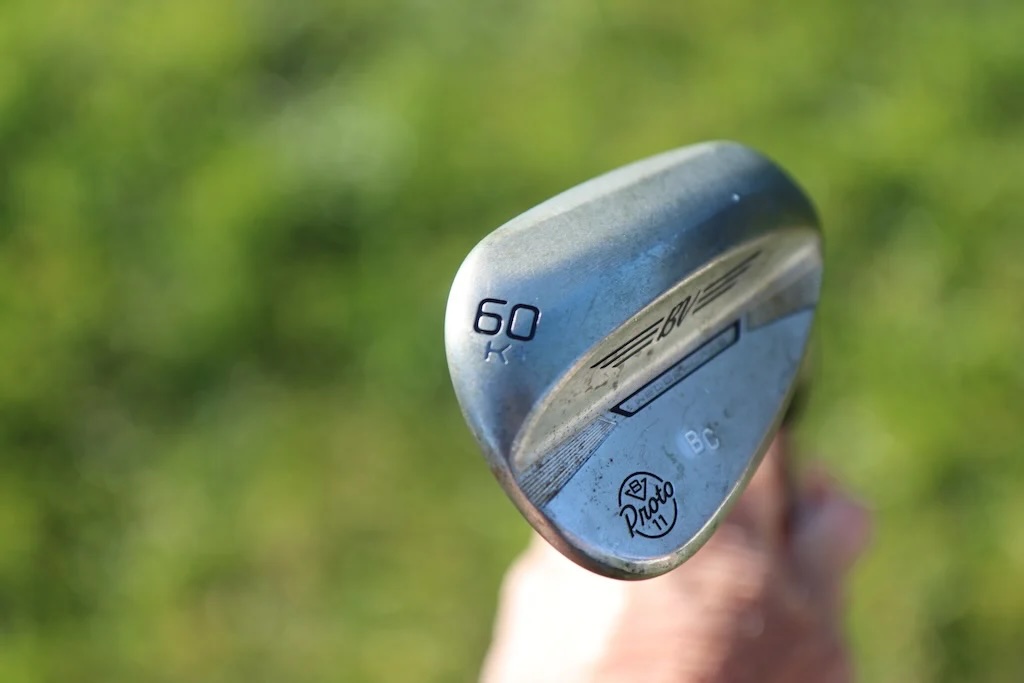
Wedges: Titleist Vokey Design SM11 (48-10F, 52-12F, 56-14F), WedgeWorks (60-K*)
Shafts: True Temper Dynamic Gold Tour Issue S400
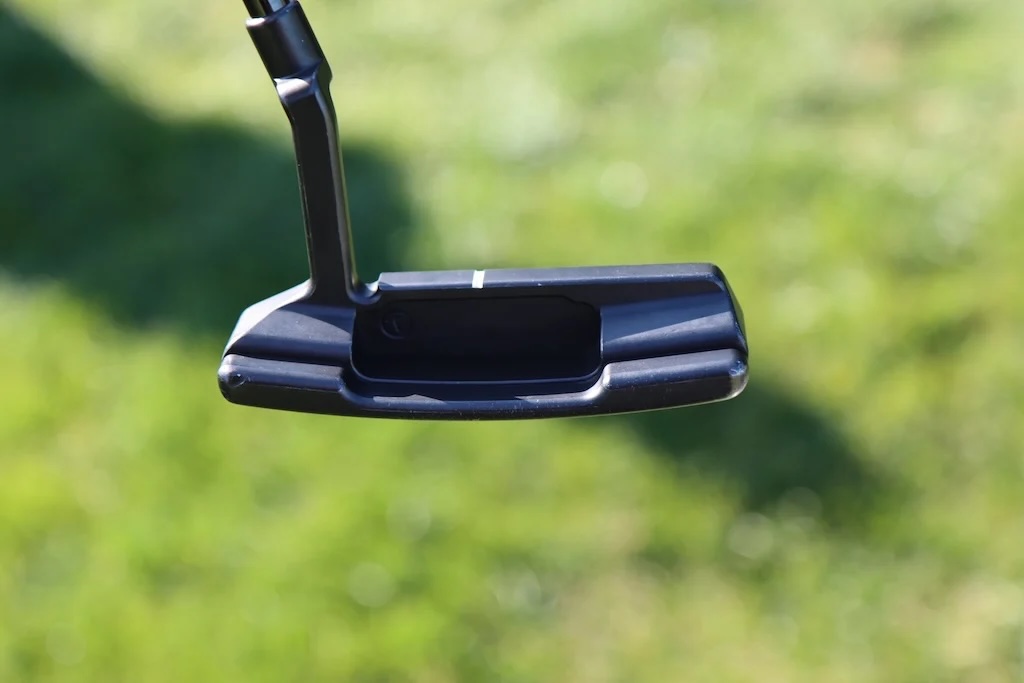
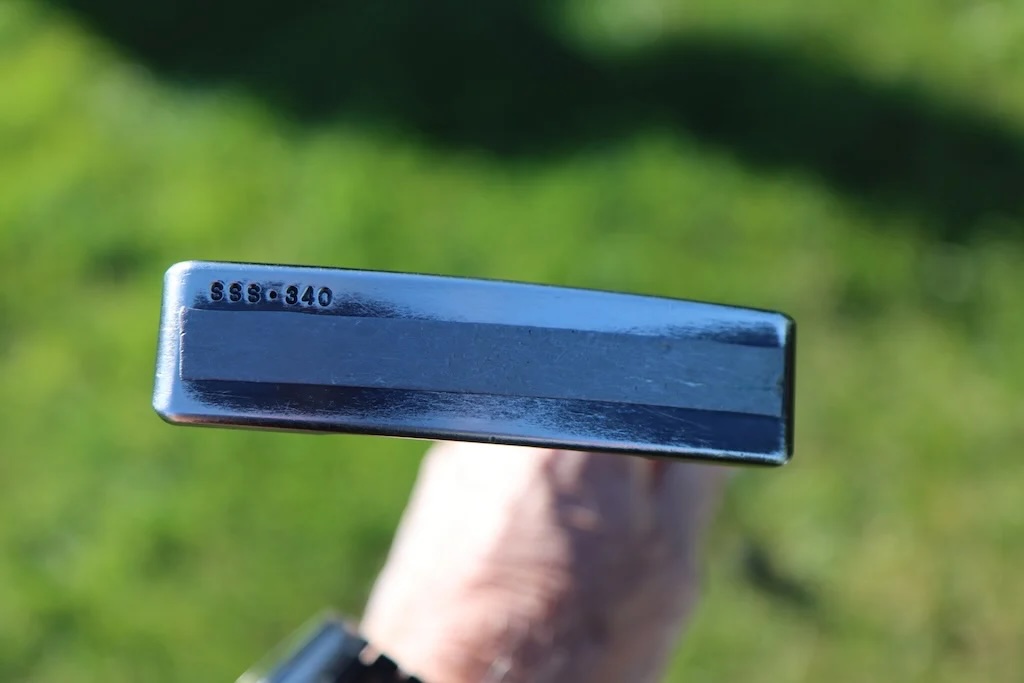
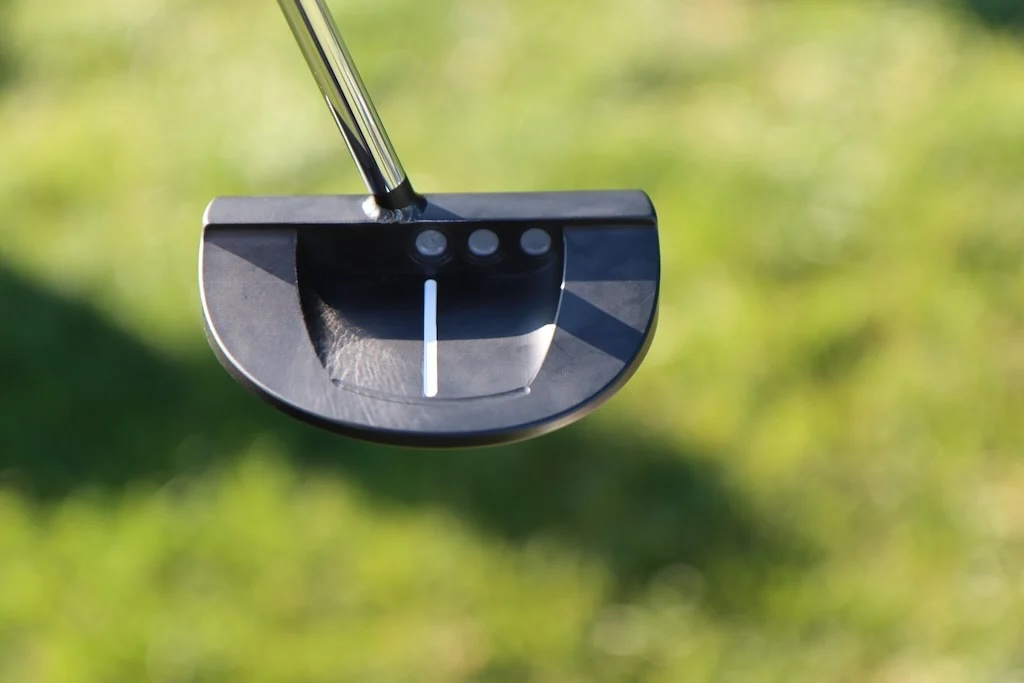
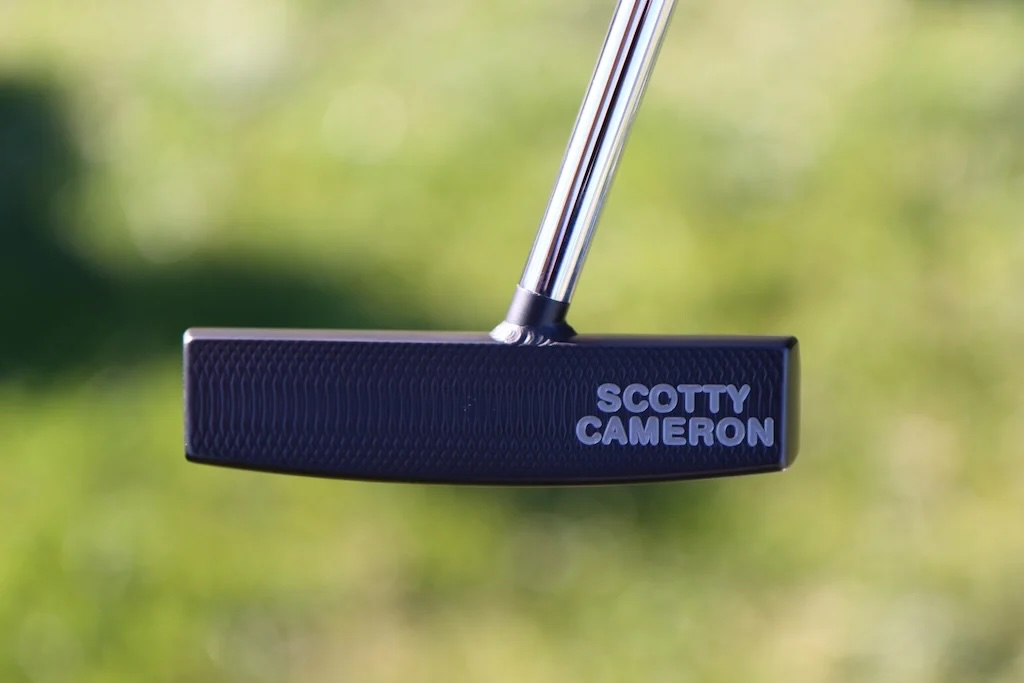
Putters: Scotty Cameron Tour Prototype, Scotty Cameron GOLO 6.3 Prototype
Grips: Golf Pride Tour Velvet Align
Ball: Titleist Pro V1
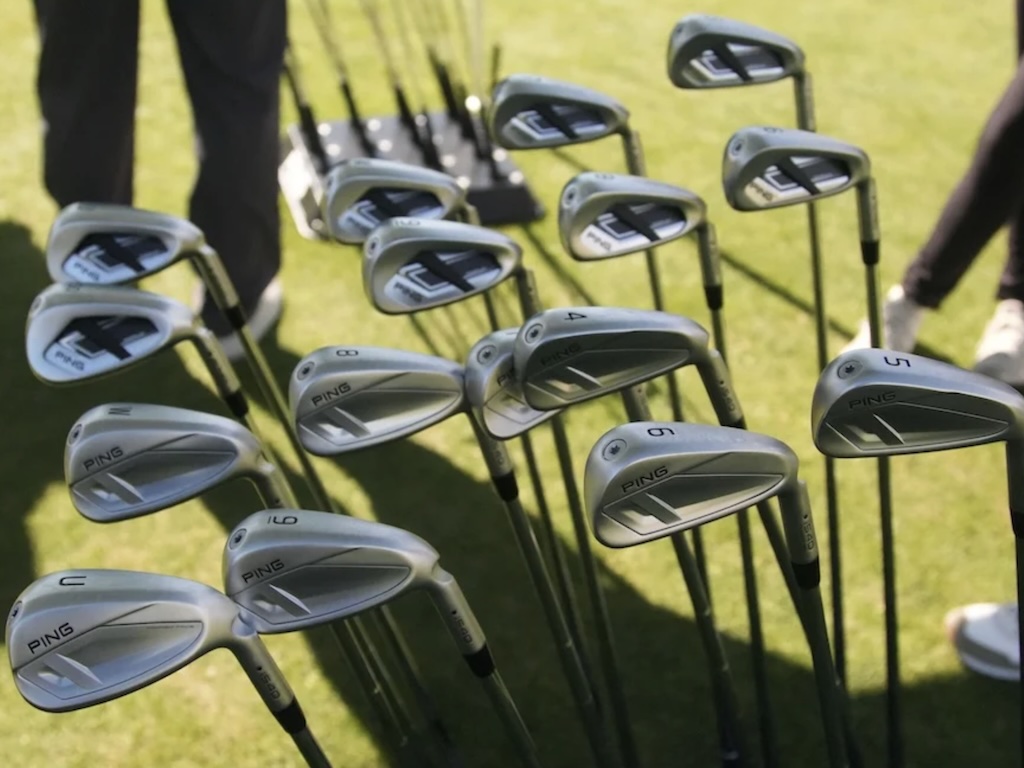
In our forums, one user has offered up a prompt for the true sickos, inviting fellow forum members to share every set of irons they’ve ever owned. As to be expected, this is a lengthy forum topic.
@Lamosteve began:
Can you name every set of irons you’ve owned? Here’s mine
Spalding Dots
Spalding Eclipse
Ram Lazer FX
Lynx Parallax
Mizuno EZ Comp
Ben Hogans
Cleveland CG Red
Taylor Made R9s
PING i20
PING iE1
Taylor Made M6
Our members in the forum have been offering up their own collections. Here are a few posts from the thread, but make sure to check out the entire discussion and have your say at the link below.
- macedan: “Started with a hand-me-down Golden Bear set from my brother when I was in high school, never really played more than once a year or got into the game until about summer of 2017. First purchased a set of Cleveland CG4’s (I actually really miss this set sometimes, soft & not terribly large for a GI iron), moved into Nike Vapor Fly’s by the end of the year. Those lasted until spring of 18 when I decided I wanted new, so I traded them in for TM Rbladez. Honestly, although I liked the Rbladez, poor decision on my part, I think this was really about the only time so far that after a week or two I was kicking myself for not staying with what I had. Rbladez stayed with me until late last summer when I switched to P790’s and (knock on wood) I am hoping this will be my longest lasting set.”
- JimmyC59: “MacGregor Jack Nicklaus Triple Crown. Palmer The Standard. Still play these.”
- jgrzask: “Tommy Armour 845u
Mizuno MP-32
Mizuno MP-33 (2 sets)
Bridgestone J33cb – still own
Srixon i-302 (2 sets) – still own
Tourstage X-Blades – still own
Mizuno Hot Metal – still own
Nike Forged Blades – still own
Titleist 714 AP1 – still own
Cobra Forged SS – still own”

Justin Rose WITB 2026 (April): Full WITB breakdown with new McLaren irons

What’s the story behind Webb Simpson’s custom-stamped irons?

Memorial Tournament Tour Report: Rory McIlroy, Cameron Young switch up drivers, and more

Cadillac Championship Tour Report: Spieth’s sizable changes, McLaren Golf launches, and more

Russell Henley’s winning WITB: 2026 Charles Schwab Challenge

Kristoffer Reitan’s winning WITB: 2026 Truist Championship

J.T. Poston’s winning WITB: 2026 Memorial Tournament

Aaron Rai’s winning WITB: 2026 PGA Championship

Best irons 2026: Best irons overall, most forgiving irons, and more

Cameron Young’s winning WITB: 2026 Cadillac Championship


Bud Cauley WITB 2026 (June)
Bud Cauley had >14 clubs in his bag when photographed prior to the Memorial Tournament. Driver: Titleist GTS2 (8 degrees) Shaft: Fujikura...


Hannah Green WITB 2026 (June)
Driver: Titleist GTS3 (10 degrees, D4 SureFit setting) Shaft: Mitsubishi Chemical Diamana RB 53 S 3-wood: Titleist GT3 (15 degrees,...


Asterisk Talley WITB 2026 (June)
Driver: TaylorMade Qi4D (9 degrees) Shaft: Fujikura Ventus Blue 6 S 3-wood: TaylorMade Qi4D (16.5 degrees) Shaft: Fujikura Ventus Blue...

Brianna Do WITB 2026 (June)
Driver: Callaway Quantum Triple Diamond (9 degrees) Shaft: KBS PGW 3-wood: Callaway Elyte Titanium (15 degrees) Shaft: KBS PGW 5-wood:...
-
 Equipment6 days ago
Memorial Tournament Tour Report: Rory McIlroy, Cameron Young switch up drivers, and more
-
 News1 week ago
Russell Henley’s winning WITB: 2026 Charles Schwab Challenge
-
 Whats in the Bag3 days ago
J.T. Poston’s winning WITB: 2026 Memorial Tournament
-
 Equipment3 days ago
Best irons 2026: Best irons overall, most forgiving irons, and more
-

 Equipment1 week ago
Details on Jason Day’s latest prototype Avoda iron setup
-

 Equipment3 weeks ago
CJ Cup Byron Nelson Tour Report: Koepka and Kim’s newest putters finally get hot
-

 News2 weeks ago
Charles Schwab Challenge Tour Report: MacIntyre, Åberg and Spaun all switch putters, TaylorMade launches new Spider
-

 Equipment2 weeks ago
Details on J.J. Spaun’s surprise putter switch


Born
Jul 10, 2021 at 2:41 pm
Face angle accounts for 82% of a balls starting path on putts. The other 18% is stroke path and point of contact on face. Heel hits start more left and toe hits more right all other factors being equal. No need to do visual research when a quick Google search will do.
Brad
Jul 10, 2021 at 5:13 am
One aspect of the “forgiveness” bit that you might be missing in your analysis is that the toe and heel strikes on a blade atyle putter won’t go nearly as far as with a heel-toe weighted mallet. That is the main way they are more forgiving.
Acemandrake
Jul 9, 2021 at 12:30 pm
I switched from a 2-Ball to a Newport 3 putter.
The Newport encourages a more arcing stroke that feels more intuitive than the “everything square” style of the 2-Ball.
It’s also more fun.
JD Masur
Jul 8, 2021 at 9:11 am
If you’re using a bullseye, you’re 30 years behind everything that’s good. Get either face balanced or slight toe hang (depending on your stroke), use a grip that eliminates wrist action, focus on a point 2 inches in front of the ball and breathe.
Reid Thompson
Jul 7, 2021 at 1:22 pm
For sure. Get fit for something that gets the face back to square.
Paul Runyan
Jul 7, 2021 at 12:47 pm
Brilliant as Usual!, So simple, that it’s complicated!
I get a kick out of someone or Pro changing putters so often and it usually doesn’t help.
Now, the arm lock method is being touted. We have left hand low, the Claw, fat grips, skinny grips, scissors grip, (kidding) and more on the way. Groove putters, Tear putters, variable loft putters, small satellite putters, toe way above parallel, toe down at the 90 degrees, special shafts with graphite for the person that can putt well over 300 yards!
$5000 putting machines, lessons from someone who has never can’t putt.
What’s next!? Testing for putting speed for the right shaft? It will happen.
So, if one (Pro) can hit a driver 340 – 350 and you can’t make a 3 ft putt what’ is the point. The common denominator hasn’t changed. Maybe use the putter that works best for you instead of what you are obliged to use per your contract.
If you can find a putter that fits your eye and basic requirements such as length, loft and type that’s more than half the battle.
But that won’t sell putters…
Gene
Jul 7, 2021 at 12:23 pm
Are you referring to the Ben Hogan Rail Putter?