

Equipment
WRX Insider: An exclusive and very rare look inside the bag of Hideki Matsuyama

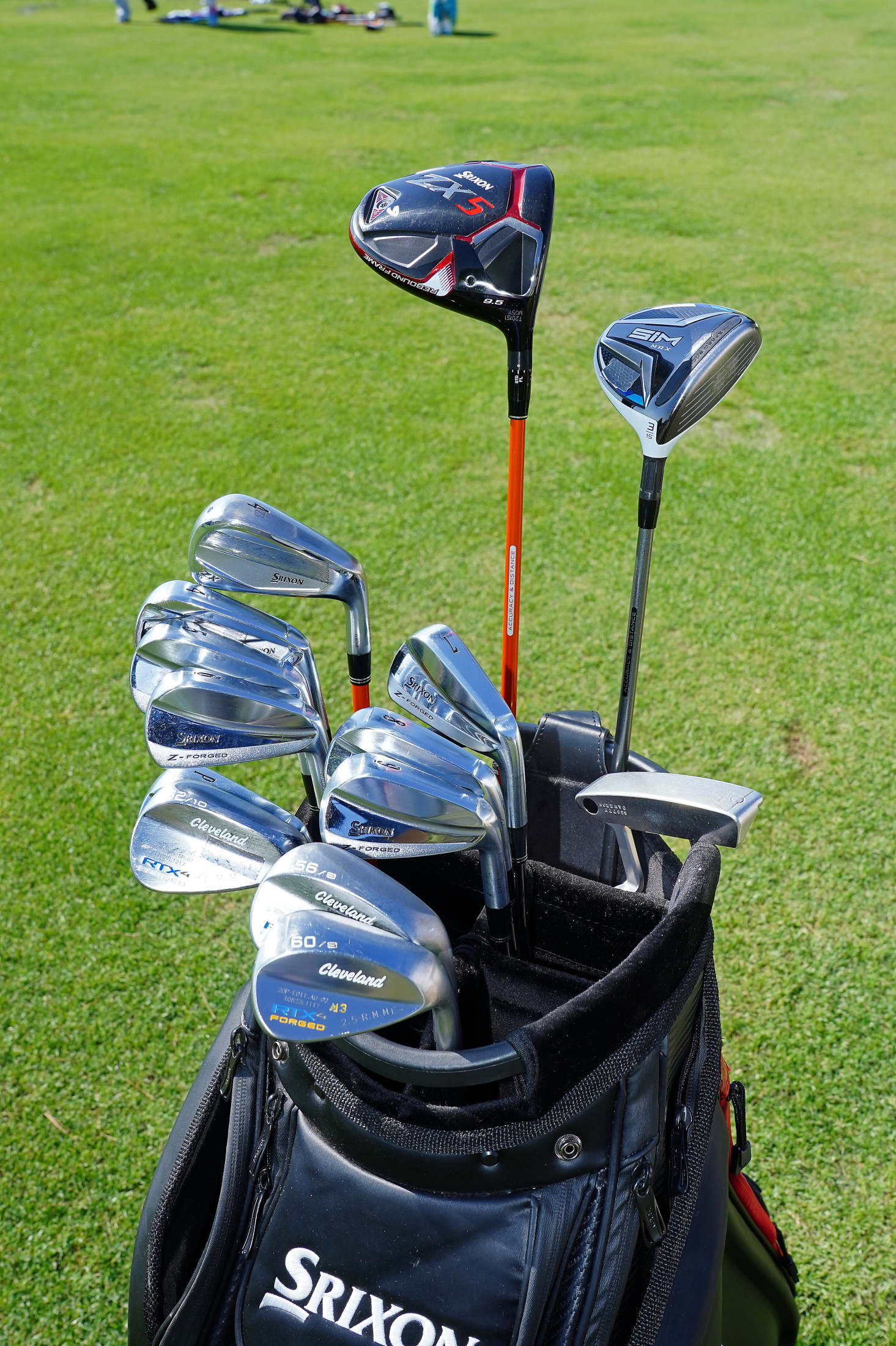
Not many bags on tour carry the mystique and secrecy that Hideki Matsuyama’s does. Yes, we have seen pictures and general WITB info, but the why and the how have been under lock and key. The only other player I can think of that shuns information snoopers as much as Hideki is Brooks Koepka. It’s not necessarily a negative thing, a player’s bag is his own and whether he chooses to share the exact ingredients is his decision.
However, today is a new day, and I was finally given an inside look into the why and how of Hideki’s bag. At a glance, it might look like any bag on tour, but it’s the nuance and the process that pique my interest. I’ve been inside the Cleveland/Srixon headquarters in Huntington Beach, California, and the guy has his own wall. That’s right, some players have a drawer or cupboard—this guy has a wall. It consists of old sets, prototypes, extra sets, and things that could work at some point. Besides Tiger’s cage at Artisan, it’s the most fascinating space I’ve seen dedicated to one player. Bryson’s old stock at Cobra is a close third, but I don’t understand half of the clubs that are in there—it’s golf nerd sightseeing on steroids, Jolt cola, and Pop Rocks.
For the purpose of this deep dive, I was able to ask some very targeted questions to one of the members of Hideki’s team who is tasked with keeping the bag humming at all times.
Thank you to Yoshihiro Iwamoto for the awesome photos!
Hideki Matsuyama WITB: The Set Makeup
Driver
Yoshihiro Iwamoto
Yoshihiro Iwamoto
Yoshihiro Iwamoto
JW: Historically, Hideki has preferred heavier shafts and swing weights. Is that to complement his unique tempo, or is it to satisfy launch conditions more?
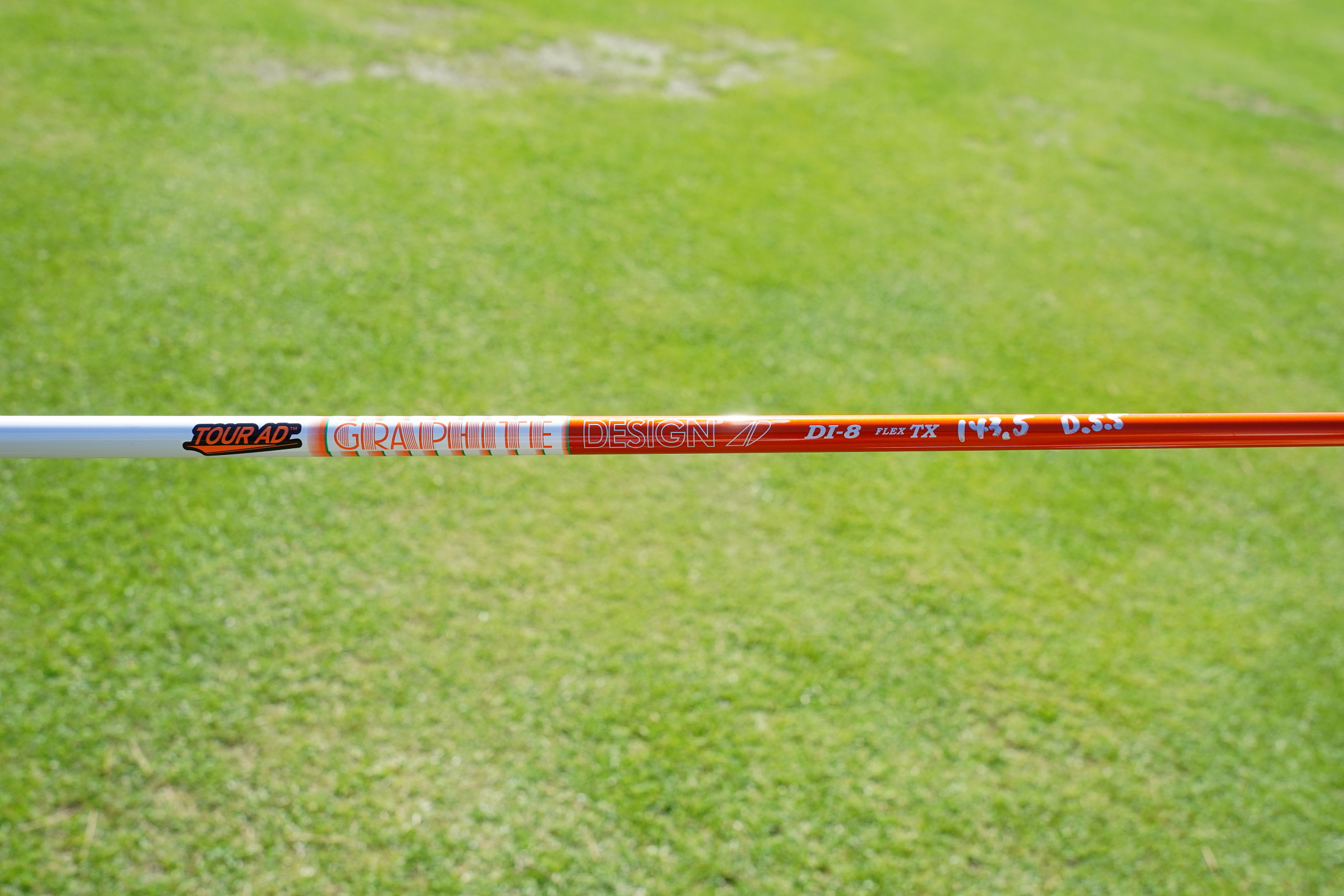
Srixon: Hideki is constantly testing driver shafts, including lightweight options. He has found that heavier shafts allow him to generate more clubhead speed with his swing. Hideki also believes that heavier shafts help create and support his unique tempo.
JW: What launch data numbers are his sweet spot, what does the driver have to do numbers-wise?
Srixon: Hideki is very protective of his launch monitor numbers, and he is constantly tracking them and analyzing them. Based on PGA Tour launch monitor data, he averages mid-to-high 170s ball speed, low to mid-2,000s RPMs backspin, and 100 feet peak height.
JW: Any internal weighting to the driver head?
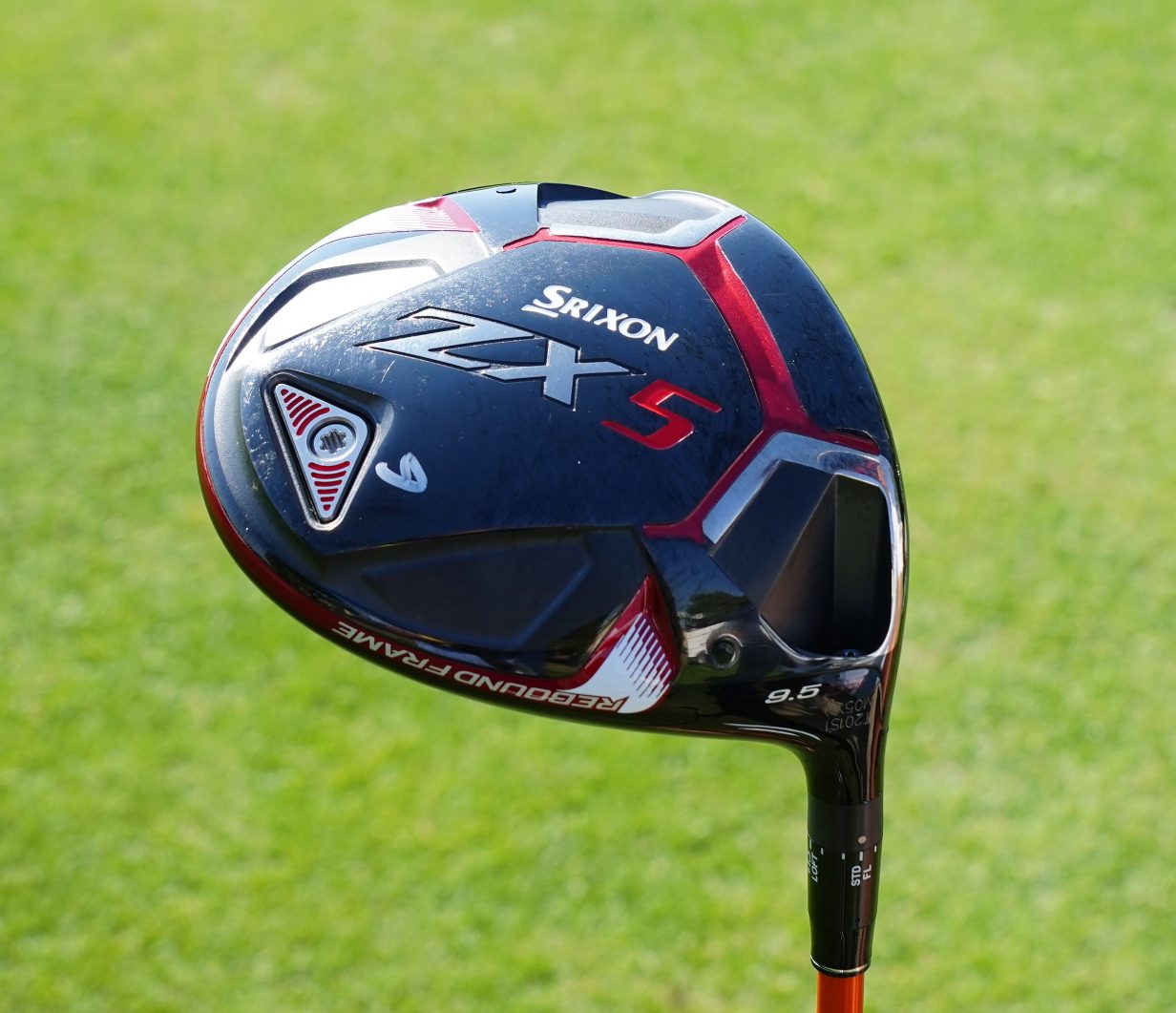
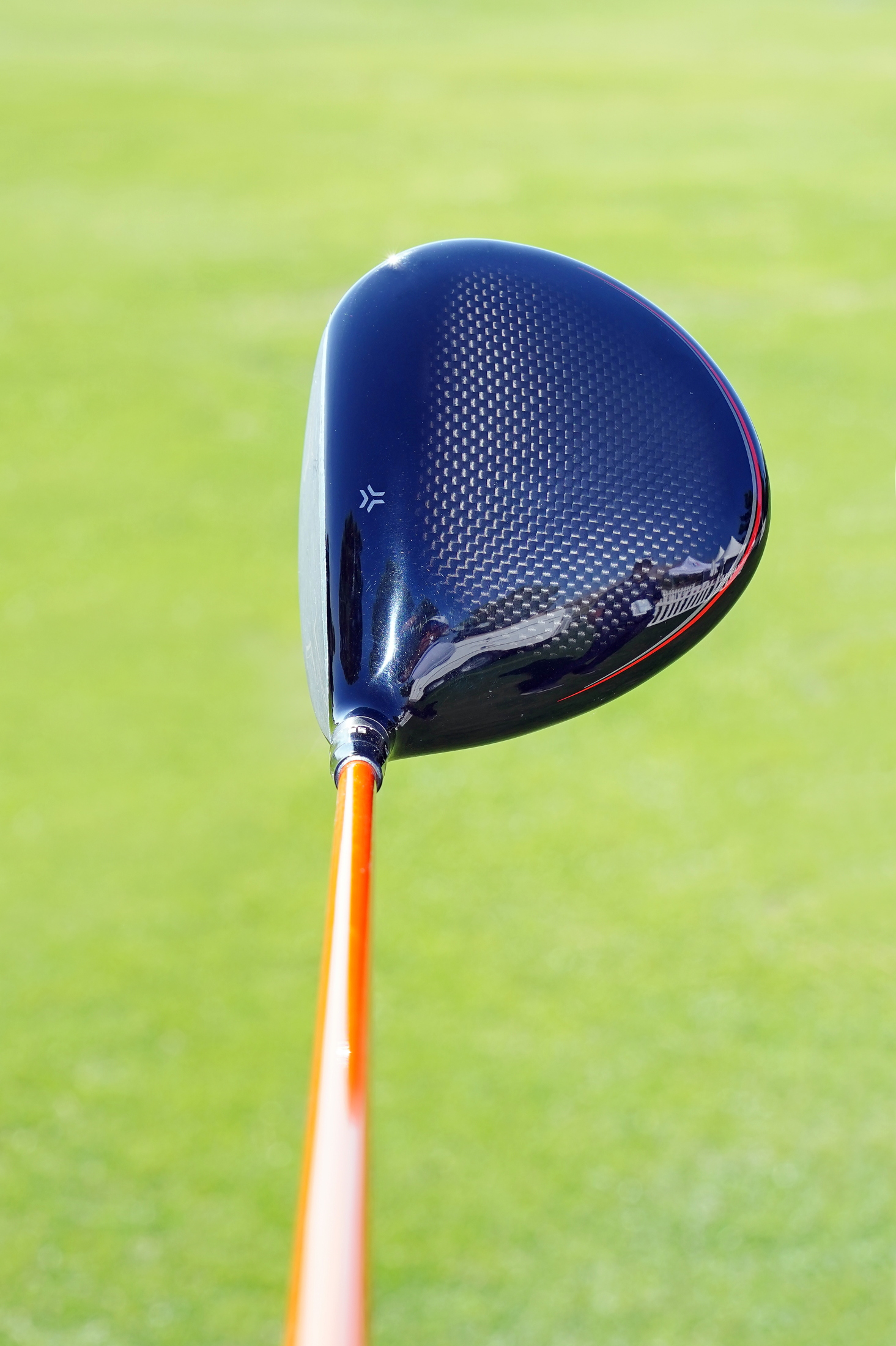
Srixon: Through the fitting process, we did quite a bit of testing and definitely explored different internal weighting options with hot melt. Hideki enjoys the test process and exhausting all options before making a final decision. With the ZX5 driver, we ended up finding a very unique place to put the hot melt, but that is a secret we prefer to keep.
JW: Is there a certain acoustic he prefers?
Srixon: Hideki has a very sensitive sense of hearing. This drives his extremely particular passion for finding the perfect sound and feel. For drivers, he prefers a higher pitch sound over a muted tone, which may also be a reason he prefers the larger game improvement shapes on woods. In addition, Hideki’s sense of sound even trickles down to his ball preference. It is incredible what Hideki can sense when ball testing, specifically in his short game and putting.
JW: What about the ZX5 has he responded the most to?
Srixon: The key factor for him was the ball speed. The ZX5 was a touch hotter for him compared to the ZX7 and it beat his previous gamer. In addition to the ball speed, he really likes the new shape of the ZX5 from the address view. This is a critical step in the introduction process. If Hideki has any issues with the address shape, he will not test the product. We included a lot of his feedback into the ZX driver shaping and masking. He prefers a very straight topline with a nice contrast between the crown and face.
JW: In testing, how did the 7 perform for him, and what were the deciding factors getting into the 5?
Irons
Yoshihiro Iwamoto
Yoshihiro Iwamoto
Yoshihiro Iwamoto
Yoshihiro Iwamoto
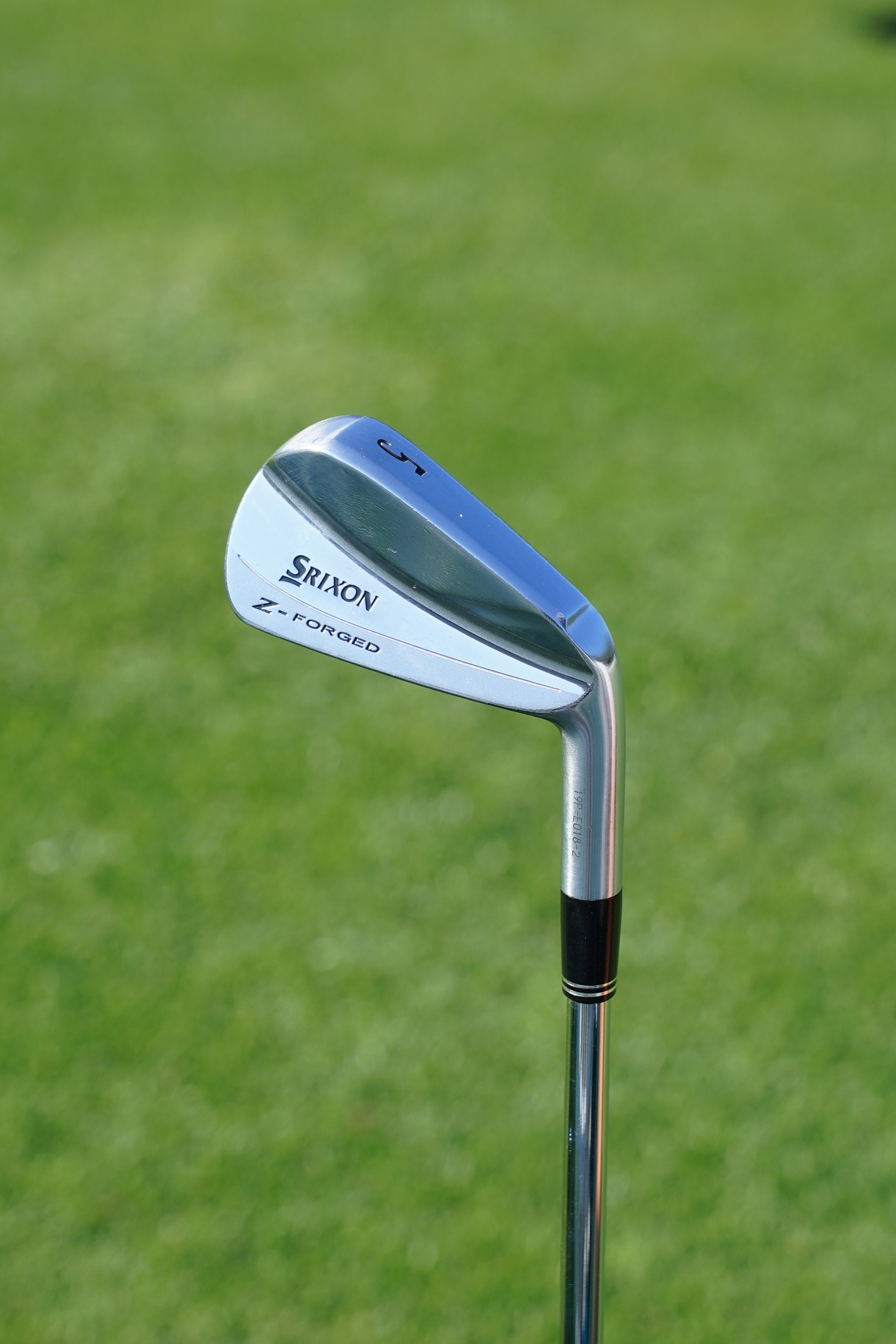
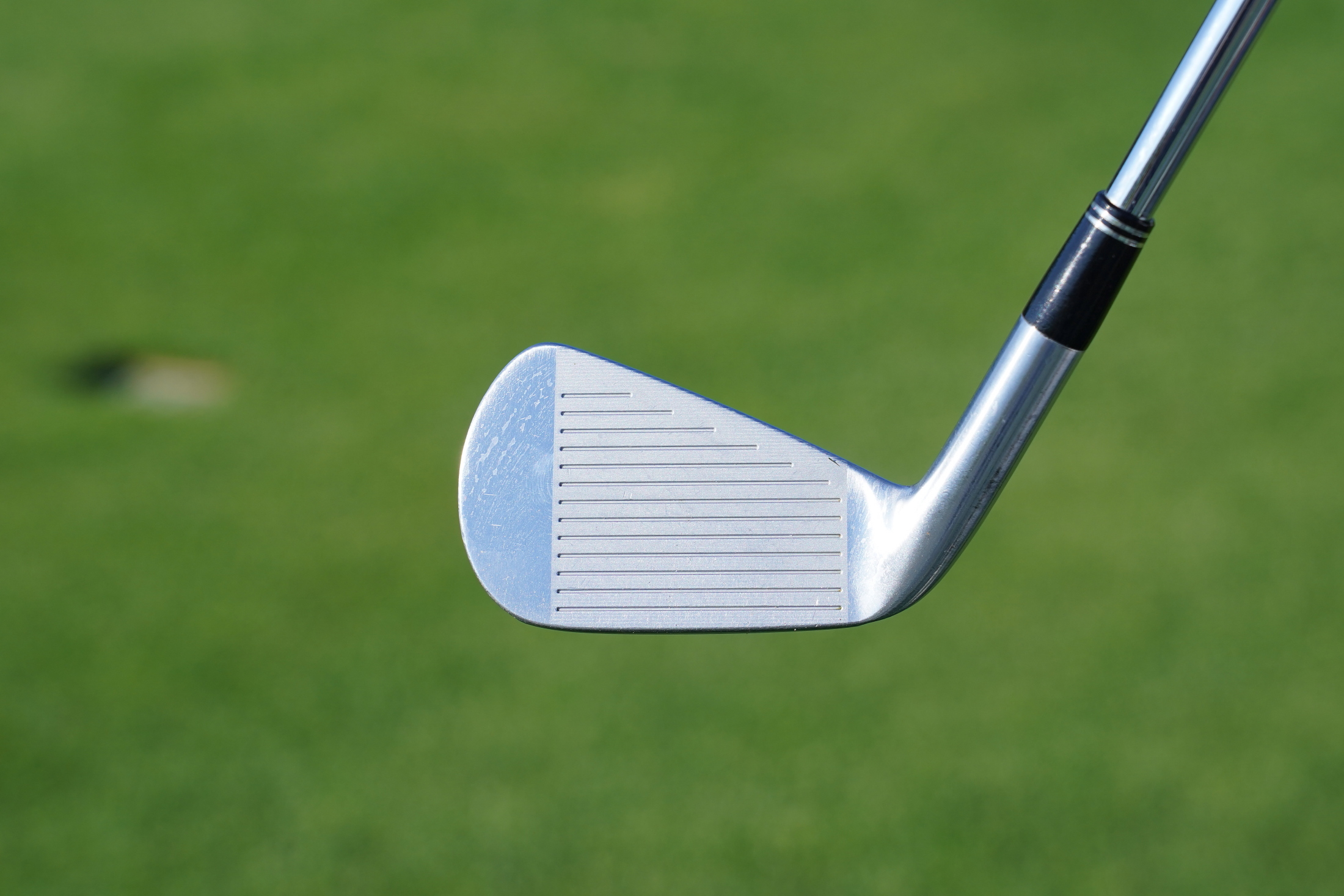
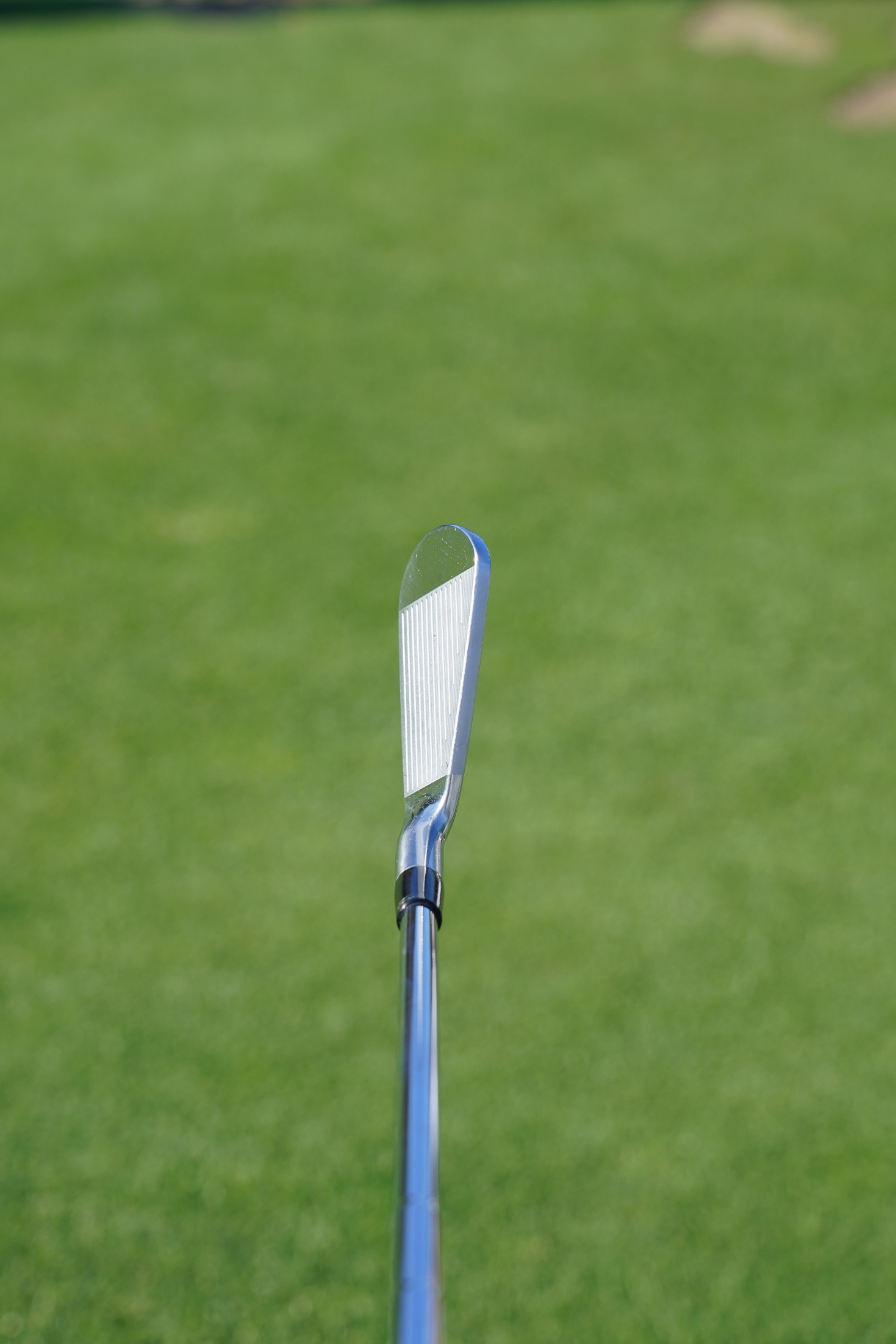
JW: In regards to the sole grinds, how has the sole been modified to give him the preferred turf interaction? In addition, Hideki is a player that prefers offset vs no offset?
Srixon: We are constantly adjusting to Hideki’s swing and changes to his thought process. Recently, we have added a small C-grind to the leading edge of his irons along with a flat “full” sole design. In addition, Hideki is one of the leaders in developing the toe and heel notches. He strongly believes the toe and heel notch creates a more consistent, smooth turf interaction. Hideki has always had these notches in his irons, and he was a huge part of bringing the notches back in the ZX line.
With regards to offset, Hideki prefers some offset over zero offset in his irons. He has the most specific eye, and he loves to tinker and test all products. The key areas for Hideki when it comes to irons are the general hosel shape and taper consistency, the blend between the face flat and hosel, and most importantly the smooth transitions from the hosel into the leading edge–there needs to be offset as he wants the transition to be smooth and almost straight.
JW: Beyond the sole grinds what other accommodations are made to get his irons dialed in?
Srixon: Hideki’s general iron shape has stayed consistent throughout the years. We have done some testing with different offsets, CG location, muscle and flange shaping, and topline thickness, but we generally come back to his baseline gamer. He enjoys the testing process and making sure he has the best product for his game in his bag at all times. Currently, we have been tinkering with his long irons, and he will change what is in the bag depending on the tournament. He has tested all of the new ZX products (ZX Utility, ZX5s, and ZX7s) long irons and has put the ZX Utility and ZX7 4-iron in his bag. The ZX5 and ZX7 irons had his sole ground to his spec.
Similar to the head design, he likes to test shafts all the time. Hideki is constantly looking for the best combination of the length, loft, and lie to hit the gaps he needs for that week. In terms of builds, Hideki has a very heightened sense of feel and one area that constantly comes up is how he can feel the weight. For his builds, we weight sort and document everything for each club build. We also travel with pre-cut lead tape in half-gram and one-gram increments, and Hideki will apply the tape to different areas of the club (muscle, flange, hosel, shaft), depending on how the club feels while testing. When iron testing, Hideki likes to have a full set built rather than just a few lofts. We do this because if he likes the iron while testing, then we have the full set ready to go for him to test right away.
Wedges
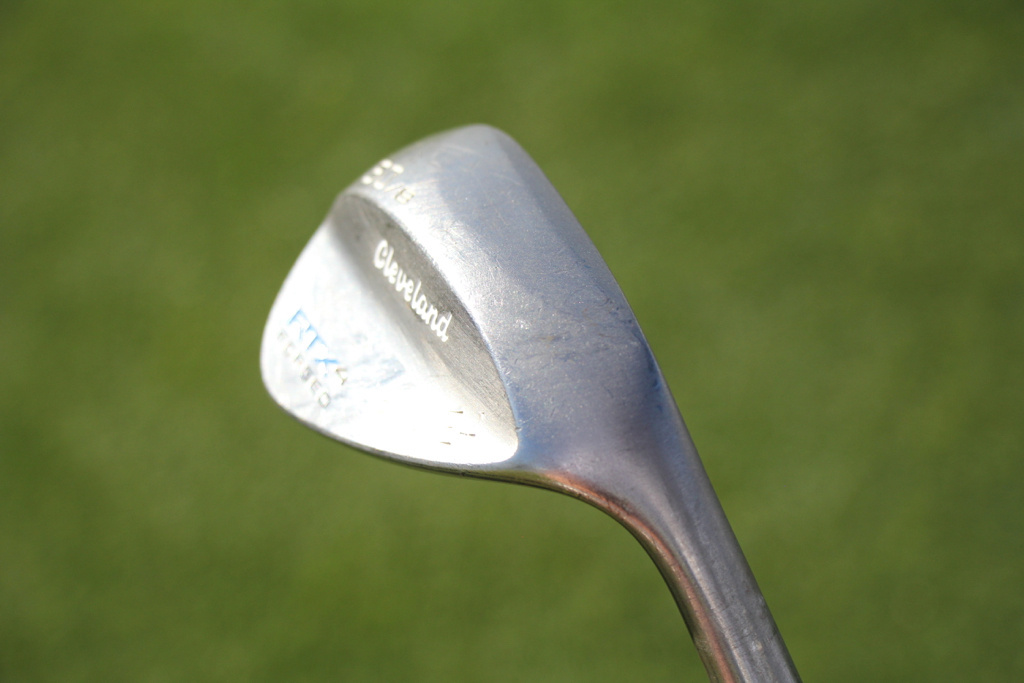
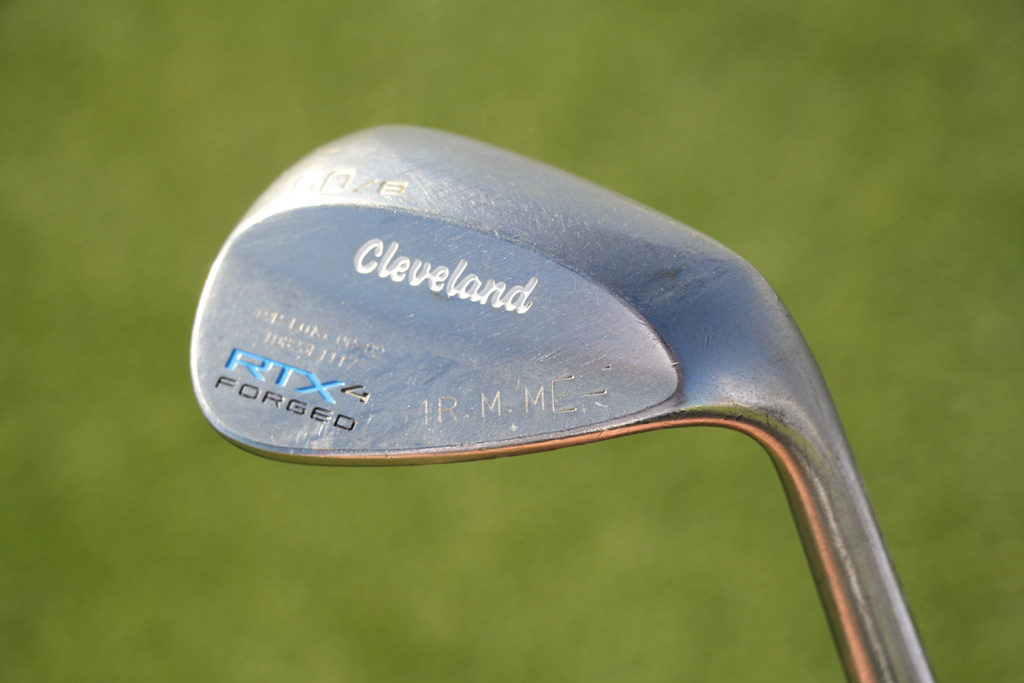
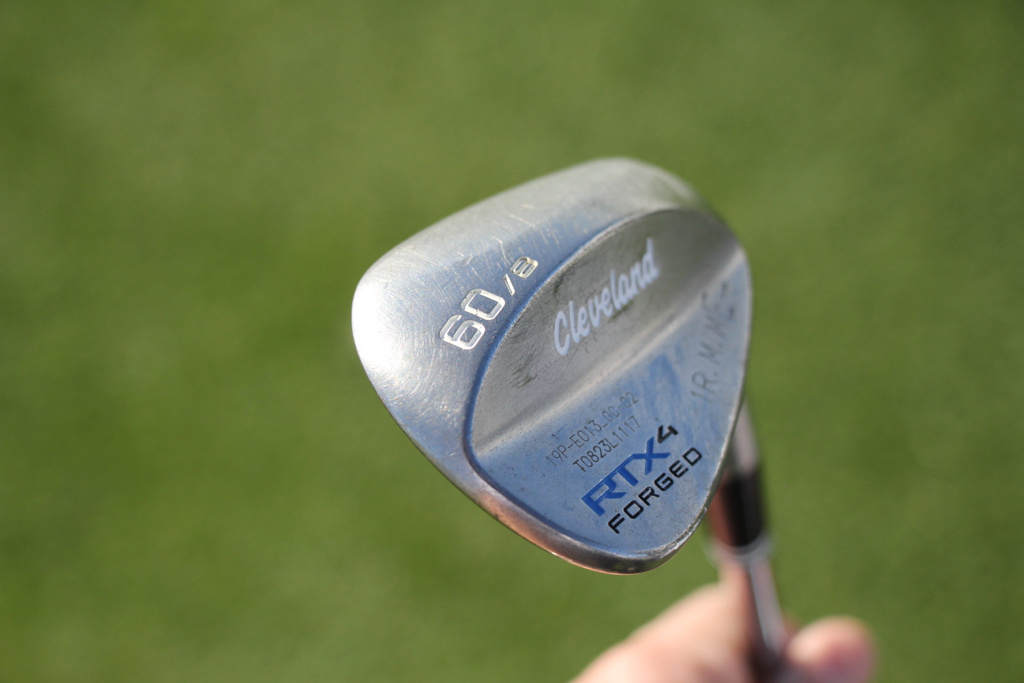
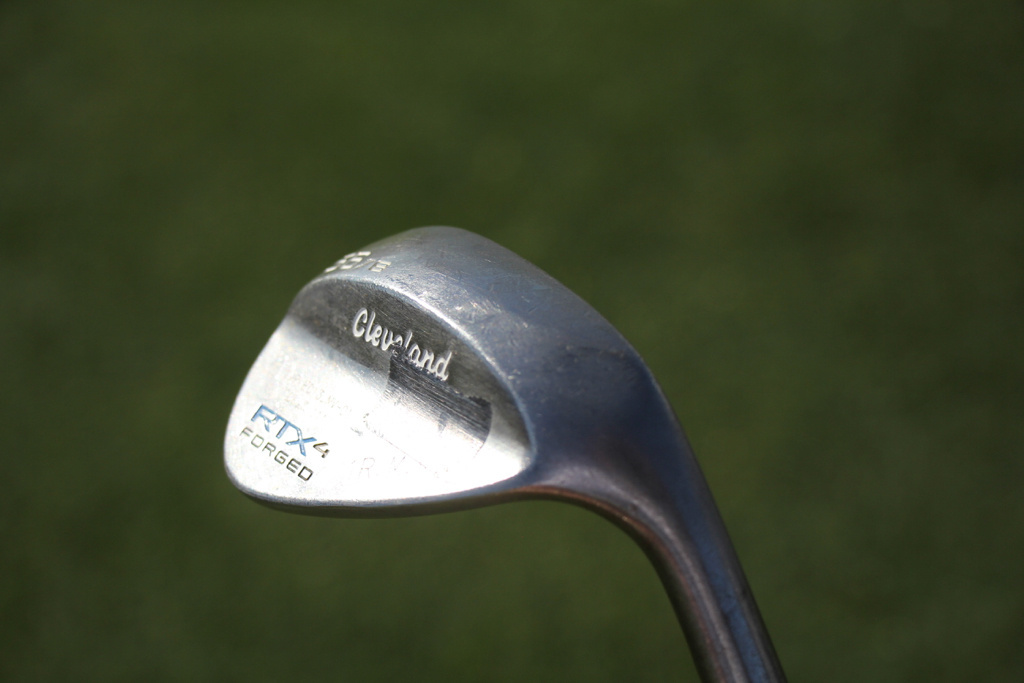
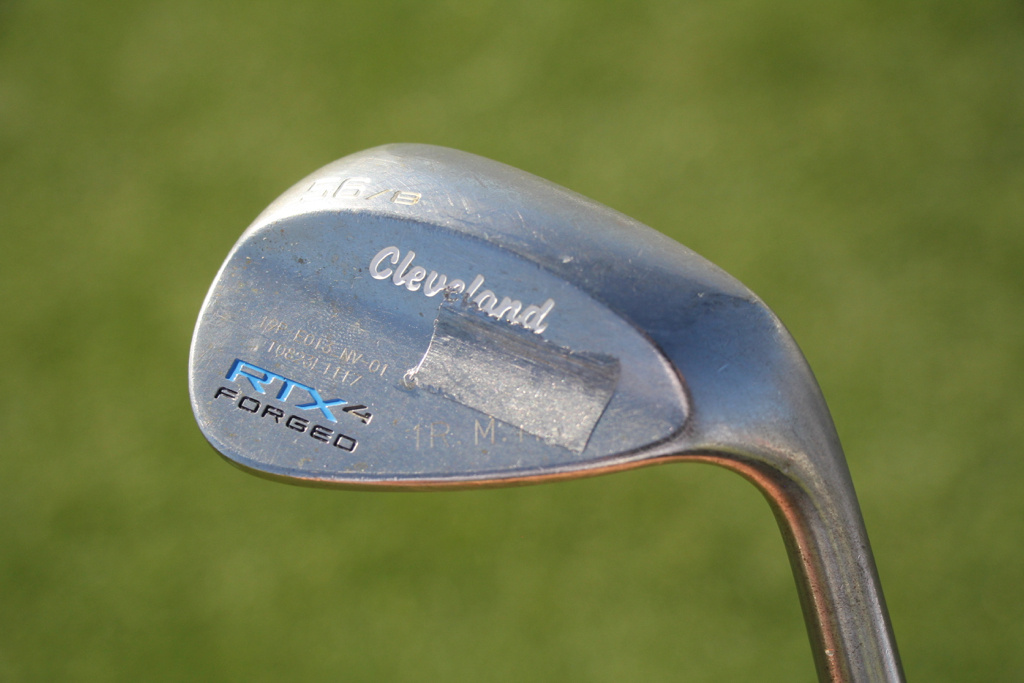
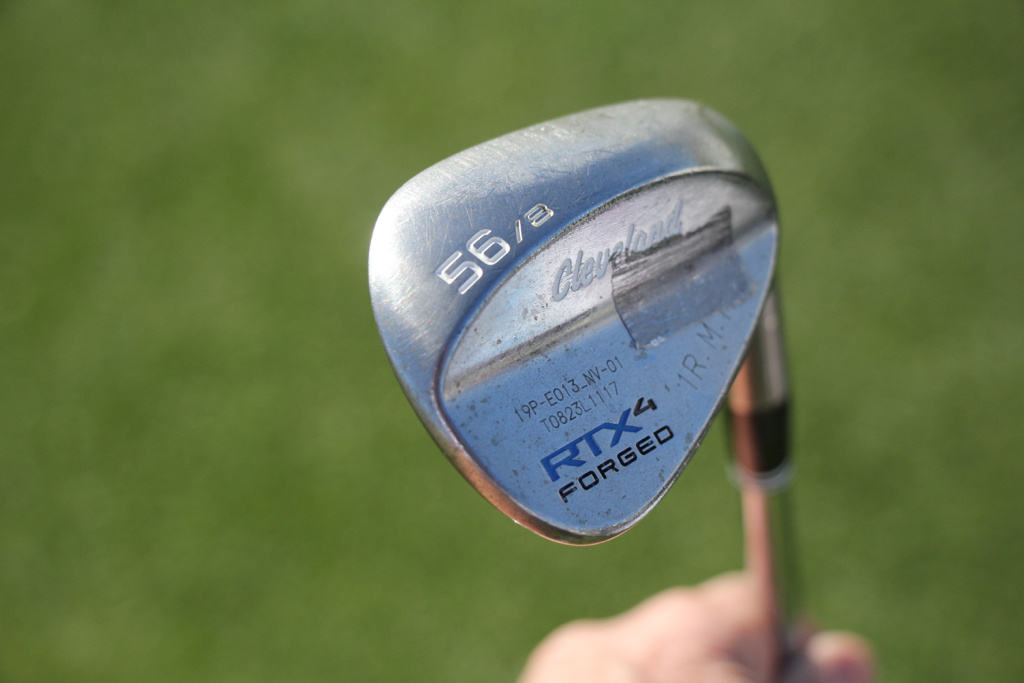
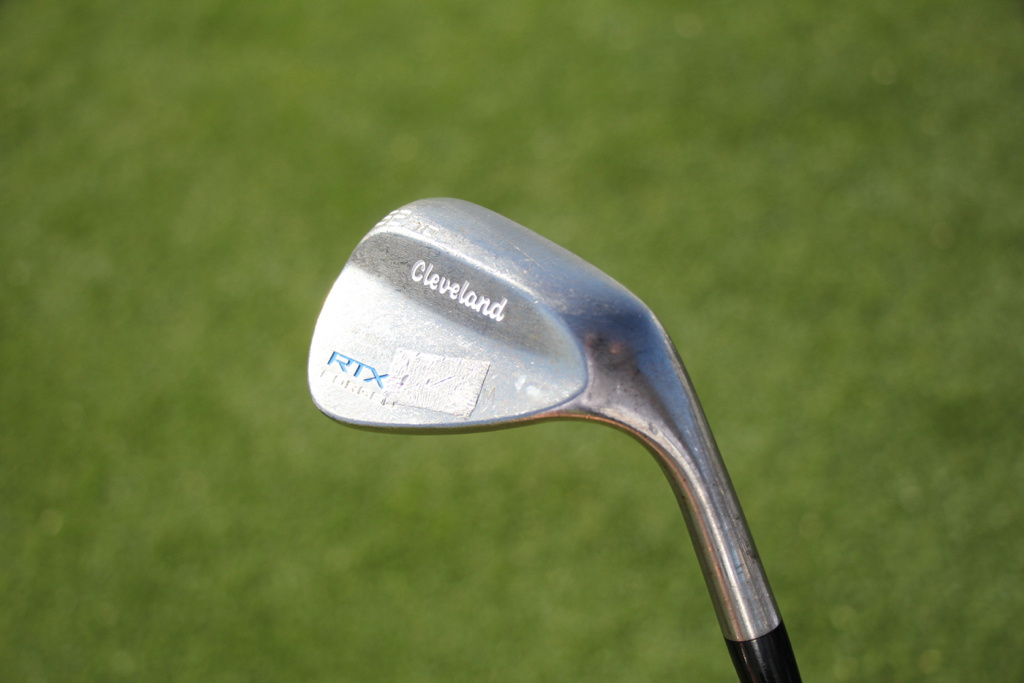
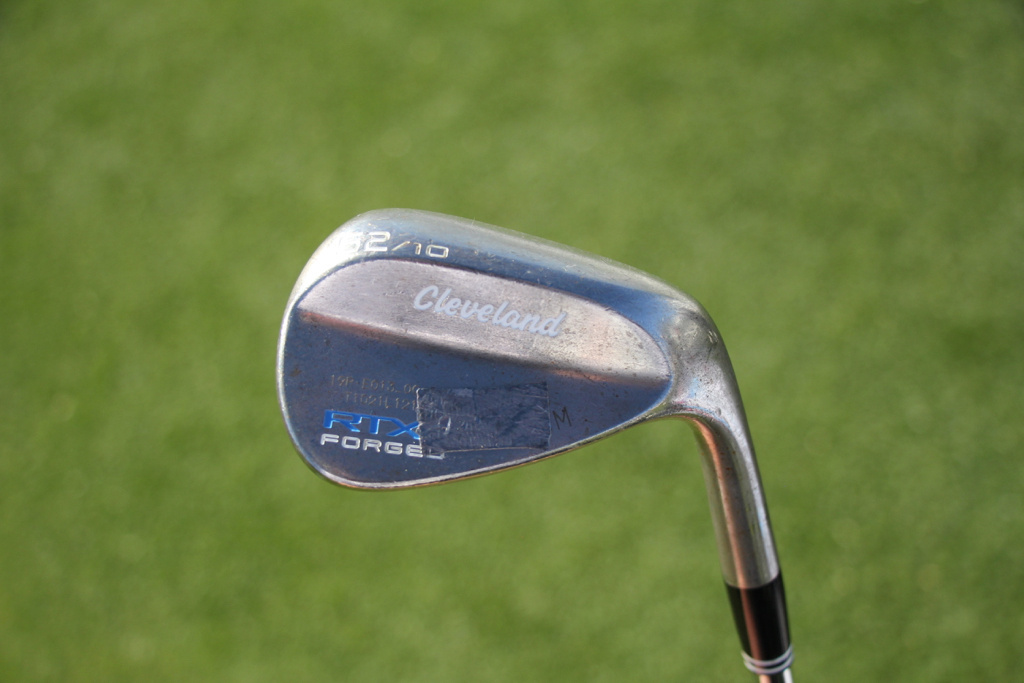
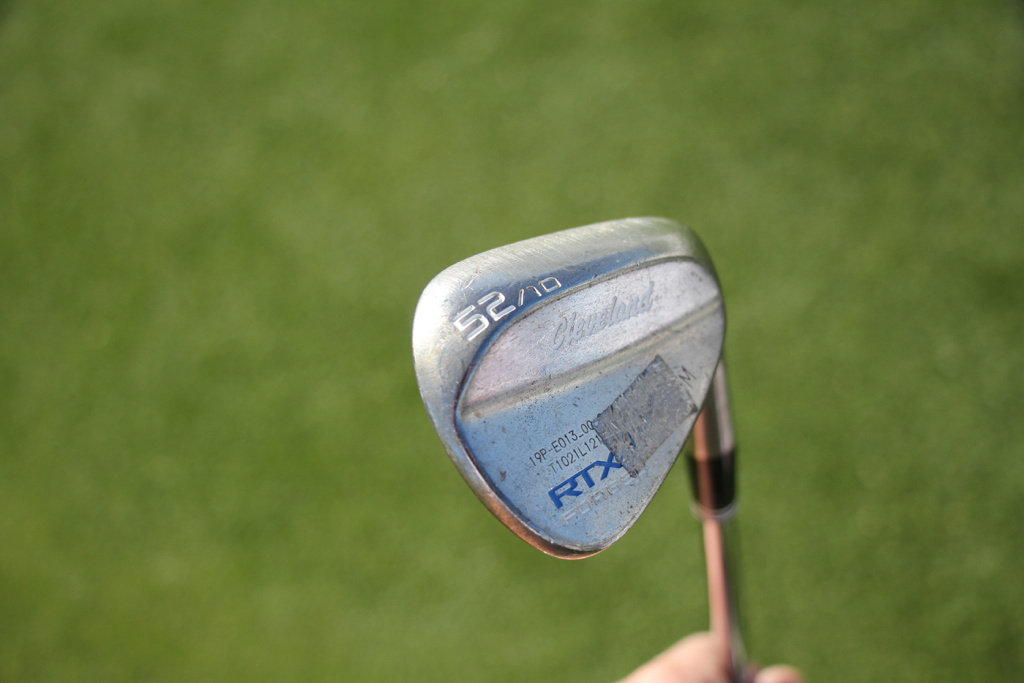
JW: From 52 to 60, it appears that Hideki has multiple angles ground into his clubs. Can you explain each nuance and what purpose it serves?
Srixon: All three sole grinds have a similar characteristic. Hideki doesn’t change his 52-degree sole often, but he is constantly tinkering with his 56 and 60. All three soles have a subtle C-grind shape. The 56 and 60-degree have an aggressive heel relief. Hideki also utilizes a similar subtle leading-edge grind that is in his irons. Hideki will vary the width and bounce angles of the three surfaces depending on the conditions and shots that he is looking to hit. These three tiers as well as the sole radius (the sole curvature from heel to toe) allow us to manipulate the sole design to achieve the turf interaction and versatility that he may be asking for without changing the address shape. In the 56 and 60, Hideki plays a very straight leading edge with little-to-no offset. He plays his 60 and 56 weaker to help remove the offset and maintain a very straight, smooth transition from the hosel to leading-edge
GENERAL
JW: Is there a miss you tend to build out of his clubs (left or right)?
Srixon: Hideki does not like to see the ball go right. He likes to hit it straight and see the ball fall left. If a driver has a right miss, it has no chance to make it in his bag.
JW: He prefers higher MOI heads. Why is that? And what is he trying to achieve more than anything?
Srixon: Spin, forgiveness, launch, speed, etc. This is driven by the address shapes. Hideki always gravitates toward larger heads at address because they look easier to hit. As stated with the irons, Hideki has an extremely critical eye, and if a product look does not meet his expectations, he won’t even try to hit/test it. This also means Hideki is always looking at all driver shapes and giving us feedback on his preference.
JW: Can you explain the detailed testing process Hideki goes through to put any club in his bag?
Srixon: Once he finds a shape he likes, we will start to dial in the performance of the driver. We typically need to manipulate the masking line between the crown paint and face to achieve the topline shape, face angle, and lie angle that he wants to see at address. Ball speed is always critical for him. The new ZX driver with Rebound Frame has really helped us improve our competitiveness this year and it has been unmatched for him, in particular with the ZX5 driver. When ball speed is sufficient, we work through the fitting process (adjusting loft, CG location, and shaft) to dial in the ball flight and spin numbers that he wants to see. If it feels good on the range, Hideki will take it to the course to confirm he can hit all the shots he needs.
JW: With his unique tempo, what types of shafts does he respond the best to?
Srixon: Hideki tests many different shafts, but the tendency is to fit him in higher kick point shafts.
Hideki Matsuyama WITB
*Hideki’s detailed specs are under lock and key. We will update WITB with any changes when he makes his first PGA Tour start of the year.
Driver: Srixon ZX5 (9.5 degrees/flat)
Shaft: Graphite Design Tour AD DI 8 TX
3-wood: Taylormade SIM Max (15 degrees)
Shaft: Graphite Design Tour AD TP 9 TX
Utility: Srixon ZX (4, 23 @ 22 degrees)
Shaft: Graphite Design Tour AD DI HY 115 TX
Irons: (4) Srixon Z7 (5-P) Srixon Z Forged
Shafts: True Temper Dynamic Gold Tour Issue S400
Wedges: Cleveland RTX 4 Forged Prototype (52-10, 56-8 @57.5, 60-08 @ 62)
Shafts: True Temper Dynamic Gold Tour Issue X100
*Hideki found in testing that a stiffer profile in his wedges suited his launch preferences.
Putter: Scotty Cameron Circle T GSS
Grip: Scotty Cameron Standard Pistol
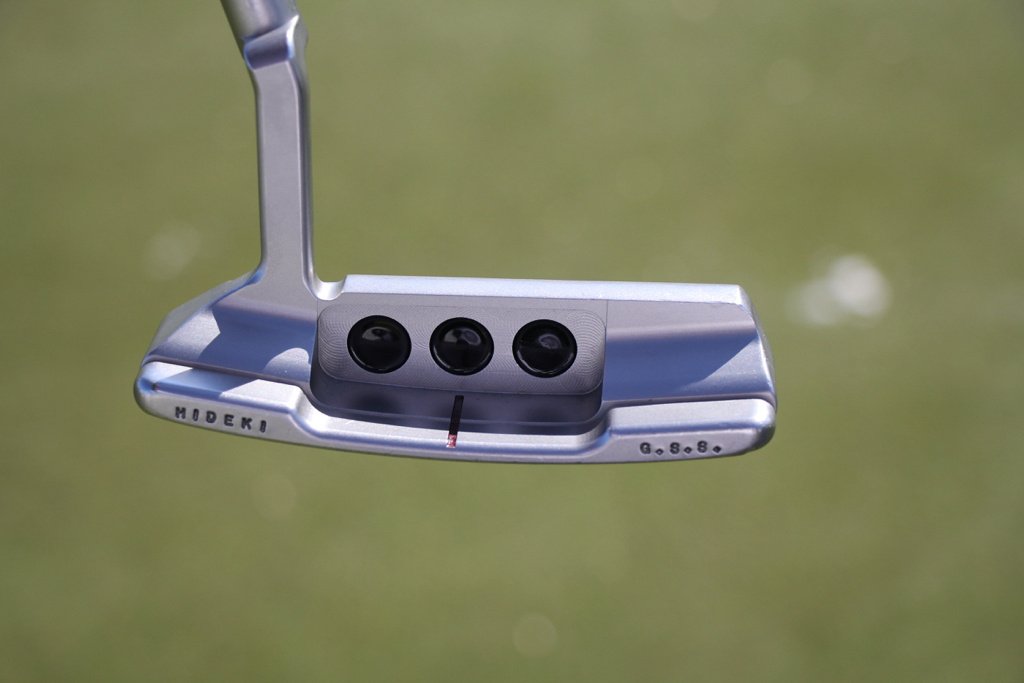
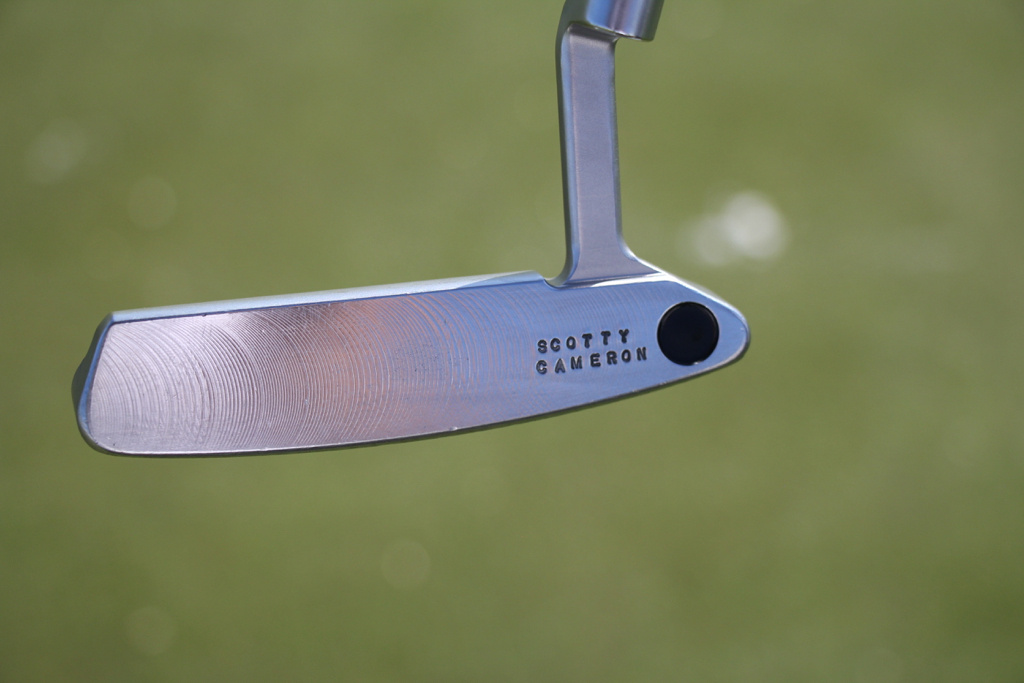
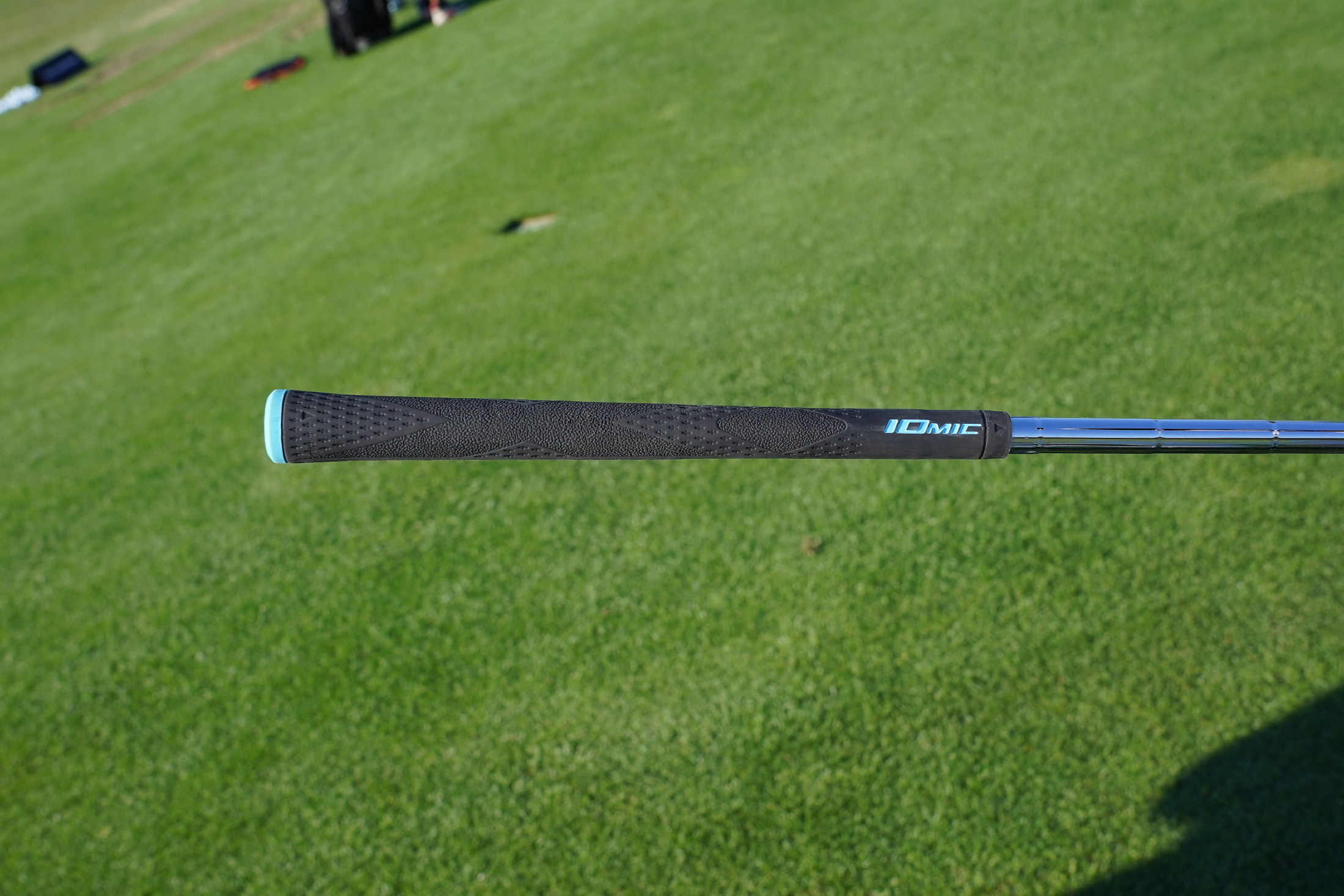
Grips: Iomic
Ball: Srixon ZStar XV
Yoshihiro Iwamoto
Many thanks to Noelle Zavaleta at Srixon for facilitating!




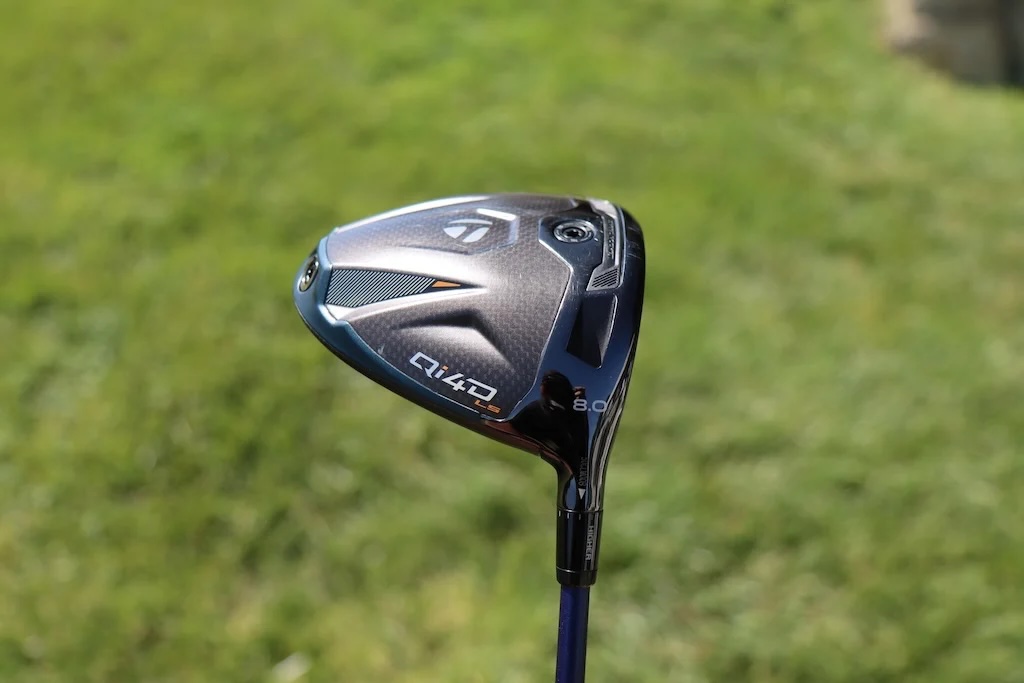
Driver: TaylorMade Qi4D LS (8 degrees)
Shaft: Fujikura Ventus TR Blue 6 X
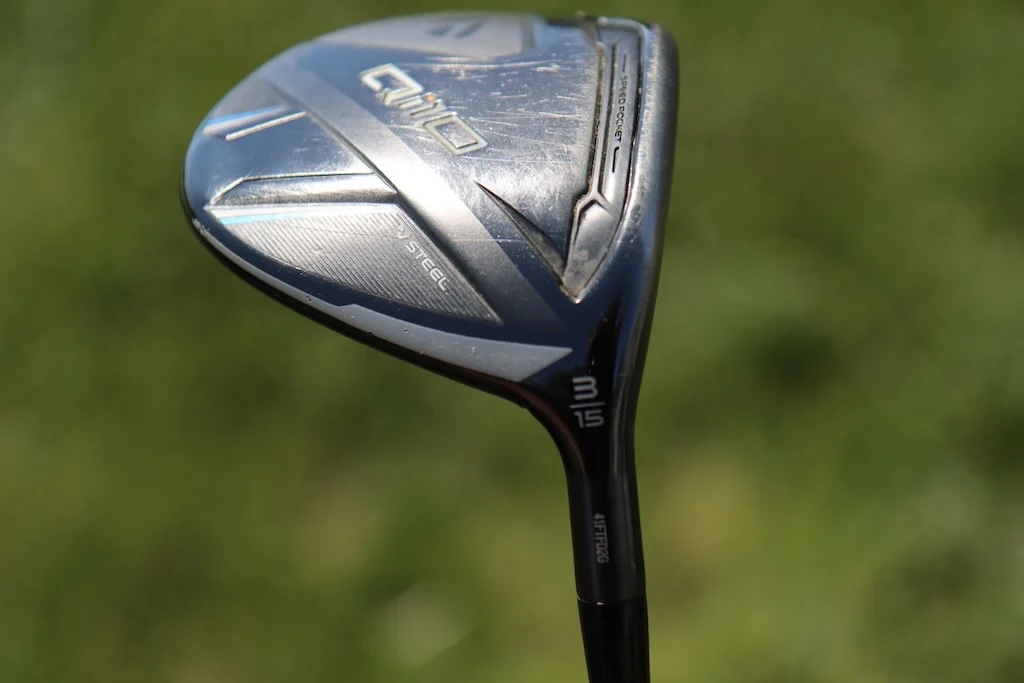
3-wood: TaylorMade Qi10 (15 degrees)
Shaft: Fujikura Ventus Black 9 TX
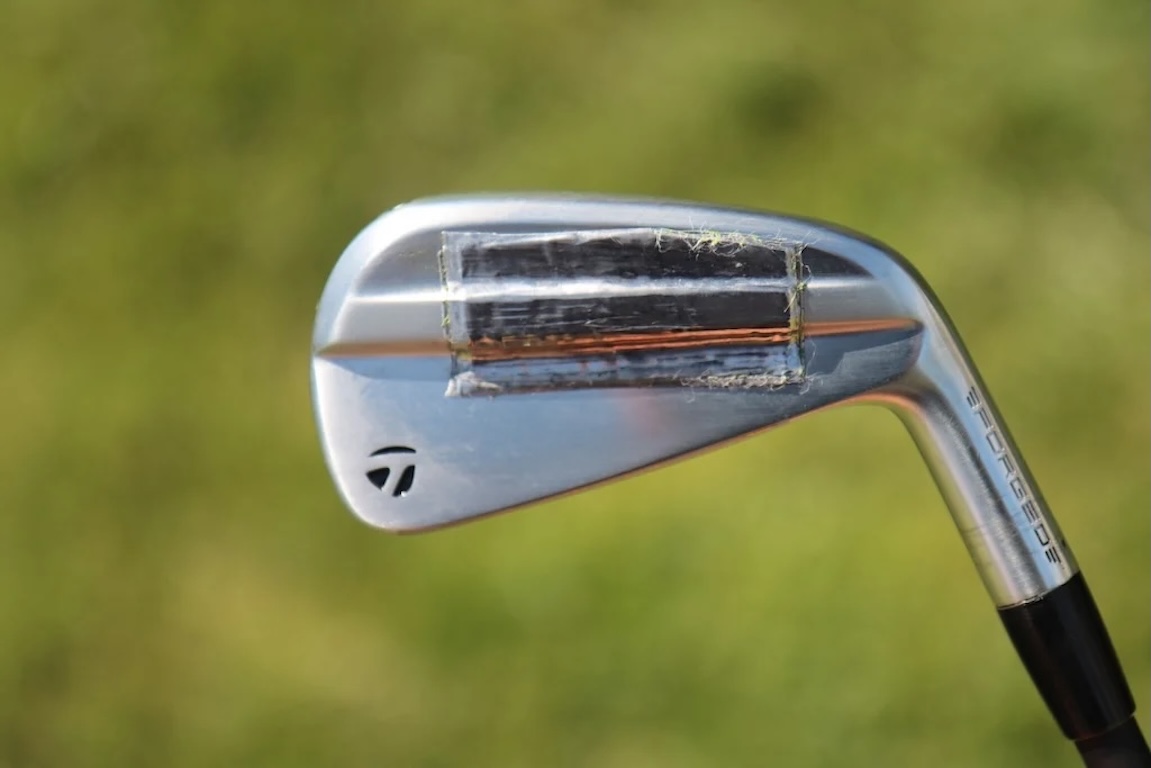
Irons: TaylorMade P770 (3), TaylorMade P7CB (4), TaylorMade P7TW (5-PW)
Shafts: Fujikura Ventus Black HB 10 X, True Temper Dynamic Gold X100
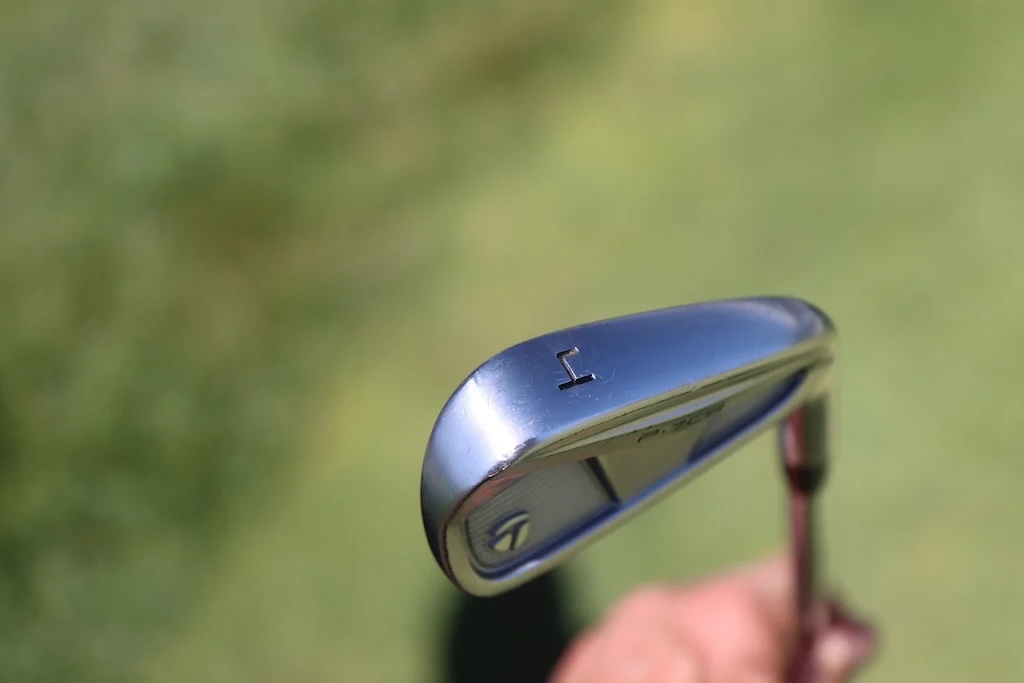
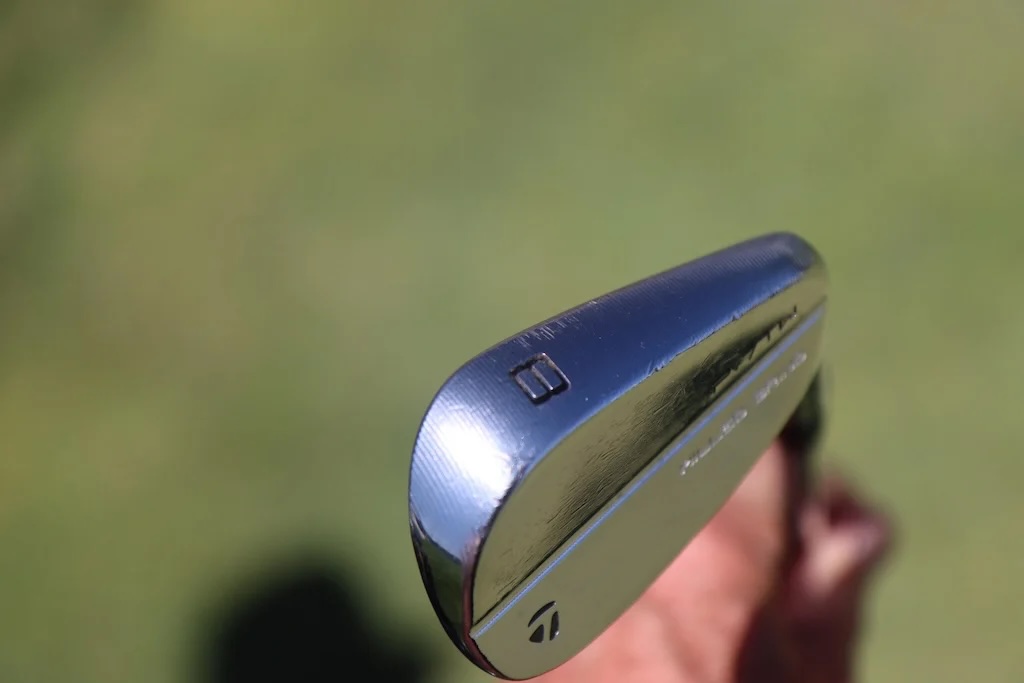
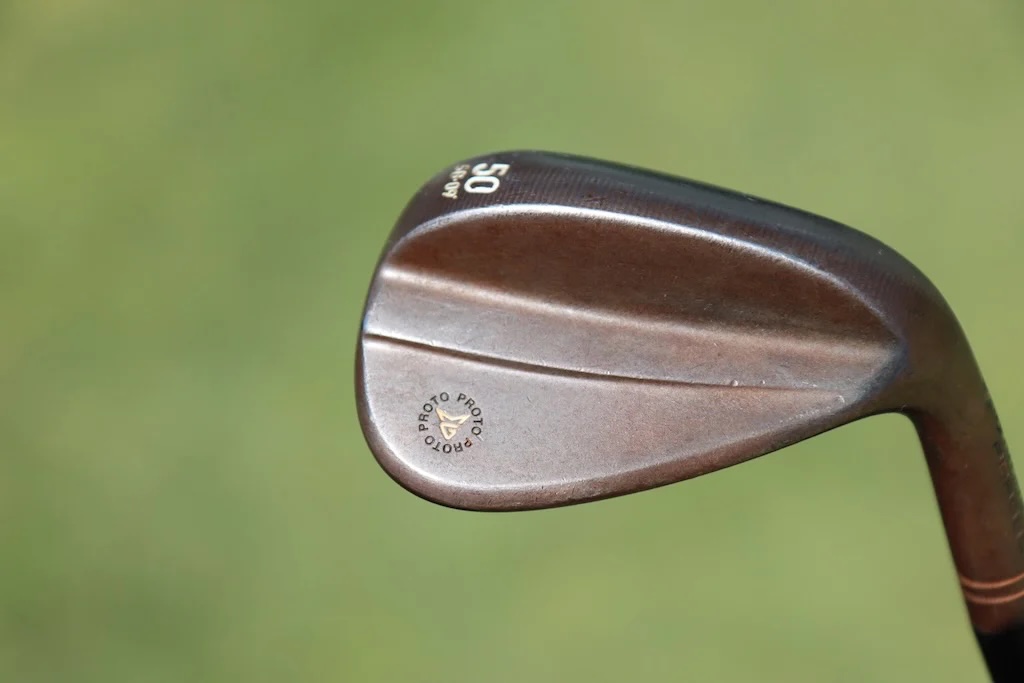
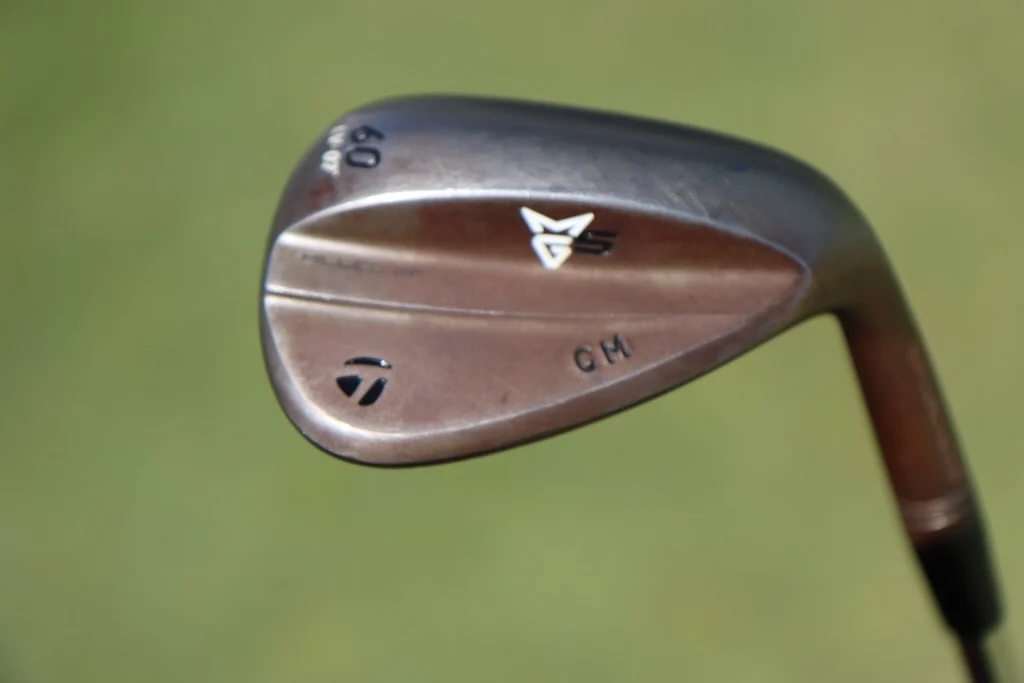
Wedges: TaylorMade Prototype (50-SB09), TaylorMade MG5 (56-HB12, 60-LV07)
Shafts: True Temper Dynamic Gold S400
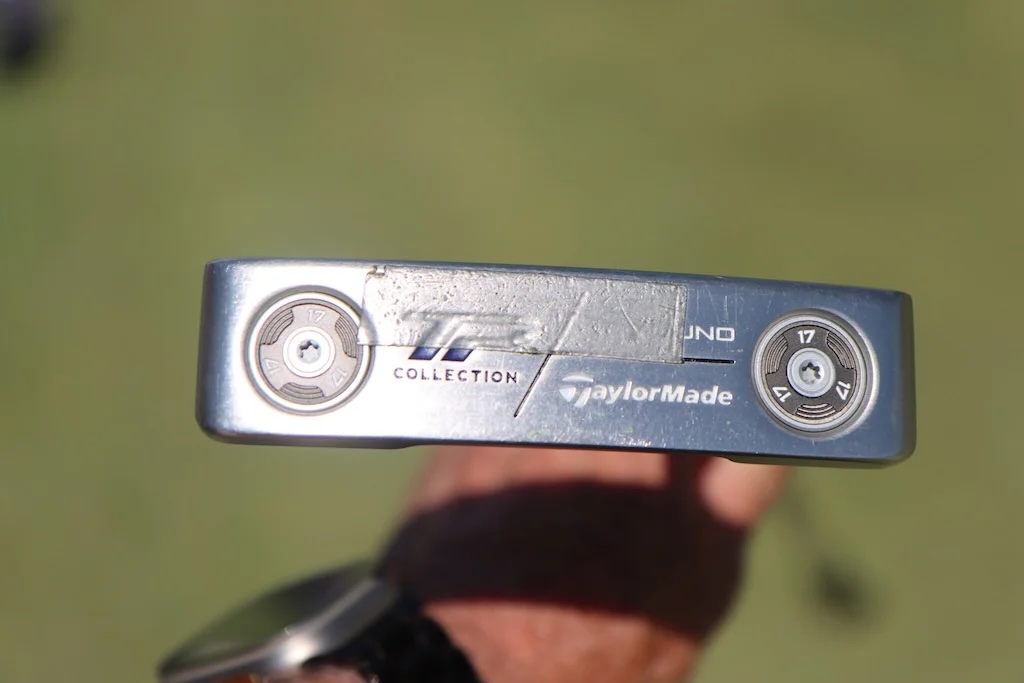
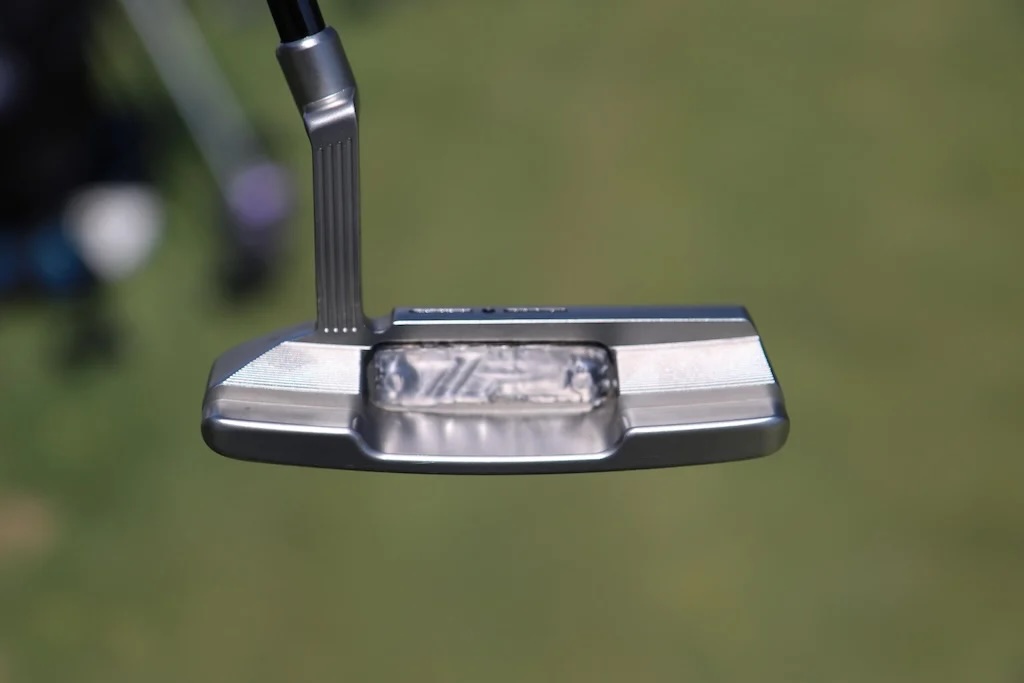
Putter: TaylorMade TP Juno
Ball: Titleist Pro V1x
Grips: Golf Pride Tour Velvet Cord
Check out more in-hand photos of Christiaan Maas’ clubs here.
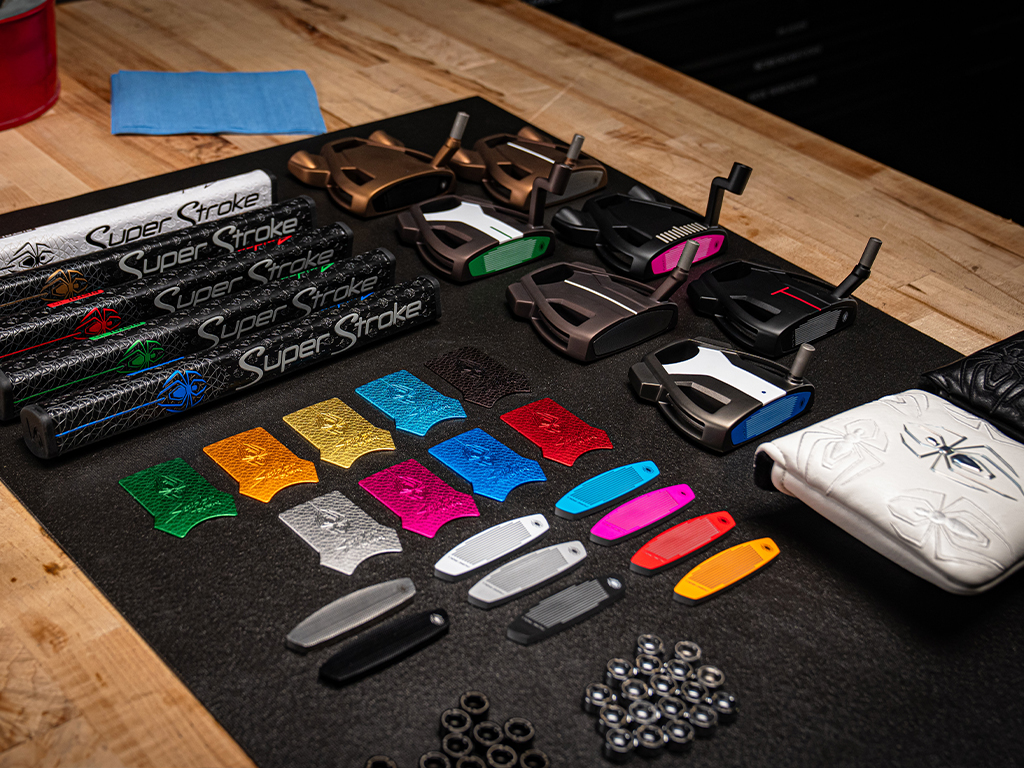
TaylorMade Golf’s MySpider program underwent a substantial overhaul over the last month. Firstly, the company launched the option to customize the Spider ZT model, and now the program has returned with the MySpider Tour and MySpider Tour X.
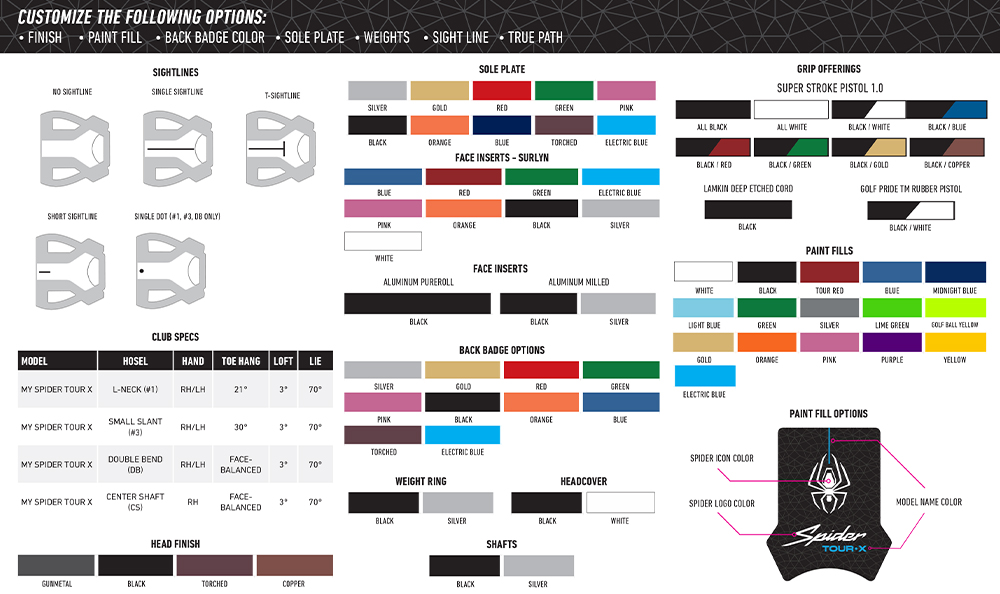
The revamped page now gives golfers complete control over every visual and functional detail of their putter on the popular Tour and Tour X head, with every cosmetic idea thought of. In MySpider Tour, golfers can choose from four head finishes, 16 paint fill colors, nine Surlyn face insert colors, three aluminum insert options, six sightline configurations, and four hosel options — L-neck, small slant, double bend, center shaft. Six sightline options are available in MySpider Tour, including the optically engineered True Path alignment system. MySpider Tour X gives builders the option of four head finishes, four hosel configurations, and five sightline options, also including True Path alignment.
One of the more interesting features of the new MySpider program is the availability of three distinct face insert options. Along with the usual Surlyn Pure Roll insert trusted by Scottie Scheffler and Rory McIlroy, which can be customized from nine colors, golfers can now also select firmer options. Two are offered with the black aluminum Pure Roll insert, slightly firmer than the traditional insert, or for the firmest feel, golfers can choose from two colors of milled aluminum inserts.
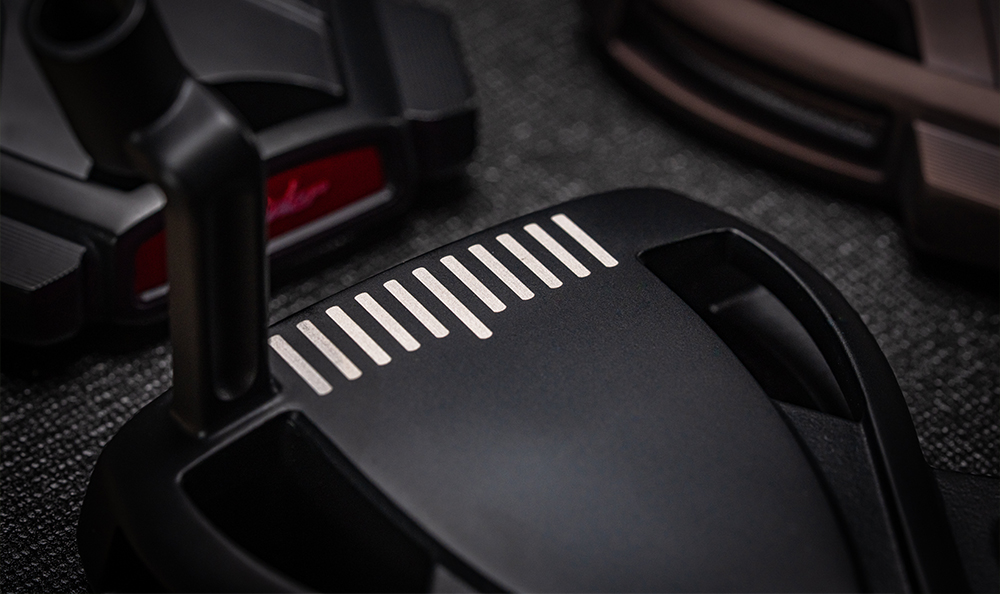
Another fun addition to the MySpider Tour is the ability to use the “Tommy Sightline.” The custom alignment aid design, which was first drawn onto Tommy Fleetwood’s putter by PGA Tour Rep James Holley, is based on the milled sightline on his Spider ZT head. There are five shorter lines on the left and right of a longer central line serving as the traditional short line alignment aid.
See below for the full specifications sheet for MySpider Tour and Tour X:
MySpider Tour
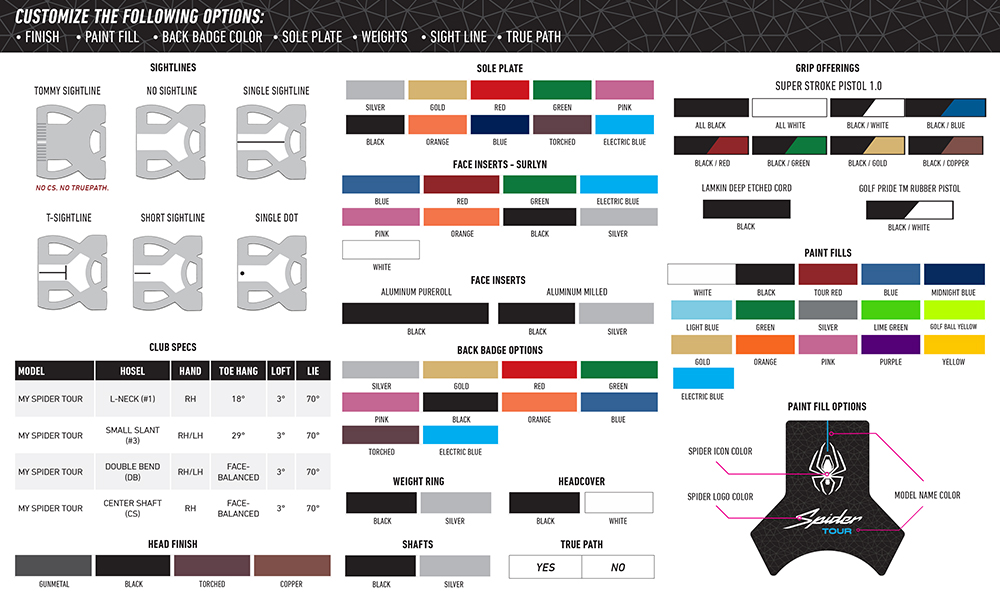
MySpider Tour X
Equipment
Then and now: Comparing Rory McIlroy’s current setup to his record-breaking 2019 Canadian Open victory

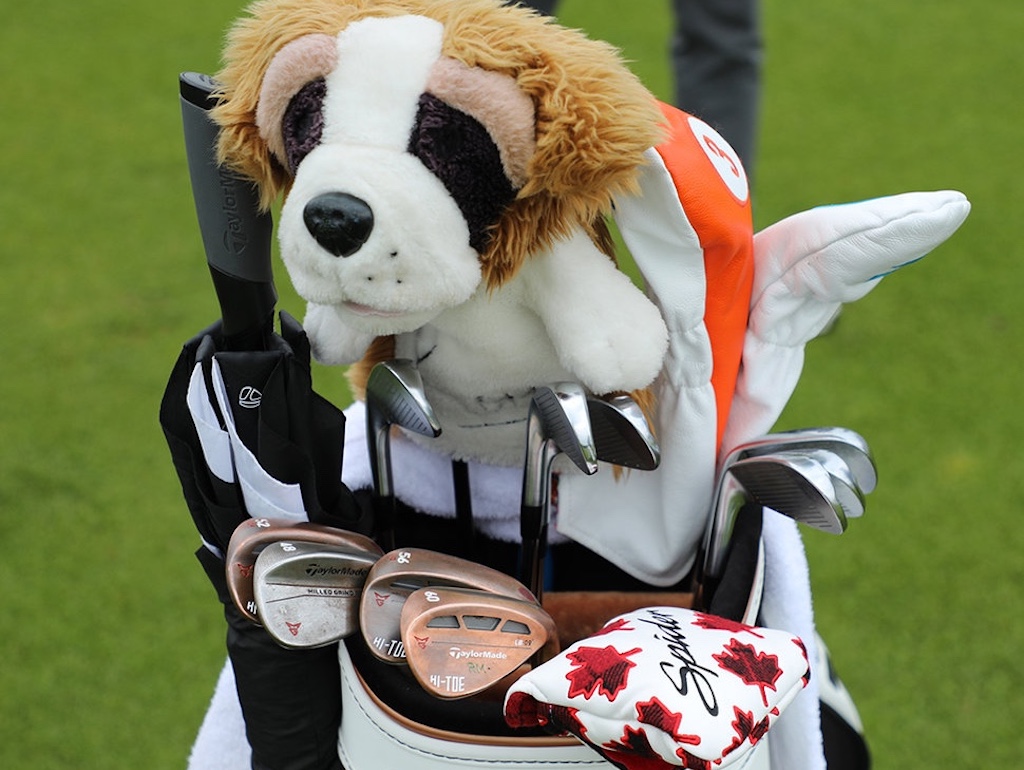
In Rory McIlroy’s first appearance at the 2019 RBC Canadian Open, he crushed the record books to earn his 16th PGA Tour title in dominating fashion, winning by seven shots over Shane Lowry and Webb Simpson.
McIlroy’s score of 22-under-par 258 is the lowest 72-hole score to date at the Canadian Open, and his closing 61 is also the best final-round score in the history of one of golf’s oldest tournaments. Finally, with his win in 2019, McIlroy became only the sixth player to win the career Triple Crown, adding to his victories at the U.S. Open in 2011 and The Open Championship in 2014, joining Tommy Armour, Walter Hagen, Arnold Palmer, Lee Trevino and Tiger Woods in a coveted list.
So, with that, why not compare his current setup to the clubs he used to break all the records?
Driver
2019: TaylorMade M5 (9 degrees), Shaft: Mitsubishi Tensei CK Pro White 70 TX
2026: TaylorMade Qi4D (9 degrees @8), Shaft: Fujikura Ventus Black 7X (45 5/8 inches)
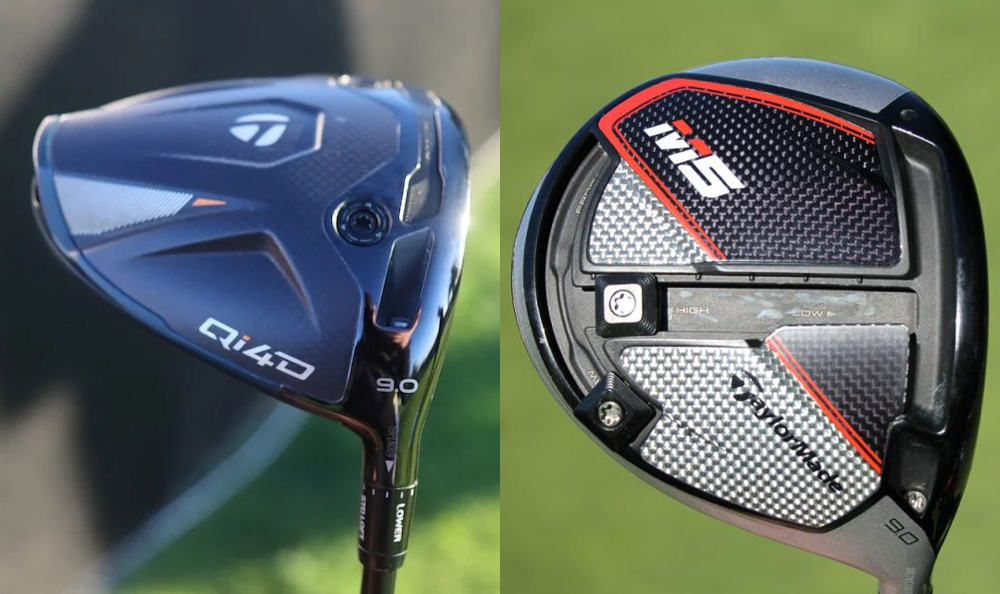
McIroy led the Tour in Strokes Gained: Off-the-Tee in 2019; he’s doing the same in 2026. Between now and then, McIlroy has switched from the Mitsubishi Tensei CK Pro White 70 TX (a shaft with slightly more feeling in the tip) to the original Fujikura Ventus Black 7X, having just made the change to the heavier version from playing the 60X.
What’s interesting about McIlroy’s 2019 setup is that the weighting on his driver is actually set in the high-draw setting, using the T-Track weighting system, whereas in the Qi4D, he’s currently using a heavily rear-weighted setup. (Two 13-gram weights in the rear and only two 4-gram front weights.)
The TaylorMade M5 driver he played in during his Canadian Open win was the company’s first head that they claimed to design to initially exceed the USGA’s COR limit, and then injected with tuning resin to bring it back in bounds.
Fairway woods
2019: TaylorMade M6 3-wood (15 degrees), Shaft: Mitsubishi Tensei CK Pro White 80 TX; TaylorMade M5 5-wood (19 degrees), Shaft: Mitsubishi Tensei CK Pro White 90 TX
2026: TaylorMade Qi4D 3-wood (15 degrees), Shaft: Fujikura Ventus Black 8X; TaylorMade Qi4D 5-wood (18 degrees), Shaft: Fujikura Ventus Black 9X

The TaylorMade M6 fairway wood that McIlroy was using during the 2019 season is still in the bag of some of the best golfers on Tour in 2026. Just check out Justin Rose’s winning setup from the Farmers Insurance Open earlier this year. This year, though, McIlroy has still been searching for his top-end-of-the-bag setup, having played both the new Qi4D and the Qi10, which he won the Masters with.

The same shaft swap can be seen in the fairway woods as the driver, along with slightly less loft on the 5-wood.
Irons
2019: TaylorMade P750 (4) Buy here, TaylorMade P730 (5-9), Shafts: Project X 7.0
2026: TaylorMade P760 (4), TaylorMade Rors Proto (5-9), Shafts: Project X 7.0

The biggest difference between McIlroy’s custom set and the stock P730s is the groove design. While the P730s were constructed with 14 MX-9 grooves on their milled faces, McIlroy’s proto heads instead use the higher-spinning, 16-groove layout of the TW2 grooves. Other big differences between the sets are that McIlroy’s 7- and 8-irons have thinner toplines, are 1 degree stronger in loft, and are 1/4 inch longer than the original P730 builds.
With McIlroy’s 4-iron, the switch from P750 to P760 sees a transition to a two-piece construction with Speed Foam in it, which allows McIlroy to launch the ball slightly higher, with more workability.
Wedges
2019: TaylorMade Milled Grind (48-09SB), TaylorMade MG Hi-Toe (52-09SB, 56-09SB, 60-LB09), Shafts: Project X Rifle 6.5
2026: TaylorMade MG5 (46-09SB, 50-09SB, 54-11SB, 60-08LB @61), Shafts: Project X 6.5 (46-54), Project X 6.5 Wedge (60)

Between 2019 and 2026, McIlroy’s focus on his short game has been much more apparent. It was the reason why he switched back to the TP5 golf ball, to help with launch, spin and control with his wedges leading up to his career Grand Slam victory in 2025. The most apparent changes to McIlroy’s wedge setup are his lofts and bounce. He’s slowly delofted his pitching to a sand wedge, but has increased the loft on the lob wedge, bending his current 60-degree to 61. With that, adding more loft to his lob wedge also slightly increases the bounce and leading-edge sit point, so, as a result, he plays a lower-bounce lob wedge compared to 2019. The MG5 wedges are also softer than the first Milled Grind option from 2019. McIlroy also no longer plays the full-face grooves found on the Hi-Toe.
Putter
2019: TaylorMade Spider X
2026: TaylorMade Spider Tour X
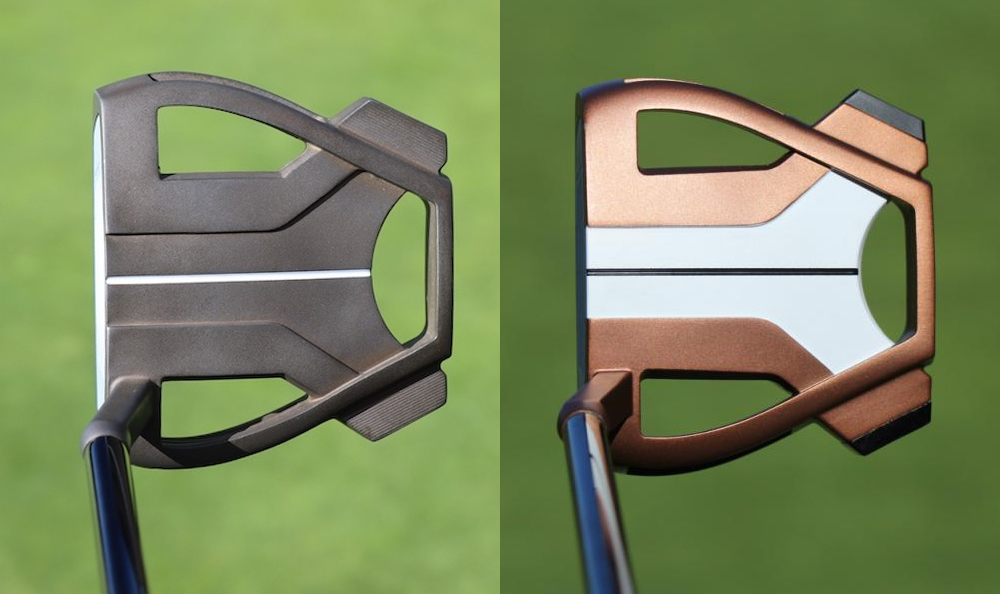
Notice anything similar. Yes, the copper finish on Rory McIlroy’s Spider X putter in 2019 is a slightly more reflective finish than the recently released torched PVD finish. McIlroy was using the True Path alignment system, but now uses only a single white sightline.
Ball
2019: 2019 TaylorMade TP5 (#22)
2026: 2025 TaylorMade TP5 (RORS)
As mentioned above, McIlroy had transitioned from the TP5 to TP5x golf ball since his victory in Canada in 2019, but now is black with the same style of golf ball as his victory at Hamilton Golf & Country Club.
Grips
2019: Golf Pride Tour Velvet Cord
2026: Golf Pride MCC
Interesting, McIlroy actually used Golf Pride’s Tour Velvet Cord grips during his victory in 2019 (it was during a 2+ year switch to the corded TV) as opposed to his usual MCC grips, which he has played for most of his career.

What’s the story behind Webb Simpson’s custom-stamped irons?

Memorial Tournament Tour Report: Rory McIlroy, Cameron Young switch up drivers, and more

Cadillac Championship Tour Report: Spieth’s sizable changes, McLaren Golf launches, and more

Russell Henley’s winning WITB: 2026 Charles Schwab Challenge

Kristoffer Reitan’s winning WITB: 2026 Truist Championship

Best irons 2026: Best irons overall, most forgiving irons, and more

J.T. Poston’s winning WITB: 2026 Memorial Tournament

Aaron Rai’s winning WITB: 2026 PGA Championship

Cameron Young’s winning WITB: 2026 Cadillac Championship

Details on Jason Day’s latest prototype Avoda iron setup


Christiaan Maas WITB 2026 (June)
Driver: TaylorMade Qi4D LS (8 degrees) Shaft: Fujikura Ventus TR Blue 6 X 3-wood: TaylorMade Qi10 (15 degrees) Shaft: Fujikura Ventus Black...


Ryan Palmer WITB 2026 (June)
Driver: Callaway Quantum Triple Diamond (9 degrees) Shaft: Project X HZRDUS Smoke Blue RDX 60 TX 3-wood: TaylorMade Qi10 (15 degrees) Shaft:...


Bud Cauley WITB 2026 (June)
Bud Cauley had >14 clubs in his bag when photographed prior to the Memorial Tournament. Driver: Titleist GTS2 (8 degrees) Shaft: Fujikura...


Hannah Green WITB 2026 (June)
Driver: Titleist GTS3 (10 degrees, D4 SureFit setting) Shaft: Mitsubishi Chemical Diamana RB 53 S 3-wood: Titleist GT3 (15 degrees,...
-
 Equipment6 days ago
Memorial Tournament Tour Report: Rory McIlroy, Cameron Young switch up drivers, and more
-
 News2 weeks ago
Russell Henley’s winning WITB: 2026 Charles Schwab Challenge
-
 Equipment3 days ago
Best irons 2026: Best irons overall, most forgiving irons, and more
-
 Whats in the Bag4 days ago
J.T. Poston’s winning WITB: 2026 Memorial Tournament
-
 Equipment1 week ago
Details on Jason Day’s latest prototype Avoda iron setup
-
 Equipment3 weeks ago
CJ Cup Byron Nelson Tour Report: Koepka and Kim’s newest putters finally get hot
-

 News2 weeks ago
Charles Schwab Challenge Tour Report: MacIntyre, Åberg and Spaun all switch putters, TaylorMade launches new Spider
-
 Equipment2 weeks ago
Details on J.J. Spaun’s surprise putter switch


Pingback: WITB Time Machine: Hideki Matsuyama’s winning WITB, 2021 Masters – GolfWRX
Pingback: Hideki Matsuyama WITB 2022 (January) | GolfTechie
Pingback: Hideki Matsuyama WITB 2022 (January) – GolfWRX
Pingback: Hideki Matsuyama’s winning WITB: 2021 ZOZO Championship | GolfTechie
Pingback: Hideki Matsuyama’s winning WITB: 2021 ZOZO Championship | GolfTechie
Pingback: Hideki Matsuyama’s winning WITB: 2021 ZOZO Championship – GolfWRX
Pingback: Hideki Matsuyama WITB 2021 Masters | GolfTechie
Pingback: Hideki Matsuyama WITB 2021 Masters – GolfWRX
Jo Momma
Jan 25, 2021 at 11:48 pm
I’d really like to see how the 56 & 60 look at address both square and open. He’s one of the only guys who, like me plays a stiffer shaft in the wedges than the irons. I don’t know why anyone would want a loose shaft in a wedge
curt
Jan 26, 2021 at 12:44 pm
yeah just like you buddy.
ericsokp
Jan 23, 2021 at 2:03 am
Although I never owned one (don’t recall even ever seeing one in my local golf shops), I think Srixon makes some great looking drivers!
gwelfgulfer
Jan 10, 2021 at 12:31 am
Not sure having a wall of stuff on the guy that doesn’t really win anything matters. maybe get a better stable of players and see what happens.
Mtnh87
Jan 20, 2021 at 10:18 am
He’s won 5 times on the PGA Tour and 8 times on the Japan Golf Tour. He’s a proven winner. Do your research before spouting mindless statements.
Michael
Jan 9, 2021 at 4:56 pm
The buried lede is that Hideki is a nightmare to work with.
DFWCanuck
Jan 7, 2021 at 12:30 pm
I would have to agree that he is a horrific putter.
When watching him on the putting green and he is using his alignment aids, he’s lights out.
His problem is his set up. He sticks the toe of the putter up so far that he misses everything to the left of the hole. He will hit great putts from time to time, but they are generally right to left putts. Watch his putts and prove me wrong.
Matt
Jan 6, 2021 at 3:29 pm
Looks like he has put a black DI in his driver this week
John Wunder
Jan 6, 2021 at 6:09 pm
Its actually a new Proto Tour AD MD. A beefed up tip on an XC profile
Iñigo_Kolbe
Jan 6, 2021 at 11:12 am
For a dude that is a notoriously horrific putter, I’d have assumed at least a mention of that part of his bag. If he ever learned to putt, he could win multiple times per year…
I mean, I know that was a Srixon rep, so a discussion of his Scotty wasn’t gonna happen, but I’d have hoped for some mention of it somewhere.
CJ
Jan 7, 2021 at 12:02 am
Hot damn u need to look up the word horrific! I know the guy works on it constantly…so between the ears has much to do with it. Great stuff to the author thanks!
Cody
Jan 6, 2021 at 10:25 am
Wish the retail z forged had the toe and heel notches..
Rob
Jan 6, 2021 at 10:12 am
Is there not going to be any discussion around the long hosel version of his ZX5 that’s different than the retail model? If we’re going to get deep, let’s get deep!
Rob
Jan 6, 2021 at 10:17 am
Based on the serial number, it appears to the T201 version that is on the USGA conforming list. Wish Srixon would explain the difference between the various models.
https://www.usga.org/equipment/images/conf_clubs/R2020-0343.jpg
Kenny
Jan 6, 2021 at 10:05 am
I don’t understand why they’re secretive about his specs. It’s not like others will suddenly copy his swingweight and lie angle or something
Travis
Jan 6, 2021 at 9:45 am
Agree with an above comment, this was hardly a “deep dive”. There are still the exact same unanswered questions and mysteries around Hideki’s bag than before…
Also, good god, check your articles for typos before you post. There’s at least two or three in the first half alone.
Jdogg
Jan 6, 2021 at 9:32 am
Not really a deep dive. If it was, you’d get into why the iron shape, sole and muscle is completely different than retail? Why? Does he not like the v sole?
Benny
Jan 7, 2021 at 7:14 pm
Most of the Srixon Pros have grinned away the V Sole. Those soles are more for retail and to help us hit better shots.
I remember him putting well with some flow neck Scotty’s and he bagged them a couple years ago but he continues to go back to a standard offset plumbers necks. .
This article shows how amazing of a ball striker and player he is.
Great article JW. I don’t see any typos. Know why? I could care less.
William Davis
Jan 6, 2021 at 9:17 am
What every bag needs most is nuance.
Jordan
Jan 6, 2021 at 9:13 am
You’re going to need a whole article just to talk about this dude’s putters. He is testing new Scotty’s almost weekly.