
Equipment
2021 TaylorMade SIM2 drivers: Better performance, piece by piece

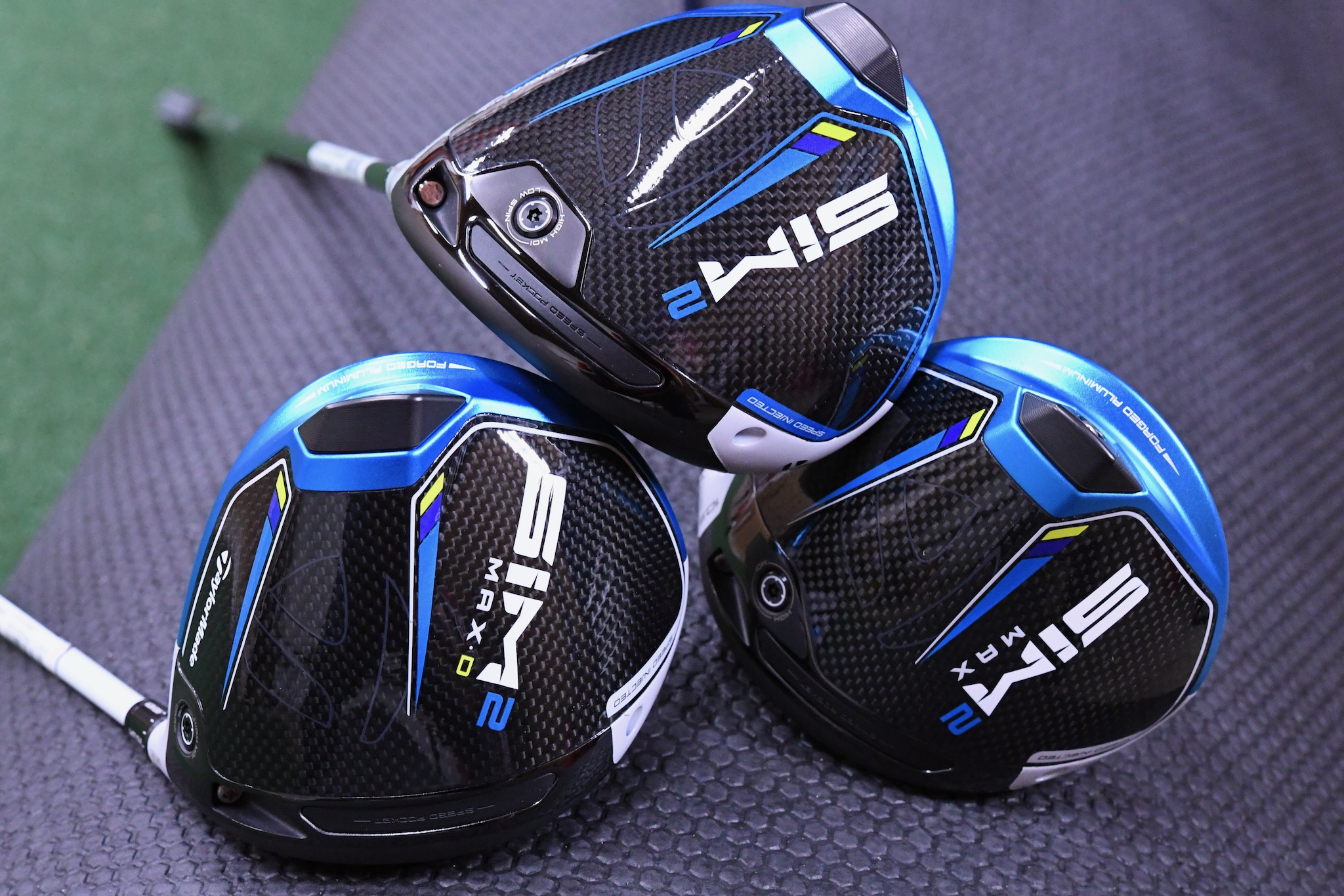
TaylorMade is building upon the SIM driver platform with 2021 TaylorMade SIM2, SIM2 Max, and SIM2 D drivers.
With the launch of the SIM driver series in 2020, TaylorMade proved it could build drivers that offered low spin performance in three different configurations to enhance speed and fit golfers better to reduce dispersion. For 2021, engineers are taking the SIM driver platform further with the launch of the SIM2—including the SIM2 Max, and SIM2 Max D (draw)—by refining the package piece by piece to deliver better performance throughout the entire line.
2021 TaylorMade SIM2 drivers
2021 TaylorMade SIM2 drivers
What’s new, and what you need to know
- Designers have taken every step to look at different materials and configurations to add forgiveness while maintaining the low spin characteristics of the original 2020 SIM design.
- No more sliding weight track. The sliding weight on the standard model has been removed to save mass and increase MOI (a measurement of forgiveness).
- Three different models to choose from with greater differentiation to help golfers get dialed in more effectively and find the design that is the best fit.
- More precision built into every part of the driver. The only way to make a golf club, especially a driver, better, is to maximize the weight properties and geometry. By painstakingly looking at every single component and manufacturing process, that’s exactly what TaylorMade has done.
The technology inside and out
What’s the same? What has gotten better?
Speed Injected Twist Face of the TaylorMade SIM2
Twist Face technology: Since its introduction in the M4 and M4 drivers, this redesigned bulge and roll profile helps keep shots missed around the face online and closer to the center while also normalizing spin to increase consistency.
2021 Speed Injection port
Speed Injected face: Speed Injection was introduced with the M5 and M6 drivers. It allows TaylorMade to calibrate each clubface right to the legal limit of CT without going over. With the new SIM2 drivers, this manufacturing process and the system used to dial it is have been moved and improved to save weight and further fine-tune face performance.

New heavier Inertia Generator at the rear of the SIM2 head.
Inertia Generator: The extremely low and rear placed mass helps position the CG low and away from the clubface to boost MOI. With the new SIM2 drivers and the weight savings accomplished around the head, this weight is now heavier to increase MOI and drive the center of gravity lower.
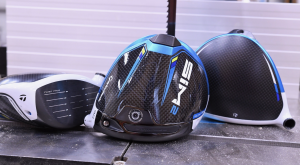
Three models: The SIM2 driver family features three distinct models to help golfers find the right performing driver for them.
Improvement piece by piece
As mentioned off the top, the engineers at TaylorMade looked at every part of the driver to improve performance and increase forgiveness, so let’s take a deep dive into each component and put it all together.
CNC Milled ICT (Inverted Cone Technology) and redesigned Speed Injected reservoir

Speed Injected resin reservoir
TaylorMade is taking its face precision to the next level by CNC milling the ICT (TaylorMade’s patented variable thickness face technology) into the back of the face. Other OEMs have started to use milling around the face of the driver in a different variation, but this is a first for TaylorMade and allows engineers to also remove a reservoir from the injection process.
By eliminating one of the front reservoirs and only having one positioned behind the face, engineers have been able to remove the dual injection ports from the face and place a single port on the toe. Less is more when it comes to drivers, and less structure and mass in the front of the driver head frees up precious grams to be redistributed.
Carbon composite crown

Lightweight carbon crown
To say that the carbon crown on the SIM2 is revolutionary would be a stretch, but it is still a key part of what allows the designers to save mass and position it lower in the head and around the perimeter. The carbon crown of the SIM2 is comprised of six layers and comes in at just over 10g grams, meaning it holds less than five percent of the clubhead’s total mass.
Carbon composite sole panel

Carbon soleplate of the SIM2 driver
TaylorMade has used carbon in driver soles before, but it has never used it to make up the entire sole. By eliminating the sliding track, and the reinforcing needed to house the weights, it can utilize carbon from behind the face all the way to the extreme rear of the head where it attaches to the forged titanium back ring. Compared to the crown, the sole is comprised of nine layers of carbon fiber and only weighs 12 grams.

Although not part of the carbon sole panel, the other very noticeable new component is what TaylorMade is calling the “TPS Weight” for swing weight customization. If there is one part of the custom build puzzle TaylorMade has struggled with in the past for consumers it has been the ability to dial in requested swing weights—either because of length or custom shaft and grip combinations. With the SIM2, the folks at TaylorMade are hitting home it’s focused effort to deliver better at every turn, and this small weight results in a big change to their build process.
Forged aluminum back ring chassis

Forged aluminum back ring of the SIM2 driver
This is a whole new territory and a very cool part of the SIM2 driver’s story. Using a forged, CNC milled aluminum ring around the rear of the head saves mass that would have otherwise been taken up by titanium.
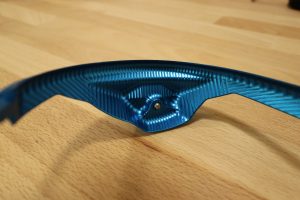
Milling on the inside of the SIM2 driver
The aluminum ring weighs almost exactly 20 grams. Titanium, compared to aluminum, is 1.67 times heavier (4.5g/cm3 vs 2.7g/cm3) so the ring saves 13 grams, which would have otherwise placed mass higher in the head. Those 13 grams are reposition in the heavier inertia generator and low in the driver to once again improve forgiveness.
When you put it all together, it is truly better piece by piece.
The 2021 TaylorMade SIM2 driver models
TaylorMade is doing everything it can to eliminate any confusion when it comes to differentiating the SIM2 models, so let’s break down the type of golfer each one is designed for.
2021 TaylorMade SIM2
2021 TaylorMade SIM2 driver
The standard model is the lowest spinning of the three new drivers and has the most forward CG to offer on average 250 rpm less spin than the Max, while still maintaining stability. The stock rear weight is 16 grams and it has a larger face than its predecessor to increase confidence and make the club more forgiving overall.

TaylorMade SIM2 driver from address
- The SIM2 will be available right and left-handed in 9 and 10.5 degrees with an 8-degree head available in right hand only.
- The stock shafts are the Mitsubishi Tensei AV Raw Blue 60 and the ProjectX HZRDUS Smoke Black RDX 70.
2021 TaylorMade SIM2 Max driver

2021 TaylorMade SIM2 Max driver
The SIM2 Max features a massive 24 gram back weight to deepen the center of gravity and boost stability even more. When you factor in the average driver head weight is around 203 grams, this back weight makes up almost 12 percent of the total mass, which is what helps create so much stability.
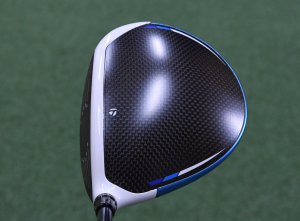
SIM2 Max driver from address
The face has also been made larger in the SIM2 Max compared to the previous model to help inspire confidence while still offering a neutral ball flight and not sacrificing any of the aerodynamic properties.
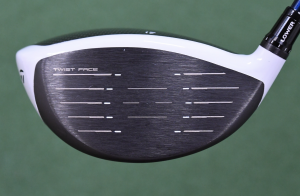
SIM2 Max driver face
- The SIM2 Max will be available in right and left-handed in 9 and 10.5 degrees with a 12-degree head available in right hand only.
- The stock shafts are the Fujikura Ventus Blue 5 and the Mitsubishi Kuro Kage Silver V5 60.
TaylorMade SIM2 Max D

2021 SIM2 MaxD (draw) driver
With the SIM2 Max D, the entire goal is to help reduce a fade, and that is achieved by moving the rear inertia generator weight more towards the heel and also moving the TPS weight to the outer heel area.

Heel bias TPS Weight on SIM2 Max
The Max D has the largest face area of the three models, which also helps those golfers who struggle with constant face contact.

SIM2 Max D driver face

TaylorMade SIM2 Max D driver from address
- The SIM2 Max D will be available in right and left-handed in 9 and 10.5 degrees with a 12-degree head available in right hand only.
- The stock shaft for the SIM2 Max D is the Fujikura Air Speeder 45.
- There is also a women’s stock offering which includes the Aldila NV Ladies 45 shaft and the Lamkin Ladies Sonar grip.
Pricing, and availability
The new SIM2 drivers will all be priced equally across the board at $529.00 and will be available at retail starting February 19.
…infomercial style “but wait, there’s more!”
MySIM2 customization
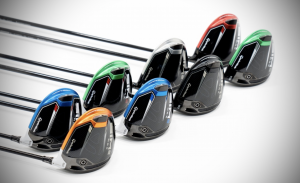
If there is one thing golfers love even more than new equipment, it’s new customized equipment. TaylorMade’s “My” program has been immensely successful (currently offered with select putter and wedge models). For 2021, TM decided to bring it to the driver space for the SIM2 and SIM2 Max models.
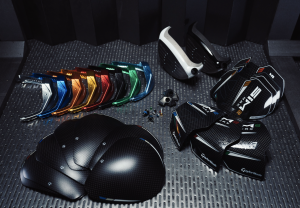
The online platform will allow golfers to fully build a driver to fit their own style preference and make a club that is uniquely their own. The personalization options include:
- Topline Paint Color: Chalk or matte black.
- Aluminum Ring Color: Red, Blue, Gold, Orange, Green, Silver, Black, and Light Blue.
- Crown Decals Color: Red, Blue, Gold, Orange, Green, Silver, Black, and Light Blue.
- Sole Decal Color: Red, Blue, Gold, Orange, Green, Silver, Black, and Light Blue.
- Face Pin Color: Red, Blue, Gold, Orange, Green, Silver, Black, and Light Blue.
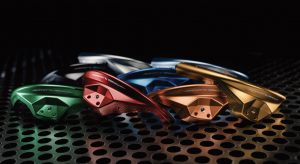
Specs, pricing, and availability for MySIM2 program
MySIM2 drivers will be available for preorder starting January 19 at TaylorMadeGolf.com and at select retail locations starting February 19. The MyIM2 drivers will start at $629.99 and will be offered in 8, 9, and 10.5-degree lofts with a 12-degree loft option available in the SIM2 Max.
All MySIM2 drivers will have custom shaft and grip options.




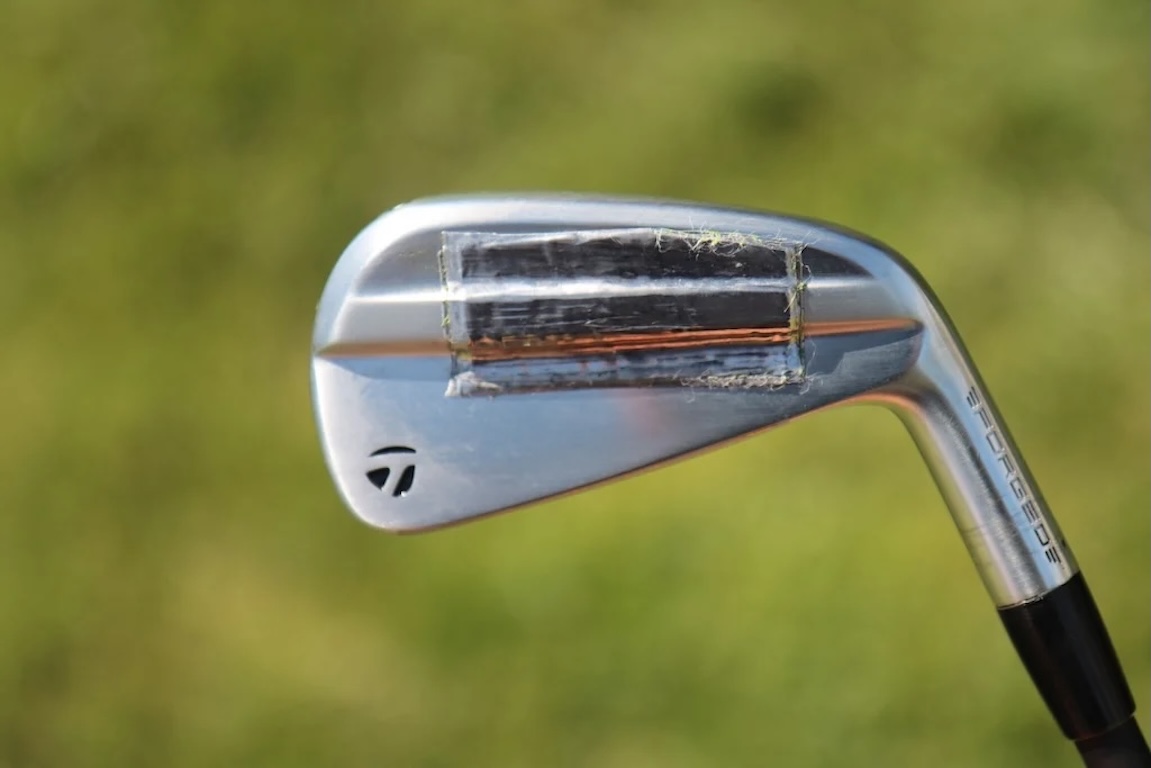
Driver: TaylorMade Qi4D LS (8 degrees)
Shaft: Fujikura Ventus TR Blue 6 X
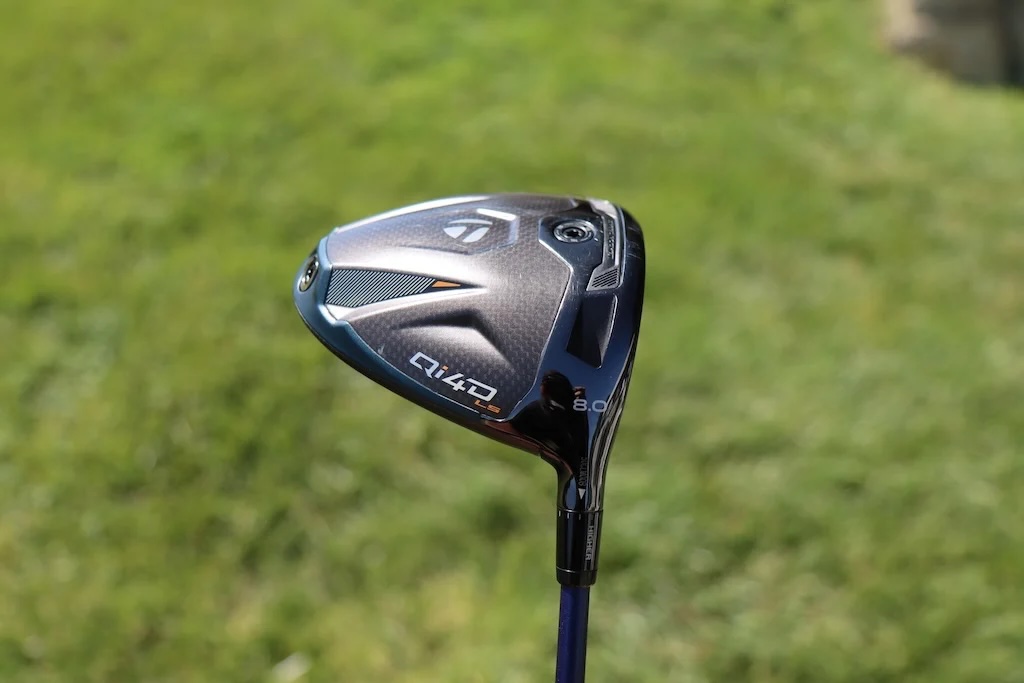
3-wood: TaylorMade Qi10 (15 degrees)
Shaft: Fujikura Ventus Black 9 TX
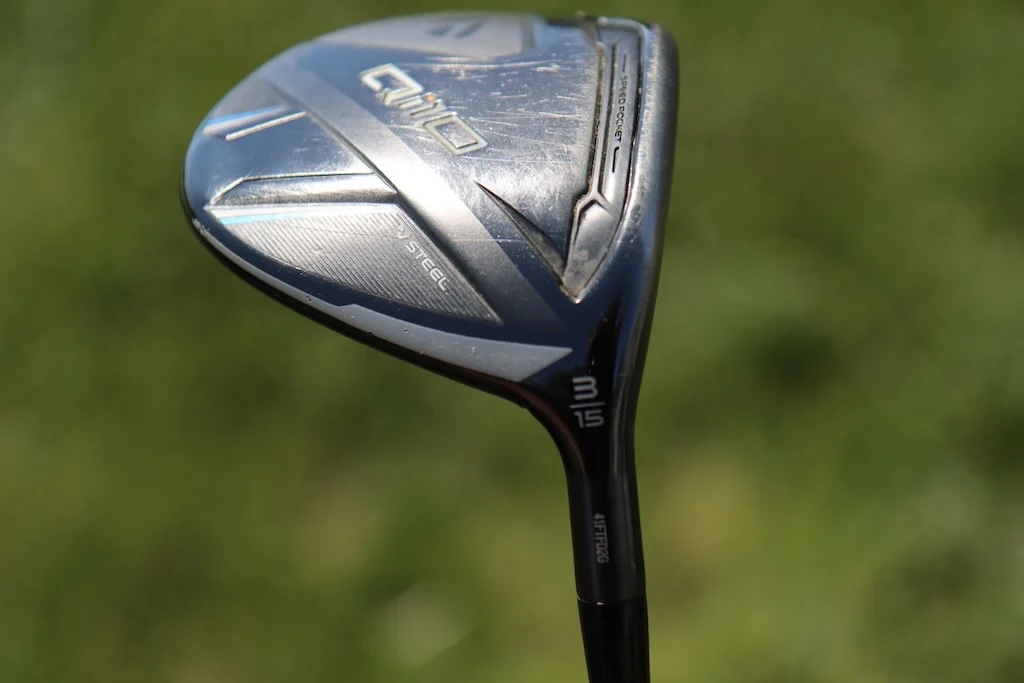
Irons: TaylorMade P770 (3), TaylorMade P7CB (4), TaylorMade P7TW (5-PW)
Shafts: Fujikura Ventus Black HB 10 X, True Temper Dynamic Gold X100
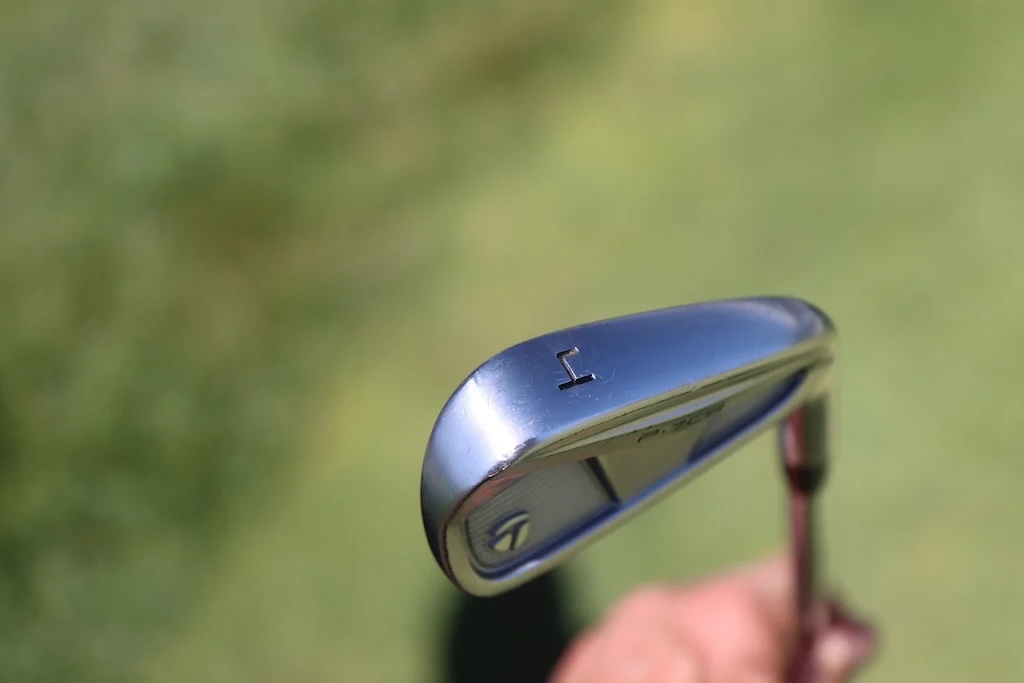
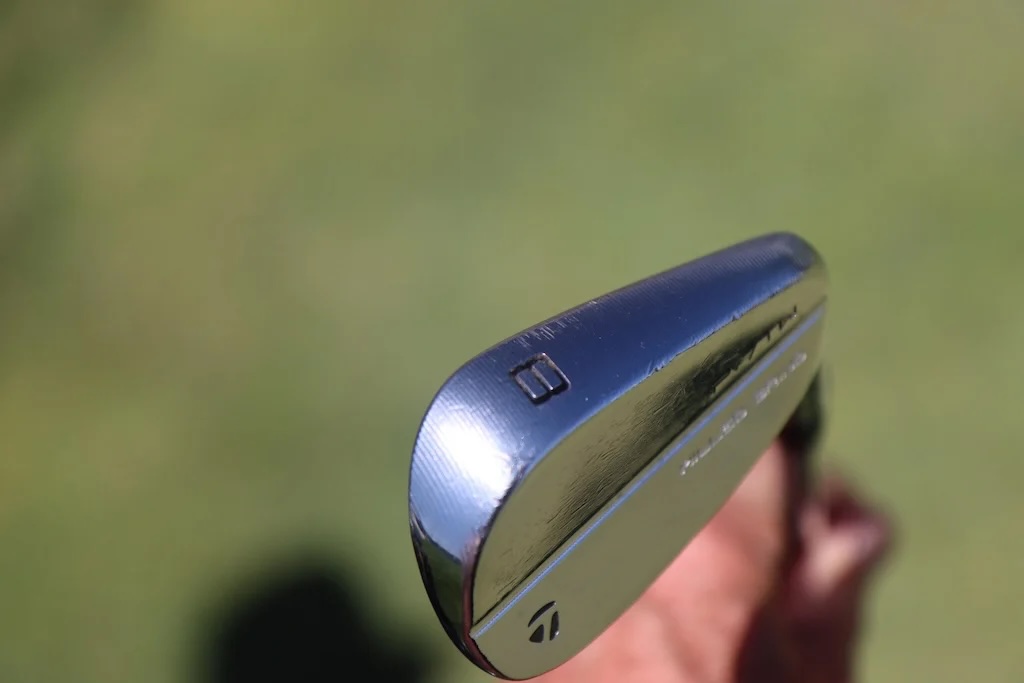
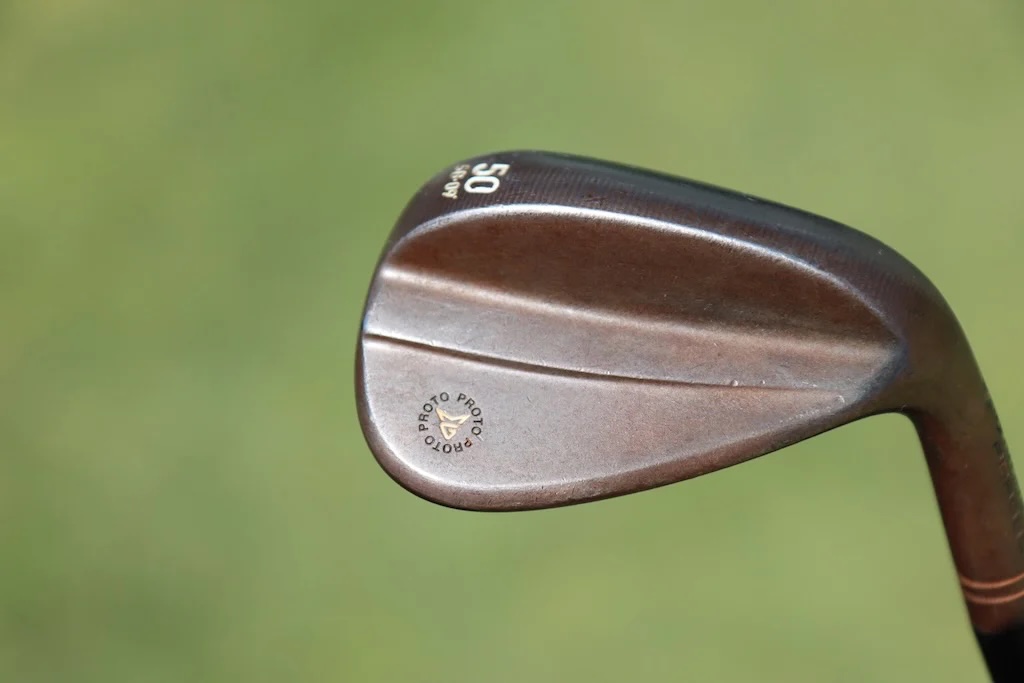
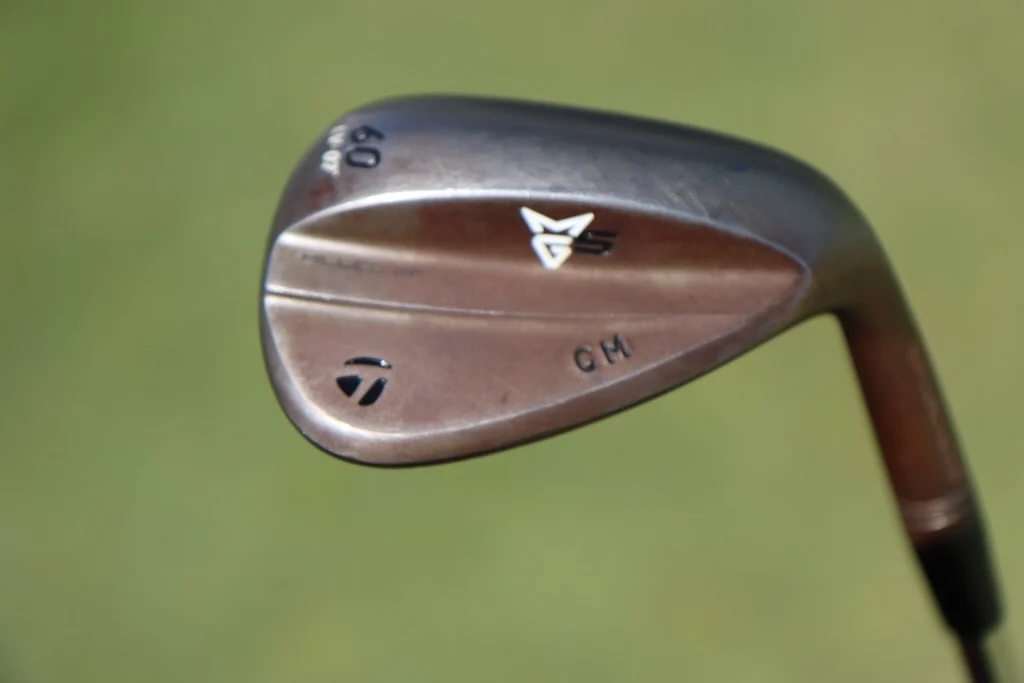
Wedges: TaylorMade Prototype (50-SB09), TaylorMade MG5 (56-HB12, 60-LV07)
Shafts: True Temper Dynamic Gold S400
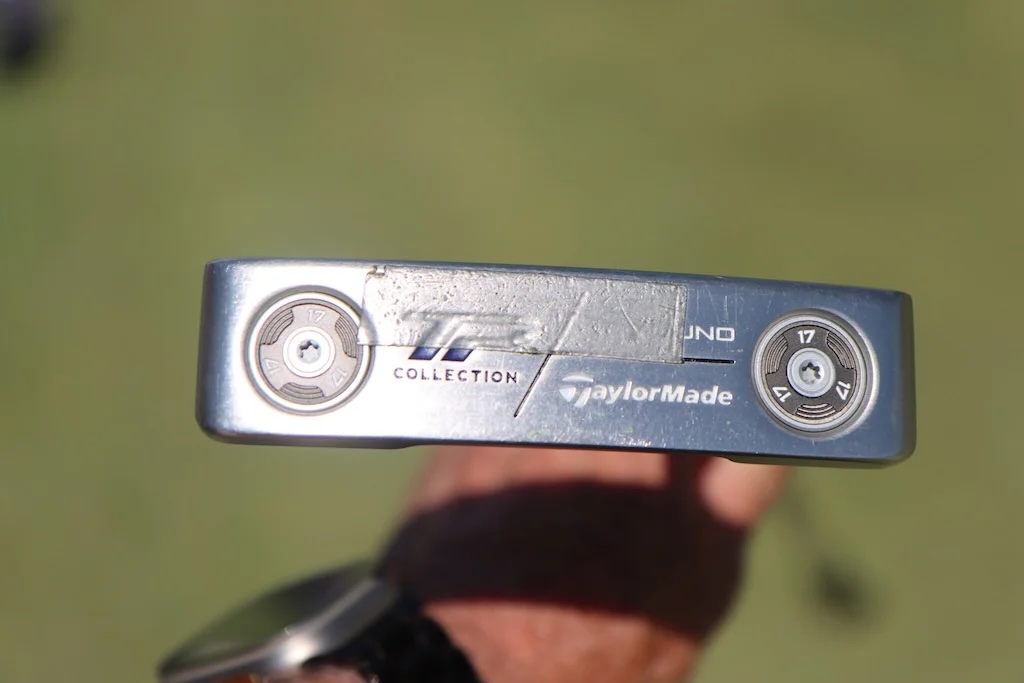
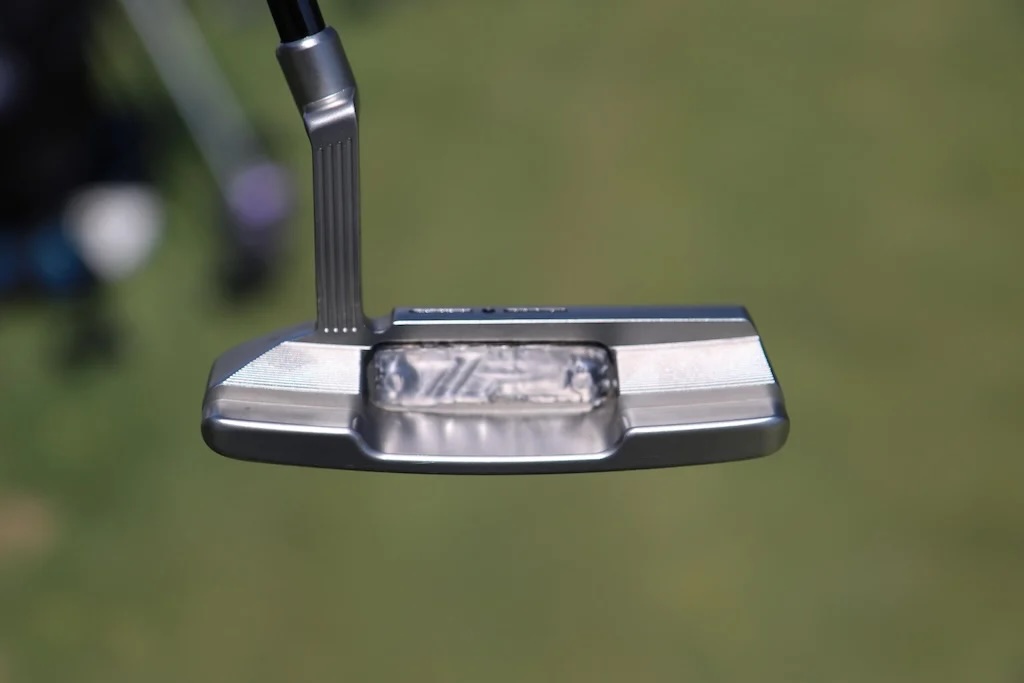
Putter: TaylorMade TP Juno
Ball: Titleist Pro V1x
Grips: Golf Pride Tour Velvet Cord
Check out more in-hand photos of Christiaan Maas’ clubs here.
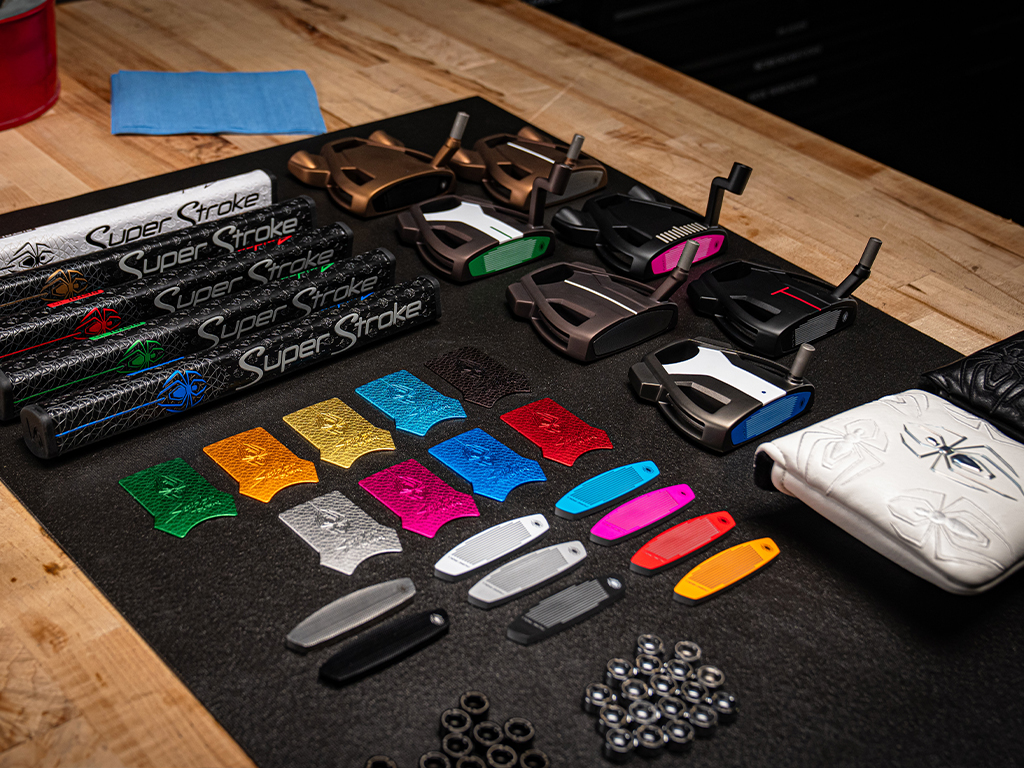
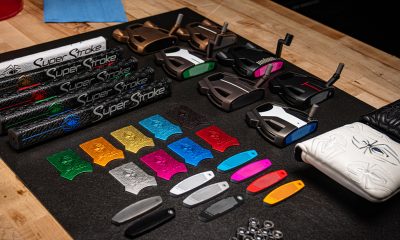
TaylorMade Golf’s MySpider program underwent a substantial overhaul over the last month. Firstly, the company launched the option to customize the Spider ZT model, and now the program has returned with the MySpider Tour and MySpider Tour X.
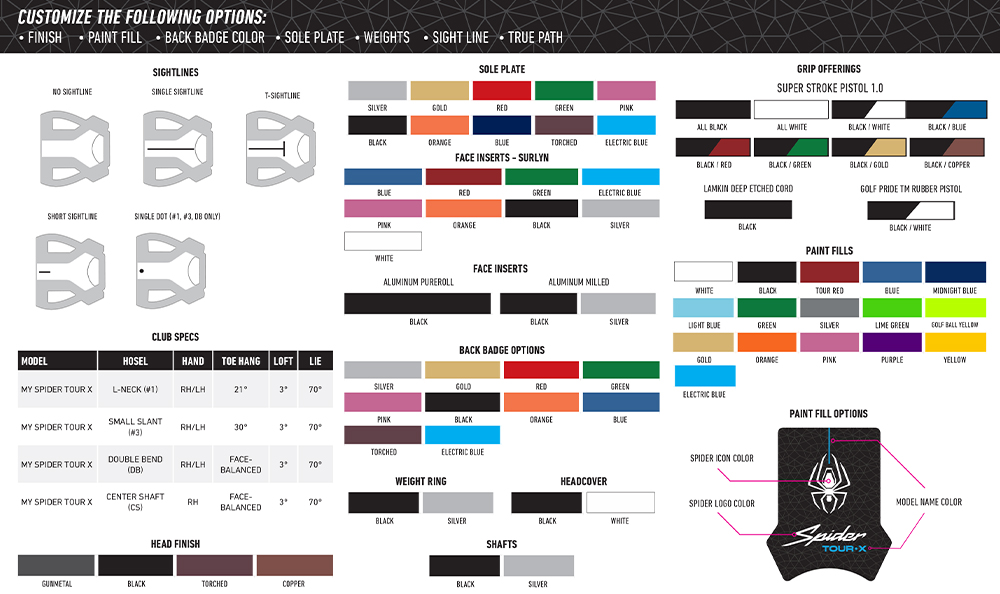
The revamped page now gives golfers complete control over every visual and functional detail of their putter on the popular Tour and Tour X head, with every cosmetic idea thought of. In MySpider Tour, golfers can choose from four head finishes, 16 paint fill colors, nine Surlyn face insert colors, three aluminum insert options, six sightline configurations, and four hosel options — L-neck, small slant, double bend, center shaft. Six sightline options are available in MySpider Tour, including the optically engineered True Path alignment system. MySpider Tour X gives builders the option of four head finishes, four hosel configurations, and five sightline options, also including True Path alignment.
One of the more interesting features of the new MySpider program is the availability of three distinct face insert options. Along with the usual Surlyn Pure Roll insert trusted by Scottie Scheffler and Rory McIlroy, which can be customized from nine colors, golfers can now also select firmer options. Two are offered with the black aluminum Pure Roll insert, slightly firmer than the traditional insert, or for the firmest feel, golfers can choose from two colors of milled aluminum inserts.
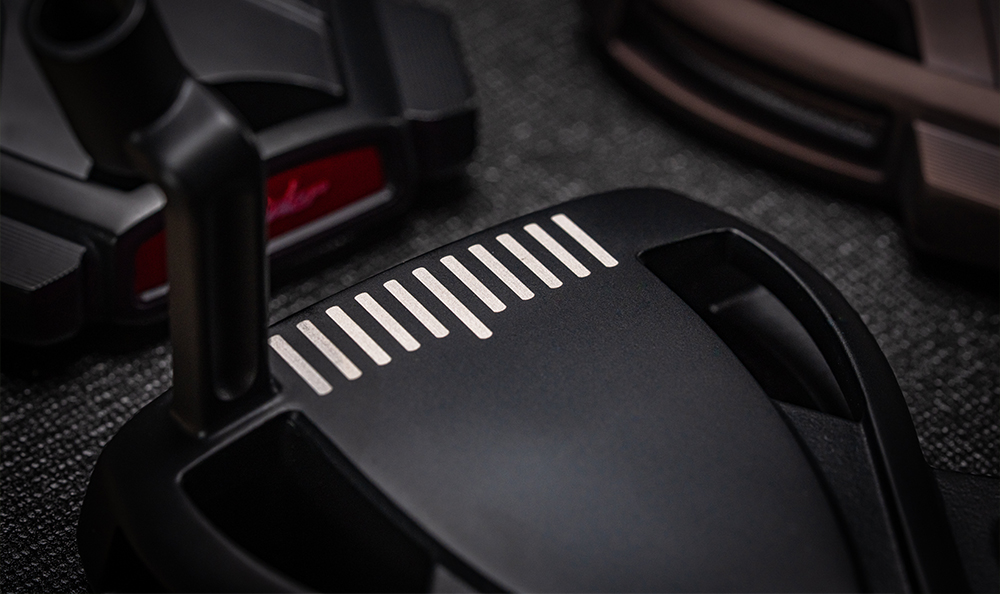
Another fun addition to the MySpider Tour is the ability to use the “Tommy Sightline.” The custom alignment aid design, which was first drawn onto Tommy Fleetwood’s putter by PGA Tour Rep James Holley, is based on the milled sightline on his Spider ZT head. There are five shorter lines on the left and right of a longer central line serving as the traditional short line alignment aid.
See below for the full specifications sheet for MySpider Tour and Tour X:
MySpider Tour
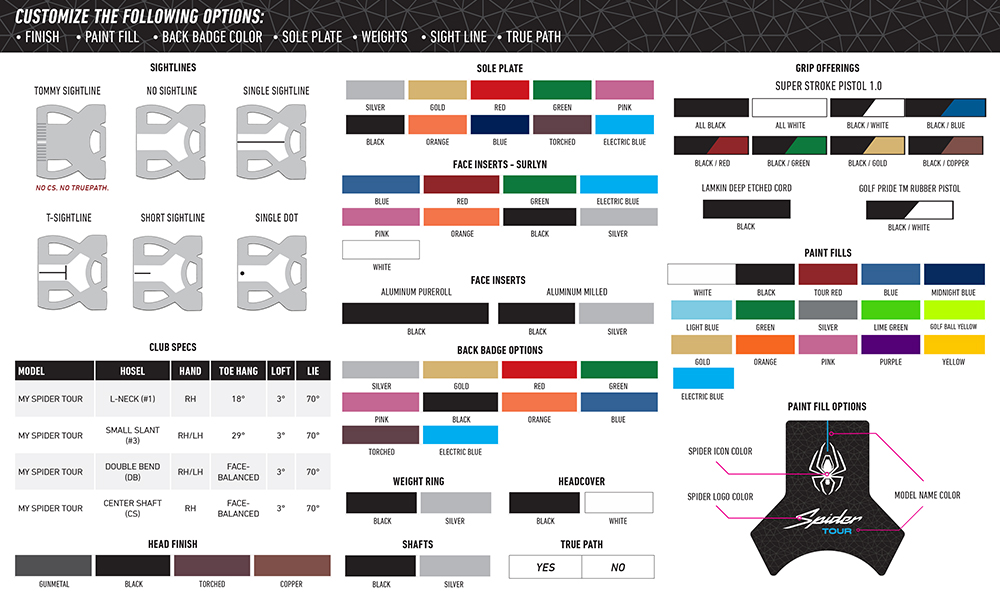
MySpider Tour X
Equipment
Then and now: Comparing Rory McIlroy’s current setup to his record-breaking 2019 Canadian Open victory

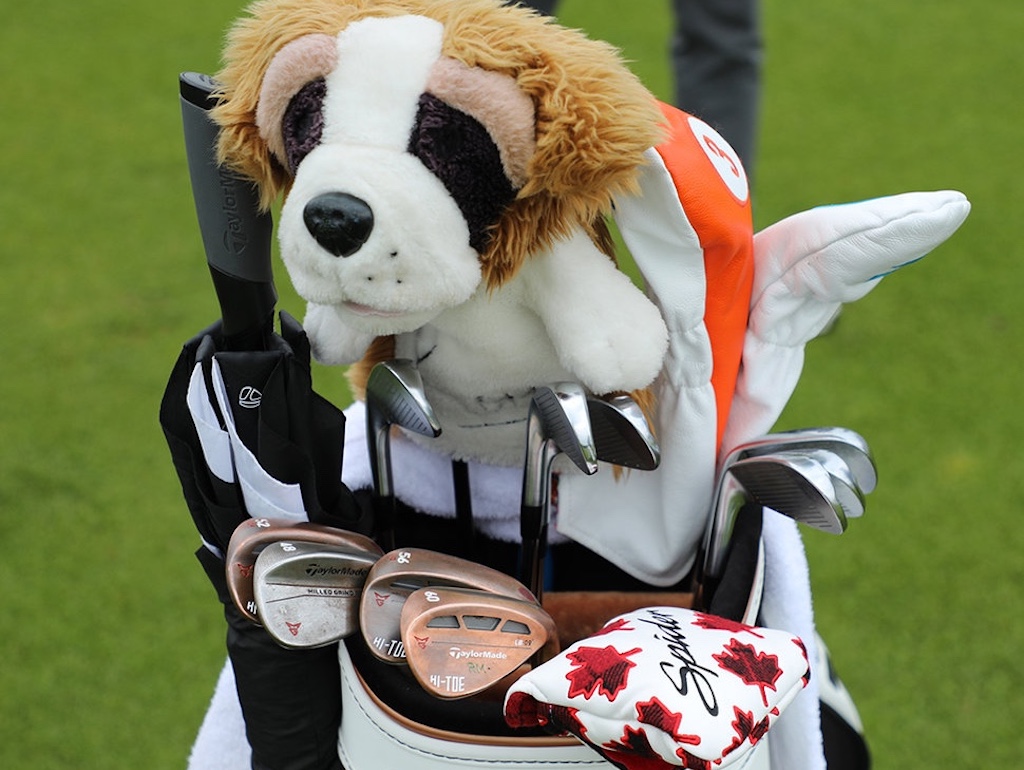
In Rory McIlroy’s first appearance at the 2019 RBC Canadian Open, he crushed the record books to earn his 16th PGA Tour title in dominating fashion, winning by seven shots over Shane Lowry and Webb Simpson.
McIlroy’s score of 22-under-par 258 is the lowest 72-hole score to date at the Canadian Open, and his closing 61 is also the best final-round score in the history of one of golf’s oldest tournaments. Finally, with his win in 2019, McIlroy became only the sixth player to win the career Triple Crown, adding to his victories at the U.S. Open in 2011 and The Open Championship in 2014, joining Tommy Armour, Walter Hagen, Arnold Palmer, Lee Trevino and Tiger Woods in a coveted list.
So, with that, why not compare his current setup to the clubs he used to break all the records?
Driver
2019: TaylorMade M5 (9 degrees), Shaft: Mitsubishi Tensei CK Pro White 70 TX
2026: TaylorMade Qi4D (9 degrees @8), Shaft: Fujikura Ventus Black 7X (45 5/8 inches)
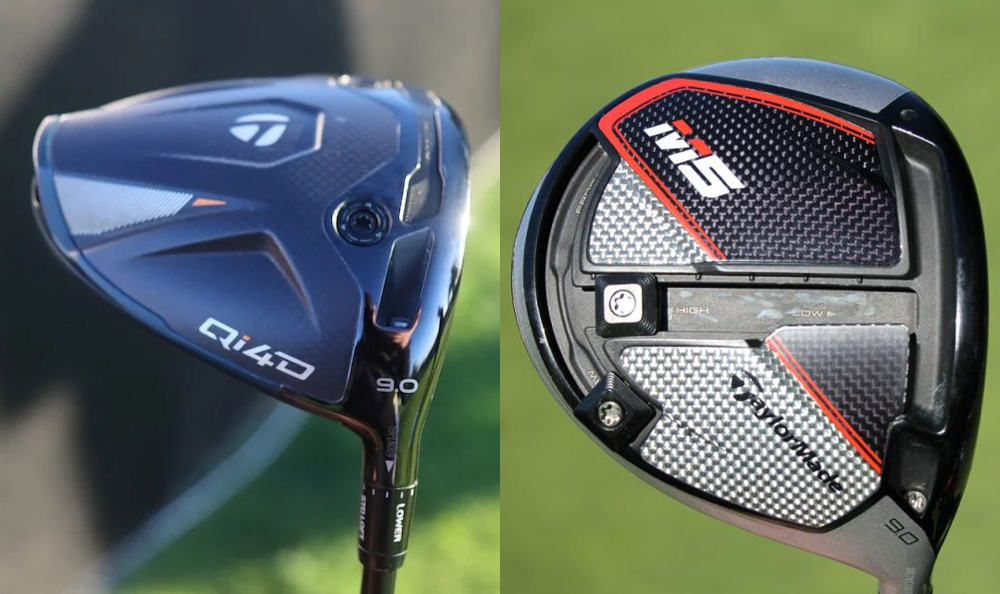
McIroy led the Tour in Strokes Gained: Off-the-Tee in 2019; he’s doing the same in 2026. Between now and then, McIlroy has switched from the Mitsubishi Tensei CK Pro White 70 TX (a shaft with slightly more feeling in the tip) to the original Fujikura Ventus Black 7X, having just made the change to the heavier version from playing the 60X.
What’s interesting about McIlroy’s 2019 setup is that the weighting on his driver is actually set in the high-draw setting, using the T-Track weighting system, whereas in the Qi4D, he’s currently using a heavily rear-weighted setup. (Two 13-gram weights in the rear and only two 4-gram front weights.)
The TaylorMade M5 driver he played in during his Canadian Open win was the company’s first head that they claimed to design to initially exceed the USGA’s COR limit, and then injected with tuning resin to bring it back in bounds.
Fairway woods
2019: TaylorMade M6 3-wood (15 degrees), Shaft: Mitsubishi Tensei CK Pro White 80 TX; TaylorMade M5 5-wood (19 degrees), Shaft: Mitsubishi Tensei CK Pro White 90 TX
2026: TaylorMade Qi4D 3-wood (15 degrees), Shaft: Fujikura Ventus Black 8X; TaylorMade Qi4D 5-wood (18 degrees), Shaft: Fujikura Ventus Black 9X

The TaylorMade M6 fairway wood that McIlroy was using during the 2019 season is still in the bag of some of the best golfers on Tour in 2026. Just check out Justin Rose’s winning setup from the Farmers Insurance Open earlier this year. This year, though, McIlroy has still been searching for his top-end-of-the-bag setup, having played both the new Qi4D and the Qi10, which he won the Masters with.

The same shaft swap can be seen in the fairway woods as the driver, along with slightly less loft on the 5-wood.
Irons
2019: TaylorMade P750 (4) Buy here, TaylorMade P730 (5-9), Shafts: Project X 7.0
2026: TaylorMade P760 (4), TaylorMade Rors Proto (5-9), Shafts: Project X 7.0

The biggest difference between McIlroy’s custom set and the stock P730s is the groove design. While the P730s were constructed with 14 MX-9 grooves on their milled faces, McIlroy’s proto heads instead use the higher-spinning, 16-groove layout of the TW2 grooves. Other big differences between the sets are that McIlroy’s 7- and 8-irons have thinner toplines, are 1 degree stronger in loft, and are 1/4 inch longer than the original P730 builds.
With McIlroy’s 4-iron, the switch from P750 to P760 sees a transition to a two-piece construction with Speed Foam in it, which allows McIlroy to launch the ball slightly higher, with more workability.
Wedges
2019: TaylorMade Milled Grind (48-09SB), TaylorMade MG Hi-Toe (52-09SB, 56-09SB, 60-LB09), Shafts: Project X Rifle 6.5
2026: TaylorMade MG5 (46-09SB, 50-09SB, 54-11SB, 60-08LB @61), Shafts: Project X 6.5 (46-54), Project X 6.5 Wedge (60)

Between 2019 and 2026, McIlroy’s focus on his short game has been much more apparent. It was the reason why he switched back to the TP5 golf ball, to help with launch, spin and control with his wedges leading up to his career Grand Slam victory in 2025. The most apparent changes to McIlroy’s wedge setup are his lofts and bounce. He’s slowly delofted his pitching to a sand wedge, but has increased the loft on the lob wedge, bending his current 60-degree to 61. With that, adding more loft to his lob wedge also slightly increases the bounce and leading-edge sit point, so, as a result, he plays a lower-bounce lob wedge compared to 2019. The MG5 wedges are also softer than the first Milled Grind option from 2019. McIlroy also no longer plays the full-face grooves found on the Hi-Toe.
Putter
2019: TaylorMade Spider X
2026: TaylorMade Spider Tour X
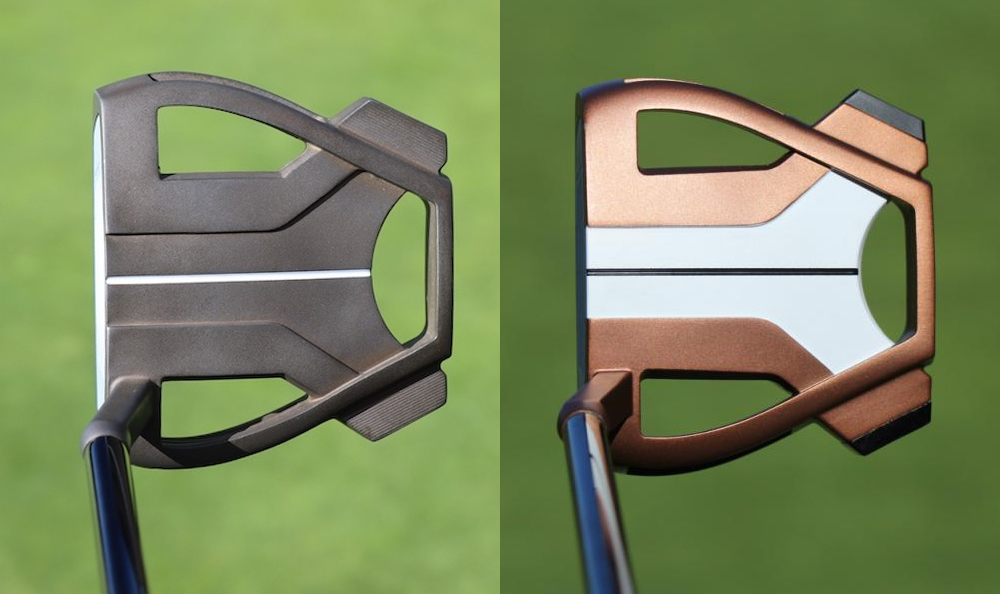
Notice anything similar. Yes, the copper finish on Rory McIlroy’s Spider X putter in 2019 is a slightly more reflective finish than the recently released torched PVD finish. McIlroy was using the True Path alignment system, but now uses only a single white sightline.
Ball
2019: 2019 TaylorMade TP5 (#22)
2026: 2025 TaylorMade TP5 (RORS)
As mentioned above, McIlroy had transitioned from the TP5 to TP5x golf ball since his victory in Canada in 2019, but now is black with the same style of golf ball as his victory at Hamilton Golf & Country Club.
Grips
2019: Golf Pride Tour Velvet Cord
2026: Golf Pride MCC
Interesting, McIlroy actually used Golf Pride’s Tour Velvet Cord grips during his victory in 2019 (it was during a 2+ year switch to the corded TV) as opposed to his usual MCC grips, which he has played for most of his career.

What’s the story behind Webb Simpson’s custom-stamped irons?

Memorial Tournament Tour Report: Rory McIlroy, Cameron Young switch up drivers, and more

Cadillac Championship Tour Report: Spieth’s sizable changes, McLaren Golf launches, and more

Russell Henley’s winning WITB: 2026 Charles Schwab Challenge

Kristoffer Reitan’s winning WITB: 2026 Truist Championship

Best irons 2026: Best irons overall, most forgiving irons, and more

J.T. Poston’s winning WITB: 2026 Memorial Tournament

Aaron Rai’s winning WITB: 2026 PGA Championship

Cameron Young’s winning WITB: 2026 Cadillac Championship

Details on Jason Day’s latest prototype Avoda iron setup


Christiaan Maas WITB 2026 (June)
Driver: TaylorMade Qi4D LS (8 degrees) Shaft: Fujikura Ventus TR Blue 6 X 3-wood: TaylorMade Qi10 (15 degrees) Shaft: Fujikura Ventus Black...


Ryan Palmer WITB 2026 (June)
Driver: Callaway Quantum Triple Diamond (9 degrees) Shaft: Project X HZRDUS Smoke Blue RDX 60 TX 3-wood: TaylorMade Qi10 (15 degrees) Shaft:...


Bud Cauley WITB 2026 (June)
Bud Cauley had >14 clubs in his bag when photographed prior to the Memorial Tournament. Driver: Titleist GTS2 (8 degrees) Shaft: Fujikura...


Hannah Green WITB 2026 (June)
Driver: Titleist GTS3 (10 degrees, D4 SureFit setting) Shaft: Mitsubishi Chemical Diamana RB 53 S 3-wood: Titleist GT3 (15 degrees,...
-
 Equipment6 days ago
Memorial Tournament Tour Report: Rory McIlroy, Cameron Young switch up drivers, and more
-
 News2 weeks ago
Russell Henley’s winning WITB: 2026 Charles Schwab Challenge
-
 Equipment4 days ago
Best irons 2026: Best irons overall, most forgiving irons, and more
-
 Whats in the Bag4 days ago
J.T. Poston’s winning WITB: 2026 Memorial Tournament
-
 Equipment1 week ago
Details on Jason Day’s latest prototype Avoda iron setup
-

 Equipment3 weeks ago
CJ Cup Byron Nelson Tour Report: Koepka and Kim’s newest putters finally get hot
-

 News2 weeks ago
Charles Schwab Challenge Tour Report: MacIntyre, Åberg and Spaun all switch putters, TaylorMade launches new Spider
-

 Equipment2 weeks ago
Details on J.J. Spaun’s surprise putter switch


Pingback: The best TaylorMade drivers of all time – GolfWRXers discuss – GolfWRX
Pingback: TaylorMade launches limited-edition Ryder Cup inspired drivers – GolfWRX
Pingback: GolfWRX Members Choice: Best driver of 2021 – GolfWRX
TA
Mar 20, 2021 at 10:29 pm
Hi Ryan, love the breakdown on the SIM2. By chance did you measure the weight near the heal on the SIM2? The one they call the TPS weight? Thank you!
Pingback: Best driver 2021: By club fitters for you! – GolfWRX
jgpl001
Jan 20, 2021 at 4:04 am
I am NOT happy to see these.
With all things Covid, lockdowns, restrictions and course closure I have only hit my (now) old SIM driver 5-6 times since purchasing it in March 2020
Now its worthless, thanks, TM AGAIN
Gunter Eisenberg
Jan 19, 2021 at 2:39 pm
Same old…same old….nothing revolutionary to see here. Move along…
T
Jan 19, 2021 at 9:21 am
I like that you can customize the driver away from the horrid new paint scheme, but you can’t do the same for the fairway woods, so what’s the point? I can have an all blacked out driver, but if I want the 3W I’m stuck with the ugly colors. Big miss.
Moses
Jan 19, 2021 at 8:44 am
Driver looks like Optimus Prime. No thanks to all these $500 plus drivers that aren’t any better than last years model.
BJ
Jan 19, 2021 at 8:10 am
Review was good to listen to. Buy why does he say “composite” like that LOL. I have a buddy from South Carolina and when he says “Crayon”, he pronounces it “Crown”
Big GG
Jan 19, 2021 at 8:33 am
Look at the early reviews all over the net. The SIM 2 does not perform any better than last years SIM.