
Equipment
Golf club history: woods and irons

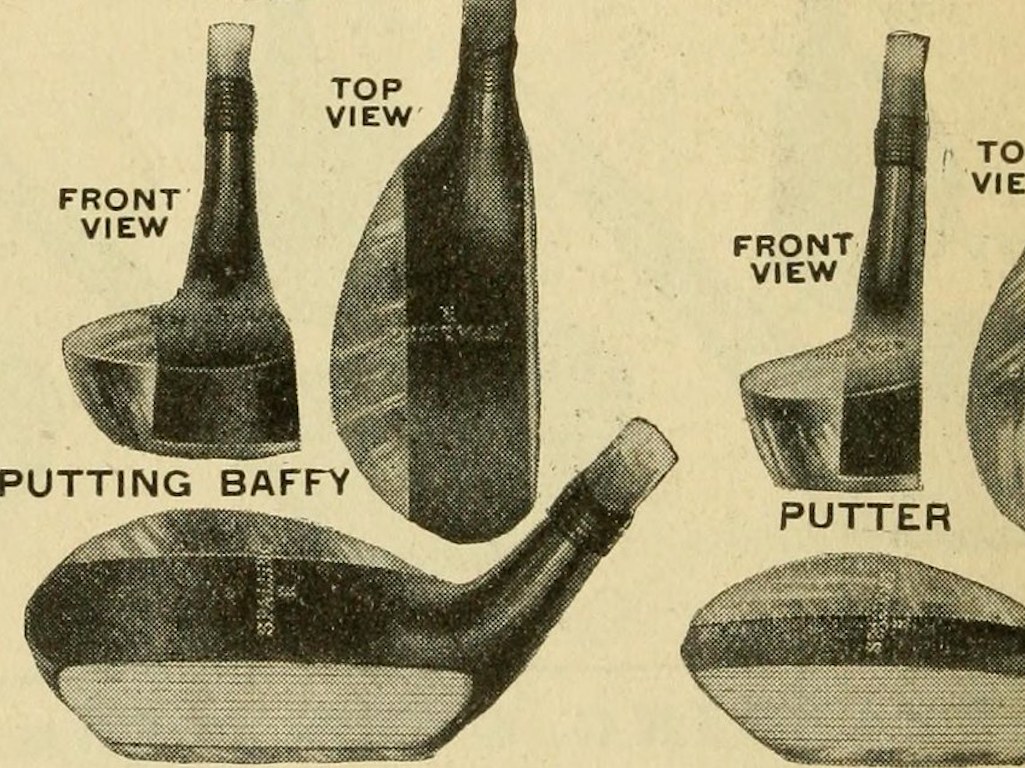
If you’re going to play golf, you’re going to need some clubs. The game dates back to the 1400s in Scotland, so naturally, golf club history does too. We’ve come a long way from wooden clubs and feather-filled balls. For the sake of this piece were going to stick with the modern evolution of the game’s equipment starting off with the invention of the steel shaft in the early 1900s.
Some of the first steel shafts came from a fishing rod producer in Britain by the name of Apollo and we’re developed in the early 1920s. The shafts were much more consistent than the wooden shafts they were attempting to replace but they were still considered inconsistent by many players. Steel shaft also didn’t catch on until a number of years after their conception because until 1924 the USGA considered them nonconforming equipment. It took 5 more years for the R&A to make them legal in 1929.
It was that same year in 1929 when True Temper advanced the steel shaft and developed the process to taper shafts down or create “steps”—something we are all familiar with now. These steps could be moved around the shaft and change the flex which created more options for golfers to find the right equipment and be fit.
Since that time, the biggest steps (no pun intended) we have seen taken in steel shafts have come from stronger, lighter materials to create more flex and bend profile options for golfers.
If you are curious about graphite shafts, check out my piece “The real firsts of the golf industry” for the history behind their development as well as some other technological firsts.
Here’s a broad survey of recent golf club history.
Golf club history: woods
Now to the “big stick.” The term “driver” comes from the idea that the longest club was meant to be driven as far as possible from the teeing area and hence the name stuck. The club heads were made of persimmon, because of the strong dense nature of the wood. To get these wooden heads to where they needed to be for weight, they would be fitted internally with lead weights.
The video below profiles one of the last persimmon wood manufacturers in the world.
With persimmon becoming more expensive and golf growing in popularity, many manufactures shifted from using solid persimmon to laminate—that change also made the clubs more durable, and also a change in golf club history. Those companies included Wilson, Spalding, MacGregor, even Ping with the introduction of the Karsten driver and woods.


As technology continued to move forward, other companies used various materials like graphite composites to make woods, and as much as they worked well for increasing durability they never quite caught on.


The next jump came in 1979 when Gary Adams had an idea to make wood a thing of the past. He took out a $24,000 loan against his house to found TaylorMade Golf. The first product to market was a 12-degree metal driver; the very first of it’s kind in golf club history.

Since then, metal wood technology has continued to move forward leaps and bounds; shifting from steel to titanium, and titanium to multi-material heads featuring aerodynamic designs built for speed. The rules of golf have limited size and spring-like effect of drivers but manufacturers continue to innovate and make drivers faster and more forgiving.
golf club history: Irons

Until Karsten Solheim and Ping arrived on the scene (see Greatest Ping irons of all time), iron design remained mostly the same—thin, forged blades that weren’t very forgiving. It’s not to say that everything was exactly the same, quite the contrary, but from an evolution standpoint, these were just baby steps.
To see the blade evolution here are a couple of great reads:
Then, just like with putters, Karsten Solheim designed an iron that would help reduce the severity of shots hit away from the sweet spot and the modern cavity back was born: the Ping 69. It was then only a few years later in 1982 that the most popular iron of all time, the Ping Eye 2, was set free into the world and this is where iron technology went from baby steps to full-blown Olympic sprinting.

Cavity back irons make the game more enjoyable and easier because their design reduces the severity of mishit shots and get the ball in the air easier, something that benefits all level of golfers, even professionals. Just like drivers, over the last decade, we have seen the introduction of faster, longer more forgiving multi-material designs enter the market. As CAD design and manufacturing techniques go well beyond was would have been imaginable only a decade ago.
Golf club history: beyond cavity backs

New 2020 PXG Gen 3 Irons
The next leap forward was thin-faced irons so fast they needed to be reinforced with polymer materials to prevent them from caving in. The idea wasn’t new, with the introduction of clubs like the PXG 0311 or Taylormade P790, but they perfected the ability to build ultra-thin faced irons that not only performed but felt good too. The title of the first thin or slot-soled irons belongs to Wilson golf and their Reflex irons.
Conclusion
Technology will continue to push the boundaries of design, and golfers will benefit from these breakthroughs. The question of “how much further can we really go?” is up to engineers and advancements in materials and manufacturing, but however far it is, we should be excited about what they will think of next!




This week, we have our Tour Photographer, Greg Moore, on the ground at the OccuNet Classic at Tascosa Golf Club in Amarillo, Texas, for the 14th event of the 2026 Korn Ferry Tour season. With that, we see some great things in the Lead Tape Report as we roll into Amarillo.
Joel Thelen
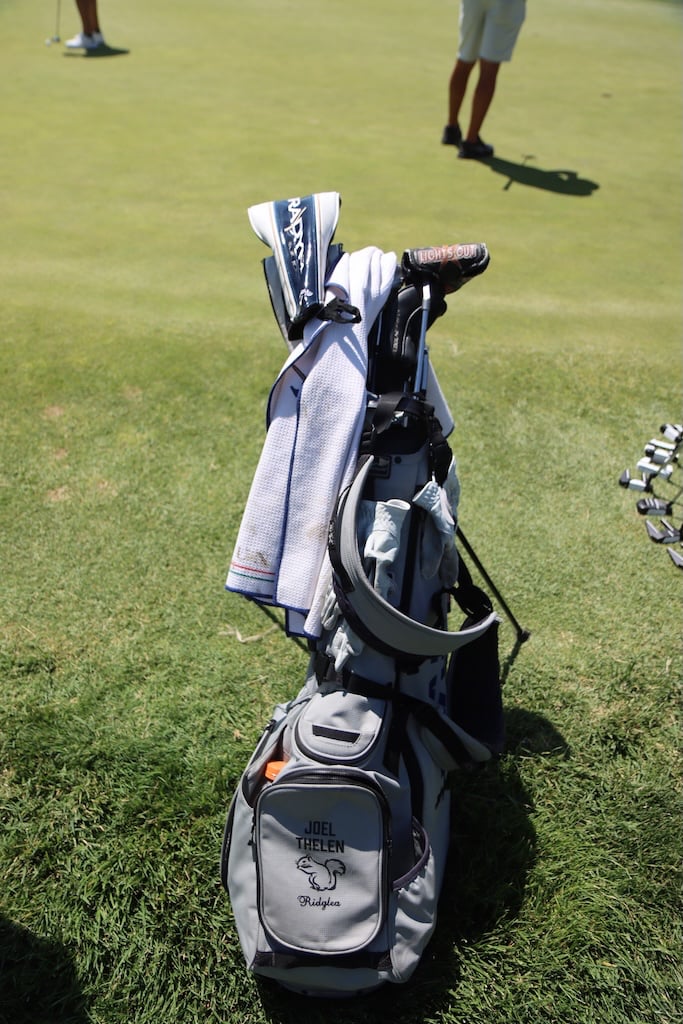
Monday Qualifier, Joel Thelen is in the field this week. He has played on the Korn Ferry Tour for a full season in 2023, and he is back in action this week. A couple of clubs caught my eye this week in his bag.
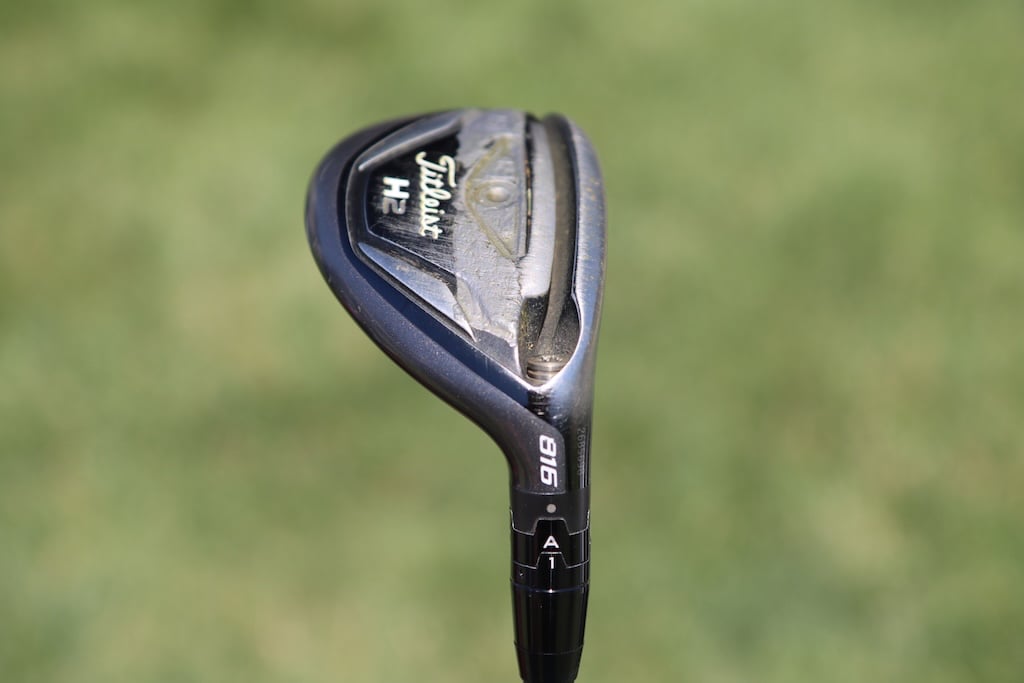
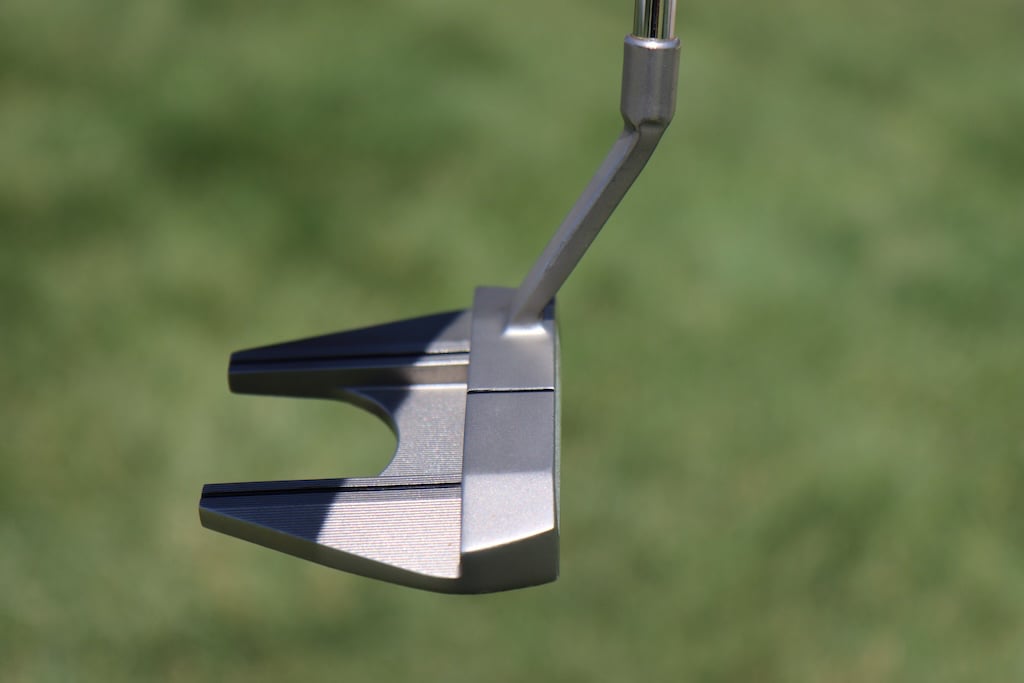
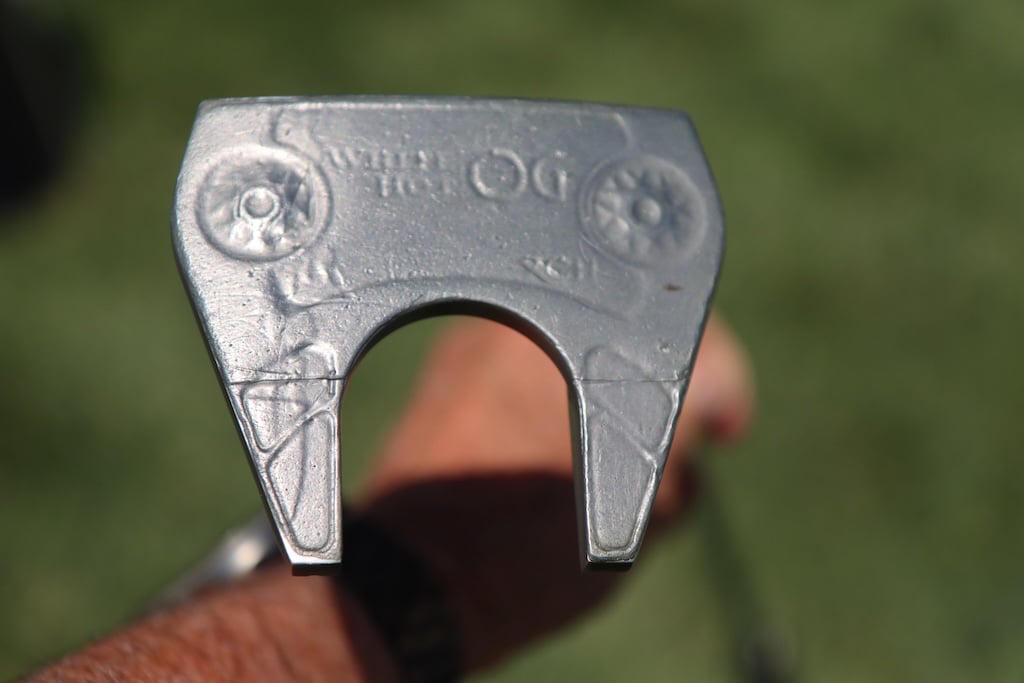
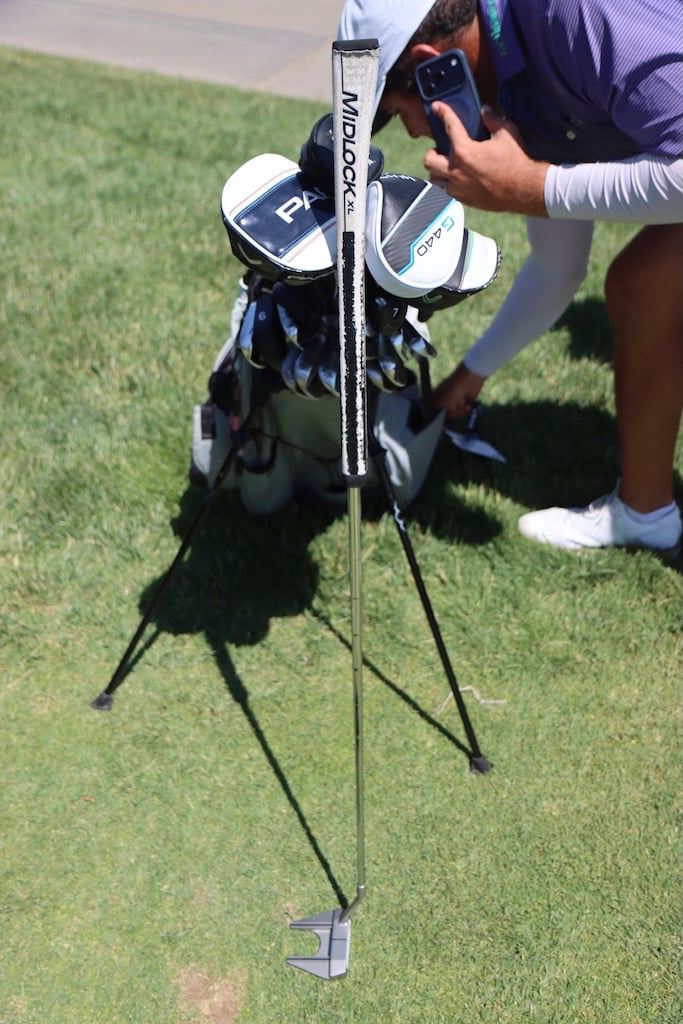
First off: His trusted Titleist 816 H2 hybrid. This club came out in October of 2015, and it still remains strong in the bag. Also, take a look at this Odyssey White Hot OG 7, putting a capital S in the 7S model. This custom neck has some impressive lean for an arm-lock-style putter. The bottom of the putter is covered in tape for optimal weighting.
Mitchell Meissner
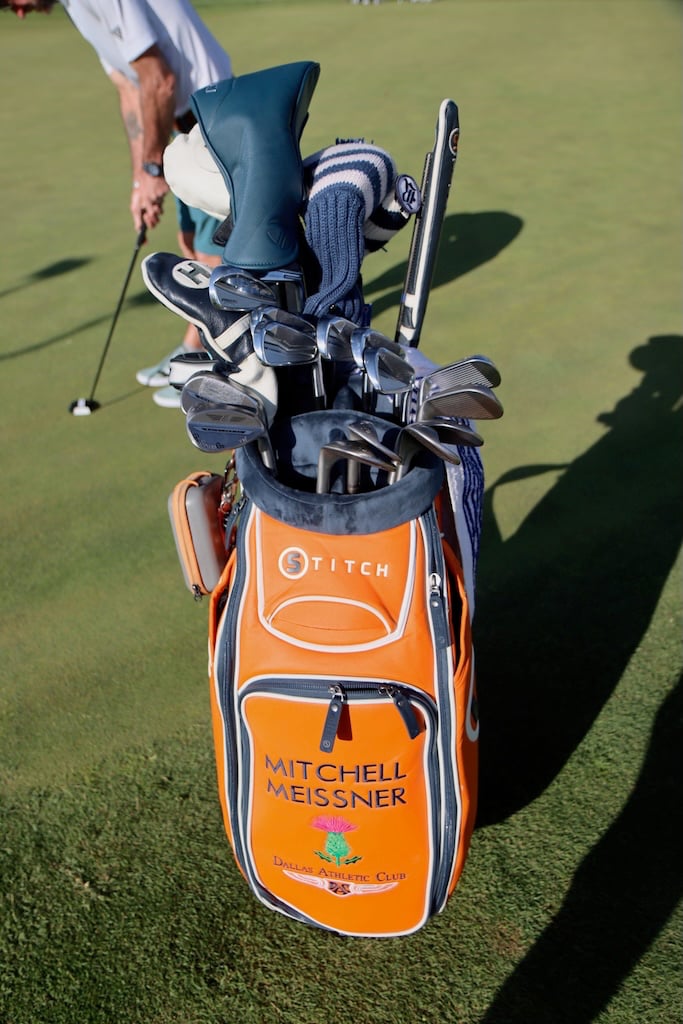
Taking a look at Mitchell Meissner’s bag this week, we have some great lead tape coverage. Top to bottom working from fairway metals, irons, and wedges. We can see on the short irons and wedges that there is tape at the base of the grip, adding a little counterbalance. Along with that, some tape on the short irons and wedges as well. Moving to his putter, he rolls the Odyssey 7 Bird putter. Meissner putts left-handed and strikes the ball right-handed.
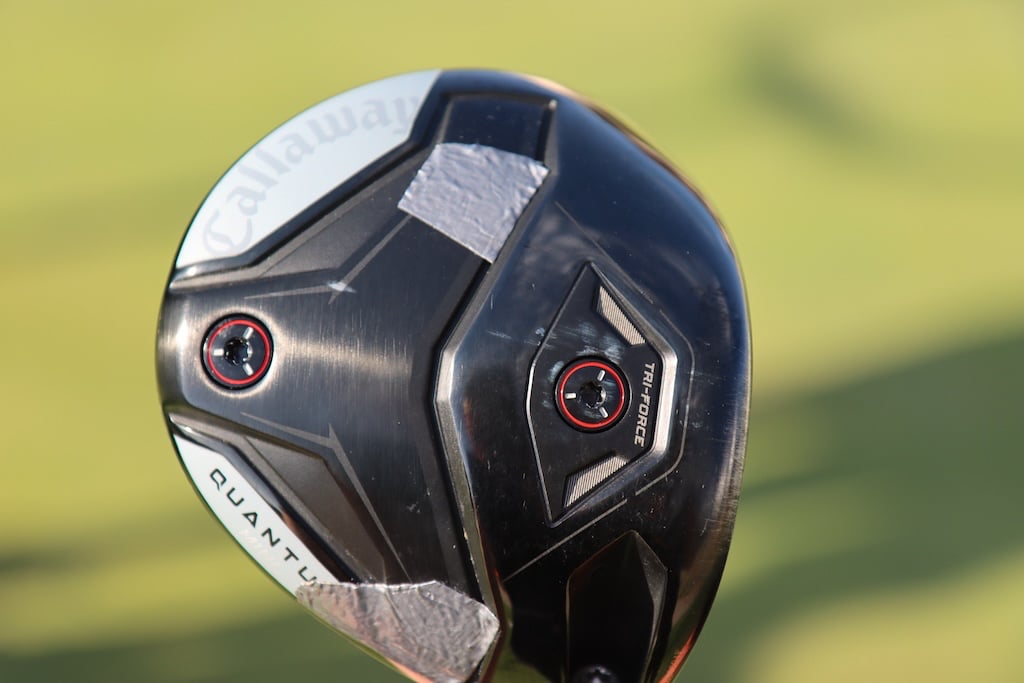
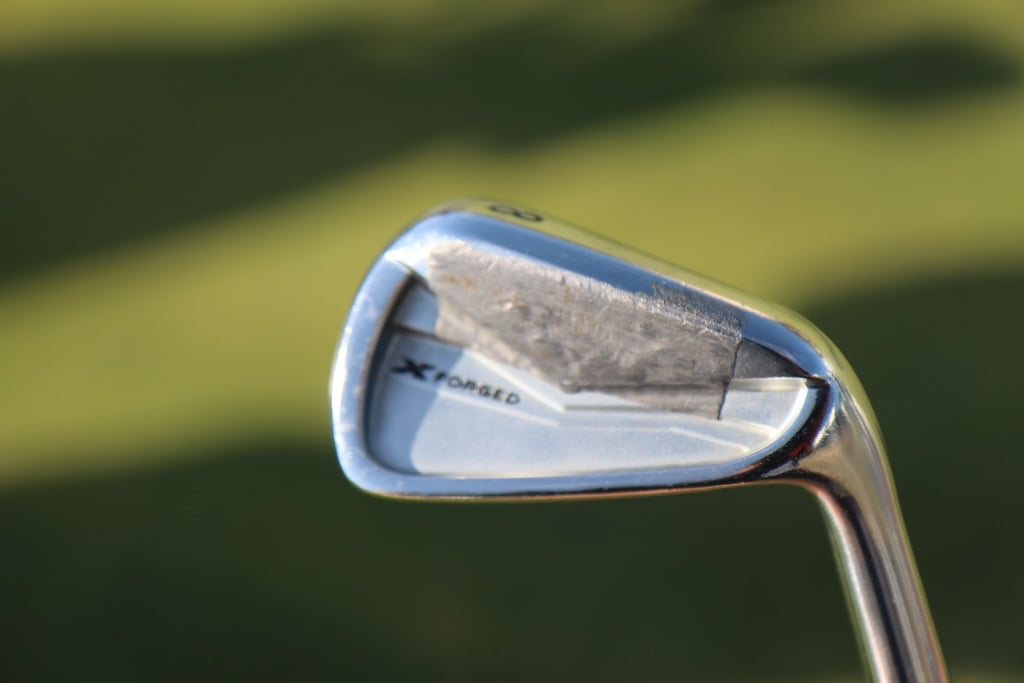

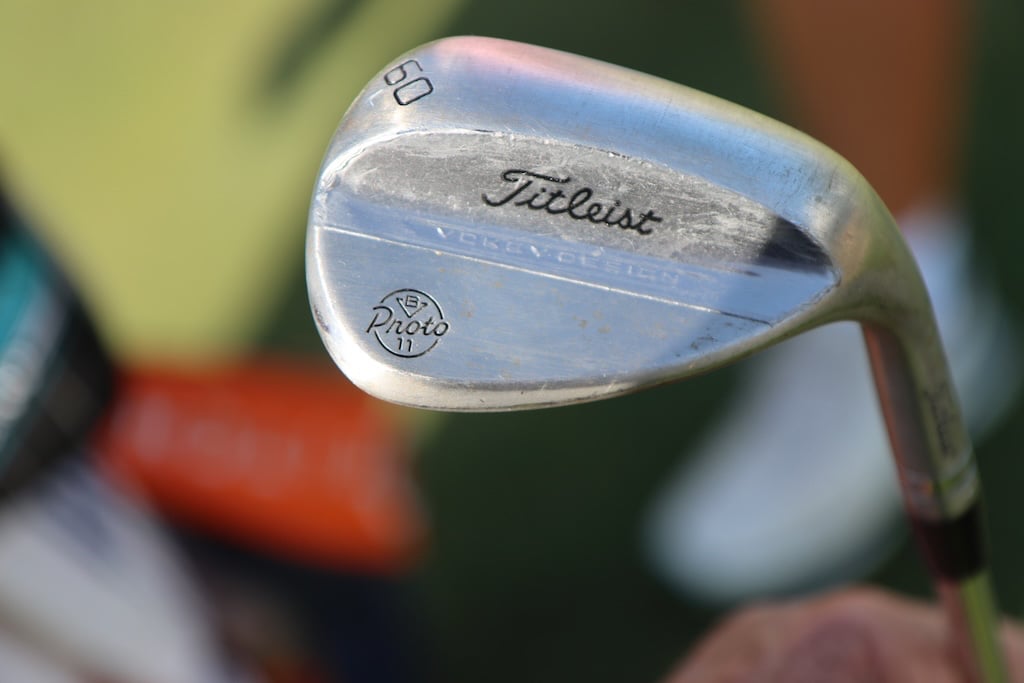

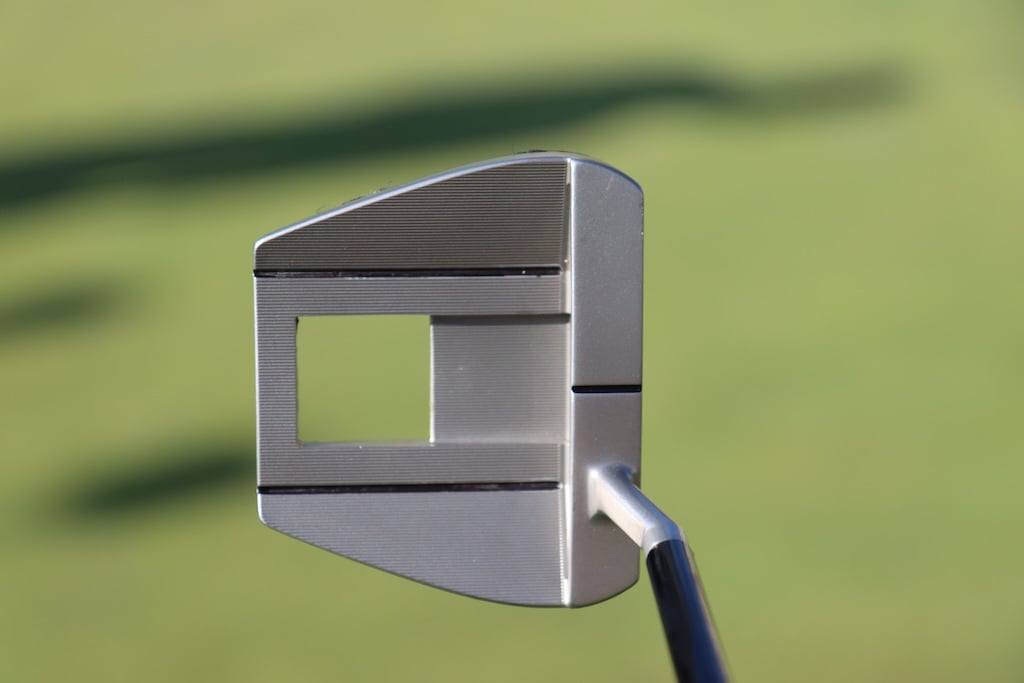


Bud Cauley had >14 clubs in his bag when photographed prior to the Memorial Tournament.
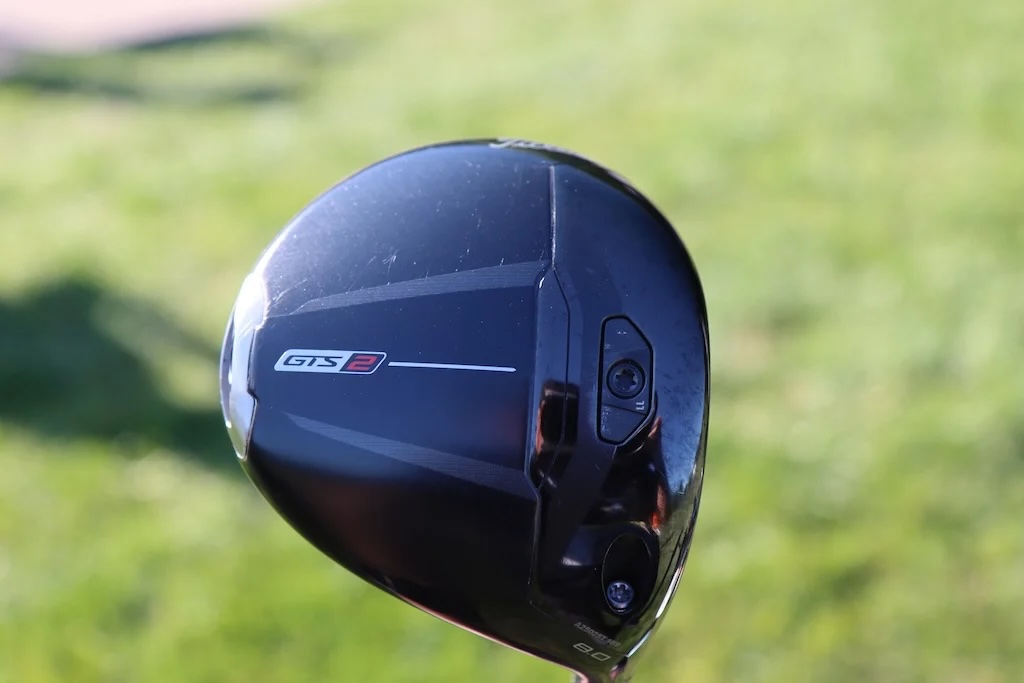
Driver: Titleist GTS2 (8 degrees)
Shaft: Fujikura Ventus Black 6 X
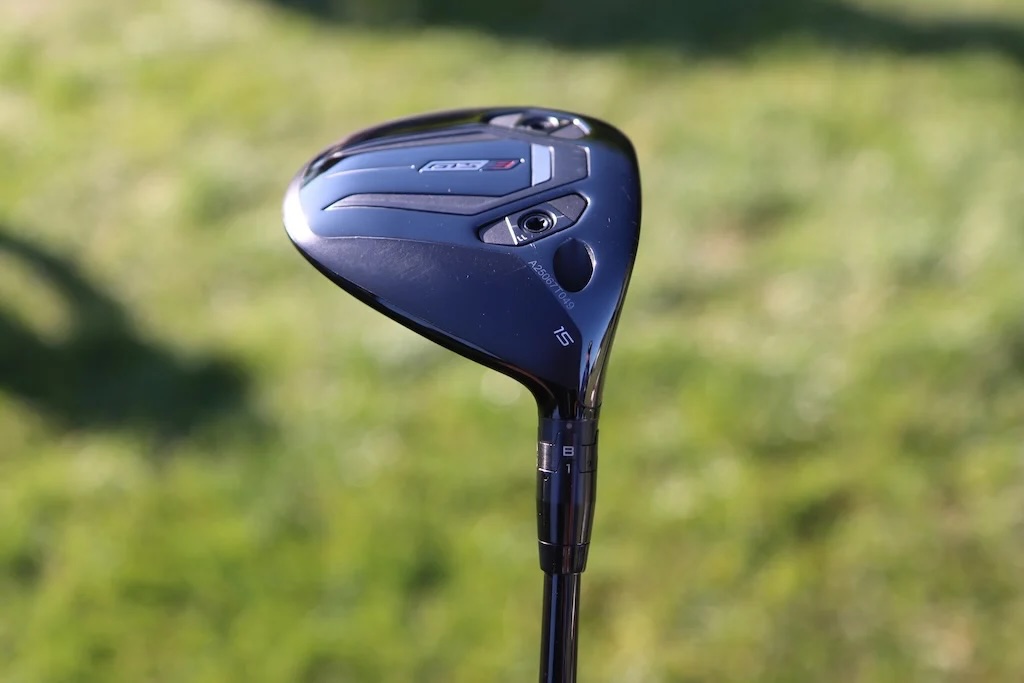
3-wood: Titleist GTS3 (15 degrees, B1 SureFit setting)
Shaft: Mitsubishi Chemical Tensei 1K Pro Red 70 TX
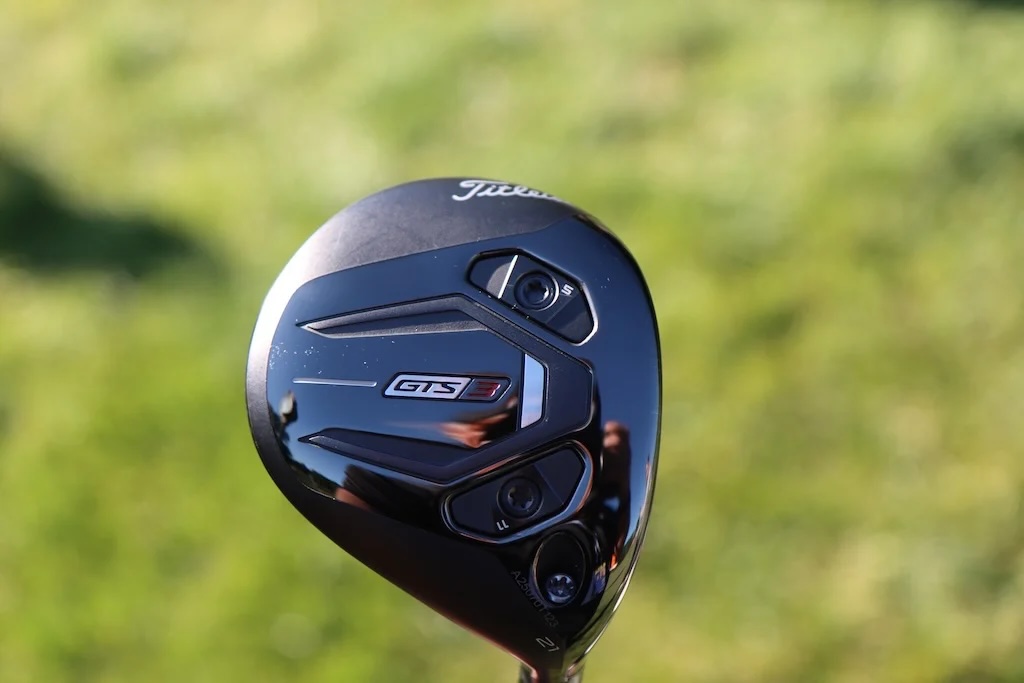
7-wood: Titleist GTS3 (21 degrees, D1 SureFit setting)
Shaft: Mitsubishi Chemical Tensei 1K Pro Red 80 TX
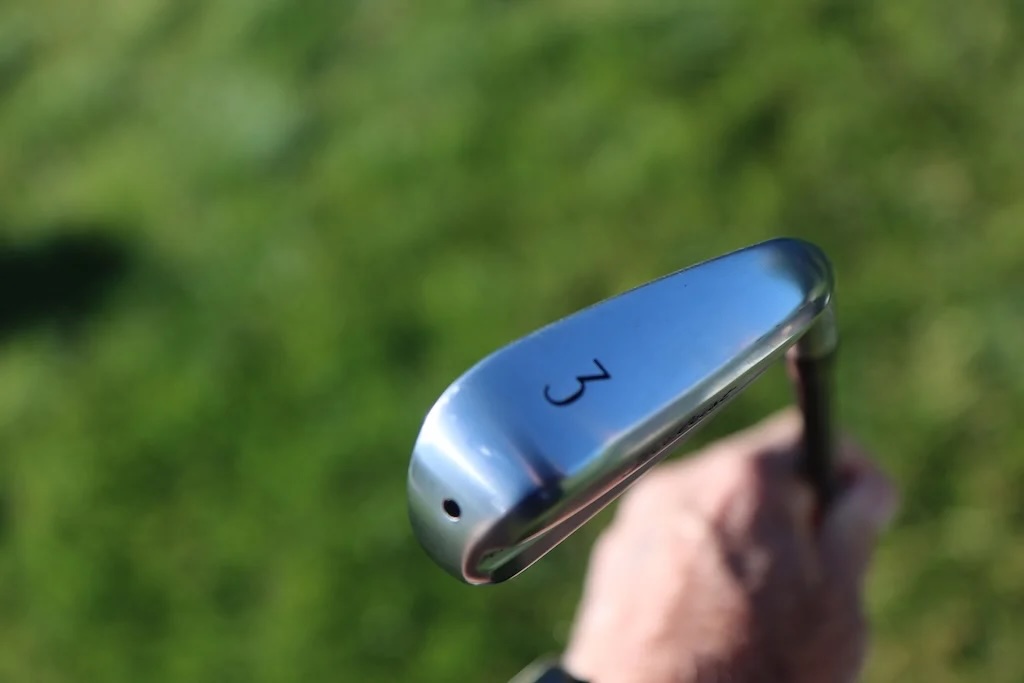
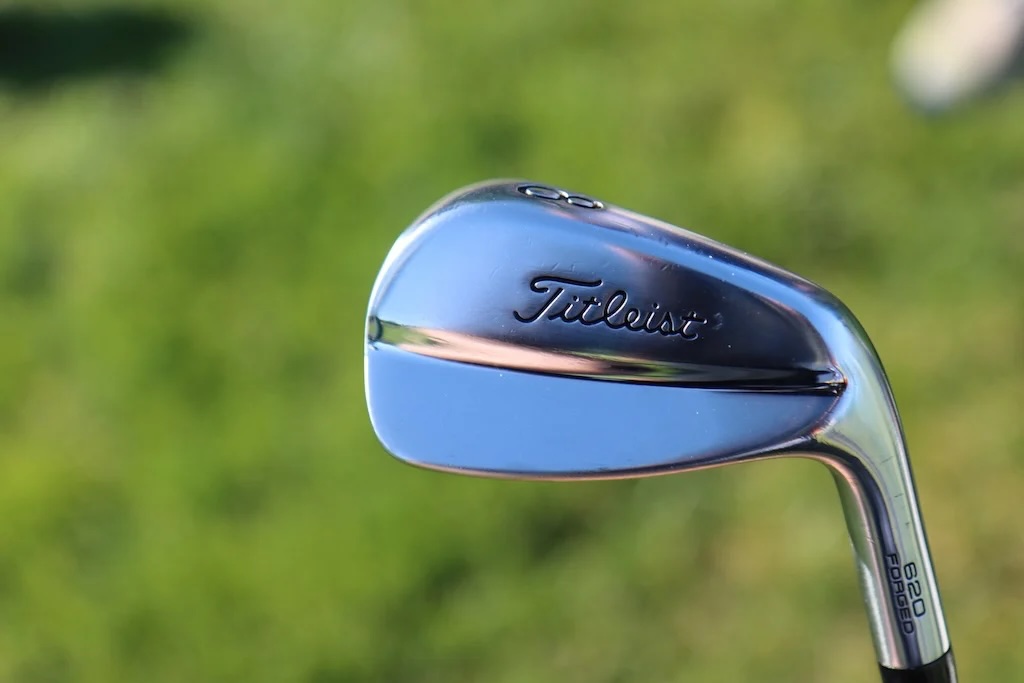
Irons: Titleist U505 (3), Titleist 620 MB (4-9)
Shafts: Fujikura Ventus Black HB 8 X, True Temper Dynamic Gold Tour Issue
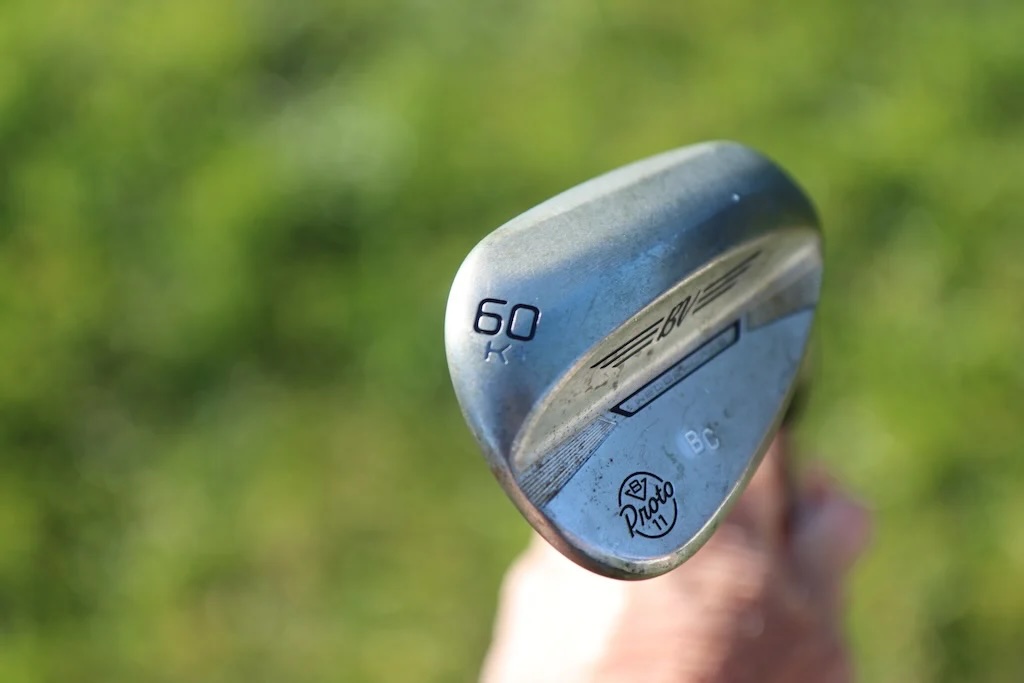
Wedges: Titleist Vokey Design SM11 (48-10F, 52-12F, 56-14F), WedgeWorks (60-K*)
Shafts: True Temper Dynamic Gold Tour Issue S400
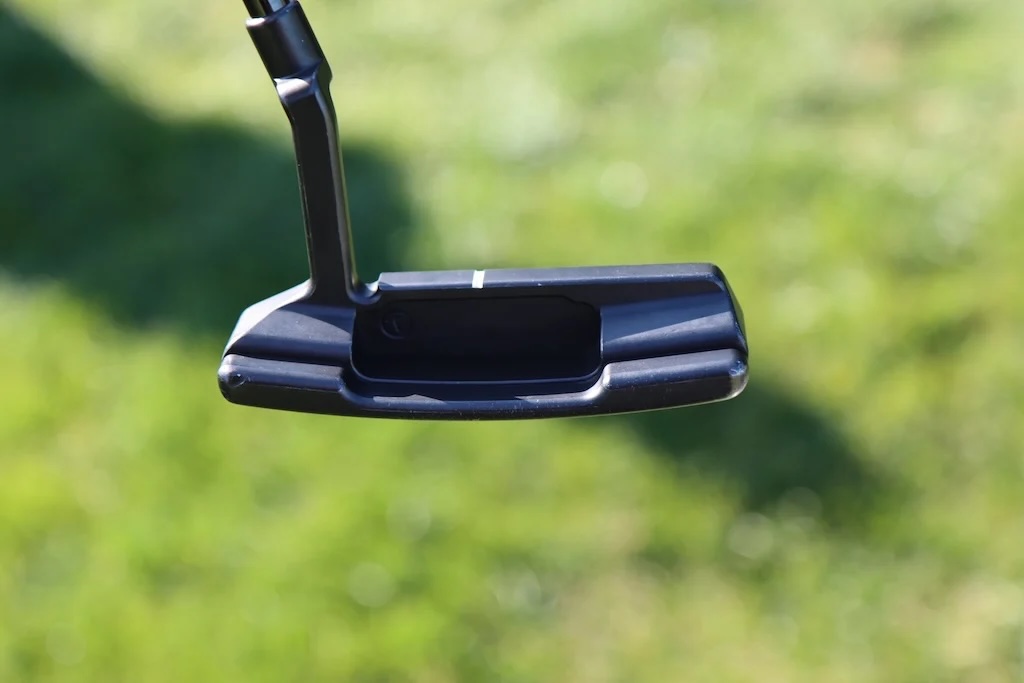
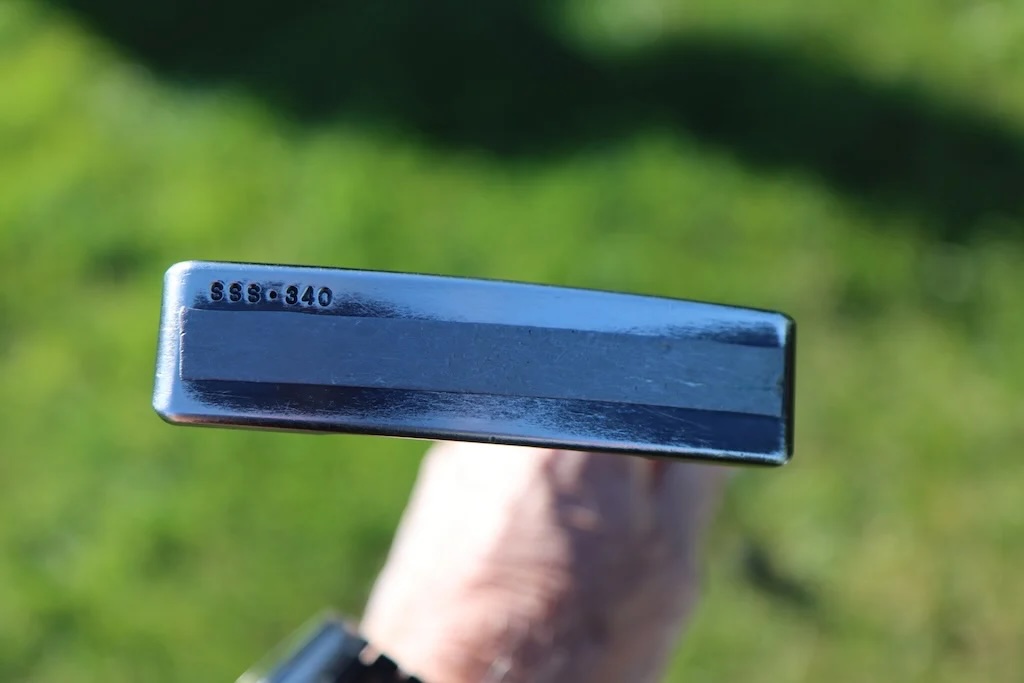
Putters: Scotty Cameron Tour Prototype, Scotty Cameron GOLO 6.3 Prototype
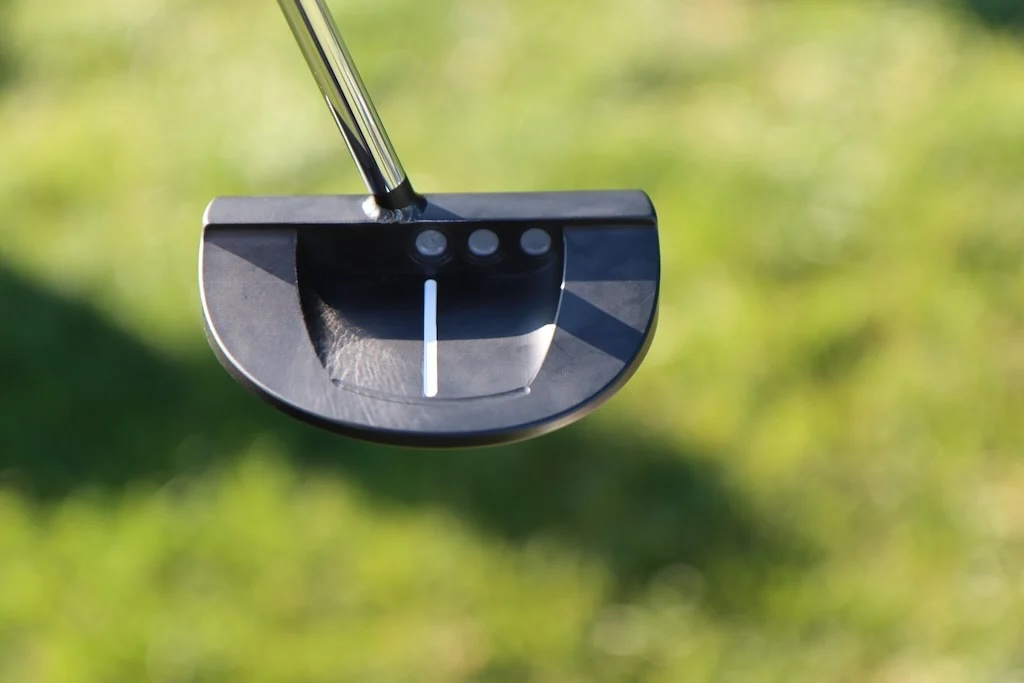
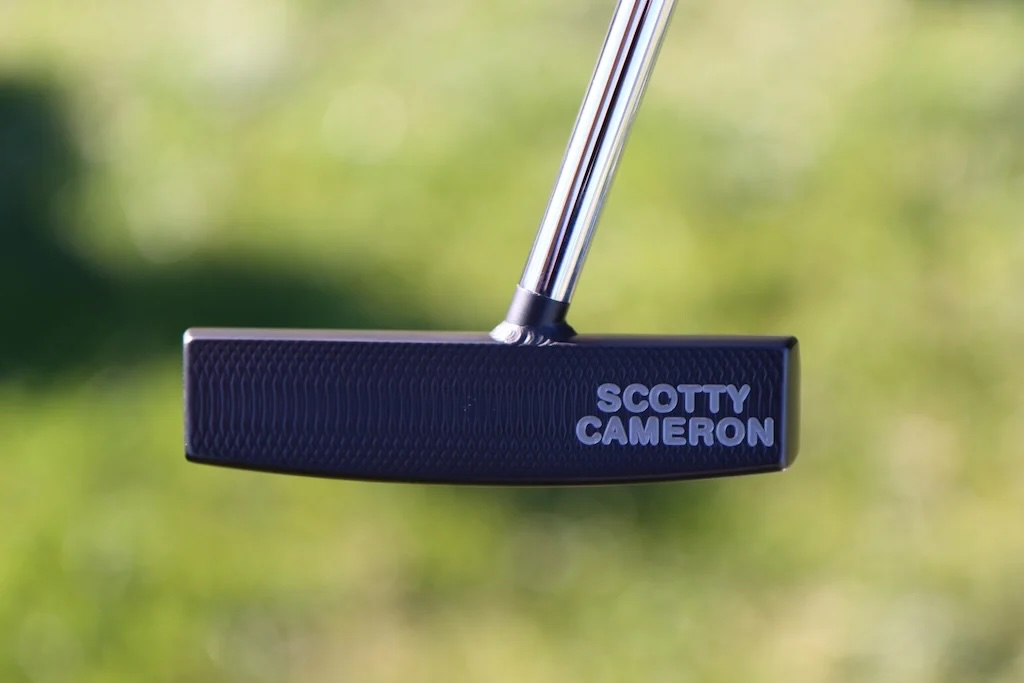
Grips: Golf Pride Tour Velvet Align
Ball: Titleist Pro V1
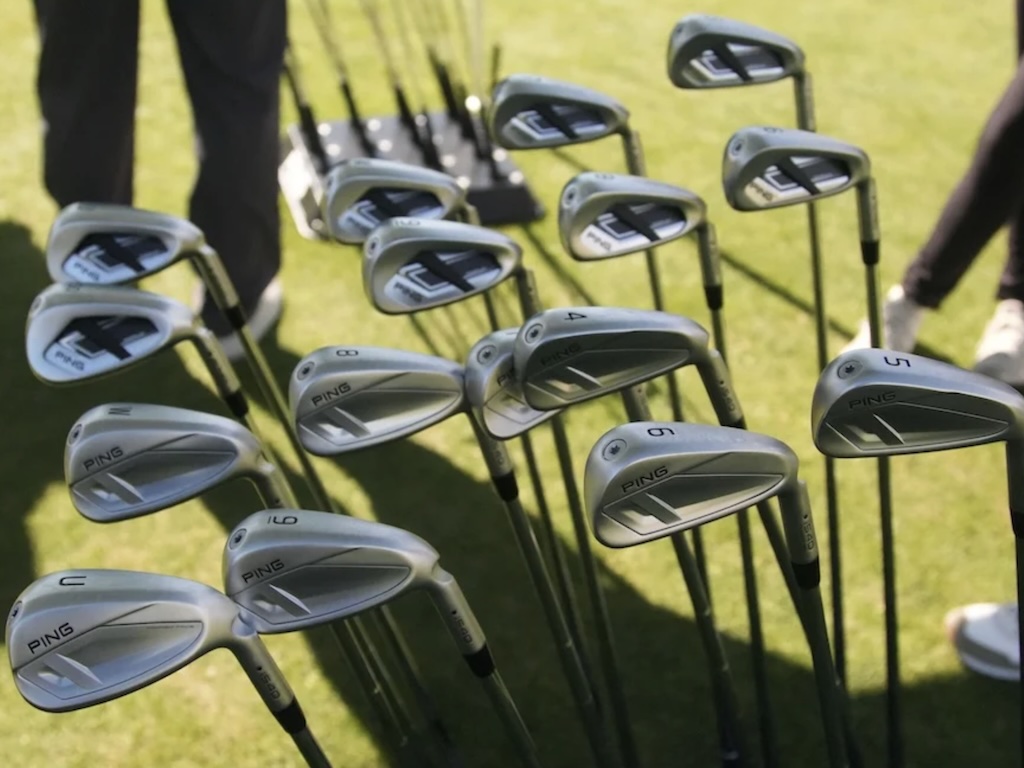
In our forums, one user has offered up a prompt for the true sickos, inviting fellow forum members to share every set of irons they’ve ever owned. As to be expected, this is a lengthy forum topic.
@Lamosteve began:
Can you name every set of irons you’ve owned? Here’s mine
Spalding Dots
Spalding Eclipse
Ram Lazer FX
Lynx Parallax
Mizuno EZ Comp
Ben Hogans
Cleveland CG Red
Taylor Made R9s
PING i20
PING iE1
Taylor Made M6
Our members in the forum have been offering up their own collections. Here are a few posts from the thread, but make sure to check out the entire discussion and have your say at the link below.
- macedan: “Started with a hand-me-down Golden Bear set from my brother when I was in high school, never really played more than once a year or got into the game until about summer of 2017. First purchased a set of Cleveland CG4’s (I actually really miss this set sometimes, soft & not terribly large for a GI iron), moved into Nike Vapor Fly’s by the end of the year. Those lasted until spring of 18 when I decided I wanted new, so I traded them in for TM Rbladez. Honestly, although I liked the Rbladez, poor decision on my part, I think this was really about the only time so far that after a week or two I was kicking myself for not staying with what I had. Rbladez stayed with me until late last summer when I switched to P790’s and (knock on wood) I am hoping this will be my longest lasting set.”
- JimmyC59: “MacGregor Jack Nicklaus Triple Crown. Palmer The Standard. Still play these.”
- jgrzask: “Tommy Armour 845u
Mizuno MP-32
Mizuno MP-33 (2 sets)
Bridgestone J33cb – still own
Srixon i-302 (2 sets) – still own
Tourstage X-Blades – still own
Mizuno Hot Metal – still own
Nike Forged Blades – still own
Titleist 714 AP1 – still own
Cobra Forged SS – still own”

Justin Rose WITB 2026 (April): Full WITB breakdown with new McLaren irons

What’s the story behind Webb Simpson’s custom-stamped irons?

Memorial Tournament Tour Report: Rory McIlroy, Cameron Young switch up drivers, and more

Cadillac Championship Tour Report: Spieth’s sizable changes, McLaren Golf launches, and more

Russell Henley’s winning WITB: 2026 Charles Schwab Challenge

Kristoffer Reitan’s winning WITB: 2026 Truist Championship

J.T. Poston’s winning WITB: 2026 Memorial Tournament

Aaron Rai’s winning WITB: 2026 PGA Championship

Best irons 2026: Best irons overall, most forgiving irons, and more

Cameron Young’s winning WITB: 2026 Cadillac Championship


Bud Cauley WITB 2026 (June)
Bud Cauley had >14 clubs in his bag when photographed prior to the Memorial Tournament. Driver: Titleist GTS2 (8 degrees) Shaft: Fujikura...


Hannah Green WITB 2026 (June)
Driver: Titleist GTS3 (10 degrees, D4 SureFit setting) Shaft: Mitsubishi Chemical Diamana RB 53 S 3-wood: Titleist GT3 (15 degrees,...


Asterisk Talley WITB 2026 (June)
Driver: TaylorMade Qi4D (9 degrees) Shaft: Fujikura Ventus Blue 6 S 3-wood: TaylorMade Qi4D (16.5 degrees) Shaft: Fujikura Ventus Blue...

Brianna Do WITB 2026 (June)
Driver: Callaway Quantum Triple Diamond (9 degrees) Shaft: KBS PGW 3-wood: Callaway Elyte Titanium (15 degrees) Shaft: KBS PGW 5-wood:...
-
 Equipment6 days ago
Memorial Tournament Tour Report: Rory McIlroy, Cameron Young switch up drivers, and more
-
 News1 week ago
Russell Henley’s winning WITB: 2026 Charles Schwab Challenge
-
 Whats in the Bag3 days ago
J.T. Poston’s winning WITB: 2026 Memorial Tournament
-
 Equipment3 days ago
Best irons 2026: Best irons overall, most forgiving irons, and more
-
 Equipment1 week ago
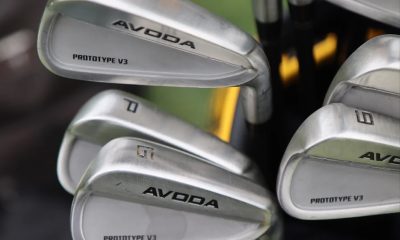
Details on Jason Day’s latest prototype Avoda iron setup
-
 Equipment3 weeks ago
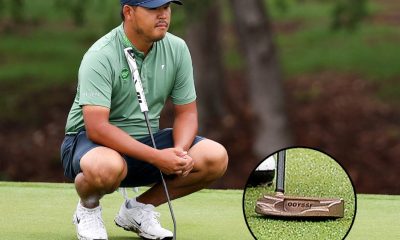
CJ Cup Byron Nelson Tour Report: Koepka and Kim’s newest putters finally get hot
-

 News2 weeks ago
Charles Schwab Challenge Tour Report: MacIntyre, Åberg and Spaun all switch putters, TaylorMade launches new Spider
-
 Equipment2 weeks ago
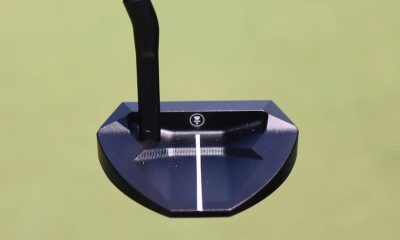
Details on J.J. Spaun’s surprise putter switch

