
Opinion & Analysis
So your kid wants to play golf…


If you’re a non-golfer and your son or daughter is talking about taking up golf, this article is for you! To help you navigate the problem, I have teamed with my friends at Operation 36. We hope to provide the basic information you needed about when you should start your children, why Operation 36 works, and what type of investment parents might need to make in introducing their children to golf.
When should I start?
If you have the choice, start younger rather than older. Yes, that’s a broad statement, I understand that. However, if your kid waits until they are 13 to start playing the game, they have a significantly steeper mountain to climb than someone who started at 8. In many cases, starting to play at 13 makes it virtually impossible to play high school or college golf if that is the goal.
In Anders Ericsson’s landmark book “Peak – Secrets From the New Science of Expertise,” he states, “Pretty much anyone can develop with the right exposure and training. Nearly everyone with perfect pitch (expertise) began training at a very young age.”
Why Operation 36 Works
The core of Operation 36 is to develop on-course skills or scoring. Players start immediately on the golf course at 25 yards with a goal of playing 9 holes in a score of 36. When they accomplish their golf, they move away from the hole with the goal of being able to shoot 36 from the white tees.
The mission was founded on the premise that once a player writes down a score and believes they can improve that score with practice, they quickly become hooked! In the program, these players are supported by a coach who delivers weekly lessons to them with a long-term curriculum. They also get a mobile app to track progress, socialize with players in their Academy and motivate them to play and practice outside of class.
Although the premise sounds simple, Operation 36 is effective because it helps young golfers develop sound skills. This includes internal locus of control (or motivation), self-awareness, grit, and focus. The results are that kids feel empowered and engaged in their pursuits each week, which creates a magical connection to the game of golf.
What’s this gonna cost?
Here are the average costs associated with enrolling your child in an Operation 36 program. We have broken the costs into 2 groups; Phase 1 and Phase 2. Phase 1 is a time where your child is learning to build both a passion for golf and learning the basic skills. Based on 11 years of experience, the average player takes about 3-5 years to get back to the front tees. Now that your student has accomplished shooting 36 from the front tees, they are ready to enter Phase 2. In Phase 2, the player’s goal is to shoot 36 or better all the way to the back tee’s at your facility and start playing in junior tournaments.
Phase 1: Introduction to Golf
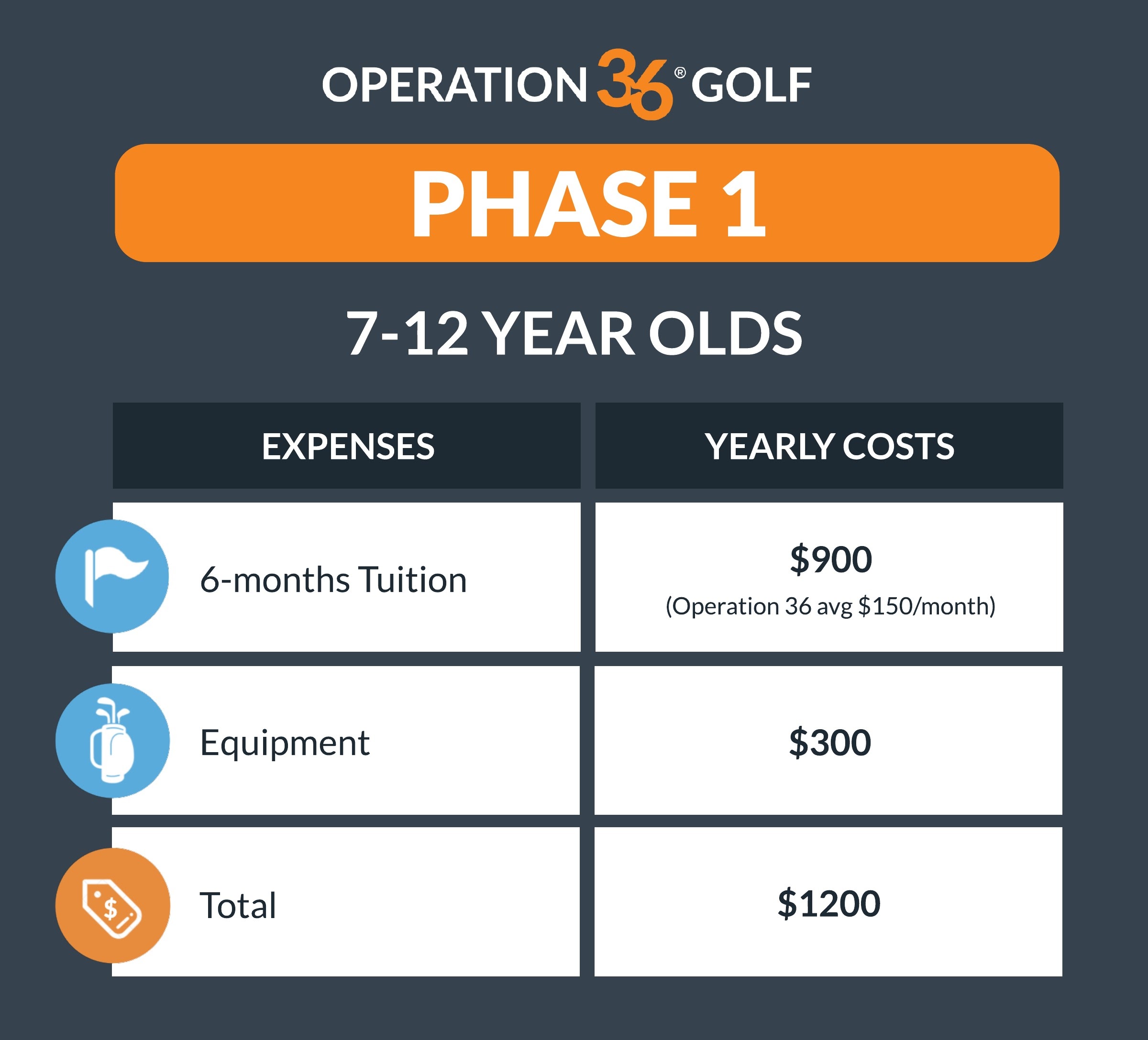
The costs include weekly classes and bi-weekly 9-hole events. In this graphic, we are assuming a 6-month commitment to golf which would include (24) classes and (12) 9-hole events per calendar year.
Phase 2: Tournament Player
As your junior golfer decides to take their passion to the next level, the costs associated with things like coaching, tournaments, and equipment will increase, looking something like this:
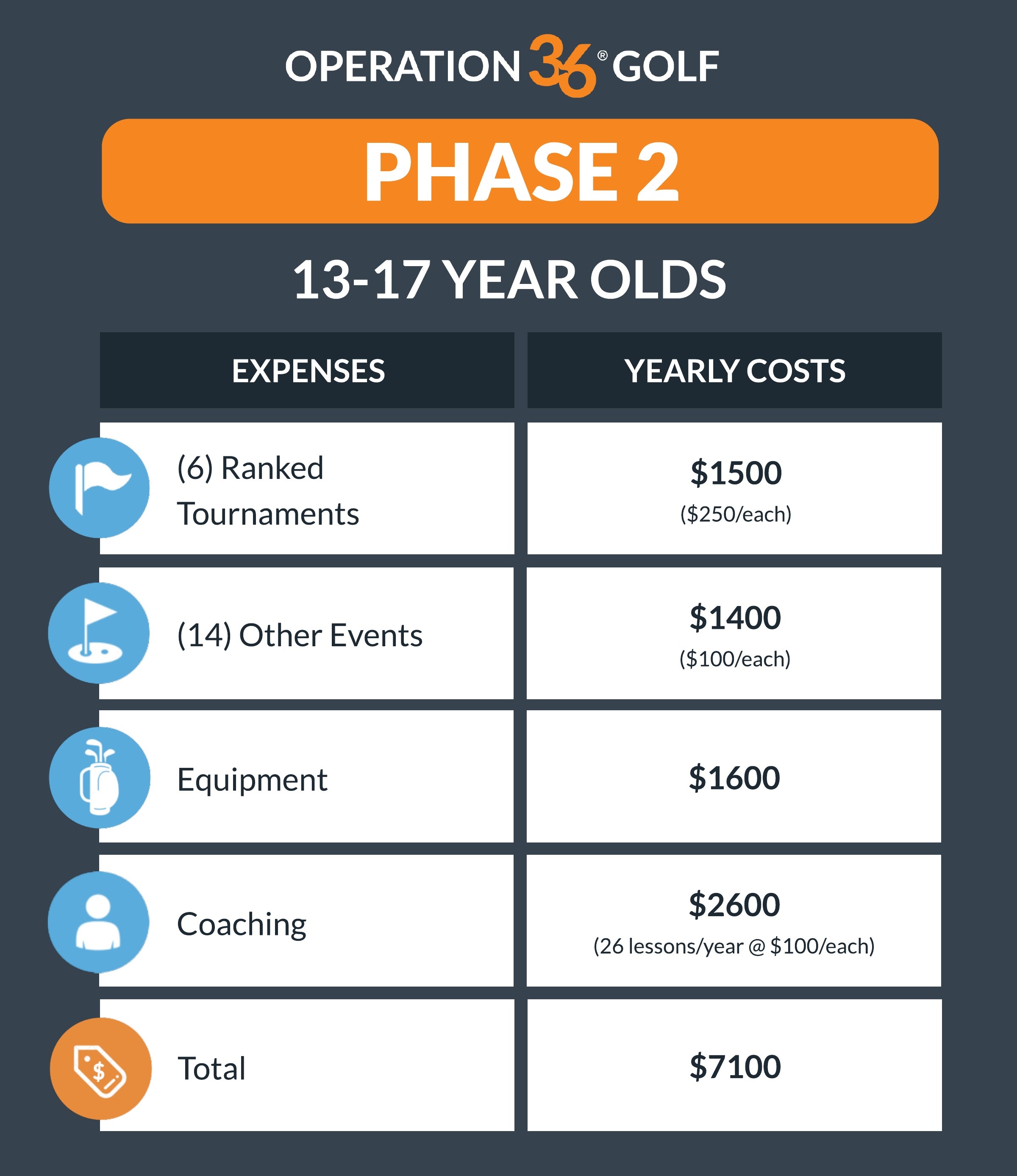
Please note: Not all players want to move on to becoming a tournament player. Some players might want to continue to engage in Phase 1 because their motivations better align with the values of this program.
I hope this article helps parents have realistic expectations of the costs associated with introducing their children to golf. With this knowledge, we can start to make more educated decisions.
If you are interested in learning more about Operation 36, please visit the website to find a location near you with a coach that is specifically interested in helping your child fall in love with playing the game of golf.



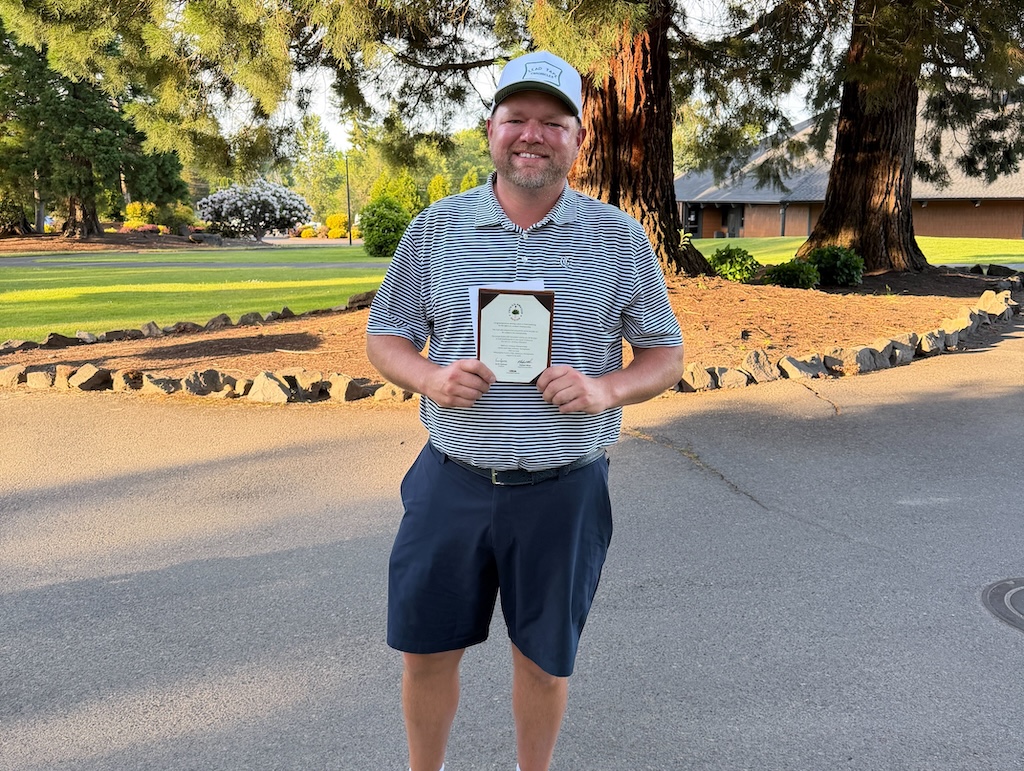
This past Monday, I played in the U.S. Amateur local qualifier at Rock Creek Country Club in Portland, Oregon. A full tee sheet from 7:30 a.m. to 1:55 p.m., the top 11 scores would make it to the U.S. Amateur final qualifying.
I teed off at 10:48 a.m.. With the 7:30 am tee time, you can get a feel for the leaders’ pace, and they were off and running on the challenging setup at Rock Creek.
View this post on Instagram
Getting to the highlight of the round on the par five 17th, a drive up the left side and 212 yards left to the front hole location. I took out a 5-iron with plans of middle of the green. The ball ended up 8 feet left of the hole, pin high. A slight downhill putt dropped in for an eagle 3 on the 17th. With the cut line looking to be anywhere from -2 to even par. This was the boost I had been waiting for all day.
With making par from the trees on 18, it was time to wait for a potential playoff with a posted score of one under par 71.
Three hours later, it was playoff time. 8 players for 6 spots. I made par on the playoff hole, which was good enough to advance to the U.S. Amateur final qualifying in July. USGA qualifiers sure deliver on all of the emotions in golf!
Club Junkie
Building my 2026 gamer WITB: Ranking the contenders and new putter projects – Club Junkie Podcast

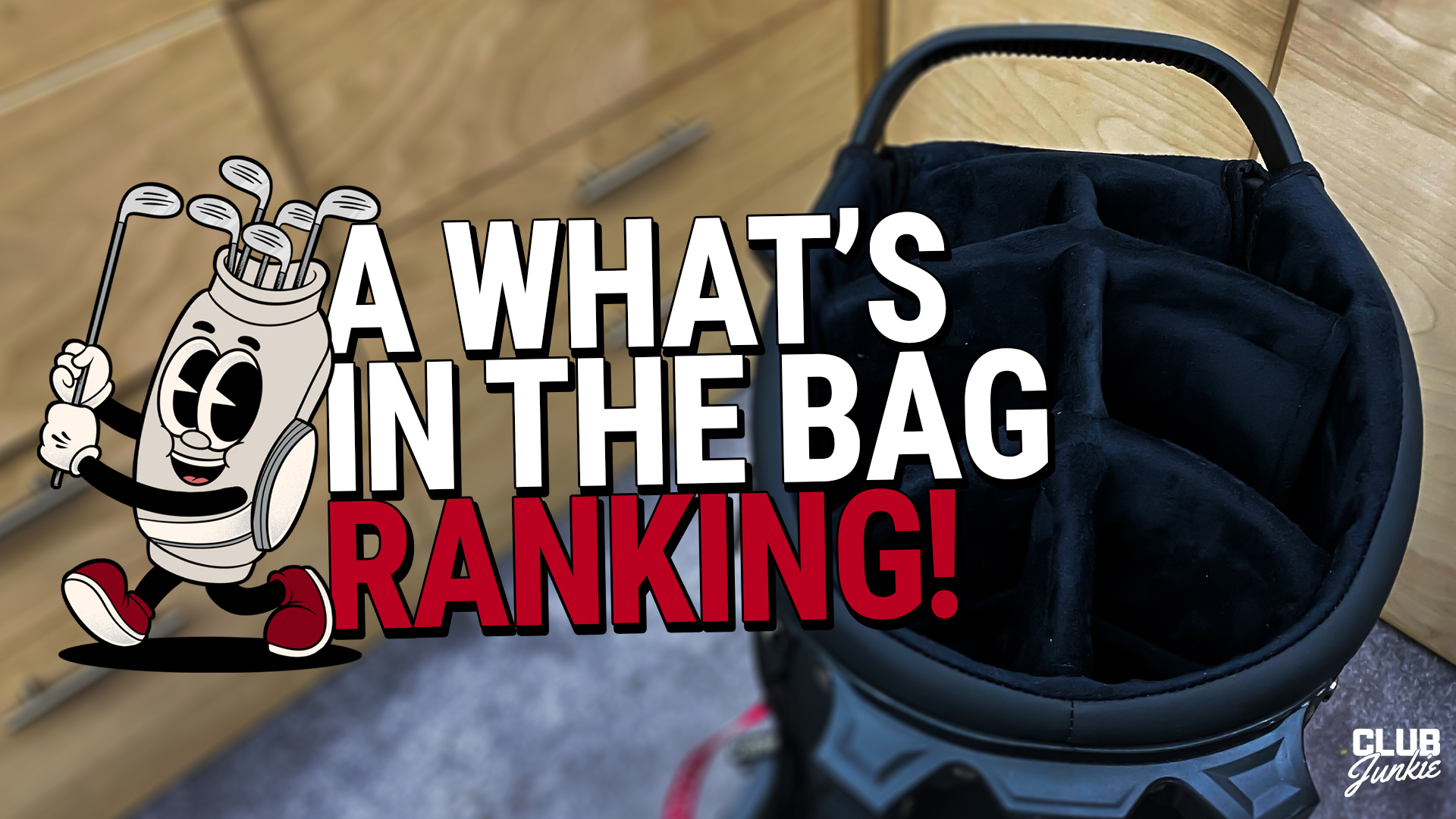
The annual What’s In The Bag build is underway, and on this episode of Club Junkie, Brian breaks down the clubs currently leading the race for a spot in his 2026 gamer setup. From drivers and fairway woods to irons, wedges, and shafts, he ranks the equipment that’s performing best and explains what’s separating the front runners from the rest of the field.
Brian also heads into the workshop to discuss several putter projects currently on the bench. From head options and shaft choices to build ideas and testing plans, he shares what he’s working on and which putters could become serious contenders for the bag this season.
If you’re a gear junkie who loves equipment testing, club building, and the never-ending pursuit of the perfect setup, this episode is for you.
Follow Club Junkie:
Instagram: @clubjunkiepod
TikTok: @clubjunkiepod
Threads: @clubjunkiepod
X: @ClubJunkiePod
Club Junkie
Tour Edge Exotics mini driver review + TaylorMade Spider ZT Max first look – Club Junkie

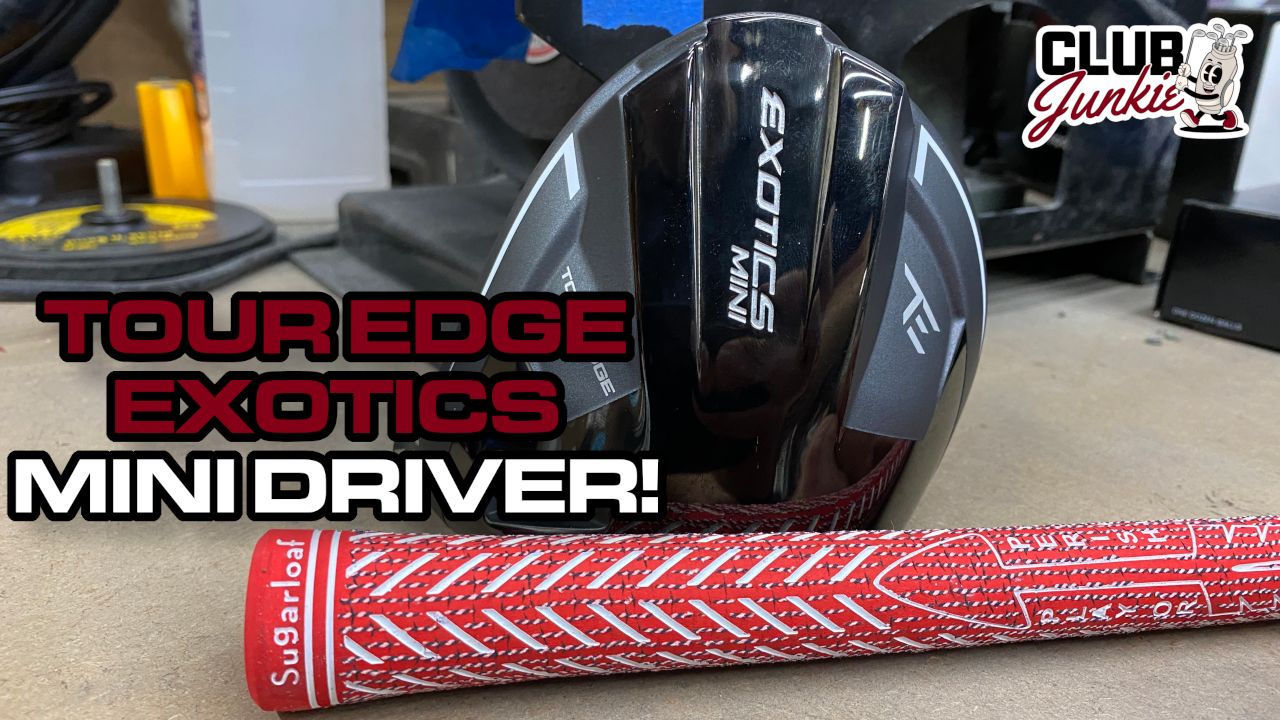
On this episode of Club Junkie, I put the new Tour Edge Exotics Mini Driver to the test and break down the performance, forgiveness, distance, and where it fits compared to a traditional driver or strong fairway wood. If you have been curious about adding a mini driver to the bag, this one is worth a look.
I also dive into the new TaylorMade Spider ZT Max putter that was recently spotted and discuss the growing zero torque putter trend. Plus, there is a closer look at the new Project X Titan Yellow shaft showing up on the PGA Tour and what makes it different from other profiles currently out there.

Justin Rose WITB 2026 (April): Full WITB breakdown with new McLaren irons

What’s the story behind Webb Simpson’s custom-stamped irons?

Memorial Tournament Tour Report: Rory McIlroy, Cameron Young switch up drivers, and more

Cadillac Championship Tour Report: Spieth’s sizable changes, McLaren Golf launches, and more

Russell Henley’s winning WITB: 2026 Charles Schwab Challenge

Kristoffer Reitan’s winning WITB: 2026 Truist Championship

J.T. Poston’s winning WITB: 2026 Memorial Tournament

Aaron Rai’s winning WITB: 2026 PGA Championship

Best irons 2026: Best irons overall, most forgiving irons, and more

Cameron Young’s winning WITB: 2026 Cadillac Championship


Bud Cauley WITB 2026 (June)
Bud Cauley had >14 clubs in his bag when photographed prior to the Memorial Tournament. Driver: Titleist GTS2 (8 degrees) Shaft: Fujikura...


Hannah Green WITB 2026 (June)
Driver: Titleist GTS3 (10 degrees, D4 SureFit setting) Shaft: Mitsubishi Chemical Diamana RB 53 S 3-wood: Titleist GT3 (15 degrees,...


Asterisk Talley WITB 2026 (June)
Driver: TaylorMade Qi4D (9 degrees) Shaft: Fujikura Ventus Blue 6 S 3-wood: TaylorMade Qi4D (16.5 degrees) Shaft: Fujikura Ventus Blue...


Brianna Do WITB 2026 (June)
Driver: Callaway Quantum Triple Diamond (9 degrees) Shaft: KBS PGW 3-wood: Callaway Elyte Titanium (15 degrees) Shaft: KBS PGW 5-wood:...
-
 Equipment6 days ago
Memorial Tournament Tour Report: Rory McIlroy, Cameron Young switch up drivers, and more
-
 News1 week ago
Russell Henley’s winning WITB: 2026 Charles Schwab Challenge
-
 Whats in the Bag3 days ago
J.T. Poston’s winning WITB: 2026 Memorial Tournament
-
 Equipment3 days ago
Best irons 2026: Best irons overall, most forgiving irons, and more
-

 Equipment1 week ago
Details on Jason Day’s latest prototype Avoda iron setup
-
 Equipment3 weeks ago
CJ Cup Byron Nelson Tour Report: Koepka and Kim’s newest putters finally get hot
-

 News2 weeks ago
Charles Schwab Challenge Tour Report: MacIntyre, Åberg and Spaun all switch putters, TaylorMade launches new Spider
-
 Equipment2 weeks ago
Details on J.J. Spaun’s surprise putter switch

