
Opinion & Analysis
2019 Presidents Cup: Key holes at Royal Melbourne

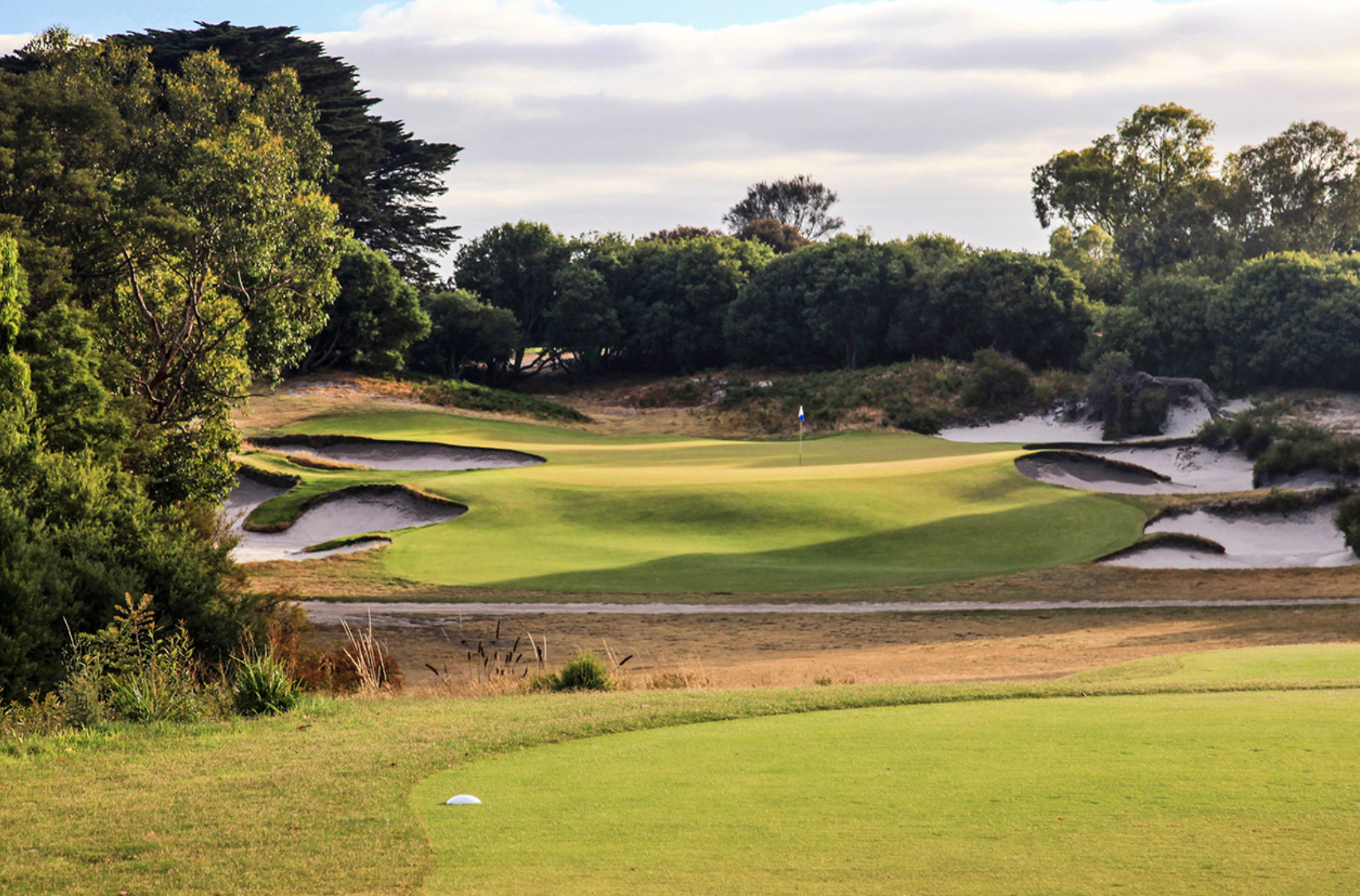
Royal Melbourne, home of the 2019 Presidents Cup, is one of the world’s greatest golf facilities. Royal Melbourne has two 18 hole courses, The East and the West, which both feature stunning topography, brilliant routings, and some of the most strategic golf holes ever designed. The “championship course” for the event will be a composite featuring a mix from both the East and the West courses to total 18 holes.
With the Presidents Cup being a team match-play event, beyond Sunday singles it will also include the formats four-ball, and foursomes (alternate shot) which will ramp up the level of scrutiny over shot decisions and potential layups for playing partners. Although not long by modern professional standards, there is a huge amount of variety throughout the composite layout featuring holes from both the East and West courses including stunning short par 4s, and golden age bunkering courtesy of Alister MacKenzie and Alex Russell.
Since Australia is in the southern hemisphere, it will be hitting early summer during tournament week, and the course should be playing firm and fast as intended. Just like other courses in the Sand Belt region of Australia, Royal Melbourne will place a premium on controlling distance on approach and understanding how the ball will react once it starts to roll along the ground—much like traditional Scottish links. This is an advantage for the International team, since assistant captain Geoff Ogilvy grew up playing at Royal Melbourne and still maintains a membership while playing regularly.
Like all well-designed courses, every hole at Royal Melbourne creates varying options for every shot, which will result in players having to be 100 percent committed to each one to put pressure on their opponents. This is what separates great golf courses of the world from one-dimensional ones that don’t require the golfer to make decisions and instead dictates shot selection through boring design. Choice forces decision, and with those choices can come doubt—this is what makes a great design.
To paraphrase a quote Geoff Ogilvy assistant captain for the International team “A well-designed hole will allow a skilled golfer to make a par almost every time, BUT… as soon as that player makes a decision to be aggressive and attempt to play a risky shot, or a shot beyond their ability, it brings in potential disaster – this is what makes for interesting golf”
With that in mind, the 2019 Presidents Cup is going to be an exciting tournament, and these are some of the key holes to pay attention to during play and the decisions the pros will have to make.

Course Photo Courtesy Royal Melbourne GC
Hole No 1: Par 4 – 354 yards. (3rd Hole, West Course)
The first hole is shorter length two-shot par 4 with the potential to be driveable, but just because it’s possible doesn’t mean it’s a good idea. The hole features a wider fairway that pinches slightly in the landing zone. The green complex’s large swale at the front and the bunkering is the holes major defense, and being too aggressive off the tee will mean that as players get closer to the green, the ability to hit a shot with enough spin to hold it will become more challenging.
I’m not sure how many half wedges a player will want to hit as their first approach shot of the round, while in the alternate shot format we could see an interesting contrast of styles from each pairing based on the driving distance and short game confidence. The first tee shot will set the pace for the round, and under pressure, being aggressive or choosing to lay back will be an important decision that will have to be made.

Course Photo Courtesy Royal Melbourne GC
Hole No 5: Par 3 – 148 yards. (7th Hole, West Course)
Like many holes at Royal Melbourne, the par-3 fifth is surrounded by hazards, and we’re not just talking bunkers. The green hazards are relative to the length of the hole and at less than 150 yards this tee shot will require precision.
From the tee, the right side of the green is almost entirely blind thanks to a deep bunker, while the left side appears more inviting but has a far more undulation. Behind the bunker the green is much flatter, but like mentioned before, a player will have to be fully committed to the distance they plan to hit their selected shot or else the deep bunker awaits them.

Course Photo Courtesy Royal Melbourne GC
Hole No 11: Par 4 – 332 yards (1st Hole, East Course)
Another short four that is going to require decision making, the 11th hole features a large bunker down the right side of an extremely wide fairway that is also shared with the 8th hole on the West Course. For the pros, hitting a driver over the bunkers to the generous landing area will not be an issue, but that’s the easy part. The defenses of this hole are the bunkers and the shaved collection areas that will collect balls not hit to the proper parts of the green. With fast firm greens, the closer players get to the putting surface the harder it will be to hit shots with enough spin to get the ball close to the tucked areas of the green when the pin will likely be positioned. Just like with hole No. 1, watching teams navigate alternate shot on this hole will be very interesting.

Course Photo Courtesy Royal Melbourne GC
Hole No 18: Par 5 – 491 yards (2nd Hole, West Course)
The only disappointing thing about the 18th hole on the composite course is the chance that many matches could be over before ever reaching this wonderful risk-reward par 5.
Coming in at under 500 yards, the 18th hole will almost certainly play as a two-shot hole for any of the pros that can keep their tees shots out of trouble. The aggressive play is up the right side over the fairway bunker which gives a much better line towards any pin, while the safer shot up the left may require an approach to an undulating green to be played over the defending left sand trap.
With a green sloping right to left, the options on the approach include a running draw or a higher fade against the slope to help stop the ball quicker. Both approach options bring some sort of trouble into play if not executed correctly, with a draw running off the back or a wiped fade ending up in the right greenside bunker to a hole that runs away.
Hopefully, for entertainment’s sake, we get to see some of the world best play the 18th, so we can watch the decision-making process take play on one of the world’s great risk-reward par 5s.










This past Monday, I played in the U.S. Amateur local qualifier at Rock Creek Country Club in Portland, Oregon. A full tee sheet from 7:30 a.m. to 1:55 p.m., the top 11 scores would make it to the U.S. Amateur final qualifying.
I teed off at 10:48 a.m.. With the 7:30 am tee time, you can get a feel for the leaders’ pace, and they were off and running on the challenging setup at Rock Creek.
View this post on Instagram
Getting to the highlight of the round on the par five 17th, a drive up the left side and 212 yards left to the front hole location. I took out a 5-iron with plans of middle of the green. The ball ended up 8 feet left of the hole, pin high. A slight downhill putt dropped in for an eagle 3 on the 17th. With the cut line looking to be anywhere from -2 to even par. This was the boost I had been waiting for all day.
With making par from the trees on 18, it was time to wait for a potential playoff with a posted score of one under par 71.
Three hours later, it was playoff time. 8 players for 6 spots. I made par on the playoff hole, which was good enough to advance to the U.S. Amateur final qualifying in July. USGA qualifiers sure deliver on all of the emotions in golf!
Club Junkie
Building my 2026 gamer WITB: Ranking the contenders and new putter projects – Club Junkie Podcast

The annual What’s In The Bag build is underway, and on this episode of Club Junkie, Brian breaks down the clubs currently leading the race for a spot in his 2026 gamer setup. From drivers and fairway woods to irons, wedges, and shafts, he ranks the equipment that’s performing best and explains what’s separating the front runners from the rest of the field.
Brian also heads into the workshop to discuss several putter projects currently on the bench. From head options and shaft choices to build ideas and testing plans, he shares what he’s working on and which putters could become serious contenders for the bag this season.
If you’re a gear junkie who loves equipment testing, club building, and the never-ending pursuit of the perfect setup, this episode is for you.
Follow Club Junkie:
Instagram: @clubjunkiepod
TikTok: @clubjunkiepod
Threads: @clubjunkiepod
X: @ClubJunkiePod
Club Junkie
Tour Edge Exotics mini driver review + TaylorMade Spider ZT Max first look – Club Junkie

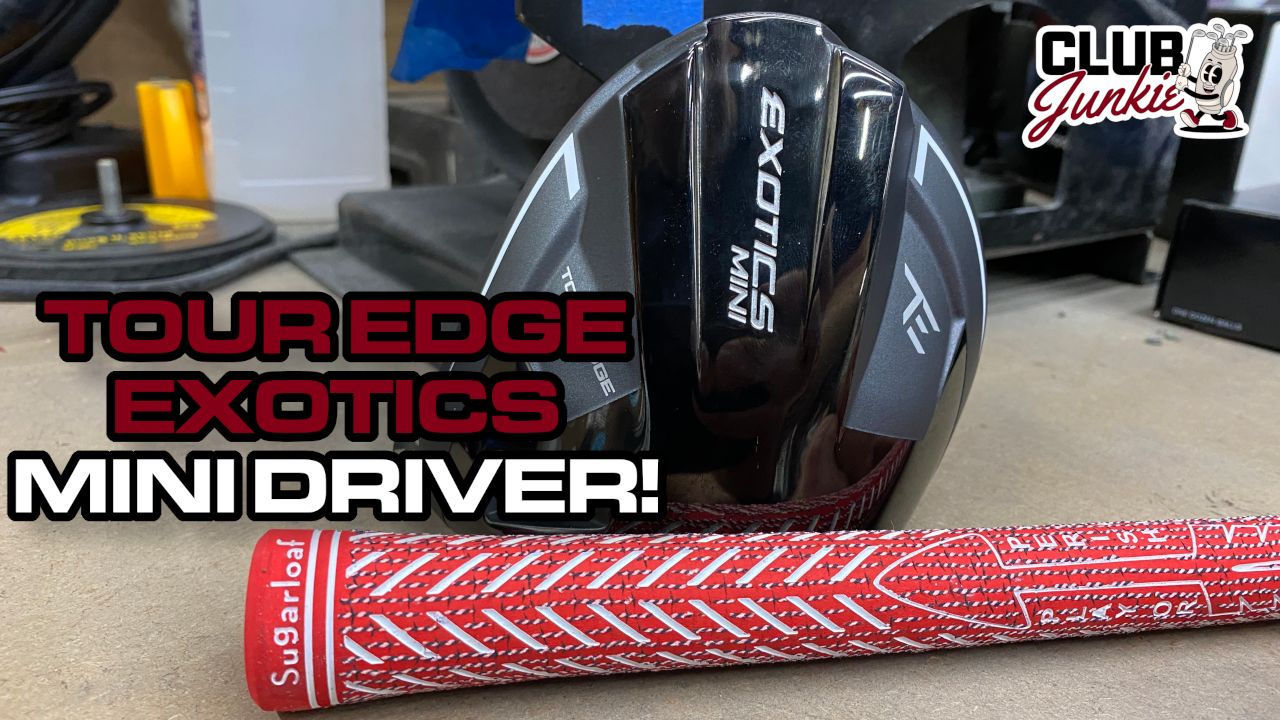
On this episode of Club Junkie, I put the new Tour Edge Exotics Mini Driver to the test and break down the performance, forgiveness, distance, and where it fits compared to a traditional driver or strong fairway wood. If you have been curious about adding a mini driver to the bag, this one is worth a look.
I also dive into the new TaylorMade Spider ZT Max putter that was recently spotted and discuss the growing zero torque putter trend. Plus, there is a closer look at the new Project X Titan Yellow shaft showing up on the PGA Tour and what makes it different from other profiles currently out there.

Justin Rose WITB 2026 (April): Full WITB breakdown with new McLaren irons

What’s the story behind Webb Simpson’s custom-stamped irons?

Memorial Tournament Tour Report: Rory McIlroy, Cameron Young switch up drivers, and more

Cadillac Championship Tour Report: Spieth’s sizable changes, McLaren Golf launches, and more

Russell Henley’s winning WITB: 2026 Charles Schwab Challenge

Kristoffer Reitan’s winning WITB: 2026 Truist Championship

J.T. Poston’s winning WITB: 2026 Memorial Tournament

Best irons 2026: Best irons overall, most forgiving irons, and more

Aaron Rai’s winning WITB: 2026 PGA Championship

Cameron Young’s winning WITB: 2026 Cadillac Championship


Bud Cauley WITB 2026 (June)
Bud Cauley had >14 clubs in his bag when photographed prior to the Memorial Tournament. Driver: Titleist GTS2 (8 degrees) Shaft: Fujikura...


Hannah Green WITB 2026 (June)
Driver: Titleist GTS3 (10 degrees, D4 SureFit setting) Shaft: Mitsubishi Chemical Diamana RB 53 S 3-wood: Titleist GT3 (15 degrees,...


Asterisk Talley WITB 2026 (June)
Driver: TaylorMade Qi4D (9 degrees) Shaft: Fujikura Ventus Blue 6 S 3-wood: TaylorMade Qi4D (16.5 degrees) Shaft: Fujikura Ventus Blue...


Brianna Do WITB 2026 (June)
Driver: Callaway Quantum Triple Diamond (9 degrees) Shaft: KBS PGW 3-wood: Callaway Elyte Titanium (15 degrees) Shaft: KBS PGW 5-wood:...
-
 Equipment6 days ago
Memorial Tournament Tour Report: Rory McIlroy, Cameron Young switch up drivers, and more
-
 News2 weeks ago
Russell Henley’s winning WITB: 2026 Charles Schwab Challenge
-
 Whats in the Bag4 days ago
J.T. Poston’s winning WITB: 2026 Memorial Tournament
-
 Equipment3 days ago
Best irons 2026: Best irons overall, most forgiving irons, and more
-

 Equipment1 week ago
Details on Jason Day’s latest prototype Avoda iron setup
-
 Equipment3 weeks ago
CJ Cup Byron Nelson Tour Report: Koepka and Kim’s newest putters finally get hot
-

 News2 weeks ago
Charles Schwab Challenge Tour Report: MacIntyre, Åberg and Spaun all switch putters, TaylorMade launches new Spider
-

 Equipment2 weeks ago
Details on J.J. Spaun’s surprise putter switch

