
Equipment
When it comes to golf club design, to copy is to create

If you have roamed the forums of GolfWRX and read a post about any non-Ping milled putter, you have most assuredly read the phrase, “Oh, you mean…nice Ping Anser!”
In fact, it’s usually a race to see who posts it first!
Needless to say, it’s a very worn out phrase and warrants a need for GolfWRX forums to incorporate a text recognition protocol to automatically inhibit that combination of words from being posted again. I digress…
Certainly, Karsten deserves praise for his ingenuity and eternal influence on the game of golf and the equipment used to play it. Widely considered the inventor of perimeter weighted golf clubs, Karsten is responsible for such greats as the 1959 Ping A-1, the 1966 Anser, and the first cavity back irons, the Ping 69.

But, was he really the first to develop a perimeter-weighted golf club? No.
Copying is an essential part of creation. It’s also a very natural process; in fact, it’s exactly what us humans are, a multitude of cells that have been copied, split and multiplied. So as we look for inspiration, we look to what’s already been made and seek ways to improve upon it.
Henry Ford said it best
“I invented nothing new. I simply assembled the discoveries of other men behind whom were centuries of work. Had I worked fifty or ten or even five years before, I would have failed. So it is with every new thing. Progress happens when all the factors that make for it are ready, and then it is inevitable. To teach that a comparatively few men are responsible for the greatest forward steps of mankind is the worst sort of nonsense.”
As we look at the historic design of the 1966 Ping Anser, we see an interesting correlation to putters that came before it. The idea of perimeter weighting a putter didn’t start with the Anser, nor did it start with the A1. I believe it successfully started with the John Reuter, Jr. Bullseye design and the John Letters Golden Goose putters. (Ryan Barath of GolfWRX, recently produced a short video on the Bullseye answering the question, “Why was it great?”)
The Bullseye and the Golden Goose putters were separately introduced to the U.S. and British golf markets in the mid-1940s. This unique scenario is commonly referred to as “multiple discovery,” where the same innovation emerges from different places at or near the same time. Since Karsten was based in the U.S., the Bullseye is the most likely influencer.
At the time of the Bullseye’s creation, center-shafted putters were illegal, but Reuter believed he could create a more stable putter by placing the shaft as close to the center as possible and leave a small protruding heel opposite the toe, thus bringing more balance to the putter.
Karsten certainly was aware of the Bullseye design, as was the entire golfing world. In my opinion, Karsten made strong improvements to its design by creating the A-1, a remarkably similar design and even a material look, further exaggerating the principles of perimeter weighting by removing weight from the center of the putter and placing it in the heel, toe, and sole of the putter head. It also could be considered the father to many of the center-shafted SeeMore putters used today. The innovation of the A-1 thus led the way for the historic Ping Anser, another variation of a close-to-center-shafted putter with weight removed from the center and redistributed to the heel and toe.
 The fact of the matter is, Karsten did not invent perimeter weighting, but he was the one who exploited its benefits, pushed the technology to the limit, and made it look really cool in the process. The most unique aspects to the Anser design was the flat flange in the middle, allowing alignment aids to be added, and the plumbers neck, which allowed the axis of the shaft to pass close to center without actually doing it, further allowing the face of the putter at address to be visible.
Having the visionary ability to see something and make it better is the trademark of a great inventor. It’s worth noting some of the other major innovations that lead the way for John Reuter, Jr’s and Karsten’s inspiration.
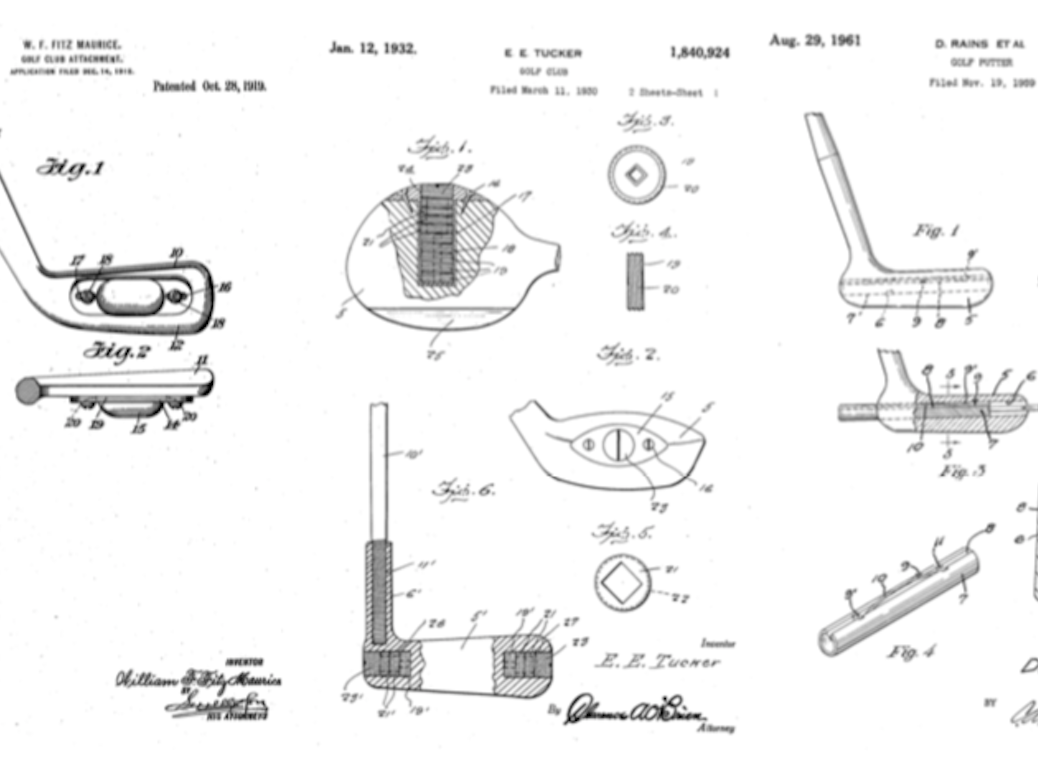
- In 1919, W. F. Fitz Maurice patented the idea of attaching weight to a golf club to increase the swing weight, what we would consider today as lead tape.
- Then in 1930, E. E. Tucker patented the idea of the first adjustable driver and putter, allowing the use of weighted screws to be added to the toe and heel of a putter, or the back of the driver.
- In 1961, D. Rains Et Al, who patented the changeable weight putter, allowing for the adjustment of the putter’s head weight with a removable solid bar that passed through the center.

Not all inspiration needs to come from golf either. Just this year, Mizuno released the T20 wedges and used the inspiration of a much more common item, tire tread. Tire tread allows water to be dispersed in different directions upon contact and improve grip. Mizuno engineers used this idea and made micro-grooves that are placed in a perpendicular format to the main grooves, to direct water away, thereby improving clubface contact in wet conditions and maintaining more spin than a wedge without it.
Many forward-thinking engineers lead the way and prepared the environment for all of the advancements that we use today. While we often point to one individual being responsible for some breakthrough golf technology, it should be remembered that the innovations of today are almost always inspired by the innovations of our predecessors.







This week, we have our Tour Photographer, Greg Moore, on the ground at the OccuNet Classic at Tascosa Golf Club in Amarillo, Texas, for the 14th event of the 2026 Korn Ferry Tour season. With that, we see some great things in the Lead Tape Report as we roll into Amarillo.
Joel Thelen
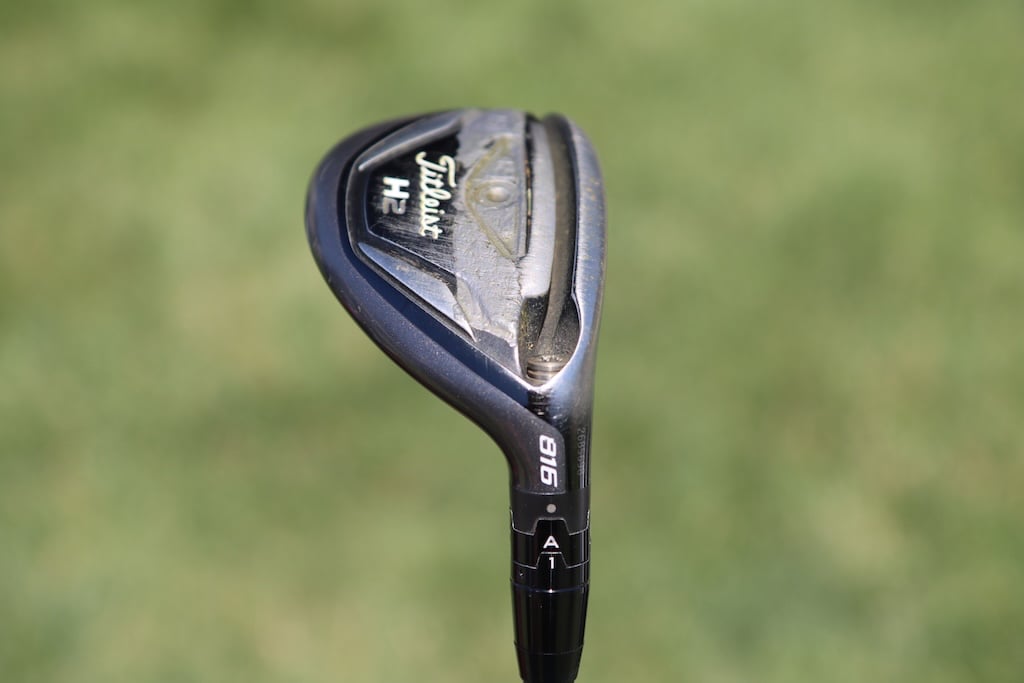
Monday Qualifier, Joel Thelen is in the field this week. He has played on the Korn Ferry Tour for a full season in 2023, and he is back in action this week. A couple of clubs caught my eye this week in his bag.
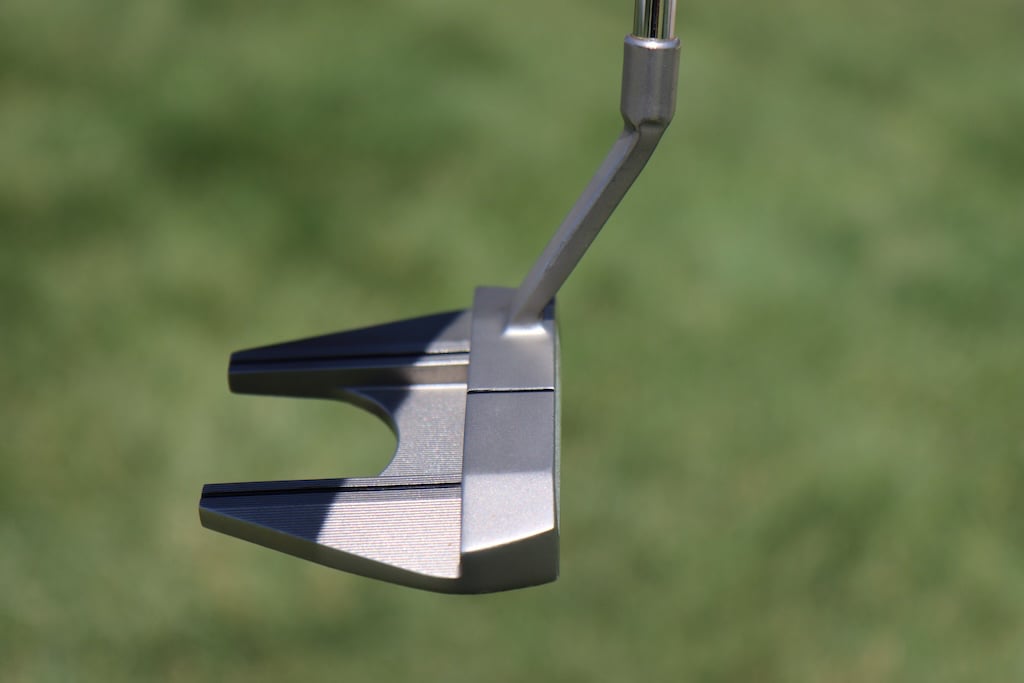
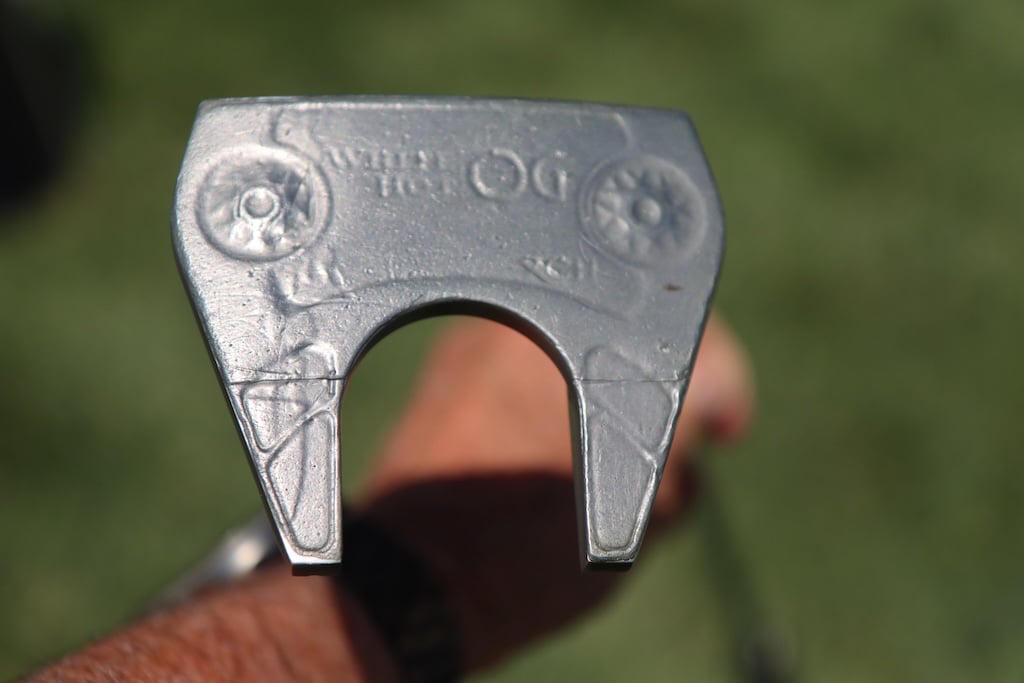
First off: His trusted Titleist 816 H2 hybrid. This club came out in October of 2015, and it still remains strong in the bag. Also, take a look at this Odyssey White Hot OG 7, putting a capital S in the 7S model. This custom neck has some impressive lean for an arm-lock-style putter. The bottom of the putter is covered in tape for optimal weighting.
Mitchell Meissner
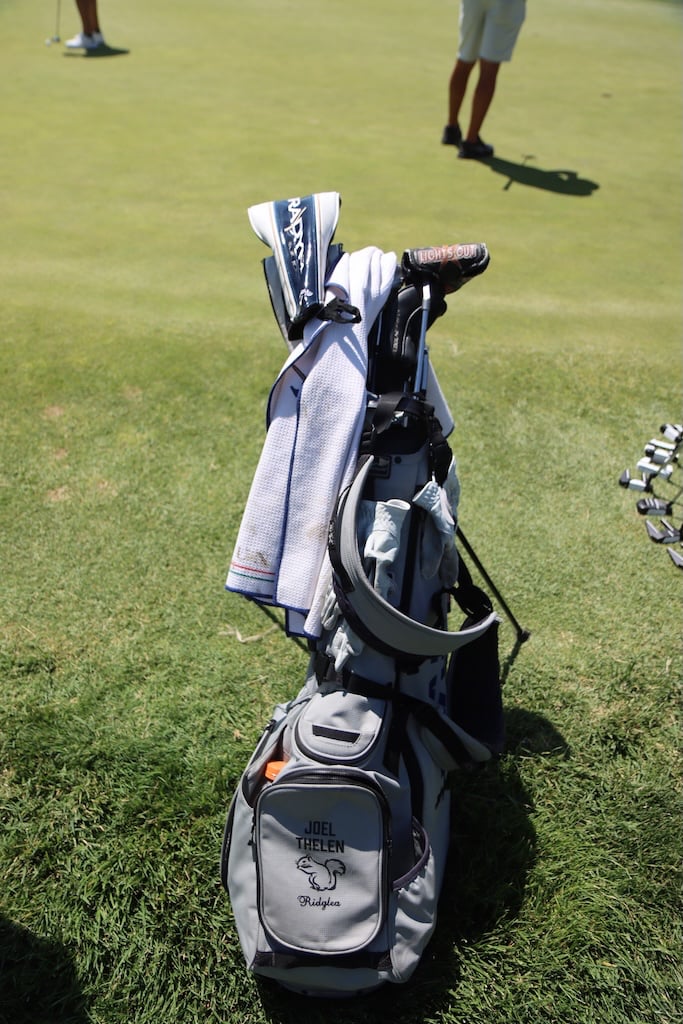
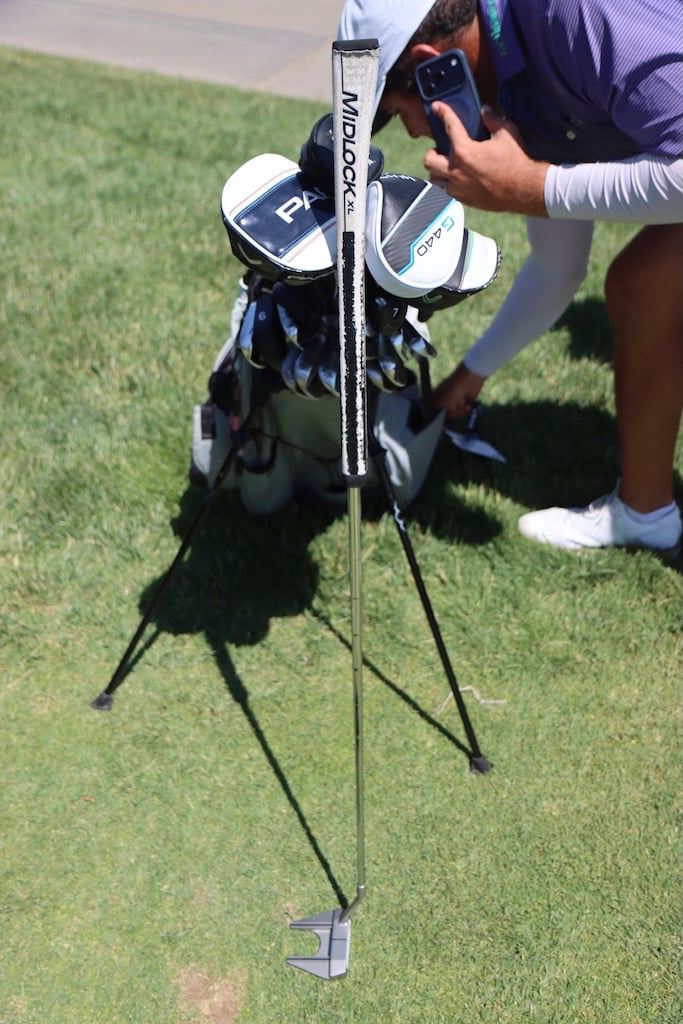
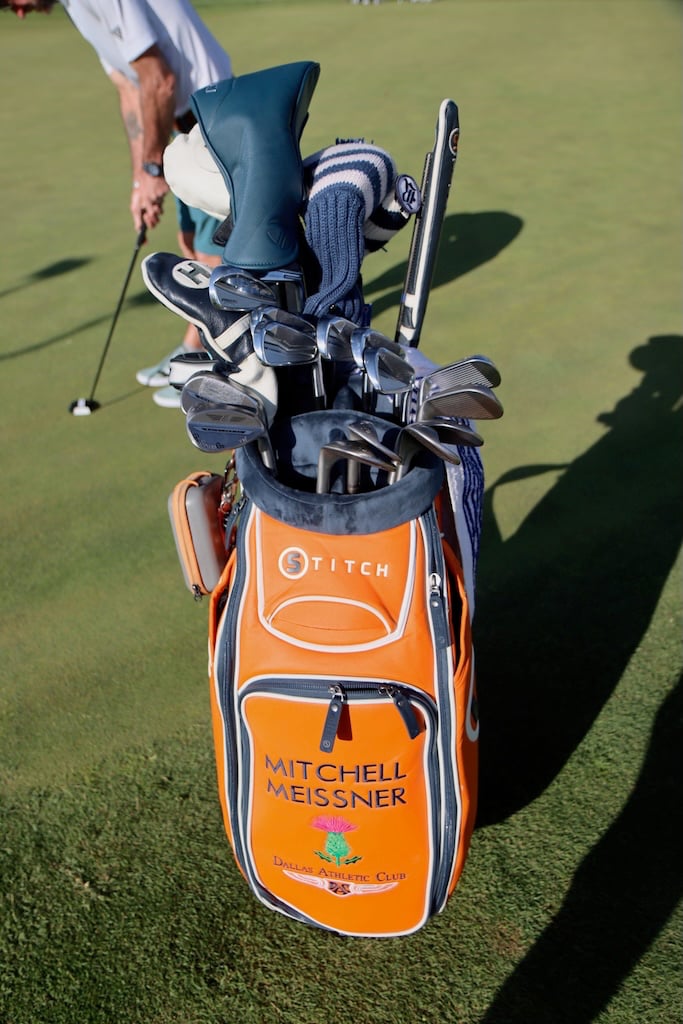
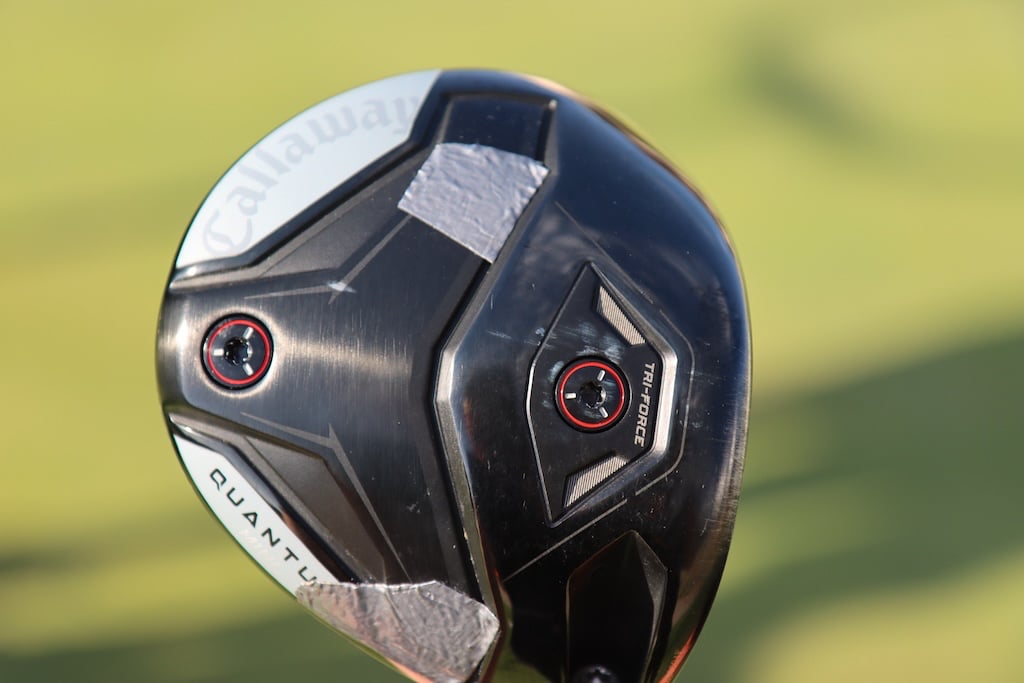
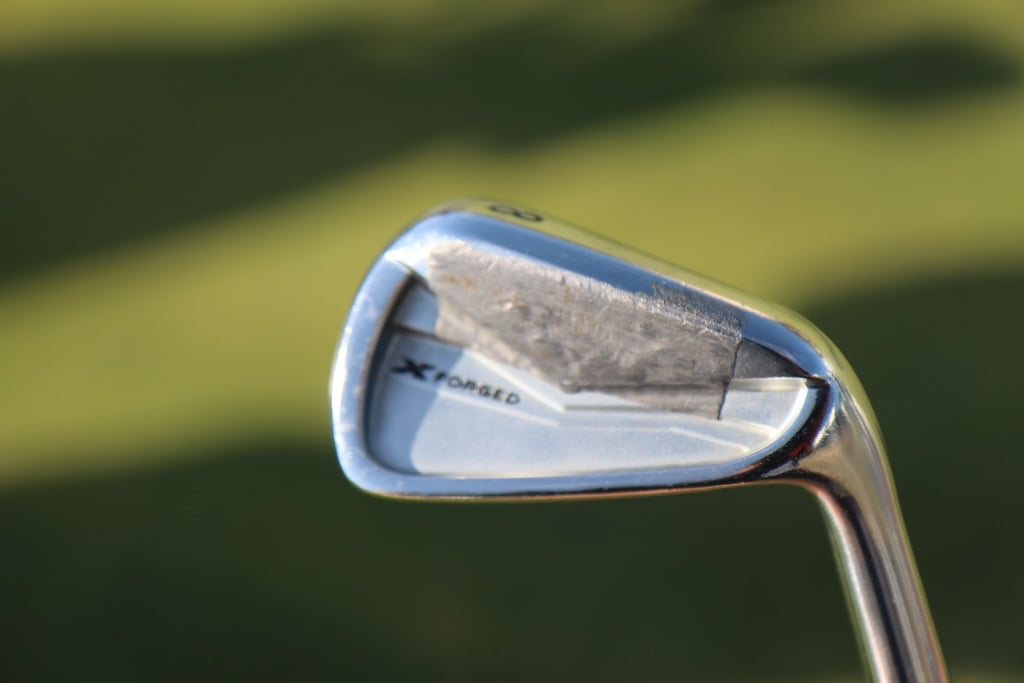
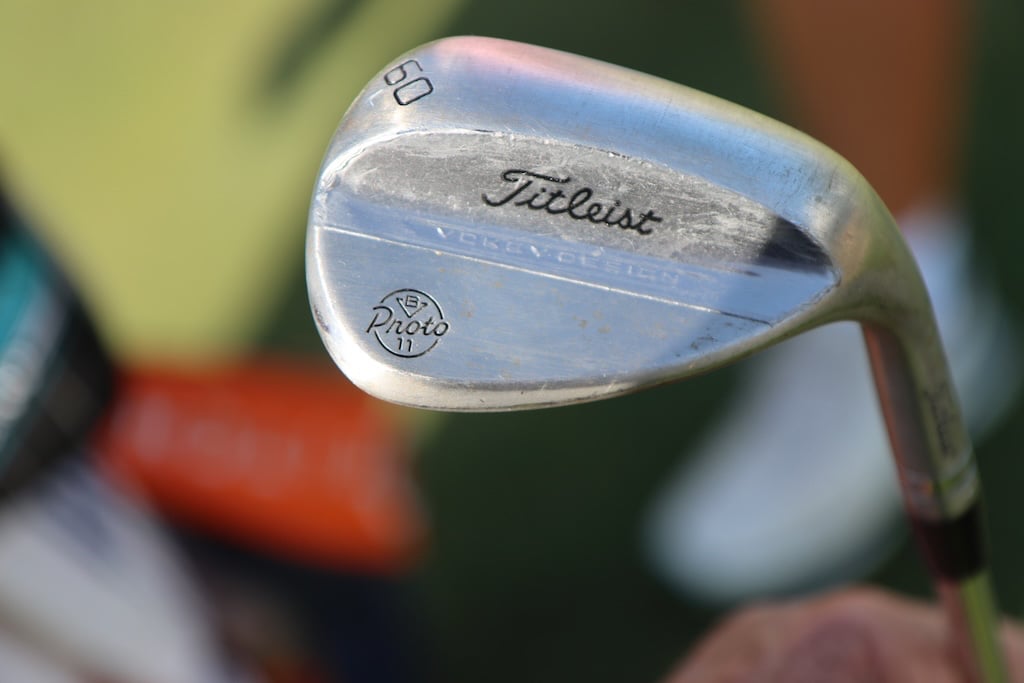
Taking a look at Mitchell Meissner’s bag this week, we have some great lead tape coverage. Top to bottom working from fairway metals, irons, and wedges. We can see on the short irons and wedges that there is tape at the base of the grip, adding a little counterbalance. Along with that, some tape on the short irons and wedges as well. Moving to his putter, he rolls the Odyssey 7 Bird putter. Meissner putts left-handed and strikes the ball right-handed.


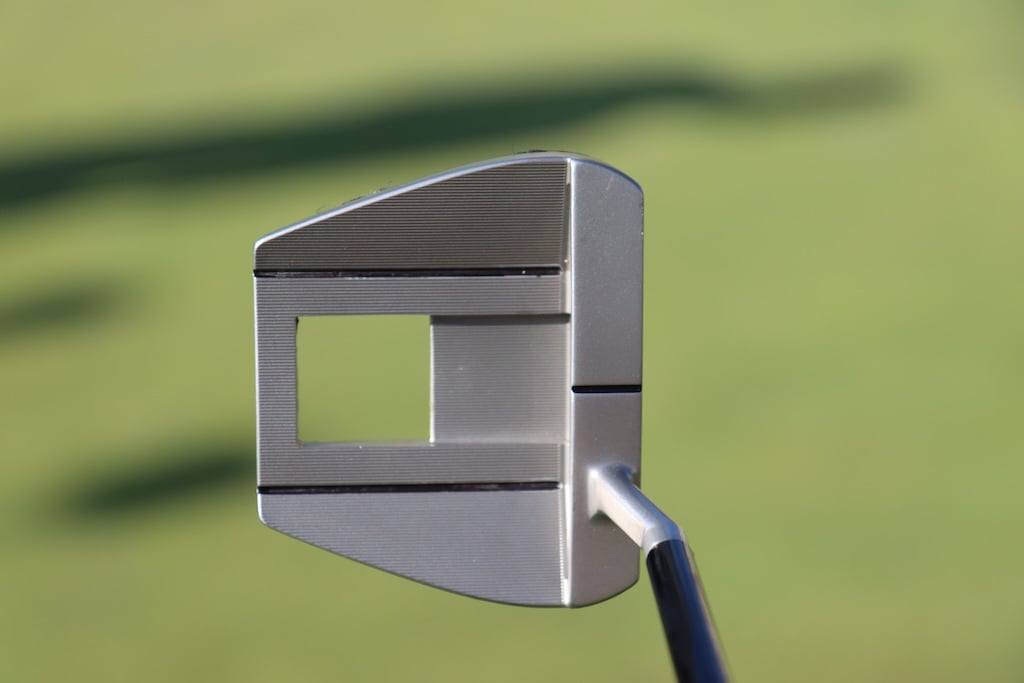


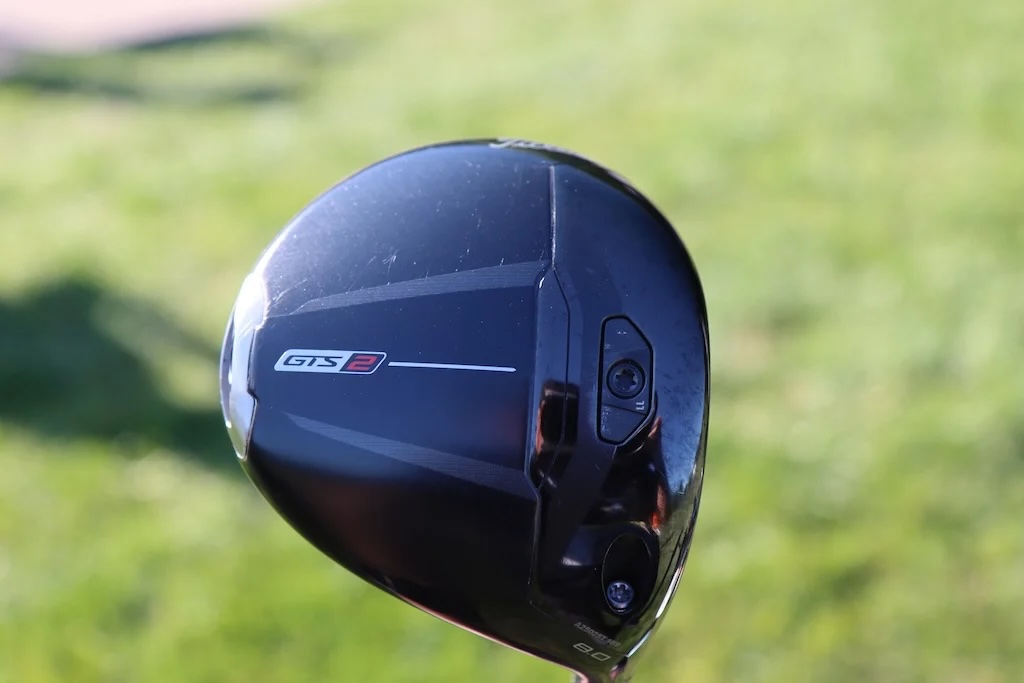
Bud Cauley had >14 clubs in his bag when photographed prior to the Memorial Tournament.
Driver: Titleist GTS2 (8 degrees)
Shaft: Fujikura Ventus Black 6 X
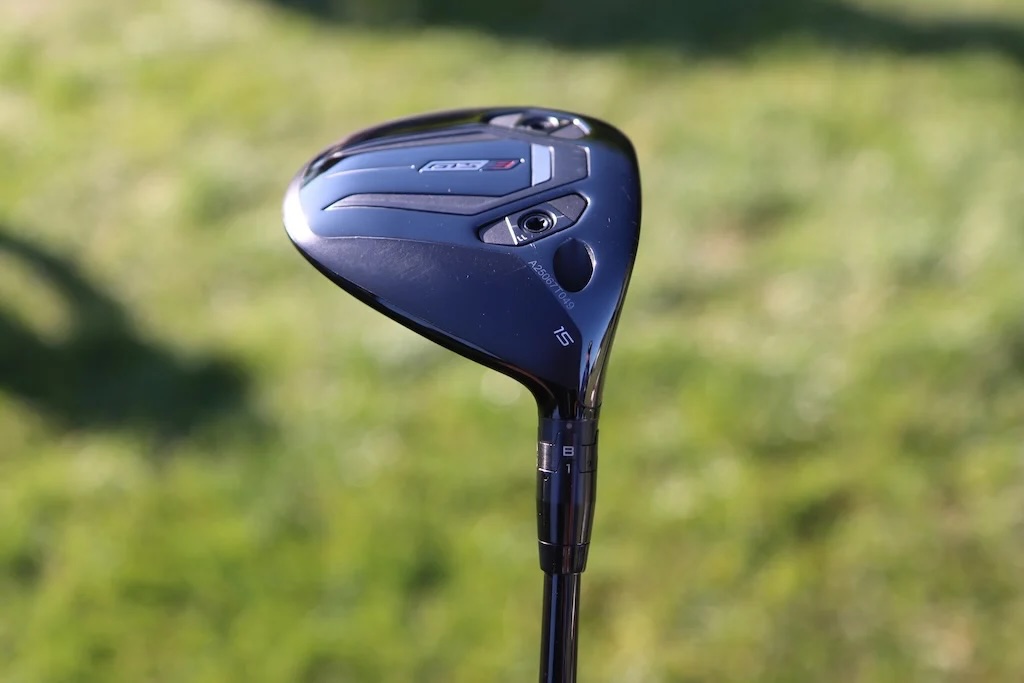
3-wood: Titleist GTS3 (15 degrees, B1 SureFit setting)
Shaft: Mitsubishi Chemical Tensei 1K Pro Red 70 TX
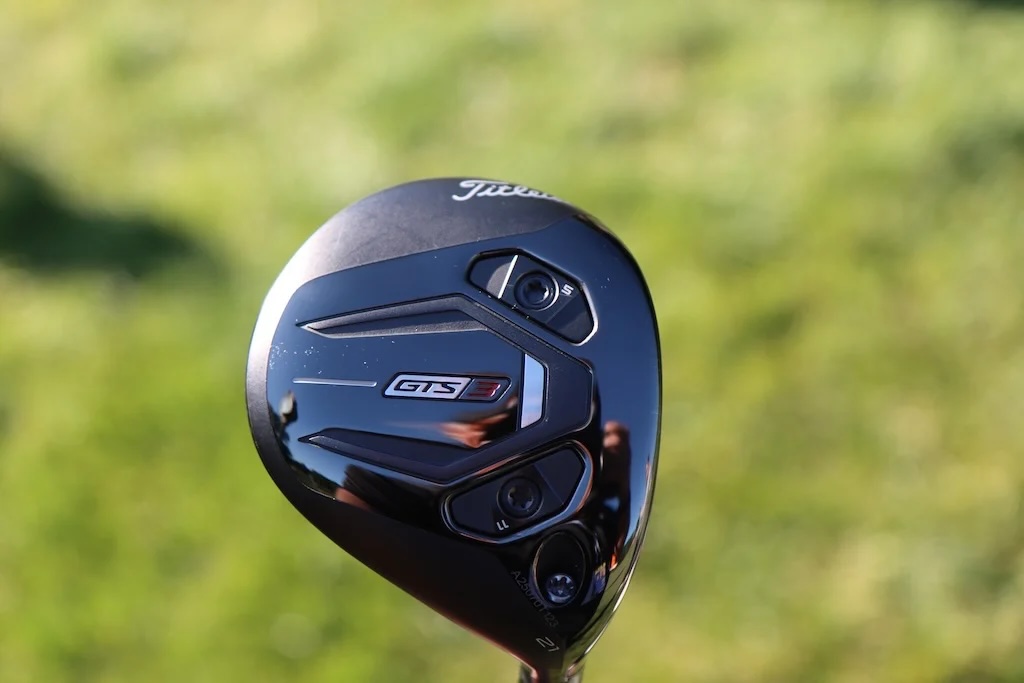
7-wood: Titleist GTS3 (21 degrees, D1 SureFit setting)
Shaft: Mitsubishi Chemical Tensei 1K Pro Red 80 TX
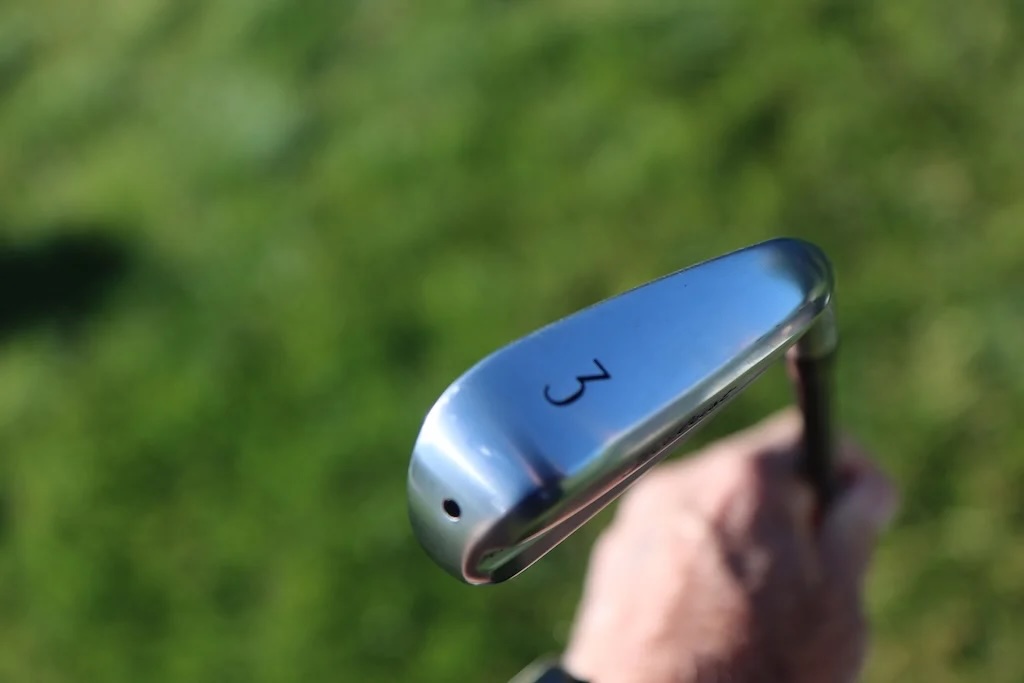
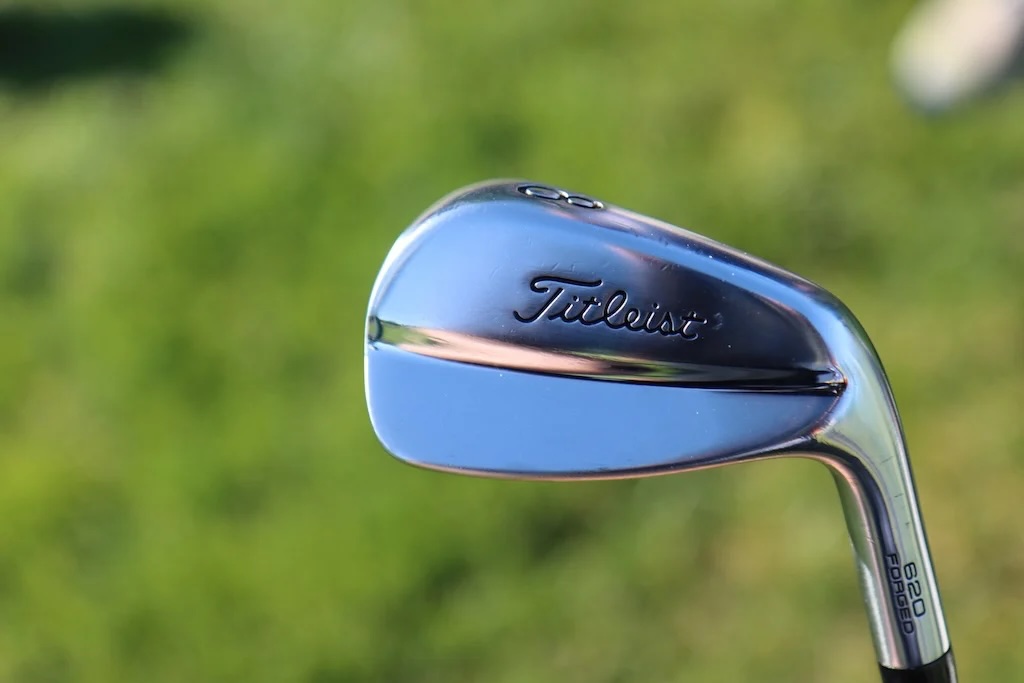
Irons: Titleist U505 (3), Titleist 620 MB (4-9)
Shafts: Fujikura Ventus Black HB 8 X, True Temper Dynamic Gold Tour Issue
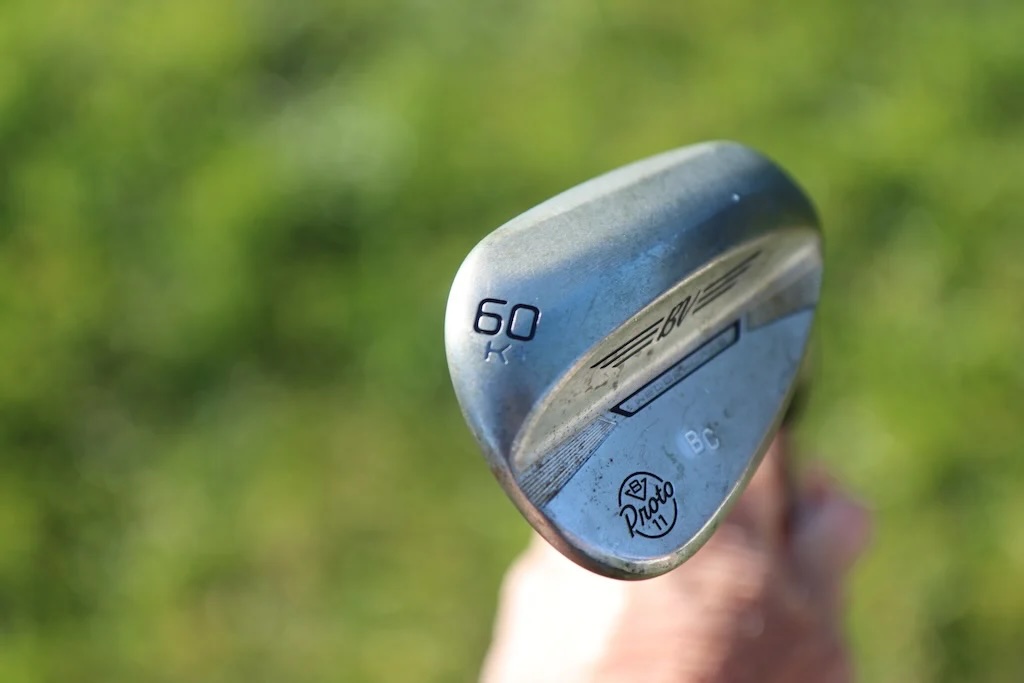
Wedges: Titleist Vokey Design SM11 (48-10F, 52-12F, 56-14F), WedgeWorks (60-K*)
Shafts: True Temper Dynamic Gold Tour Issue S400
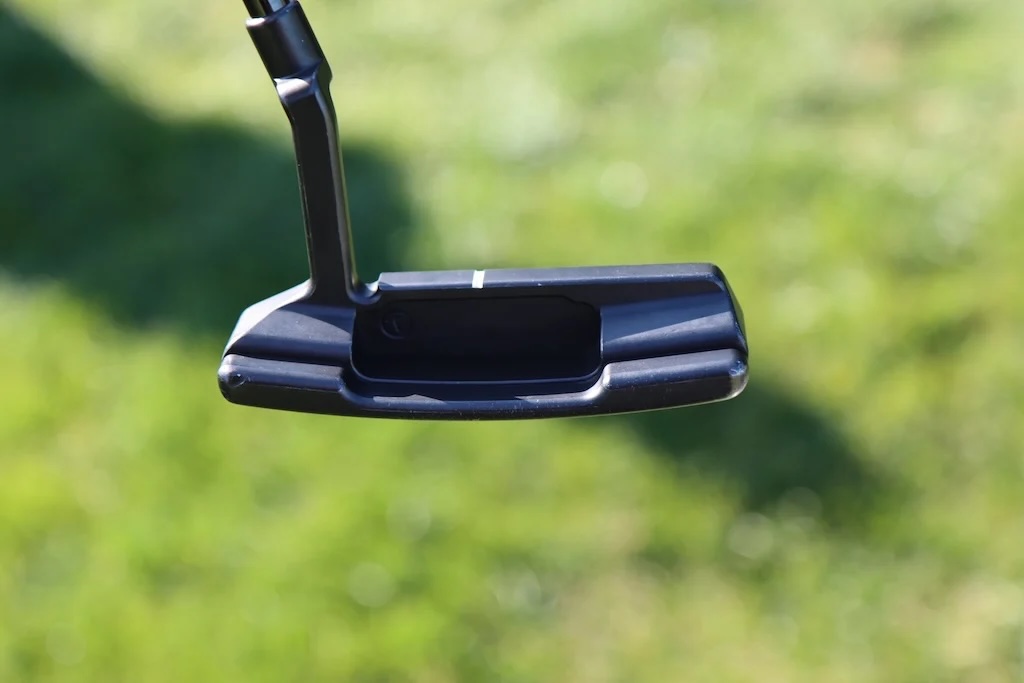
Putters: Scotty Cameron Tour Prototype, Scotty Cameron GOLO 6.3 Prototype
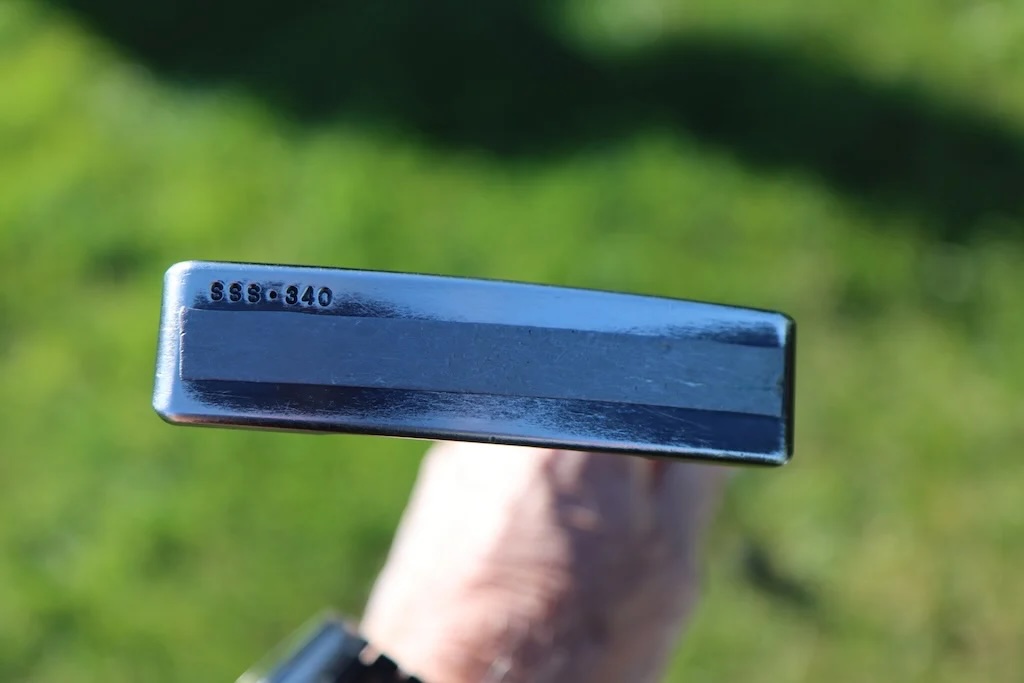
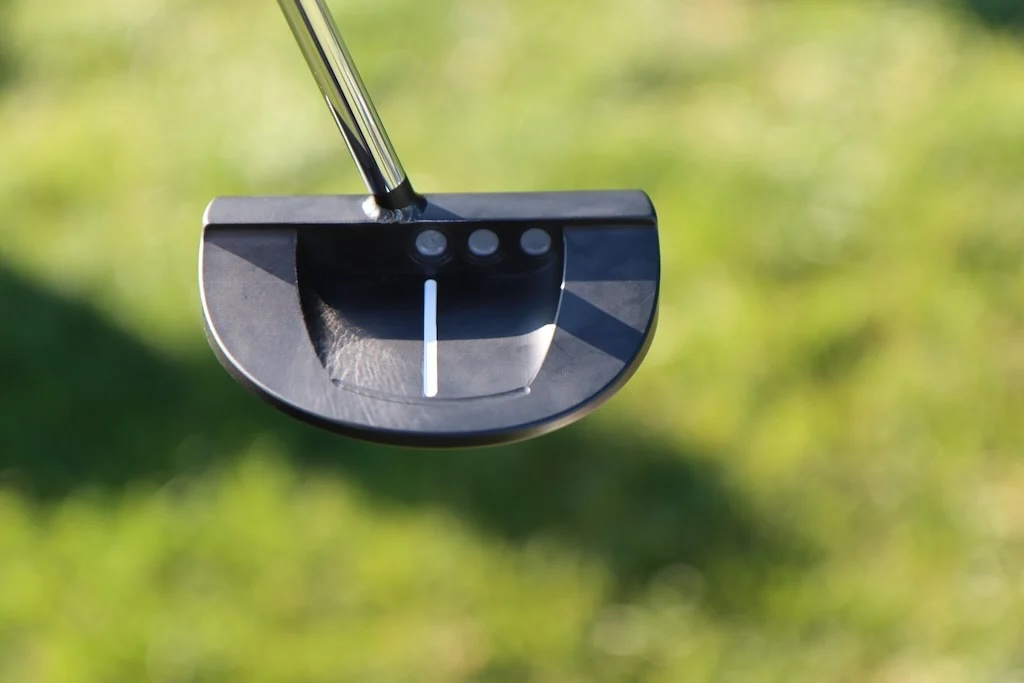
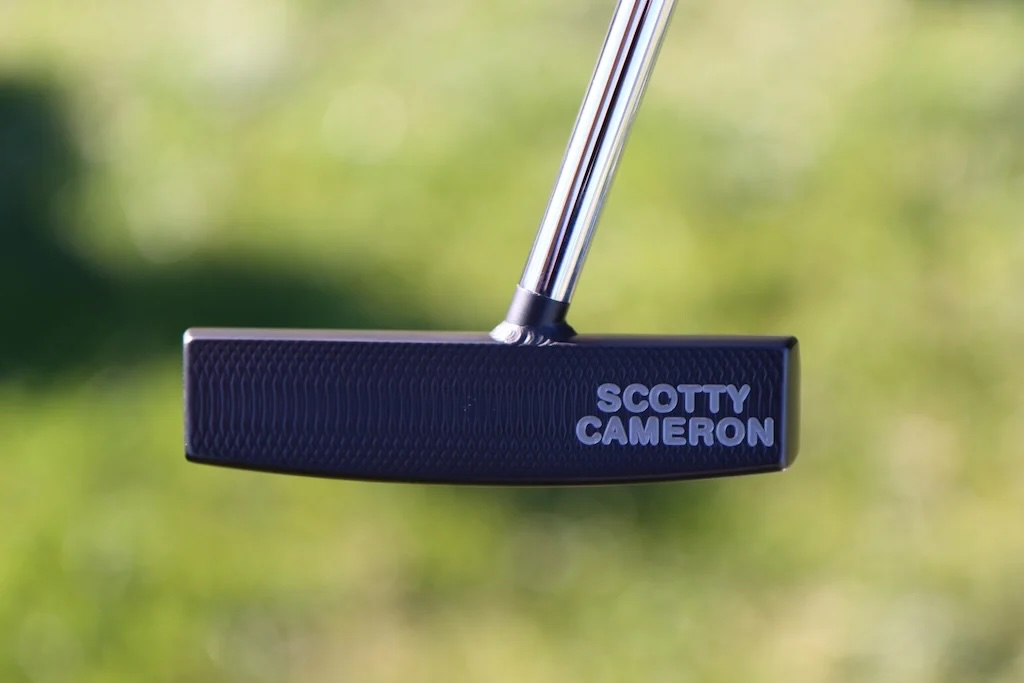
Grips: Golf Pride Tour Velvet Align
Ball: Titleist Pro V1
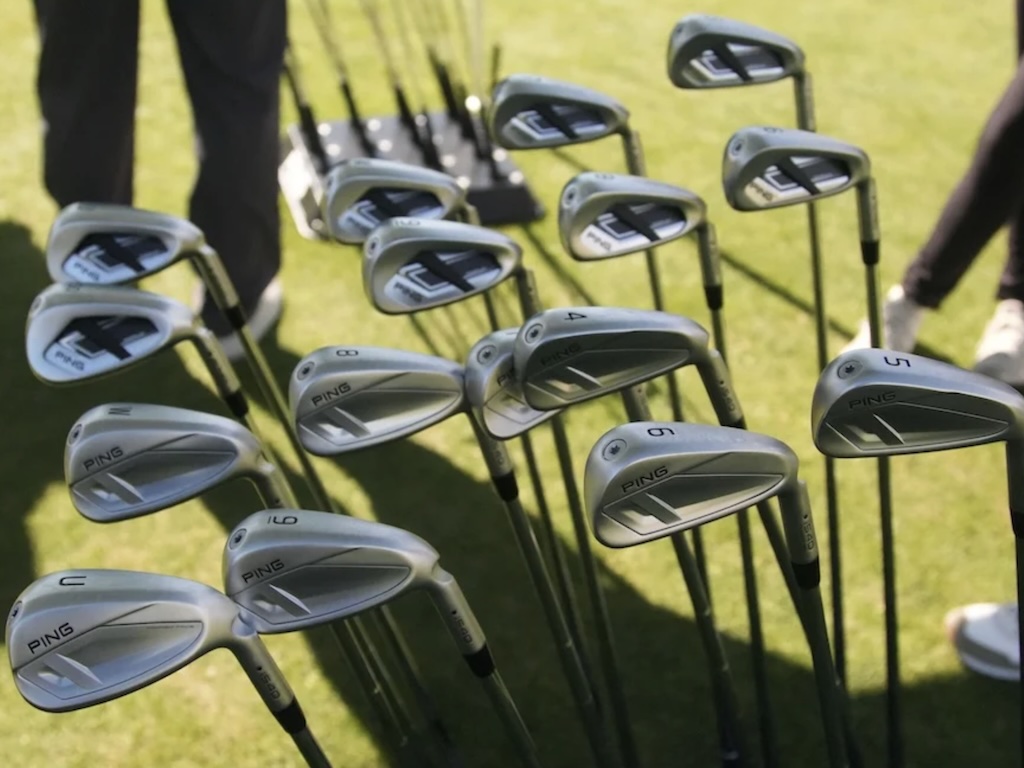
In our forums, one user has offered up a prompt for the true sickos, inviting fellow forum members to share every set of irons they’ve ever owned. As to be expected, this is a lengthy forum topic.
@Lamosteve began:
Can you name every set of irons you’ve owned? Here’s mine
Spalding Dots
Spalding Eclipse
Ram Lazer FX
Lynx Parallax
Mizuno EZ Comp
Ben Hogans
Cleveland CG Red
Taylor Made R9s
PING i20
PING iE1
Taylor Made M6
Our members in the forum have been offering up their own collections. Here are a few posts from the thread, but make sure to check out the entire discussion and have your say at the link below.
- macedan: “Started with a hand-me-down Golden Bear set from my brother when I was in high school, never really played more than once a year or got into the game until about summer of 2017. First purchased a set of Cleveland CG4’s (I actually really miss this set sometimes, soft & not terribly large for a GI iron), moved into Nike Vapor Fly’s by the end of the year. Those lasted until spring of 18 when I decided I wanted new, so I traded them in for TM Rbladez. Honestly, although I liked the Rbladez, poor decision on my part, I think this was really about the only time so far that after a week or two I was kicking myself for not staying with what I had. Rbladez stayed with me until late last summer when I switched to P790’s and (knock on wood) I am hoping this will be my longest lasting set.”
- JimmyC59: “MacGregor Jack Nicklaus Triple Crown. Palmer The Standard. Still play these.”
- jgrzask: “Tommy Armour 845u
Mizuno MP-32
Mizuno MP-33 (2 sets)
Bridgestone J33cb – still own
Srixon i-302 (2 sets) – still own
Tourstage X-Blades – still own
Mizuno Hot Metal – still own
Nike Forged Blades – still own
Titleist 714 AP1 – still own
Cobra Forged SS – still own”

Justin Rose WITB 2026 (April): Full WITB breakdown with new McLaren irons

What’s the story behind Webb Simpson’s custom-stamped irons?

Memorial Tournament Tour Report: Rory McIlroy, Cameron Young switch up drivers, and more

Cadillac Championship Tour Report: Spieth’s sizable changes, McLaren Golf launches, and more

Russell Henley’s winning WITB: 2026 Charles Schwab Challenge

Kristoffer Reitan’s winning WITB: 2026 Truist Championship

J.T. Poston’s winning WITB: 2026 Memorial Tournament

Aaron Rai’s winning WITB: 2026 PGA Championship

Best irons 2026: Best irons overall, most forgiving irons, and more

Cameron Young’s winning WITB: 2026 Cadillac Championship


Bud Cauley WITB 2026 (June)
Bud Cauley had >14 clubs in his bag when photographed prior to the Memorial Tournament. Driver: Titleist GTS2 (8 degrees) Shaft: Fujikura...


Hannah Green WITB 2026 (June)
Driver: Titleist GTS3 (10 degrees, D4 SureFit setting) Shaft: Mitsubishi Chemical Diamana RB 53 S 3-wood: Titleist GT3 (15 degrees,...


Asterisk Talley WITB 2026 (June)
Driver: TaylorMade Qi4D (9 degrees) Shaft: Fujikura Ventus Blue 6 S 3-wood: TaylorMade Qi4D (16.5 degrees) Shaft: Fujikura Ventus Blue...

Brianna Do WITB 2026 (June)
Driver: Callaway Quantum Triple Diamond (9 degrees) Shaft: KBS PGW 3-wood: Callaway Elyte Titanium (15 degrees) Shaft: KBS PGW 5-wood:...
-
 Equipment6 days ago
Memorial Tournament Tour Report: Rory McIlroy, Cameron Young switch up drivers, and more
-
 News1 week ago
Russell Henley’s winning WITB: 2026 Charles Schwab Challenge
-
 Whats in the Bag3 days ago
J.T. Poston’s winning WITB: 2026 Memorial Tournament
-
 Equipment3 days ago
Best irons 2026: Best irons overall, most forgiving irons, and more
-
 Equipment1 week ago
Details on Jason Day’s latest prototype Avoda iron setup
-
 Equipment3 weeks ago
CJ Cup Byron Nelson Tour Report: Koepka and Kim’s newest putters finally get hot
-

 News2 weeks ago
Charles Schwab Challenge Tour Report: MacIntyre, Åberg and Spaun all switch putters, TaylorMade launches new Spider
-
 Equipment2 weeks ago
Details on J.J. Spaun’s surprise putter switch


JP
Oct 2, 2019 at 10:47 am
Is this written in defense of scotty cameron?
Adam
Oct 2, 2019 at 10:06 am
This article seems very unnecessary. Copying is not creating, that is objective, in fact it’s the opposite. The problem is some manufacturers will blatantly copy and not cite inspiration. Having said that I don’t feel club most manufacturers go into it trying to be creative and design the “answer” like Karsten was. At this point it’s tinkering proven designs and using marketing tactics to help them stand out.