
Opinion & Analysis
The biggest influence on your child’s development in sports

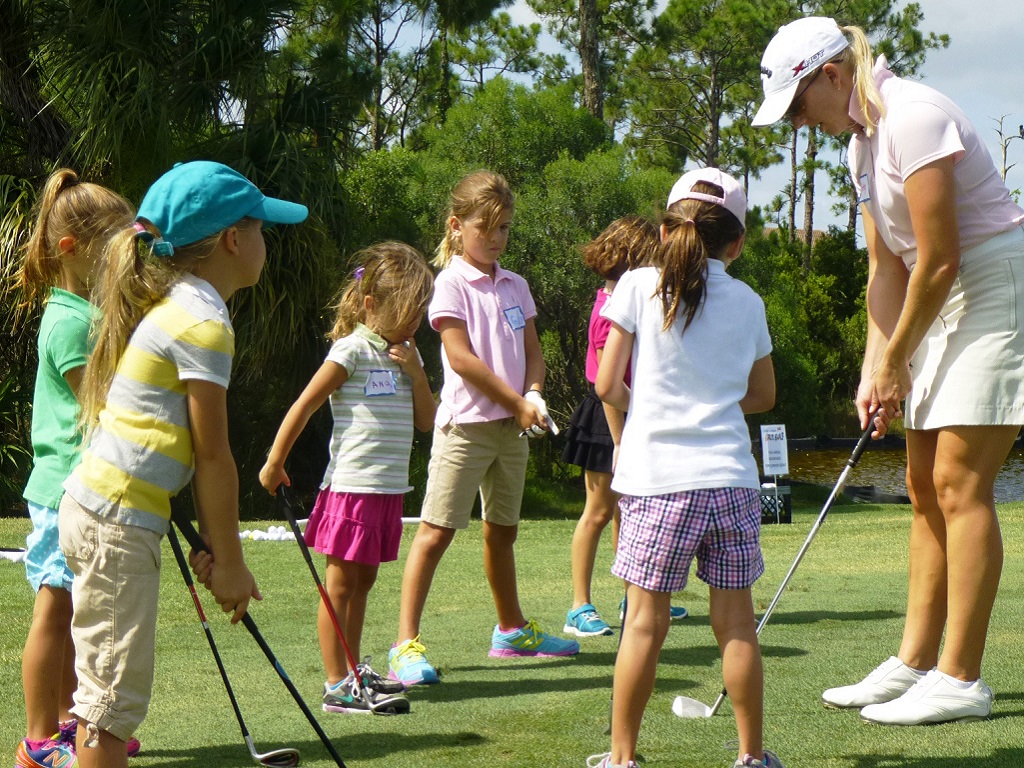
If you had the answer to youth development, you would have a very busy calendar. But joking aside, no one holds the golden ticket. The development of children is multi-faceted, diverse, and certainly does not follow a linear pattern; but what is possibly the most important factor to consider in your junior program?
Forget the grip, length of swing, or throwing skills. Social aspects are arguably the greatest influence on youth development and actually underpin everything we do. More worryingly, they have often been dismissed and unaccounted for in widely used participant development models, such as the Long Term Athlete Development (LTAD) model.
So, what social aspects may be affecting children on your program?
Family
Parents are the bulk of this category and can often, but not always, act as role models whilst providing access and opportunity for children. On the reverse, parents can be can harmful and grouped into
- the uninterested parent, who is never present
- the overcritical parent, who is never satisfied
- the yelling from the sideline parent, who often shouts louder than the coaches
- the parent who coaches, who often contradicts the coach
- the over-concerned parent, who is afraid of the dangers of sport and threatens to remove their child.
 Do any of the children enrolled on your programs have parents that sound like the above? And how could this be affecting their performance and development?
It may also be worth mentioning at this point that siblings also play a huge part in development for obvious reasons related to motivation and role models. Have you ever wondered why it is so common for the youngest sibling to be the best goalkeeper? Is this luck? Another classic is children turning up late for sessions: this is obviously completely out of their control and coaches should not single out or highlight the fact that a particular child is late. The late child often wanders in with their head down, embarrassed about the fact they are turning up late.
Finally, has a recent divorce or family death affected a child in your Saturday morning class? The reason for their quietness and ‘uninterested look’ may in fact be stemming from a much deeper root. And to not pick this child for a team or to single him out for not being interested would be a disaster move at this point!
Socioeconomics
These are closely linked to parents and are quite simply financial factors. The cost of memberships, transport, equipment and time can often be a barrier for children. Can the family afford to pay for practice buckets out of sessions? And how could this be affecting a child’s development? Furthermore, should a child who hasn’t been practicing be inadvertently singled out when the reason for not practicing may often be totally out of their control? Again, how can we as coaches best handle these situations?
From a slightly different angle, how does the child in the group who has ‘hand me down’ clubs and an old scruffy bag feel? And how does the fact all the other children have brand new shiny clubs make them feel? More importantly, how can we as coaches make that child feel at ease?
Schooling/education
The guy that Henry sits next to on his first day of high school could quite possibly shape his future. The influence of peer groups is a huge factor in how attitudes, interests and ultimately behaviors are developed. Furthermore, the friendships developed at golf sessions could be pivotal in future development. What are we doing as coaches to create the best possible social environment for our players?
Additionally, the provision of sport varies across schools and can limit opportunities for different groups of children. This is totally out of a coach’s control but must be acknowledged. The popular named fundamental movement skills can heavily be influenced by the amount of school sport experienced; are children being dismissed from ‘talent ID’ programs for a lack of fundamental movement skills? And is this purely down to a lack of opportunity to develop these skills?
Finally, relative age effect has been shown to play an important role in youth sport and relates to the birth month of school children. Children born close to the start of the academic year (September in the UK) are often selected for school teams as opposed to children in the same year group that are nine months younger (born in Spring/Summer of the following year). The reason for being selected is often only because these children are bigger and stronger so therefore ‘suit’ the team better. So much for little Billy who loves the game but just gets “out muscled” by the big kids! (is this just bad luck?).
How can we tackle these issues?
Of course, we cannot hand out questionnaires to children and parents demanding fine details about their personal lives, however a big part of this puzzle does lie in TALKING to children and parents.
Talking to children/parents during a session about more than their grip or posture is invaluable for everyone involved.
- For starters, these chats will help you build relationships with the children, a vital component of Self Determination Theory which is linked heavily to lifelong participation.
- You will start to gather important information about the child. It is surprising what you may find out, but this is not nosey! Discovering that a child is being picked on at school may in fact be the most important thing that child has ever told you. And can for sure help you in how you behave and interact with that child.
- Some of the most useful sessions are the ones spent talking for over half the time with the parents. Finding out what is going on in a child’s life could play a pivotal role in how you interact with different children.
- Also, spending time with parents educating them is just as important. Let them know your plans/views. Pushy parents are the evil in youth sport but education can help them change their approach. Imagine if you could change the car journey home conversation from, “Why did you miss that putt?” to, “Did you enjoy that today? I love watching you play!”
Summary of points
Whilst participation development models that acknowledge physical, technical, and other assets do hold great value, a model that completely disregards any social aspects of development has to be questioned. Below are the important take home points
- Social aspects underpin everything we do and an acknowledgement of unique social situations is paramount in youth development
- Luck can often play a huge part in youth development
- Children should not be judged or selected based upon something that is out of their control.
- Be aware of relative age effect/biological age…..(but, do not make it your priority as neurological age is more important than biological age!!
- Talking to parents and children is the key catalyst to bridging the gap between development and social issues.
- The relationships we develop with children are critical to motivations and lifelong participation.
Reference
Bailey, R; Collins, D; Ford, P; MacNamara, A; Toms, M; and Pearce, G. (2010). Participant Development in Sport: An academic review.



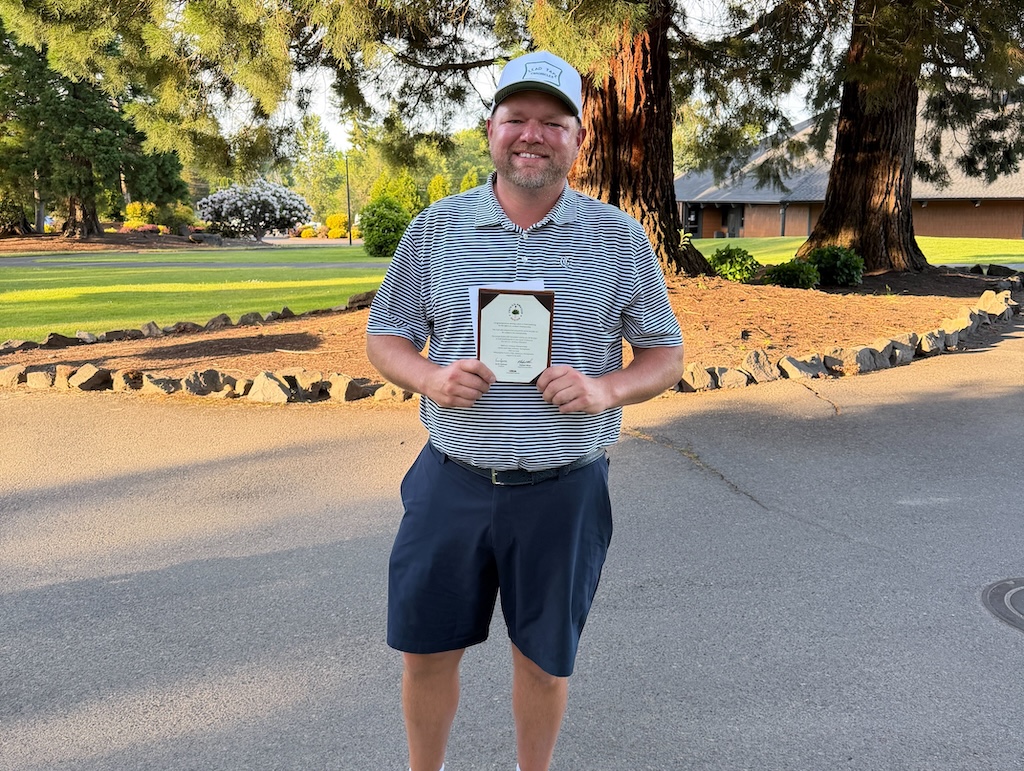
This past Monday, I played in the U.S. Amateur local qualifier at Rock Creek Country Club in Portland, Oregon. A full tee sheet from 7:30 a.m. to 1:55 p.m., the top 11 scores would make it to the U.S. Amateur final qualifying.
I teed off at 10:48 a.m.. With the 7:30 am tee time, you can get a feel for the leaders’ pace, and they were off and running on the challenging setup at Rock Creek.
View this post on Instagram
Getting to the highlight of the round on the par five 17th, a drive up the left side and 212 yards left to the front hole location. I took out a 5-iron with plans of middle of the green. The ball ended up 8 feet left of the hole, pin high. A slight downhill putt dropped in for an eagle 3 on the 17th. With the cut line looking to be anywhere from -2 to even par. This was the boost I had been waiting for all day.
With making par from the trees on 18, it was time to wait for a potential playoff with a posted score of one under par 71.
Three hours later, it was playoff time. 8 players for 6 spots. I made par on the playoff hole, which was good enough to advance to the U.S. Amateur final qualifying in July. USGA qualifiers sure deliver on all of the emotions in golf!
Club Junkie
Building my 2026 gamer WITB: Ranking the contenders and new putter projects – Club Junkie Podcast

The annual What’s In The Bag build is underway, and on this episode of Club Junkie, Brian breaks down the clubs currently leading the race for a spot in his 2026 gamer setup. From drivers and fairway woods to irons, wedges, and shafts, he ranks the equipment that’s performing best and explains what’s separating the front runners from the rest of the field.
Brian also heads into the workshop to discuss several putter projects currently on the bench. From head options and shaft choices to build ideas and testing plans, he shares what he’s working on and which putters could become serious contenders for the bag this season.
If you’re a gear junkie who loves equipment testing, club building, and the never-ending pursuit of the perfect setup, this episode is for you.
Follow Club Junkie:
Instagram: @clubjunkiepod
TikTok: @clubjunkiepod
Threads: @clubjunkiepod
X: @ClubJunkiePod
Club Junkie
Tour Edge Exotics mini driver review + TaylorMade Spider ZT Max first look – Club Junkie

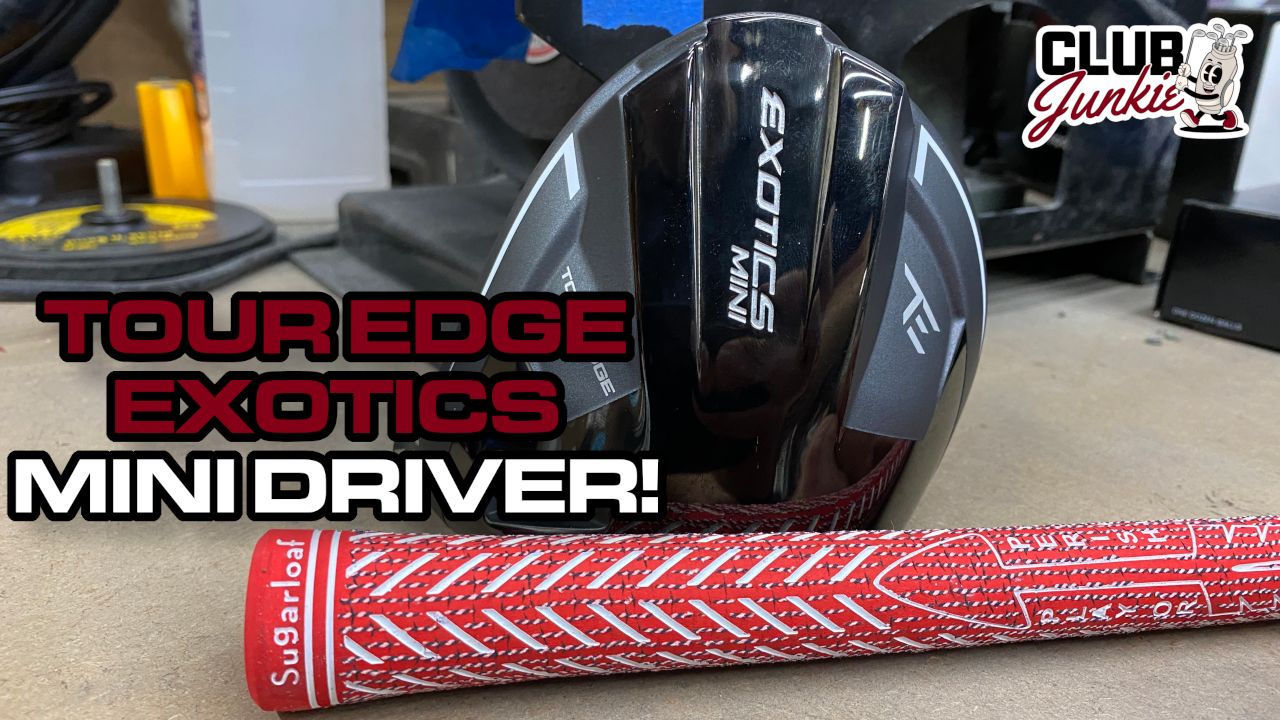
On this episode of Club Junkie, I put the new Tour Edge Exotics Mini Driver to the test and break down the performance, forgiveness, distance, and where it fits compared to a traditional driver or strong fairway wood. If you have been curious about adding a mini driver to the bag, this one is worth a look.
I also dive into the new TaylorMade Spider ZT Max putter that was recently spotted and discuss the growing zero torque putter trend. Plus, there is a closer look at the new Project X Titan Yellow shaft showing up on the PGA Tour and what makes it different from other profiles currently out there.

Justin Rose WITB 2026 (April): Full WITB breakdown with new McLaren irons

What’s the story behind Webb Simpson’s custom-stamped irons?

Memorial Tournament Tour Report: Rory McIlroy, Cameron Young switch up drivers, and more

Cadillac Championship Tour Report: Spieth’s sizable changes, McLaren Golf launches, and more

Russell Henley’s winning WITB: 2026 Charles Schwab Challenge

Kristoffer Reitan’s winning WITB: 2026 Truist Championship

Aaron Rai’s winning WITB: 2026 PGA Championship

J.T. Poston’s winning WITB: 2026 Memorial Tournament

Cameron Young’s winning WITB: 2026 Cadillac Championship

Best irons 2026: Best irons overall, most forgiving irons, and more


Bud Cauley WITB 2026 (June)
Bud Cauley had >14 clubs in his bag when photographed prior to the Memorial Tournament. Driver: Titleist GTS2 (8 degrees) Shaft: Fujikura...


Hannah Green WITB 2026 (June)
Driver: Titleist GTS3 (10 degrees, D4 SureFit setting) Shaft: Mitsubishi Chemical Diamana RB 53 S 3-wood: Titleist GT3 (15 degrees,...


Asterisk Talley WITB 2026 (June)
Driver: TaylorMade Qi4D (9 degrees) Shaft: Fujikura Ventus Blue 6 S 3-wood: TaylorMade Qi4D (16.5 degrees) Shaft: Fujikura Ventus Blue...


Brianna Do WITB 2026 (June)
Driver: Callaway Quantum Triple Diamond (9 degrees) Shaft: KBS PGW 3-wood: Callaway Elyte Titanium (15 degrees) Shaft: KBS PGW 5-wood:...
-
 Equipment6 days ago
Memorial Tournament Tour Report: Rory McIlroy, Cameron Young switch up drivers, and more
-
 News1 week ago
Russell Henley’s winning WITB: 2026 Charles Schwab Challenge
-
 Whats in the Bag3 days ago
J.T. Poston’s winning WITB: 2026 Memorial Tournament
-
 Equipment3 days ago
Best irons 2026: Best irons overall, most forgiving irons, and more
-

 Equipment1 week ago
Details on Jason Day’s latest prototype Avoda iron setup
-
 Equipment3 weeks ago
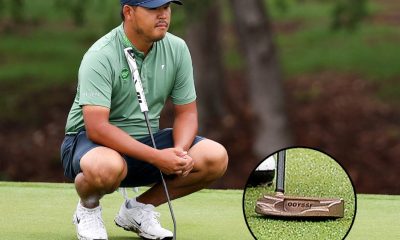
CJ Cup Byron Nelson Tour Report: Koepka and Kim’s newest putters finally get hot
-

 News2 weeks ago
Charles Schwab Challenge Tour Report: MacIntyre, Åberg and Spaun all switch putters, TaylorMade launches new Spider
-
 Equipment2 weeks ago
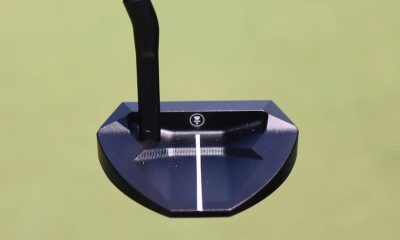
Details on J.J. Spaun’s surprise putter switch


Big Ern
Nov 22, 2018 at 11:15 pm
And cut down on the D@** SUGAR and fast food!!! Grinds my gears seeing people give their kids a 20oz sprite and candy bar then wonder “why wont my kid listen to what im saying?” Its because their brain is more sped up than Kieth Richards was in his prime…
fed up
Nov 24, 2018 at 1:53 am
… and kick off the obese kids too because they are now defined as “ill”… and likely look like their parents.
bill williams
Nov 22, 2018 at 7:17 pm
Now let’s get down to the practical aspects of children’s sports development. The first priority is get the kids running, using their legs, because kids are full of energy and don’t need grinding exercises. Let them run freely so their legs are strong and useful. Soccer/football is the best. Not contact football or hockey; those are sports that will destroy legs, and heads. Baseball is next for swinging a bat in an upright position. Then and only then, golf in an inclined position. Don’t start off with golf because it’s too restrictive, demanding and too narrow. Let them run and then swing; legs and arms.