
Club Building 101: Shaft tip diameters; sanding .370″ to taper






Every club head has a certain tip diameter designed for a specific shaft. As a club builder, it’s my job to know which shafts work in which heads, and also when to use certain tools — like a shim or a reamer — to get the optimum shaft into the club head to create the best fit for the player.
This video explains those processes, along with both hard and soft stepping. I also give you the definitive answer for sanding a graphite shaft to taper.




At GolfWRX, we are a community of like-minded individuals who all experience and express our enjoyment of the game in many ways.
It’s that sense of community that drives day-to-day interactions in the forums on topics that range from best driver to what marker you use to mark your ball. It even allows us to share another thing we all love – buying and selling equipment.
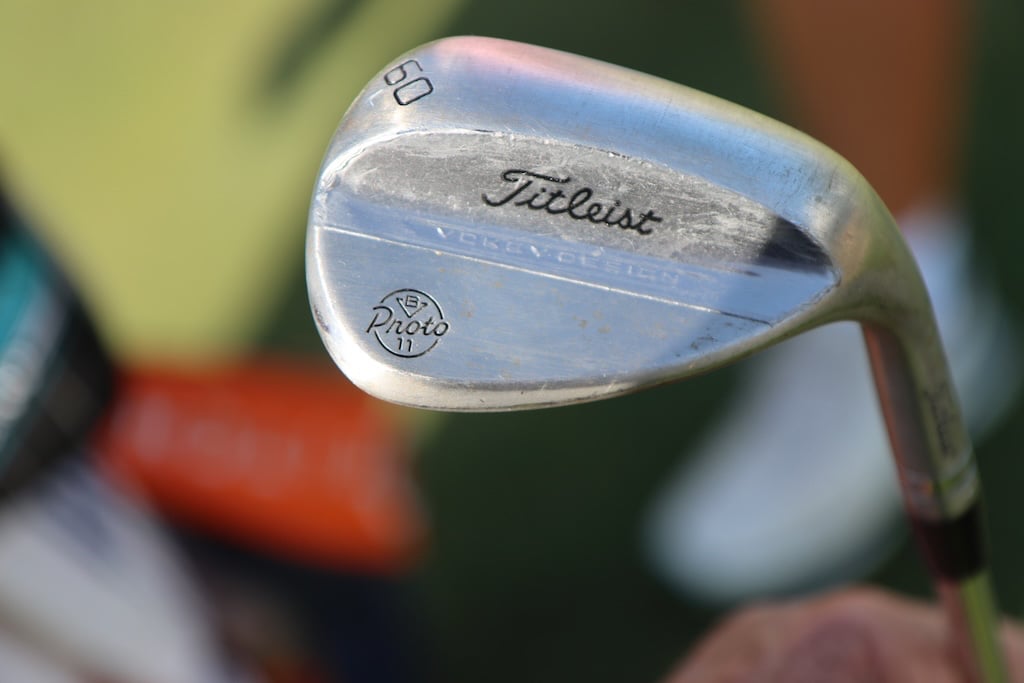
Currently, in our GolfWRX buy/sell/trade (BST) forum, @Putt4Dough is selling some prototype wedges from Vokey Wedgeworks. These include a 54 degree wedge with the M grind and a 60 degree wedge with a T grind.
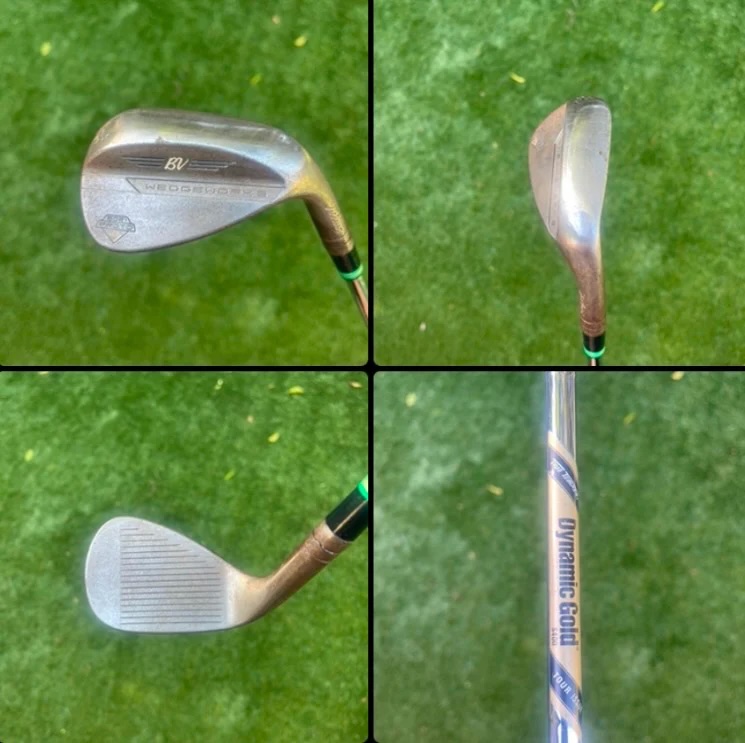
From the listing:
(1) Titleist Vokey Proto Wedge 54M with a Tour Issue DGS400 shaft and Golf Pride Tour Velvet (logo down). Standard length, lie, and loft. BB&F ferrule. Raw wedge in good condition. No initials. Price is $200 shipped. Buy both wedges for $380 shipped.
(2) Titleist Vokey Proto Wedge 60T with a KBS Tour 130X shaft and Golf Pride Tour Velvet. Standard length, lie, and loft. Raw wedge in good condition. No initials. Price is $200 shipped. Buy both wedges for $380 shipped.
To check out the full listing in our BST forum, head through the link. If you are curious about the rules to participate in the BST Forum, you can learn more here: GolfWRX BST Rules.
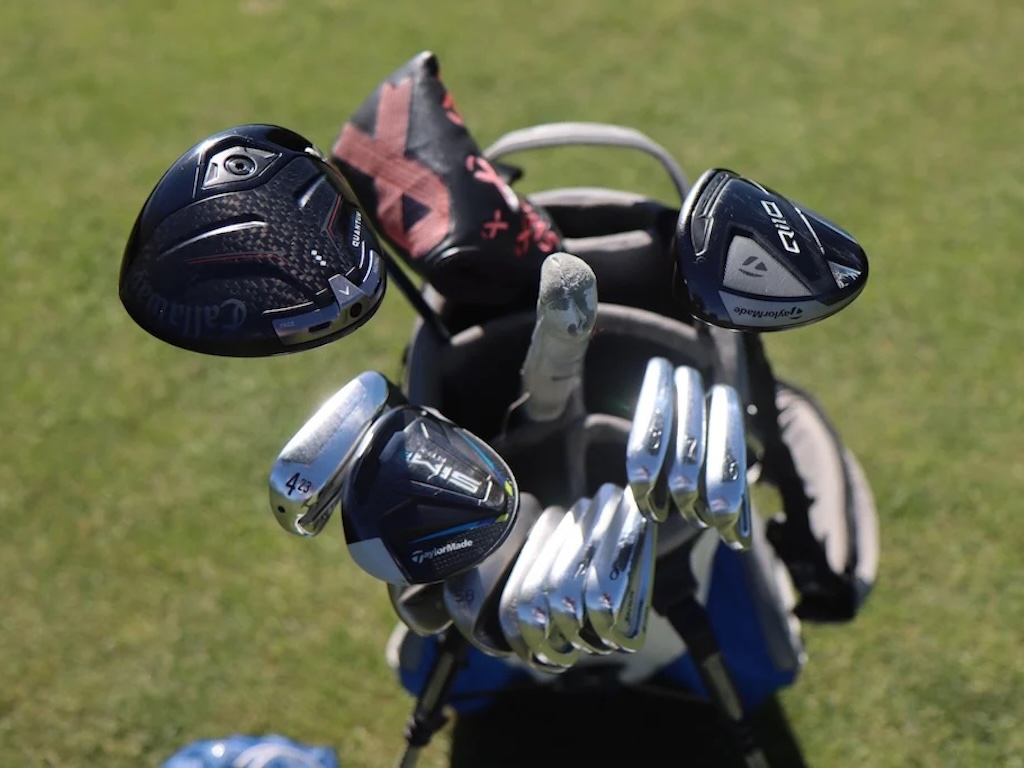
Driver: Callaway Quantum Triple Diamond (9 degrees)
Shaft: Project X HZRDUS Smoke Blue RDX 60 TX
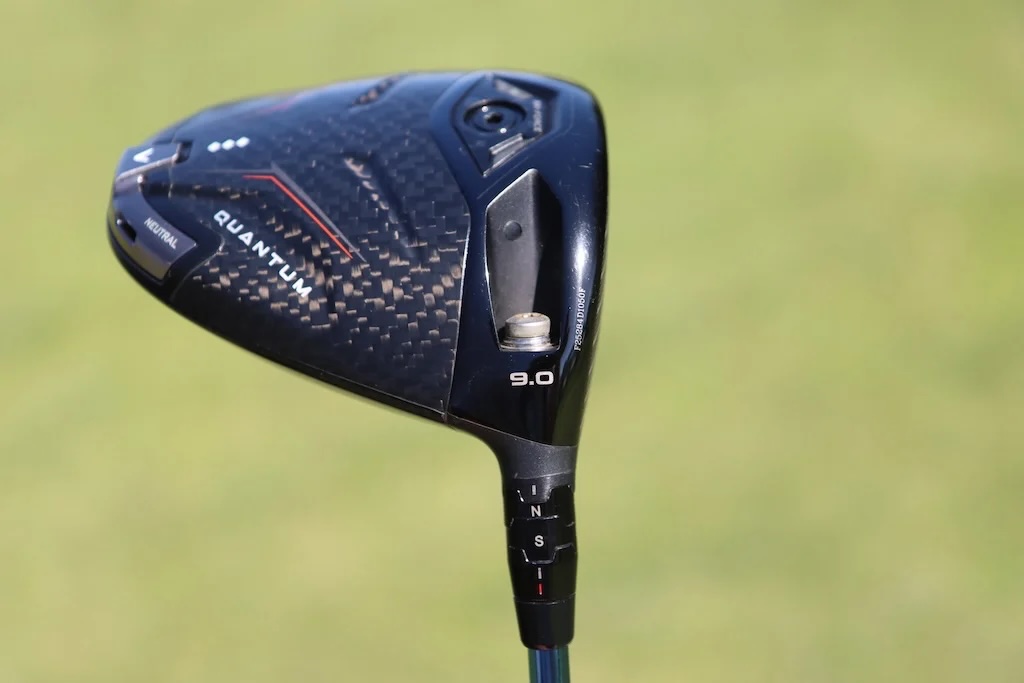
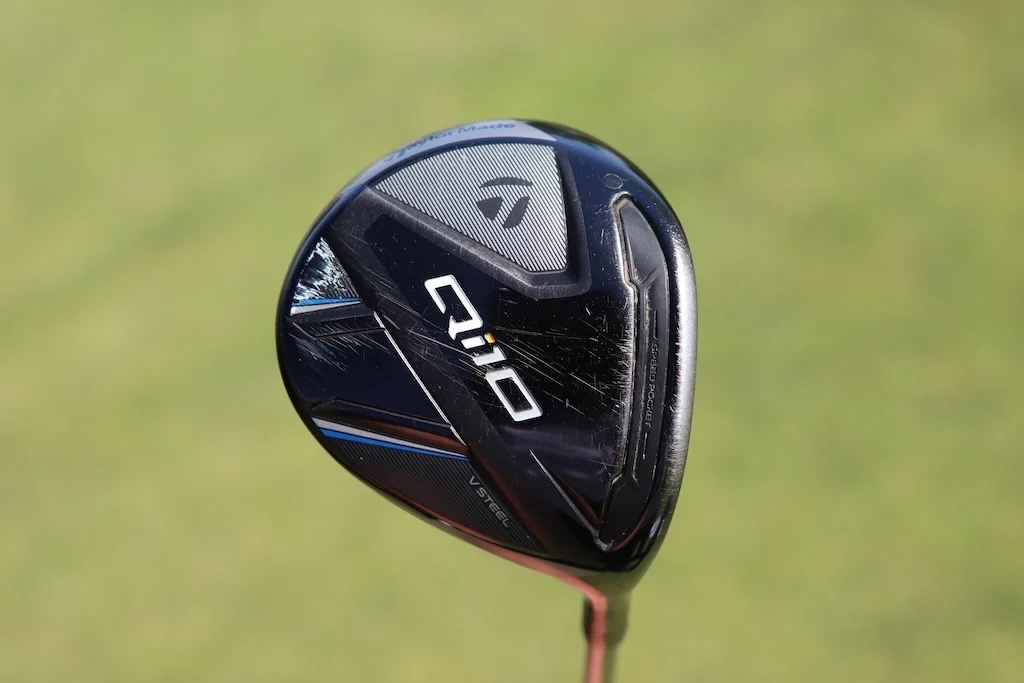
3-wood: TaylorMade Qi10 (15 degrees)
Shaft: Project X HZRDUS T1100 70 6.5
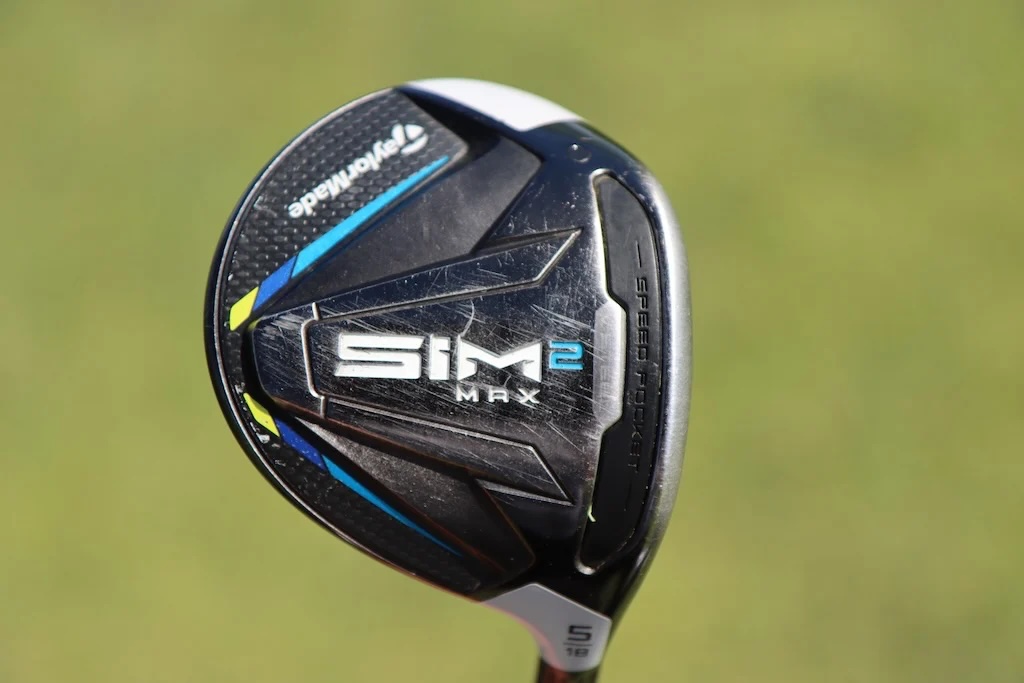
5-wood: TaylorMade SIM2 Max (18 degrees)
Shaft: Project X HZRDUS Smoke Black RDX 80 TX
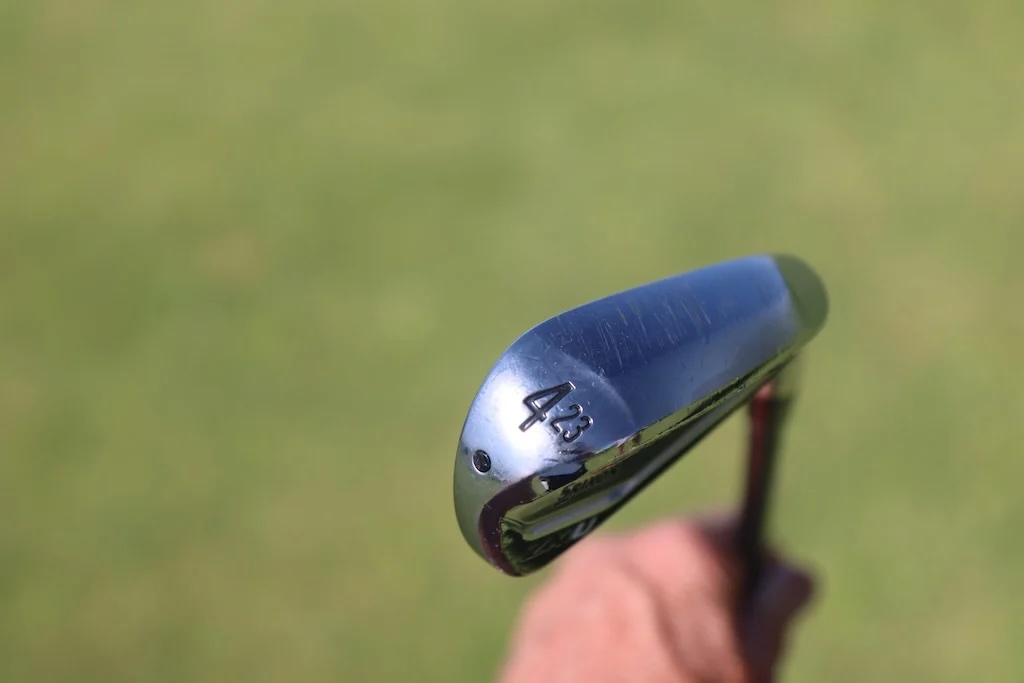
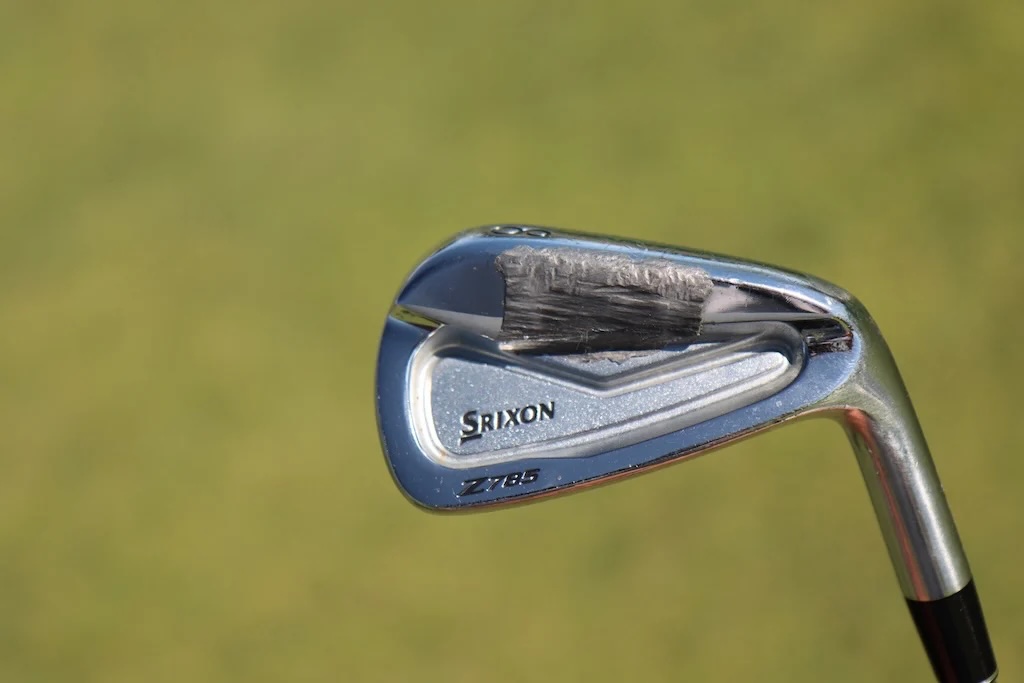
Irons: Srixon ZXiU (23 degrees), Srixon Z785 MB (5-PW)
Shafts: Project X HZRDUS Smoke Black RDX 100 6.5 (4), KBS Tour 130 X
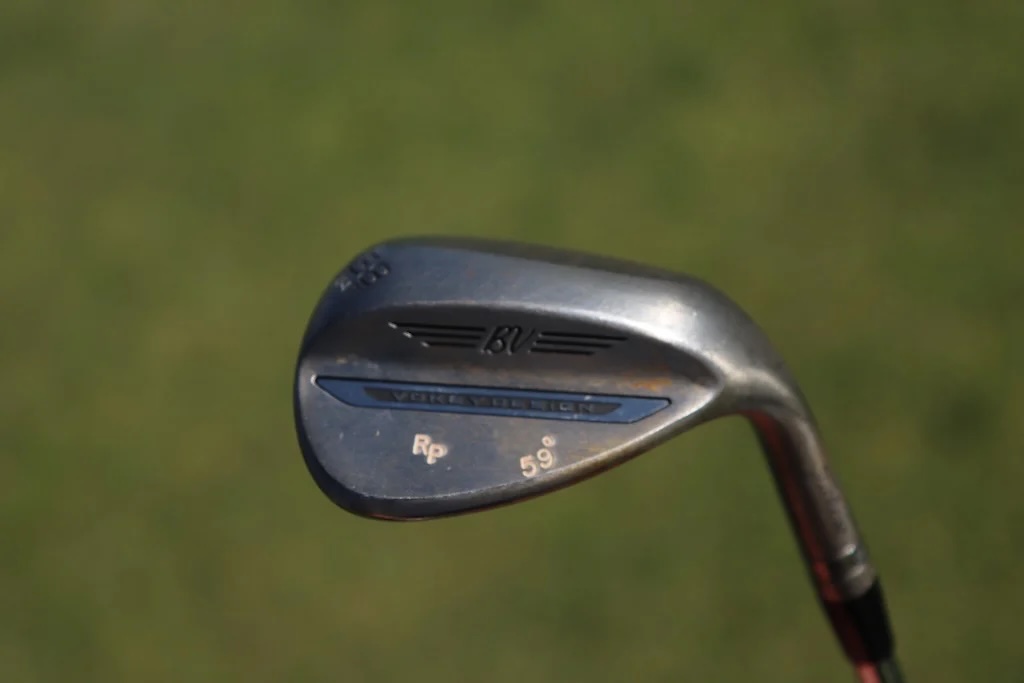
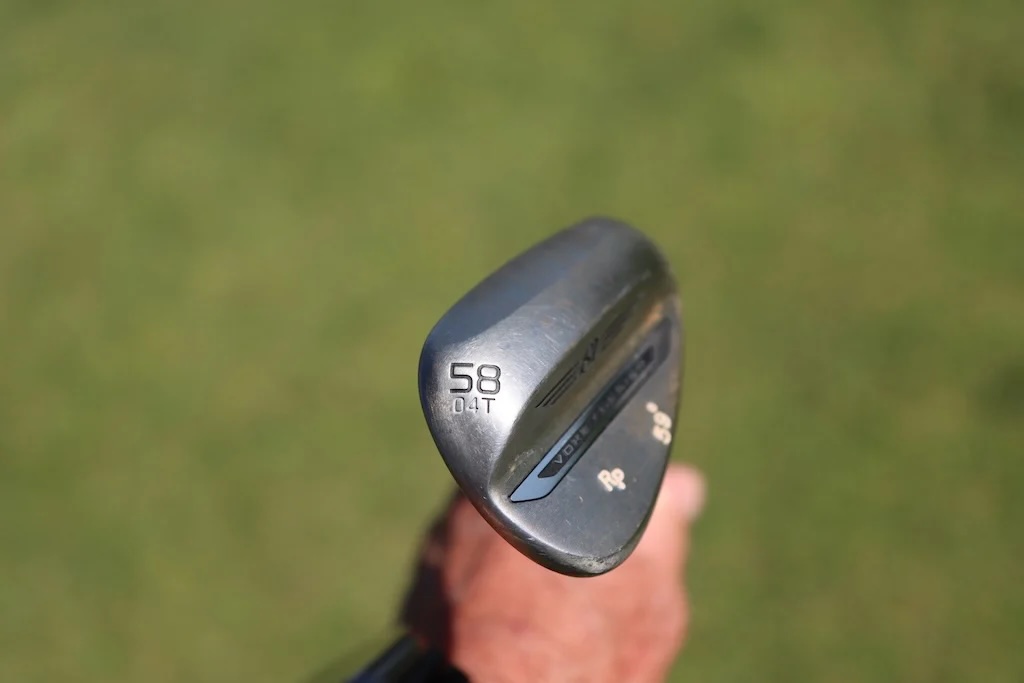
Wedges: Titleist Vokey Design SM11 (50-08F, 54-10S, 58-04T @59)
Shafts: KBS Tour 130 X
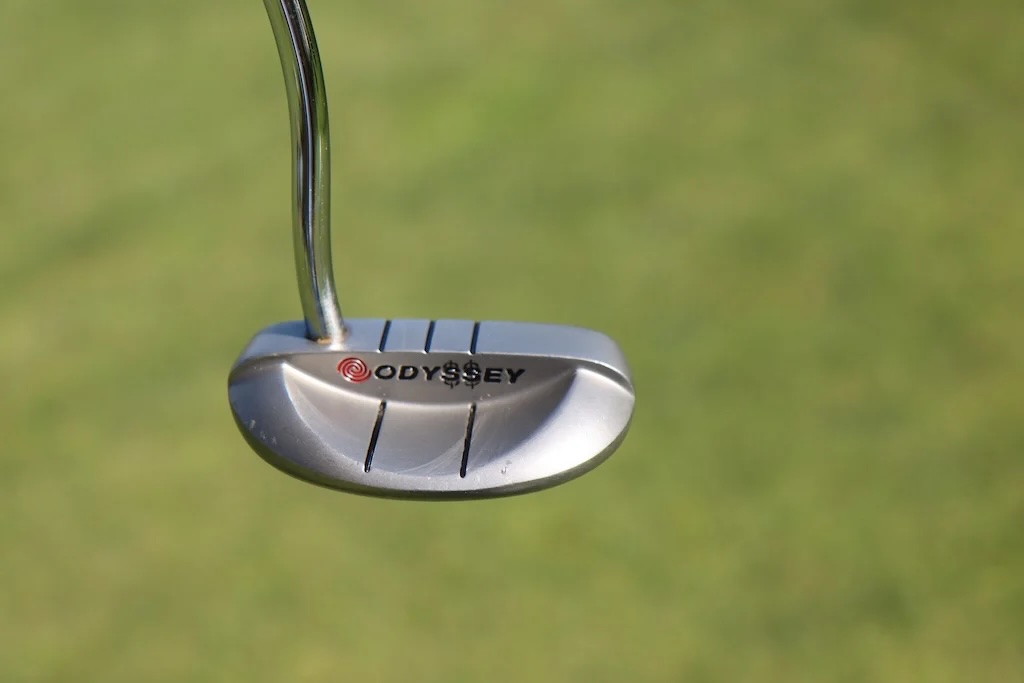
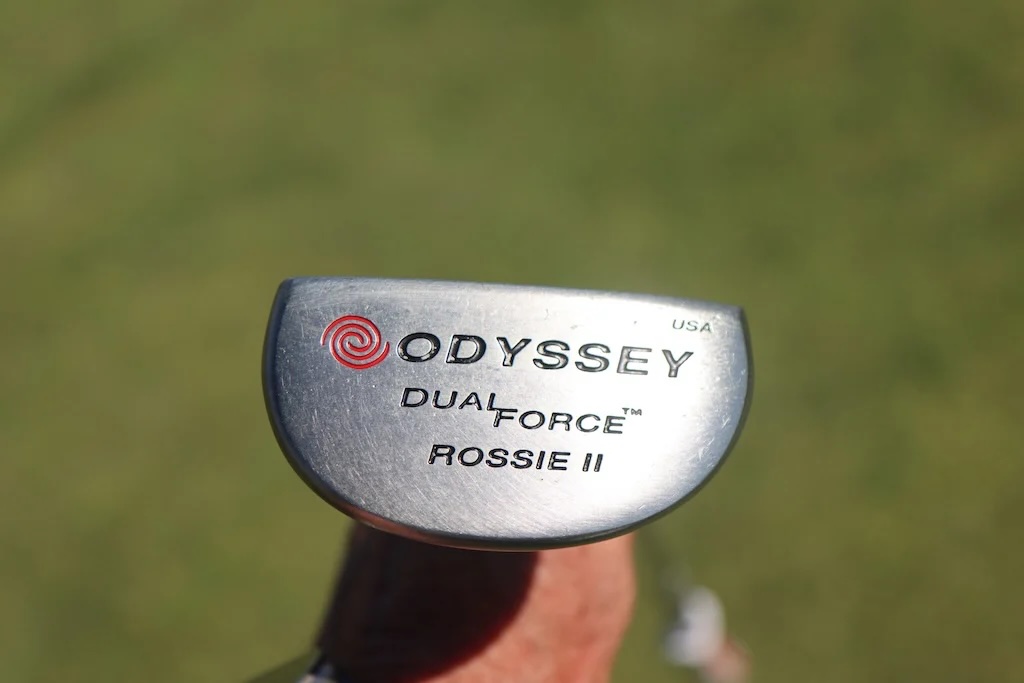
Putter: Odyssey Dual Force Rossie II
Ball: Titleist Pro V1x
Grips: Golf Pride Tour Velvet


This week, we have our Tour Photographer, Greg Moore, on the ground at the OccuNet Classic at Tascosa Golf Club in Amarillo, Texas, for the 14th event of the 2026 Korn Ferry Tour season. With that, we see some great things in the Lead Tape Report as we roll into Amarillo.
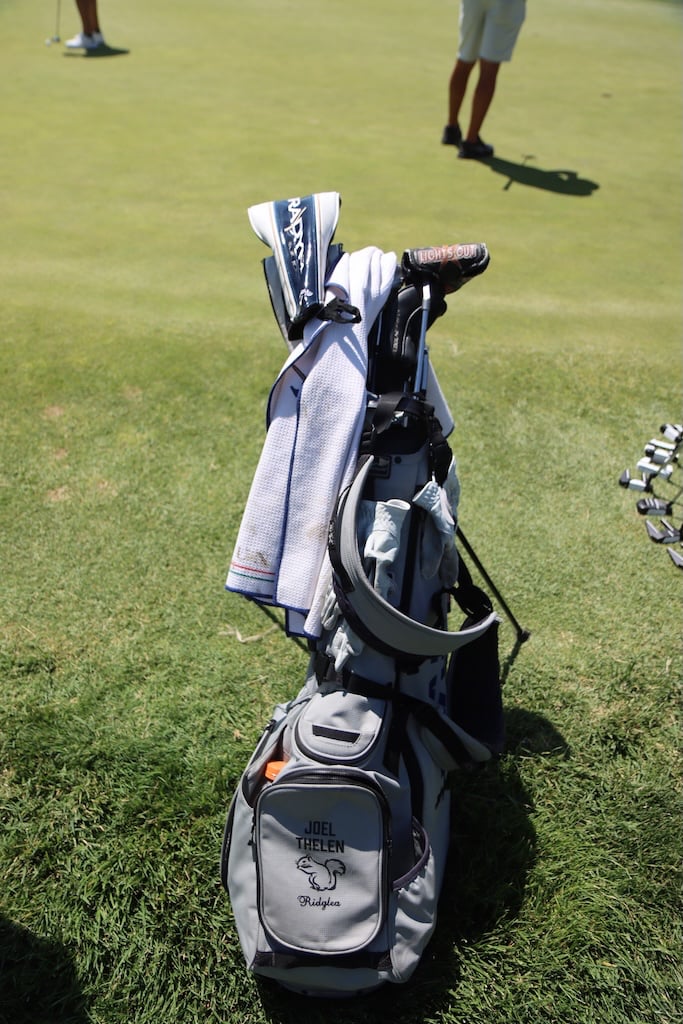
Joel Thelen
Monday Qualifier, Joel Thelen is in the field this week. He has played on the Korn Ferry Tour for a full season in 2023, and he is back in action this week. A couple of clubs caught my eye this week in his bag.
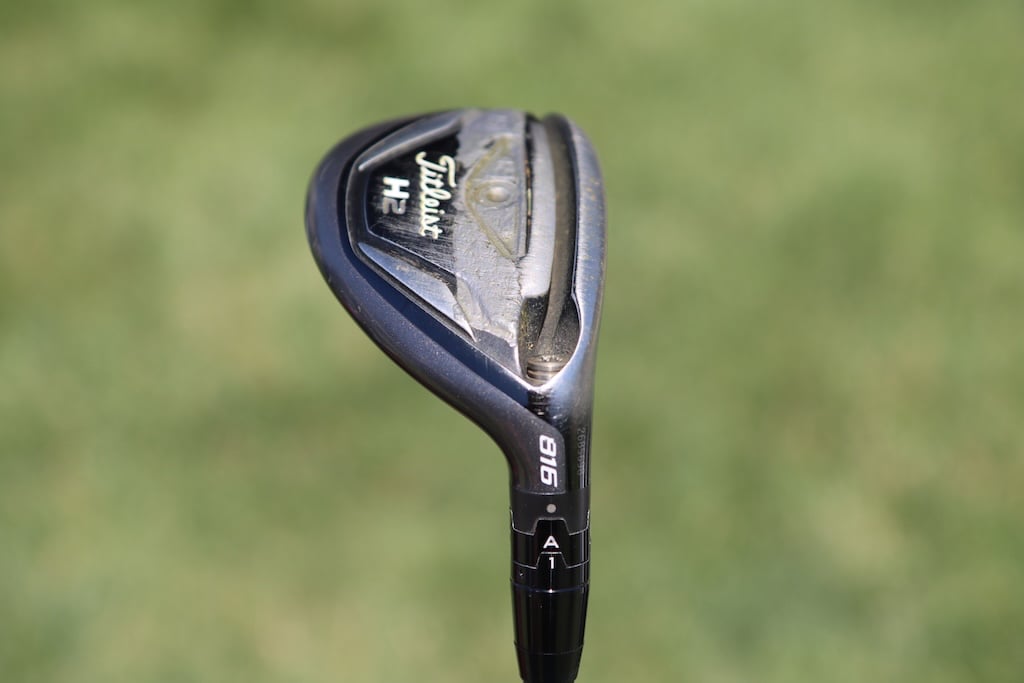
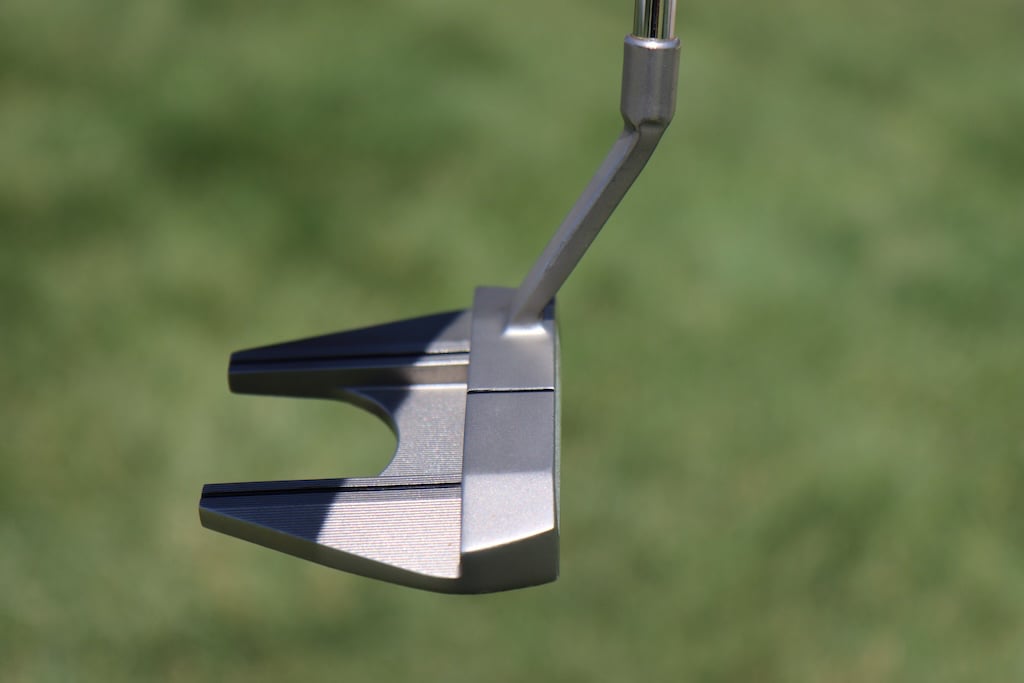
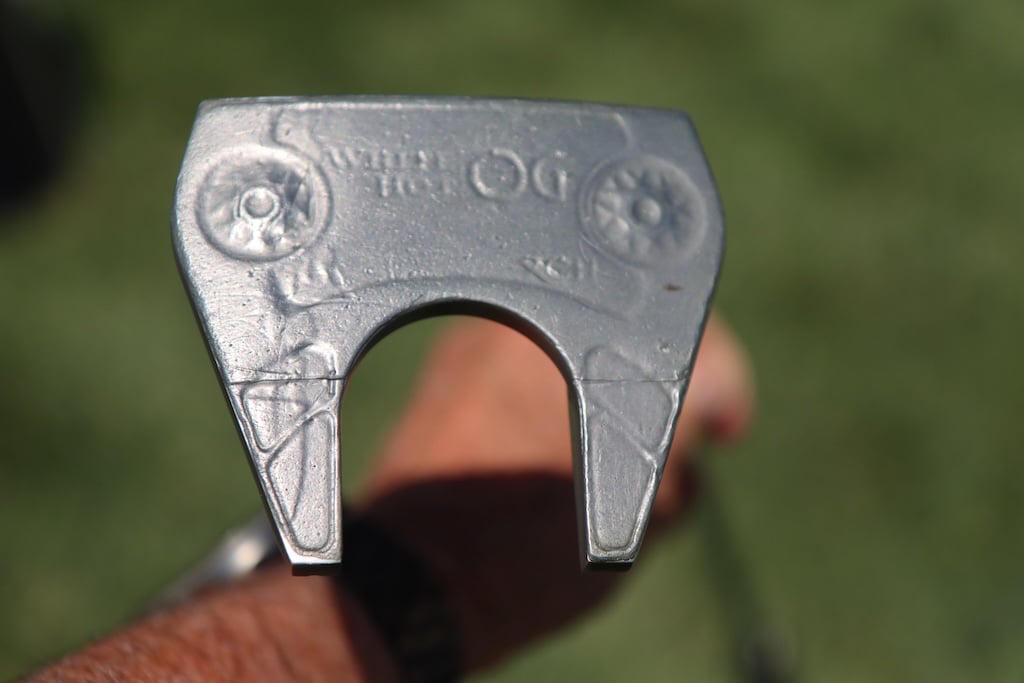
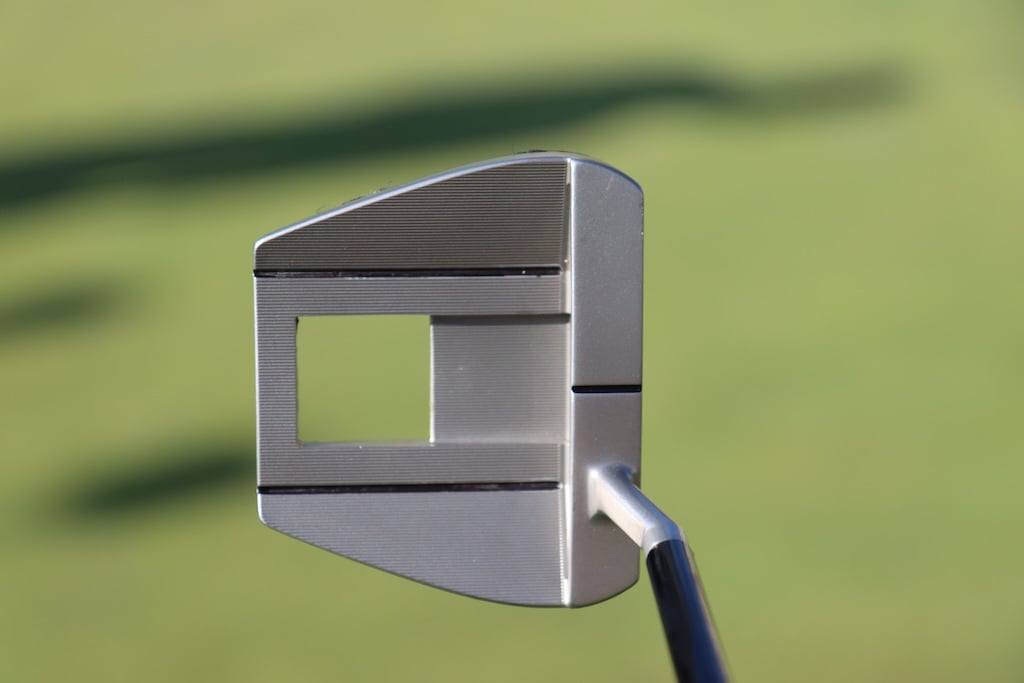
First off: His trusted Titleist 816 H2 hybrid. This club came out in October of 2015, and it still remains strong in the bag. Also, take a look at this Odyssey White Hot OG 7, putting a capital S in the 7S model. This custom neck has some impressive lean for an arm-lock-style putter. The bottom of the putter is covered in tape for optimal weighting.
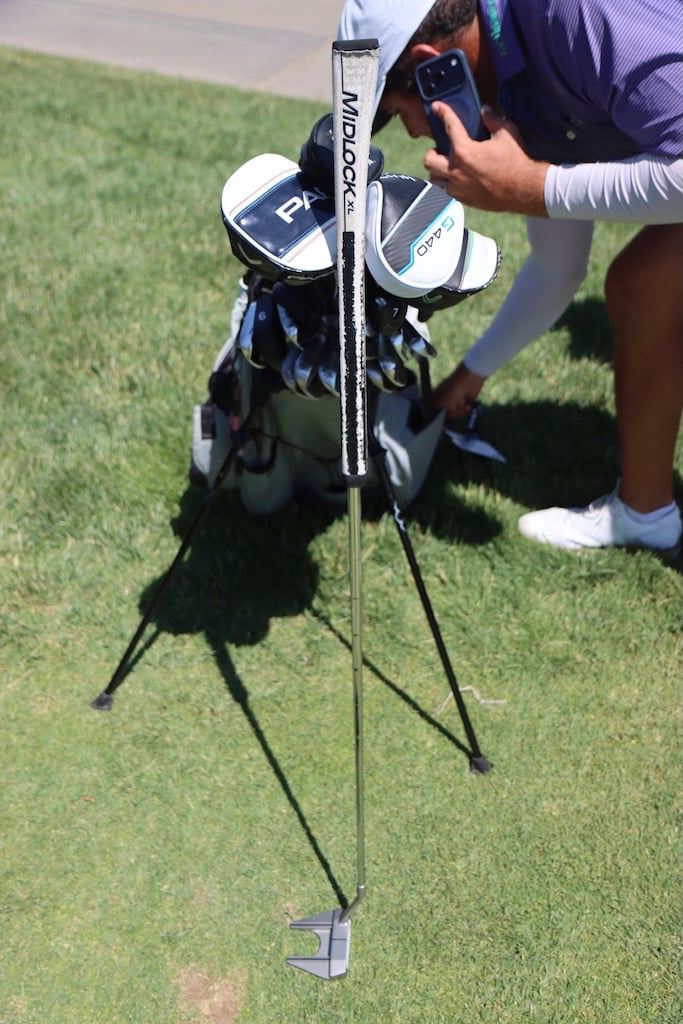
Mitchell Meissner
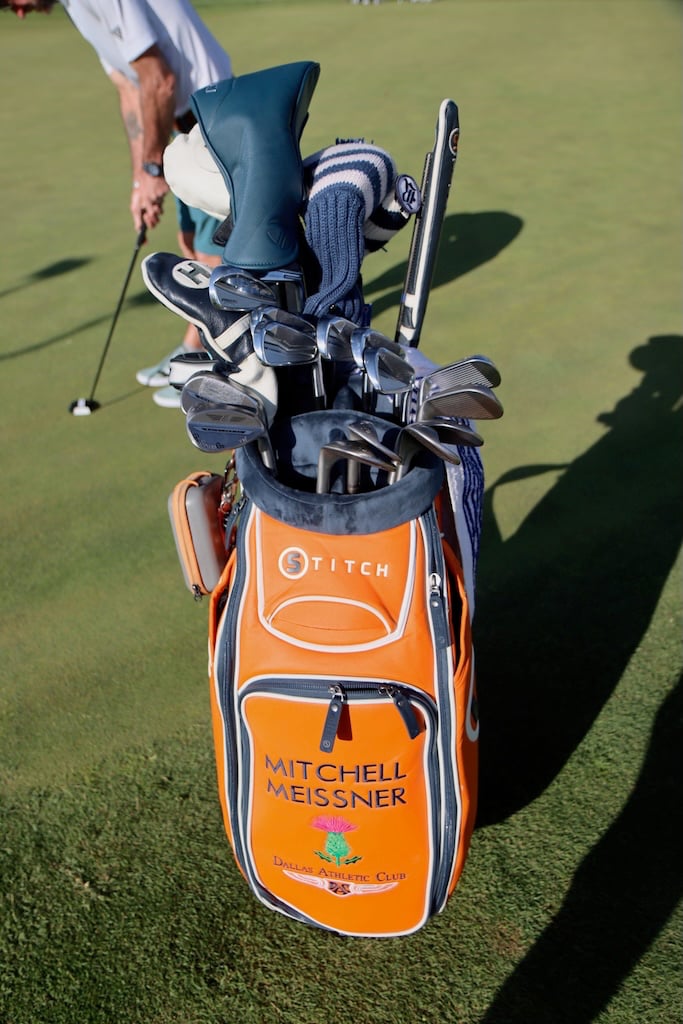
Taking a look at Mitchell Meissner’s bag this week, we have some great lead tape coverage. Top to bottom working from fairway metals, irons, and wedges. We can see on the short irons and wedges that there is tape at the base of the grip, adding a little counterbalance. Along with that, some tape on the short irons and wedges as well. Moving to his putter, he rolls the Odyssey 7 Bird putter. Meissner putts left-handed and strikes the ball right-handed.
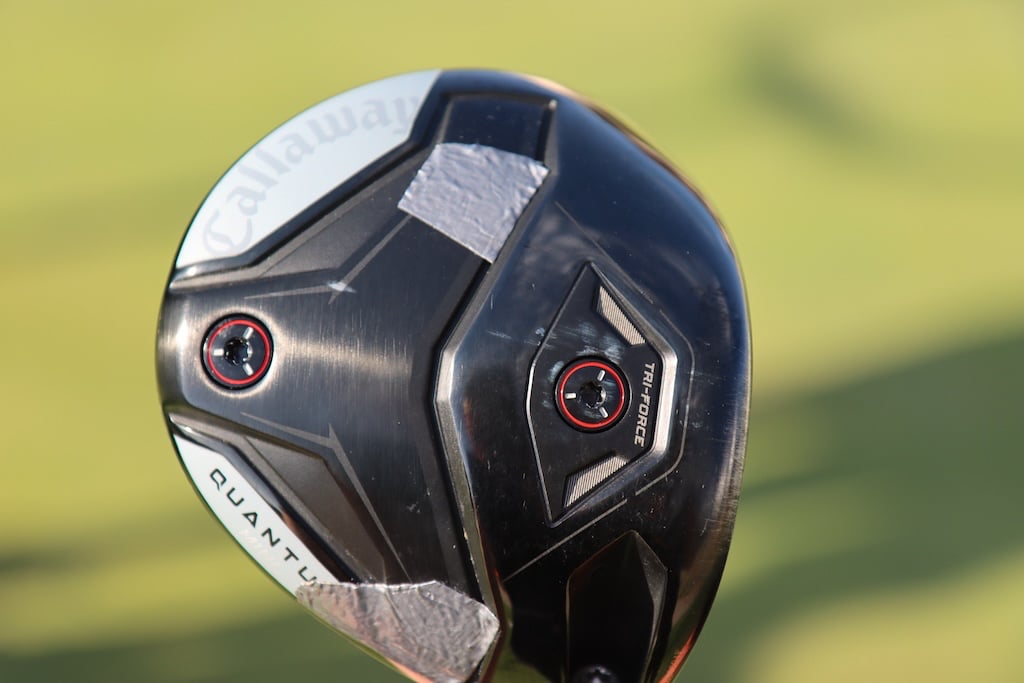
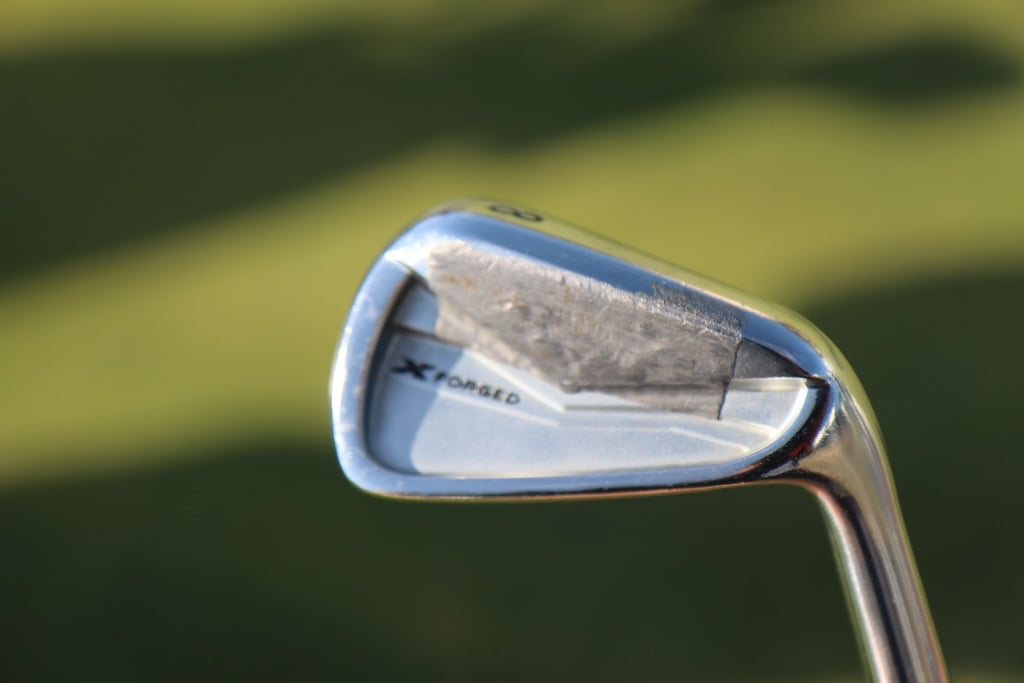


-

 Equipment6 days ago
Memorial Tournament Tour Report: Rory McIlroy, Cameron Young switch up drivers, and more
-

 News2 weeks ago
Russell Henley’s winning WITB: 2026 Charles Schwab Challenge
-

 Equipment3 days ago
Best irons 2026: Best irons overall, most forgiving irons, and more
-

 Whats in the Bag4 days ago
J.T. Poston’s winning WITB: 2026 Memorial Tournament
-
 Equipment1 week ago
Details on Jason Day’s latest prototype Avoda iron setup
-
 Equipment3 weeks ago
CJ Cup Byron Nelson Tour Report: Koepka and Kim’s newest putters finally get hot
-

 News2 weeks ago
Charles Schwab Challenge Tour Report: MacIntyre, Åberg and Spaun all switch putters, TaylorMade launches new Spider
-
 Equipment2 weeks ago
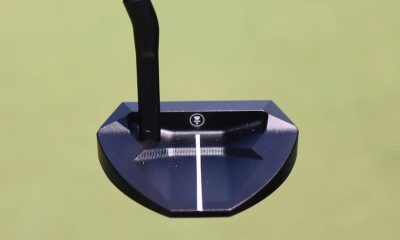
Details on J.J. Spaun’s surprise putter switch


joro
Sep 4, 2018 at 12:17 pm
Or,,,, you can bore out your Irons to 370, much easier and the fit will be better. This guy is a Master Club Maker? Advocating this sanding stuff is BS. It ain”t easy to get it correct, and Taper tips are each make for a number. The design of the shaft is totally different.
geohogan
Sep 4, 2018 at 5:19 pm
To bore out the hosel of a taper tip iron head requires precision drill press , a couple of different size drill bits and reamer for accuracy and consistency throughout a set and even then, chances are some fits will be loose , very loose and others tight. A taper fit is always the same, if the tapers are accurately machined.
Ray Rise
Sep 4, 2018 at 12:07 pm
Correct Tony Dyck – the difference between parallel and taper is merely 0.015 of an inch. Anyone attempting this would logically use a good caliper gauge to the appropriate diameter and depth of the receiving hosel.
Dodo
Sep 4, 2018 at 11:10 am
Shanking this video. Doesn’t explain enough and it leaves a lot of people still confused. You need more diagrams and actual footage of the parts you are describing and the work it takes to make, say, that 370 fit into the 355. And say that yes, it “fits” but it’ll never play the same or feel the same as a real taper tip that has a long taper section at the bottom 3 inches than the same 370 thickness of that parallel shaft.
Tony Dyck
Sep 4, 2018 at 10:53 am
Likely should have proofed this episode before airing it. I get it that it’s not easy, but the one that stands out is that you are only sanding off .015″ of the tip diameter and not .15″ (and only .0075″ off the radius).
geohogan
Sep 3, 2018 at 8:55 pm
Thank you for addressing issues that are not often discussed.
Suggest that the advantage of taper tip iron shafts is that properly machined tapered tip shafts inserted in tapered bore clubheads, are much more precise and consistent through a set of irons than parallel tip shafts inserted into clubheads machined for parallel tip shafts.This is basic knowledge in the machining business.
It is much more expensive as you point out to machine, sort and match taper tip shafts to clubheads; however if machined properly the taper fit will always ensure the shaft is perfectly centered within the hosel, close to “interference fit” throughout the set and there will not be looseness found in parallel tip irons.
IMO it is one of the main reasons golfers say that they notice a difference between forged clubs compared to cast iron heads. The difference in feel IMO, is due to more precise fit of shaft and clubhead with taper tip shafts in taper tip heads, which is common with more expensive forged irons. Cheaper cast iron heads more commonly will have parallel tip shafts in parallel heads. Its cheaper for the manufacturer.
So although mfg may say it is ok to grind or sand parallel tip graphite shafts to suit tapered tip iron heads, I suggest the precision inherent with irons with taper tip shafts precisely machined in the factory, may be lost when taper is done ad hoc for each shaft. If the irons are expensive forged, IMO dont compromise the feel for relatively small shaft cost savings.