
Equipment
GolfLogix President Pete Charleston on new Putt Breaks function, technology in the game

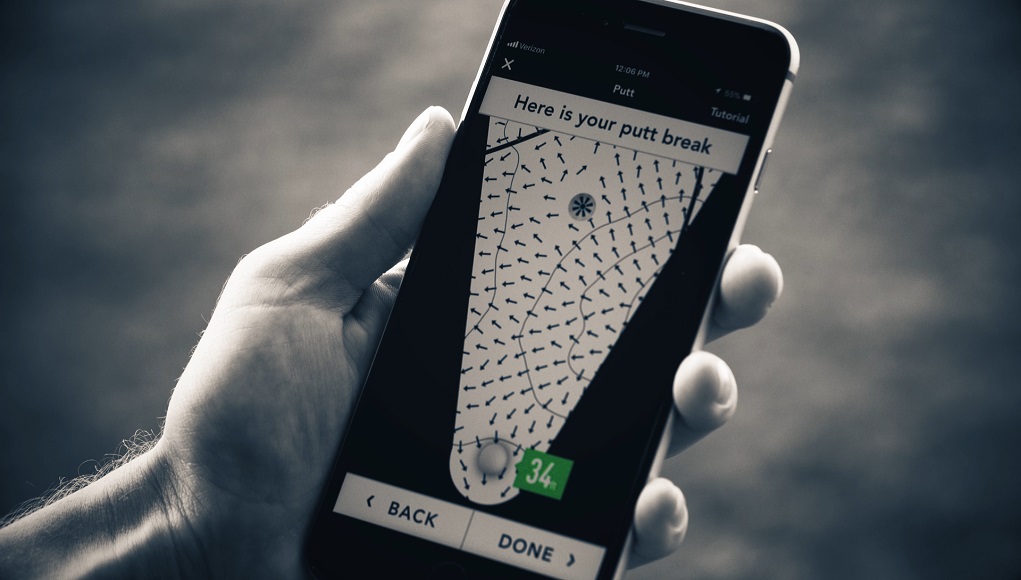
Popular GPS and club-tracking app, GolfLogix now includes Putt Break Maps, which show players where their approach shots will roll and how their putts will break. This marks the first time recreational golfers will have access to similar information as contained in the putting green portion of professional golfers’ yardage books.
Putt Break Maps are sold as in-app purchases with annual, monthly and two-day purchase options for each mapped course. Putt Break Maps are available for over 5,000 courses currently, and the company is adding more than 200 new courses each week using a proprietary mapping process.
I spoke with Pete Charleston, President of GolfLogix, about his company’s new technology, specifically, and the use of technology during play more generally.
BA: Can you talk a little about the history GolfLogix and how you decided to develop Putt Breaks?
PC: My partner Scott and I founded GolfLogix back in 1999, and we partnered with Garmin, and we came out with the first handheld GPS device, which was sold directly to golf courses. Then, when the USGA and R&A changed their stance on electronic measuring devices…we transitioned into selling that same Garmin device with our software at retail. We were hugely successful. We had [Peter} Kostis and {Gary} McCord pitching our deal. We had one of the most successful infomercial campaigns ever.
Then, mid-2008, it was one of our best years, the first phones started coming out with GPS on board. And we sat there are were like, “man!” Why would anyone spend $300 on a device when they can get the same information from an app on their phone? So we went full bore. We were the first company to launch a golf GPS app (in 2009). The first iPhone came out right about the same time, and we launched on that in early 2009. Since then, we’ve been really the No. 1 app for golf. We’ve had over four million downloads…We’re a company who keeps investing in our product and making it better. We’re not just collecting people’’s money.
To kind of take us up to current, about two years ago, we heard about Tour pros using…green contour books. We kind of dug in and got our hands on one and said, “Why can’t we do this for the average golfer?” A year-and-a-half, two years later, we launched…Putt Breaks at the PGA Show. We basically have taken this extremely accurate data–accurate to three centimeters–and taken each green on each course and turned it into a digital putt reader.
BA: And what does Putt Breaks look like in practice?
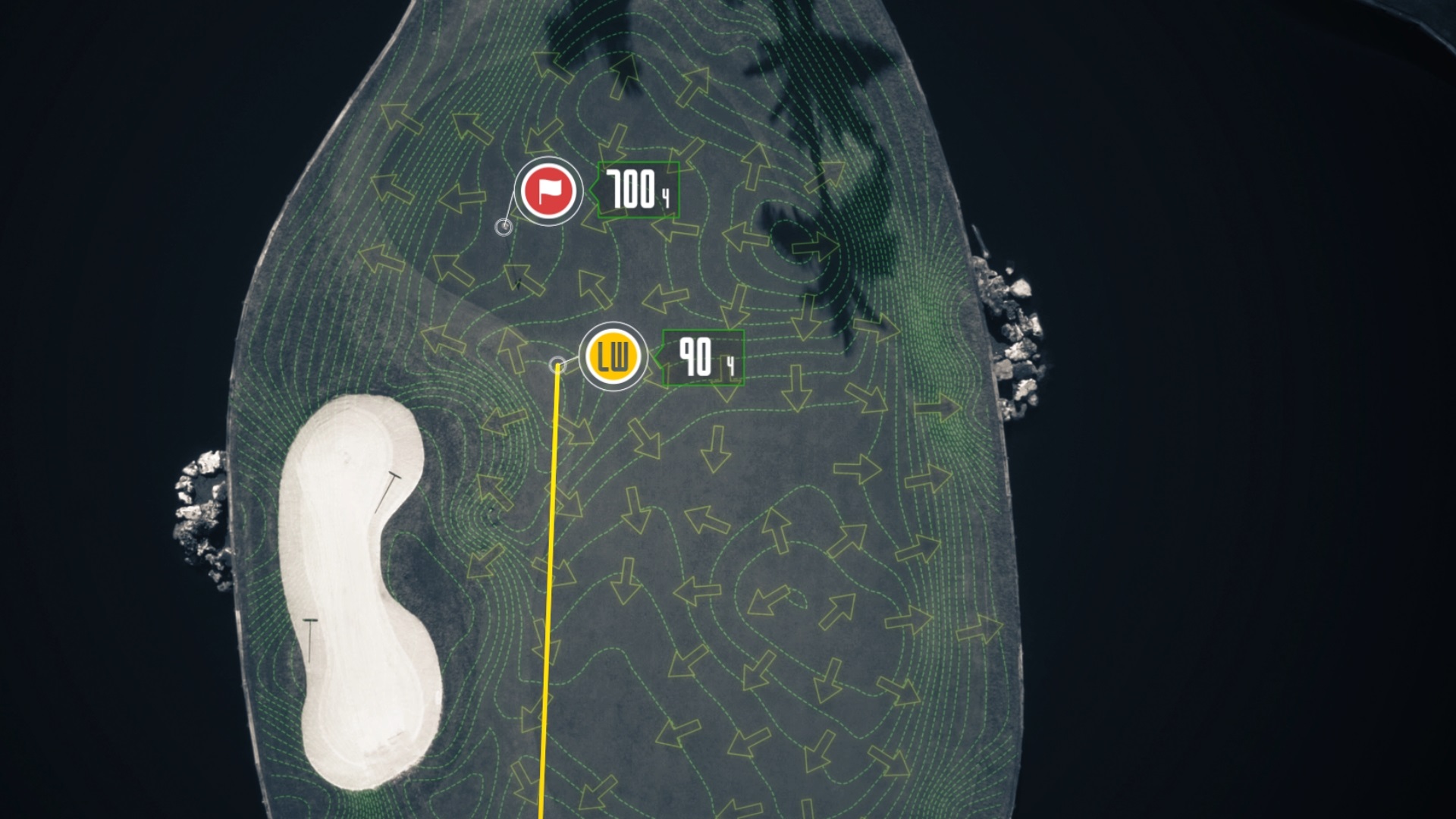
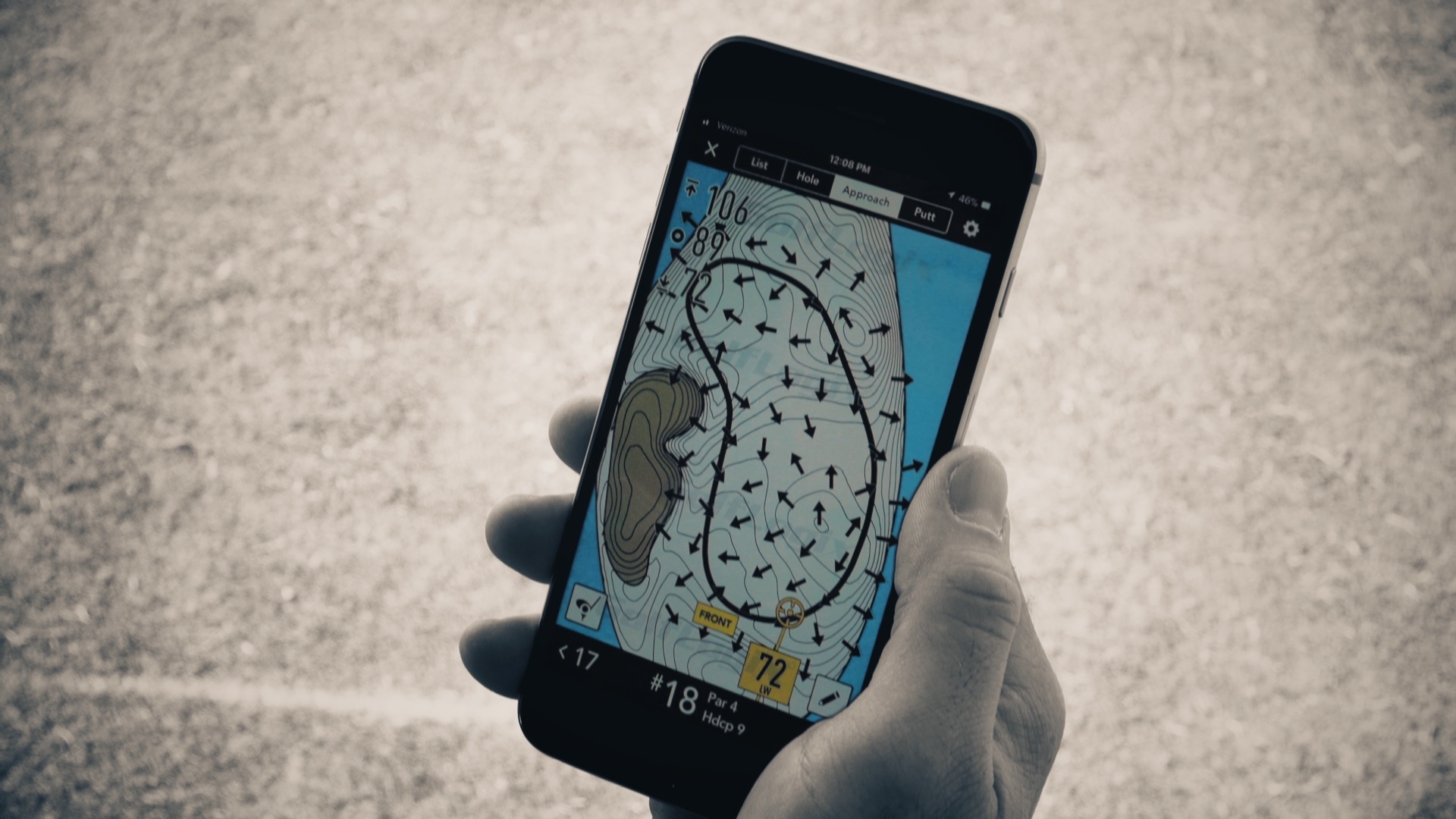
PC: So there’s two new features included in the GolfLogix app (the paid version). Now it automatically pops into Approach Mode. In Approach Mode, you’re able to see what’s in front of you. You’re able to see the green. You’re able to see the contours. So from 175 yards out, you know exactly what the green does, so you can pick and choose what to avoid. For example, if you’re got a back left pin and the green really falls off, you can aim for the front or middle of the green. So, for the better golfer, it’s unbelievable at helping plan approach shots. And for the average or higher handicapper, at the very least they can know whether to take more or less club.
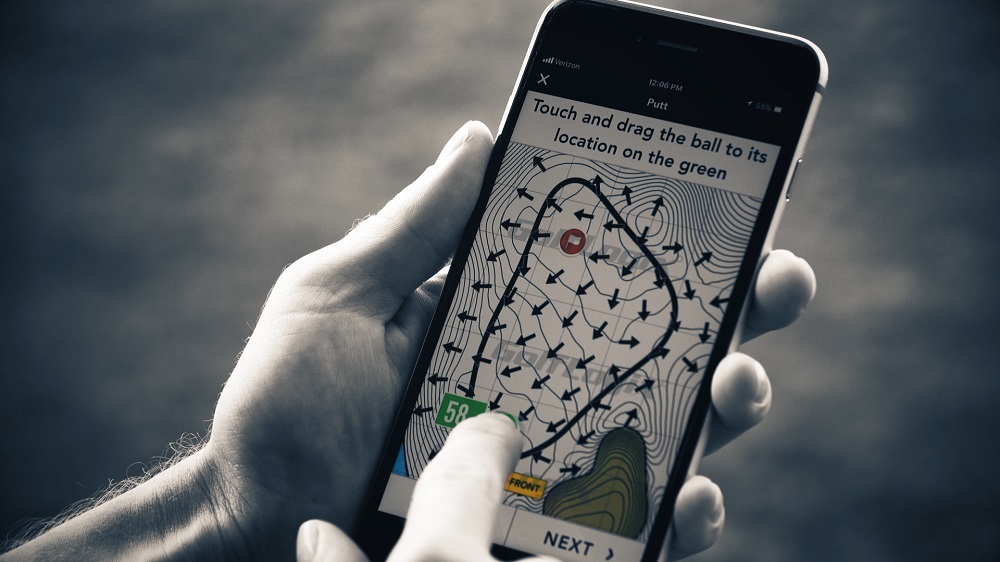
Then as you walk or drive up to the green, it jumps into Putt Mode. In Putt Mode, you simply walk up and drag the ball and cup to where they are and basically hit “read my putt.” It rotates your view and shows you from behind your ball exactly what the putt does. So it’s just like what the pros have. You can see with absolute certainty whether the putt is going left or right, uphill or downhill…It’ll change your life out there.
Our goal is to eliminate the three-putt…There’s nothing worse than when you’re out on the golf course–whether you’re scratch, or 10 or 20–everybody,some days on some holes, can’t see the putt. We take that guessing game out of it. You know with certainty where the putt is going.
BA: I think it’s interesting that one of the elements of the anti-technology argument is the whole “Well, if we allow rangefinders in competition, it’s really going to slow things down.” But your technology, other technologies, if used reasonably by the golfer, is only going to speed up play.
PC: Most people, can’t read greens. I didn’t start playing until I was 30. I’ve gotten decent, but my biggest challenge is reading greens. I just don’t see the break. And it’s frustrating, because I’m a good putter…if I have a great caddie that tells me to putt to a spot. But sometimes I look at these putts, and either I don’t know, or I’m not sure, but either way you’re not putting a confident stroke on the ball. Next thing you know, you’ve got that damn five-footer.
We did a tremendous amount of focus group and user testing out there. And you’ve got three groups [low, mid, high handicappers]. That five, six, seven handicap. This is a gamechanger for them, because they’re already decent putters. Now you give them a tool that takes the guesswork out of it…we were seeing improvements of three, four, five strokes per round.
BA: Right. You’re talking about more birdies. These are the people that can make the putt if they know the break.
PC: Yeah. And then eliminating the three-putt. The most surprising part: I had a guy who was a +1 handicap. He finishes the round…shoots like 68…says, “I think I saved three strokes today…When I looked at [the app] I was unsure [about the putts]. It confirmed I read them right, and I putted with confidence.
In the past, GolfLogix…we’ve never been in the lower handicapper’s bag, unless they were stat freaks. Now, all of a sudden, this is a tremendous tool for them.
BA: Yeah. You hear the best players talk, and it seems without that baseline of confidence and commitment, you’re not going to hit consistently good shots or putts.
PC: It’s been a fascinating project, and we’re really looking forward to our first golf season. We’ve got about 5,000 courses mapped, and we should have another 5,000 courses done this year…We’re investing incredibly heavily in this technology. No one has it at this scale.
BA: Your mapping process: This is all going to locations, boots-on-the-ground stuff?
PC: Yep. No satellites. Satellites are generally plus or minus two yards, and that doesn’t work on the putting greens. We have 3D scans at every course, accurate to about three centimeters
BA: So what about the murmurings at the USGA and their concern over the use of yardage books and green mapping? I mean, the way I think about it, whatever happens at the professional level should be dictated by the tours. But for the amateur, and I guess if you’re in the USGA, you’ve gotta submit to their rules, but for the average golfer in the casual round, we’ve gotta have bifurcation. I don’t know why anyone would want to take something like this out of the hands of the average golfer.
PC: It makes no sense. We’re at a time when people have less time to play. We’re trying to get younger people to play golf. One of the biggest challenges, and I don’t care how much time you have, if it’s not fun and you suck, this game is hard to keep coming back and playing. So, anything we can do as a company, and anything any of these companies can do to bring in technology that helps golfers play better, score lower, and have fun out there so they keep coming back…it’s a no-brainer. The industry has gotta change in that way.
BA: Yeah. The reality is, handicaps aren’t dropping. Yes. We fixate on distance on the professional level, but somehow there’s this bizzare equivocation that everyone’s bombing it and shooting under par at their local club, but obviously that’s not happening. I don’t know why we want to take anything off the table.
PC: Yeah. The USGA, obviously, just took a stand on electronic measuring devices, and they’ve been more positive about allowing them in play…USGA-sanctioned play. And for us, all we’ve done is digitize the green-reading book the Tour pros are using.
I was talking to ASU’s coach, and he says his players have come to rely on books, and he says it really speeds up their process.
BA: Even at the professional level, the thought that taking the books away will speed up play is odd. As far as I can tell, they’re not there flipping through their books for half an hour. It’s all the other processes. Thank God they have that information, because if they didn’t, imagine how long it would take.
PC: Our goal is to give golfers a quick read so they don’t have to walk around the hole five times. We’ll reduce the amount of three-putts, which is also going to save time.
BA: Right. OK. Back to the app. What are the price levels?
PC: We have a standalone Putt Breaks membership within the app, which is $29.99 per year. Then for $49.99 per year, we have our premium features and Putt Breaks combined.
BA: Good stuff. Thanks, Pete.
You can find GolfLogix on the web here.



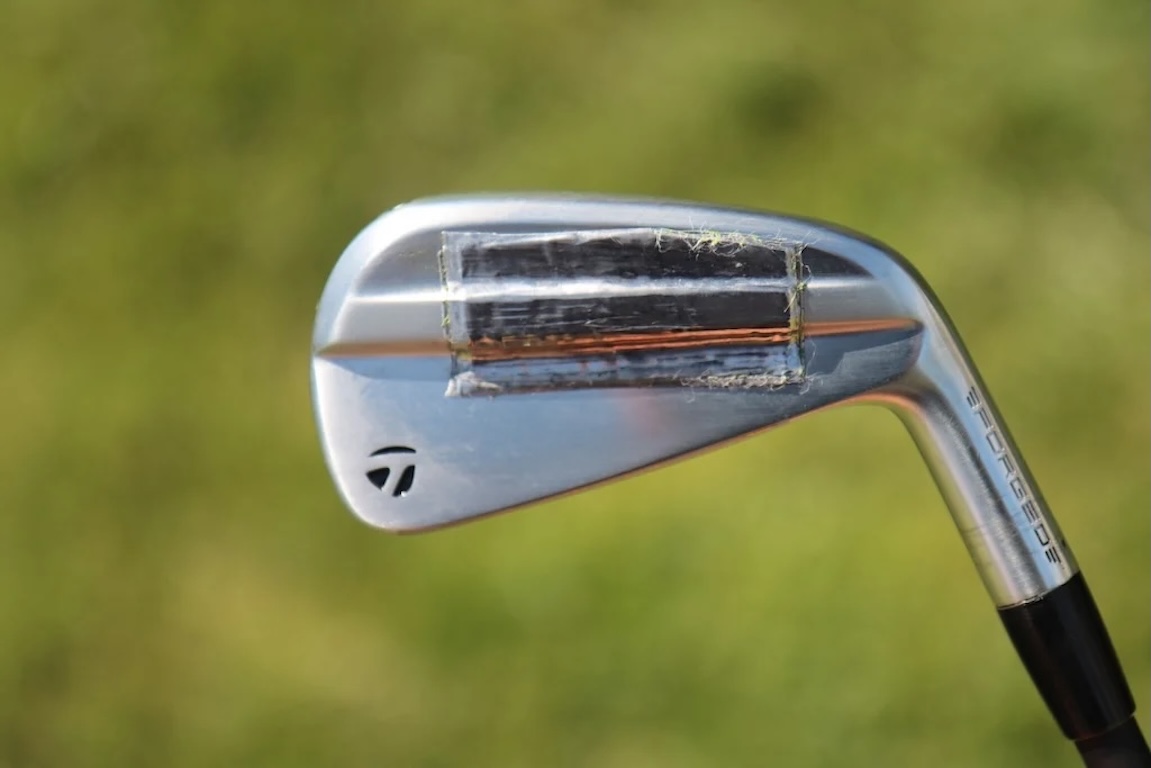
Driver: TaylorMade Qi4D LS (8 degrees)
Shaft: Fujikura Ventus TR Blue 6 X

3-wood: TaylorMade Qi10 (15 degrees)
Shaft: Fujikura Ventus Black 9 TX

Irons: TaylorMade P770 (3), TaylorMade P7CB (4), TaylorMade P7TW (5-PW)
Shafts: Fujikura Ventus Black HB 10 X, True Temper Dynamic Gold X100
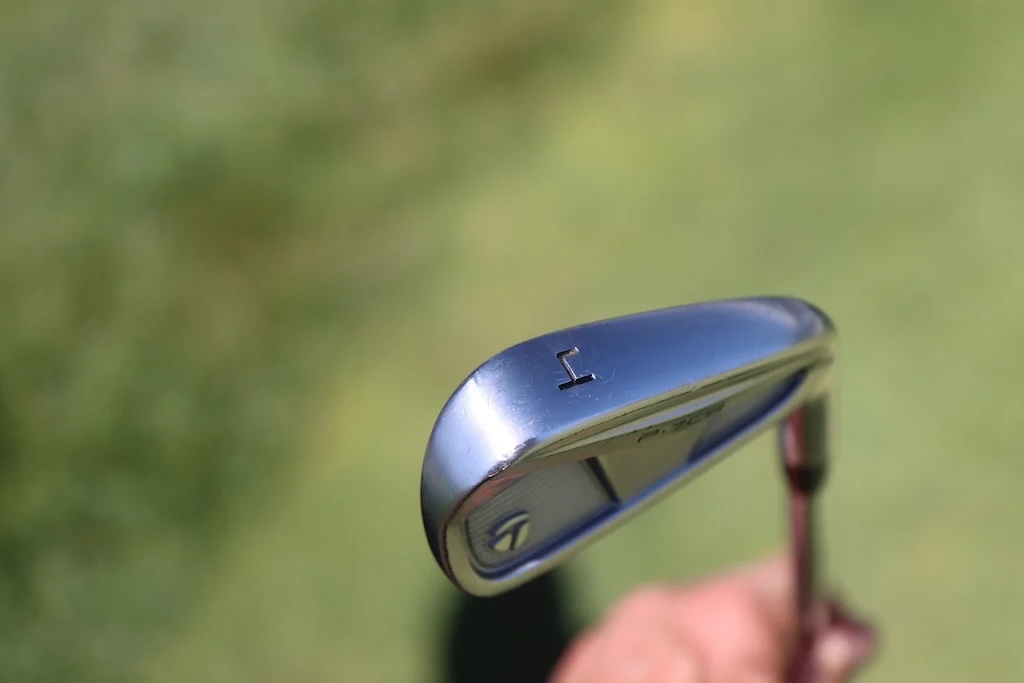
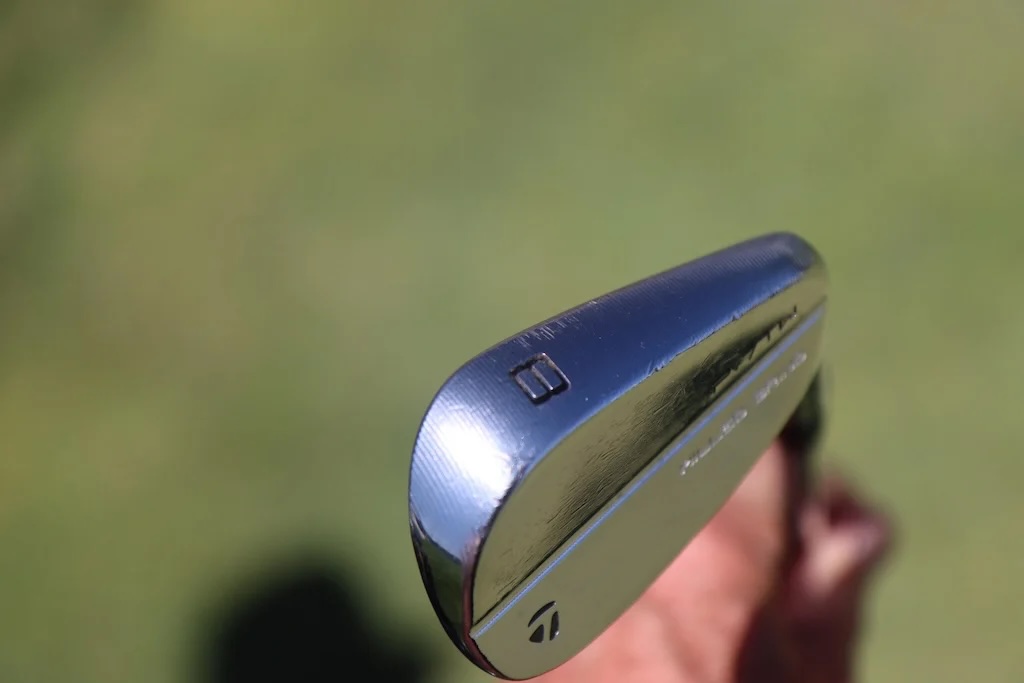
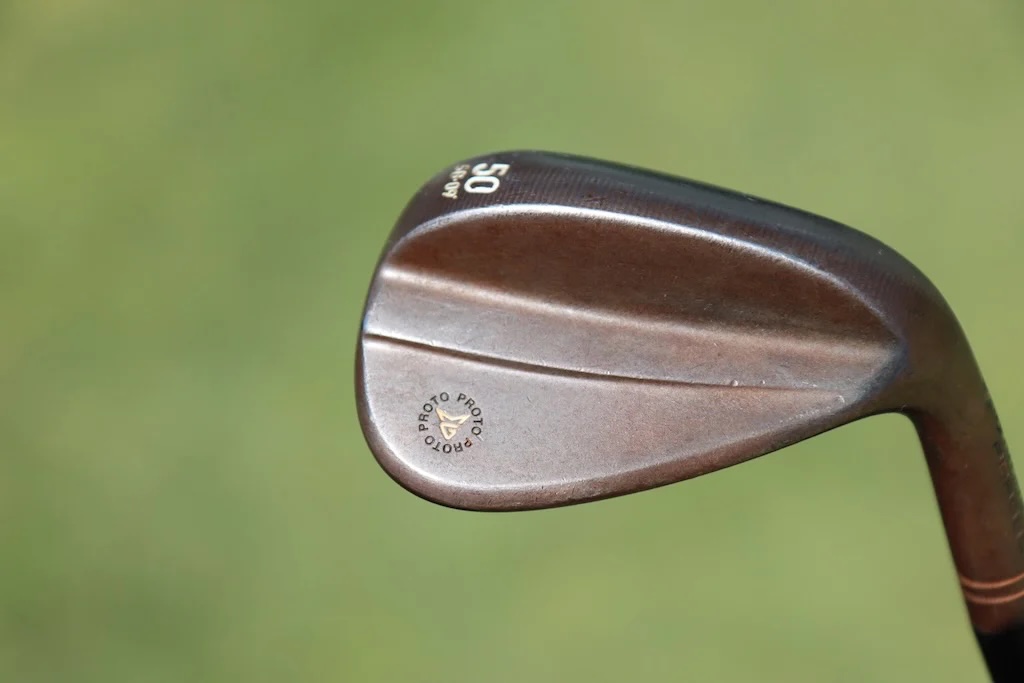
Wedges: TaylorMade Prototype (50-SB09), TaylorMade MG5 (56-HB12, 60-LV07)
Shafts: True Temper Dynamic Gold S400
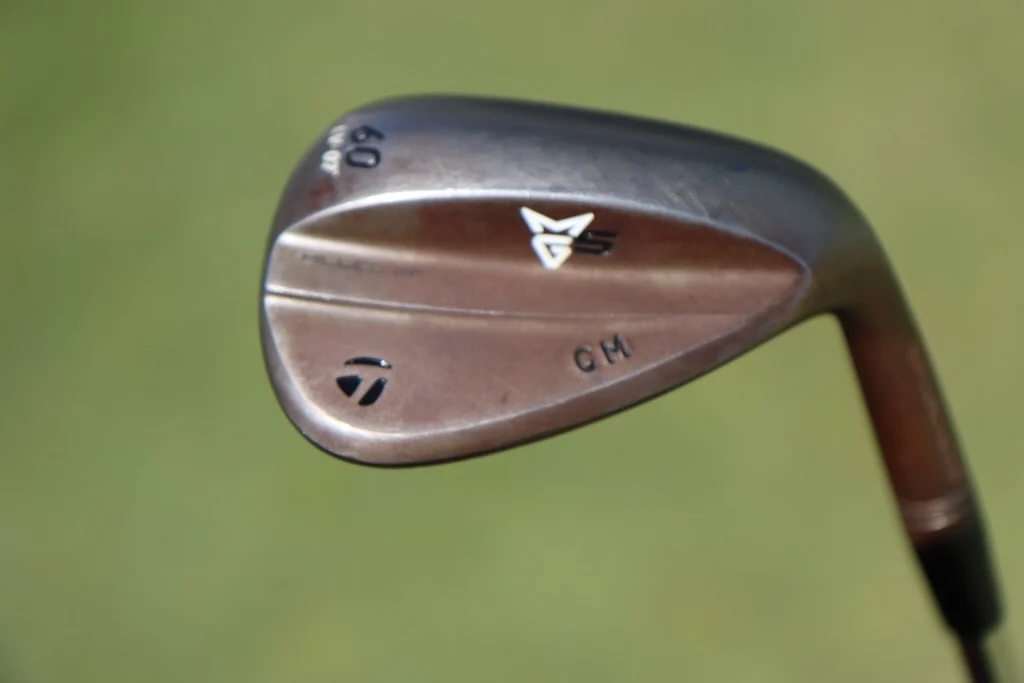
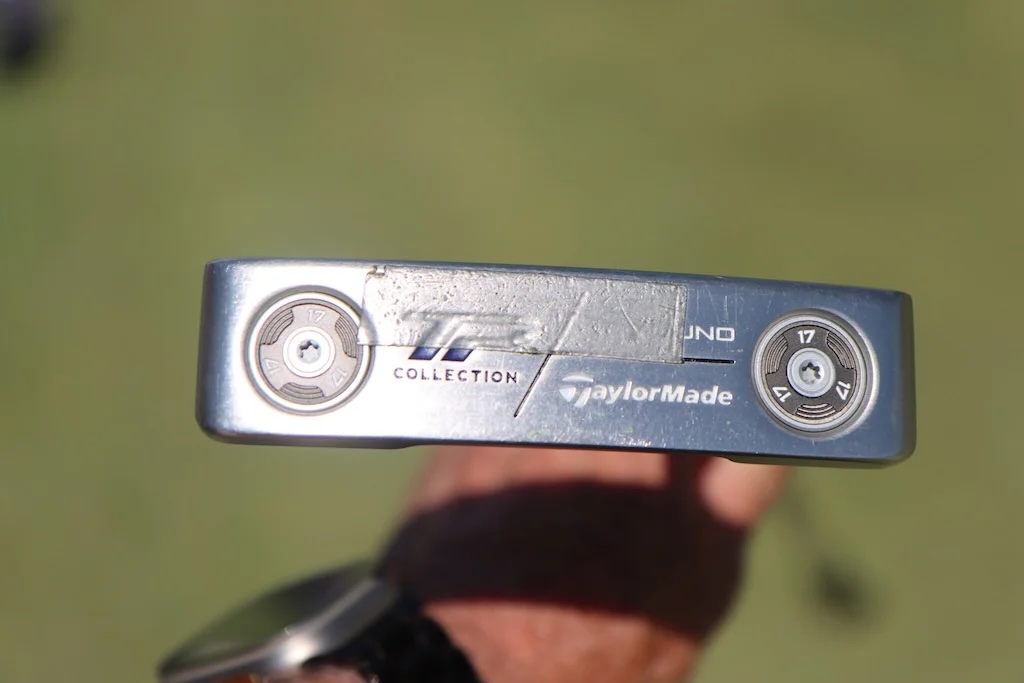
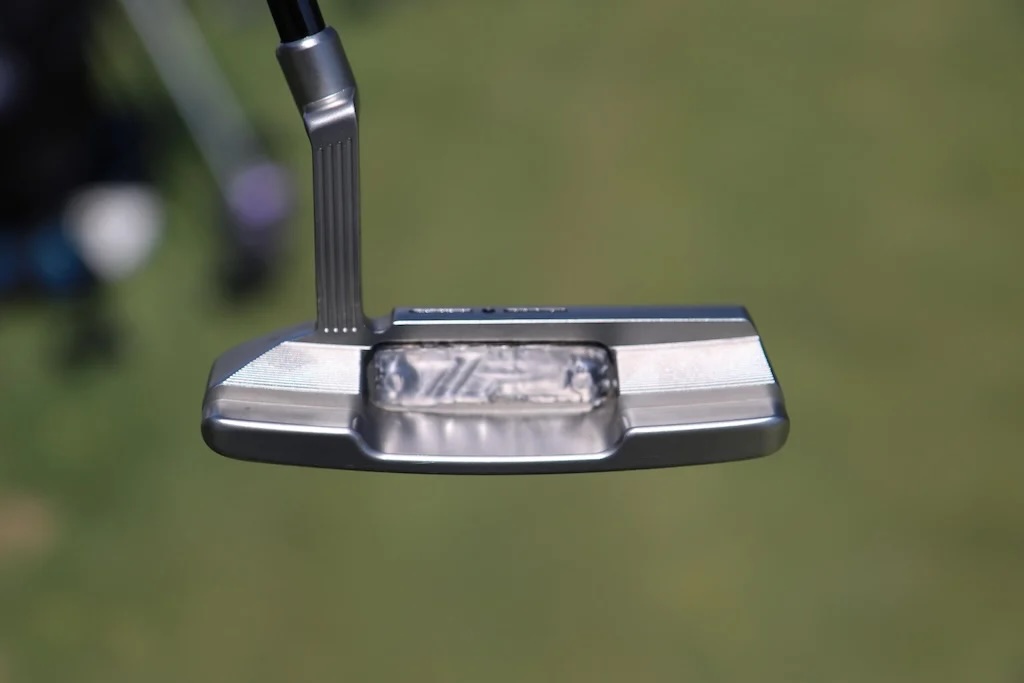
Putter: TaylorMade TP Juno
Ball: Titleist Pro V1x
Grips: Golf Pride Tour Velvet Cord
Check out more in-hand photos of Christiaan Maas’ clubs here.
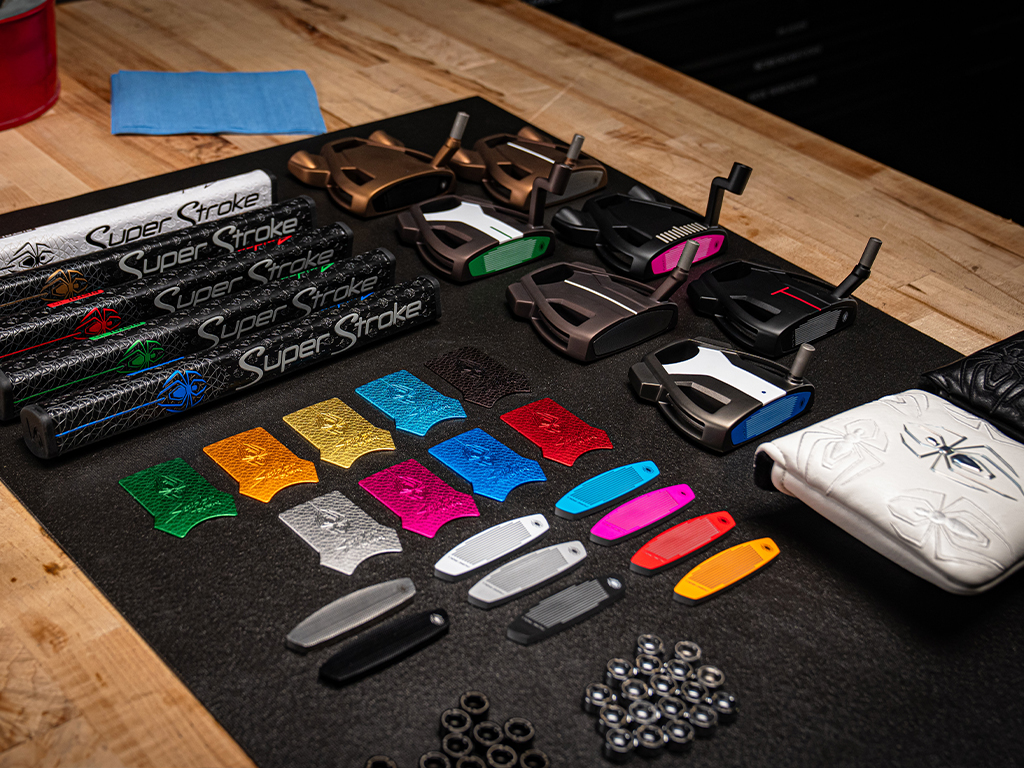
TaylorMade Golf’s MySpider program underwent a substantial overhaul over the last month. Firstly, the company launched the option to customize the Spider ZT model, and now the program has returned with the MySpider Tour and MySpider Tour X.
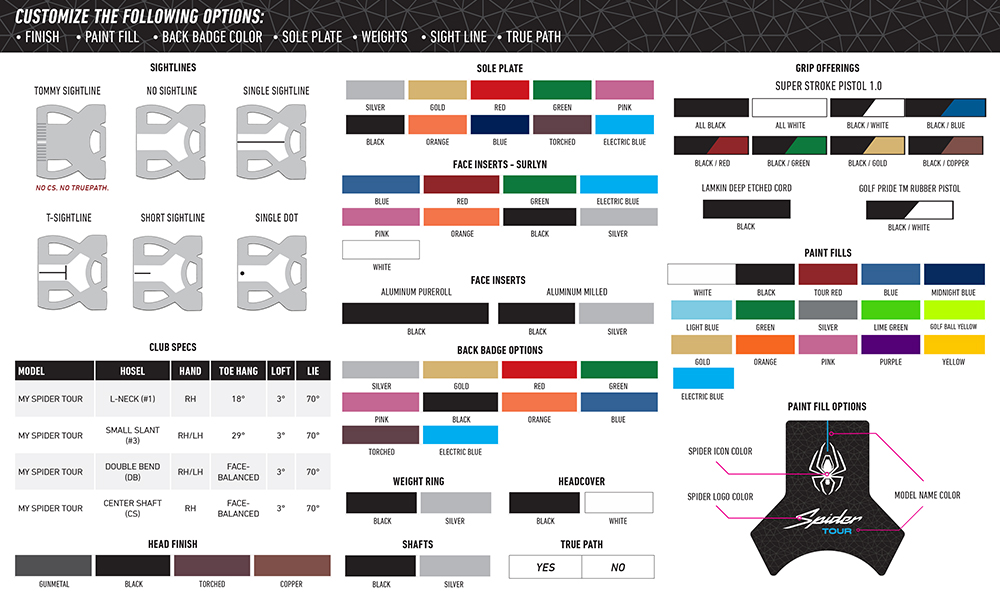
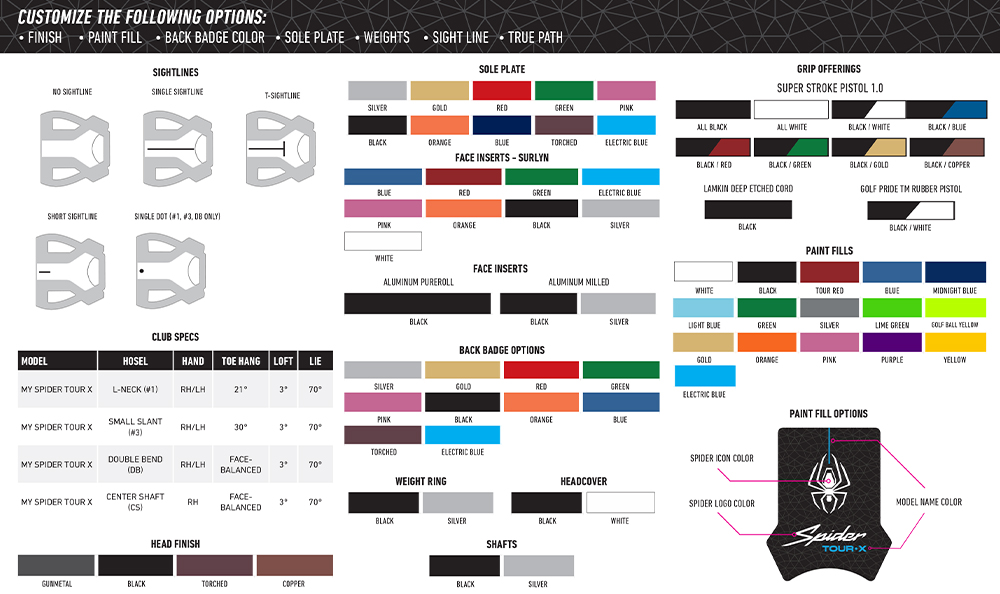
The revamped page now gives golfers complete control over every visual and functional detail of their putter on the popular Tour and Tour X head, with every cosmetic idea thought of. In MySpider Tour, golfers can choose from four head finishes, 16 paint fill colors, nine Surlyn face insert colors, three aluminum insert options, six sightline configurations, and four hosel options — L-neck, small slant, double bend, center shaft. Six sightline options are available in MySpider Tour, including the optically engineered True Path alignment system. MySpider Tour X gives builders the option of four head finishes, four hosel configurations, and five sightline options, also including True Path alignment.
One of the more interesting features of the new MySpider program is the availability of three distinct face insert options. Along with the usual Surlyn Pure Roll insert trusted by Scottie Scheffler and Rory McIlroy, which can be customized from nine colors, golfers can now also select firmer options. Two are offered with the black aluminum Pure Roll insert, slightly firmer than the traditional insert, or for the firmest feel, golfers can choose from two colors of milled aluminum inserts.
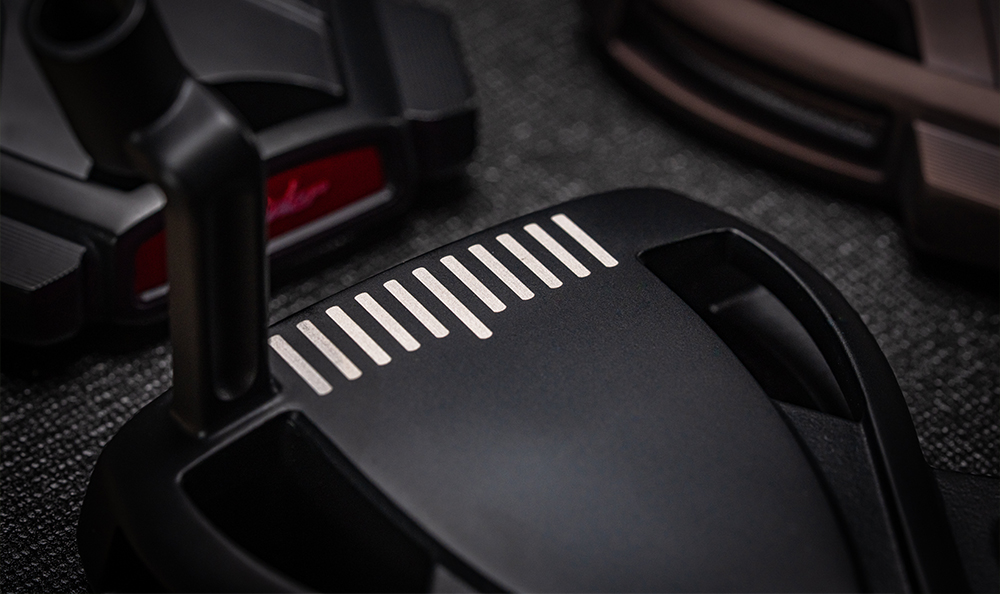
Another fun addition to the MySpider Tour is the ability to use the “Tommy Sightline.” The custom alignment aid design, which was first drawn onto Tommy Fleetwood’s putter by PGA Tour Rep James Holley, is based on the milled sightline on his Spider ZT head. There are five shorter lines on the left and right of a longer central line serving as the traditional short line alignment aid.
See below for the full specifications sheet for MySpider Tour and Tour X:
MySpider Tour
MySpider Tour X
Equipment
Then and now: Comparing Rory McIlroy’s current setup to his record-breaking 2019 Canadian Open victory


In Rory McIlroy’s first appearance at the 2019 RBC Canadian Open, he crushed the record books to earn his 16th PGA Tour title in dominating fashion, winning by seven shots over Shane Lowry and Webb Simpson.
McIlroy’s score of 22-under-par 258 is the lowest 72-hole score to date at the Canadian Open, and his closing 61 is also the best final-round score in the history of one of golf’s oldest tournaments. Finally, with his win in 2019, McIlroy became only the sixth player to win the career Triple Crown, adding to his victories at the U.S. Open in 2011 and The Open Championship in 2014, joining Tommy Armour, Walter Hagen, Arnold Palmer, Lee Trevino and Tiger Woods in a coveted list.
So, with that, why not compare his current setup to the clubs he used to break all the records?
Driver
2019: TaylorMade M5 (9 degrees), Shaft: Mitsubishi Tensei CK Pro White 70 TX
2026: TaylorMade Qi4D (9 degrees @8), Shaft: Fujikura Ventus Black 7X (45 5/8 inches)

McIroy led the Tour in Strokes Gained: Off-the-Tee in 2019; he’s doing the same in 2026. Between now and then, McIlroy has switched from the Mitsubishi Tensei CK Pro White 70 TX (a shaft with slightly more feeling in the tip) to the original Fujikura Ventus Black 7X, having just made the change to the heavier version from playing the 60X.
What’s interesting about McIlroy’s 2019 setup is that the weighting on his driver is actually set in the high-draw setting, using the T-Track weighting system, whereas in the Qi4D, he’s currently using a heavily rear-weighted setup. (Two 13-gram weights in the rear and only two 4-gram front weights.)
The TaylorMade M5 driver he played in during his Canadian Open win was the company’s first head that they claimed to design to initially exceed the USGA’s COR limit, and then injected with tuning resin to bring it back in bounds.
Fairway woods
2019: TaylorMade M6 3-wood (15 degrees), Shaft: Mitsubishi Tensei CK Pro White 80 TX; TaylorMade M5 5-wood (19 degrees), Shaft: Mitsubishi Tensei CK Pro White 90 TX
2026: TaylorMade Qi4D 3-wood (15 degrees), Shaft: Fujikura Ventus Black 8X; TaylorMade Qi4D 5-wood (18 degrees), Shaft: Fujikura Ventus Black 9X

The TaylorMade M6 fairway wood that McIlroy was using during the 2019 season is still in the bag of some of the best golfers on Tour in 2026. Just check out Justin Rose’s winning setup from the Farmers Insurance Open earlier this year. This year, though, McIlroy has still been searching for his top-end-of-the-bag setup, having played both the new Qi4D and the Qi10, which he won the Masters with.

The same shaft swap can be seen in the fairway woods as the driver, along with slightly less loft on the 5-wood.
Irons
2019: TaylorMade P750 (4) Buy here, TaylorMade P730 (5-9), Shafts: Project X 7.0
2026: TaylorMade P760 (4), TaylorMade Rors Proto (5-9), Shafts: Project X 7.0

The biggest difference between McIlroy’s custom set and the stock P730s is the groove design. While the P730s were constructed with 14 MX-9 grooves on their milled faces, McIlroy’s proto heads instead use the higher-spinning, 16-groove layout of the TW2 grooves. Other big differences between the sets are that McIlroy’s 7- and 8-irons have thinner toplines, are 1 degree stronger in loft, and are 1/4 inch longer than the original P730 builds.
With McIlroy’s 4-iron, the switch from P750 to P760 sees a transition to a two-piece construction with Speed Foam in it, which allows McIlroy to launch the ball slightly higher, with more workability.
Wedges
2019: TaylorMade Milled Grind (48-09SB), TaylorMade MG Hi-Toe (52-09SB, 56-09SB, 60-LB09), Shafts: Project X Rifle 6.5
2026: TaylorMade MG5 (46-09SB, 50-09SB, 54-11SB, 60-08LB @61), Shafts: Project X 6.5 (46-54), Project X 6.5 Wedge (60)

Between 2019 and 2026, McIlroy’s focus on his short game has been much more apparent. It was the reason why he switched back to the TP5 golf ball, to help with launch, spin and control with his wedges leading up to his career Grand Slam victory in 2025. The most apparent changes to McIlroy’s wedge setup are his lofts and bounce. He’s slowly delofted his pitching to a sand wedge, but has increased the loft on the lob wedge, bending his current 60-degree to 61. With that, adding more loft to his lob wedge also slightly increases the bounce and leading-edge sit point, so, as a result, he plays a lower-bounce lob wedge compared to 2019. The MG5 wedges are also softer than the first Milled Grind option from 2019. McIlroy also no longer plays the full-face grooves found on the Hi-Toe.
Putter
2019: TaylorMade Spider X
2026: TaylorMade Spider Tour X
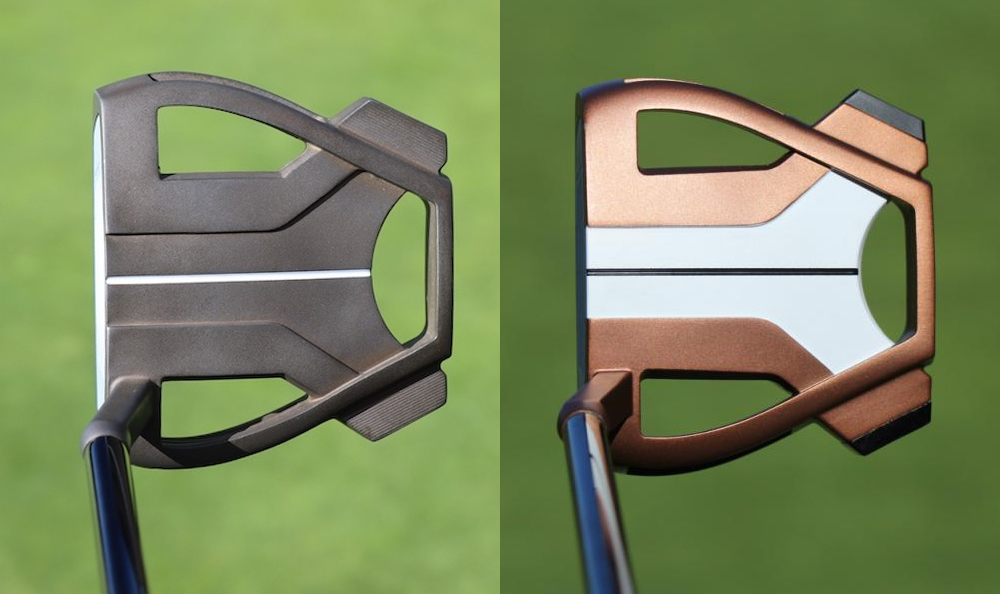
Notice anything similar. Yes, the copper finish on Rory McIlroy’s Spider X putter in 2019 is a slightly more reflective finish than the recently released torched PVD finish. McIlroy was using the True Path alignment system, but now uses only a single white sightline.
Ball
2019: 2019 TaylorMade TP5 (#22)
2026: 2025 TaylorMade TP5 (RORS)
As mentioned above, McIlroy had transitioned from the TP5 to TP5x golf ball since his victory in Canada in 2019, but now is black with the same style of golf ball as his victory at Hamilton Golf & Country Club.
Grips
2019: Golf Pride Tour Velvet Cord
2026: Golf Pride MCC
Interesting, McIlroy actually used Golf Pride’s Tour Velvet Cord grips during his victory in 2019 (it was during a 2+ year switch to the corded TV) as opposed to his usual MCC grips, which he has played for most of his career.

What’s the story behind Webb Simpson’s custom-stamped irons?

Memorial Tournament Tour Report: Rory McIlroy, Cameron Young switch up drivers, and more

Cadillac Championship Tour Report: Spieth’s sizable changes, McLaren Golf launches, and more

Russell Henley’s winning WITB: 2026 Charles Schwab Challenge

Kristoffer Reitan’s winning WITB: 2026 Truist Championship

Best irons 2026: Best irons overall, most forgiving irons, and more

J.T. Poston’s winning WITB: 2026 Memorial Tournament

Aaron Rai’s winning WITB: 2026 PGA Championship

Cameron Young’s winning WITB: 2026 Cadillac Championship

Details on Jason Day’s latest prototype Avoda iron setup


Christiaan Maas WITB 2026 (June)
Driver: TaylorMade Qi4D LS (8 degrees) Shaft: Fujikura Ventus TR Blue 6 X 3-wood: TaylorMade Qi10 (15 degrees) Shaft: Fujikura Ventus Black...


Ryan Palmer WITB 2026 (June)
Driver: Callaway Quantum Triple Diamond (9 degrees) Shaft: Project X HZRDUS Smoke Blue RDX 60 TX 3-wood: TaylorMade Qi10 (15 degrees) Shaft:...


Bud Cauley WITB 2026 (June)
Bud Cauley had >14 clubs in his bag when photographed prior to the Memorial Tournament. Driver: Titleist GTS2 (8 degrees) Shaft: Fujikura...


Hannah Green WITB 2026 (June)
Driver: Titleist GTS3 (10 degrees, D4 SureFit setting) Shaft: Mitsubishi Chemical Diamana RB 53 S 3-wood: Titleist GT3 (15 degrees,...
-
 Equipment7 days ago
Memorial Tournament Tour Report: Rory McIlroy, Cameron Young switch up drivers, and more
-
 News2 weeks ago
Russell Henley’s winning WITB: 2026 Charles Schwab Challenge
-
 Equipment4 days ago
Best irons 2026: Best irons overall, most forgiving irons, and more
-
 Whats in the Bag4 days ago
J.T. Poston’s winning WITB: 2026 Memorial Tournament
-
 Equipment1 week ago
Details on Jason Day’s latest prototype Avoda iron setup
-
 Equipment3 weeks ago
CJ Cup Byron Nelson Tour Report: Koepka and Kim’s newest putters finally get hot
-

 News2 weeks ago
Charles Schwab Challenge Tour Report: MacIntyre, Åberg and Spaun all switch putters, TaylorMade launches new Spider
-
 Equipment2 weeks ago
Details on J.J. Spaun’s surprise putter switch


ski_co
Feb 26, 2018 at 4:09 pm
Just wait a few years and you will be able to get a robot that will play the round for you.
Peter Renggli
Feb 21, 2018 at 11:01 pm
You will never be a good putter when you not able to really read the green properly this means: line is influenced by speed. (Learn with AimPoint Express)
SK
Feb 22, 2018 at 2:38 am
If you can’t discern the undulations in the green you are incompetent to play half the game of golf. AimPoint, Putt Breaks and rangefiners should be banned from the game of golf. It’s bad enough having hot balls, bulbous drivers, trampoline face irons and rube goldberg putter designs. Golf should be played naturally in nature and not overwhelmed by destructive technological horrors.
steve
Feb 21, 2018 at 6:57 pm
Golfers in general are not only gullible, they are dummies too. They are unable to read a green and then compute the proper path to the cup over the rolling terrain. It’s too complicated for the incompetent mind and body.
Par putting is 36 (2 x 18) and about half the scoring game. Most everybody concentrate on the big sticks and not the puttering tool. Practice putting on the practice green is an incidental activity for most rec golfers. A GPS-based green map is total futility.
Jack Nash
Feb 21, 2018 at 2:13 pm
Sky Caddie reborn? Remember the days of yearly GPS charges? Then others came out with free courses. Sky Caddie then kind of disappeared. Now they’ve started up again (GPS), but just for the green. Like on Tour where the game slows because people are looking at green books, now they’ll pay for a course green reader via an app. Whatever happened to just green reading? Walking up to a green you got the lay of the land. You wonder why fewer people are taking up the game because of expense. I’ll still do my green reading the old fashioned way ty.
Robert Parsons
Feb 21, 2018 at 12:57 pm
It’s just not affordable for guys that don’t play very often. And they would be the guys that would benefit most from the putting green part of the app.
Jack
Feb 21, 2018 at 12:54 am
Don’t know why people think range finders will make things slower. It’s always faster than the guy who is asking other people hey how far is this? Or hitting the GPS and double checking the distance. Or walking around looking for sprinklers then pacing back to the ball.
That said, the map looks complicated, but should be easier with use. Knowing pro’s have this (well on book made by a caddie), no wonder are so good at knowing the breaks! If it even tells you how to putt it, then wow. Huge advantage to whoever uses this.
David
Feb 20, 2018 at 8:12 pm
Great product that really works for approaches. Knowing if you have short-side help or if short-side is dead is a BIG advantage on an unfamiliar course. The green-reading stuff is less helpful. I have used the full product on one course in San Diego county and it was perfectly mapped, but it’s honestly just too big of a pain to use for putts. They just need an overall map that you can access for putts instead of a map where you have to place the flag and then place your putt.
Bananana
Feb 20, 2018 at 5:35 pm
Great…. now all I need to find is the best putter…. any suggestions? 🙁
George
Feb 20, 2018 at 5:08 pm
Great, Just what the game needs. More technology to slow it down.
the dude
Feb 20, 2018 at 4:49 pm
oh well….so much for my imaginary “drop a bucket of water” routine……..
the dude
Feb 20, 2018 at 4:45 pm
yeeee haaawww!!…let’s tack another 45 min (minimum) to an already 5 1/2 hour round!!!
James T
Feb 20, 2018 at 5:22 pm
The article claims it’ll make golf faster. No more looking at your putt from 4 sides and then doing it again, throwing in a plumb bob or two.
The dude
Feb 20, 2018 at 8:29 pm
…..sssssnake oil
James T
Feb 20, 2018 at 4:08 pm
The app did not show the option for buying just one course for two rounds for $2. Is that no longer available?
James T
Feb 20, 2018 at 12:02 pm
Unfortunately, there are about 15-20 golf courses in my immediate area, several of them famous for U.S. Open Qualifying or designed by Arnold Palmer, but none have the greens charted by GolfLogix. I have put in a request and notified some friends to do so, as well.