
Equipment
How Fujikura’s Enso Lab is changing the way shafts are made, and fit

You know when you’ve been looking up recipes online, and as you scroll the Internet there’s an ad that pops up for cooking supplies?
That’s “Big Data” at work. Big Data is a pool of information that gets analyzed by computers and put through algorithms to reveal patterns and trends. Obviously, this is very effective in the marketing world. A 32-year old male with two kids is most likely to buy… diapers, a crib and a tricycle. So, advertisers want to show ads to that 32-year old male that will want him to buy their diapers and cribs and tricycles. Get product in front of the people most likely to buy your product. Duh.
So that’s big data in the smallest of nutshells.
But what does this have to do with golf shafts?!
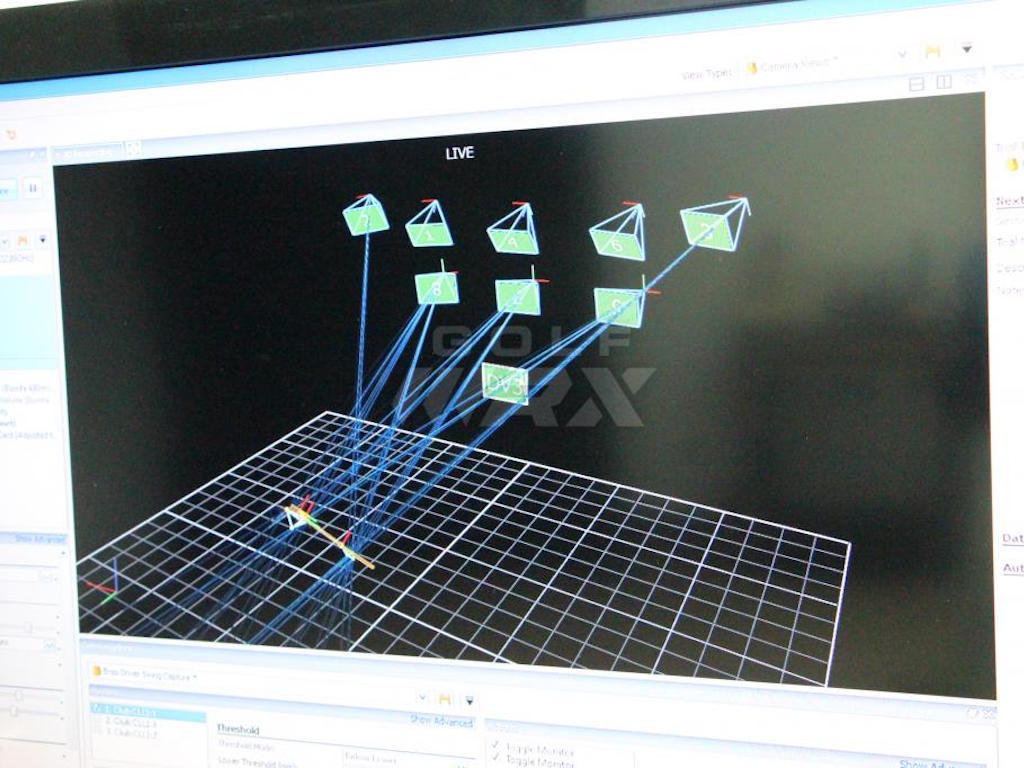
Well, Fujikura is using analytical computations that are very similar to the concept of Big Data. Using a large pool of data from its Enso Technology Lab, which uses eight cameras at up to 2000 frames per second to observe how the club/shaft moves in space, Fujikura has developed a predictive analysis program to predict not only how certain changes will influence shaft performance, but, in the future, what shaft will be right for a player’s golf swing.
Big Data can predict with statistical confidence that the 32-year old with kids will buy diapers, and Fujikura can predict with statistical confidence how changes to certain variables will effect shaft performance, and what shaft is right for what swing.
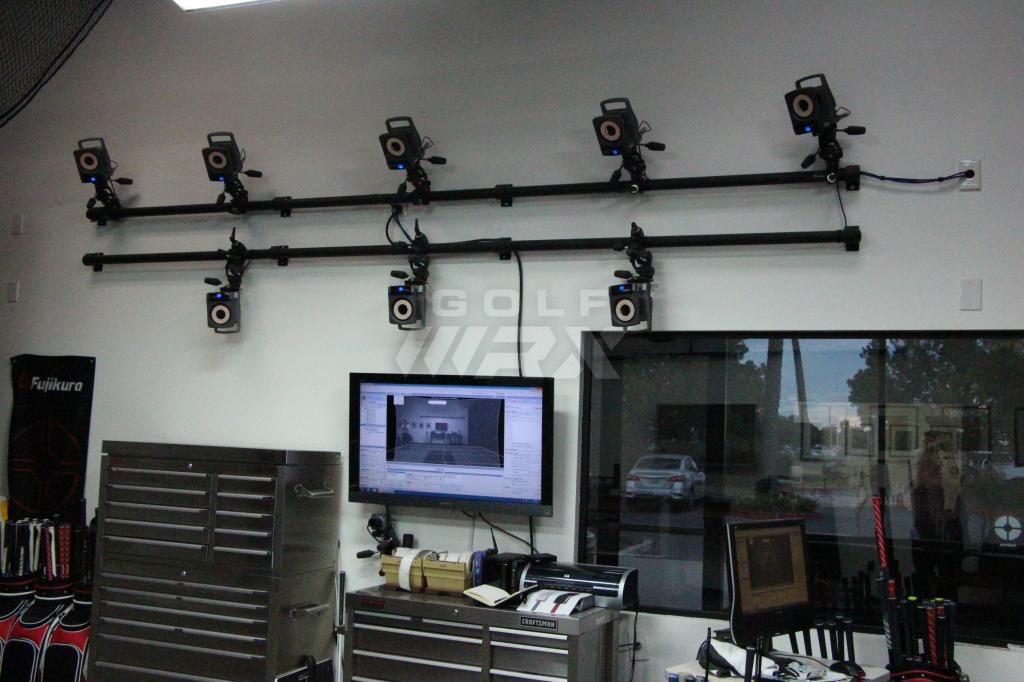
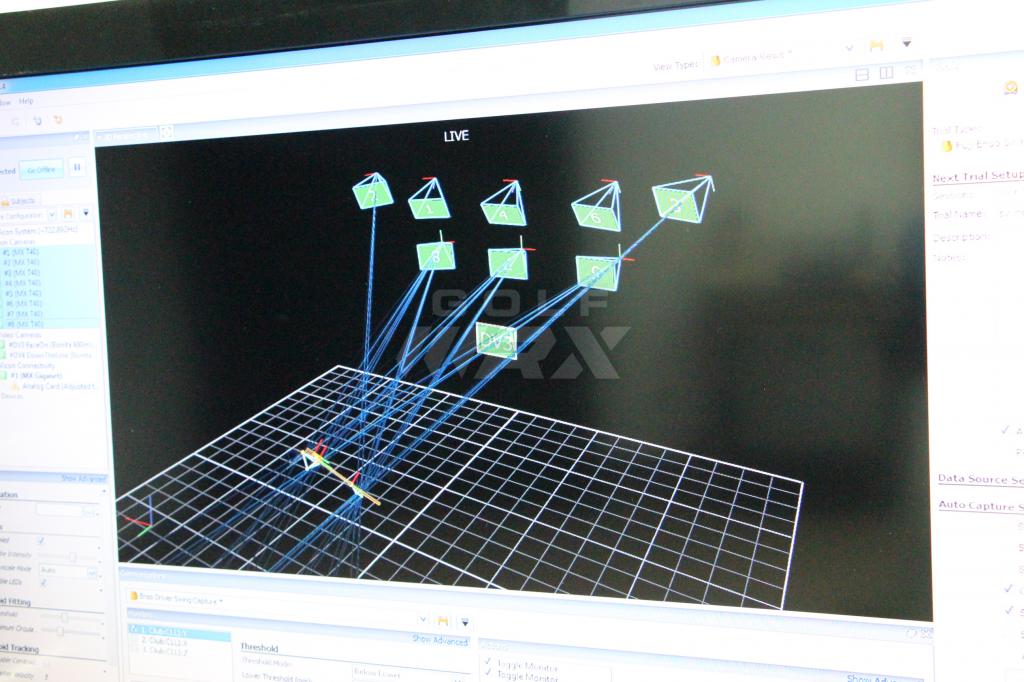

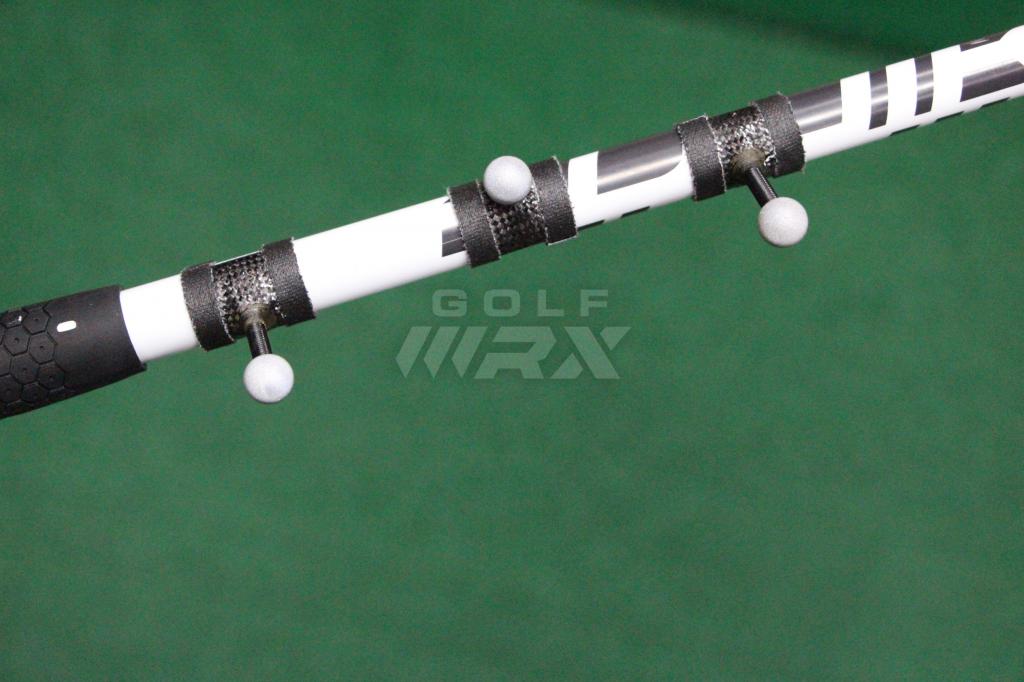
At least that’s how Alex Dee, Vice President of Fujikura, explains it. This system is incredibly convenient for Dee and his team of shaft designers because the predictive analysis can now predict how prototypes will behave. That means before even building the shaft in the real world, Dee and his team have access to data analytics such as shaft droop, bend, flex, CPM, torque, kick point, and all of those golf-shaft-descriptors. That creates more time efficiency, and the ability to dial in exactly what they want from a golf shaft and how they want it to perform.

For today’s consumer, this is beneficial because Fujikura has used these analytics to develop its new Fujikura Pro 2.0 and Pro 2.0 Tour Spec shafts. You can learn more about them here.
For the future consumer, and for the future of golf shaft fitting, Fujikura’s analytics have great potential. It’s possible that sometime in the near future — Dee says less than 2 years on our podcast — you’d be able to take a swing and get instant feedback on what shaft is right for you (based on predictive analysis, aka Big Data). We’ll have to wait and see exactly how that will work, and what the system will look like. But for now, while you wait for that technology to come into existence, you can book a fitting for yourself at a local Fujikura shaft fitter.
Don’t miss our podcast with Fuji’s tour rep Marshall Thompson and VP Alex Dee!



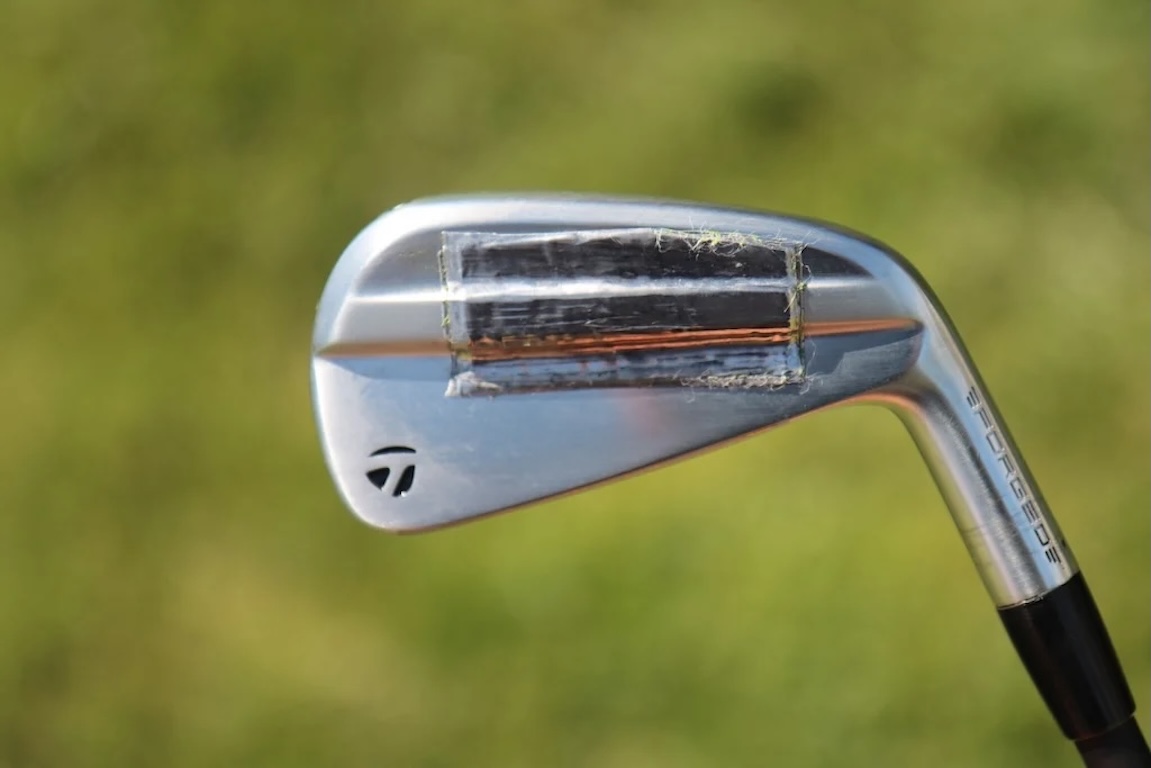
Driver: TaylorMade Qi4D LS (8 degrees)
Shaft: Fujikura Ventus TR Blue 6 X
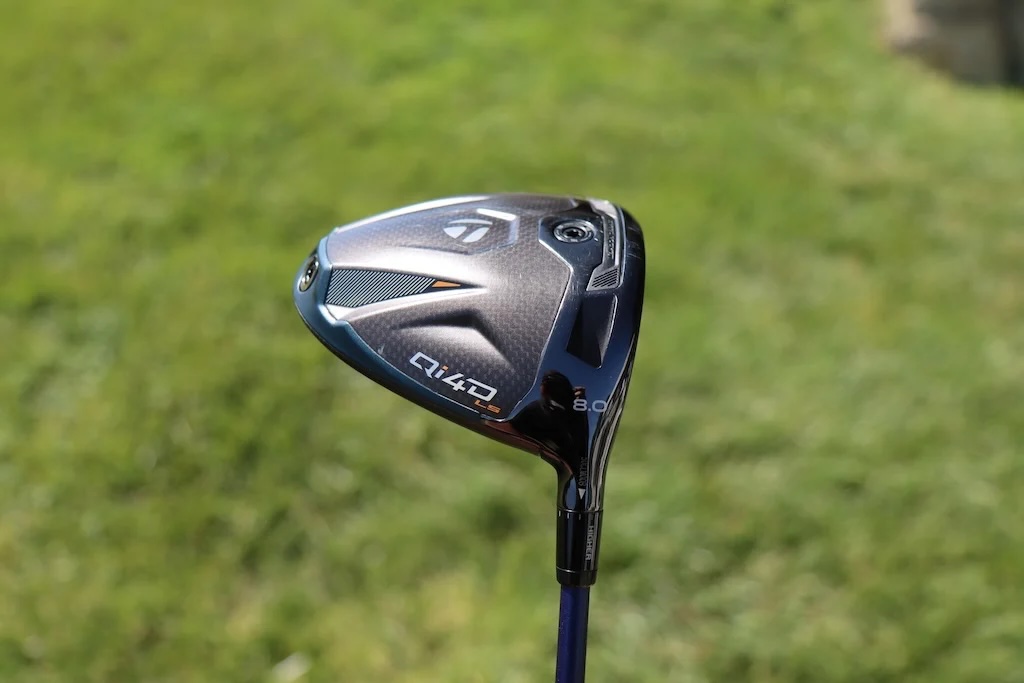
3-wood: TaylorMade Qi10 (15 degrees)
Shaft: Fujikura Ventus Black 9 TX
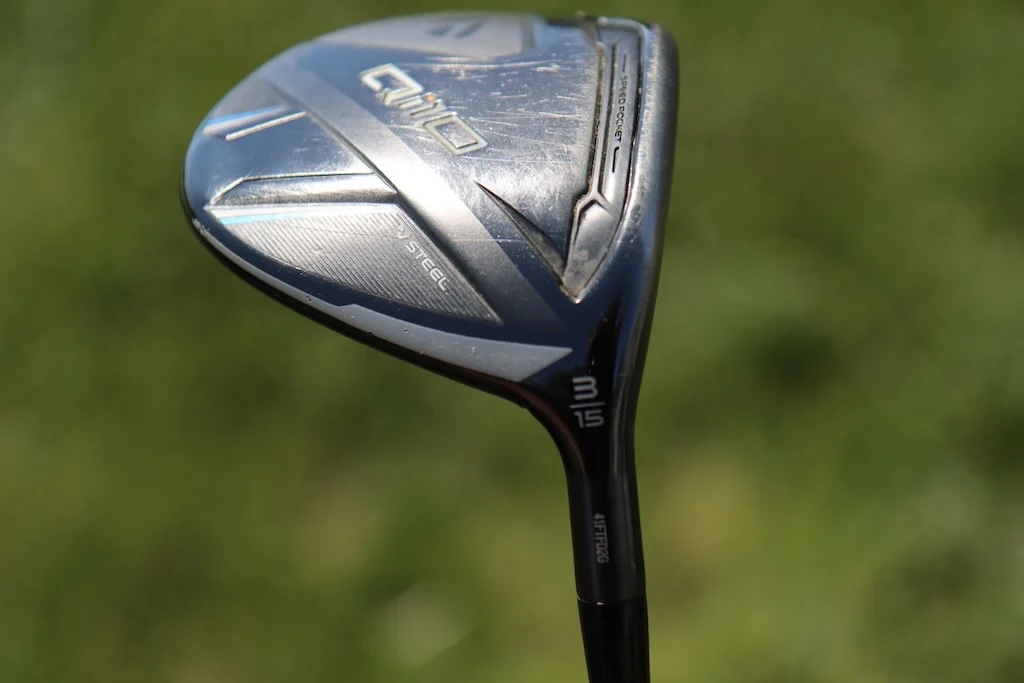
Irons: TaylorMade P770 (3), TaylorMade P7CB (4), TaylorMade P7TW (5-PW)
Shafts: Fujikura Ventus Black HB 10 X, True Temper Dynamic Gold X100
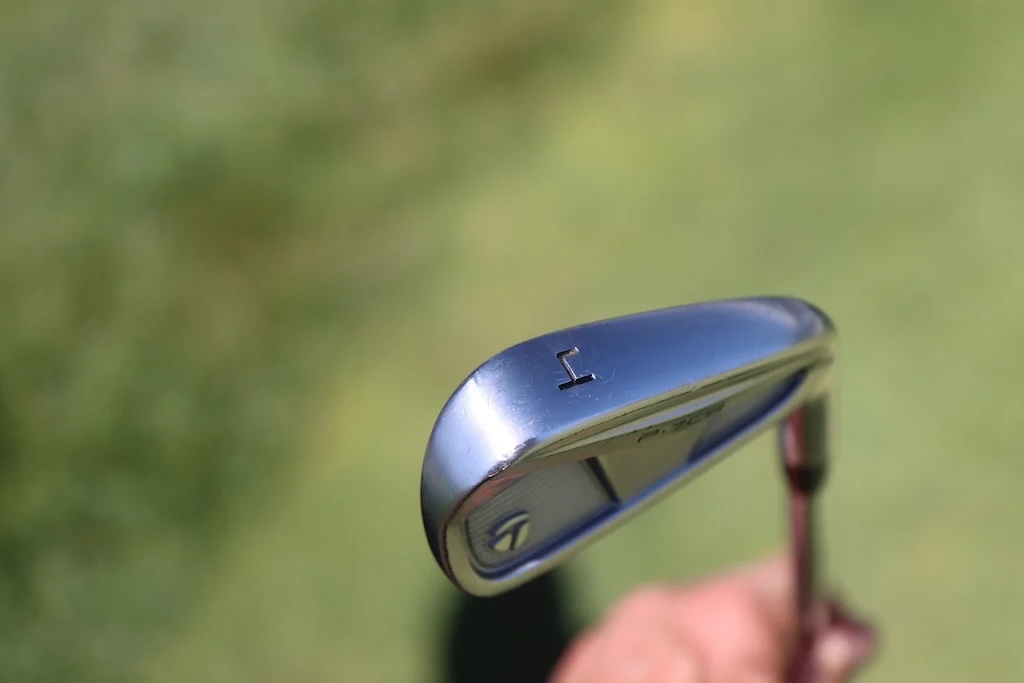
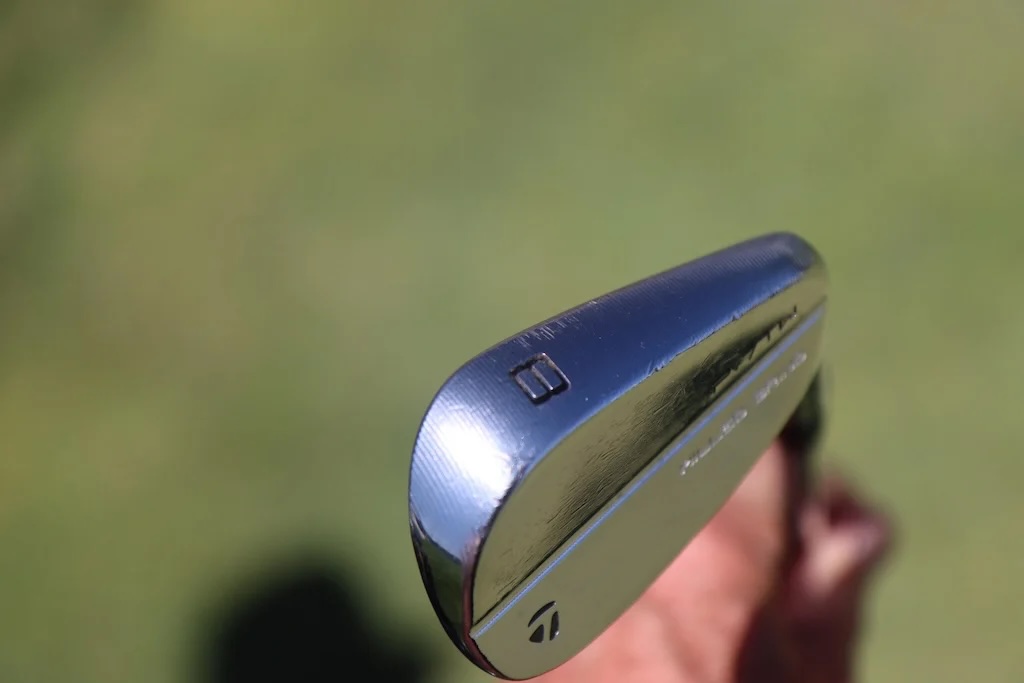
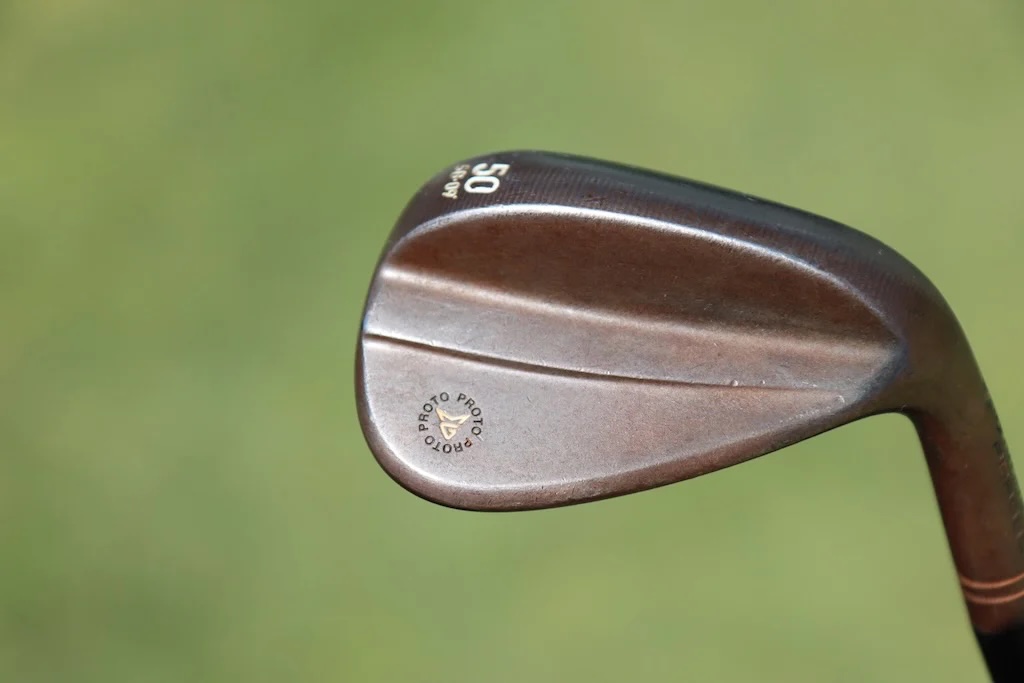
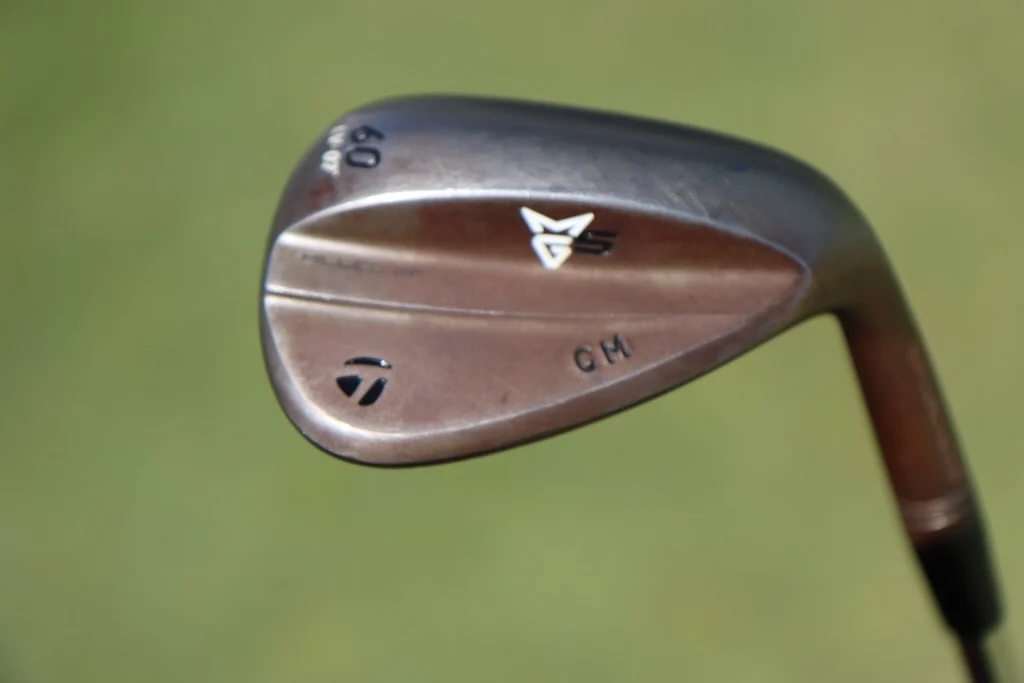
Wedges: TaylorMade Prototype (50-SB09), TaylorMade MG5 (56-HB12, 60-LV07)
Shafts: True Temper Dynamic Gold S400
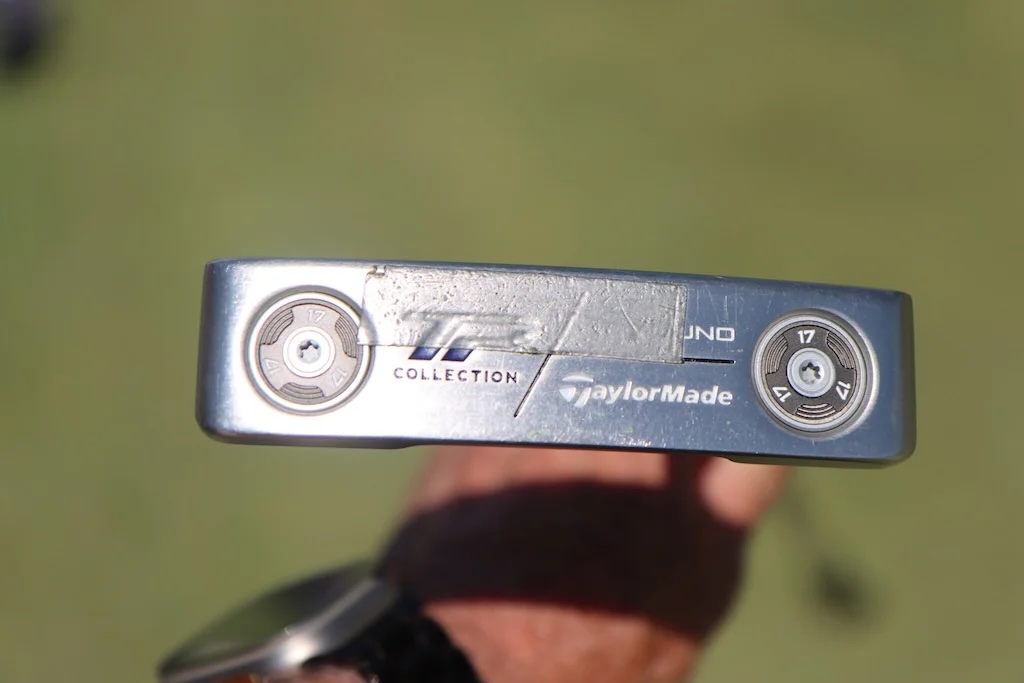
Putter: TaylorMade TP Juno
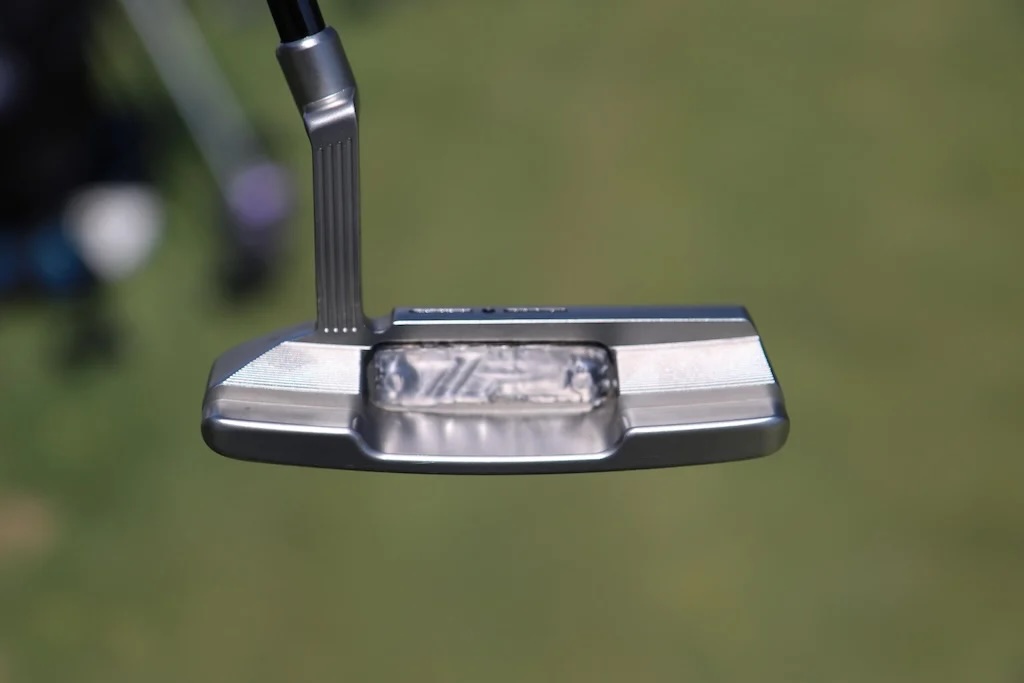
Ball: Titleist Pro V1x
Grips: Golf Pride Tour Velvet Cord
Check out more in-hand photos of Christiaan Maas’ clubs here.
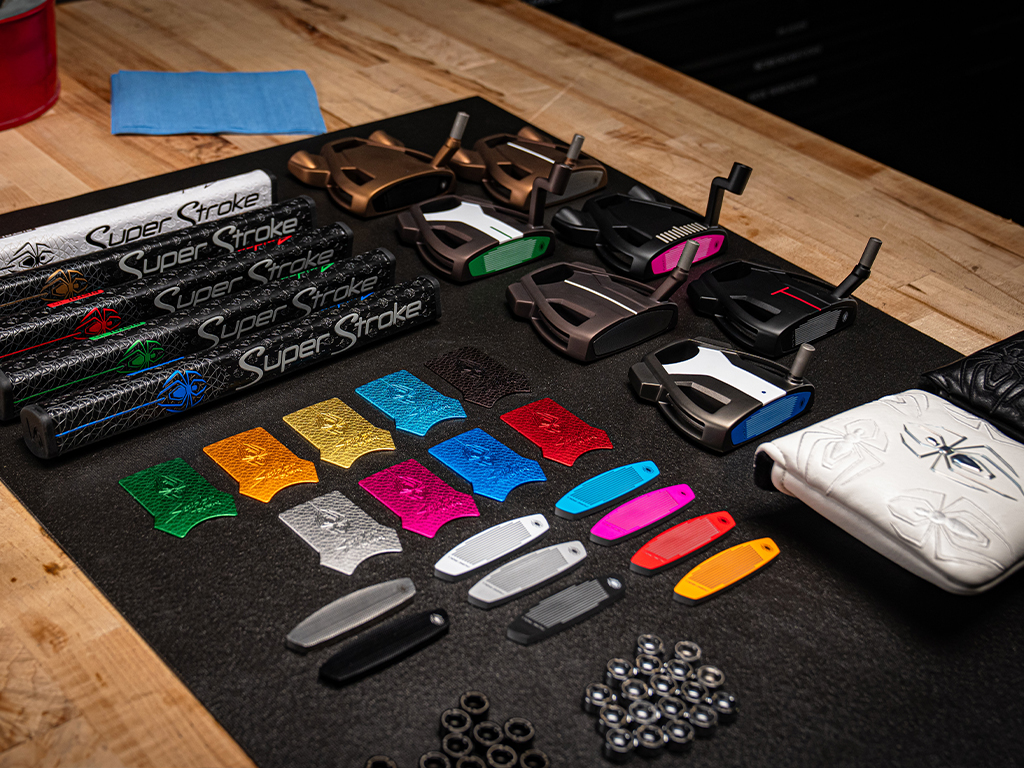
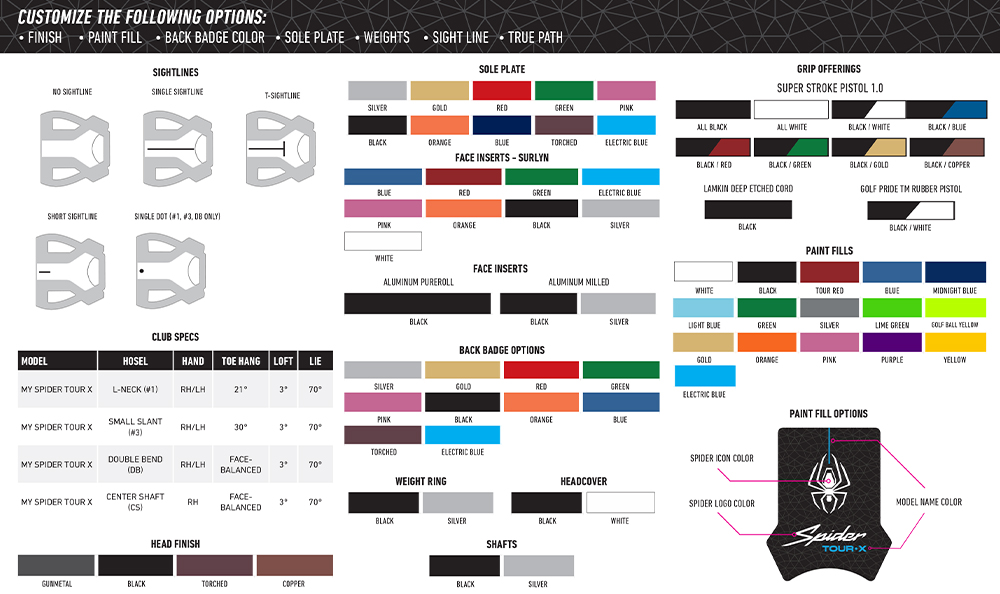
TaylorMade Golf’s MySpider program underwent a substantial overhaul over the last month. Firstly, the company launched the option to customize the Spider ZT model, and now the program has returned with the MySpider Tour and MySpider Tour X.
The revamped page now gives golfers complete control over every visual and functional detail of their putter on the popular Tour and Tour X head, with every cosmetic idea thought of. In MySpider Tour, golfers can choose from four head finishes, 16 paint fill colors, nine Surlyn face insert colors, three aluminum insert options, six sightline configurations, and four hosel options — L-neck, small slant, double bend, center shaft. Six sightline options are available in MySpider Tour, including the optically engineered True Path alignment system. MySpider Tour X gives builders the option of four head finishes, four hosel configurations, and five sightline options, also including True Path alignment.
One of the more interesting features of the new MySpider program is the availability of three distinct face insert options. Along with the usual Surlyn Pure Roll insert trusted by Scottie Scheffler and Rory McIlroy, which can be customized from nine colors, golfers can now also select firmer options. Two are offered with the black aluminum Pure Roll insert, slightly firmer than the traditional insert, or for the firmest feel, golfers can choose from two colors of milled aluminum inserts.
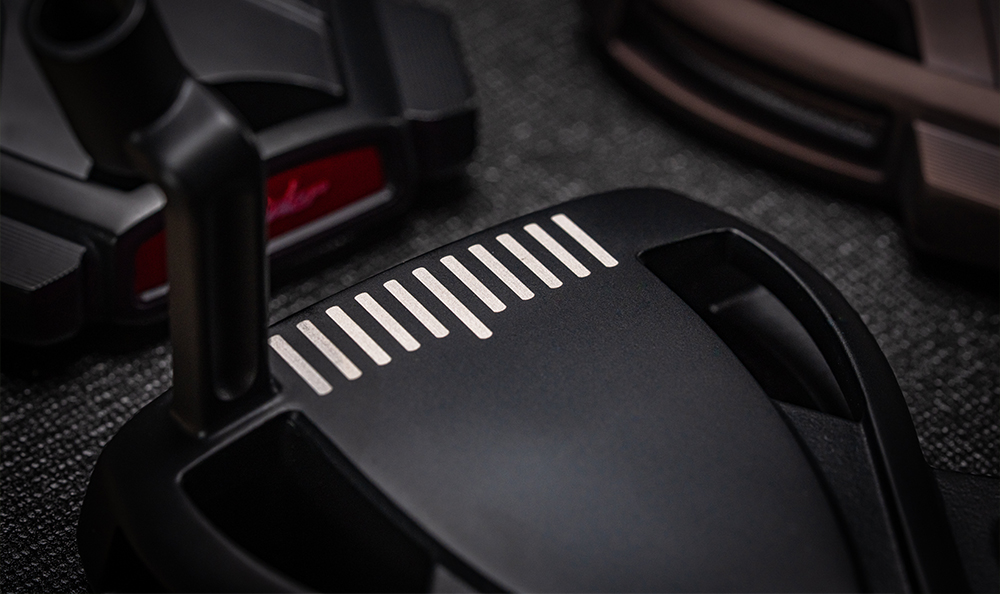
Another fun addition to the MySpider Tour is the ability to use the “Tommy Sightline.” The custom alignment aid design, which was first drawn onto Tommy Fleetwood’s putter by PGA Tour Rep James Holley, is based on the milled sightline on his Spider ZT head. There are five shorter lines on the left and right of a longer central line serving as the traditional short line alignment aid.
See below for the full specifications sheet for MySpider Tour and Tour X:
MySpider Tour
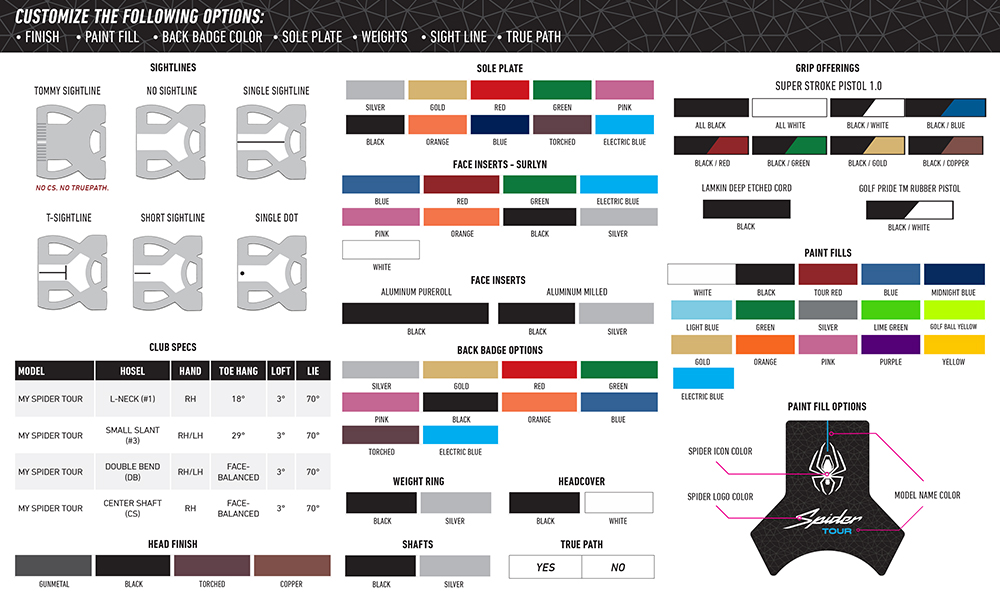
MySpider Tour X
Equipment
Then and now: Comparing Rory McIlroy’s current setup to his record-breaking 2019 Canadian Open victory

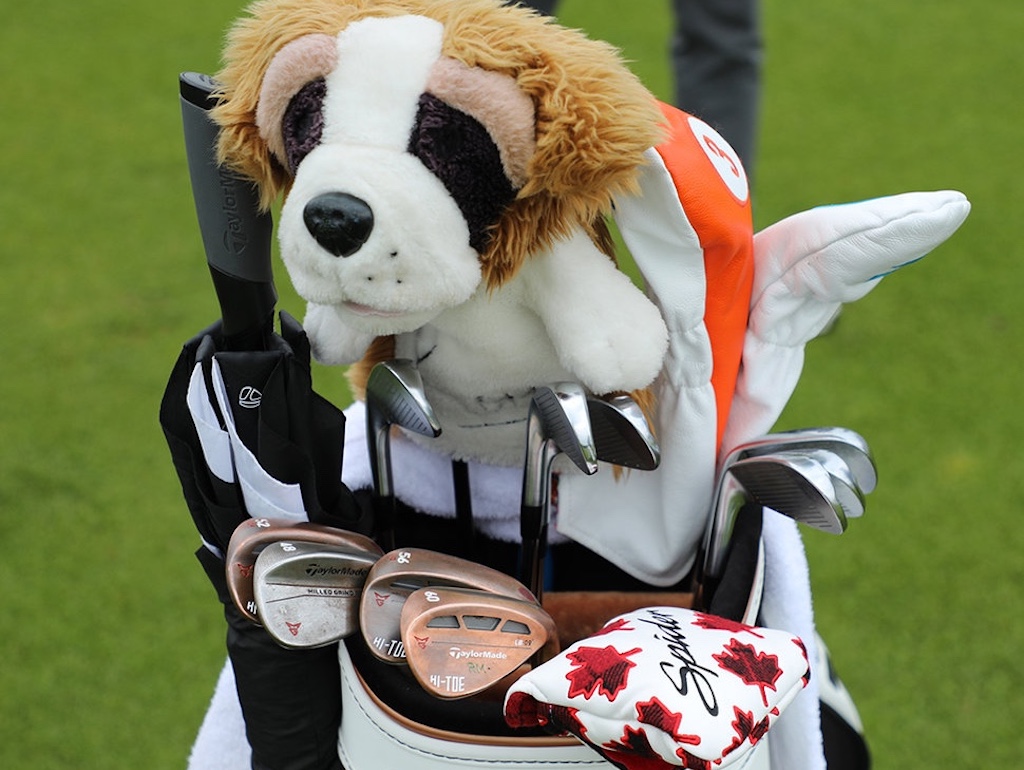
In Rory McIlroy’s first appearance at the 2019 RBC Canadian Open, he crushed the record books to earn his 16th PGA Tour title in dominating fashion, winning by seven shots over Shane Lowry and Webb Simpson.
McIlroy’s score of 22-under-par 258 is the lowest 72-hole score to date at the Canadian Open, and his closing 61 is also the best final-round score in the history of one of golf’s oldest tournaments. Finally, with his win in 2019, McIlroy became only the sixth player to win the career Triple Crown, adding to his victories at the U.S. Open in 2011 and The Open Championship in 2014, joining Tommy Armour, Walter Hagen, Arnold Palmer, Lee Trevino and Tiger Woods in a coveted list.
So, with that, why not compare his current setup to the clubs he used to break all the records?
Driver
2019: TaylorMade M5 (9 degrees), Shaft: Mitsubishi Tensei CK Pro White 70 TX
2026: TaylorMade Qi4D (9 degrees @8), Shaft: Fujikura Ventus Black 7X (45 5/8 inches)
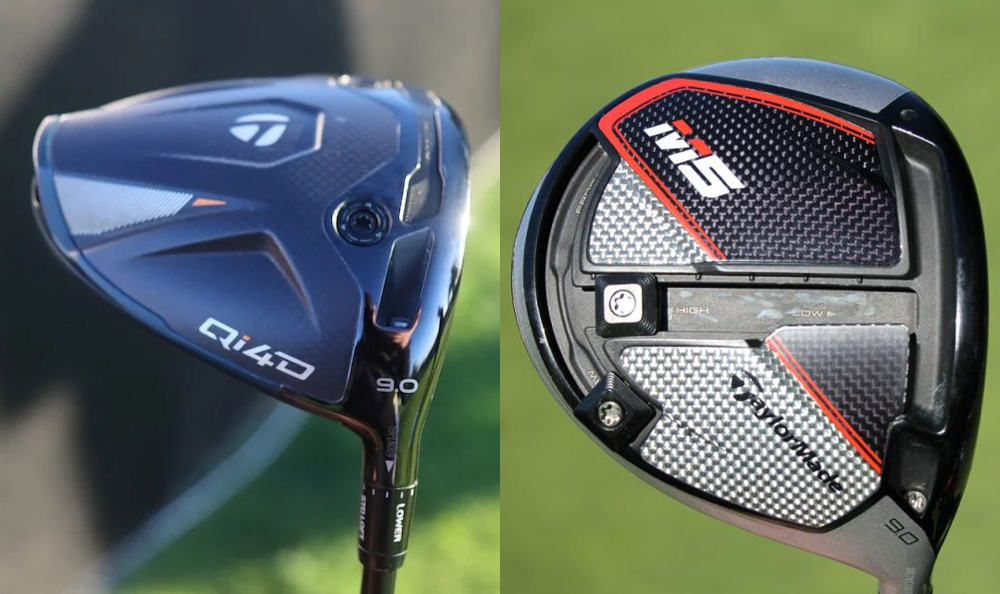
McIroy led the Tour in Strokes Gained: Off-the-Tee in 2019; he’s doing the same in 2026. Between now and then, McIlroy has switched from the Mitsubishi Tensei CK Pro White 70 TX (a shaft with slightly more feeling in the tip) to the original Fujikura Ventus Black 7X, having just made the change to the heavier version from playing the 60X.
What’s interesting about McIlroy’s 2019 setup is that the weighting on his driver is actually set in the high-draw setting, using the T-Track weighting system, whereas in the Qi4D, he’s currently using a heavily rear-weighted setup. (Two 13-gram weights in the rear and only two 4-gram front weights.)
The TaylorMade M5 driver he played in during his Canadian Open win was the company’s first head that they claimed to design to initially exceed the USGA’s COR limit, and then injected with tuning resin to bring it back in bounds.
Fairway woods
2019: TaylorMade M6 3-wood (15 degrees), Shaft: Mitsubishi Tensei CK Pro White 80 TX; TaylorMade M5 5-wood (19 degrees), Shaft: Mitsubishi Tensei CK Pro White 90 TX
2026: TaylorMade Qi4D 3-wood (15 degrees), Shaft: Fujikura Ventus Black 8X; TaylorMade Qi4D 5-wood (18 degrees), Shaft: Fujikura Ventus Black 9X

The TaylorMade M6 fairway wood that McIlroy was using during the 2019 season is still in the bag of some of the best golfers on Tour in 2026. Just check out Justin Rose’s winning setup from the Farmers Insurance Open earlier this year. This year, though, McIlroy has still been searching for his top-end-of-the-bag setup, having played both the new Qi4D and the Qi10, which he won the Masters with.

The same shaft swap can be seen in the fairway woods as the driver, along with slightly less loft on the 5-wood.
Irons
2019: TaylorMade P750 (4) Buy here, TaylorMade P730 (5-9), Shafts: Project X 7.0
2026: TaylorMade P760 (4), TaylorMade Rors Proto (5-9), Shafts: Project X 7.0

The biggest difference between McIlroy’s custom set and the stock P730s is the groove design. While the P730s were constructed with 14 MX-9 grooves on their milled faces, McIlroy’s proto heads instead use the higher-spinning, 16-groove layout of the TW2 grooves. Other big differences between the sets are that McIlroy’s 7- and 8-irons have thinner toplines, are 1 degree stronger in loft, and are 1/4 inch longer than the original P730 builds.
With McIlroy’s 4-iron, the switch from P750 to P760 sees a transition to a two-piece construction with Speed Foam in it, which allows McIlroy to launch the ball slightly higher, with more workability.
Wedges
2019: TaylorMade Milled Grind (48-09SB), TaylorMade MG Hi-Toe (52-09SB, 56-09SB, 60-LB09), Shafts: Project X Rifle 6.5
2026: TaylorMade MG5 (46-09SB, 50-09SB, 54-11SB, 60-08LB @61), Shafts: Project X 6.5 (46-54), Project X 6.5 Wedge (60)

Between 2019 and 2026, McIlroy’s focus on his short game has been much more apparent. It was the reason why he switched back to the TP5 golf ball, to help with launch, spin and control with his wedges leading up to his career Grand Slam victory in 2025. The most apparent changes to McIlroy’s wedge setup are his lofts and bounce. He’s slowly delofted his pitching to a sand wedge, but has increased the loft on the lob wedge, bending his current 60-degree to 61. With that, adding more loft to his lob wedge also slightly increases the bounce and leading-edge sit point, so, as a result, he plays a lower-bounce lob wedge compared to 2019. The MG5 wedges are also softer than the first Milled Grind option from 2019. McIlroy also no longer plays the full-face grooves found on the Hi-Toe.
Putter
2019: TaylorMade Spider X
2026: TaylorMade Spider Tour X
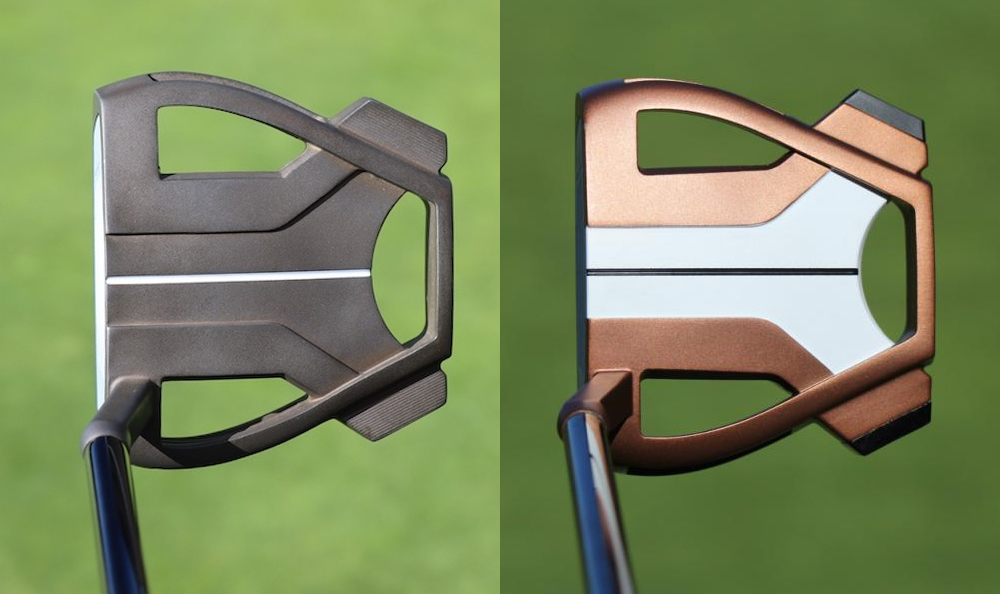
Notice anything similar. Yes, the copper finish on Rory McIlroy’s Spider X putter in 2019 is a slightly more reflective finish than the recently released torched PVD finish. McIlroy was using the True Path alignment system, but now uses only a single white sightline.
Ball
2019: 2019 TaylorMade TP5 (#22)
2026: 2025 TaylorMade TP5 (RORS)
As mentioned above, McIlroy had transitioned from the TP5 to TP5x golf ball since his victory in Canada in 2019, but now is black with the same style of golf ball as his victory at Hamilton Golf & Country Club.
Grips
2019: Golf Pride Tour Velvet Cord
2026: Golf Pride MCC
Interesting, McIlroy actually used Golf Pride’s Tour Velvet Cord grips during his victory in 2019 (it was during a 2+ year switch to the corded TV) as opposed to his usual MCC grips, which he has played for most of his career.

What’s the story behind Webb Simpson’s custom-stamped irons?

Memorial Tournament Tour Report: Rory McIlroy, Cameron Young switch up drivers, and more

Cadillac Championship Tour Report: Spieth’s sizable changes, McLaren Golf launches, and more

Russell Henley’s winning WITB: 2026 Charles Schwab Challenge

Kristoffer Reitan’s winning WITB: 2026 Truist Championship

Best irons 2026: Best irons overall, most forgiving irons, and more

J.T. Poston’s winning WITB: 2026 Memorial Tournament

Aaron Rai’s winning WITB: 2026 PGA Championship

Cameron Young’s winning WITB: 2026 Cadillac Championship

Details on Jason Day’s latest prototype Avoda iron setup


Christiaan Maas WITB 2026 (June)
Driver: TaylorMade Qi4D LS (8 degrees) Shaft: Fujikura Ventus TR Blue 6 X 3-wood: TaylorMade Qi10 (15 degrees) Shaft: Fujikura Ventus Black...


Ryan Palmer WITB 2026 (June)
Driver: Callaway Quantum Triple Diamond (9 degrees) Shaft: Project X HZRDUS Smoke Blue RDX 60 TX 3-wood: TaylorMade Qi10 (15 degrees) Shaft:...


Bud Cauley WITB 2026 (June)
Bud Cauley had >14 clubs in his bag when photographed prior to the Memorial Tournament. Driver: Titleist GTS2 (8 degrees) Shaft: Fujikura...


Hannah Green WITB 2026 (June)
Driver: Titleist GTS3 (10 degrees, D4 SureFit setting) Shaft: Mitsubishi Chemical Diamana RB 53 S 3-wood: Titleist GT3 (15 degrees,...
-
 Equipment7 days ago
Memorial Tournament Tour Report: Rory McIlroy, Cameron Young switch up drivers, and more
-
 News2 weeks ago
Russell Henley’s winning WITB: 2026 Charles Schwab Challenge
-
 Equipment4 days ago
Best irons 2026: Best irons overall, most forgiving irons, and more
-
 Whats in the Bag4 days ago
J.T. Poston’s winning WITB: 2026 Memorial Tournament
-
 Equipment1 week ago
Details on Jason Day’s latest prototype Avoda iron setup
-

 Equipment3 weeks ago
CJ Cup Byron Nelson Tour Report: Koepka and Kim’s newest putters finally get hot
-

 News2 weeks ago
Charles Schwab Challenge Tour Report: MacIntyre, Åberg and Spaun all switch putters, TaylorMade launches new Spider
-

 Equipment2 weeks ago
Details on J.J. Spaun’s surprise putter switch


Pingback: Fujikura launches new Ventus TR Blue shafts for 2022 (plus a deep Q&A) – GolfWRX
~j~
Feb 5, 2018 at 12:04 pm
Wow. Terrible crowd and responses so far. As ata naldt I’m all for different methods of collecting and using this data.
I would question though the degree of specifics on comparing multiple types of shafts by swing type alone. But to know how and when one ‘loads’ the shaft is almost imperative to being fitted into something that works for them
Sid
Feb 5, 2018 at 5:47 pm
If you don’t have an Enso Optimized shaft it’s likely you are swinging the wrong shaft and based on erroneous subjective feeel.
If you can’t get an Enso Optimized shaft you are on the long road of trial and error and error and error and ….. wasting a lot of $$$$$$$$
CB
Feb 5, 2018 at 2:05 am
Will this system be able to present data when shafts are tipped and, head weights and grip weights are changed also, and relate that to the MOI with each change? If not, then I guess we’ll never know how the shafts react with those variables and with different kinds of heads. May be we still are 10 years away for that.
OB
Feb 5, 2018 at 10:44 am
From Fuji/enso website:
“Using 3D Motion Capture, Fujikura’s proprietary enso system measures thousands of shafts and swings. This data is used to develop the precise technologies found in the construction of better performing, higher quality shafts.
Enso measures:
Club performance during a swing pre and post impact
Shaft deflection and twist during swing
Club head placement upon impact of the ball
Club head performance based on shaft movement
———————————————-
That should answer your ignorant blurt. MOI has nothing to do with the enso data because it covers all the necessary variables in the measurements. If you disagree then wait 10 years before you try it.
CB
Feb 6, 2018 at 2:16 am
Not as ignorant as you, seeing as you’ve been analyzing this for decades, right, and you’re still here, and haven’t figured it out? Because if you had, you’d be a billionaire like Parsons. But you’re just a moron, a pretender, who actually knows nothing, but just immature like a 5 year old child. That much is true.
OB
Feb 3, 2018 at 12:54 pm
Overengineering (or over-engineering) is the additional designing of a product to be more robust or extra featured than is deemed necessary for its primary application to be completed successfully. Either (charitably) to ensure a more than sufficient factor of safety, more than sufficient functionality limits, or to overcome potential design errors that are considered acceptable for most users expectations. Overengineering can be desirable when safety or performance on a particular criterion is critical, but it is generally criticized from the point of view of value engineering as wasteful both in materials and cost. As a design philosophy, such overcomplexity is the opposite of the “less is more” school of thought (and hence a violation of the KISS principle and parsimony).
Overengineering generally occurs in high-end products or specialized market criteria, and may take various forms. In one form, products are overbuilt, and have performance far in excess of expected normal operational limits (a family sedan that can drive at 300 km/h, or a home video cassette recorder with a projected lifespan of 100 years), and hence are more expensive, bulkier, and heavier than necessary. Alternatively, they may become overcomplicated – the extra functional design may be far more complicated than is necessary for its typical use. Overcomplexity could overwhelm most typical users and potentially reduce the usability of the product by most end users, and can decrease productivity of the design team due to the need to build and maintain all the additional features.
A related issue is market segmentation – making different products for different market segments. In this context, a particular product may be more or less suited for a particular market segment, and may be over- or under- engineered relative to an application.
James T
Feb 3, 2018 at 7:24 pm
Is this a cut & paste job? Because you never mentioned Enso…
OB
Feb 4, 2018 at 12:35 am
I’ll let you come to your own conclusions to this Wikipedia definition as it relates to the game of golf.
CB
Feb 4, 2018 at 2:32 am
If somebody wants the best of the best, and they have the time and resources, they will go out and make the best of the best, no matter what it takes.
So, go make sense of your poor life where you can never have the best of the best or even achieve anything in life with all the restrictions you put on yourself with your negativity.
OB
Feb 4, 2018 at 10:50 am
How do you determine a “the best of the best”? Price? Popularity? Promise? Propaganda?
I have seen the “capitalistic” evolution of the pristine game of golf over many decades and I can tell you that the game of golf is deteriorating; both in participation and equipment design.
What we are witnessing is not technological advancement; we are witnessing false promise that destroys true commitment to the great game of golf. It’s really quite pathetic when playing golf depends on what new toys you have in your bag. Totally unathletic and completely delusional.
CB
Feb 5, 2018 at 1:59 am
You must be a socialist. Marxist-Leninist, I presume, with a fascist tinge? Thought so.
Over many decades? So you’re old enough to know to shut up? May be not mature enough do so though.
I’m still young, positive, and raring to go. Not beaten down and disappointed, pessimistic and cynical like you, old man. You know, people still talk about giving elders their respect and all? Well not for people like you, you’re not good enough of a leader or example to be given any respect. You’re still a child, not appreciative of the people who try. People who still go out and make things, and makes things happen. You just don’t get it.
As old as you say you are – perhaps you should fade into the background? Yeah, may be it’s time. Let us young innovators run things, and get ahead. Thanks
OB
Feb 5, 2018 at 10:07 am
Your personal attack on moi reveals your fragile gearhead mentality. Your MOI comment above is not only silly and unrealistic, you expose your pessimism, negativity and ignorance too.
I have offered fact-based comments and all you rely on is ageism and blind political nonsense likely because you are too young to understand what you are spouting about socialism/fascism. IOW you are a nutcase … sooo obvious.
CB
Feb 6, 2018 at 2:20 am
Grow up
Rob
Feb 3, 2018 at 12:15 pm
Predictive analytics, aka big data. Golf, aka cricket.
Bob
Feb 3, 2018 at 5:09 pm
IOW, sell the sizzle, not the steak?
PXG, P790, ENSO, etc. are all a cancer on the game of golf?
The dude
Feb 3, 2018 at 9:58 pm
Why??…is it the manufacturers fault that someone buys their over priced product?……you obviously need to rethink your thought of supply and demand
Bob
Feb 4, 2018 at 12:43 am
Nicklaus promoted a standardized golf ball for the tour game.
As for the manufacturers they are introducing costly equipment with the promise the clubs will compensate for golfer’s deficiencies, and we know that’s not realistic.
Someone who buys the overpriced overengineered overhyped clubs have more money than brains or talent. The golf equipment market is a scam and degrades the game of golf by suggesting that you can improve your game to defeat the opponent and conquer the course by buying the latest greatest clubs. Equipment has become toys for the incompetent.
The dude
Feb 4, 2018 at 8:29 am
You have zero evidence to back that…..you have an opinion that is tired. Hail Capitalism!!!
Bob
Feb 4, 2018 at 10:48 am
My ‘evidence’ is the eloquence of my factual-based commentary; while your’s is a twitter blurt capitulation to your feelings.
CB
Feb 4, 2018 at 11:25 am
At least he is not some deranged pessimistic loser like you, Bob
Bob
Feb 4, 2018 at 2:56 pm
I somewhat agree with you. The gearheads posting on this free forum and the main forum are “deranged” and “losers” who “optimistically” await the next new fantastic club models promising “tour” performance because the clubs are in some pro’s bag.
Me? I just enjoy providing a “sane” assessment of clubs and instruction articles. Thank you Golf WRX for promoting open and transparent discourse.
The dude
Feb 4, 2018 at 12:46 pm
“I have No idea what you just said….”
-said everybody
Bob
Feb 4, 2018 at 2:58 pm
Is that you, Andy, in anonymous drag… and blocking my comments for moderation? Soooo obvious ….!
Ron Burgundy
Feb 5, 2018 at 2:00 pm
you’re on the wrong website than Bob. Run along
Sid
Feb 5, 2018 at 5:43 pm
Is that the voice of a WRX moderator?