
WATCH: How To Fix a Steel Shaft Broken in the Hosel





When it comes to club repairs, one of the most common problem club builders deal with is steel shafts that have broken at the top of the hosel. When this happens, there is no way to clamp the shaft using conventional methods. Heat is often used to remove the broken shaft, but often times too much heat is used. The result is a damaged badge in the club head.
In one continuous shot, I show the process and tools used to remove a broken steel shaft from a hosel.



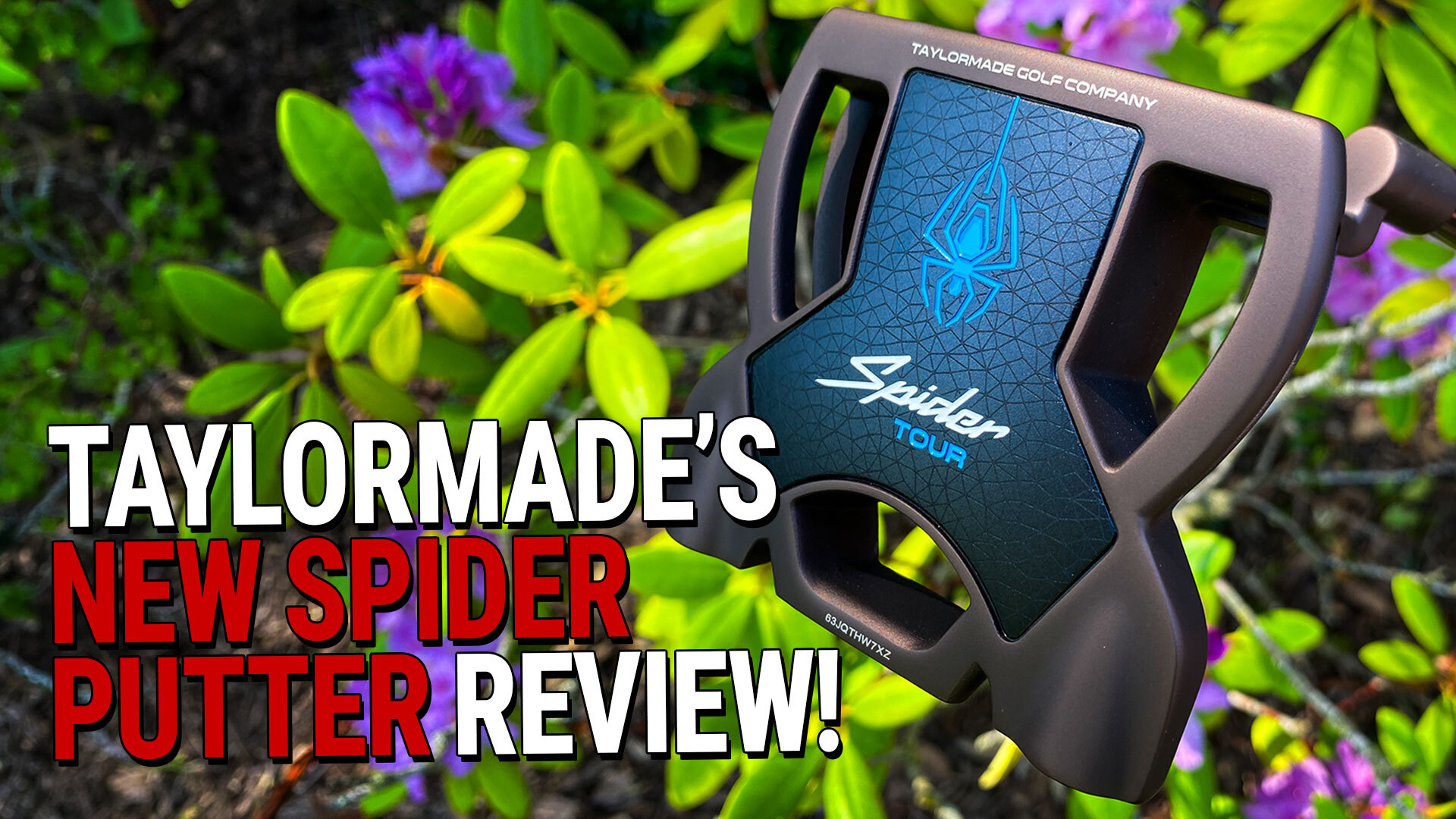
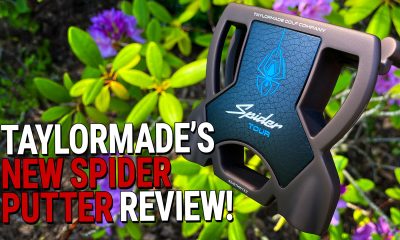
On this episode of Club Junkie, Brian dives into the all new TaylorMade Spider Tour Torched putters and breaks down everything from the unique torched finish to the performance, feel, and roll on the greens. Are these Spiders just a cosmetic upgrade, or is there more to the story?
Then, Brian is joined by Luke Williams from Odyssey Golf to discuss the highly anticipated Damascus Milled putters. Luke shares the inspiration behind the project, the challenges of working with Damascus steel, what makes these putters so special, and why collectors and players alike are excited about Odyssey’s latest premium offering.
Whether you’re a putter junkie, gear collector, or just looking for your next flatstick, this episode is packed with insights on two of the most talked-about putter releases of the year.


This past Monday, I played in the U.S. Amateur local qualifier at Rock Creek Country Club in Portland, Oregon. A full tee sheet from 7:30 a.m. to 1:55 p.m., the top 11 scores would make it to the U.S. Amateur final qualifying.
I teed off at 10:48 a.m.. With the 7:30 am tee time, you can get a feel for the leaders’ pace, and they were off and running on the challenging setup at Rock Creek.
View this post on Instagram
Getting to the highlight of the round on the par five 17th, a drive up the left side and 212 yards left to the front hole location. I took out a 5-iron with plans of middle of the green. The ball ended up 8 feet left of the hole, pin high. A slight downhill putt dropped in for an eagle 3 on the 17th. With the cut line looking to be anywhere from -2 to even par. This was the boost I had been waiting for all day.
With making par from the trees on 18, it was time to wait for a potential playoff with a posted score of one under par 71.
Three hours later, it was playoff time. 8 players for 6 spots. I made par on the playoff hole, which was good enough to advance to the U.S. Amateur final qualifying in July. USGA qualifiers sure deliver on all of the emotions in golf!
Club Junkie
Building my 2026 gamer WITB: Ranking the contenders and new putter projects – Club Junkie Podcast

The annual What’s In The Bag build is underway, and on this episode of Club Junkie, Brian breaks down the clubs currently leading the race for a spot in his 2026 gamer setup. From drivers and fairway woods to irons, wedges, and shafts, he ranks the equipment that’s performing best and explains what’s separating the front runners from the rest of the field.
Brian also heads into the workshop to discuss several putter projects currently on the bench. From head options and shaft choices to build ideas and testing plans, he shares what he’s working on and which putters could become serious contenders for the bag this season.
If you’re a gear junkie who loves equipment testing, club building, and the never-ending pursuit of the perfect setup, this episode is for you.
Follow Club Junkie:
Instagram: @clubjunkiepod
TikTok: @clubjunkiepod
Threads: @clubjunkiepod
X: @ClubJunkiePod
-

 Equipment7 days ago
Memorial Tournament Tour Report: Rory McIlroy, Cameron Young switch up drivers, and more
-

 News2 weeks ago
Russell Henley’s winning WITB: 2026 Charles Schwab Challenge
-

 Equipment4 days ago
Best irons 2026: Best irons overall, most forgiving irons, and more
-

 Whats in the Bag5 days ago
J.T. Poston’s winning WITB: 2026 Memorial Tournament
-

 Equipment1 week ago
Details on Jason Day’s latest prototype Avoda iron setup
-
 Equipment3 weeks ago
CJ Cup Byron Nelson Tour Report: Koepka and Kim’s newest putters finally get hot
-

 News2 weeks ago
Charles Schwab Challenge Tour Report: MacIntyre, Åberg and Spaun all switch putters, TaylorMade launches new Spider
-
 Equipment2 weeks ago
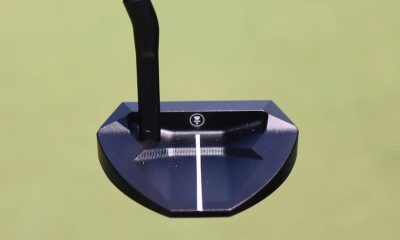
Details on J.J. Spaun’s surprise putter switch


peter collins
Feb 13, 2018 at 6:18 am
I was begging him to put the heat back on the hosel,he got there in the end.
If Ryan Barath is a club fitter and master club builder who has more than 15 years experience working with golfers of all skill levels, including PGA Tour professionals, then i have nothing to fear.
DaveT
Feb 7, 2018 at 9:24 pm
Great video and great instruction. But you could have done it a little easier. Instead of the square EZ-out, use a screw extractor. I’ve always removed broken-off steel shaft tips that way, and never needed to supplement the tool with pliers nor a drill bit.
Keith
Feb 7, 2018 at 5:51 pm
This is what happens when you don’t have a grey haired mentor. This can only be described as stumbling through it. No vise pads. They’re cheap. Not seating the ez out (drill out the weight bro. It’s lead) Needle nose players yanking and slipping. Just asking for a scratch. When you have the shaft out the slightest amount, you can slide the smooth end of a just slightly smaller bit inside. Clamp the teeny bit of shaft (supported be the bit from being crushed) in your vise and twist the head off by hand. Old timers just goose the shaft out gently by spinning it out on a drill bit. ( gently). I couldn’t watch the whole video. Cringing. Let me know if I missed anything.
John
Feb 7, 2018 at 1:08 pm
If you had used a EZ-Out you wouldn’t have had to pry on it. It would have come right out.
Check them out at your local auto parts store. I’ve also used them on sawed off shaft extensions and broken bolts. They come in different diameters.