
Opinion & Analysis
Either plan for excellence, or underachieve

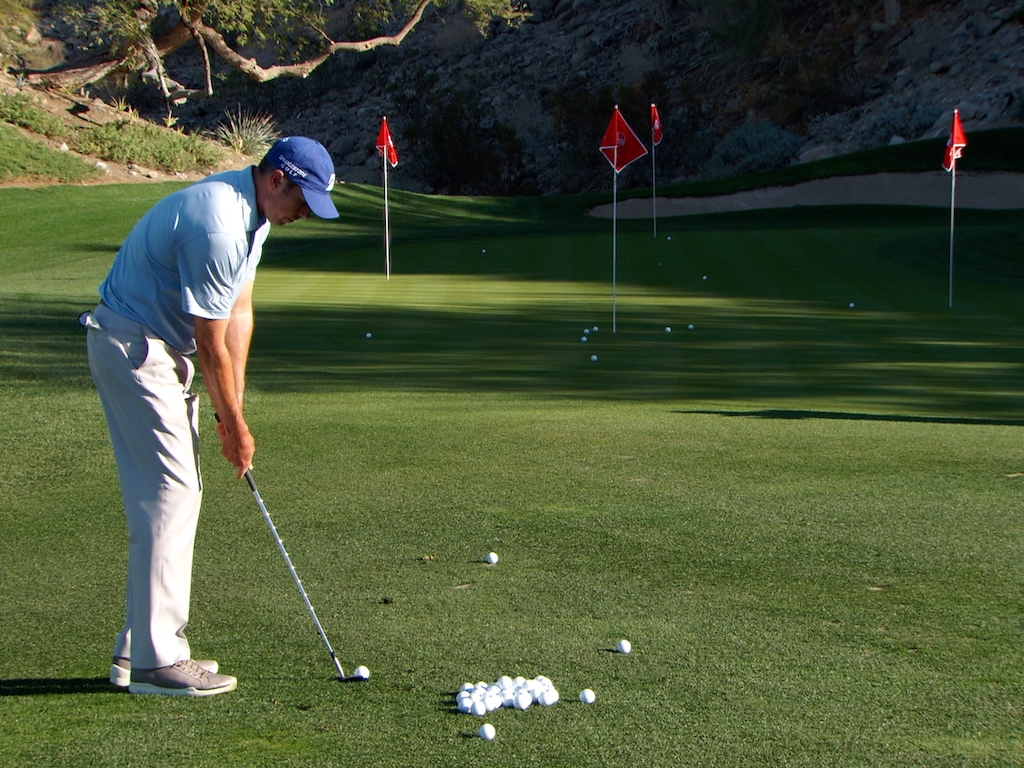
In late December, I returned from working with young professionals and preparing them for 2018 and tours ahead. From my experience, in the past 10 years, the challenge to get to the top ranks has become so much more difficult in professional sports – and golf is no exception. There are just so many more talented players attempting to make a living out of the game. That’s why being ultra prepared technically, physically, strategically, mentally and emotionally is so important.
The preparation and planning sessions are so critical to the young players’ year ahead and directly related to their year-long results. I typically spend at least a day with the player. The day includes their approach in every part of their game and the mindset around each piece. We critically examine every aspect of their game: from the time they drive in the parking lot to practice habits to round preparation to decision-making on the course to reflection after the round. I break the sessions into the following areas:
- Swing motion and the long game
- Short game (chipping, pitching, bunker play)
- Putting
- Trouble/recovery shots
- Practice
- Strategy/Decision-making on-course
- Preparation
- Assessment/Reflection
My approach with these young professionals is to highlight how to develop a great mindset and functional game plan in each area to best maximize their time and abilities. Without structure and a customized plan, their careers become a hit-and-hope scenario, potentially leading to long stints on the mini-tours and frivolously throwing sponsor money into the wind.
Let me now share with you an example of a few key points we consider in each of the areas above to highlight how we help players get into the right mindset around all areas of the game. All work is meant to build a more self-aware, self-confident, focused, resilient, optimistic and independent player. The work always starts with both a detailed yearly plan with targets, steps to action and weekly activity plans committed to by the player.
1. Swing motion and the long game
- Structured 30 percent of practice time dedicated to long game
- Make sure player owns and embraces any movements in the swing that make the player unique (every player has them)
- A critical attention to fundamentals in practice sessions with a focus on balance and rhythm
- A dedicated amount of time to build a process that develops distance control in the wedge game
- An emphasis on functionality of the swing vs “the look” of it on video
- Emphasis of elimination of one side of the course with a chosen driver shape
- The process for testing any changes before bringing them to the course
2. Short game (chipping, pitching, bunker play)
- Structured 40 percent of practice time dedicated to short game shots
- Embrace the short game understanding that ball striking comes and goes. A well-developed short game is a constant and the key to scoring
- Review developmental exercises and activities focusing on creativity. Practice must have a level of pressure, urgency and intensity
- The process for testing any changes before bringing them to the course
3. Putting
- Structured 30 precent of practice time dedicated to putting
- Making sure there’s an emphasis on feel, flow and instinct, not a robotic mindset and obsession with precision and perfection that creates tension and apprehension
- Evaluation of putting routine consistency. Preparation factors include grain, break and speed
- Attitude around lag putts, short putts, birdie putts and par putts
4. Trouble/recovery shots
- The decision-making process when considering options (risk and reward)
- Embracing the challenge of trouble shots (mindset)
- Ensuring practice of a variety of trouble shots (long and short) as a part of long-game and short-game time allocation
5. Practice
- Ensuring every practice session has an objective. What am I trying to achieve?
- Every shot in practice must have meaning (similar to golf course feelings)
- Eliminate distractions. Put away the phone until after practice
- Helping the player leverage their weekly practice schedule. Identifying current needs/priorities
- Practice must always end in testing if any changes are made. Agreement around the process for long-game, short-game and putting
6. Strategy/decision-making on-course … and the mindset around it
- Structuring the consistent routine from time of arrival at tee, green, ball in fairway to executing shot
- Think box (conscious) and play box (subconscious) shot preparation evaluation
- Link between feelings of the day and strategy (making adjustments)
- Decisions re: green, yellow and red light pin locations
- Par-5 strategy based on strengths (risk vs. reward)
- Planning the time between shots
7. Preparation
- Routine (time before tournament rounds). What works best
- Structure of practice on tournament days. Allocation of time
- Equipment: making sure equipment meets the needs of how the player wants to play and complements strengths
- Exercises to develop key mental/emotional competencies to support overall plan (i.e. practical mindfulness exercises)
8. Assessment/reflection: how to take the lessons out of the action
- Understanding how to take the learning out of each practice session and round
- Development of questions to ask to efficiently extract the learning
- Use of customized questionnaires to assess performance
- Making sure the performance journal tool (written or digital) is a habit
There is a significant amount of detail and planning that goes in to creating the right professional plan for a player. The points above highlight the basic structure and are always customized based on needs of the player. I hope you can take some of these points and apply them to help you plan for excellence in your golf game in the coming season.
In my next article, I will highlight the key roadblocks/mistakes I see holding players back from maximizing their abilities in the professional game.



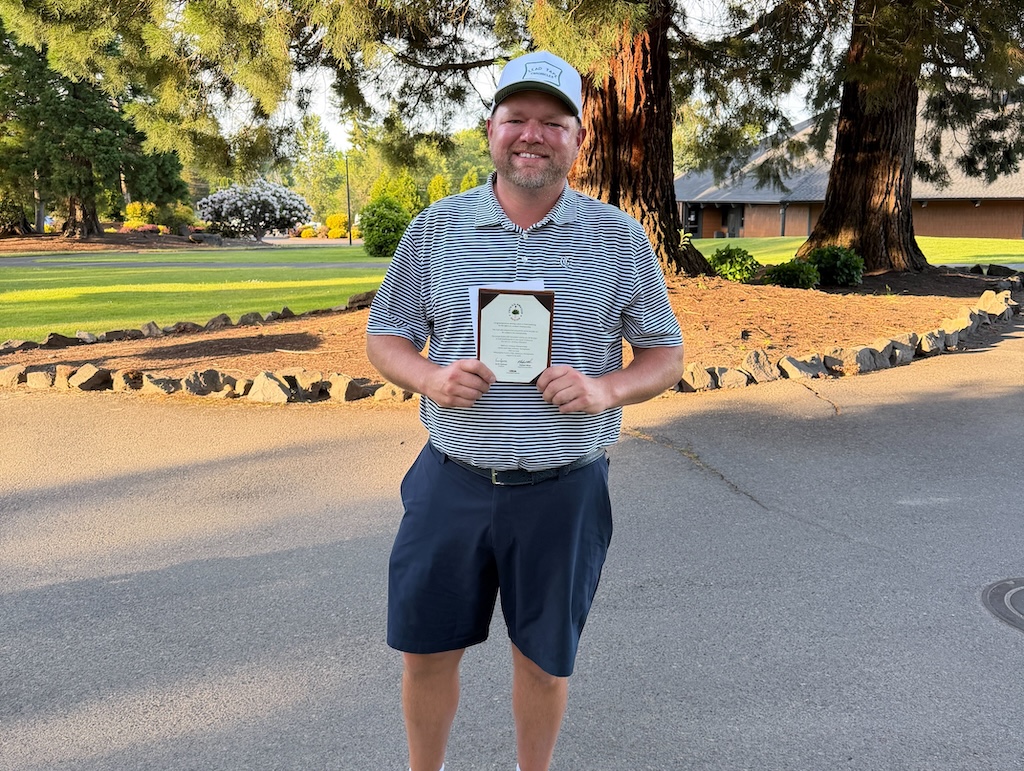
This past Monday, I played in the U.S. Amateur local qualifier at Rock Creek Country Club in Portland, Oregon. A full tee sheet from 7:30 a.m. to 1:55 p.m., the top 11 scores would make it to the U.S. Amateur final qualifying.
I teed off at 10:48 a.m.. With the 7:30 am tee time, you can get a feel for the leaders’ pace, and they were off and running on the challenging setup at Rock Creek.
View this post on Instagram
Getting to the highlight of the round on the par five 17th, a drive up the left side and 212 yards left to the front hole location. I took out a 5-iron with plans of middle of the green. The ball ended up 8 feet left of the hole, pin high. A slight downhill putt dropped in for an eagle 3 on the 17th. With the cut line looking to be anywhere from -2 to even par. This was the boost I had been waiting for all day.
With making par from the trees on 18, it was time to wait for a potential playoff with a posted score of one under par 71.
Three hours later, it was playoff time. 8 players for 6 spots. I made par on the playoff hole, which was good enough to advance to the U.S. Amateur final qualifying in July. USGA qualifiers sure deliver on all of the emotions in golf!
Club Junkie
Building my 2026 gamer WITB: Ranking the contenders and new putter projects – Club Junkie Podcast

The annual What’s In The Bag build is underway, and on this episode of Club Junkie, Brian breaks down the clubs currently leading the race for a spot in his 2026 gamer setup. From drivers and fairway woods to irons, wedges, and shafts, he ranks the equipment that’s performing best and explains what’s separating the front runners from the rest of the field.
Brian also heads into the workshop to discuss several putter projects currently on the bench. From head options and shaft choices to build ideas and testing plans, he shares what he’s working on and which putters could become serious contenders for the bag this season.
If you’re a gear junkie who loves equipment testing, club building, and the never-ending pursuit of the perfect setup, this episode is for you.
Follow Club Junkie:
Instagram: @clubjunkiepod
TikTok: @clubjunkiepod
Threads: @clubjunkiepod
X: @ClubJunkiePod
Club Junkie
Tour Edge Exotics mini driver review + TaylorMade Spider ZT Max first look – Club Junkie

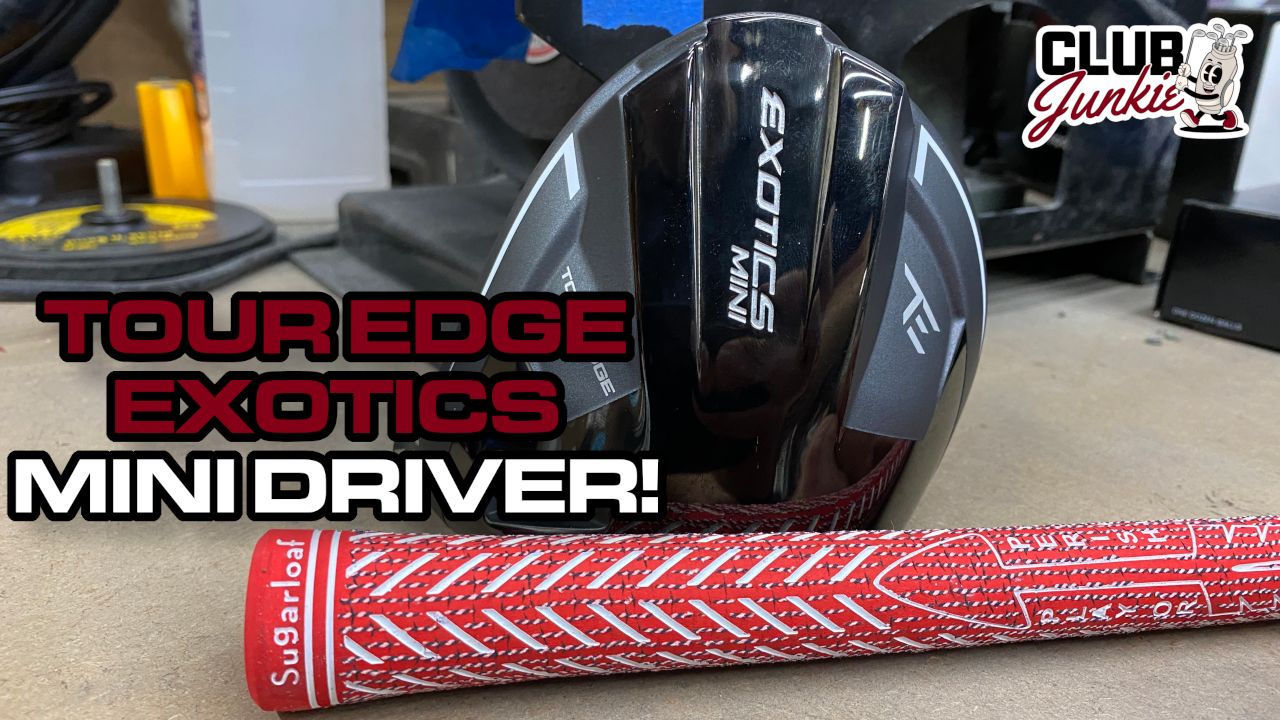
On this episode of Club Junkie, I put the new Tour Edge Exotics Mini Driver to the test and break down the performance, forgiveness, distance, and where it fits compared to a traditional driver or strong fairway wood. If you have been curious about adding a mini driver to the bag, this one is worth a look.
I also dive into the new TaylorMade Spider ZT Max putter that was recently spotted and discuss the growing zero torque putter trend. Plus, there is a closer look at the new Project X Titan Yellow shaft showing up on the PGA Tour and what makes it different from other profiles currently out there.

What’s the story behind Webb Simpson’s custom-stamped irons?

Memorial Tournament Tour Report: Rory McIlroy, Cameron Young switch up drivers, and more

Cadillac Championship Tour Report: Spieth’s sizable changes, McLaren Golf launches, and more

Russell Henley’s winning WITB: 2026 Charles Schwab Challenge

Kristoffer Reitan’s winning WITB: 2026 Truist Championship

Best irons 2026: Best irons overall, most forgiving irons, and more

J.T. Poston’s winning WITB: 2026 Memorial Tournament

Aaron Rai’s winning WITB: 2026 PGA Championship

Cameron Young’s winning WITB: 2026 Cadillac Championship

Details on Jason Day’s latest prototype Avoda iron setup


Ryan Palmer WITB 2026 (June)
Driver: Callaway Quantum Triple Diamond (9 degrees) Shaft: Project X HZRDUS Smoke Blue RDX 60 TX 3-wood: TaylorMade Qi10 (15 degrees) Shaft:...


Bud Cauley WITB 2026 (June)
Bud Cauley had >14 clubs in his bag when photographed prior to the Memorial Tournament. Driver: Titleist GTS2 (8 degrees) Shaft: Fujikura...


Hannah Green WITB 2026 (June)
Driver: Titleist GTS3 (10 degrees, D4 SureFit setting) Shaft: Mitsubishi Chemical Diamana RB 53 S 3-wood: Titleist GT3 (15 degrees,...


Asterisk Talley WITB 2026 (June)
Driver: TaylorMade Qi4D (9 degrees) Shaft: Fujikura Ventus Blue 6 S 3-wood: TaylorMade Qi4D (16.5 degrees) Shaft: Fujikura Ventus Blue...
-
 Equipment6 days ago
Memorial Tournament Tour Report: Rory McIlroy, Cameron Young switch up drivers, and more
-
 News2 weeks ago
Russell Henley’s winning WITB: 2026 Charles Schwab Challenge
-
 Equipment3 days ago
Best irons 2026: Best irons overall, most forgiving irons, and more
-
 Whats in the Bag4 days ago
J.T. Poston’s winning WITB: 2026 Memorial Tournament
-
 Equipment1 week ago
Details on Jason Day’s latest prototype Avoda iron setup
-
 Equipment3 weeks ago
CJ Cup Byron Nelson Tour Report: Koepka and Kim’s newest putters finally get hot
-

 News2 weeks ago
Charles Schwab Challenge Tour Report: MacIntyre, Åberg and Spaun all switch putters, TaylorMade launches new Spider
-
 Equipment2 weeks ago
Details on J.J. Spaun’s surprise putter switch


steve
Feb 16, 2018 at 5:41 pm
“Without structure and a customized plan, their careers become a hit-and-hope scenario, potentially leading to long stints on the mini-tours and frivolously throwing sponsor money into the wind.”
This is such a telling comment on the arrested mentality of most aspiring young players. Unfortunately, most are immature mentally and physically regardless of their playing ability. They cannot discipline themselves because they have a childish approach to the game and career. They play for fun and practice becomes a painful experience. Only those with an obsessive-compulsive mentality and proper mentoring and training can succeed. They are few.
Philip
Feb 16, 2018 at 10:42 am
Very nice … going to use it as a template for this season to ensure I get on track fast and do not drift – thanks