
Equipment
Why White Worked for TaylorMade

By Zak Kozuchowski
GolfWRX Staff Writer
What company has the best new driver? Ask the three players in your foursome, and you’ll probably get three different answers. But if you ask them which company has the most recognizable new driver, they’ll all probably say TaylorMade.
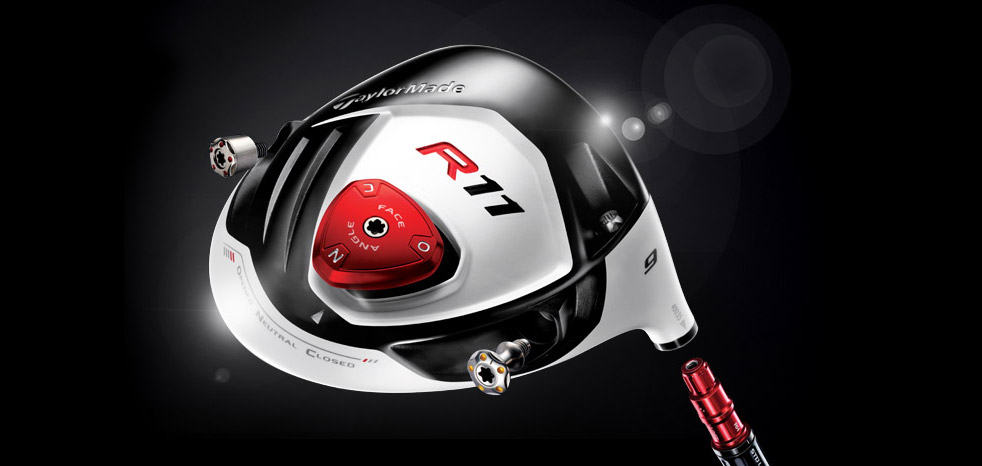
The arrival of TaylorMade’s new line of drivers last January created more buzz than any other line of drivers for one reason – they were painted white. Six players debuted white TaylorMade drivers in the PGA Tour’s first event, the Hyundai Tournament of Champions at Kapalua. And it wasn’t players hoping that a change of scenery over the ball would spark their games, either. It was some of the best players in the world: Jason Day, Dustin Johnson, Justin Rose and Camilo Villegas.
Then players started winning with white drivers. World No. 1 Luke Donald won the WGC Accenture Match Play Championship in February with an R11. Rory Sabbatini won with an R11 the next week at The Honda Classic. In all, 10 players won on the PGA Tour using a white TaylorMade driver, including Darren Clarke at the British Open, giving a white driver its first major championship win. The TaylorMade R11 became the No. 1 driver on the PGA Tour, and the No. 1 selling driver in the United States with a peak market share of 21.68 percent in February.
<<<< Click here to see the discussion in the forums >>>>
Like most successful products, development of a non-traditional colored driver began years ago. Sean Toulon, executive vice president of TaylorMade product creation, played rounds of golf with a fluorescent yellow driver as early as 2004, shortly after TaylorMade introduced another revolutionary driver, the R7. The R7 was the first driver that allowed golfers to quickly and easily make changes to the weighting of the club head. Golfers could move the weight forward, back, and toward the heel and toe to optimize their launch angle, spin rate and directional bias. Within weeks of its release, Sergio Garcia won twice with it. The R7 became the No. 1 driver on Tour and the number one selling driver in the United States with a 10 percent market share. It also became the first driver to be featured the cover of Golf Digest. Lead tape sales have suffered ever since.
As early as 2006, TaylorMade staff players were testing drivers with colors much different than the standard black and greys. There was red, orange, fluorescent yellow, and of course, white. But at that time, a color change was still not a priority at TaylorMade, according to Toulon. In 2009, TaylorMade released another No. 1 driver on Tour, the R9, which gave a golfer the ability to quickly change a club’s shaft, face angle, loft and lie. But this technology presented a new challenge for TaylorMade club designers.
With the R9, and many of the adjustable drivers that followed, changing one variable meant changing several others as well. For example, if a golfer changed the face angle of an R9 to the closed position, he or she would also add loft to the club. If a golfer changed the face angle to open, he or she would also decrease loft on the club.
“We had to solve the riddle,” Toulon said. “If we change one variable, we don’t want to have all these other variables change. We had to decouple these technologies.”
While the R9 became another top-selling driver for TaylorMade, Toulon and many others at TaylorMade felt that it underachieved. Despite the new technology, the sales of the R9 were essentially unchanged from those of the R7. By 2010, Toulon knew the R11 would be the best driver TaylorMade had ever produced. But it had to be different – it had to be anything but black.
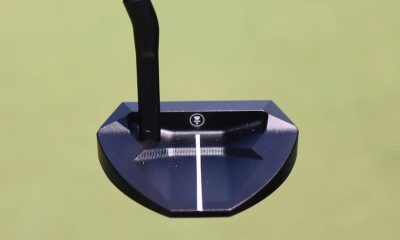
Inspiration for the R11’s white color came from an unlikely source, a putter. Bill Price, senior director of Rossa, TaylorMade’s putter division, was working on a line of putters that would help golfers aim better. With the help of an eye doctor, Price figured out that putters with a matte white finish not only reduced glare, but because of the contrast between white paint and black alignment lines, they helped golfers aim better.
“There was real benefit on a putter for white, what an eye looks at and what the eye focuses on,” Toulon said.
The idea made even more sense for a driver. In putting, poor alignment might move a putt two to three inches off line. Because of the increased speed with a driver, poor alignment can send a ball 20 to 30 yards off line or more.
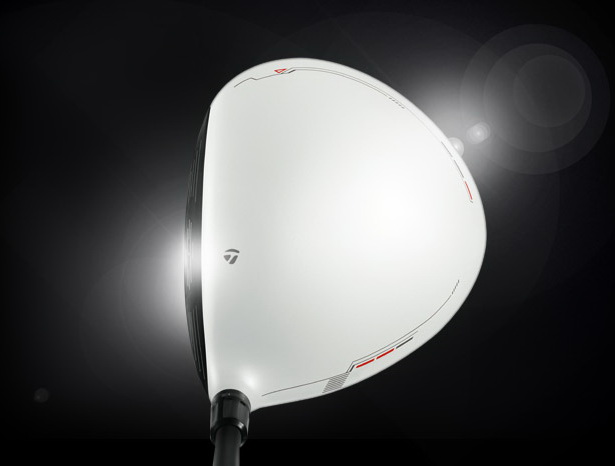
There’s quite a bit of science behind the white paint that goes on TaylorMade drivers, but with white Toulon also saw an opportunity for the company to differentiate itself from its competitors. TaylorMade wasn’t the first company to unveil a white driver (Ian Poulter used a white Cobra Limited Edition ZL driver in November 2010, two months before the release of TaylorMade’s white drivers), but it was the first company to build an entire marketing campaign around a white driver.
TaylorMade’s sales rely heavily in the pyramid of influence, the idea that golfers will follow the lead of the best players in the world when purchasing equipment. The company’s staff players told Toulon how much they loved the white drivers, so he knew white drivers would be in nearly all their bags when they were released. He also knew that for players like Justin Rose, the R11 offered adjustability that had never been possible before.
Rose told TaylorMade club fitters that he wanted a driver that had an opened face angle, but offered a left directional bias. Just a few years ago, the request would have boggled a club fitter. But with the R11, Rose’s request became a possibility. The R11 features an adjustable sole plate that allows golfers to change the face angle by two degrees. By rotating the sole plate to the open position, club fitters were able to give Rose the look he wanted. They could then adjust the face angle and head weighting until they got the left bias Rose wanted.
What to expect in 2012
White is here to stay for TaylorMade, and the company’s 2012 product line will prove that. TaylorMade will release new drivers, fairway woods and rescues in February that will only be available in white. Look for the new line to be used by PGA Tour players before that time. Toulon called the performance of the new line dramatically better, saying it “absolutely obliterates” the 2011 line.
At a TaylorMade photo shoot at Reynolds Plantation in Greensboro, Ga., Toulon said that Dustin Johnson hit the company’s new three wood 317 yards off the ground. Sean O’Hair was averaging 300 yards with the club, and Natalie Gulbis picked up 20-22 yards. According to Toulon, the average distance added by TaylorMade staff players was more than 25 yards.
TaylorMade’s Ghost putters will also see an update, with more belly putters, more long putters and more mallet designs. Toulon said the company has fixed a problem that caused last year’s line of Ghost putters to appear slightly larger than the company intended. The white paint used for the Ghost line is relatively thick, which caused some of the shapes and lines of the putters to be hidden.According to Toulon, the 2012 models will look much more crisp and precise. TaylorMade will also cease production of its EST 1979 putter series, meaning that TaylorMade’s 2012 lineup will include only white putters.






This week, we have our Tour Photographer, Greg Moore, on the ground at the OccuNet Classic at Tascosa Golf Club in Amarillo, Texas, for the 14th event of the 2026 Korn Ferry Tour season. With that, we see some great things in the Lead Tape Report as we roll into Amarillo.
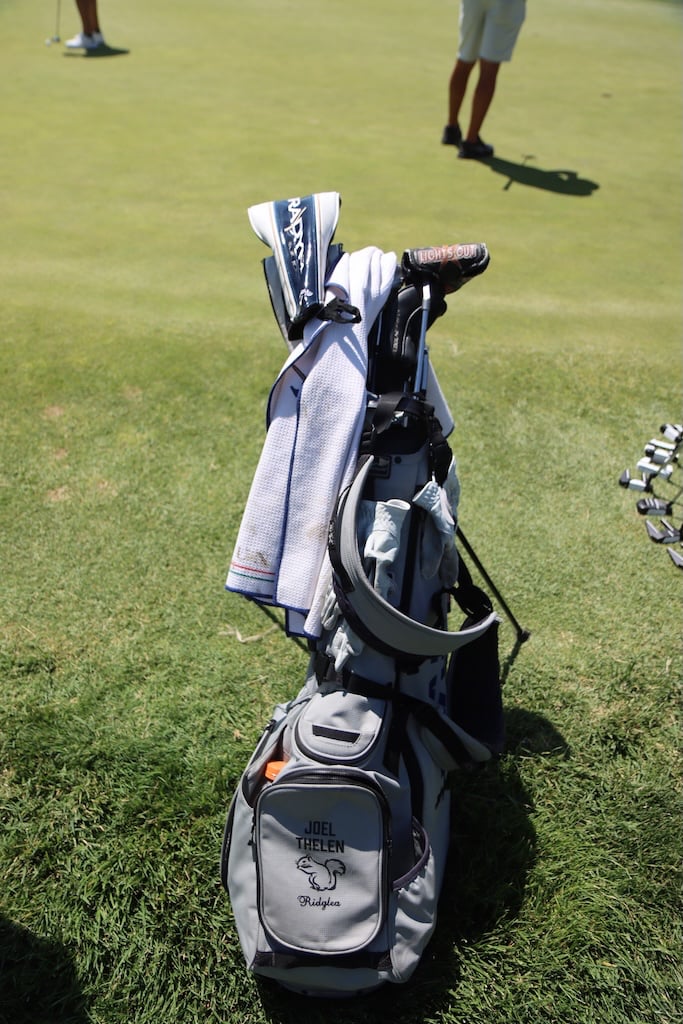
Joel Thelen
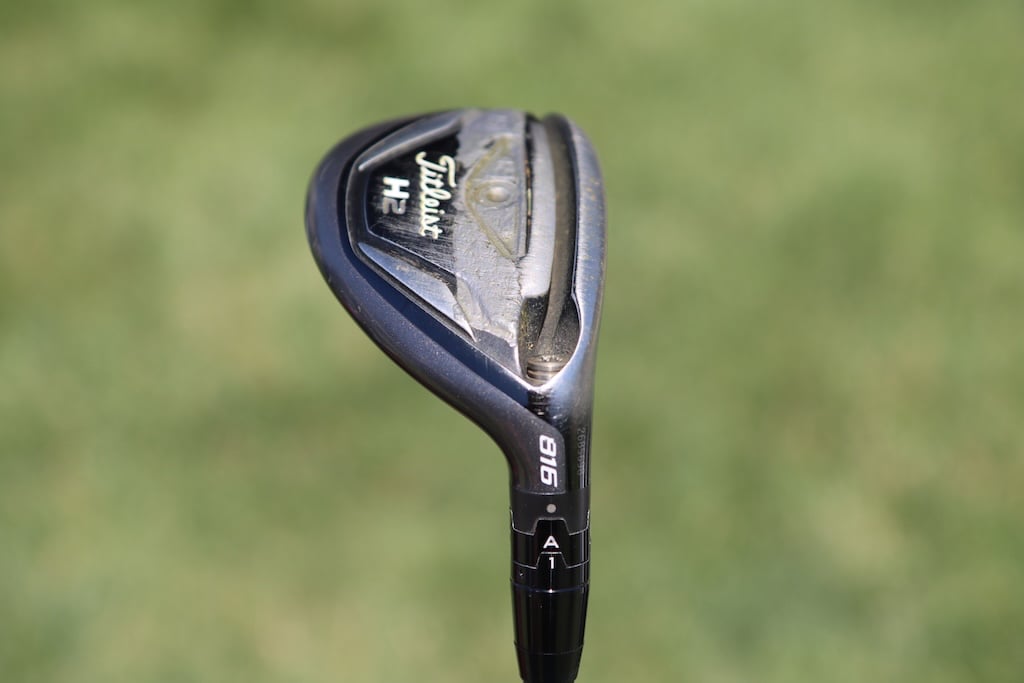
Monday Qualifier, Joel Thelen is in the field this week. He has played on the Korn Ferry Tour for a full season in 2023, and he is back in action this week. A couple of clubs caught my eye this week in his bag.
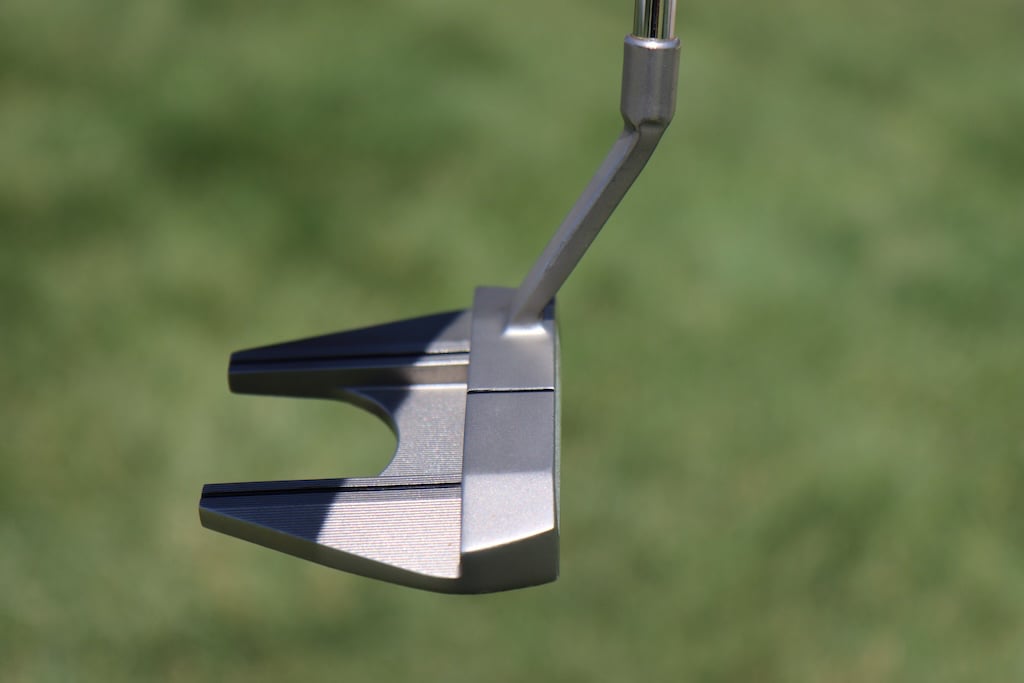
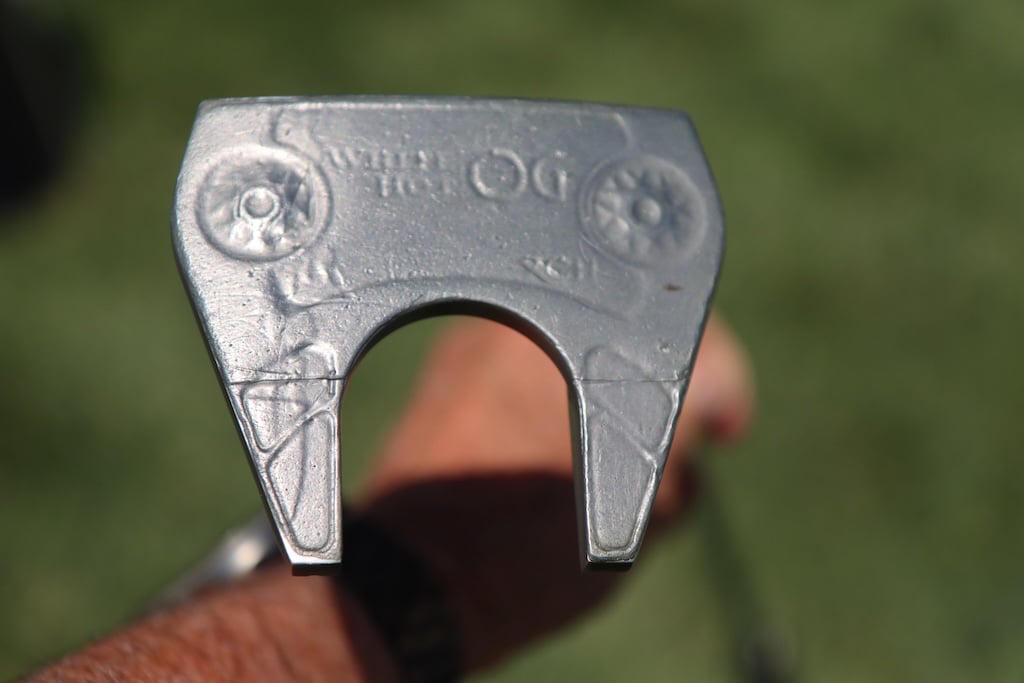
First off: His trusted Titleist 816 H2 hybrid. This club came out in October of 2015, and it still remains strong in the bag. Also, take a look at this Odyssey White Hot OG 7, putting a capital S in the 7S model. This custom neck has some impressive lean for an arm-lock-style putter. The bottom of the putter is covered in tape for optimal weighting.
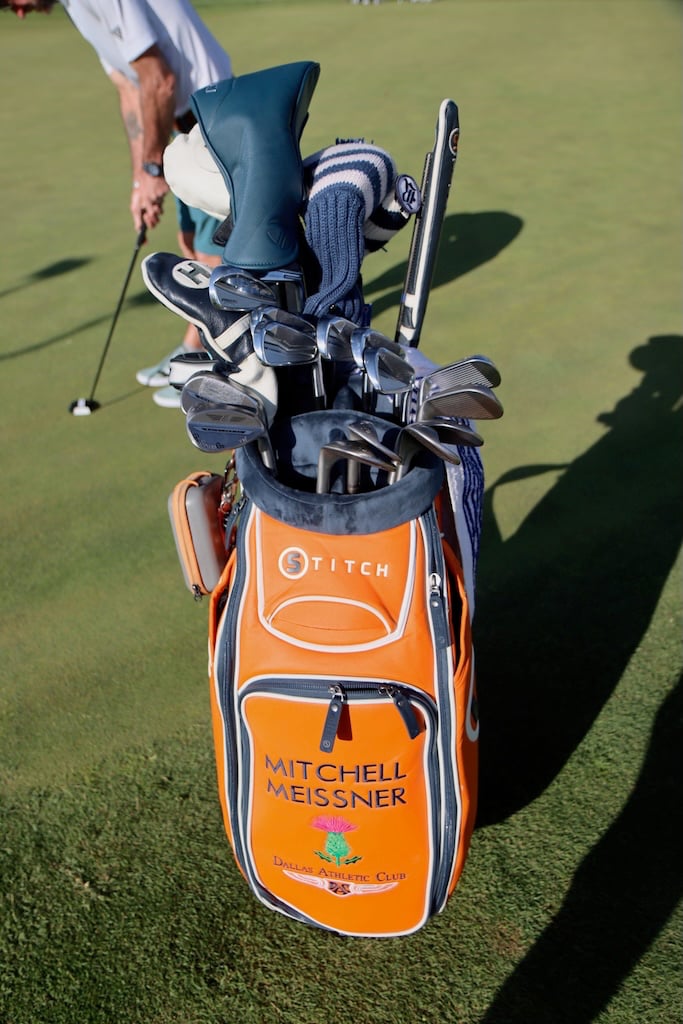
Mitchell Meissner
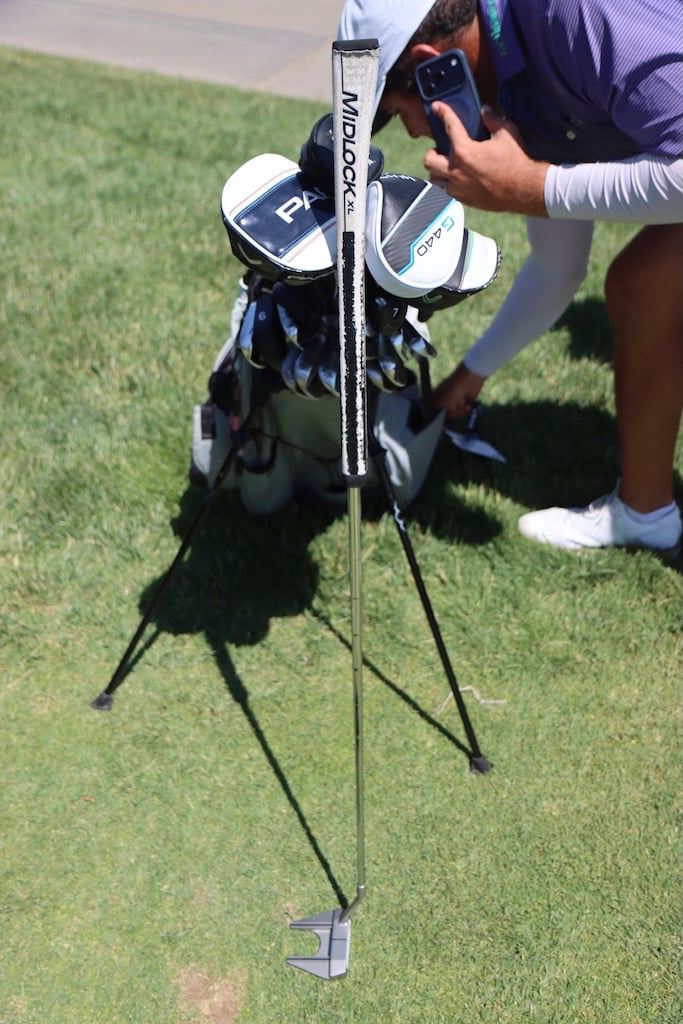
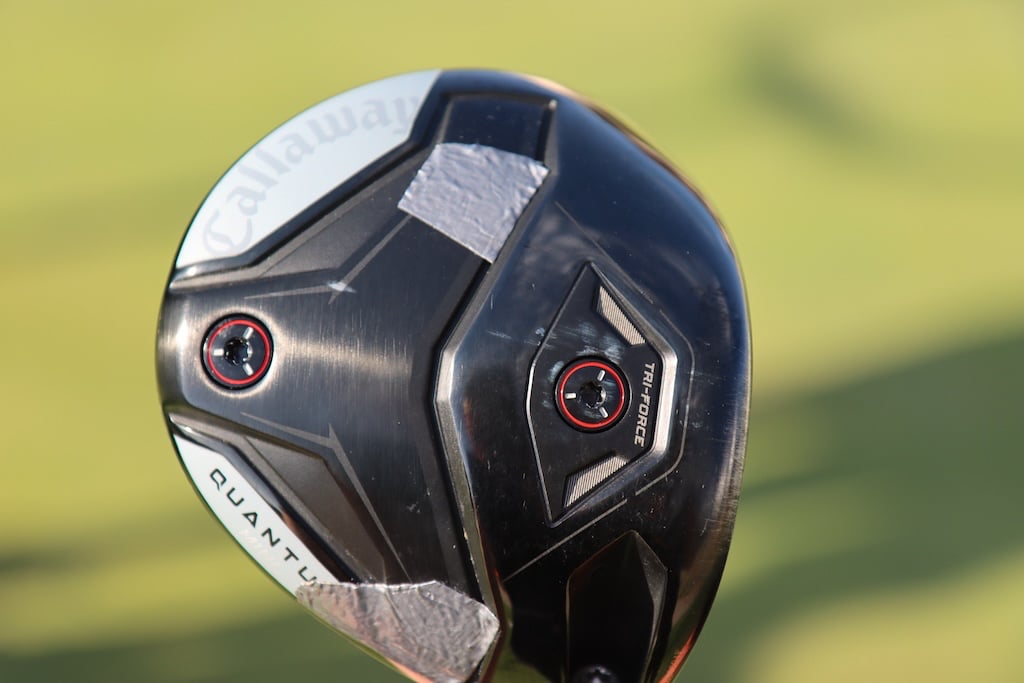
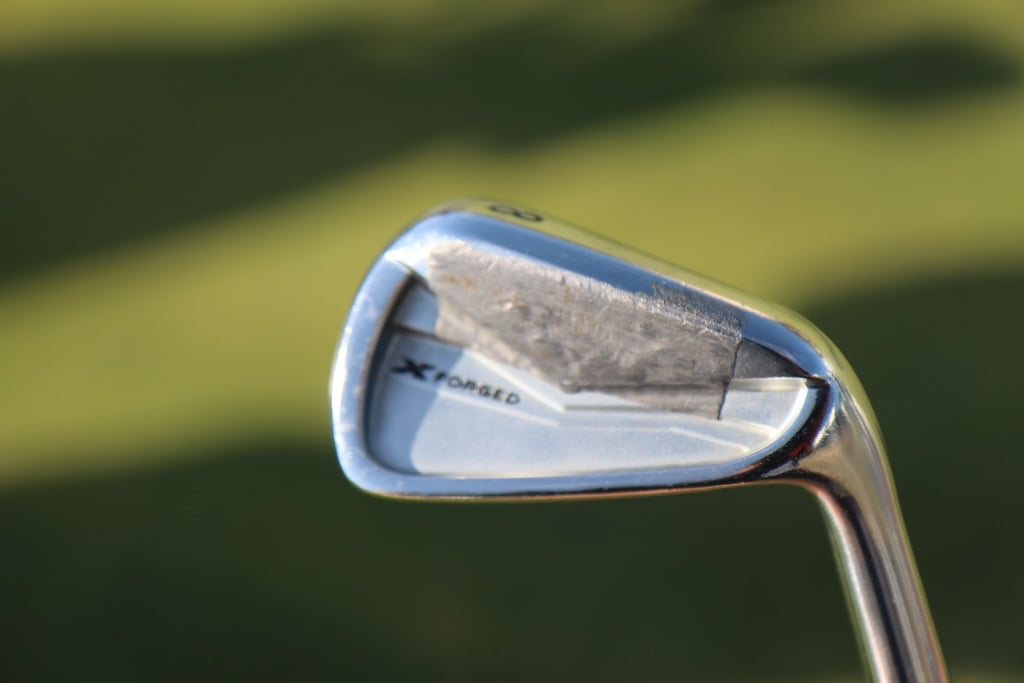
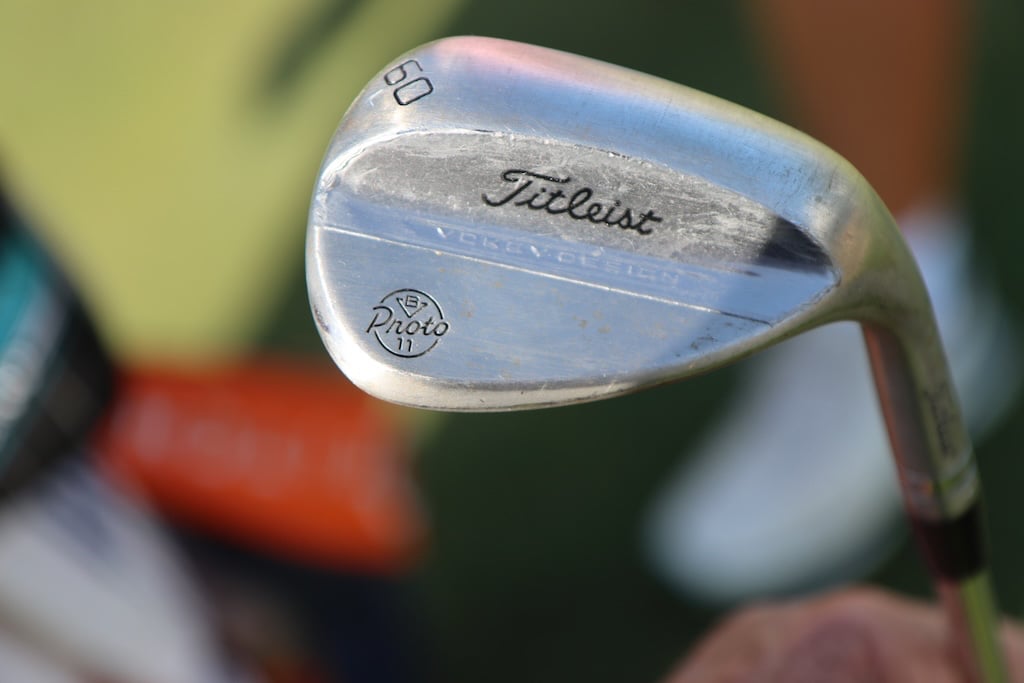
Taking a look at Mitchell Meissner’s bag this week, we have some great lead tape coverage. Top to bottom working from fairway metals, irons, and wedges. We can see on the short irons and wedges that there is tape at the base of the grip, adding a little counterbalance. Along with that, some tape on the short irons and wedges as well. Moving to his putter, he rolls the Odyssey 7 Bird putter. Meissner putts left-handed and strikes the ball right-handed.


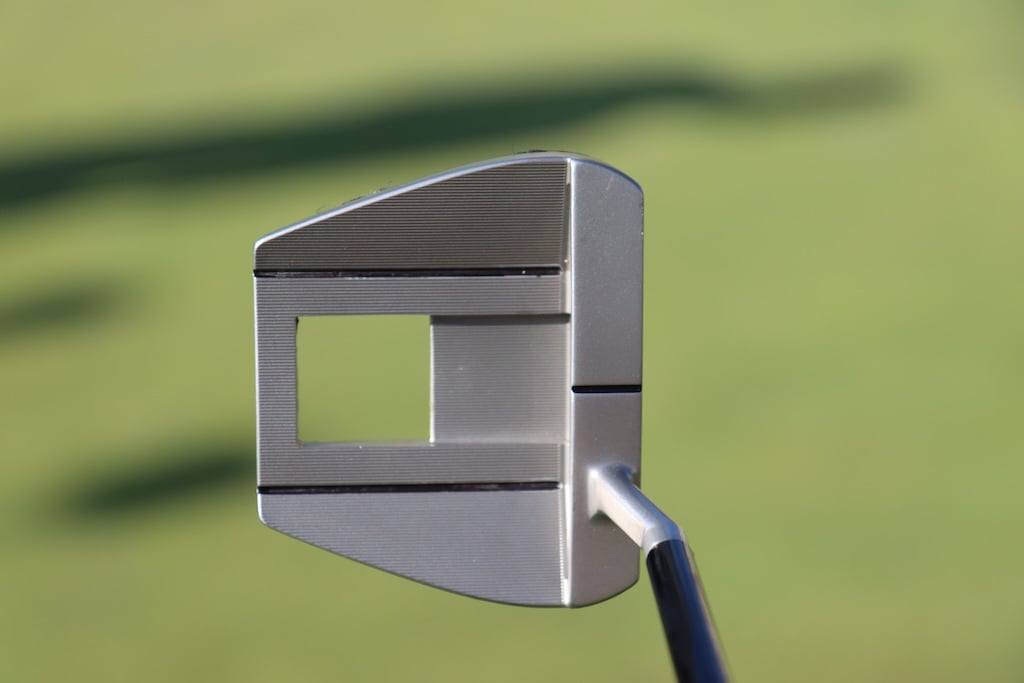


Bud Cauley had >14 clubs in his bag when photographed prior to the Memorial Tournament.
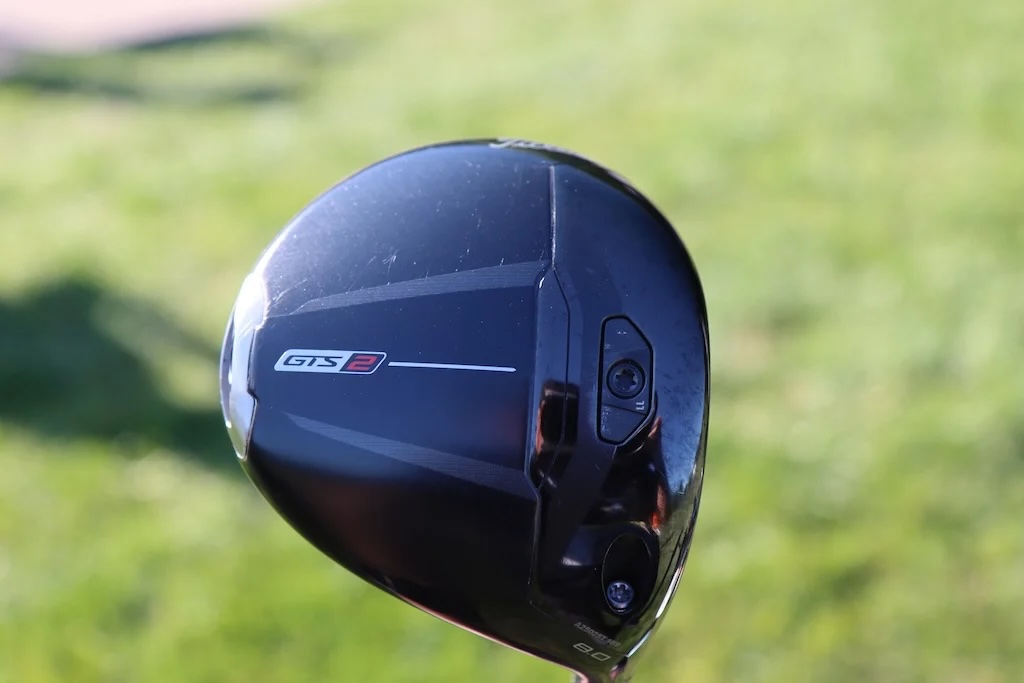
Driver: Titleist GTS2 (8 degrees)
Shaft: Fujikura Ventus Black 6 X
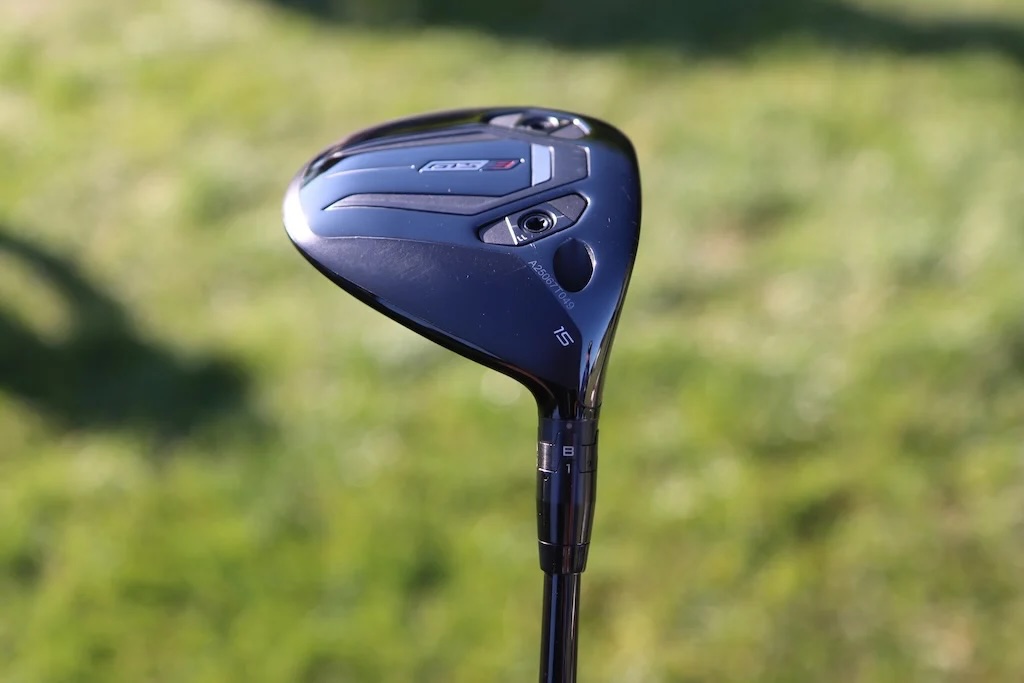
3-wood: Titleist GTS3 (15 degrees, B1 SureFit setting)
Shaft: Mitsubishi Chemical Tensei 1K Pro Red 70 TX
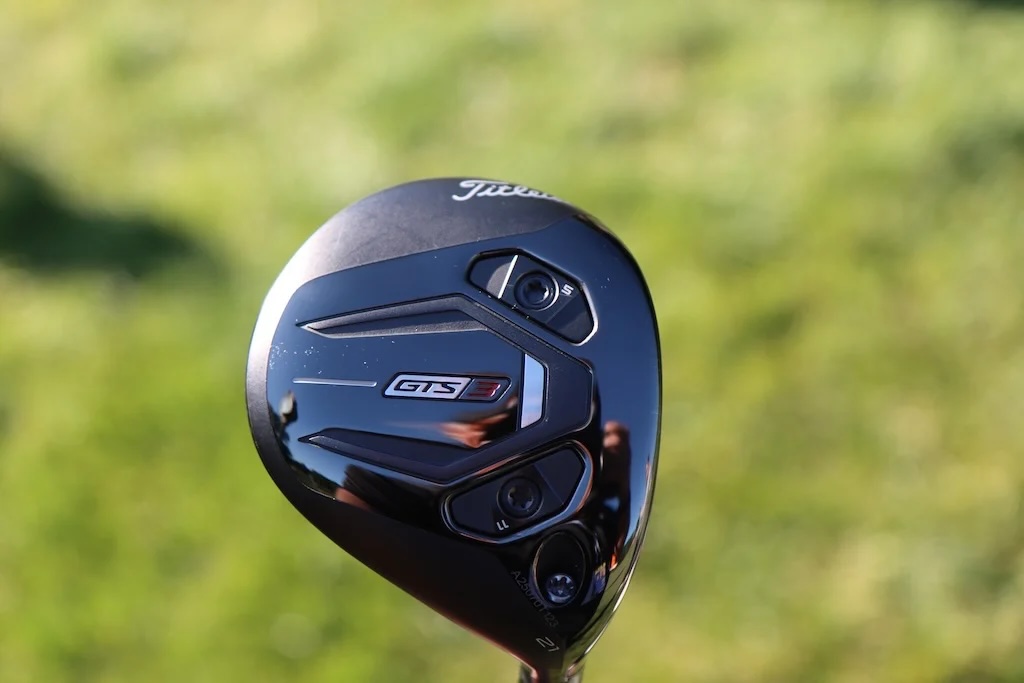
7-wood: Titleist GTS3 (21 degrees, D1 SureFit setting)
Shaft: Mitsubishi Chemical Tensei 1K Pro Red 80 TX
Irons: Titleist U505 (3), Titleist 620 MB (4-9)
Shafts: Fujikura Ventus Black HB 8 X, True Temper Dynamic Gold Tour Issue
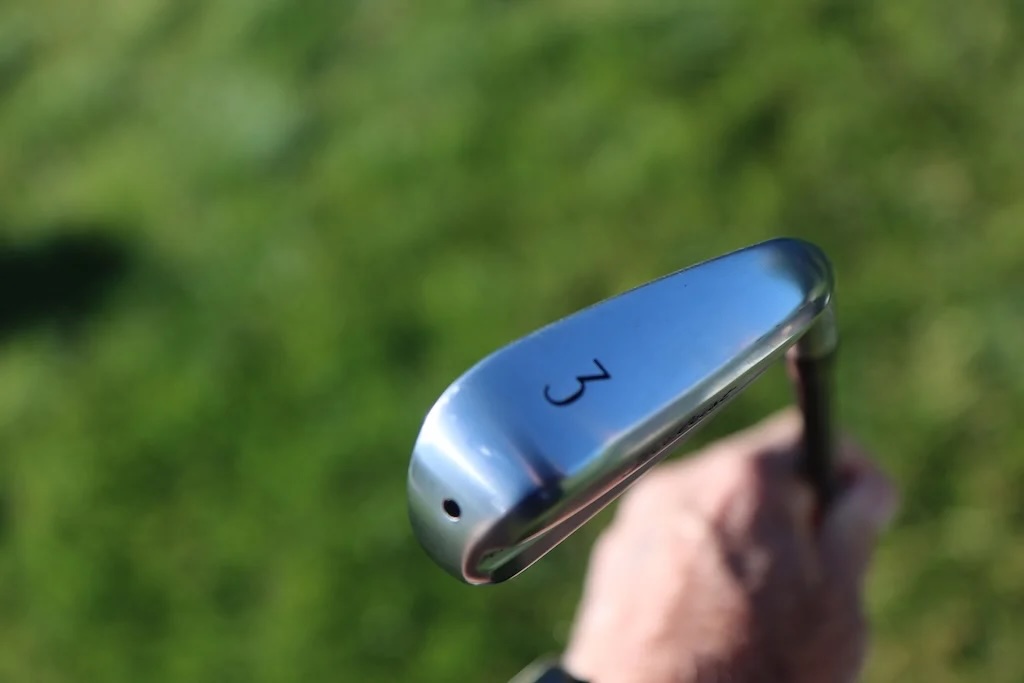
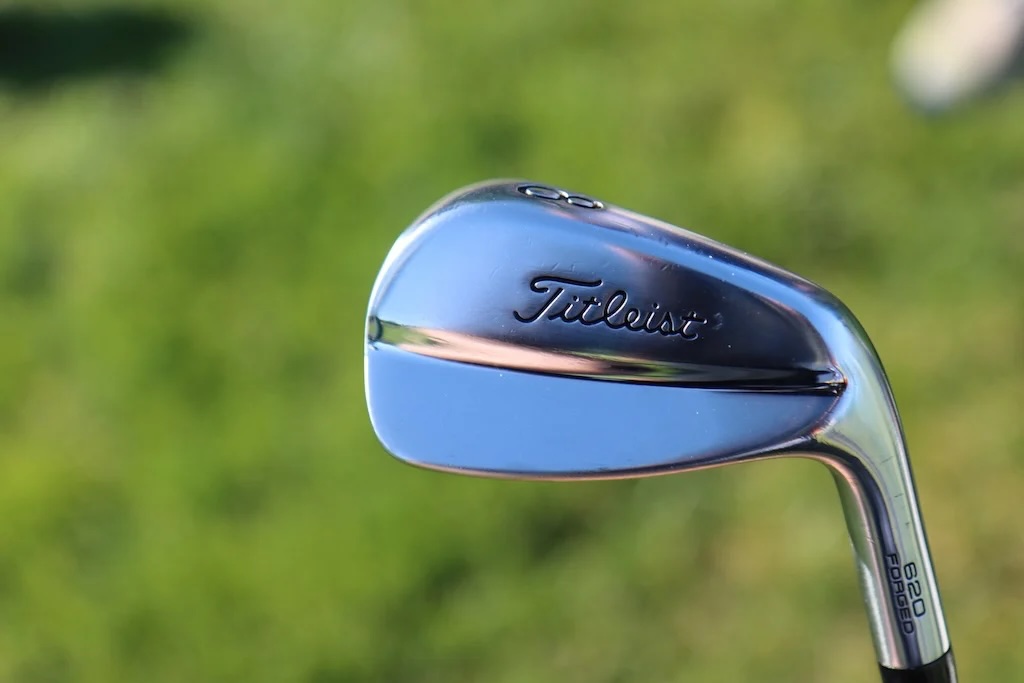
Wedges: Titleist Vokey Design SM11 (48-10F, 52-12F, 56-14F), WedgeWorks (60-K*)
Shafts: True Temper Dynamic Gold Tour Issue S400
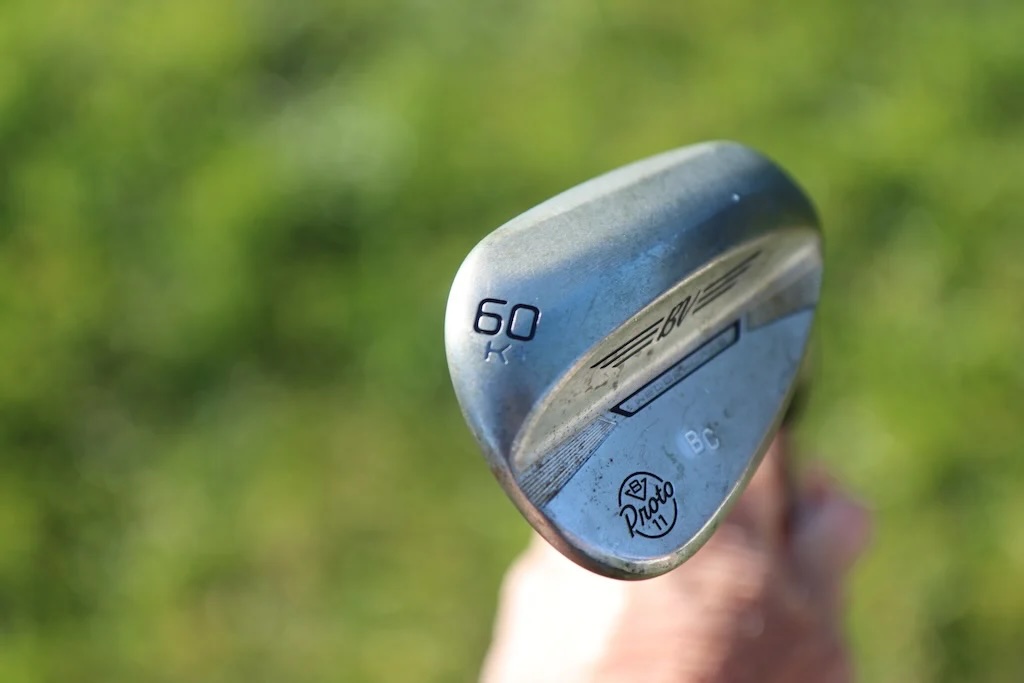
Putters: Scotty Cameron Tour Prototype, Scotty Cameron GOLO 6.3 Prototype
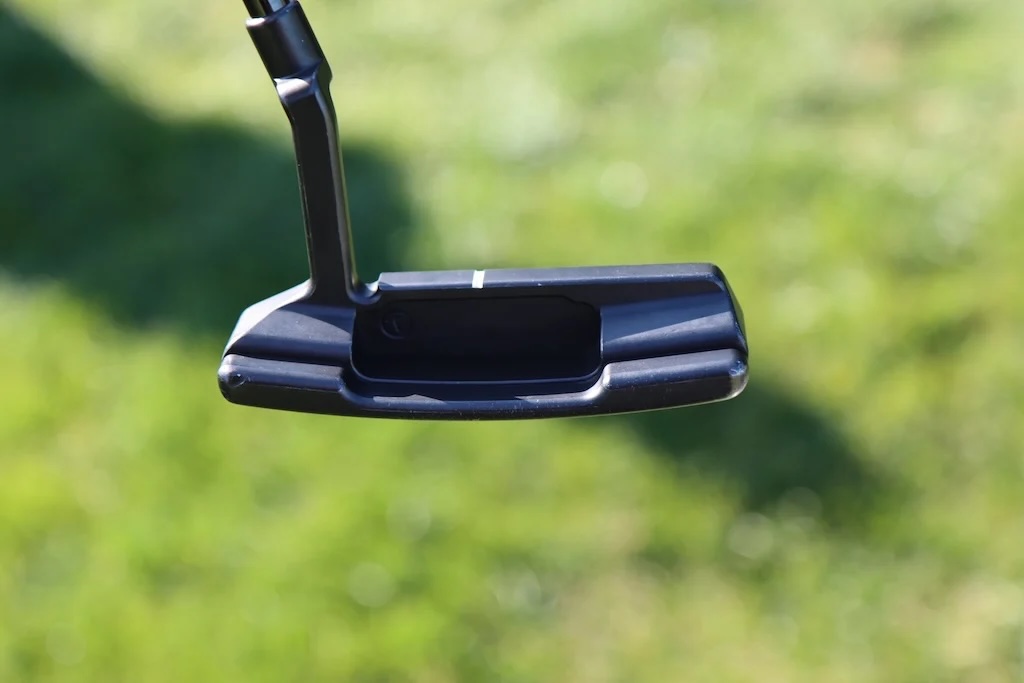
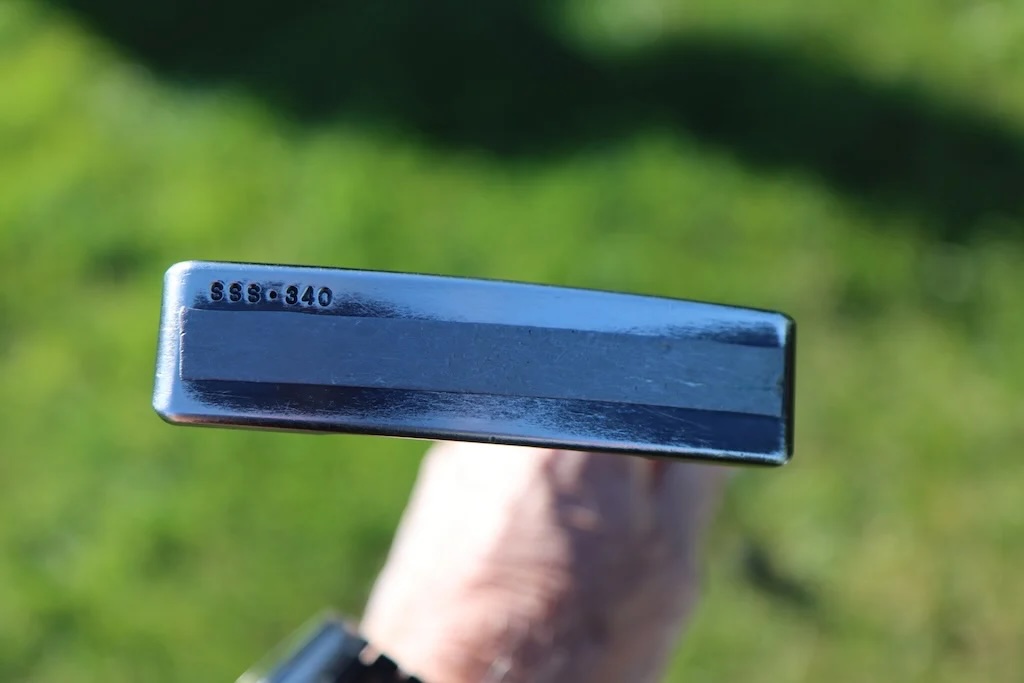
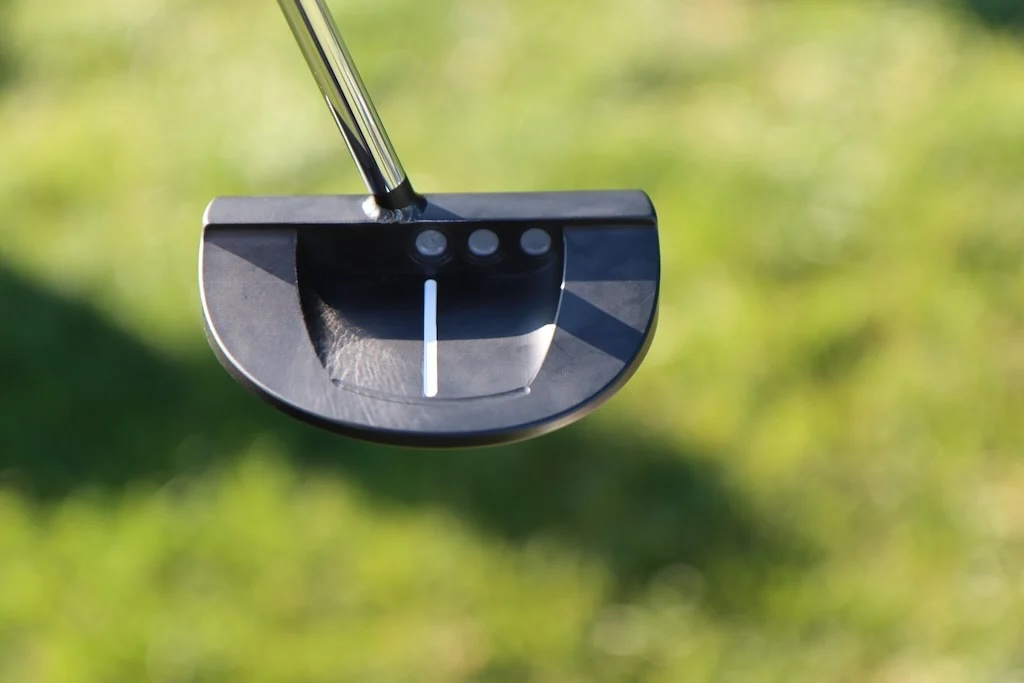
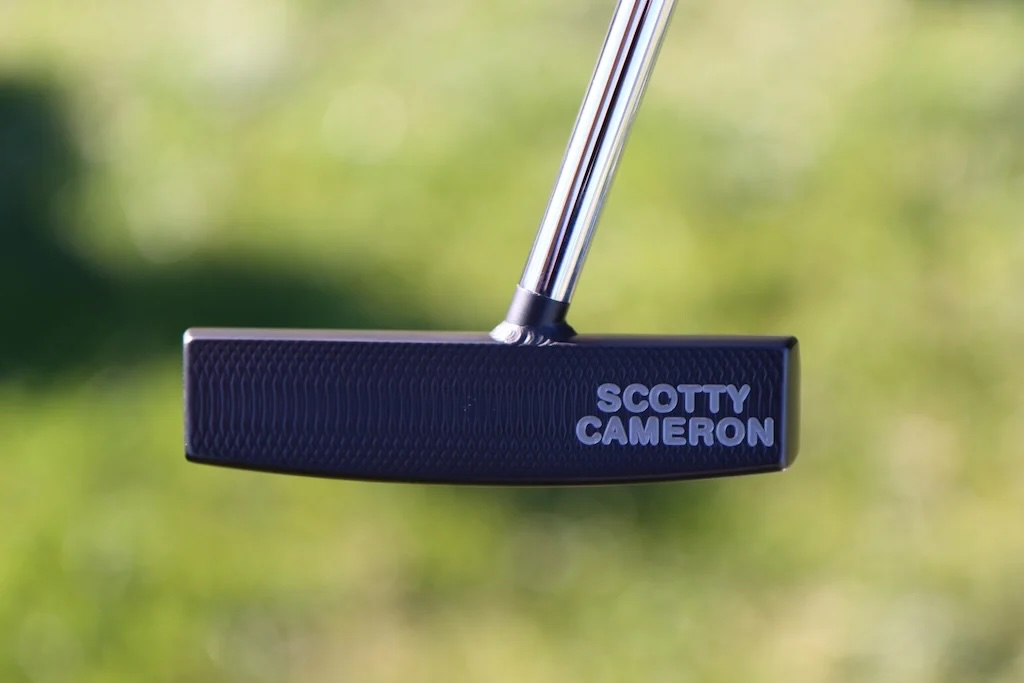
Grips: Golf Pride Tour Velvet Align
Ball: Titleist Pro V1
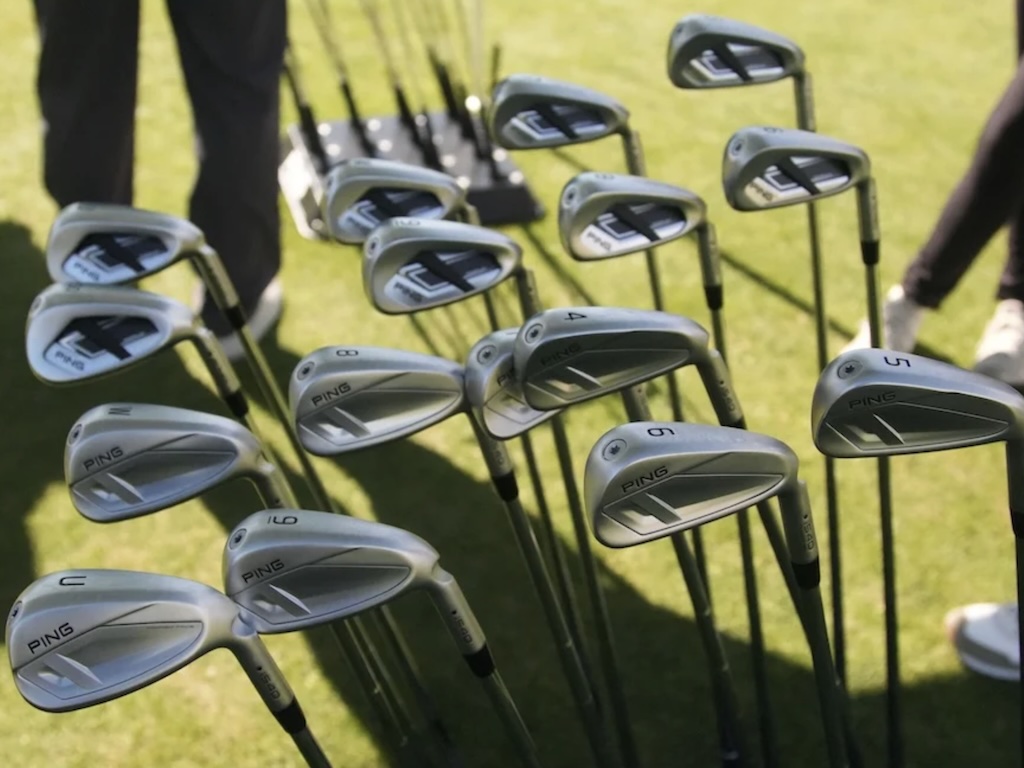
In our forums, one user has offered up a prompt for the true sickos, inviting fellow forum members to share every set of irons they’ve ever owned. As to be expected, this is a lengthy forum topic.
@Lamosteve began:
Can you name every set of irons you’ve owned? Here’s mine
Spalding Dots
Spalding Eclipse
Ram Lazer FX
Lynx Parallax
Mizuno EZ Comp
Ben Hogans
Cleveland CG Red
Taylor Made R9s
PING i20
PING iE1
Taylor Made M6
Our members in the forum have been offering up their own collections. Here are a few posts from the thread, but make sure to check out the entire discussion and have your say at the link below.
- macedan: “Started with a hand-me-down Golden Bear set from my brother when I was in high school, never really played more than once a year or got into the game until about summer of 2017. First purchased a set of Cleveland CG4’s (I actually really miss this set sometimes, soft & not terribly large for a GI iron), moved into Nike Vapor Fly’s by the end of the year. Those lasted until spring of 18 when I decided I wanted new, so I traded them in for TM Rbladez. Honestly, although I liked the Rbladez, poor decision on my part, I think this was really about the only time so far that after a week or two I was kicking myself for not staying with what I had. Rbladez stayed with me until late last summer when I switched to P790’s and (knock on wood) I am hoping this will be my longest lasting set.”
- JimmyC59: “MacGregor Jack Nicklaus Triple Crown. Palmer The Standard. Still play these.”
- jgrzask: “Tommy Armour 845u
Mizuno MP-32
Mizuno MP-33 (2 sets)
Bridgestone J33cb – still own
Srixon i-302 (2 sets) – still own
Tourstage X-Blades – still own
Mizuno Hot Metal – still own
Nike Forged Blades – still own
Titleist 714 AP1 – still own
Cobra Forged SS – still own”

Justin Rose WITB 2026 (April): Full WITB breakdown with new McLaren irons

What’s the story behind Webb Simpson’s custom-stamped irons?

Memorial Tournament Tour Report: Rory McIlroy, Cameron Young switch up drivers, and more

Cadillac Championship Tour Report: Spieth’s sizable changes, McLaren Golf launches, and more

Russell Henley’s winning WITB: 2026 Charles Schwab Challenge

Kristoffer Reitan’s winning WITB: 2026 Truist Championship

J.T. Poston’s winning WITB: 2026 Memorial Tournament

Best irons 2026: Best irons overall, most forgiving irons, and more

Aaron Rai’s winning WITB: 2026 PGA Championship

Cameron Young’s winning WITB: 2026 Cadillac Championship


Bud Cauley WITB 2026 (June)
Bud Cauley had >14 clubs in his bag when photographed prior to the Memorial Tournament. Driver: Titleist GTS2 (8 degrees) Shaft: Fujikura...


Hannah Green WITB 2026 (June)
Driver: Titleist GTS3 (10 degrees, D4 SureFit setting) Shaft: Mitsubishi Chemical Diamana RB 53 S 3-wood: Titleist GT3 (15 degrees,...


Asterisk Talley WITB 2026 (June)
Driver: TaylorMade Qi4D (9 degrees) Shaft: Fujikura Ventus Blue 6 S 3-wood: TaylorMade Qi4D (16.5 degrees) Shaft: Fujikura Ventus Blue...

Brianna Do WITB 2026 (June)
Driver: Callaway Quantum Triple Diamond (9 degrees) Shaft: KBS PGW 3-wood: Callaway Elyte Titanium (15 degrees) Shaft: KBS PGW 5-wood:...
-
 Equipment6 days ago
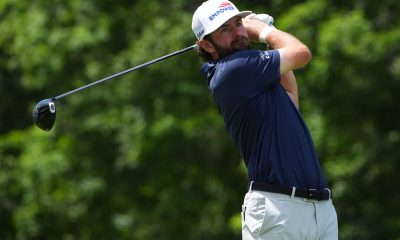
Memorial Tournament Tour Report: Rory McIlroy, Cameron Young switch up drivers, and more
-
 News1 week ago
Russell Henley’s winning WITB: 2026 Charles Schwab Challenge
-
 Whats in the Bag3 days ago
J.T. Poston’s winning WITB: 2026 Memorial Tournament
-
 Equipment3 days ago
Best irons 2026: Best irons overall, most forgiving irons, and more
-
 Equipment1 week ago
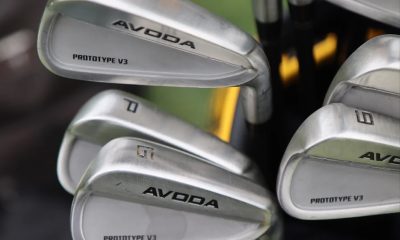
Details on Jason Day’s latest prototype Avoda iron setup
-
 Equipment3 weeks ago
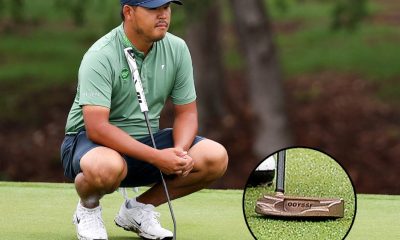
CJ Cup Byron Nelson Tour Report: Koepka and Kim’s newest putters finally get hot
-

 News2 weeks ago
Charles Schwab Challenge Tour Report: MacIntyre, Åberg and Spaun all switch putters, TaylorMade launches new Spider
-
 Equipment2 weeks ago
Details on J.J. Spaun’s surprise putter switch

