
Opinion & Analysis
The Scientific Classification of Hackers


By Brian Chipper
GolfWRX Contributor
Before we start off here, this is not a trip down memory lane where in 10th grade biology your flirtatious note to Suzy was intercepted by the substitute teacher.
Focus.
The Scientific Classification system was a ground breaking universal academic way to properly designate every living thing on planet Earth: Kingdom, Phylum, Class, Order, Family, Genus, & Species. Remember?
Recently a groundbreaking discovery in genetics has identified a genetic sequence on Chromosome 12 that directly links to the type of golfer you will turn out to be. This genetic sequence is so blatant that academia is now considering adding a sub-species of humans to differentiate their golfing inabilities.
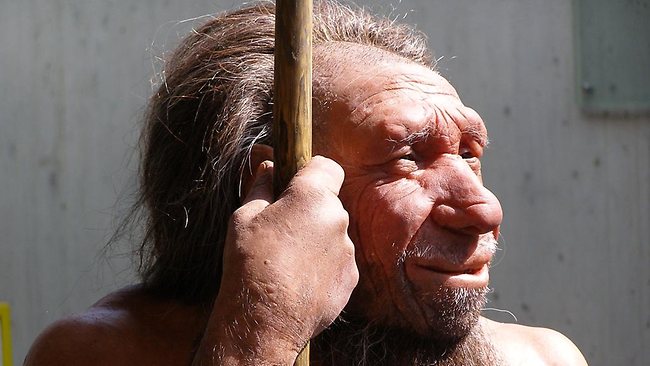
We will be examining the sub-species of Homo Sapiens Golferii. Specifically the variations deemed “Hackus.” Some biologists from very well regarded universities across the world have claimed some of the Hackus characteristics are actually that of more Neanderthal on the golf course, but as it stands, the research and literature will keep Hackus in the Homo Sapiens classification.
In a lab somewhere outside of Milwaukee, 200 males had their DNA examined and placed into like categories which were then able to be named after the testing was completed.

ANDREW REDINGTON/GETTY IMAGES
Hackusbrontus:
13 participants carried this exact genetic sequence. Characteristics that were present in all of their golf games:
- Long, straight drivers of the golf ball. 300+ average.
- Complete inability of having “touch” around the green. No control of half swings.
- Average putters, more luck than talent.
- Most drank an average of five beers per round and showed no affect of alcohol in their system.
Hackusmaximus:
39 participants carried this exact genetic sequence. Characteristics that were present in all of their golf games:
- All had over the top, quick elbow drop, high hook shots as their normal shot
- All overcorrected this after about five swings and became push slicers of the ball.
- Surprisingly mediocre on the green. Could sink a miracle 45-footer that broke two ways, but were unable to drain anything from 3 to 8 feet.
- Most driven player of the people examined. A diagnosis of psychosis would not surprise the researchers.
Hackusminimus:
64 participants carried this exact genetic sequence. Characteristics that were present in all of their golf games:
- Had nice fluid swings.
- Average two greens in regulation per round. Which isn’t terrible, except;
- Anxiety filled chippers and putters. A train wreck waiting to happen. One participant putted the ball into a pond that had three yards of flat fairway between the green and itself.
- Everyone of these players had a “double hit” chip/pitch during their round.
Hackusquitus:
11 participants carried this exact genetic sequence. Characteristics that were present in all of their golf games:
- Swearing, lots of swearing.
- Post round interviews showed serious damage to one’s psyche. Possible father issues?
- After examination of their car trunks post round, they owned an average of 2.8 broken clubs, most likely hiding them from their significant others.
Hackuspotentialus:
73 participants carried this exact genetic sequence. Characteristics that were present in all of their golf games:
- Extremely inconsistent ball flights off the tee.
- If they had a 2nd shot to the green, they could hit the green 39 percent of the time.
- All were above average short game players and showed confidence on the greens.
- In post round interview, all but one player had replaced at least 4 golf clubs or shafts in the past six months.
- These players looked to be the most stressed about their score and in it was their self fulfilling prophecy to double bogey the hole “they needed to par”
Scientists were amazed by the exactness of the sequence and clear categorization of style of hacker each player turned out to be. The detailed reports are due out in Scientific Golf Quarterly: January 2013 edition.
To get your DNA tested to see which player you officially are, send a blank check and a hair sample of no less than 15 or more than 20 strands to your local Club Pro.




This past Monday, I played in the U.S. Amateur local qualifier at Rock Creek Country Club in Portland, Oregon. A full tee sheet from 7:30 a.m. to 1:55 p.m., the top 11 scores would make it to the U.S. Amateur final qualifying.
I teed off at 10:48 a.m.. With the 7:30 am tee time, you can get a feel for the leaders’ pace, and they were off and running on the challenging setup at Rock Creek.
View this post on Instagram
Getting to the highlight of the round on the par five 17th, a drive up the left side and 212 yards left to the front hole location. I took out a 5-iron with plans of middle of the green. The ball ended up 8 feet left of the hole, pin high. A slight downhill putt dropped in for an eagle 3 on the 17th. With the cut line looking to be anywhere from -2 to even par. This was the boost I had been waiting for all day.
With making par from the trees on 18, it was time to wait for a potential playoff with a posted score of one under par 71.
Three hours later, it was playoff time. 8 players for 6 spots. I made par on the playoff hole, which was good enough to advance to the U.S. Amateur final qualifying in July. USGA qualifiers sure deliver on all of the emotions in golf!
Club Junkie
Building my 2026 gamer WITB: Ranking the contenders and new putter projects – Club Junkie Podcast

The annual What’s In The Bag build is underway, and on this episode of Club Junkie, Brian breaks down the clubs currently leading the race for a spot in his 2026 gamer setup. From drivers and fairway woods to irons, wedges, and shafts, he ranks the equipment that’s performing best and explains what’s separating the front runners from the rest of the field.
Brian also heads into the workshop to discuss several putter projects currently on the bench. From head options and shaft choices to build ideas and testing plans, he shares what he’s working on and which putters could become serious contenders for the bag this season.
If you’re a gear junkie who loves equipment testing, club building, and the never-ending pursuit of the perfect setup, this episode is for you.
Follow Club Junkie:
Instagram: @clubjunkiepod
TikTok: @clubjunkiepod
Threads: @clubjunkiepod
X: @ClubJunkiePod
Club Junkie
Tour Edge Exotics mini driver review + TaylorMade Spider ZT Max first look – Club Junkie

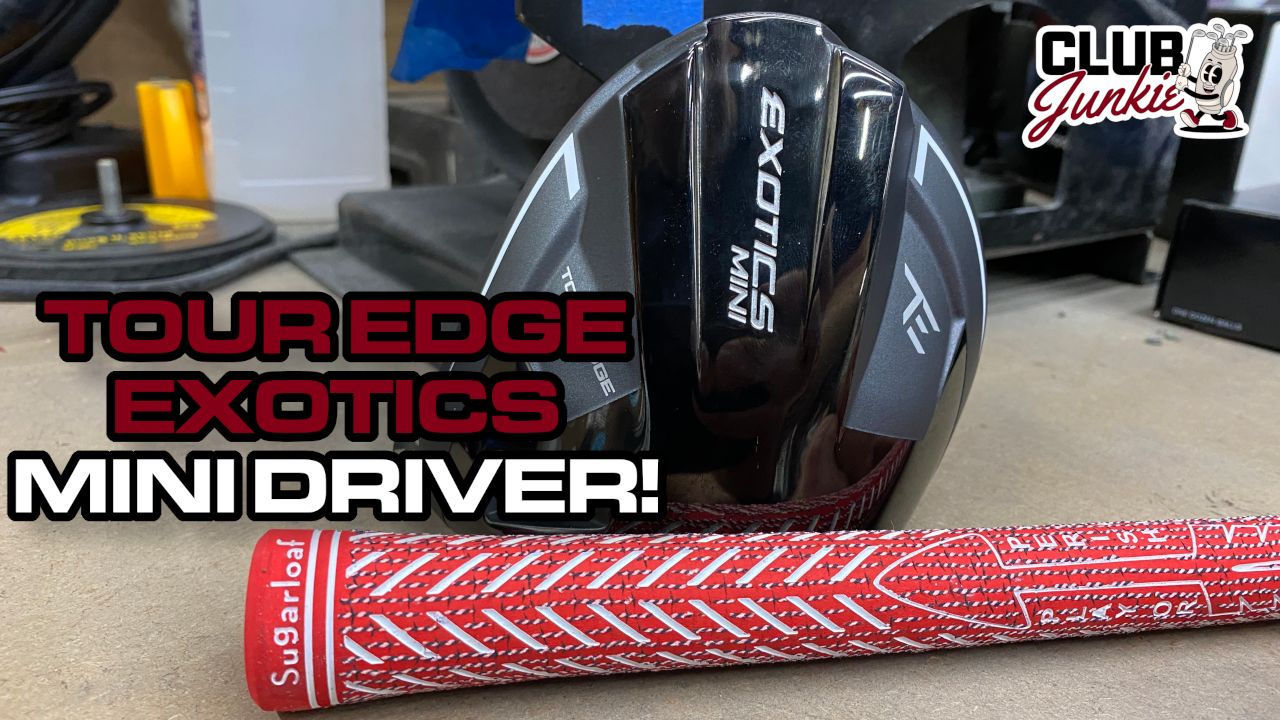
On this episode of Club Junkie, I put the new Tour Edge Exotics Mini Driver to the test and break down the performance, forgiveness, distance, and where it fits compared to a traditional driver or strong fairway wood. If you have been curious about adding a mini driver to the bag, this one is worth a look.
I also dive into the new TaylorMade Spider ZT Max putter that was recently spotted and discuss the growing zero torque putter trend. Plus, there is a closer look at the new Project X Titan Yellow shaft showing up on the PGA Tour and what makes it different from other profiles currently out there.

Justin Rose WITB 2026 (April): Full WITB breakdown with new McLaren irons

What’s the story behind Webb Simpson’s custom-stamped irons?

Memorial Tournament Tour Report: Rory McIlroy, Cameron Young switch up drivers, and more

Cadillac Championship Tour Report: Spieth’s sizable changes, McLaren Golf launches, and more

Russell Henley’s winning WITB: 2026 Charles Schwab Challenge

Kristoffer Reitan’s winning WITB: 2026 Truist Championship

Aaron Rai’s winning WITB: 2026 PGA Championship

J.T. Poston’s winning WITB: 2026 Memorial Tournament

Cameron Young’s winning WITB: 2026 Cadillac Championship

Best irons 2026: Best irons overall, most forgiving irons, and more


Bud Cauley WITB 2026 (June)
Bud Cauley had >14 clubs in his bag when photographed prior to the Memorial Tournament. Driver: Titleist GTS2 (8 degrees) Shaft: Fujikura...


Hannah Green WITB 2026 (June)
Driver: Titleist GTS3 (10 degrees, D4 SureFit setting) Shaft: Mitsubishi Chemical Diamana RB 53 S 3-wood: Titleist GT3 (15 degrees,...


Asterisk Talley WITB 2026 (June)
Driver: TaylorMade Qi4D (9 degrees) Shaft: Fujikura Ventus Blue 6 S 3-wood: TaylorMade Qi4D (16.5 degrees) Shaft: Fujikura Ventus Blue...

Brianna Do WITB 2026 (June)
Driver: Callaway Quantum Triple Diamond (9 degrees) Shaft: KBS PGW 3-wood: Callaway Elyte Titanium (15 degrees) Shaft: KBS PGW 5-wood:...
-
 Equipment6 days ago
Memorial Tournament Tour Report: Rory McIlroy, Cameron Young switch up drivers, and more
-
 News1 week ago
Russell Henley’s winning WITB: 2026 Charles Schwab Challenge
-
 Whats in the Bag3 days ago
J.T. Poston’s winning WITB: 2026 Memorial Tournament
-
 Equipment3 days ago
Best irons 2026: Best irons overall, most forgiving irons, and more
-

 Equipment1 week ago
Details on Jason Day’s latest prototype Avoda iron setup
-
 Equipment3 weeks ago
CJ Cup Byron Nelson Tour Report: Koepka and Kim’s newest putters finally get hot
-

 News2 weeks ago
Charles Schwab Challenge Tour Report: MacIntyre, Åberg and Spaun all switch putters, TaylorMade launches new Spider
-
 Equipment2 weeks ago
Details on J.J. Spaun’s surprise putter switch

