
Equipment
How the idea of shaft frequency began

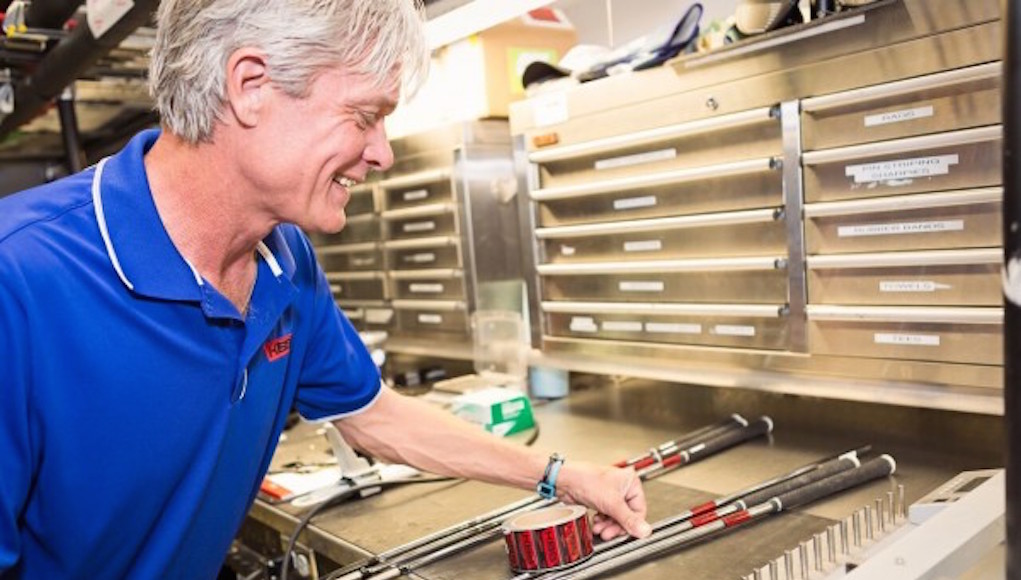
Forty years ago, Kim Braly and his father Dr. Braly went down to West Palm Beach to visit Wilson Golf, and that trip forever changed the way the golf industry thinks about the shafts in golf clubs.
“My father and I invented frequency matching,” Kim told me.
“And what’s that?” I asked.
“It’s the process of matching the stiffness of the shafts in your clubs to the heads so you can hit a golf ball rather than snap the shaft or hit the ball all over the place,” Kim said.
OK, that got my attention. So I ask how he stumbled upon the idea.
“My dad was an engineer and got into golf,” Kim said. “Eventually, I got interested in golf as well. In the early 1980s, we went to see the original ‘Iron Byron.’”
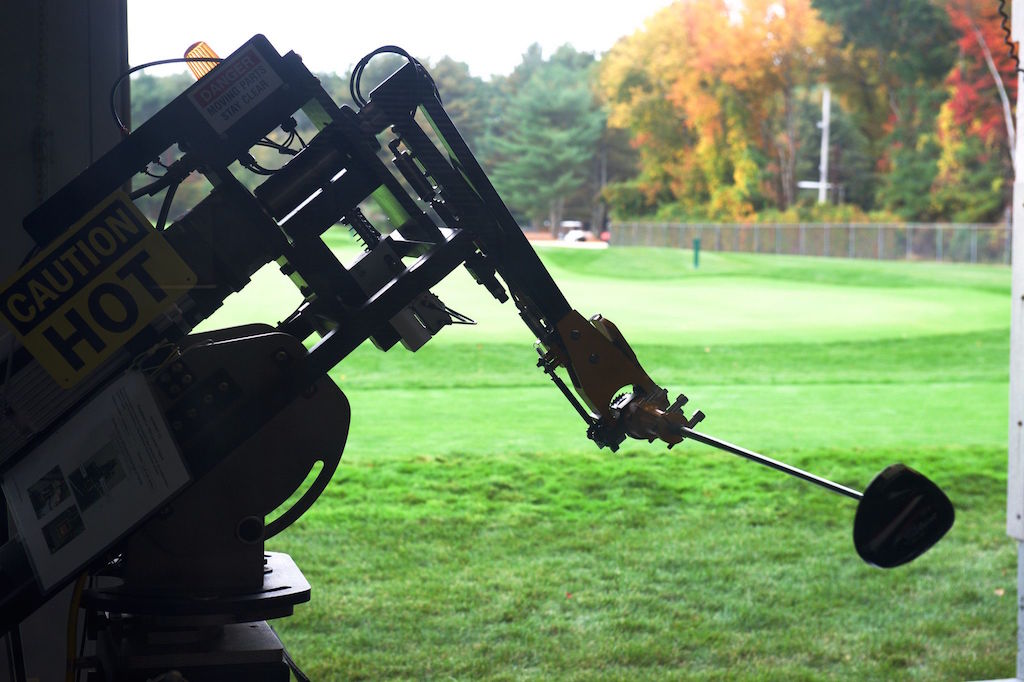
A modern-day golf robot at Titleist’s Manchester Lane Test Facility.
Iron Byron was the first club-testing machine, and it was modeled after smooth-swinging legend Byron Nelson. It’s basically an early robot — a motor in a box with an arm — built to use a regular golf club to hit a golf ball.
Kim and Dr. Braly watched the engineer operating Iron Byron put a club into the mechanical arm, place a ball in front of the club face and then press a button to swing the club. The result: perfection. It produced a high, piercing ball flight that was hit on a rope, not far removed from the storied ball flight of Nelson himself. This was followed by another and another. Kim and his father were ecstatic.
With great anticipation, they watched the engineer load the next club. The results were much different. Balls flew all over the place. The dispersion was awful. The Wilson engineer operating Iron Byron slowed down the machine. Balls flew shorter distances, but they landed closer together. The dispersion had been reduced. This was the inception of their game-changing idea; dispersion was a result of certain shaft characteristics matched with a club head and swing speeds. This “AH HA” moment changed how we fit and purchase golf clubs today.
Based on this observation, Kim and Dr. Braly designed a method to measure the performance of a golf shaft. Later, this led to the concept of frequency: very simply, stiffness is not the letter on the shaft, but a measurement based on characteristics like weight of shaft, weight of the head, length of the shaft and several other characteristics. The year was 1977 and they submitted a patent on this idea called “Frequency Matching.”
Armed with the power of measurement, Kim was ready to change golf shafts forever. He and his father started traveling the PGA Tour, and in doing so became the first “PGA Tour Van.” Over the last 40 years, Kim has worked as a researcher and designer, mastering the golf shaft. He’s worked at True Temper, Royal Precision and is currently as the head designer of research and development at KBS Golf Shafts.
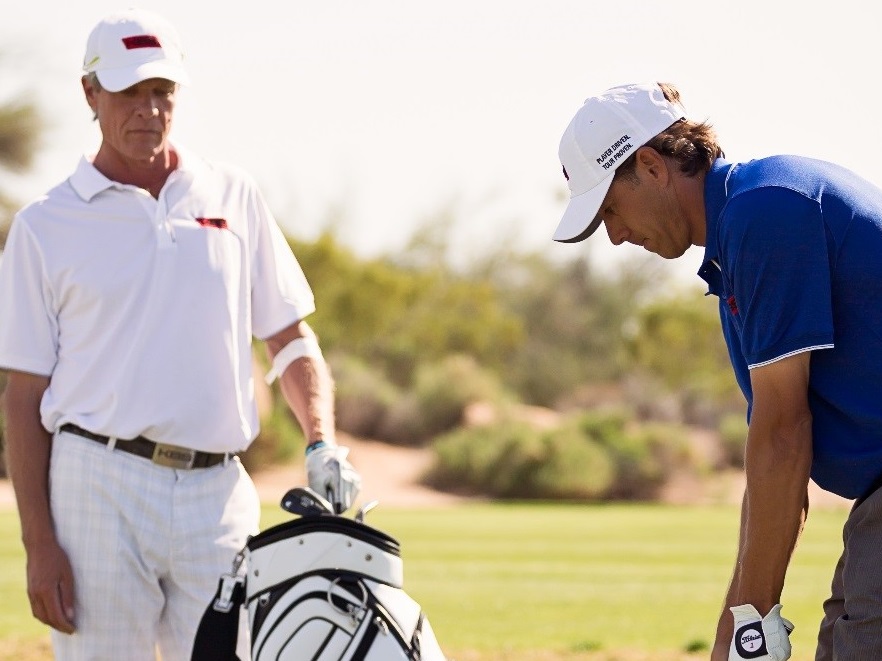
Kim working with a player on his golf equipment.
In 2008, Kim launched a shaft company called KBS, which became the fastest growing shaft company in golf. Since that time, the company has gotten some of the best golfers in the world to use its shafts products, including Rickie Fowler, Justin Rose and Phil Mickelson.
The next time you’re struggling with shots that fly sideways, think about Kim and Dr. Braly. You might want to try try being fit for shafts if you haven’t already, because they may just be the most important part of your golf club.






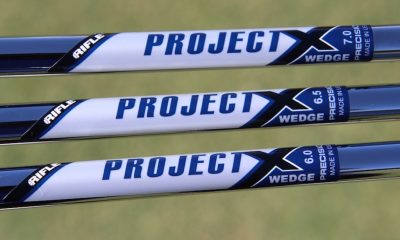

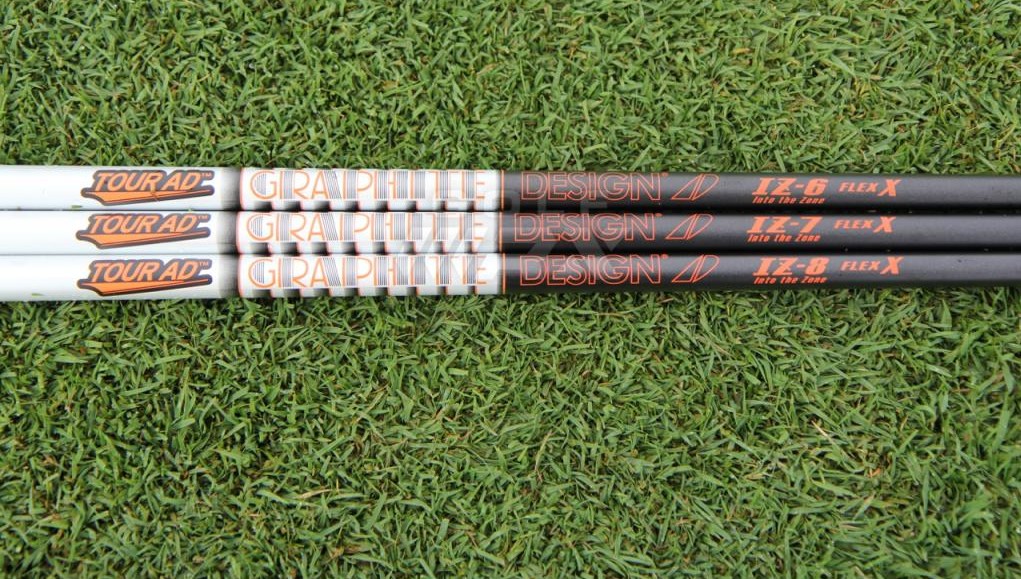
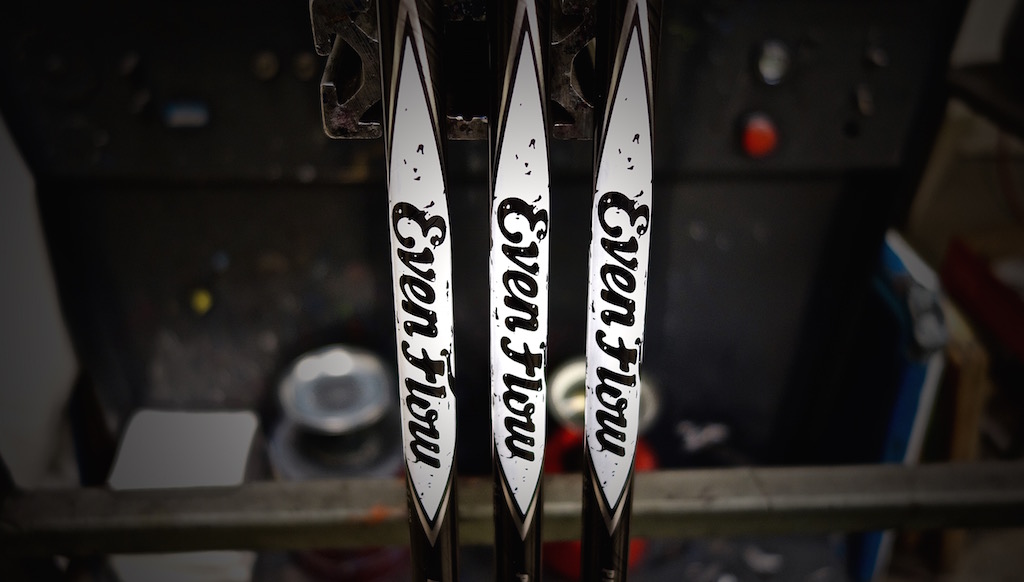


This week, we have our Tour Photographer, Greg Moore, on the ground at the OccuNet Classic at Tascosa Golf Club in Amarillo, Texas, for the 14th event of the 2026 Korn Ferry Tour season. With that, we see some great things in the Lead Tape Report as we roll into Amarillo.
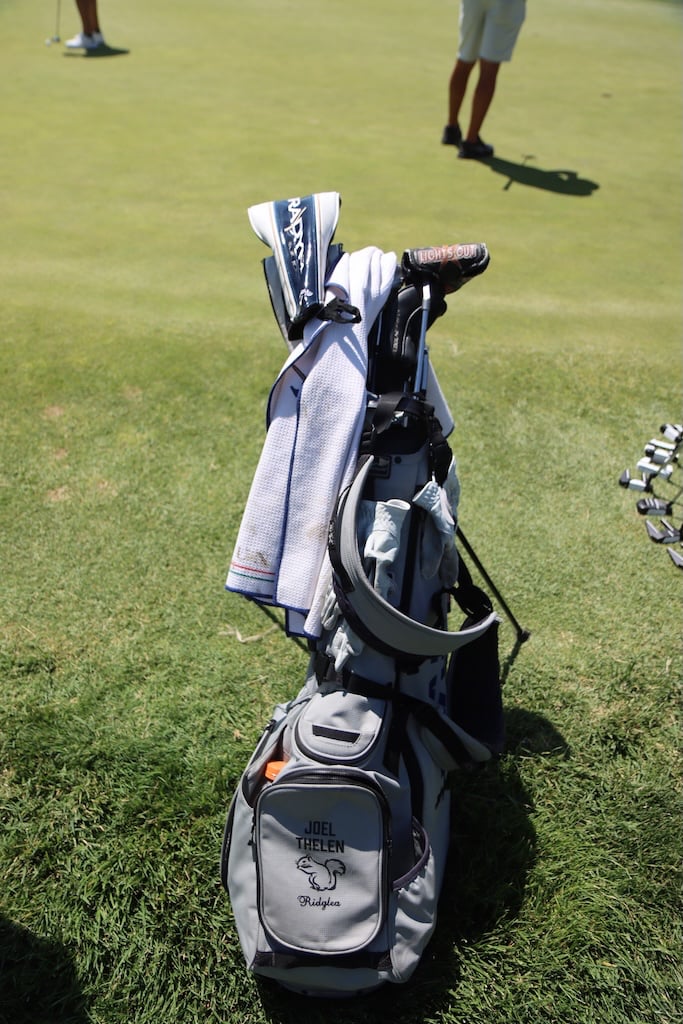
Joel Thelen
Monday Qualifier, Joel Thelen is in the field this week. He has played on the Korn Ferry Tour for a full season in 2023, and he is back in action this week. A couple of clubs caught my eye this week in his bag.
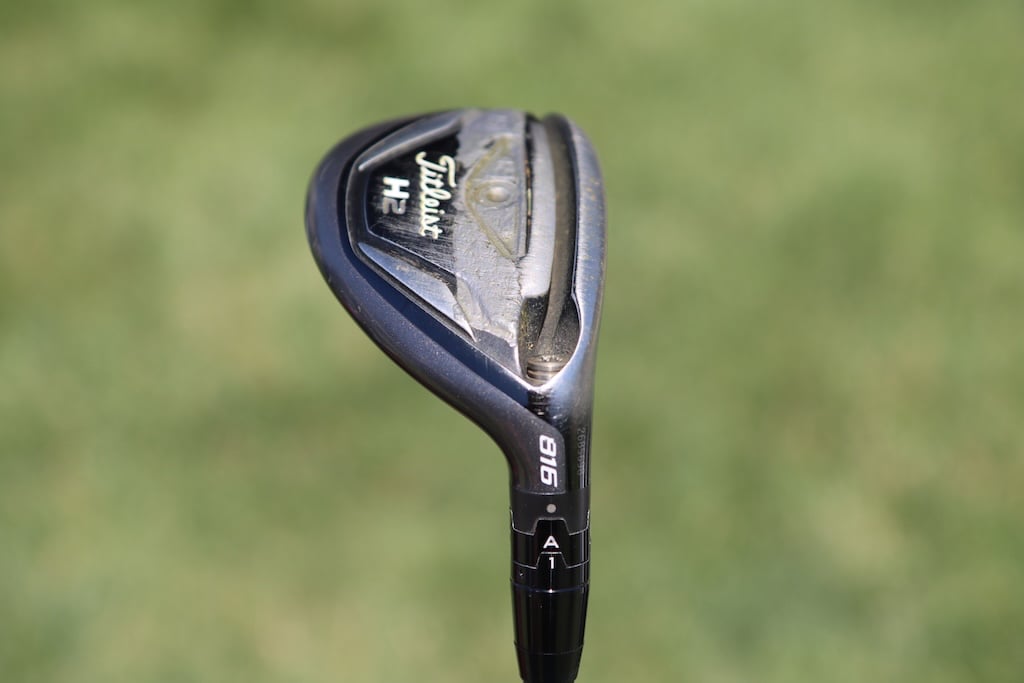
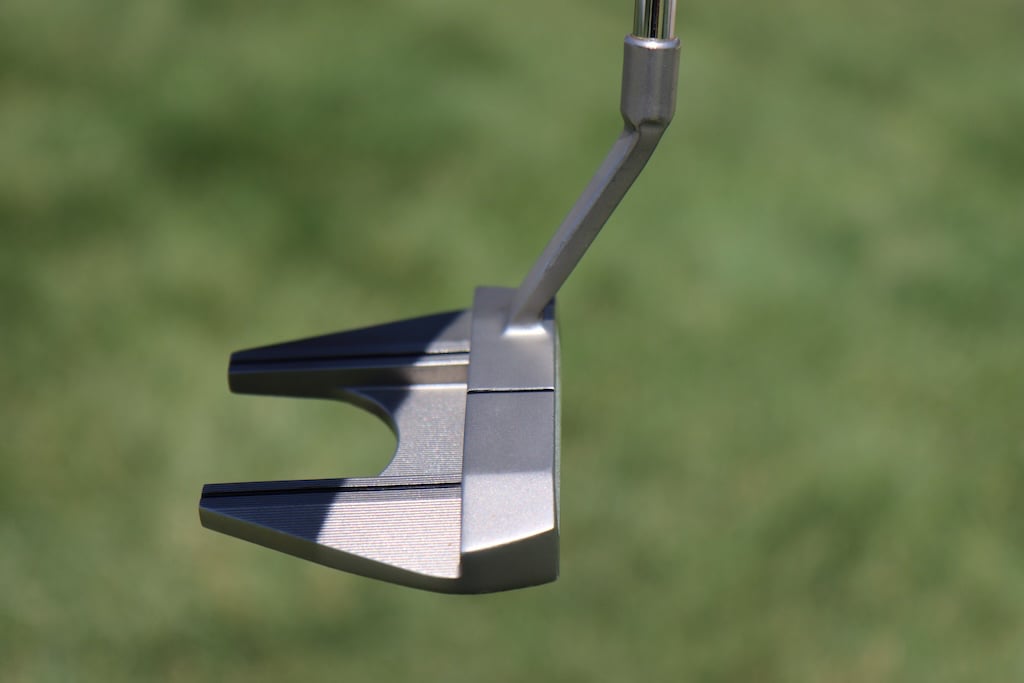
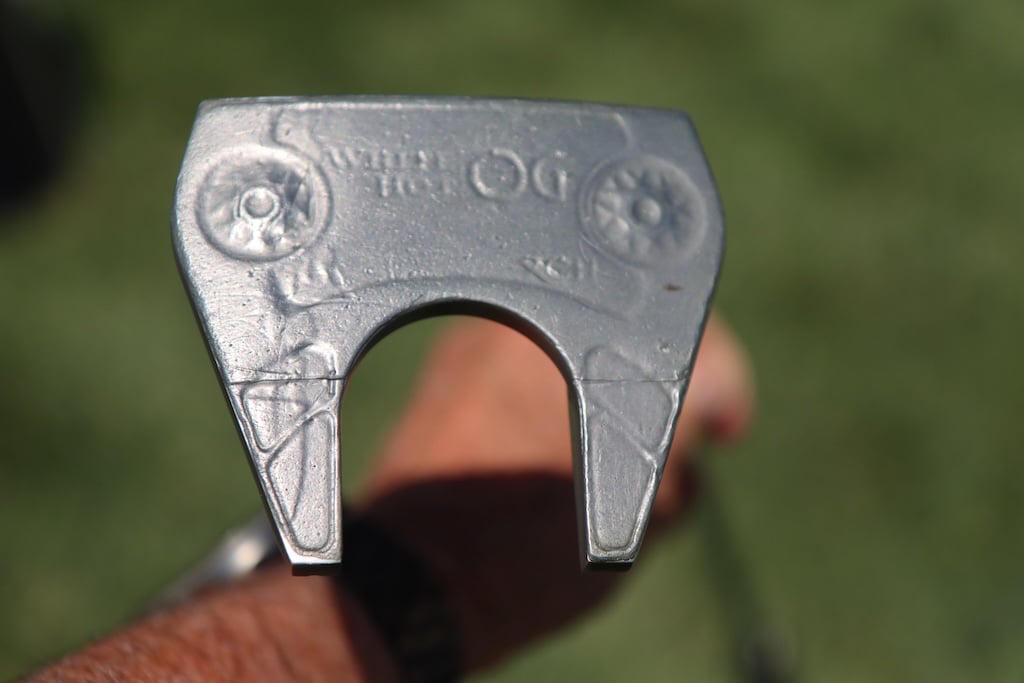
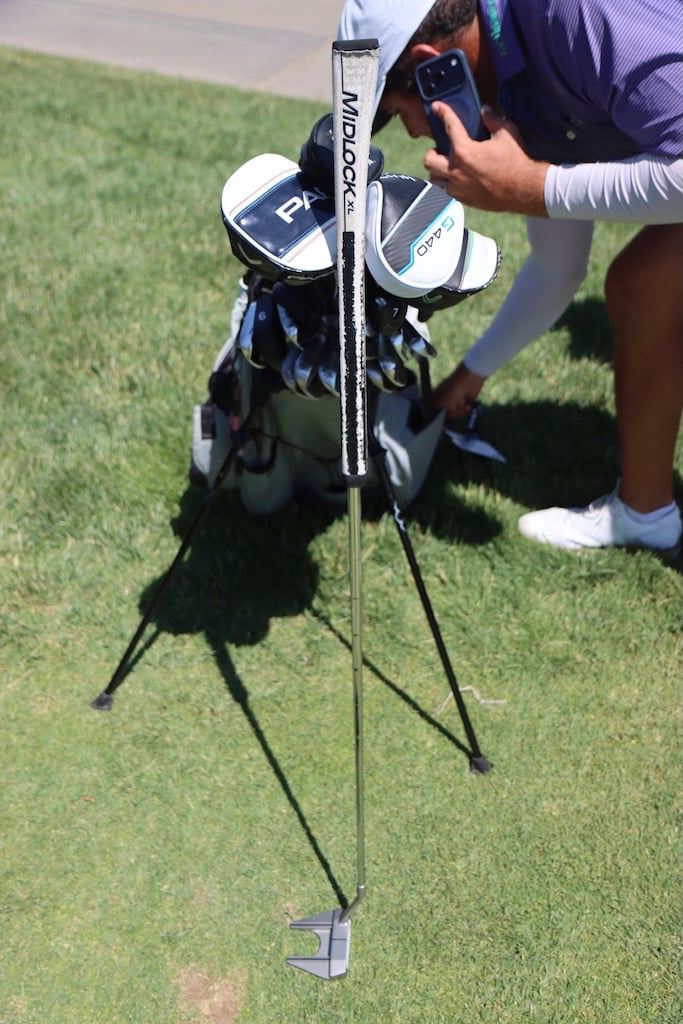
First off: His trusted Titleist 816 H2 hybrid. This club came out in October of 2015, and it still remains strong in the bag. Also, take a look at this Odyssey White Hot OG 7, putting a capital S in the 7S model. This custom neck has some impressive lean for an arm-lock-style putter. The bottom of the putter is covered in tape for optimal weighting.
Mitchell Meissner
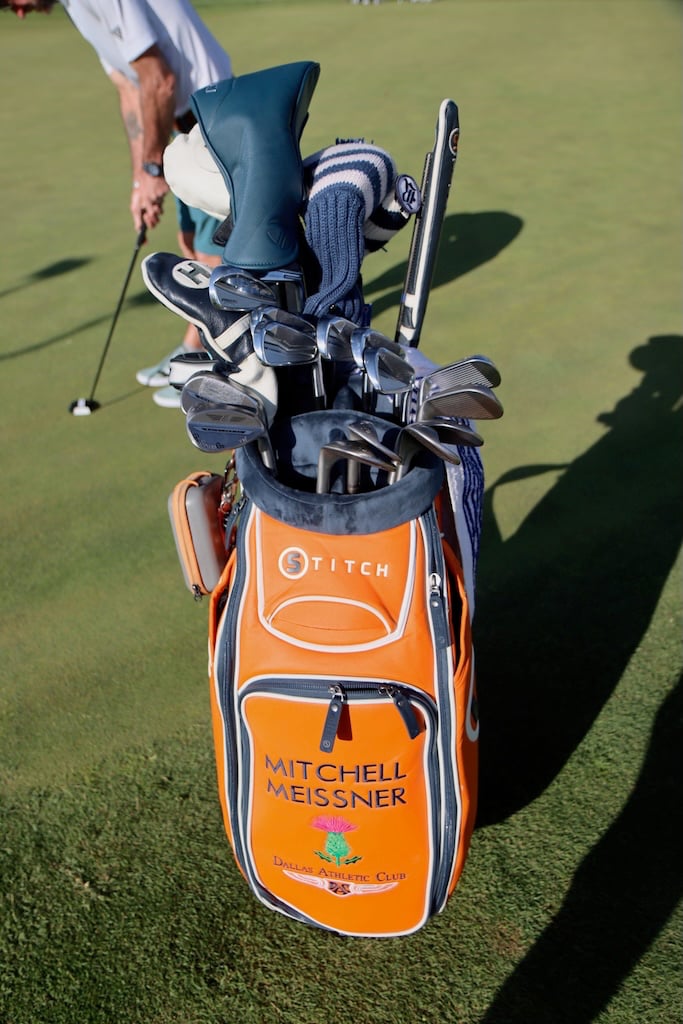
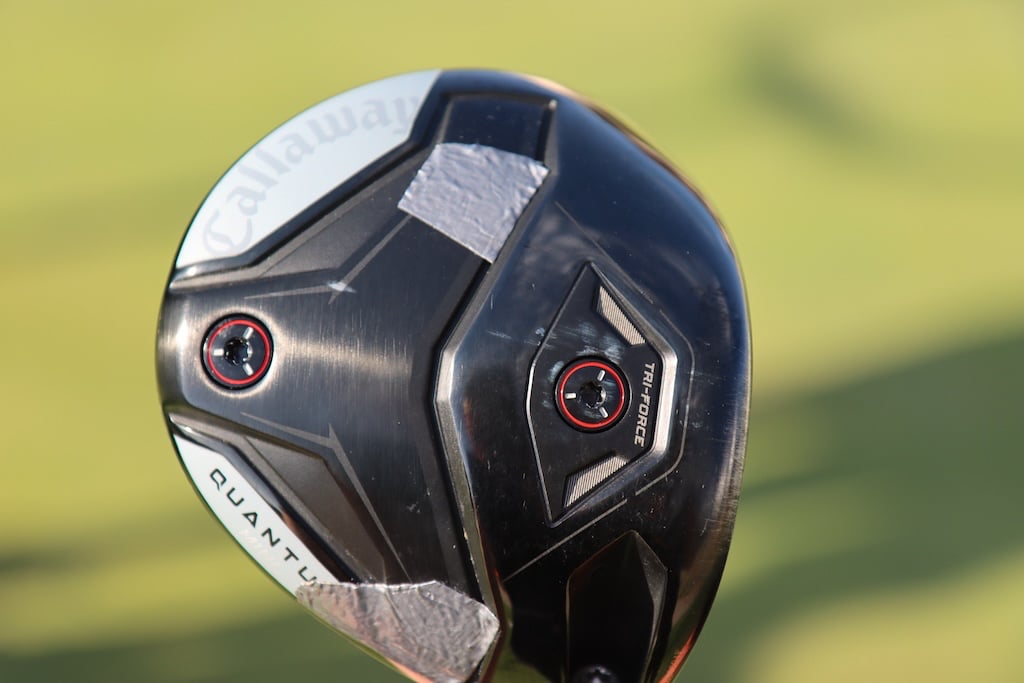
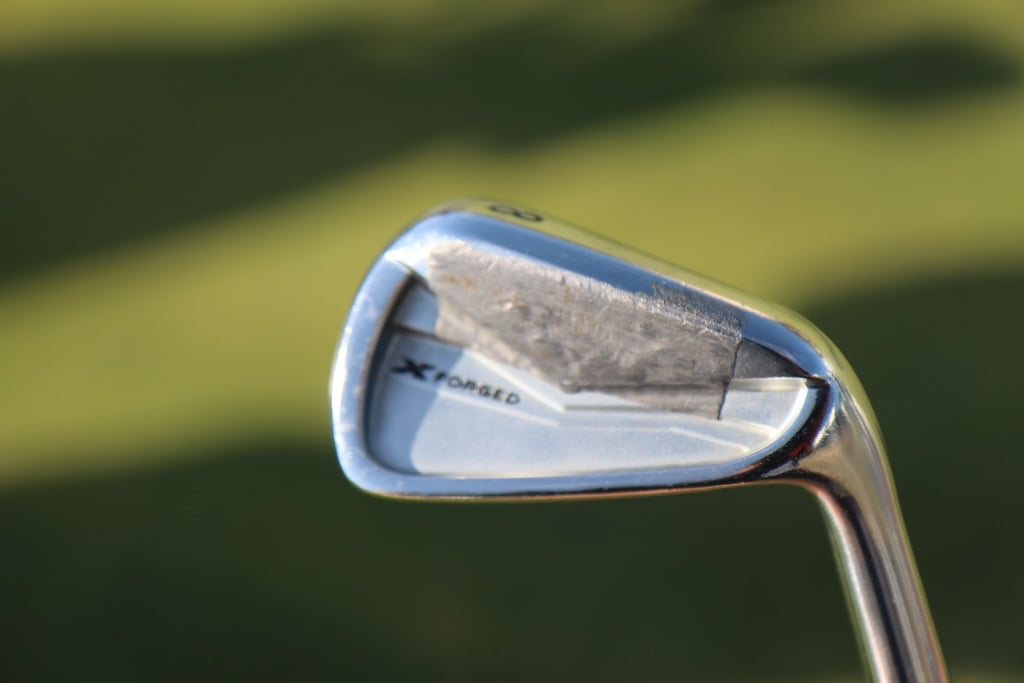
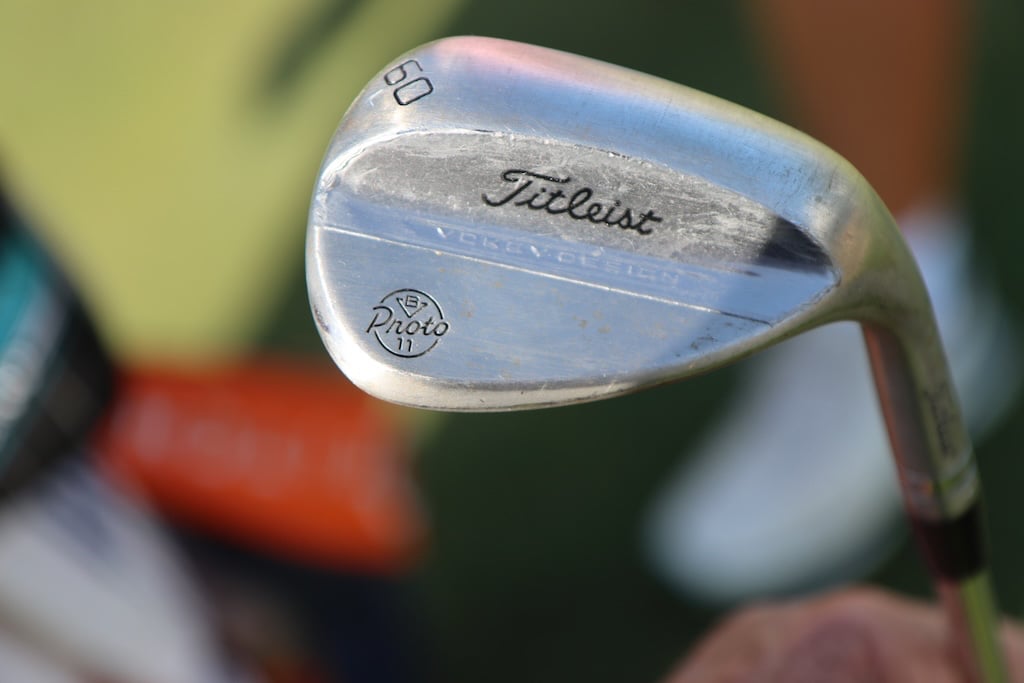
Taking a look at Mitchell Meissner’s bag this week, we have some great lead tape coverage. Top to bottom working from fairway metals, irons, and wedges. We can see on the short irons and wedges that there is tape at the base of the grip, adding a little counterbalance. Along with that, some tape on the short irons and wedges as well. Moving to his putter, he rolls the Odyssey 7 Bird putter. Meissner putts left-handed and strikes the ball right-handed.




Bud Cauley had >14 clubs in his bag when photographed prior to the Memorial Tournament.
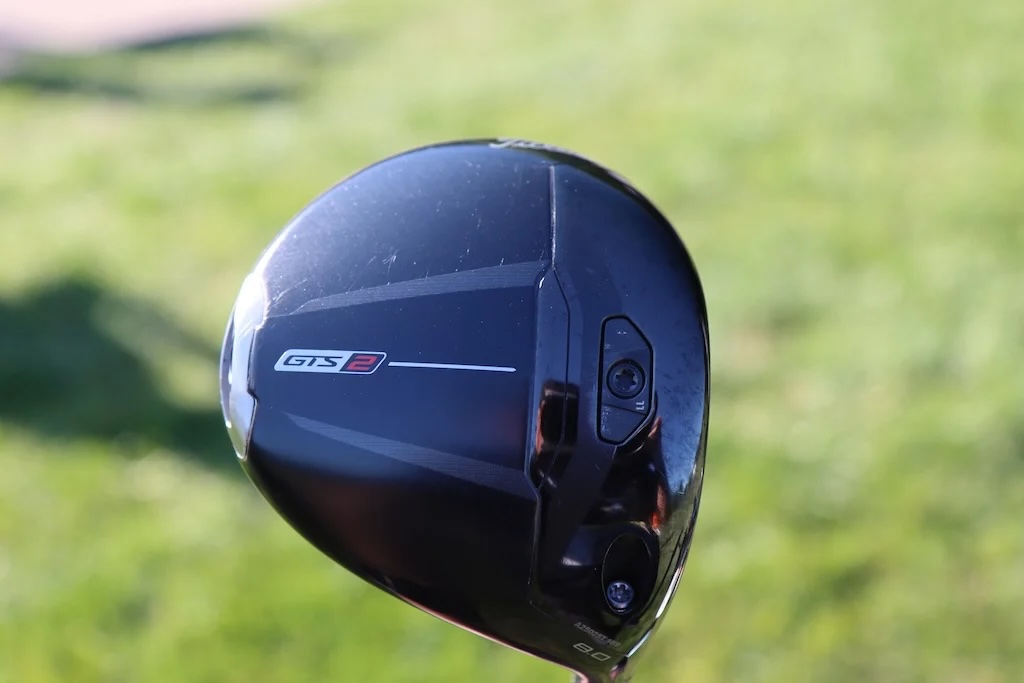
Driver: Titleist GTS2 (8 degrees)
Shaft: Fujikura Ventus Black 6 X
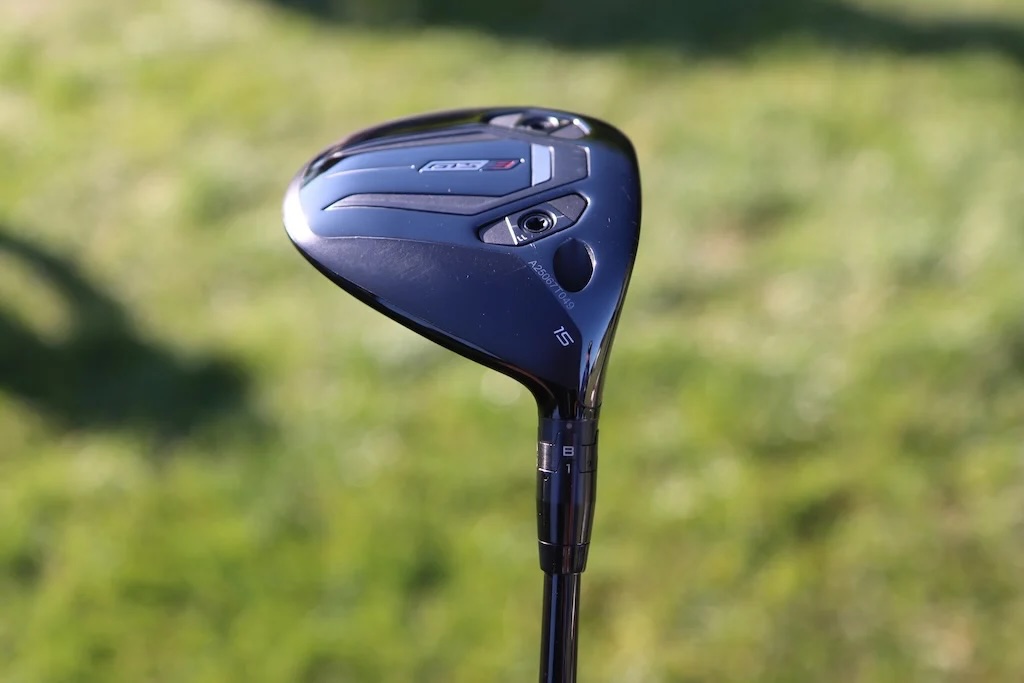
3-wood: Titleist GTS3 (15 degrees, B1 SureFit setting)
Shaft: Mitsubishi Chemical Tensei 1K Pro Red 70 TX
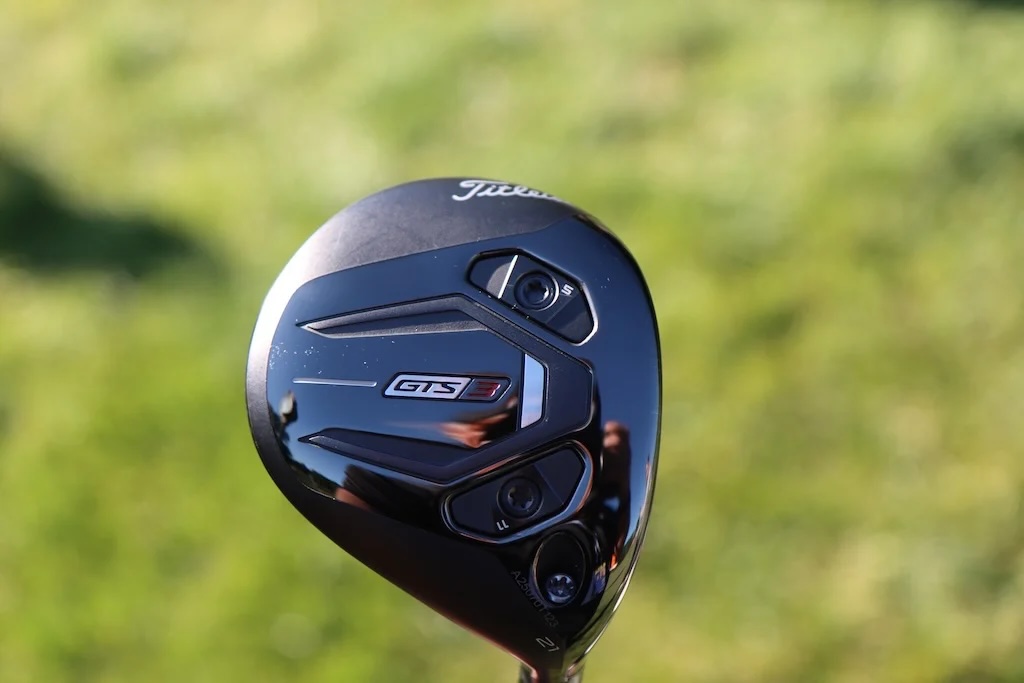
7-wood: Titleist GTS3 (21 degrees, D1 SureFit setting)
Shaft: Mitsubishi Chemical Tensei 1K Pro Red 80 TX
Irons: Titleist U505 (3), Titleist 620 MB (4-9)
Shafts: Fujikura Ventus Black HB 8 X, True Temper Dynamic Gold Tour Issue
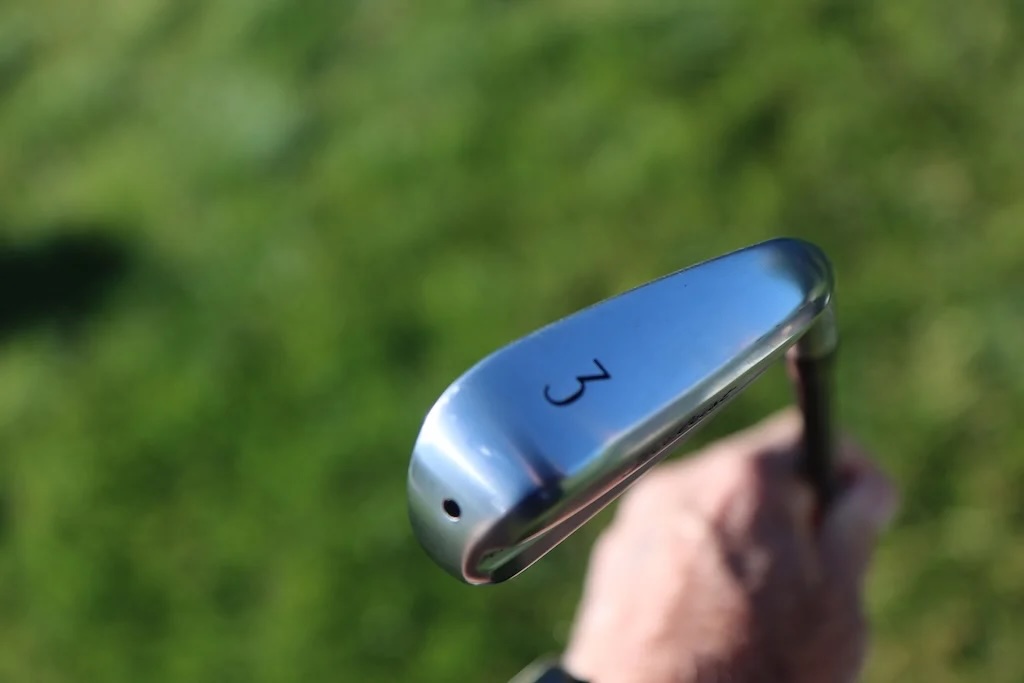
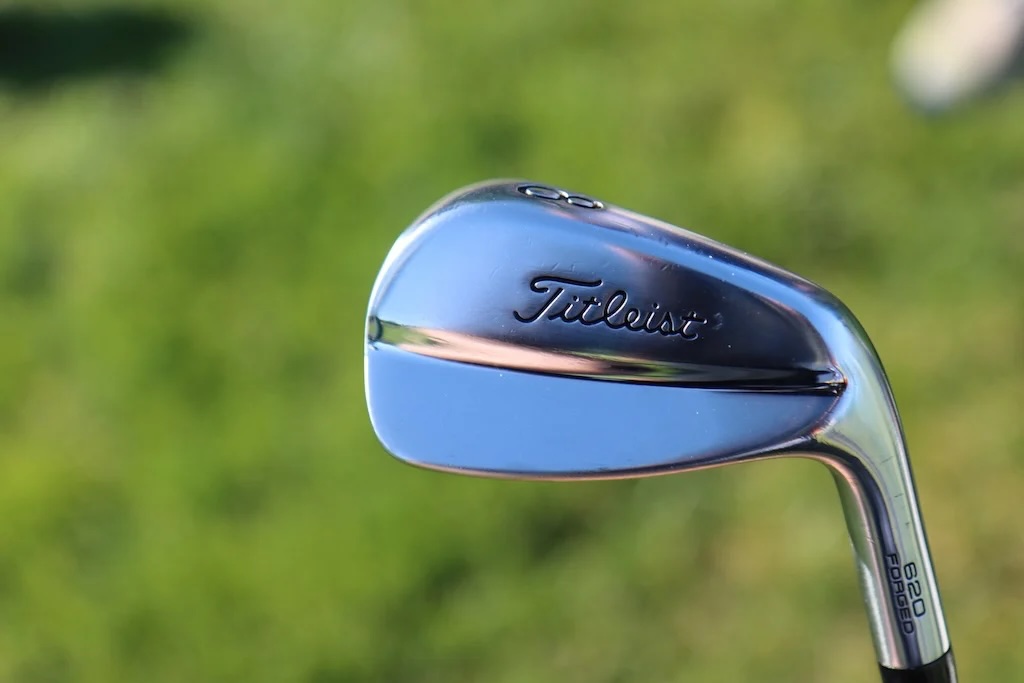
Wedges: Titleist Vokey Design SM11 (48-10F, 52-12F, 56-14F), WedgeWorks (60-K*)
Shafts: True Temper Dynamic Gold Tour Issue S400
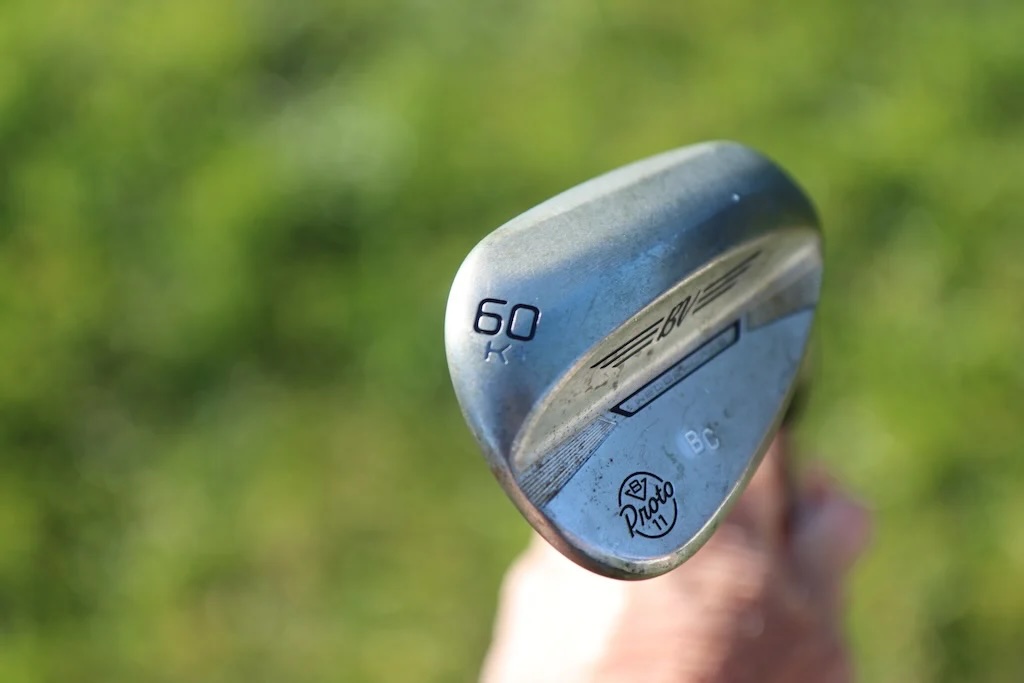
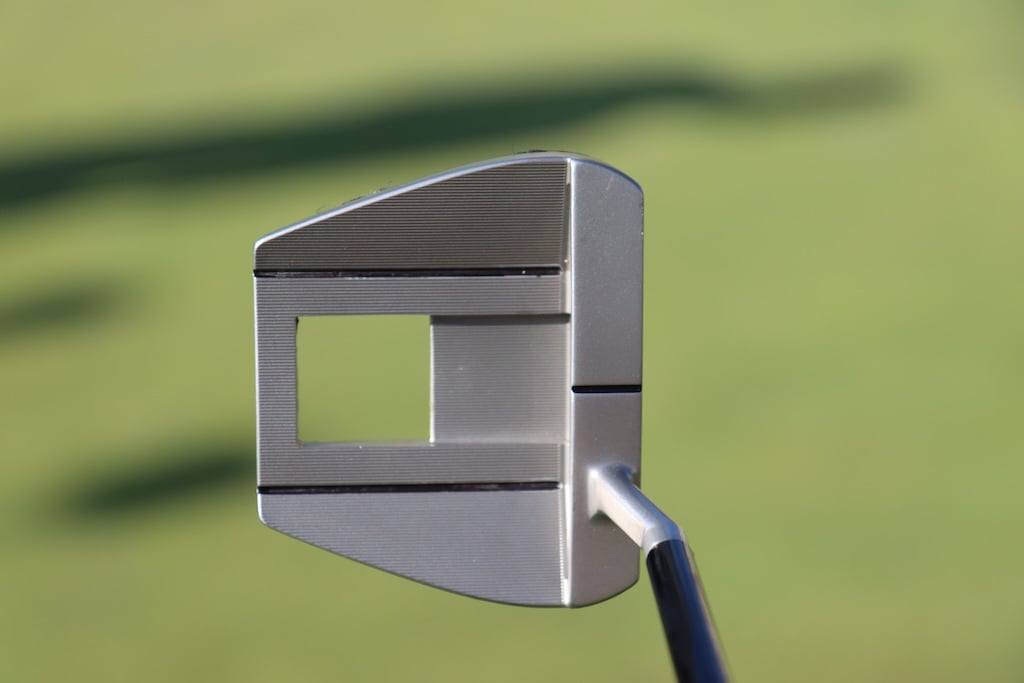
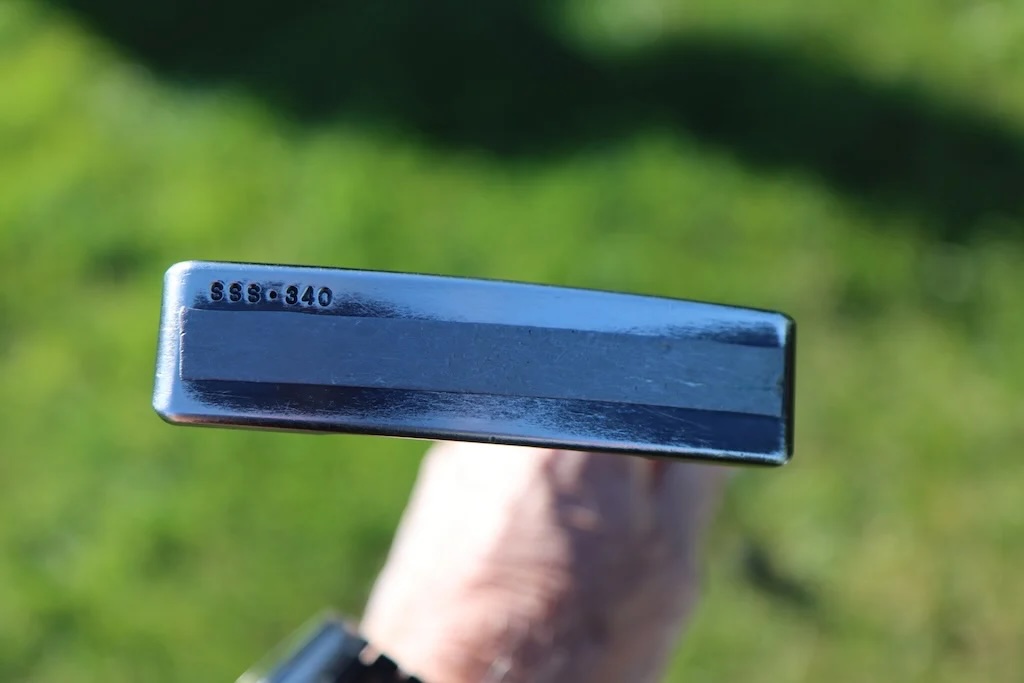
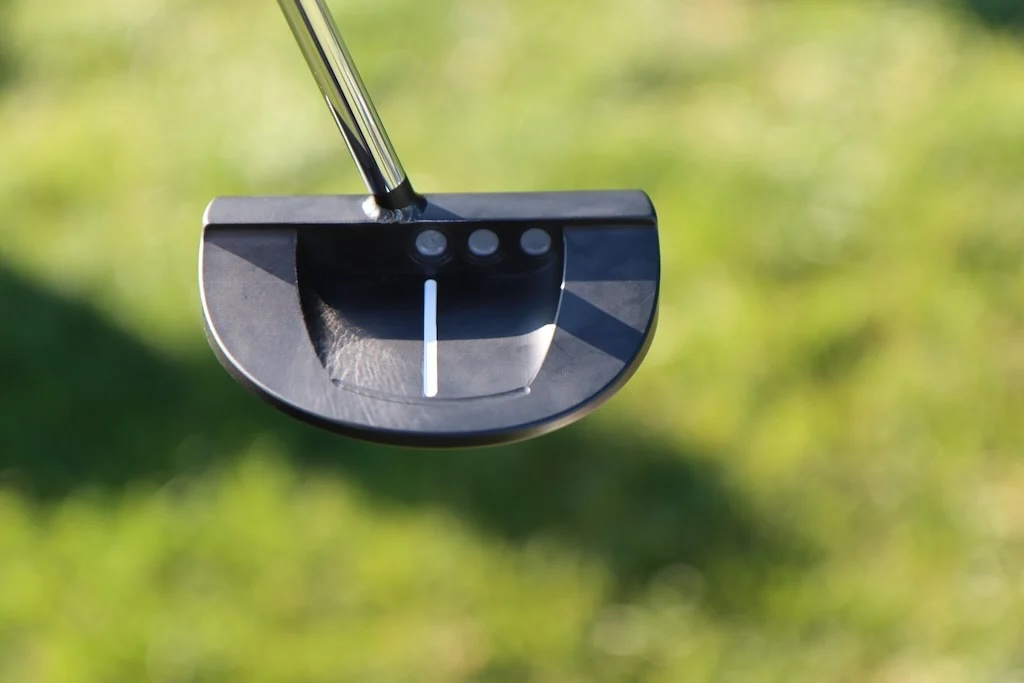
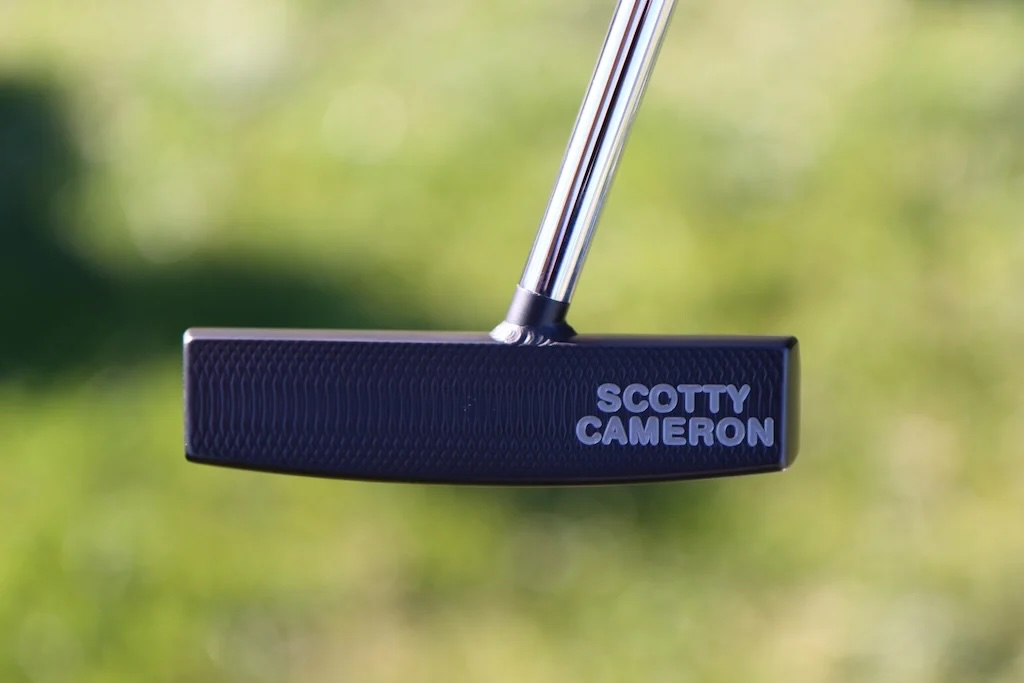
Putters: Scotty Cameron Tour Prototype, Scotty Cameron GOLO 6.3 Prototype
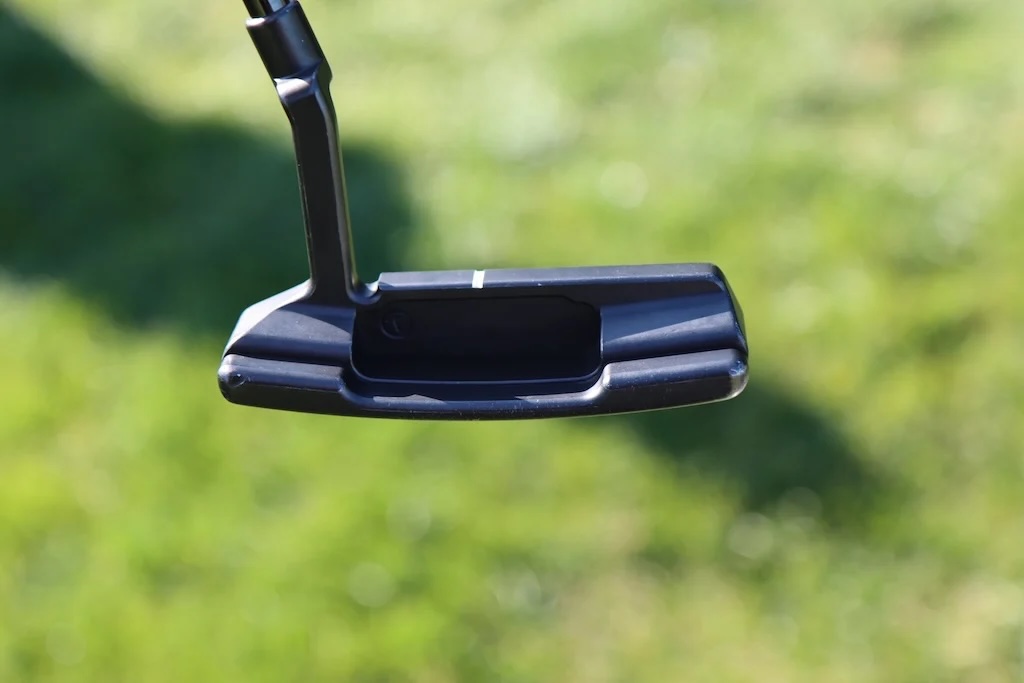
Grips: Golf Pride Tour Velvet Align
Ball: Titleist Pro V1
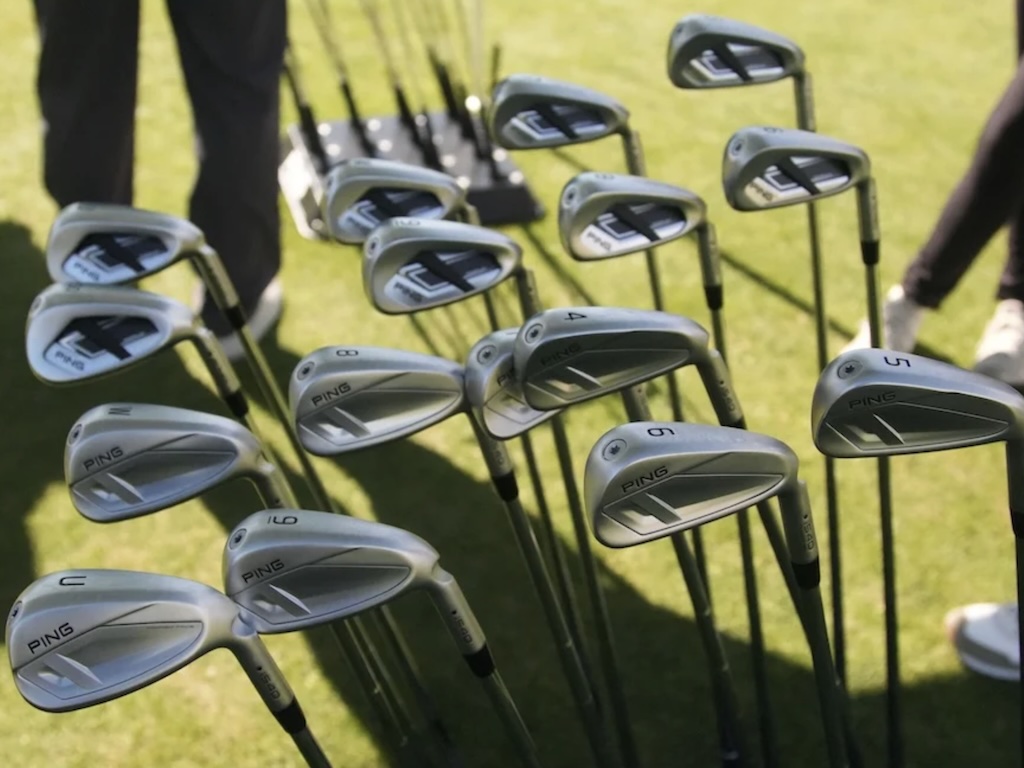
In our forums, one user has offered up a prompt for the true sickos, inviting fellow forum members to share every set of irons they’ve ever owned. As to be expected, this is a lengthy forum topic.
@Lamosteve began:
Can you name every set of irons you’ve owned? Here’s mine
Spalding Dots
Spalding Eclipse
Ram Lazer FX
Lynx Parallax
Mizuno EZ Comp
Ben Hogans
Cleveland CG Red
Taylor Made R9s
PING i20
PING iE1
Taylor Made M6
Our members in the forum have been offering up their own collections. Here are a few posts from the thread, but make sure to check out the entire discussion and have your say at the link below.
- macedan: “Started with a hand-me-down Golden Bear set from my brother when I was in high school, never really played more than once a year or got into the game until about summer of 2017. First purchased a set of Cleveland CG4’s (I actually really miss this set sometimes, soft & not terribly large for a GI iron), moved into Nike Vapor Fly’s by the end of the year. Those lasted until spring of 18 when I decided I wanted new, so I traded them in for TM Rbladez. Honestly, although I liked the Rbladez, poor decision on my part, I think this was really about the only time so far that after a week or two I was kicking myself for not staying with what I had. Rbladez stayed with me until late last summer when I switched to P790’s and (knock on wood) I am hoping this will be my longest lasting set.”
- JimmyC59: “MacGregor Jack Nicklaus Triple Crown. Palmer The Standard. Still play these.”
- jgrzask: “Tommy Armour 845u
Mizuno MP-32
Mizuno MP-33 (2 sets)
Bridgestone J33cb – still own
Srixon i-302 (2 sets) – still own
Tourstage X-Blades – still own
Mizuno Hot Metal – still own
Nike Forged Blades – still own
Titleist 714 AP1 – still own
Cobra Forged SS – still own”

Justin Rose WITB 2026 (April): Full WITB breakdown with new McLaren irons

What’s the story behind Webb Simpson’s custom-stamped irons?

Memorial Tournament Tour Report: Rory McIlroy, Cameron Young switch up drivers, and more

Cadillac Championship Tour Report: Spieth’s sizable changes, McLaren Golf launches, and more

Russell Henley’s winning WITB: 2026 Charles Schwab Challenge

Kristoffer Reitan’s winning WITB: 2026 Truist Championship

Aaron Rai’s winning WITB: 2026 PGA Championship

J.T. Poston’s winning WITB: 2026 Memorial Tournament

Cameron Young’s winning WITB: 2026 Cadillac Championship

Best irons 2026: Best irons overall, most forgiving irons, and more


Bud Cauley WITB 2026 (June)
Bud Cauley had >14 clubs in his bag when photographed prior to the Memorial Tournament. Driver: Titleist GTS2 (8 degrees) Shaft: Fujikura...


Hannah Green WITB 2026 (June)
Driver: Titleist GTS3 (10 degrees, D4 SureFit setting) Shaft: Mitsubishi Chemical Diamana RB 53 S 3-wood: Titleist GT3 (15 degrees,...


Asterisk Talley WITB 2026 (June)
Driver: TaylorMade Qi4D (9 degrees) Shaft: Fujikura Ventus Blue 6 S 3-wood: TaylorMade Qi4D (16.5 degrees) Shaft: Fujikura Ventus Blue...
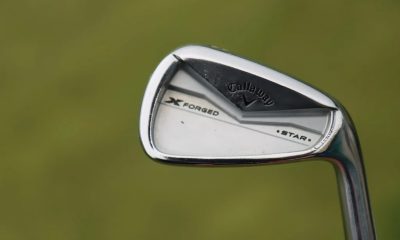

Brianna Do WITB 2026 (June)
Driver: Callaway Quantum Triple Diamond (9 degrees) Shaft: KBS PGW 3-wood: Callaway Elyte Titanium (15 degrees) Shaft: KBS PGW 5-wood:...
-
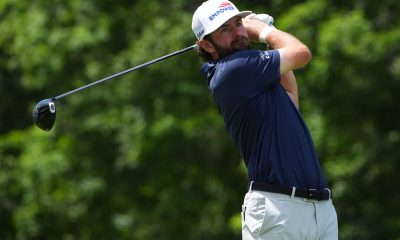 Equipment6 days ago
Memorial Tournament Tour Report: Rory McIlroy, Cameron Young switch up drivers, and more
-
 News1 week ago
Russell Henley’s winning WITB: 2026 Charles Schwab Challenge
-
 Whats in the Bag3 days ago
J.T. Poston’s winning WITB: 2026 Memorial Tournament
-
 Equipment3 days ago
Best irons 2026: Best irons overall, most forgiving irons, and more
-
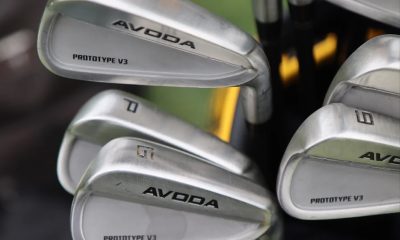
 Equipment1 week ago
Details on Jason Day’s latest prototype Avoda iron setup
-
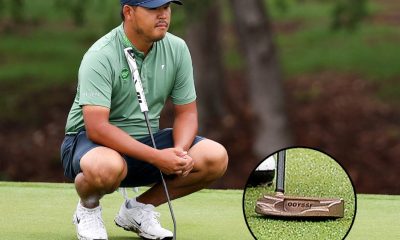
 Equipment3 weeks ago
CJ Cup Byron Nelson Tour Report: Koepka and Kim’s newest putters finally get hot
-

 News2 weeks ago
Charles Schwab Challenge Tour Report: MacIntyre, Åberg and Spaun all switch putters, TaylorMade launches new Spider
-
 Equipment2 weeks ago
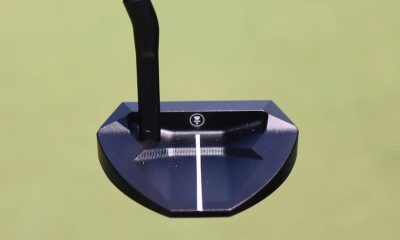
Details on J.J. Spaun’s surprise putter switch


TeeBone
Jun 7, 2017 at 5:34 pm
Further, frequency matching a set doesn’t mean that the clubs all have the SAME shaft flexibility, only that the DIFFERENCE in flexibility is uniform from club to club. As the clubs get shorter, frequency and stiffness increase. Add to this the fact that as the clubs get shorter and heavier, they are swung at a slower speed. In the end, each shaft in a set flexes more and more overall as the clubs get longer. This silly “dispersion” theory suggests that a shaft must flex a specific amount to behave consistently.
TeeBone
Jun 7, 2017 at 2:39 pm
Tour players, unless they have a specific shaft manufacturer deal, are free to play whatever shaft they want. Their decision to play graphite over steel has to do with performance, not money.
TeeBone
Jun 7, 2017 at 2:27 pm
So Iron Byron, set at any particular swing speed, only reproduces the same ball flight with one specific shaft flex? This “dispersion” theory would mean that the same shaft can behave quite differently, from swing to swing, for an otherwise same swing input. Nonsense. There is no mention of this in any of the best-regarded scientific studies of shaft flexibility. This is a made-up marketing story designed to sell equipment.
Ned
Jun 6, 2017 at 8:06 am
Brunswick Golf developed the Frequency Matching System in 1981!
Rico
Jun 6, 2017 at 4:04 pm
The article states that the Braly’s submitted a patent for “Frequency Matching” in 1977.
J.
Jun 5, 2017 at 7:15 pm
And stiffness of an EI profile may be invisible to CPM matching? Does SST PURE shaft alignment work better?
Skip
Jun 7, 2017 at 1:18 pm
SST pure is pure Kool-Aid. Drink it if you so choose.
tim crider
Jun 5, 2017 at 4:05 pm
There is no doubt that shots can be saved every round by every player with changes from the shaft to the swing weight to the compression of your golf ball,,, hell practicing on the driving range could improve your game. There is a lot to know about this game and if you have the money and the time you may be able to cash in on these findings. Think how much better play got when shafts changed to steel from hickory. A lot to know and even more to learn. How much more can be found and improved, it was a very good article.
Charles Bartholomew
Jun 5, 2017 at 3:38 pm
Interesting article. A little history lesson now and then is a good thing.
cgasucks
Jun 5, 2017 at 8:20 am
If the Iron Byron can make crappy shots with a shaft that isn’t compatible with its swing speed, imagine it with a human being.
talljohn777
Jun 5, 2017 at 12:14 pm
Yes, if you have a club shaft that is too soft you can slow your swing down to allow the clubhead time to catch up and square, but why would you want to do that? The preference would be to hit a club that matches your top swing speed allowing you to get the most out of your swing.
artie j
Jun 5, 2017 at 6:59 am
I didn’t know the backstory. Very cool article Ryan
SH
Jun 4, 2017 at 10:25 am
Yup, awesome