
Opinion & Analysis
Ryder Cup Heroes and Villains: The Gleneagles Story

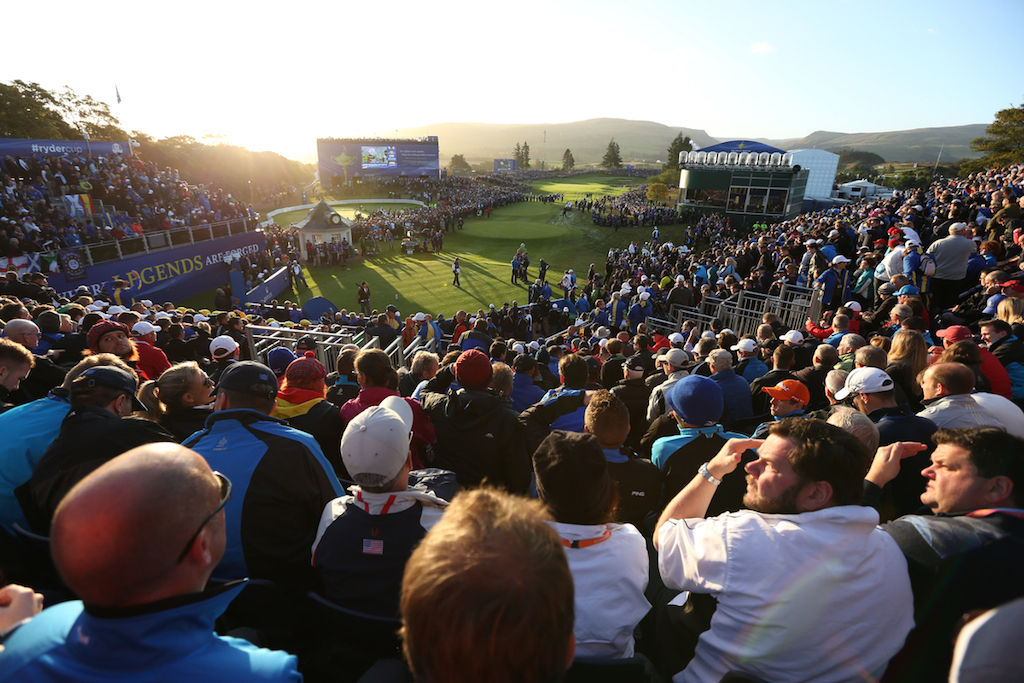
It was September 26, 2014, and the time was 6:20 a.m. on the first tee of the PGA Centenary Course at Gleneagles. Three thousand expectant faces peered through the concoction of dark and camera lights, with at least another 20,000 lining the first fairway. Literally caught in those camera lights, the man of the moment stood trembling, anxiously waiting for the starter to call out his name. In this instance, however, it was not Ivor Robson calling the shots. The producer of BBC Radio’s 5 live Breakfast put the thumbs up and after years on various American mini tours, the hard hours in the pro shop, many a media training and a very early alarm call, Andrew Jowett, head golf professional at Gleneagles, was good to go.
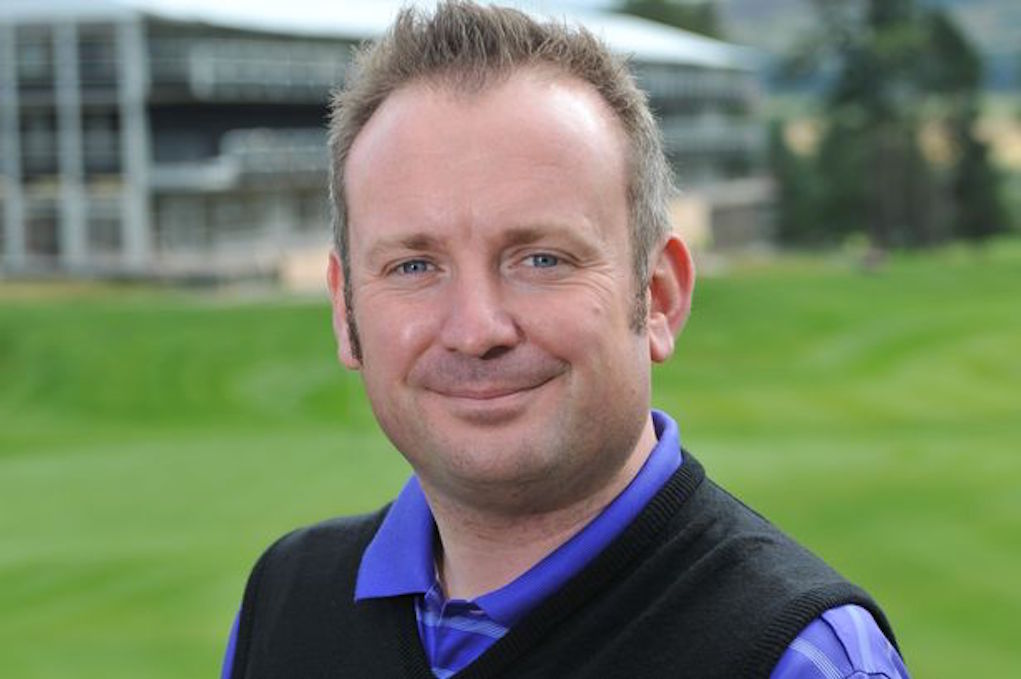
Andrew Jowett, head professional at Gleneagles.
Frivolous this may be, but talking to Andrew almost exactly two years since that day, he says he “genuinely felt a sense of what the 24 Ryder Cup players were about to experience.” As it happened, Andrew dealt beautifully with the pressure and successfully completed one of more than 20 interviews that he undertook during Ryder Cup week.
Understandably, Andrew considers that week the highlight of his working career. At the time, he was in his ninth year at the world-famous golf resort and had progressed from picking up balls on the range to become only the ninth ever head golf professional at Gleneagles.
“Standing on that first tee, with all the fans, all the expectation and after years of hard work, it was an emotional and nerve-wracking moment,” he said. He went on to pinpoint Webb Simpson’s 150-yard lob with a 3-wood as a case in point as to how the Ryder Cup can be a “leveller.”

Tom Watson was captain of the 2014 U.S. Ryder Cup team.
“There is nothing quite like the first tee of a Ryder Cup,” he said, and he betrays a slight glee and relish about Simpson barely making the fairway. It is important to add that the USA halved that hole, with Bubba Watson sniggering to Simpson about his shot, but they would lose resoundingly to Justin Rose and Henrik Stenson.
Europe convincingly, and some might say predictably, went on to defeat the USA 16.5 to 11.5. Far from the drama of the “Miracle of Medinah,” it was a Ryder Cup to remember for the perfect staging, the immaculate golf course, the warmth of the Scottish crowd and a setting to beat all others. Plaudits included visiting Vice Captain Andy North suggesting Gleneagles should always be the host venue in Europe.
As a Scotland resident, Andrew is quick to thank the weather for playing ball. “About five minutes after that interview finished, the sun rose over the Ochils and the stage was well and truly set,” he said.
Some 250,000 spectators from 96 countries attended the event, 30,600 cars were parked, over 50,000 rail journeys were taken, more than 2,000 media were present and the Ryder Cup was mentioned in 500,000 tweets.
What pressure?
Andrew is a born-and-bred Mancunian who learned his trade from the ex-tour professional Denis Durnian. On joining Gleneagles, he never imagined having such an involvement in the sport’s biggest spectacle.
“The close proximity to the world’s best players was an absolute treat,” he said. “We were like kids in a candy shop. My team of professionals was positioned on the driving range, so the contact we had with the players and the exposure to their level of professionalism was second to none. I have always understood the different levels of player, but seeing it at such an event, at a place you know so well, having had so much involvement in the staging, it was brilliant.”
Andrew mentions that this was the same for all of the golf staff, including the 80 greenkeepers who formed a particularly strong and unique bond with the players.

“So much rides on the matches, there is so much focus on the players, yet somehow the atmosphere is fun and friendly,” he said. “Over 500 million homes watched on TV, 250,000 on the course, yet there was still time for a group photo with a stray dog.”
I asked Andrew if he thought the absence of Tiger Woods had any impact, whether negative or positive, on the week. “Yes, of course it would have been great for him to be there, but the event is bigger than one person,” he said. “His form wasn’t good enough, so it was right that he wasn’t picked.” An interesting comment considering the seventh-ranked player in the world, Bubba Watson, was not picked this year. Along with Woods, Bubba will watch the action with an earpiece and a golf cart. As cheerleaders go, they are probably the best paid in sporting history.
“I think this year the USA is as focused on success as they have been for some time,” Andrew said. “Of course they should have won at Medinah, but that was something that will never happen in the event again. I think the event needs a close contest, in fact from a USA perspective it needs a win!”
Sky Sports had interviewed Andrew the morning after the Miracle of Medinah, when all eyes turned to Gleneagles and Scotland. “It was a little surreal,” he said. “The interview was on the very spot I was interviewed in 2014 by the BBC and there were only three of us. Having had such drama the previous night, I didn’t quite know what the future would hold for the Ryder Cup at Gleneagles. It seemed a long way off.”
Gleneagles was awarded the 2013 Ryder Cup in 2001, having originally bid for the 2009 event that Celtic Manor won. Following the terrorist attacks of September 11, 2001, the event was postponed by a year, so 2014 became Gleneagles’ year.
“I joined in 2006, so the planning was already five years down the line,” he said. “Fortunately for me, I was part of the PGA Centenary redesign process with Jack Nicklaus. Watching the course mature, develop and blossom was confidence-building. Gleneagles held a European Tour event each year, so with the pros’ feedback, the refinement of Jack Nicklaus and the passion of Scott Fenwick, our estate manager, the result was a massive success. We won over the doubters.”
Prior to the Ryder Cup at Gleneagles, skeptics questioned why the Ryder Cup should be played on what was called an “American layout,” allegedly turning its back on the true courses of the home of golf. One of the chief protagonists was this year’s European captain Darren Clarke, who said: “It’s beyond my comprehension they’ve chosen to have the Ryder Cup on this course.” Interestingly, Andrew is not critical of these comments, but praises the various stakeholders who agreed to soften the PGA Centenary, bringing it in line with its sister courses the King’s and Queen’s, while still appreciating that the course had to host the third most-watched sporting event in the world.
“I don’t think the scale of the organization and operation is understood,” Andrew said. “The logistics involved to get that many people in place to watch four fourball matches is mind-boggling. And, you know what, we did!”

So what was done to specifically tailor the course in favor of the Europeans, as there is a lot of talk about how Davis Love III will set up Hazeltine?
“Scott Fenwick and head greenkeeper Steve Chappell worked closely with Paul McGinley – Europe’s 2014 captain – to present a European Tour-like course. It might have slightly favored the Europeans, as they had played events on it on more than one occasion, but professionals can adapt.”
Head greenkeeper, Chappell, said in a recent interview that Hazeltine will not benefit one team or the other, mainly due to the amount of golf the European team has played on the PGA Tour.
All Ryder Cups have a hero and a villain, so amid the perfect conditions, what was the 2014 Ryder Cup famous for? There were, of course, the Phil Mickelson vs. Tom Watson rumors, the emergence of the Task Force, no Spieth/Reed for the Friday foursomes, Spieth’s capitulation against McDowell, Patrick Reed’s shushing, the deer careering across the fairways and the post-Indy Ref fallout, but by and large Gleneagles staged one of the most successful Ryder Cups ever.
And who will be the hero and villain in 2016?
“It’s going to be close, but I think Europe will sneak it by a point or two,” Andrew said, smiling. “I was there when Sergio hit his rescue on (hole) 18 to 15 feet to halve his foursomes match on Friday afternoon. I know that shot and I know it’s impossible. I don’t think he would have hit that shot that well on any stage other than the Ryder Cup. His partner that day was Rory and I am confident that he will be the talisman. His form is back, $13 million back and despite his youthful comments he now knows what the Ryder Cup is all about. It’s under his skin.”
But it’s not all about Europe. Who will shine for the USA?
“In 2010, Jordan Spieth played the Junior Ryder Cup on the PGA Centenary at Gleneagles and won,” Andrew said. “It was great to see him back. I think he is fully focused on the win. He is saying all the right things in the media and I genuinely think he wants to be part of a USA win. Spieth vs. McIlroy down the stretch on Sunday will take some beating!”
Having been to three Ryder Cups, Andrew’s fondest memory of the tournament was watching Nick Faldo’s hole-in-one on the 14th of the Belfry in 1993. The USA would prevail at the Belfry 15 to 13, the last time they won on European soil. With a nice synergy, the winning putt and the hero that year was this year’s captain, Davis Love III.
With clear emotion and plenty of fond memories, Andrew heads off to teach one of his regulars.
“I have immense pride in what we achieved, what we all achieved,” Andrew said. “I am sure Hazeltine are up to the challenge and I wish them well. Come on Europe.”
Andrew Jowett was talking to Graham Hesketh. A big thank you to Billy Murray, Golf Marketing Manager at Gleneagles (gleneagles.com), Martin Smith and James Bledge, greenkeepers at Gleneagles and of course, Andrew himself.



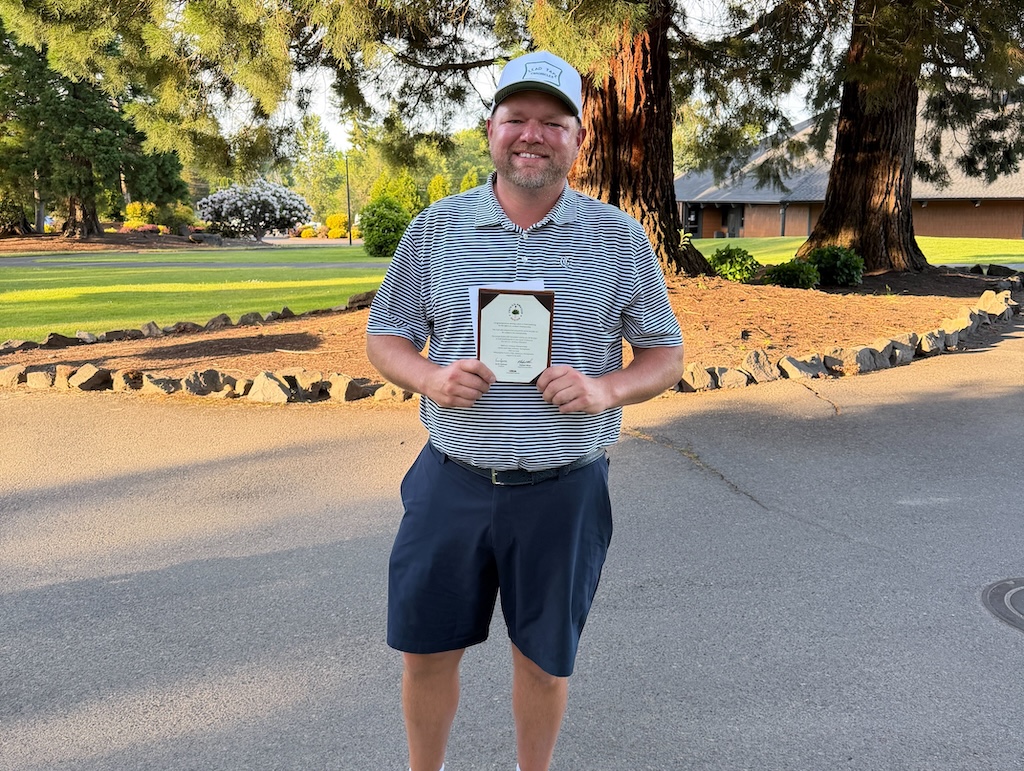
This past Monday, I played in the U.S. Amateur local qualifier at Rock Creek Country Club in Portland, Oregon. A full tee sheet from 7:30 a.m. to 1:55 p.m., the top 11 scores would make it to the U.S. Amateur final qualifying.
I teed off at 10:48 a.m.. With the 7:30 am tee time, you can get a feel for the leaders’ pace, and they were off and running on the challenging setup at Rock Creek.
View this post on Instagram
Getting to the highlight of the round on the par five 17th, a drive up the left side and 212 yards left to the front hole location. I took out a 5-iron with plans of middle of the green. The ball ended up 8 feet left of the hole, pin high. A slight downhill putt dropped in for an eagle 3 on the 17th. With the cut line looking to be anywhere from -2 to even par. This was the boost I had been waiting for all day.
With making par from the trees on 18, it was time to wait for a potential playoff with a posted score of one under par 71.
Three hours later, it was playoff time. 8 players for 6 spots. I made par on the playoff hole, which was good enough to advance to the U.S. Amateur final qualifying in July. USGA qualifiers sure deliver on all of the emotions in golf!
Club Junkie
Building my 2026 gamer WITB: Ranking the contenders and new putter projects – Club Junkie Podcast

The annual What’s In The Bag build is underway, and on this episode of Club Junkie, Brian breaks down the clubs currently leading the race for a spot in his 2026 gamer setup. From drivers and fairway woods to irons, wedges, and shafts, he ranks the equipment that’s performing best and explains what’s separating the front runners from the rest of the field.
Brian also heads into the workshop to discuss several putter projects currently on the bench. From head options and shaft choices to build ideas and testing plans, he shares what he’s working on and which putters could become serious contenders for the bag this season.
If you’re a gear junkie who loves equipment testing, club building, and the never-ending pursuit of the perfect setup, this episode is for you.
Follow Club Junkie:
Instagram: @clubjunkiepod
TikTok: @clubjunkiepod
Threads: @clubjunkiepod
X: @ClubJunkiePod
Club Junkie
Tour Edge Exotics mini driver review + TaylorMade Spider ZT Max first look – Club Junkie

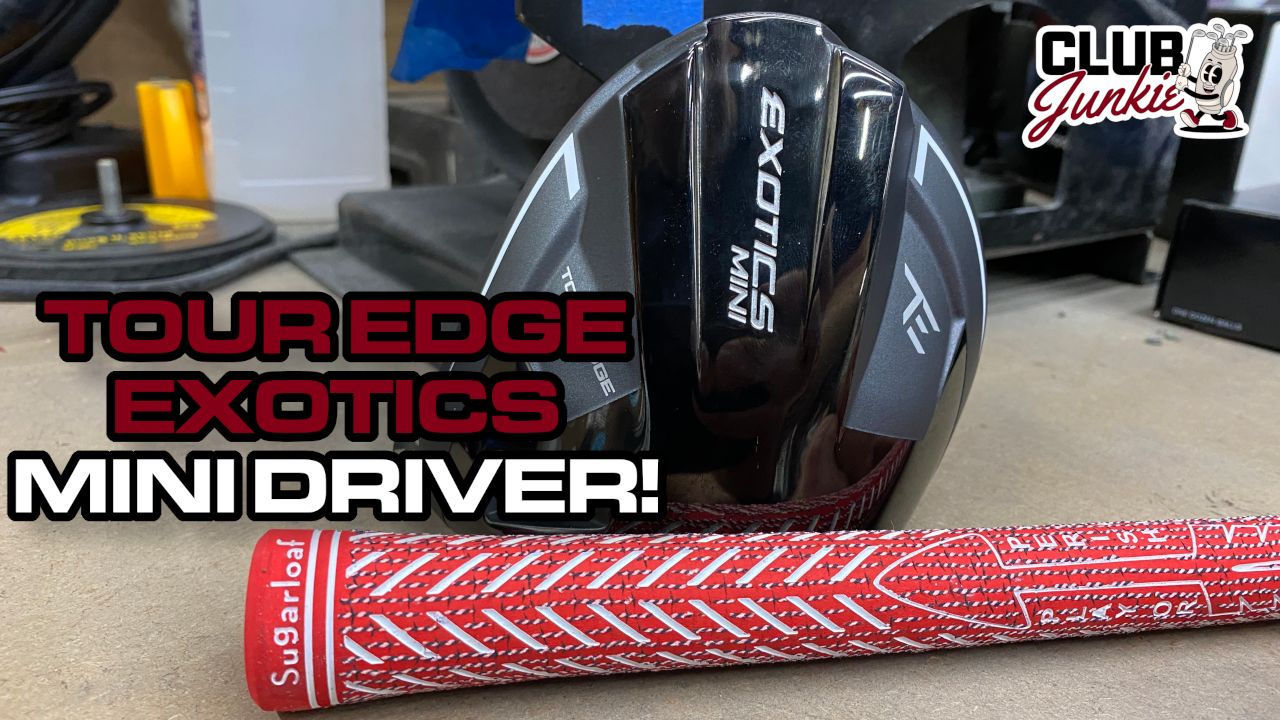
On this episode of Club Junkie, I put the new Tour Edge Exotics Mini Driver to the test and break down the performance, forgiveness, distance, and where it fits compared to a traditional driver or strong fairway wood. If you have been curious about adding a mini driver to the bag, this one is worth a look.
I also dive into the new TaylorMade Spider ZT Max putter that was recently spotted and discuss the growing zero torque putter trend. Plus, there is a closer look at the new Project X Titan Yellow shaft showing up on the PGA Tour and what makes it different from other profiles currently out there.

Justin Rose WITB 2026 (April): Full WITB breakdown with new McLaren irons

What’s the story behind Webb Simpson’s custom-stamped irons?

Memorial Tournament Tour Report: Rory McIlroy, Cameron Young switch up drivers, and more

Cadillac Championship Tour Report: Spieth’s sizable changes, McLaren Golf launches, and more

Russell Henley’s winning WITB: 2026 Charles Schwab Challenge

Kristoffer Reitan’s winning WITB: 2026 Truist Championship

Best irons 2026: Best irons overall, most forgiving irons, and more

J.T. Poston’s winning WITB: 2026 Memorial Tournament

Aaron Rai’s winning WITB: 2026 PGA Championship

Cameron Young’s winning WITB: 2026 Cadillac Championship


Ryan Palmer WITB 2026 (June)
Driver: Callaway Quantum Triple Diamond (9 degrees) Shaft: Project X HZRDUS Smoke Blue RDX 60 TX 3-wood: TaylorMade Qi10 (15 degrees) Shaft:...


Bud Cauley WITB 2026 (June)
Bud Cauley had >14 clubs in his bag when photographed prior to the Memorial Tournament. Driver: Titleist GTS2 (8 degrees) Shaft: Fujikura...


Hannah Green WITB 2026 (June)
Driver: Titleist GTS3 (10 degrees, D4 SureFit setting) Shaft: Mitsubishi Chemical Diamana RB 53 S 3-wood: Titleist GT3 (15 degrees,...


Asterisk Talley WITB 2026 (June)
Driver: TaylorMade Qi4D (9 degrees) Shaft: Fujikura Ventus Blue 6 S 3-wood: TaylorMade Qi4D (16.5 degrees) Shaft: Fujikura Ventus Blue...
-
 Equipment6 days ago
Memorial Tournament Tour Report: Rory McIlroy, Cameron Young switch up drivers, and more
-
 News2 weeks ago
Russell Henley’s winning WITB: 2026 Charles Schwab Challenge
-
 Equipment3 days ago
Best irons 2026: Best irons overall, most forgiving irons, and more
-
 Whats in the Bag4 days ago
J.T. Poston’s winning WITB: 2026 Memorial Tournament
-

 Equipment1 week ago
Details on Jason Day’s latest prototype Avoda iron setup
-
 Equipment3 weeks ago
CJ Cup Byron Nelson Tour Report: Koepka and Kim’s newest putters finally get hot
-

 News2 weeks ago
Charles Schwab Challenge Tour Report: MacIntyre, Åberg and Spaun all switch putters, TaylorMade launches new Spider
-
 Equipment2 weeks ago
Details on J.J. Spaun’s surprise putter switch

