
Opinion & Analysis
Using gravity to train your posture and golf swing

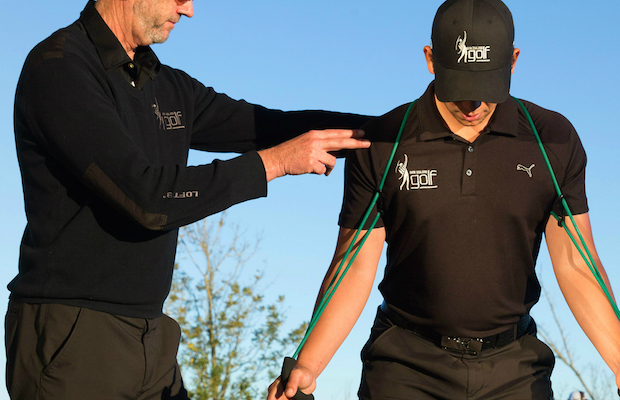
In this article, I’m going to talk about an exercise modality and tools created by a company called Gravity Fit. I have been incorporating their techniques, combined with more traditional strength and conditioning movements, more and more often into my day-to-day training of golfers. The reason I’m using it more frequently is that I keep seeing golfers of all levels improve their awareness, movement quality and stability at a much faster rate than when I was using previous techniques, and the exercise modality and tools are now more accessible for the average club golfer than ever.
Essentially, the principle of Gravity Fit is that if we simulate and even ramp up the effect of gravity on our bodies, while aiming for perfect postural control and joint stability in our movements, then we can make our body extremely posturally strong and stable while dramatically reducing our risk of injury. In theory, this means having more control in our golf swing, too.
The science behind this working model of using gravity to make us stronger and more stable can get technical very quickly. From space research, we now know that we have a specialized “sensory-feedback” system related to gravity that can also influence the way we optimize the golf swing. Gravity sensory information is specifically related to how the sensation of gravity is picked up by receptors in joint structures and leads to an increase in tone or springiness of the muscles of the trunk working more statically to provide proximal stability or a firm and flexible anchor for whole body movement.
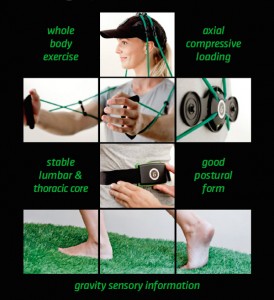 For those of you without formal qualifications in anatomy/physiology, what this essentially means is that we have a whole bunch of deep stabilizer muscles that are located close to the spine, pelvis and shoulder girdle. They respond to gravity and/or a simulated gravity that comes from a closed-chain exercise (think of the squat, push up, or overhead press as examples). Gravity Fit proposes that we don’t get enough of this stimulus as increasingly sedentary beings, and that sports like golf don’t really help either. Golf is an open-chain movement and provides very little of the closed-chain compressive load to which those deep stabilizer muscles respond so well.
The Gravity Fit system of exercise progressively increases the sensory effect of gravity based on a standardized exercise model, and incorporates this science into an upright, whole body training program using custom-designed pieces of equipment. I’m going to show you one example using each piece of kit that addresses the different postural, stability, and movement quality needs in three different golfers.
Example 1: Using Audio Feedback to Train the Core
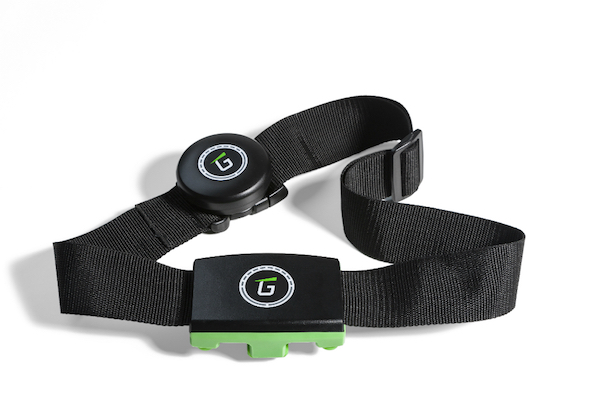
This example features a piece of equipment called the Core Awareness Belt. As you can see in the image below, this is a belt that circles the lumbar area with a pressure sensor in line with the belly button. The genius of this design is the sensor picks up small changes in abdominal pressure that are a dead giveaway as to whether you are using the muscles of you lumbar core effectively. Basically, when the lumbar core isn’t working properly, it pushes outward and the Telme Buzzer emits a beeping noise, giving instant feedback to both the user and the trainer.
Below is a video of a young Australian golfer who has traditionally struggled with control in his lumbar core, which can negatively affect how he moves during the golf swing. In the video, he is aiming to rotate into his backswing while keeping the buzzer quiet. We established with his coach that if his lumbar core is working properly then the quality of the initial part of his backswing improves, which has massive consequences for how his body moves in the rest of swing.
What you can see (as well as his very impressive golf tan) is that he is doing a pretty good job with this drill, but it took a fair bit of work to get him to this stage. At one point he was getting very frustrated with the buzzer noise going off almost continually until he started to master the activation in increasingly complex movements.
Example 2: Proving Kinesthetic Feedback to Train the Scapula and Upper Spine
This example features a piece of equipment called the Thoracic Pro. It provides feedback to the upper spine and shoulder blades through touch. The pressure from the green spikes tell you if your spine is in the correct position and the paddles on the side give awareness of your shoulder blades.
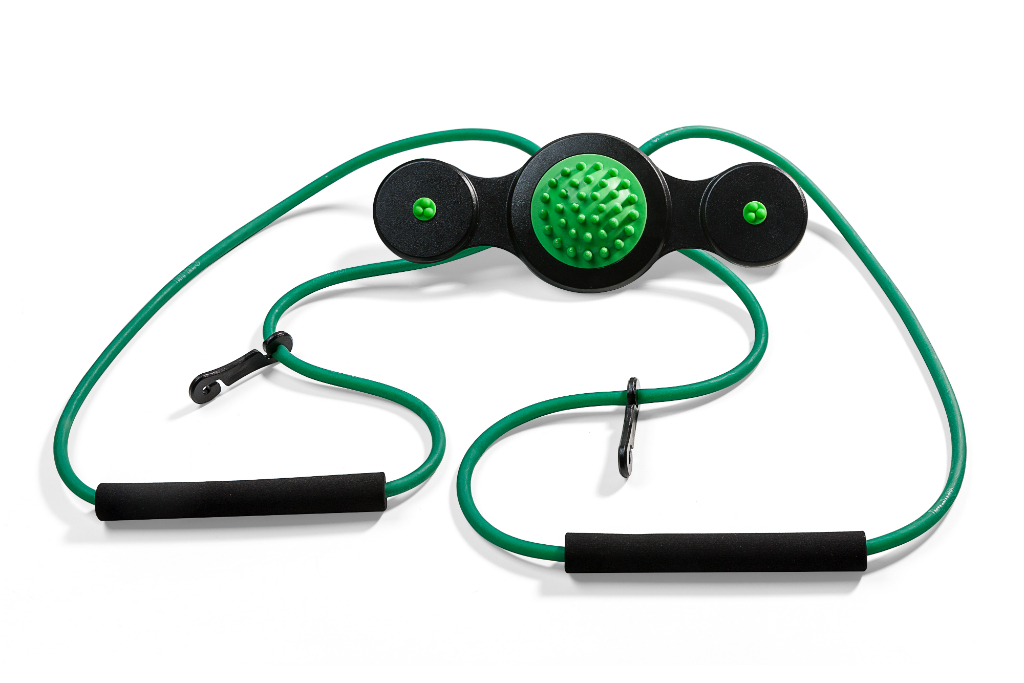 In this example, we have a player who is a big unit: very strong and athletic. He has a tendency to lose his thoracic (upper back) curve and get a very straight spine (those thoracic extensors taking over), often losing control of his scapulae (shoulder blades), too. This is less than ideal for a player who is looking to match up his arm and body movements better in his swing.
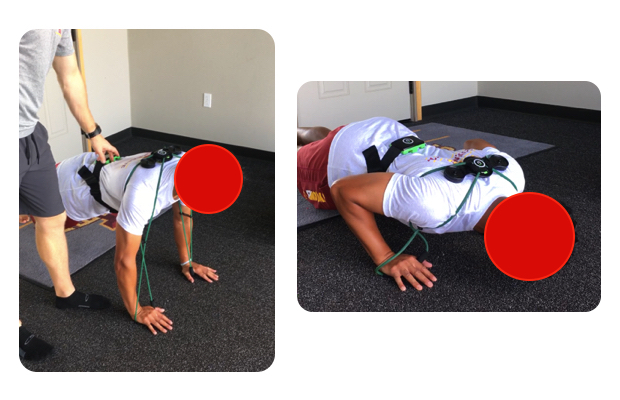
The picture below shows our man doing a classic closed-chain exercise — the push up — using the Thoracic Pro and the Core Awareness Belt. The aim is to keep the spikes in the middle of the back-bow connected to the spine and the scapulae connected to the paddles, while also keeping the buzzer on the Core Awareness Belt nice and quiet. This brings in a whole new element of challenge and focus to an exercise that would otherwise be very easy for this player.
Example 3: Sorting Out a Grumpy Lower Back
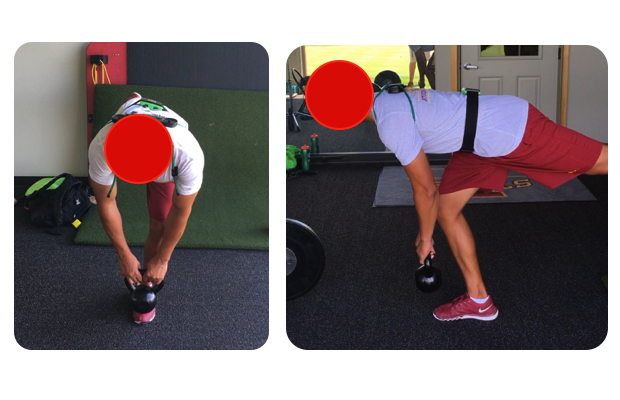
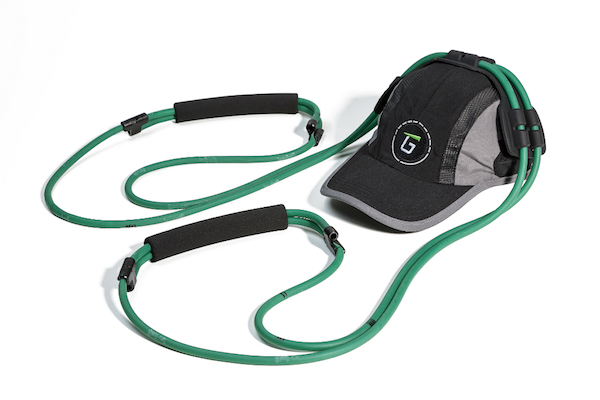
This example actually features myself (I just about scrape into the category of being a golfer) and my low back giving me a bit of bother. Upping the amount of practice, lifting heavy and neglecting my posture at work had left me with a tight and sore low back that wasn’t really responding to self massage using a spiky ball or foam roller. I decided it was time to back off the lifts for a few days and start using the Gravity Cap twice a day. In the images below you can see me demonstrating the exercise combo I used, basically just standing, walking and knee lifts, which looks so simple… but there is some hidden magic in the application of the Gravity Cap.
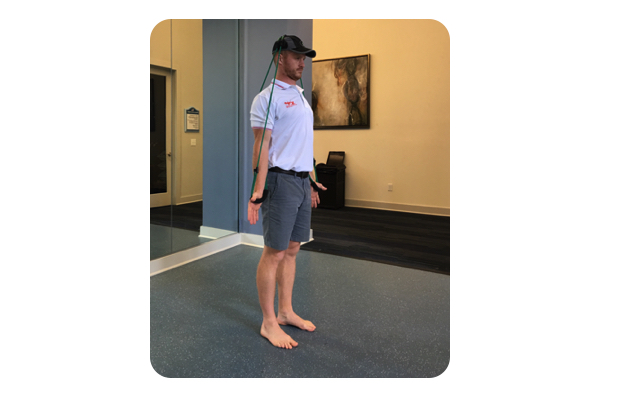
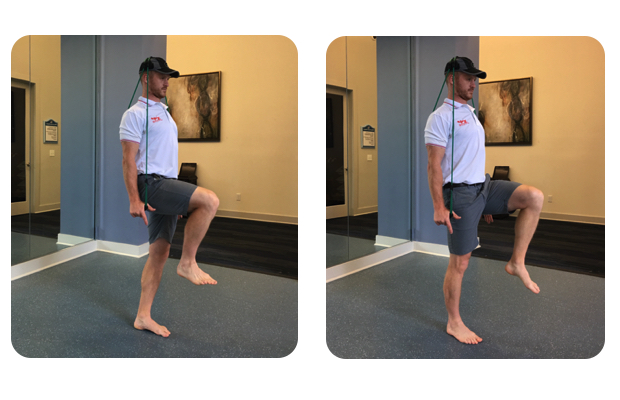 Essentially the Gravity Cap gives me the cue to stand tall, drawing the spine out of the pelvis, feeling as though I’m lengthening my spine. What is actually happening? The increased gravity stimulus delivered by the band pressure on the crown of the skull, combined with my feeling of standing tall, is firing up the gravity muscles (stabilizer) close to my spine. Having these muscles more active then allows the tight superficial movement muscles in the low back to calm down and let go of their death grip on my spine.
 These three examples are just some of the ways in which it’s possible to use the Gravity Fit training tools and techniques to help golfers train their posture and quality of movement in the golf swing. To take a look at Gravity Fit’s stuff yourself click here, or alternatively stick with GolfWRX to see how featured writer Kane Cochran used it to improve his game.






This past Monday, I played in the U.S. Amateur local qualifier at Rock Creek Country Club in Portland, Oregon. A full tee sheet from 7:30 a.m. to 1:55 p.m., the top 11 scores would make it to the U.S. Amateur final qualifying.
I teed off at 10:48 a.m.. With the 7:30 am tee time, you can get a feel for the leaders’ pace, and they were off and running on the challenging setup at Rock Creek.
View this post on Instagram
Getting to the highlight of the round on the par five 17th, a drive up the left side and 212 yards left to the front hole location. I took out a 5-iron with plans of middle of the green. The ball ended up 8 feet left of the hole, pin high. A slight downhill putt dropped in for an eagle 3 on the 17th. With the cut line looking to be anywhere from -2 to even par. This was the boost I had been waiting for all day.
With making par from the trees on 18, it was time to wait for a potential playoff with a posted score of one under par 71.
Three hours later, it was playoff time. 8 players for 6 spots. I made par on the playoff hole, which was good enough to advance to the U.S. Amateur final qualifying in July. USGA qualifiers sure deliver on all of the emotions in golf!
Club Junkie
Building my 2026 gamer WITB: Ranking the contenders and new putter projects – Club Junkie Podcast

The annual What’s In The Bag build is underway, and on this episode of Club Junkie, Brian breaks down the clubs currently leading the race for a spot in his 2026 gamer setup. From drivers and fairway woods to irons, wedges, and shafts, he ranks the equipment that’s performing best and explains what’s separating the front runners from the rest of the field.
Brian also heads into the workshop to discuss several putter projects currently on the bench. From head options and shaft choices to build ideas and testing plans, he shares what he’s working on and which putters could become serious contenders for the bag this season.
If you’re a gear junkie who loves equipment testing, club building, and the never-ending pursuit of the perfect setup, this episode is for you.
Follow Club Junkie:
Instagram: @clubjunkiepod
TikTok: @clubjunkiepod
Threads: @clubjunkiepod
X: @ClubJunkiePod
Club Junkie
Tour Edge Exotics mini driver review + TaylorMade Spider ZT Max first look – Club Junkie

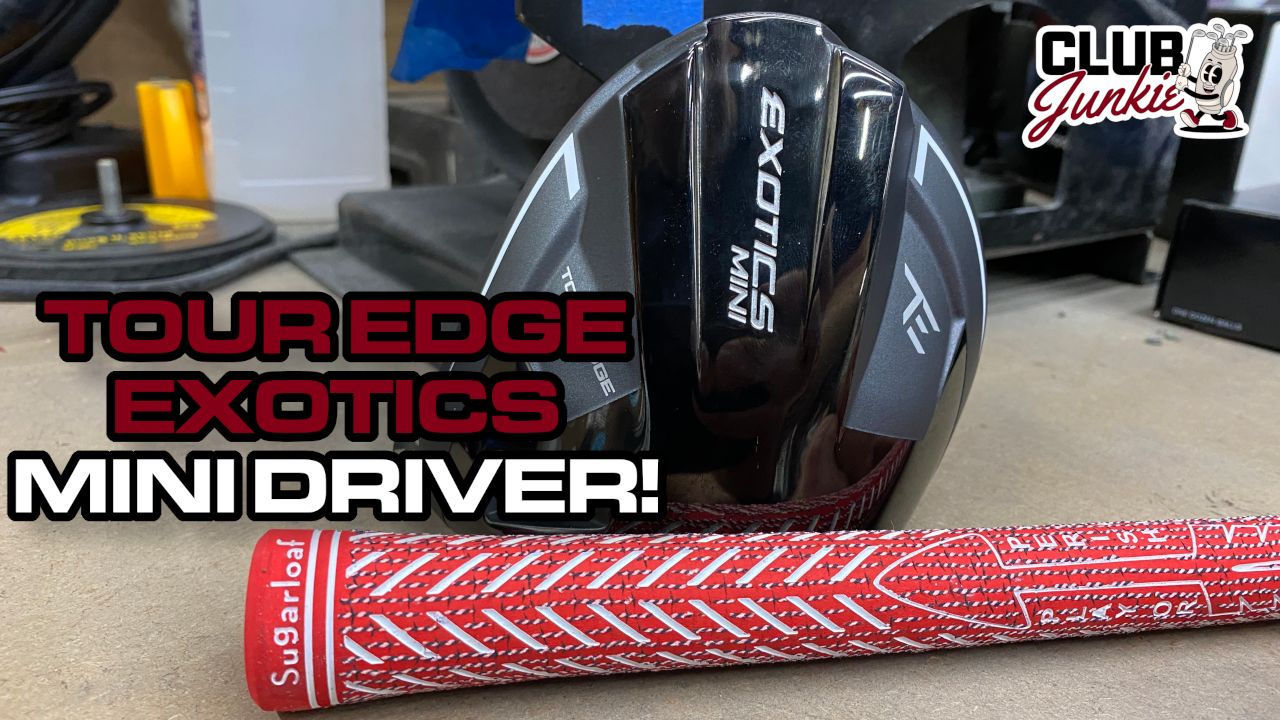
On this episode of Club Junkie, I put the new Tour Edge Exotics Mini Driver to the test and break down the performance, forgiveness, distance, and where it fits compared to a traditional driver or strong fairway wood. If you have been curious about adding a mini driver to the bag, this one is worth a look.
I also dive into the new TaylorMade Spider ZT Max putter that was recently spotted and discuss the growing zero torque putter trend. Plus, there is a closer look at the new Project X Titan Yellow shaft showing up on the PGA Tour and what makes it different from other profiles currently out there.

Justin Rose WITB 2026 (April): Full WITB breakdown with new McLaren irons

What’s the story behind Webb Simpson’s custom-stamped irons?

Memorial Tournament Tour Report: Rory McIlroy, Cameron Young switch up drivers, and more

Cadillac Championship Tour Report: Spieth’s sizable changes, McLaren Golf launches, and more

Russell Henley’s winning WITB: 2026 Charles Schwab Challenge

Kristoffer Reitan’s winning WITB: 2026 Truist Championship

Best irons 2026: Best irons overall, most forgiving irons, and more

J.T. Poston’s winning WITB: 2026 Memorial Tournament

Aaron Rai’s winning WITB: 2026 PGA Championship

Cameron Young’s winning WITB: 2026 Cadillac Championship


Bud Cauley WITB 2026 (June)
Bud Cauley had >14 clubs in his bag when photographed prior to the Memorial Tournament. Driver: Titleist GTS2 (8 degrees) Shaft: Fujikura...


Hannah Green WITB 2026 (June)
Driver: Titleist GTS3 (10 degrees, D4 SureFit setting) Shaft: Mitsubishi Chemical Diamana RB 53 S 3-wood: Titleist GT3 (15 degrees,...


Asterisk Talley WITB 2026 (June)
Driver: TaylorMade Qi4D (9 degrees) Shaft: Fujikura Ventus Blue 6 S 3-wood: TaylorMade Qi4D (16.5 degrees) Shaft: Fujikura Ventus Blue...


Brianna Do WITB 2026 (June)
Driver: Callaway Quantum Triple Diamond (9 degrees) Shaft: KBS PGW 3-wood: Callaway Elyte Titanium (15 degrees) Shaft: KBS PGW 5-wood:...
-
 Equipment6 days ago
Memorial Tournament Tour Report: Rory McIlroy, Cameron Young switch up drivers, and more
-
 News2 weeks ago
Russell Henley’s winning WITB: 2026 Charles Schwab Challenge
-
 Equipment3 days ago
Best irons 2026: Best irons overall, most forgiving irons, and more
-
 Whats in the Bag4 days ago
J.T. Poston’s winning WITB: 2026 Memorial Tournament
-

 Equipment1 week ago
Details on Jason Day’s latest prototype Avoda iron setup
-
 Equipment3 weeks ago
CJ Cup Byron Nelson Tour Report: Koepka and Kim’s newest putters finally get hot
-

 News2 weeks ago
Charles Schwab Challenge Tour Report: MacIntyre, Åberg and Spaun all switch putters, TaylorMade launches new Spider
-
 Equipment2 weeks ago
Details on J.J. Spaun’s surprise putter switch


KoreanSlumLord
Sep 27, 2016 at 10:43 am
No