
Equipment
A Bouncing Idea: The Story of the Sand Wedge

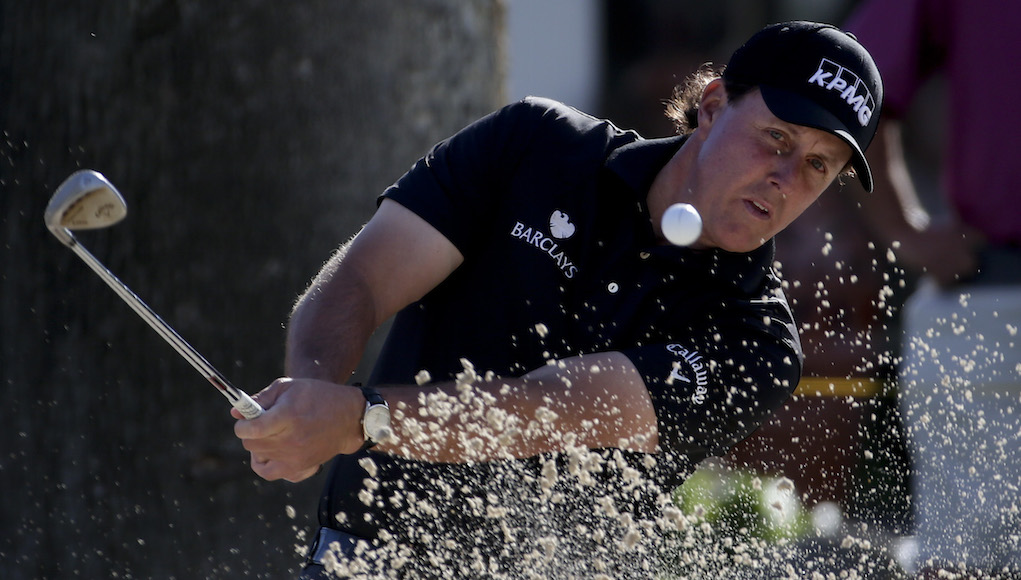
If you’re like me, it’s painful to watch the golf ball tumble into a bunker, or as you Americans like to call them, “traps.” Fear and trepidation soon follow while surveying the next shot from the sandy grave.
We watch in awe as professionals effortlessly splash their escapes exquisitely up to the hole. With endless hours to practice and a technique honed to perfection, these guys make it look easy. In fact, they sometimes prefer sand to greenside rough. The average weekend warrior has a much bigger fear factor and is less concerned in leaving the ball beside the hole as he is in not leaving the ball in the bunker. And the anguish of today’s golfer is only heightened as he sees the ball in anything but a perfect lie on the beach.
Compared to the early days of golf, however, bunker play is relatively easy.
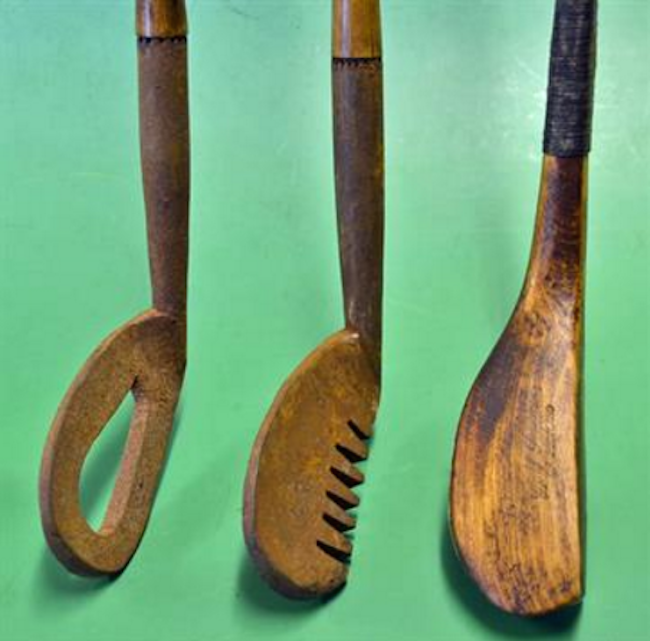
A water iron (far left), a rake iron, and a long-nose play club (far right) from the 1900s
Back in the dark ages when golf was invented, the landscape was not as refined as we know it these days. Golfers had to put up with all sorts of interesting lies including cart paths, (made by horse and carts, not the tarmac cart paths we know of today), ruts, hoof prints and cow pats. In those days, golfers used all sorts of designs to extricate themselves from hazards including the “water iron,” which was used from casual water. Back then, you played the ball as it lay no matter what!
The bunker itself came from our golfing forefathers in Scotland. The first golf courses were built on sand-based links land, and pits appeared that they called “bunkers.” And merely getting the ball out of a bunker was an issue. They were really a hazard and golfers accepted them as a punishment. They were unkempt, were full of stones, shells, weeds, and rocks and didn’t have rakes. They looked like they had been fashioned by men drinking whisky, which was probably not far from the truth. Indeed in early exhibition games, the crowds used to stand in the bunkers to get a better view of matches.
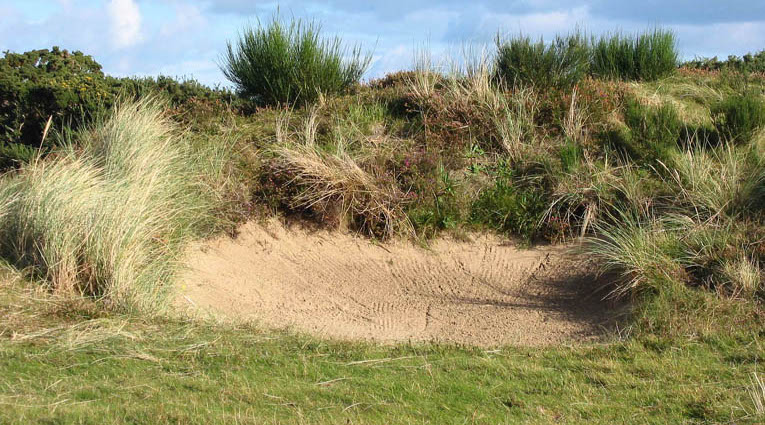
Royal County Down keeps the natural look to its bunkers.
Prior to the 1930s, the best club for short approach shots was the niblick, roughly equivalent to today’s 9-iron or pitching wedge. The design of this club, however, featured a flat, angled face and virtually no sole, making it difficult to use in sand and other soft lies as it was prone to digging into the ground. Players had to pick the ball cleanly off the sand, which required a good lie. The other alternative for bunkers was the jigger; it was similar to a chipper with a short shaft, but little loft. Less loft prevented the club from digging in too much on soft lies, but the compromise was the low launch angle and it was useless at moving through the sand to dig out a buried ball. The club was also not ideal for approach shots from a greenside bunker, as a chip shot made with this club tended to roll for most of its distance. The club designers in those days were often blacksmiths who offered up all sorts of strange solutions to the bunker dilemma. The rake iron (pictured above) was invented by a Scottish optometrist who became fed up of having to remove sand from the eyes of golfers playing at the local links, and created a club designed to cast up less sand when swung.
The governing bodies soon began to clamp down on design and banned many offerings. Spoon clubs offered varying degrees of loft and allowed players to scoop their ball out of sand traps and deep rough. Some had bowl faces, others featured deeply grooved faces, but not all of these designs conformed. Walter Hagen was using a lethal-looking sand wedge in the late 1920s, with a hickory shaft and a smooth concave face with a lot of loft and about a half pound of weight in the flange. This was deemed illegal and soon became outlawed.
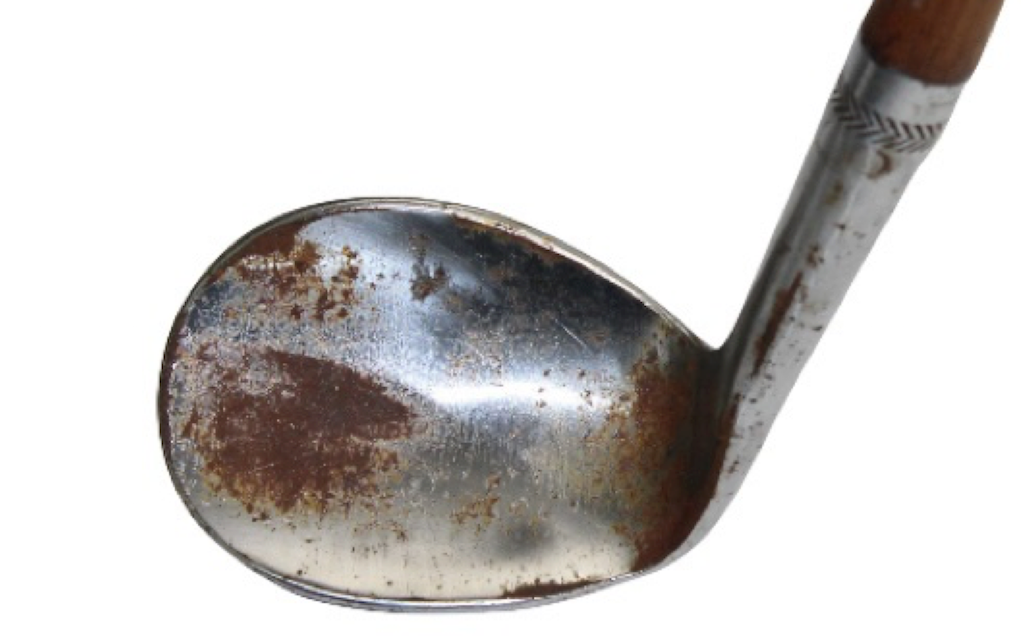
Walter Hagen concave sand wedge with a smooth face.
It is widely acknowledged that the biggest breakthrough in sand play appeared in the 1930s, and many connect Gene Sarazen with the design of today’s modern sand wedge. The story goes that he dreamed this club up after flying with Howard Hughes, the aviation tycoon, movie producer and scratch golfer. When Hughes’s plane took off, the flaps on the wings came down. We don’t know if alcohol or narcotics were consumed at the time, but Sarazen made a connection between the flaps and the flange you could add to a club that would allow it to slide through the sand and help the ball pop up.
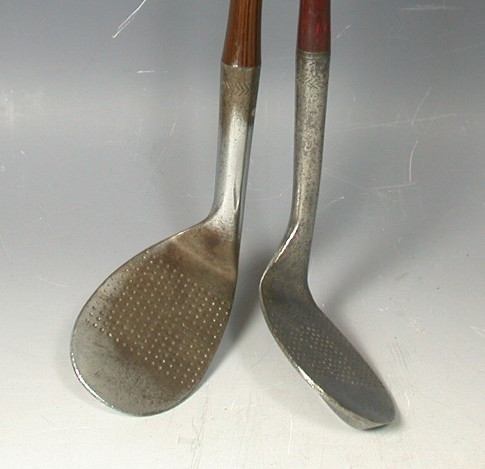
Early Wilson sand wedges.
Sarazen experimented by soldering flanges to his niblicks, which were similar to a modern pitching wedge. Another modification that he made was to add extra lead to the front edge of the club face, allowing it to cut through the sand more smoothly. He sent the clubs to Wilson, and the company used those prototypes to come up with its first sand wedge in the early 1930s with a steel shaft, dot markings on the club face and the amount of flange that is still widely used today. After he won the 1932 British and U.S. Opens with the help of his new club, its popularity quickly grew. Almost 85 years later the club has hardly changed, and you’ll still see Wilson R-20 and R-90 wedges in the bags of golfers today.
Sarazen was also a pioneer of the explosion shot. Up to then golfers tried to pick the ball clean out. By hitting in behind the ball and using the bounce of the club, the sand shot suddenly became more consistent. Of course, Sarazen downplayed it, saying it was the game’s easiest shot because the club face never touches the ball.
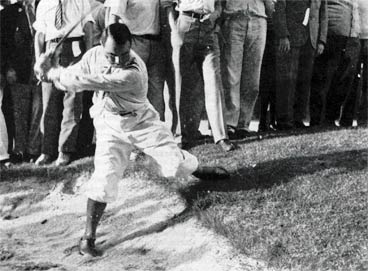
Gene Sarazen hitting a bunker shot.
Today, we are a lot more educated than ever on the design aspects of the sand wedge from the grooves and loft to the bounce. We have so many grind options these days with laser-engraved grooves machined to tolerances previously unachievable. Dave Pelz, Roger Cleveland, Bob Vokey and others are now celebrities of the short game, an industry within the game. The gap and lob wedges were natural additions, driven by marketing demands to sell more clubs, but in truth the basic concepts have only changed marginally. More loft seems to be the current trend, and it’s interesting to see 58-64 degrees as the new norm. I stop at 60, as I have this recurring nightmare of a ball coming straight up and hitting me in the face, but that’s another story
So the next time you find yourself on the beach, think bounce, knock it out and tip your hat to Eugenio Saraceni.








This week, we have our Tour Photographer, Greg Moore, on the ground at the OccuNet Classic at Tascosa Golf Club in Amarillo, Texas, for the 14th event of the 2026 Korn Ferry Tour season. With that, we see some great things in the Lead Tape Report as we roll into Amarillo.
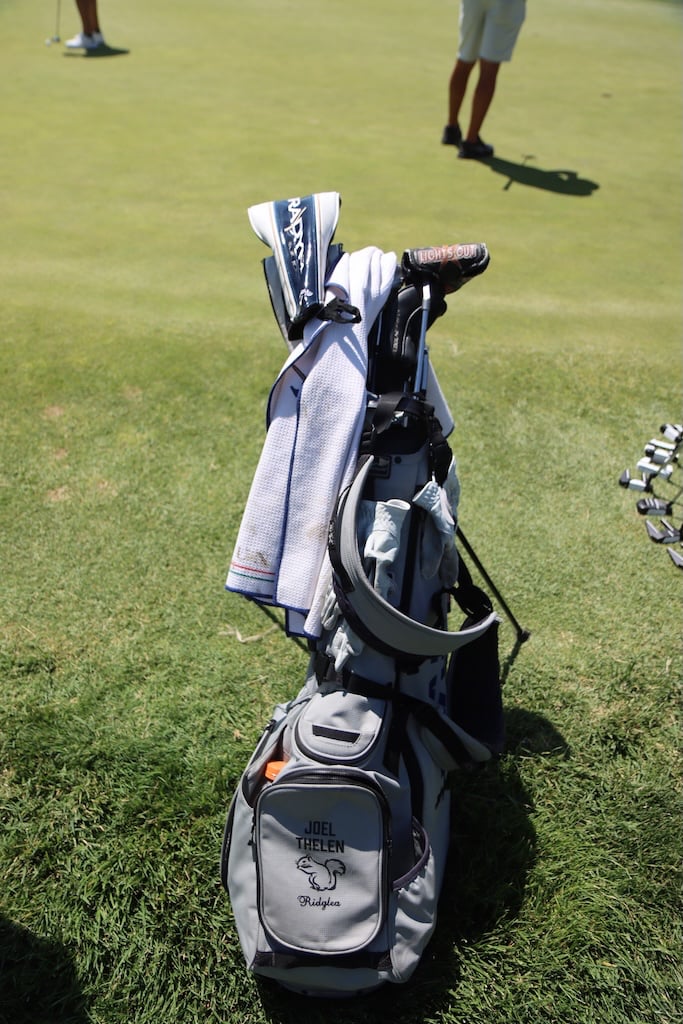
Joel Thelen
Monday Qualifier, Joel Thelen is in the field this week. He has played on the Korn Ferry Tour for a full season in 2023, and he is back in action this week. A couple of clubs caught my eye this week in his bag.
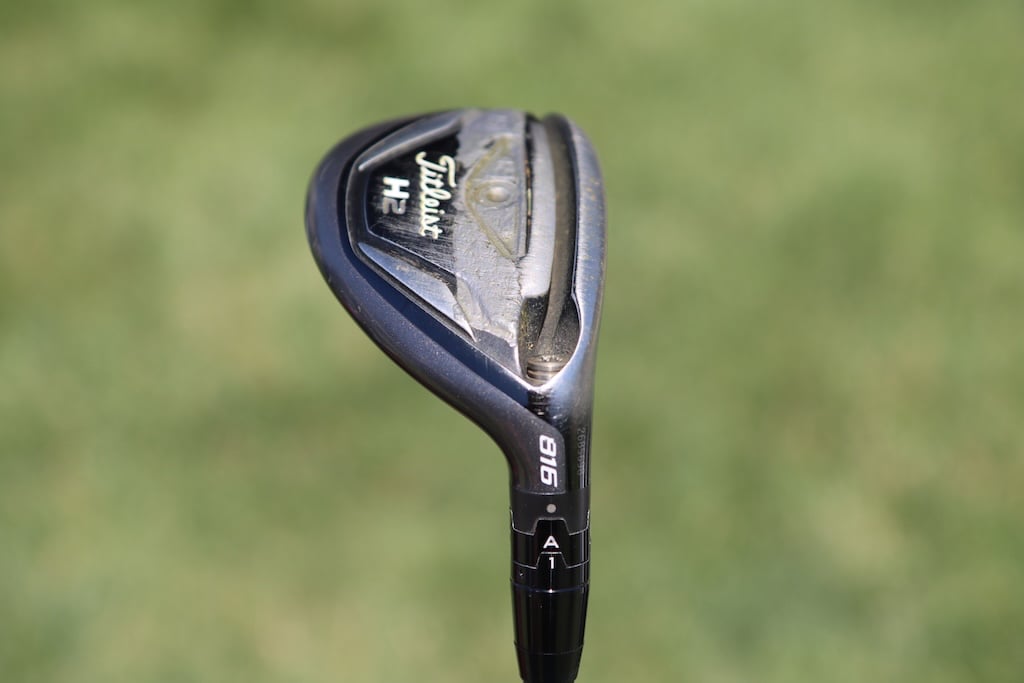
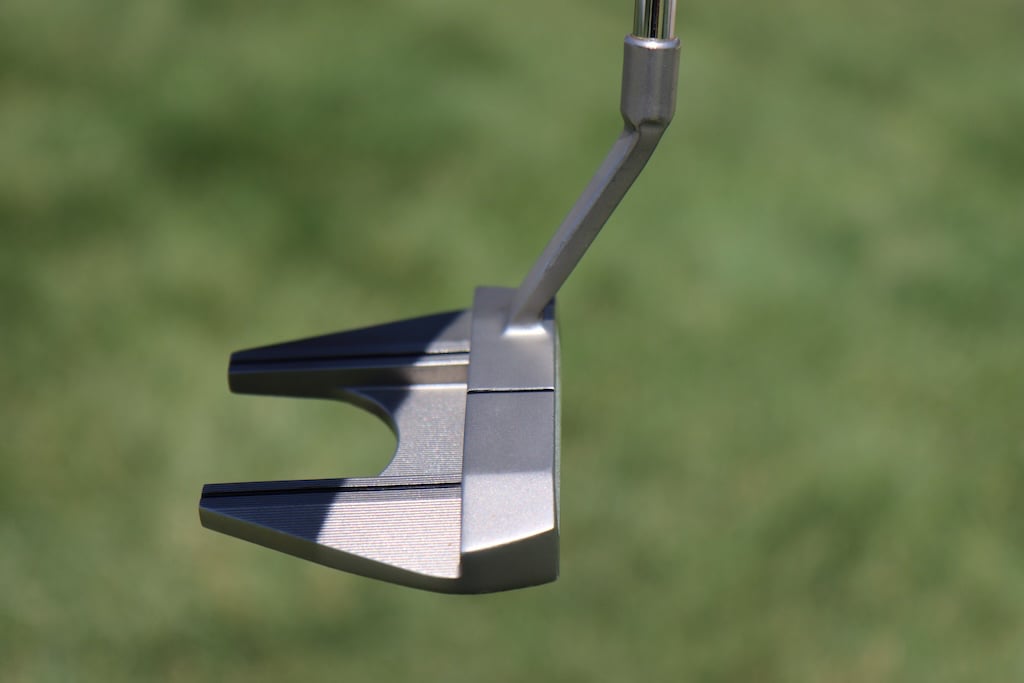
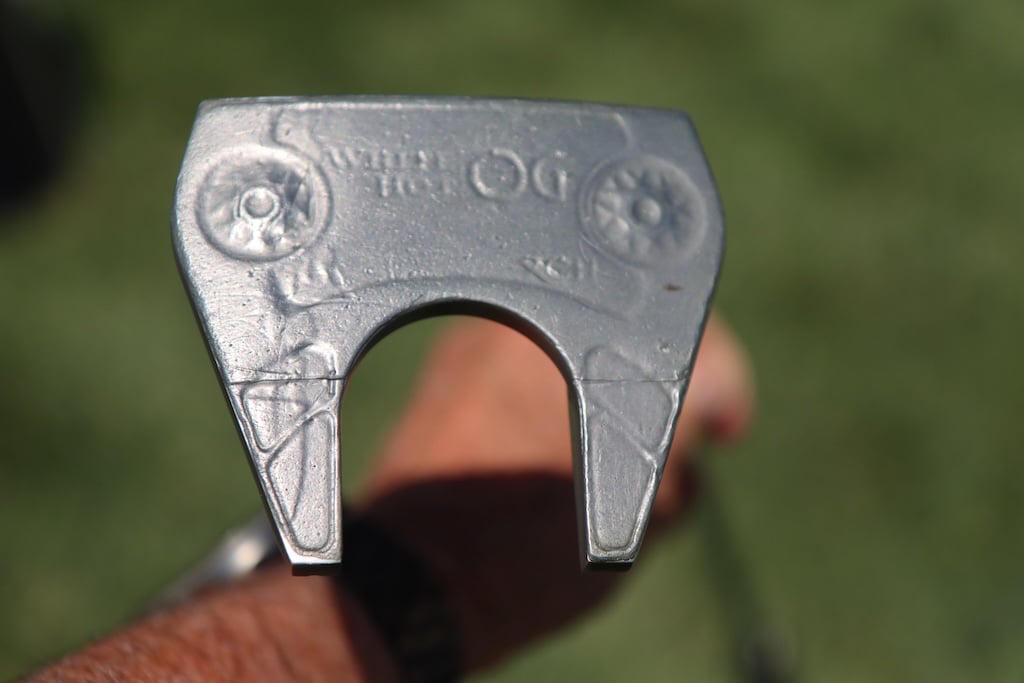
First off: His trusted Titleist 816 H2 hybrid. This club came out in October of 2015, and it still remains strong in the bag. Also, take a look at this Odyssey White Hot OG 7, putting a capital S in the 7S model. This custom neck has some impressive lean for an arm-lock-style putter. The bottom of the putter is covered in tape for optimal weighting.
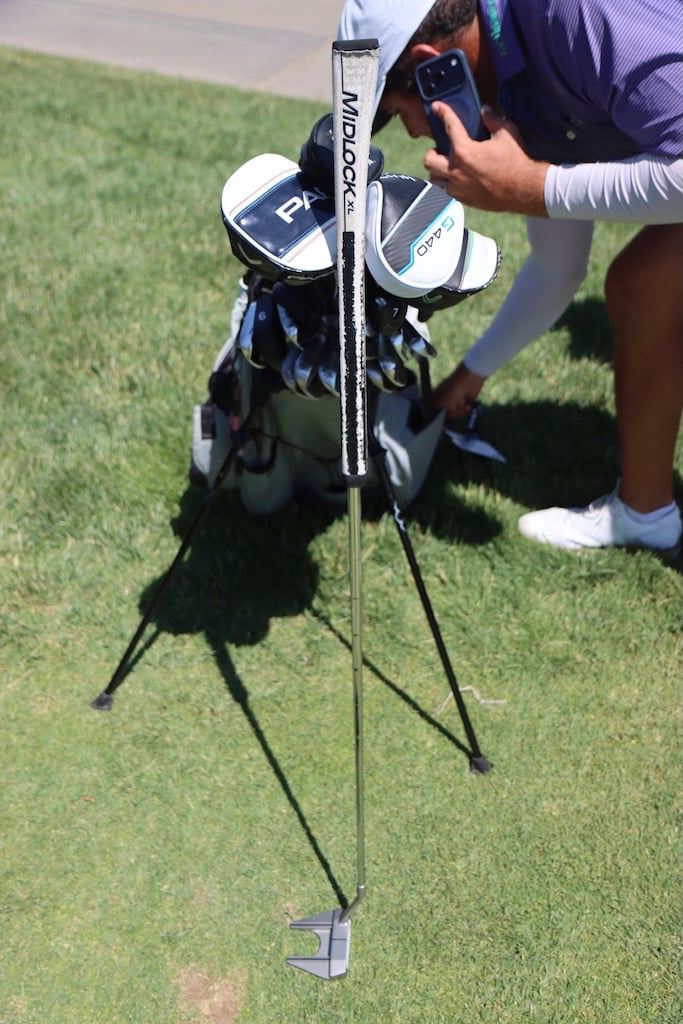
Mitchell Meissner
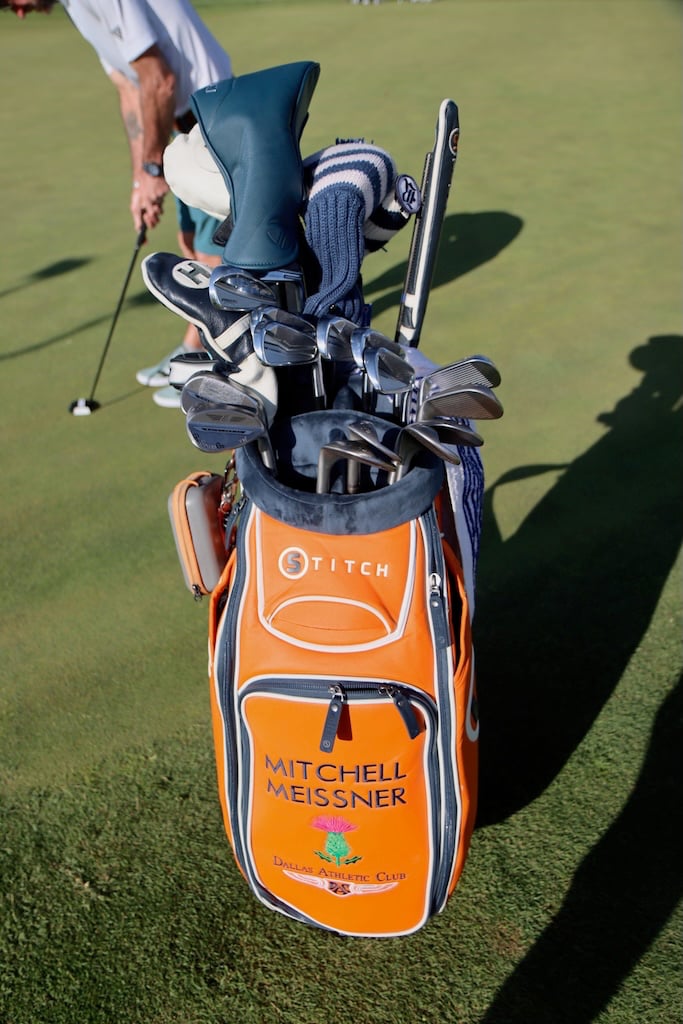
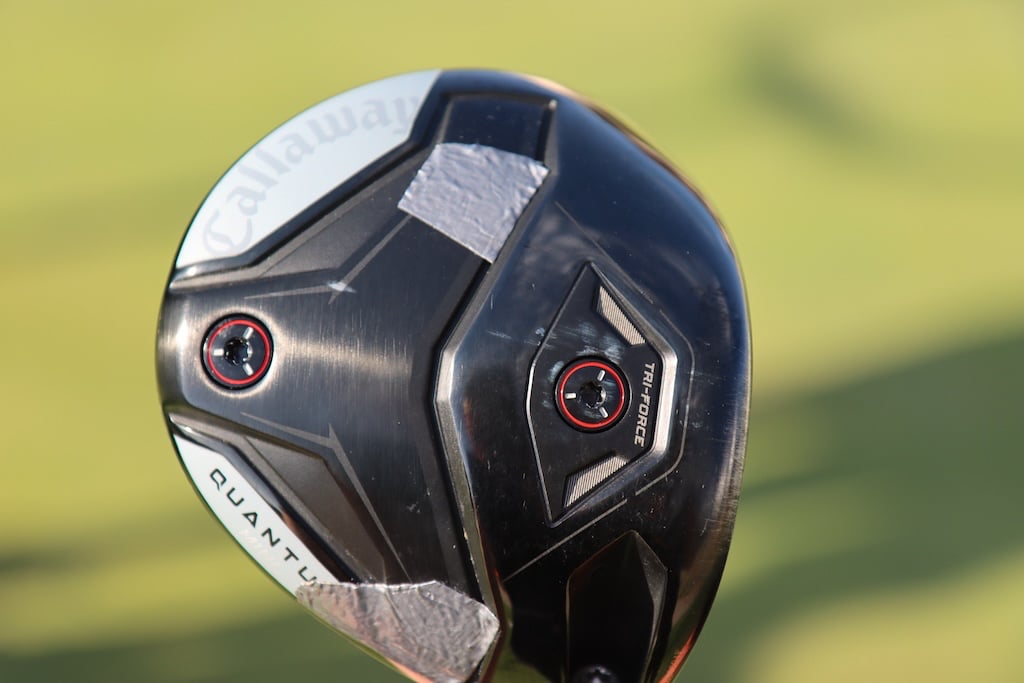
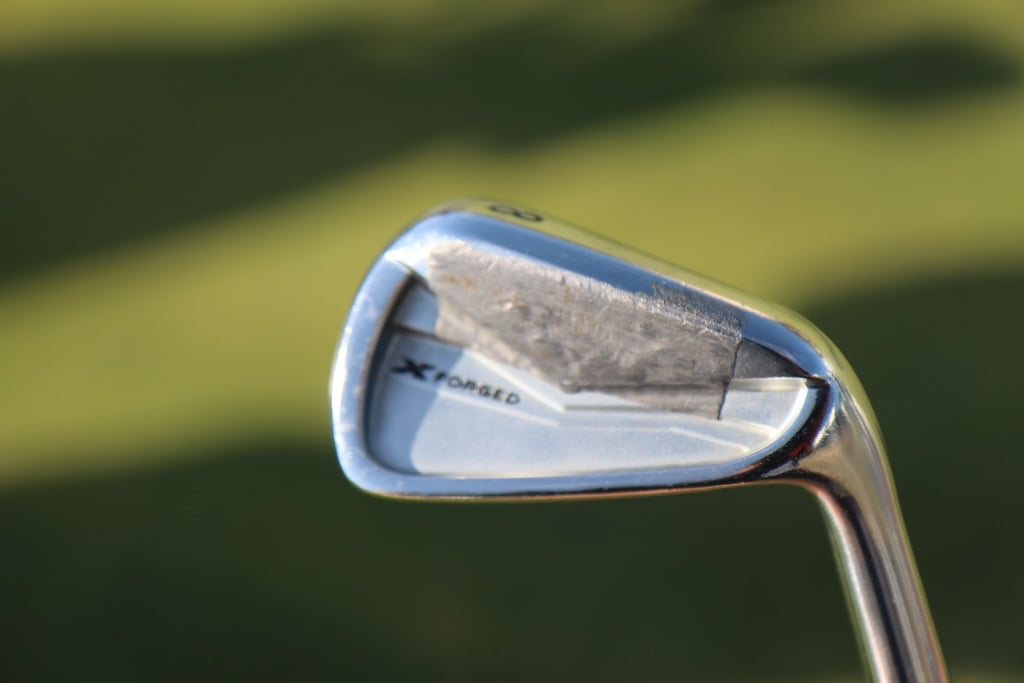
Taking a look at Mitchell Meissner’s bag this week, we have some great lead tape coverage. Top to bottom working from fairway metals, irons, and wedges. We can see on the short irons and wedges that there is tape at the base of the grip, adding a little counterbalance. Along with that, some tape on the short irons and wedges as well. Moving to his putter, he rolls the Odyssey 7 Bird putter. Meissner putts left-handed and strikes the ball right-handed.

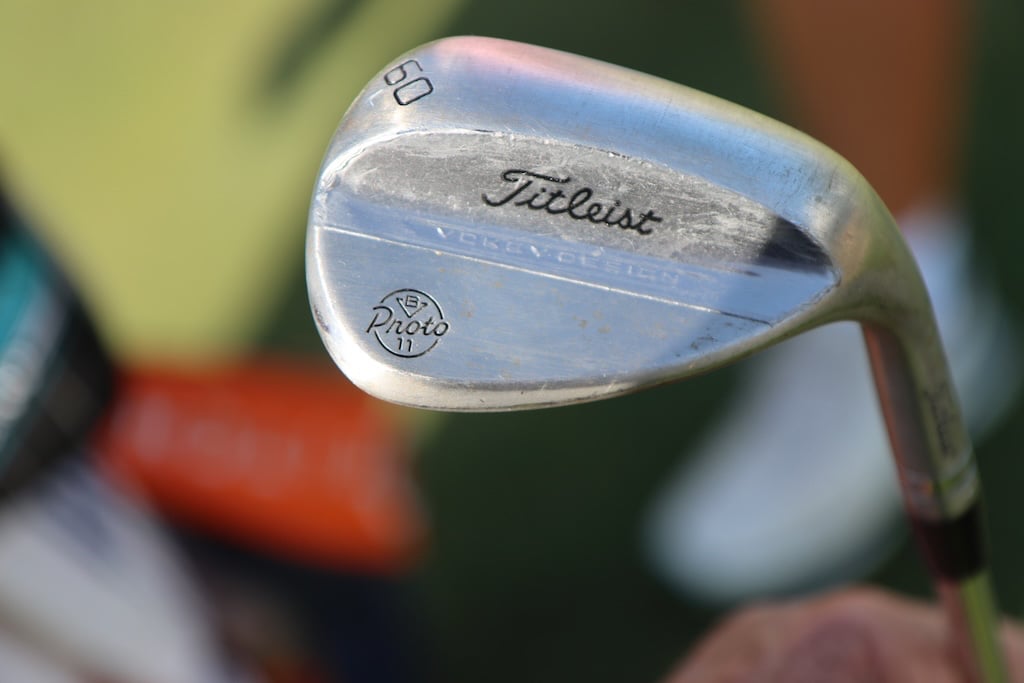

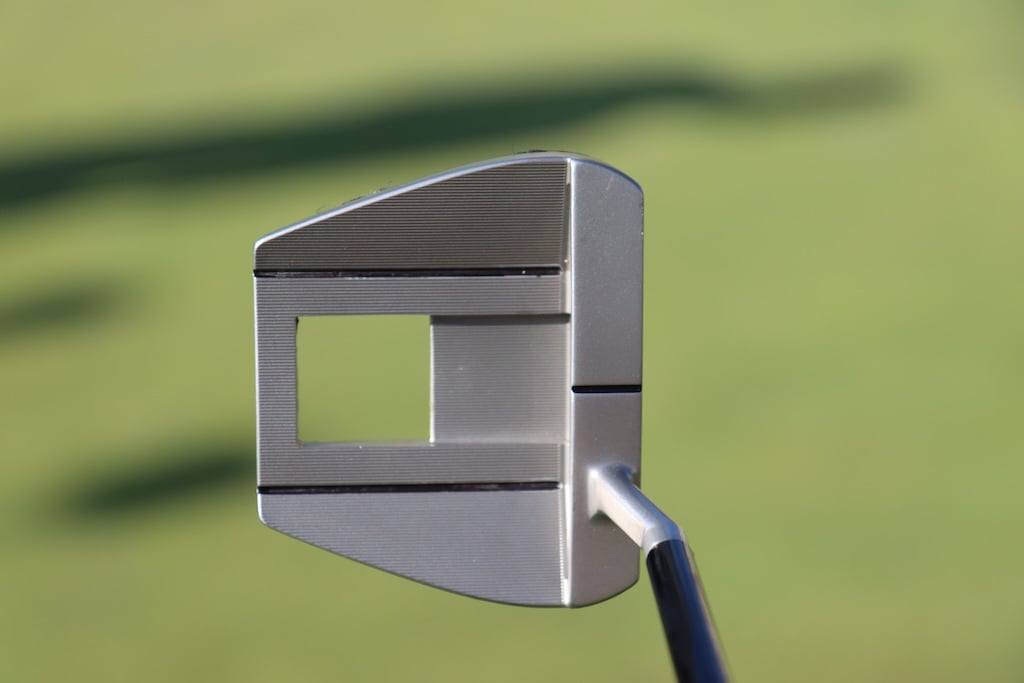


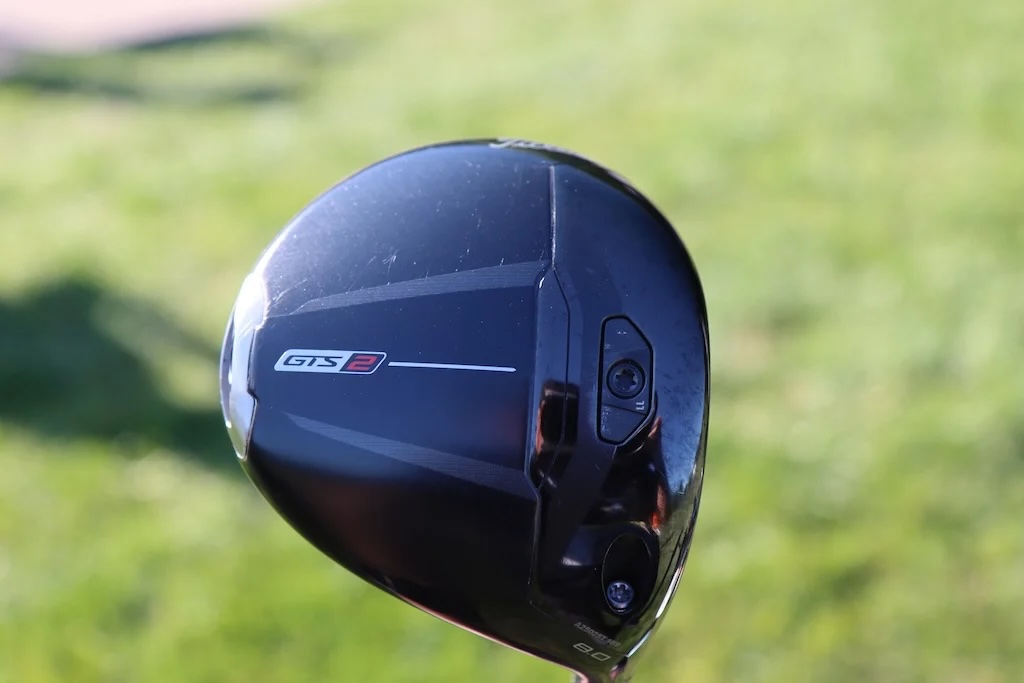
Bud Cauley had >14 clubs in his bag when photographed prior to the Memorial Tournament.
Driver: Titleist GTS2 (8 degrees)
Shaft: Fujikura Ventus Black 6 X
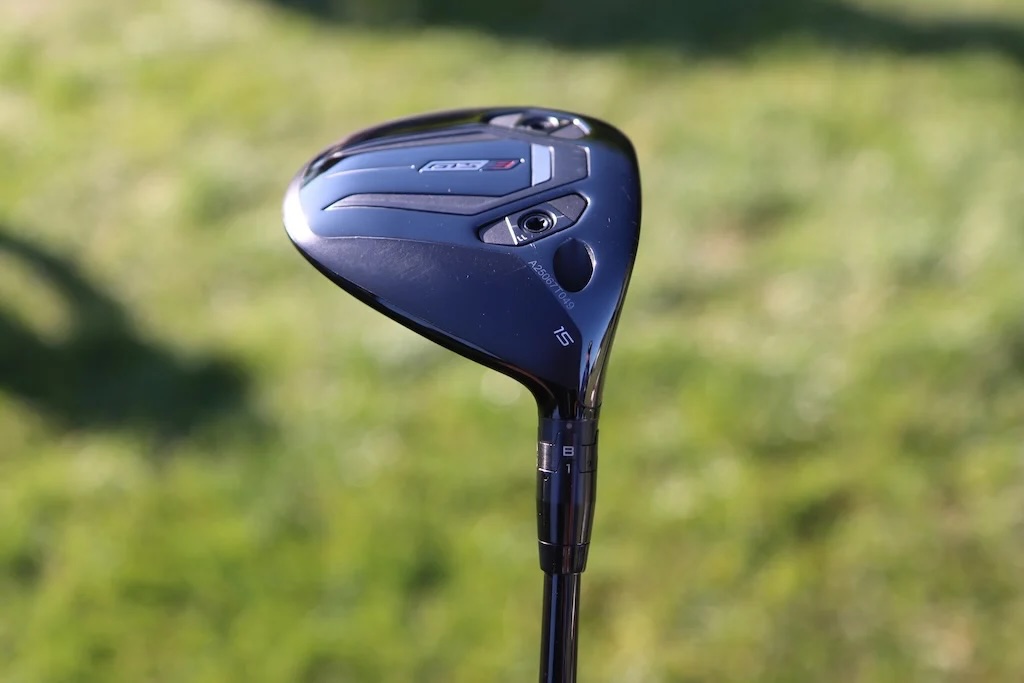
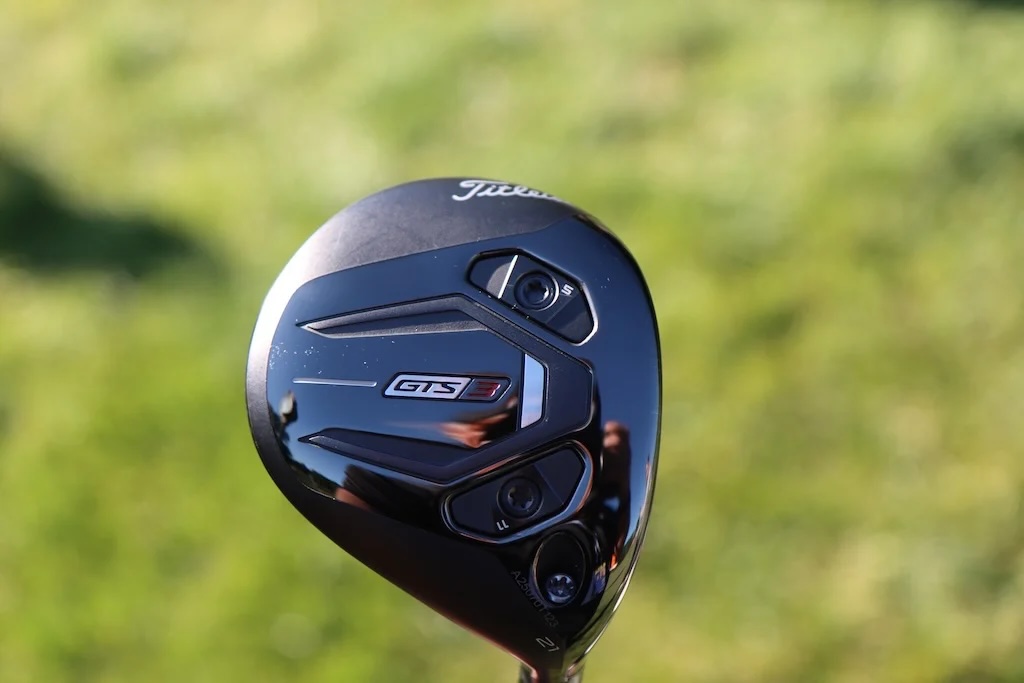
3-wood: Titleist GTS3 (15 degrees, B1 SureFit setting)
Shaft: Mitsubishi Chemical Tensei 1K Pro Red 70 TX
7-wood: Titleist GTS3 (21 degrees, D1 SureFit setting)
Shaft: Mitsubishi Chemical Tensei 1K Pro Red 80 TX
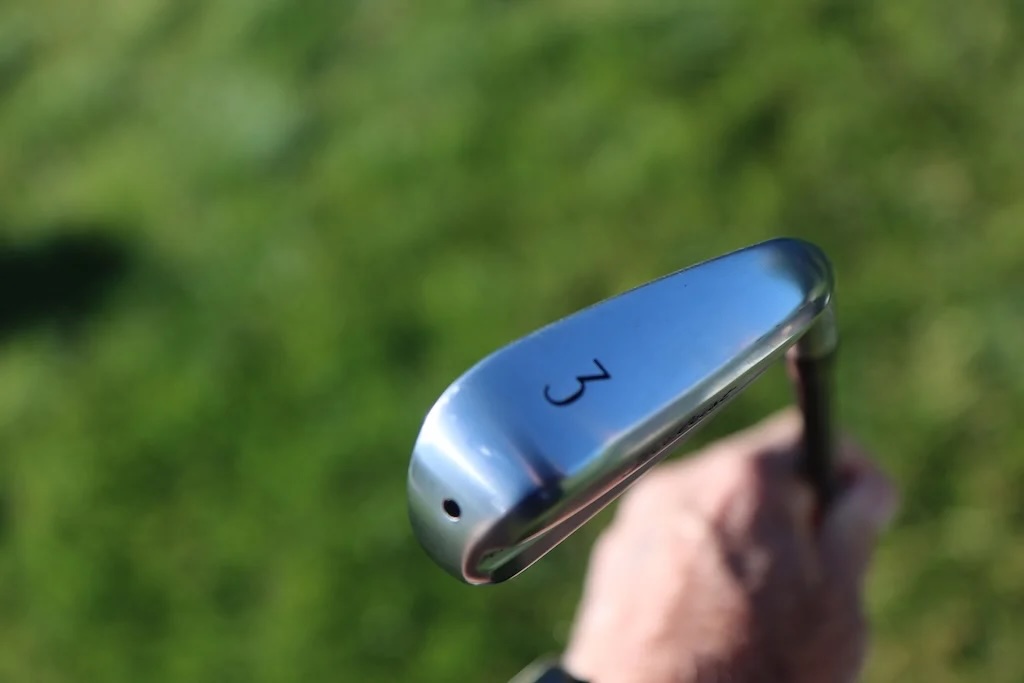
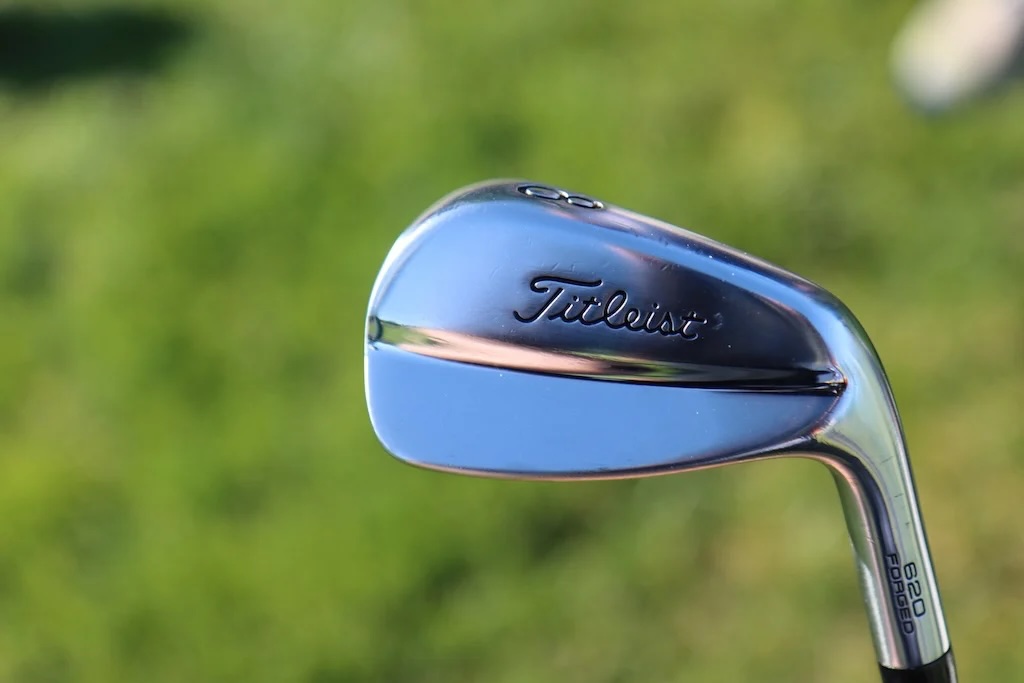
Irons: Titleist U505 (3), Titleist 620 MB (4-9)
Shafts: Fujikura Ventus Black HB 8 X, True Temper Dynamic Gold Tour Issue
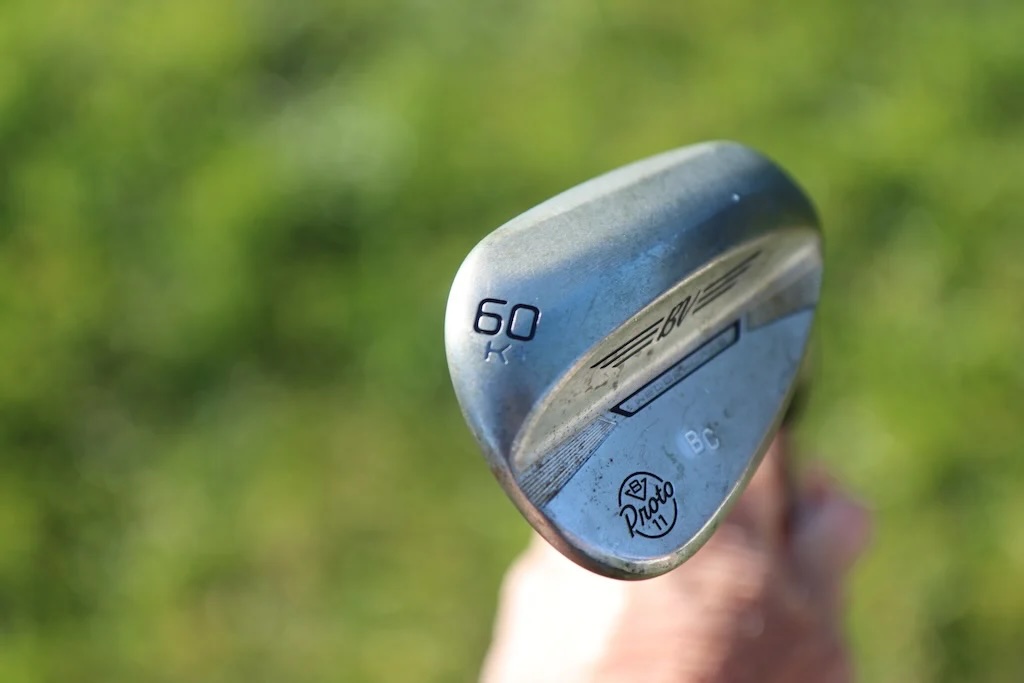
Wedges: Titleist Vokey Design SM11 (48-10F, 52-12F, 56-14F), WedgeWorks (60-K*)
Shafts: True Temper Dynamic Gold Tour Issue S400
Putters: Scotty Cameron Tour Prototype, Scotty Cameron GOLO 6.3 Prototype
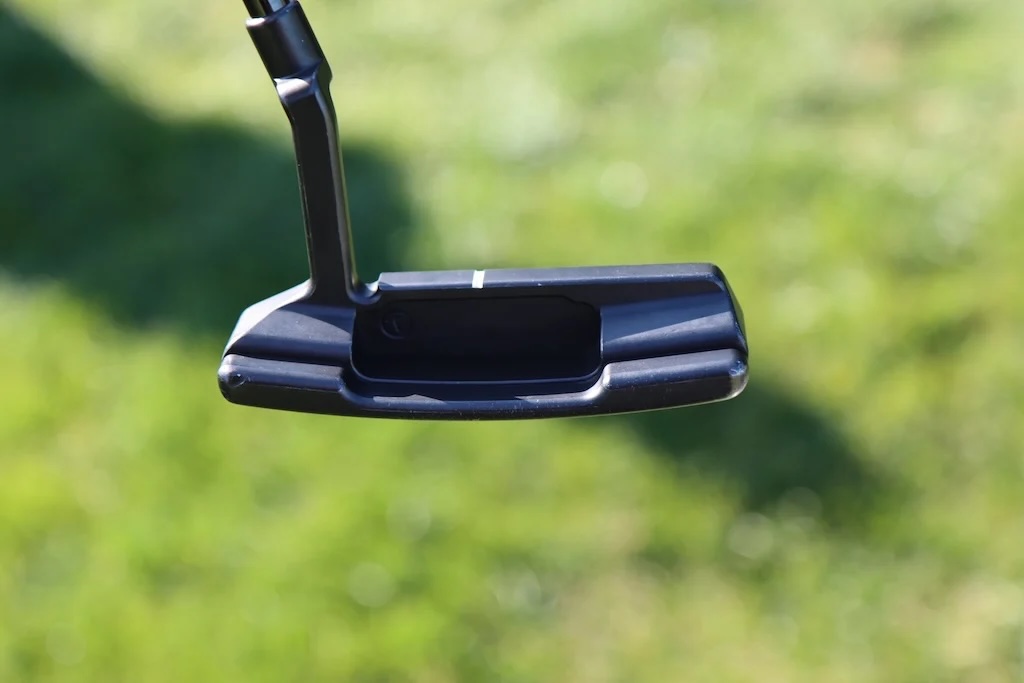
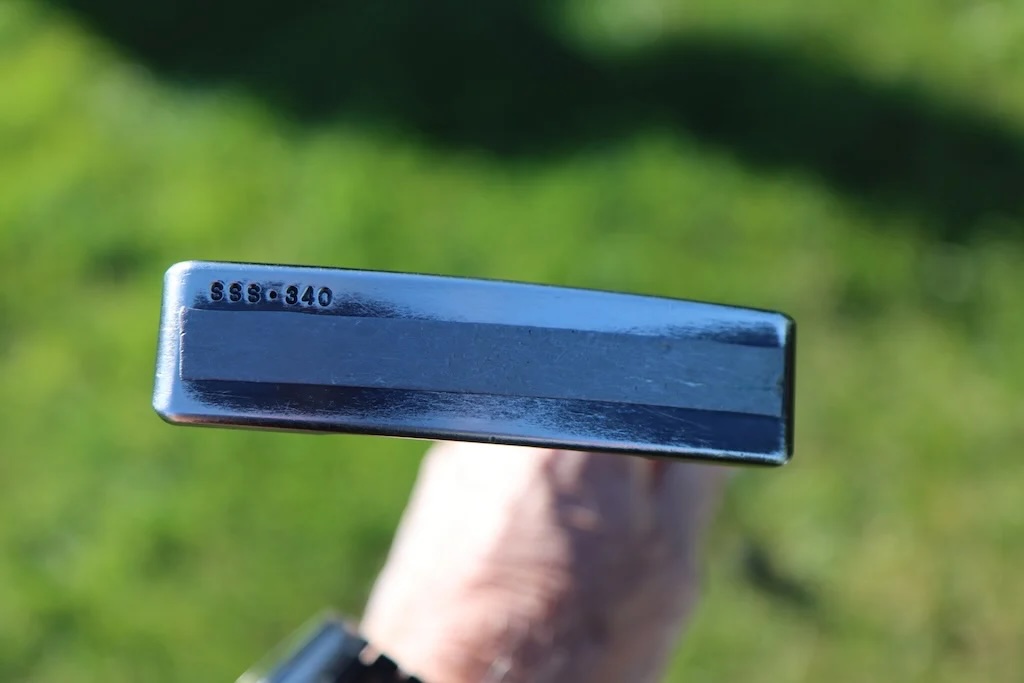
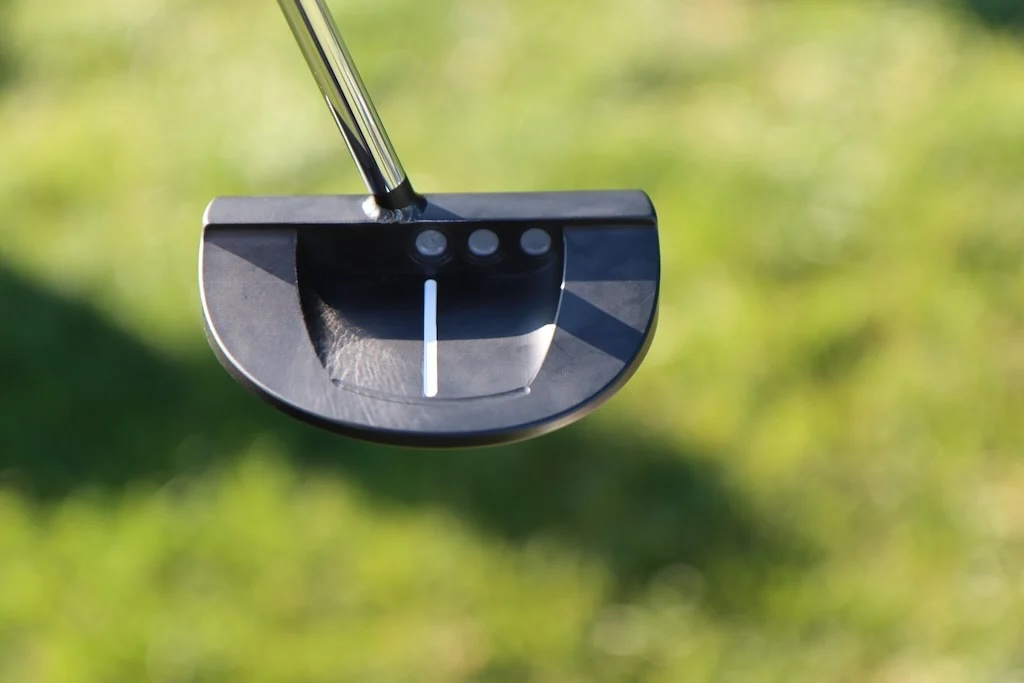
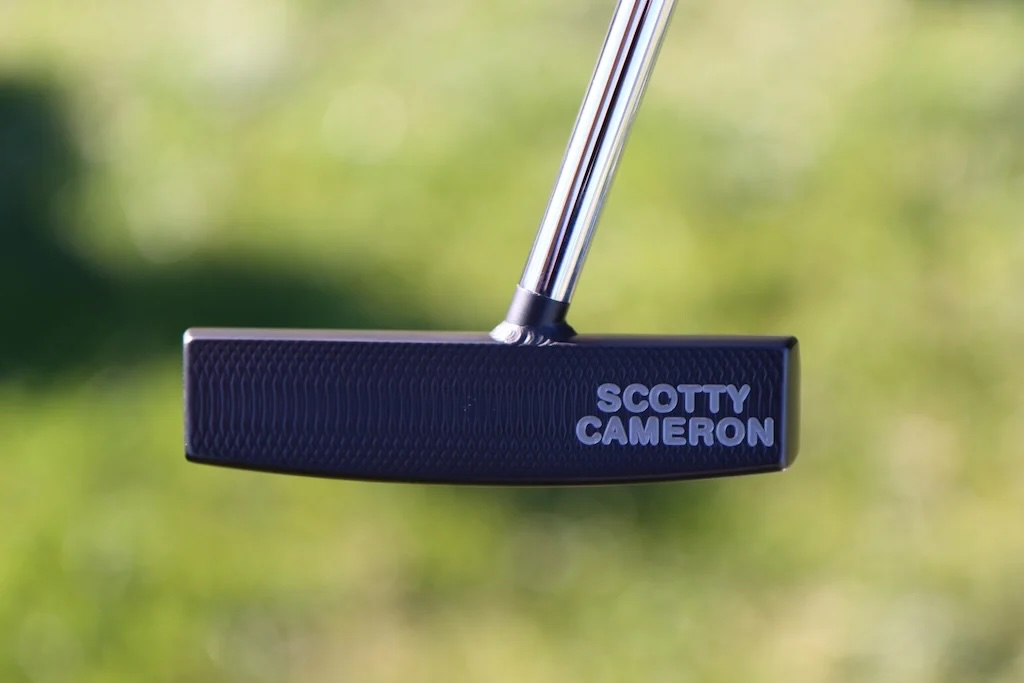
Grips: Golf Pride Tour Velvet Align
Ball: Titleist Pro V1
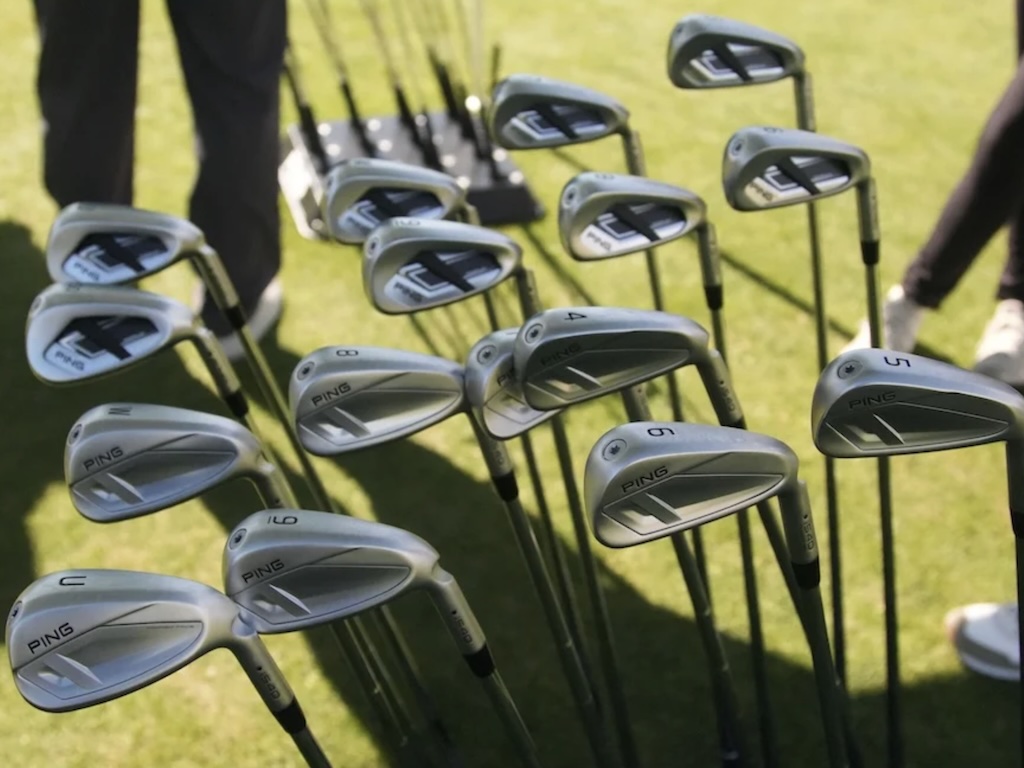
In our forums, one user has offered up a prompt for the true sickos, inviting fellow forum members to share every set of irons they’ve ever owned. As to be expected, this is a lengthy forum topic.
@Lamosteve began:
Can you name every set of irons you’ve owned? Here’s mine
Spalding Dots
Spalding Eclipse
Ram Lazer FX
Lynx Parallax
Mizuno EZ Comp
Ben Hogans
Cleveland CG Red
Taylor Made R9s
PING i20
PING iE1
Taylor Made M6
Our members in the forum have been offering up their own collections. Here are a few posts from the thread, but make sure to check out the entire discussion and have your say at the link below.
- macedan: “Started with a hand-me-down Golden Bear set from my brother when I was in high school, never really played more than once a year or got into the game until about summer of 2017. First purchased a set of Cleveland CG4’s (I actually really miss this set sometimes, soft & not terribly large for a GI iron), moved into Nike Vapor Fly’s by the end of the year. Those lasted until spring of 18 when I decided I wanted new, so I traded them in for TM Rbladez. Honestly, although I liked the Rbladez, poor decision on my part, I think this was really about the only time so far that after a week or two I was kicking myself for not staying with what I had. Rbladez stayed with me until late last summer when I switched to P790’s and (knock on wood) I am hoping this will be my longest lasting set.”
- JimmyC59: “MacGregor Jack Nicklaus Triple Crown. Palmer The Standard. Still play these.”
- jgrzask: “Tommy Armour 845u
Mizuno MP-32
Mizuno MP-33 (2 sets)
Bridgestone J33cb – still own
Srixon i-302 (2 sets) – still own
Tourstage X-Blades – still own
Mizuno Hot Metal – still own
Nike Forged Blades – still own
Titleist 714 AP1 – still own
Cobra Forged SS – still own”

Justin Rose WITB 2026 (April): Full WITB breakdown with new McLaren irons

What’s the story behind Webb Simpson’s custom-stamped irons?

Memorial Tournament Tour Report: Rory McIlroy, Cameron Young switch up drivers, and more

Cadillac Championship Tour Report: Spieth’s sizable changes, McLaren Golf launches, and more

Russell Henley’s winning WITB: 2026 Charles Schwab Challenge

Kristoffer Reitan’s winning WITB: 2026 Truist Championship

Aaron Rai’s winning WITB: 2026 PGA Championship

Cameron Young’s winning WITB: 2026 Cadillac Championship

J.T. Poston’s winning WITB: 2026 Memorial Tournament

Best irons 2026: Best irons overall, most forgiving irons, and more


Bud Cauley WITB 2026 (June)
Bud Cauley had >14 clubs in his bag when photographed prior to the Memorial Tournament. Driver: Titleist GTS2 (8 degrees) Shaft: Fujikura...


Hannah Green WITB 2026 (June)
Driver: Titleist GTS3 (10 degrees, D4 SureFit setting) Shaft: Mitsubishi Chemical Diamana RB 53 S 3-wood: Titleist GT3 (15 degrees,...


Asterisk Talley WITB 2026 (June)
Driver: TaylorMade Qi4D (9 degrees) Shaft: Fujikura Ventus Blue 6 S 3-wood: TaylorMade Qi4D (16.5 degrees) Shaft: Fujikura Ventus Blue...

Brianna Do WITB 2026 (June)
Driver: Callaway Quantum Triple Diamond (9 degrees) Shaft: KBS PGW 3-wood: Callaway Elyte Titanium (15 degrees) Shaft: KBS PGW 5-wood:...
-
 Equipment5 days ago
Memorial Tournament Tour Report: Rory McIlroy, Cameron Young switch up drivers, and more
-
 News1 week ago
Russell Henley’s winning WITB: 2026 Charles Schwab Challenge
-
 Whats in the Bag3 days ago
J.T. Poston’s winning WITB: 2026 Memorial Tournament
-
 Equipment2 days ago
Best irons 2026: Best irons overall, most forgiving irons, and more
-
 Equipment1 week ago
Details on Jason Day’s latest prototype Avoda iron setup
-
 Equipment3 weeks ago
CJ Cup Byron Nelson Tour Report: Koepka and Kim’s newest putters finally get hot
-

 News2 weeks ago
Charles Schwab Challenge Tour Report: MacIntyre, Åberg and Spaun all switch putters, TaylorMade launches new Spider
-
 Equipment2 weeks ago
Details on J.J. Spaun’s surprise putter switch


Greg V
Aug 15, 2016 at 12:49 pm
Eugenio Saraceni – who is this violin player of which you speak?
Flavastalloni
Aug 14, 2016 at 9:51 pm
Tom Morris Junior perfected the rutclub shot from off the green which won him his Opens
Pe
Aug 14, 2016 at 2:35 am
I also have this recurring nightmare that while I play a links course in Scotland in the brutal winds and I go to take a pee in the gorse bush, the wind would blow so hard the pee would splash up and hit me in the face