
Equipment
How TaylorMade designs its next set of irons


Golf clubs are scattered everywhere inside TaylorMade Headquarters. It doesn’t matter what you do for the company; it’s a safe bet wherever you sit there’s a golf club within arm’s reach of your desk. Tomo Bystedt’s office is an extreme example. It’s a big space, but more than a dozen oversized TaylorMade golf bags line three walls of the room, most of them filled exclusively with irons. Some are from competitors, but most are TaylorMade irons from the past 15 years. And in the corner, cardboard boxes filled with more TaylorMade irons are stacked one on top of the other, almost to the ceiling.
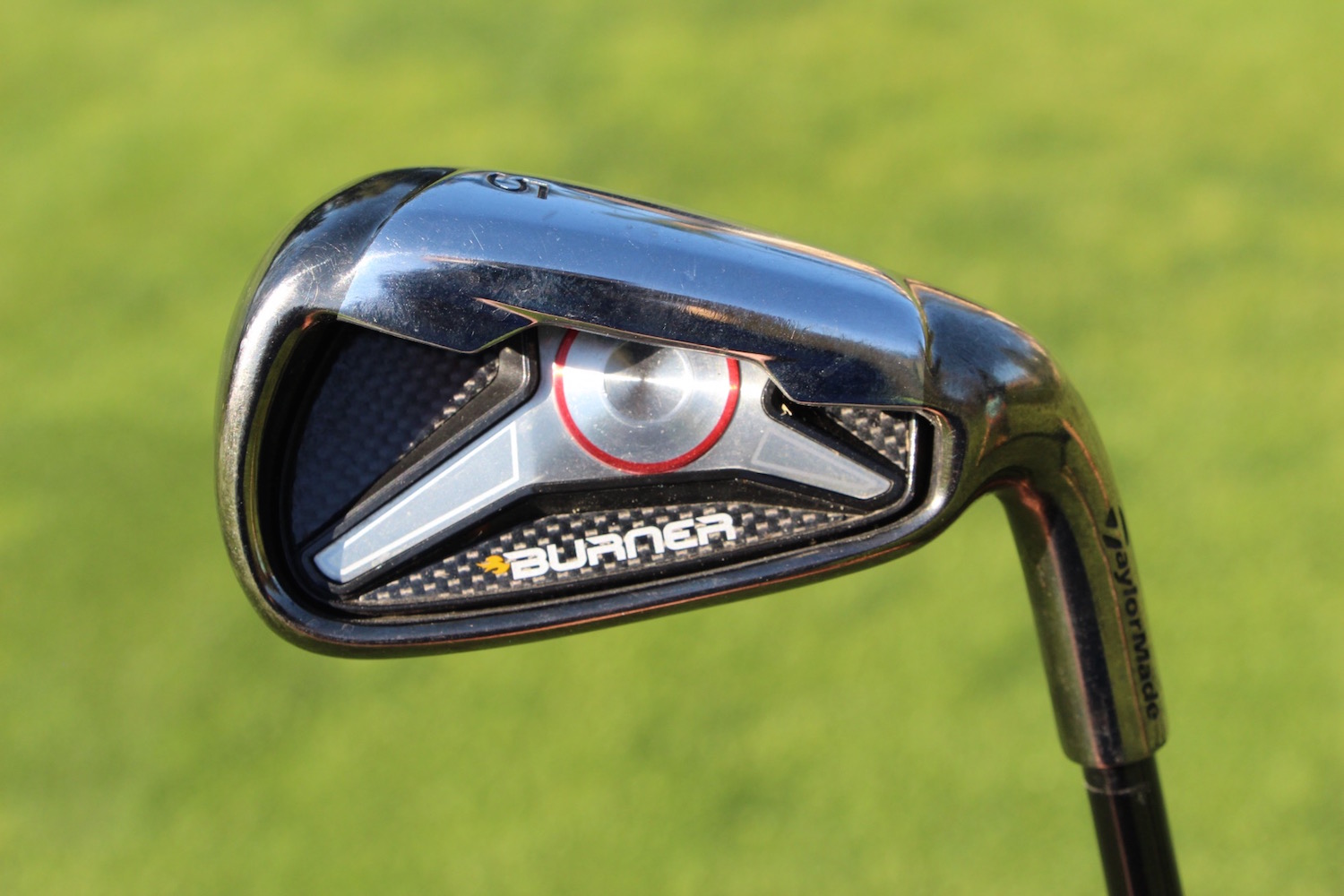
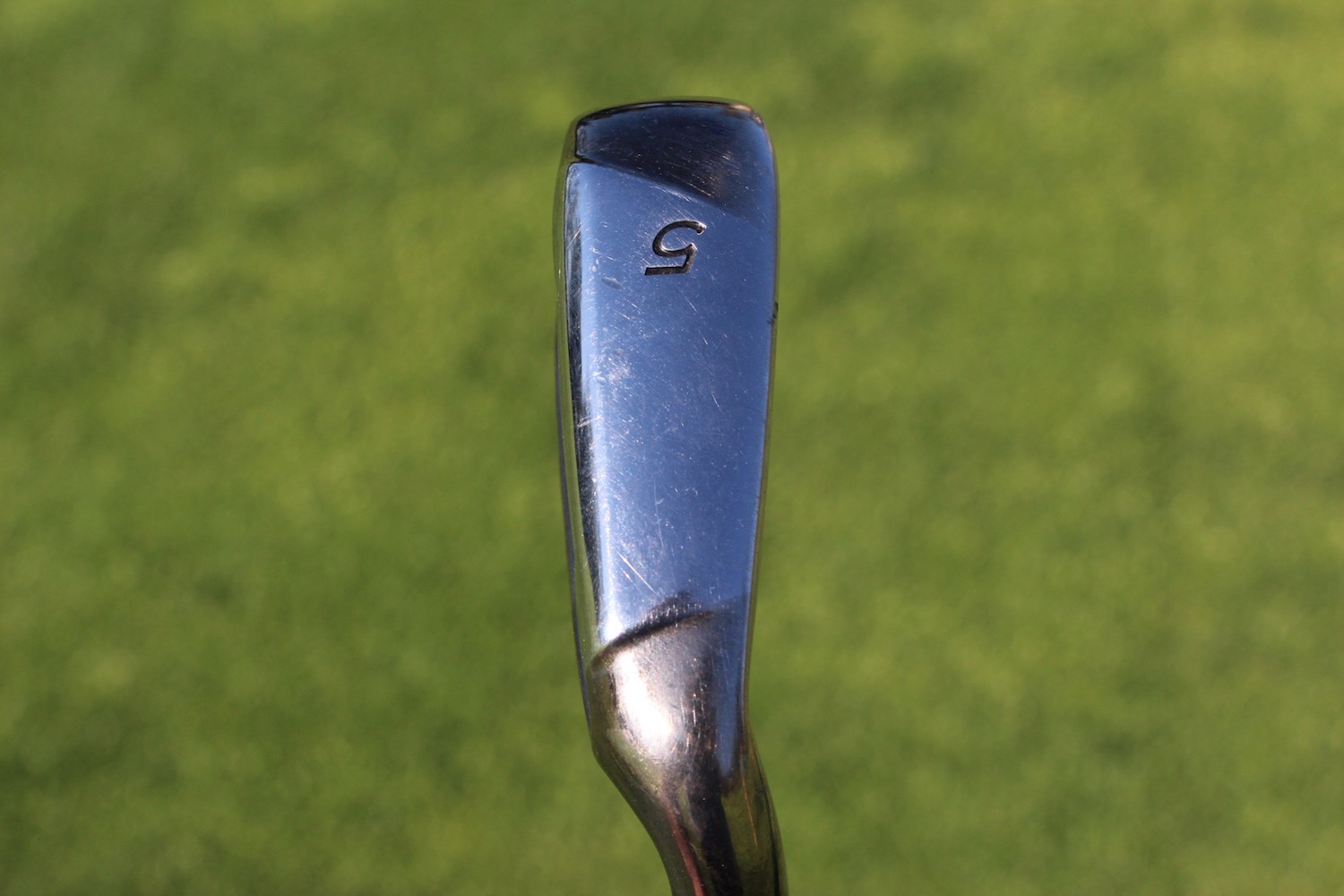
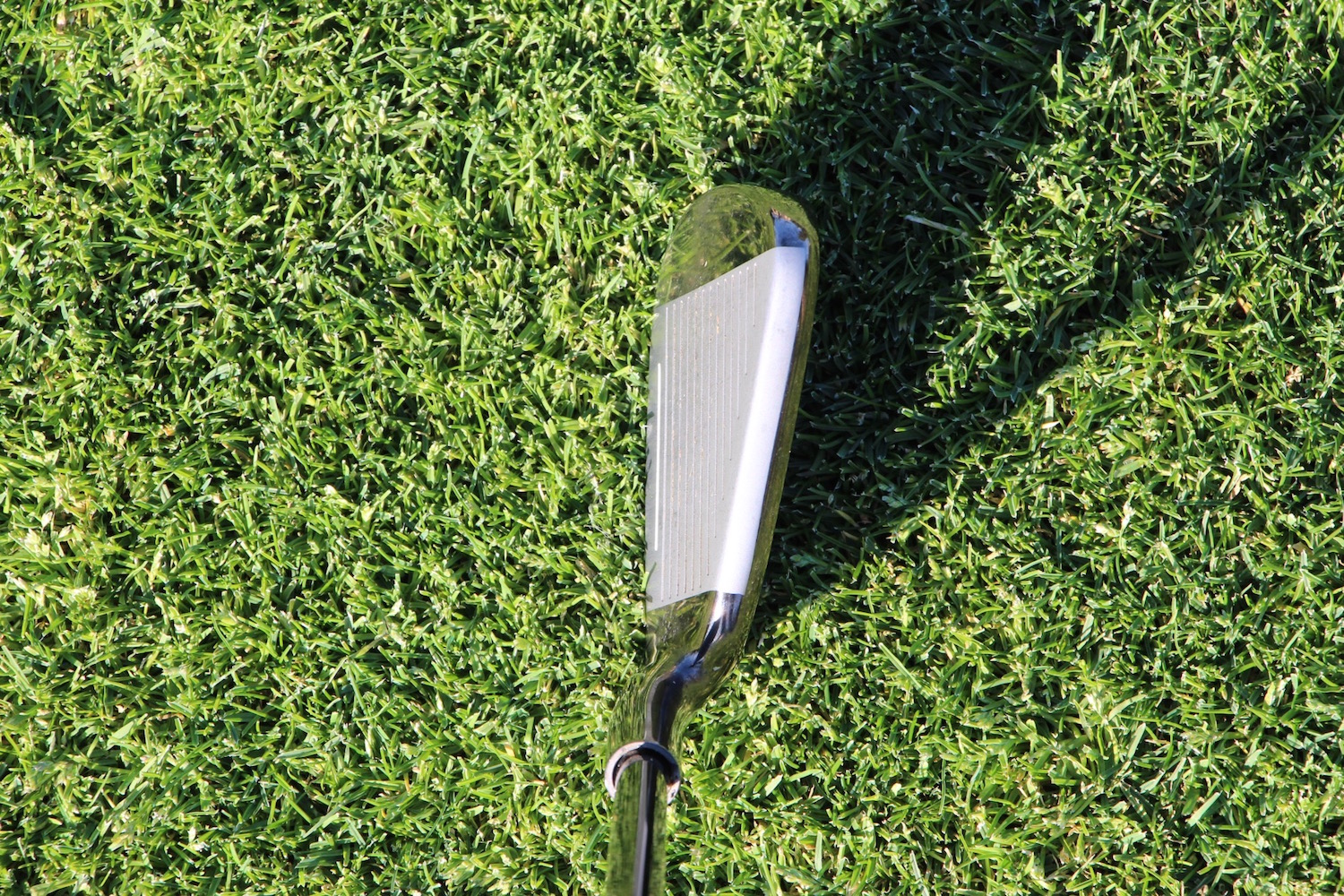
Like most golfers, Bystedt scours his club collection from time to time in search of inspiration. As Senior Director of TaylorMade Irons, it’s his eye that matters most to every new iron design. He joined the company in 2006. Less than three years later, TaylorMade launched a product that changed the company’s trajectory. They were called Burner ’09 irons, and a case could be made that they were the impetus for the distance-craze that has dominated iron design ever since.

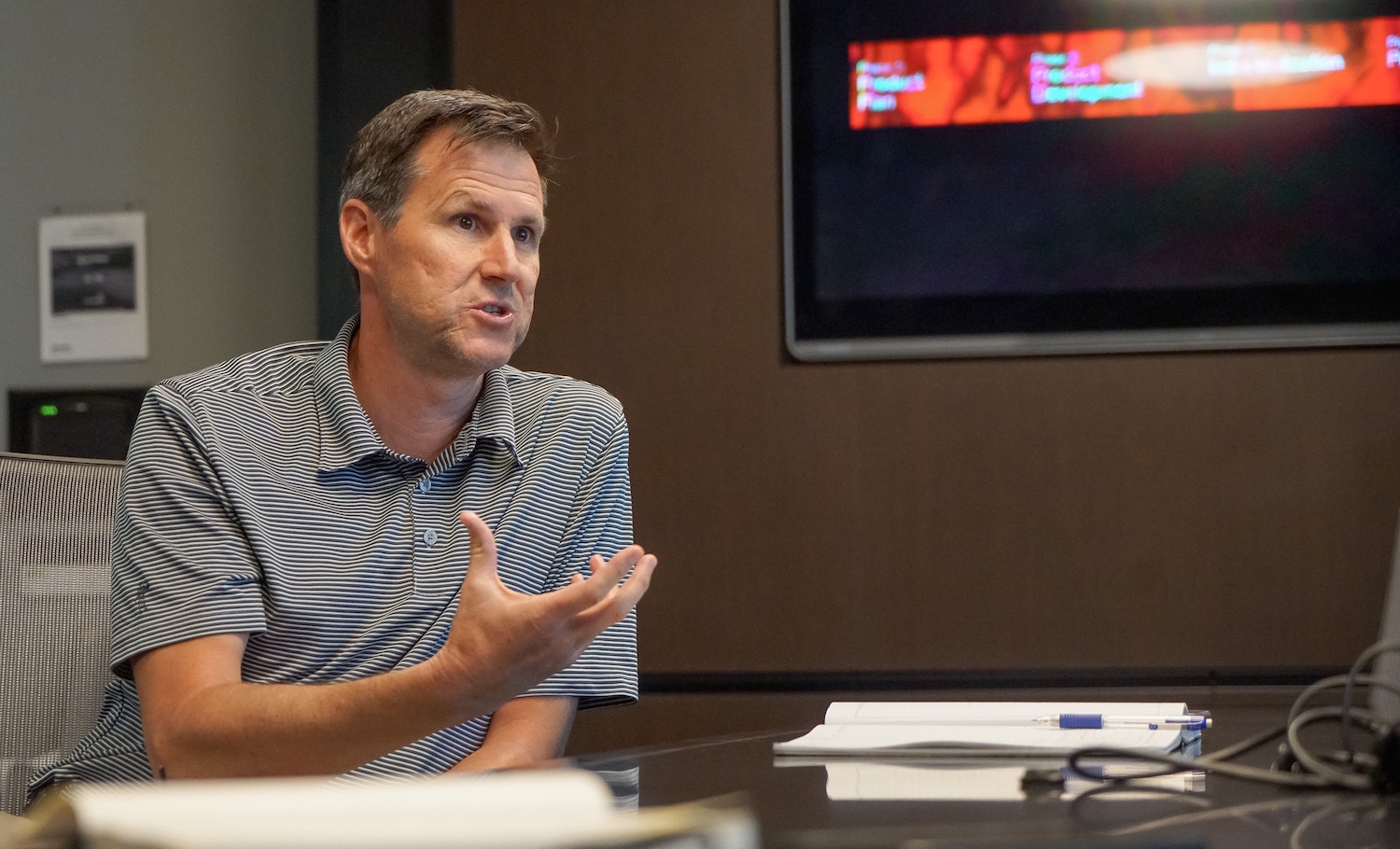
Tomo Bystedt (background), Senior Director of TaylorMade irons, in his office.
The way Bystedt tells the story, the Burner ’09 irons didn’t succeed just because of the distance they flew. “The performance was already there if you wanted to pay for it to a certain extent,” he said. “We sold $1,300 sets of clubs like RAC CGB that went just as far, but they were really big.” It’s true that most golfers enjoy hitting a 7-iron when their playing partner is hitting a 5-iron from the same distance, but not at any cost. At the time, $1,300 was a lot to spend on a set of irons. Consider the ego, too. Most golfers approach oversized irons like they do a fitness routine on the range. It might help them play better, but they skip it. People will look at them funny.
The Burner ’09 irons sold for just $699 and showcased a progressive design that’s typical now, but wasn’t eight years ago. The long irons were big, the mid irons were palatable and the short irons looked a lot like the the ones the pros play. The design appealed to both good and bad golfers, and as it turned out, members of both groups enjoyed the added distance the irons gave them. It’s one thing to make a great set of irons, Bystedt said; it’s another to make a set of irons that golfers will buy. That’s why the start of the iron-design process is always defining the target golfer. With 35 years of experience, however, TaylorMade rarely starts from scratch. The iron team knows almost exactly how it wants every new iron to look, feel and perform. That’s the easy part. The hard part is figuring out how to do it.
—
Two decades ago, driver heads began rapidly increasing in size. A larger framework and more flexible club face helped engineers expand their “sweet spot.” The benefit was golfers could mishit a drive, and it would fly almost as far and straight as a perfect hit. The same concept is being applied to TaylorMade irons, but is far more challenging to implement. After all, a driver is one club that does one thing; it sends a ball as far and straight as possible. Exactly what defines iron performance is still hotly debated, both inside and outside TaylorMade’s walls. For some, performance is a blend of distance and forgiveness that can be measured on a launch monitor, but the vast majority of golfers evaluate irons less scientifically. The way an iron looks behind a ball, how it feels at impact, how it moves through the turf or how it looks in a golfer’s bag can ultimately be more important.
At TaylorMade, the iron design process officially begins 12-24 months before a set hits stores, but the company’s R&D team is often studying new concepts and technologies years earlier. It’s during the pre-design stages that TaylorMade’s engineers are dreaming up new technologies, and then demonstrating their advantages. The process is faster, more efficient and more accurate than it has ever been thanks to computer-aided design (CAD) tools, allowing the iron team to work on several projects at once: typically six or seven different irons, and multiple new technologies.
Related: Photos of TaylorMade irons from the last 35 years.
TaylorMade’s current best-selling irons are called M2. Their design began with the re-examination of their predecessor, TaylorMade’s RSi 1 irons, with the goal of lowering the center of gravity substantially. The first thing engineers did was “attack” different parts of the iron in CAD, said Bret Wahl, TaylorMade’s Vice President of R&D for Irons, Putters and Wedges. His team worked to remove as much weight from the top of the iron as possible, specifically the top line and the hosel. When Wahl started at TaylorMade 20 years ago, the company was just transitioning its club-design process. Club making was a learned trade at the time, and had designers handcrafting each individual iron, which became a “master” for production.
Bret Wahl, TaylorMade’s Vice President of R&D for Irons, Putters and Wedges.
“It was broad strokes then,” Wahl said. “CAD was helping us learn, but now it’s a very integrated process from start to finish. It drives everything … all the way down to the tools and manufacturing processes.”
When TaylorMade’s design team made the structure of the M2 irons thinner, the sound of the iron changed in step, and not for the better. The problem was expected, though, and much easier to fix than it used to be. Not too long ago in the iron-design process, engineers would have needed to have a prototype iron produced overseas, wait for it to arrive at HQ, and then take it to the range to learn exactly what it sounded like when a golfer hit it. Now, engineers use modal analysis to simulate the vibrations that occur at impact. They know what kind of vibrations create good sound, and getting the proper mix right is key. Audible vibrations, not the ones golfers feel in their hands, account for 90 percent of the “feel” of an iron, Wahl said.
To solve the M2’s sound problem, engineers created a stiff, three-dimensional badge in CAD that dampened vibrations without affecting performance. Every detail was modeled, down to the glue used to secure the badge to the cavity of irons, because the slightest change can have a major impact on the sound, performance and durability. That’s why every day, Bystedt is reviewing design changes with TaylorMade engineers. What he’s evaluating early in the design process aren’t actual irons, though. They’re 3-D printed prototypes made from a lightweight polymer, which are faster and more affordable to produce than metal prototypes. And while Bystedt and the engineering team are tweaking the features of a new iron, a separate design team is working concurrently to make it look cool. “We brief the design team on what we’re making, the technologies and visuals, so they can craft the next cool-looking thing,” Bystedt said. “We tell them, ‘These are the kind of consumers we’re going after. This is the kind of performance we’re seeing.'”
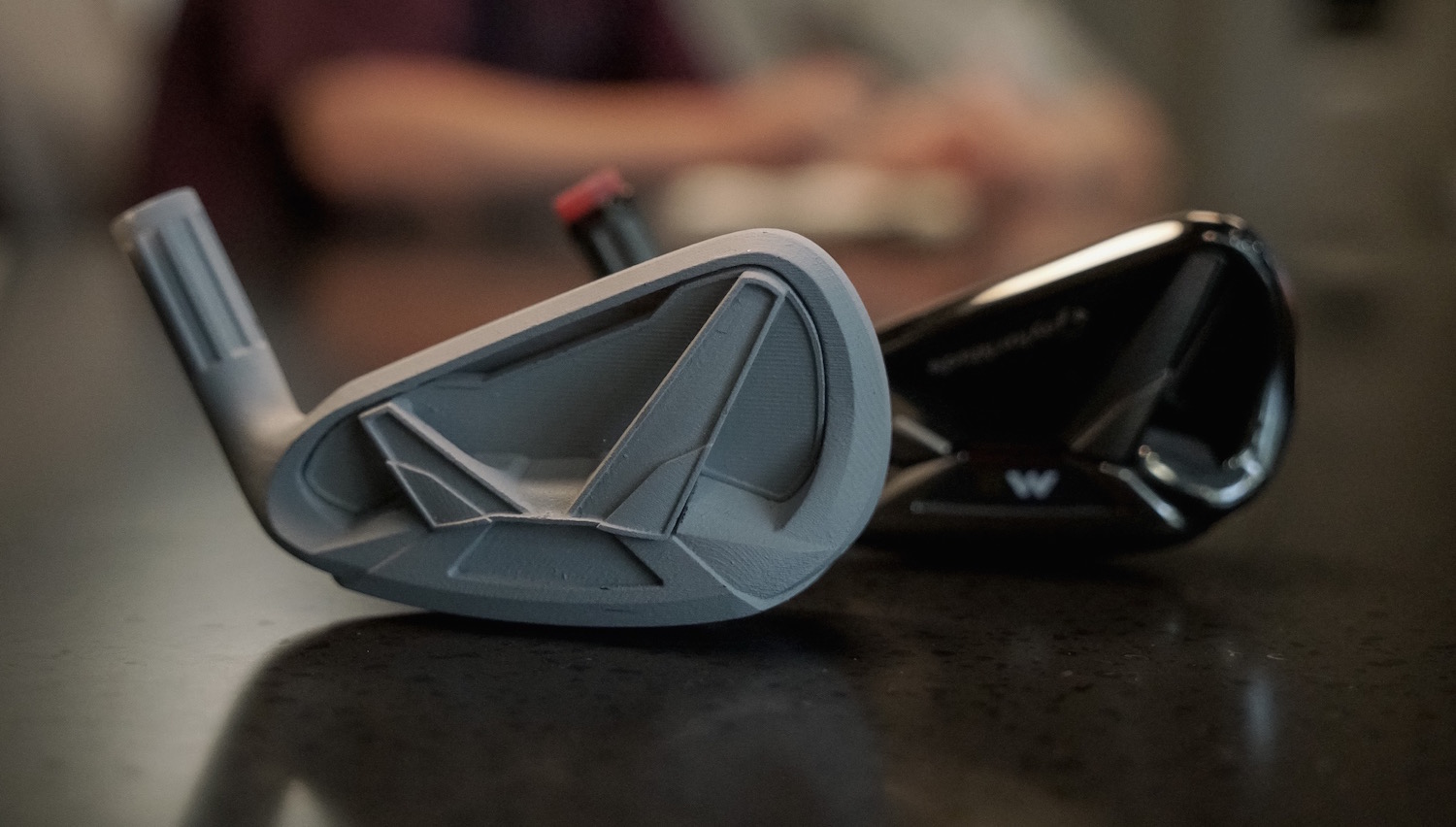
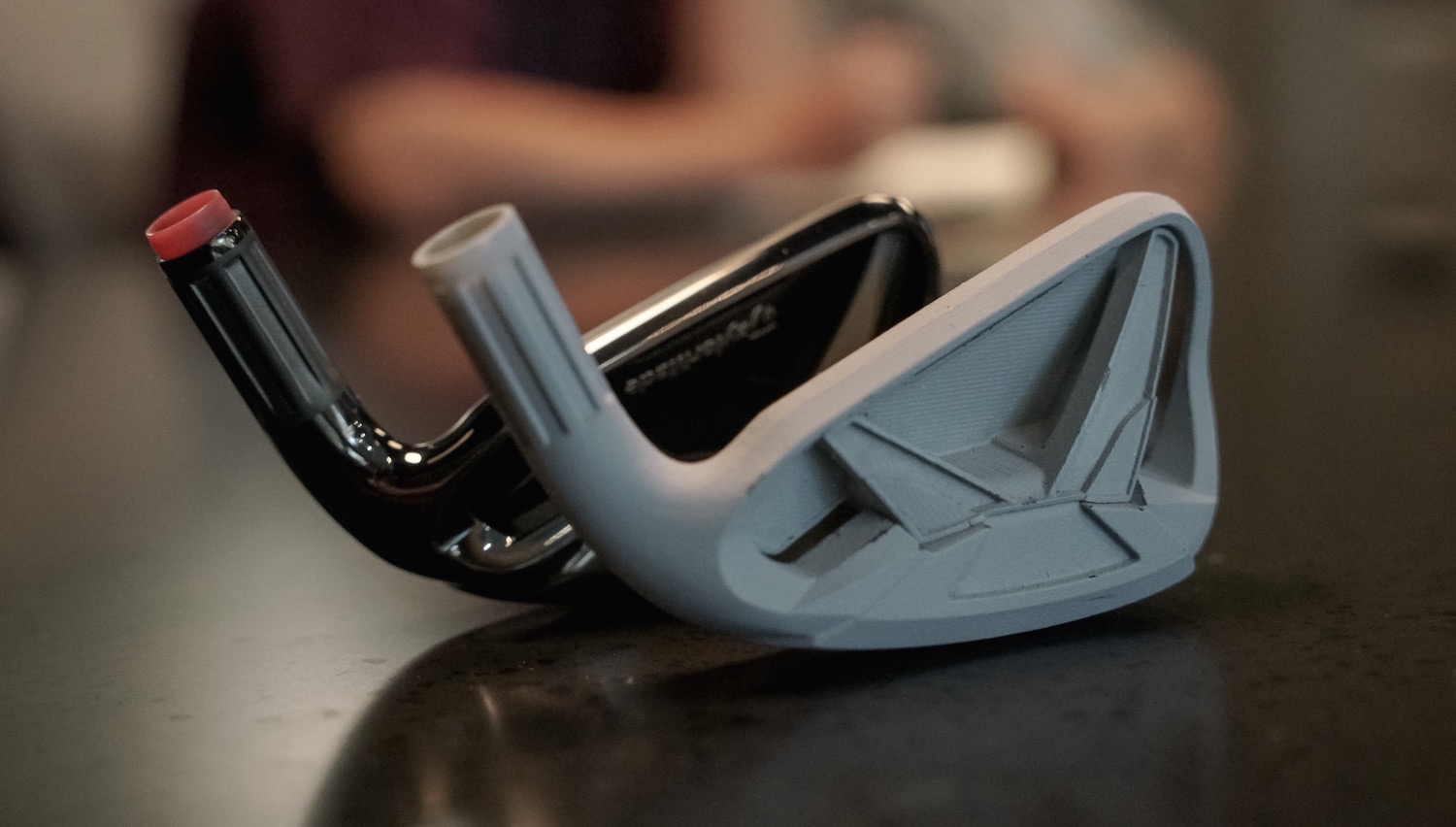
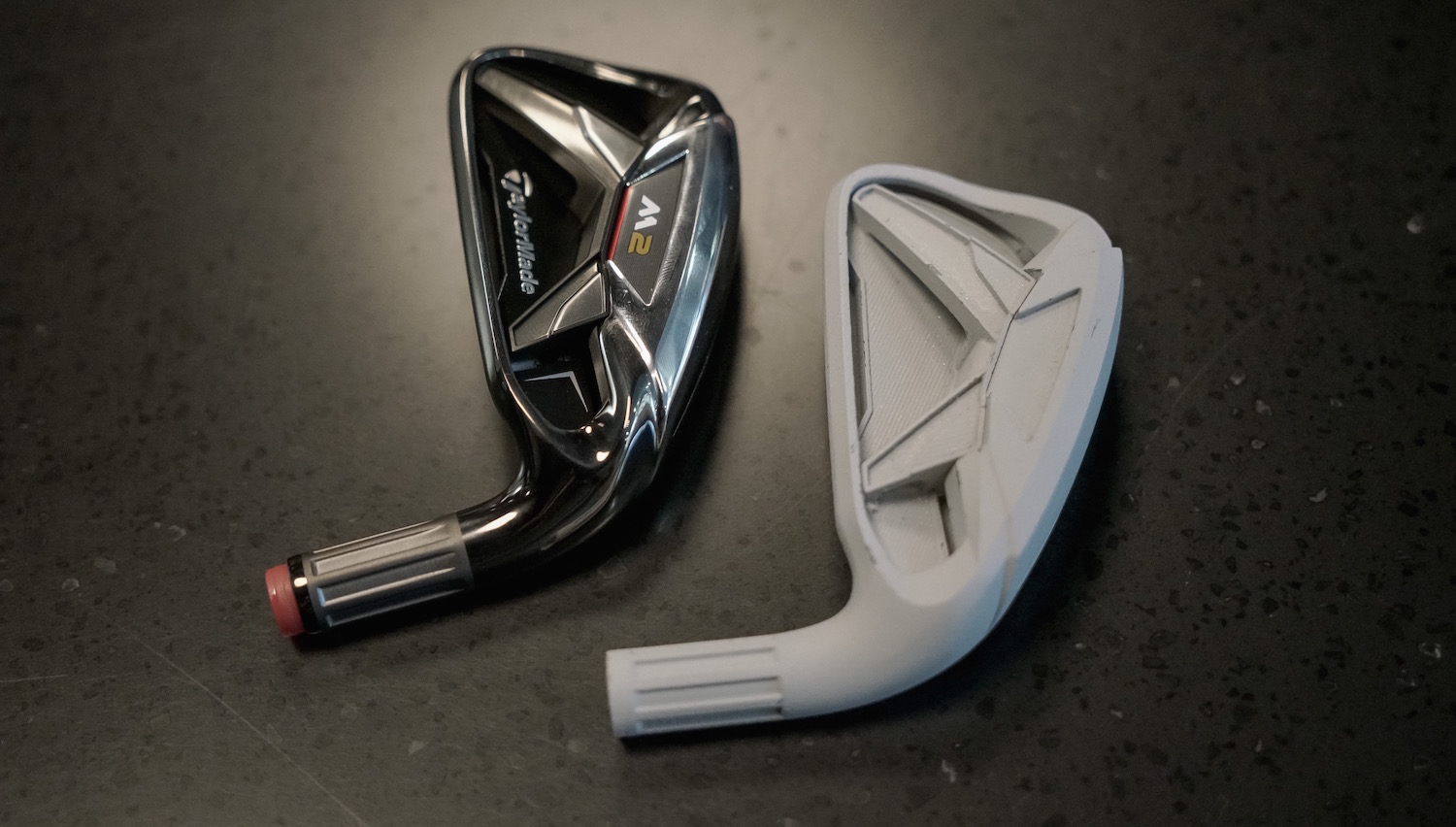
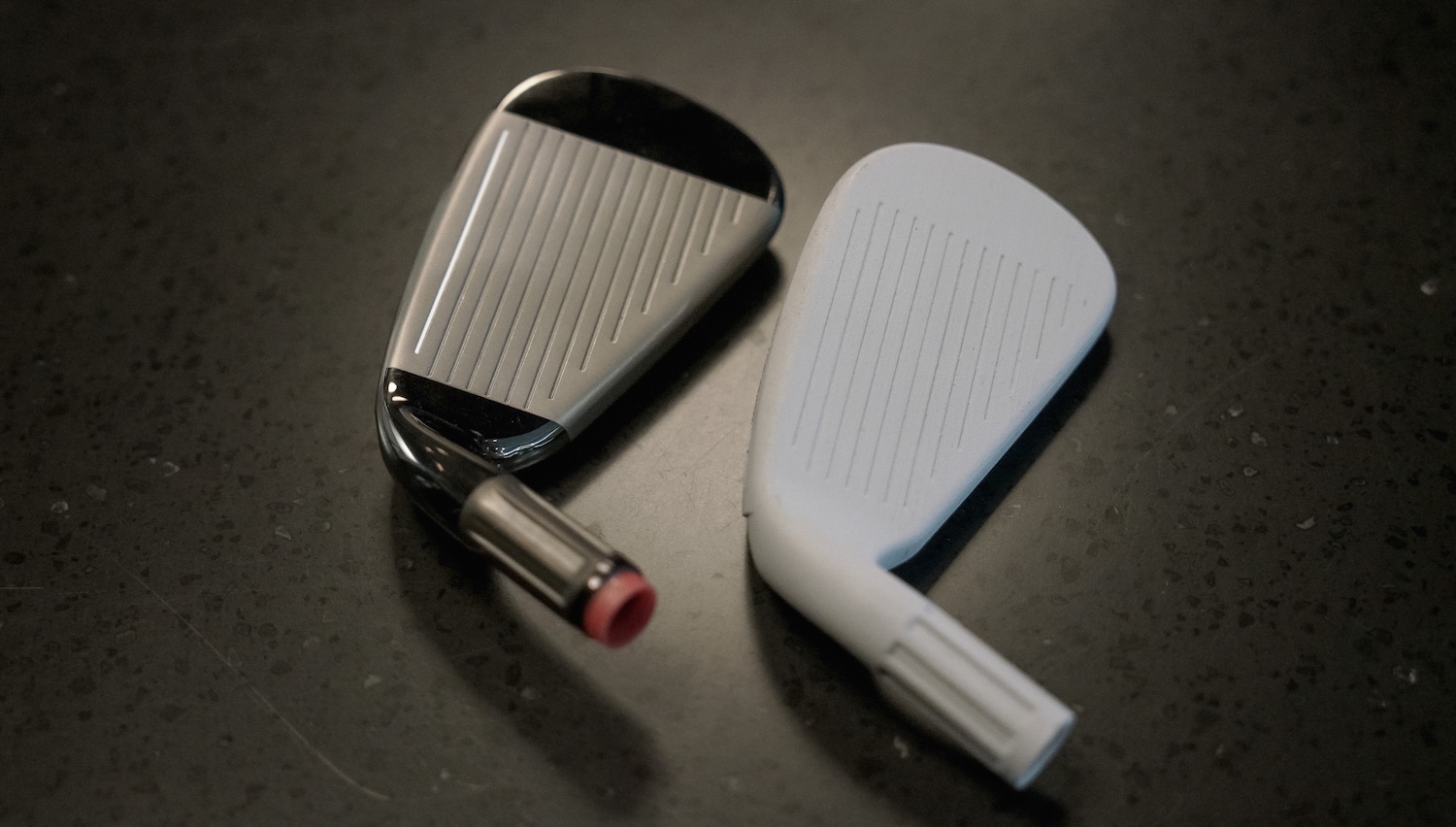
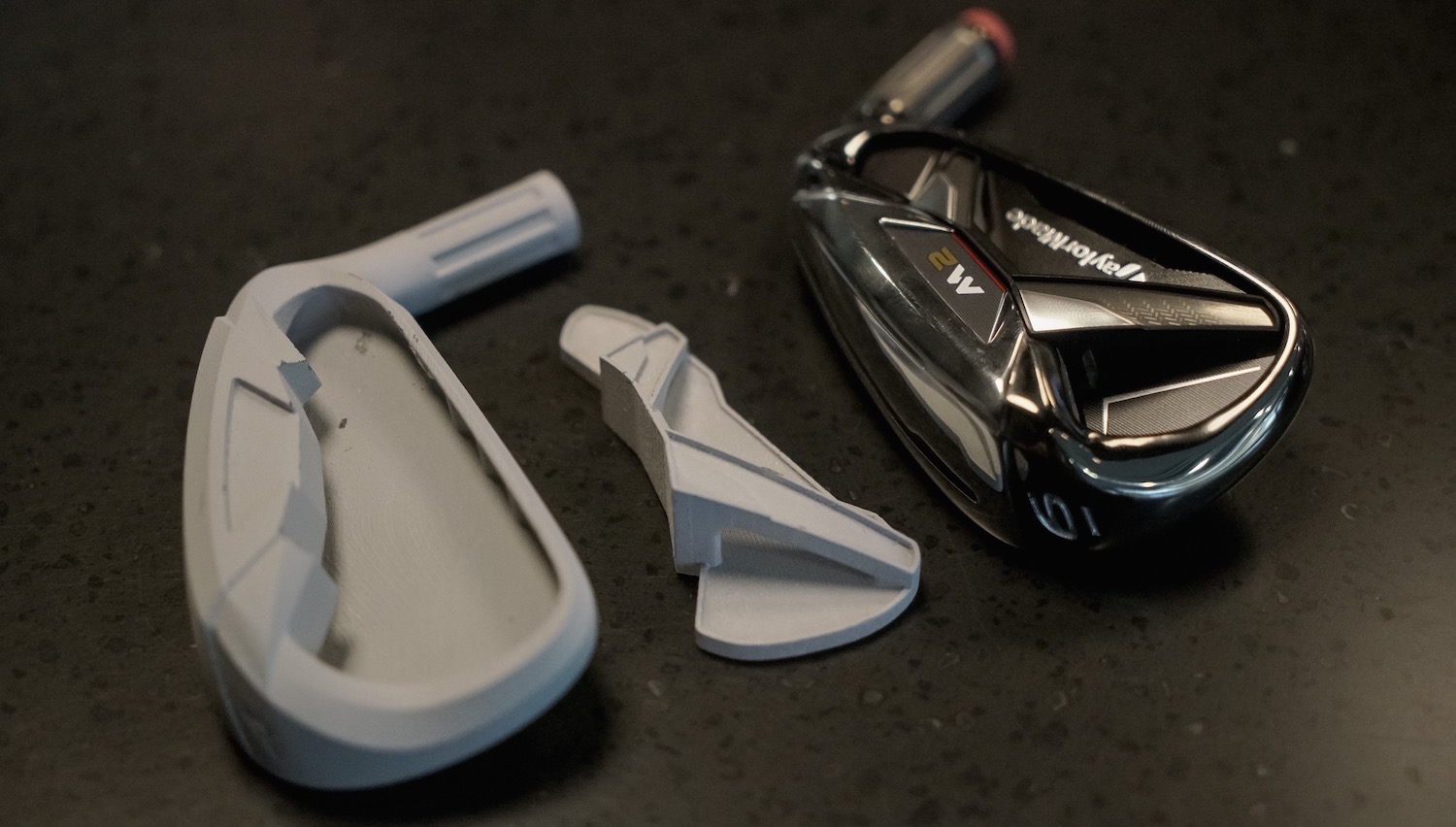
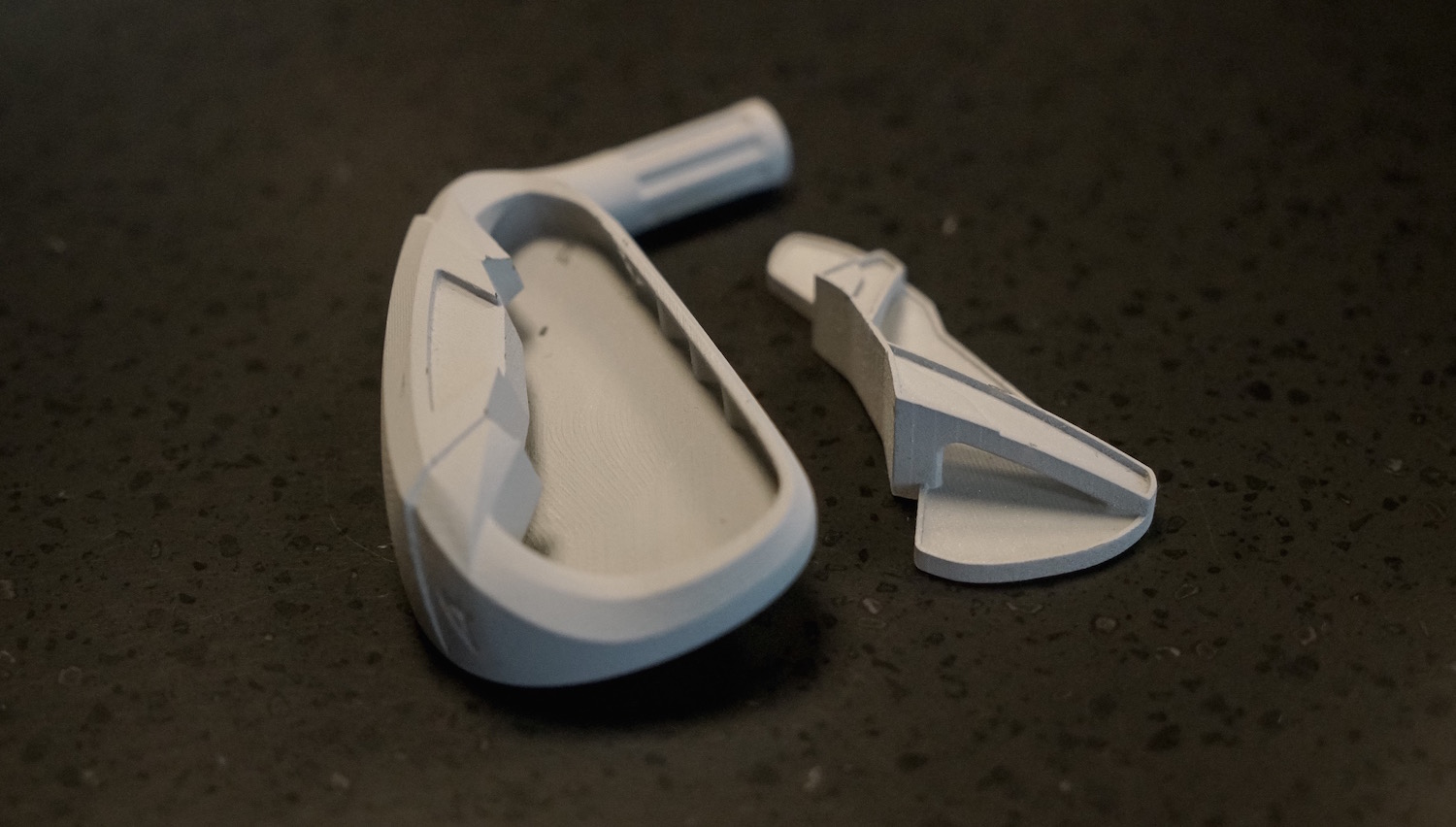
At this point in the process, TaylorMade’s iron team is working with only three irons in a set: a 4-iron, a 7-iron and a wedge, which speeds the process along. It’s much faster to tweak the designs of three iron heads than the usual eight. One thing that won’t significantly change at this point, at least if the irons are to make it to market on time, is the general weighting of the irons. The design team can’t say, “This iron looks so much better when we move weight up here.” The reality is certain technologies aren’t intrinsically good-looking, and they’re often excluded when their impact on performance is minimal.
Bystedt describes iron design as a series of doors, each door leading to the next. “You get through one door, and then there are all these challenges,” he said. “You solve them, unlocking the next door, and repeat the process.” When Bystedt approves an iron design for initial testing, which means a few hundred 4 irons, 7 irons and wedges are made in one of TaylorMade’s overseas facility, it may seem as though the process is essentially complete. That’s far from the truth.
Once the samples return, they’re given to a few different teams. Engineers can finally measure the performance of actual samples, not just computer models, and they check to make sure that all the predicted parameters are inline. Those samples are then passed to the durability team, which has the task of systematically destroying the clubs. “We want to break stuff so we understand how far we can push it,” said TaylorMade’s Matt Johnson, who leads the durability team. A machine rattles clubs viciously in a golf bag, and that may be the kindest test. Irons are exposed to UV light, submerged in salt water and golf-ball cannons fire shots at all parts of the club face in search of weak spots. Still, some clubs do break after they’re released to the public, and to Johnson it’s a good thing. “If no clubs are breaking, we’re not pushing our technology far enough,” he said.

Josh Dipert, TaylorMade’s Product Development Manager of Irons.
If an iron passes its durability tests, it moves to live player testing. Every month at a remote facility 30 minutes away from TaylorMade HQ, more than 150 golfers test clubs that may or may not become the next big thing. TaylorMade engineers keep data on every tester, so they know if a new iron is doing something special. “That’s when we know if we’ve hit the mark or not,” said Josh Dipert, TaylorMade’s Product Development Manager of Irons. “But that player also knows things we can’t capture. You can’t simulate is how the look of a top line is affecting a player.” The process can be repeated several times as designs are tweaked.
—
You’d imagine there’s a large committee of people making decisions about new products at TaylorMade, but that’s not the way it works. While hundreds of people are ultimately involved in the design of its new irons, and hundreds more actually make them in a manufacturing process that’s far too complex to be covered in this story, a very small group of people are ultimately responsible for shepherding each iron from beginning to end. When an iron design is officially complete, it can be a bittersweet moment for them, especially Bystedt. For years a concept has been explored, which led to a new technology. To implement it, physics, material science and the limits of manufacturing techniques are all battled, along with the question, “Why would someone want to give these irons a hit?”
Then it’s over.
In movie-making, directors say a lot of their favorite scenes are left on the cutting room floor. The same is true for Bystedt and his irons. He really liked something, but it didn’t make sense for the project. He does get a sequel, though.
“A lot of times, it ends up on a future product,” he said with a smile.






This week, we have our Tour Photographer, Greg Moore, on the ground at the OccuNet Classic at Tascosa Golf Club in Amarillo, Texas, for the 14th event of the 2026 Korn Ferry Tour season. With that, we see some great things in the Lead Tape Report as we roll into Amarillo.
Joel Thelen
Monday Qualifier, Joel Thelen is in the field this week. He has played on the Korn Ferry Tour for a full season in 2023, and he is back in action this week. A couple of clubs caught my eye this week in his bag.
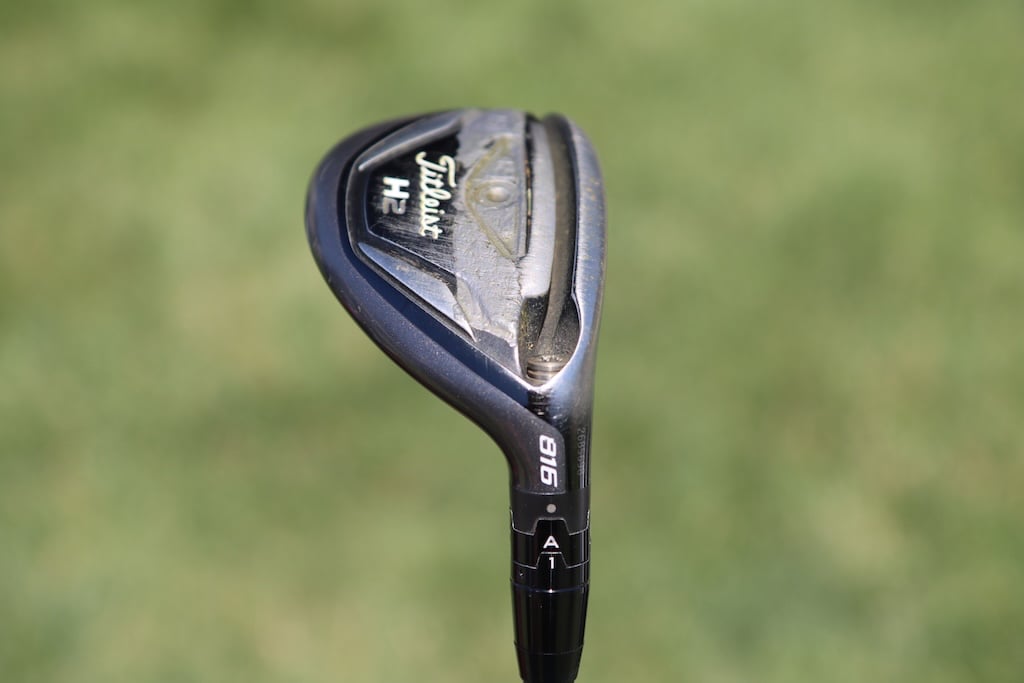
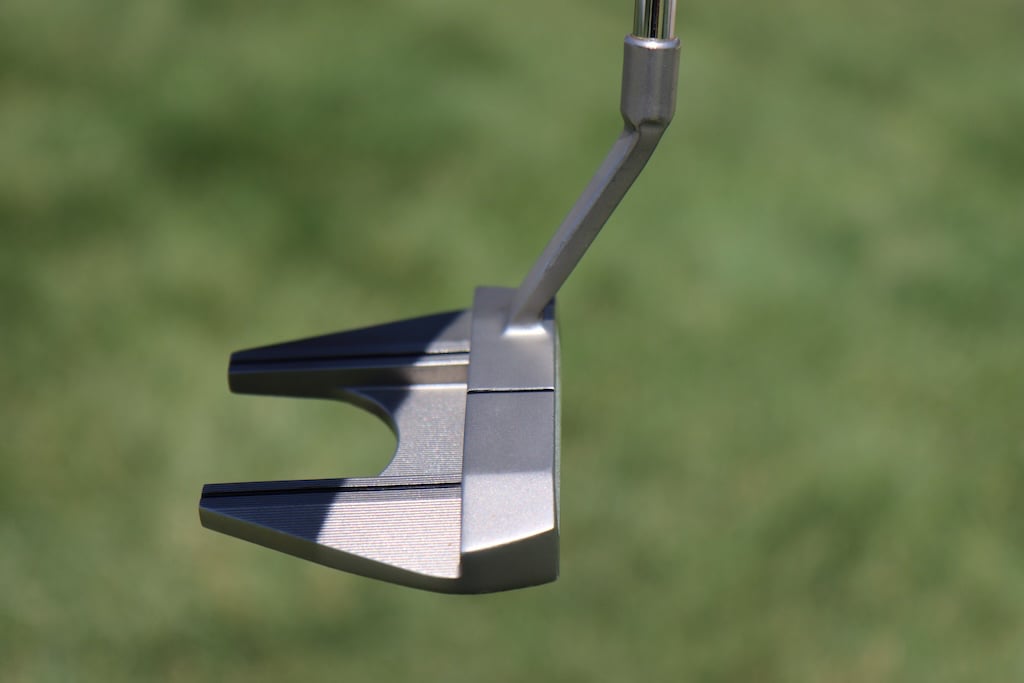
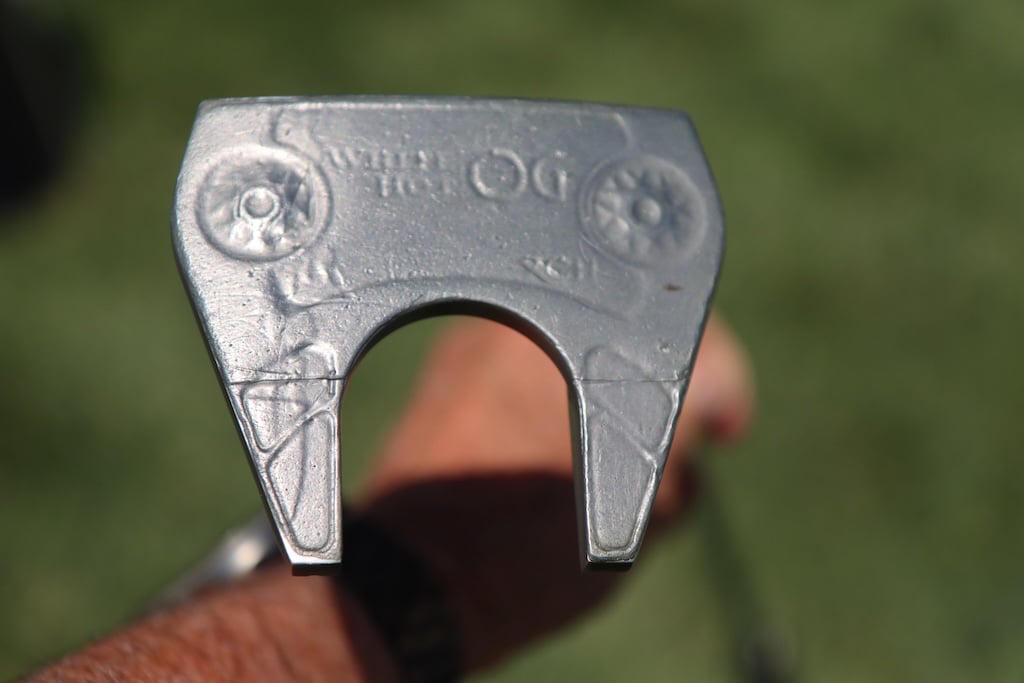
First off: His trusted Titleist 816 H2 hybrid. This club came out in October of 2015, and it still remains strong in the bag. Also, take a look at this Odyssey White Hot OG 7, putting a capital S in the 7S model. This custom neck has some impressive lean for an arm-lock-style putter. The bottom of the putter is covered in tape for optimal weighting.

Mitchell Meissner
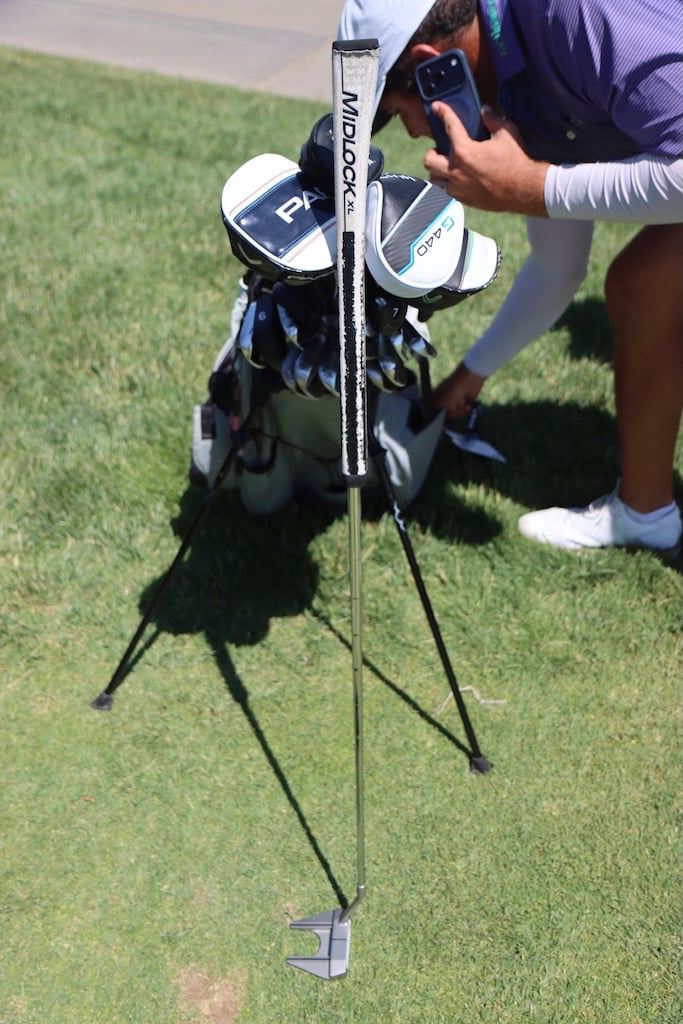
Taking a look at Mitchell Meissner’s bag this week, we have some great lead tape coverage. Top to bottom working from fairway metals, irons, and wedges. We can see on the short irons and wedges that there is tape at the base of the grip, adding a little counterbalance. Along with that, some tape on the short irons and wedges as well. Moving to his putter, he rolls the Odyssey 7 Bird putter. Meissner putts left-handed and strikes the ball right-handed.

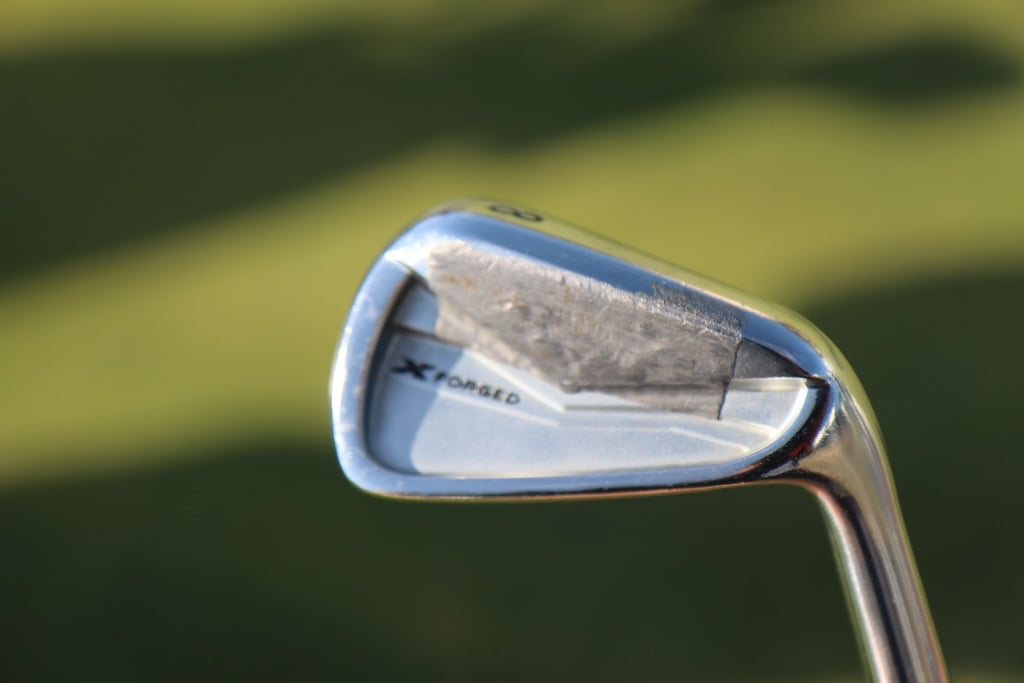

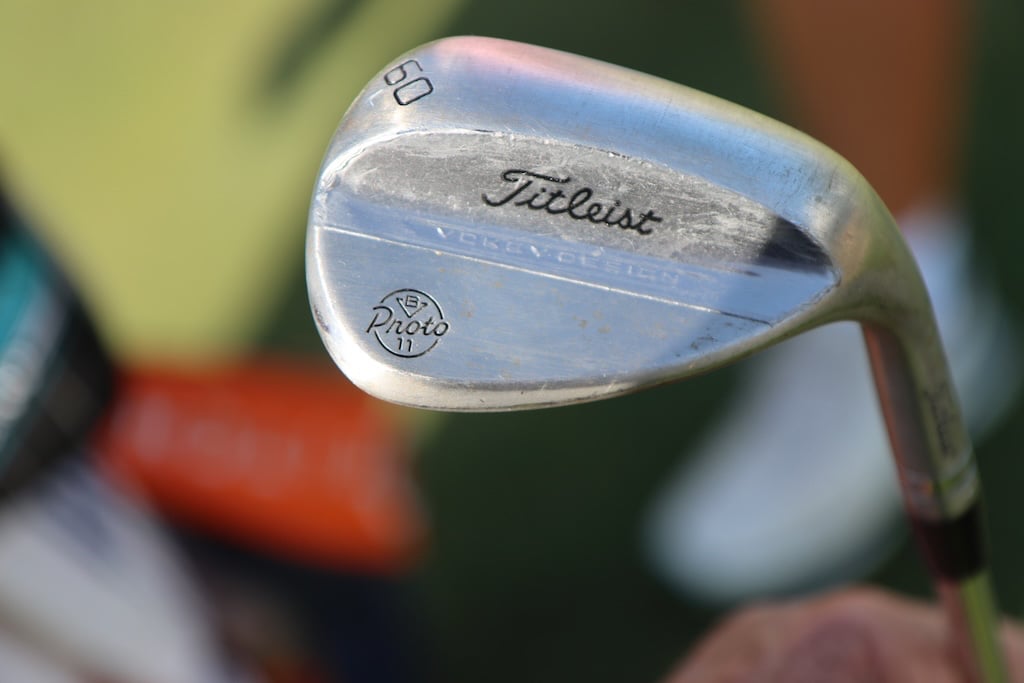

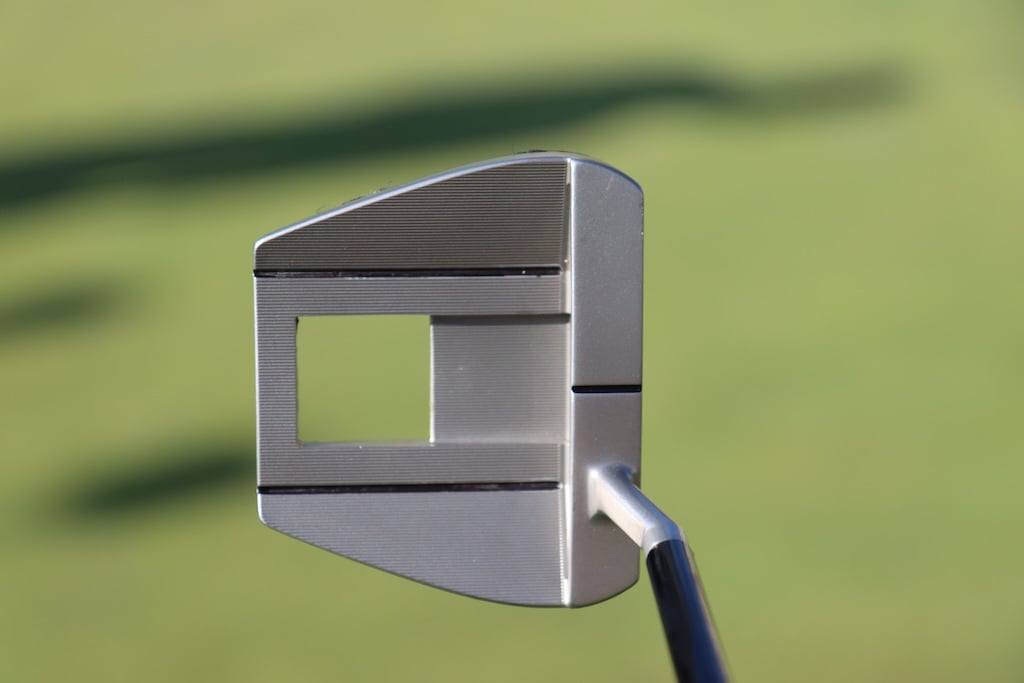


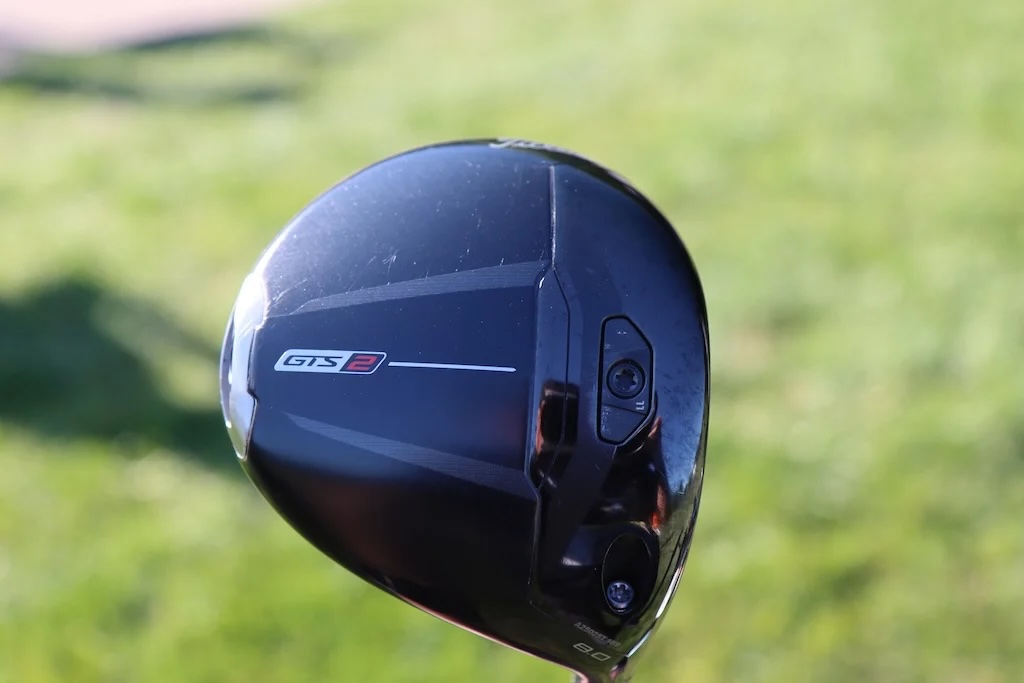
Bud Cauley had >14 clubs in his bag when photographed prior to the Memorial Tournament.
Driver: Titleist GTS2 (8 degrees)
Shaft: Fujikura Ventus Black 6 X
3-wood: Titleist GTS3 (15 degrees, B1 SureFit setting)
Shaft: Mitsubishi Chemical Tensei 1K Pro Red 70 TX
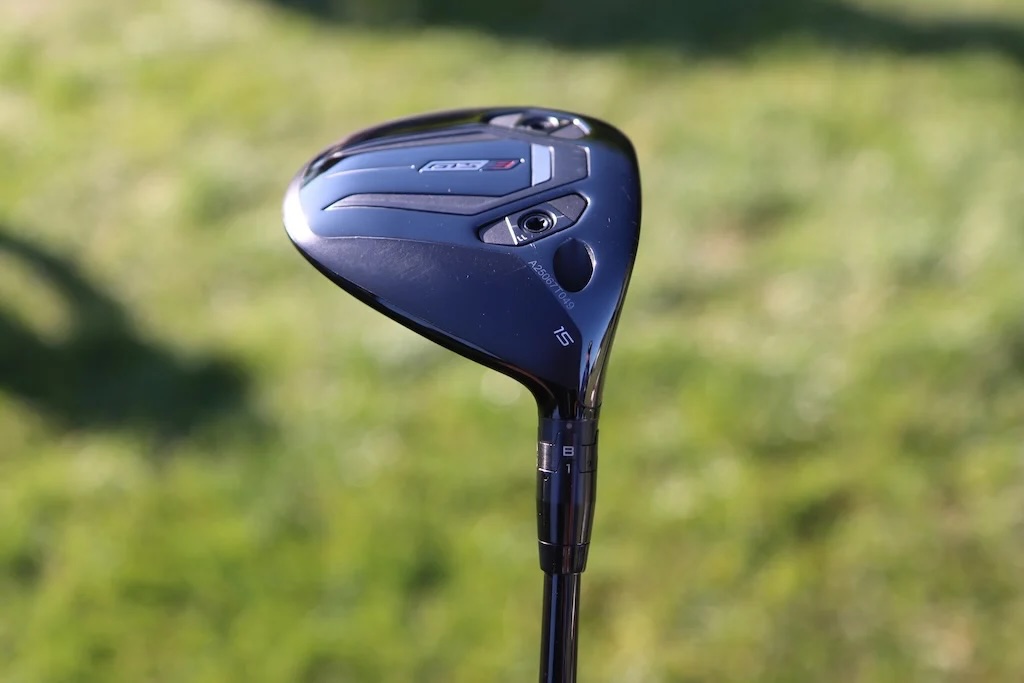
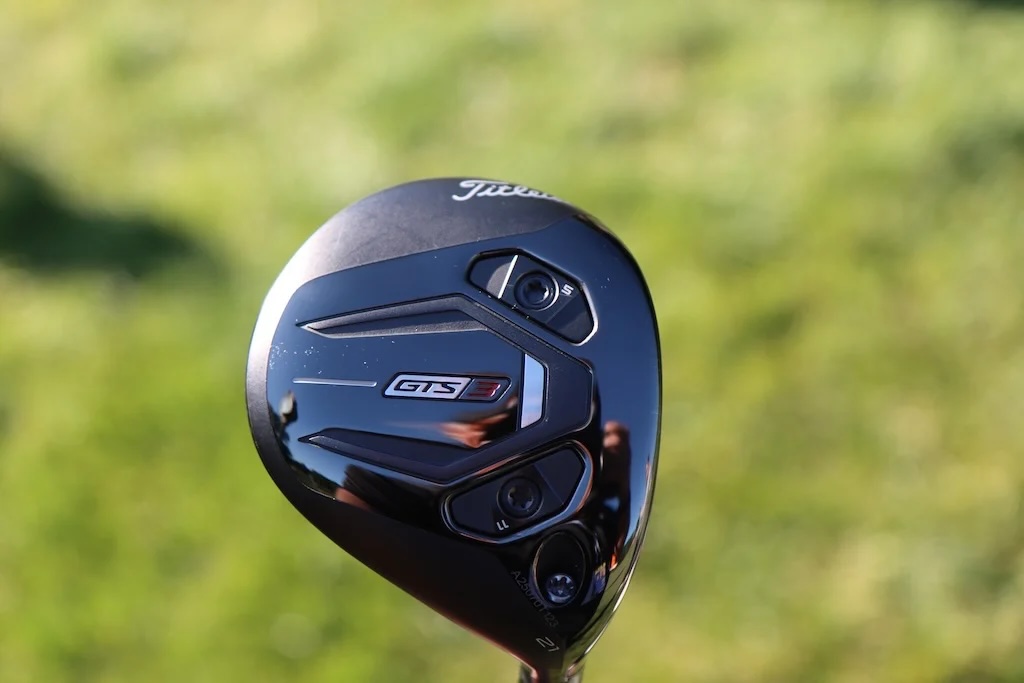
7-wood: Titleist GTS3 (21 degrees, D1 SureFit setting)
Shaft: Mitsubishi Chemical Tensei 1K Pro Red 80 TX
Irons: Titleist U505 (3), Titleist 620 MB (4-9)
Shafts: Fujikura Ventus Black HB 8 X, True Temper Dynamic Gold Tour Issue
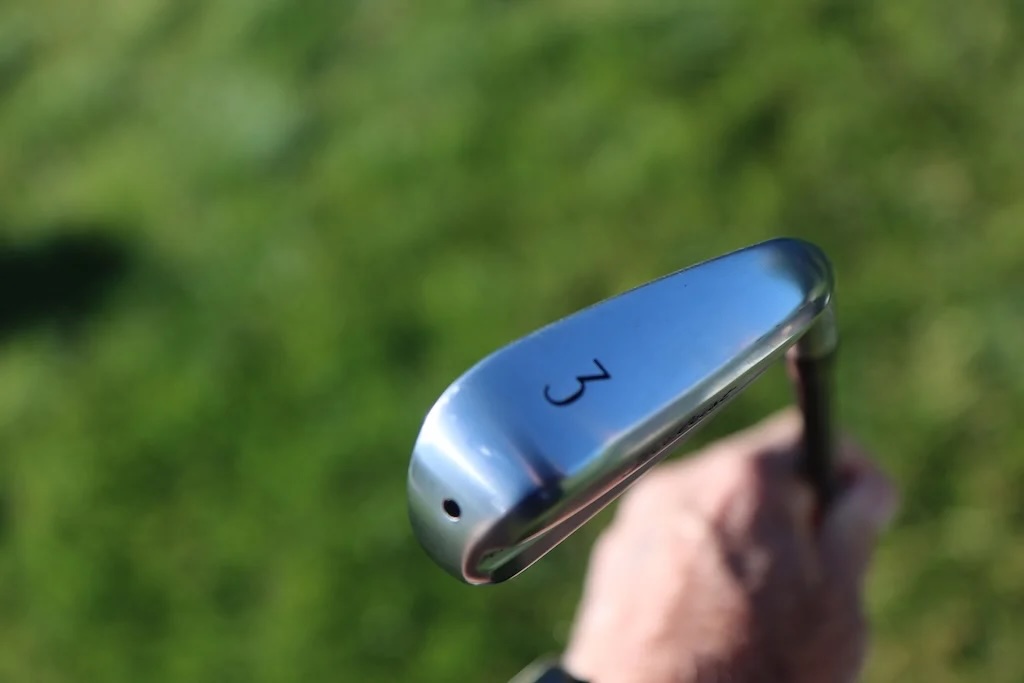
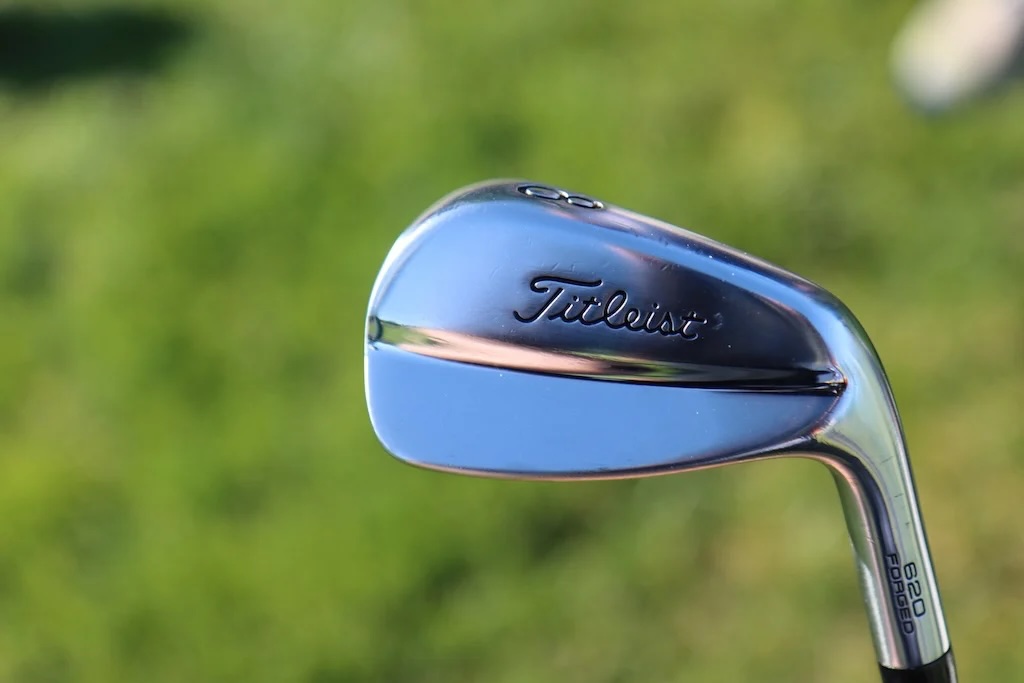
Wedges: Titleist Vokey Design SM11 (48-10F, 52-12F, 56-14F), WedgeWorks (60-K*)
Shafts: True Temper Dynamic Gold Tour Issue S400
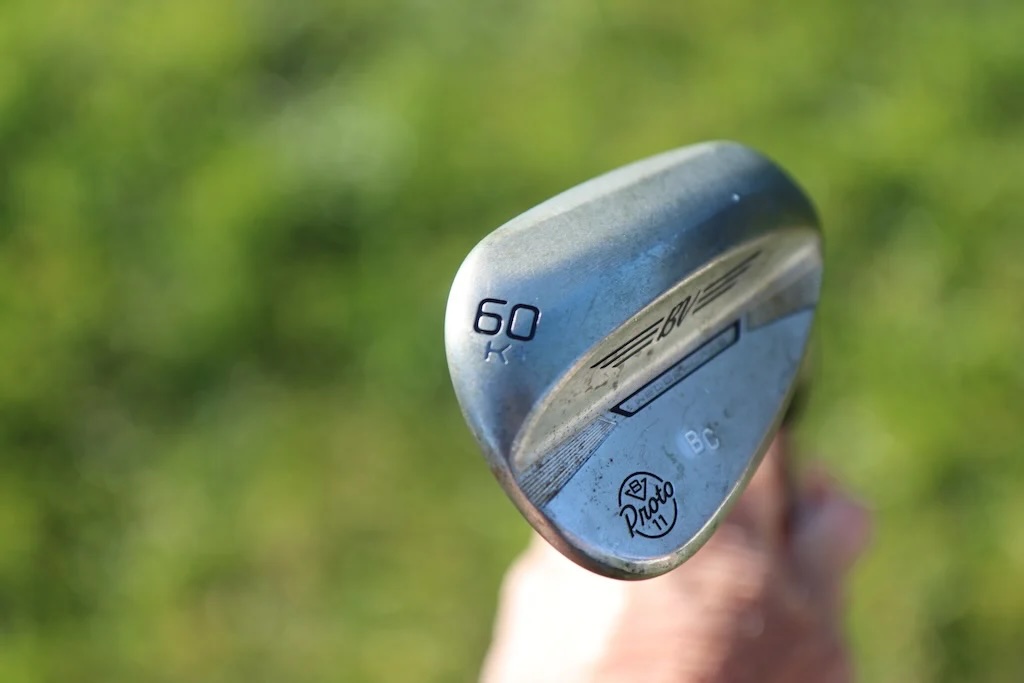
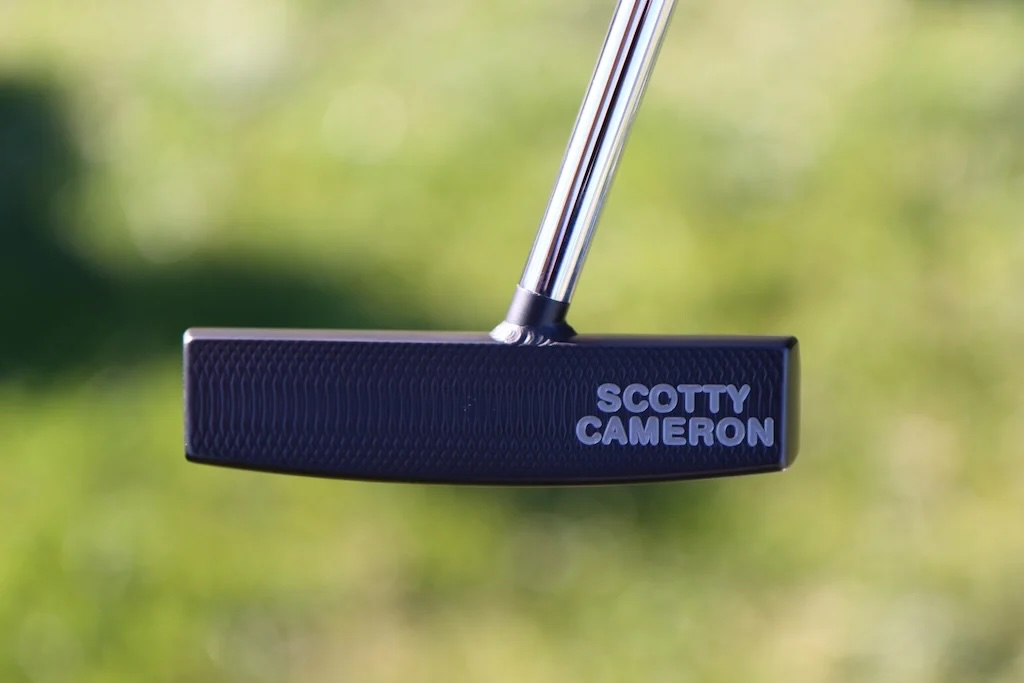
Putters: Scotty Cameron Tour Prototype, Scotty Cameron GOLO 6.3 Prototype
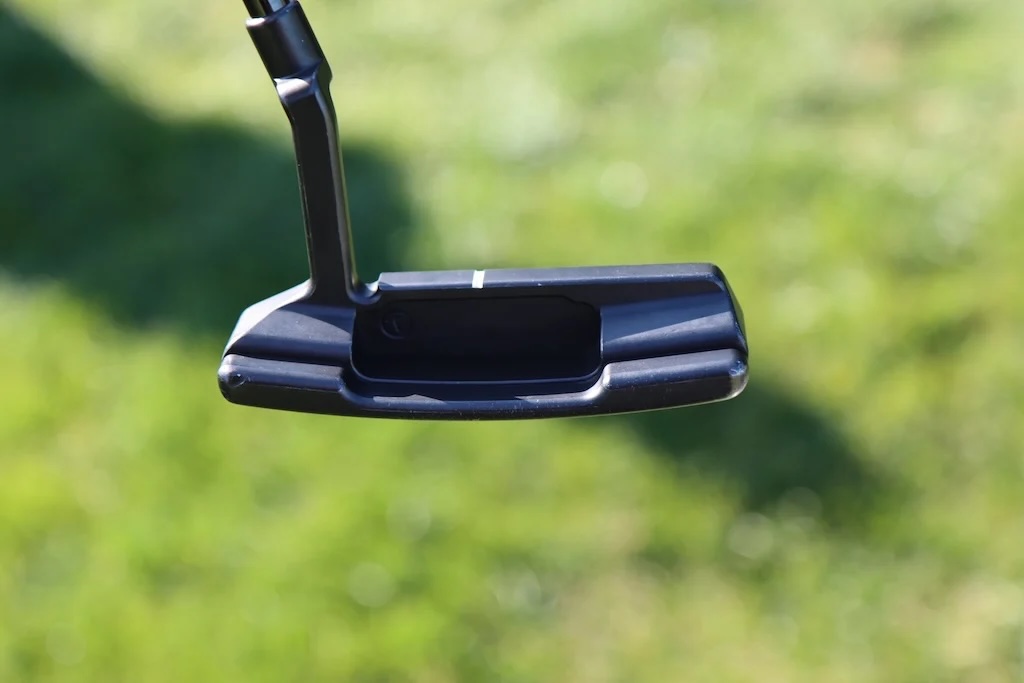
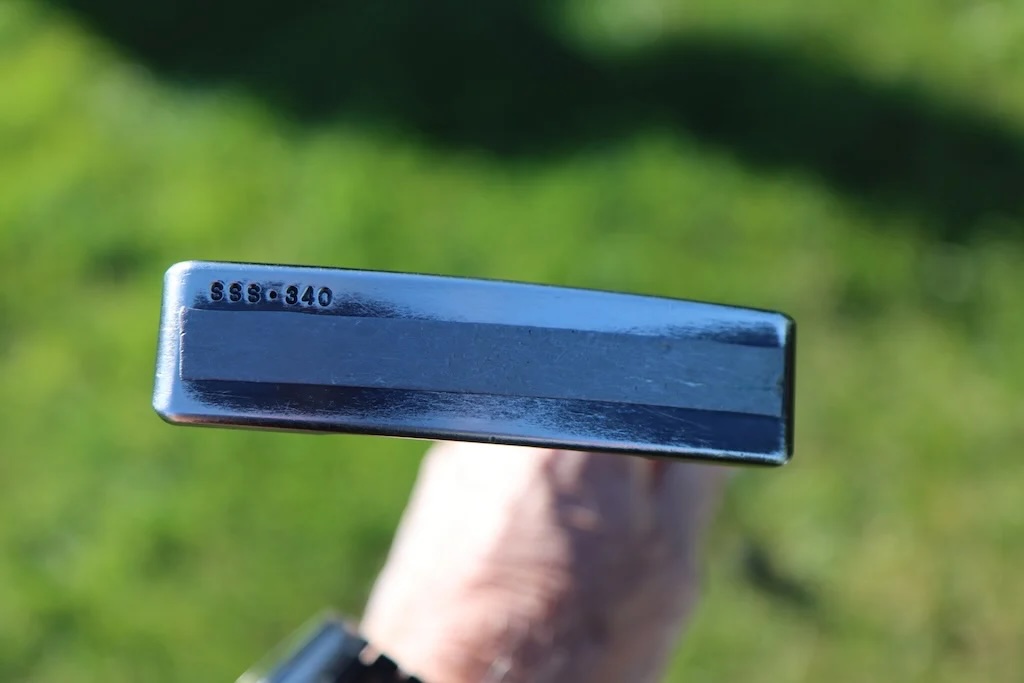
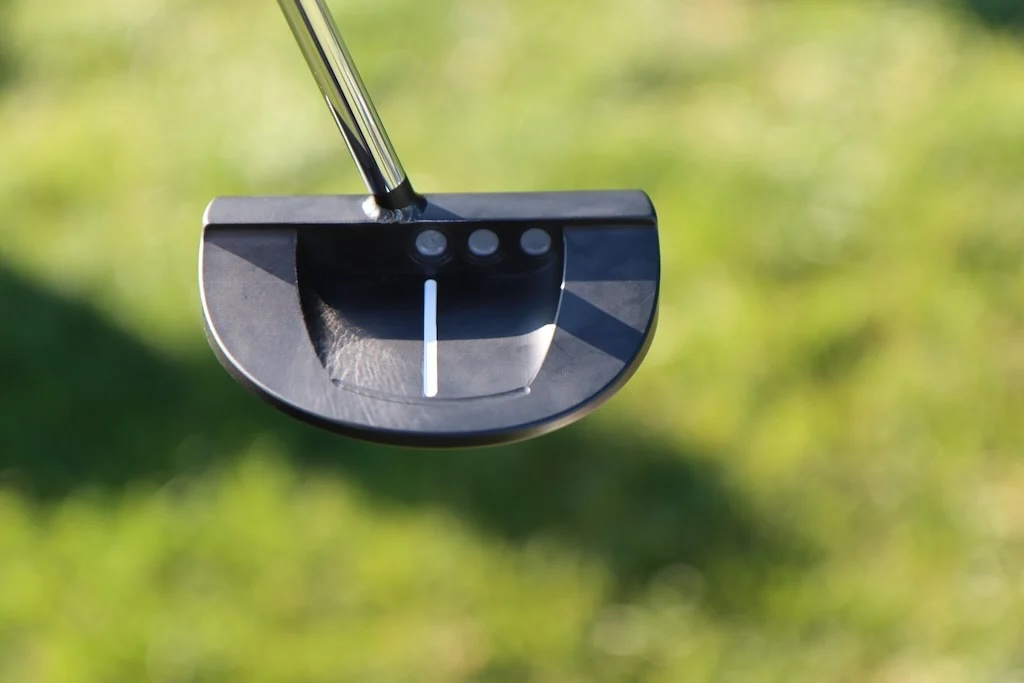
Grips: Golf Pride Tour Velvet Align
Ball: Titleist Pro V1
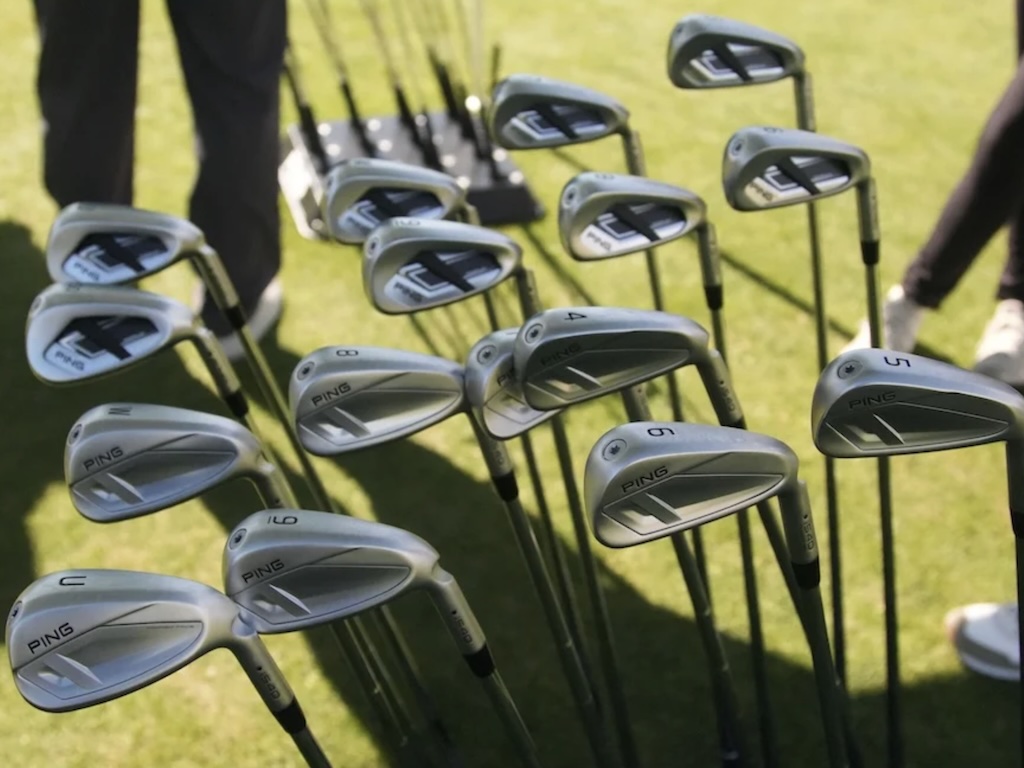
In our forums, one user has offered up a prompt for the true sickos, inviting fellow forum members to share every set of irons they’ve ever owned. As to be expected, this is a lengthy forum topic.
@Lamosteve began:
Can you name every set of irons you’ve owned? Here’s mine
Spalding Dots
Spalding Eclipse
Ram Lazer FX
Lynx Parallax
Mizuno EZ Comp
Ben Hogans
Cleveland CG Red
Taylor Made R9s
PING i20
PING iE1
Taylor Made M6
Our members in the forum have been offering up their own collections. Here are a few posts from the thread, but make sure to check out the entire discussion and have your say at the link below.
- macedan: “Started with a hand-me-down Golden Bear set from my brother when I was in high school, never really played more than once a year or got into the game until about summer of 2017. First purchased a set of Cleveland CG4’s (I actually really miss this set sometimes, soft & not terribly large for a GI iron), moved into Nike Vapor Fly’s by the end of the year. Those lasted until spring of 18 when I decided I wanted new, so I traded them in for TM Rbladez. Honestly, although I liked the Rbladez, poor decision on my part, I think this was really about the only time so far that after a week or two I was kicking myself for not staying with what I had. Rbladez stayed with me until late last summer when I switched to P790’s and (knock on wood) I am hoping this will be my longest lasting set.”
- JimmyC59: “MacGregor Jack Nicklaus Triple Crown. Palmer The Standard. Still play these.”
- jgrzask: “Tommy Armour 845u
Mizuno MP-32
Mizuno MP-33 (2 sets)
Bridgestone J33cb – still own
Srixon i-302 (2 sets) – still own
Tourstage X-Blades – still own
Mizuno Hot Metal – still own
Nike Forged Blades – still own
Titleist 714 AP1 – still own
Cobra Forged SS – still own”

Justin Rose WITB 2026 (April): Full WITB breakdown with new McLaren irons

What’s the story behind Webb Simpson’s custom-stamped irons?

Memorial Tournament Tour Report: Rory McIlroy, Cameron Young switch up drivers, and more

Cadillac Championship Tour Report: Spieth’s sizable changes, McLaren Golf launches, and more

Russell Henley’s winning WITB: 2026 Charles Schwab Challenge

Kristoffer Reitan’s winning WITB: 2026 Truist Championship

Aaron Rai’s winning WITB: 2026 PGA Championship

J.T. Poston’s winning WITB: 2026 Memorial Tournament

Cameron Young’s winning WITB: 2026 Cadillac Championship

Best irons 2026: Best irons overall, most forgiving irons, and more


Bud Cauley WITB 2026 (June)
Bud Cauley had >14 clubs in his bag when photographed prior to the Memorial Tournament. Driver: Titleist GTS2 (8 degrees) Shaft: Fujikura...


Hannah Green WITB 2026 (June)
Driver: Titleist GTS3 (10 degrees, D4 SureFit setting) Shaft: Mitsubishi Chemical Diamana RB 53 S 3-wood: Titleist GT3 (15 degrees,...


Asterisk Talley WITB 2026 (June)
Driver: TaylorMade Qi4D (9 degrees) Shaft: Fujikura Ventus Blue 6 S 3-wood: TaylorMade Qi4D (16.5 degrees) Shaft: Fujikura Ventus Blue...

Brianna Do WITB 2026 (June)
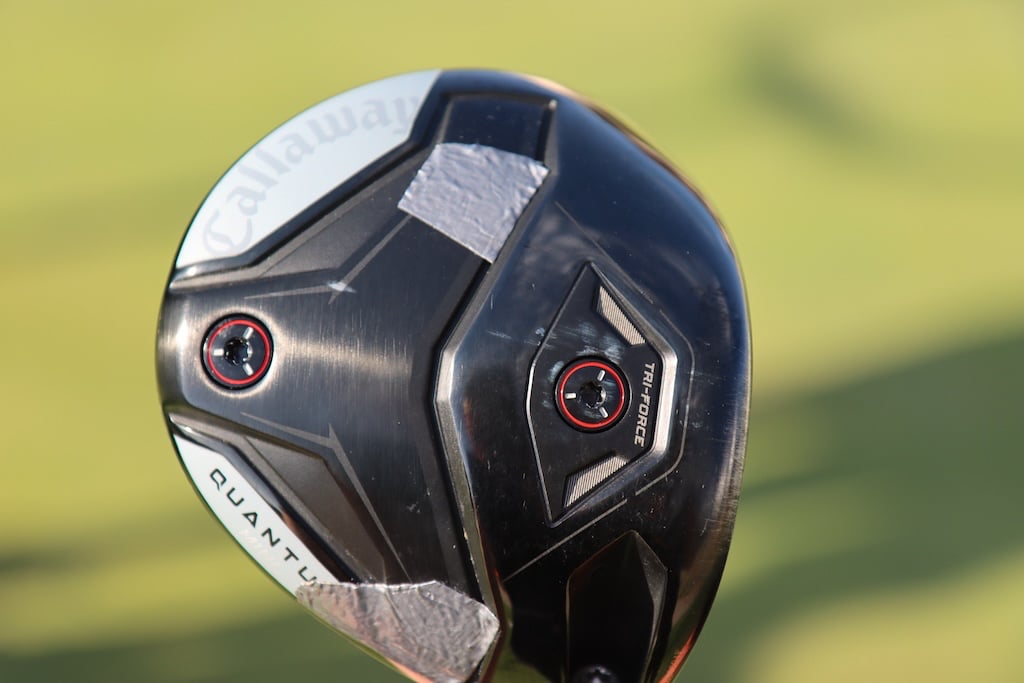
Driver: Callaway Quantum Triple Diamond (9 degrees) Shaft: KBS PGW 3-wood: Callaway Elyte Titanium (15 degrees) Shaft: KBS PGW 5-wood:...
-
 Equipment6 days ago
Memorial Tournament Tour Report: Rory McIlroy, Cameron Young switch up drivers, and more
-
 News1 week ago
Russell Henley’s winning WITB: 2026 Charles Schwab Challenge
-
 Whats in the Bag3 days ago
J.T. Poston’s winning WITB: 2026 Memorial Tournament
-
 Equipment3 days ago
Best irons 2026: Best irons overall, most forgiving irons, and more
-

 Equipment1 week ago
Details on Jason Day’s latest prototype Avoda iron setup
-
 Equipment3 weeks ago
CJ Cup Byron Nelson Tour Report: Koepka and Kim’s newest putters finally get hot
-

 News2 weeks ago
Charles Schwab Challenge Tour Report: MacIntyre, Åberg and Spaun all switch putters, TaylorMade launches new Spider
-
 Equipment2 weeks ago
Details on J.J. Spaun’s surprise putter switch


Grizz01
Jun 6, 2016 at 12:51 am
I recently went to the local Golfsmith store. Besides new clubs they do have to ‘used clubs.’ I found an old set from I think it was 2001? I compared the 7 iron of that old set with the 7 iron of these new Taylor mades. Something wasn’t sitting with me. I compared the length and the lofts. Then I went back over and got the old 5 iron and compared it with the Taylor Made 7 Iron. Almost identical in length and loft. It seems like all these company’s are doing is now changing the number imprinted on the golf club. Makes sense that about 10 years ago or so we needed a GAP wedge. Why? because the difference in loft between the SW and the PW became so great that they needed that extra club. Now it’s two clubs difference. I think the best thing that could happen for the consumer is that there become a STANDARD for lofts and lengths through out the industry. But that, won’t help the OME’s sell more clubs.
Chuck D
Apr 29, 2016 at 6:20 am
Sheesh, can someone put a muzzle of shmizzle, he’s driving me nuts with the 65 comments! Let’s rename him Beaver Cleaver!
B Clizzle
Apr 29, 2016 at 1:36 pm
I like it chucky
Smizzle M
Apr 28, 2016 at 5:57 pm
Hey y’all ! Just found this site
Hope everyone’s nice
Love the articles and different opinions
Smizzle M
Apr 28, 2016 at 5:45 pm
Hey everyone!!! It’s my first time commenting here
Hope everyone’s nice 🙂
Great read and I just love all the different opinions
Doofus
Apr 28, 2016 at 2:15 pm
I imagine the design procees to more like
Marketing-oh oh sales are slowing, we need something different to boost them. What can you tech guys come up with that we can make people go oooh and aah over.
Tech-well Wilson did this slot in the sole thing 20yrs ago.
Marketing-make em we’ll sell it as the longest ever
Smizzle M
Apr 28, 2016 at 6:16 pm
frowny face
Who picked the petals from your tulips.
You probably didn’t mean to be so ugly.
Maybe you can ask the people to delete it so you can rewrite it a little nicer
N Snizzle
Apr 28, 2016 at 11:45 am
Great article Zak! I love all the great info and insights into TaylorMade’s process. Keep up the good work!
Marcus
Apr 28, 2016 at 11:44 am
How have we been misinformed? Inform me please
Tom
Apr 28, 2016 at 7:23 pm
Give yourself a chest bump.
gwillis7
Apr 28, 2016 at 7:49 am
When I saw this article I thought two things:
-This was actually be interesting to read
-And I can’t wait to read the comments
Both didn’t disappoint
I’m not a TM hater, come out with all the stuff you want whenever you want. I think it is too much too fast-it’s confusing for the consumer. I am a club ho so I have def tried some TM irons (can’t beat the price on a year old TM iron 🙂 )
But just play what works and what you like.
That being said, would love to try some PXG irons….now if I only had that $$$$
DlMd
Apr 28, 2016 at 1:13 am
Already have my M3
Jack
Apr 28, 2016 at 12:09 am
I really don’t mind these distance irons. I hit it a fair distance. My 7 iron goes 160 on average on a pair of Nakashima NP1s. The problem is consistency and distance with the longer irons. My 4 iron can go anywhere from 180 to 200. It’s very inconsistent since it’s too hard for me to hit for my skill level. On the M2 or the aeroburner irons that I got, it’s much easier. My 6 iron can go 180 easy. It’s not that long and the head is not tiny. Haven’t taken them out on the course yet, but at least on the simulator my shot control is much more consistent for the long irons.
But honestly I think most GI irons nowadays are pretty similar in performance. Just get the ones that suit your eye and feel like you want to feel.
Smizzle M
Apr 28, 2016 at 6:12 pm
Really swell of you to admit you’re bad at something
eva
Apr 27, 2016 at 10:08 pm
love it, keeping coming out with new clubs. haters gonna hate cause they envious. I change my golf clubs like I change my golf shoes. do i need new shoes every year no, but i want people to see I’ve got the new piece.
after trading old set in, upgrading ain’t no thing, especially with the extra 50% trade in they offer these days.
it’s a like fashion statement for me.
Mat
Apr 27, 2016 at 8:12 pm
tl;dr – bend ’em forward 1 more degree.
DB
Apr 27, 2016 at 8:10 pm
Just wait for TaylorMade’s “traditional” irons where they attempt to reset the lofts back to what they were 15 years ago, and then they can restart the loft-jacking process all over again and stay in the business for at least 15 more years. At their rate of release that’s what, like 60 new iron sets they’ll have to “design”. Fortunately, or unfortunately, depending on how you look at it, there are some out there that will buy all 60 sets in their quest for “one more yard”.
Silly game they’re playing with our game.
DlMd
Apr 28, 2016 at 1:11 am
No, that won’t happen, dummy, because you can always only have 14 clubs in the bag no matter what the labels say on your clubs. And you can’t just keep jacking up lofts if the bounce doesn’t work with the loft and the CG locations. Plus, it’s just fun to have new stuff. Why does anybody design anything new anyways, according to what you say. You’re still driving petroleum-powered cars after the hundred plus years, aren’t you? Why don’t you drive a Model T then? Oh yeah. You’ll never make it to your tee time.
Smizzle M
Apr 28, 2016 at 6:19 pm
Hey hey hey
Nsfw with the dummy stuff
Tom
Apr 27, 2016 at 7:49 pm
Well there ya have it. Insight as to how the clubs go from thought process to CAD to 3D printer….approval for manufacturing (small #’s) more testing. Theres a lot of science thats goes into making a successful club design.
Scotty P
Apr 27, 2016 at 4:57 pm
Burner 2.0 & R11 irons were the best. If they can bring back the weight and cone and combine the two I would be all over them! KBS 90 shafts fit most golfers and put a dang premium grip on them. Good to go ! No slot no BS!
Insider
Apr 27, 2016 at 3:01 pm
Funny, all those irons in his office came out that year…
Joey
Apr 27, 2016 at 3:36 pm
lol
Insider
Apr 27, 2016 at 4:09 pm
hahahaha
Insider
Apr 27, 2016 at 3:01 pm
Dear Taylormade,
Slow down.
Sincerely,
Titleist, Callaway, Mizuno, Cleveland, Ping.
n17 IRON COMING OUT NEXT WEEK.
slider
Apr 27, 2016 at 2:43 pm
waiting for the m4 before i upgrade my set hopefully dont have to wait to long
slider
Apr 27, 2016 at 9:48 pm
isnt it a 10 yard increase with each generation?
G.
Apr 27, 2016 at 2:11 pm
I kind of like those things, just keep the shafts.
derek
Apr 27, 2016 at 1:37 pm
Love the drive to make the game easier. The traditionalists might also be the low handicappers. For the average golfer these innovations are game changers for them. Hitting irons long and high make the game fun.
Keep them coming!
SHANK
Apr 27, 2016 at 2:19 pm
do you work for TMAG? Company is for sale, get out while you can.
Johny Thunder
Apr 28, 2016 at 10:36 pm
Ping Eye2, 1982.
brian h
Apr 27, 2016 at 1:19 pm
Ping? Sounds like your a ping nut. Dont be a hater. Try to add value.
DlMd
Apr 28, 2016 at 1:14 am
No we all want you to drown in your mother’s bath
TCJ
Apr 29, 2016 at 3:17 pm
I’m game for a drowning!