
Instruction
Yes, golf instructors make mistakes

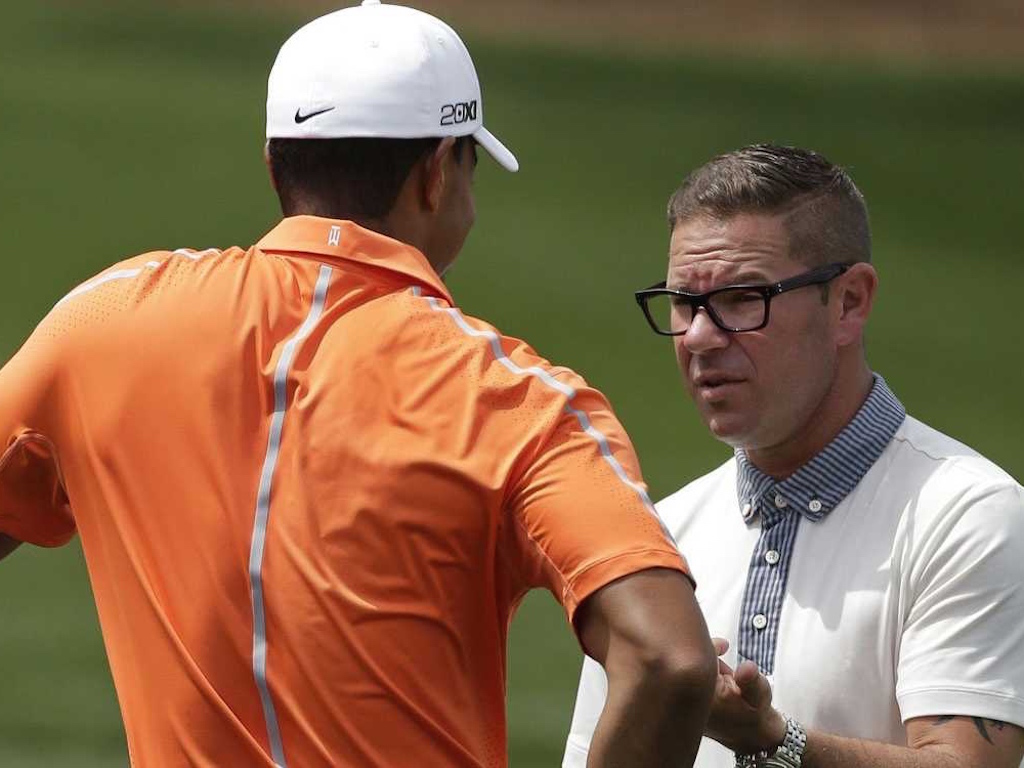
As teachers, we all make mistakes. As we get more experienced at the craft, we make fewer, but the work is a human endeavor so we are prone to error. Where and how the error is made is most commonly in the diagnosis.
Let’s face it, instructors get an hour or so to solve a problem. That hour, in my lessons, is divided into three distinct parts in the following order:
- The diagnosis
- The explanation
- The solution
To me, the diagnosis is far and away the most important part of the lesson. It’s the part of the lesson where the teacher decides exactly what’s wrong with the golf swing. And the problem will always boil down to what I call “the big three:”
- Is the attack angle too steep or too shallow?
- Is the face open or closed?
- Is the path too inside or outside?
There may be a myriad of things causing the problem, but the problem itself will always be one of those things.
Teachers may disagree on the method of correction, but should never disagree on the diagnosis.
After deciding what the biggest problem is — the face, the path or the attack angle — the teacher needs to determine the causes of the problem(s). But here is the crux of the matter: If the diagnosis is incorrect, there is rarely enough time in the lesson to right the ship.
“No, forget that, let’s try this,” is the absolute worsT thing a student wants to hear in a golf lesson.
Technology has made diagnosing swing problems quite a bit easier, but the correct diagnosis is still elusive at times. And what can be just as difficult for teachers is choosing the proper sequence of correction once the diagnosis is made. Sequencing is crucial, because I want the first shot my students hit after a correction to be a better shot than they previously hit. If what I suggest has little to no effect on ball flight initially, a trust issue develops between me and my student.
As I teacher, I have to get a student’s attention as soon as possible in a lesson. If someone comes to me hitting ground balls and 20 minutes later they are still hitting ground balls, I have LOST that student!
You, the student, need to be prepared for these changes. If you’re not ready for what’s about to happen, you’re in for a surprise and it might not be a pleasant one. Often I’ll see a student lose sight of their first shot because they are looking in the wrong place. They’re expecting the same slice they have seen for 15 years, so a hook or draw might be a shock. But as a teacher, I have their attention.
In my early days of teaching, I went “by the book.” In other words, if something didn’t look right, I’d try to change it without really knowing how the suggestion was going to fit into the bigger picture. One day I had a student who was making a very abbreviated shoulder turn in the backswing, perhaps 45 degrees at best. It just didn’t look right. So I suggested a fuller shoulder turn. On the next swing, he missed the ball by a foot!
Ugh! Why?
His attack angle was shallow, and when I asked him to turn more I made it really shallow; he was falling back and hitting up on everything. I blew the attack angle diagnosis and voila… a good 15-20 minutes was wasted in the lesson.
Nothing should ever be changed in a golf lesson because it doesn’t look right. For example, if Jordan Spieth sent a video to an inexperienced instructor, he might tell Spieth to strengthen his left hand grip or straighten his left arm, right? I mean those two things are obviously wrong, so let’s fix them straight away. Boom! You just made the best player on the planet an also-ran.
If you’re interested, here’s my analysis of Jordan Spieth’s swing is below.
The diagnosis is an overview; it’s an analysis of how the whole swing dynamic has developed and where it needs to go next. If that first critical phase slips through the cracks, the teacher is going to be playing catch up for the rest of the session and it may be too little, too late when he finally gets around to the right fix.
What does all this mean to you? It means you need to be proactive and participate in the learning process. You need to understand the whole dynamic, not simply accept what has been said as gospel.
Why did I top that shot? Why are you moving my hand over? The instructor is human and she/he is there to help; the two of you are working together in the process and that requires your full participation. If the golf ball starts behaving better, there’s a good chance you’ve been pointed in the right direction. If you feel you are doing what you’ve been asked to do (and you have the video and/or radar numbers to prove it), however, and the golf ball is still misbehaving, you may consider seeking advise elsewhere.
No golfer has to get worse before they get better.
You should get new results, not always great results, but the swing should feel and look different than before you made the change AND the ball flight should be better. If not, ask why. If the same old slice or shank is there after the entire lesson, consider another teacher. The next instructor may communicate more to your liking, or be better at guiding you through the learning process.
Remember, it’s your time and your money. You have the right to hold your teacher accountable. Believe me, you are NOT insulting an instructor by leaving his or her camp. It happens often. When you take the steps needed to be an active participant in your own improvement, if often leads to better results… and sometimes a different coach.



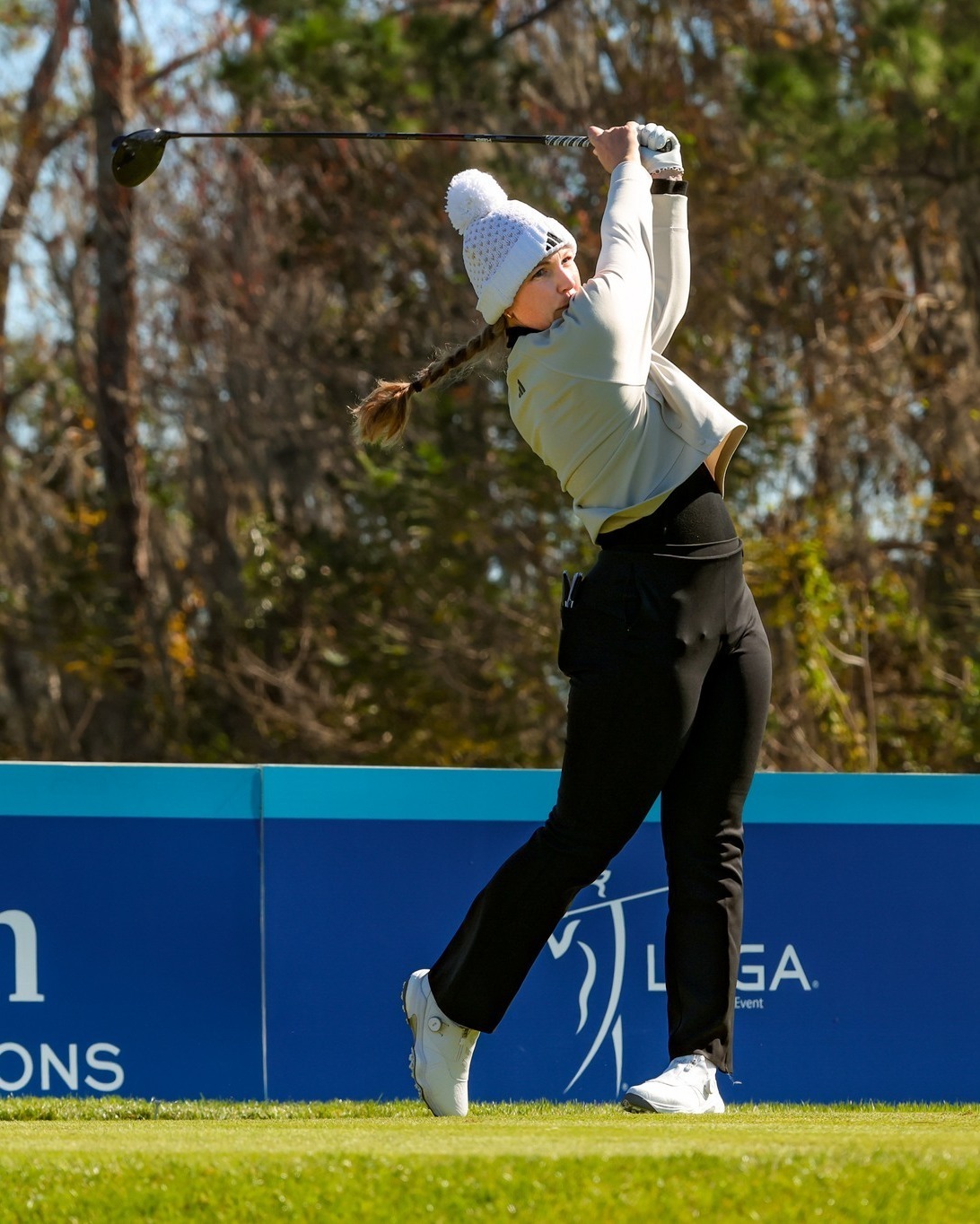
The LPGA Tour is kicking off its 2026 season this week at Lake Nona Golf and Country Club in Orlando, and the pros are dealing with something most Florida golfers rarely face: freezing temperatures.
“It’s colder here than in the UK at the minute, which is a first,” said England’s Charley Hull during Wednesday’s media day at the Hilton Grand Vacations Tournament of Champions.
Even Lydia Ko, who lives at Lake Nona, seemed surprised by the cold snap. “We’re pretty much getting to below zero in celsius here, which maybe in other parts of the country they would be thankful, but when you’re in Florida it is a little bit of a surprise,” she said.
If the world’s best players are adjusting their games for cold weather, recreational golfers should, too. Here’s how to play smart when the mercury drops.
Understand What Cold Does to Your Game
Before you change anything, you need to know what you’re fighting against. Cold air is denser than warm air, which means your ball won’t fly as far. Period.
Hull noticed this immediately during practice rounds at Lake Nona. She mentioned hitting a gap wedge into the 18th hole during a previous win but needing a 4-iron during Tuesday’s practice round. That’s a difference of four or five clubs for the same shot.
Action item: Expect to lose 5-10 yards on every club in your bag when temperatures dip below 50 degrees. Plan accordingly and don’t be stubborn about club selection.
Layer Up Without Restricting Your Swing
Hull admitted she wore three pairs of pants during practice. While that might be extreme for most of us, staying warm is critical to playing well in cold conditions.
Your muscles need warmth to function properly. When you’re cold, your body tightens up and your swing gets shorter and faster. Neither of those things help you hit good golf shots.
Action item: Wear multiple thin layers instead of one bulky jacket. Look for golf-specific cold weather gear that stretches with your swing. Keep hand warmers in your pockets between shots. And don’t forget a good hat because you lose significant body heat through your head.
Take More Club Than You Think You Need
This is where ego gets in the way of good scores. When it’s cold, the ball doesn’t compress as well off the clubface. Combined with denser air, you’re looking at serious distance loss.
The pros at Lake Nona are dealing with a course that measures 6,642 yards but plays much longer this week. If they’re adjusting, you should too.
Action item: Take at least one extra club on every approach shot. In temperatures below 40 degrees, consider taking two extra clubs. It’s better to fly the ball to the back of the green than to come up short in a bunker.
Adjust Your Expectations on the Greens
Cold weather affects putting in ways most golfers don’t consider. The ball is harder and doesn’t roll as smoothly. Your hands are cold, making it harder to feel the putter. And if there’s any moisture on the greens, they’ll be slower than normal.
Ko mentioned that she still sometimes reads the greens wrong at Lake Nona despite being a member for years. Cold weather makes that challenge even tougher.
Action item: Hit putts more firmly than usual. The ball needs extra speed to hold its line on cold greens. Take a few extra practice strokes to get a feel for the speed before you putt.
Embrace the Mental Challenge
Hull said something interesting about cold weather golf: “I like the mental toughness of it.”
That’s the right attitude. Everyone on the course is dealing with the same conditions. The player who stays patient and doesn’t get frustrated by the extra difficulty will come out ahead.
Action item: Lower your expectations by a few strokes. If you normally shoot 85, accept that 90 might be a good score in 40-degree weather. Focus on solid contact and smart decisions rather than perfect shots.
Warm Up Longer and Smarter
This might be the most important tip of all. Cold muscles are tight muscles, and tight muscles get injured easily.
World No. 1 Jeeno Thitikul revealed she’s been protecting a wrist injury that bothered her late last season. Cold weather makes those kinds of injuries more likely if you don’t prepare properly.
Action item: Spend at least 20 minutes warming up before your round. Start with stretching, then hit easy wedge shots before working up to your driver. Keep moving between shots on the course to maintain body heat and flexibility.
The pros at Lake Nona this week will adapt and compete at the highest level despite the cold. You can do the same at your local course by following these tips and keeping a positive attitude.
PGA Professional Brendon Elliott is an award-winning coach and golf writer. You can check out his writing work and learn more about him by visiting BEAGOLFER.golf and OneMoreRollGolf.com. Also, check out “Playing Through” now on R.org, RG.org’s partner site, each Monday.
Editor’s note: Brendon shares his nearly 30 years of experience in the game with GolfWRX readers through his ongoing tip series. He looks forward to providing valuable insights and advice to help golfers improve their game. Stay tuned for more tips!
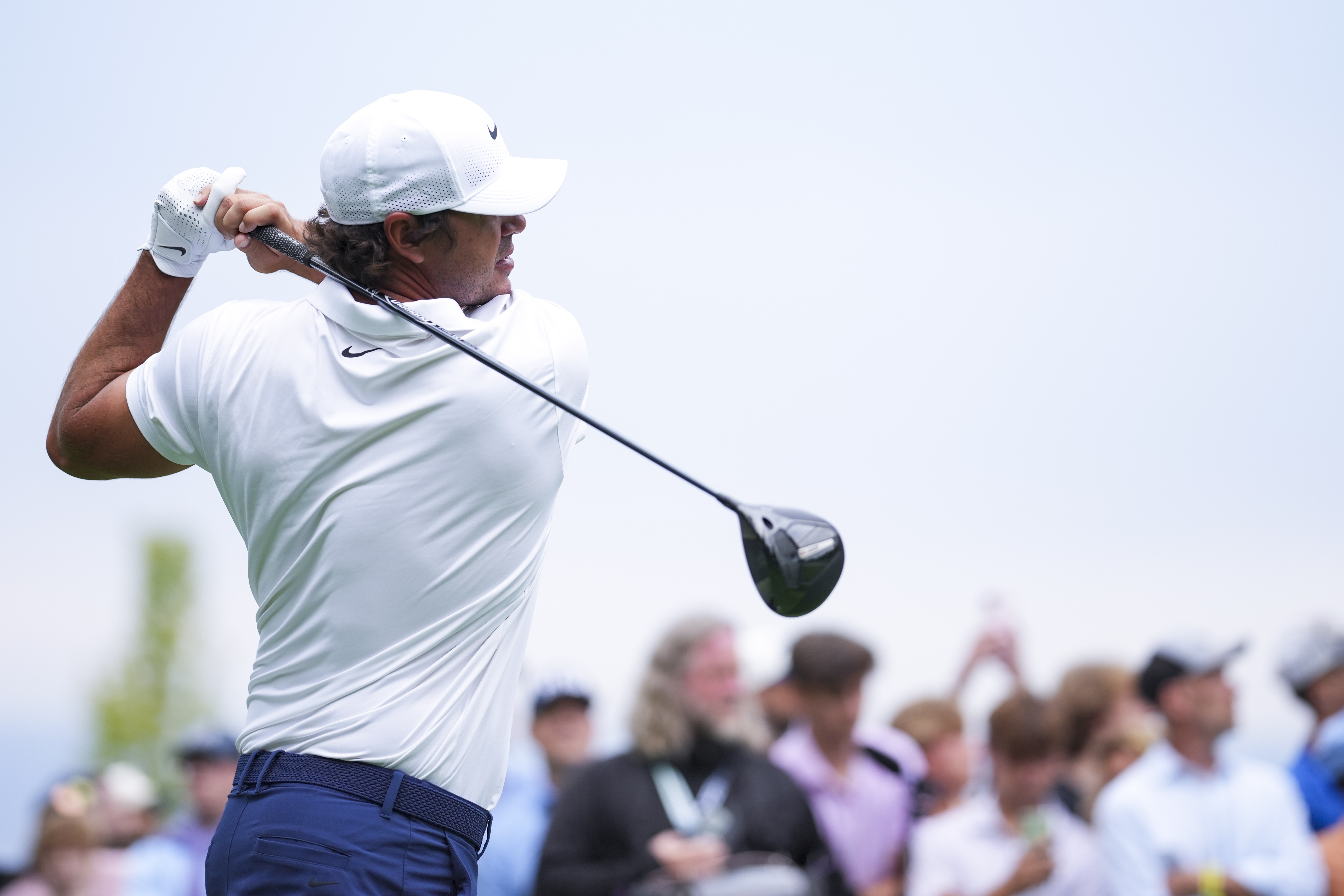
Brooks Koepka is back on the PGA Tour, and whether you love him or hate him, the guy knows how to win when it matters. After his LIV Golf stint, the five-time major champion returns this week at the Farmers Insurance Open.
What makes Koepka fascinating? He doesn’t fit the mold. His swing isn’t textbook. He doesn’t obsess over mechanics. Yet he’s won three PGA Championships and two U.S. Opens, regularly making it look easier than guys with prettier swings.
So, what can average golfers learn from someone who treats the game so differently? Quite a bit.
Stop Overthinking Every Shot
Koepka describes his approach as “reactionary” rather than mechanical. While most tour pros grind over swing thoughts, Brooks sees the target and hits it. No mental checklist.
This might be the most valuable lesson for weekend golfers who’ve watched too many YouTube swing videos.
How to actually do this:
On the range, hit five balls where you stare at the target for three seconds prior to addressing the ball. Don’t think about grip or stance. Just burn that target into your brain. You’ll be shocked at how pure you hit it when your brain focuses on where the ball is going instead of how you’re swinging.
Next time you play, give yourself a rule: Once you pull the club, you’ve got 15 seconds to hit. Koepka is one of the fastest players on tour because he doesn’t give his brain time to sabotage him.
If you feel tension in your hands at address, you’re trying to control too much. Koepka’s grip pressure is famously light. Loosen up until the club almost feels like it might slip, then add just enough pressure to hold on. That’s your swing thought: soft hands, see the target.
This approach works better under pressure. When you’re standing over that shot with water left and OB right, the last thing you need is a mental checklist. See it, feel it, hit it.
Play to Your Strengths (Even If They’re Not Pretty)
Koepka uses a strong grip that wouldn’t pass muster in some teaching circles. But he’s built his game around what works for him, elite driving distance and recovery skills. He doesn’t try to be someone he’s not.
Here’s how to build your game like Brooks:
Look at your last five rounds and figure out where you’re actually gaining strokes. Bombing it off the tee, but can’t hit greens? Lean into it. Play courses where distance matters more than precision. On tight holes, grip down on your 3-wood instead of trying to thread a driver through a keyhole you’ll miss seven times out of ten.
Koepka knows he can scramble, so he’s not afraid to miss greens. If you’re deadly from 50 to 75 yards, start leaving yourself those distances on the par 5’s instead of going for them in two every time.
Know when to take your medicine. Koepka in the trees at the PGA? He’s punching out to 100 yards, not trying to bend a 6-iron around three oaks. You’re in the rough with a flyer lie and water short? Hit your 8-iron to the middle and move on. That’s not playing scared, that’s playing smart.
Save Your Best for When It Counts
Here’s a wild stat: Koepka’s putting average in majors is often more than a full stroke better per round than in regular events. He elevates when pressure is highest.
How does an amateur tap into that gear? It’s not about trying harder, it’s about caring differently.
Here’s what actually works:
Decide which rounds matter to you. Club championship? Member-guest? That annual trip with college buddies? Circle those dates and treat them differently. Koepka doesn’t care much about regular tour events, but majors? That’s when he locks in.
Two weeks before your big round, change your practice. Stop beating balls mindlessly. Play nine holes in which every shot has consequences. Miss the fairway? Hit from the rough on the next hole too. Three-putt? Twenty push-ups. Koepka’s practice intensity ramps up before majors because he’s rehearsing pressure, not just swings.
Develop a between-shot routine that resets your brain. Koepka is famous for his blank expression after bad shots. Try this: After any shot, take three deep breaths while walking, then find something specific to notice, a tree, a cloud, someone’s shirt. That’s your reset button. By the time you reach your ball, the last shot is gone.
The Bottom Line
Brooks Koepka’s return reminds us there’s no single path to success in golf. His “substance over style” approach proves that results matter more than looking good.
You don’t need a perfect swing; you need a reliable one that holds up under pressure. You don’t need to hit every shot in the book; you need the shots you can count on. And you don’t need to play great every time; you need to play great when it matters.
Welcome back, Brooks. Thanks for the reminder that golf is ultimately about getting the ball in the hole, not winning style points.
PGA Professional Brendon Elliott is an award-winning coach and golf writer. You can check out his writing work and learn more about him by visiting BEAGOLFER.golf and OneMoreRollGolf.com. Also, check out “Playing Through” now on R.org, RG.org’s partner site, each Monday.
Editor’s note: Brendon shares his nearly 30 years of experience in the game with GolfWRX readers through his ongoing tip series. He looks forward to providing valuable insights and advice to help golfers improve their game. Stay tuned for more tips!

Blades Brown made a big impression last week in the California desert, and not just because he’s only 18. He put up numbers that would catch any weekend golfer’s attention. Most of us won’t hit 317-yard drives or find 86% of our greens in regulation, but there’s a lot to learn from how Brown managed his game at The American Express.
Here are three practical lessons from his performance that you can use on your own course this weekend.
Step 1: Give Priority to Accuracy Over Distance Off The Tee
Brown’s driving stats are impressive. He averaged almost 318 yards off the tee, ranking 12th in the field. More importantly, he hit 76.79% of his fairways, tying for fourth place in the tournament.
Think about that ratio for a second. Brown could have swung harder, chased more distance and tried to overpower the course. Instead, he played smart golf and kept his ball in play.
Your Action Item: Next time you’re on the tee box, ask yourself a simple question before pulling the driver. Do you need maximum distance here, or do you need to be in the fairway? If there’s trouble lurking or the hole doesn’t demand every yard you can muster, take something off your swing. Grip down an inch. Make a three-quarter swing. Do whatever it takes to find the short grass. Brown’s approach illustrates that fairways lead to greens, and greens lead to birdies. He made 22 of them last week, along with an eagle.
The math is simple. When you’re hitting three out of every four fairways like Brown did, you’re giving yourself legitimate looks at the green with your approach shots. That’s when scoring happens.
Step 2: Commit To Hitting More Greens
This is where Brown really separated himself. He hit 62 of 72 greens in regulation, an 86.11% clip that tied for first in the entire field. Read that again. An 18-year-old kid tied for the lead in one of the most important ball-striking statistics in professional golf.
How did he do it? By keeping his ball in the fairway (see Step 1) and giving himself clean looks with mid-irons and wedges.
Your Action Item: Start tracking your greens in regulation. You don’t need a fancy app or a statistics degree. Just mark down whether you hit the green in the regulation number of strokes. Par 3s in one shot. Par 4s in two shots. Par 5s in three shots.
Once you know your baseline, set a goal to improve it by 10%. If you’re currently hitting five greens per round, aim for six. The beauty of this approach is that it forces you to think strategically about club selection and shot shape. Brown’s strokes gained approach number was positive (0.179), meaning he was better than the field average. You don’t need to be perfect. You just need to be on the dance floor more often.
When you hit more greens, you eliminate the need for heroic short game shots. Brown only had to scramble 10 times all week, and he got up and down 70% of the time. That’s solid, but the real story is that he rarely put himself in scrambling situations to begin with.
Step 3: Minimize Mistakes And Stay Patient
Here’s the stat that jumps off the page: Brown made only three bogeys all week. Three. In four rounds of professional golf against the best players in the world.
He also made just one double bogey. That kind of clean card doesn’t happen by accident. It happens when you play within yourself, avoid the big miss and trust that pars are never bad scores.
Your Action Item: Before your next round, decide that you’re going to play boring golf. No hero shots over water. No driver on tight holes just because you can. No aggressive pins when there’s a safe side of the green.
Brown’s performance shows us that consistency beats flash every single time. He didn’t lead the field in any single strokes gained category, but he was solid across the board. That’s how you post numbers and cash checks.
Give these three steps a try. Your scorecard will thank you.
PGA Professional Brendon Elliott is an award-winning coach and golf writer. You can check out his writing work and learn more about him by visiting BEAGOLFER.golf and OneMoreRollGolf.com. Also, check out “The Starter” now on R.org, RG.org’s partner site, each Monday.
Editor’s note: Brendon shares his nearly 30 years of experience in the game with GolfWRX readers through his ongoing tip series. He looks forward to providing valuable insights and advice to help golfers improve their game. Stay tuned for more tips!

Justin Rose WITB 2026 (April): Full WITB breakdown with new McLaren irons

What’s the story behind Webb Simpson’s custom-stamped irons?

Memorial Tournament Tour Report: Rory McIlroy, Cameron Young switch up drivers, and more

Cadillac Championship Tour Report: Spieth’s sizable changes, McLaren Golf launches, and more

Russell Henley’s winning WITB: 2026 Charles Schwab Challenge

Kristoffer Reitan’s winning WITB: 2026 Truist Championship

J.T. Poston’s winning WITB: 2026 Memorial Tournament

Best irons 2026: Best irons overall, most forgiving irons, and more

Aaron Rai’s winning WITB: 2026 PGA Championship

Cameron Young’s winning WITB: 2026 Cadillac Championship


Bud Cauley WITB 2026 (June)
Bud Cauley had >14 clubs in his bag when photographed prior to the Memorial Tournament. Driver: Titleist GTS2 (8 degrees) Shaft: Fujikura...


Hannah Green WITB 2026 (June)
Driver: Titleist GTS3 (10 degrees, D4 SureFit setting) Shaft: Mitsubishi Chemical Diamana RB 53 S 3-wood: Titleist GT3 (15 degrees,...


Asterisk Talley WITB 2026 (June)
Driver: TaylorMade Qi4D (9 degrees) Shaft: Fujikura Ventus Blue 6 S 3-wood: TaylorMade Qi4D (16.5 degrees) Shaft: Fujikura Ventus Blue...


Brianna Do WITB 2026 (June)
Driver: Callaway Quantum Triple Diamond (9 degrees) Shaft: KBS PGW 3-wood: Callaway Elyte Titanium (15 degrees) Shaft: KBS PGW 5-wood:...
-
 Equipment6 days ago
Memorial Tournament Tour Report: Rory McIlroy, Cameron Young switch up drivers, and more
-
 News1 week ago
Russell Henley’s winning WITB: 2026 Charles Schwab Challenge
-
 Whats in the Bag3 days ago
J.T. Poston’s winning WITB: 2026 Memorial Tournament
-
 Equipment3 days ago
Best irons 2026: Best irons overall, most forgiving irons, and more
-

 Equipment1 week ago
Details on Jason Day’s latest prototype Avoda iron setup
-
 Equipment3 weeks ago
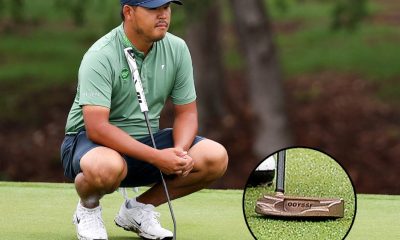
CJ Cup Byron Nelson Tour Report: Koepka and Kim’s newest putters finally get hot
-

 News2 weeks ago
Charles Schwab Challenge Tour Report: MacIntyre, Åberg and Spaun all switch putters, TaylorMade launches new Spider
-
 Equipment2 weeks ago
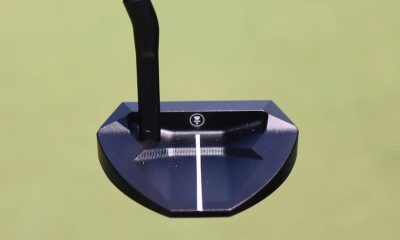
Details on J.J. Spaun’s surprise putter switch


WM
Aug 3, 2015 at 2:46 am
I have taken many lessons and I find that most instructors focus on swing planes and drawing lines and angles on a monitor. They promote an over lap or Vardon grip to prevent hooking, but when in fact most amateurs slice the ball, then the instructors ask you to pose at the top. This, I believe exacerbates an amateur’s problem and this is what is wrong with modern instructions, because they don’t teach the hand or club path on the down swing or how the body should react.
After years of frustration I focused on what pros’ impact positions (with photos and videos) should look and feel like and reversed engineered my swing up to the top and trust me it feels very different from what I thought I should be doing based on professional instructions. At the end of this process the pro positions that you see in photos came naturally. I am by far not a professional instructor, but because I am an amateur, I can relate to most of my golf buddies. By using this method I have helped many of my friends improve their ball striking immensely.
Dennis Clark
Jul 31, 2015 at 1:01 pm
sure…there are three thing that need to be determined in the diagnosis. The face, the path and attack angle. Flightscope and Trackman now quantify those things for you. No more guesswork. I don’t work with K vest but as I see it, it is a BODY tracker…it does not supply impact information. Now after impact has been diagnosed, you could use the K vest info to see how the BODY is affecting the golf club. But FIRST you need to now club face path and attack angle. Otherwise you are just grasping at straws really
Le
Jul 31, 2015 at 10:49 am
Dennis, can you comment on how you think technology has helped or hurt the “diagnosis” aspect of the lesson for the teachiers? I’m interested in developing a wireless sensor technology that functions like the kvest but more attainable for average golfers to use daily. Love to hear your insight. Thx
Hokiegrad86
Jul 30, 2015 at 12:30 pm
Sean Foley is a very fine teacher and a great person. I doubt he pays much attention to the negative comments made by internet golf trolls. His stable of successful golfers is quite full and he is in demand. It didn’t work out with Tiger. So what? Tiger won many golf tournaments when he was working with Sean but he was hurt all the time and living a secret life. It all blew up and now Sean was the problem?!!!! I know one thing for sure….If Tiger wanted to change something he did…and if he didn’t…he didn’t! Butch is the teaching God? He had the Tiger in his prime and a healthy confident Tiger in his prime was an easy gig. Butch is a fine teacher….so is Hank….so is Sean. To each his own but Sean didn’t ruin tiger. Hank didn’t ruin Tiger. Tiger’s ego ruined Tiger.
Jack and Arnie and Hogan didn’t change their swings to get better. They were good enough and they knew it. Tiger’s real problems began when his father died. End of story.
Pat M
Jul 30, 2015 at 1:53 pm
The fan boys pilloried Hank Haney after Tiger hit a fire plug and fired Hank. It is always the teacher with Tiger and never Tiger. The guy is 250th in the world or lower. At The Open, the only people he beat were 60+ year old Tom Watson and close to 60 and retired golfer Sir Nick Faldo.
It is over. Tiger should have gotten Nike to pay Butch Harmon $4 million a year and Stevie Williams $3 million a year. This was the ONLY way Tiger could have gotten his mojo back but it is too late now. I blame the fanboys more than Tiger’s coaches.
Dennis Clark
Jul 29, 2015 at 9:16 pm
you got it right Bob…this is an article about student/teacher dynamic onlt. That was photo my editors chose, nothing more or less. Tiger moves the needle sooo much that even when threads are not about him, they make it about him 🙂 And if you send me a video, I’ll tell you EXACTLY your whole picture.
Bob DeLellis
Jul 29, 2015 at 3:49 pm
Wow. Just about everyone is concentrating on Sean Foley and Tiger Woods, instead of the topic of the article.
I have stopped taking lessons from anyone because I have yet to find someone that can analyze everything and give me a complete plan. I’ve leaned on my own that most of what is wrong with my golf swing relates to #1 my physical limitations and #2 my sequence (tempo/timing). I’ve looked at my own swing and I have determined that I’m not CURRENTLY physically capable of getting in the positions that young tour pros can, and probably never have been able to. Why has no one ever given me a stretching and condition plan as part of the analysis of my swing? I’ve spent thousands in lessons and it makes you start to wonder if instructors limit the info to keep you coming back. I went to GolfTec and they strapped me up with sensors to measure the rotation of my shoulders and hips. I paid $100 for one hour and came away with being told I was rotating my hips too far in the backswing. The completely paralyzed me and could barely hit the ball. I feel allowing my hips to rotate is as much an unconscious way to protect my back as it is a swing flaw. Recently they showed similarities of Tom Watson and Bubba Watson’s swings and how they lift their left heel, which takes strain off the back. They mentioned that Tom Watson, at 66, doesn’t swing markedly different than when he was younger. The average weekend golfer is not in a condition to handle the stress that young athletes like Rory McIlroy place on the bodies by restricting their hips and turning their shoulders 100º+. If I find someone that can develop a complete “plan”, then I’ll consider taking lessons again. Quite frankly the Orange Whip for $100 has done more to fix my sequence, tempo and timing than the thousands I’ve spent in lessons over the past couple decades. In the mean time, I’m content being a middle 80’s golfer that invests little or no money in getting better.
My motto: “The best way to keep from getting disappointed is to lower your expectations”. 🙂
Chris Loskie
Jul 30, 2015 at 9:40 pm
The oranges weighted ball was a good investment you think??!! I always look at it swing it a couple times in tbe store then put it back. .. i thought about lessons then said f it.. ive always worked out and have found I played better while doing more yoga with my workouts.. felt better and more flexible.. I will also say the best “learning” tool ive bought was the silly tour striker club… f the swing. You either cime into the ball correctly and hit it or you dont lol..
Ted McIntyre
Jul 29, 2015 at 11:39 am
I think it’s irresponsible to feature a photo of Sean Foley under the headline “Yes, golf instructors make mistakes,” unless you’re prepared to point out where you believe he erred.
Carlos Danger
Jul 29, 2015 at 11:44 am
Well…for starters he has those eye glasses on. That should have been Tigers first clue, “dont take golf instruction from a hipster.”
Christosterone
Jul 29, 2015 at 12:43 pm
As I said below….in Foley’s words, he “augmented” Tigers chipping and putting stroke…
I mean, come on!!! Harmon said he never touched those after the summer of 1997 because he had never seen such ability from 30 yards and in on all levels…
To change this was the greatest error in coaching in history….Tiger destroyed the record books because of his ability to get down in 2 from any green side situation….putting, chipping, sand or otherwise…
Foley “augmented” a once in a century talent…if that’s not a mistake, I don’t know what it…
-Christosterone
other paul
Jul 29, 2015 at 4:21 pm
Should be no surprise that a guy that comments in 3rd person would criticize an elite golf instructor
Jack Nash
Jul 29, 2015 at 5:12 pm
What about Foley’s other students? They don’t seem to be having all these Tiger like problems. Maybe it was a comprehension problem with Woods. Hell if Foley didn’t help Woods and caused him injury the same could be said about Haney and Harmon. Why didn’t they try to help Woods cure his left leg knee snap? You know the move that’s caused him over a years worth of injury time?
Christosterone
Jul 31, 2015 at 1:45 pm
Haney arguably brought out the best in Tiger.
2006 Hoylake was a master class in all 9 shots(as Haney said).
But in all things, coaches get too much and too little credit…
Tiger has won nearly 80 times on the PGA Tour….just to make 80 cuts is preposterously hard, let alone win…with a majority being in tourneys which saw the best in the world only…
That being said, many of Foley’s student struggle in chipping and putting distance control….when the pressure is great(Mahan at the Ryder cup comes to mind)….foley has forgotten more about golf than I will ever know…
But I would NEVER “augment” Tiger’s short game….NEVER NEVER NEVER
-Christosterone
Alex
Jul 29, 2015 at 11:35 am
I guess you don’t find many good golf instructors since most young pros want to be PGA Tour players. Now, you find the rare specimen who loves teaching and sharing, and you’ll have a good teacher. You may finally agree with his/her swing philosophy and the student-teacher bond will be a long one.
I don’t see my teacher often because he lives away from my town, but we’ve been working together for 7 years now.
Christosterone
Jul 29, 2015 at 9:31 am
The fact that Sean foley augmented tiger’s chipping and putting is tantamount to painting a mustache on the Mona Lisa….
Seriously, this dude ruined a national treasure….
-Christosterone
Todd
Jul 29, 2015 at 8:01 am
I think there is a disconnect with some teaching professionals. Don’t get me wrong there are a lot of great teaching professionals that will look at a swing and can improve it without over-hauling it. Then there are others who either think they know what a player should swing like, or since the player is asking for a change in their swing tear a player up from the swing they have had since high school. I don’t think that is going to work. Seems like Tiger might be n this group, he asks his teaching professional to do a swing change and he gets a mix of his natural swing and the new swing when the chips are down. On the range he can hold it together and hit balls with his new swing, but once he gets on the course he instinct takes over and his old self tries to take over.
Marcus R.
Jul 28, 2015 at 10:56 pm
I think Tiger’s biggest mistake when overhauling his swing was to try and naturally Fade the ball, when all of his life he hit a natural Draw. It seemed the more he tried to fix the driver the more crooked he got. Just my opinion.
SirShives
Jul 28, 2015 at 8:28 pm
I had two lessons with a pro who seemed to barely enjoy his coaching gig. After those two lessons I was hitting the ball better, my slice had straightened out, and I was occasionally hitting a draw. I saw the guy outside of the range and excitedly told him about my progress. The guy acted like we had never met. I get that he probably had plenty of students to keep up with, but how about at least pretending to know who I am? I had prepaid for a three lesson package but I never went back for the final one. I found a more enthusiastic pro and started breaking 90 immediately after having spent the previous ten years shooting 105s.
Find a coach who enjoys their job!
KK
Jul 31, 2015 at 12:03 am
I couldn’t agree more….one of the most important student teacher relationships is do you/can you relate to each other and does the teacher explain a concept in a way that you understand and can apply it. I don’t understand the smug attitudes from golf “pros” that I come across all the time in the 10+ years that I have worked in the business. I can only attribute it to one of two things…the pro was once trying to play for a living and realized he/she didn’t have the game to compete and they are bitter that they now have to teach amateurs how to play golf, or they don’t really care whether a student actually gets better at golf, they just want to give you a few tips over the course of an hour and hope you keep coming back. Like any hobby or profession, you can only be truly great at it if you want to be. There are quite a few teaching pros out there that could care less about you and your golf game. It’s very unfortunate too because the game of golf is really hard and getting people to play better is a tall task for any teacher, especially the ones who don’t really want to do it.
Dennis Clark
Jul 31, 2015 at 9:52 pm
You re right JJ. One had a passion for teaching or not. It can’t be taught if a person doesn’t love the work.
Dennis Clark
Jul 28, 2015 at 5:22 pm
I had the common decency to charge him NOTHING…But there were lesson that I should have refunded early on, no question. Any teacher who says otherwise is, uh, lying.
Jeff
Jul 28, 2015 at 5:49 pm
Good man! That is how you make a good reputation.
Jeff
Jul 28, 2015 at 4:49 pm
Dennis – Did you charge full price for the lesson you gave to that student who was making a very abbreviated shoulder turn in the backswing that you wasted 15-20 minutes with your poor diagnosis?
gubment cheez
Jul 28, 2015 at 4:47 pm
You should’ve made this more about Ledbetter than foley
gubment cheez
Jul 28, 2015 at 4:49 pm
Leadbetter
Marty Knowles
Jul 28, 2015 at 4:29 pm
Great article Mr. Clark! This article parallels my teaching career almost to the letter. I used to be in the there is one way to swing the club camp. Whether they were physically able to or not I thought they had to get in the “perfect” positions throughout the swing. It wasn’t until a wise old teacher asked me how I’d fix Lee Trevino that the light went on and I started concentrating mainly on what was happening at impact rather than trying to make everyone’s swing look beautiful.
Michael Wray
Jul 28, 2015 at 4:18 pm
Sean is a nice guy, if not somewhat misunderstood. His presentation in Orlando in January made him more human for many of us. His analysis of “analysis” has great insight, particularly in sequencing corrections, which I believe is the genius of teaching…just my two cents.
Dennis Clark
Jul 28, 2015 at 5:23 pm
I agree, he’s a good dude…I liked him at the Summit as well. Did not turn out a good match for TW though, but Sean is a bright guy.
Rwj
Jul 28, 2015 at 2:43 pm
Just looking at Sean Folley in that picture, the image he has for himself with his clothes and “style,” would keep me from listening to a word he says about any subject. He looks like a clown
Dennis Clark
Jul 28, 2015 at 3:01 pm
🙂
Chuck
Jul 28, 2015 at 10:15 pm
Four mistakes in one photo; that haircut, those glasses, that shirt and that tattoo. The swing advice might have been okay, but since he’s talking to Tiger Woods, it’s doubtful.