
Equipment
Rickie Fowler’s golf clubs are like no one else’s

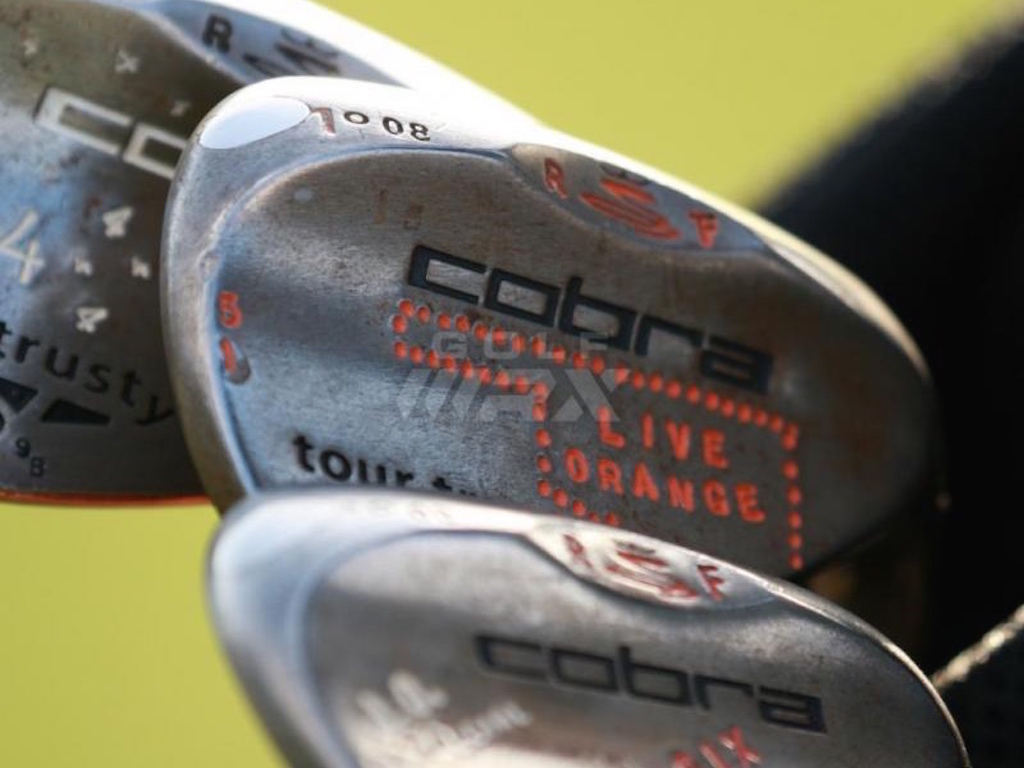
This story was selected as one of the 15 best GolfWRX stories of 2015!
There’s no one like Rickie Fowler on the PGA Tour, and there’s no one that plays golf clubs like him either. Casual golf fans recognize Fowler for his flashy orange outfits and flat brim Puma hats, but most don’t know that his irons and wedges are unique, as well.
During Fowler’s marathon victory at The Players Championship, his deadly wedge play was on full display at TPC Sawgrass’ Island Green. He attacked No. 17’s Sunday pin location three consecutive times (once in regulation, twice in the playoff) en route to victory, making birdie each time.

Fowler attended Oklahoma State University, where the Cowboys “Live Orange”
In Fowler’s bag for his critic-silencing win was a set of irons and wedges that took him and the Cobra Golf team years to fine tune. Recently, I spoke with the man responsible for Fowler’s unique clubs, Ben Schomin, Cobra’s director of tour operations, who told me the story of Fowler’s unbelievably custom clubs.
Related: See all the clubs Rickie Fowler currently has in his bag
The Magic Metal: Tungsten
About three years ago in the locker room at Riviera Country Club, Fowler told Schomin that he wanted to try shorter-length irons. That led to a blind test in which Schomin built Fowler more than a half-dozen different 6 irons with different lengths and different shafts to see which one he liked best.
After the range session, Fowler decided on a length that was 0.5 inches shorter than standard, and True Temper’s Dynamic Gold X100 shafts that were “soft-stepped.” Shortening a shaft makes it stiffer, which is where soft-stepping comes in. It’s a process where a 4 iron shaft is installed in a 5 iron club head, a 5 iron shaft is installed in a 6 iron club head, and so on, which makes the iron shafts play slightly softer than they would if the set was built traditionally.
But something else happened due to the length change, and it’s what makes Fowler’s clubs so special. Shortening the shaft 0.5 inches caused the swing weight of the clubs, a measurement of a club’s balance point, to drop three points. That caused the clubs to feel lighter to Fowler, as the balance point moved toward the handle of the club. Fowler played the shorter, lighter-feeling irons for several months, but then had another request. He wanted to try irons with a heavier swing weight.
It was time for another blind test, after which Fowler chose irons that had a swing weight of D3. Schomin had to find a way to add those three swing weight points to Fowler’s irons, which required an additional 6 grams of head weight. Six grams is a lot of weight to add to an iron head, Schomin said, and to accommodate the request a dense metal called tungsten was used.

Fowler’s AMP Cell Pro irons from 2013-2014.
Schomin and Cobra’s machinists began boring holes through the toes of Fowler’s irons so that they could add tungsten plugs behind the hitting area. It worked so well for Fowler’s irons that Schomin tried it with Fowler’s wedges, which presented its own set of problems.
“Say a wedge weighs 308 grams and the target is 320,” Schomin said. “You’d need to add 12 grams. But boring the hole takes it down to 300 grams, so now you need 20 grams.”

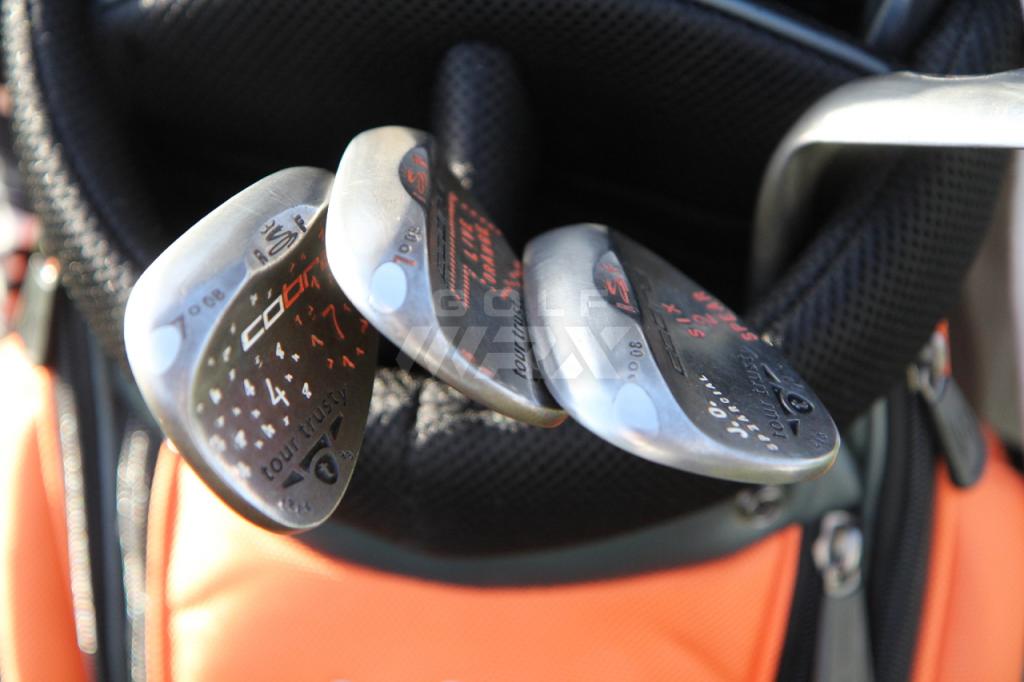
Fowler’s 47-degree wedge, which has 8 degrees of bounce.
Wedges also tend to have shapes that are much more curved than irons, particularly in the toe area where the tungsten plugs were installed. To make it work, a fixture was developed to hold the wedges in place as an end mill was bored through the toe of the club.
Then, tungsten plugs — which are custom, individually milled conical rods — were installed using intense pressure, and the clubs were sanded and polished to look (almost) exactly like they were before.
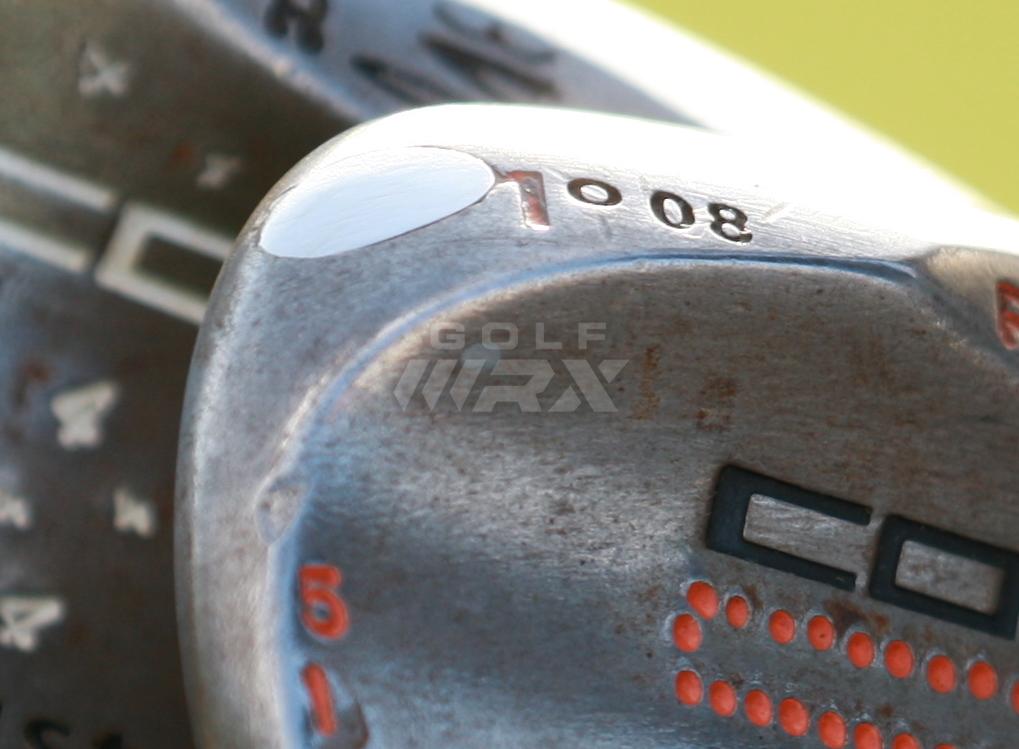
The part of the plug we see is actually Stainless Steel, while Tungsten sits inside.
“Each wedge takes about 2 to 3 hours,” Schomin said. “It’s a very complex process.”
I asked Schomin if an average, everyday golfer wanted to have this done to their wedges where they could go. I heard a chuckle on the other end of the line. There are machinists who can do the work, but it won’t be cheap, and good luck finding them. And with computers, 3D milling machines and advanced technology taking over at factories these days, fewer and fewer people have the necessary skill to pull this off, Schomin said.
“We used to have a shop full of guys, now we have two,” Schomin said.
Now for the story of Fowler’s most unique club, his 62-degree wedge.
Fowler’s 62-degree wedge wasn’t for him
When preparing for The Masters, many Tour players make changes to their equipment to help them with Augusta’s special challenges: tight lies, fast greens and severe slopes. And the 62-degree wedge Fowler used in the 2015 Masters came from an unexpected source — country music singer Jake Owen.

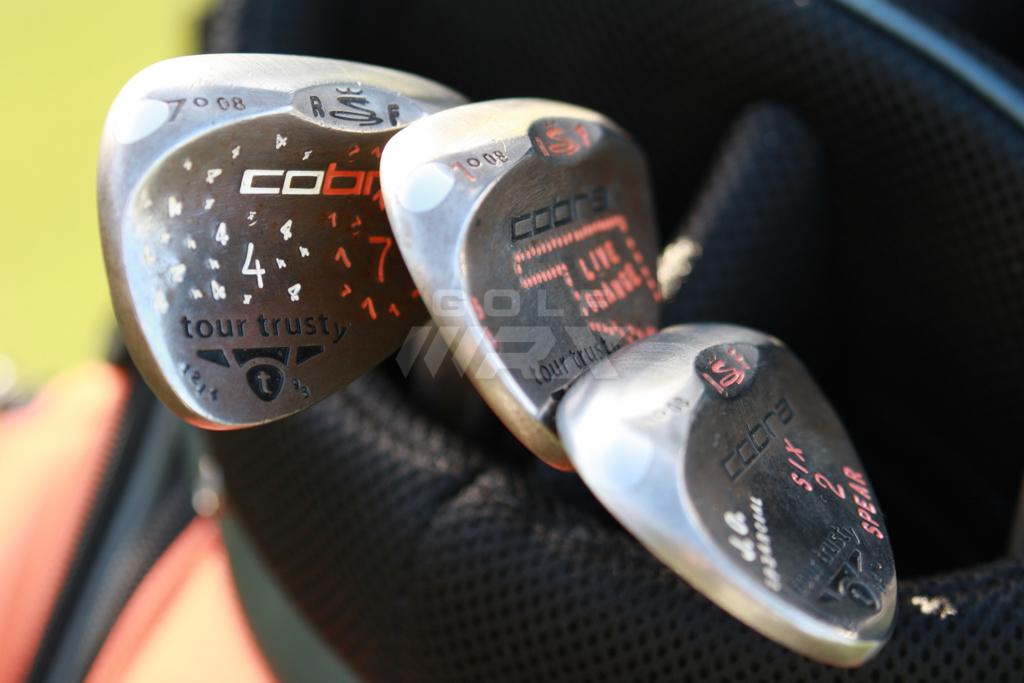
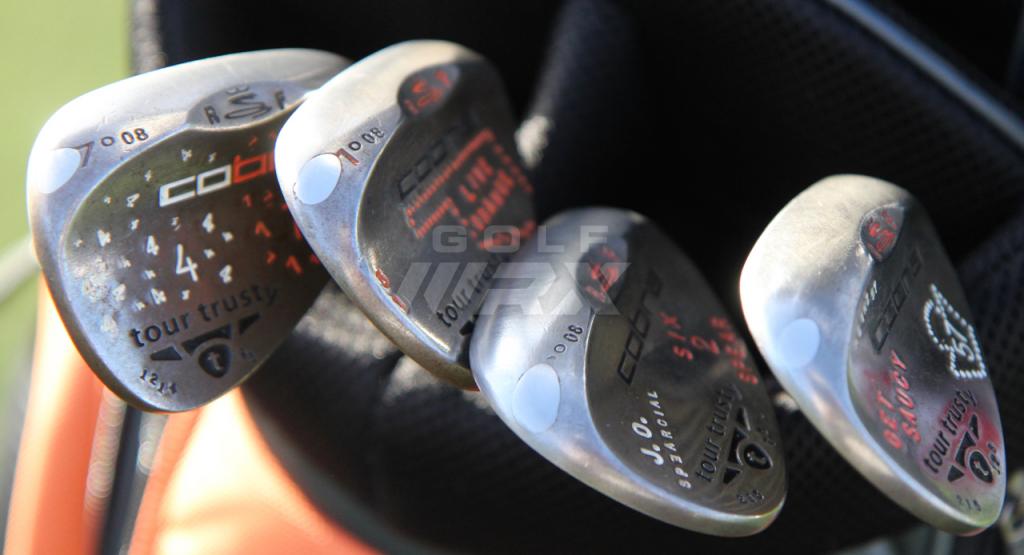
“Spear” is an ode to the Florida State Seminoles, Owen’s alma mater.
Owen is an avid 3-handicap golfer who once pursued a career in professional golf. Golf fans may know him as Jordan Spieth’s AT&T Pebble Beach Pro-Am partner, and the pair finished T6 in 2015.
Here’s how Fowler ended up with Owen’s wedge. He and swing coach Butch Harmon were on the range with Schomin at The Floridian in February before the Honda Classic, and the three were tweaking Fowler’s driver. Owen, who’s a friend of Schomin and Fowler, was also at the range. Sometime during the range session, Harmon learned that Schomin had built Owen a 62-degree wedge, which caught his attention — and then Fowler’s.
“What do you think of this wedge at Augusta?” Fowler asked his swing coach.
“I think that’s a fantastic idea,” Harmon said.
To put the wedge to the test, Fowler took it over to the chipping green and picked out the most difficult shot he and Harmon could find, attempting to replicate the diabolical chipping areas at Augusta, with Schomin looking on.
“The ground was so firm and he had no green to work with,” Schomin said. “It was honestly an impossible shot.”
Fowler proceeded to hit every shot within 3 feet. After that, it became Fowler’s wedge.
With some modifications — tungsten was added, and a 0.5-inch short, soft-stepped True Temper Dynamic Gold S400 Tour Issue Shaft was installed — Fowler put the new 62-degree wedge in play at the Honda Classic and then The Masters, and it hasn’t left his bag since.

Heinz 57 (ketchup) is the perfect name for Fowler’s 57-degree wedge #TourSauce
It’s been a good change for Fowler, who used to carry wedges with lofts of 47, 51, 55 and 59 degrees. To make room for the 62-degree model, Fowler removed the 55- and 59-degree wedges from his bag, splitting the difference with a 57-degree model.
Fowler’s Current Irons
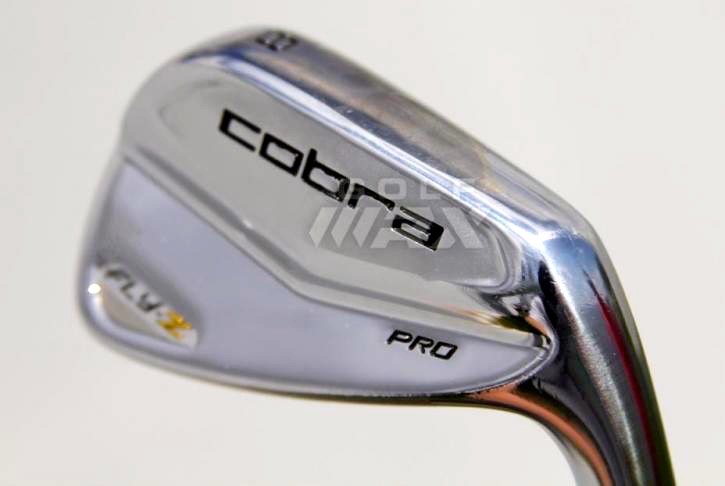
Fowler’s current irons, unlike his wedges, now have three Tungsten plugs bored straight into the sole from the bottom, not through the toe. That’s because Cobra’s Fly-Z Pro irons, which were designed with feedback from Fowler, already have Tungsten in the toe to add forgiveness — but Fowler’s irons still needed the additional head weight because of their shorter length.
Fowler’s Iron Specs: Cobra’s Fly-Z Pro (4-9) with KBS C-Taper 125 S+ shafts, 0.5 inch short (37-inch 6 iron), soft-stepped, D3 swing weight
Stepping up his stampings
Schomin, who does all of Rickie Fowler’s stampings, says he keeps running notes, and tries to surprise Rickie with new designs.
“I don’t compete with other wedge makers. It’s more like a competition to see the players reaction… how big of a smile or reaction can I get from a player for a stamping.”
SO what about the famous mustache stamping?
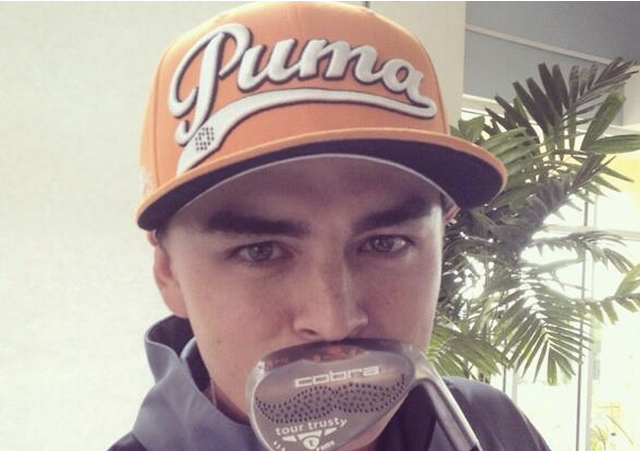
“Obviously people know the mustache stamping, which yes, I did come up with,” Schomin said. “But it’s another year now. I have to keep it fresh.”
Related: The Best Wedge Stampings of 2015
Wedge stampings have become more and more popular in the bags of Tour players in the last few years, and Schomin definitely helped fuel the fire.
“I won’t say I started the movement,” Schomin said. “But I was the first one that started putting it all out there and being goofy. Taking risks. It’s been sort of a trickle down effect.”






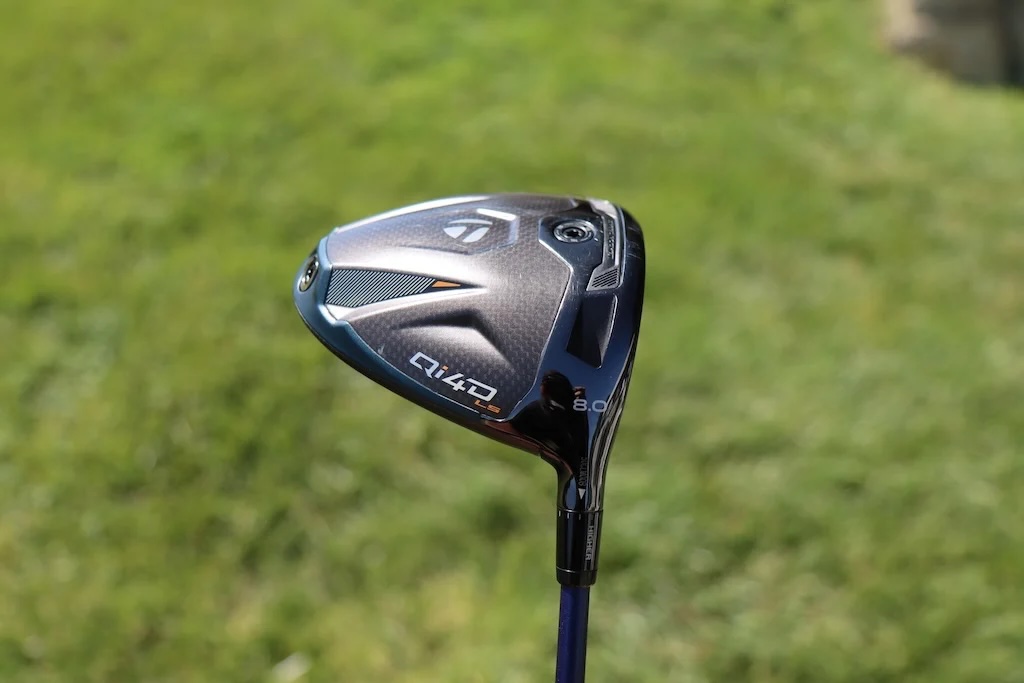
Driver: TaylorMade Qi4D LS (8 degrees)
Shaft: Fujikura Ventus TR Blue 6 X
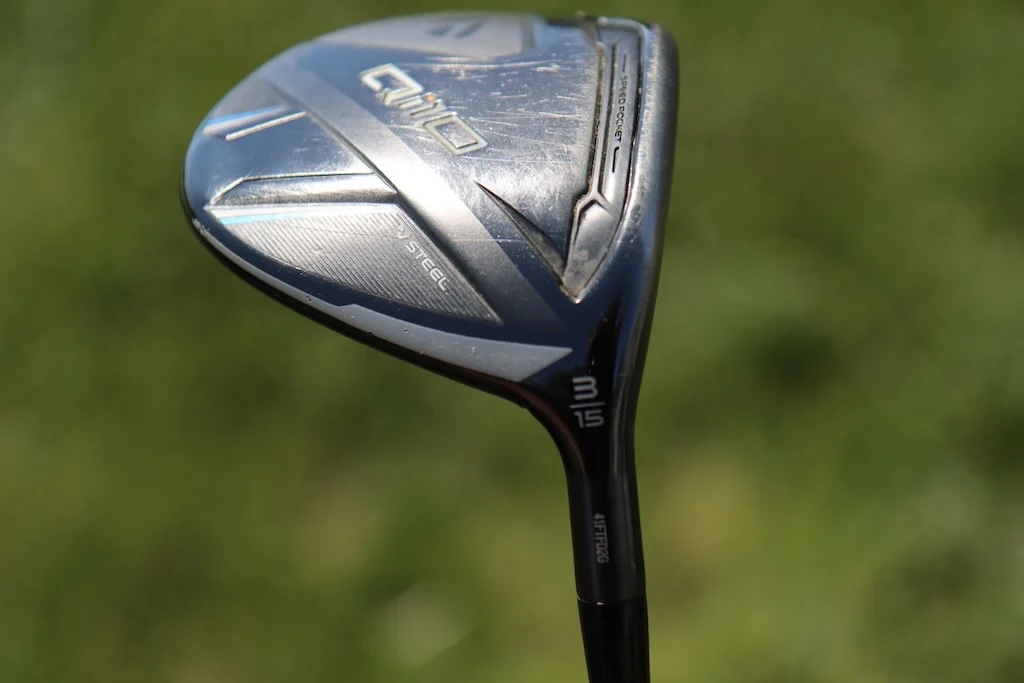
3-wood: TaylorMade Qi10 (15 degrees)
Shaft: Fujikura Ventus Black 9 TX
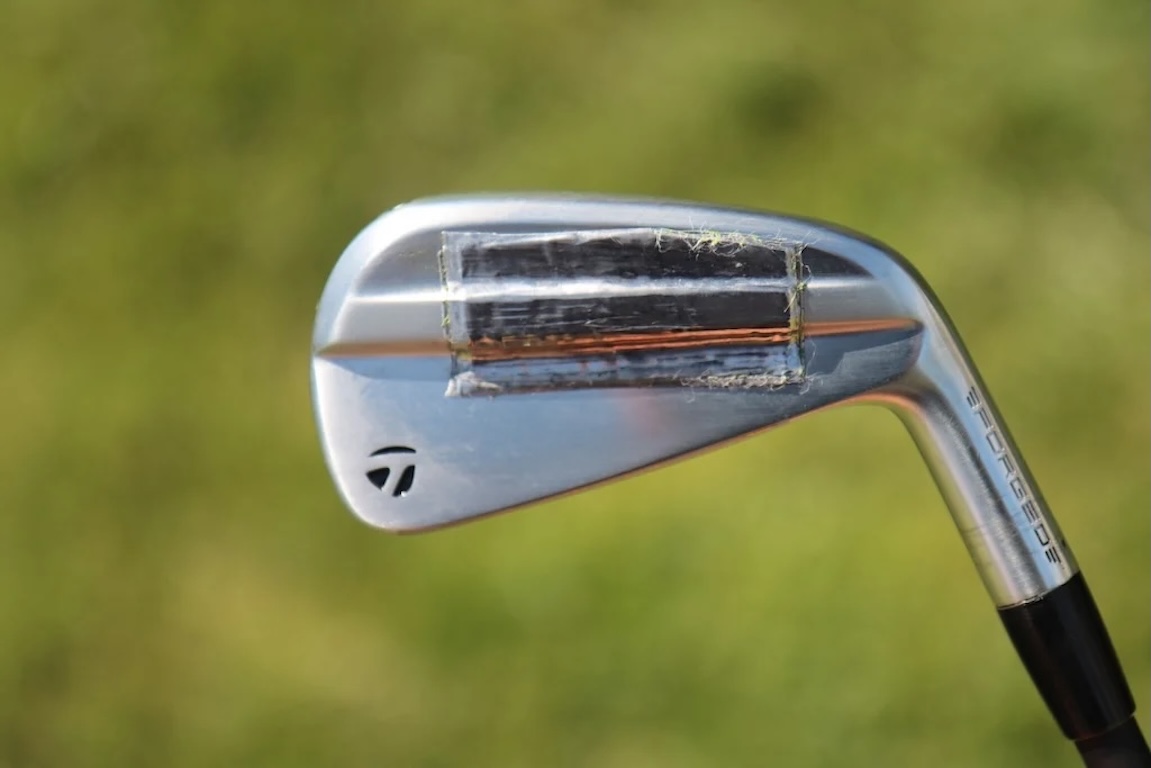
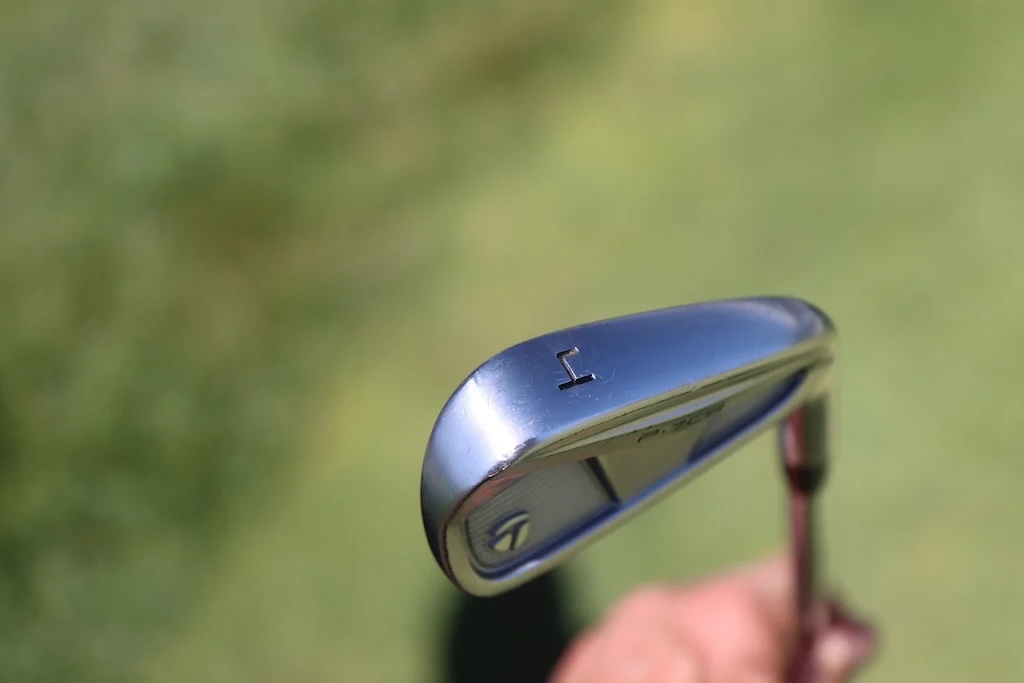
Irons: TaylorMade P770 (3), TaylorMade P7CB (4), TaylorMade P7TW (5-PW)
Shafts: Fujikura Ventus Black HB 10 X, True Temper Dynamic Gold X100
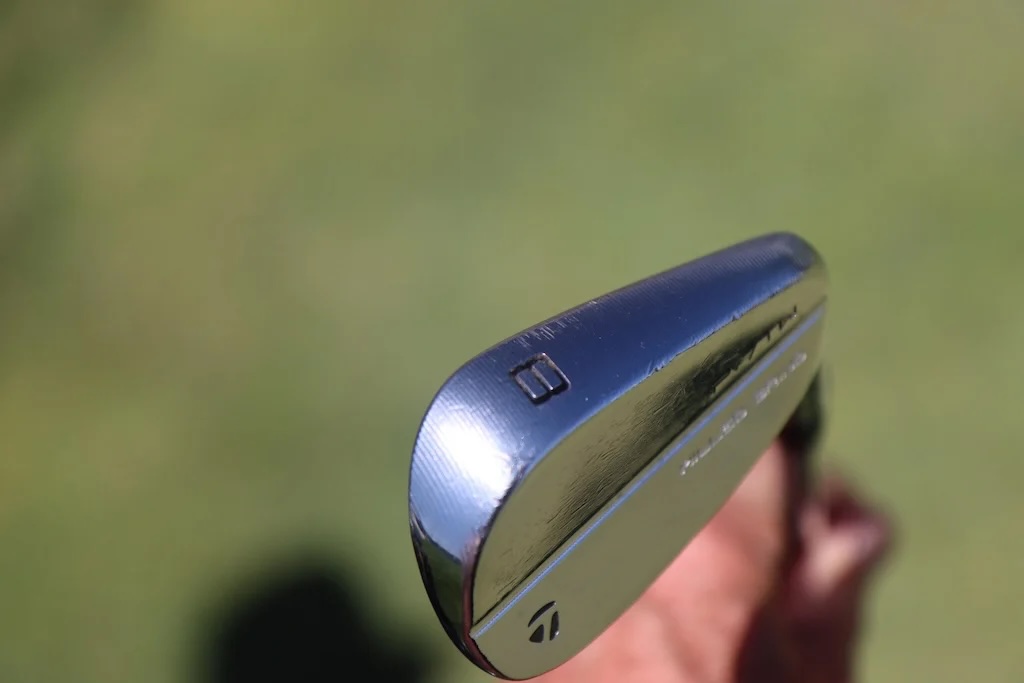
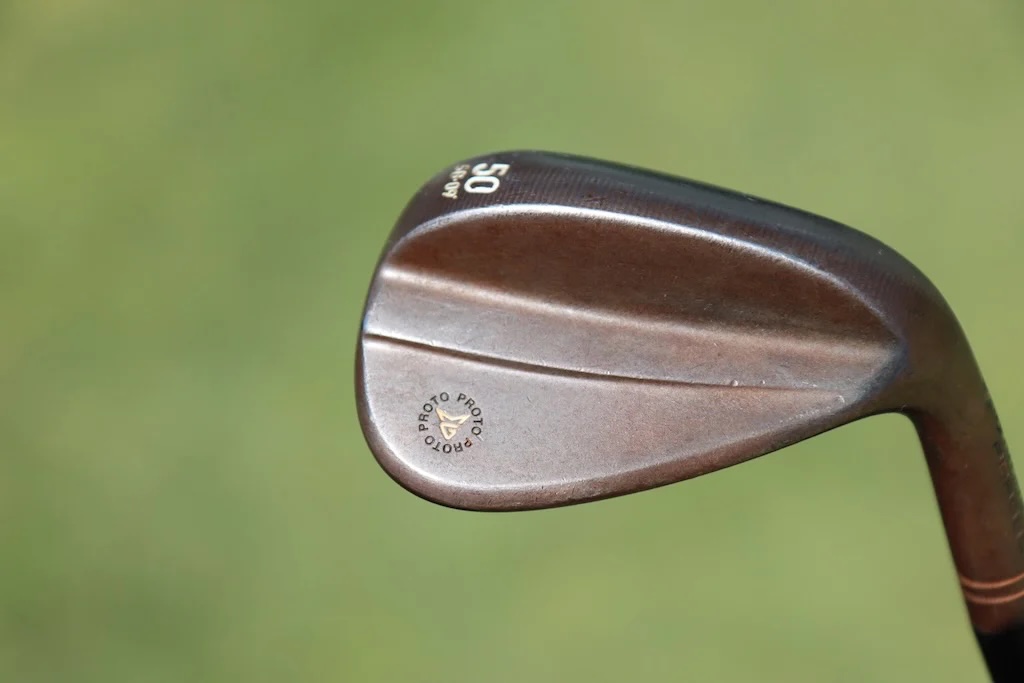
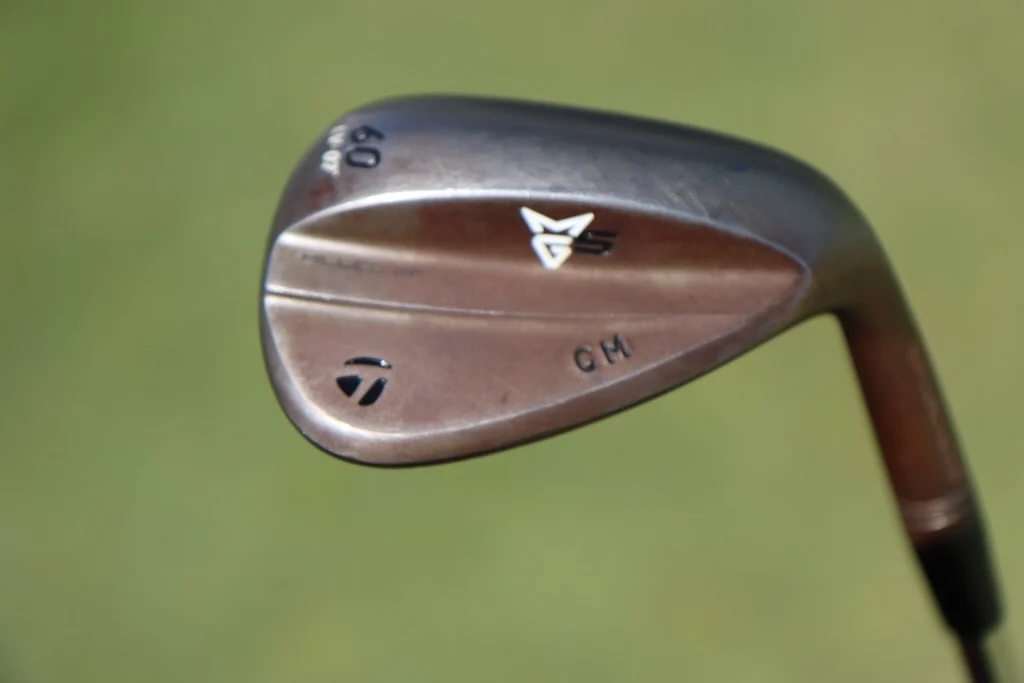
Wedges: TaylorMade Prototype (50-SB09), TaylorMade MG5 (56-HB12, 60-LV07)
Shafts: True Temper Dynamic Gold S400
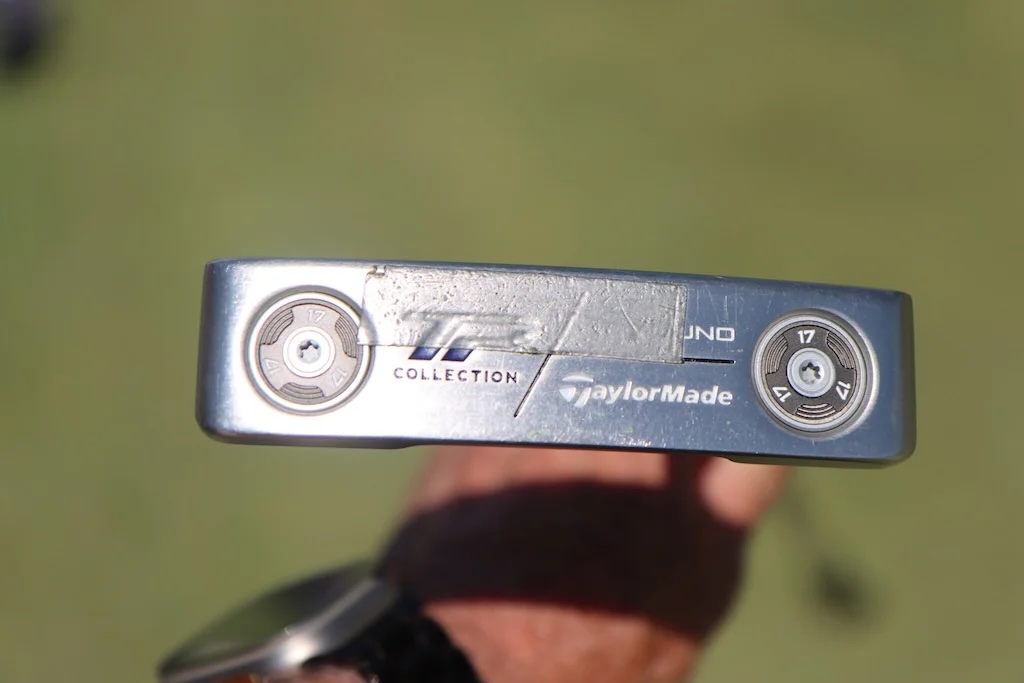
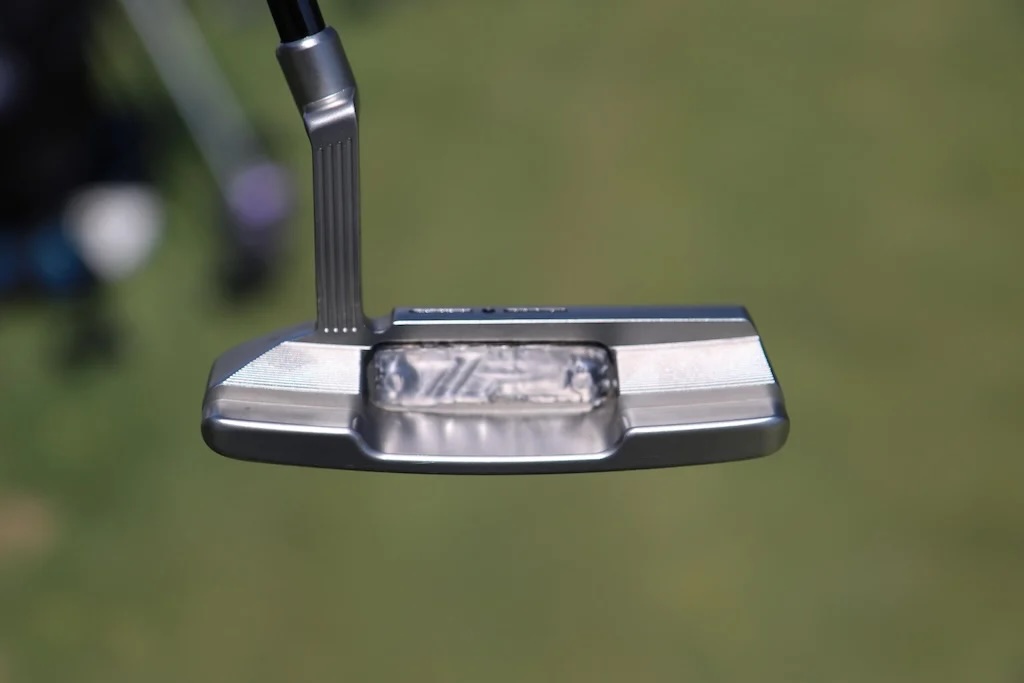
Putter: TaylorMade TP Juno
Ball: Titleist Pro V1x
Grips: Golf Pride Tour Velvet Cord
Check out more in-hand photos of Christiaan Maas’ clubs here.
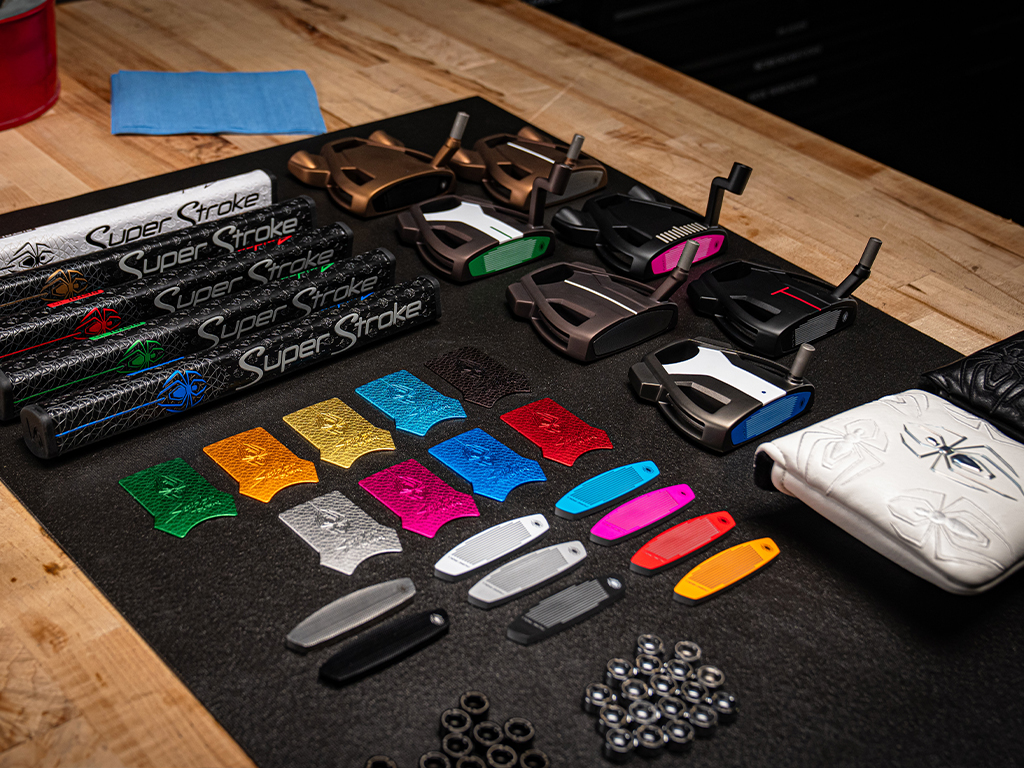
TaylorMade Golf’s MySpider program underwent a substantial overhaul over the last month. Firstly, the company launched the option to customize the Spider ZT model, and now the program has returned with the MySpider Tour and MySpider Tour X.
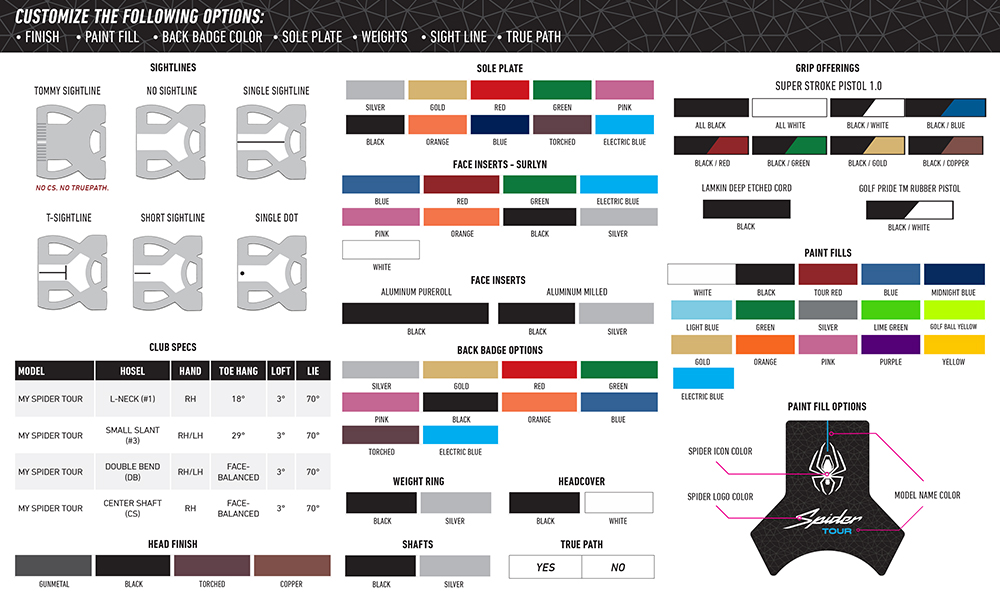
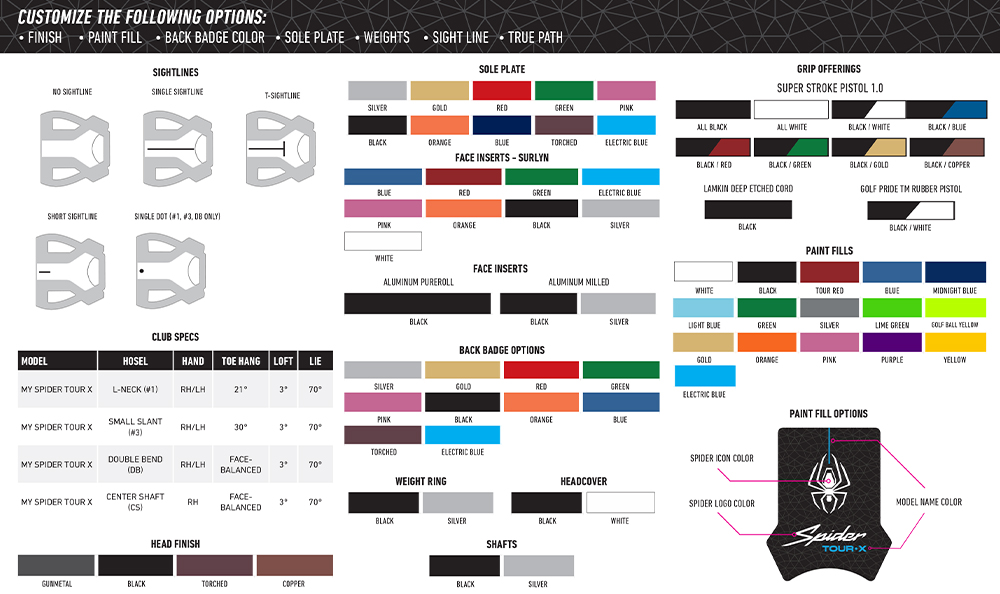
The revamped page now gives golfers complete control over every visual and functional detail of their putter on the popular Tour and Tour X head, with every cosmetic idea thought of. In MySpider Tour, golfers can choose from four head finishes, 16 paint fill colors, nine Surlyn face insert colors, three aluminum insert options, six sightline configurations, and four hosel options — L-neck, small slant, double bend, center shaft. Six sightline options are available in MySpider Tour, including the optically engineered True Path alignment system. MySpider Tour X gives builders the option of four head finishes, four hosel configurations, and five sightline options, also including True Path alignment.
One of the more interesting features of the new MySpider program is the availability of three distinct face insert options. Along with the usual Surlyn Pure Roll insert trusted by Scottie Scheffler and Rory McIlroy, which can be customized from nine colors, golfers can now also select firmer options. Two are offered with the black aluminum Pure Roll insert, slightly firmer than the traditional insert, or for the firmest feel, golfers can choose from two colors of milled aluminum inserts.
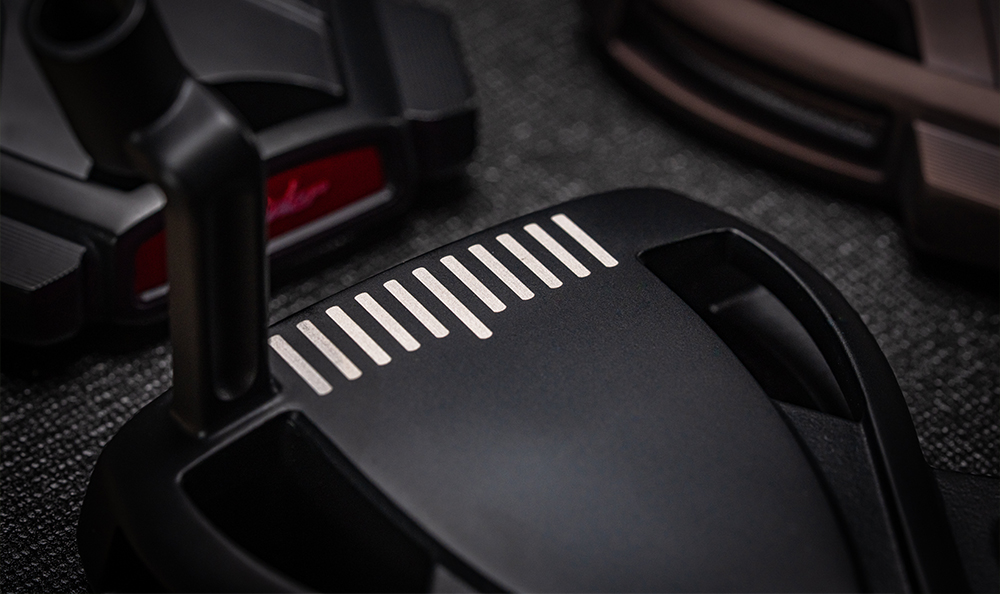
Another fun addition to the MySpider Tour is the ability to use the “Tommy Sightline.” The custom alignment aid design, which was first drawn onto Tommy Fleetwood’s putter by PGA Tour Rep James Holley, is based on the milled sightline on his Spider ZT head. There are five shorter lines on the left and right of a longer central line serving as the traditional short line alignment aid.
See below for the full specifications sheet for MySpider Tour and Tour X:
MySpider Tour
MySpider Tour X
Equipment
Then and now: Comparing Rory McIlroy’s current setup to his record-breaking 2019 Canadian Open victory


In Rory McIlroy’s first appearance at the 2019 RBC Canadian Open, he crushed the record books to earn his 16th PGA Tour title in dominating fashion, winning by seven shots over Shane Lowry and Webb Simpson.
McIlroy’s score of 22-under-par 258 is the lowest 72-hole score to date at the Canadian Open, and his closing 61 is also the best final-round score in the history of one of golf’s oldest tournaments. Finally, with his win in 2019, McIlroy became only the sixth player to win the career Triple Crown, adding to his victories at the U.S. Open in 2011 and The Open Championship in 2014, joining Tommy Armour, Walter Hagen, Arnold Palmer, Lee Trevino and Tiger Woods in a coveted list.
So, with that, why not compare his current setup to the clubs he used to break all the records?
Driver
2019: TaylorMade M5 (9 degrees), Shaft: Mitsubishi Tensei CK Pro White 70 TX
2026: TaylorMade Qi4D (9 degrees @8), Shaft: Fujikura Ventus Black 7X (45 5/8 inches)
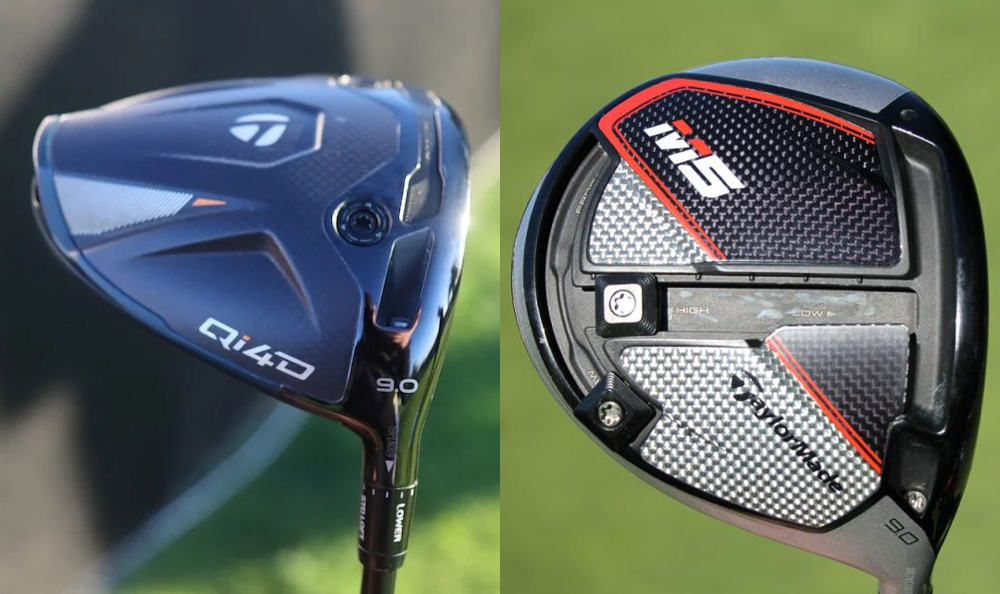
McIroy led the Tour in Strokes Gained: Off-the-Tee in 2019; he’s doing the same in 2026. Between now and then, McIlroy has switched from the Mitsubishi Tensei CK Pro White 70 TX (a shaft with slightly more feeling in the tip) to the original Fujikura Ventus Black 7X, having just made the change to the heavier version from playing the 60X.
What’s interesting about McIlroy’s 2019 setup is that the weighting on his driver is actually set in the high-draw setting, using the T-Track weighting system, whereas in the Qi4D, he’s currently using a heavily rear-weighted setup. (Two 13-gram weights in the rear and only two 4-gram front weights.)
The TaylorMade M5 driver he played in during his Canadian Open win was the company’s first head that they claimed to design to initially exceed the USGA’s COR limit, and then injected with tuning resin to bring it back in bounds.
Fairway woods
2019: TaylorMade M6 3-wood (15 degrees), Shaft: Mitsubishi Tensei CK Pro White 80 TX; TaylorMade M5 5-wood (19 degrees), Shaft: Mitsubishi Tensei CK Pro White 90 TX
2026: TaylorMade Qi4D 3-wood (15 degrees), Shaft: Fujikura Ventus Black 8X; TaylorMade Qi4D 5-wood (18 degrees), Shaft: Fujikura Ventus Black 9X

The TaylorMade M6 fairway wood that McIlroy was using during the 2019 season is still in the bag of some of the best golfers on Tour in 2026. Just check out Justin Rose’s winning setup from the Farmers Insurance Open earlier this year. This year, though, McIlroy has still been searching for his top-end-of-the-bag setup, having played both the new Qi4D and the Qi10, which he won the Masters with.

The same shaft swap can be seen in the fairway woods as the driver, along with slightly less loft on the 5-wood.
Irons
2019: TaylorMade P750 (4) Buy here, TaylorMade P730 (5-9), Shafts: Project X 7.0
2026: TaylorMade P760 (4), TaylorMade Rors Proto (5-9), Shafts: Project X 7.0

The biggest difference between McIlroy’s custom set and the stock P730s is the groove design. While the P730s were constructed with 14 MX-9 grooves on their milled faces, McIlroy’s proto heads instead use the higher-spinning, 16-groove layout of the TW2 grooves. Other big differences between the sets are that McIlroy’s 7- and 8-irons have thinner toplines, are 1 degree stronger in loft, and are 1/4 inch longer than the original P730 builds.
With McIlroy’s 4-iron, the switch from P750 to P760 sees a transition to a two-piece construction with Speed Foam in it, which allows McIlroy to launch the ball slightly higher, with more workability.
Wedges
2019: TaylorMade Milled Grind (48-09SB), TaylorMade MG Hi-Toe (52-09SB, 56-09SB, 60-LB09), Shafts: Project X Rifle 6.5
2026: TaylorMade MG5 (46-09SB, 50-09SB, 54-11SB, 60-08LB @61), Shafts: Project X 6.5 (46-54), Project X 6.5 Wedge (60)

Between 2019 and 2026, McIlroy’s focus on his short game has been much more apparent. It was the reason why he switched back to the TP5 golf ball, to help with launch, spin and control with his wedges leading up to his career Grand Slam victory in 2025. The most apparent changes to McIlroy’s wedge setup are his lofts and bounce. He’s slowly delofted his pitching to a sand wedge, but has increased the loft on the lob wedge, bending his current 60-degree to 61. With that, adding more loft to his lob wedge also slightly increases the bounce and leading-edge sit point, so, as a result, he plays a lower-bounce lob wedge compared to 2019. The MG5 wedges are also softer than the first Milled Grind option from 2019. McIlroy also no longer plays the full-face grooves found on the Hi-Toe.
Putter
2019: TaylorMade Spider X
2026: TaylorMade Spider Tour X
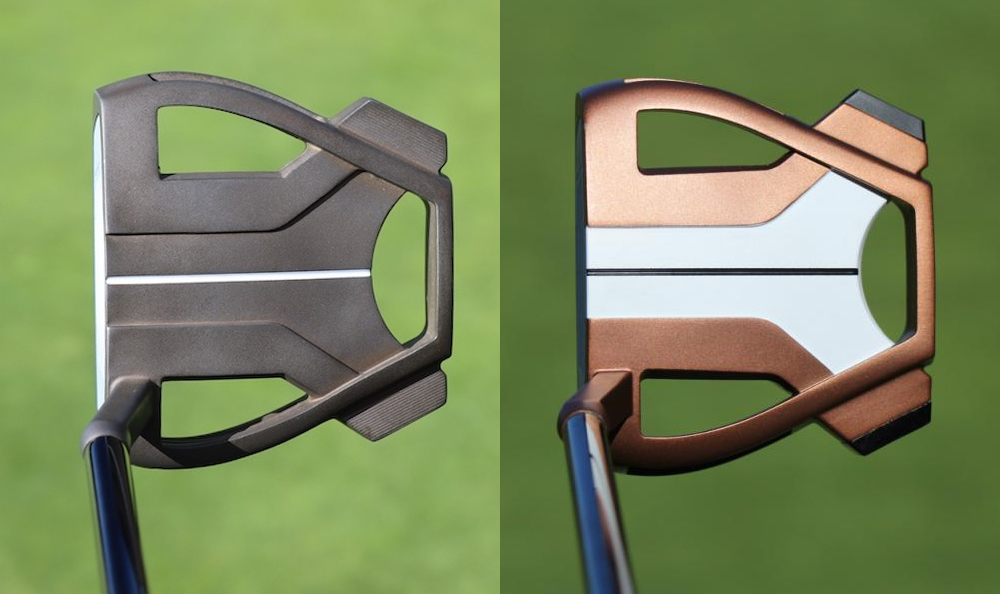
Notice anything similar. Yes, the copper finish on Rory McIlroy’s Spider X putter in 2019 is a slightly more reflective finish than the recently released torched PVD finish. McIlroy was using the True Path alignment system, but now uses only a single white sightline.
Ball
2019: 2019 TaylorMade TP5 (#22)
2026: 2025 TaylorMade TP5 (RORS)
As mentioned above, McIlroy had transitioned from the TP5 to TP5x golf ball since his victory in Canada in 2019, but now is black with the same style of golf ball as his victory at Hamilton Golf & Country Club.
Grips
2019: Golf Pride Tour Velvet Cord
2026: Golf Pride MCC
Interesting, McIlroy actually used Golf Pride’s Tour Velvet Cord grips during his victory in 2019 (it was during a 2+ year switch to the corded TV) as opposed to his usual MCC grips, which he has played for most of his career.

What’s the story behind Webb Simpson’s custom-stamped irons?

Memorial Tournament Tour Report: Rory McIlroy, Cameron Young switch up drivers, and more

Cadillac Championship Tour Report: Spieth’s sizable changes, McLaren Golf launches, and more

Russell Henley’s winning WITB: 2026 Charles Schwab Challenge

Kristoffer Reitan’s winning WITB: 2026 Truist Championship

Best irons 2026: Best irons overall, most forgiving irons, and more

J.T. Poston’s winning WITB: 2026 Memorial Tournament

Aaron Rai’s winning WITB: 2026 PGA Championship

Cameron Young’s winning WITB: 2026 Cadillac Championship

Details on Jason Day’s latest prototype Avoda iron setup


Christiaan Maas WITB 2026 (June)
Driver: TaylorMade Qi4D LS (8 degrees) Shaft: Fujikura Ventus TR Blue 6 X 3-wood: TaylorMade Qi10 (15 degrees) Shaft: Fujikura Ventus Black...


Ryan Palmer WITB 2026 (June)
Driver: Callaway Quantum Triple Diamond (9 degrees) Shaft: Project X HZRDUS Smoke Blue RDX 60 TX 3-wood: TaylorMade Qi10 (15 degrees) Shaft:...


Bud Cauley WITB 2026 (June)
Bud Cauley had >14 clubs in his bag when photographed prior to the Memorial Tournament. Driver: Titleist GTS2 (8 degrees) Shaft: Fujikura...


Hannah Green WITB 2026 (June)
Driver: Titleist GTS3 (10 degrees, D4 SureFit setting) Shaft: Mitsubishi Chemical Diamana RB 53 S 3-wood: Titleist GT3 (15 degrees,...
-
 Equipment6 days ago
Memorial Tournament Tour Report: Rory McIlroy, Cameron Young switch up drivers, and more
-
 News2 weeks ago
Russell Henley’s winning WITB: 2026 Charles Schwab Challenge
-
 Equipment3 days ago
Best irons 2026: Best irons overall, most forgiving irons, and more
-
 Whats in the Bag4 days ago
J.T. Poston’s winning WITB: 2026 Memorial Tournament
-
 Equipment1 week ago
Details on Jason Day’s latest prototype Avoda iron setup
-
 Equipment3 weeks ago
CJ Cup Byron Nelson Tour Report: Koepka and Kim’s newest putters finally get hot
-

 News2 weeks ago
Charles Schwab Challenge Tour Report: MacIntyre, Åberg and Spaun all switch putters, TaylorMade launches new Spider
-
 Equipment2 weeks ago
Details on J.J. Spaun’s surprise putter switch


Pingback: Don’t Ignore Golf Club Iron Length! - Game Improvement Golf
aa
Mar 10, 2016 at 11:18 pm
So how on earth does a 5’7″ golfer stand a chance at getting a properly spec’d set of clubs if the only way to get an 0.5″ short D3 club is to go to the ends of the earth and have them personally machined?
jj
May 17, 2026 at 9:22 am
You slab on some lead tape and be done with it. Absolutely NOTHING special about what Rickie had done except the cleaner look of using tungsten. In fact not adjusting swing weight after altering club length is amateur hour. Club fitters have been injecting hot glue into wood heads for decades as a prettier alternative to lead tape. This is exactly the same just extended to irons.
Brian
Feb 11, 2016 at 10:03 pm
So he made his irons 0.5 inches shorter in length. He then soft stepped them. So his 4 iron shaft would be in his 5 iron. Wouldn’t that defeat the purpose of shortening them. I know this seems stupid but they didn’t really explain. You trim a shaft to the specs you want. So is each club actually 0.5 inches shorter than standard?
Nocklaus
Aug 14, 2016 at 10:09 pm
When softstepping you get a longer/softer tip. Then you can trim the butt to desired length.
jj
May 17, 2026 at 9:25 am
He trimmed shorter to fit his height. Shortening a shaft makes it play stiffer, so to counteract that he soft steps one step and trims that(the 4-iron shaft) to preserve the same playing stiffness at a shorter length.
Bob
Nov 20, 2015 at 8:46 pm
Pretty awful soft stepping description.
kloyd0306
May 22, 2015 at 10:17 pm
While this article is interesting regarding the use of tunsten etc, the whole premise for Ricky’s use of shorter shafts seems to have been overlooked.
His physical stature, (leg length, arm length, torso length) is the real story. Like Anthony Kim, he figured out that so called “standard length” is a folly. Due to his physical dimensions “standard” doesn’t fit him. In other words, if you don’t fit “standard” – “standard” means nothing, much like there is no “standard” size of apparel or shoes because we are all different, sometimes in major ways, sometimes in more subtle ways (grip sizes, shaft flexes).
The ONLY purpose of “standard length” is if you are making clubs for the great unknown, the masses. That’s why everyone should be measured for the length that fits dimensionally and one they can efficiently use. Don’t tell the major OEMs that though – they’ll have a heart attack.
Jeez Utz
May 23, 2015 at 6:14 pm
Phuh-Q
kloyd0306
May 24, 2015 at 6:09 pm
My guess is: Your courage to dispute my comment is about the same size as your brain.
Jeez Utz
May 26, 2015 at 11:42 am
Double Phuh-Q
kloyd0306
May 26, 2015 at 7:09 pm
Oh, even smaller than I thought……..
Jeez Utz
May 28, 2015 at 2:23 pm
God bless you
KCCO
May 22, 2015 at 6:22 pm
OP….really enjoyed this article. And to each is own, but the lead tape comments I can’t agree with. I know “they are only tools” but I personally don’t like the look of lead tape on my irons.
Jang Hyung-sun
May 22, 2015 at 3:54 pm
Also Seiko S-yard Bold wedges in 2013 had customer option for tungsten inserts done at ENDO, based on customer feel when ordering.
Jang Hyung-sun
May 22, 2015 at 3:45 pm
Nothing new here. I’ve had my EPON wedges bored with tungsten back in 2011 at E.M. Niigata. Service Endo provides for guys that don’t want lead tape mucking up aesthetics.
Pingback: Rickie Fowler Has Exotic Golf Clubs - Golf Training News
Fred
May 22, 2015 at 1:05 am
Chuck, you’re an amateur, hobby lobby moron. Lead tape has a density of ~7g/cm^3 while tungsten can be up to 18 g/cm^3. That means you would need more than double the amount of lead tape than a simple piece of tungsten. Anybody can stick lead tape to a club. The work and effort to eliminate lead tape seems highly worth it to create one of a kind creations.
Chuck
May 22, 2015 at 6:07 pm
Hmmm.
Let’s say they were your clubs, and I told you that I could get your C-9 irons to D-2 for $120 with lead tape and my Maltby Swingweight Scale, or you could send your clubs to a place in Texas or California and they would put Tungsten plugs in all of them and get them to D-2, for $5000, which would you choose?
(I’ve chosen $5000 on a whim; my guess is that the billable time for Rickie Fowler’s irons might actually be in the low five figures. Not that Rickie paid. They pay Rickie! Anybody else care to make a guess on what that custom job cost?)
KCCO
May 22, 2015 at 6:28 pm
All depends on machinist….I was in that business for a while (CNC) and would do it for the experience and clean look. I don’t know how many club building machinists would there are, but If there were, id assume in the $500 an iron range. About 5 main steps, $100 a step. Bore, making plug, making fit, hiding it/flushing it, then final clean up polish is how I would figure.
Chuck
May 23, 2015 at 9:56 am
That seems like a rather informed view. $500 per club. Times eight clubs (4-PW and just two wedges, being modest) equals $4000.
And how would a talented machinist figure, within 0.5 swingweight points, how much steel to drill out, and how much tungsten to install? When the ultimate shape of the plug (“shaped” to blend with the club) is such an odd and irregular volume? Where do you get tungsten alloy plugs? What sort of equipment do you need, to seal a tungsten plug in the head?
I don’t doubt it is doable. I don’t doubt that it is done regularly as a part of retail club manufacturing now, in some club models. And I don’t doubt that it is useful in moving the center of mass in some clubheads. I just doubt that for three swingweight points, it’s worth it for any normal recreational golfer.
Rich
May 22, 2015 at 9:16 pm
Chuck, you’re probably right. It would be out of reach for the normal person to do what they did to Ricky’s clubs, but that’s not the point of the article. It was not a suggestion that that’s what we should do, it was merely and interesting piece on how Ricky got his clubs working for him. Of course cost is not the issue there.
COGolfer
May 21, 2015 at 10:29 pm
Tungsten in the toe, just like my i20’s. I do think having Ricky is good for their products. Their driver two years ago felt great but went 20-40 yards shorter than the competition. Bravo to them for making improvements on the equipment (assuming these ideas make it to the shelf models).
Matt
May 21, 2015 at 7:33 pm
The Oven has been doing this to Tiger’s irons for years. Hence the new shape of the Vapor Pro’s.
reallt
May 22, 2015 at 12:57 am
how does this article have anything to do with Tiger?
Rich
May 21, 2015 at 6:39 pm
Cool story. It’s interesting to see what lengths they go to, to get the right set up. Nice!
RG
May 21, 2015 at 3:07 pm
Takes “custom fitting” to a whole other level. If I’m good do you think Santa will bring me a tour van to tweek out my sticks?
Josh
May 21, 2015 at 2:01 pm
So his lob wedge is 34.5″ long? That seems short.
KCCO
May 22, 2015 at 6:30 pm
I play same length at 5’10”, but sand is half inch longer.
random guy
May 21, 2015 at 1:43 pm
so, i was under the impression Hard Stepping made the shaft play stiffer than the normal flex. IE, hard stepping a set of DGS300 makes them play stiffer than normal but less stiff than X100, for example. And viceversa for “softstepping.” Do you mean that he just tipped his irons or butt cut them to the desired length???
All of the forums on this site indicate hardstepping makes the irons play stiffer and vice versa for soft stepping. I was told by my fitter to hardstep my dgs300 irons because s300 was too soft and x100 felt way too stiff for my game?
Is all this inaccurate and you are correct?
CHRIS
May 21, 2015 at 2:37 pm
What you are saying is the same thing he said in the article. Hardstepping = stiffer, softstepping = softer. He said when you shorten a shaft is becomes stiffer which makes sense. So they softstepped it to correct this problem.
Neil
May 23, 2015 at 7:57 am
If you shorten a club but make it the same swingweight it plays softer not stiffer.,just more weight in the head
Ask any Rifle expert
devilsadvocate
Jan 24, 2016 at 11:19 pm
Incorrect sah!
Chuck
May 21, 2015 at 1:16 pm
I just have to wonder if all of the effort to put tungsten plugs inside the forging, instead of putting lead tape on the clubhead, is all about appearances. So that teenage fanboys can see Rickie’s irons, and “COBRA” on them. On television, at tournaments and in photos. Because I know for a fact that three swingweight points can be very easily made up in a matter of minutes by a hobbyist with a good swingweight machine and plenty of lead tape that can be purchased for just a few bucks. You just wouldn’t see the manufacturer’s logos anymore. If a player really needs some serious weight moved around, to the toe, or higher, or lower, I’d concede that perhaps you’d need to use a drill or a grinder. Goodbye chrome. Hello rust. And in the end the clubs (which might be terrific, playable gamers) would look like they are ready for the Road Warrior Invitational. But they’d be perfectly usable, without the enormous expense undertaken by the Cobra tour technicians for Fowler.
Brian
May 21, 2015 at 1:46 pm
I think you’re off here. First his wedges aren’t chrome. They’re “Trusty Rusty” so they’re supposed to rust I believe. Also, Rickie is signed to Cobra so why wouldn’t they use this technique instead of covering up the logo with lead tape which will fall off at some point anyway. My fitter even suggested adding weight to my irons by boring a hole and injecting something. Lead tape falls off and what your pro wants to be bothered with that?
Mikec
May 21, 2015 at 7:11 pm
Never had lead tape fall off
kess
May 21, 2015 at 8:57 pm
Never had lead tape fall off either but from what I understand he wanted the weight in the toe to keep cog closer to the center of the face.
Chuck
May 21, 2015 at 9:04 pm
Never, ever, ever have I had lead tape come off a clubhead.
And yes I understand very well that Fowler’s wedges are unchromed.
But I think about how hard it would be, to drill out a clubhead, insert a titanium alloy plug, balancing out (as this article points out very well) the lost weight of the steel being drilled out, versus the increased weight of the titanium fill-in plug, and to make that calculation with the added pressure of knowing that the titanium plug needs to be smoothed to the same surface as the rest of the head. It’s very difficult, complicated time-consuming advanced club-building, for sure. I am not knocking the skill of the Cobra clubmakers. They are really good, no doubt.
But I just don’t understand it except in terms of preserving the appearance of the clubs. I already mentioned that I respect the notion of moving weight around — to the toe especially — and a titanium plug will do that for sure.
It’s totally cool in my book if OEM’s manufacture forged blades with titanium plugs and I’d seriously consider them. But for those of us mortals who don’t have a tour van and a tour staff and a testing center in Carlsbad of our own… lead tape does it for swingweighting.
SB
May 22, 2015 at 8:23 am
Chuck…They are boring out a hole on the toe side and adding tungsten not titanium. This process while time consuming and difficult allows the builder to control the center of gravity
Chuck
May 22, 2015 at 6:15 pm
Tungsten; yes of course. My bad. I thank you for the correction. I don’t know what I was thinking while typing that. I meant tungsten of course.
And yes I understand it is moving the center of mass (which I think is a better term than center of gravity in this case) of the clubhead, and honestly I’m cool with that. I always liked clubheads that had more mass toward the toe. I personally like longer blades and having a bit more mass in the toe.
I think we agree on all of it. You’re right, and it is the critical thing; doing this to a set of irons is tremendously difficult, time consuming and must be very costly for the tour staff.
Funny thing; some of the irons with a lot of weight back toward the hosel were those clubs that Tiger grew up with as a competitive star; his old Mizuno MP-29 / MP-14 split set. He has definitely evolved, in wanting more weight out on the toe.
Designs Clubs
May 27, 2015 at 11:27 am
The calculations to do this are not as difficult as you might think. It’s about a 10 minute job for the CAD designer to figure it out, including the new position of the CG. It’s still a good amount of work for the machinist that has to do the job, but all the calculating is generally done beforehand and relayed to the machinist.