
Equipment
For golf apparel designer Rick Martin, quality and craftsmanship are always in season

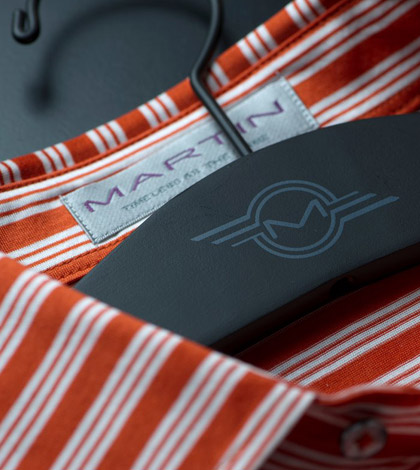
Rick Martin might be the last of his kind. He and his daughter, Teri Martin Schleifer, design world-class, 100 percent pima cotton golf shirts in a marketplace dominated by synthetically-engineered merchandise. Not a man to mince words, he was once asked to measure himself against his competitors, to which he quipped, “I look at my competition in the eye every morning when I’m shaving.”
If that comes off sounding like an arrogant statement, Martin isn’t likely to care. He’s been habitually doing things his way — what he wholeheartedly believes is the right way — for almost 40 years. He was the founder and visionary behind Fairway & Greene, an upscale golf apparel brand that re-introduced classically inspired, all-cotton shirts to an industry that was increasingly fixated with cost-cutting measures over quality.
A contentious relationship with his business partners led Martin to choose retirement in 2006. He sat on the sidelines until his non-compete expired and founded his own label in 2011, known simply as Martin.
“I had no intention of coming back into the business. I had taken my chips off the table and was very happy,” says Martin. “But my daughter, Teri, who had been with me in design the whole time at Fairway & Greene, conned me (and I mean this in the nicest way) into coming back and helping her get a new brand started. I said no, absolutely not, and gave her every reason in the world why I didn’t want to get back involved. But she prevailed.”
For Martin, old is new again. His shirt collection draws inspiration from an era when golf club professionals wore exquisitely tailored apparel and plied their trade on the nascent PGA Tour. Martin grew up admiring the cocky coolness and effortless style exhibited by Gene Sarazen, Ben Hogan, Sam Snead and Cary Middlecoff. And while the role of the club pro has changed substantially over the years, Martin continues to design directly for them and their private club members who Martin describes as purveyors of a culture that expects a higher standard of craftsmanship.
Remove a Martin golf shirt from it’s packaging and you’ll be forgiven for mistaking it’s fabric for silk. It has a smooth, lint-free finish and a luster you would never come to expect from cotton. Inferior cotton shirts have a tendency to pill, shrink with repeated washing and fade over time. What makes a Martin shirt a Rolls Royce to another apparel maker’s Toyota is a keen attention to fabric selection and higher manufacturing standards.
“I spent a good deal of time in South America looking at Peruvian pima cotton which I found to be the quintessential golf shirt yarn,” says Martin. “The way we treat it gives it longevity so that shirt is going to stay like that for pretty much as long as you own it.”
The strands of cotton that are used to make the yarn (also known as staples) are of even length and originate from the same place. Many other companies use a less expensive pima yarn that is assembled from a hodgepodge of different factories in various countries which ultimately results in an inconsistent, inferior product.
Once the cotton yarn is selected, it undergoes a treatment process called mercerization that burns off lint and threads as well as the fibre ends, leaving a smooth finish and a great shine.
“It’s an impregnation of the cloth that performs two major functions,” says Martin. “Stability — to prevent shrinkage, and performance — to improve colorfastness.”
Martin uses a proprietary two-step mercerization process when most companies use one. The yarn is initially impregnated with a solution prior to knitting. The second, more expensive and time consuming step involves a machine about 70 yards long that bathes the knitted fabric in a solution to lock in it’s luster, color and resiliency. To put it simply, “That’s what separates the look we have from other people,” says Martin.
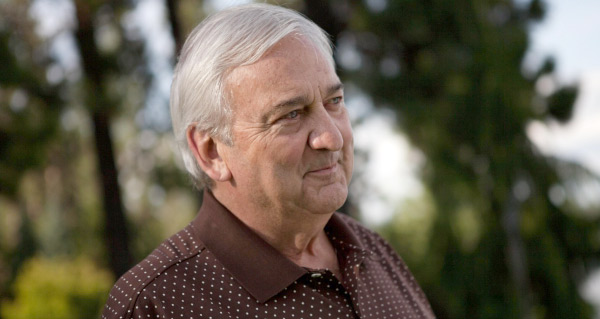
Golf apparel designer, Rick Martin.
The Martin golf shirt is a luxury, and is most often the case with any luxury product, it isn’t designed to appeal to everyone. Thrift-seeking shoppers can look elsewhere. So can trendsetters. A company that leads with the motto “as timeless as the game” isn’t in lock-step with the rainbow of colors and patterns being worn on the PGA Tour.
For those of us determined to own a Martin golf shirt, finding a retailer can be a challenge; Martin apparel is limitedly distributed to select green grass shops (more commonly referred to as pro shops) across the country.
“We sell to golf professionals and we sell to some resorts that do have golf courses, but that’s as far down the retail chain as we go. We don’t do any internet retail sales,” says Martin. “Once we go outside of the mold of being part of the private club [culture], we become something less special. People will find a way to find someone who can help them buy one.”
Needless to say, Martin isn’t a person who easily parts with his core values, especially when it comes to having his name sowed into the back of a shirt collar. He founded Fairway & Greene in 1996 out of a desire to combine his love of golf with his talent for designing pure finish cotton shirts. By then, Martin had already been in the apparel business for nearly two decades, both in terms of managing Gant and C. F. Hathaway shirt companies as well as producing woven and knit shirts for Land’s End and Brooks Brothers.
Martin left the major labels behind just as manufacturing standards were on the skids.
“They were more concerned with price than with detail and attitude,” says Martin about Land’s End. “In the early days it was much more of a value-driven, fashion business.”
With Fairway & Greene, Martin had originally planned to go directly to the consumer out of frustrations he was having working with major retail partners, which often undercut their partners by releasing their own in-house brands. Fairway & Greene took to grassroots marketing, putting out a little catalog and using an advertisement in the Wall Street Journal to promote the brand and subsequently build their own mailing list. Their philosophy changed when Tom Nieporte, the then head professional at Winged Foot, suggested that they sell directly to the private country club community.
“My feeling is that the golf shop and the individual club is really the last apparel specialty store on earth,” says Martin. “It’s a retail operation that is being produced and developed for the member of that club and nobody else. So we stopped being a catalog business and went directly to the golf professional. And it stayed that way for as long as I owned it.”
Martin parted ways with Fairway & Greene when the company was acquired by Northbridge Equity Partners, which took the product beyond the golf shop to other retailers and more importantly, introduced synthetics into the apparel line to compete with the growing demand for moisture-wicking, performance apparel.
Martin’s daughter resigned from her post as VP at Fairway & Greene in 2010 and coaxed her father out of retirement. Martin, who was happy to be afforded the time to play more golf, wasn’t sure there was a vendor left in South Korea who was capable of manufacturing a shirt up to his exacting standards.
Martin, who believes that South Korea has the best needle work in the industry, recalls making the trip to meet the owner of the country’s largest finishing house.
“He doesn’t speak a word of English and I don’t speak a word of Korean,” says Martin. “We’re talking to each other through friends and he tells me, ‘I’ve been waiting for you to come back. I am so bored with all this other stuff that we’ve been making and I’m going to help you get this company started.’ This was eight weeks before we were planning to launch [our first] line. Normally it’s a 16-week process to produce your salesmen samples. So he cut that in half for me and produced the finest sample line that I’ve ever seen to that point.”

Part of the Martin Golf Apparel Collection.
Three years later, Martin Golf remains a quintessential boutique firm. Seven sales reps, all former Fairway & Greene employees, handle relationships with golf clubs all around the country. The Martin brand is almost exclusively found in clubs that have storied traditions, or newer clubs that maintain the proper pedigree. Martin has turned down plenty of business opportunities, as is his right, to maintain the values of what he believes is the best mark of the industry.
“The clubs that we don’t sell to are more akin to the retail operations. They’re interested in deals and discounts, and also whatever’s hot,” says Martin. “Our definitions conflict. We don’t discount anything for anybody. Why would I give a discount to your group when I don’t discount to Augusta National, or Pebble Beach or Pine Valley.”
The current Martin Golf apparel line is comprised of five collections: British Regimental, Vineyard, Charcoal Classics, Timeless Elements and Essentials. Each collection is influenced by a color palette derived from Martin’s golfing adventures and from his appreciation of nature. And while it’s obvious his shirts look good, they also perform. Each shirt is long enough to remain tucked into your trousers and features roomier c-sleeve arm holes so that the golfer has freedom of movement when making their backswing. For those of us who are growing fatigued from wearing clothes with billboard-sized branding, you’ll be happy to know that a Martin shirt doesn’t include any visible logos.
Martin remains active as the front-facing component of his apparel brand, but he has ceded the day-to-day operations to his daughter.
“I still help her and look over her shoulder,” says Martin with a wink. “But at the end of the day she’s going to be the one carrying the ball down the road.”
When asked to assess why there aren’t many other contemporaries in the apparel business, Martin gave a surprisingly simple answer.
“I’ve always considered myself someone who cares about quality, and quality can be had in many different kinds of products”, says Martin. “The one I’ve chosen is one of the hardest to produce and that’s why there’s so few people in it. I’m not a lone wolf in the business, but I am one when it comes to being dedicated to quality.”








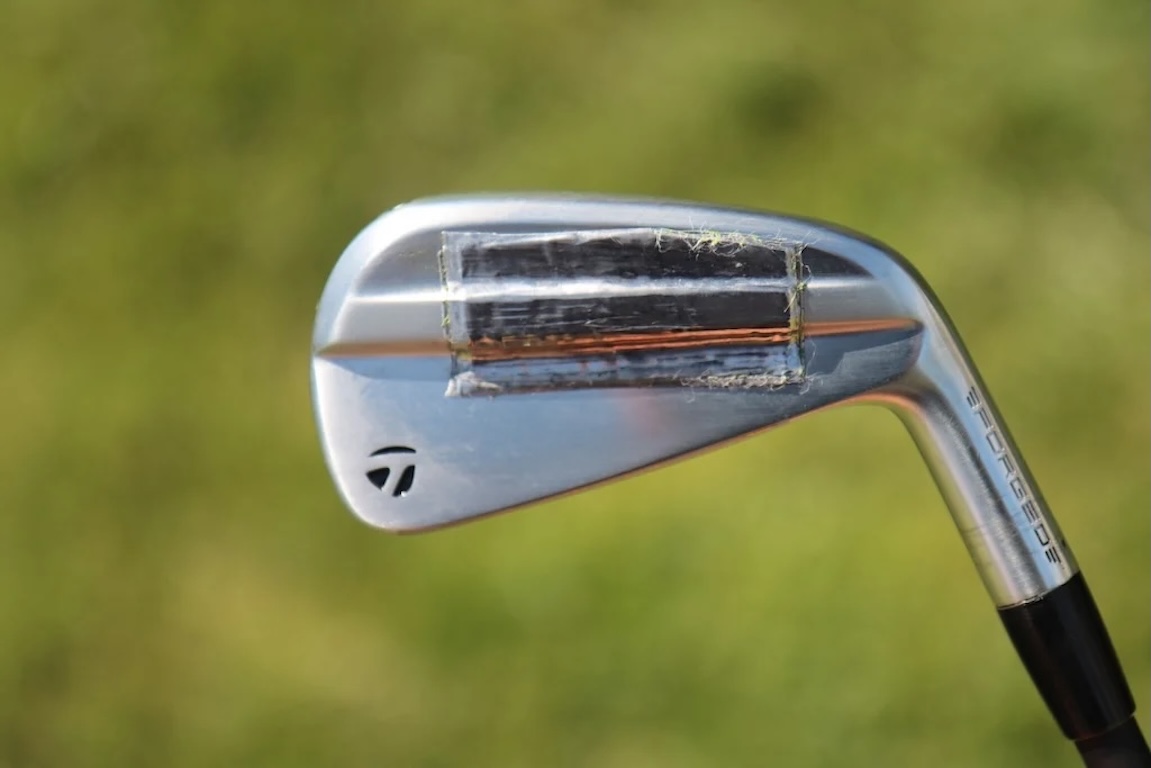
Driver: TaylorMade Qi4D LS (8 degrees)
Shaft: Fujikura Ventus TR Blue 6 X
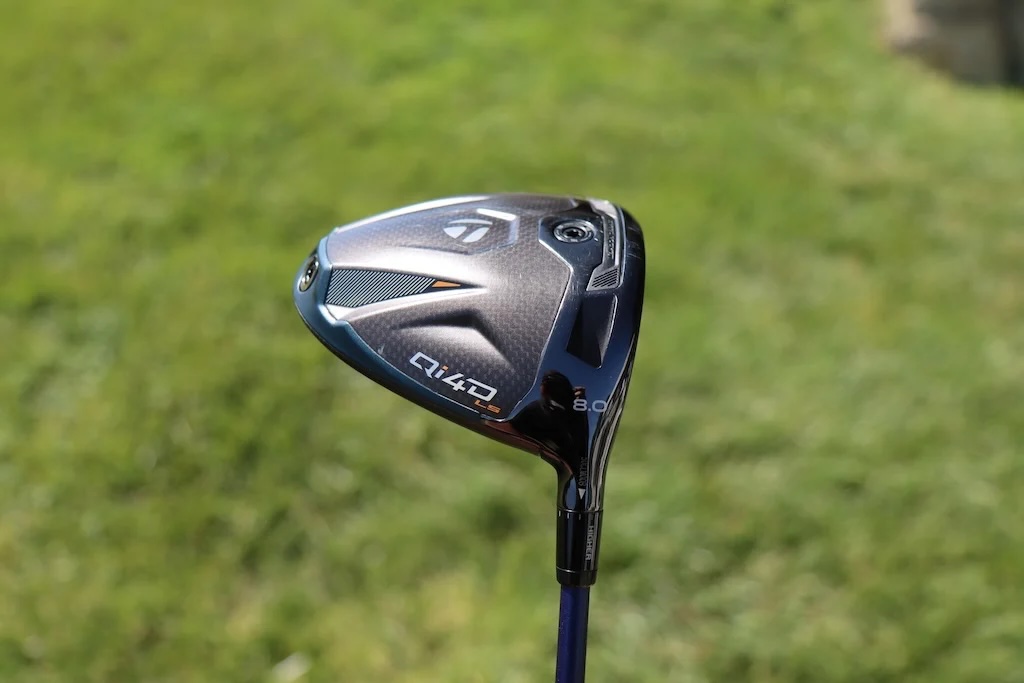
3-wood: TaylorMade Qi10 (15 degrees)
Shaft: Fujikura Ventus Black 9 TX
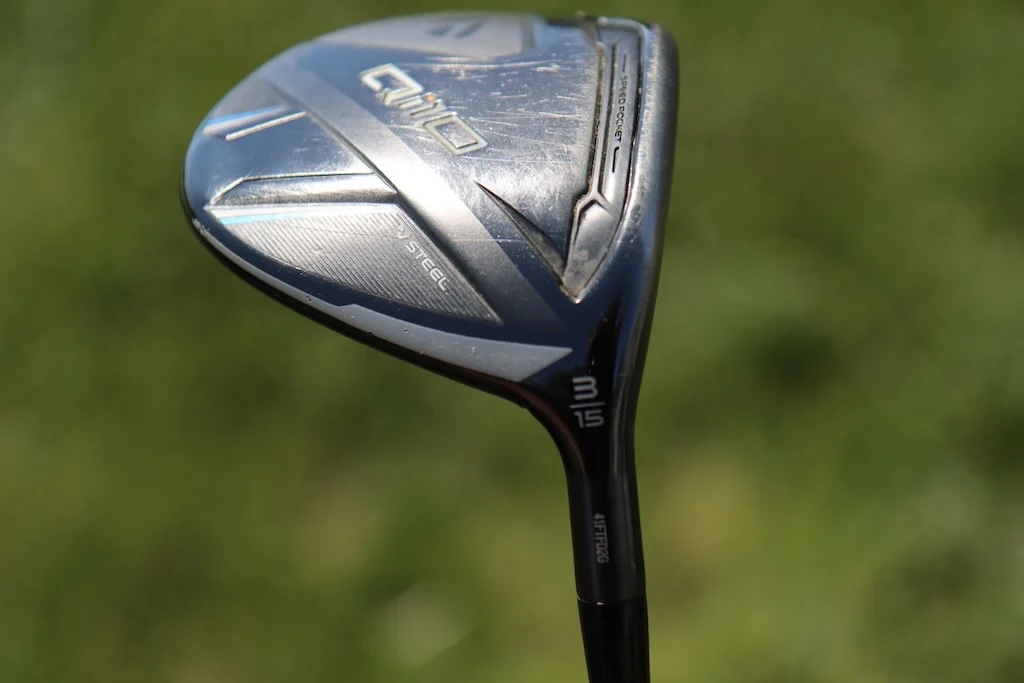
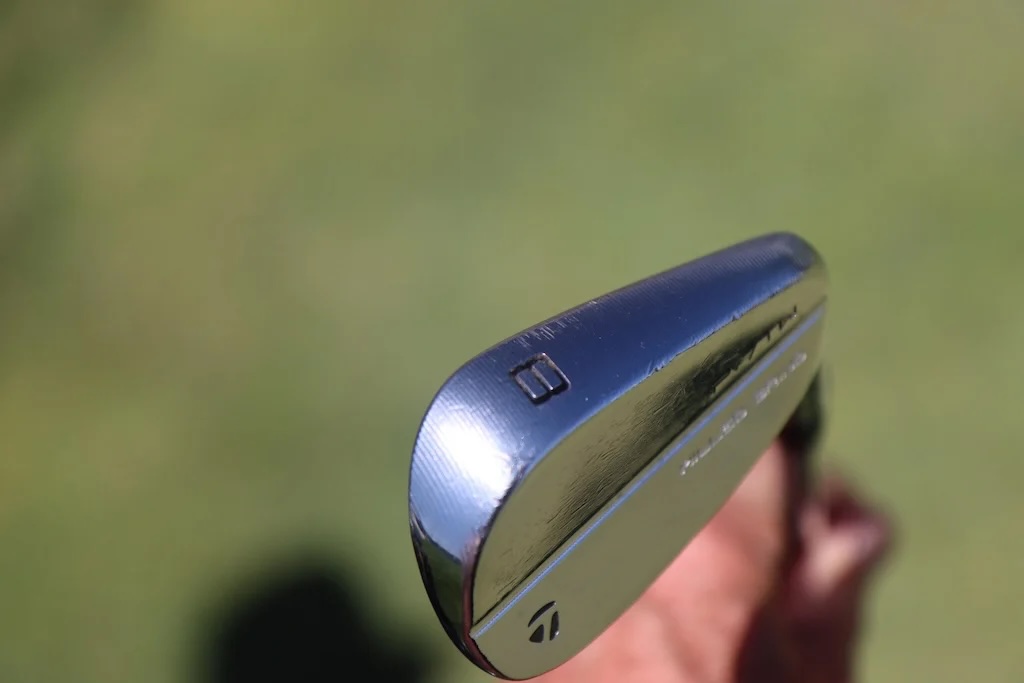
Irons: TaylorMade P770 (3), TaylorMade P7CB (4), TaylorMade P7TW (5-PW)
Shafts: Fujikura Ventus Black HB 10 X, True Temper Dynamic Gold X100
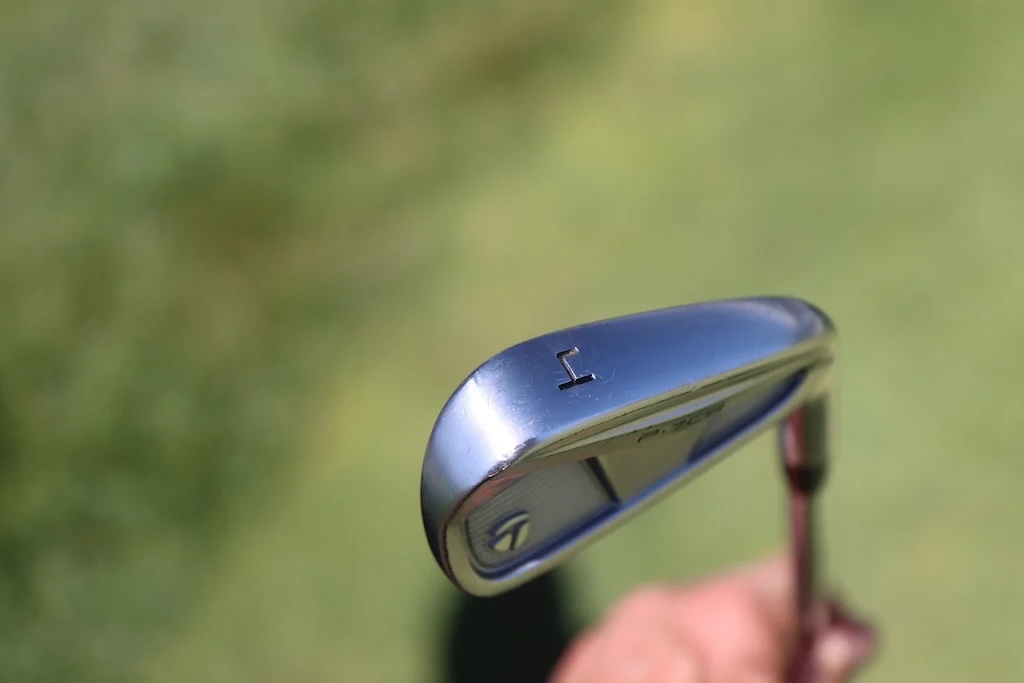
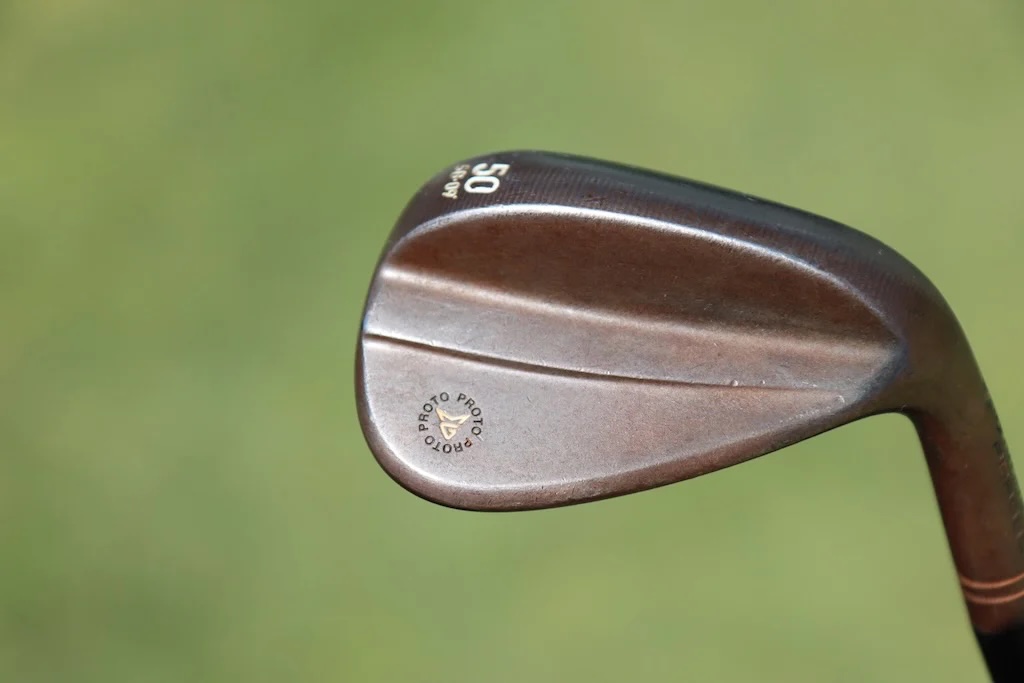
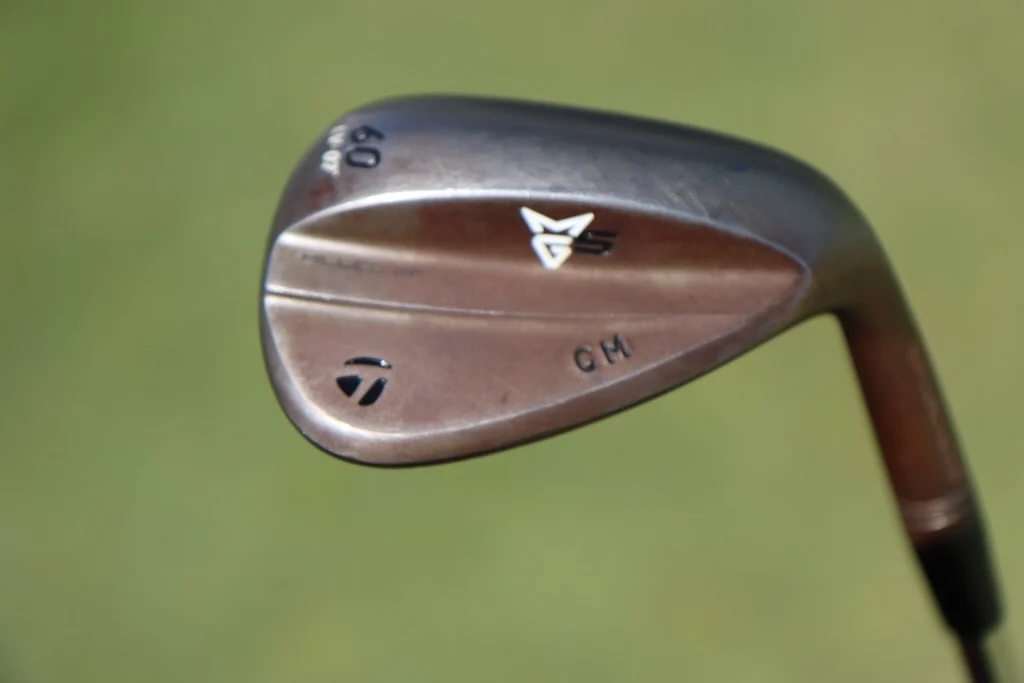
Wedges: TaylorMade Prototype (50-SB09), TaylorMade MG5 (56-HB12, 60-LV07)
Shafts: True Temper Dynamic Gold S400
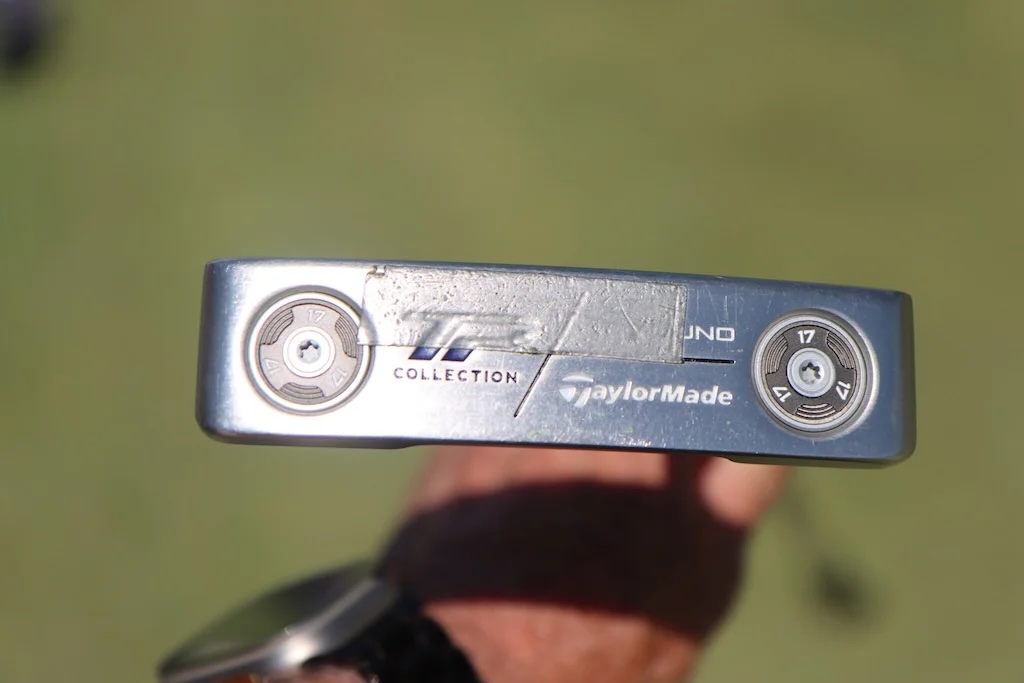
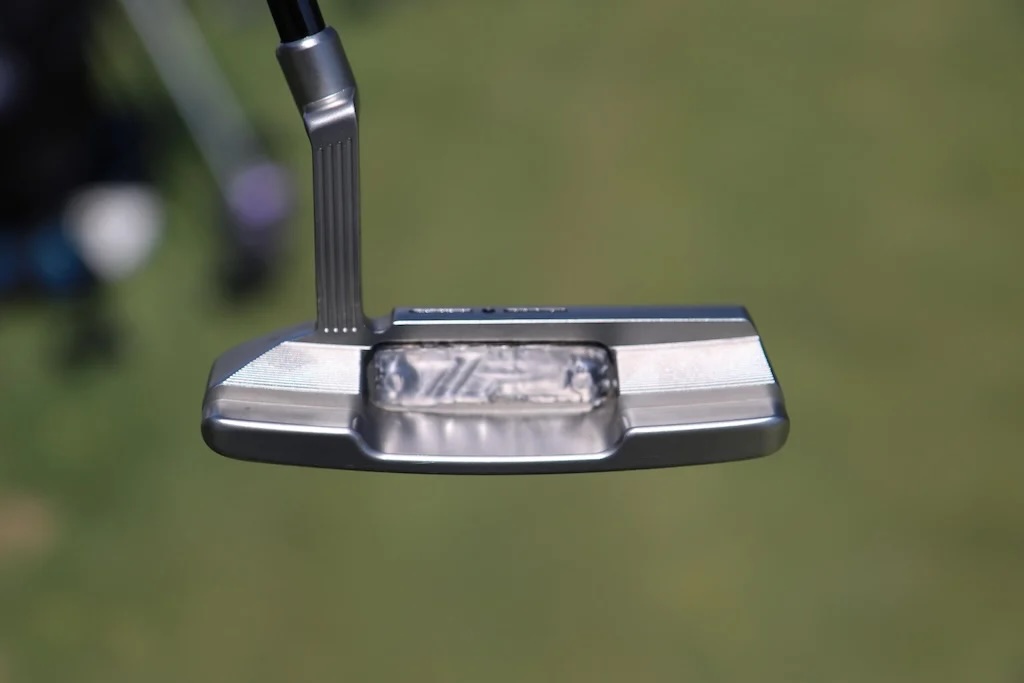
Putter: TaylorMade TP Juno
Ball: Titleist Pro V1x
Grips: Golf Pride Tour Velvet Cord
Check out more in-hand photos of Christiaan Maas’ clubs here.
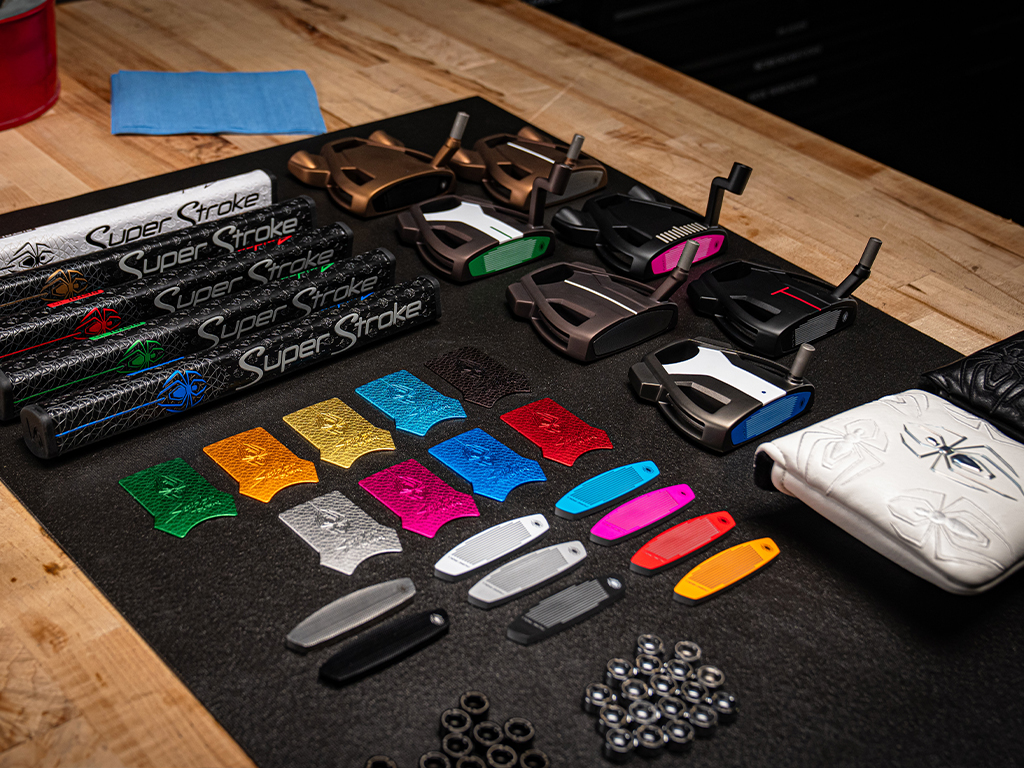
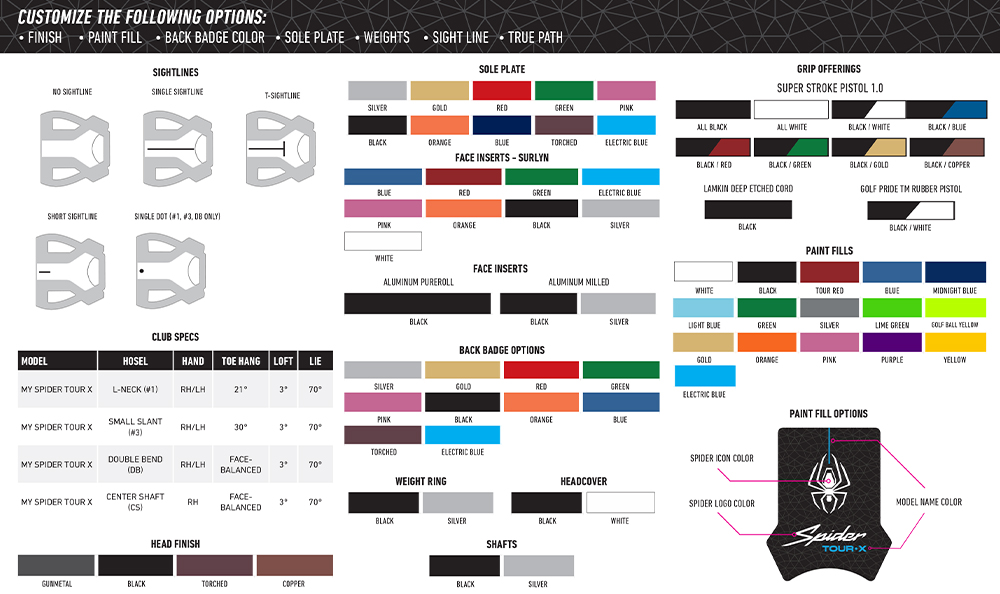
TaylorMade Golf’s MySpider program underwent a substantial overhaul over the last month. Firstly, the company launched the option to customize the Spider ZT model, and now the program has returned with the MySpider Tour and MySpider Tour X.
The revamped page now gives golfers complete control over every visual and functional detail of their putter on the popular Tour and Tour X head, with every cosmetic idea thought of. In MySpider Tour, golfers can choose from four head finishes, 16 paint fill colors, nine Surlyn face insert colors, three aluminum insert options, six sightline configurations, and four hosel options — L-neck, small slant, double bend, center shaft. Six sightline options are available in MySpider Tour, including the optically engineered True Path alignment system. MySpider Tour X gives builders the option of four head finishes, four hosel configurations, and five sightline options, also including True Path alignment.
One of the more interesting features of the new MySpider program is the availability of three distinct face insert options. Along with the usual Surlyn Pure Roll insert trusted by Scottie Scheffler and Rory McIlroy, which can be customized from nine colors, golfers can now also select firmer options. Two are offered with the black aluminum Pure Roll insert, slightly firmer than the traditional insert, or for the firmest feel, golfers can choose from two colors of milled aluminum inserts.
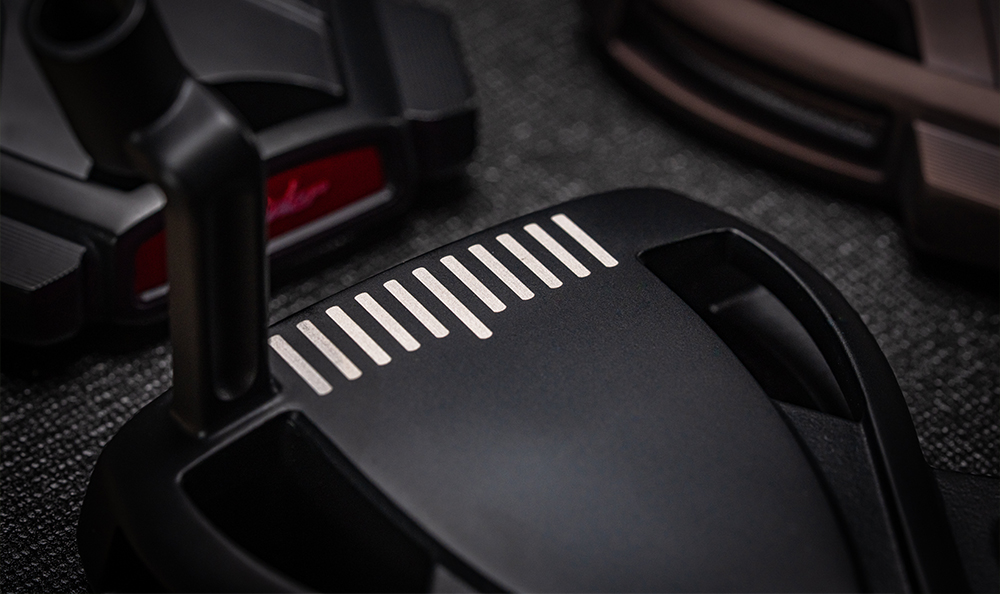
Another fun addition to the MySpider Tour is the ability to use the “Tommy Sightline.” The custom alignment aid design, which was first drawn onto Tommy Fleetwood’s putter by PGA Tour Rep James Holley, is based on the milled sightline on his Spider ZT head. There are five shorter lines on the left and right of a longer central line serving as the traditional short line alignment aid.
See below for the full specifications sheet for MySpider Tour and Tour X:
MySpider Tour
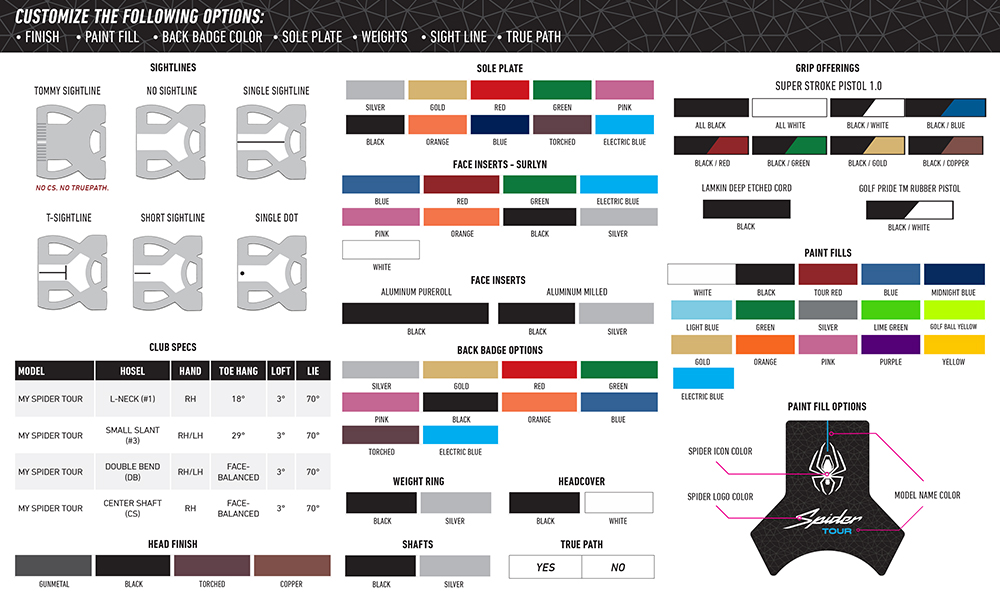
MySpider Tour X
Equipment
Then and now: Comparing Rory McIlroy’s current setup to his record-breaking 2019 Canadian Open victory

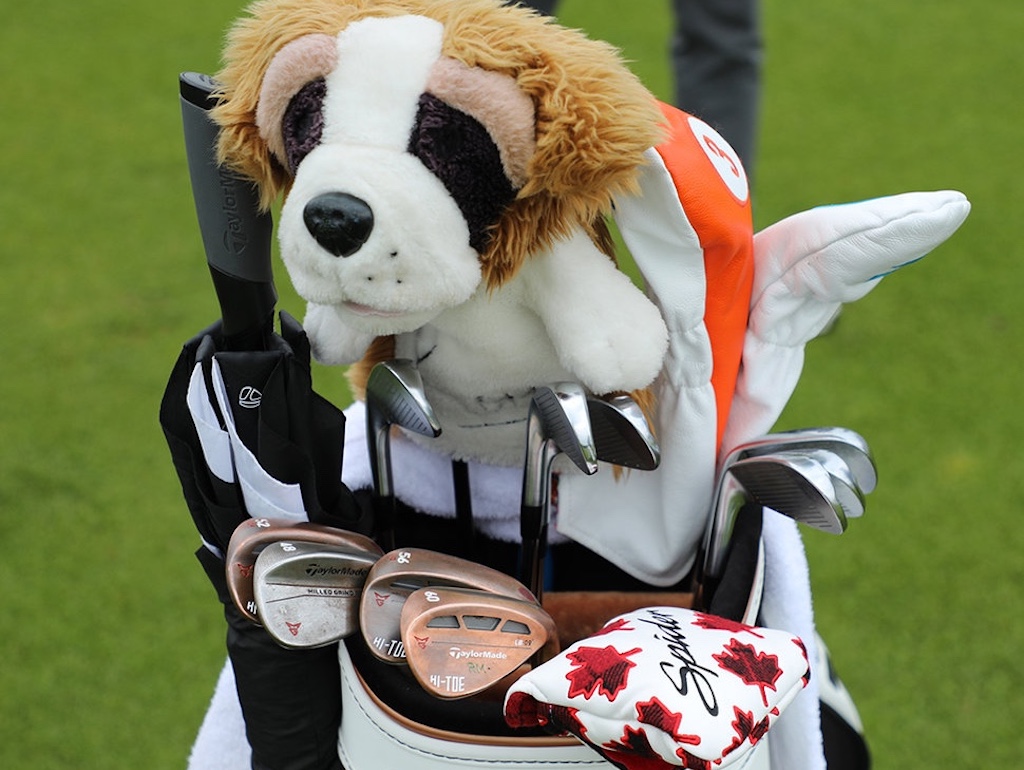
In Rory McIlroy’s first appearance at the 2019 RBC Canadian Open, he crushed the record books to earn his 16th PGA Tour title in dominating fashion, winning by seven shots over Shane Lowry and Webb Simpson.
McIlroy’s score of 22-under-par 258 is the lowest 72-hole score to date at the Canadian Open, and his closing 61 is also the best final-round score in the history of one of golf’s oldest tournaments. Finally, with his win in 2019, McIlroy became only the sixth player to win the career Triple Crown, adding to his victories at the U.S. Open in 2011 and The Open Championship in 2014, joining Tommy Armour, Walter Hagen, Arnold Palmer, Lee Trevino and Tiger Woods in a coveted list.
So, with that, why not compare his current setup to the clubs he used to break all the records?
Driver
2019: TaylorMade M5 (9 degrees), Shaft: Mitsubishi Tensei CK Pro White 70 TX
2026: TaylorMade Qi4D (9 degrees @8), Shaft: Fujikura Ventus Black 7X (45 5/8 inches)
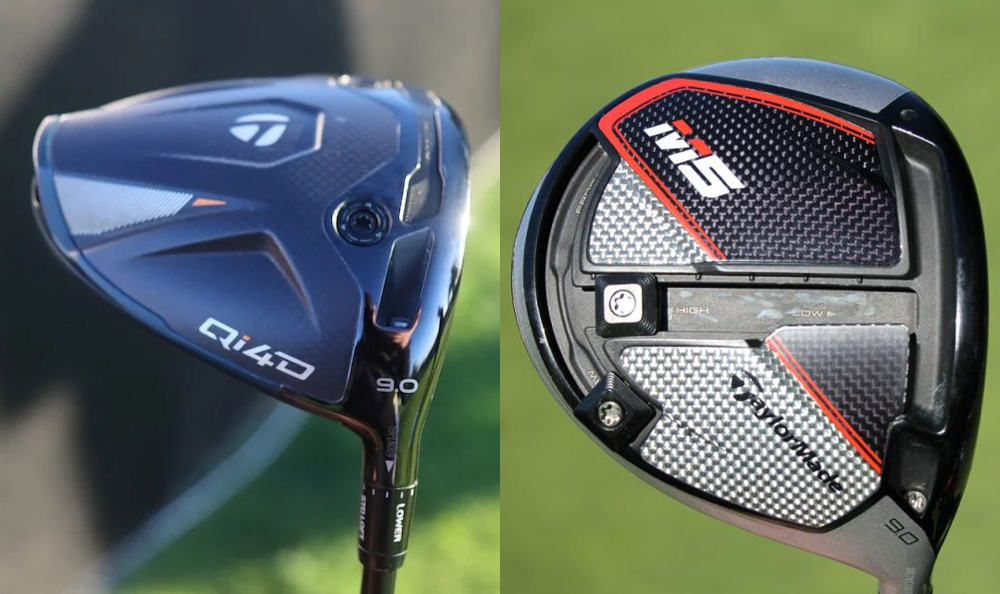
McIroy led the Tour in Strokes Gained: Off-the-Tee in 2019; he’s doing the same in 2026. Between now and then, McIlroy has switched from the Mitsubishi Tensei CK Pro White 70 TX (a shaft with slightly more feeling in the tip) to the original Fujikura Ventus Black 7X, having just made the change to the heavier version from playing the 60X.
What’s interesting about McIlroy’s 2019 setup is that the weighting on his driver is actually set in the high-draw setting, using the T-Track weighting system, whereas in the Qi4D, he’s currently using a heavily rear-weighted setup. (Two 13-gram weights in the rear and only two 4-gram front weights.)
The TaylorMade M5 driver he played in during his Canadian Open win was the company’s first head that they claimed to design to initially exceed the USGA’s COR limit, and then injected with tuning resin to bring it back in bounds.
Fairway woods
2019: TaylorMade M6 3-wood (15 degrees), Shaft: Mitsubishi Tensei CK Pro White 80 TX; TaylorMade M5 5-wood (19 degrees), Shaft: Mitsubishi Tensei CK Pro White 90 TX
2026: TaylorMade Qi4D 3-wood (15 degrees), Shaft: Fujikura Ventus Black 8X; TaylorMade Qi4D 5-wood (18 degrees), Shaft: Fujikura Ventus Black 9X

The TaylorMade M6 fairway wood that McIlroy was using during the 2019 season is still in the bag of some of the best golfers on Tour in 2026. Just check out Justin Rose’s winning setup from the Farmers Insurance Open earlier this year. This year, though, McIlroy has still been searching for his top-end-of-the-bag setup, having played both the new Qi4D and the Qi10, which he won the Masters with.

The same shaft swap can be seen in the fairway woods as the driver, along with slightly less loft on the 5-wood.
Irons
2019: TaylorMade P750 (4) Buy here, TaylorMade P730 (5-9), Shafts: Project X 7.0
2026: TaylorMade P760 (4), TaylorMade Rors Proto (5-9), Shafts: Project X 7.0

The biggest difference between McIlroy’s custom set and the stock P730s is the groove design. While the P730s were constructed with 14 MX-9 grooves on their milled faces, McIlroy’s proto heads instead use the higher-spinning, 16-groove layout of the TW2 grooves. Other big differences between the sets are that McIlroy’s 7- and 8-irons have thinner toplines, are 1 degree stronger in loft, and are 1/4 inch longer than the original P730 builds.
With McIlroy’s 4-iron, the switch from P750 to P760 sees a transition to a two-piece construction with Speed Foam in it, which allows McIlroy to launch the ball slightly higher, with more workability.
Wedges
2019: TaylorMade Milled Grind (48-09SB), TaylorMade MG Hi-Toe (52-09SB, 56-09SB, 60-LB09), Shafts: Project X Rifle 6.5
2026: TaylorMade MG5 (46-09SB, 50-09SB, 54-11SB, 60-08LB @61), Shafts: Project X 6.5 (46-54), Project X 6.5 Wedge (60)

Between 2019 and 2026, McIlroy’s focus on his short game has been much more apparent. It was the reason why he switched back to the TP5 golf ball, to help with launch, spin and control with his wedges leading up to his career Grand Slam victory in 2025. The most apparent changes to McIlroy’s wedge setup are his lofts and bounce. He’s slowly delofted his pitching to a sand wedge, but has increased the loft on the lob wedge, bending his current 60-degree to 61. With that, adding more loft to his lob wedge also slightly increases the bounce and leading-edge sit point, so, as a result, he plays a lower-bounce lob wedge compared to 2019. The MG5 wedges are also softer than the first Milled Grind option from 2019. McIlroy also no longer plays the full-face grooves found on the Hi-Toe.
Putter
2019: TaylorMade Spider X
2026: TaylorMade Spider Tour X
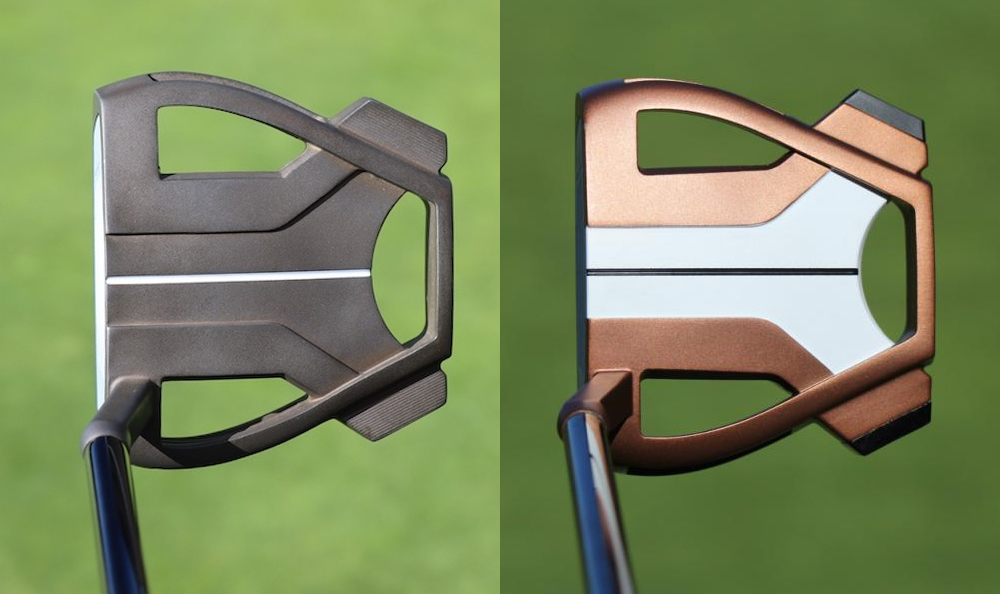
Notice anything similar. Yes, the copper finish on Rory McIlroy’s Spider X putter in 2019 is a slightly more reflective finish than the recently released torched PVD finish. McIlroy was using the True Path alignment system, but now uses only a single white sightline.
Ball
2019: 2019 TaylorMade TP5 (#22)
2026: 2025 TaylorMade TP5 (RORS)
As mentioned above, McIlroy had transitioned from the TP5 to TP5x golf ball since his victory in Canada in 2019, but now is black with the same style of golf ball as his victory at Hamilton Golf & Country Club.
Grips
2019: Golf Pride Tour Velvet Cord
2026: Golf Pride MCC
Interesting, McIlroy actually used Golf Pride’s Tour Velvet Cord grips during his victory in 2019 (it was during a 2+ year switch to the corded TV) as opposed to his usual MCC grips, which he has played for most of his career.

What’s the story behind Webb Simpson’s custom-stamped irons?

Memorial Tournament Tour Report: Rory McIlroy, Cameron Young switch up drivers, and more

Cadillac Championship Tour Report: Spieth’s sizable changes, McLaren Golf launches, and more

Russell Henley’s winning WITB: 2026 Charles Schwab Challenge

Kristoffer Reitan’s winning WITB: 2026 Truist Championship

Best irons 2026: Best irons overall, most forgiving irons, and more

J.T. Poston’s winning WITB: 2026 Memorial Tournament

Aaron Rai’s winning WITB: 2026 PGA Championship

Cameron Young’s winning WITB: 2026 Cadillac Championship

Details on Jason Day’s latest prototype Avoda iron setup


Christiaan Maas WITB 2026 (June)
Driver: TaylorMade Qi4D LS (8 degrees) Shaft: Fujikura Ventus TR Blue 6 X 3-wood: TaylorMade Qi10 (15 degrees) Shaft: Fujikura Ventus Black...


Ryan Palmer WITB 2026 (June)
Driver: Callaway Quantum Triple Diamond (9 degrees) Shaft: Project X HZRDUS Smoke Blue RDX 60 TX 3-wood: TaylorMade Qi10 (15 degrees) Shaft:...


Bud Cauley WITB 2026 (June)
Bud Cauley had >14 clubs in his bag when photographed prior to the Memorial Tournament. Driver: Titleist GTS2 (8 degrees) Shaft: Fujikura...


Hannah Green WITB 2026 (June)
Driver: Titleist GTS3 (10 degrees, D4 SureFit setting) Shaft: Mitsubishi Chemical Diamana RB 53 S 3-wood: Titleist GT3 (15 degrees,...
-
 Equipment7 days ago
Memorial Tournament Tour Report: Rory McIlroy, Cameron Young switch up drivers, and more
-
 News2 weeks ago
Russell Henley’s winning WITB: 2026 Charles Schwab Challenge
-
 Equipment4 days ago
Best irons 2026: Best irons overall, most forgiving irons, and more
-
 Whats in the Bag4 days ago
J.T. Poston’s winning WITB: 2026 Memorial Tournament
-
 Equipment1 week ago
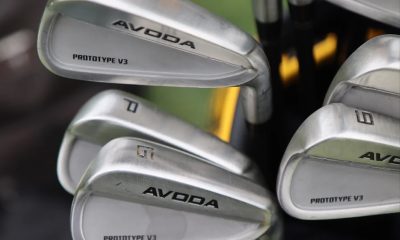
Details on Jason Day’s latest prototype Avoda iron setup
-
 Equipment3 weeks ago
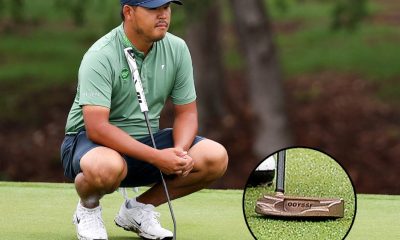
CJ Cup Byron Nelson Tour Report: Koepka and Kim’s newest putters finally get hot
-

 News2 weeks ago
Charles Schwab Challenge Tour Report: MacIntyre, Åberg and Spaun all switch putters, TaylorMade launches new Spider
-
 Equipment2 weeks ago
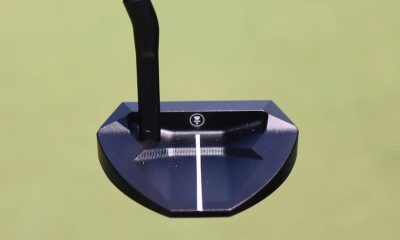
Details on J.J. Spaun’s surprise putter switch


Pingback: Craftsmanship Is Always In Season For Rick Martin | Rusty Cage | Writer and Golfer
Rico
Oct 7, 2013 at 7:47 pm
It’s good to see a company that puts out fine pima cotton shirts like these. I’m tired of going to a store and having to choose a shirt from the My Pretty Pony Rainbow Brite color collection that’s made of plastic.
Zak Kozuchowski
Oct 5, 2013 at 3:08 pm
Really guys? One of our writers tells the story of an apparel brand few golfers have ever heard of and you respond like this? Doesn’t seem right to me.
– Zak
Bill
Oct 5, 2013 at 12:54 pm
Did Golfwrx receive a free case of shirts for this advertorial? Who cares about a product that 99% of your users can’t buy and once again is made in SE Asia.
Jack
Oct 4, 2013 at 9:52 pm
Wow this is a straight press release. No review or anything or opinion from GolfWRX staff.
Mike
Oct 4, 2013 at 5:41 pm
Too exclusive hense not appearing to real golfers. And why are those shirts not made in US or Europe? Don’t try to sell me this stuff as pure luxury and produce it with cheap labor.