
Equipment
From JDM to KDM: How Karten Golf is forging Korea’s golf identity


I believe every serious golfer remembers their first set of golf clubs. For me, it was the summer of ‘88 when my dad first introduced me to the game by giving me his used set of clubs. They consisted of some beat-up Lynx irons, a Powerbilt persimmon driver and 5-wood, and a Zebra mallet putter that’s seen better days. It was love at first sight and I cherished those clubs like nothing else I’d ever owned.
The love affair didn’t last long, however, as I desperately wanted a new set of clubs before I even started to break a hundred. I didn’t realize it then, but I was soon to be diagnosed with an ailment that inflicts 1 out of every 3 golfers—the dreaded equipment-itis. By the time I reached a 12-handicap, I was no longer the starry-eyed kid coveting my dad’s Ping Eye 2 irons. No sir, I had loftier goals of owning the Titleist MB “players” irons, and skills be damned.

My first golf crush in the summer of ’88
As such, my wallet continued to take a beating throughout college. Some of the many clubs that have seen the inside of my bag include GBBs, Goosenecks, ICWs, Boom Boom, 975D, tour balatas, and others too many to list here. In retrospect, I have no regrets save for the feeling that maybe I should’ve invested a little more in lessons than in some of those club choices.
A whole new world
After making a life-changing decision to move to Korea in ’96, I figured I’d matured enough to grow out of my obsession with golf gear (the exorbitant cost of golf here certainly helped).
When I picked up the game again several years later, one thing stood out immediately: Korean golfers were a flamboyant bunch. Most couldn’t tell a CB from an MB, but their setups looked ready for a fashion runway. The latest Titleist and Callaway clubs were still common, yet they barely registered next to the gold-plated Japanese drivers and irons that cost a fortune.
That’s when I realized the Korean golf market occupied a fascinating sweet spot — where East meets West in a fusion of cutting-edge technology, aesthetic obsession, and old-world craftsmanship. Beyond familiar OEM names like PING and Taylormade, I was introduced to the breathtaking precision of Japanese JDM (Japan Domestic Market) brands such as Epon, Kyoei, Fujimoto, Zodia, and Makino.
The list just kept going and going.

Global OEMs vs. exotic JDMs; but where are the Korean brands?
Still, a glaring question lingered: Where were the Korean golf manufacturers? Why don’t we have our own defining Korean Domestic Market (KDM) brands that could represent us on the world stage?
After all, in just two short decades Korea had produced major champions, pioneered golf simulators, built sprawling retail empires, and redefined golf fashion. We’re now the world’s third-largest golf market and home to Titleist and Taylormade. Yet when it came to premium clubs, Korea remained absent from the conversation dominated by Japanese craftsmanship and American innovation.
Now, that conversation may soon be changing. A new wave of Korean brands is stepping up, determined to prove that Korean manufacturers can also deliver the same elite performance and world-class craftsmanship. We’ve already seen this with the emergence of Autoflex and FreeFlex shafts; both of which stunned golfers with their unconventional technology and results.

Minimalistic yet distinctive, Karten Golf aims to be Korea’s foremost golf club brand
Enter, Karten Golf
Perhaps the boldest newcomer of all is Karten Golf, who is making waves by combining design artistry with serious engineering intent.
Founded in 2023 by two lifelong friends, Karten is the creation of Kwan-li, a designer with a background in luxury watches and jewelry (think Cartier), and Heo Jeong-un, a bespoke denim artisan whose meticulous work has attracted top K-pop idols as loyal clients.
Driven by a shared passion for golf and design, they set out to make Karten more than just another equipment brand.

“To create golf clubs worthy of representing Korea, we drew from real-life experiences and influences. These included Swiss-style precision, Italian-inspired aesthetics, and collaboration with an experienced R&D team that has worked behind the scenes on some of the game’s top clubs. And although the process is arduous, our core idea is straightforward — combine proven engineering with a fresh design perspective.” — Kwan Li, co-founder of Karten Golf
From the start, Karten clubs stood out to me with their clean, modern, and deliberate lines. The designs felt familiar yet refreshingly new, with minimalistic intentions hinting at the depth of thought behind them.
I’ve never been one for clubs that scream luxury, and Karten’s approach of elegant curves and subtle surfaces hinted at premium craftsmanship without trying too hard. It’s the kind of quiet confidence that I think could represent a brand that is distinctly Korean.
But what makes Karten fascinating isn’t just its looks. Every iron, wedge, and shaft is built with what the founders describe as “conscious design,” a philosophy that balances artistry and function. From weight distribution and CG positioning to tactile feedback at impact, nothing about their creation is accidental.
“Design without performance is just fancy decoration, and we didn’t want to be just another pretty face. Rather, we wished for Karten to stand for a purpose, and to provide meaningful performance that a golfer can actually feel and believe in.” — Heo Jeong-un, co-founder of Karten Golf

Karten consists of irons, wedges, and their own Dyna-Xift line of premium shafts.
Karten’s three iron models represent the company’s interpretation of what ‘forged performance’ means in modern golf. While they share the same design philosophy, each occupies a distinct place in the lineup.

Of classic form and modern intent, the MC/01 is a traditional muscle iron for the better player
The MC/01 sits closer to a traditional muscle-back, compact and efficient in shape. Forged from S20C steel and following the tightest spec tolerances of Karten’s proprietary Super-Fine-Milling™ process, it delivers a dense, responsive feedback that better players expect from a forged blade.
A hidden pocket cavity adds a touch of forgiveness by redistributing weight without changing the classic profile. The result is an iron for golfers who appreciate a clean look and consistent feedback without being overly punishing.

KX-250M is a blend of traditional looks and modern playability
Sharing the same S20C construction and muscle-cavity platform as the MC/01, the KX-250M offers a slightly larger footprint at address and features Karten’s signature Egyptian Milling pattern on the back — a subtle machining detail that adds texture and distinction.
It feels a little softer through impact and a touch more forgiving, sitting between a pure blade and a player’s cavity to offer confident ball-striking and workable precision.

Suitable for all level of players, the KX-100C is an all-round performer
Rounding out the lineup—and the model I’ve played for the past two months—is the KX-100C, designed for a broader range of players. The clean-cut cavity-back model also features Karten’s trademark Egyptian Milling pattern and incorporates redistributed weighting for added stability and
easier launch.
At address, the head inspires confidence without appearing bulky, and a refined sole design helps it glide cleanly through the turf. I specifically chose to play this model because of the moderate offset throughout the set. It helped me lessen my natural fades and release naturally through impact for a solid, responsive feel that reminded me of the classic Mizuno blades.

Karten’s design philosophy can also be seen in the wedges
I also played with a matching 50°, 56°, 60° CL3 wedges with the irons, which provided a uniform feel and distance gapping throughout the bag. Ultimately, I feel that the KX-100C is a straightforward, well-crafted iron that suits amateurs of all skill levels with its forgiveness and playability.
Can Karten become the first true KDM brand?
What makes Karten’s story compelling to me is its potential to redefine what Korean-made can truly mean in golf, specifically in the realm of club manufacturing. To be clear, while brands like Titleist and TaylorMade are technically owned by Korean companies today, I don’t consider them “Korean-made.”
Likewise, I’m excluding several domestic brands whose origins trace back to Japanese parent companies.
Under this definition, the list of genuinely Korean golf brands over the past four decades becomes surprisingly short. Nostalgic names such as Missile, Rexfield, David, Giga, and KDX all enjoyed success locally, and Brama Golf has produced OEM clubs for Japanese brands since the 1980s. Yet when I searched for a truly Korean brand recognizable to golfers outside Korea, nothing came up.
That’s precisely the gap I believe Karten can fill; by carving out an identity that blends craftsmanship with culture, performance with design, and modernity with heritage.

Can Karten Golf become the first true KDM brand?
Whether Karten will become the first Korean brand to gain global recognition remains to be seen. But one thing is certain: It represents a shift in mindset from representing others to building for ourselves, and from following trends to setting them.
If Japan’s JDM brands shaped the soul of golf craftsmanship, perhaps it’s time for Korea’s KDMs to give it a new rhythm. And if they play their cards right (see what I did here?), Karten can be a global Korean brand that reflects the Korea I see today—confident, creative, and ready to compete on its own terms.
And for a golfer who once fell in love with a beat-up Powerbilt persimmon, it’s hard not to root for that.







This week, we have our Tour Photographer, Greg Moore, on the ground at the OccuNet Classic at Tascosa Golf Club in Amarillo, Texas, for the 14th event of the 2026 Korn Ferry Tour season. With that, we see some great things in the Lead Tape Report as we roll into Amarillo.
Joel Thelen
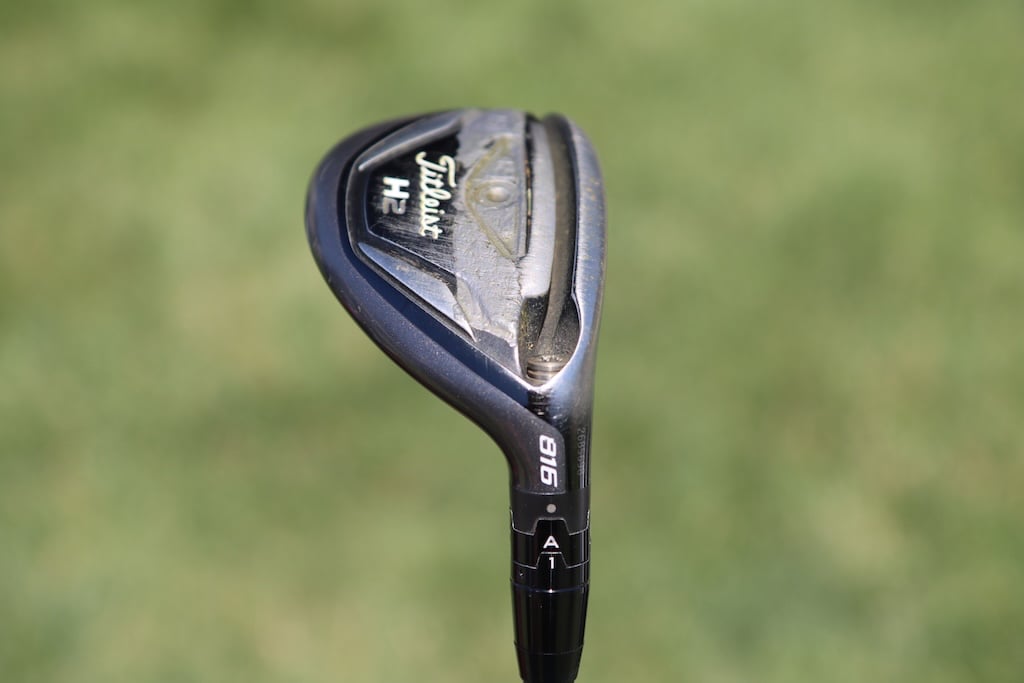
Monday Qualifier, Joel Thelen is in the field this week. He has played on the Korn Ferry Tour for a full season in 2023, and he is back in action this week. A couple of clubs caught my eye this week in his bag.
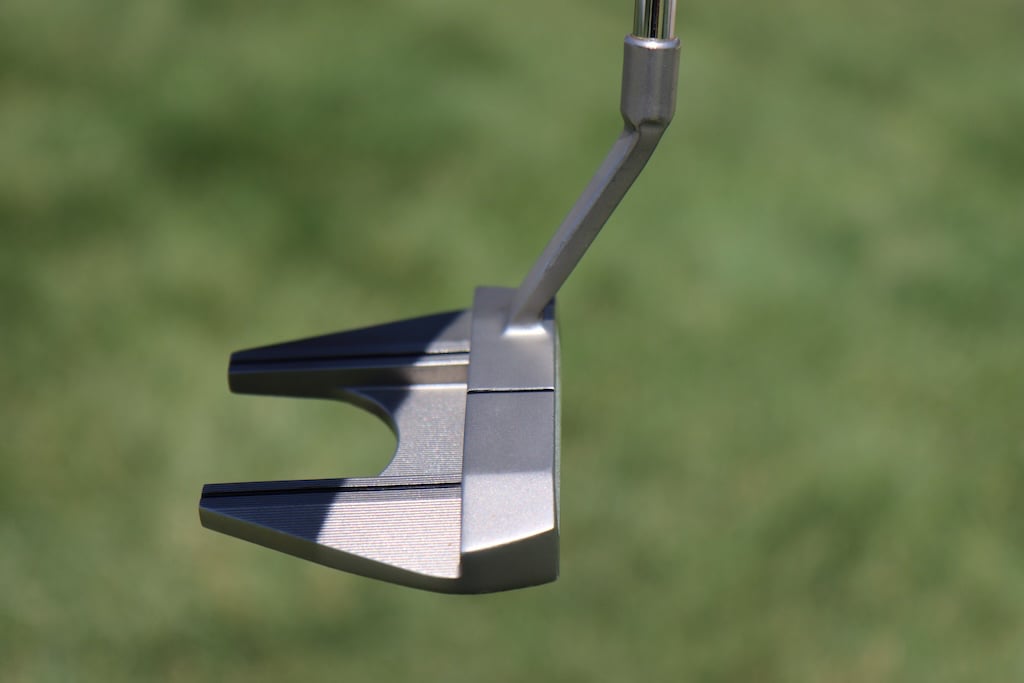
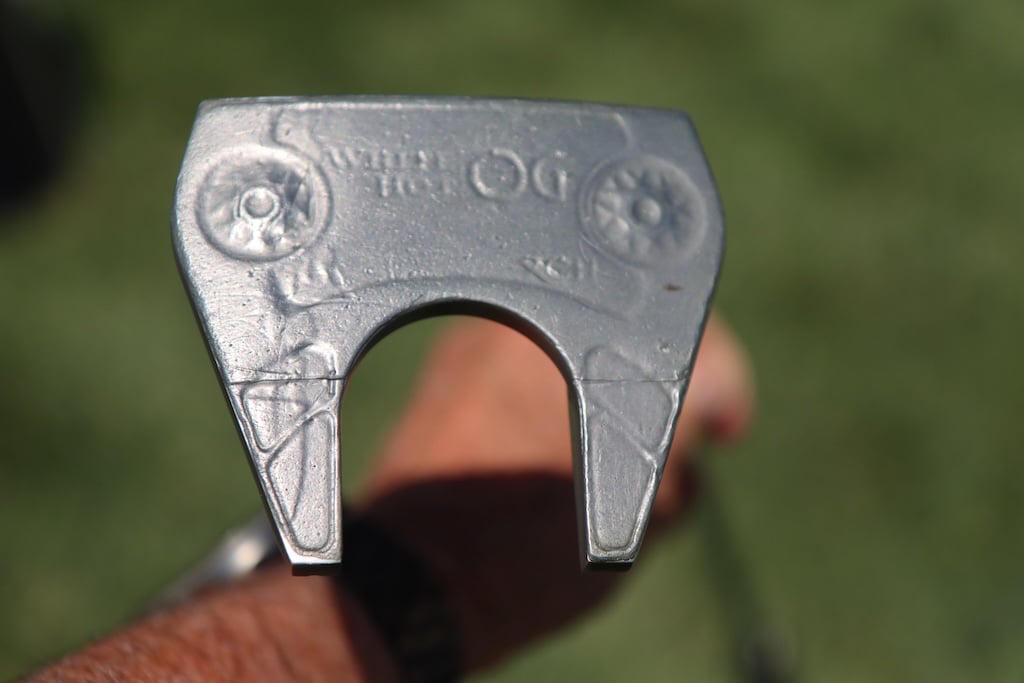
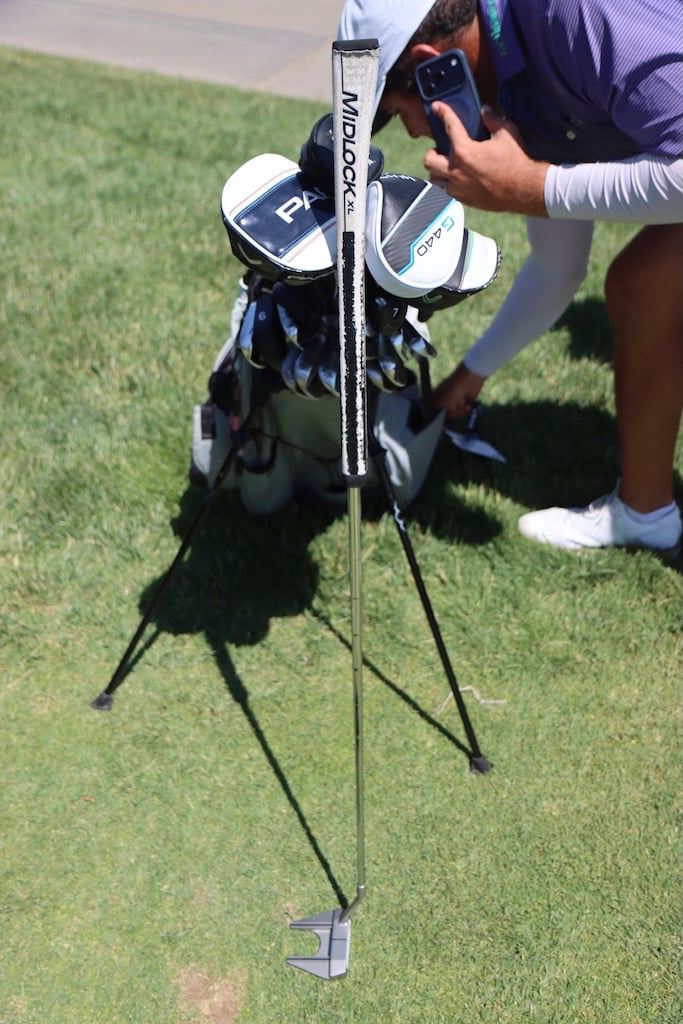
First off: His trusted Titleist 816 H2 hybrid. This club came out in October of 2015, and it still remains strong in the bag. Also, take a look at this Odyssey White Hot OG 7, putting a capital S in the 7S model. This custom neck has some impressive lean for an arm-lock-style putter. The bottom of the putter is covered in tape for optimal weighting.
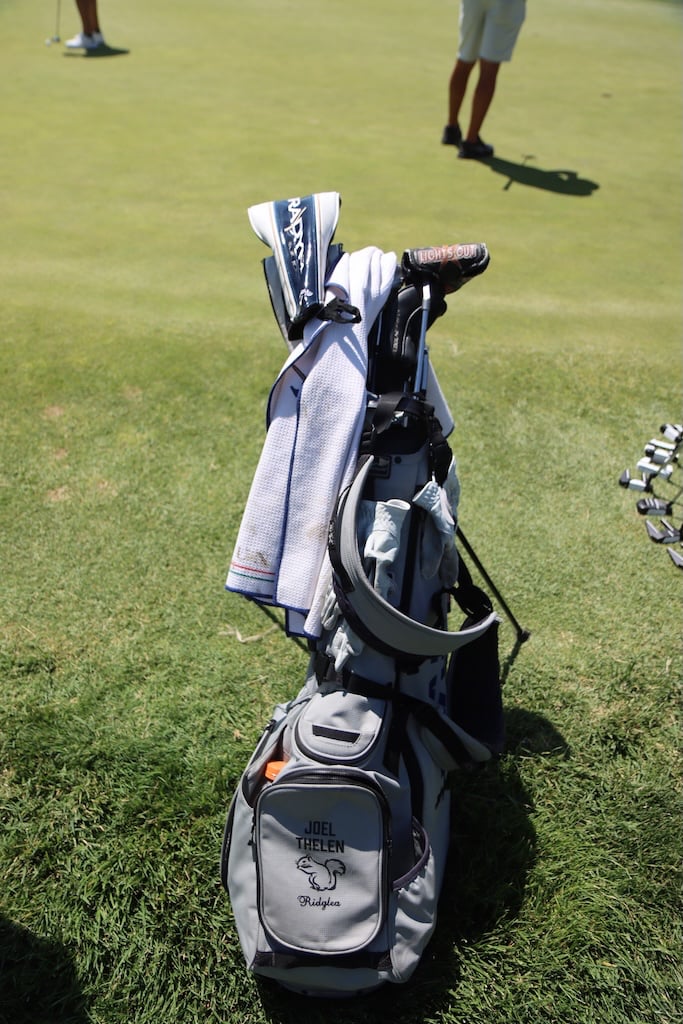
Mitchell Meissner
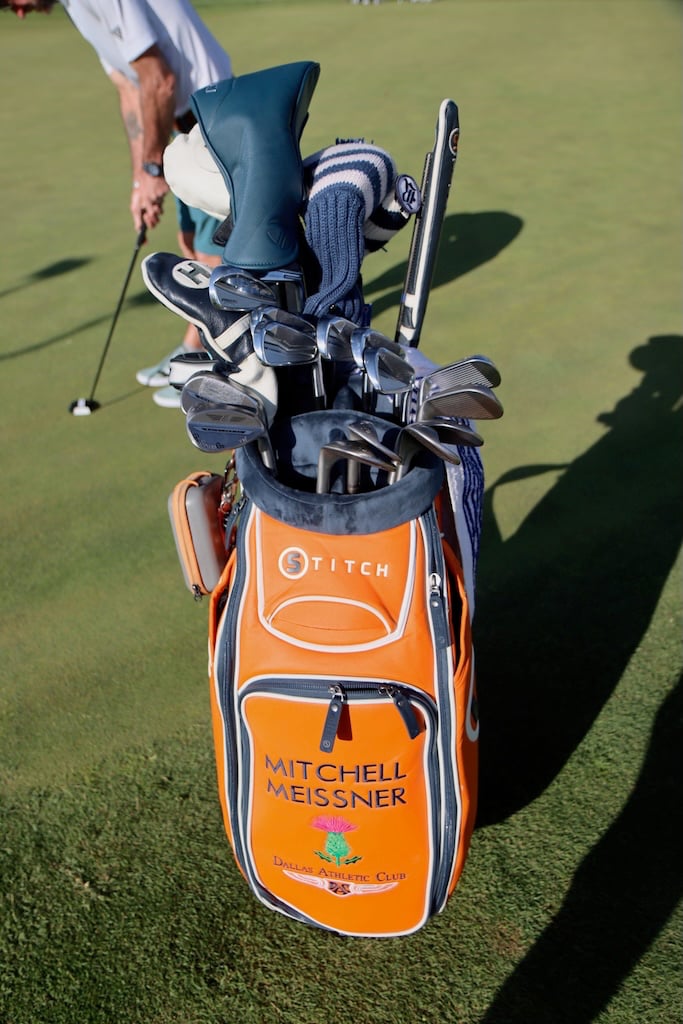
Taking a look at Mitchell Meissner’s bag this week, we have some great lead tape coverage. Top to bottom working from fairway metals, irons, and wedges. We can see on the short irons and wedges that there is tape at the base of the grip, adding a little counterbalance. Along with that, some tape on the short irons and wedges as well. Moving to his putter, he rolls the Odyssey 7 Bird putter. Meissner putts left-handed and strikes the ball right-handed.
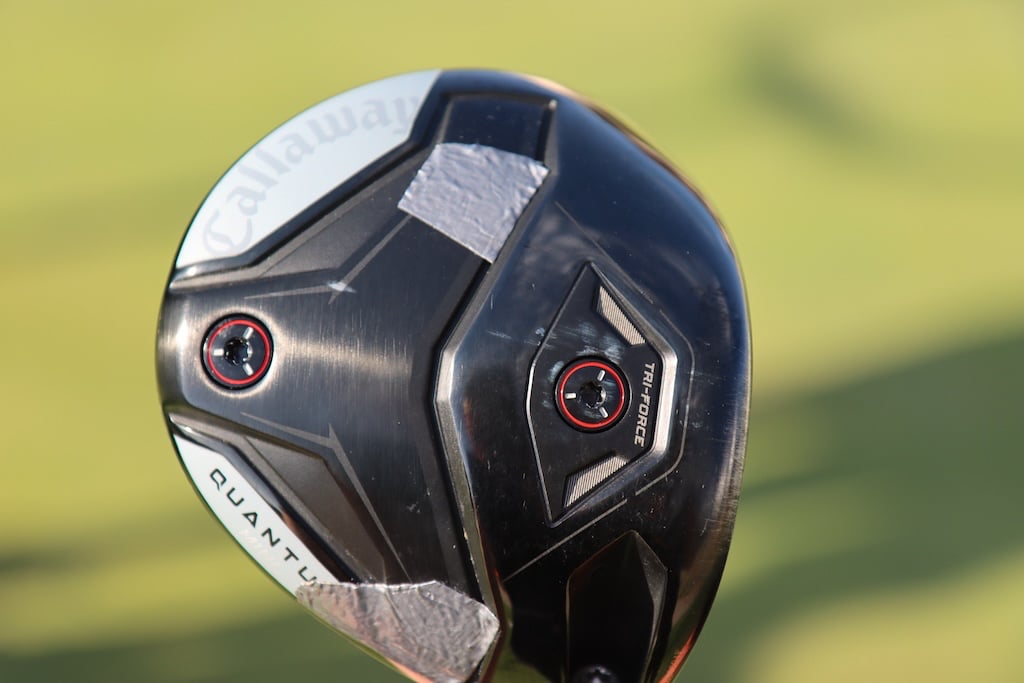
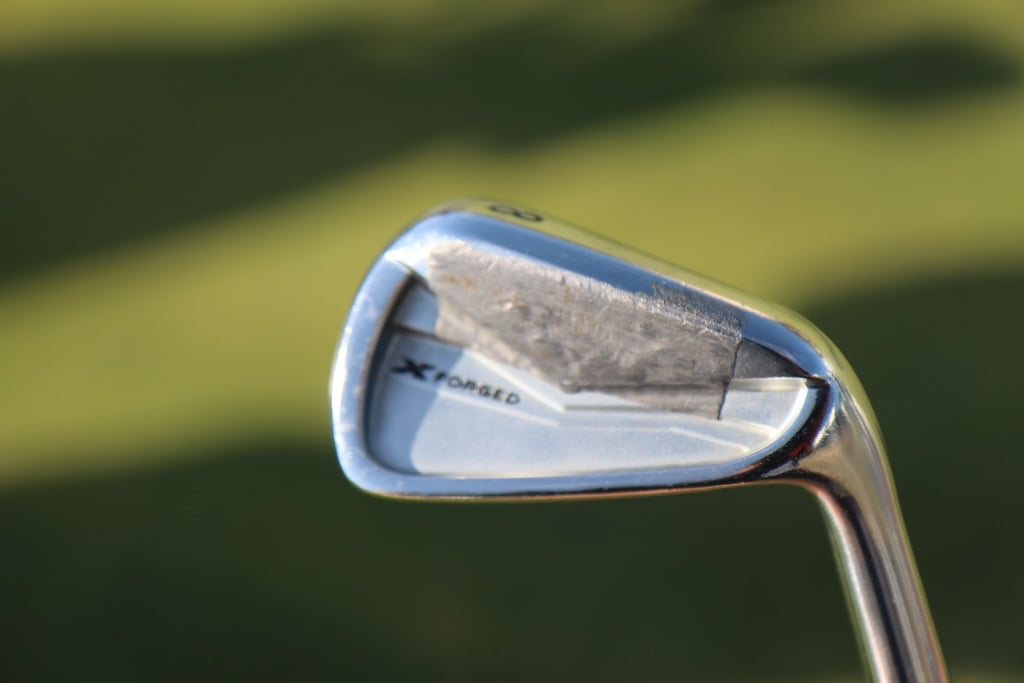

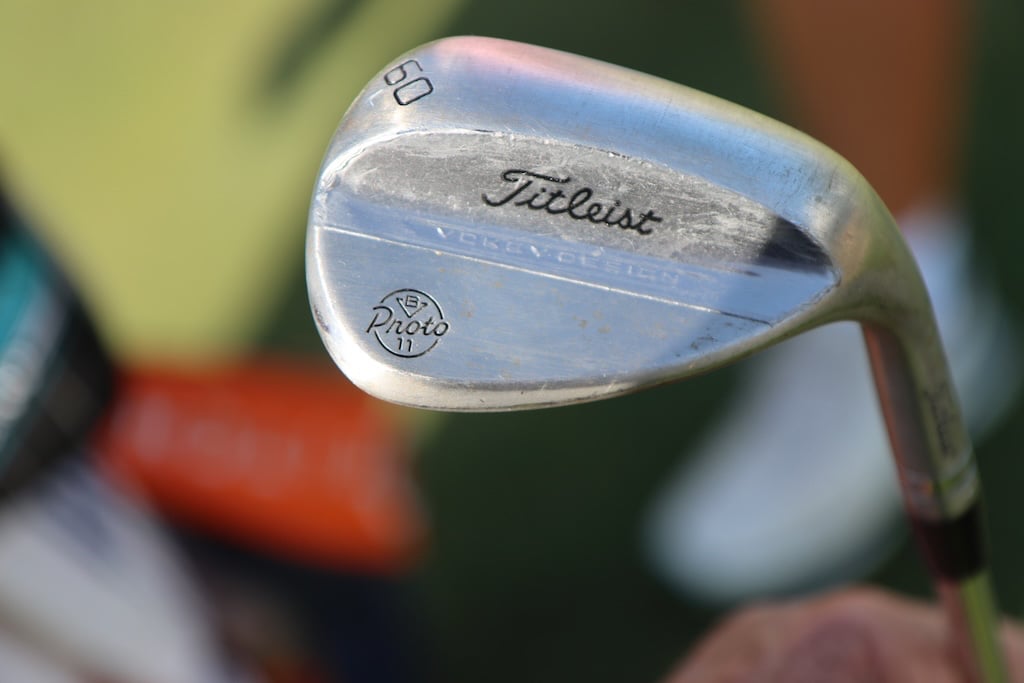

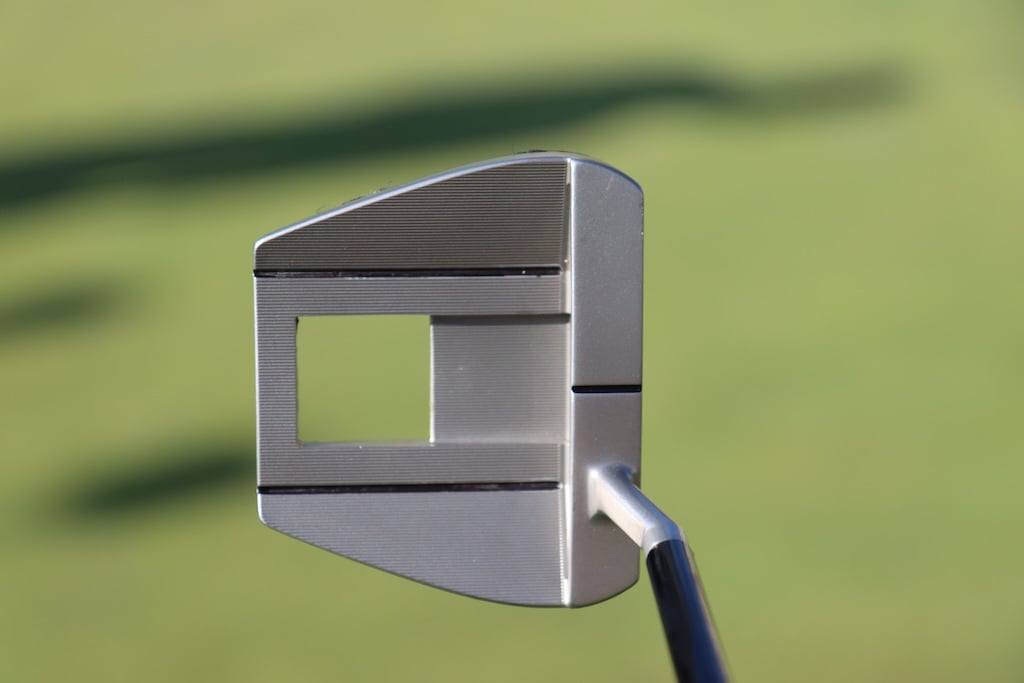


Bud Cauley had >14 clubs in his bag when photographed prior to the Memorial Tournament.
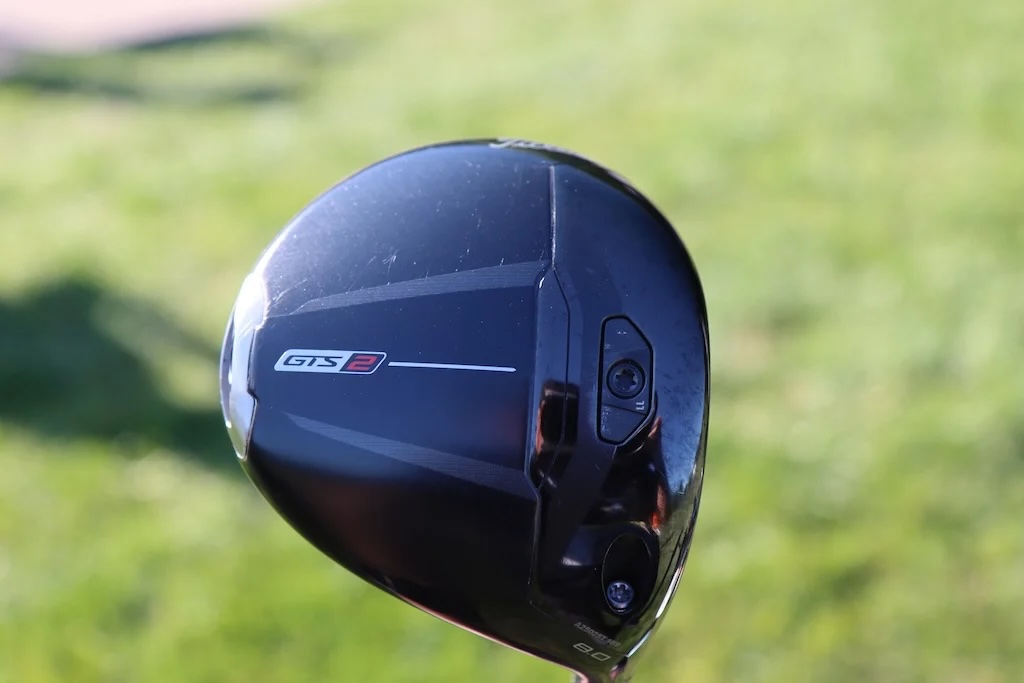
Driver: Titleist GTS2 (8 degrees)
Shaft: Fujikura Ventus Black 6 X
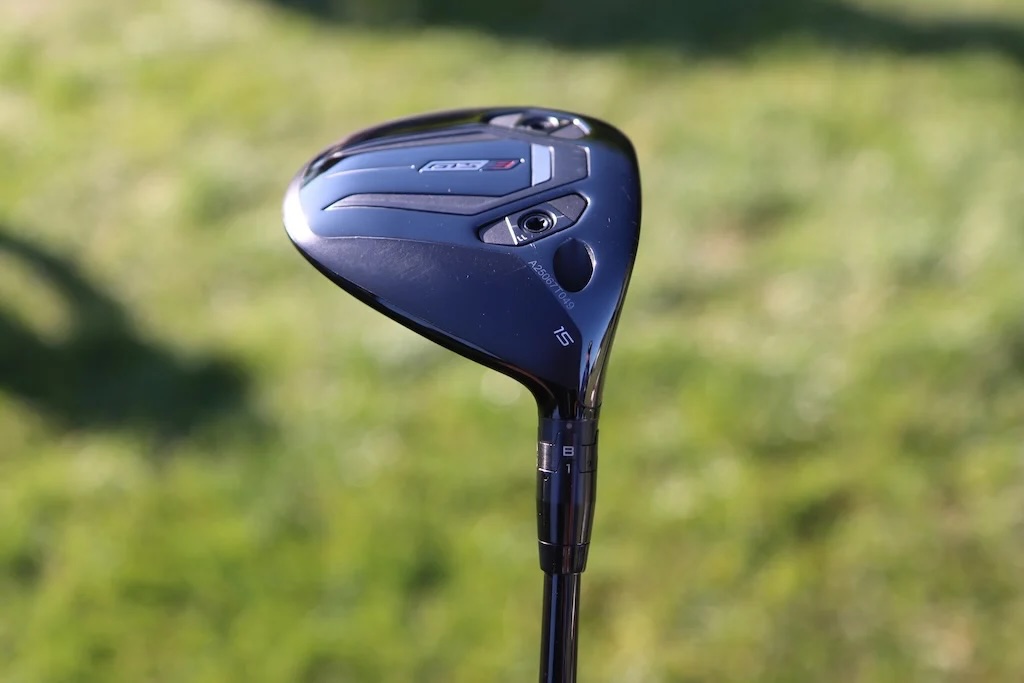
3-wood: Titleist GTS3 (15 degrees, B1 SureFit setting)
Shaft: Mitsubishi Chemical Tensei 1K Pro Red 70 TX
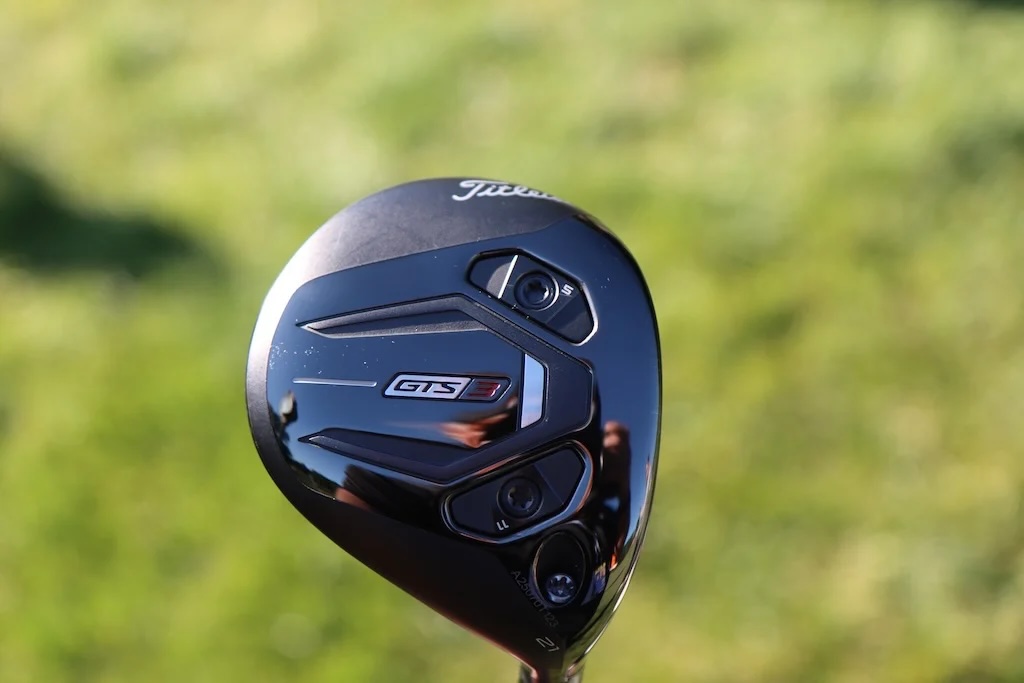
7-wood: Titleist GTS3 (21 degrees, D1 SureFit setting)
Shaft: Mitsubishi Chemical Tensei 1K Pro Red 80 TX
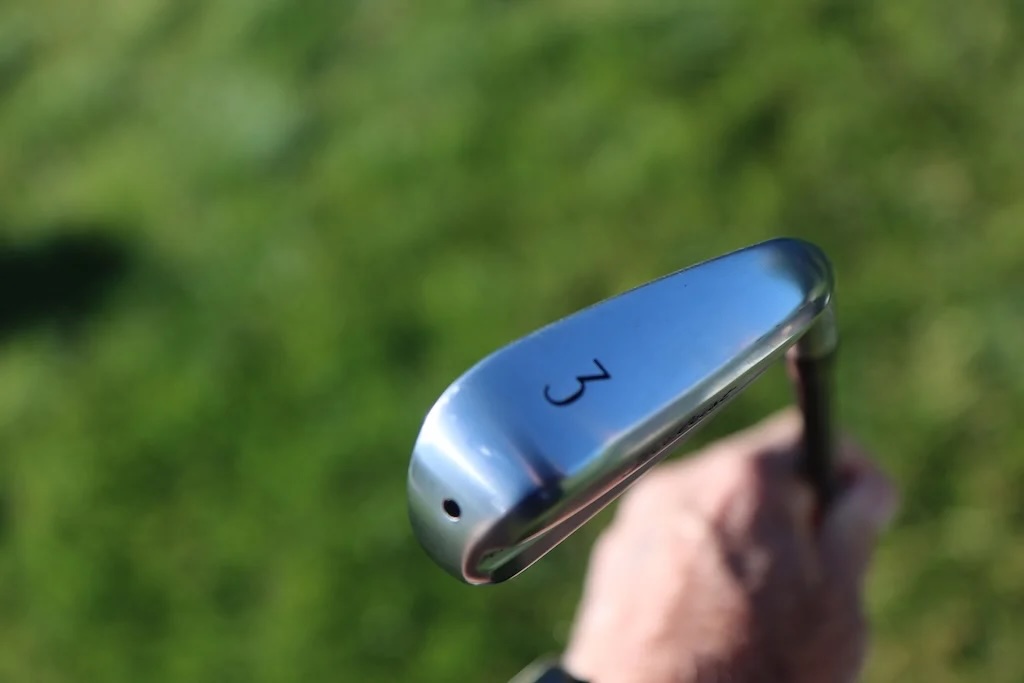
Irons: Titleist U505 (3), Titleist 620 MB (4-9)
Shafts: Fujikura Ventus Black HB 8 X, True Temper Dynamic Gold Tour Issue
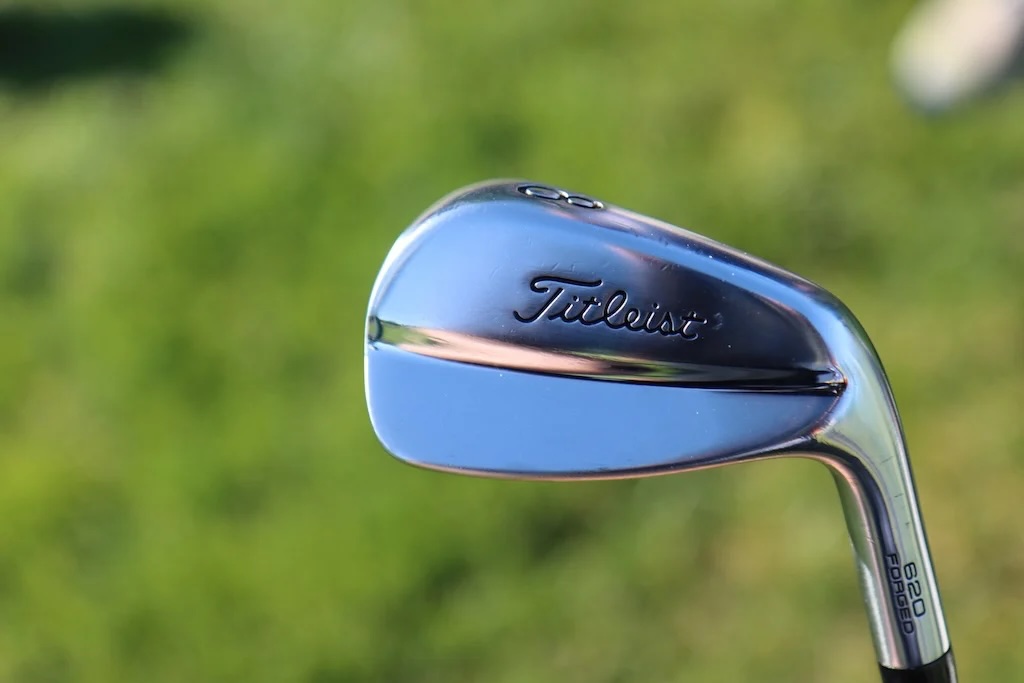
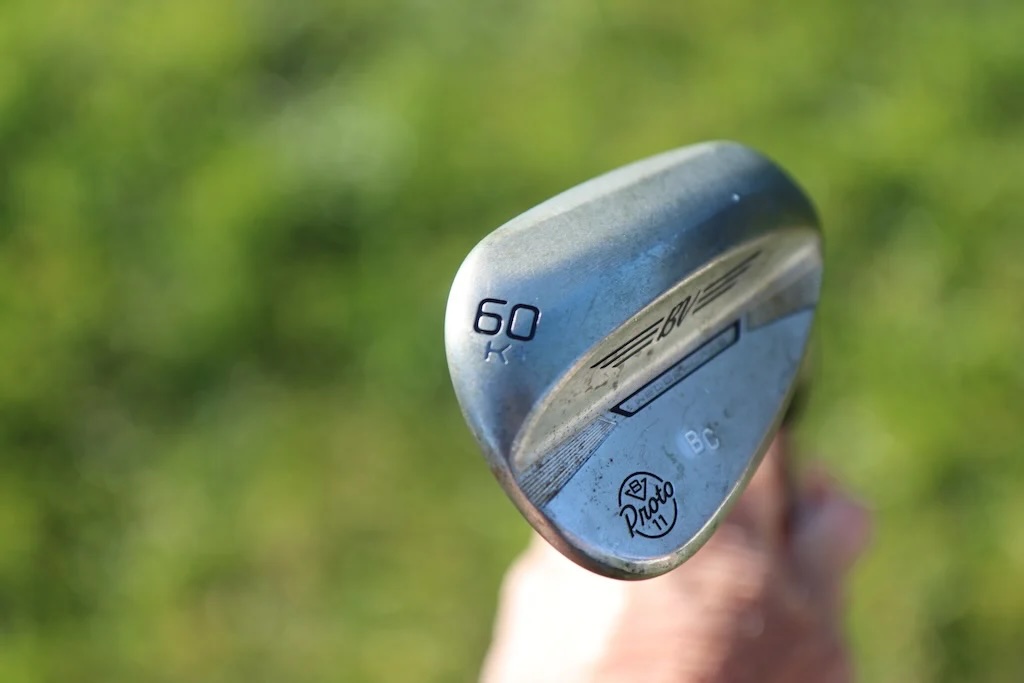
Wedges: Titleist Vokey Design SM11 (48-10F, 52-12F, 56-14F), WedgeWorks (60-K*)
Shafts: True Temper Dynamic Gold Tour Issue S400
Putters: Scotty Cameron Tour Prototype, Scotty Cameron GOLO 6.3 Prototype
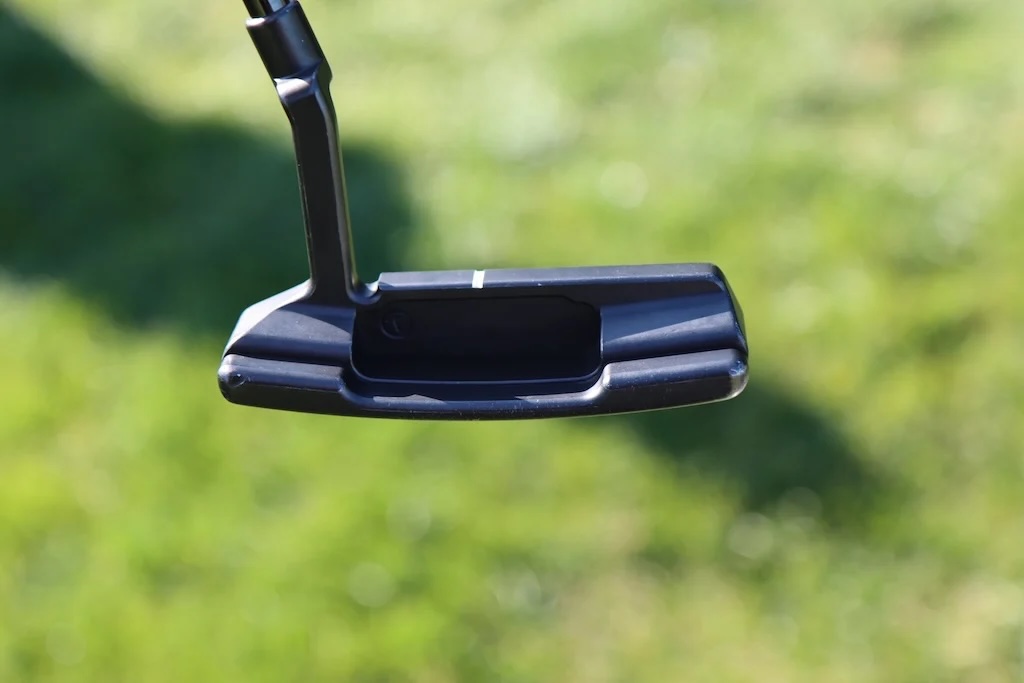
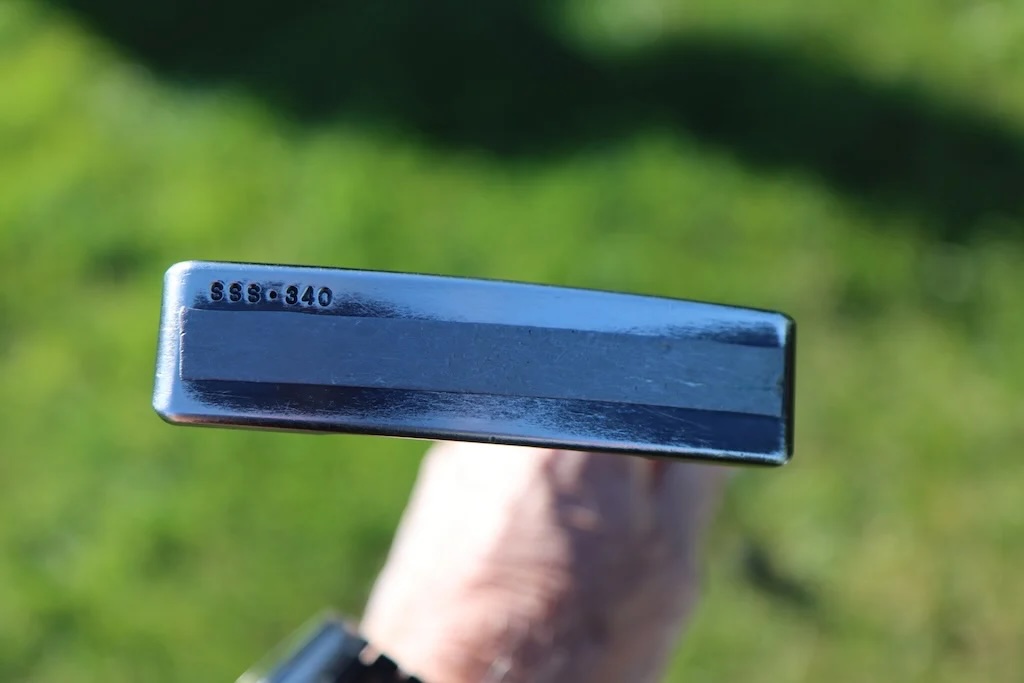
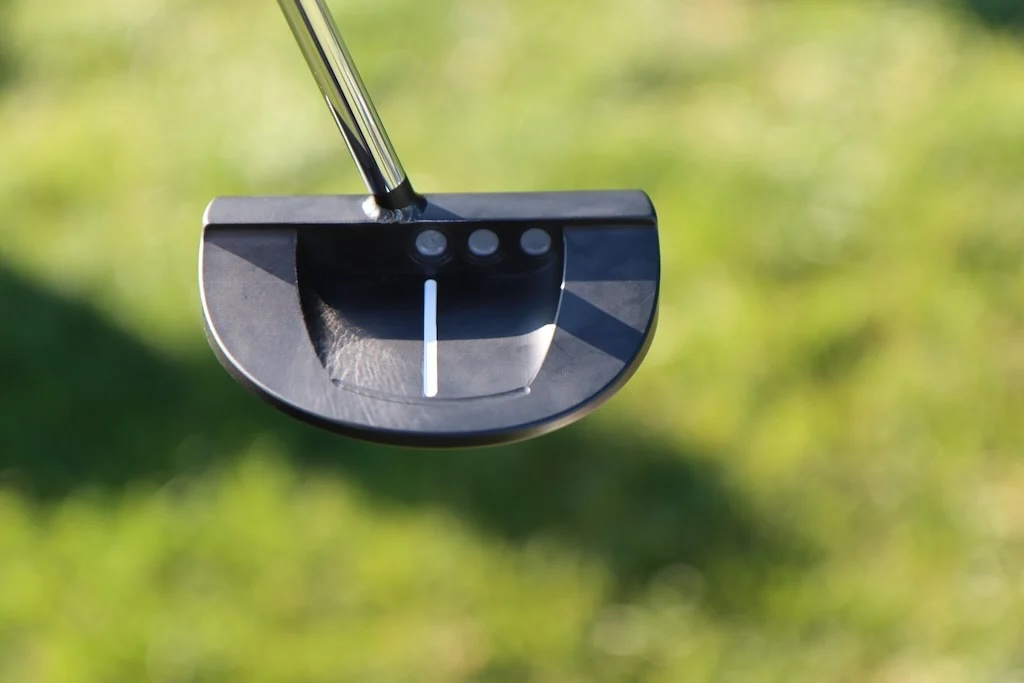
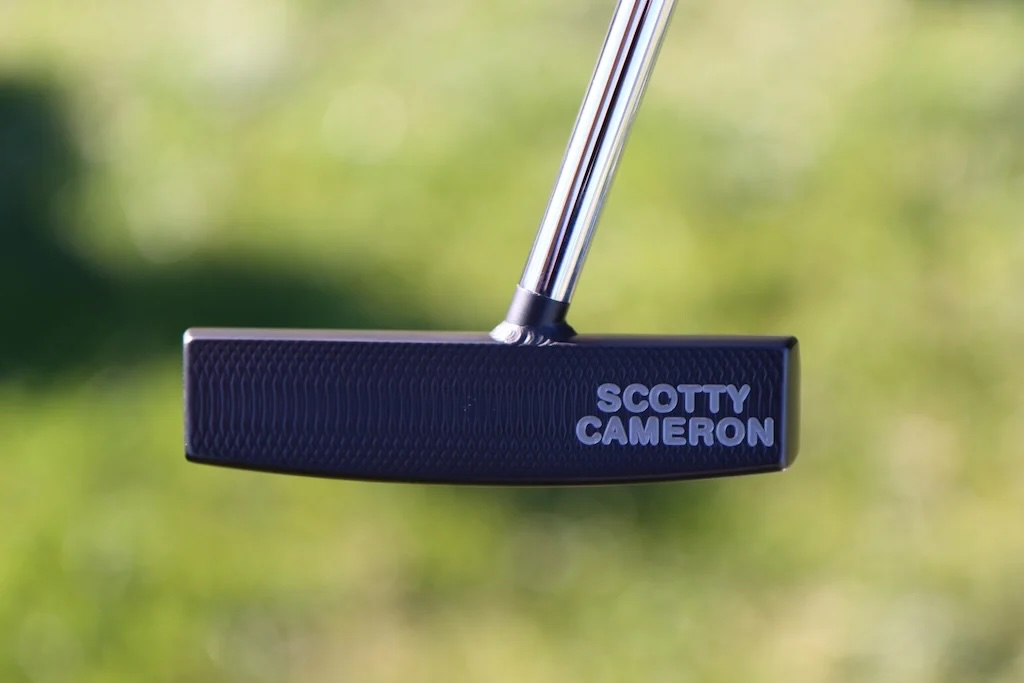
Grips: Golf Pride Tour Velvet Align
Ball: Titleist Pro V1
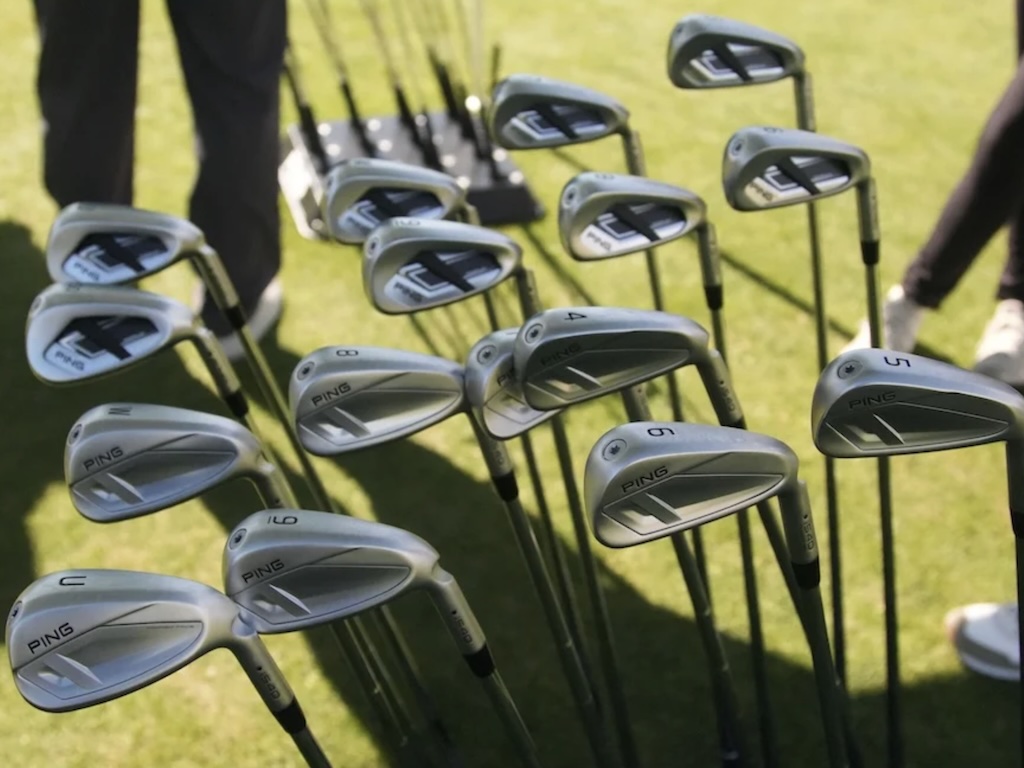
In our forums, one user has offered up a prompt for the true sickos, inviting fellow forum members to share every set of irons they’ve ever owned. As to be expected, this is a lengthy forum topic.
@Lamosteve began:
Can you name every set of irons you’ve owned? Here’s mine
Spalding Dots
Spalding Eclipse
Ram Lazer FX
Lynx Parallax
Mizuno EZ Comp
Ben Hogans
Cleveland CG Red
Taylor Made R9s
PING i20
PING iE1
Taylor Made M6
Our members in the forum have been offering up their own collections. Here are a few posts from the thread, but make sure to check out the entire discussion and have your say at the link below.
- macedan: “Started with a hand-me-down Golden Bear set from my brother when I was in high school, never really played more than once a year or got into the game until about summer of 2017. First purchased a set of Cleveland CG4’s (I actually really miss this set sometimes, soft & not terribly large for a GI iron), moved into Nike Vapor Fly’s by the end of the year. Those lasted until spring of 18 when I decided I wanted new, so I traded them in for TM Rbladez. Honestly, although I liked the Rbladez, poor decision on my part, I think this was really about the only time so far that after a week or two I was kicking myself for not staying with what I had. Rbladez stayed with me until late last summer when I switched to P790’s and (knock on wood) I am hoping this will be my longest lasting set.”
- JimmyC59: “MacGregor Jack Nicklaus Triple Crown. Palmer The Standard. Still play these.”
- jgrzask: “Tommy Armour 845u
Mizuno MP-32
Mizuno MP-33 (2 sets)
Bridgestone J33cb – still own
Srixon i-302 (2 sets) – still own
Tourstage X-Blades – still own
Mizuno Hot Metal – still own
Nike Forged Blades – still own
Titleist 714 AP1 – still own
Cobra Forged SS – still own”

Justin Rose WITB 2026 (April): Full WITB breakdown with new McLaren irons

What’s the story behind Webb Simpson’s custom-stamped irons?

Memorial Tournament Tour Report: Rory McIlroy, Cameron Young switch up drivers, and more

Cadillac Championship Tour Report: Spieth’s sizable changes, McLaren Golf launches, and more

Russell Henley’s winning WITB: 2026 Charles Schwab Challenge

Kristoffer Reitan’s winning WITB: 2026 Truist Championship

Aaron Rai’s winning WITB: 2026 PGA Championship

Cameron Young’s winning WITB: 2026 Cadillac Championship

J.T. Poston’s winning WITB: 2026 Memorial Tournament

Best irons 2026: Best irons overall, most forgiving irons, and more


Bud Cauley WITB 2026 (June)
Bud Cauley had >14 clubs in his bag when photographed prior to the Memorial Tournament. Driver: Titleist GTS2 (8 degrees) Shaft: Fujikura...


Hannah Green WITB 2026 (June)
Driver: Titleist GTS3 (10 degrees, D4 SureFit setting) Shaft: Mitsubishi Chemical Diamana RB 53 S 3-wood: Titleist GT3 (15 degrees,...


Asterisk Talley WITB 2026 (June)
Driver: TaylorMade Qi4D (9 degrees) Shaft: Fujikura Ventus Blue 6 S 3-wood: TaylorMade Qi4D (16.5 degrees) Shaft: Fujikura Ventus Blue...

Brianna Do WITB 2026 (June)
Driver: Callaway Quantum Triple Diamond (9 degrees) Shaft: KBS PGW 3-wood: Callaway Elyte Titanium (15 degrees) Shaft: KBS PGW 5-wood:...
-
 Equipment6 days ago
Memorial Tournament Tour Report: Rory McIlroy, Cameron Young switch up drivers, and more
-
 News1 week ago
Russell Henley’s winning WITB: 2026 Charles Schwab Challenge
-
 Whats in the Bag3 days ago
J.T. Poston’s winning WITB: 2026 Memorial Tournament
-
 Equipment3 days ago
Best irons 2026: Best irons overall, most forgiving irons, and more
-

 Equipment1 week ago
Details on Jason Day’s latest prototype Avoda iron setup
-

 Equipment3 weeks ago
CJ Cup Byron Nelson Tour Report: Koepka and Kim’s newest putters finally get hot
-

 News2 weeks ago
Charles Schwab Challenge Tour Report: MacIntyre, Åberg and Spaun all switch putters, TaylorMade launches new Spider
-

 Equipment2 weeks ago
Details on J.J. Spaun’s surprise putter switch


J Hendrix
Oct 21, 2025 at 9:58 am
It’s another Golf Club, who cares!
BTW, You left off Miura. ?
Pappy Jones
Oct 21, 2025 at 9:21 am
Karten looks like a knock off of Karson, that iron looks VERY similar to a Ping, such as a glide. And the lob wedge looks Very similar to a Cleveland. I guess imitation should be flattering.
Pappy Jones
Oct 21, 2025 at 9:26 am
Karsten
James
Oct 20, 2025 at 11:12 pm
In German, “Karten” refers to playing cards and can signify Strategy, Skill, and Chance.
The “deck” symbolizes mastery, composure, and risk management.
Interpreted this way, Karten Golf represents “a game of skill and intuition,” emphasizing the brand’s balance between science, art, and feel.
See more at kartengolf.com
Mike
Oct 20, 2025 at 12:02 pm
Karten? Sounds like a Karsten Solheim (Ping) knockoff.