
Equipment
The Wedge Guy: What are the best golf club innovations?


With over 40 years of experience in the golf equipment industry, I have naturally paid close attention to the evolution of golf equipment throughout its modern history. While I’ve never gotten into the collecting side of golf equipment, I have accumulated a few dozen clubs that represent some of the evolution and revolution in various categories. Obviously, as a club designer myself, I ponder developments and changes to the way clubs are designed to try to understand what the goals a designer might have had and how well he achieved those goals.
Regular questions from readers about this innovation or that got me thinking about my own “hot list” of the most impactful innovations in equipment over my lifetime – the past 60 years or so — so let me offer this analysis up to all of you for review, critique, and argument.
Woods
I would have to say that the two innovations in woods that made the most impact on the way the game is played are the introduction of the modern metal wood by TaylorMade back in the 1980s and the advent of the oversized wood, pioneered by Callaway’s Big Bertha in the 1990s. Since then, the category has been more about evolution than revolution, in my opinion.
Irons
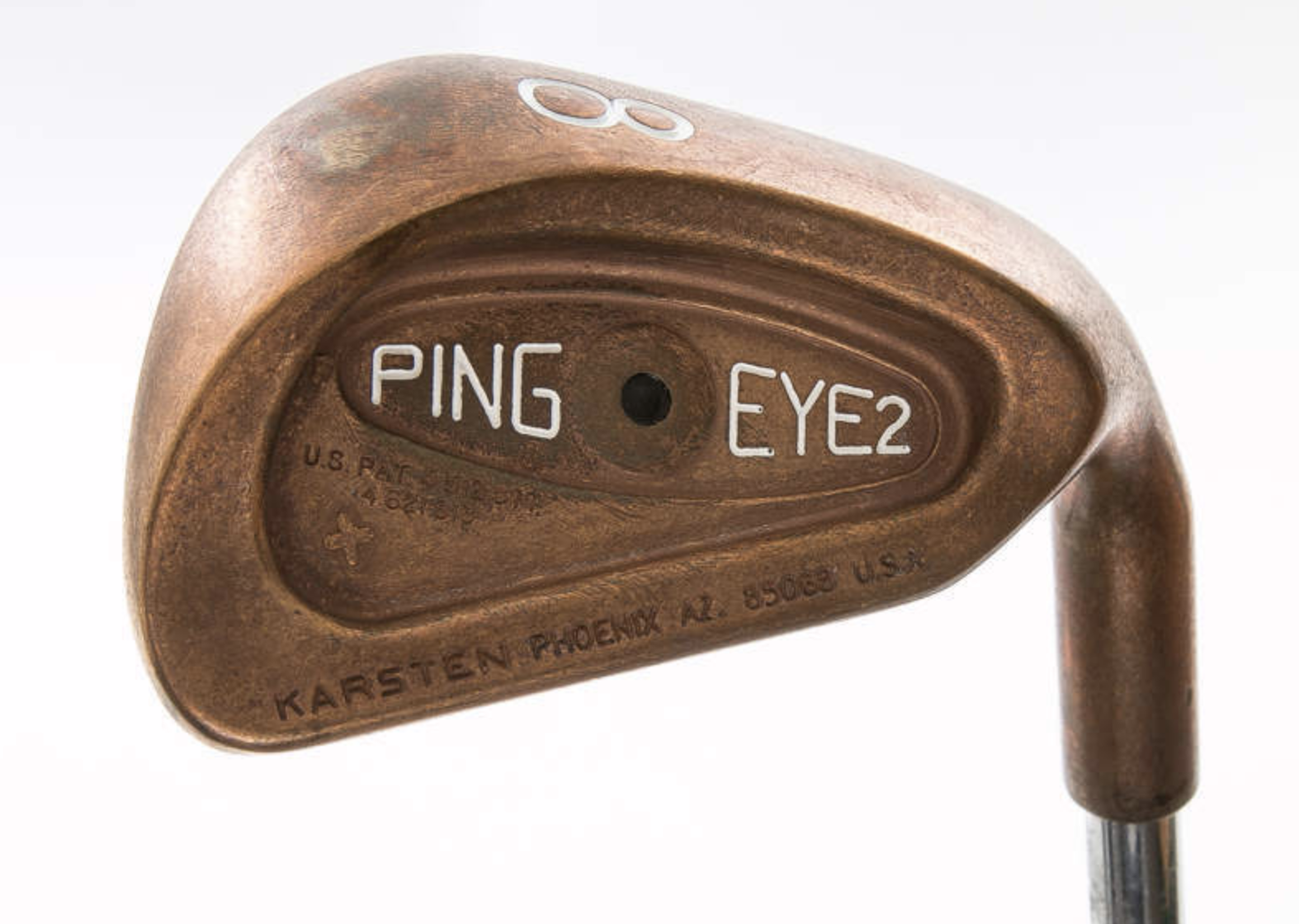
Once you get past the innovation in the 1920s to create matched sets of irons, numbered 1 through 10 or “P”, I think there are two major innovations that have improved the playability of irons for recreational golfers. The first is the introduction of offset to help the average golfer keep his or her ball flight from straying right. (But if you naturally draw the ball, this is NOT your feature.) The second would be the introduction of perimeter weighting, which made the lower lofted irons so much easier for less skilled golfers to get airborne. Again, just about everything since then has been tweaking, rather than re-inventing.
Putters
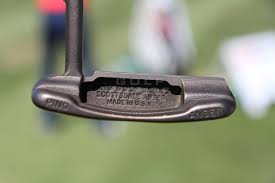
This is probably the most design-intensive and diverse in the entire equipment industry. Thousands of designs and looks in the endless pursuit of that magic wand. The first most impactful innovation has to be the Ping Anser putter, which has been copied by nearly every company that has even thought about being in the putter business. Moving the shaft toward the center of the head, at the same time, green speeds were increasing and technique was moving toward a more arms-and-shoulders method, which changed the face of putting forever. I actually cannot think of another innovation of that scale in the category, but lie angle balancing might prove me wrong, as it is certainly the “real deal.”
Wedges
Very simply, there hasn’t been much revolution in this category. The “wedges” on the racks today are almost identical to those in my collection dating back to a hickory shafted Hillerich and Bradsby LoSkore model from the late 1930s, to a Spalding Dynamiter from the 50s, Wilson DynaPower from the 70s and so on. The closest thing would be the proliferation of specialized grinds and the advances in CNC-milling that allow almost perfect grooves.
Shafts
Hands down, the most powerful innovation is the creation of the carbon fiber (graphite) shaft. After fruitless ventures into aluminum and fiberglass, this direction has improved the performance of golf clubs across the board. You haven’t seen a steel-shafted driver in a decade or more, and irons are rapidly being converted. Personally, I can’t see ever playing a steel shaft again in any club – even my putter! Behind that, I’d have to say the concepts of frequency-matching and “spining” shafts made it possible to achieve near perfection in building golf clubs for any golfer.
Wild Card

This has to go to the invention of the hybrid. After decades of trying to find a way to make clubs with 18-24 degrees of loft play easier, the application of every possible perimeter-weighted iron concept and smaller fairway wood head concept has finally been figured out by Sonartec and Adams. As a result, every golf club brand has now adopted this concept. Golfers of all skill levels are benefiting, as this is just a better way to get optimum performance out of clubs of that loft and length.
So, there’s my review of a lifetime of golf club engineering. What can you all add to this? What do you think I missed? I hope to see lots of conversation on this one.




At GolfWRX, we are a community of like-minded individuals who all experience and express our enjoyment of the game in many ways.
It’s that sense of community that drives day-to-day interactions in the forums on topics that range from best driver to what marker you use to mark your ball. It even allows us to share another thing we all love – buying and selling equipment.
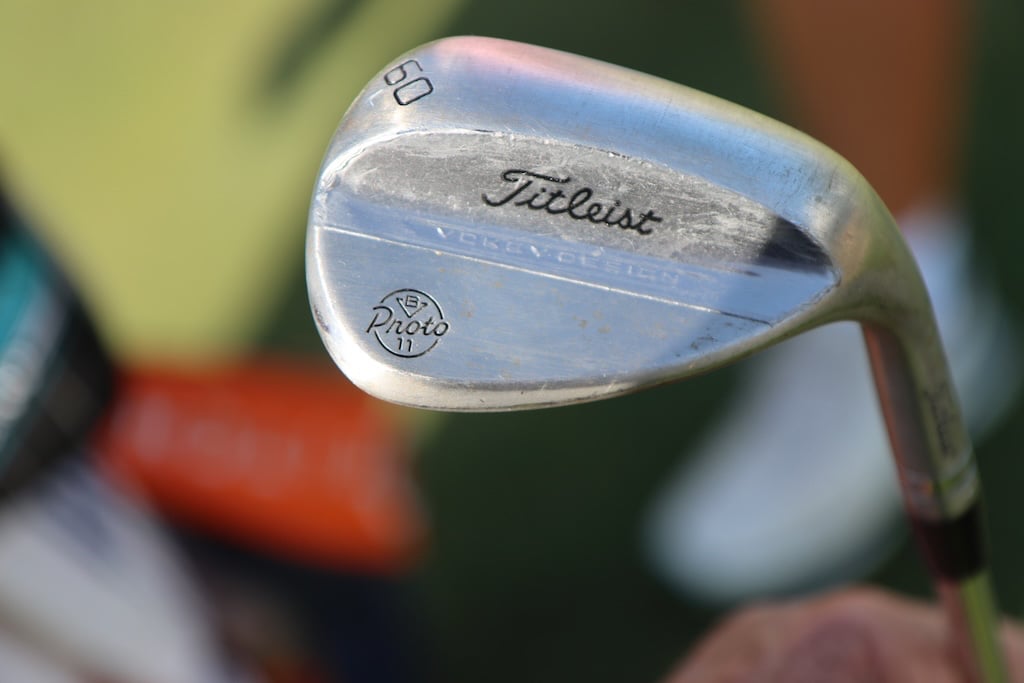
Currently, in our GolfWRX buy/sell/trade (BST) forum, @Putt4Dough is selling some prototype wedges from Vokey Wedgeworks. These include a 54 degree wedge with the M grind and a 60 degree wedge with a T grind.
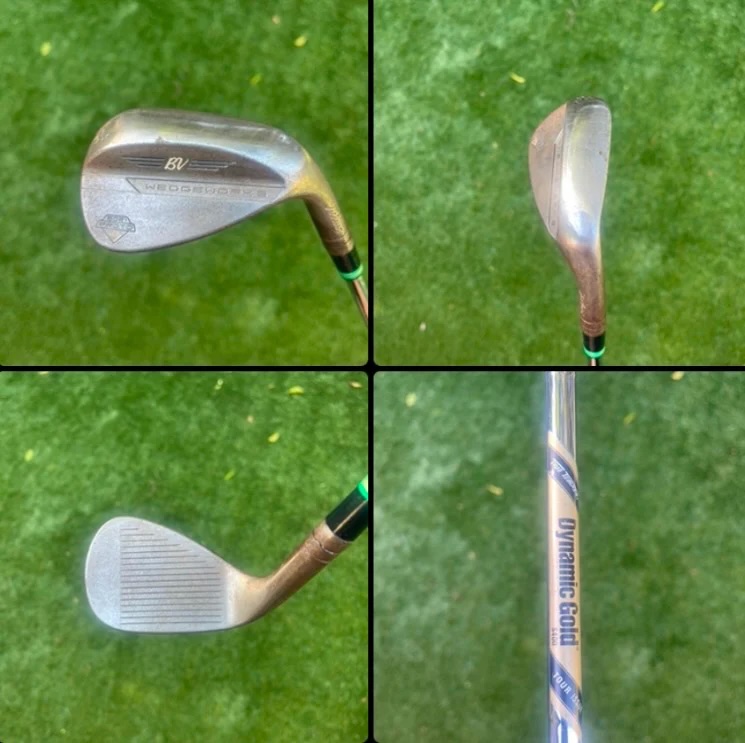
From the listing:
(1) Titleist Vokey Proto Wedge 54M with a Tour Issue DGS400 shaft and Golf Pride Tour Velvet (logo down). Standard length, lie, and loft. BB&F ferrule. Raw wedge in good condition. No initials. Price is $200 shipped. Buy both wedges for $380 shipped.
(2) Titleist Vokey Proto Wedge 60T with a KBS Tour 130X shaft and Golf Pride Tour Velvet. Standard length, lie, and loft. Raw wedge in good condition. No initials. Price is $200 shipped. Buy both wedges for $380 shipped.
To check out the full listing in our BST forum, head through the link. If you are curious about the rules to participate in the BST Forum, you can learn more here: GolfWRX BST Rules.
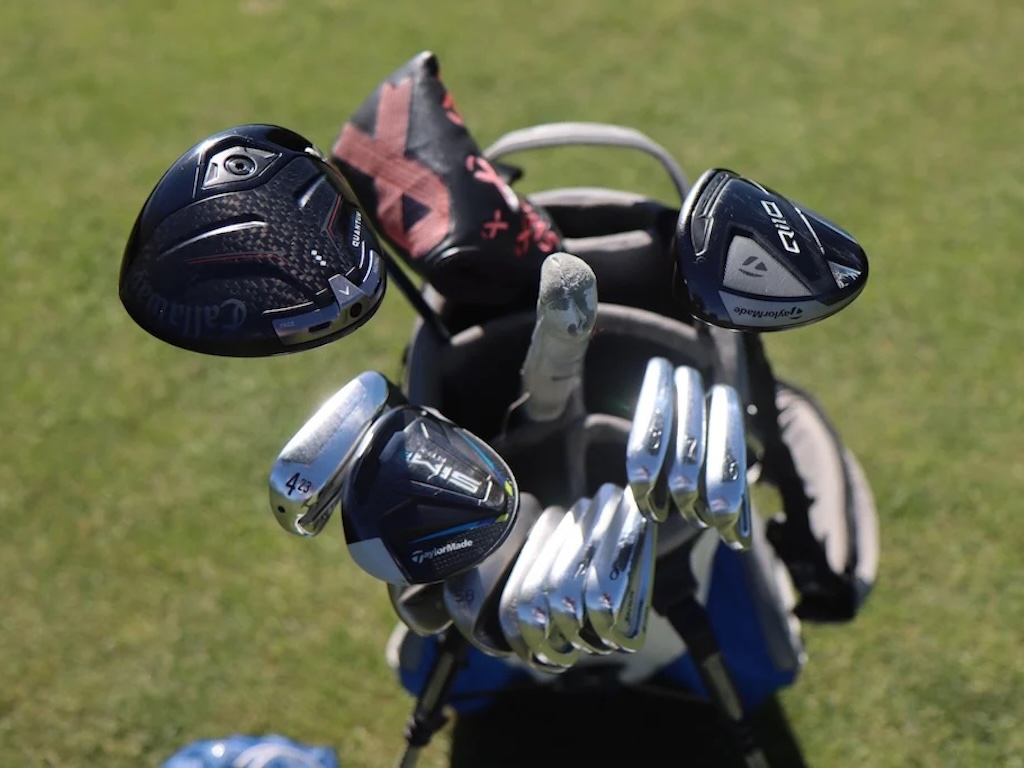
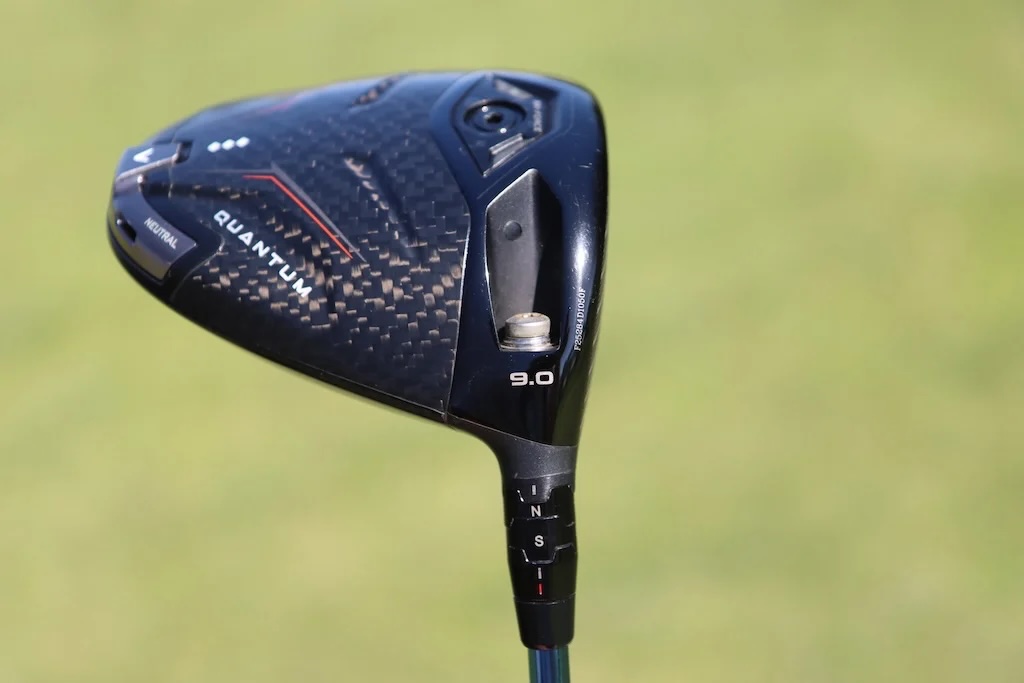
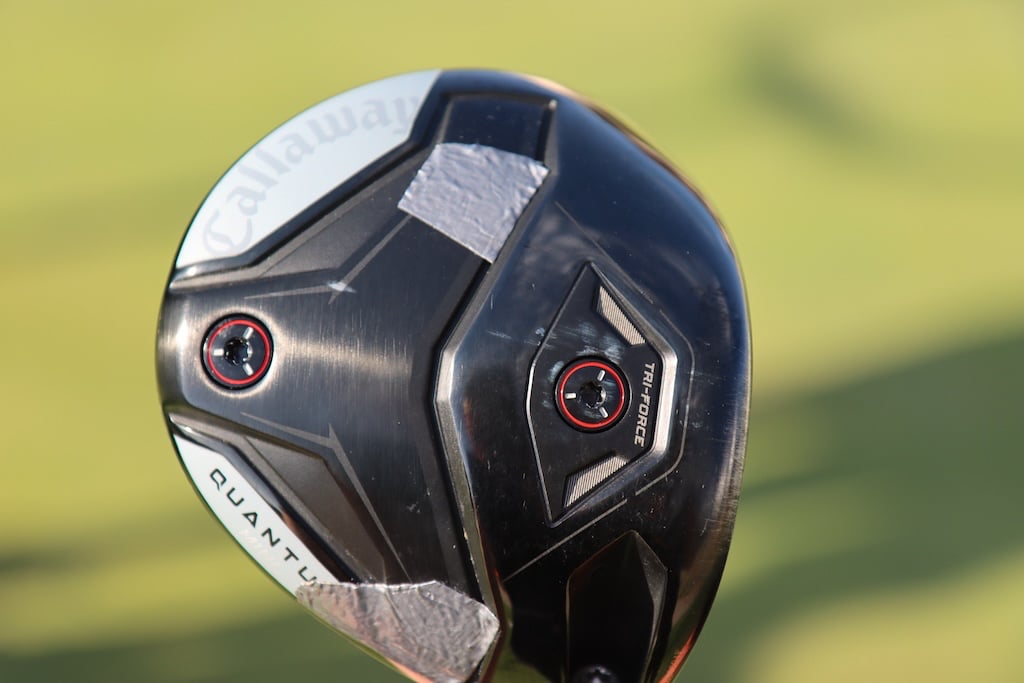
Driver: Callaway Quantum Triple Diamond (9 degrees)
Shaft: Project X HZRDUS Smoke Blue RDX 60 TX
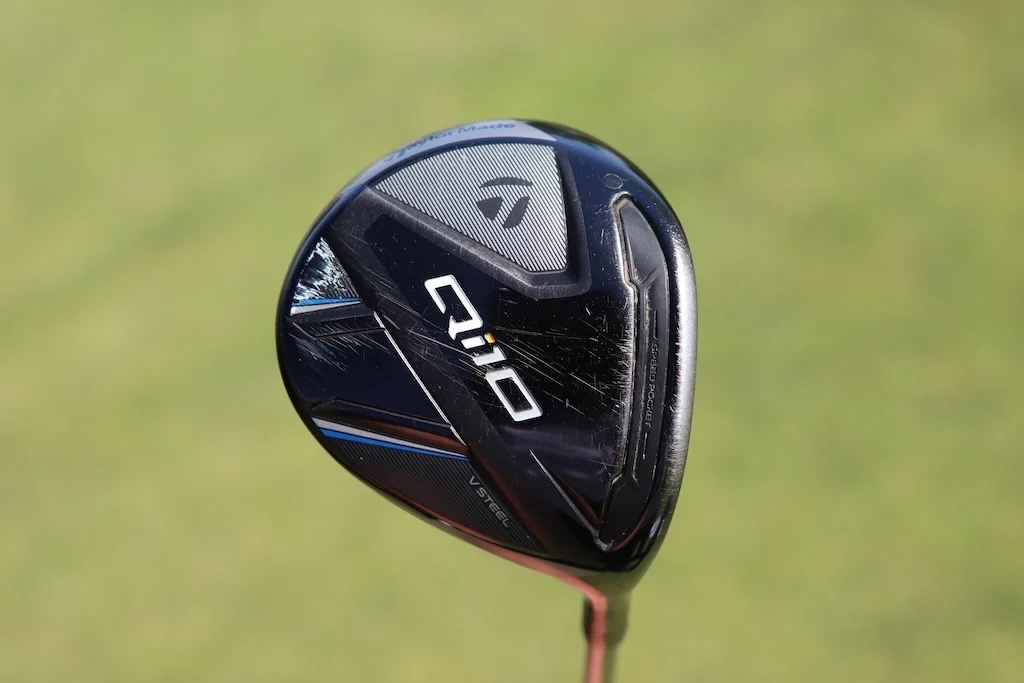
3-wood: TaylorMade Qi10 (15 degrees)
Shaft: Project X HZRDUS T1100 70 6.5
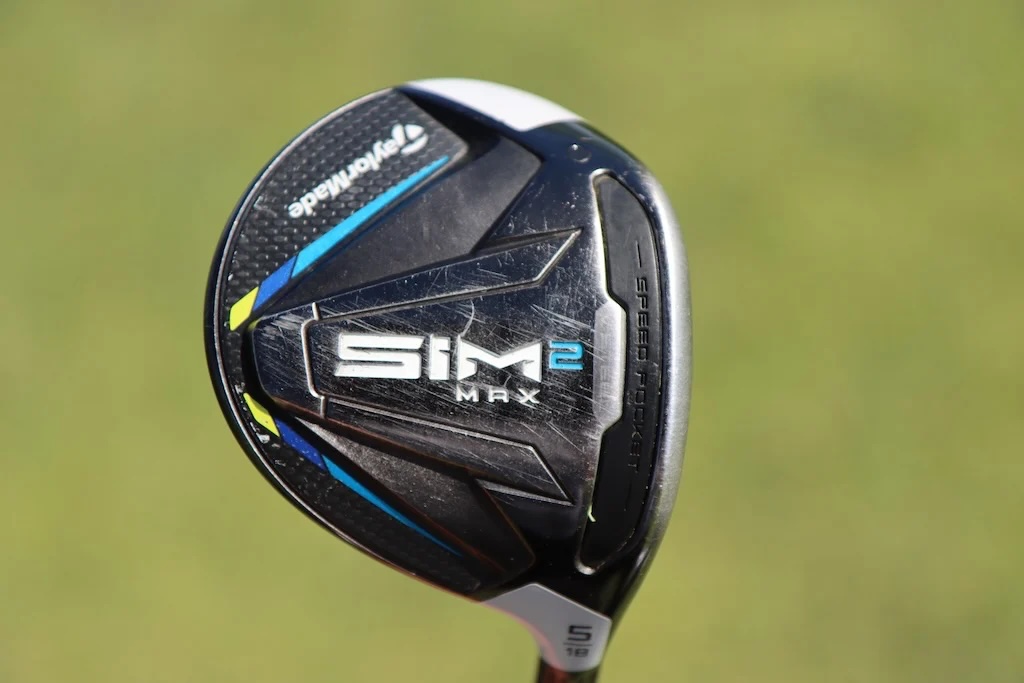
5-wood: TaylorMade SIM2 Max (18 degrees)
Shaft: Project X HZRDUS Smoke Black RDX 80 TX
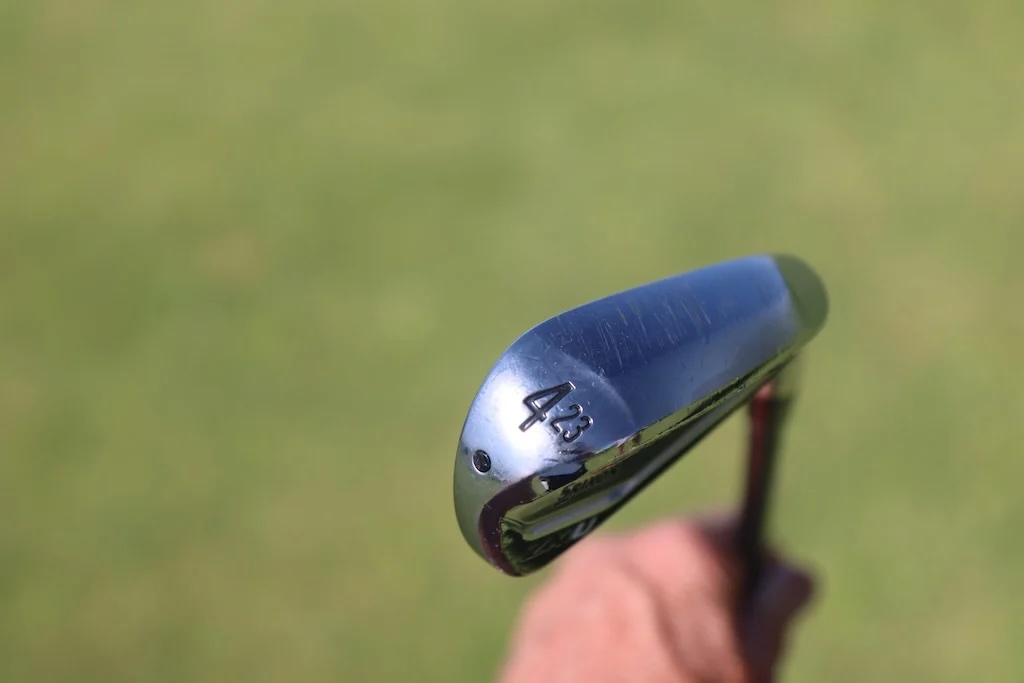
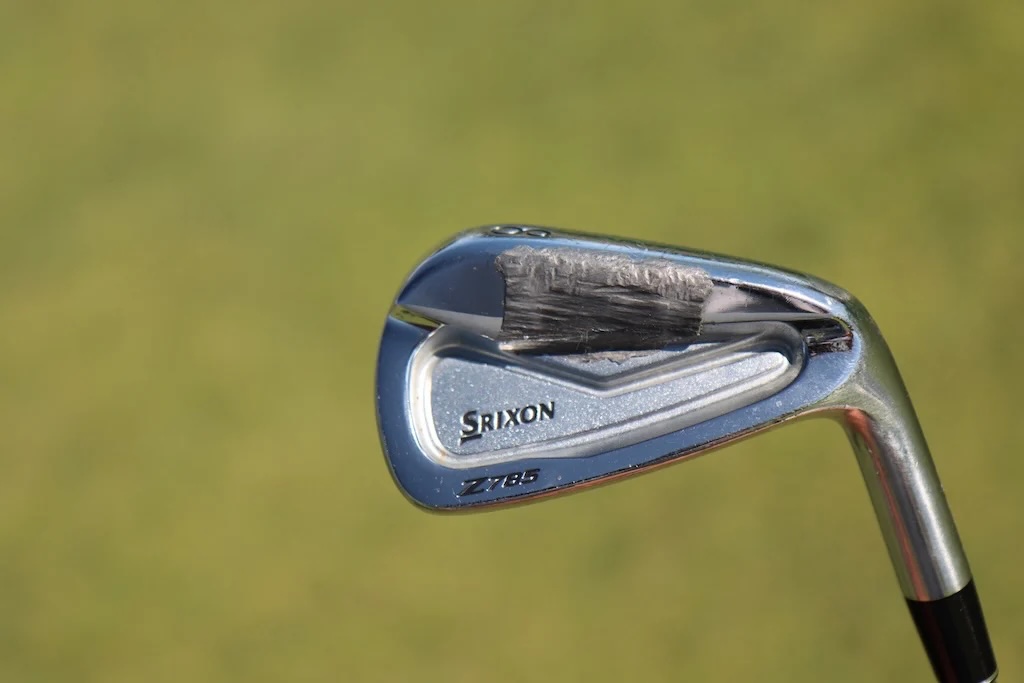
Irons: Srixon ZXiU (23 degrees), Srixon Z785 MB (5-PW)
Shafts: Project X HZRDUS Smoke Black RDX 100 6.5 (4), KBS Tour 130 X
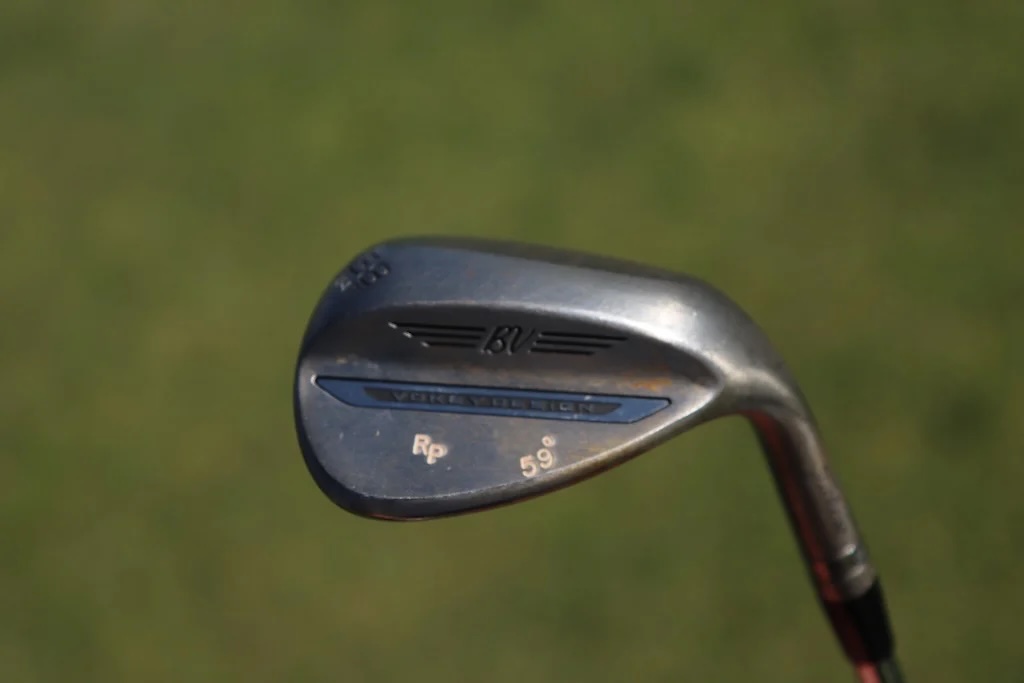
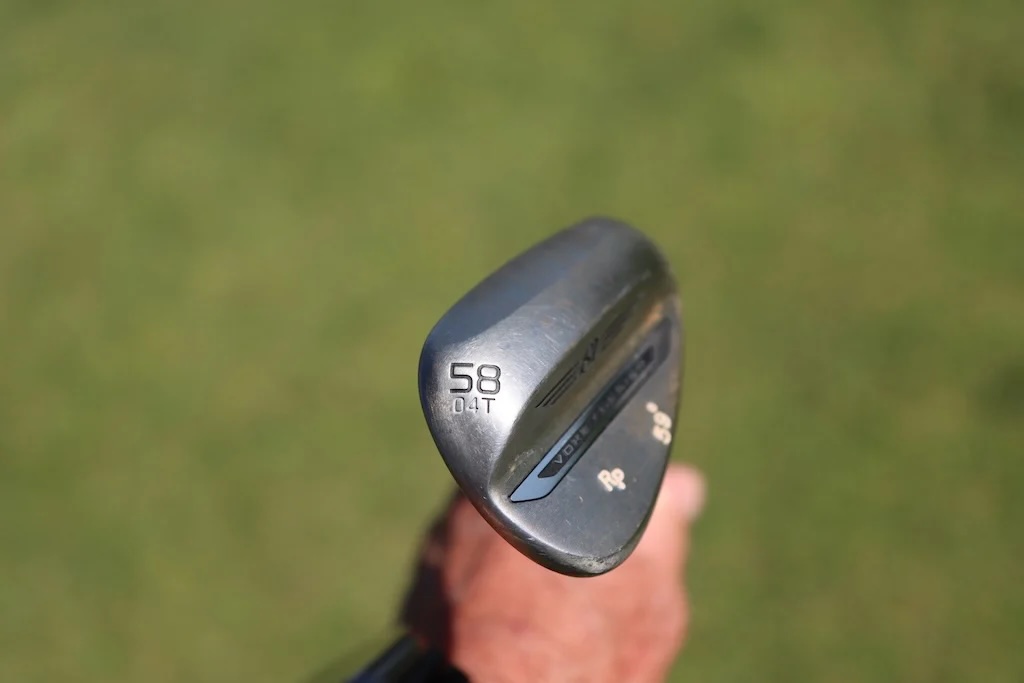
Wedges: Titleist Vokey Design SM11 (50-08F, 54-10S, 58-04T @59)
Shafts: KBS Tour 130 X
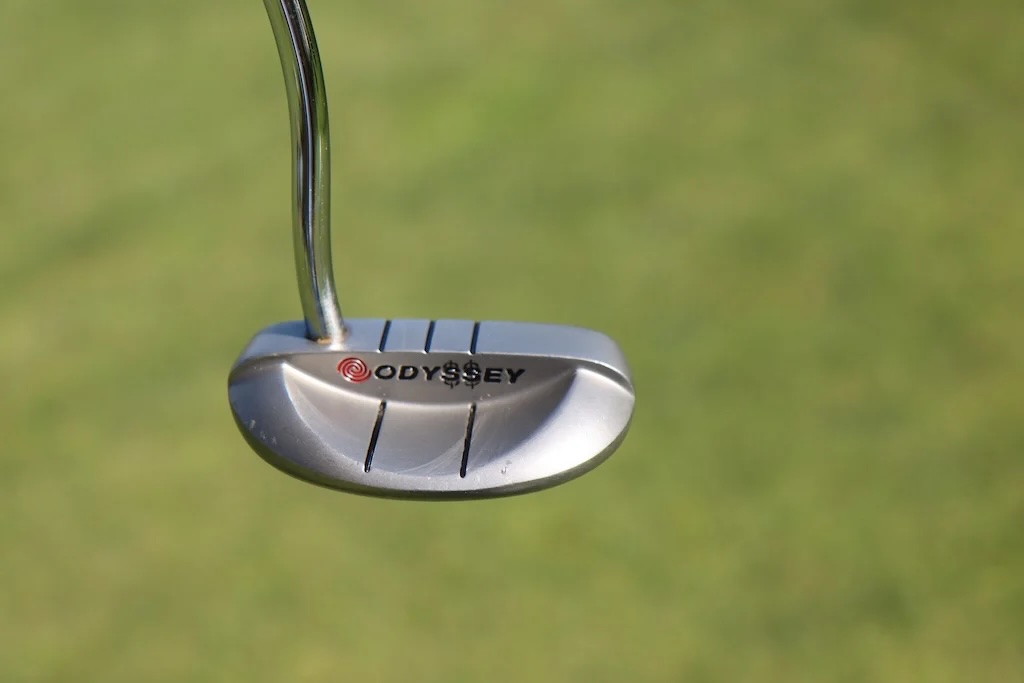
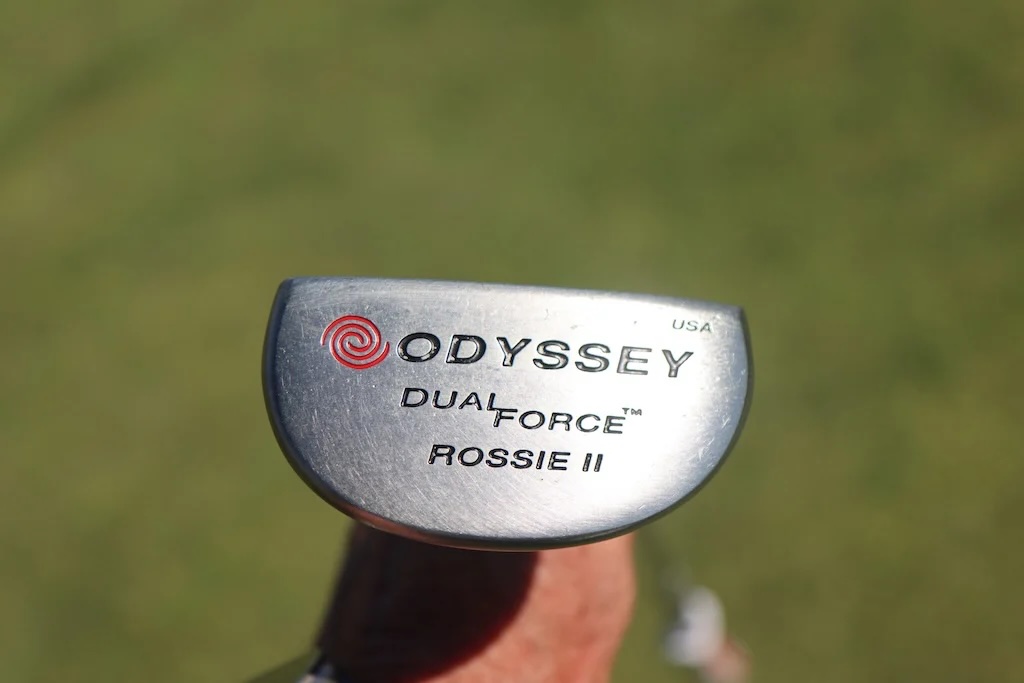
Putter: Odyssey Dual Force Rossie II
Ball: Titleist Pro V1x
Grips: Golf Pride Tour Velvet


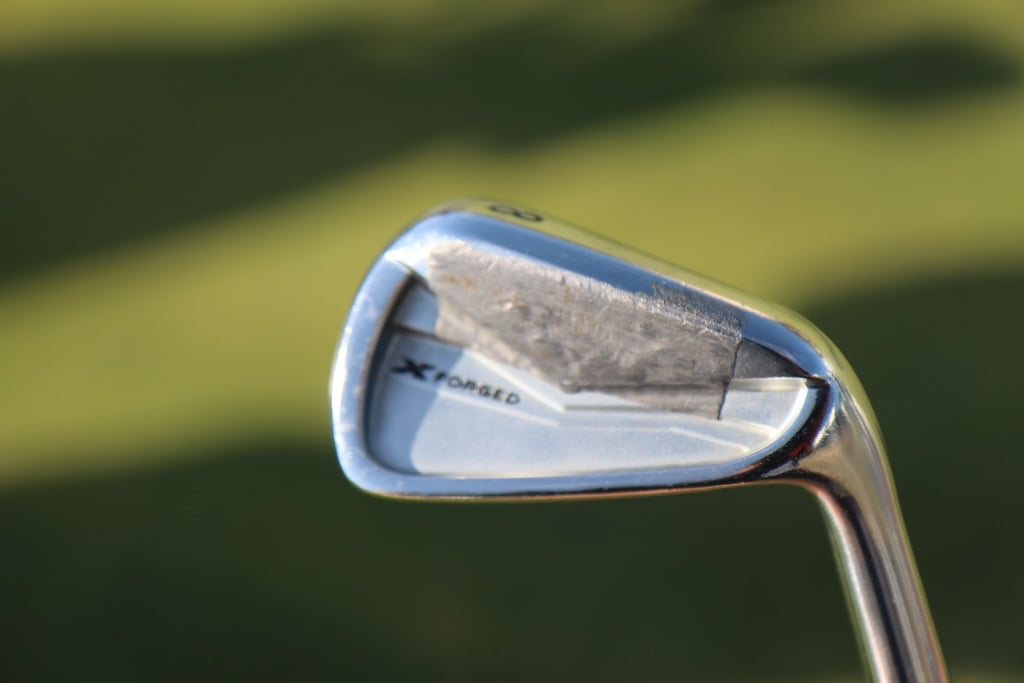
This week, we have our Tour Photographer, Greg Moore, on the ground at the OccuNet Classic at Tascosa Golf Club in Amarillo, Texas, for the 14th event of the 2026 Korn Ferry Tour season. With that, we see some great things in the Lead Tape Report as we roll into Amarillo.
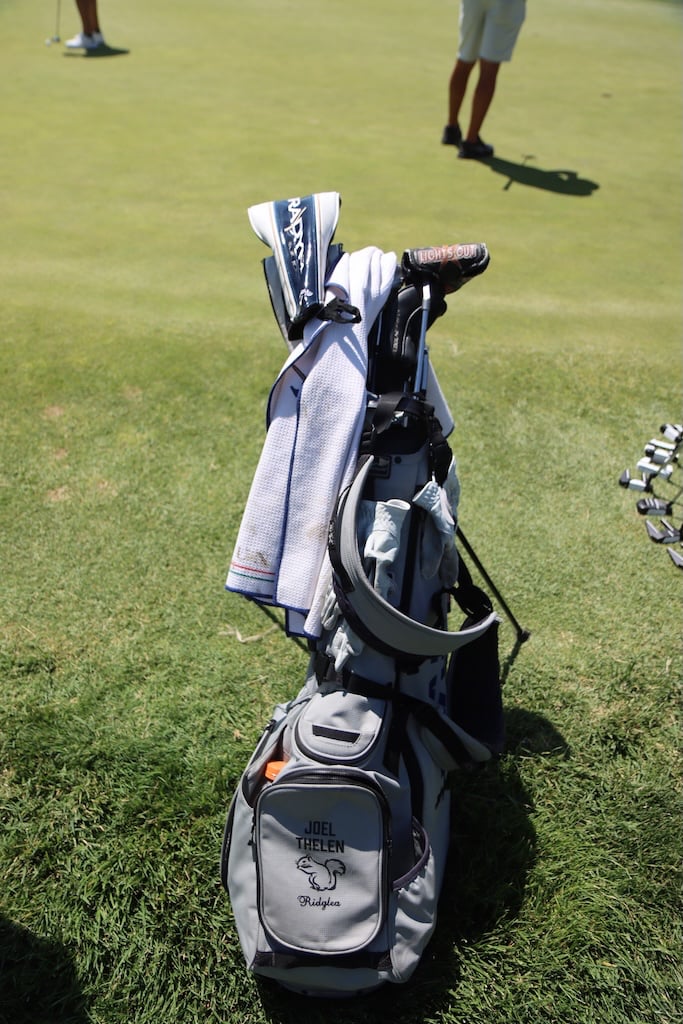
Joel Thelen
Monday Qualifier, Joel Thelen is in the field this week. He has played on the Korn Ferry Tour for a full season in 2023, and he is back in action this week. A couple of clubs caught my eye this week in his bag.
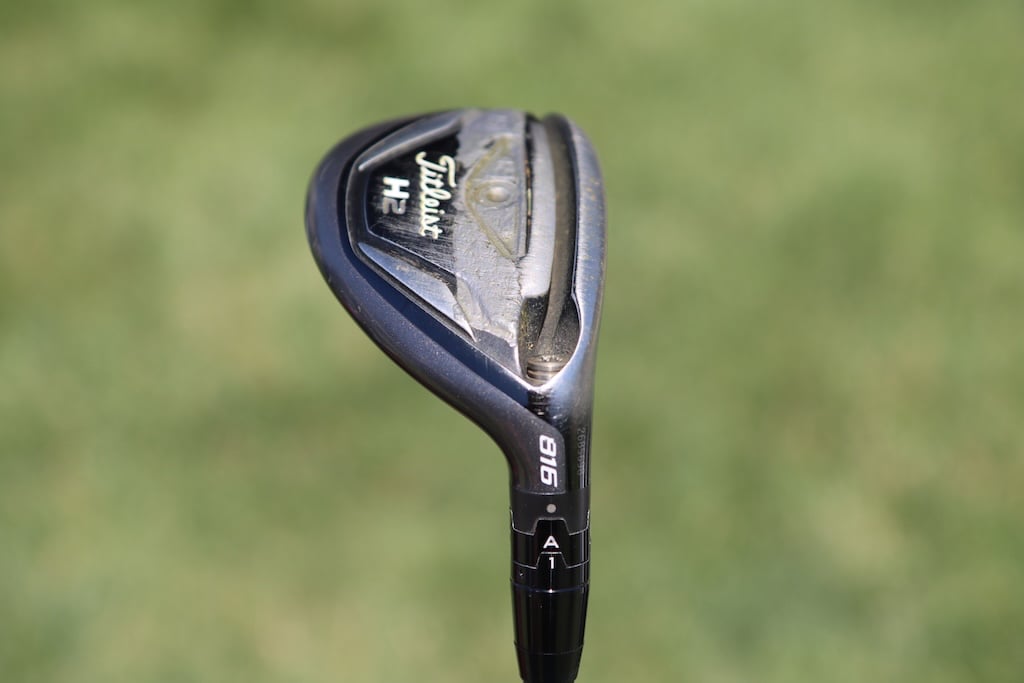
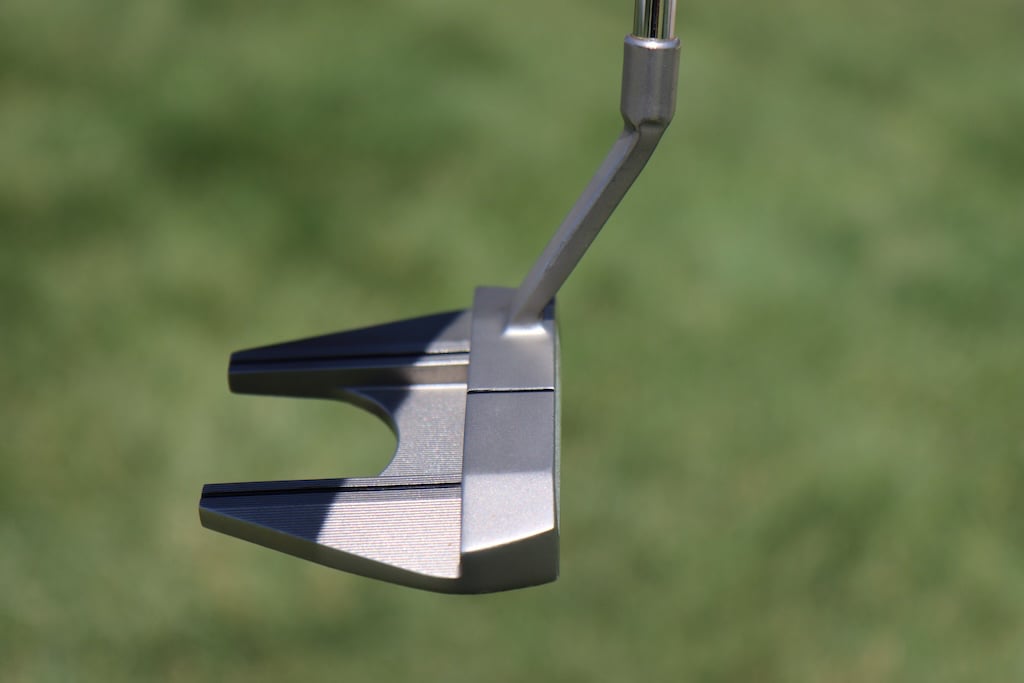
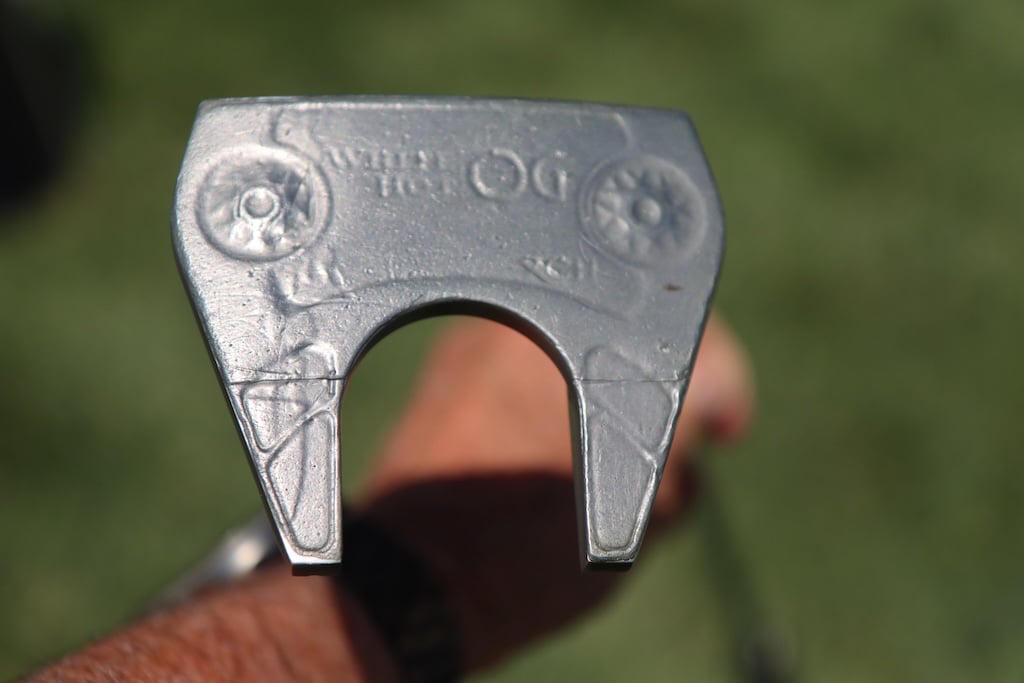
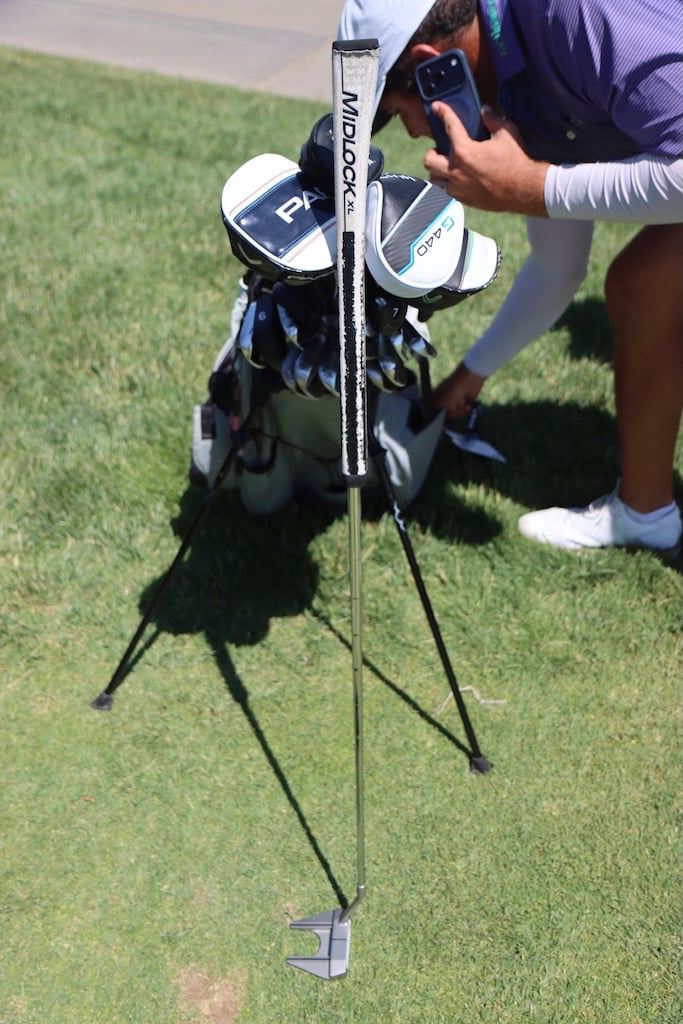
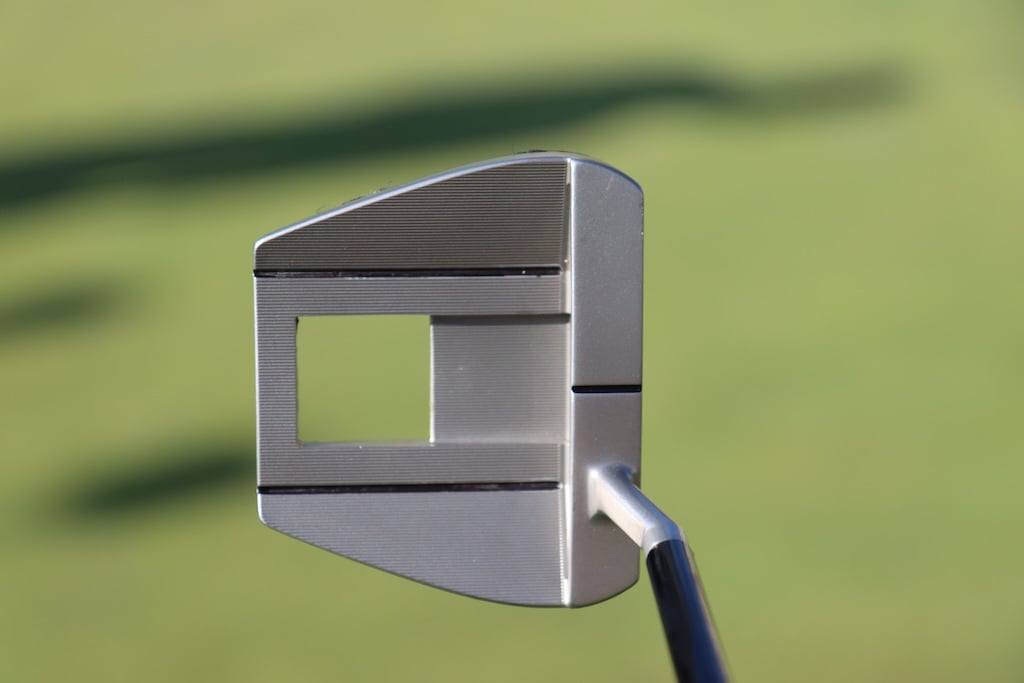
First off: His trusted Titleist 816 H2 hybrid. This club came out in October of 2015, and it still remains strong in the bag. Also, take a look at this Odyssey White Hot OG 7, putting a capital S in the 7S model. This custom neck has some impressive lean for an arm-lock-style putter. The bottom of the putter is covered in tape for optimal weighting.
Mitchell Meissner
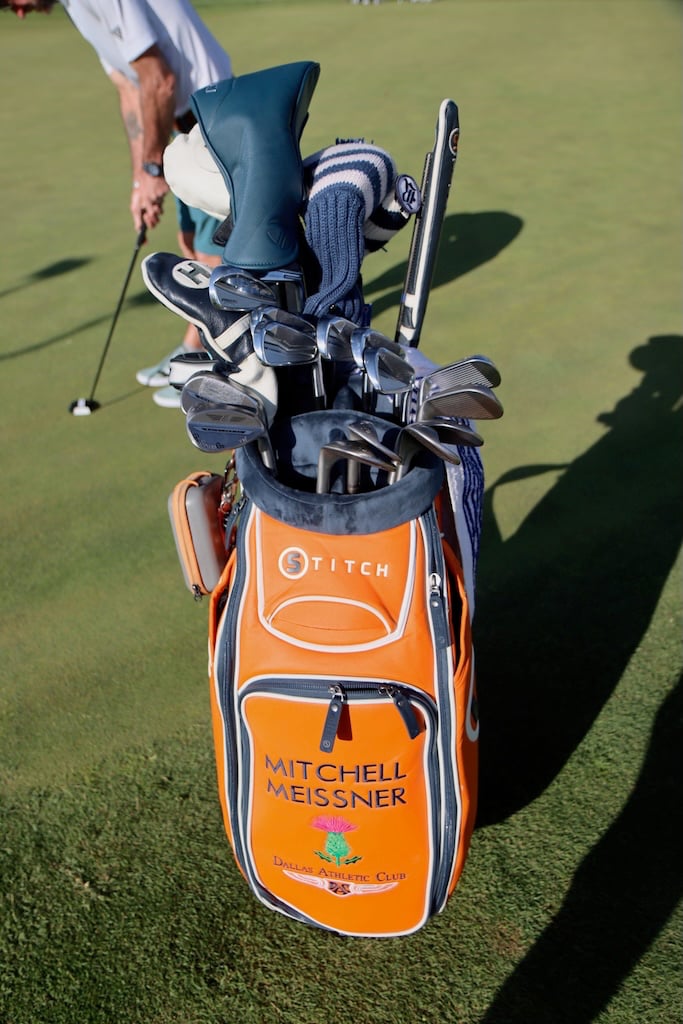
Taking a look at Mitchell Meissner’s bag this week, we have some great lead tape coverage. Top to bottom working from fairway metals, irons, and wedges. We can see on the short irons and wedges that there is tape at the base of the grip, adding a little counterbalance. Along with that, some tape on the short irons and wedges as well. Moving to his putter, he rolls the Odyssey 7 Bird putter. Meissner putts left-handed and strikes the ball right-handed.



Justin Rose WITB 2026 (April): Full WITB breakdown with new McLaren irons

What’s the story behind Webb Simpson’s custom-stamped irons?

Memorial Tournament Tour Report: Rory McIlroy, Cameron Young switch up drivers, and more

Cadillac Championship Tour Report: Spieth’s sizable changes, McLaren Golf launches, and more

Russell Henley’s winning WITB: 2026 Charles Schwab Challenge

Kristoffer Reitan’s winning WITB: 2026 Truist Championship

Best irons 2026: Best irons overall, most forgiving irons, and more

J.T. Poston’s winning WITB: 2026 Memorial Tournament

Aaron Rai’s winning WITB: 2026 PGA Championship

Cameron Young’s winning WITB: 2026 Cadillac Championship


Ryan Palmer WITB 2026 (June)
Driver: Callaway Quantum Triple Diamond (9 degrees) Shaft: Project X HZRDUS Smoke Blue RDX 60 TX 3-wood: TaylorMade Qi10 (15 degrees) Shaft:...


Bud Cauley WITB 2026 (June)
Bud Cauley had >14 clubs in his bag when photographed prior to the Memorial Tournament. Driver: Titleist GTS2 (8 degrees) Shaft: Fujikura...


Hannah Green WITB 2026 (June)
Driver: Titleist GTS3 (10 degrees, D4 SureFit setting) Shaft: Mitsubishi Chemical Diamana RB 53 S 3-wood: Titleist GT3 (15 degrees,...


Asterisk Talley WITB 2026 (June)
Driver: TaylorMade Qi4D (9 degrees) Shaft: Fujikura Ventus Blue 6 S 3-wood: TaylorMade Qi4D (16.5 degrees) Shaft: Fujikura Ventus Blue...
-
 Equipment6 days ago
Memorial Tournament Tour Report: Rory McIlroy, Cameron Young switch up drivers, and more
-
 News2 weeks ago
Russell Henley’s winning WITB: 2026 Charles Schwab Challenge
-
 Equipment3 days ago
Best irons 2026: Best irons overall, most forgiving irons, and more
-
 Whats in the Bag4 days ago
J.T. Poston’s winning WITB: 2026 Memorial Tournament
-
 Equipment1 week ago
Details on Jason Day’s latest prototype Avoda iron setup
-
 Equipment3 weeks ago
CJ Cup Byron Nelson Tour Report: Koepka and Kim’s newest putters finally get hot
-

 News2 weeks ago
Charles Schwab Challenge Tour Report: MacIntyre, Åberg and Spaun all switch putters, TaylorMade launches new Spider
-
 Equipment2 weeks ago
Details on J.J. Spaun’s surprise putter switch


Prime21
Sep 21, 2025 at 12:19 am
I think referring to the hybrid as a “Wild Card” is a total understatement. I would certainly say hands down it was one of the most important “revolutions” of the technology era. Higher, straighter & more forgiving than its counterpart, the long iron, it certainly revolutionized the top of the golf bag. If one was forced to carry a 3 iron over a 3 hybrid, their stats would definitively suffer the consequences. The 2000’s changed the way we look at the 190-240 yard barrier.
Richard
Sep 9, 2025 at 2:40 am
Wedges:
Sand Wedge by Sarazen, duh.
Lob Wedge (largely) by Tom Kite.
MIKE Gorton
Sep 8, 2025 at 7:27 pm
I would also say the Yonex Adx Driver would be up there. It was the 1st over sized head and 45″ was the standard length. In fact the Big Burtha was copied from this but instead of a graphite head it was a metal head.
Michael C Sims
Sep 8, 2025 at 11:04 am
Karsten was so ahead of his time. The Anser alone changed the game but couple that with eye2 irons and don’t forget his hoofer bags. Oh, made Scotty Cameron rich too.
geo
Sep 7, 2025 at 8:38 pm
The Nunchuk graphite shaft (Trizonal: stiff, counter balanced butt, flexible mid section and very stiff tip) utilized different wrapping techniques to achieve the exact amount of flex in the exact position of the shaft required.
Although heavier(dead weight) in the hands than many other graphite shafts; one shaft flex has been used successfully by youth, women and men, both am and pros.
Many shafts since patent expired, utilize the same techniques to customize stiffness and to counter balance.
Congratulations to the original patent holder, Gerry Hogan, author of
The Hogan Manual of Human Performance: GOLF, 1991.
Scott
Sep 7, 2025 at 12:54 pm
I’d say the two ball putter is pretty revolutionary in that it introduced a totally different way to line up the putter, and spurred the introduction or the mallet.
The sand wedge as invented by sarazen was truly revolutionary
Craig Gardner
Sep 6, 2025 at 7:06 pm
Ping Eyr 2 L wedge changed the game:)
mg
Sep 6, 2025 at 6:49 am
2004 – Todd Hamilton and sonartec. I bought 3 of those and loved them.
Brent
Sep 5, 2025 at 3:46 pm
Wedges did have some innovation with grinds and degrees of bounce, that’s something you wouldn’t see 20 years ago.