
Equipment
GolfWRX Deep Dive: The new Bridgestone Tour B golf ball

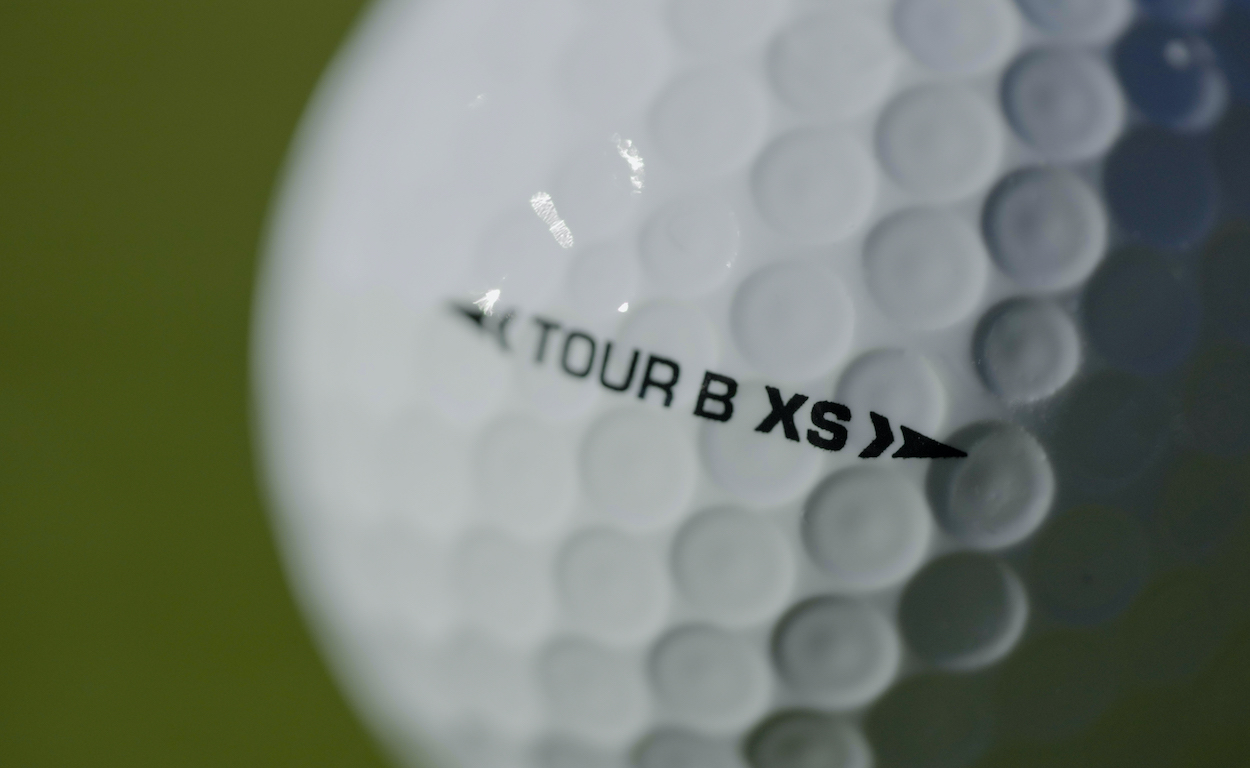
Bridgestone released the latest iteration of its Tour B golf ball in late January. While its autonomous ball fitting robot (OTTO) grabbed quite a few headlines at launch, we’ve seen consistent chatter about the Tour B lineup in the GolfWRX forums, and Jason Day signed on to play the company’s Tour B X.
Endeavoring to go beyond the standard launch release talking points (read all of those in our launch piece here), we wanted to dive deep on the Tour B lineup to answer the questions in GolfWRXers’ minds and get more nuanced information on the development of the Tour B — and, of course, Tiger Woods’ role in its development.
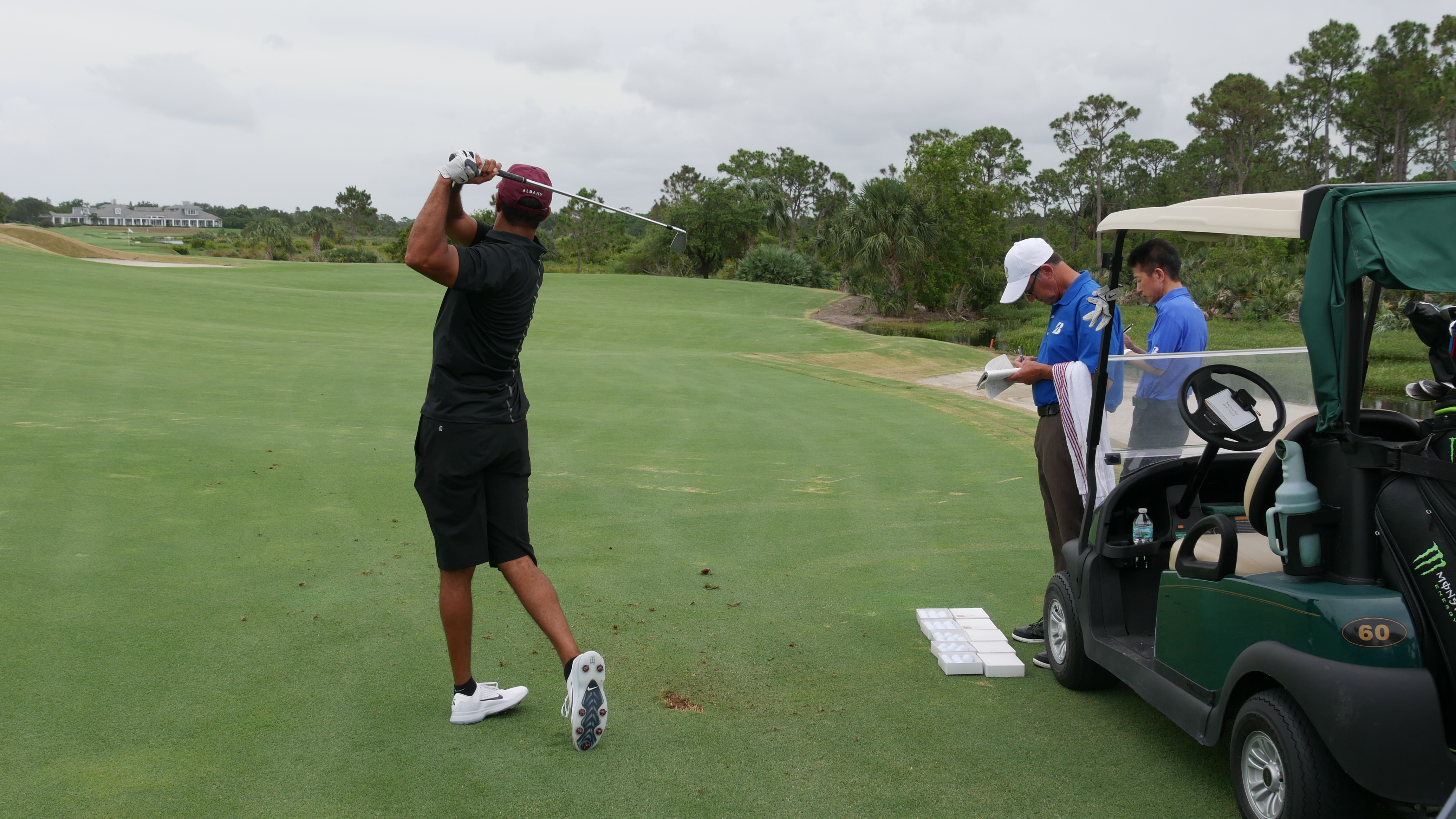
Tiger Woods testing Bridgestone Tour B prototypes. (c/o Bridgestone)
Fortunately, Bridgestone’s Golf Ball Marketing Manager, Elliot Mellow, was willing to answer all our questions. Check out our conversation below.
GolfWRX: Four Tour B golf balls. Can you succinctly break down the Tour B lineup?
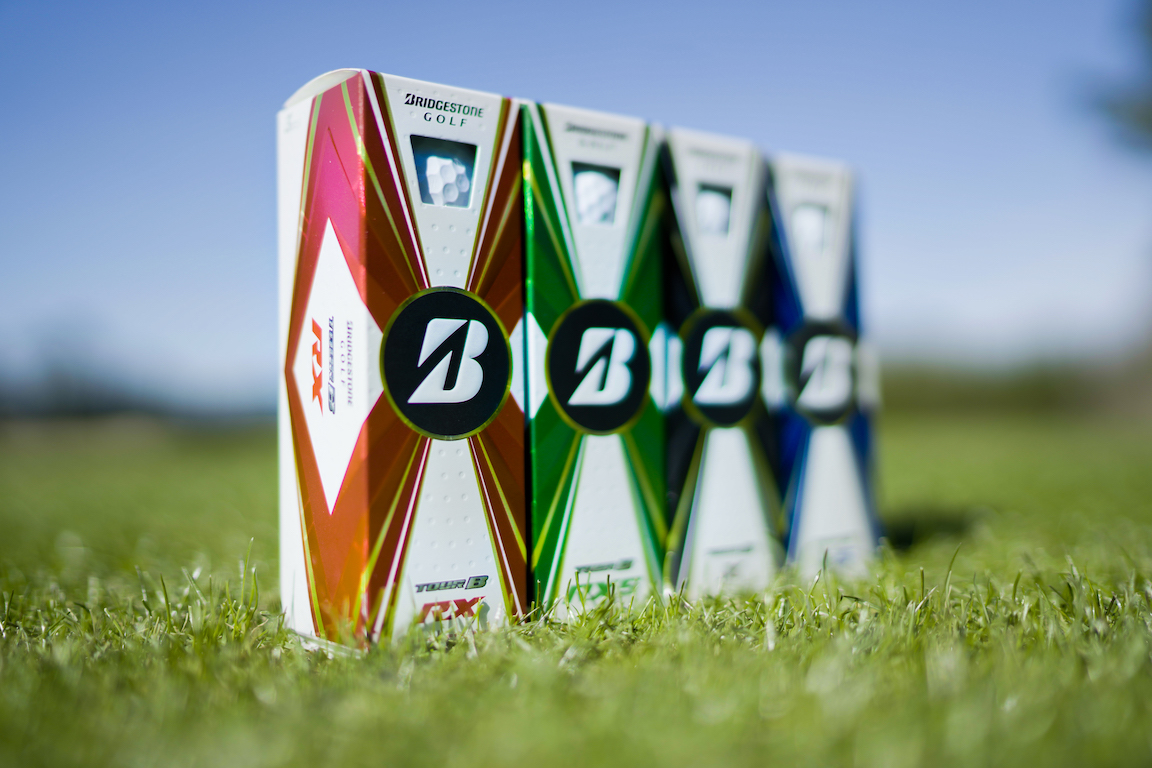
Elliot Mellow: Ball fitting is at the heart of what we do at Bridgestone, with that in mind each of the four Tour B golf balls are designed for a specific player profile. For the faster swingers, over 105 mph driver swing speed, we have the Tour B X, which is a distance oriented golf ball, and we have the Tour B XS which is designed for added short game control. Looking at players that swing under 105 mph, we have the RX for distance and the RXS for more spin with irons and wedges.
GolfWRX: Let’s dig a bit deeper. What’s the simplest way to explain and understand the Reactiv IQ cover?
EM: We are part of Bridgestone tire and rubber, which is the largest producer of consumer rubber products in the world. The golf ball is made out of rubber, and we are always looking for ways to push the envelope from a design standpoint and we have a great network on engineers that we bounce ideas off of.
We are a few years in now on our study of contact science. Contact science is all about optimizing the moment of impact for the unique needs of each shot. In the past it was difficult to decouple the relationship of distance and spin, for example, you could make a long golf ball but at the detriment of short game control or vice versa.
What we have done with Reactiv iQ is we have added impact modifiers to the cover that allow us to create a cover formulation that is optimized for each of the four Tour B models. The impact modifiers allow the cover to firm up and become faster when struck violently with a driver. On the flip side of that, on a softer impact with an iron or a wedge, the ball has more dwell time, or as Tiger says: “more face time,” so the loft and groves of the club can impart more spin and control.
GolfWRX: What was the testing and development like?
EM: Yes, that’s a good question, and honestly the answer might surprise you in terms of the amount of time it takes. Take for example the 330 Dual Dimple pattern that is on Tiger’s Tour B XS, that dimple took about 8 years of R&D alone to design; perfect the drag coefficient and the lift and trajectory. There was a lot that went into that dimple design between computer modeling, robot testing, and player testing.
You look at the Reactiv iQ cover, for example, and really the design process started back in the summer of 2016. In the early phases, we make prototype balls in the sample lab and robot test them under a wide range of conditions. As the prototypes reach a phase where we feel they are potentially viable, we start to introduce player testing. Player testing can include our pro players but also includes amateur golfers who we invite to our testing facility in Covington, Georgia.
At any given time we are testing and developing technologies that you might see in the market in just a few months and others are more long term projects that might be up to 10 years out. Innovation is in our blood, so we are constantly striving to improve.
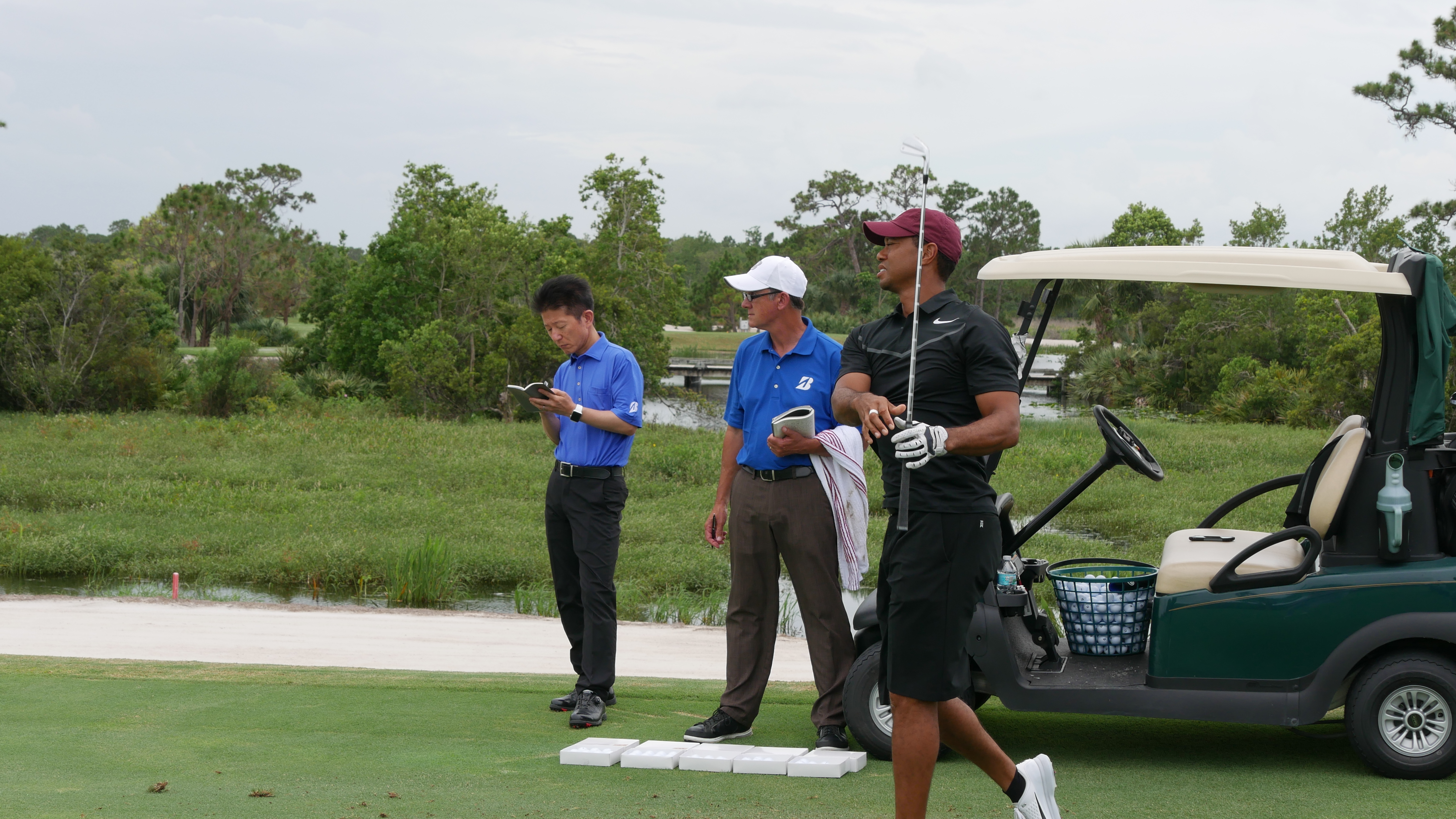
GolfWRX: We have to ask: What is the process of working with Tiger Woods like? His ball testing and the insights he offers engineers have to be unique…
EM: As you might imagine, Tiger is meticulous when it comes to testing, but at the same time it’s something I think he enjoys. The same way players work on their swing and fitness, they also work on their equipment, and obviously Tiger wants to have a hand in helping to design that equipment.
Having said that, we really enjoy testing with Tiger because the level of feedback he provides to us is above and beyond what we are able to capture with our robots and launch monitors. The other thing we like about testing with Tiger is his feedback ultimately goes into designing many of our balls even though he only plays the Tour B XS. What I mean by that is he might hit a shot that launches outside of his window or has a different spin rate than he prefers, but he is still proving us feedback that we ultimately can apply to other prototypes to improve balls like the RXS and RX.
At the end of the day, in our experience working with Tiger, he wants a ball that is long, in his window when he looks up, and gives him great control around the green.
GolfWRX: Pivoting to something more technical — and a question I know GolfWRXers have — How does the spin separation between driver and wedge work?
EM: Spin separation is an area that we have really been focusing on and the Reactiv iQ material really lets us take it to the next level. Spin separation is the design concept of designing a ball that has low driver spin and is efficient off the tee while on the other hand offers higher spin around the green for more control.
With traditional dimples it can be difficult to decouple this relationship and have success off the tee and around the green. Sure, things like the mantle layer that have tangential force to counteract driver spin can help with spin separation, but the design flexibility of the Reactiv iQ material is really next level. Think about a football helmet as an example, when you put the helmet on the padding is soft and squishy, then when you take a hit the padding firms up and pushes back against the force that is hitting you. With Reactiv iQ, essentially this same phenomenon is happening; around the green the material is soft and super high spin, yet when hit violently with a driver it becomes fast and efficient for maximum distance.
GolfWRX: Can you drill down on the spin difference between Tour B X and XS, specifically?
EM: So, the Tour B XS is the ball that Tiger helped us design and it is super high spin around the greens. Tiger grew up playing spinny golf balls and knows how to manage the spin and how to dial back as needed. The Tour B X on the other hand has a slightly firmer cover formulation, designed for lower spin on all shots — but don’t get me wrong the X still has plenty of short game control and it is our number one model played on Tour.
GolfWRX: One final note here — and something that often gets overlooked in the golf ball space — you’re big believers in ball fitting. Can you provide any cautionary tales about playing the wrong ball?
EM: Playing the best ball for your game is crucial to success on the golf course. Every golf ball on the market is designed with unique performance characteristics that can work to your advantage and also work against you if used improperly. Take for example someone who is directionally challenged — someone who slices the ball. If that player is using a high spin pro ball that is designed to be worked off the tee, that ball can actually end up accentuating their slice and making the ball fly even more off line. I’m not saying it’s a bad ball, it maybe just isn’t one that is suited for a player that tends to have high side spin.
What we find time and again is that most amateur players can benefit from a lower compression ball such as our RX or RXS. The lower compression balls are easier to compress, which should lead to higher ball velocity, higher launch, and lower spin off the tee; all of which should help create longer and straighter drives. I tell people all the time, if you have more energy going straight down the fairway and less energy going right into the trees, it’s ultimately going to produce longer drives.
GolfWRX: How should the average player determine the best golf ball for them?
EM: This is a question we get frequently and I am glad folks are interested enough to be asking about it. When you break down your bag and really think about it, the golf ball is the once piece of equipment that you use on every shot, so making sure you’re playing one that fits you is important. To date, we have over 2.5 million amateur swings in our database and are the No. 1 ball fitter in golf. So, what we have done is we have taken all of that swing data and designed a tool on bridgestonegolf.com that allows golfers to easily find their fit. There are two ways to do it actually. The easiest way is to answer a series of questions about your game and ball flight, and on the back end our tool is cross referencing the database to determine which ball fits you. For golfers that are a little bit more into the data and maybe fresh off a recent driver fitting, we have another option to get fit by inputting your launch monitor numbers. Both options for fitting are great ways to quickly and easily find your fit.


Equipment
Then and now: Comparing Rory McIlroy’s current setup to his record-breaking 2019 Canadian Open victory

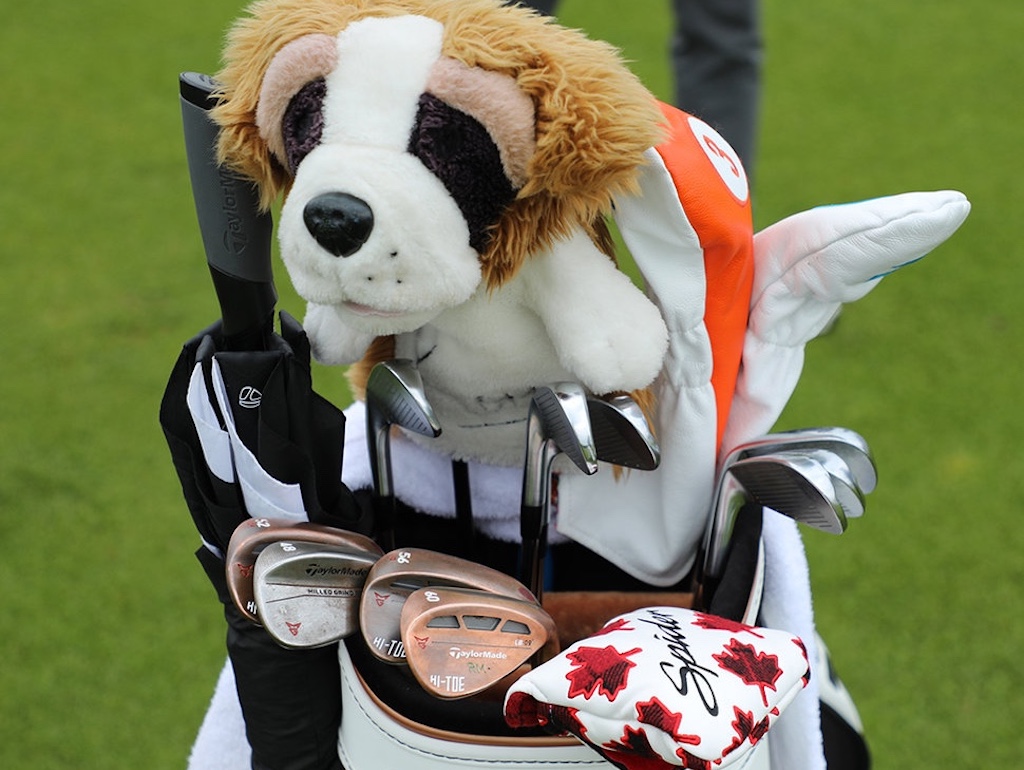
In Rory McIlroy’s first appearance at the 2019 RBC Canadian Open, he crushed the record books to earn his 16th PGA Tour title in dominating fashion, winning by seven shots over Shane Lowry and Webb Simpson.
McIlroy’s score of 22-under-par 258 is the lowest 72-hole score to date at the Canadian Open, and his closing 61 is also the best final-round score in the history of one of golf’s oldest tournaments. Finally, with his win in 2019, McIlroy became only the sixth player to win the career Triple Crown, adding to his victories at the U.S. Open in 2011 and The Open Championship in 2014, joining Tommy Armour, Walter Hagen, Arnold Palmer, Lee Trevino and Tiger Woods in a coveted list.
So, with that, why not compare his current setup to the clubs he used to break all the records?
Driver
2019: TaylorMade M5 (9 degrees), Shaft: Mitsubishi Tensei CK Pro White 70 TX
2026: TaylorMade Qi4D (9 degrees @8), Shaft: Fujikura Ventus Black 7X (45 5/8 inches)
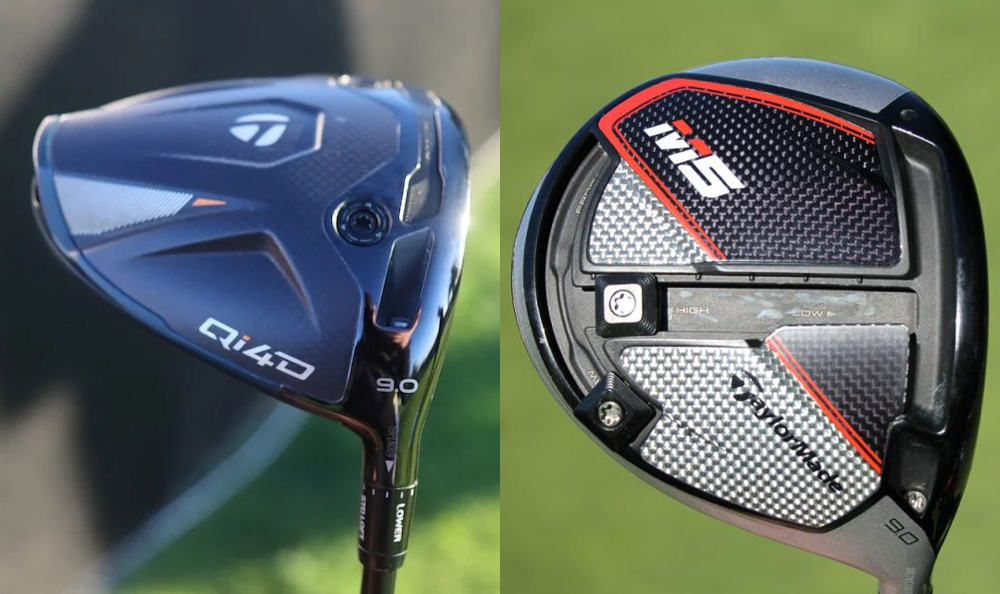
McIroy led the Tour in Strokes Gained: Off-the-Tee in 2019; he’s doing the same in 2026. Between now and then, McIlroy has switched from the Mitsubishi Tensei CK Pro White 70 TX (a shaft with slightly more feeling in the tip) to the original Fujikura Ventus Black 7X, having just made the change to the heavier version from playing the 60X.
What’s interesting about McIlroy’s 2019 setup is that the weighting on his driver is actually set in the high-draw setting, using the T-Track weighting system, whereas in the Qi4D, he’s currently using a heavily rear-weighted setup. (Two 13-gram weights in the rear and only two 4-gram front weights.)
The TaylorMade M5 driver he played in during his Canadian Open win was the company’s first head that they claimed to design to initially exceed the USGA’s COR limit, and then injected with tuning resin to bring it back in bounds.
Fairway woods
2019: TaylorMade M6 3-wood (15 degrees), Shaft: Mitsubishi Tensei CK Pro White 80 TX; TaylorMade M5 5-wood (19 degrees), Shaft: Mitsubishi Tensei CK Pro White 90 TX
2026: TaylorMade Qi4D 3-wood (15 degrees), Shaft: Fujikura Ventus Black 8X; TaylorMade Qi4D 5-wood (18 degrees), Shaft: Fujikura Ventus Black 9X

The TaylorMade M6 fairway wood that McIlroy was using during the 2019 season is still in the bag of some of the best golfers on Tour in 2026. Just check out Justin Rose’s winning setup from the Farmers Insurance Open earlier this year. This year, though, McIlroy has still been searching for his top-end-of-the-bag setup, having played both the new Qi4D and the Qi10, which he won the Masters with.

The same shaft swap can be seen in the fairway woods as the driver, along with slightly less loft on the 5-wood.
Irons
2019: TaylorMade P750 (4) Buy here, TaylorMade P730 (5-9), Shafts: Project X 7.0
2026: TaylorMade P760 (4), TaylorMade Rors Proto (5-9), Shafts: Project X 7.0

The biggest difference between McIlroy’s custom set and the stock P730s is the groove design. While the P730s were constructed with 14 MX-9 grooves on their milled faces, McIlroy’s proto heads instead use the higher-spinning, 16-groove layout of the TW2 grooves. Other big differences between the sets are that McIlroy’s 7- and 8-irons have thinner toplines, are 1 degree stronger in loft, and are 1/4 inch longer than the original P730 builds.
With McIlroy’s 4-iron, the switch from P750 to P760 sees a transition to a two-piece construction with Speed Foam in it, which allows McIlroy to launch the ball slightly higher, with more workability.
Wedges
2019: TaylorMade Milled Grind (48-09SB), TaylorMade MG Hi-Toe (52-09SB, 56-09SB, 60-LB09), Shafts: Project X Rifle 6.5
2026: TaylorMade MG5 (46-09SB, 50-09SB, 54-11SB, 60-08LB @61), Shafts: Project X 6.5 (46-54), Project X 6.5 Wedge (60)

Between 2019 and 2026, McIlroy’s focus on his short game has been much more apparent. It was the reason why he switched back to the TP5 golf ball, to help with launch, spin and control with his wedges leading up to his career Grand Slam victory in 2025. The most apparent changes to McIlroy’s wedge setup are his lofts and bounce. He’s slowly delofted his pitching to a sand wedge, but has increased the loft on the lob wedge, bending his current 60-degree to 61. With that, adding more loft to his lob wedge also slightly increases the bounce and leading-edge sit point, so, as a result, he plays a lower-bounce lob wedge compared to 2019. The MG5 wedges are also softer than the first Milled Grind option from 2019. McIlroy also no longer plays the full-face grooves found on the Hi-Toe.
Putter
2019: TaylorMade Spider X
2026: TaylorMade Spider Tour X
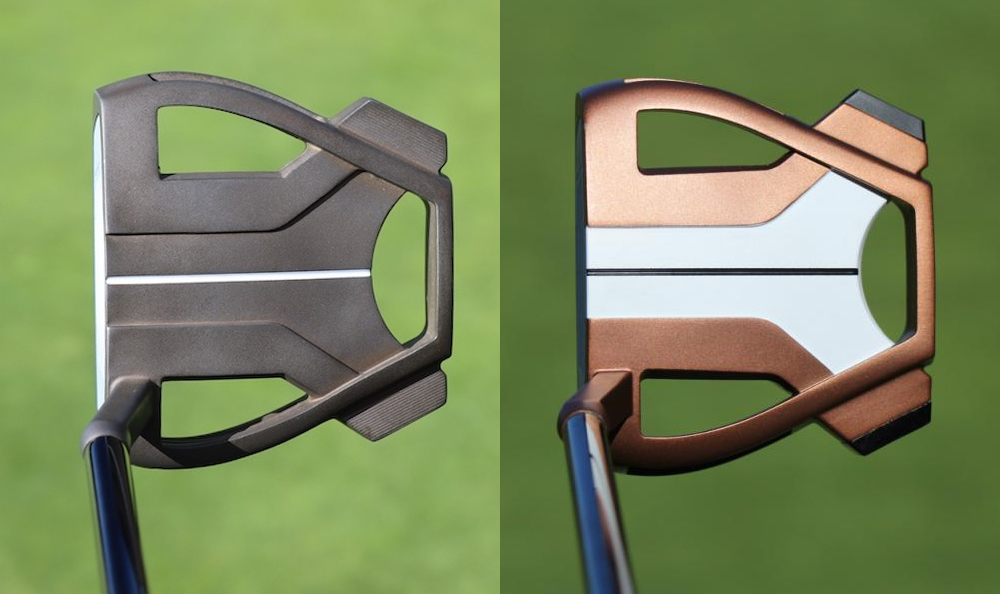
Notice anything similar. Yes, the copper finish on Rory McIlroy’s Spider X putter in 2019 is a slightly more reflective finish than the recently released torched PVD finish. McIlroy was using the True Path alignment system, but now uses only a single white sightline.
Ball
2019: 2019 TaylorMade TP5 (#22)
2026: 2025 TaylorMade TP5 (RORS)
As mentioned above, McIlroy had transitioned from the TP5 to TP5x golf ball since his victory in Canada in 2019, but now is black with the same style of golf ball as his victory at Hamilton Golf & Country Club.
Grips
2019: Golf Pride Tour Velvet Cord
2026: Golf Pride MCC
Interesting, McIlroy actually used Golf Pride’s Tour Velvet Cord grips during his victory in 2019 (it was during a 2+ year switch to the corded TV) as opposed to his usual MCC grips, which he has played for most of his career.


At GolfWRX, we are a community of like-minded individuals who all experience and express our enjoyment of the game in many ways.
It’s that sense of community that drives day-to-day interactions in the forums on topics that range from best driver to what marker you use to mark your ball. It even allows us to share another thing we all love – buying and selling equipment.
Currently, in our GolfWRX buy/sell/trade (BST) forum, @Putt4Dough is selling some prototype wedges from Vokey Wedgeworks. These include a 54 degree wedge with the M grind and a 60 degree wedge with a T grind.
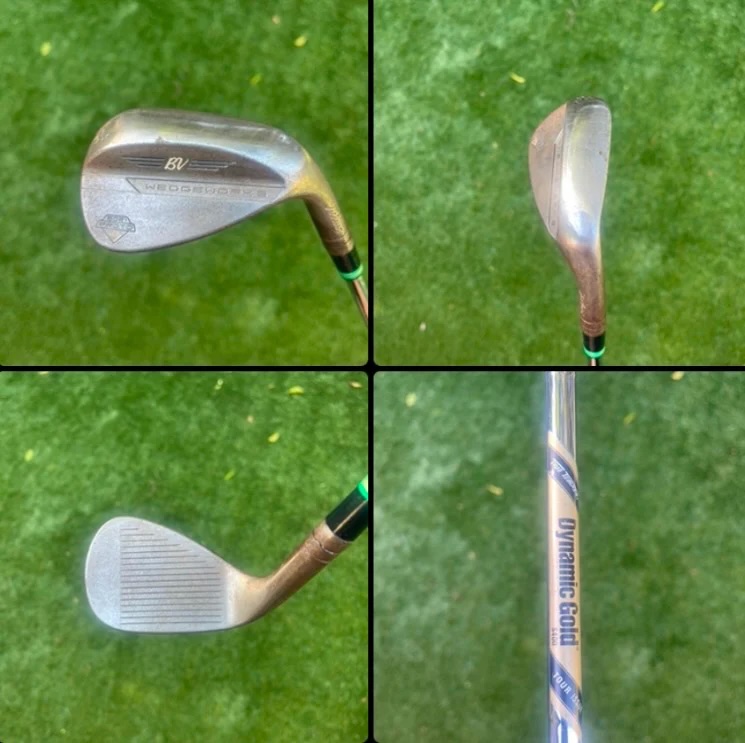
From the listing:
(1) Titleist Vokey Proto Wedge 54M with a Tour Issue DGS400 shaft and Golf Pride Tour Velvet (logo down). Standard length, lie, and loft. BB&F ferrule. Raw wedge in good condition. No initials. Price is $200 shipped. Buy both wedges for $380 shipped.
(2) Titleist Vokey Proto Wedge 60T with a KBS Tour 130X shaft and Golf Pride Tour Velvet. Standard length, lie, and loft. Raw wedge in good condition. No initials. Price is $200 shipped. Buy both wedges for $380 shipped.
To check out the full listing in our BST forum, head through the link. If you are curious about the rules to participate in the BST Forum, you can learn more here: GolfWRX BST Rules.
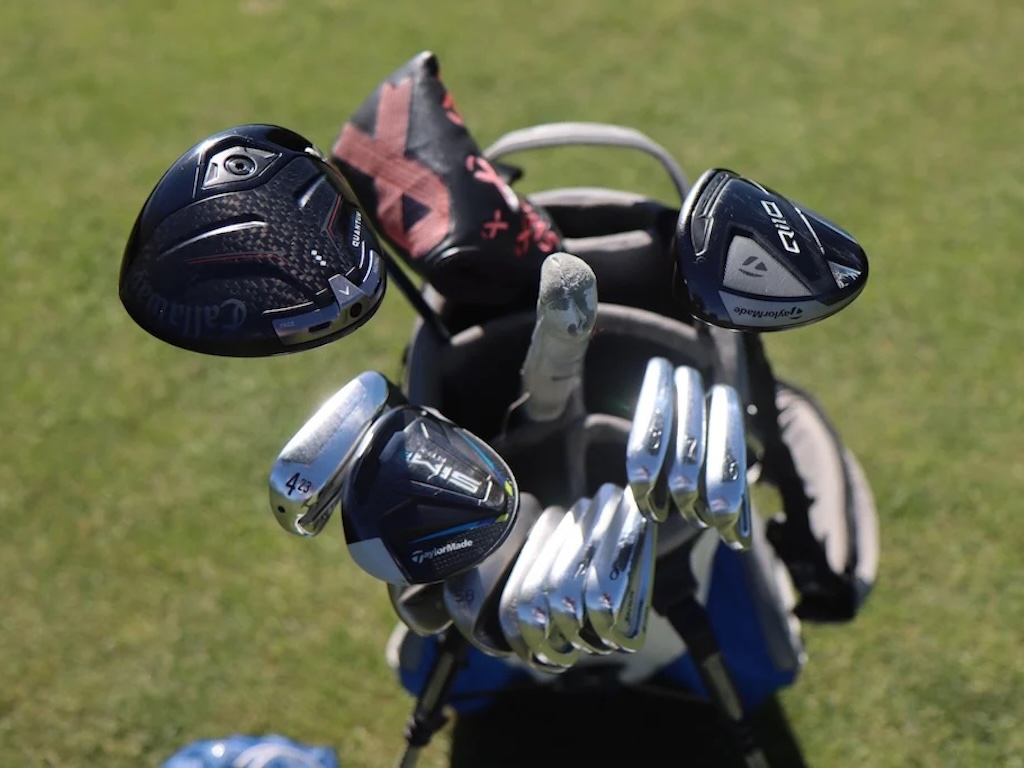
Driver: Callaway Quantum Triple Diamond (9 degrees)
Shaft: Project X HZRDUS Smoke Blue RDX 60 TX
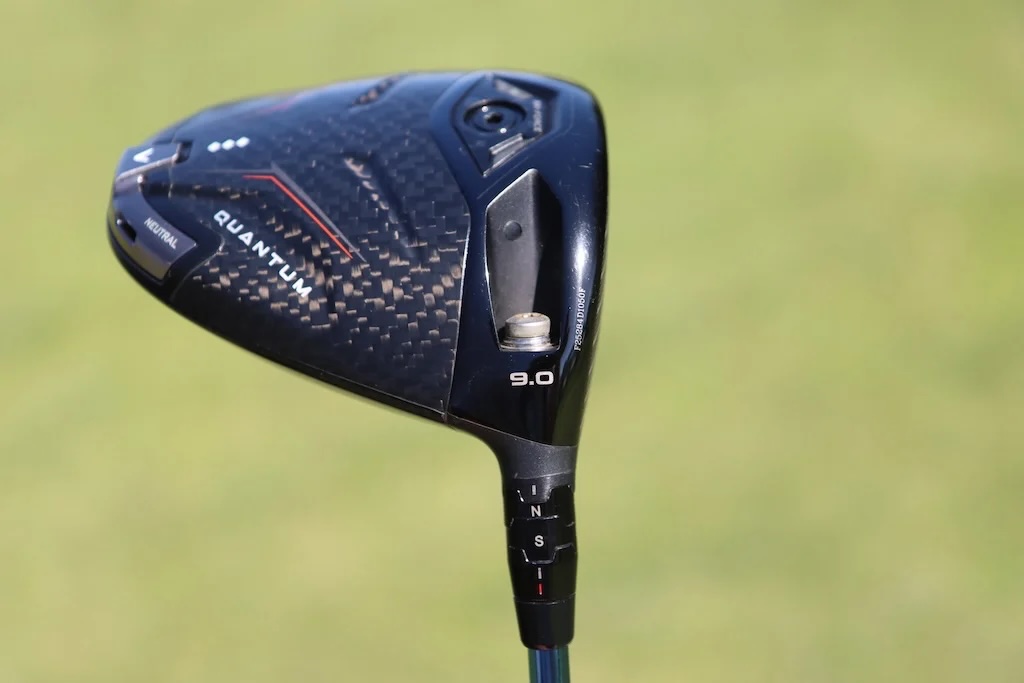
3-wood: TaylorMade Qi10 (15 degrees)
Shaft: Project X HZRDUS T1100 70 6.5
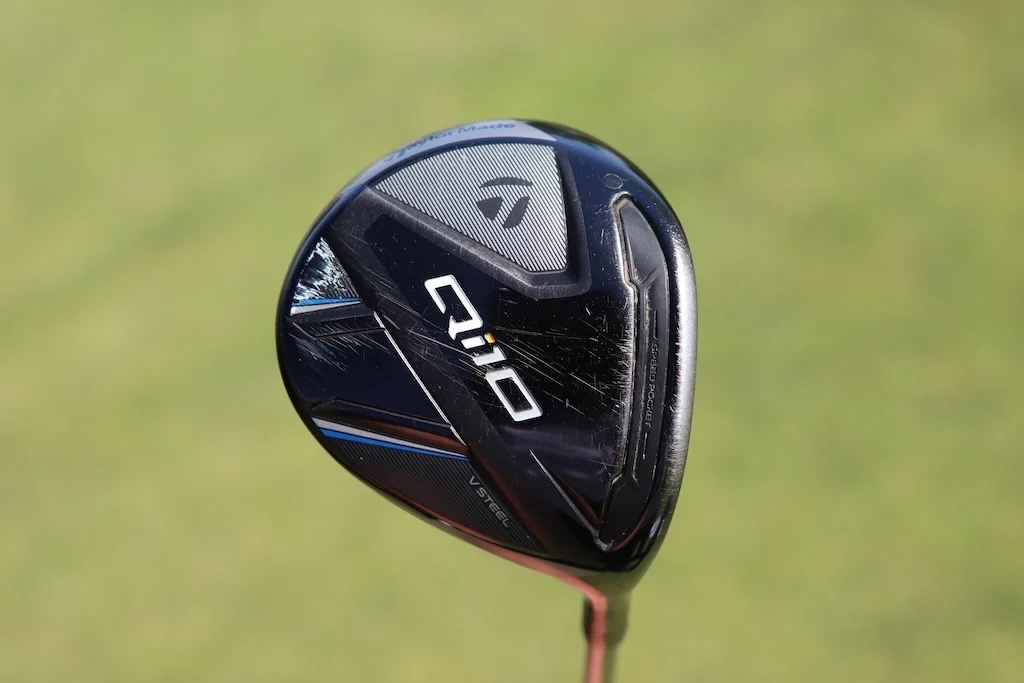
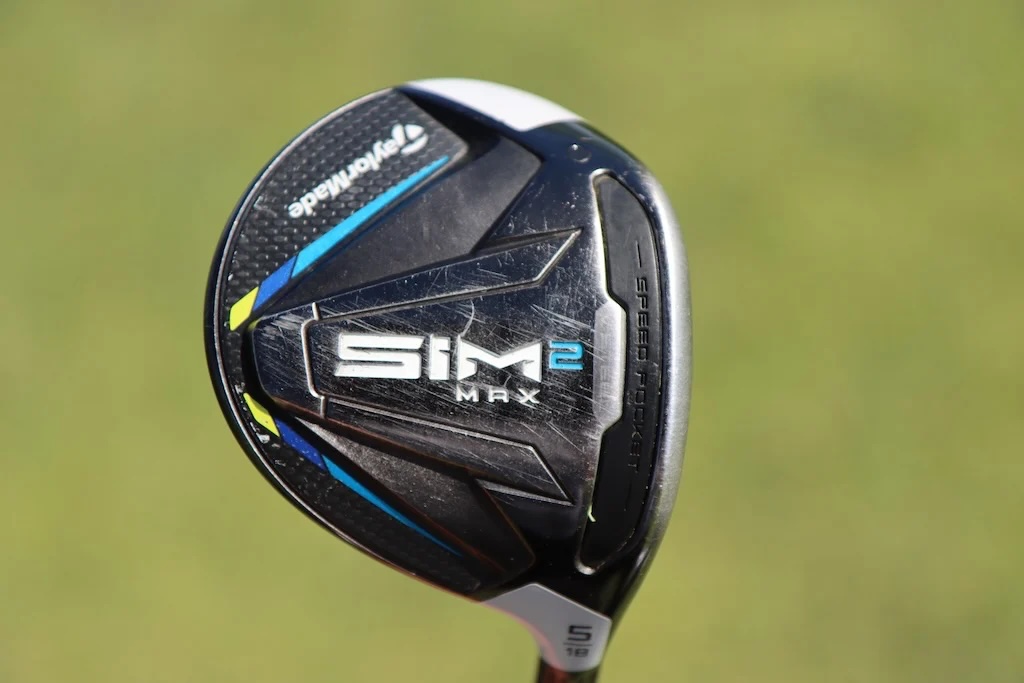
5-wood: TaylorMade SIM2 Max (18 degrees)
Shaft: Project X HZRDUS Smoke Black RDX 80 TX
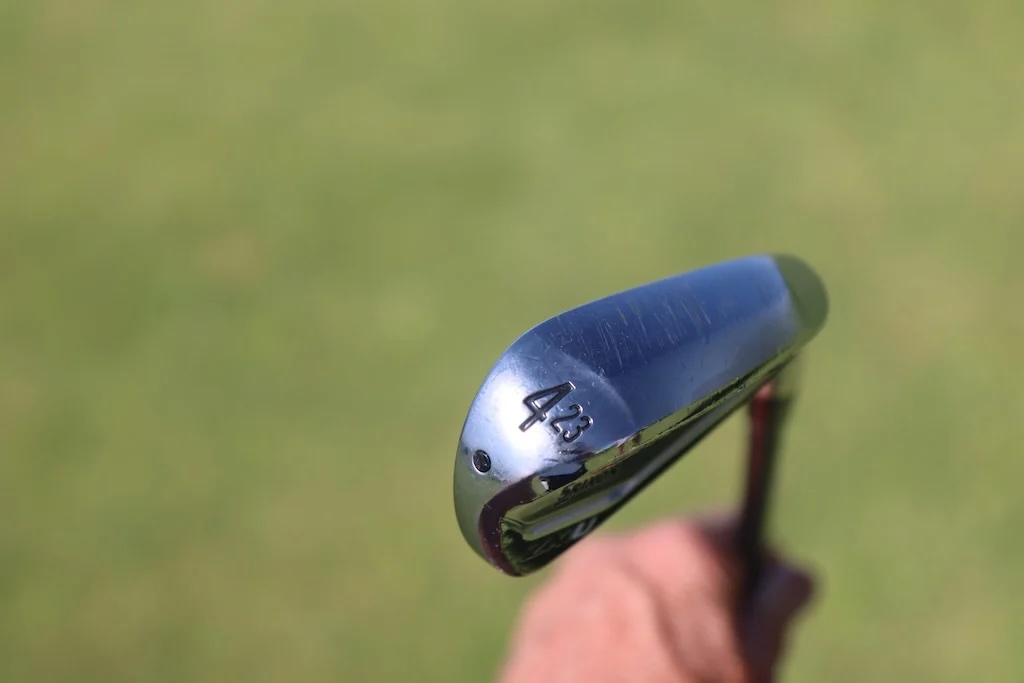
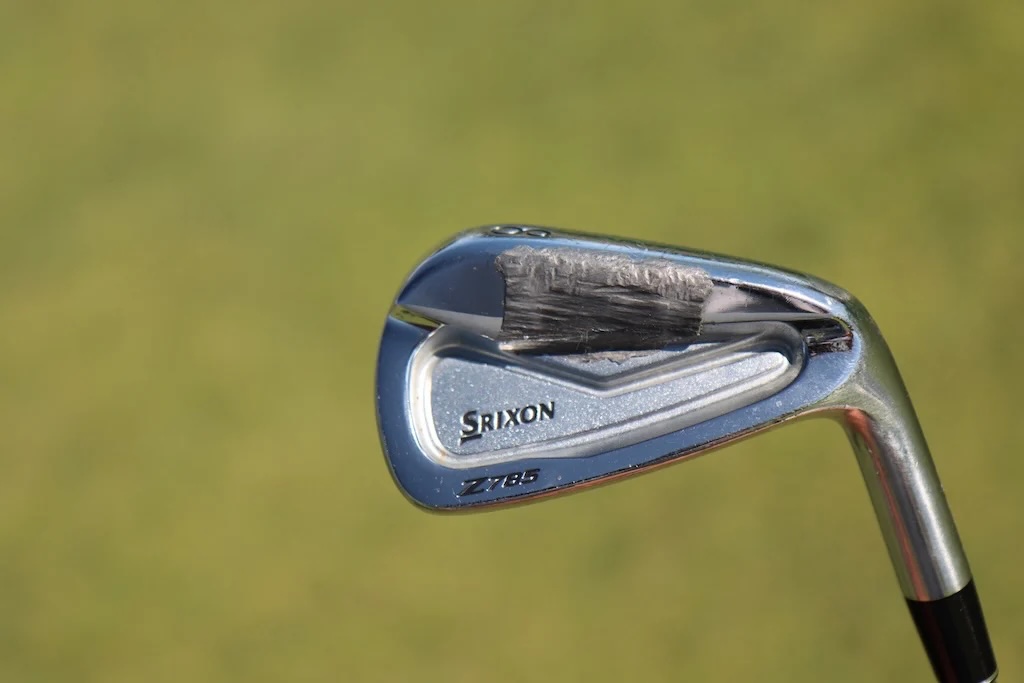
Irons: Srixon ZXiU (23 degrees), Srixon Z785 MB (5-PW)
Shafts: Project X HZRDUS Smoke Black RDX 100 6.5 (4), KBS Tour 130 X
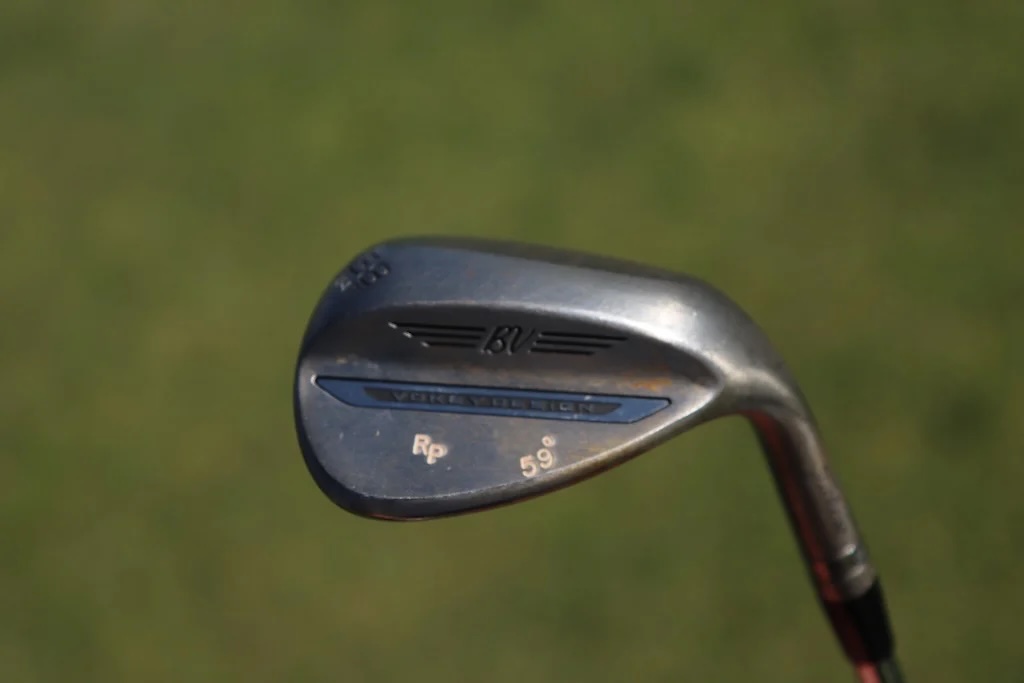
Wedges: Titleist Vokey Design SM11 (50-08F, 54-10S, 58-04T @59)
Shafts: KBS Tour 130 X
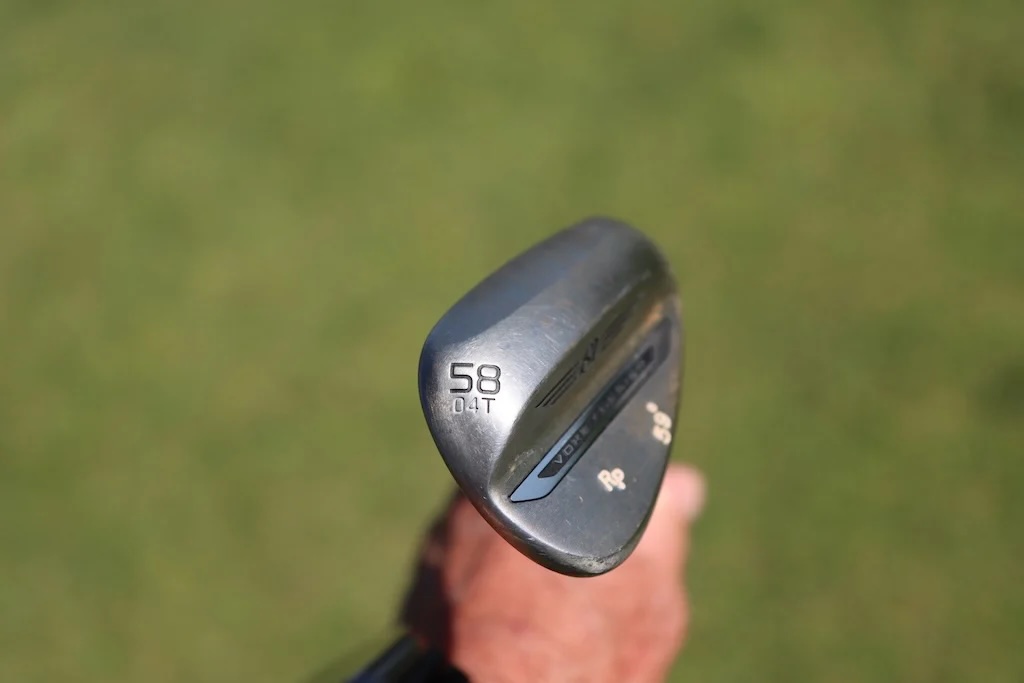
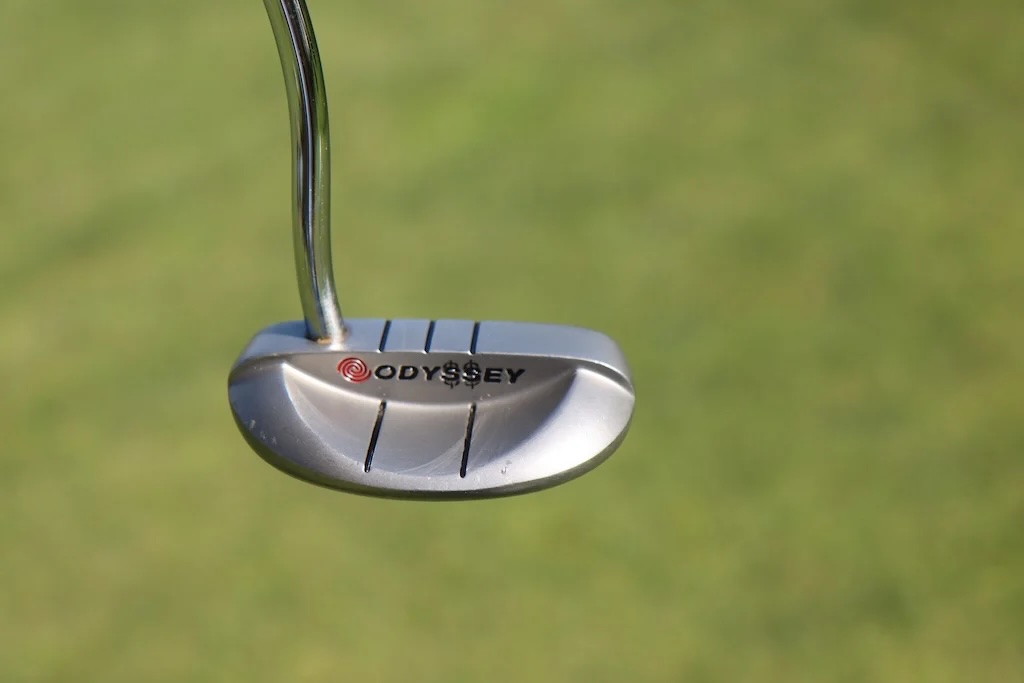
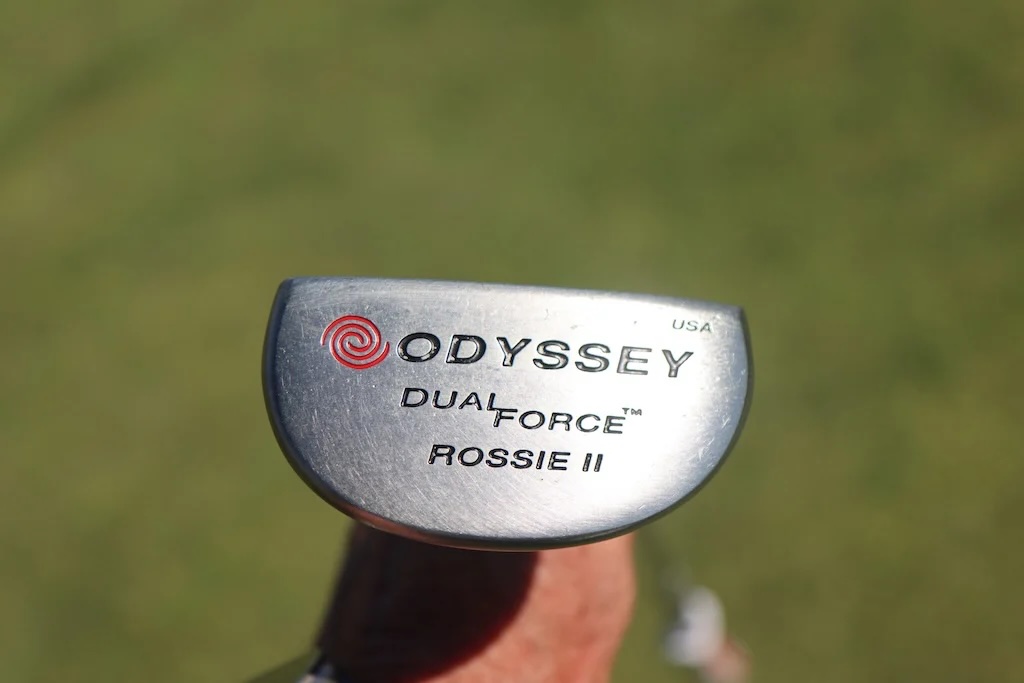
Putter: Odyssey Dual Force Rossie II
Ball: Titleist Pro V1x
Grips: Golf Pride Tour Velvet

What’s the story behind Webb Simpson’s custom-stamped irons?

Memorial Tournament Tour Report: Rory McIlroy, Cameron Young switch up drivers, and more

Cadillac Championship Tour Report: Spieth’s sizable changes, McLaren Golf launches, and more

Russell Henley’s winning WITB: 2026 Charles Schwab Challenge

Kristoffer Reitan’s winning WITB: 2026 Truist Championship

Best irons 2026: Best irons overall, most forgiving irons, and more

J.T. Poston’s winning WITB: 2026 Memorial Tournament

Aaron Rai’s winning WITB: 2026 PGA Championship

Cameron Young’s winning WITB: 2026 Cadillac Championship

Details on Jason Day’s latest prototype Avoda iron setup


Ryan Palmer WITB 2026 (June)
Driver: Callaway Quantum Triple Diamond (9 degrees) Shaft: Project X HZRDUS Smoke Blue RDX 60 TX 3-wood: TaylorMade Qi10 (15 degrees) Shaft:...


Bud Cauley WITB 2026 (June)
Bud Cauley had >14 clubs in his bag when photographed prior to the Memorial Tournament. Driver: Titleist GTS2 (8 degrees) Shaft: Fujikura...


Hannah Green WITB 2026 (June)
Driver: Titleist GTS3 (10 degrees, D4 SureFit setting) Shaft: Mitsubishi Chemical Diamana RB 53 S 3-wood: Titleist GT3 (15 degrees,...


Asterisk Talley WITB 2026 (June)
Driver: TaylorMade Qi4D (9 degrees) Shaft: Fujikura Ventus Blue 6 S 3-wood: TaylorMade Qi4D (16.5 degrees) Shaft: Fujikura Ventus Blue...
-
 Equipment6 days ago
Memorial Tournament Tour Report: Rory McIlroy, Cameron Young switch up drivers, and more
-
 News2 weeks ago
Russell Henley’s winning WITB: 2026 Charles Schwab Challenge
-
 Equipment3 days ago
Best irons 2026: Best irons overall, most forgiving irons, and more
-
 Whats in the Bag4 days ago
J.T. Poston’s winning WITB: 2026 Memorial Tournament
-
 Equipment1 week ago
Details on Jason Day’s latest prototype Avoda iron setup
-
 Equipment3 weeks ago
CJ Cup Byron Nelson Tour Report: Koepka and Kim’s newest putters finally get hot
-

 News2 weeks ago
Charles Schwab Challenge Tour Report: MacIntyre, Åberg and Spaun all switch putters, TaylorMade launches new Spider
-
 Equipment2 weeks ago
Details on J.J. Spaun’s surprise putter switch


Pingback: Bridgestone launches new Augmented Reality web app: Bridgestone Golf Experience – GolfWRX